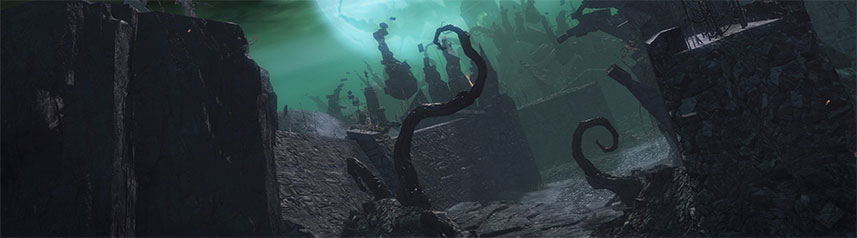
Champions of Regnum
 (No Ratings Yet)
Champions of Regnum is built around one central idea, a three-faction war that never really stops. Instead of funneling everyone into instanced battlegrounds, it pushes players into a shared conflict over forts, castle invasions, and realm pride, complete with NPC guards and even dragons joining the chaos. The long-term objective is to secure all six gems for your realm, earning an audience with the golden dragon and a realm-wide “wish” that can shift the balance of power.
 | Publisher: NGD Studios Playerbase: Low Type: RvR MMORPG Release Date: May 24, 2007 Pros: +Multiple ways to PvP, from open warzone fights to structured arenas. +Victory tends to hinge on coordination and execution more than raw headcount. +Flexible skill trees encourage experimenting with different builds. Cons: -Outdated, awkward interface. -A permanent mount effectively requires spending money. -PvE content feels secondary. -Very long loading/download times if the experimental client option is enabled. |

Champions of Regnum Overview
Champions of Regnum is a free-to-play fantasy RvR MMORPG from Argentinian studio NGD Studios. Its defining feature is constant three-realm conflict, with players contesting a central warzone, capturing forts, and eventually pushing invasions into enemy territory for bigger rewards. Character progression is class-based, you start with one of three archetypes, then pick between two disciplines at level 10, and refine your role further through skill trees that support multiple playstyles. Because the world is compact, PvP pressure stays high, and opposing players can break into your realm’s lands, which keeps even routine travel and leveling a little tense.
Champions of Regnum Key Features:
- Varied PvP options – fight in the persistent warzone, clash in open-world skirmishes, or queue for arena-style battles.
- Directly affect other realms – gather every gem for your faction and earn a wish that can provide realm-wide benefits while hindering rivals.
- Diverse class builds with multiple skill trees – select a discipline, then shape it into distinct builds through branching skills.
- Level the way you want – progress through quests, monster grinding, territorial captures, or realm errands like letter delivery.
- Light On System Resources – runs well on modest hardware and also supports Linux users.
Champions of Regnum Screenshots
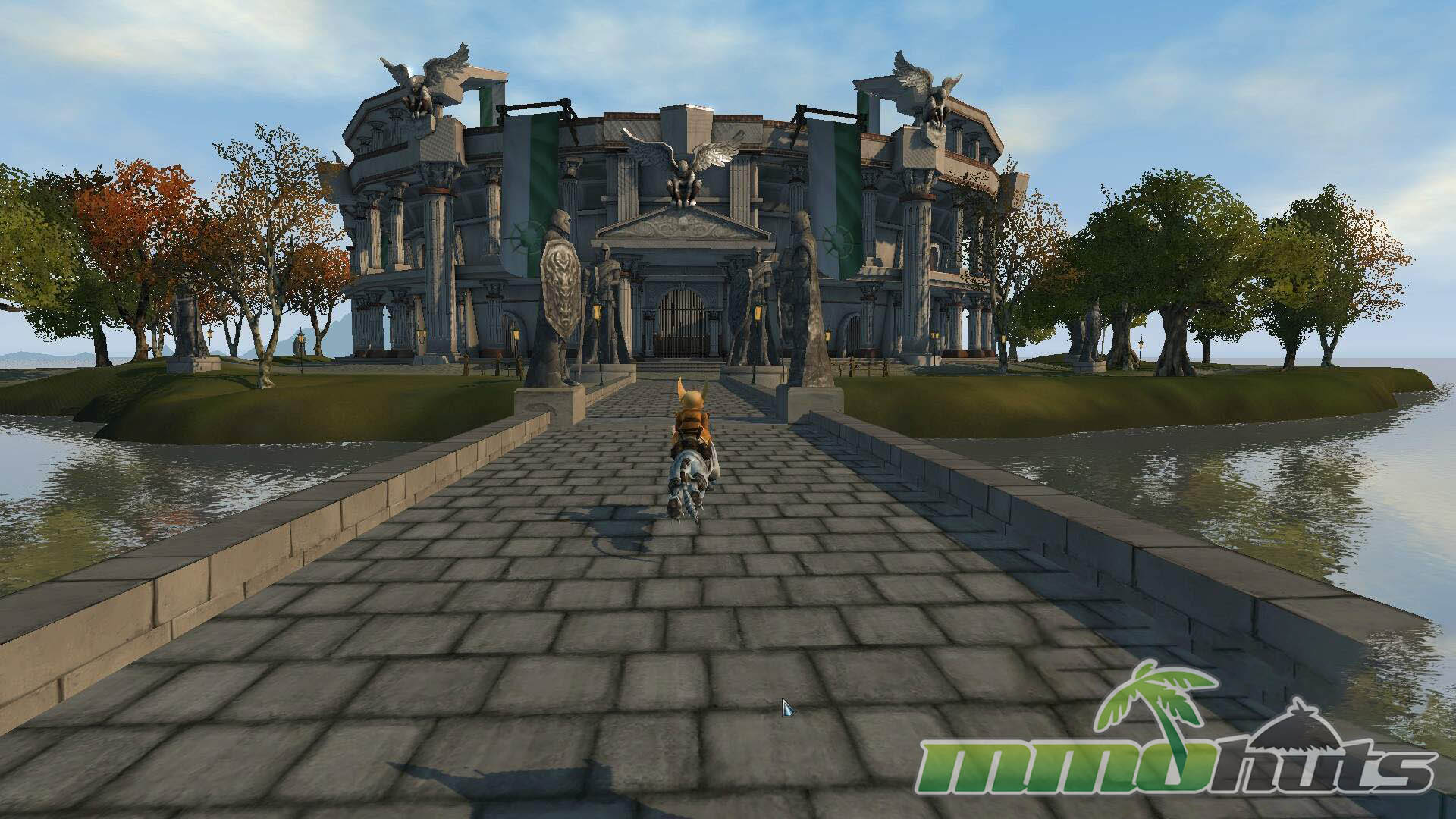
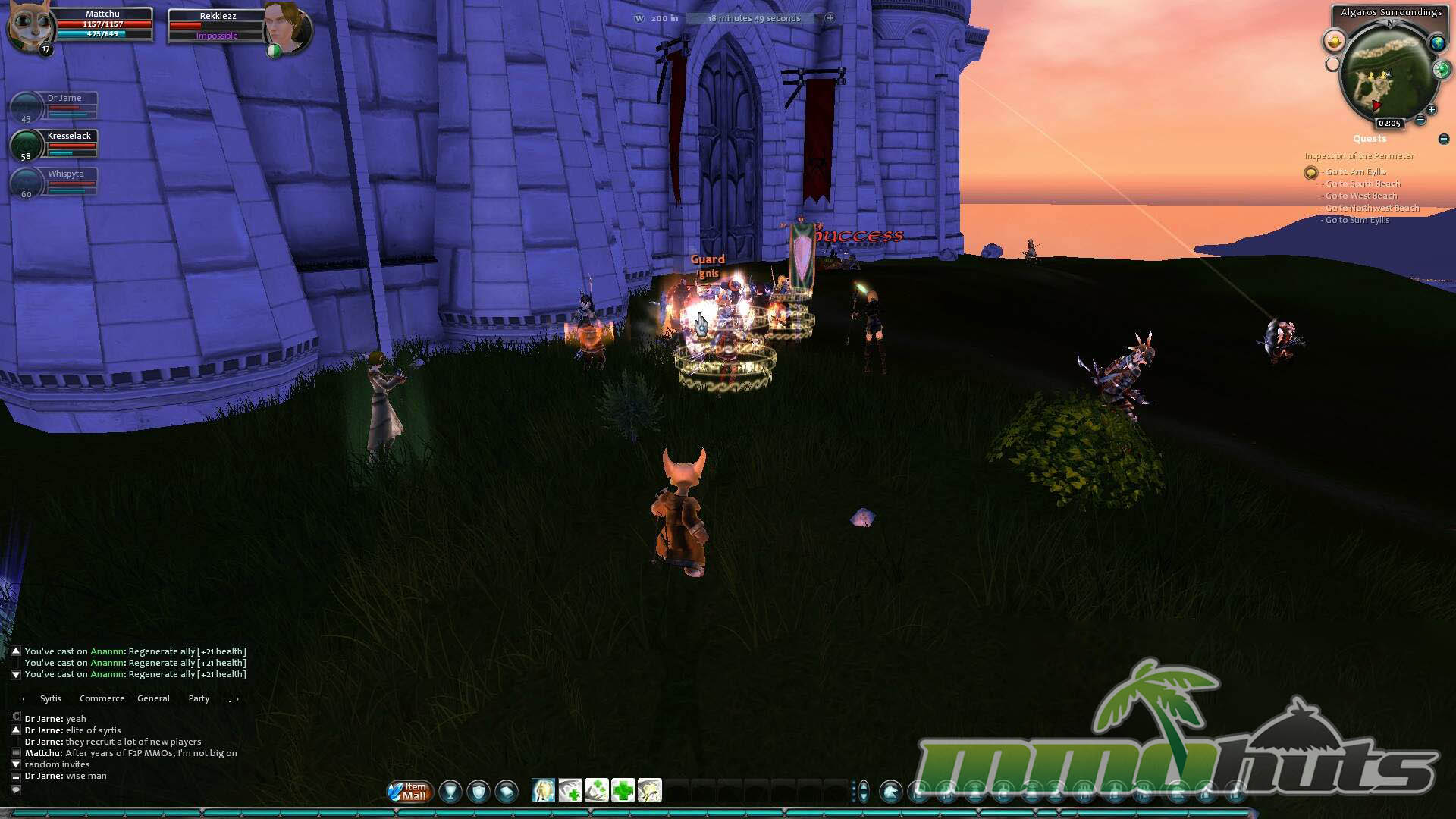
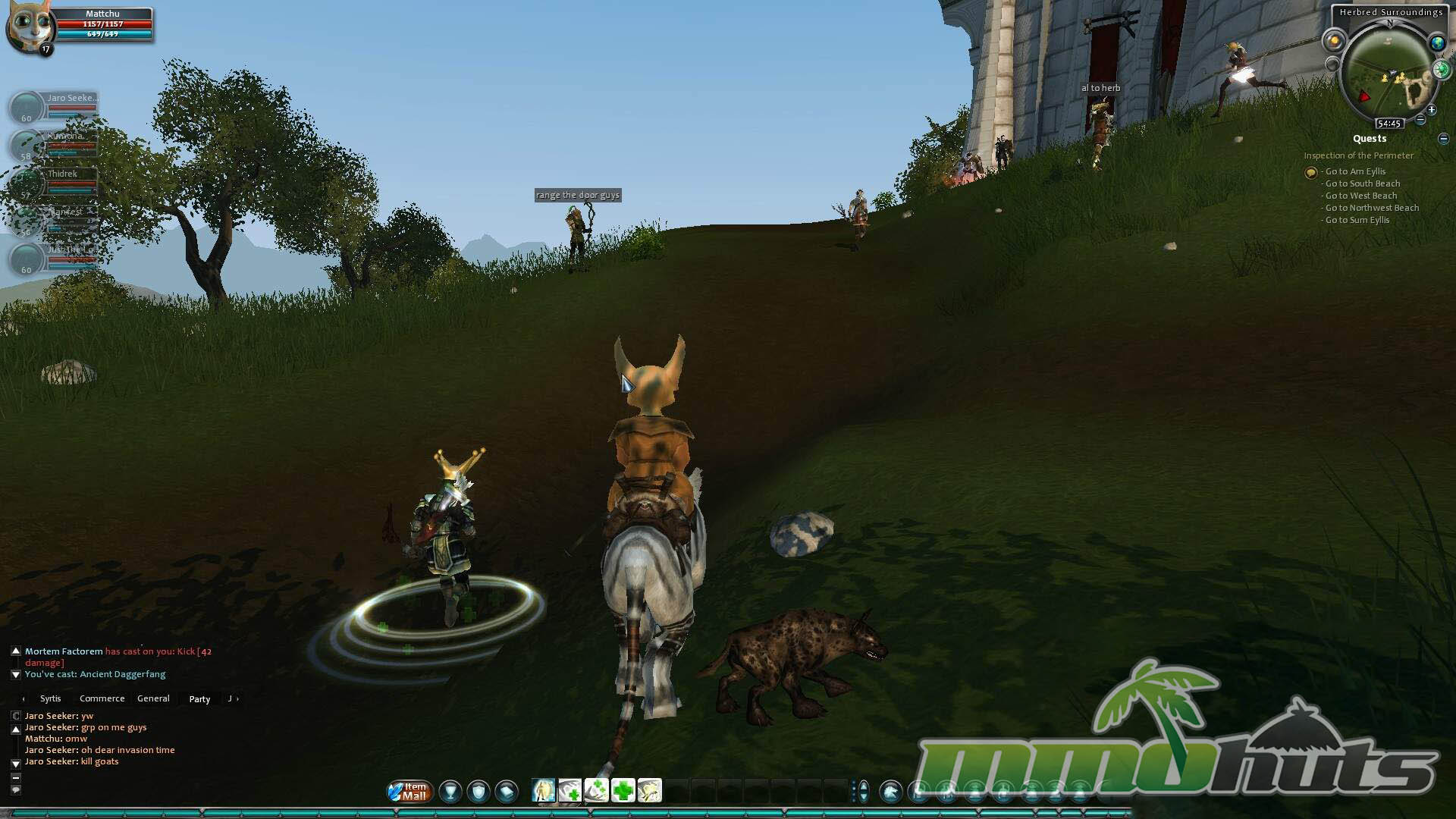
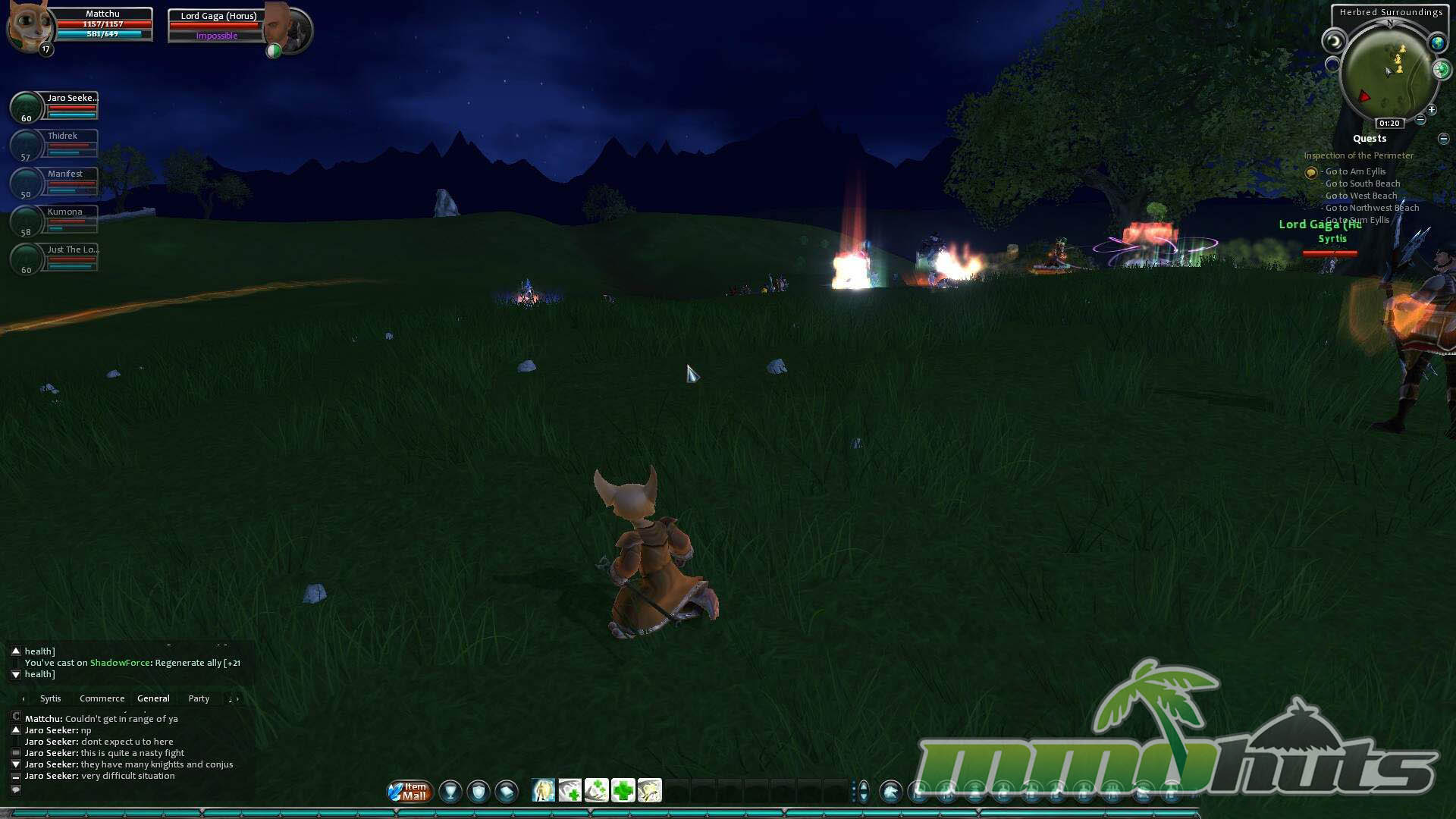
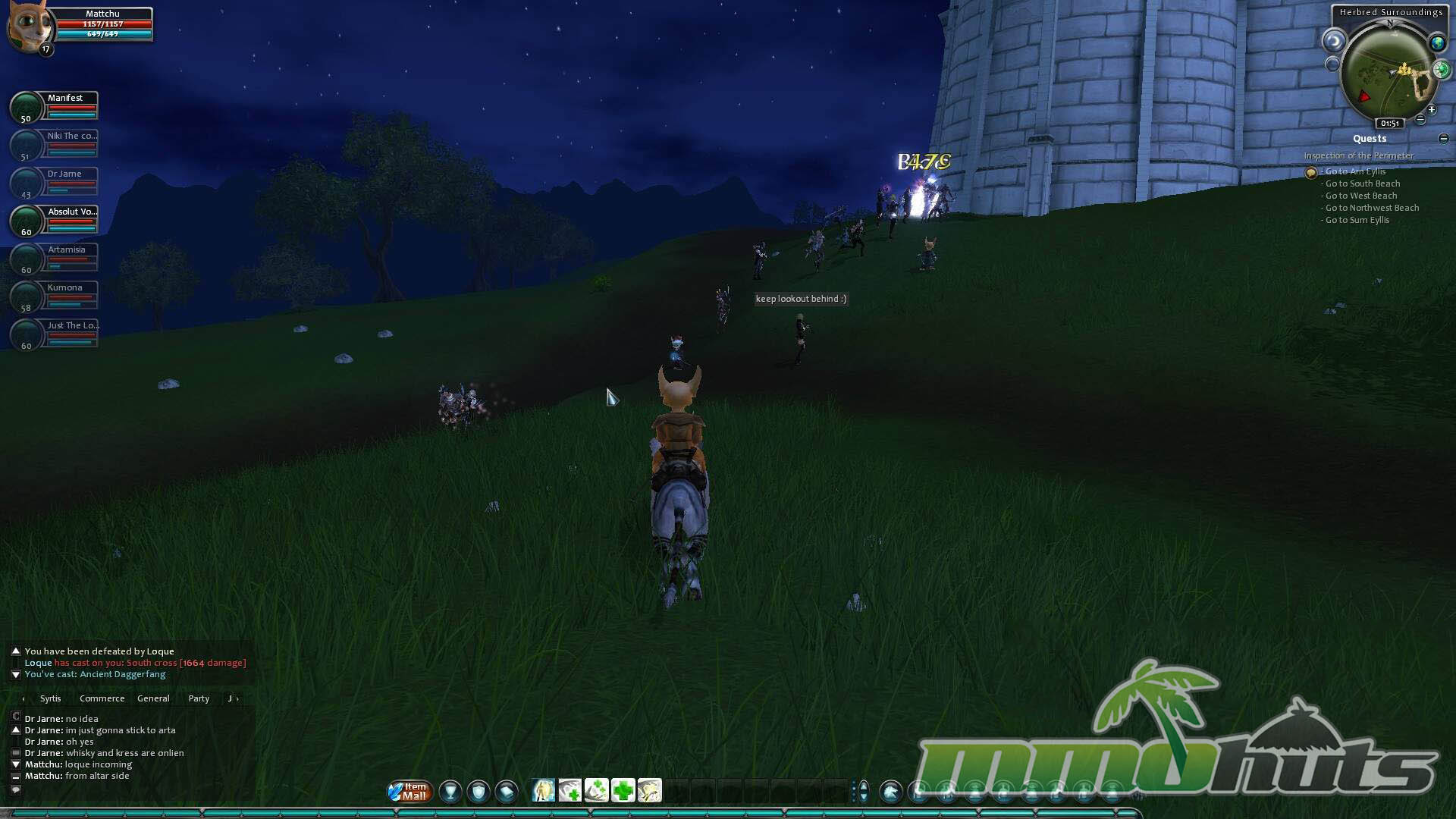
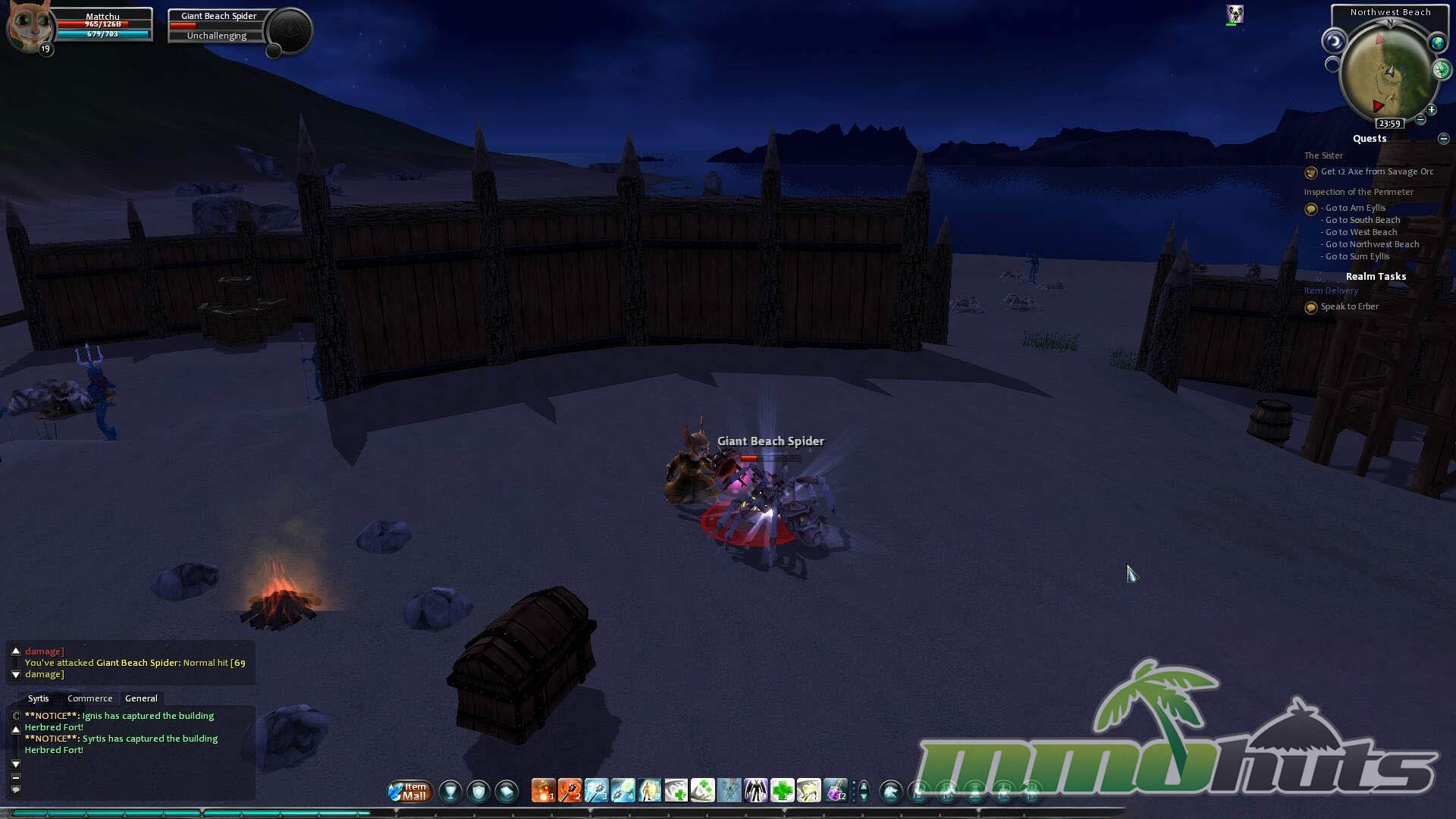

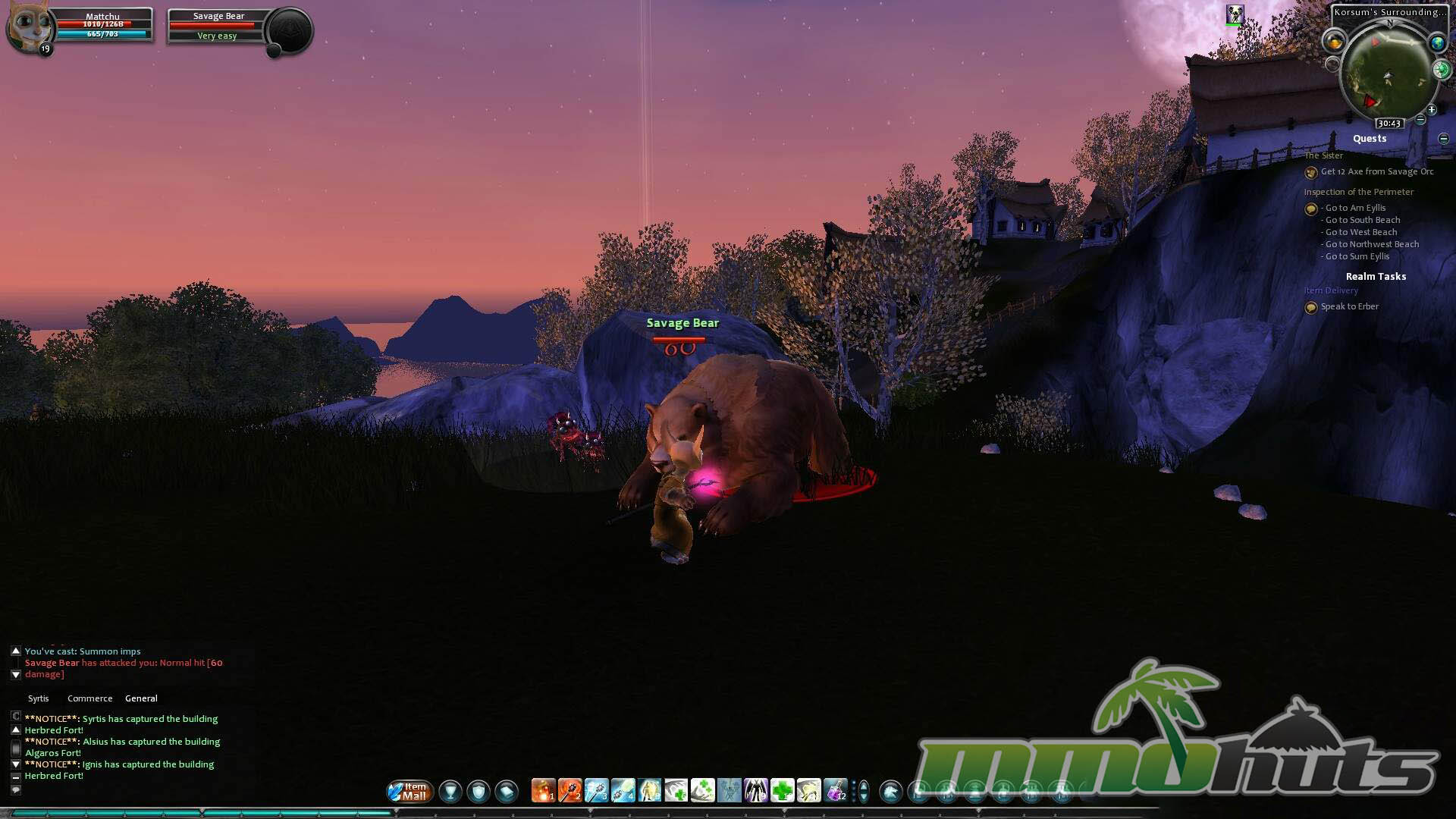
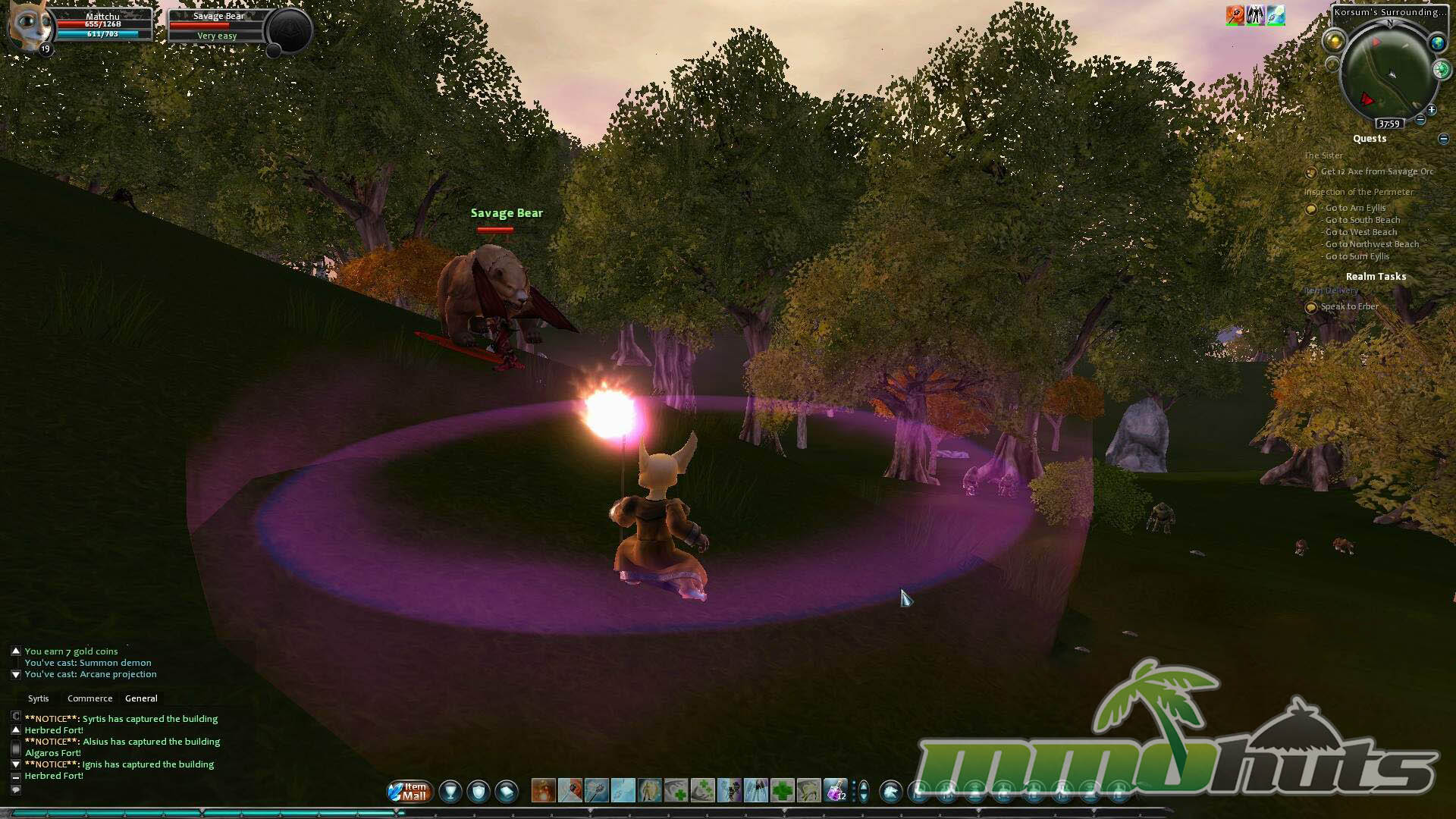

Champions of Regnum Featured Video

Champions of Regnum Review
Champions of Regnum is frequently mentioned in the same breath as Dark Age of Camelot because it focuses so heavily on three-way realm warfare. The game originally launched as Regnum Online, then reintroduced itself as Champions of Regnum in November, 2012 alongside a “2.0” era that brought a new engine, sharper visuals, a revamped GUI, instanced PvP, and invasion features. Even with those changes, the overall presentation still feels old-school, with a modest, budget MMO look and some rough edges that are hard to ignore.
Early Hours
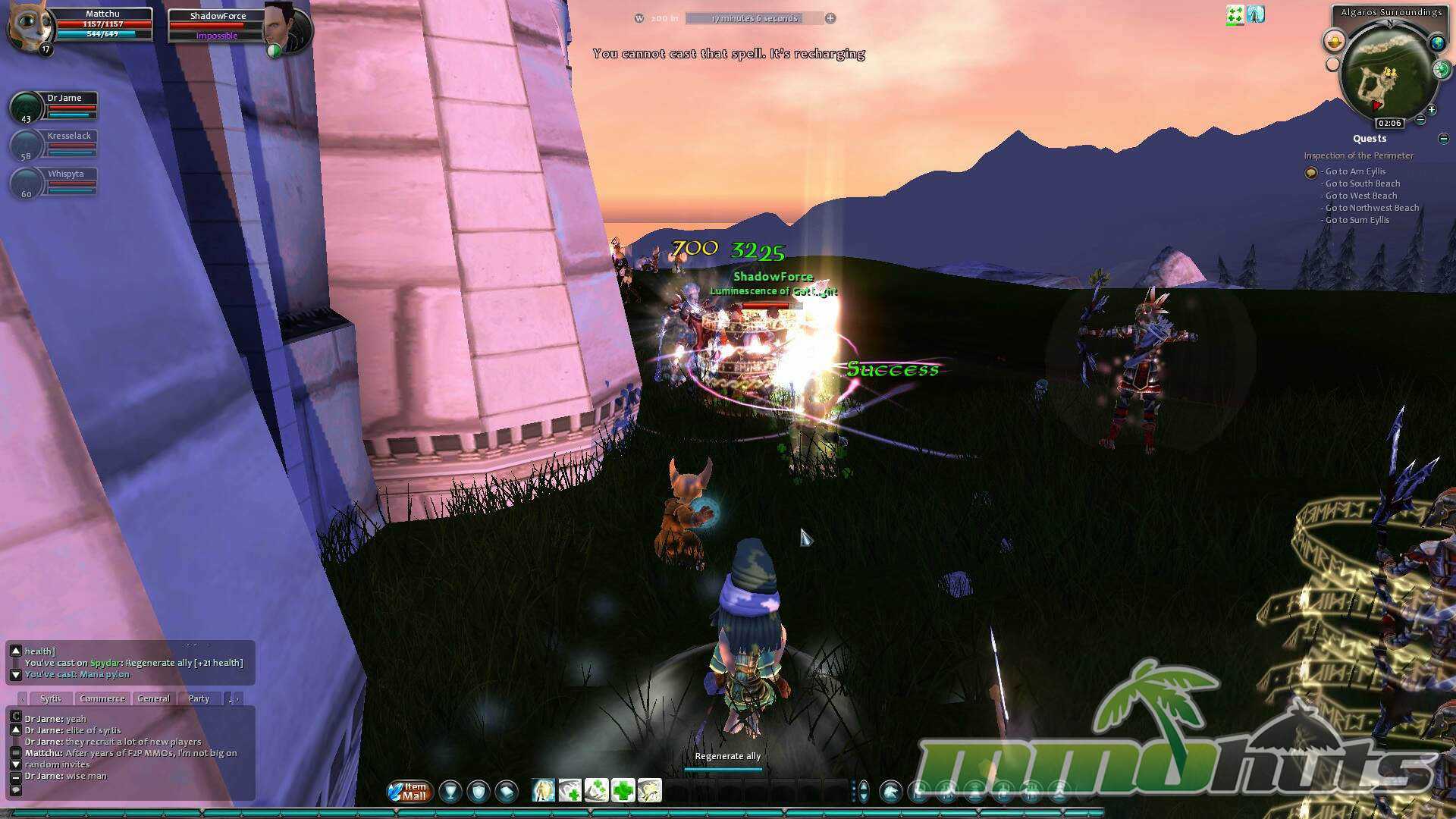
The onboarding is one of the game’s weakest points. An experimental client option is enabled by default, and it can lead to extremely long waits as additional data downloads during loading screens, sometimes even before you have properly started playing. It also tends to keep pulling small downloads while you are already in the world, including in places you have visited before, which makes the first session feel more like troubleshooting than adventuring.
Once you are finally in, character creation is functional but limited. Each realm offers its own set of races, some more fantastical than the usual humans and elves, yet the customization itself is sparse, with only a handful of options for face, hair, and skin tones. It gets the job done, but it does not do much to sell the fantasy of making a unique hero.
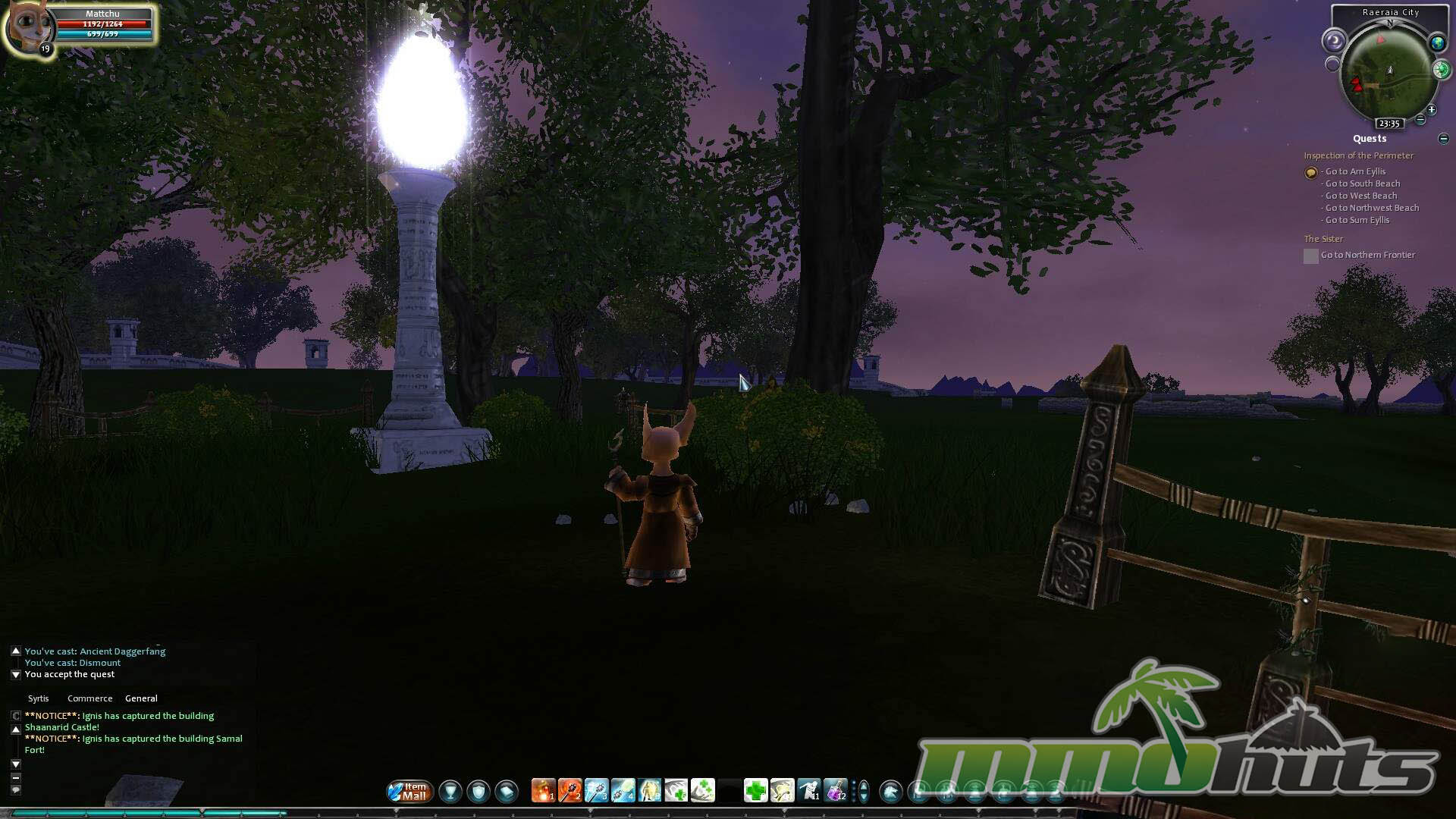
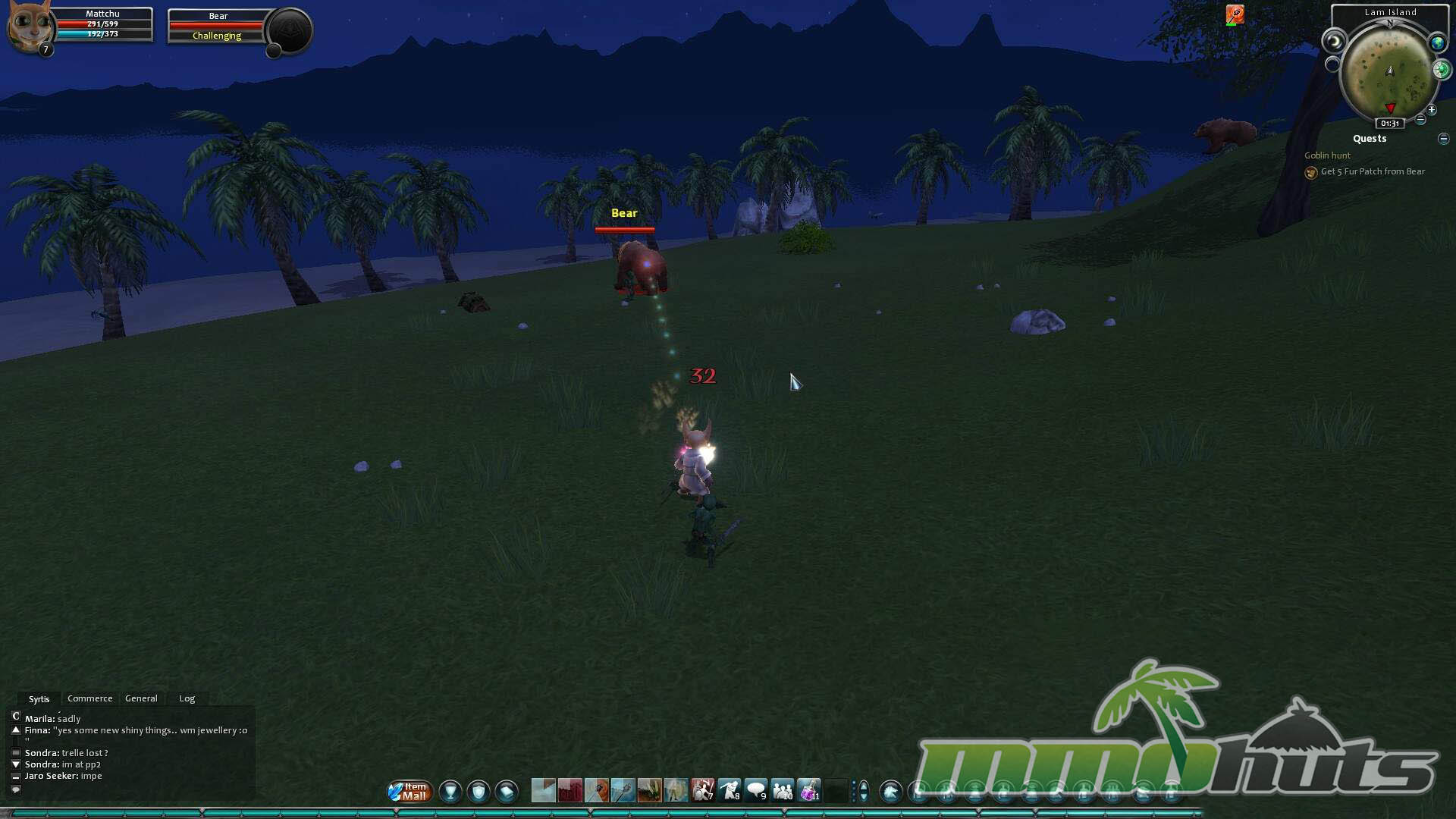
The starting areas also do not immediately impress. The world is small and readable, which helps with getting to the war quickly, but the environments are often plain, with simple structures and muted palettes that can make zones blur together. There are occasional scenic moments, but they are not frequent enough to carry the early leveling experience on their own.
Population is another practical reality. The playerbase is labeled low, and in practice that means you may log in and find only a modest number of people active in your realm at a given time. The upside is that the community that remains tends to be committed and organized, with players paying attention to realm activity patterns and timing pushes and invasions around when the opposition is thin.
Classes and Builds
Regnum uses a familiar MMO framework while still offering meaningful build control. You begin by picking one of three core classes, then at level 10 you choose a discipline that effectively defines your role. The mage path is a good example, you can become a warlock focused on heavy damage, or a conjurer that can lean into healing and support, with summoning elements depending on how you spend points.
The skill system encourages, and almost demands, experimentation. Moving into a discipline expands the number of skill branches, and many experienced players recommend reworking your build at that milestone to match your new toolkit. Respecializing is intentionally inexpensive, priced at 10 times your level in gold, and by the time you reach level 10 you typically have enough currency from normal play to do it comfortably. That low penalty makes it easier to adapt builds for solo leveling, group play, or the realities of warzone combat.
Player Versus Environment
Even though the game’s identity is PvP, you still have to climb the level ladder before most characters feel effective in the warzone. The PvE side exists primarily to feed that progression, and it shows. Leveling can feel like endurance rather than discovery, and the game does not do much to dress up the routine.
Questing, in particular, is slowed down by the interface. Menus and windows are basic and visually disconnected from the game’s theme, and simple conveniences are missing. Picking up quests can require repetitive dialog interactions, especially when an NPC has multiple quests. Turning in a quest and immediately taking the next one often means backing out and reopening conversations instead of moving through a smooth chain. On top of that, the game sometimes leaves you with little direction about what to do next, which can push you into grinding to bridge levels.
Many early quests are also travel-heavy. It is common to run long distances to complete a small objective, then return the same way to report back. Map markers do not always feel precise, so you can end up searching around the general area of an objective more than you should.
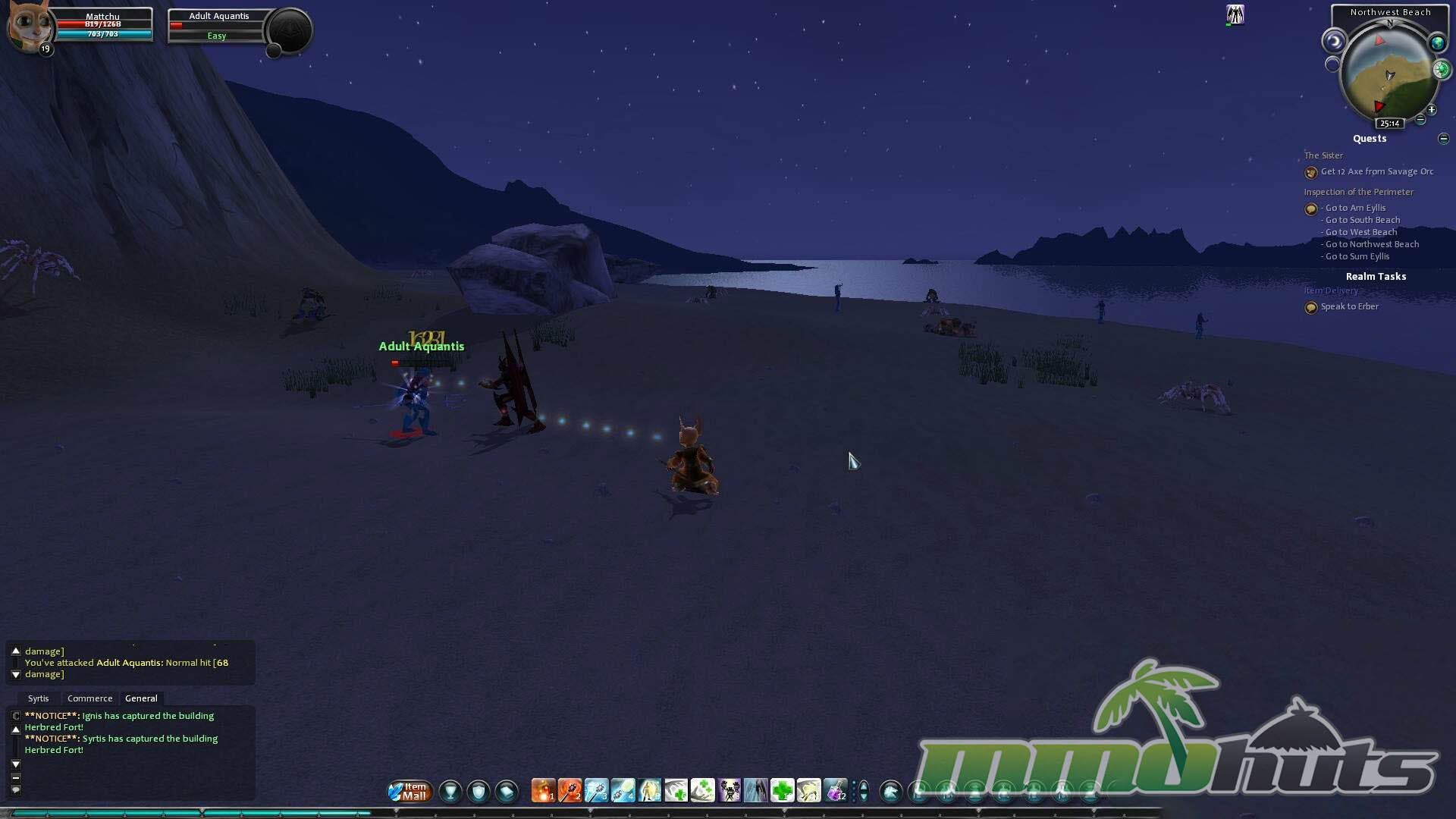
Grinding monsters can be faster than questing at low levels, but it has its own issues. Enemies are described by difficulty labels rather than explicit levels, and the best experience generally comes from higher-difficulty targets (often shown with red names). In practice, good targets can be scattered, which leads to a loop of bouncing between a few optimal spawns while waiting on respawns. The upside is that most mobs are not aggressively hostile, so you can choose fights without constantly being swarmed.
A third leveling route is realm tasks, commonly referred to as “lettering.” Some realm assignments involve large kill or collection counts, but the delivery runs are popular because they offer solid experience for straightforward travel. At mid-teens levels, only a few deliveries can push you to the next level. It is not exciting gameplay, but it is often the least frustrating option available.
Inventory management is another friction point. Because the game does not clearly separate quest items from ordinary loot (partly due to the realm task design), you may want to sell drops regularly, yet selling is unusually slow. You must enter the merchant store, swap to the sell tab, and drag items over one stack at a time, confirming each sale individually. For stacks, the quantity prompt defaults to zero, which adds another layer of needless clicking.
Player Versus Player
Regnum’s reputation largely comes from how its PvP plays out. You will hear a lot of community talk about skill rotations, smart chaining of abilities, and smaller coordinated groups outperforming larger crowds. I cannot fully validate every claim from firsthand dueling, especially since I spent much of my time playing support, but the overall structure of combat does reward timing, positioning, and coordinated focus.
The primary PvP experience is the three-realm warzone at the center of the map. This is where open fighting happens and where forts become the focal points of pushes and counter-pushes. Control of these locations matters not only for immediate advantage, but also as staging for deeper invasions.
Invasions raise the stakes. Realms can break through enemy defenses and fight into opposing territory, pulling in additional help such as dragons for stronger rewards. The gem system adds a longer-term objective, capturing all six gems allows a realm to visit the golden dragon and request a wish. The wish is chosen by realm vote and generally translates into realm-wide benefits such as experience or gold boosts, often paired with penalties for the other realms or a bonus item for the winning faction.
Because this conflict runs continuously, there is a sense of an ongoing campaign rather than isolated matches. The low population can mean fights are not as massive as the largest modern war games, and deaths can cost time since you often have to run back from an altar you have bound to. Still, when battles do happen, they can swing quickly and feel meaningful.
Three Factions Change Everything
A major difference in Regnum’s warfare is the constant third-party factor. Fort assaults are not just player versus player, they are also player versus NPC defenses. Taking a well-defended fort requires clearing guards, dealing with the gate, and breaking through to the capture flag. While one realm attacks and another digs in, the third realm can arrive at any time to punish the attackers’ backline, pick off healers, or flip the outcome with a surprise push. Even in small skirmishes, that third-faction pressure creates sudden reversals that keep the warzone from becoming predictable.
Class balance within a realm matters as well. If a faction leans too heavily toward one role, the weaknesses show during organized fights. An archer-heavy force, for instance, can struggle to hold ground if it lacks enough frontline bodies, and scattered decision-making becomes more costly when reinforcements arrive. The game’s trinity-like roles exist, but the way damage and survivability work tends to push teams toward multiple tanks and coordinated support rather than relying on one healer to stabilize everything.
This also affects when different classes become useful in PvP. Support characters, especially healers, can contribute earlier than many damage dealers because even basic healing and utility can matter in group fights. That said, early warzone participation does not remove the need to level, and experience gains from PvP are not particularly generous. Capturing forts can award experience if you meet timing requirements, but the payout is often lower than what you can earn through efficient realm tasks, even though the fights take longer.
Cash Shop Concerns
Given the genre and the PvP focus, it is reasonable to question whether spending money translates into combat dominance. Based on what is commonly reported by the community and what you can observe in-game, the shop leans more toward convenience and trade-off items rather than outright power. Several mounts and cosmetics adjust stats in ways that appear intended to be balanced, shifting one attribute up while pulling another down.
High-end gear progression still seems tied to long-term grinding rather than direct purchases. For example, endgame pursuits like maganite weapons involve extensive material collection, significant gold costs, and quest completion. Maganite is rare and typically traded at high prices, which reinforces that this is a time-and-economy grind rather than something you can simply bypass with cash.
There is ongoing debate around lucky boxes because they can award high-level jewelry with notable stat effects. The more convincing arguments point to availability without paying, but at a much slower pace. That puts them closer to a “pay to accelerate” model than a strict paywall, although perceptions will vary depending on how competitive you are.
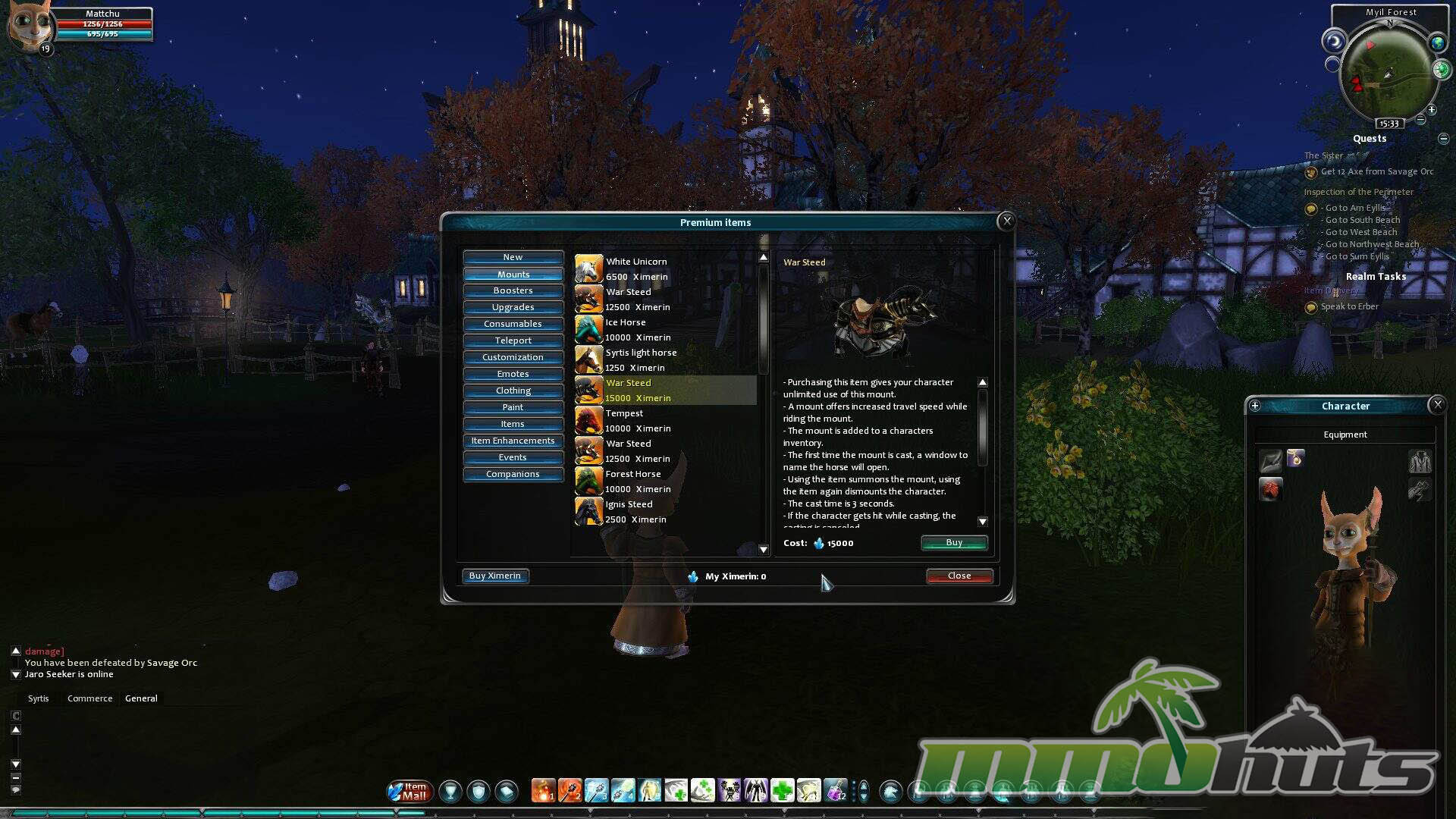
The one major practical catch is travel. The starter mount only lasts a week, and because movement speed is slow, playing without a mount quickly becomes a chore, especially if you are leveling through deliveries. A permanent mount can be earned through a very demanding grind, but for many players the realistic solution is spending money. It is not a direct combat advantage, but it does meaningfully reduce friction, which is still a drawback worth noting.
Final Verdict – Fair
Champions of Regnum is at its best when you treat it as a dedicated realm-war game with MMO progression attached. The RvR layer, forts, invasions, and the ever-present third-faction interference can create genuinely engaging fights, and the build system gives enough flexibility to support different roles and strategies. The downside is that much of what surrounds that PvP core feels dated and laborious. The interface is awkward, leveling methods are repetitive, and the PvE side rarely rises above functional grinding. Visuals and effects also show their age, and the experimental streaming-style client behavior can be frustrating if left enabled.
If your priority is persistent faction warfare and you can tolerate old-school MMO friction, Regnum still offers a distinctive, always-on conflict. For players seeking a polished PvE journey or modern quality-of-life features, it is a tougher recommendation.
Champions of Regnum Links
Champions of Regnum Official Site
Champions of Regnum Steam Store
Champions of Regnum Developer’s Website
Champions of Regnum Wikipedia
Champions of Regnum Wikia [Database/Guides]
Champions of Regnum System Requirements
Minimum Requirements:
Operating System: Windows XP, Windows Vista, or Windows 7
CPU: Pentium 4 1.8GHz or Athlon XP 1700
Video Card: Shader Model 2.0 and 256 MB RAM: nVidia GeForce 6600 or ATI 2600
RAM: 1 GB
Hard Disk Space: 4 GB
Recommended Requirements:
Operating System: Windows XP, Windows Vista, or Windows 7
CPU: Core 2 Duo E4400 2.0GHz or Athlon X2 Dual Core 4200
Video Card: Shader Model 4 and 1024 MB RAM: Nvidia GeForce GT 240 or ATI Radeon HD5700
RAM: 4 GB
Hard Disk Space: 4 GB
Champions of Regnum is Mac OS X and Linux compatible.
Champions of Regnum Music & Soundtrack
Champions of Regnum Additional Information
Developer(s): NGD Studios
Publisher(s): NGD Studios, Gamigo, GameSamba (until 2013)
Engine: NG3D
Worldwide Release Date (Regnum Online): May 24, 2007
North America Open beta (Realms Online): May 3, 2011
Worldwide Release Date (Champions of Regnum): November, 2012
Steam Release Date: February 27, 2013
Development History / Background:
Champions of Regnum began at NGD Studios in Argentina with a clear inspiration, the three-realm warfare popularized by Dark Age of Camelot. The game first launched for Spanish-speaking audiences on May 24, 2007 under the name Regnum Online. In 2011 it expanded through licensing deals, including a North American release published as Realms Online by GameSamba and a German release handled by Gamigo. In November, 2012, Regnum Online and Realms Online were unified and relaunched as Champions of Regnum, introducing a new engine, improved visuals, a redesigned GUI, instanced PvP, and invasion systems. The following year, in 2013, the international and US servers were merged, and GameSamba’s involvement with the title concluded afterward.