Card Hunter mixes the feel of a classic tabletop dungeon crawl with the deckbuilding decisions of a trading card game. You build a three-hero party, step onto a grid-based “board,” and let an overly enthusiastic dungeon master walk you through battles where every swing, spell, and sidestep is dictated by the cards you draw.
 | Publisher: Blue Manchu Playerbase: Medium Type: TCG Release Date: July 13, 2015 PvP: Duels Pros: +Strong solo campaign with lots of missions. +Co-op option for tackling PvE together. +Enormous card and item pool to experiment with. Cons: -The paper-mini look will not work for everyone. -Occasional stability issues. -Luck can swing outcomes due to RNG. |

Card Hunter Overview
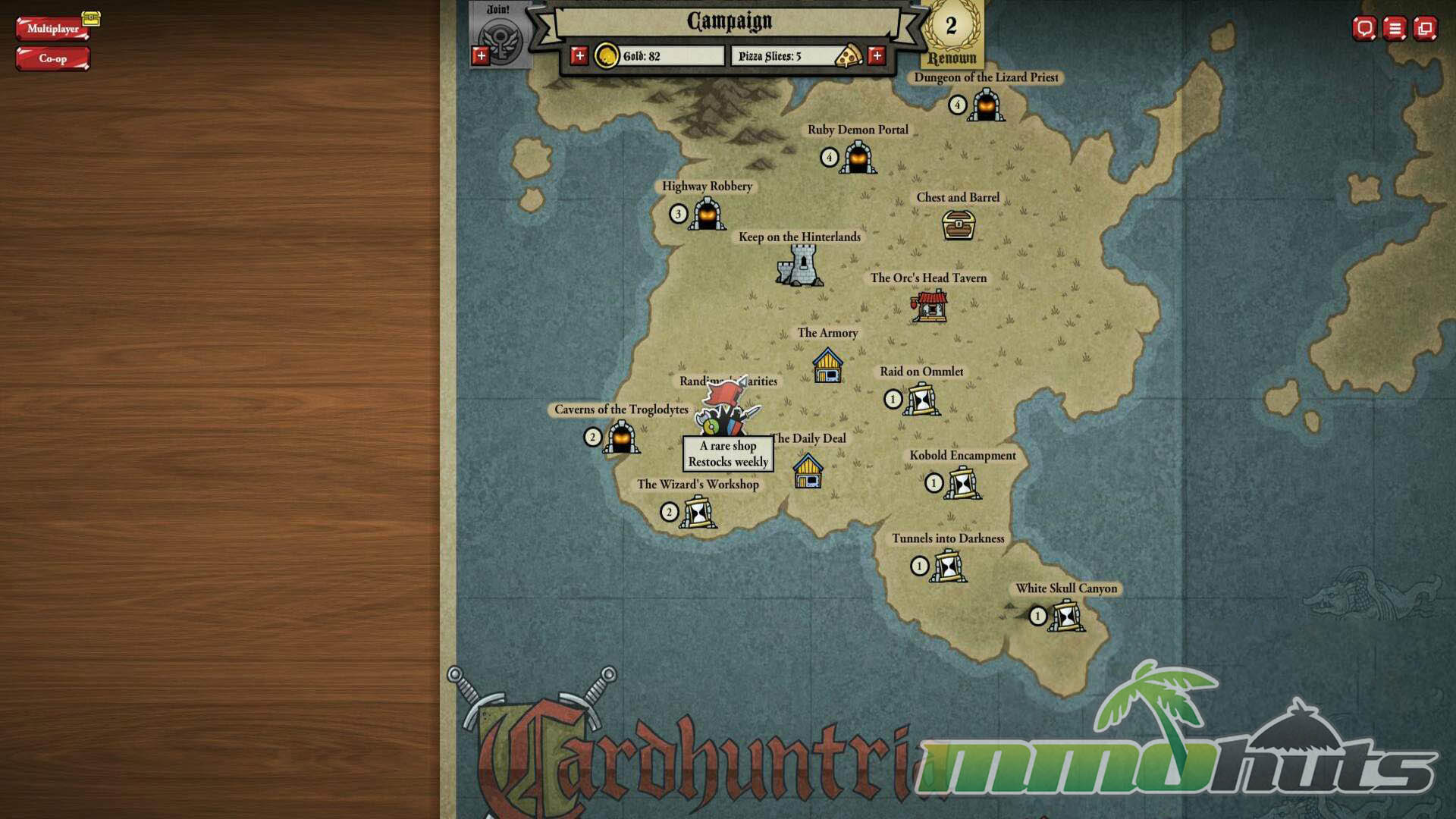
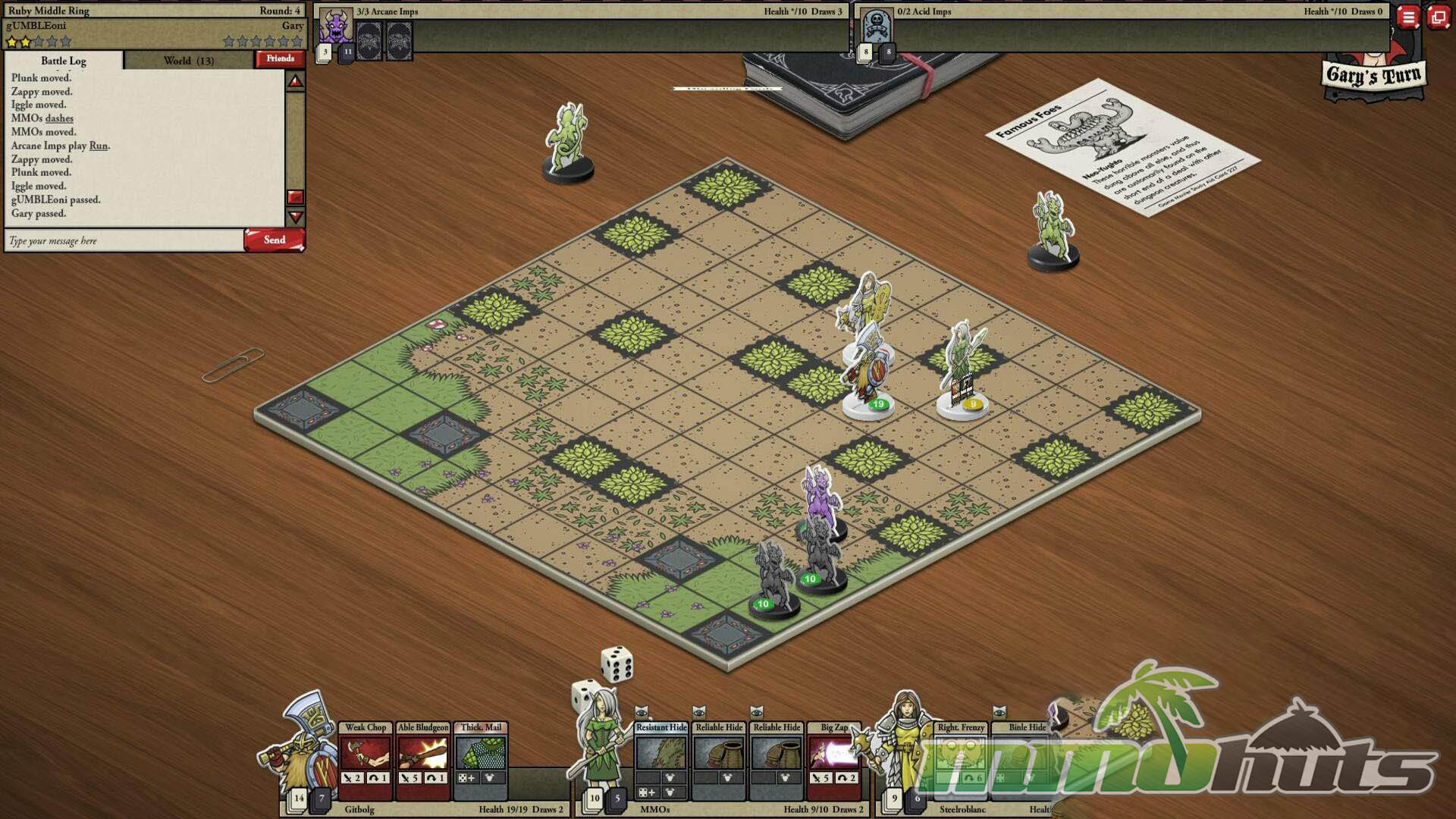
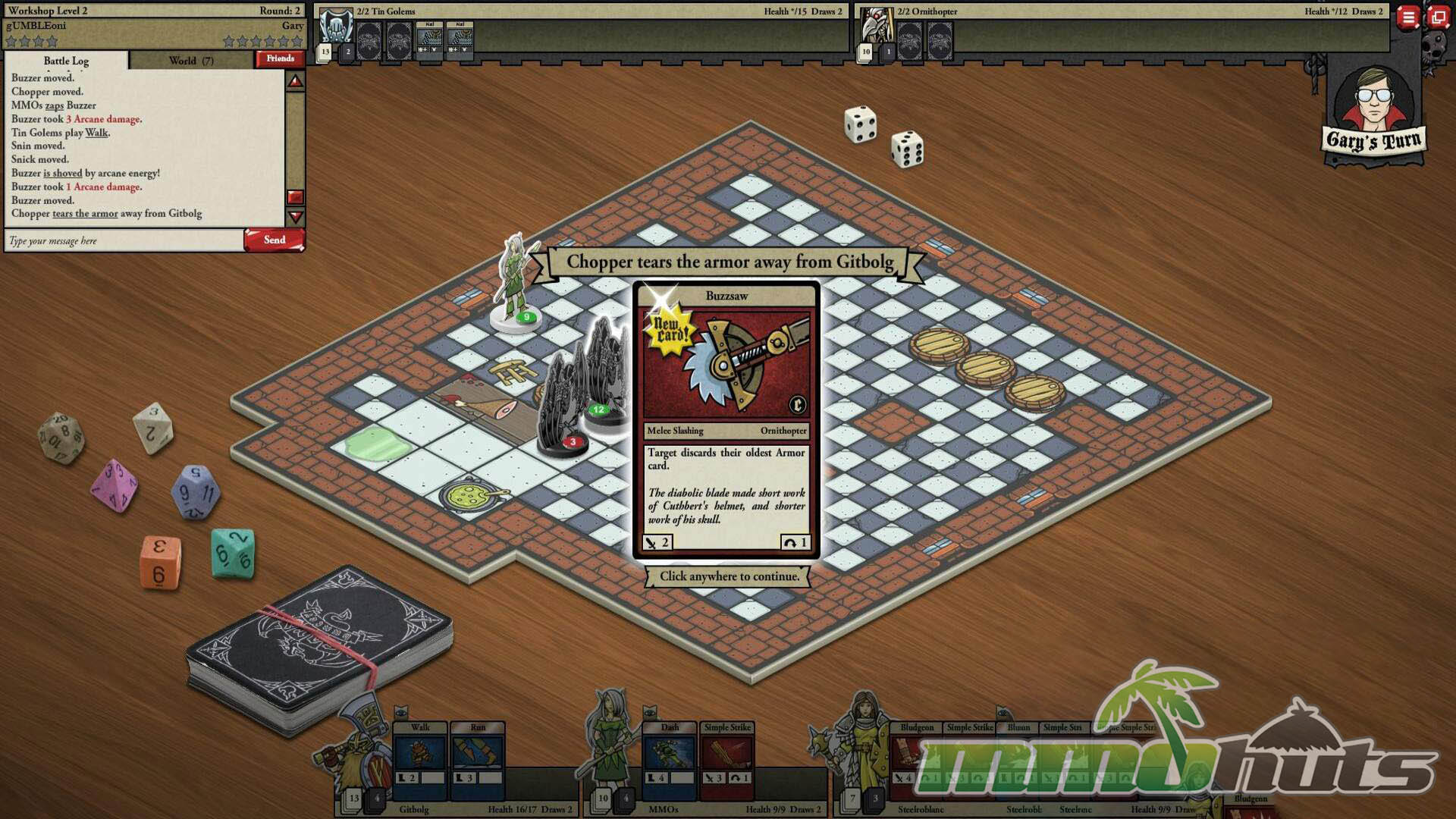
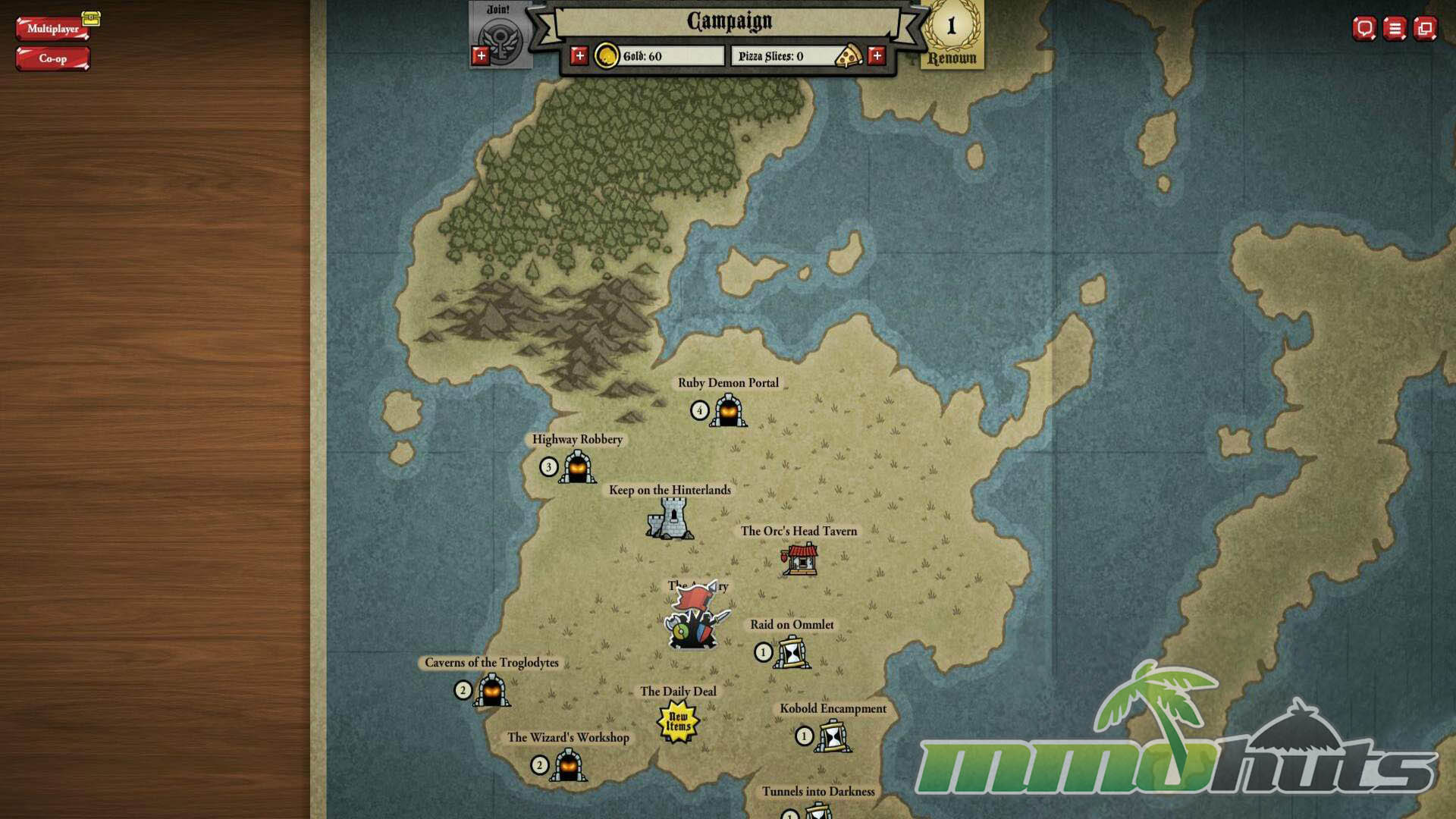
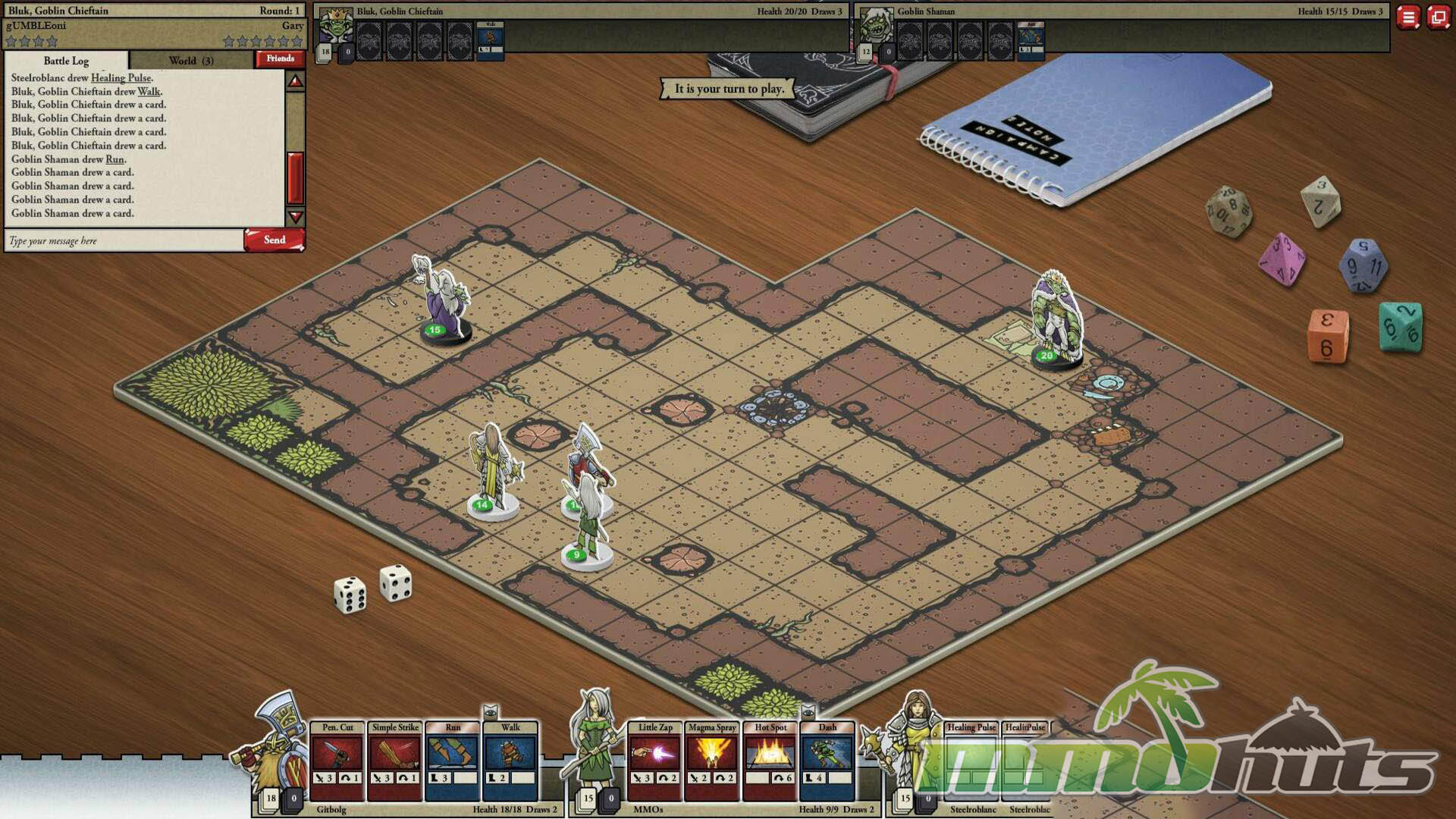
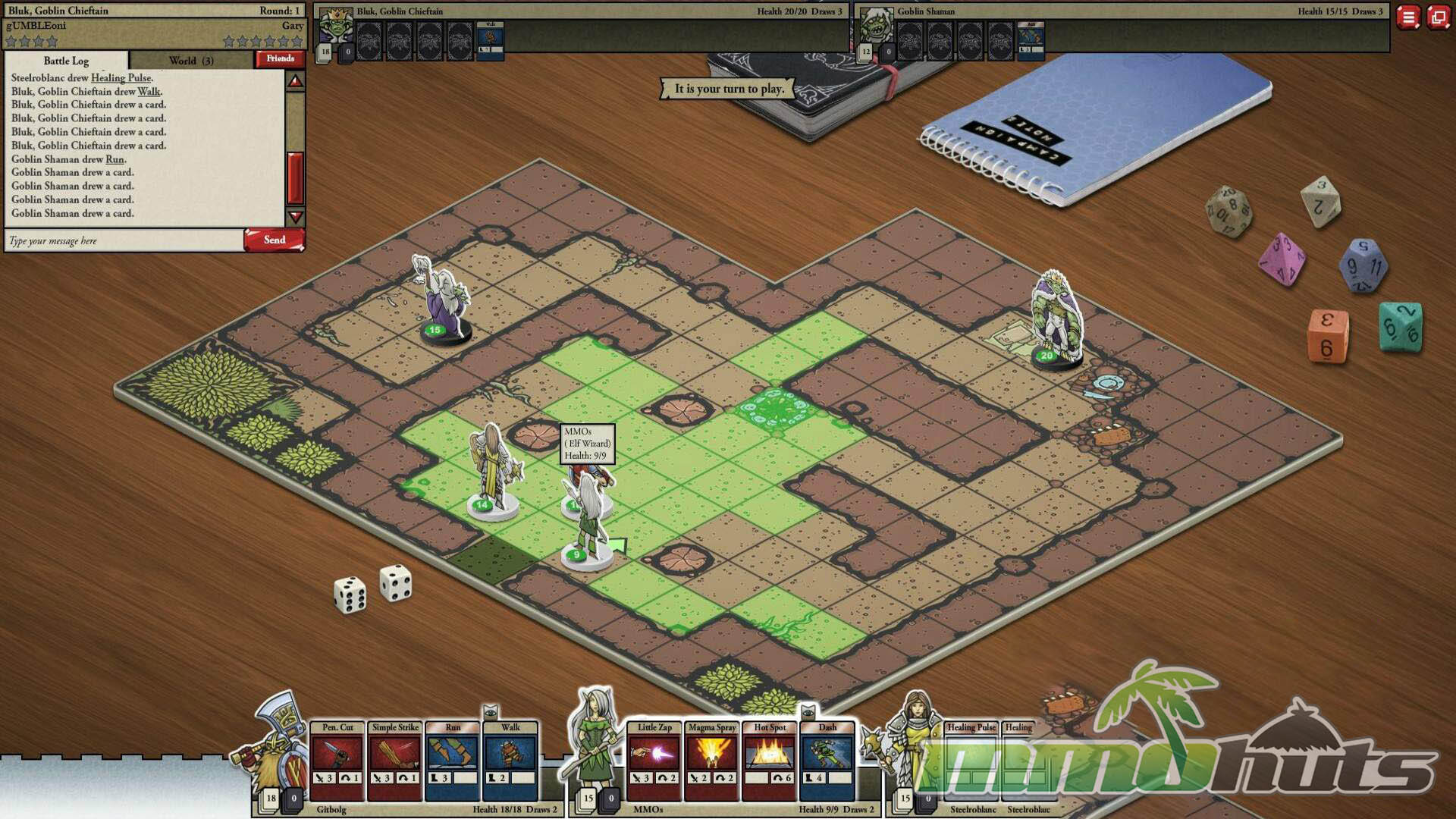
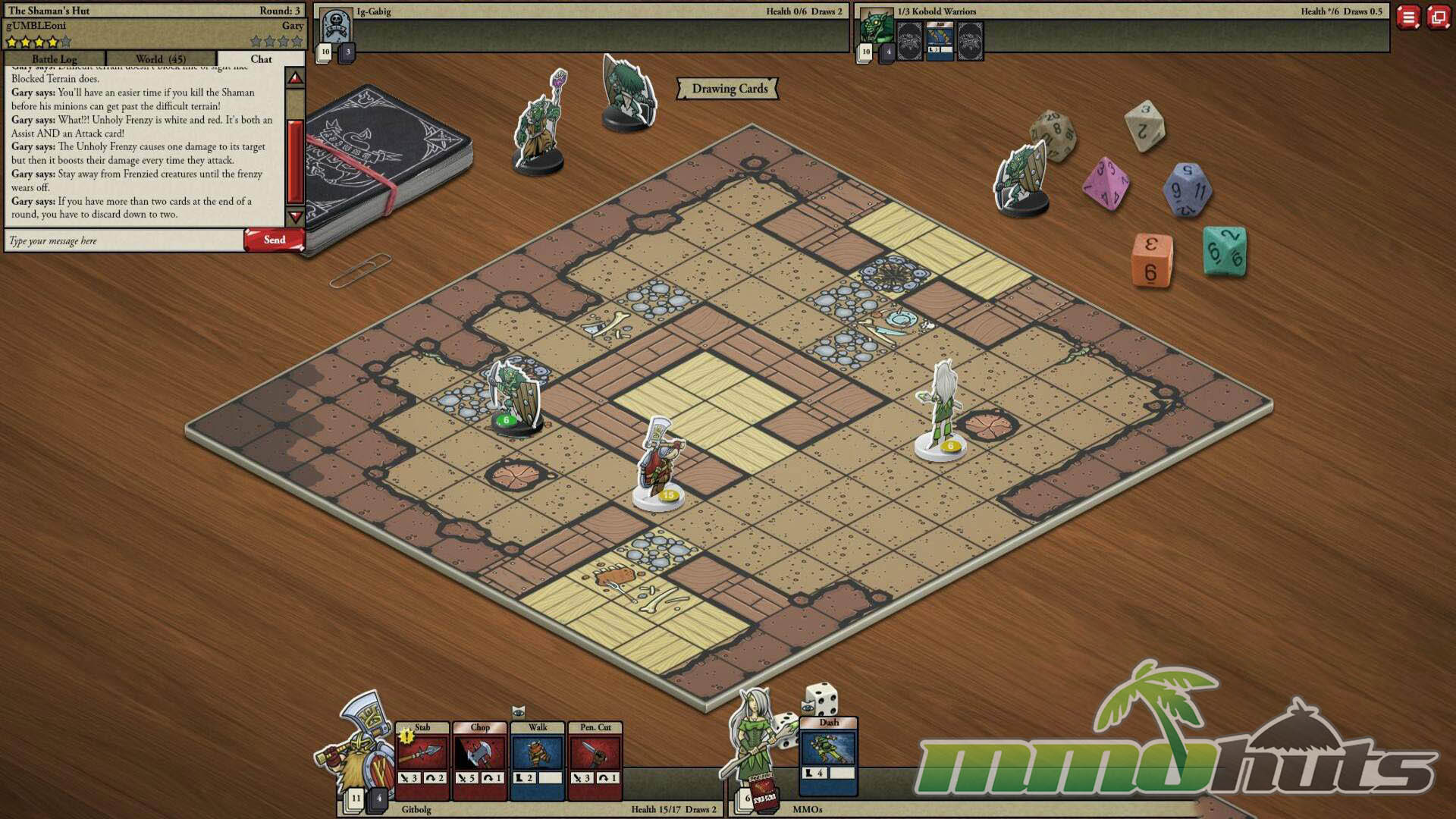
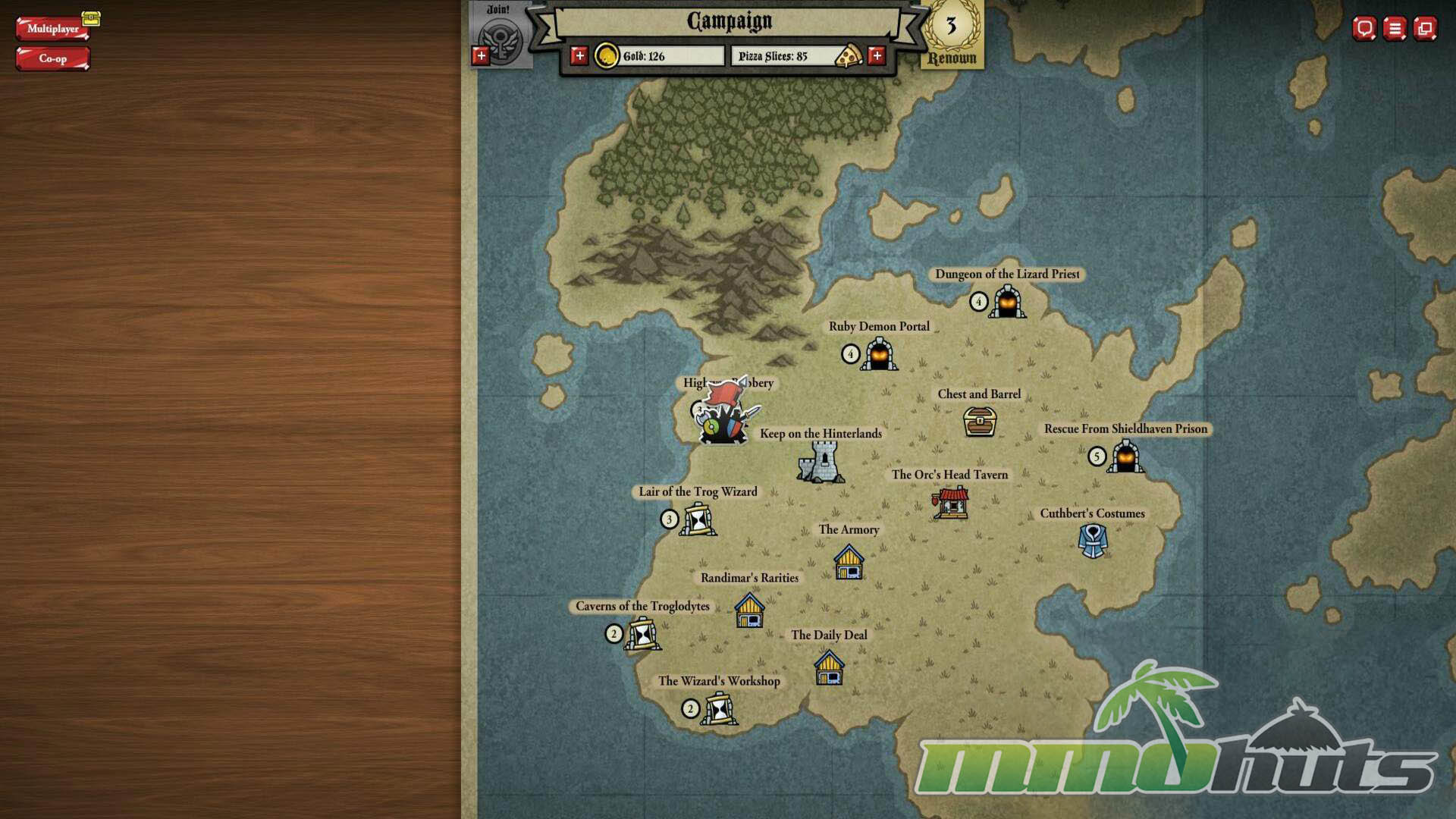
Card Hunter is built around a simple but clever idea: it plays like a tactical board game, but your options come from a deck, and your deck is determined by the gear you equip. In the single-player campaign you are framed as a newcomer learning the hobby at the table, with an eager dungeon master explaining rules and sending your party into one encounter after another. Each adventure unfolds on a grid map representing everything from cramped caves to lively taverns, with terrain and line of sight shaping how you approach every fight.
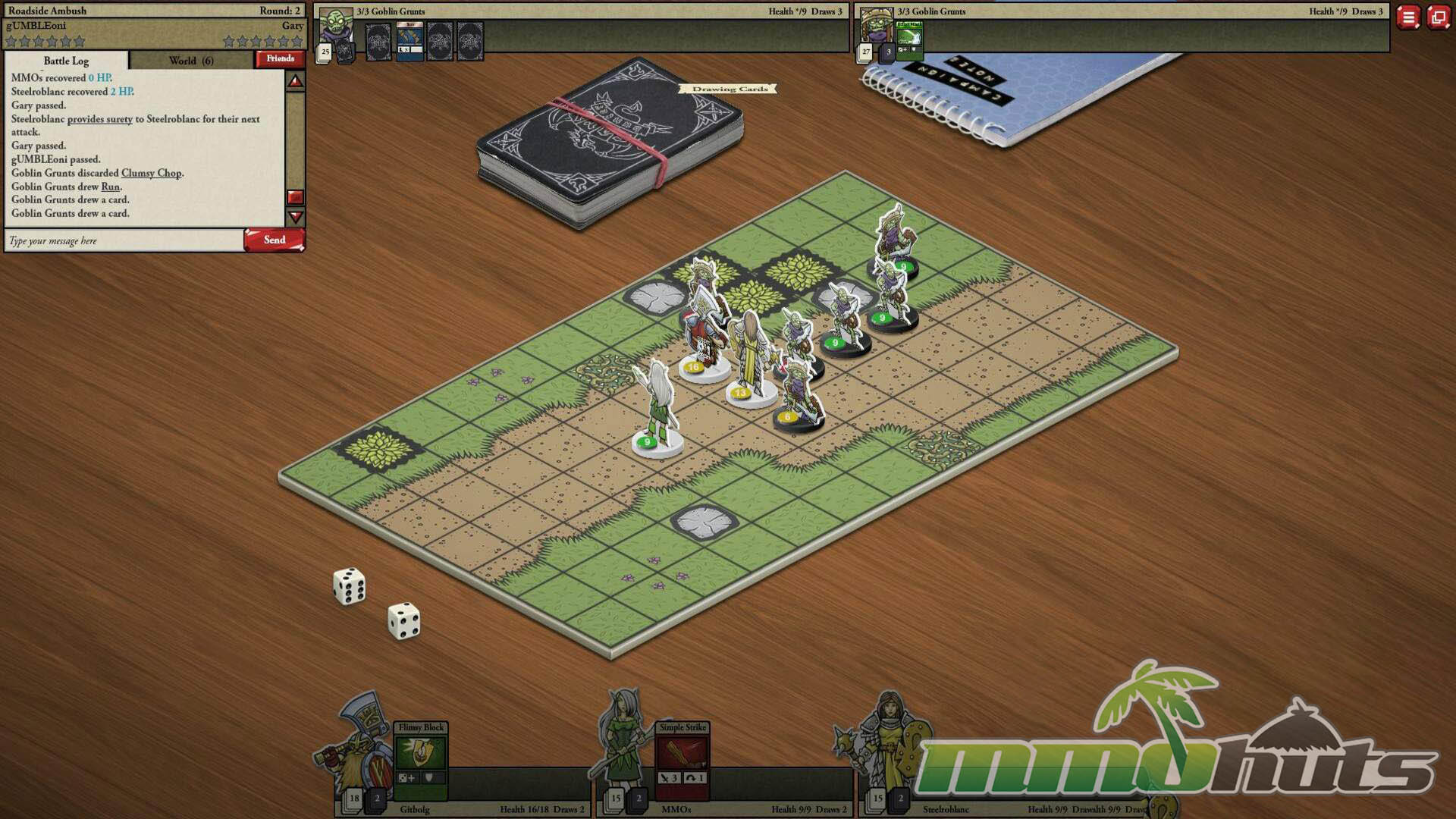
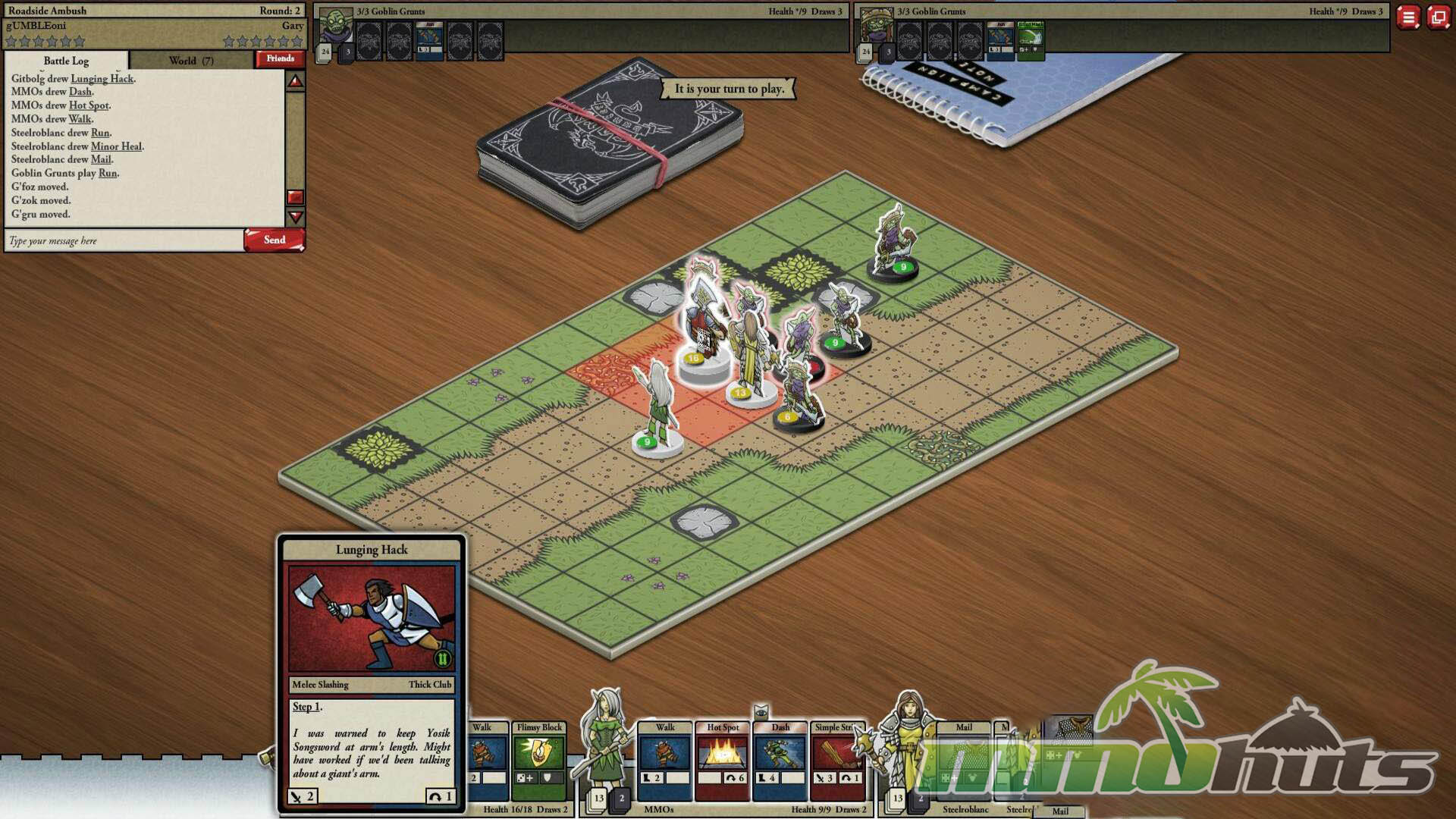
You bring three characters into missions and take turns with enemies. Actions are performed by playing cards drawn from each hero’s deck, which contains movement, attacks, spells, blocks, heals, and other effects. Winning battles earns loot that can be equipped to reshape your card pool, or sold for currency if it does not fit your plan. Beyond the main PvE campaign, there are co-op adventures against AI foes and PvP duels where you can play casually or climb seasonal rankings. With a large catalog of cards and monsters, the game leans hard into experimentation and repeat runs.
Card Hunter Key Features:
- Co-op Adventure – pair up with a friend and tackle AI-driven missions for rewards and progression.
- Customizable Loadout – equipment choices define your deck, so changing weapons and armor changes how you play.
- Competitive Duels – jump into casual or ranked PvP, with seasonal ladders for long-term goals.
- Card Collector – collect and use a wide range of cards, largely acquired through items and loot.
- Massive Campaign – a lengthy single-player journey that doubles as a tutorial and a true challenge run.
Card Hunter Screenshots

Card Hunter Featured Video

Card Hunter Review
Card Hunter stands out because it does not try to be a typical fantasy RPG or a conventional digital card battler. Instead, it recreates the mood of a tabletop session, complete with paper miniatures, a “game board” on the floor, and a dungeon master who is far more excited than any real person you have ever met at a Friday night game. Under the playful presentation is a solid tactical system where positioning matters, card sequencing matters, and your build decisions are expressed through the items you choose to carry. As a free-to-play title, it also feels unusually complete, with a campaign that can occupy you for a long time before you ever consider PvP.
A tabletop vibe, translated well
The framing is charming: you are not “in” a fantasy world so much as you are playing a fantasy board game in someone’s finished basement. Missions take place on a flat grid that represents the scene, and the game relies on your imagination to bridge the gap between the board and the fiction. That does not make the maps simplistic, because walls, difficult tiles, choke points, and line-of-sight blockers still create meaningful tactical puzzles. It also helps the game feel readable, because you always understand where you can move and who you can reach.
The character pieces are intentionally stiff, like cardboard standees on plastic bases, and they “hop” when moved as if someone picked them up and placed them down. It is a style choice that will either click immediately or bounce off, but it supports the game’s central joke without getting in the way of play. Combat is turn-based, with you and the AI alternating actions as you spend cards from each hero’s hand.
Cards as actions, gear as deckbuilding
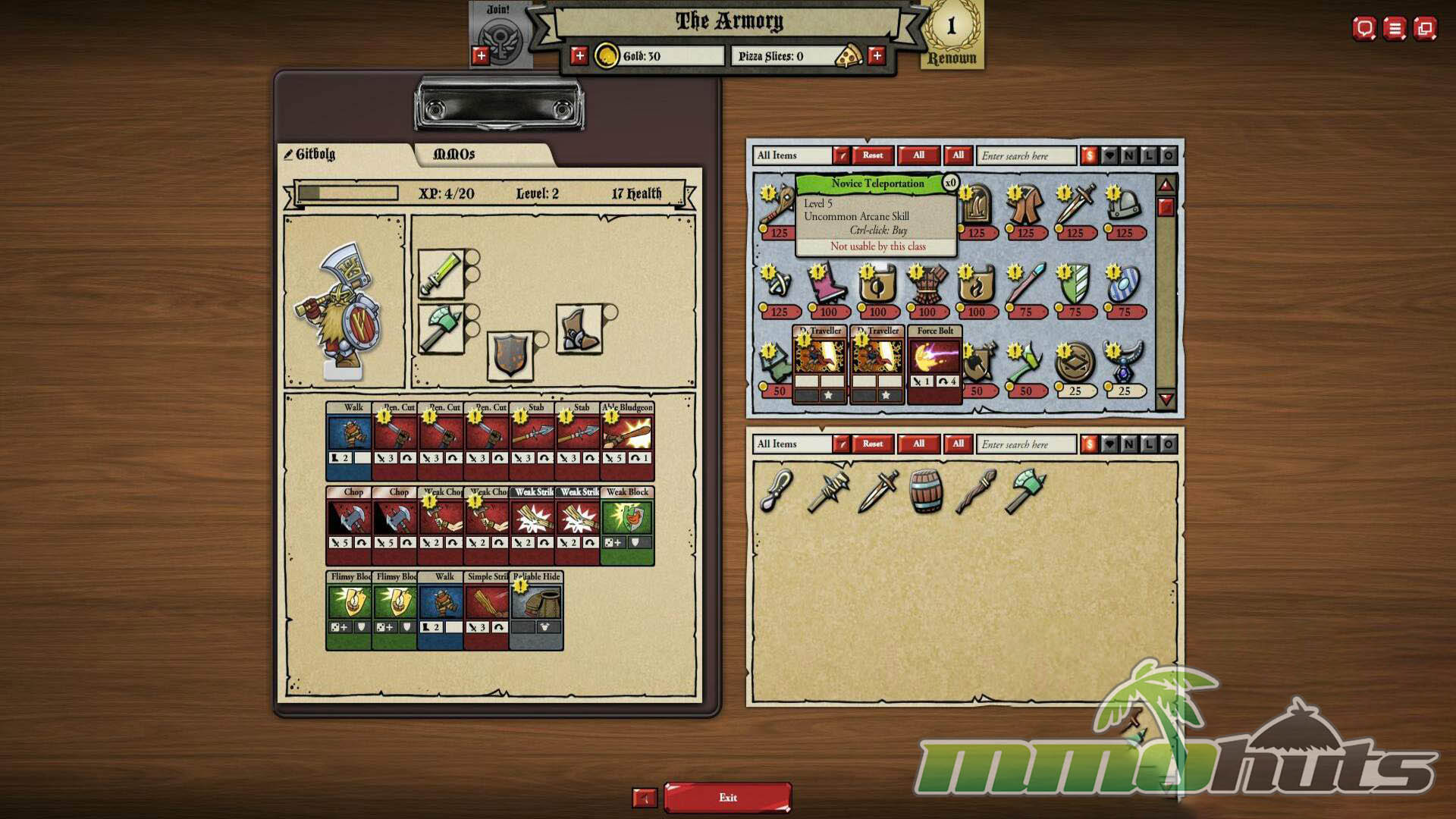
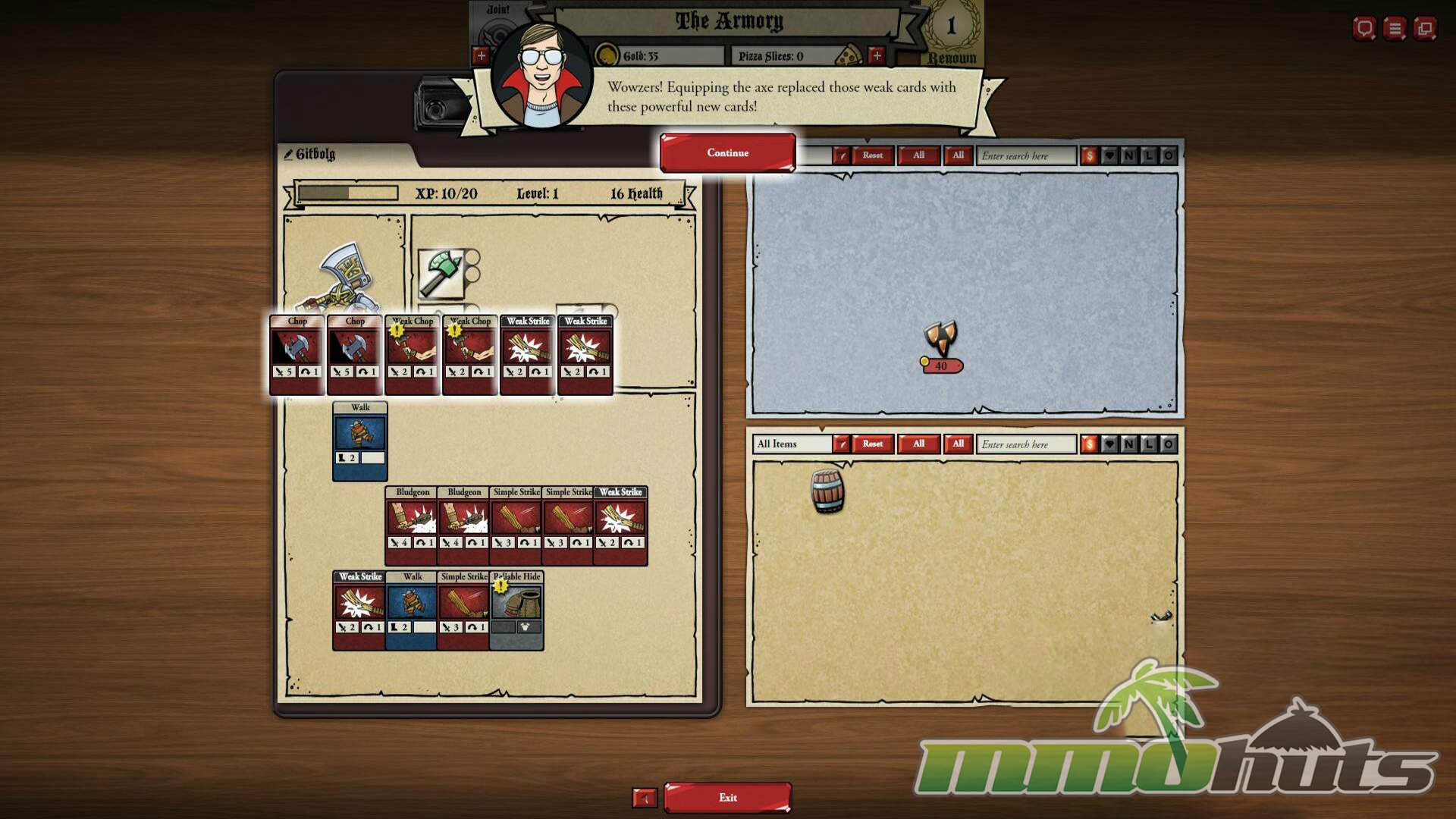
Every meaningful action is a card, including movement, melee strikes, ranged attacks, spells, heals, buffs, and reactive defenses. If you have experience with tabletop RPGs or classic fantasy tactics games, the categories will feel familiar, but the twist is that you do not “learn” skills in the traditional sense. Instead, your deck is assembled indirectly through equipment. A new weapon might replace basic attacks with stronger ones, while armor and accessories can inject blocks, dodges, or utility effects into your draws.
The three classes (Warrior, Wizard, and Priest) have distinct identities and card pools, and party composition matters as a result. On your turn you can play what you have, but you are limited by range rules and by what you drew. Some effects trigger as reactions rather than active plays, which keeps defense from feeling purely passive while still staying true to the card format. At the end of a turn, each character trims down to two cards in hand, which keeps the game from becoming a slow hoarding exercise and forces you to make quick, tactical decisions.
Randomness is part of the package. Draws shape your options, and some defenses hinge on dice-like odds. In practice, that variability is what gives encounters their tabletop energy, because you are constantly adapting to imperfect information. The downside is that unlucky sequences can decide a fight, especially in PvP, where a few bad draws can be hard to recover from.
Party setup and the “campaign as tutorial” approach
After the early teaching missions, you are pushed into creating your own party starting at Level 1. The game emphasizes traditional roles, and you begin by choosing a Warrior with a race option (Dwarf, Human, or Elf), each offering practical differences in how they perform. Do not expect deep cosmetic tools, because the game leans into the idea that everyone bought the same starter minis, but there is still satisfaction in assembling a team that feels cohesive.
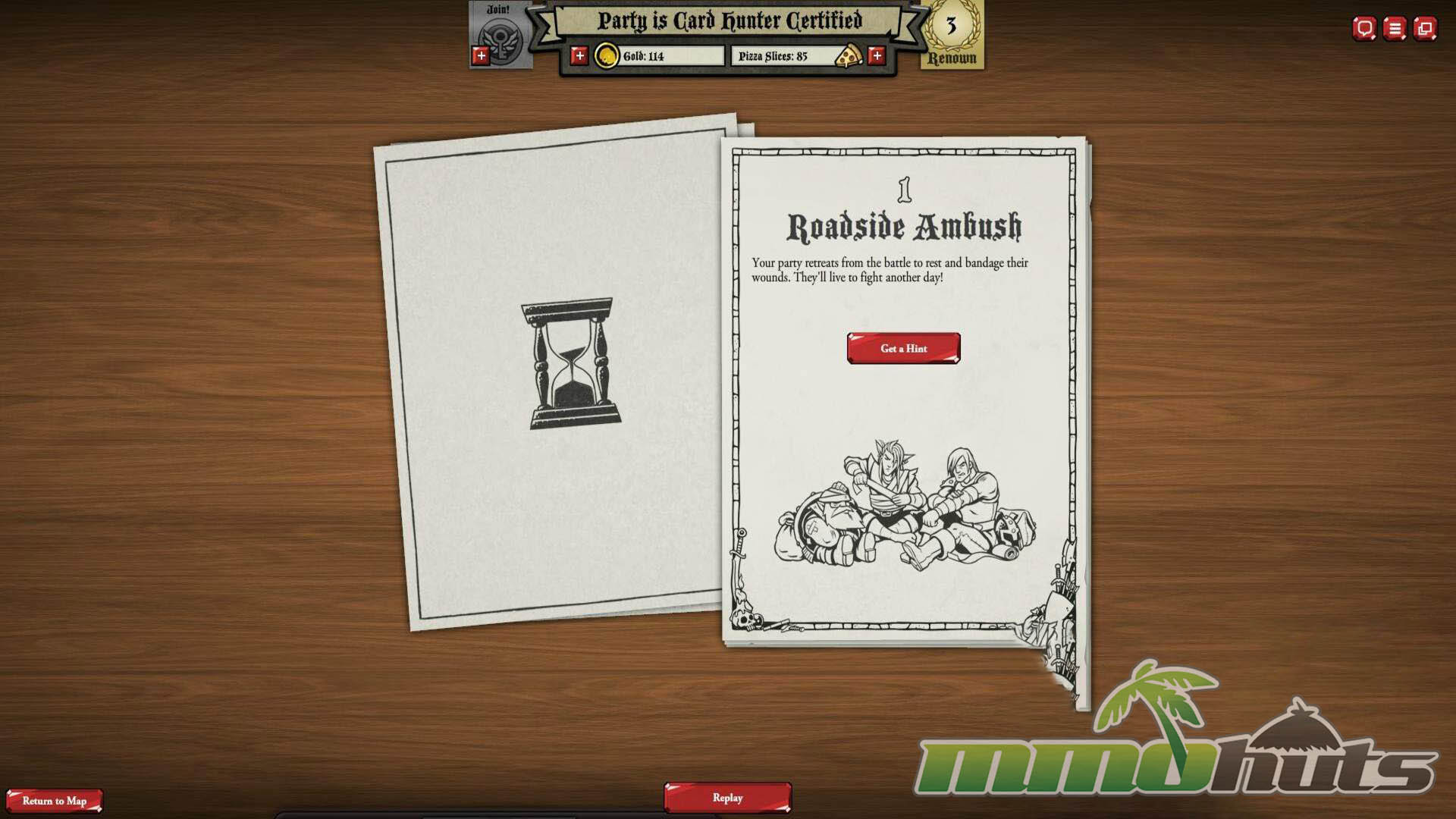
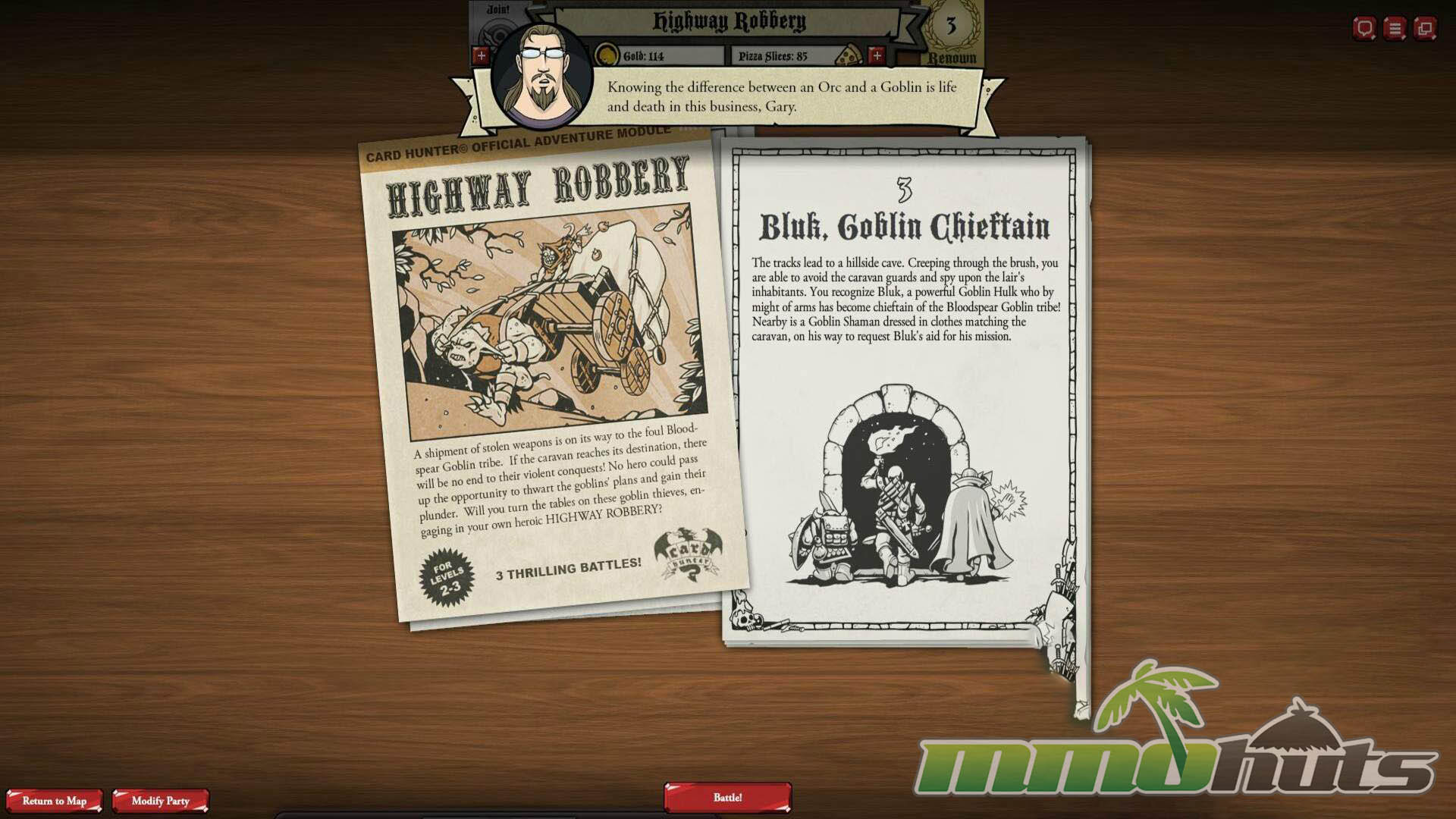
Adventures are presented like handouts and flyers pulled from a rulebook, and the writing intentionally mimics the tone of earnest fantasy narration. That contrast, a serious “quest text” voice delivered through a playful board-game wrapper, is one of Card Hunter’s most effective tricks. It keeps the game light without undermining the tactical layer.
Loot-driven progression that changes how you play
Progression is tied closely to rewards. After battles you open chests that can contain equipment of varying rarity, and those items are the heart of experimentation. Because gear determines which cards appear in your decks, a single upgrade can reshape a character’s role, turning a plain fighter into a burst-damage threat, or transforming a squishy caster into a more defensive controller. Unwanted loot can be sold for gold, which feeds back into the Armory and other upgrades.
Experience from missions increases level, raising health and unlocking additional equipment slots early on. That slot progression matters because it expands your deck’s complexity over time. The game also uses item level requirements, so you cannot simply jump straight to the strongest gear, you still have to earn your way into better options through play.
Co-op and duels for long-term play
Once you have a handle on your builds, the game gives you two major directions: PvP duels or cooperative PvE. Duels come in casual and competitive formats, with seasonal ranking goals. The tactical foundation holds up well in PvP, but luck inevitably plays a larger role than in many pure skill-based tactics games, so outcomes can sometimes feel swingy even when both players are competent.
If competition is not your priority, co-op adventures are an easy recommendation. Tackling AI encounters with a friend makes the randomness more entertaining and makes party planning feel more like an actual tabletop session, where you can coordinate positioning, focus targets, and cover for bad draws.
A shop that fits the theme
Card Hunter’s monetization is framed through a pizza menu, with “pizza” acting as the premium currency. It can be used for various purchases including premium items, gold, and memberships, and it also ties into cosmetic options such as alternate figurines. The key point is that cosmetics are primarily about style rather than power, so they function as optional flavor for players who want a different look on the board.
The membership option (the Card Hunter Club) provides an extra item from opened chests in both single-player and multiplayer, with rarity appropriate to the content you are running. Memberships are time-limited and need renewal to keep the benefits. In normal play, it did not come across as mandatory, because the core loop of earning gear through missions remains intact, and the game does not push a hard pay-to-win feel.
Final Verdict – Excellent
Card Hunter succeeds by committing fully to its tabletop identity while still delivering a legitimately good tactical card game underneath. The campaign is substantial, the gear-driven deckbuilding keeps experimentation fresh, and the presentation captures the spirit of old-school dungeon crawling without requiring you to schedule a weekly session. If you enjoy turn-based tactics, collectible card games, or simply miss the mood of a basement RPG night, Card Hunter is an easy title to recommend, provided you can accept its RNG and its deliberately “papercraft” look.
Card Hunter Links
Card Hunter Official Site
Card Hunter Steam Page
Card Hunter Reddit
Card Hunter Wiki [Database/Guides]
Card Hunter System Requirements
Minimum Requirements:
Operating System: Windows XP 32 bit
CPU: Pentium 4 1.8GHz or Athlon XP 1700+
Video Card: GeForce 210 or Radeon X600 Series
RAM: 1 GB
Hard Disk Space: 1 GB
Recommended Requirements:
Operating System: Windows XP 32 bit
CPU: Celeron E1200 Dual-Core 1.6GHz or Athlon 64 X2 Dual Core 4000+
Video Card: GeForce GT 230 or Radeon HD 6550D
RAM: 2 GB
Hard Disk Space: 1 GB
Card Hunter is also a browser based game and will run smoothly on practically any PC. The game was tested and works well on Internet Explorer, Opera, Firefox and Chrome. Any modern web-browser should run the game smoothly.
Card Hunter Music & Soundtrack
Coming Soon…
Card Hunter Additional Information
Developer: Blue Manchu
Publisher: Blue Manchu
Designer(s): Jon Chey, Joe McDonagh, Dorian Hart
Artist(s): Ben Lee
Writer(s): Joe McDonagh
Engine: Adobe Flash
Release Date: September 12, 2013
Steam Release Date: July 13, 2015
Development History / Background:
Card Hunter was developed by Blue Manchu Games, formed by Jonathan Chey after he left Irrational Games. Work on Card Huter began in August 2010, but was not officially announced until July, 2011. The company began with only one full-time employee, Chey, but has since grown. The development team consists primarily of former Irrational Games and Looking Glass Studios employees, as well as consultants who had previously worked on Magic: The Gathering. Card Hunter is the first game developed by Blue Manchu Games, and was released for browsers only on September 12, 2013 with a subsequent Steam release on July 13, 2015.