Battleline: Steel Warfare
 (No Ratings Yet)
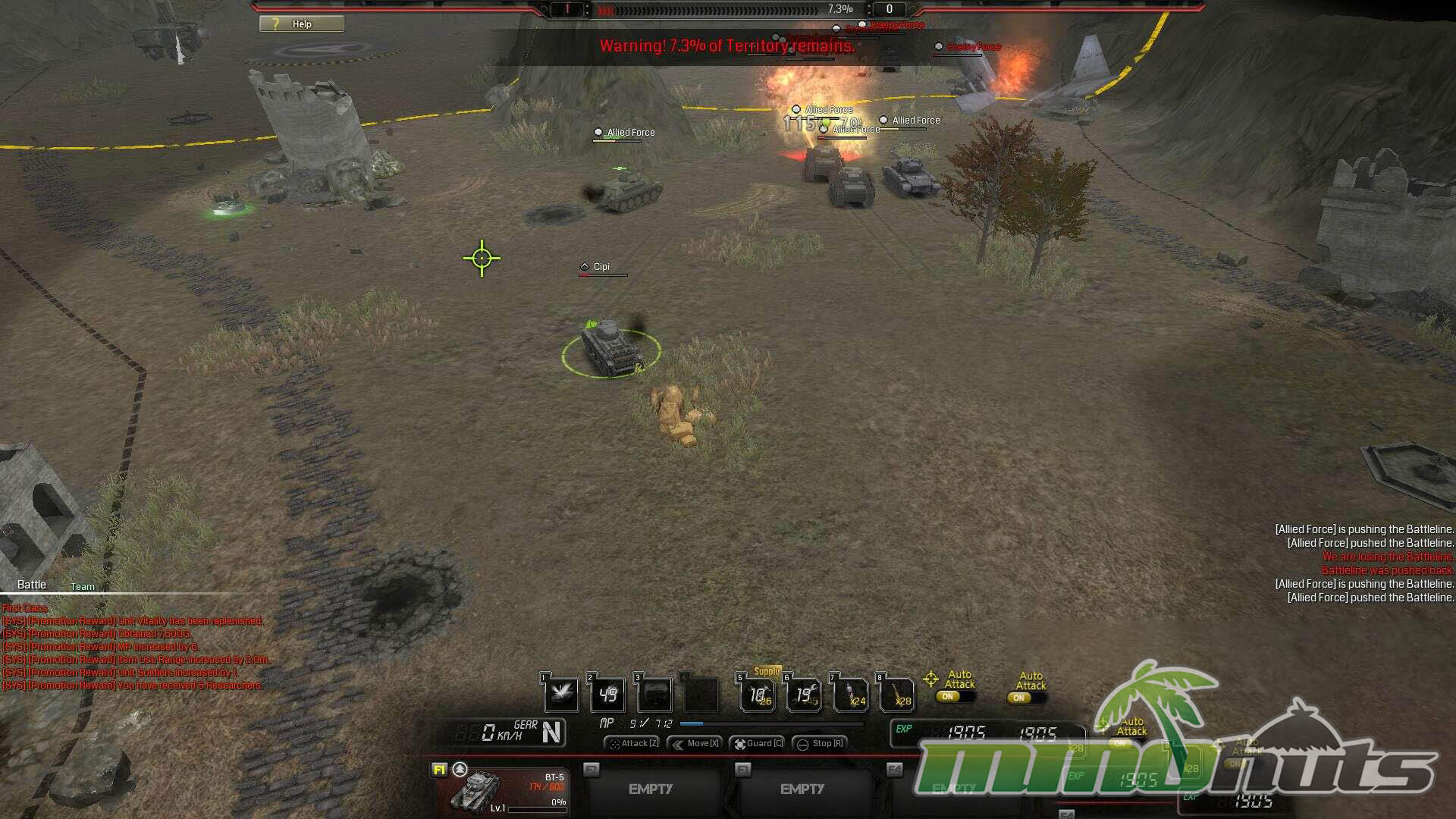
Battleline: Steel Warfare is a free-to-play MMO built around team-based tank battles, but it does not play like a traditional vehicle shooter. Matches lean heavily on positioning, timing, and coordinated pushes, combining direct tank combat with ability-driven tactics that feel closer to RTS and MOBA design. You pick from a roster of historical tanks, tune your loadout with researched skills and consumables, then work with allies to seize and hold the front line.
 | Publisher: Bandai Namco Playerbase: Shut Down Type: Strategy Shooter PvP: Arena Release Date: June 15, 2015 Pros: +Tight, reactive handling. +Wide selection of tanks. +Tactical, ability-focused battles. Cons: -Steep onboarding for new players. -Progression can feel grind-heavy. -Low activity, especially late in its life. |
Battleline: Steel Warfare Overview
Battleline: Steel Warfare is a 3D, free-to-play strategic tank shooter that centers on real-world armored vehicles and an upgrade path that is more “build crafting” than simple stat chasing. Tanks come with researchable and equipable skills, upgradeable performance stats, and item slots that let you tailor how you contribute in a match. Instead of focusing purely on gunnery duels, the game leans into an ability-based meta where disabling enemies, protecting teammates, and controlling space can matter as much as raw damage.
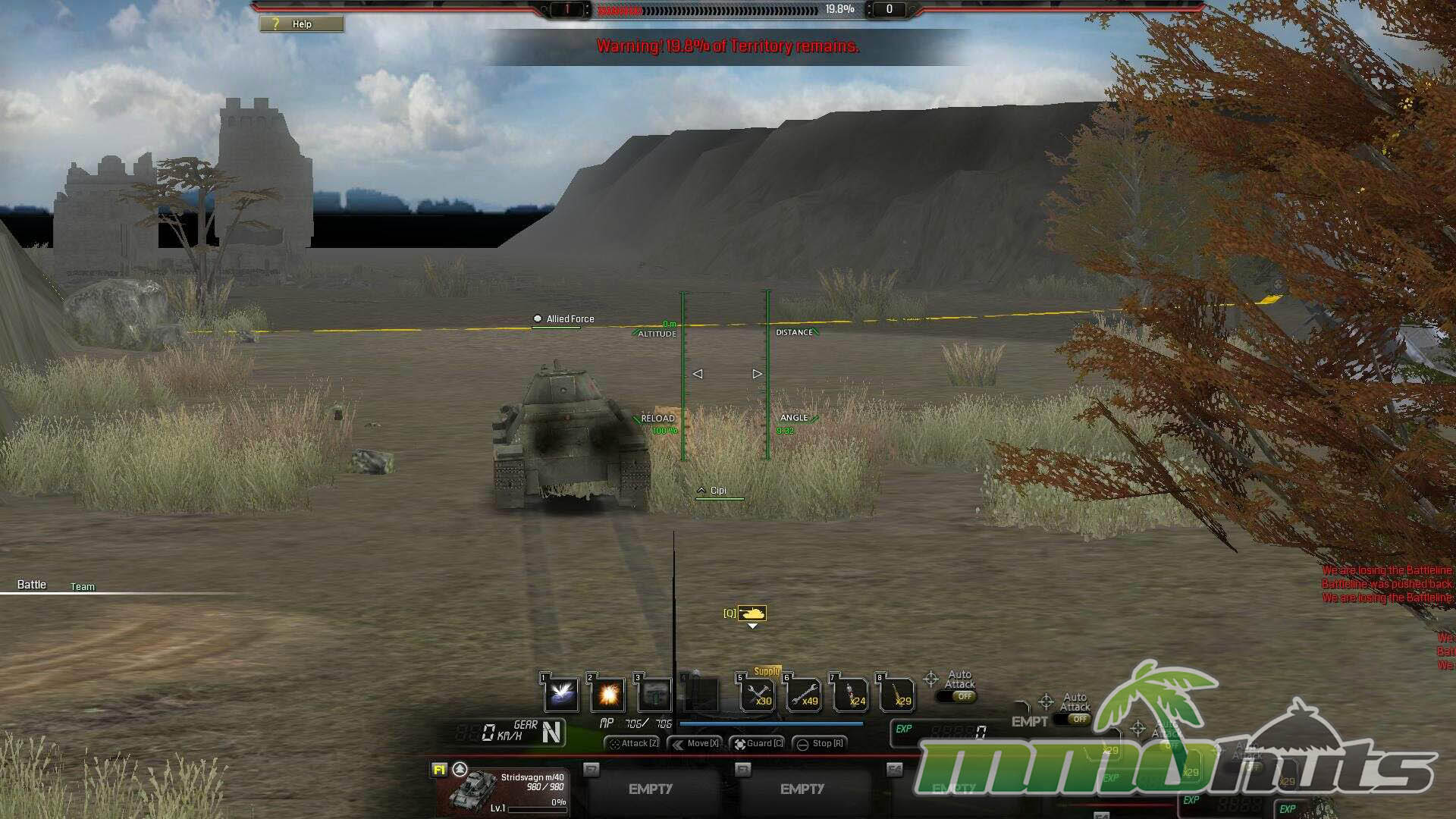
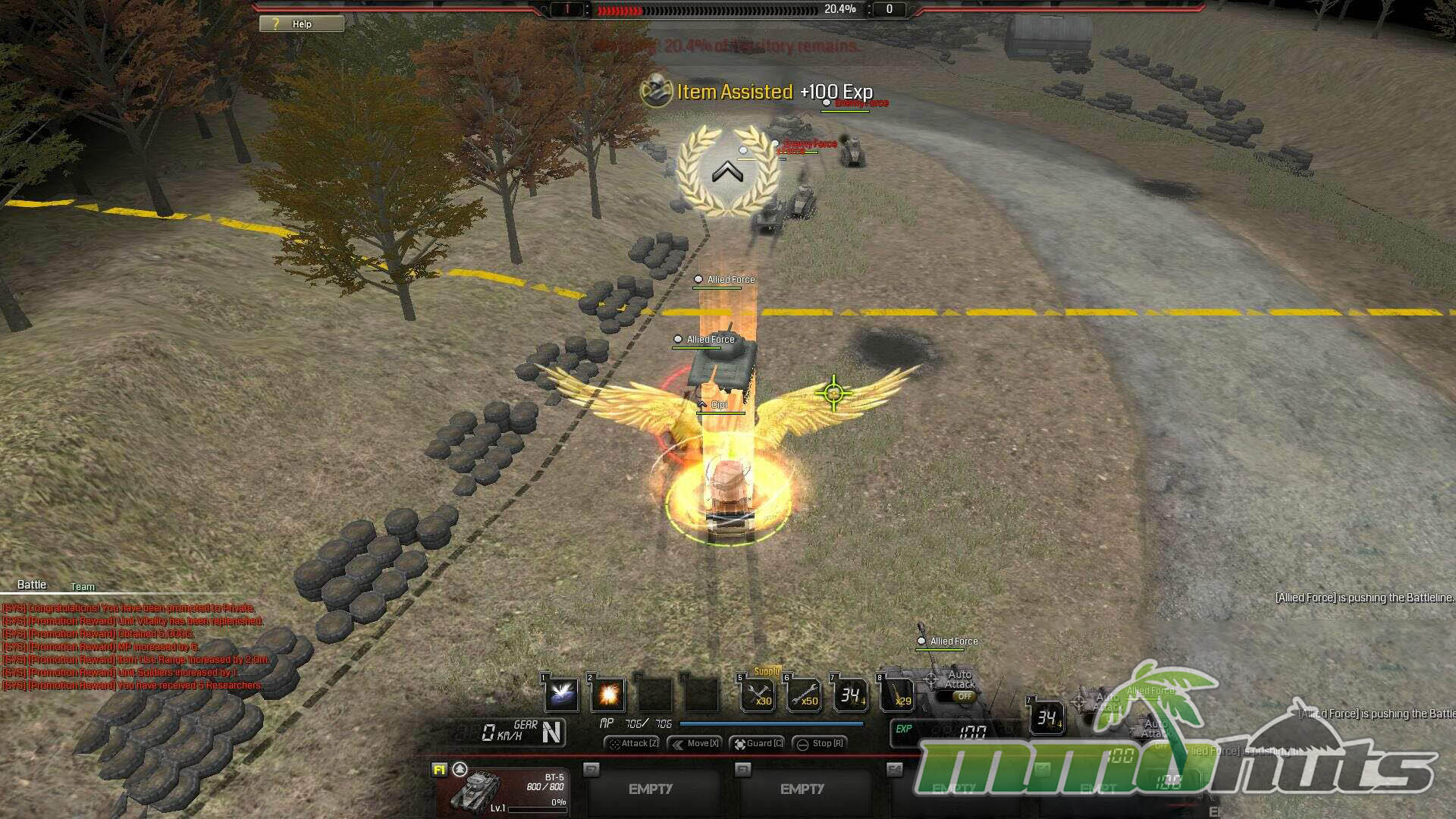
Matches are decided by objective pressure. Victory comes when a team forces the front line into the enemy base and maintains control for 10 seconds, so coordinated pushes and defensive stalls become the heart of the experience. Because of that win condition, loadouts often revolve around tools that create openings (crowd control, burst damage, zone denial) and tools that keep a push alive (shields, mitigation, emergency repairs, and mobility boosts).
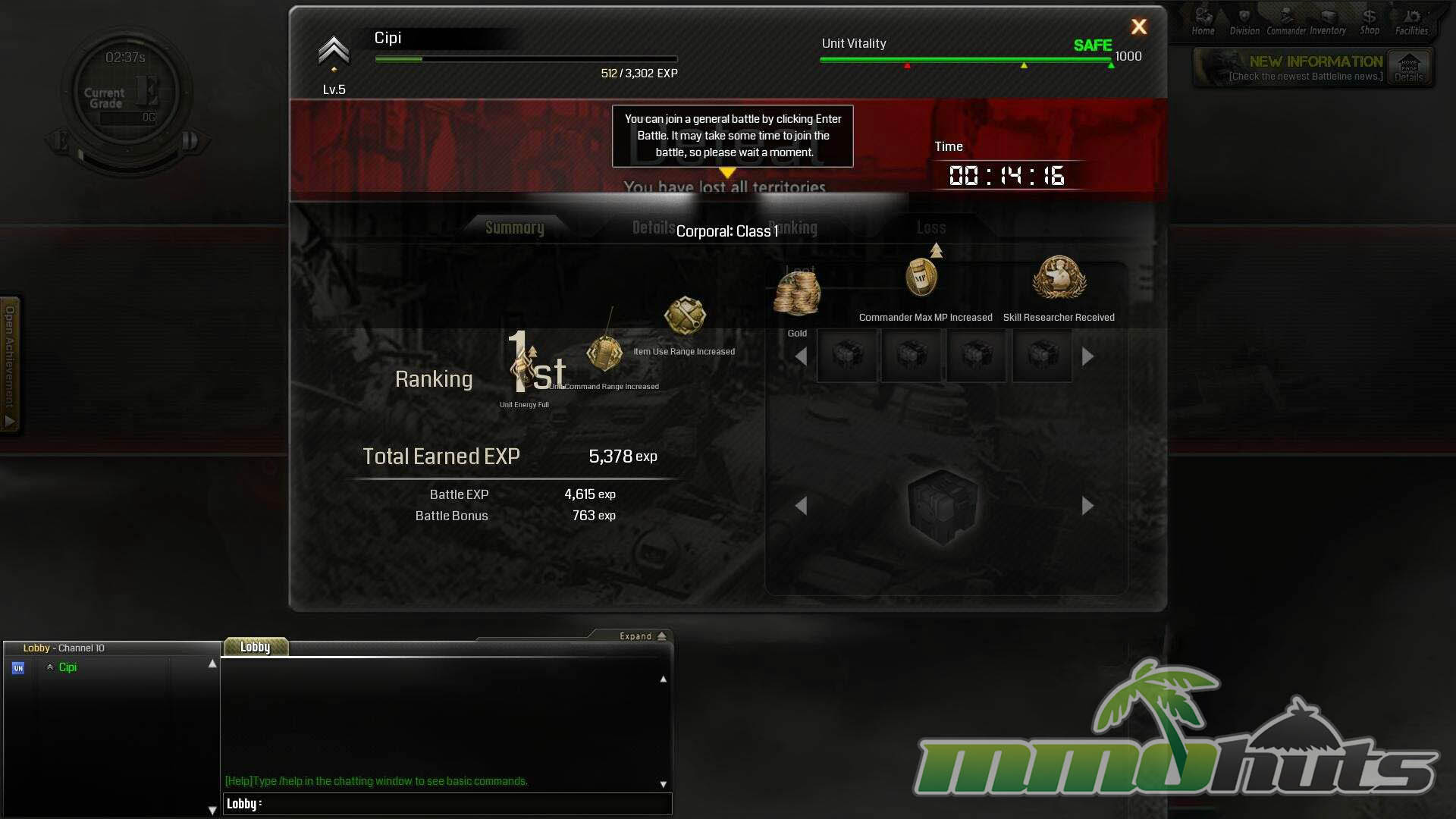
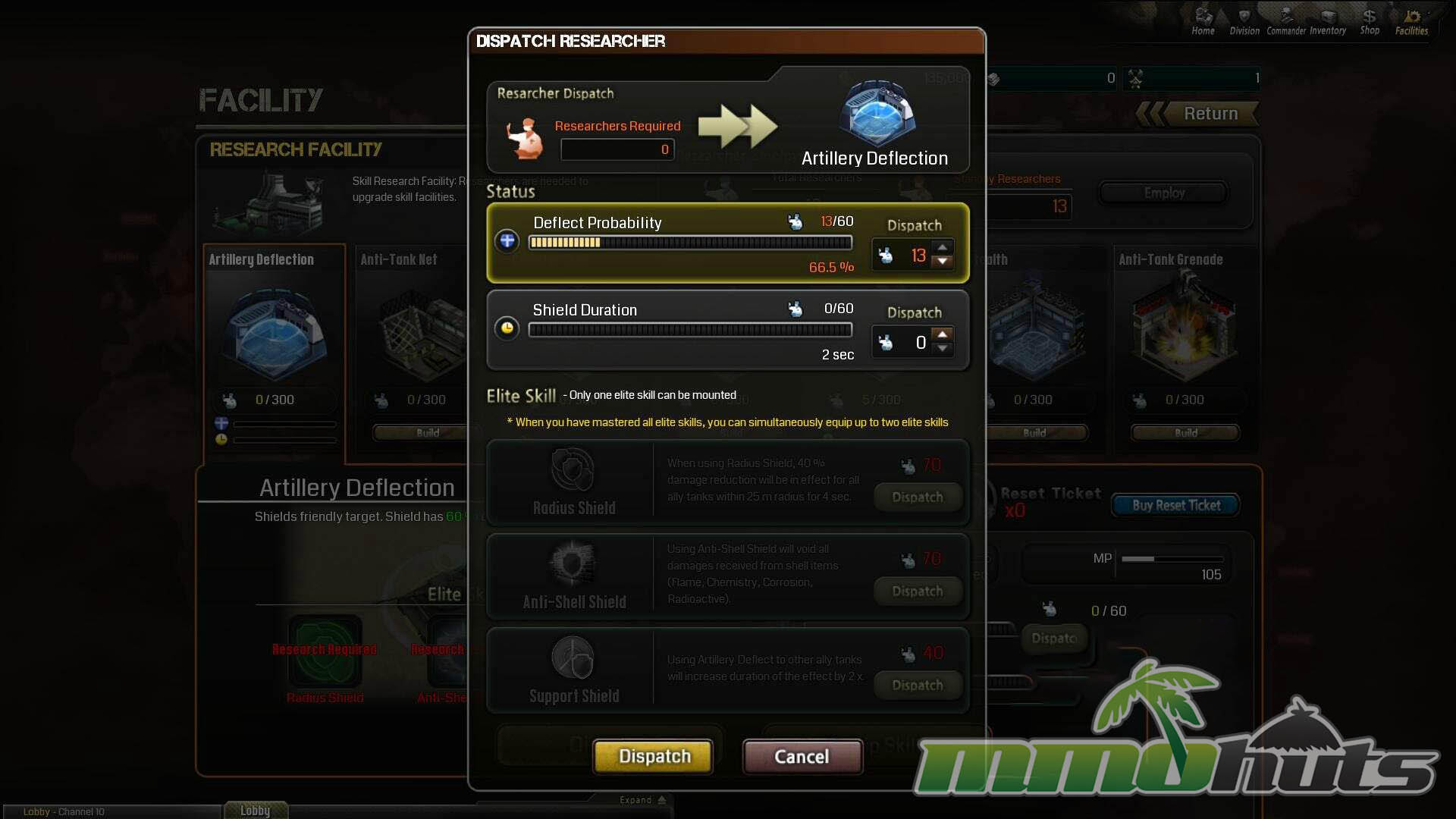
Progression is tied to the Facilities system, which functions as your research hub. You dispatch researchers to develop specific skills, then upgrade those skills over time. As you rise in rank, you unlock access to more advanced options, which in turn supports more specialized builds and clearer team roles.
Battleline: Steel Warfare Key Features:
- Unique Strategic Shooter Gameplay – fights emphasize planning and teamwork, blending tank combat with RTS-style objective play and MOBA-like abilities.
- Huge Variety of Tanks to Choose – choose from over fifty historically inspired tanks, each differentiated by strengths, weaknesses, and core stats.
- Upgrade and Customize Tanks – improve facilities to research skills, equip consumables such as repairs and speed boosts, and spend combat-earned upgrade points to enhance tank stats.
- Ranked Gameplay and Matchmaking –climb ranks to earn rewards and expand your crew, then face tougher opponents while competing for leaderboard placement.
- Command Multiple Tanks – prepare several tanks and deploy them together as a Unit Commander, enabling more tactical flexibility during battles.
Battleline: Steel Warfare Screenshots


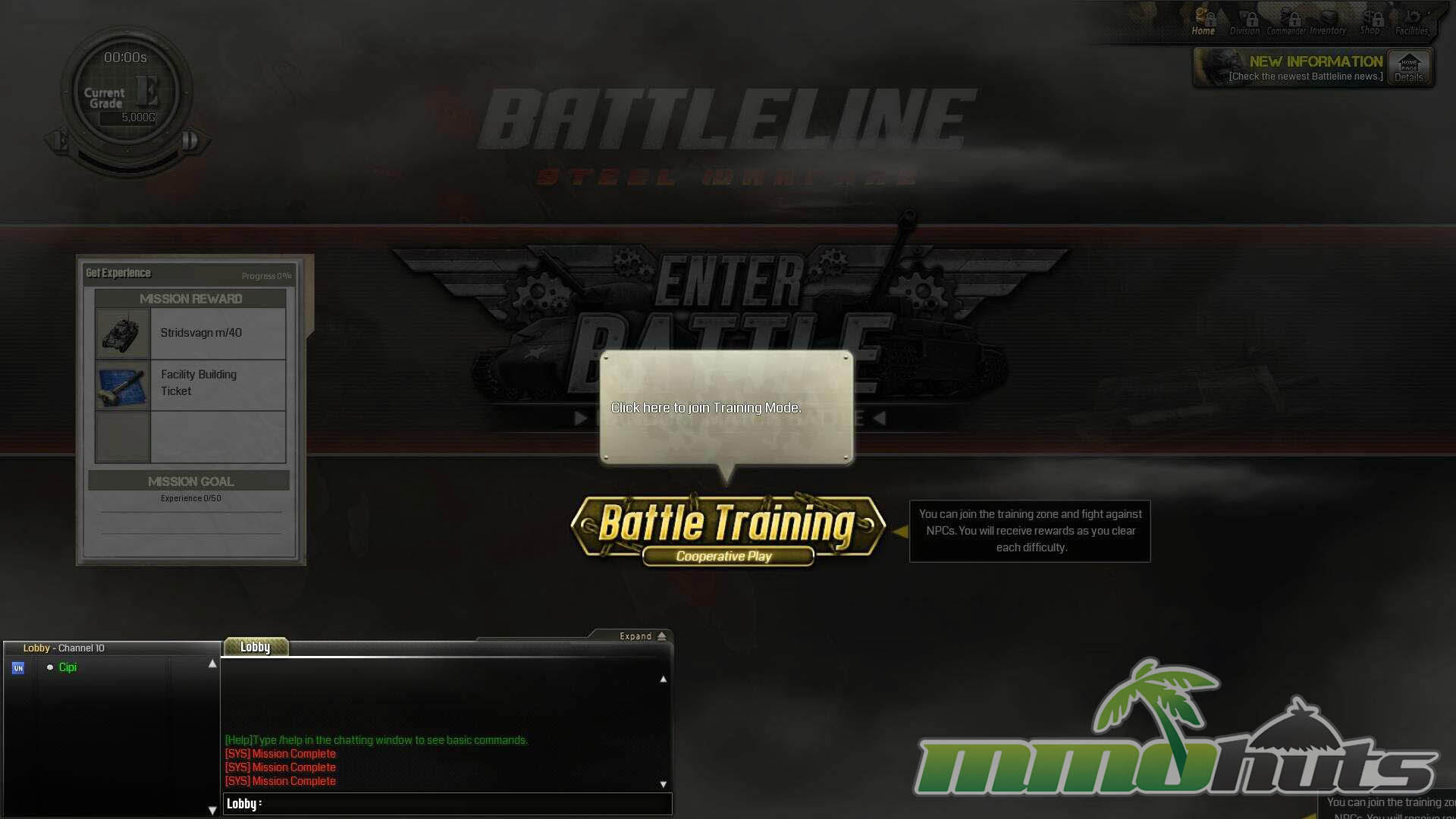
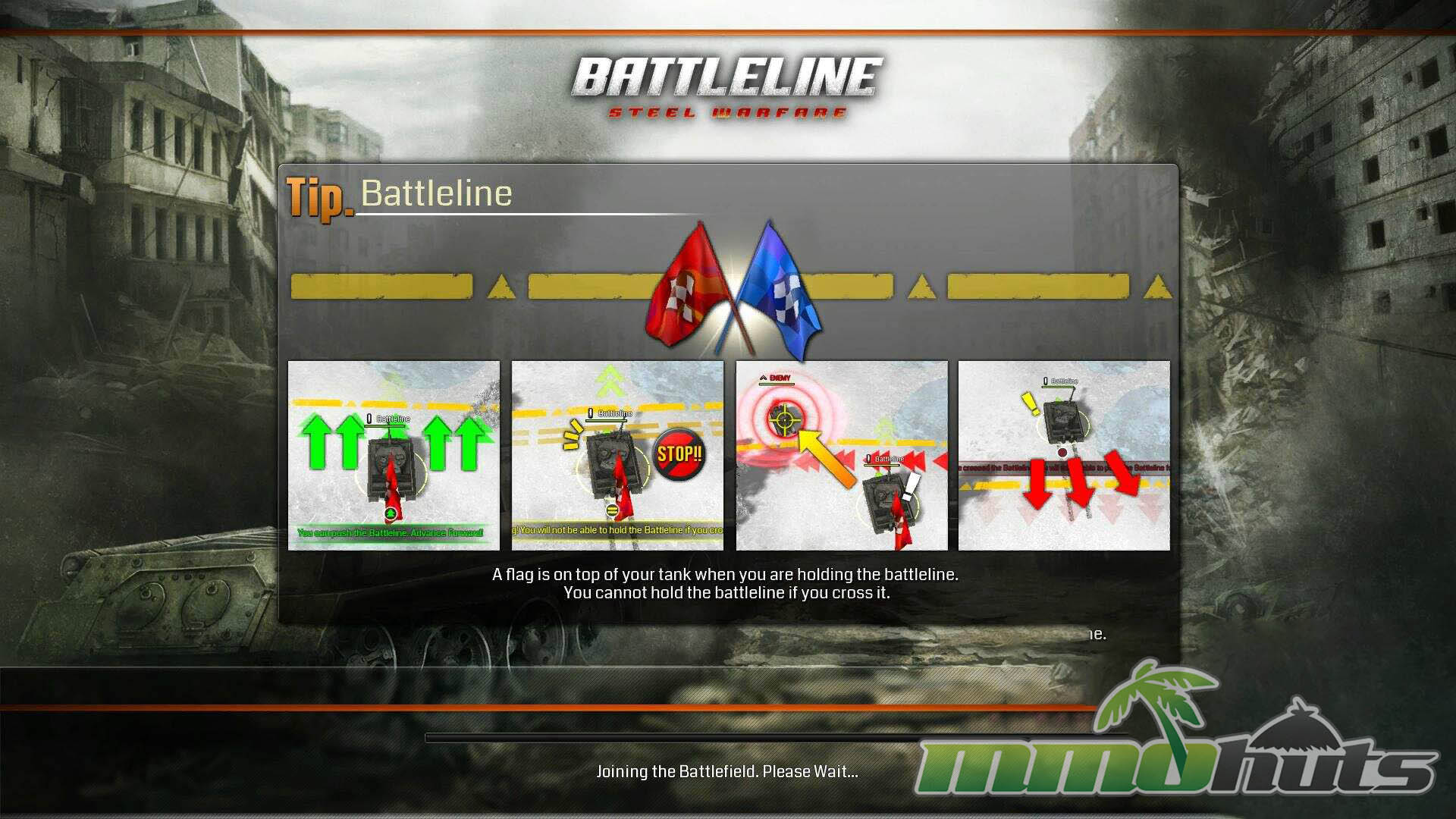

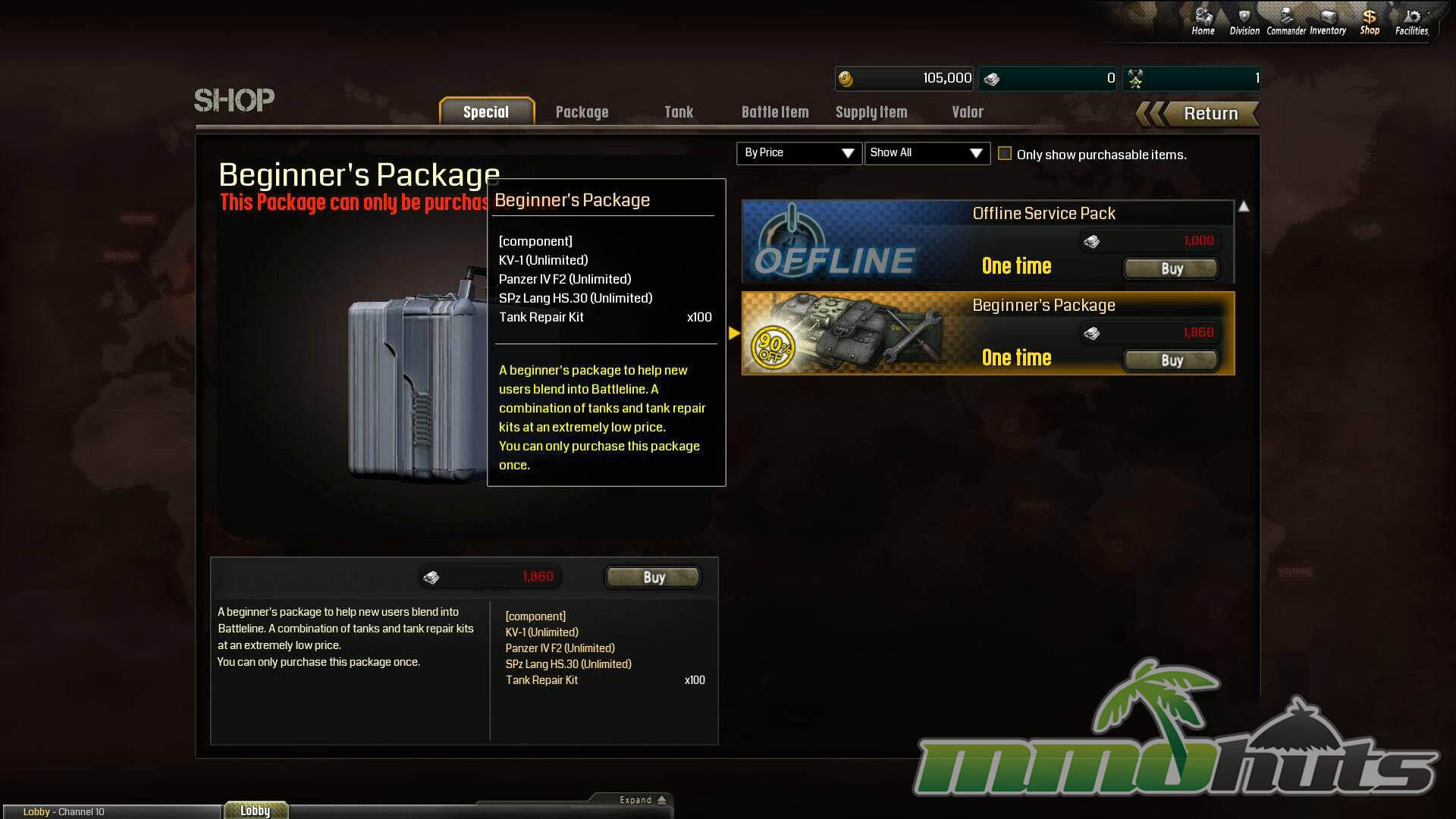
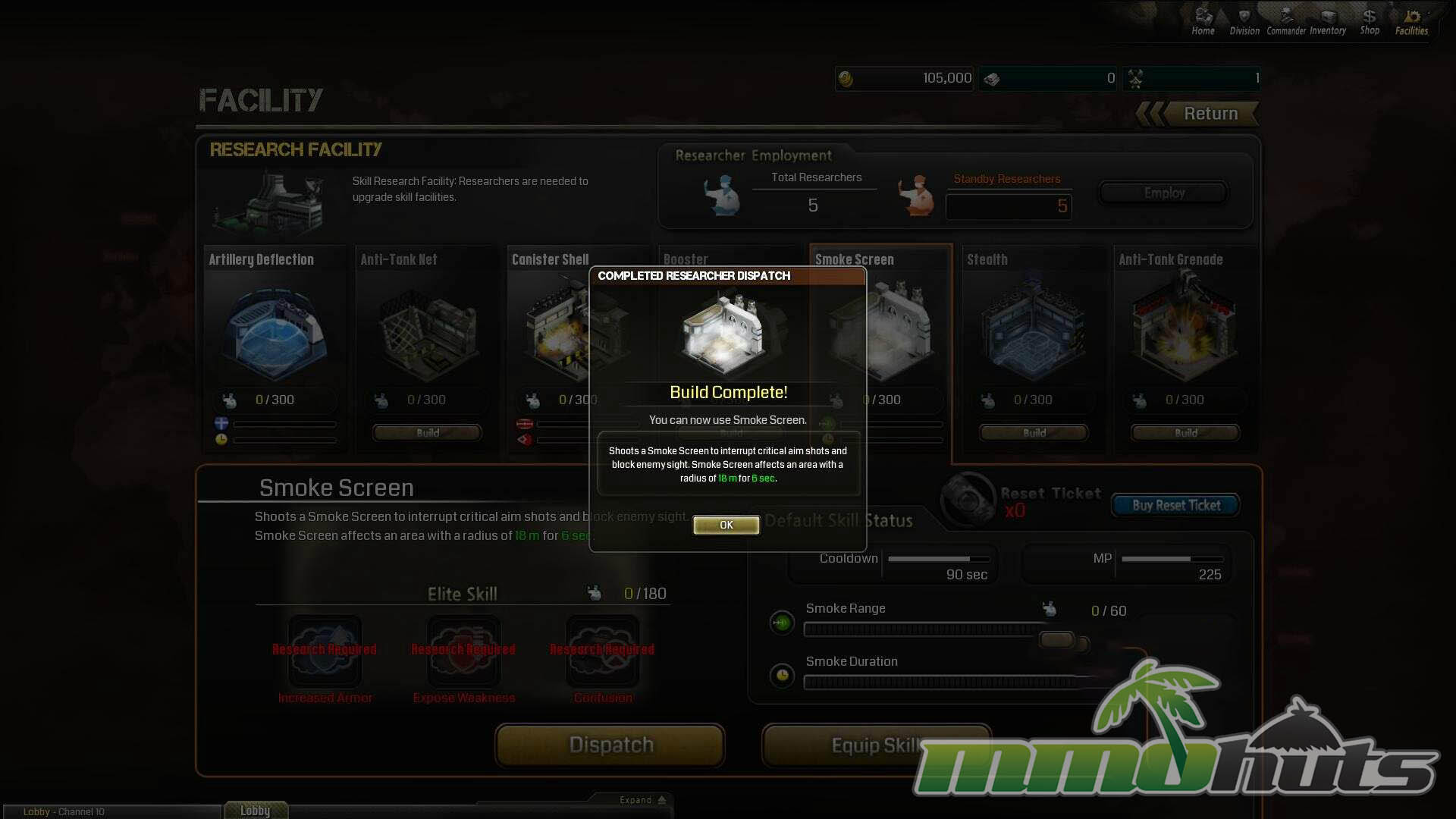
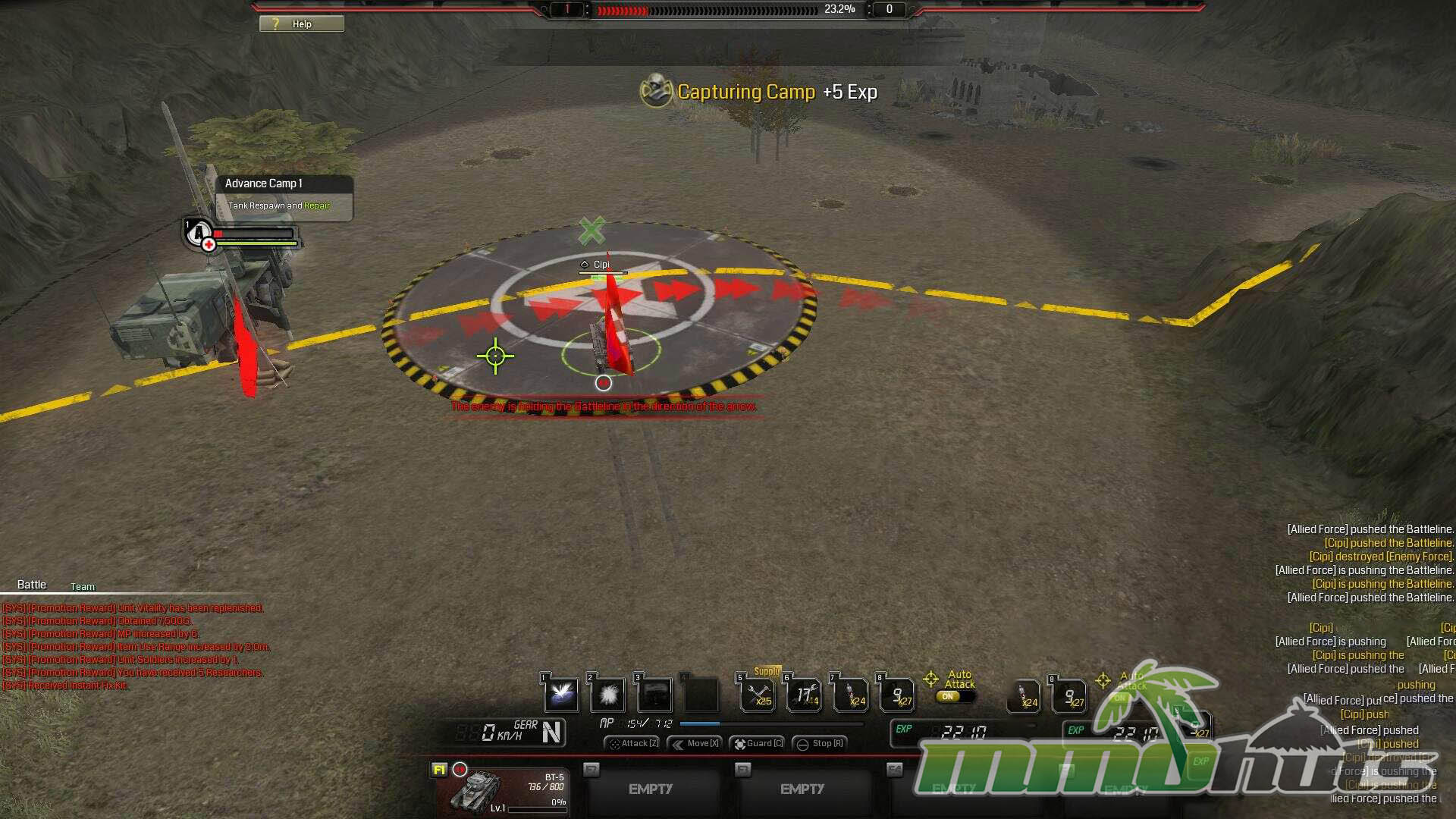
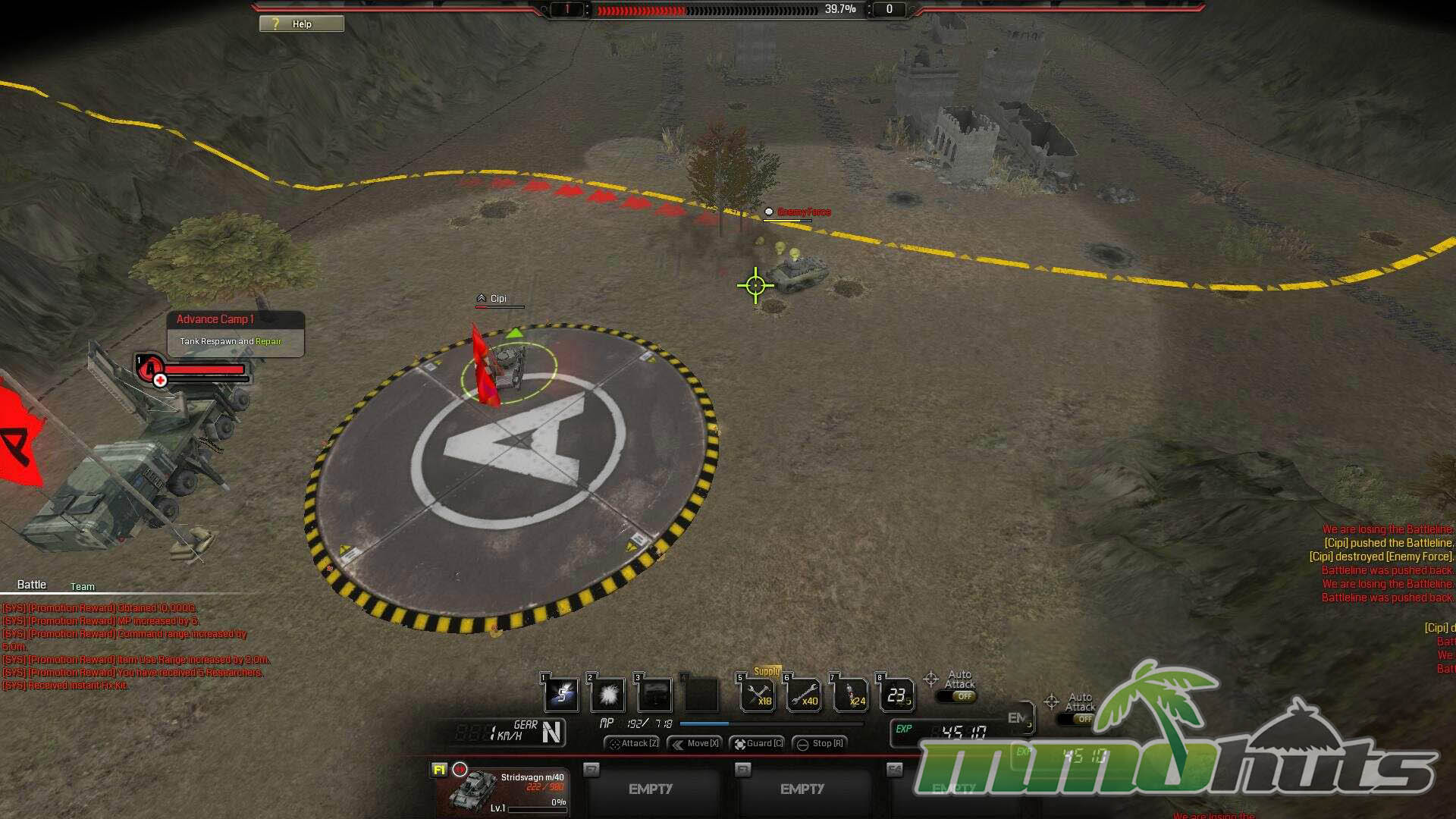
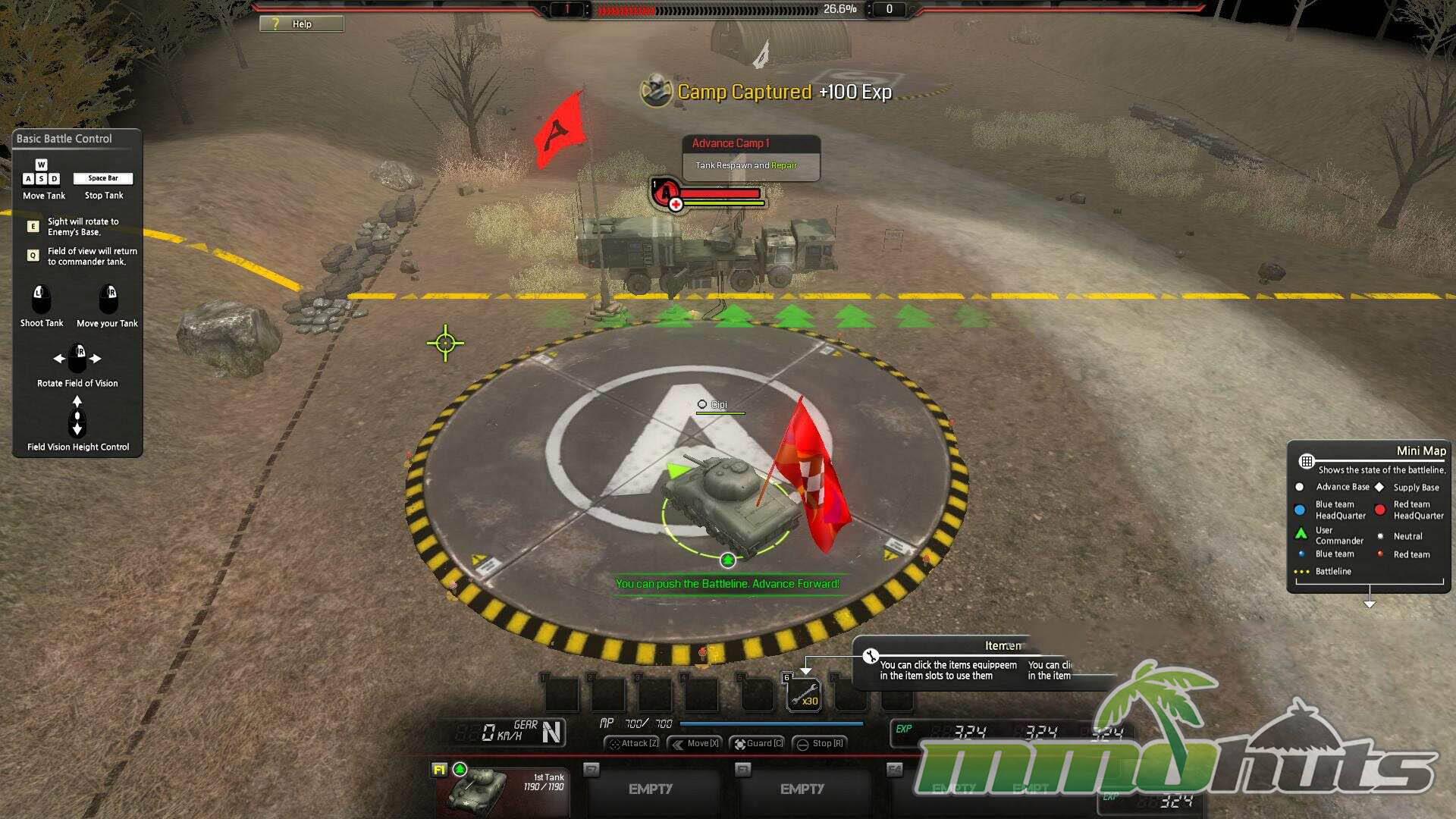
Battleline: Steel Warfare Featured Video

Battleline: Steel Warfare Review
Battleline: Steel Warfare aimed at a niche many tank games do not target: players who want armored combat, but also want the “team comp and ability timing” layer usually found in MOBAs. At its best, it delivered tense pushes where a well-timed skill could stop a capture attempt, break a defensive line, or turn a messy skirmish into a coordinated wipe.
The core objective is simple, but it creates a strong rhythm. Teams poke and probe for openings, spend abilities to force a breakthrough, then try to keep the line stabilized long enough to convert pressure into a win. That 10-second hold condition encourages decisive plays rather than endless sniping, and it gives defenders a constant reason to counter-engage instead of retreating indefinitely.
Moment-to-moment controls are one of the game’s strongest points. Tanks feel responsive for an arena-focused PvP title, and the pace generally supports aggressive rotations and quick reactions. The shooting is readable and functional, but the larger tactical layer comes from managing cooldowns, consumables, and positioning around the shifting battle line. Players who enjoy thinking about when to commit, when to peel for allies, and how to chain crowd control will find more depth here than in many straightforward vehicle shooters.
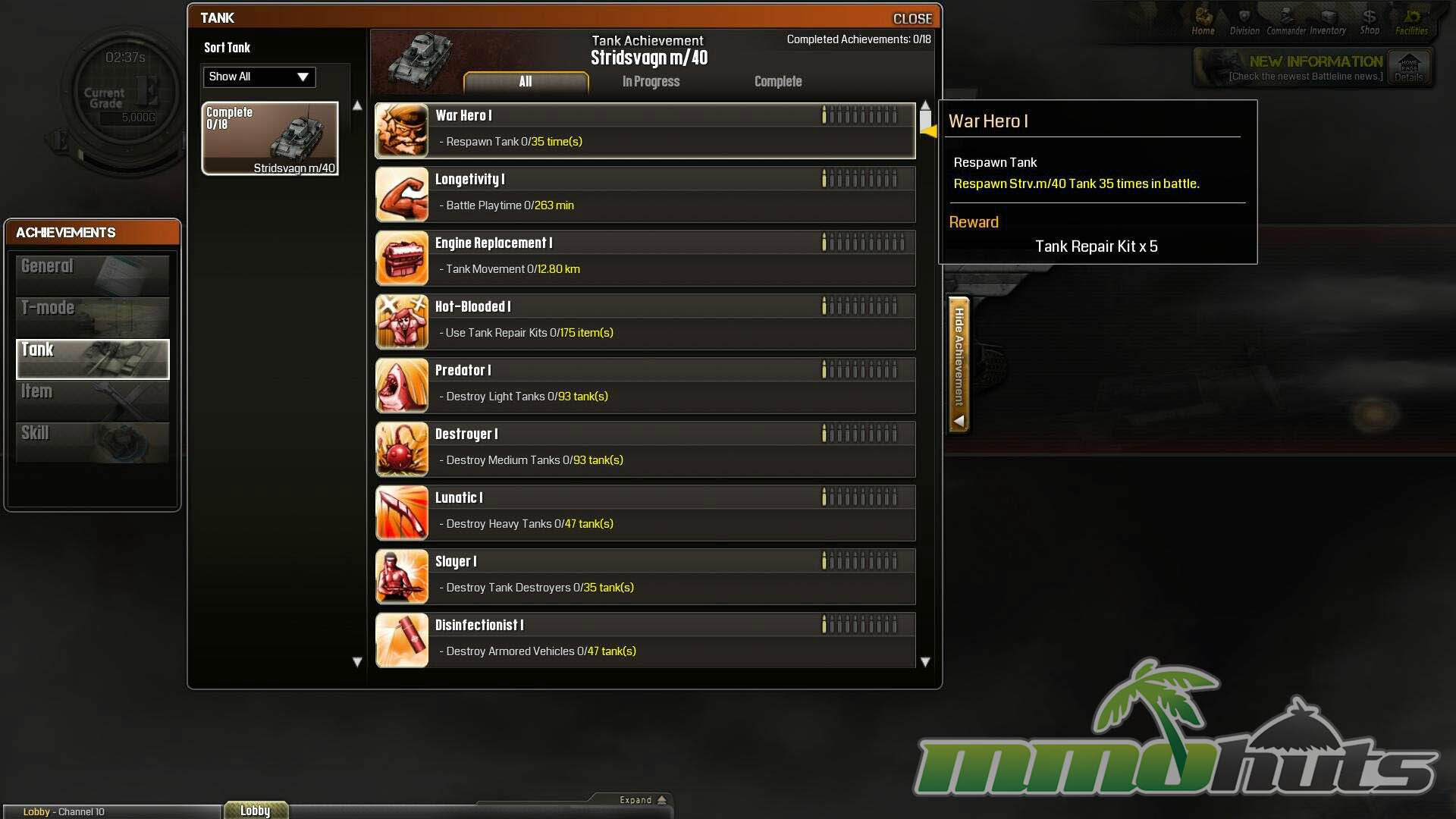
Customization is another major hook. Between tank selection, skill research, and stat upgrades, you can steer your vehicle toward a specific battlefield job rather than simply chasing the “best” gun. That said, the learning curve is real. New players have to absorb both vehicle matchups and a set of skills that can change how engagements play out. It is not difficult to understand what the objective is, but it can take time to understand why a push failed or which tool would have prevented it.
Progression also cuts both ways. The Facilities-driven research loop gives a long-term sense of building toward stronger loadouts, but it can feel grind-heavy, especially if you are trying to unlock options quickly or experiment with multiple tanks. The game does offer variety through its roster, yet meaningful experimentation tends to be smoother once you have put in enough time to develop your preferred toolkit.
In terms of social and competitive play, the ranked framing fits the design. The game works best when matchmaking can consistently create full, even teams, because the objective-based format is sensitive to coordination gaps. With fewer active players, the experience naturally becomes less consistent, and a game built around tactical team pushes suffers more than most when population dips.
Overall, Battleline: Steel Warfare was a distinctive entry in the tank PvP space. It traded pure simulation or ballistic realism for a tactical, ability-centric format that rewarded teamwork and planning. For players who wanted something closer to a MOBA in a tank chassis, it offered a concept that still feels uncommon, even if its progression demands and population challenges limited its long-term staying power.
Battleline: Steel Warfare Online Links
Battleline: Steel Warfare Official Site
Battleline: Steel Warfare Official Forums
Battleline: Steel Warfare Facebook
Battleline: Steel Warfare System Requirements
Minimum Requirements:
Operating System: Windows XP
CPU: Pentium 4 3.0GHz
Video Card: 256MB VRAM
RAM: 2 GB
Hard Disk Space: 1.5 GB
Recommended Requirements:
Operating System: Windows 7 / 8
CPU: Pentium 4 3.0GHz
Video Card: 256MB VRAM
RAM: 1.5 GB
Hard Disk Space: 1.5 GB
Battleline: Steel Warfare Music & Soundtrack
Coming Soon…
Battleline: Steel Warfare Additional Information
Developer: Creant Studios
Publisher: Bandai Namco
Announcement Date: October 13, 2014
Open Beta 1 Date: November 13, 2014
Open Beta 2 Date: December 9, 2014 to June 4, 2015
Open Beta 3 Date: June 15, 2015
Release Date: October 08, 2015
Shut Down: April 07, 2018
Development History / Background:
Battleline: Steel Warfare was developed by Creant Studios and published by Bandai Namco. At the time, Bandai Namco was also associated with other online and action releases such as Rise of Incarnates and Dragon Ball Xenoverse, and Battleline fit that period’s push toward competitive, session-based PvP experiences. The title was announced on October 13, 2014, with messaging that pointed toward an upcoming open beta.
Open Beta 1 began on November 13, 2014 and was accompanied by a Twitch livestream hosted by the game’s community manager, which served as an early walkthrough of the core mechanics for prospective players. Open Beta 2 followed on December 9, 2014 and ran until June 4, 2015, after which the game prepared for another beta phase that significantly increased EXP gain and made all tanks available from the start. Open Beta 3 launched on June 15, 2015, continuing with higher experience rates alongside ongoing matchmaking adjustments, updates to the store, and rewards aimed at returning beta participants. Battleline: Steel Warfare ultimately shut down on April 07, 2018.