Battlefleet Gothic: Armada brings Games Workshop’s Battlefleet Gothic tabletop battles into a real-time strategy format, trading dice and measuring sticks for cinematic broadsides and tactical positioning. It is a 3D sci-fi, dark fantasy MMORTS set in the Warhammer 40,000 universe, featuring a lengthy single-player campaign alongside instanced PvP where fleets from four factions clash in brutal, ability-driven space engagements.
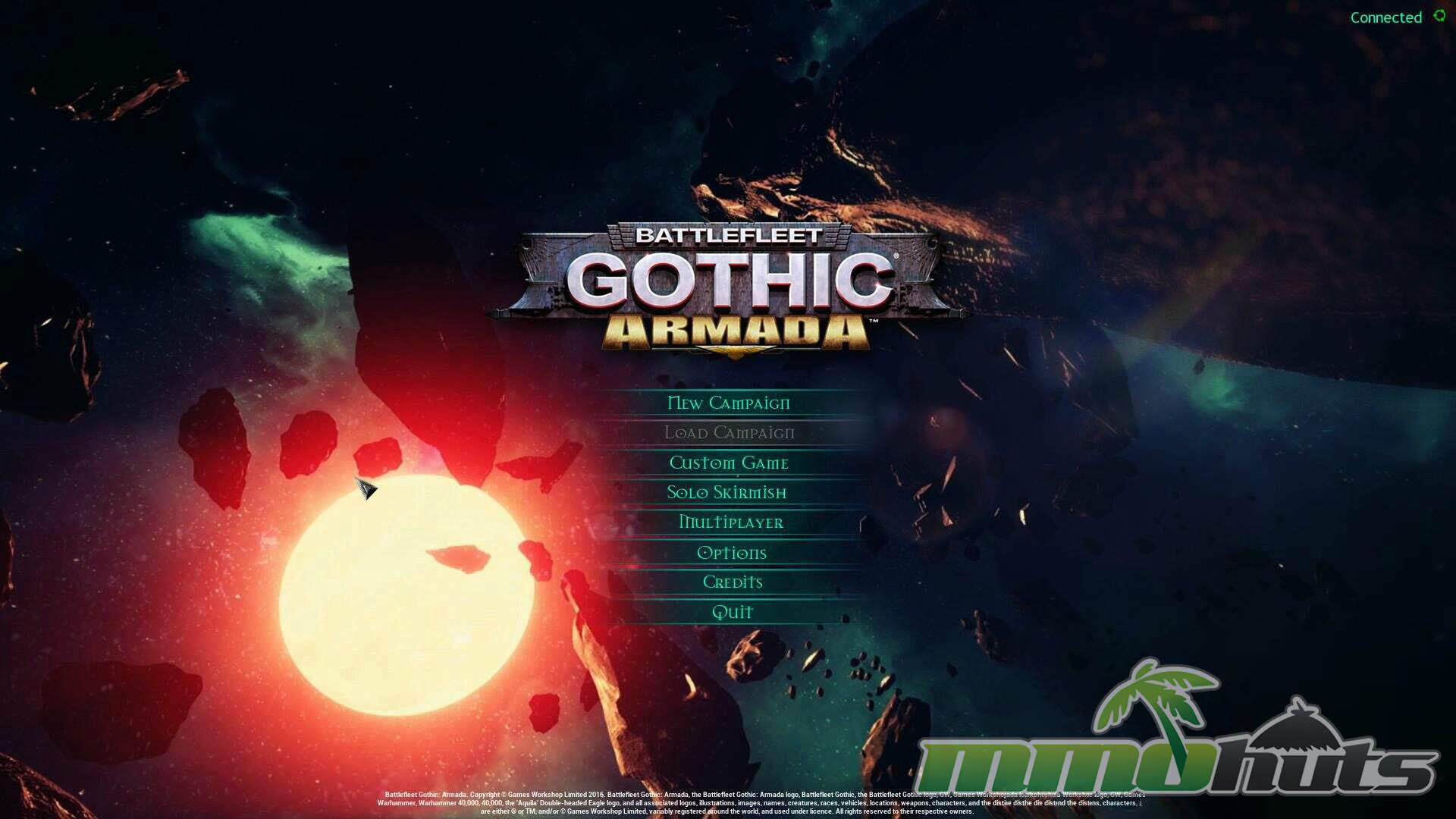 | Publisher: Focus Home Interactive Playerbase: Low Type: 3D MMORTS Release Date: April 22, 2016 PvP: 1v1/2v2 Instanced Matches Pros: +Striking comic-inspired presentation and strong 40K atmosphere. +Tense, tactical ship-to-ship battles. +Helpful, dedicated community for a niche RTS. Cons: -Technical issues including bugs and occasional crashes. -Faction balance can feel uneven. -Battlefields lack variety. -Matches can start to feel samey over time. |

Battlefleet Gothic: Armada Overview
Battlefleet Gothic: Armada is a real-time tactical space RTS that emphasizes deliberate maneuvering, ability timing, and reading the flow of an engagement rather than raw click speed. Built around the Warhammer 40,000 Battlefleet Gothic setting, it offers both a substantial single-player campaign and instanced multiplayer battles where small fleets trade torpedoes, boarding actions, and lance fire across debris-strewn arenas.
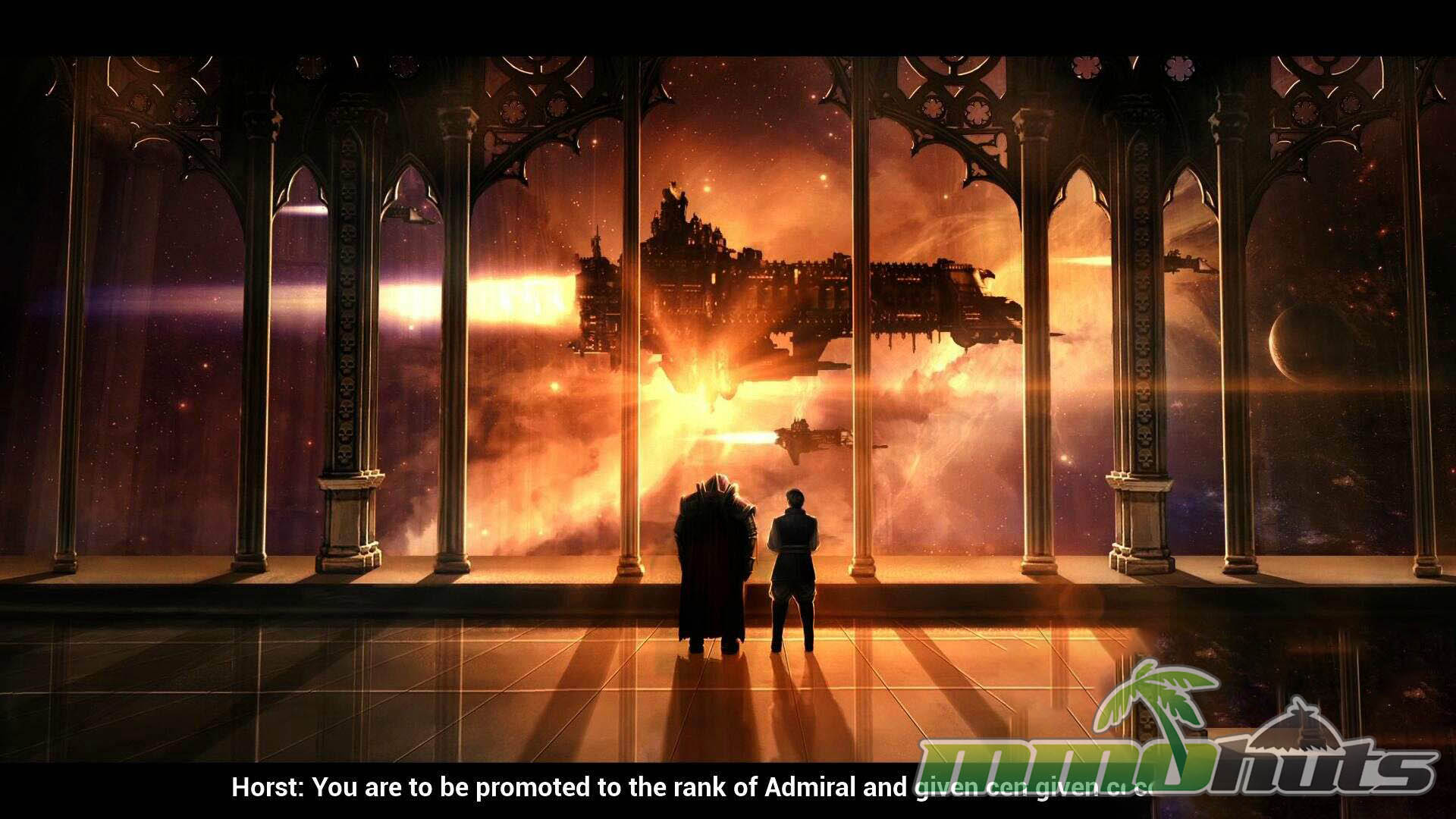
In the campaign, you step into the boots of a newly promoted Imperial Admiral tasked with holding the line in the Gothic Sector. Missions vary in objective and pacing, from straightforward fleet eliminations to scenarios that demand escorting vulnerable vessels, defending key assets, or extracting data while under pressure. Outside the campaign, PvP focuses on 1v1 and 2v2 matches where you select a faction and build a fleet within a points limit, balancing heavyweight capital ships against faster escorts and specialist picks.
Four factions are available for competitive play, the Imperium, Chaos, Orks, and Eldar. Each side pushes a distinct style, whether it is sturdy gunlines, aggressive brawling, or hit-and-run harassment. Between matches you can refine your ships with upgrades (shields, engines, weapon systems, and more), shaping how your armada handles and which tools you bring into a fight. Continued play rewards Renown and experience, letting you field more formidable configurations as you learn matchups and map flow.
Battlefleet Gothic: Armada Key Features:
- From The Tabletop To The PC – a faithful digital take on Battlefleet Gothic concepts, adapted into real-time naval-style space combat.
- Expansive Single Player Campaign – a long-form campaign with a narrative throughline and dozens of missions worth more than 30 hours for most players.
- Tactical RTS – positioning, sensor play, and well-timed abilities matter as much as raw firepower in moment-to-moment battles.
- Multiplayer PvP – 1v1 and 2v2 instanced matches featuring four factions with different strengths and counterplay.
- Customizable Fleet – build a roster of ships, then tailor loadouts and upgrades to support your preferred strategy.
Battlefleet Gothic: Armada Screenshots

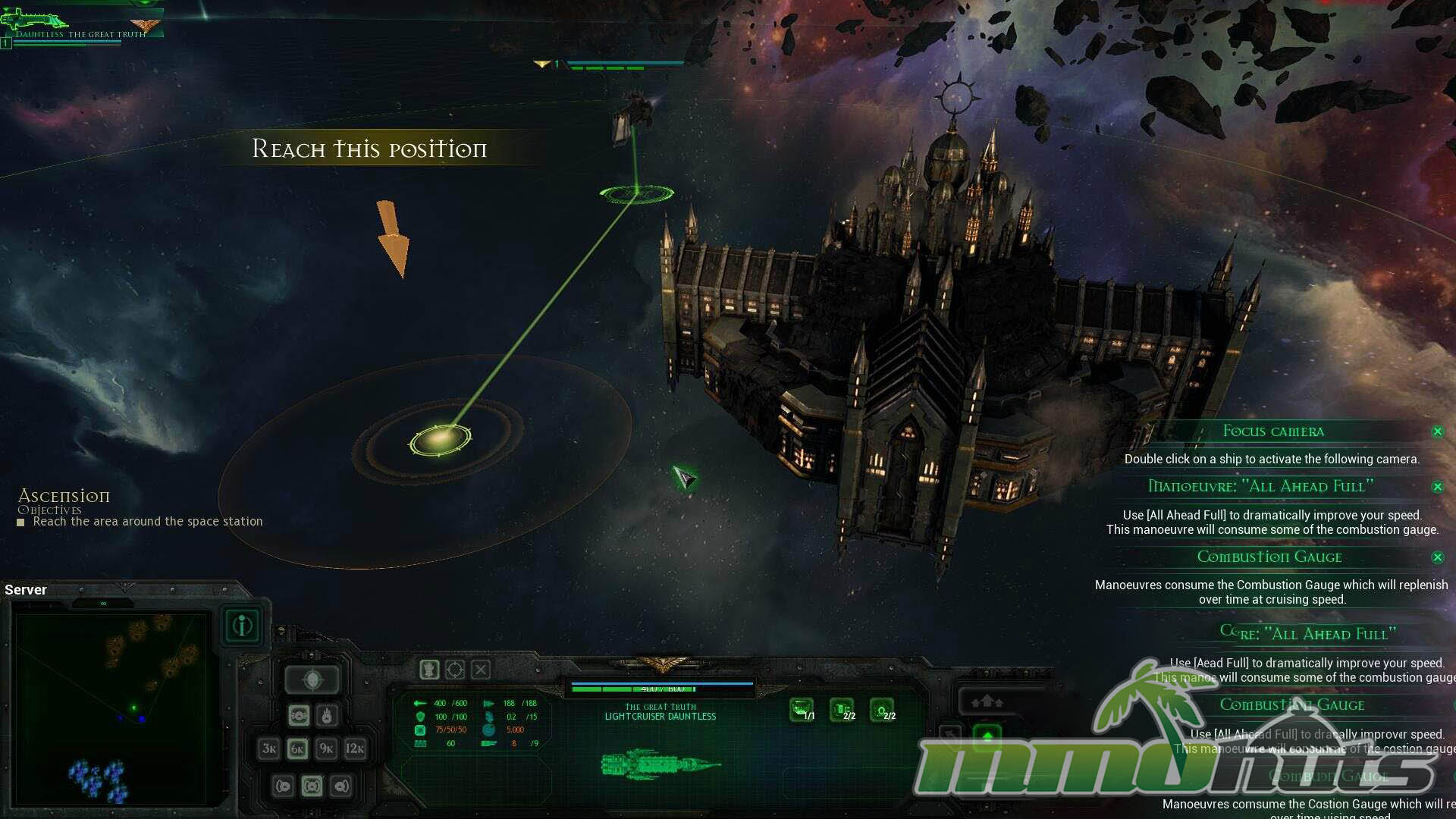
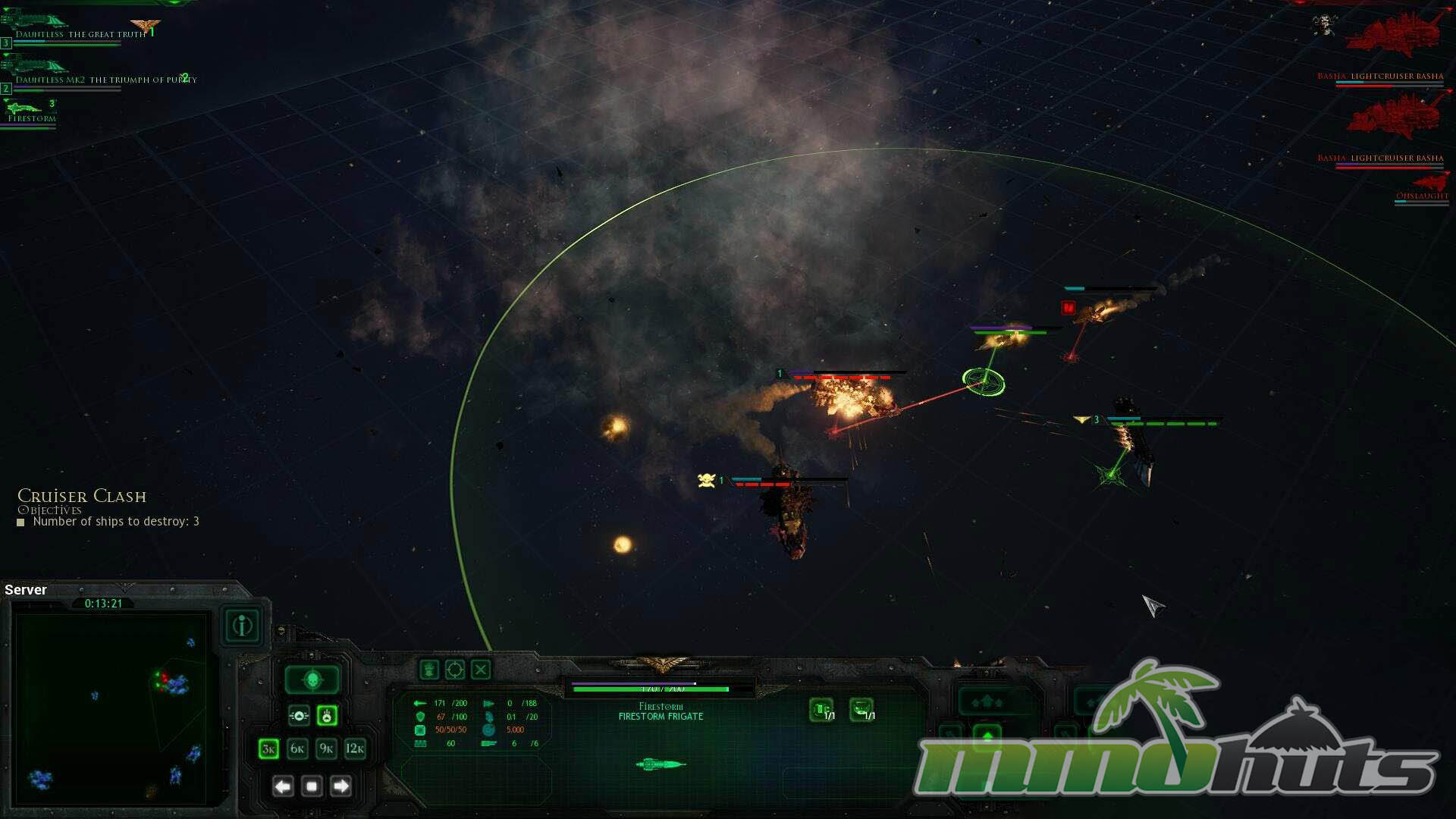
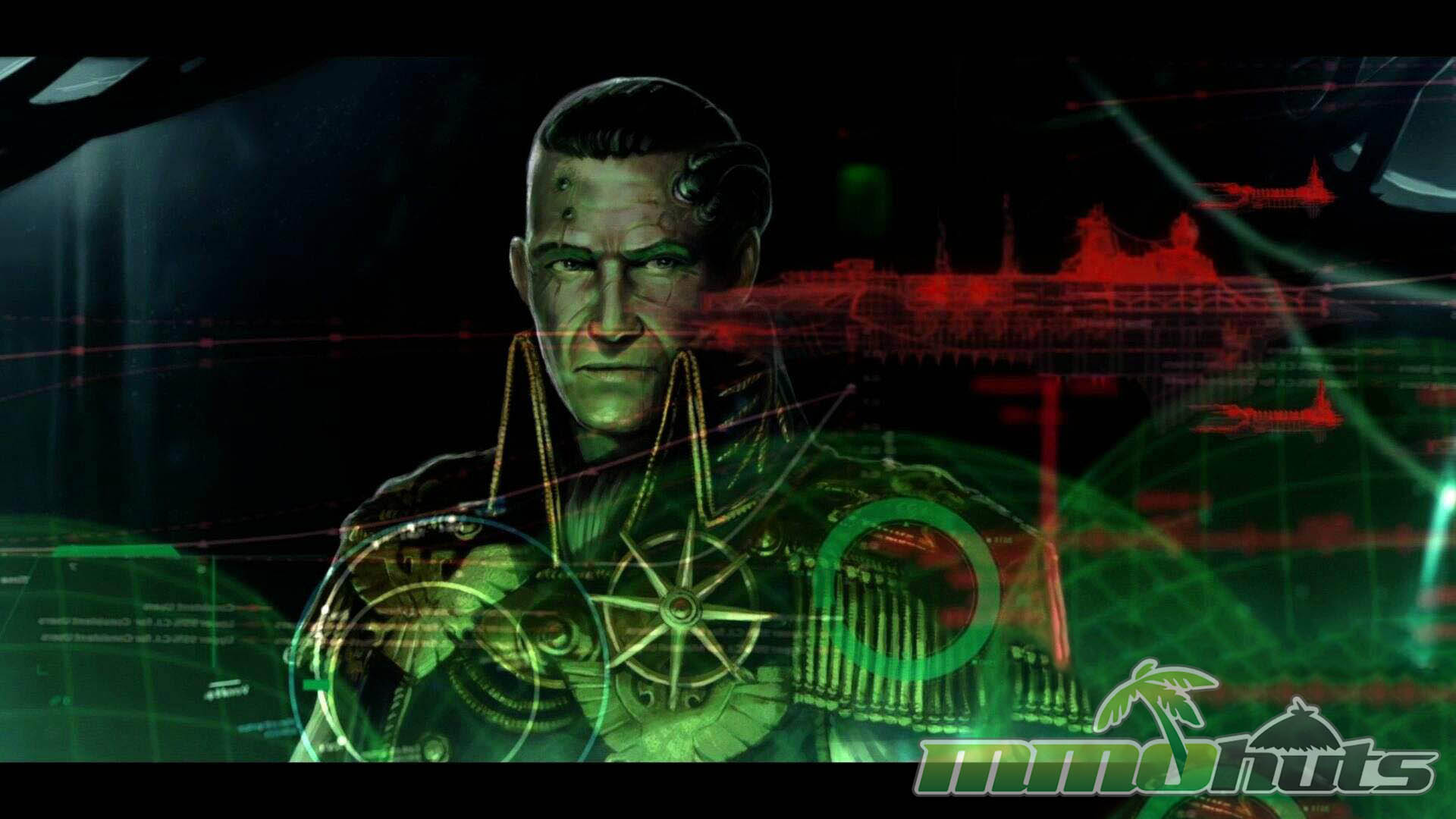
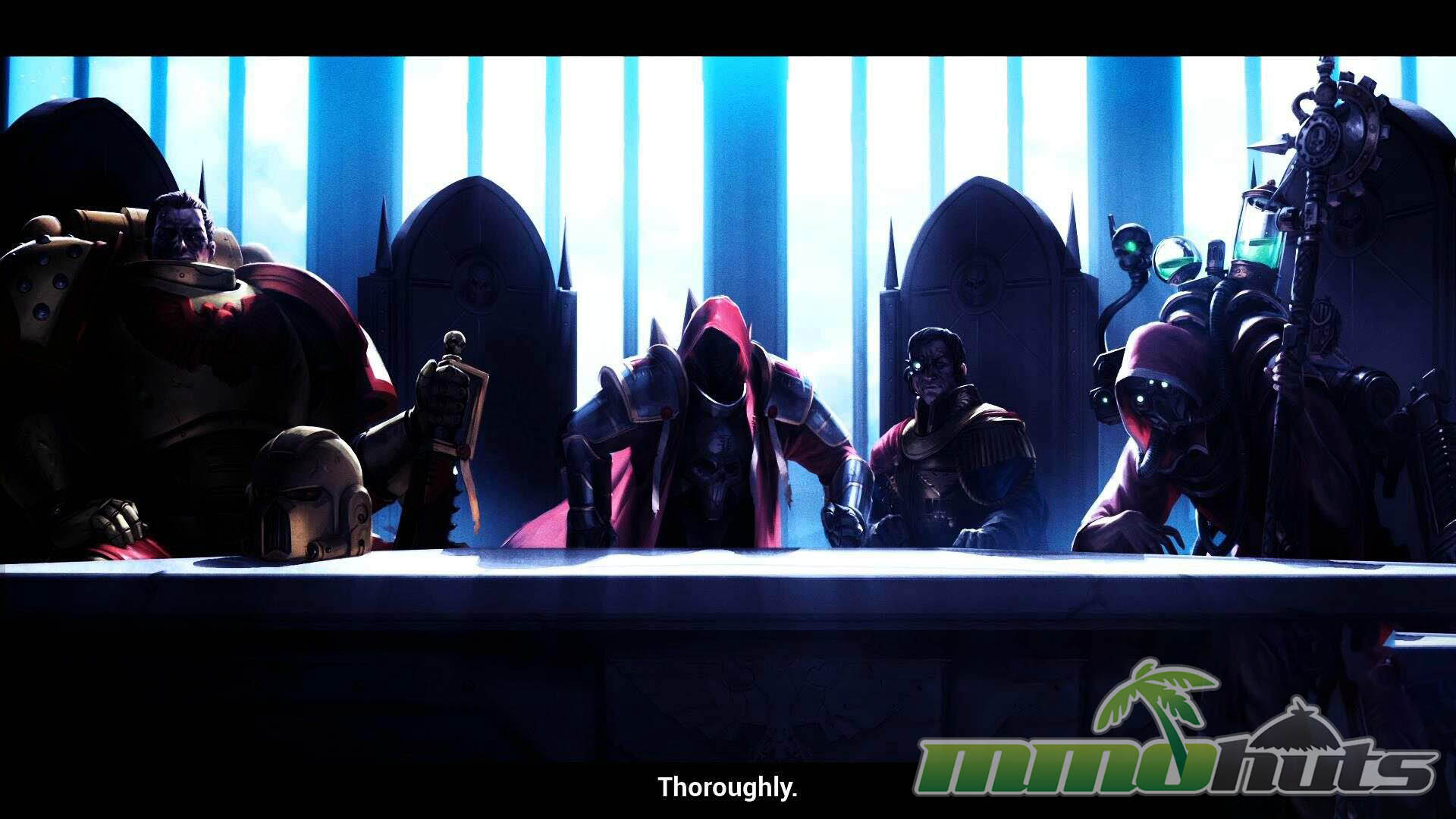
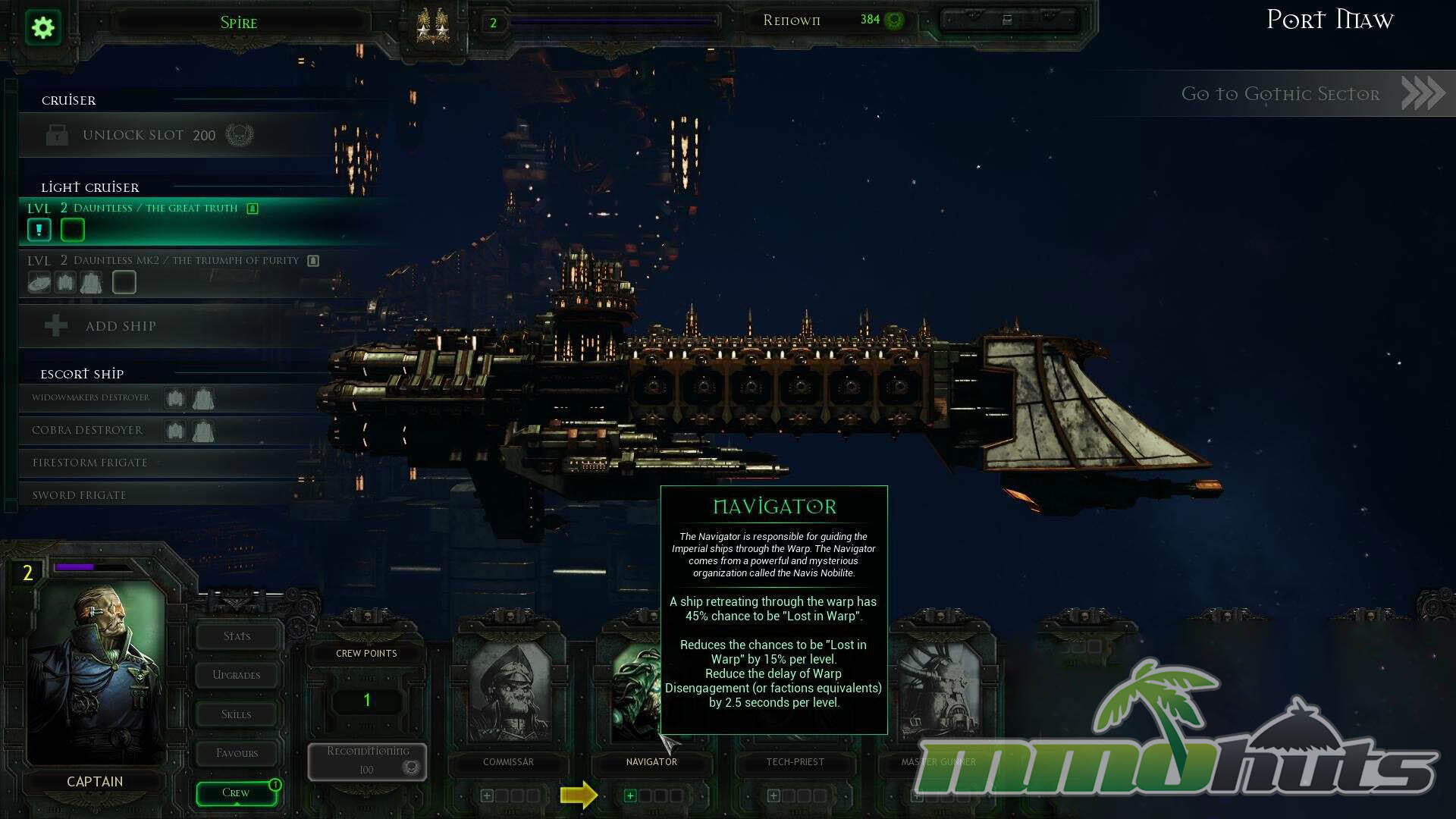
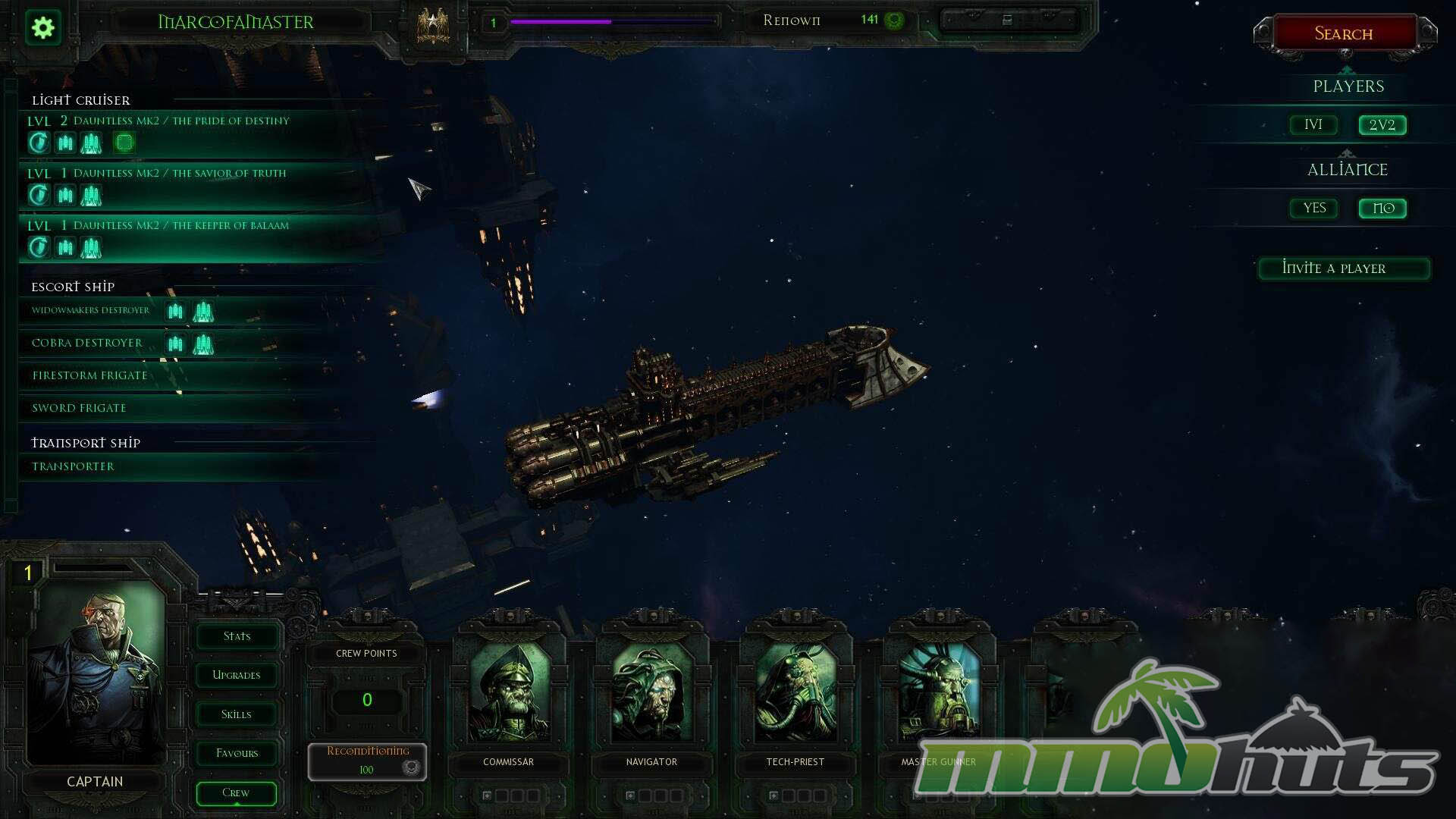
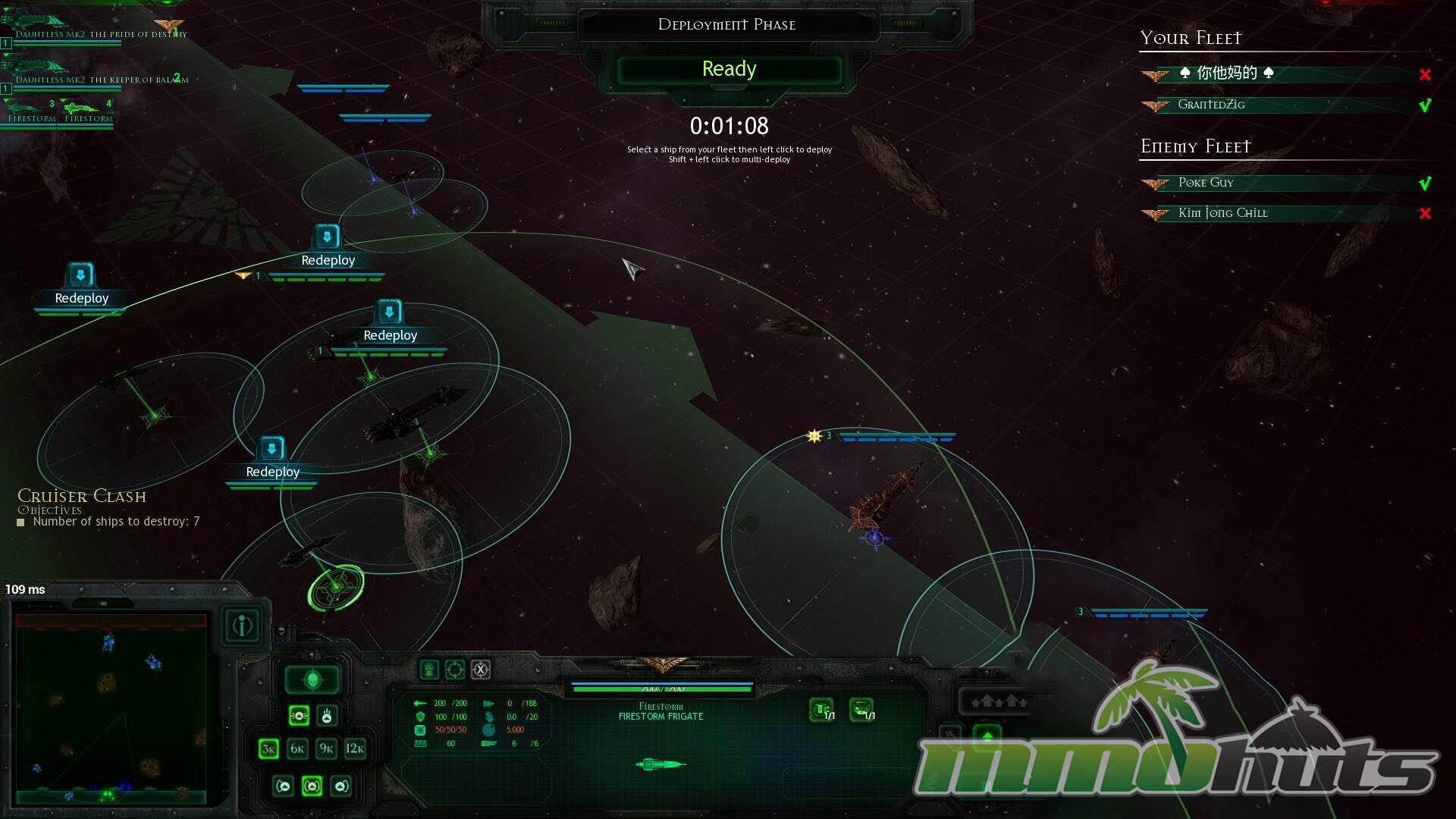
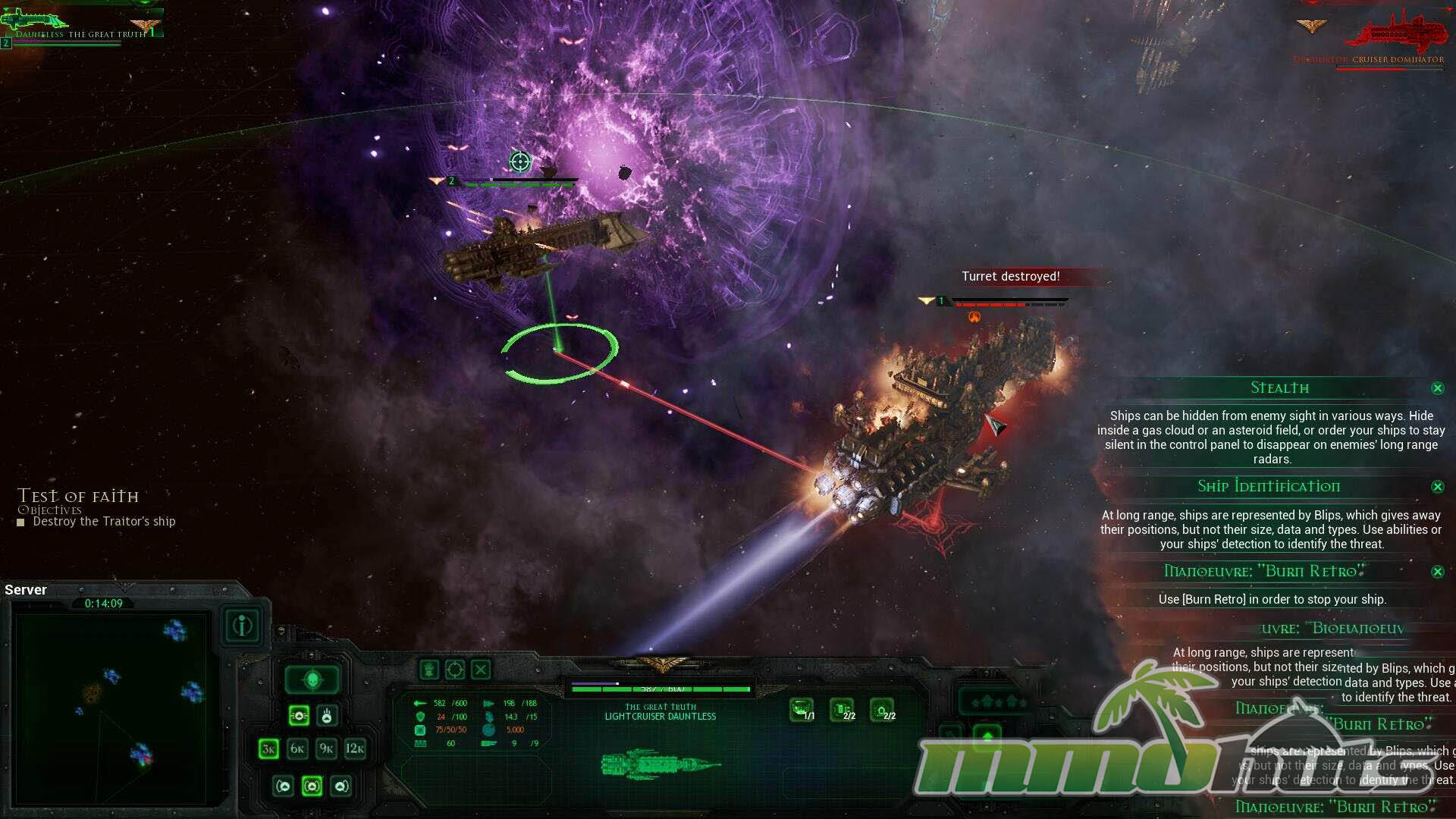
Battlefleet Gothic: Armada Featured Video
Battlefleet Gothic: Armada Review
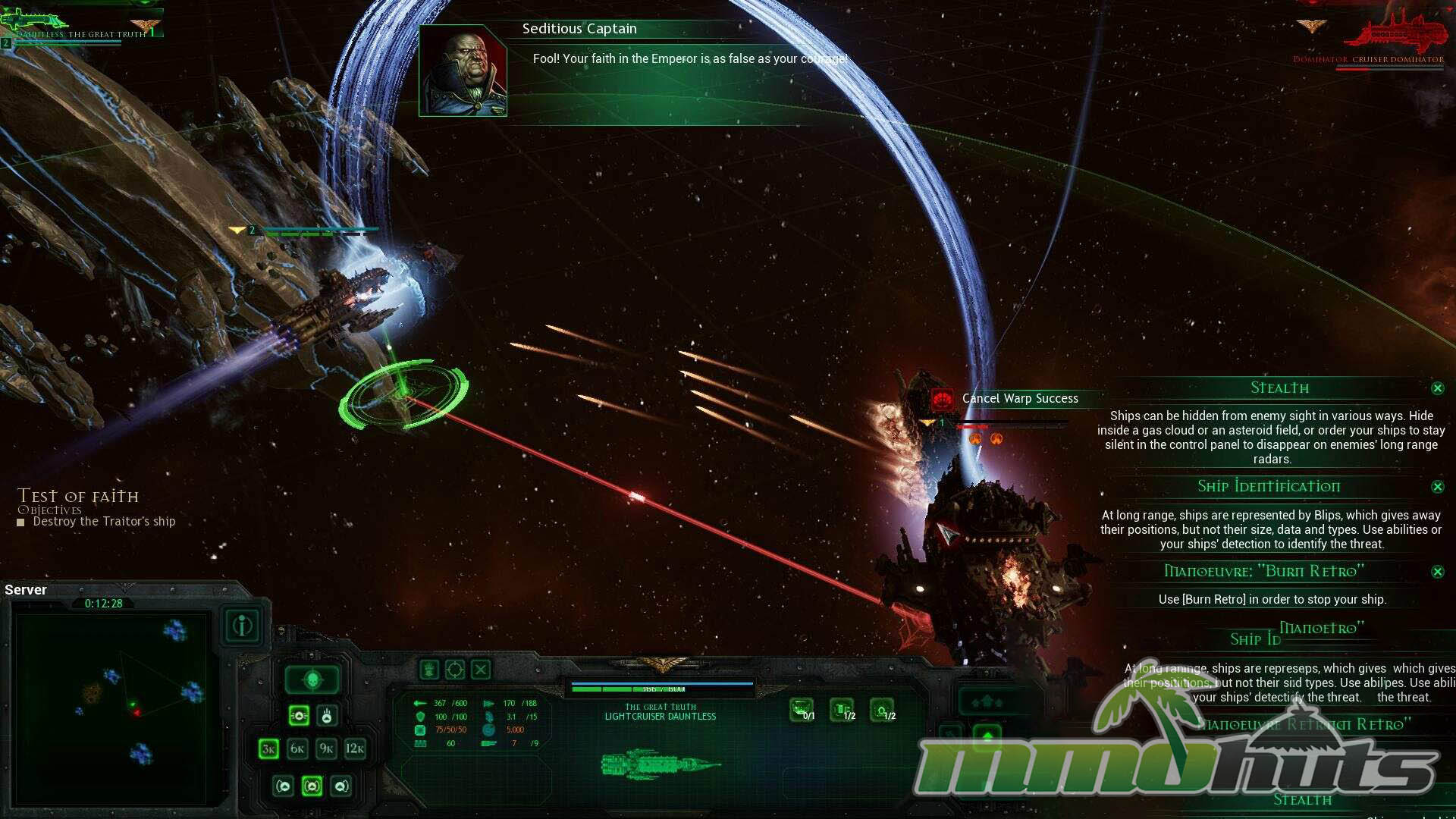
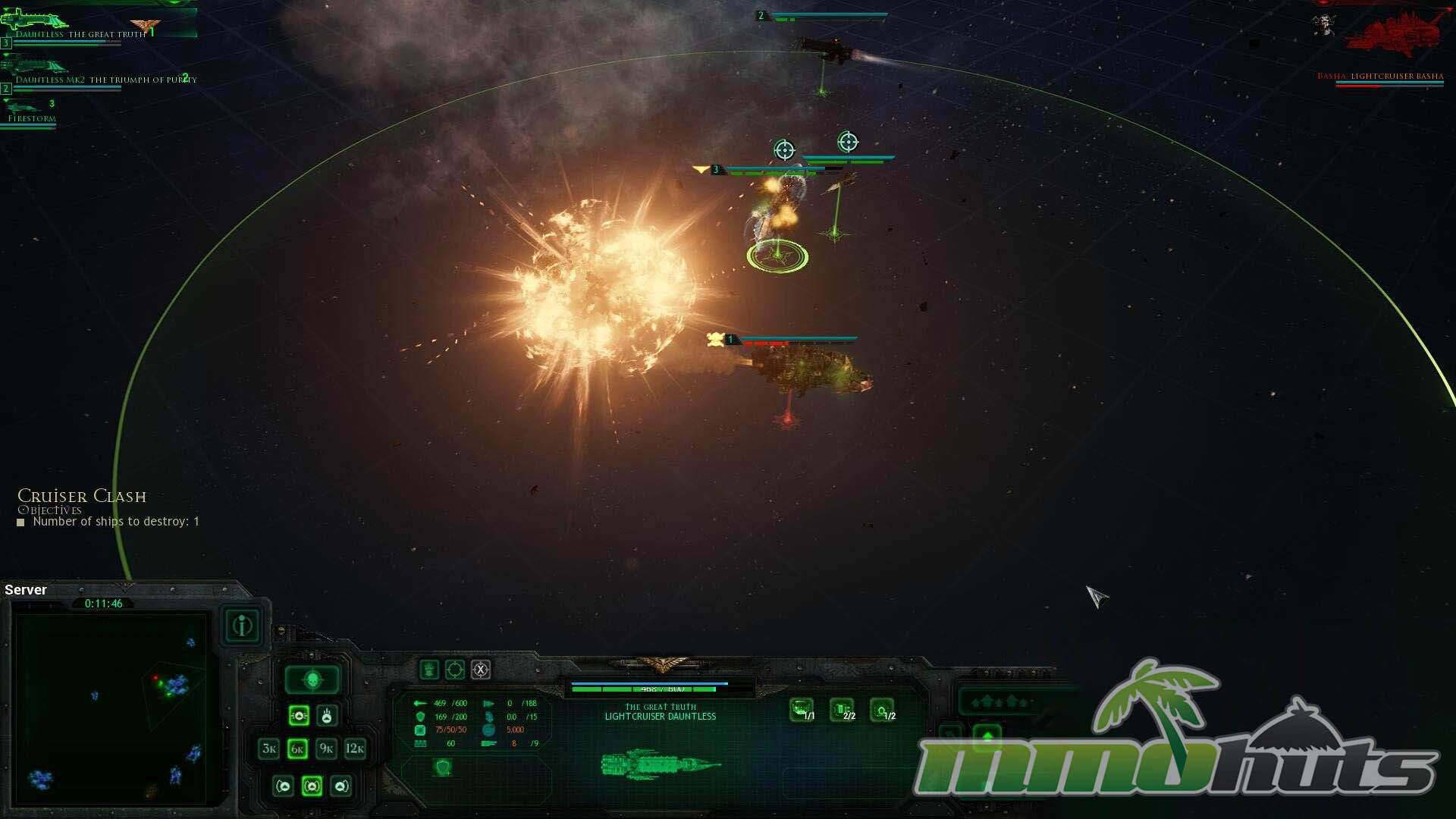
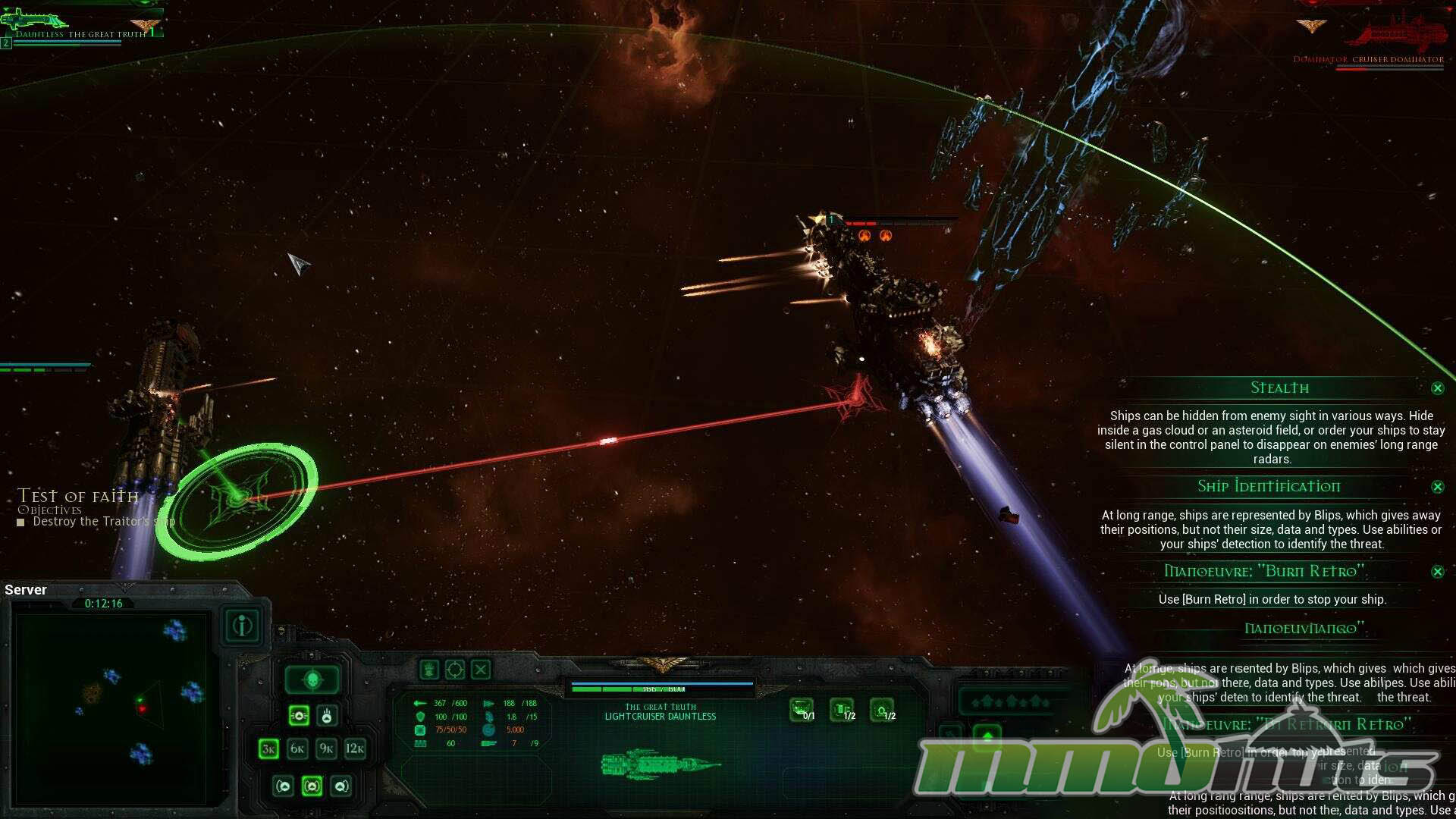
Battlefleet Gothic: Armada is a Warhammer 40,000 flavored MMORTS that treats space combat like a slower, heavier form of naval warfare. Capital ships do not pivot on a dime, lines of sight and detection matter, and a single mistake in approach angle can cost you a cruiser. When the game is at its best, it delivers a satisfying mix of spectacle and tactics, with enormous ships trading volleys while your abilities, micro-adjustments, and target priority decide who limps away and who detonates in a fireball.
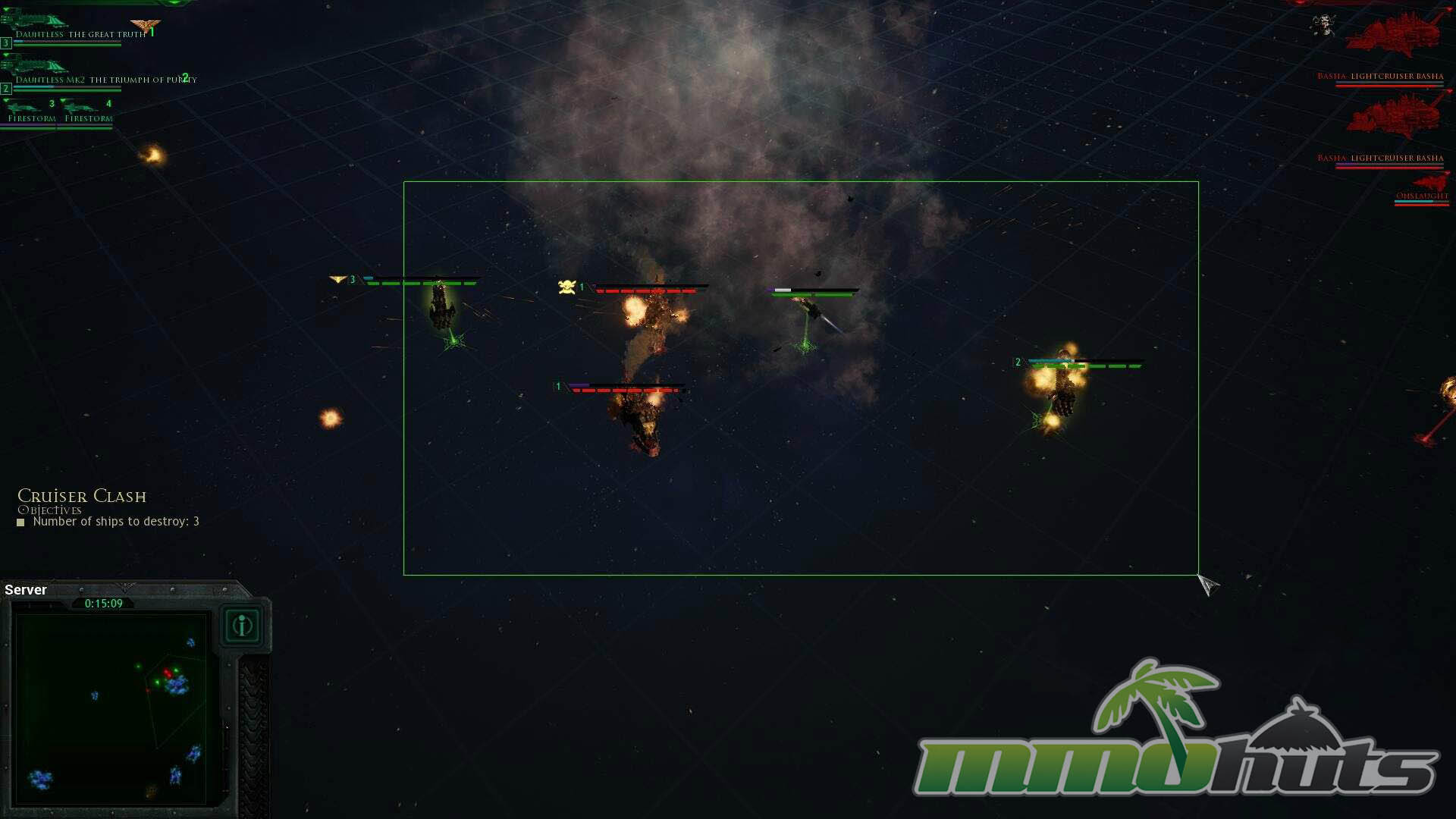
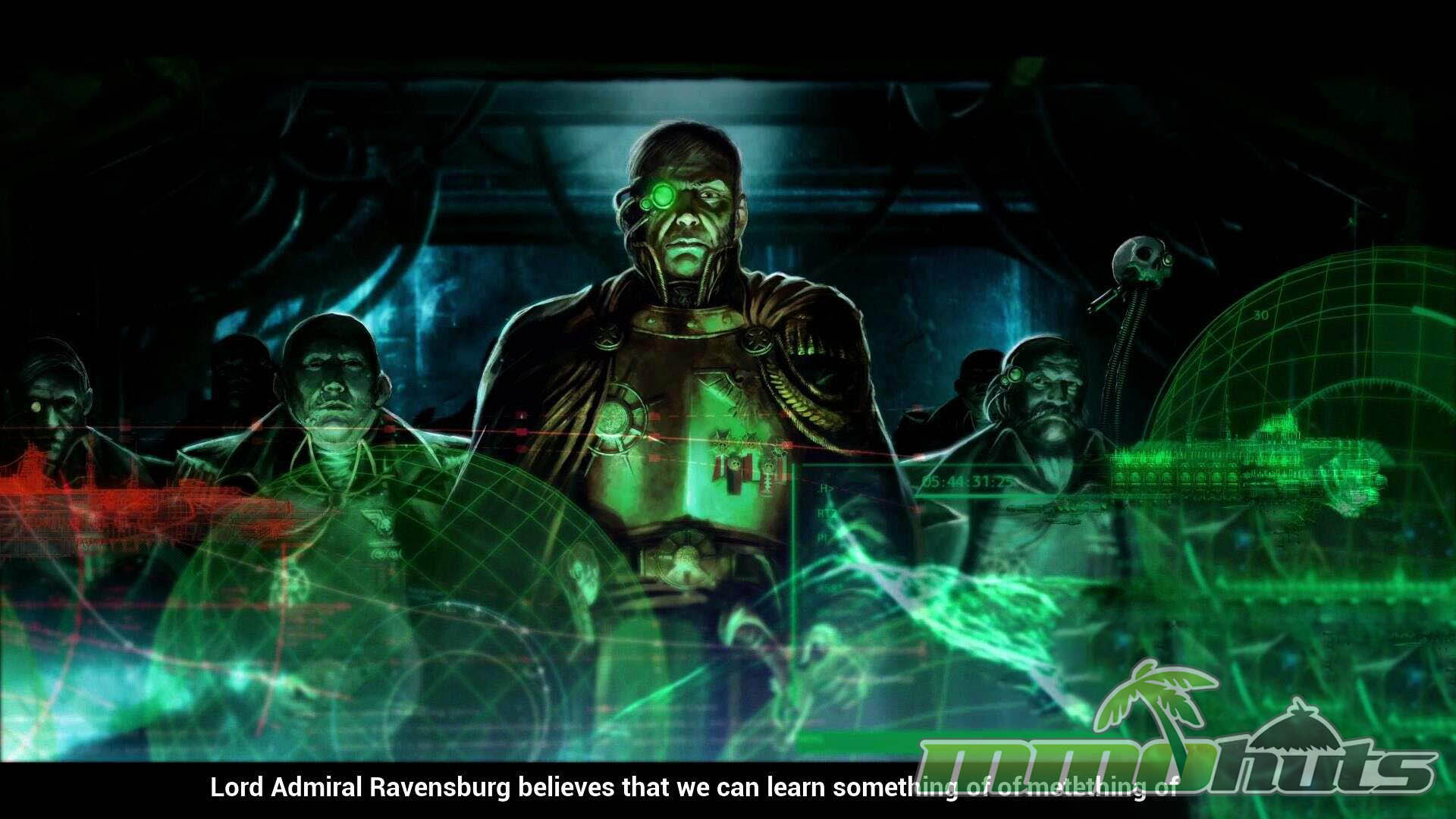
Visually, the ships carry much of the appeal. The Imperium’s cathedral-like hulls and grim ornamentation look excellent, and the effects work, boarding actions, macro cannons, torpedoes, and lances, sell the scale of the setting. Cutscenes and audio also do a lot of heavy lifting, with strong voice work and a soundtrack that leans into the oppressive 40K mood. The downside is that battle arenas can blur together after a while, often distinguished mainly by the amount and type of space clutter rather than by dramatically different layouts or landmarks.
Learning the ropes
The game expects you to understand a fair number of systems, from stance choices and special abilities to how detection and concealment work. The most practical way to get comfortable is to spend time in the prologue and early campaign missions, where the pace is more forgiving and mechanics are introduced gradually. You can jump straight into multiplayer, but doing so without a grasp of core controls and common tactics is a fast route to losing ships before you know what went wrong.
That early onboarding is especially important because battles are won by layered decisions. You are not simply selecting targets, you are managing cooldowns, choosing when to disengage, and deciding whether to commit to a risky close-range exchange or play the edges with longer sightlines.
Campaign: Imperial command
In the single-player campaign you serve as an Imperial Admiral, climbing through missions that escalate in complexity and stakes. The campaign is focused on the Imperium, which means you spend your time mastering one doctrine and one roster rather than swapping perspectives. Even so, there is plenty of variety in what the campaign asks of you, including defense scenarios, escorts, and operations where objectives force movement and positioning rather than simple annihilation.
The structure encourages steady improvement: you learn how to angle armor, when to break formation, and how to use tools like abilities and terrain to offset numerical disadvantages. Players who prefer pure “destroy everything” objectives may find the more specialized mission types demanding, but those scenarios are also where the game’s tactical identity comes through most clearly.
A flatter battlefield than you might expect
Despite being set in space, engagements play out on a largely 2D plane inside an instanced arena with clear borders. Within that space you will find gas clouds, asteroid fields, and other hazards that can block sensors or provide cover, creating meaningful choices about approach routes and ambush angles. If you come in expecting full three-dimensional maneuvering, the constraint can feel limiting, but it also keeps battles readable and reinforces the “naval combat” inspiration.
Fleet scale is another area where expectations should be managed. Even though the title suggests massive armadas, most missions and matches revolve around a small number of ships because of the points-based fleet building. That design keeps each ship’s survival and positioning important, but it can also leave players wanting more of the grand-fleet fantasy, especially when compared to RTS games that let you flood the map with units.
Multiplayer: sharp matchups, uneven balance
PvP is built around 1v1 and 2v2 instanced matches, using the same general combat rhythm as single-player but without narrative framing. You pick a faction, assemble a fleet under a points cap, and adapt on the fly to objectives and enemy composition. The faction lineup, Imperium, Chaos, Orks, and Eldar, gives multiplayer its personality, since each roster leans toward different strengths in speed, durability, and engagement style.
Where multiplayer can stumble is matchmaking and mode control, since you are largely at the mercy of random opponents and randomly selected mission types. That matters because certain objectives can amplify faction advantages, and when balance is off, specific matchups can feel more frustrating than strategic. On a good day, you get tense exchanges where positioning and timing win the fight, on a bad day, you get a match that feels decided by tools and speed differences before the first volley lands.
Progression and fleet customization
Progression revolves around Renown and ship experience. Completing missions and matches earns Renown that you can spend on parts and upgrades, and it also covers repairs for ships that take heavy damage. Ships that survive engagements gain experience and level up, granting points that feed into crew skill upgrades. These choices influence practical stats and behavior, such as maneuverability, ability cooldowns, and overall performance, so the same class of ship can feel meaningfully different depending on how you build it.
It is also important to note that progression is separated between single-player and multiplayer. That split helps keep competitive play from being fully dictated by campaign progress, while still giving both modes their own sense of long-term growth.
The Final Verdict – Good
Battlefleet Gothic: Armada is not a free-form, fully 3D space RTS, and it does not deliver the “screen full of ships” scale some players will expect from the name. What it does offer is a weighty, atmospheric tactical experience where ship handling, detection, and ability usage matter, wrapped in a strong Warhammer 40,000 presentation. When the pacing clicks, it is genuinely satisfying to outmaneuver an enemy line and watch a capital ship break apart under sustained fire.
The drawbacks are hard to ignore: technical instability can intrude, maps can feel too similar, and faction balance issues can sour PvP depending on the matchup and objective. Still, it has clearly resonated with a dedicated niche, especially among 40K fans who want a faithful-feeling fleet combat game. If you enjoy methodical RTS battles and can tolerate some rough edges, it is an easy recommendation at the right price, but players looking for broader variety or perfectly tuned competitive balance may want to temper expectations.
Battlefleet Gothic: Armada Links
Battlefleet Gothic: Armada Official Site
Battlefleet Gothic: Armada Steam Page
Battlefleet Gothic: Armada Wikipedia Page
Battlefleet Gothic: Armada Wikia [Database/Guides]
Battlefleet Gothic: Armada Publisher Site
Battlefleet Gothic: Armada System Requirements
Minimum Requirements:
Operating System: Windows 7, Windows 8.1, Windows 10 (64-bit versions only)
CPU: AMD FX-4100 X4 (3,6 GHz)/Intel Core i5-2500 (3,3 GHz)
RAM: 4 GB RAM
Video Card: 1 GB, DirectX 11, AMD Radeon HD 6850/NVIDIA GeForce GTX 560
Hard Disk Space: 10 GB available space
Recommended Requirements:
Operating System: Windows 7, Windows 8.1, Windows 10 (64-bit versions only)
CPU: AMD FX-8350 X8 (4,0 GHz)/Intel Core i7-3770 (3,9 GHz)
RAM: 8 GB RAM or more
Video Card: 2 GB, DirectX 11, AMD Radeon R9 270X/NVIDIA GeForce GTX 760
Hard Disk Space: 10 GB or more available space
Battlefleet Gothic: Armada Music & Soundtrack
Coming Soon!
Battlefleet Gothic: Armada Additional Information
Developer: Tindalos Interactive
Publisher: Focus Home Interactive
Distributor: Steam
Game Engine: Unreal Engine 4
Official Release Date: April 22, 2016
Development History / Background:
Battlefleet Gothic: Armada is a buy-to-play, dark sci-fi 3D MMORTS created by Tindalos Interactive and published by Focus Home Interactive, with both companies based in France. Drawing from the Warhammer 40,000 tabletop universe (and the Battlefleet Gothic ruleset in particular), the project was announced on January 16, 2015. It later entered a Closed Beta in March 2016 and launched officially on Steam on April 22, 2016. The game was built using Unreal Engine 4.