Battlefield 1 is a first-person shooter built around large, cinematic multiplayer clashes where up to 64 players fight across World War I battlefields. Expect combined-arms combat with infantry, vehicles, and environmental destruction shaping each push and counterattack on land, in the skies, and along coastlines.
 | Developer: DICE Playerbase: High Type: FPS Release Date: October 21, 2016 Pros: +Stunning visual presentation. +Matches stay unpredictable and feel alive. +Strong variety of maps and modes. Cons: -Progression and unlock pacing can feel strange. -Some layouts funnel fights in frustrating ways. -Scoring tends to reward medics more than other roles. |

Battlefield 1 Overview
Battlefield 1 delivers Battlefield’s signature scale in a Great War setting, with 64-player battles that lean heavily into chaos, teamwork, and spectacle. You will fight across multiple theaters, from the Western Front to the deserts of Arabia and the icy heights of the Italian Alps, with maps designed to support infantry pushes, vehicle play, and shifting sightlines.
The weapon set focuses on period-appropriate gear, including bolt-action rifles, early automatic weapons, and specialty tools like flamethrowers. Vehicles are a major part of the sandbox, with tanks and aircraft capable of turning an objective into a cratered ruin when supported properly. The game also encourages multi-seat teamwork, letting squads share roles in planes, tanks, and motorcycles as they rotate between attacking, defending, and keeping each other supplied. When ammo runs dry, the game still gives you options, including aggressive bayonet charges that fit the era’s brutal pacing.
Modes include familiar Battlefield staples and new twists introduced in Battlefield 1, and players who prefer control over matchmaking can use a server browser to find the kind of match, ruleset, and population they want.
Battlefield 1 Key Features:
- Multiple Game Modes – a mix of classic Battlefield formats alongside new additions built for this setting.
- World War I – a return to early 20th century warfare with era-appropriate weapons, vehicles, and tactics.
- Server Browser – choose servers directly instead of relying only on matchmaking.
- 64 Player Battles – large matches that combine infantry combat with vehicles across land, sea, and air.
- Squad System – squads can remain together as they move between servers in-game.
Battlefield 1 Screenshots
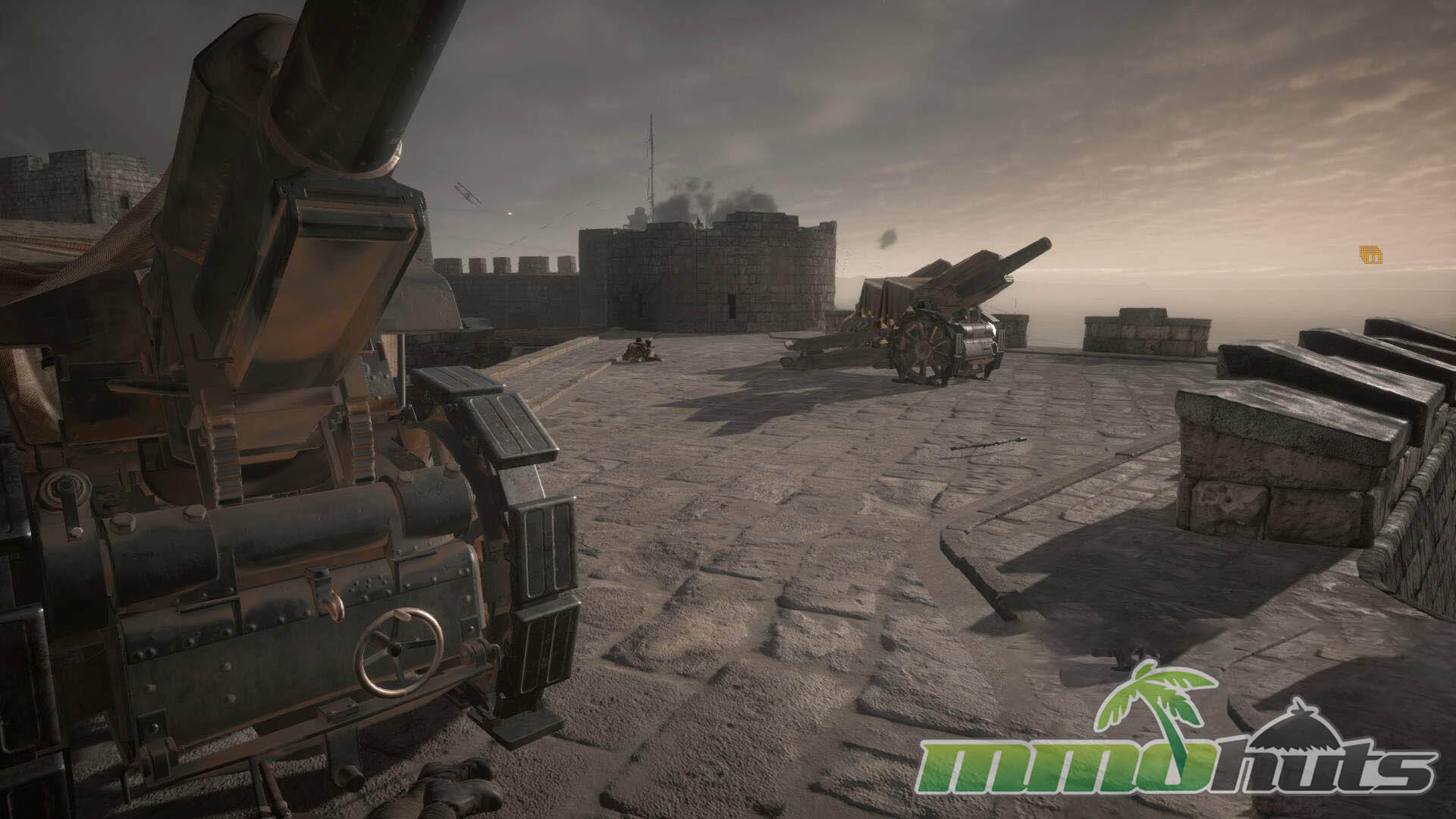
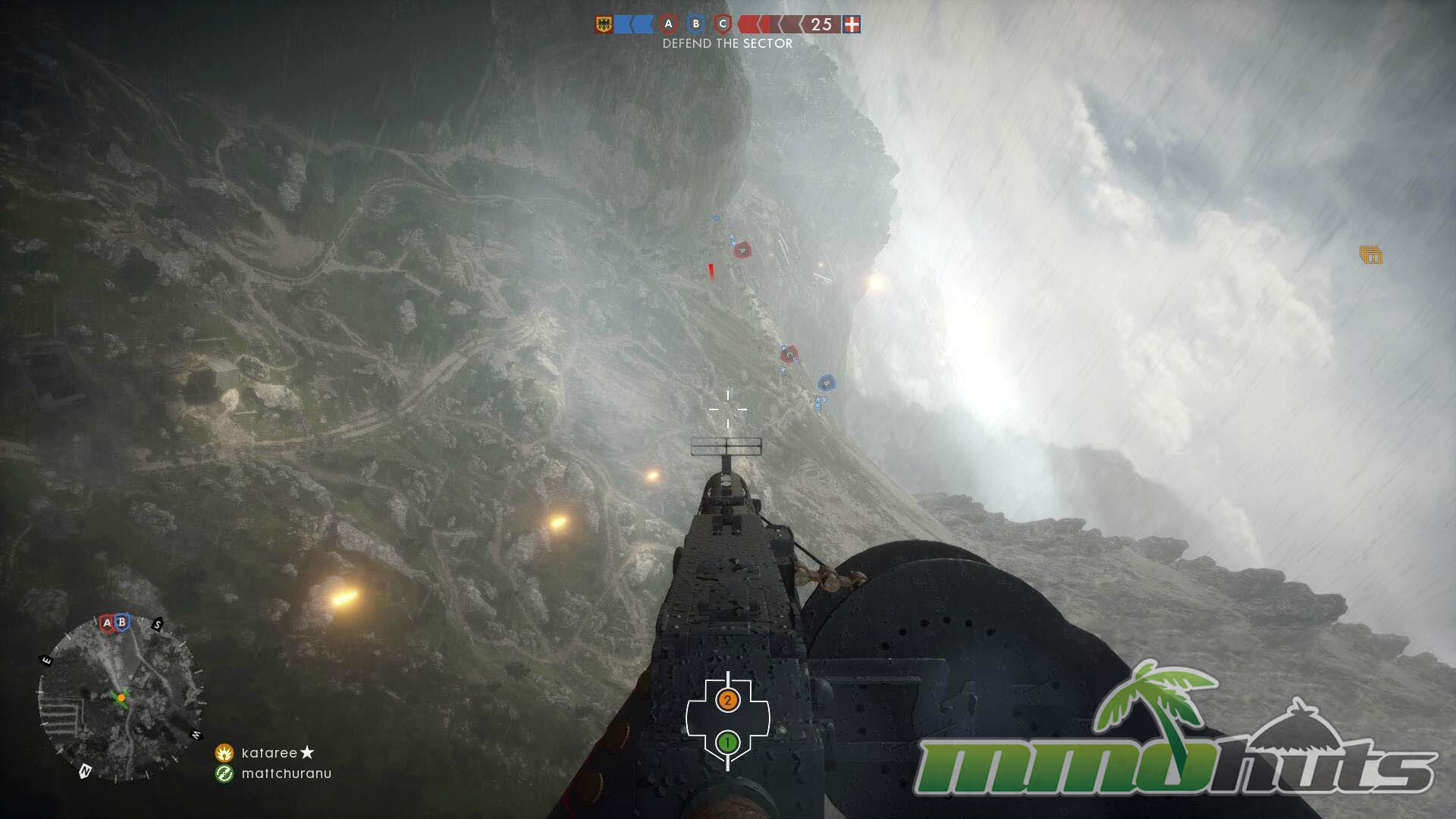
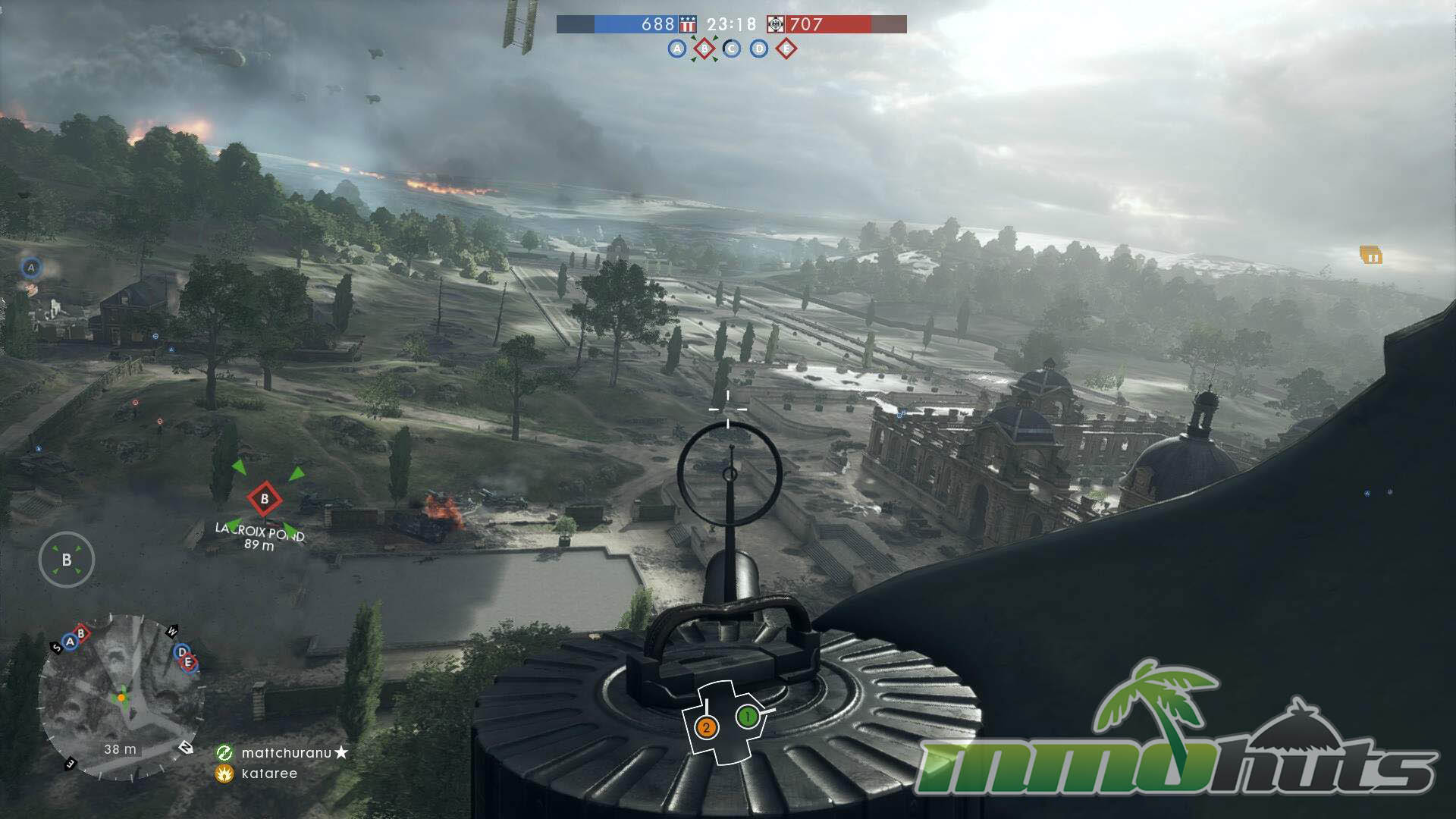
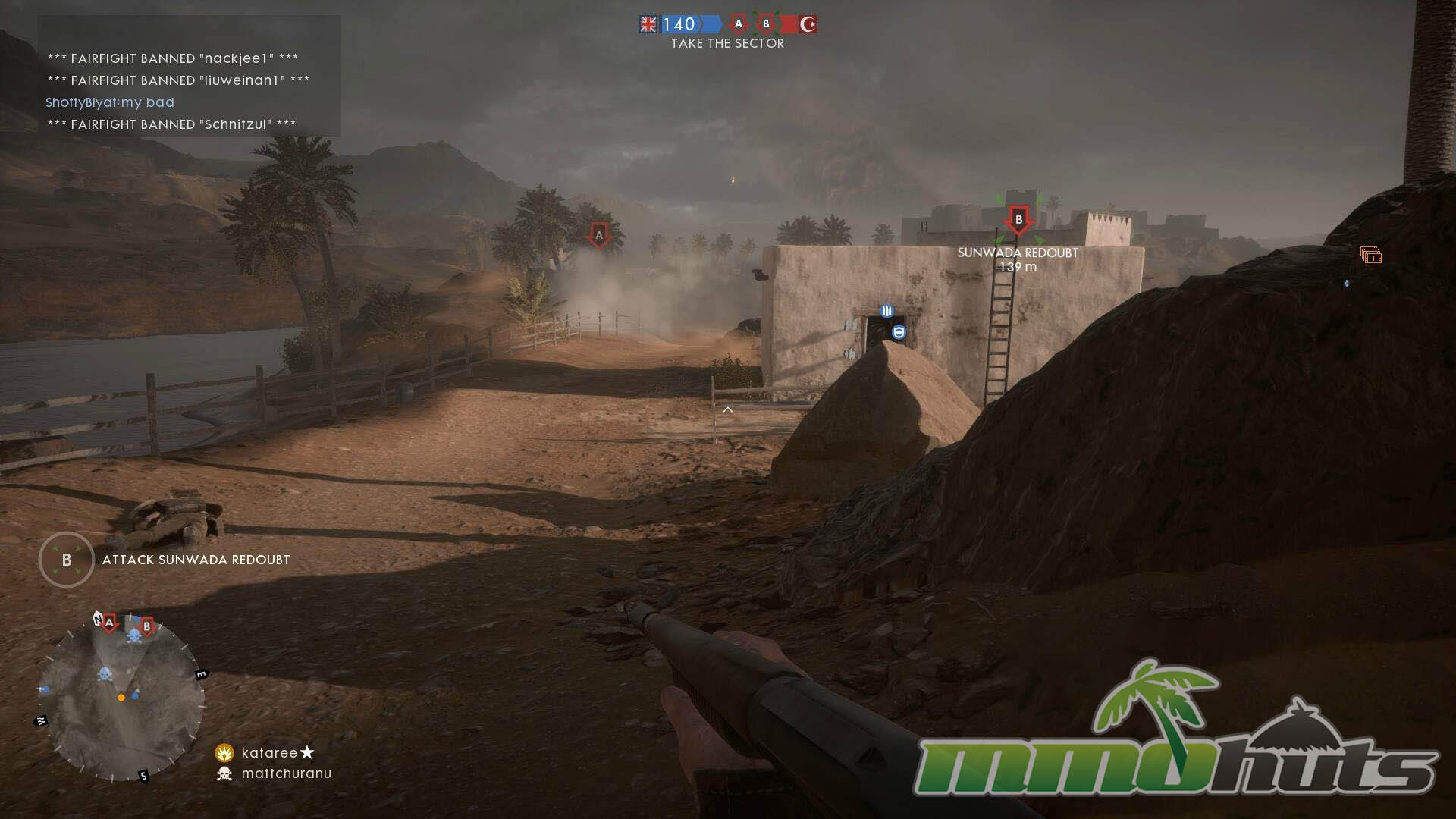
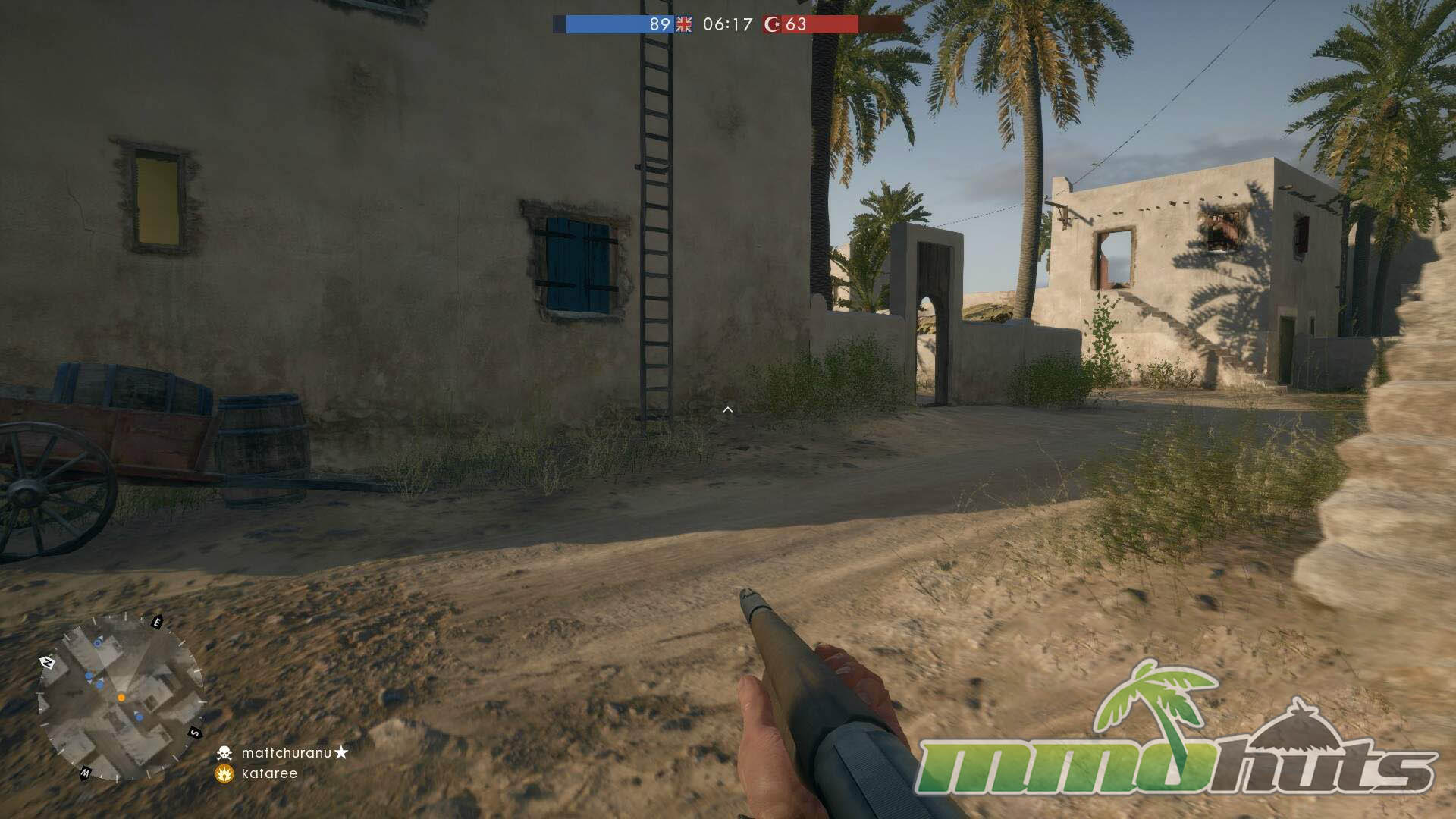
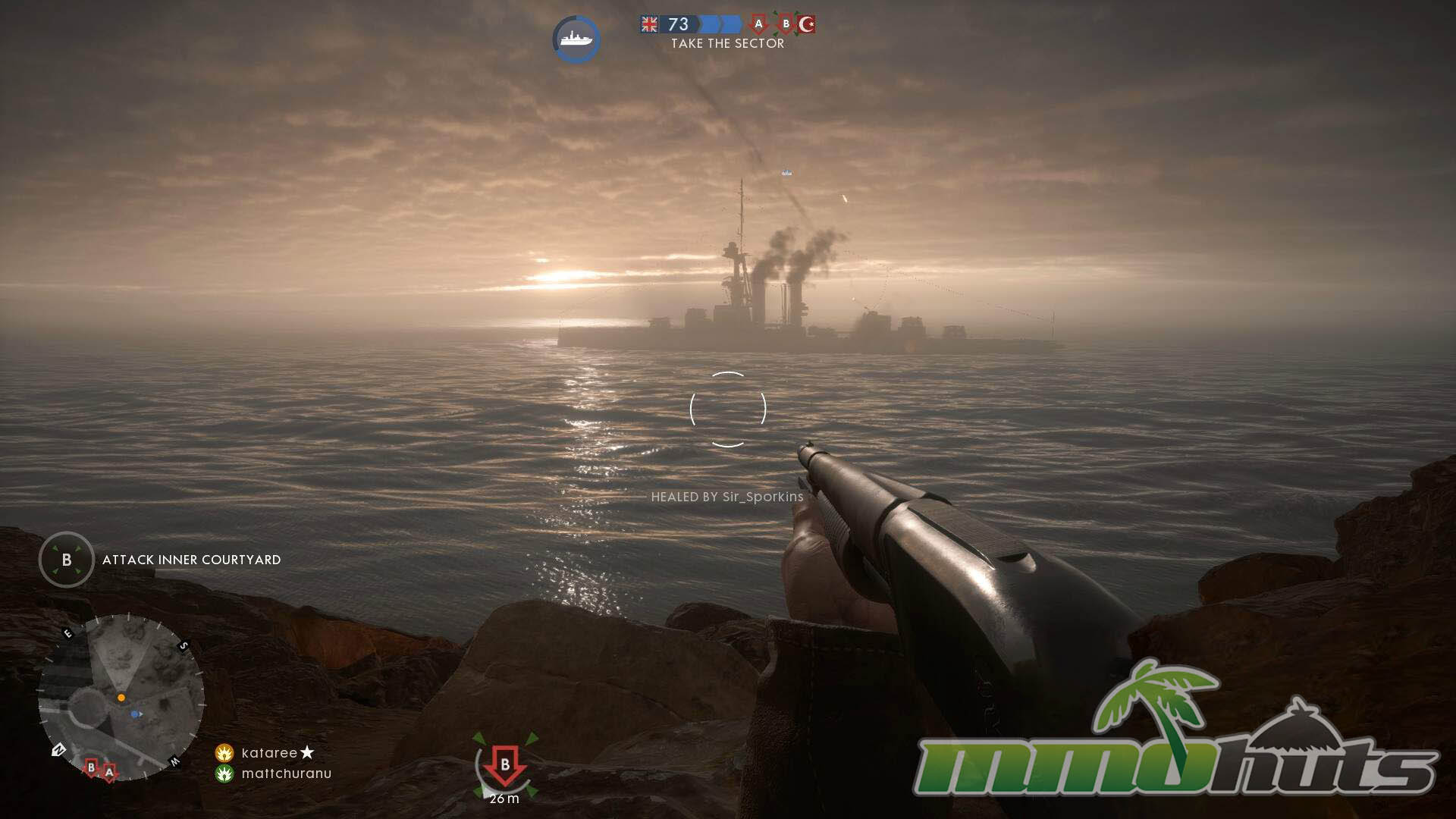
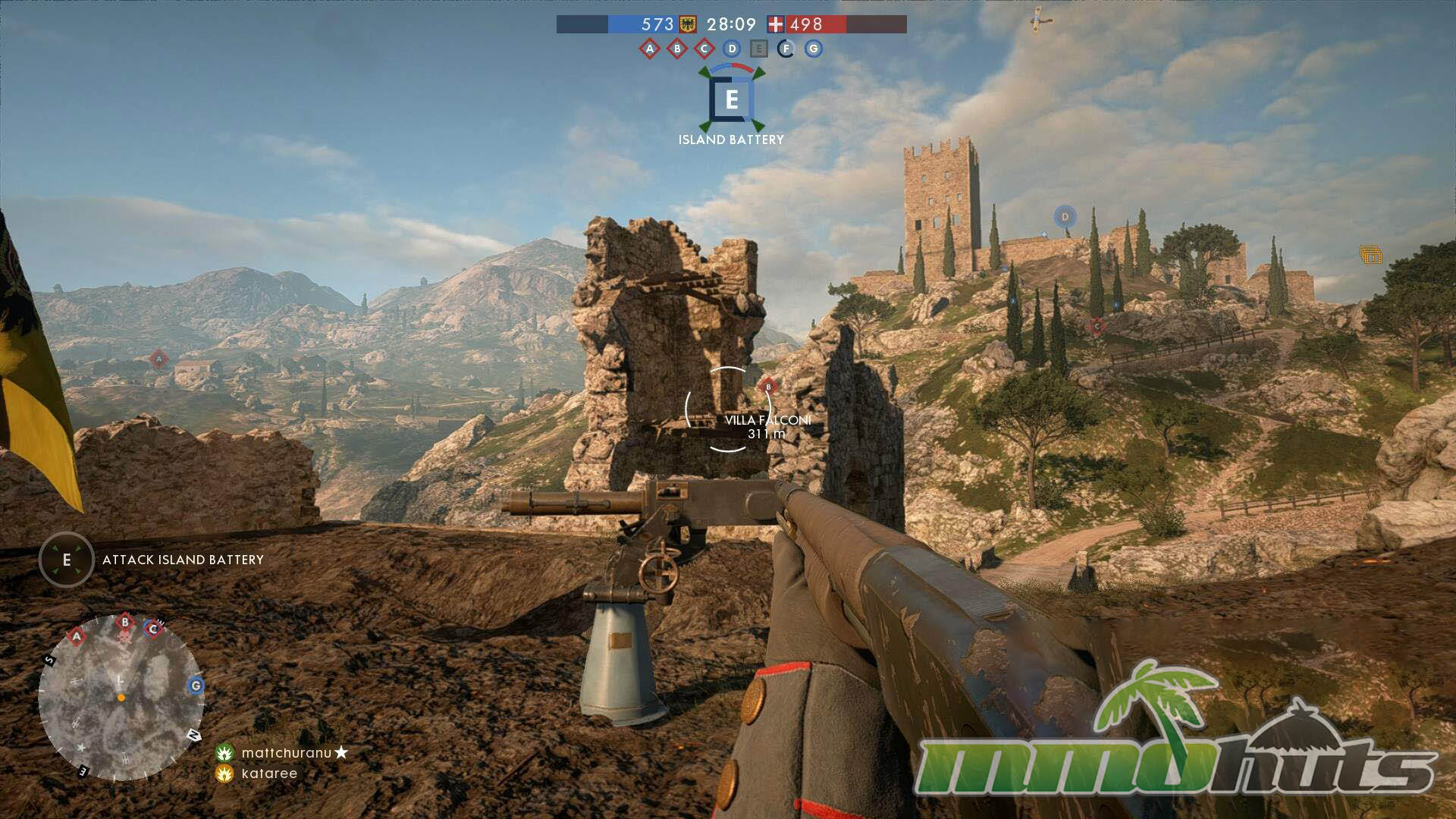
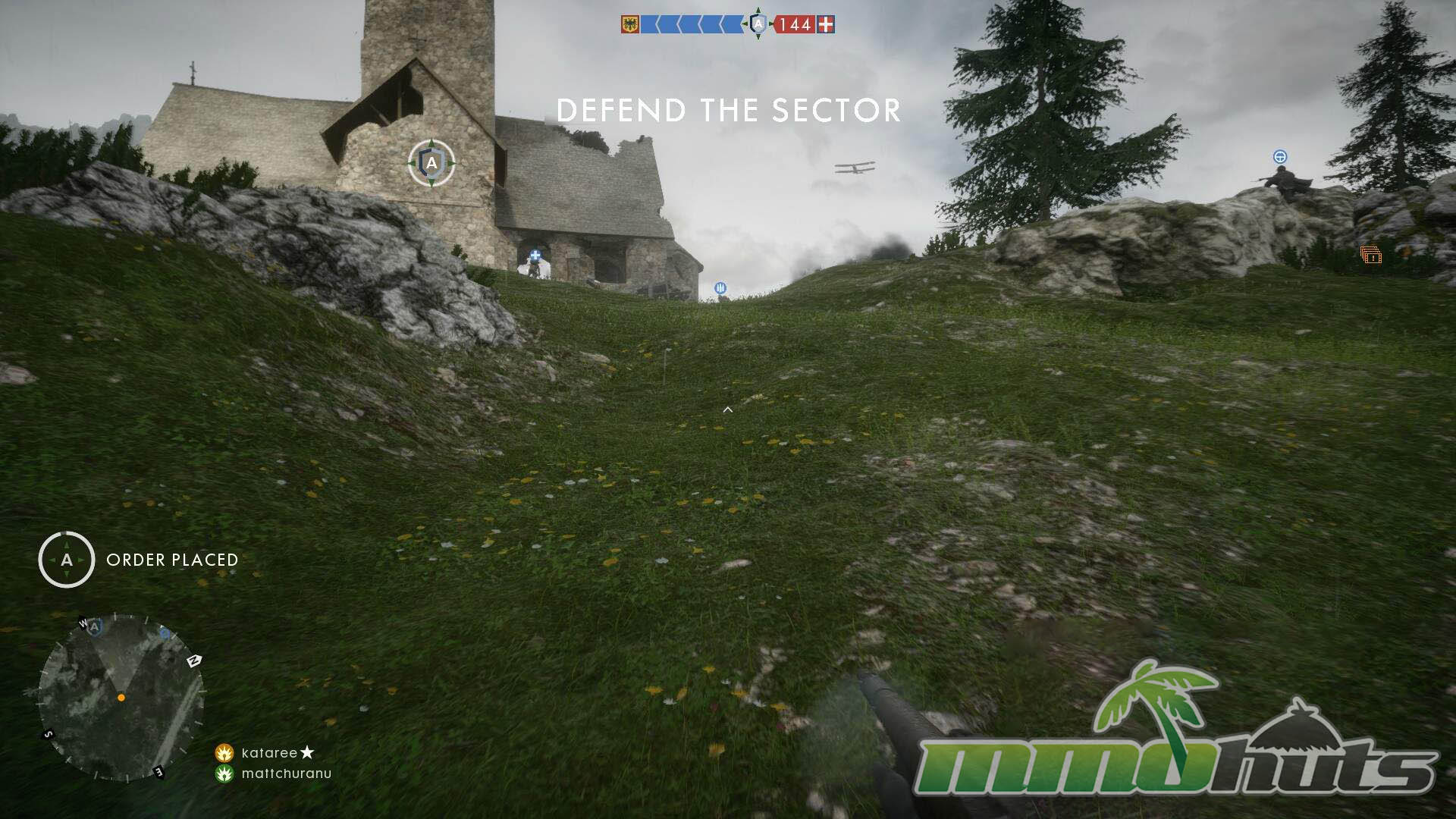
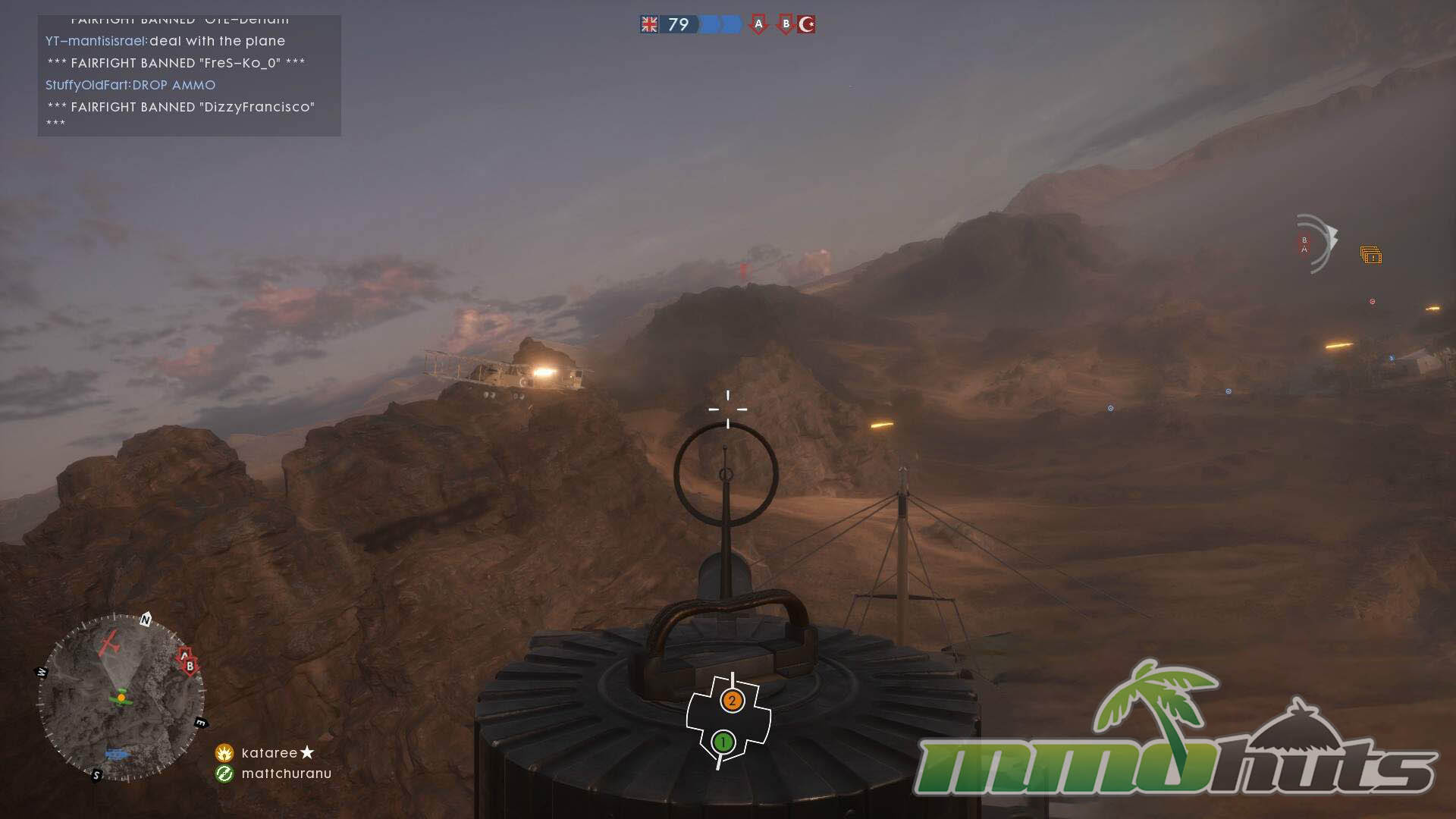
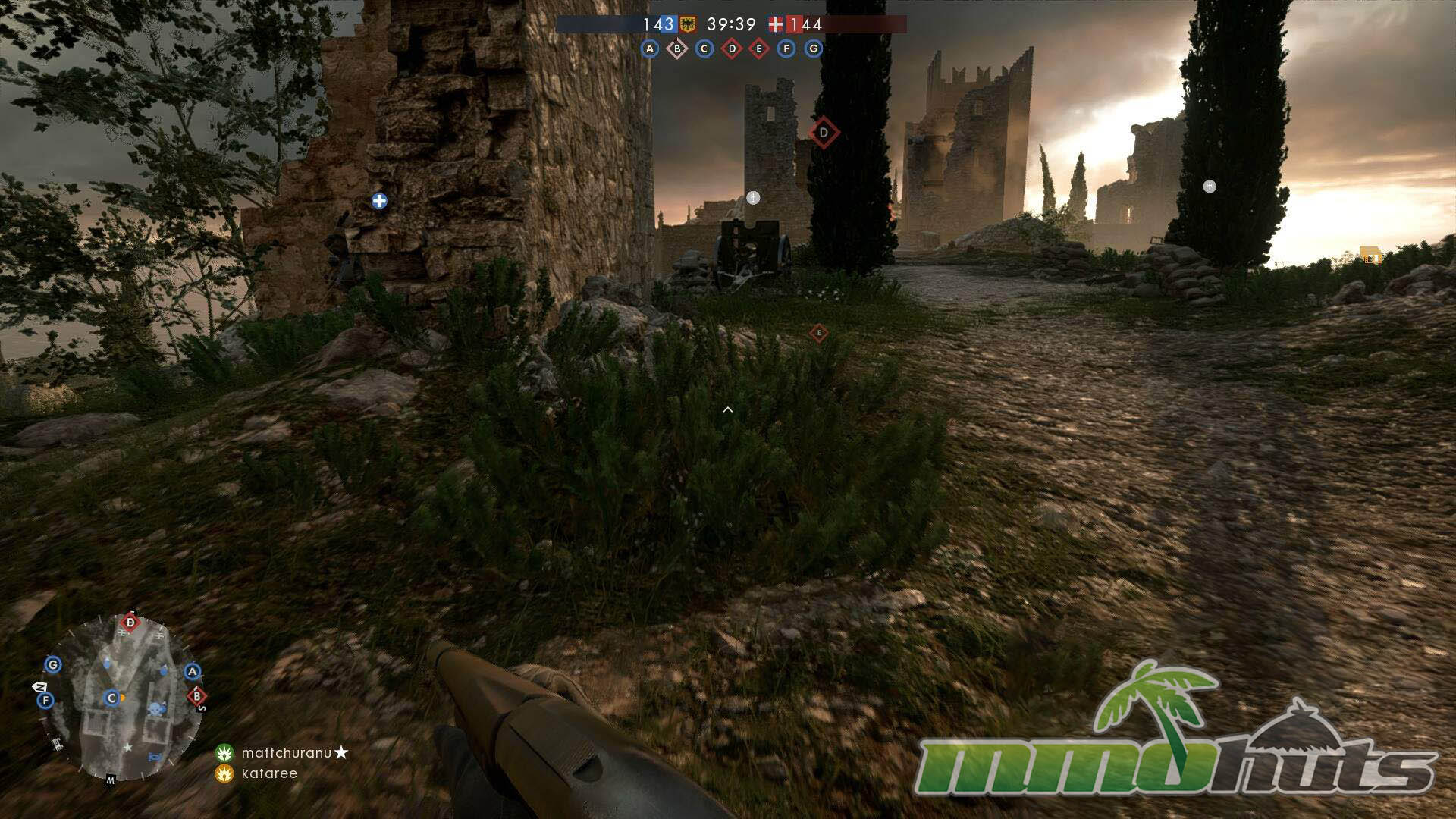
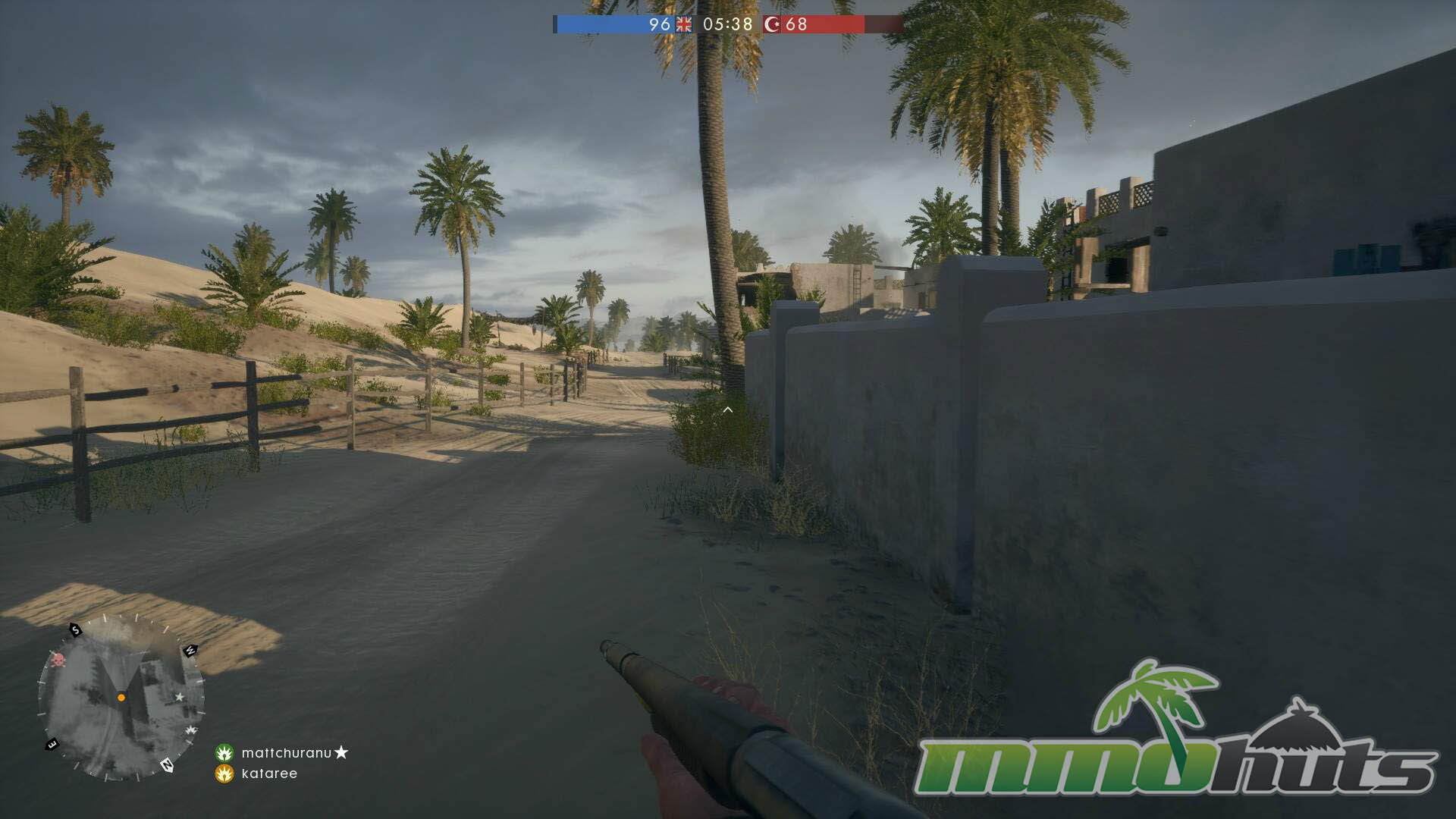
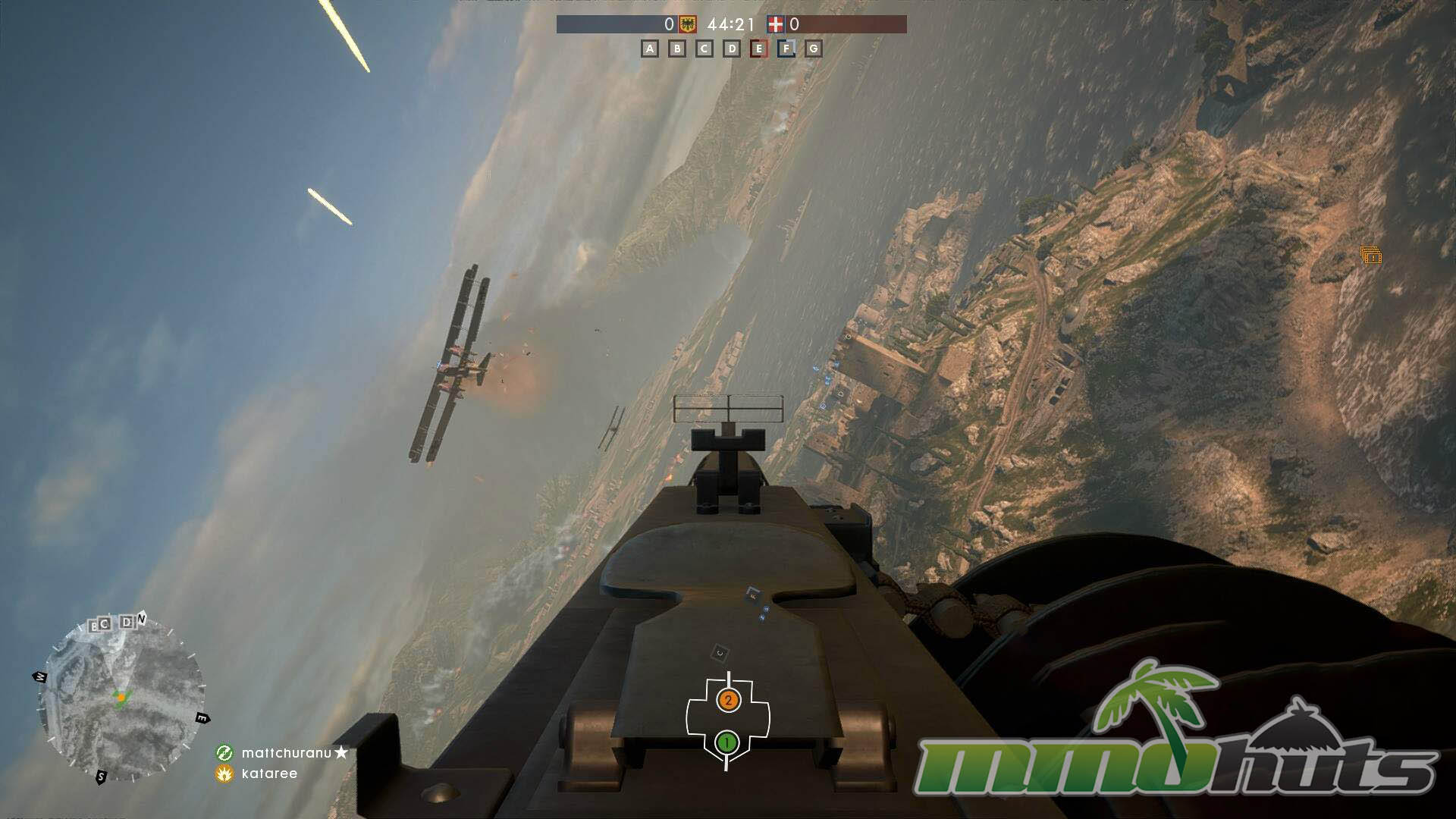
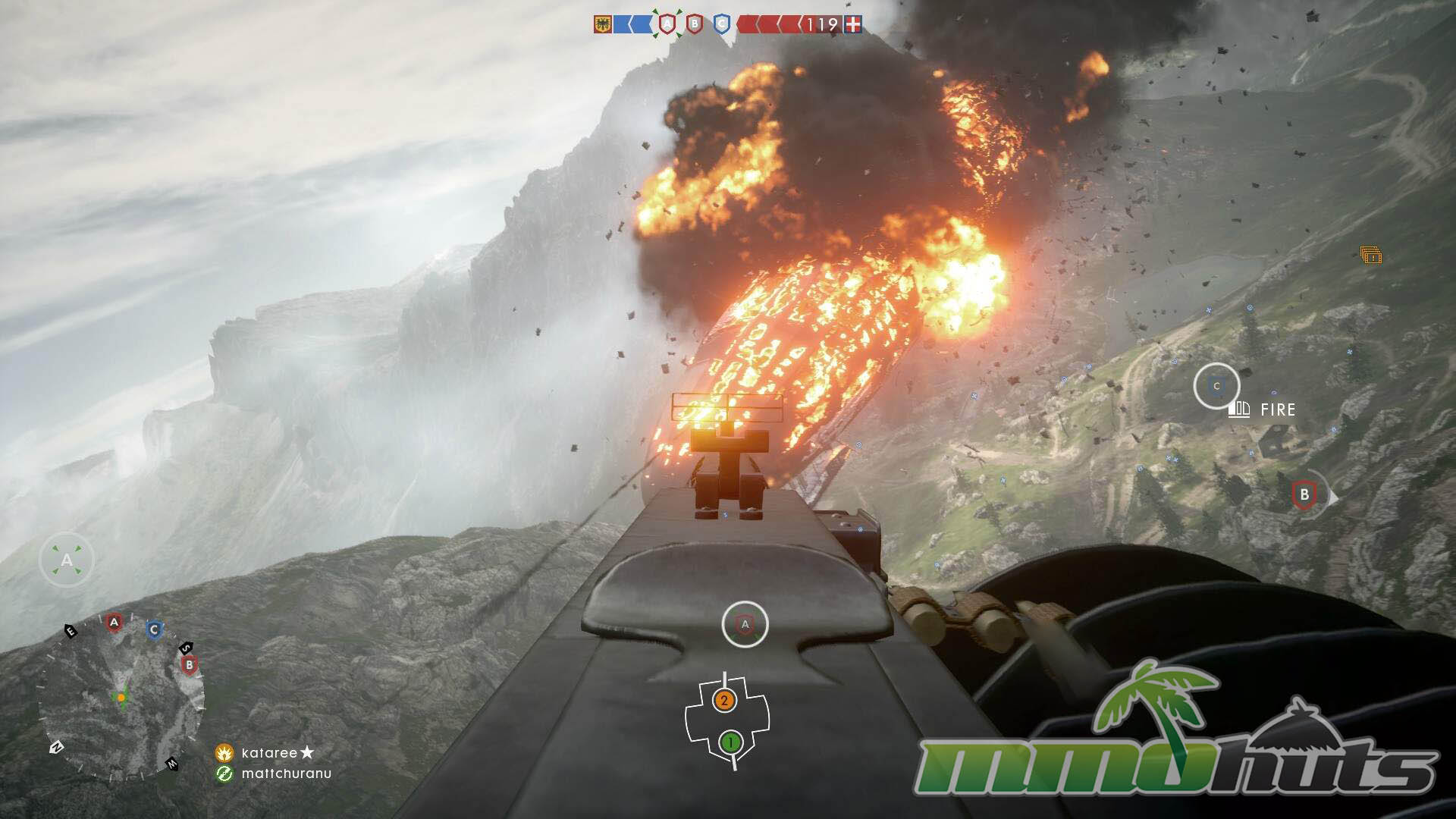
Battlefield 1 Video

Battlefield 1 Review
Battlefield 1 is at its best when the game’s systems collide at once, artillery thumping in the distance, a point being contested, and the world around you collapsing under sustained fire. One moment you are holding a room with your squad as the walls chip away from explosives, the next you are forced out by gas and smoke into open ground where snipers and machine guns are already watching the angles. It captures that specific Battlefield feeling where you are not just trading shots, you are surviving a shifting frontline.
A Battlefield That Feels Real
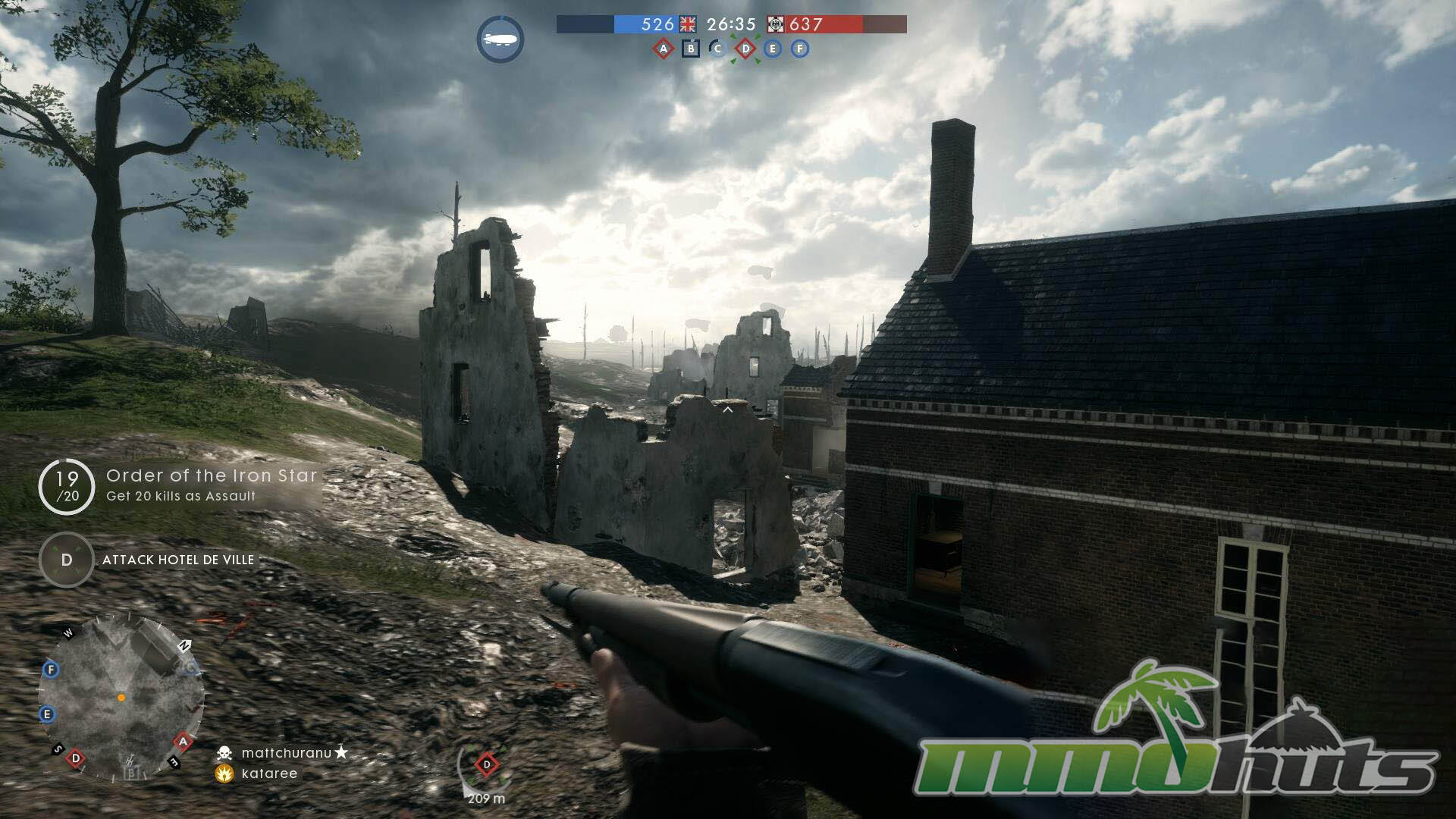
The game’s strongest quality is how convincingly it sells the battlefield. Explosions leave scars in the terrain, dust and debris hang in the air, and destruction is not just cosmetic, it changes how you approach an objective. Weather and visibility effects can also reshape a fight, with fog or sandstorms reducing long-range dominance and forcing teams to play closer and more cautiously.
Gas and smoke are especially effective tools for controlling space. Gas grenades create immediate pressure, forcing masks and repositioning, while smoke can temporarily erase sightlines and give attackers the window they need. Even small touches, like the audio and view limitations when wearing a gas mask, contribute to the sense that you are reacting to conditions rather than simply aiming at targets.
Movement and animations further reinforce that tone. Characters sprint with weight, cloth and gear sway naturally, and first-person weapon handling has a heft that makes firefights feel less like an arcade routine and more like a physical struggle. When air combat clicks, it delivers the kind of dramatic dogfights the series has always chased, only here it feels more grounded and intense.
A Sandbox You Can Actually Affect
Battlefield 1 does a strong job making maps feel usable instead of static. Stationary weapons and emplacements matter, not as set dressing, but as tools that can swing a push when used at the right time. Field guns help infantry threaten armor, anti-air options give teams a way to answer strong pilots, and the ability to manipulate doors and entryways adds small but meaningful decisions when defending buildings.
Destruction remains a defining feature. Cover can disappear, structures can be reduced to rubble, and explosive impacts can reshape the ground itself. The end result is a match flow that changes naturally over time, as safe routes become exposed and hard points turn into ruins that must be approached differently.
Class Design With Clear Jobs
Battlefield 1’s class lineup generally works because each role has a clear purpose in the combined-arms loop. Assault thrives at close range and is the most reliable answer to tanks and other ground threats. Medic keeps squads alive and can contribute at mid range with rifles that feel flexible depending on the situation. Support brings sustained firepower, utility like mortars, and the ability to keep vehicles running when a team is coordinated. Scout controls long sightlines, spots threats, and picks off exposed targets.
When teams play their roles, the match has a rhythm that feels right: Assault opens a path, Support stabilizes it, Medic keeps the push alive, and Scout punishes overextensions. The main issue is not viability, it is incentives. Scoring tends to make Medic feel disproportionately rewarding when played correctly, even though the other classes can be just as impactful in terms of actually winning.
In public matches, you will also see players pick classes primarily for their weapon access, not for the job description. That is normal for shooters, but it can be frustrating here because revives, repairs, and ammo matter so much. Watching a vehicle limp along without repairs, or being left on the ground while a Medic runs past, can be the difference between holding a point and losing a sector.
The Elite Class pickups add a temporary power spike that can change a local fight quickly. Flame Trooper is the most immediately threatening in close quarters, Sentry excels at sustained pressure against infantry, and Tank Hunter is more specialized for dealing with vehicles. They are designed to create moments, not long-term dominance, but they can absolutely break a defense if the opposing team does not react quickly.
Modes That Showcase the Scale
Battlefield 1 offers multiple modes, but Conquest remains the core experience. Two teams of 32 fight over capture points, with ticket bleed determining the winner, first to 1000. Vehicles vary by map and can include tanks, planes, boats, and more specialized transports. A key match dynamic is the Behemoth given to the losing team at a point in the round, a massive unit such as a battleship, train, or zeppelin. Used well, it can create breathing room and open a path back into the match, even if it is not a guaranteed comeback button.
Conquest is where the series’ best moments happen: wide flanks, coordinated pushes, and those sudden reversals when a back-cap creates a new spawn line. The larger maps support real maneuvering, not just constant head-on trading, and the combined-arms toolkit gives teams multiple ways to solve a problem.
Domination shifts the pace into a smaller, 12v12 Conquest-style format without vehicles. It is more focused and competitive by design, but it also loses some of what makes Battlefield distinct. If you primarily play Battlefield for infantry-only fights, it works, but it is not the mode that best represents the game’s strengths.
Rush returns as a 12v12 objective mode where attackers push to destroy telegraph posts and defenders try to stall them. It is tense and straightforward, but it can feel rigid because fighting concentrates around a limited set of active objectives. In practice, defense can feel favored, particularly when attackers struggle to coordinate smoke, flanks, and timing.
Operations is the standout alternative to Conquest. It stretches the conflict into a multi-map sequence that plays like a small campaign, with sectors to capture and a limited pool of attacker respawns. Because the action is more concentrated, Operations often feels more intense than Conquest, especially with 64 players crammed into chokepoints, fortifications, and final stands. It can run long, but when both teams commit, it produces some of the most memorable battles in the package. The light narrative framing and historical notes also help give it identity beyond being just another playlist.
War Pigeons is one of the more unusual modes, built around securing a pigeon, completing a message timer, then releasing it while the enemy tries to interrupt or shoot it down. The objective moves constantly and encourages teams to protect a carrier while also controlling space around release points. It is surprisingly engaging, but it depends heavily on cooperation, which can affect how often you find populated servers for it.
Team Deathmatch is included as a familiar option, but it is not where Battlefield 1 shines. The smaller maps and random spawns keep it active, yet the mode does not take advantage of the vehicle play, large objectives, or broader map tactics that define the game. Compared to the objective modes, it feels flatter and less distinctive.
Map Quality Varies More Than It Should
The map pool has several strong entries, but a few layouts highlight how sensitive Battlefield is to flow and space. Argonne Forest is a good example of a map that can feel overly constrained. Its tighter lanes and lack of vehicles create a more corridor-like experience where fights repeat in similar patterns, and movement options feel more limited compared to maps that allow vertical play and wide flanks. The train Behemoth can also feel awkward here, and certain objective placements can encourage defensive abuse near restricted zones.
Suez has a different issue. It is open, but small, with only three objectives arranged in a line, which often turns the match into direct collisions rather than maneuver warfare. Standstills are common, and when the train Behemoth arrives it can exert pressure across much of the map at once, sometimes too effectively for the space available.
Fao Fortress can also produce lopsided-feeling rounds. The fortress itself is naturally defensible, so teams frequently end up in a pattern where the outer points change hands while the interior grinds into a prolonged siege. It can lead to matches where the optimal play feels like avoiding the fortress rather than engaging with the map’s centerpiece.
On the other hand, maps like Ballroom Blitz show what Battlefield 1 does well, mixing open approaches with strong interior fights and still supporting vehicles. Empire’s Edge hits a similar balance on a larger footprint, with enough room for combined arms to breathe without turning objectives into isolated islands.
Progression That Peaks Too Early
Progression is straightforward in terms of presentation, but it feels unusual in pacing. You earn experience toward both an account level and a class level, with War Bonds awarded as you level. Class levels gate certain weapons, and once a weapon is available you still need to purchase it with War Bonds.
The odd part is how quickly many unlocks arrive. A lot of the arsenal opens within the first few levels, and many options are incremental variants that tweak handling or specialize toward hip fire and recoil behavior rather than introducing fundamentally new playstyles. That means the sense of long-term progression can feel muted once you have your preferred loadouts.
Final Verdict – Excellent
Battlefield 1 succeeds because it nails the fundamentals that matter for this kind of shooter: atmosphere, destruction, and large-scale combined-arms combat that stays exciting even when matches turn chaotic. Its presentation is exceptional, and the moment-to-moment experience often feels more immersive than most of its peers.
It is not without problems. A handful of maps have flow issues, the unlock structure can feel front-loaded, and the scoring model tends to make Medic the most efficient path to points when played properly. Still, those drawbacks rarely overpower what the game does best. Battlefield 1 stands as a confident, highly polished entry that makes large multiplayer battles feel dramatic, reactive, and consistently memorable.
Battlefield 1 Requirements
Minimum Requirements:
Operating System: 64-bit Windows 7, Windows 8.1 and Windows 10
CPU: Intel Core i5 6600K or AMD FX-6350
RAM: 8 GB GB RAM
Video Card: Nvidia GeForce GTX 660 2GB or AMD Radeon HD 7850 2GB
Hard Disk Space: 50 GB Free Space
Recommended Requirements:
Operating System: 64-bit Windows 10 or later
CPU: Intel Core i7 4790 or AMD FX 8350 Wraith
RAM: 16 GB GB RAM
Video Card: Nvidia GeForce GTX 1060 3GB or AMD Radeon RX 480 4GB
Hard Disk Space: 50 GB Free Space
Battlefield 1 Music & Soundtrack
Coming Soon!
Battlefield 1 Additional Information
Developer(s): EA DICE
Publisher(s): Electronic Arts
Director: Lars Gustavsson
Designer: Daniel Berlin
Artist: Gustav Tilleby
Announcement Date: May 06, 2016
Release Date: October 21, 2016
Development History / Background:
Battlefield 1 is developed by Swedish development studio EA DICE. Reports and leaks surfaced before the official reveal on May 06, 2016, after which the game was formally presented via a Twitch livestream. An Open Beta is planned for some time in 2016 ahead of the scheduled release date of October 21, 2016.