Battle Carnival is a hero-driven first-person shooter built around short, team-oriented matches where each character brings a distinct toolkit to the fight. With a roster of eleven heroes and a sizeable selection of maps and modes, it aims to be approachable at the basic level while still rewarding coordinated ability use and role synergy.
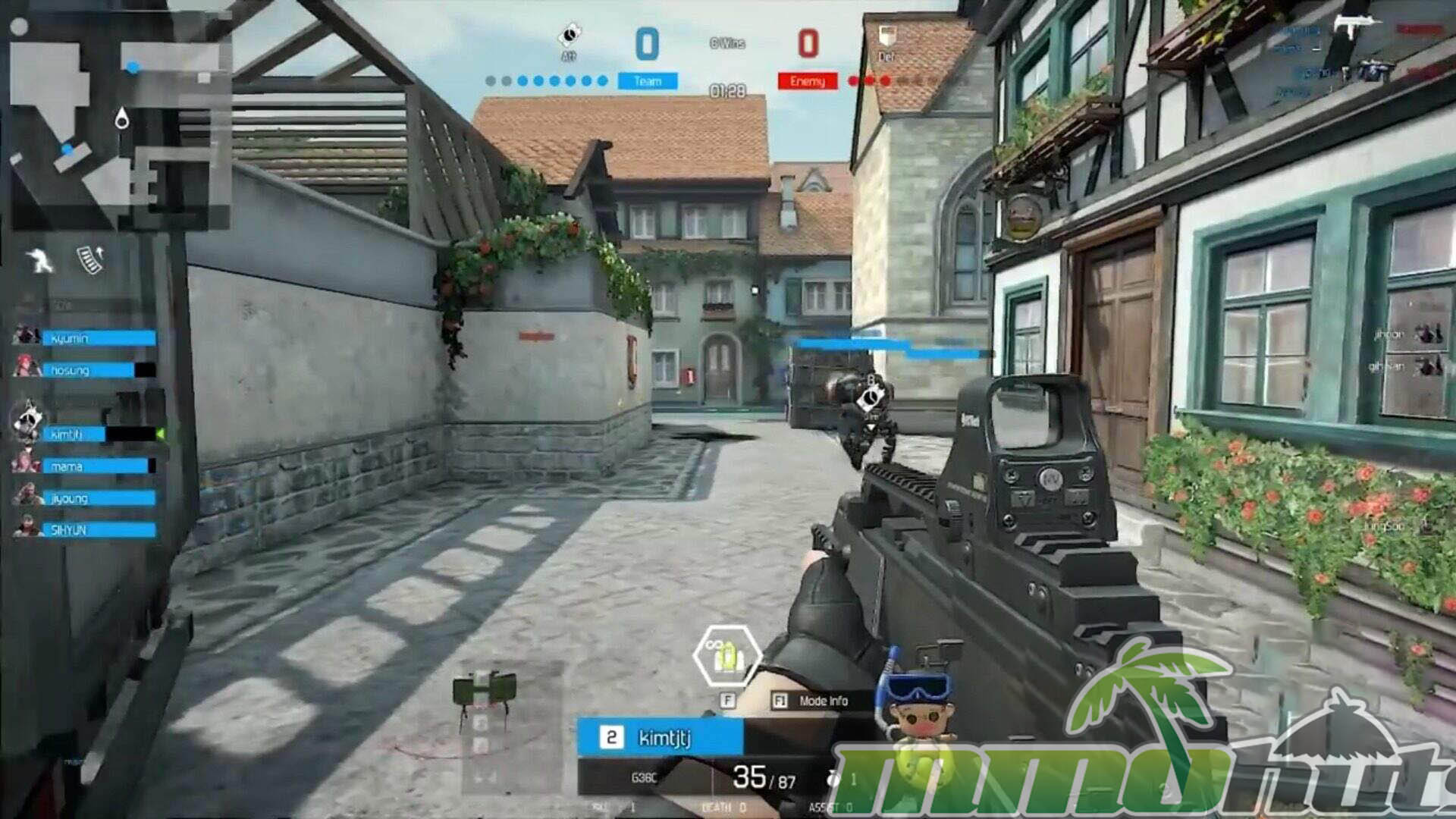 | Publisher: GameNet Playerbase: TBA Type: FPS Release Date: April 26, 2018 Shut Down Date: August 31, 2018 Pros: +Diverse hero roster with distinct roles. +26 unique battlegrounds to learn. +7 modes that keep matches varied. Cons: -Limited population made matchmaking difficult. |
Battle Carnival Overview
Battle Carnival is a free-to-play 3D first-person shooter that leans into character identity. Instead of building a custom loadout weapon-by-weapon, you pick a hero and get a predefined set of guns and abilities that shape how you contribute in a match. In that sense, it sits in familiar territory for players who have spent time with class-based shooters like Team Fortress 2 or hero shooters like Overwatch, where switching characters is the main way to change your playstyle.
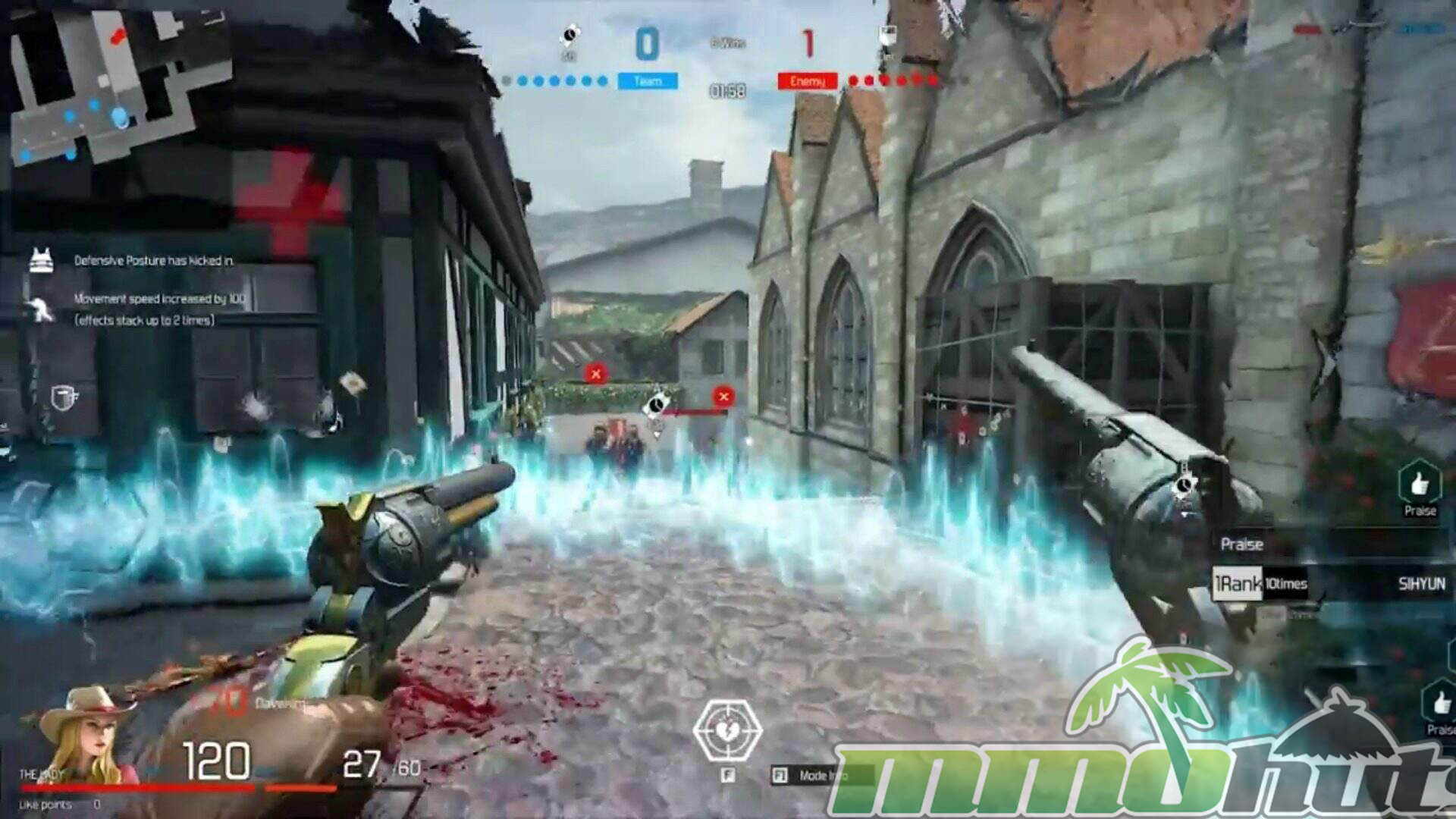
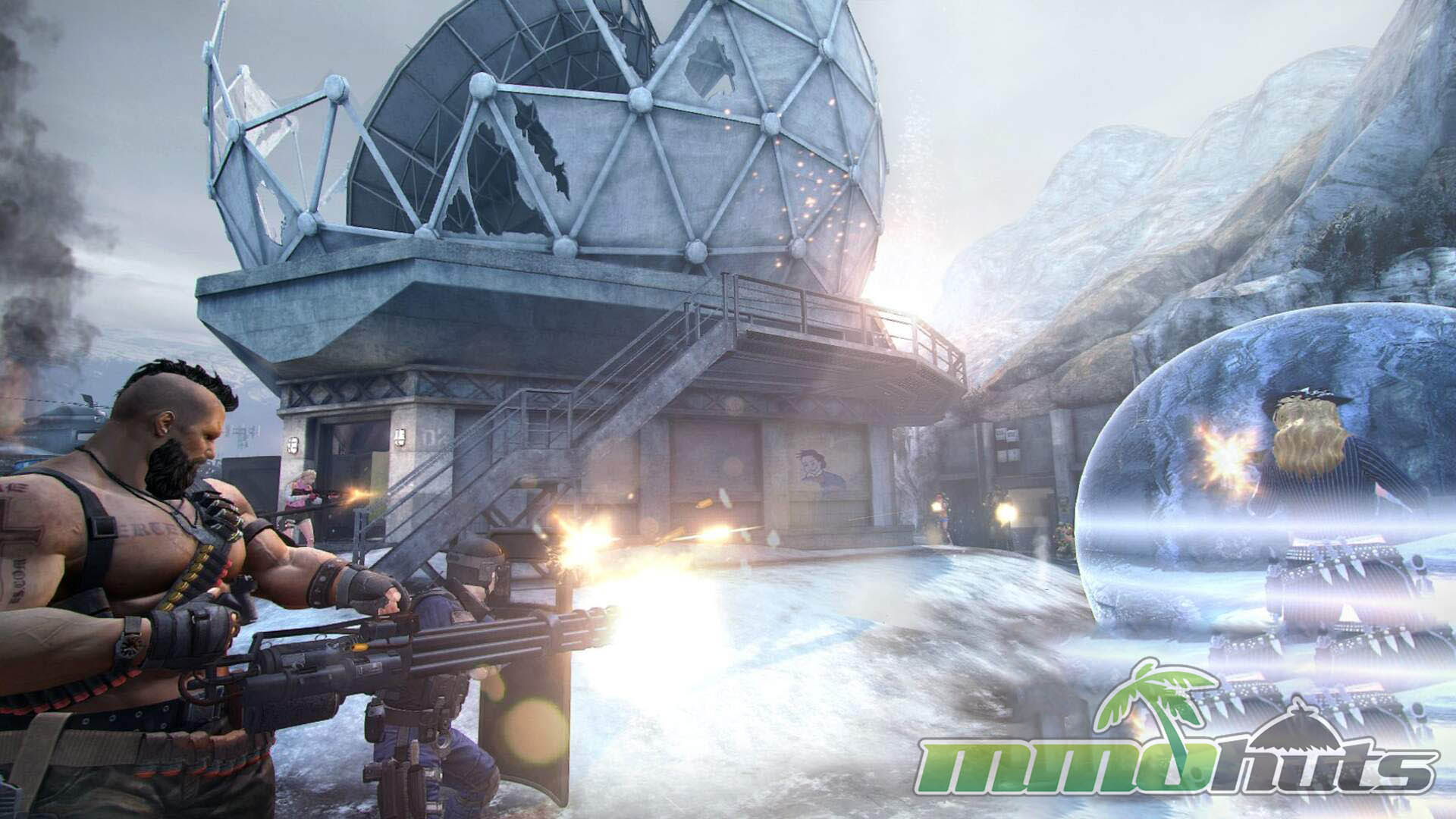
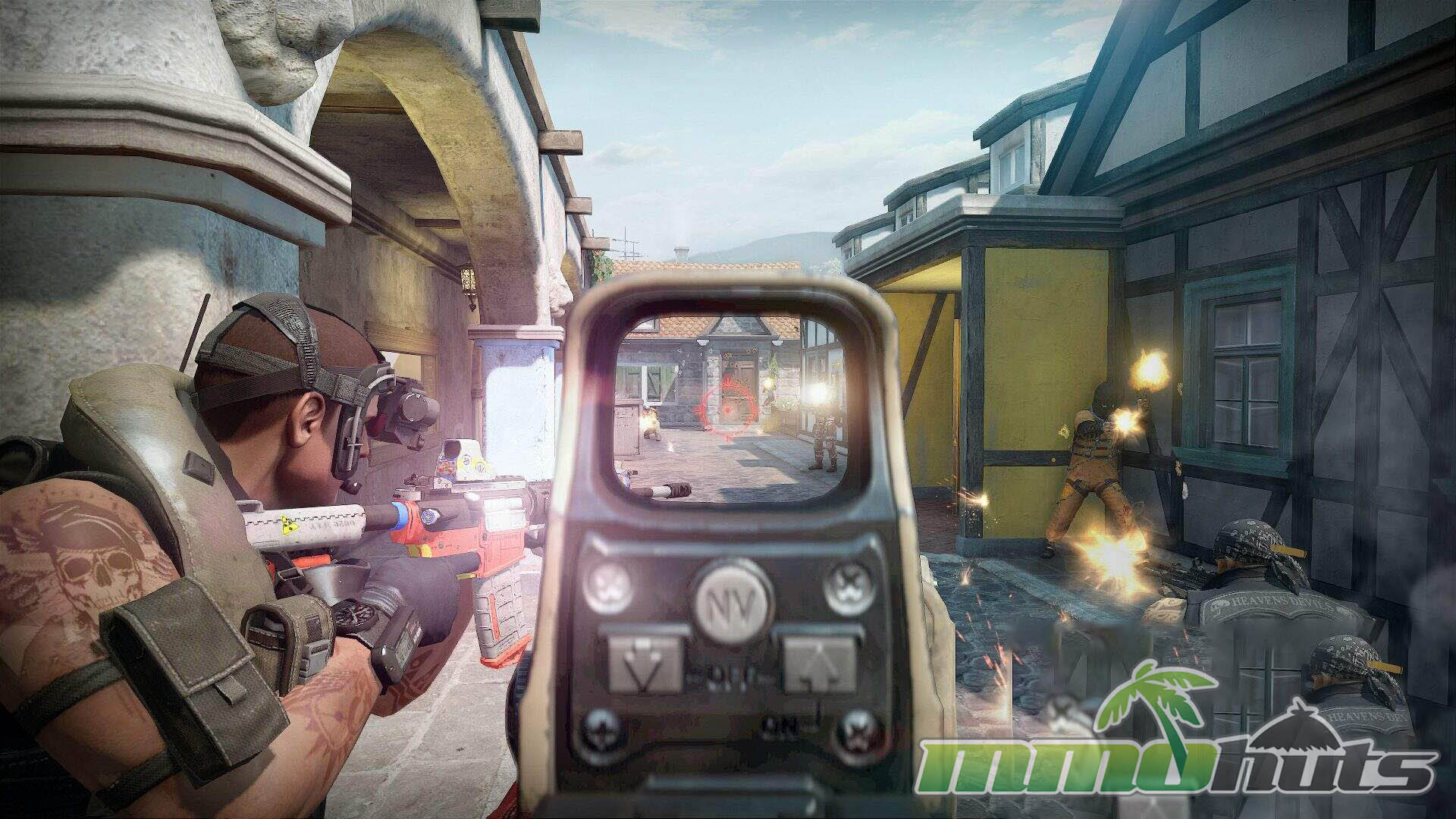
The roster features bright, themed personalities that push the game’s carnival-like tone. You can jump in as Killjoy, a chaotic clown styled around aggression and disruption, or Cindy, a teen video blogger who fights with twin pistols, alongside other heroes designed to fill different niches. Matches revolve around using those kits intelligently, timing abilities, and working as a unit across 25 maps and 7 modes, ranging from standard Deathmatch to the more gimmick-focused Destruction mode where parts of the environment can be damaged. At launch, the developers also positioned the game with competitive play in mind, including clan features and matchmaking intended to pair players by skill.
Battle Carnival Key Features:
- Over 10 Playable Characters – select from a roster of heroes with their own abilities and roles, from sneaky picks like Killjoy to heavy hitters such as Rhino.
- Variety of Game Modes – queue into 7 modes, including familiar Deathmatch rules and Destruction, which adds environmental damage and objectives to fights.
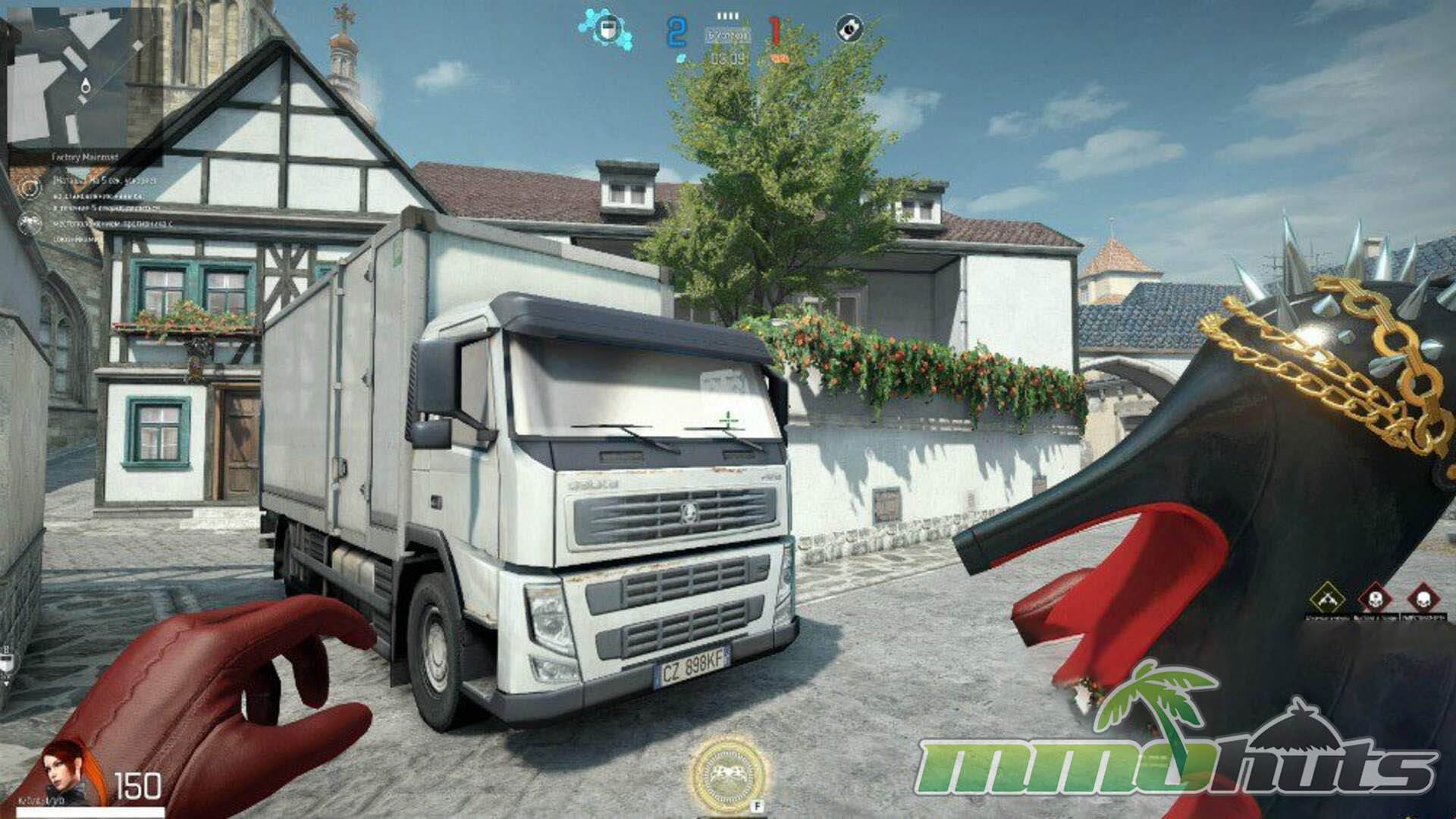
- Over 20 Maps – battle across 25 maps with different layouts and themes, from everyday neighborhoods to casinos and industrial spaces.
- Competitive Gameplay – team up through clans and climb via a matchmaking rating system designed to group players by performance.
- Collectible Items – customize your look with purchasable cosmetics like skins, outfits, and accessories from the premium shop.
Battle Carnival Screenshots
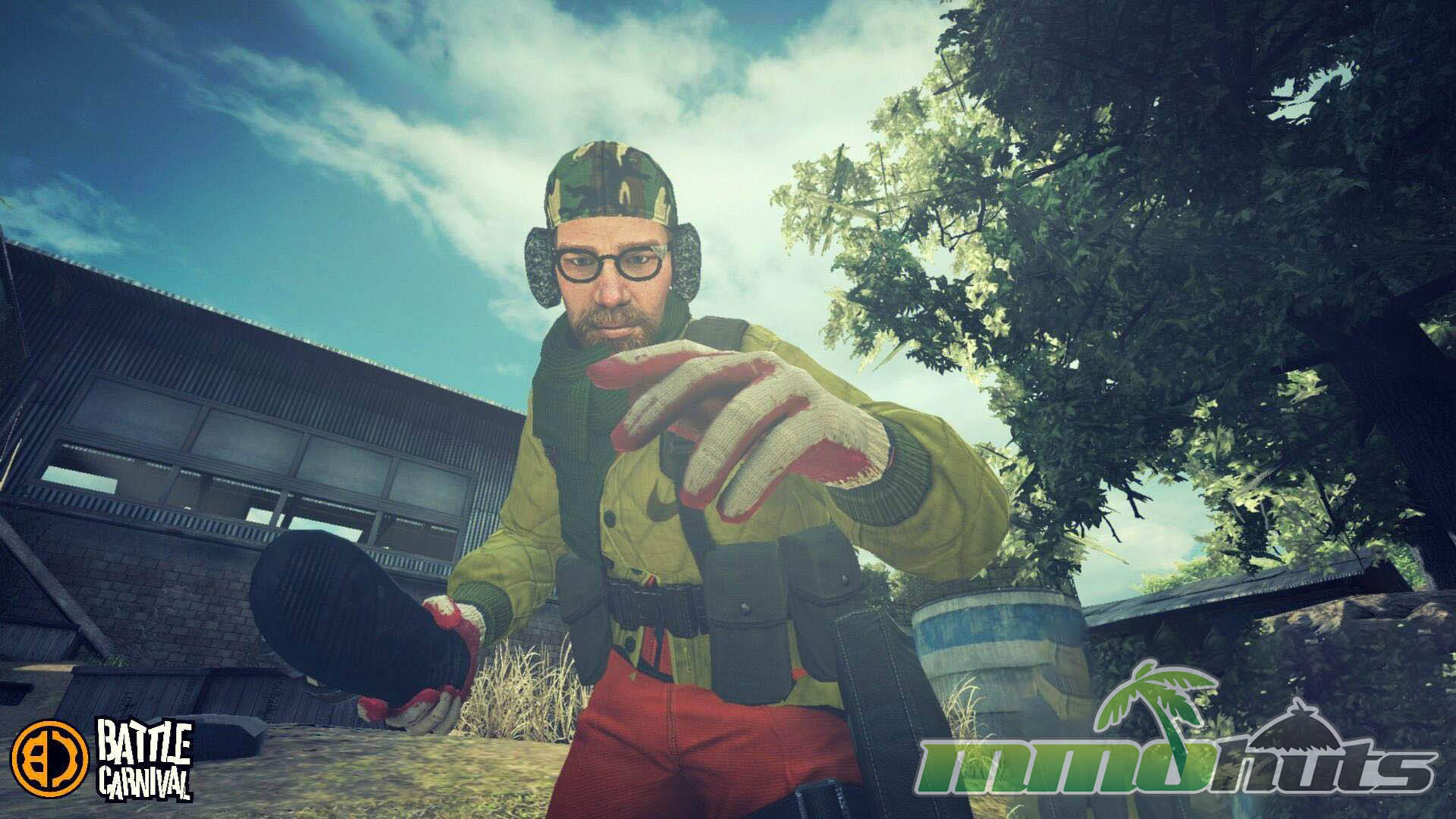
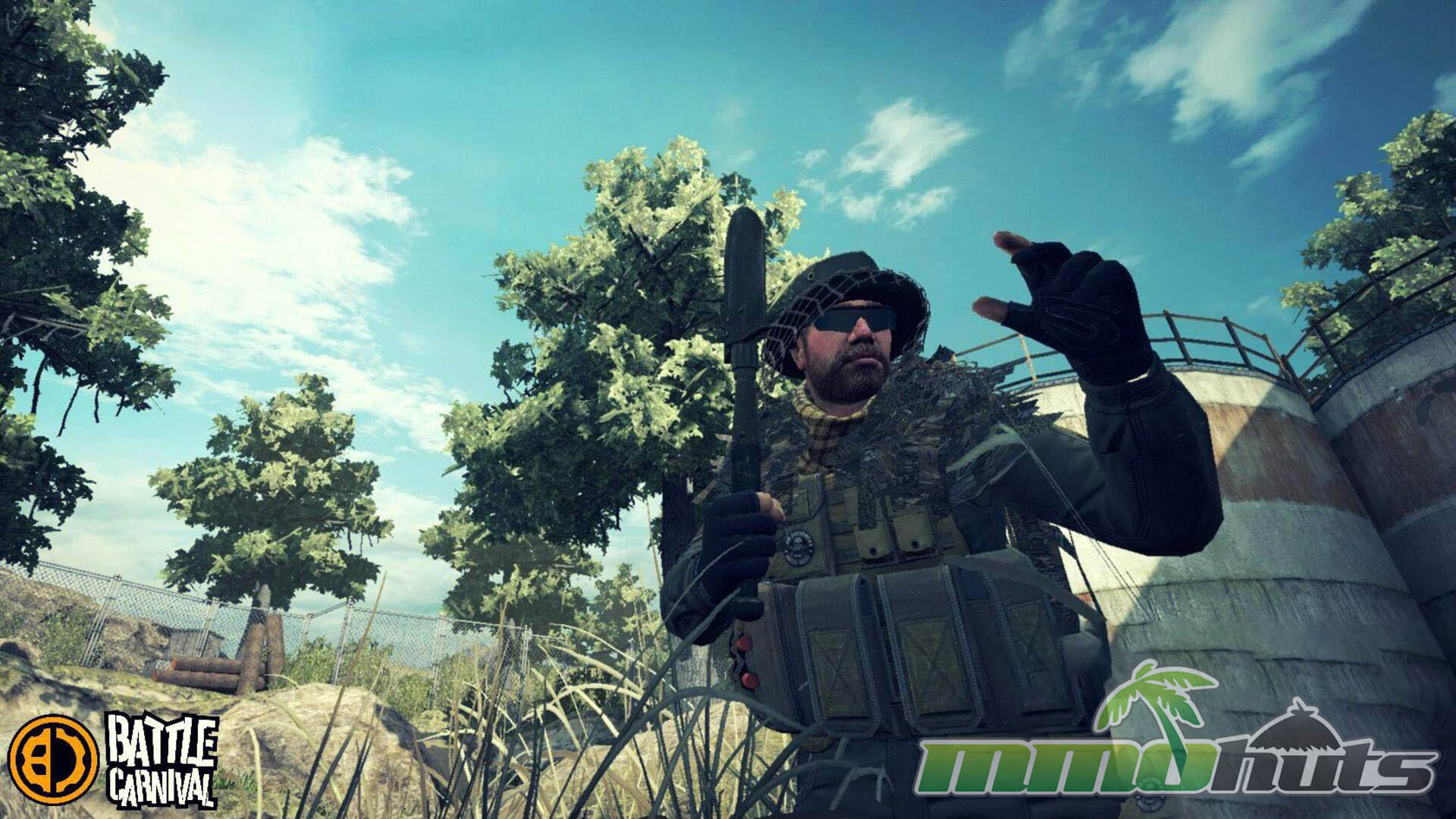
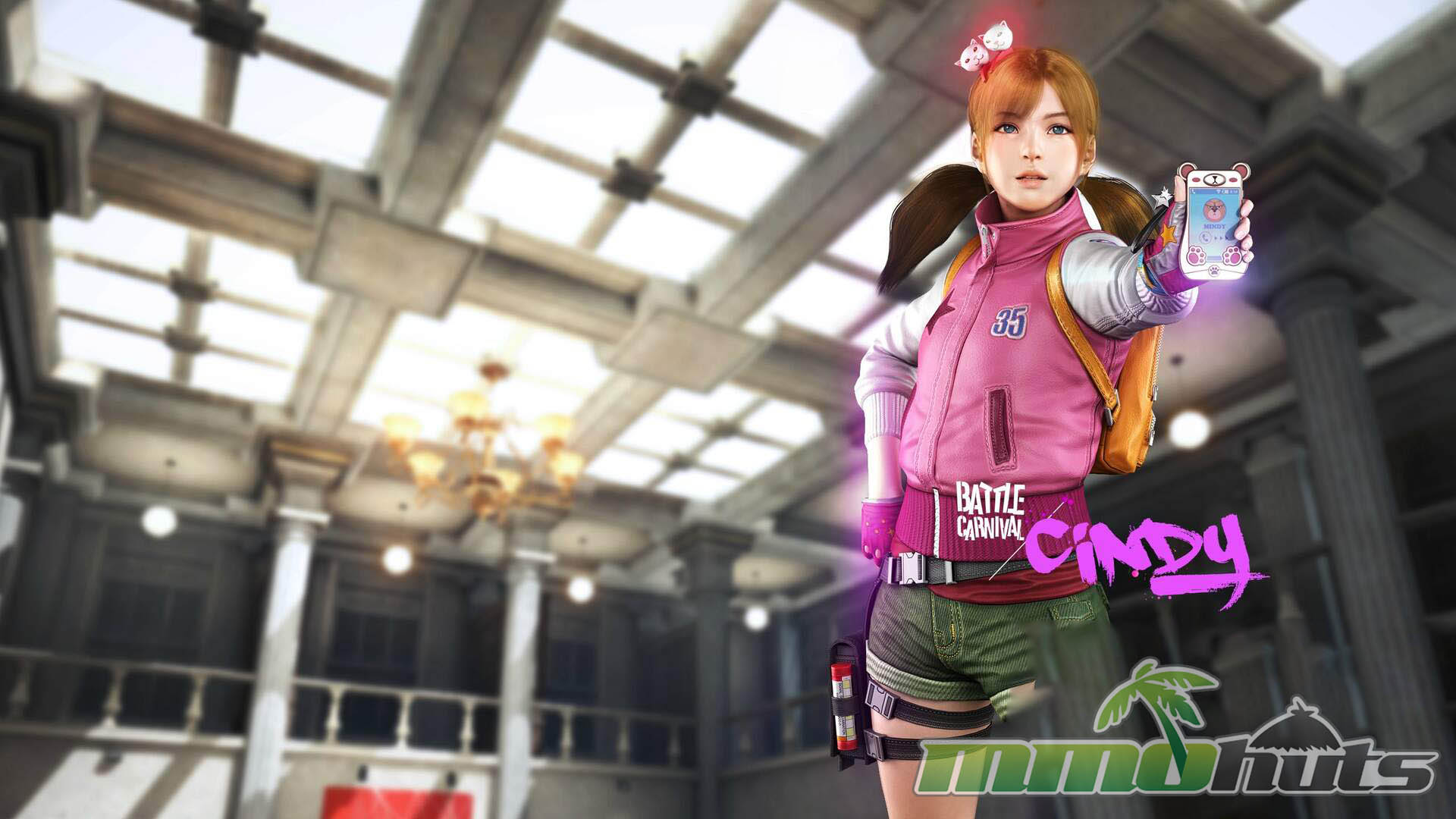
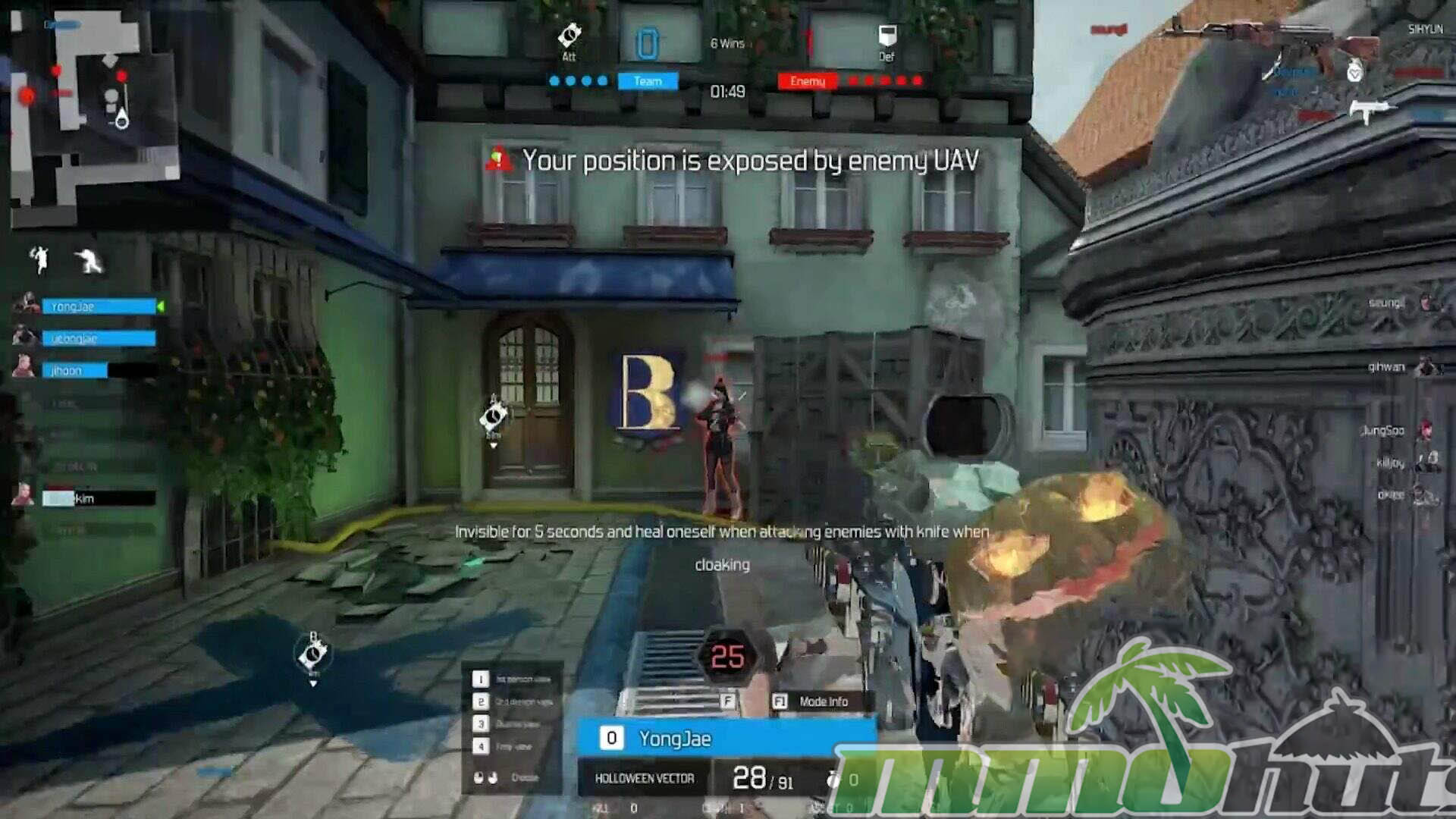
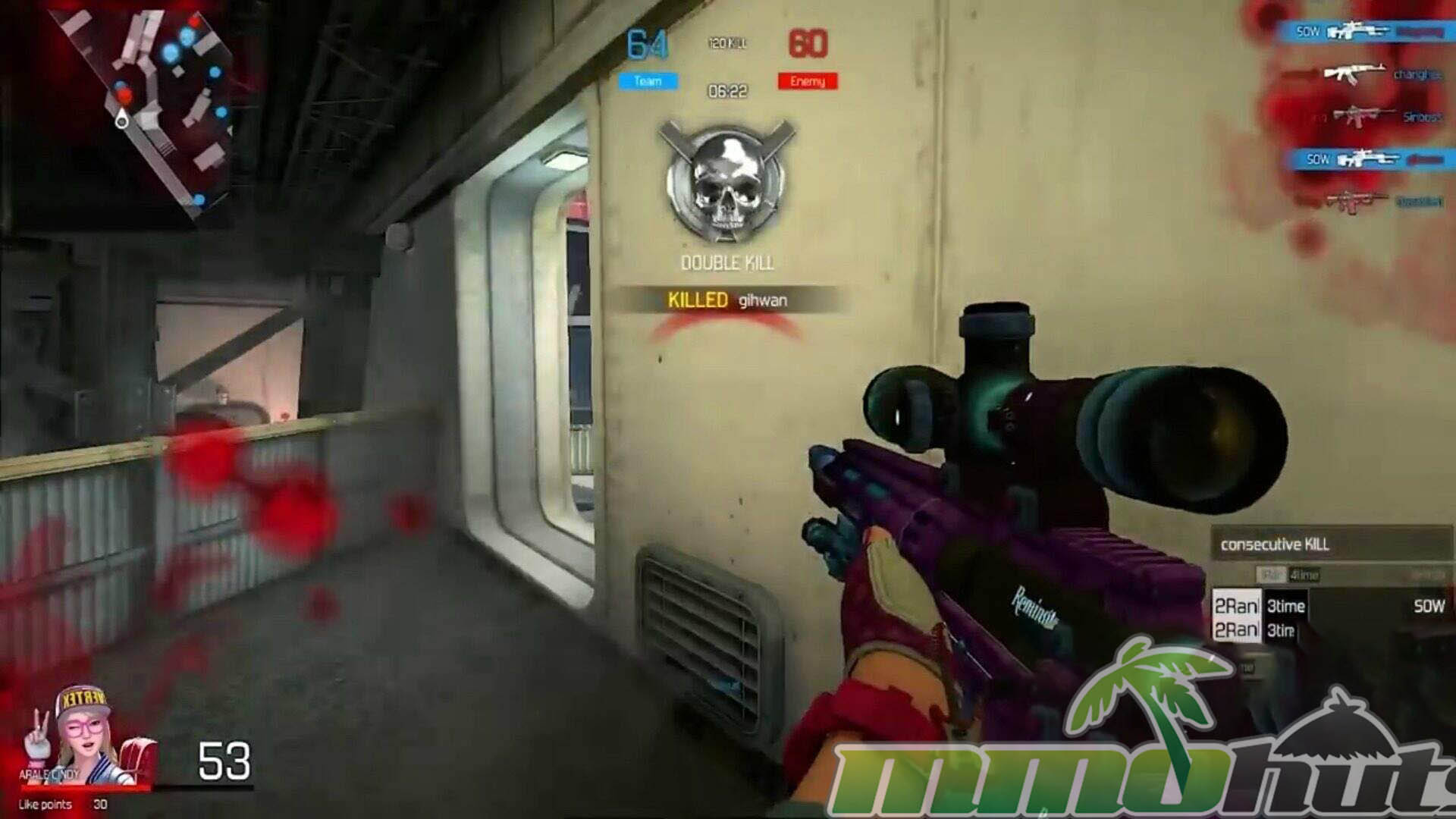
Battle Carnival Featured Video

Battle Carnival Review
Battle Carnival’s strongest idea is also its clearest pitch: pick a personality-driven hero, learn a small kit, and get into quick firefights where teamwork matters. The moment-to-moment feel is rooted in straightforward FPS fundamentals, but the game asks you to think beyond aim alone, because abilities can swing engagements when used with decent timing and positioning.
The hero design encourages experimentation. Since weapons and abilities are tied to character choice, swapping heroes is effectively swapping your entire approach. That makes it easy to try something new without grinding for alternative guns, and it gives matches a natural rhythm of adaptation when a team realizes it needs a different kind of pressure, survivability, or utility. The downside to this style is that balance and roster variety matter a lot, because if only a few heroes feel consistently effective, the game’s variety collapses into repetition.
Maps and modes do a lot of heavy lifting here. With 25 battlegrounds and 7 modes, Battle Carnival has enough content to avoid feeling like you are seeing the same corridors every night. The better maps provide clear lanes, flank routes, and defensible spaces that make ability usage meaningful. The more chaotic modes, particularly Destruction, lean into spectacle and can be a fun change of pace, although they can also feel messy if teams are not coordinated.
Progression is largely about cosmetics and personalization, with a premium shop offering weapon skins, outfits, and accessories. For players who enjoy collecting visual unlocks, this can be a satisfying layer, but it does not fundamentally change how the shooter plays, which keeps the core experience focused on match performance rather than long-term power growth.
Unfortunately, Battle Carnival’s lifespan was short, and the limited population ultimately becomes the defining practical issue. A class-based shooter relies on a healthy community to keep matchmaking fast and competitive, and when queues slow down, it becomes difficult to appreciate the best parts of the design. As a result, Battle Carnival is easiest to recommend as an interesting, stylized attempt at the hero FPS formula rather than a lasting staple of the genre, especially given its shutdown.
Battle Carnival Online Links
Battle Carnival Official Site (Russian)
Battle Carnival VK (Russian)
Battle Carnival System Requirements
Minimum Requirements:
Operating System: Windows XP or higher
CPU: Dual Core 2.4 GHz
Video Card: ATI Radeon X600 / nVIDIA GeForce 6600 or better
RAM: 1 GB
Hard Disk Space: 3 GB
Battle Carnival Music & Soundtrack
Details on the soundtrack have not been documented here yet.
Battle Carnival Additional Information
Developer: Zepetto
Publisher: GameNet
Stress Test (RU): September 22, 2016 to September 23, 2016
Release Date: April 26, 2018
Shut Down Date: August 31, 2018
Battle Carnival was created by Zepetto, a Korean studio known in FPS circles for Point Blank, and it was published by GameNet, a Russian publisher associated with titles such as Black Desert online, Reborn Online, and Combat Arms. The game was positioned for the Russian market and first appeared in a brief stress test running from September 22, 2016 to September 23, 2016. After multiple closed beta phases, Battle Carnival launched on Steam on April 26, 2018. Service later ended, and the game was shut down on August 31, 2018.