Atlas Reactor
 (No Ratings Yet)
Altas Reactor is a sci-fi styled 3D, turn-based tactics game that tries something genuinely different with its combat flow. Instead of waiting for opponents to finish their turns, everyone commits actions at the same time, then the match resolves those decisions in a four-phase sequence. The result is a fast, prediction-heavy arena battler where smart reads and team coordination matter as much as raw ability usage. It also stands out with a clean, animated art direction that gives the cast and arenas a distinct personality.
 | Publisher: Trion Worlds Playerbase: Shut Down Type: 3D Turn-Based Strategy Modes: 1v1 – 5v5 Competitive / Bot Matches Release Date: October 04, 2016 Pros: +Simultaneous planning keeps downtime low. +Strong emphasis on tactics, positioning, and team play. +Distinctive concept paired with stylish, animated visuals. Cons: -Could have benefited from a larger Freelancer roster. -Limited map variety. -Takes time to learn the flow and timings. |
Atlas Reactor Overview
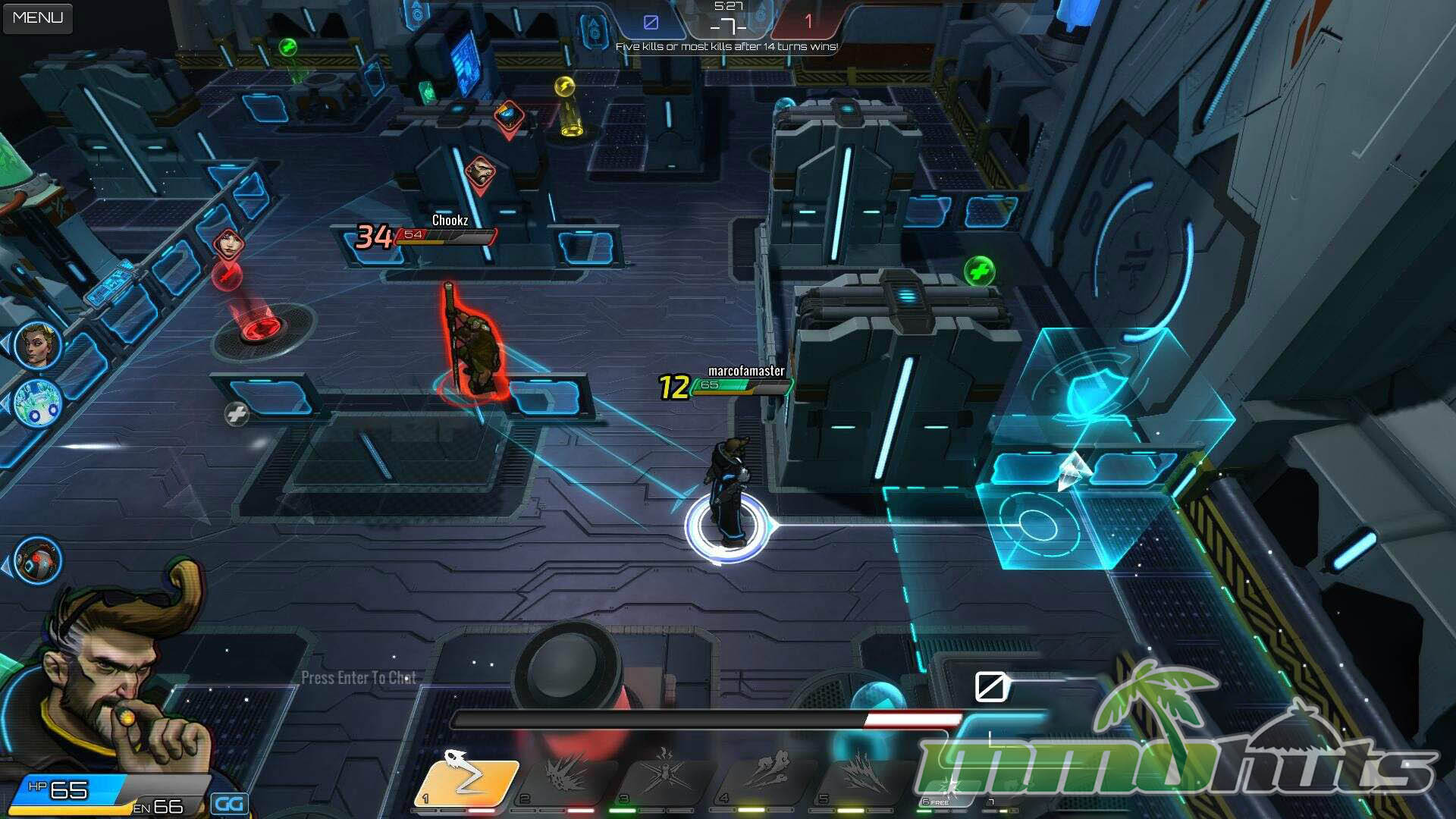
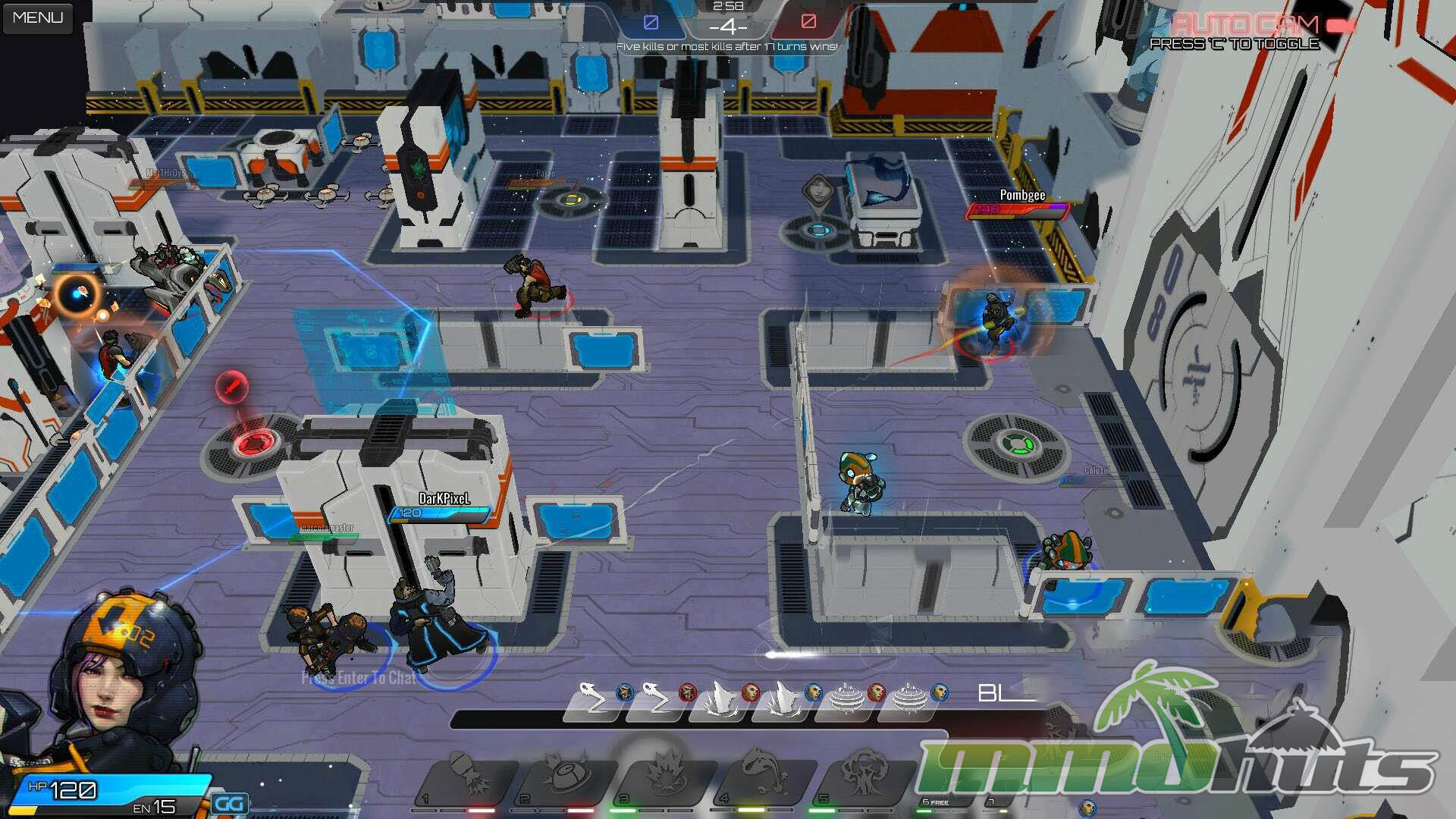
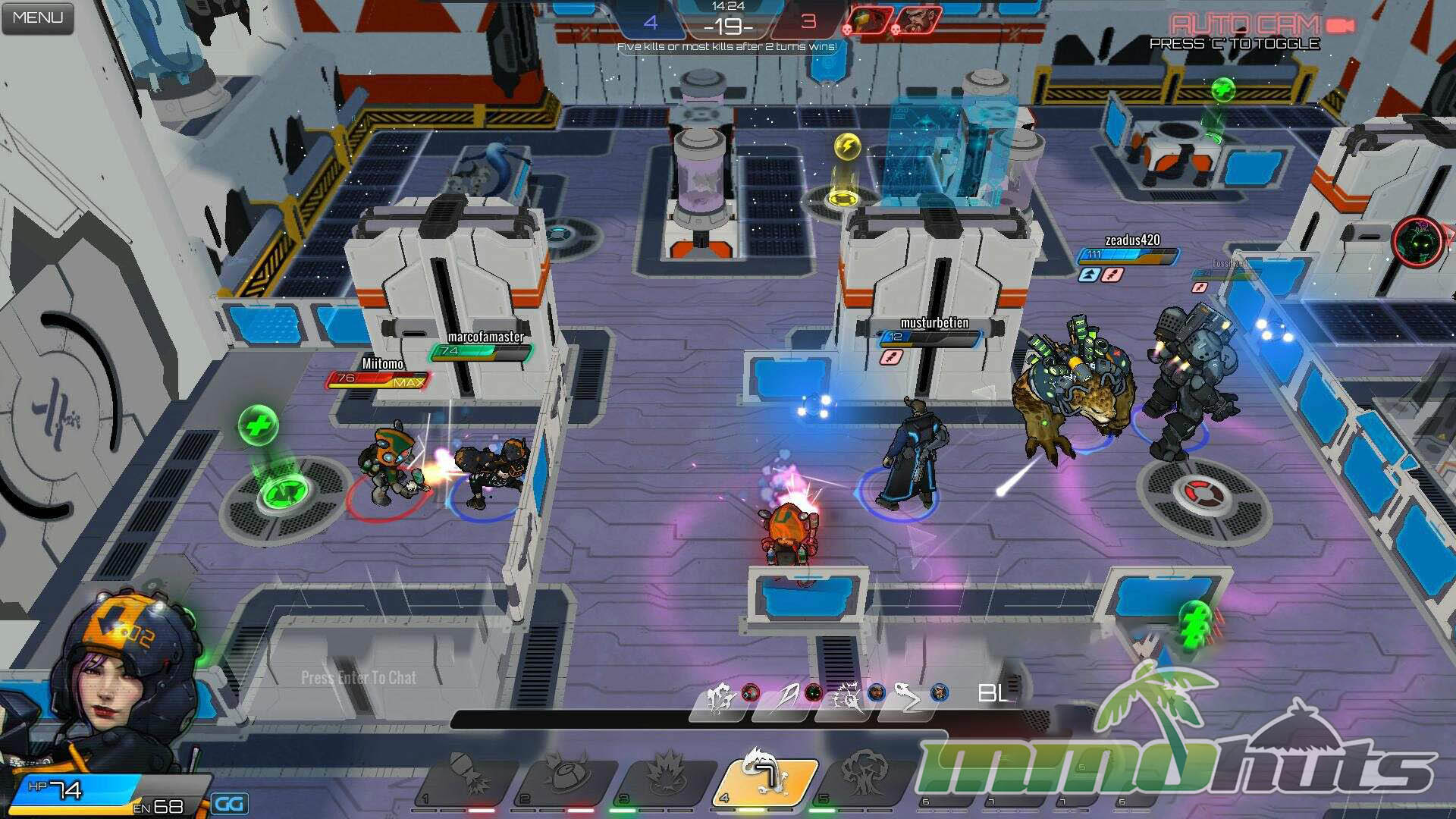
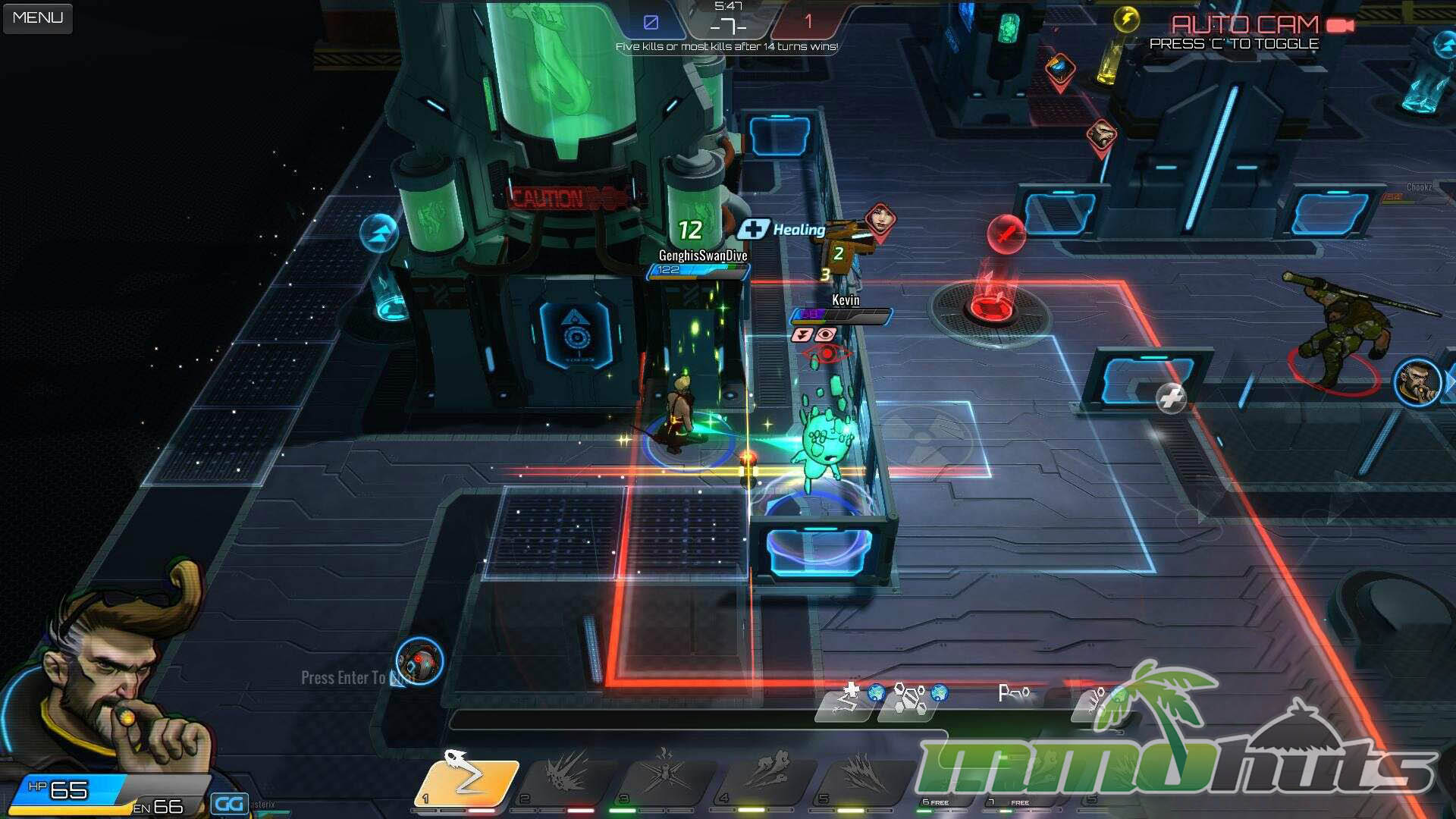
Atlas Reactor challenges you to win fights by thinking ahead rather than reacting faster than the other team. Each round gives you a short window (20 seconds) to lock in your plan, then the game plays out everyone’s choices in a set order across four phases. You pick from 16 playable characters known as Freelancers and take them into compact, sci-fi arenas designed around tight lines of sight, cover, and punishing flanks. Because actions resolve after planning, success often comes from anticipating where enemies will be and what they will attempt, not simply firing at what is currently on screen.
Matches lean heavily on coordination. A single Freelancer rarely wins exchanges alone, but layered abilities, focus fire, and controlling space as a unit can swing rounds quickly. Outside standard PvP, Atlas Reactor offers several ways to play, including Practice, Coop, Versus, plus a Season campaign with challenges and objectives that award extra loot and rewards. Atlas Reactor intiailly launched as a buy to play game, but went free to play on January 17, 2017.
Atlas Reactor Key Features
- Unique Turn-Based Gameplay – a four-step resolution system that feels closer to tactical board games than traditional “take turns” combat.
- Timed-Turns – every decision is made under a 20-second clock, pushing quick reads and decisive play.
- Team-focused – ability combos and coordinated positioning are the difference between a clean win and a messy loss.
- Multiple Game Modes – options range from training and co-op to competitive PvP and seasonal objectives.
- Choose Your Freelancer – 16 distinct characters with different roles, tools, and play patterns to learn and master.
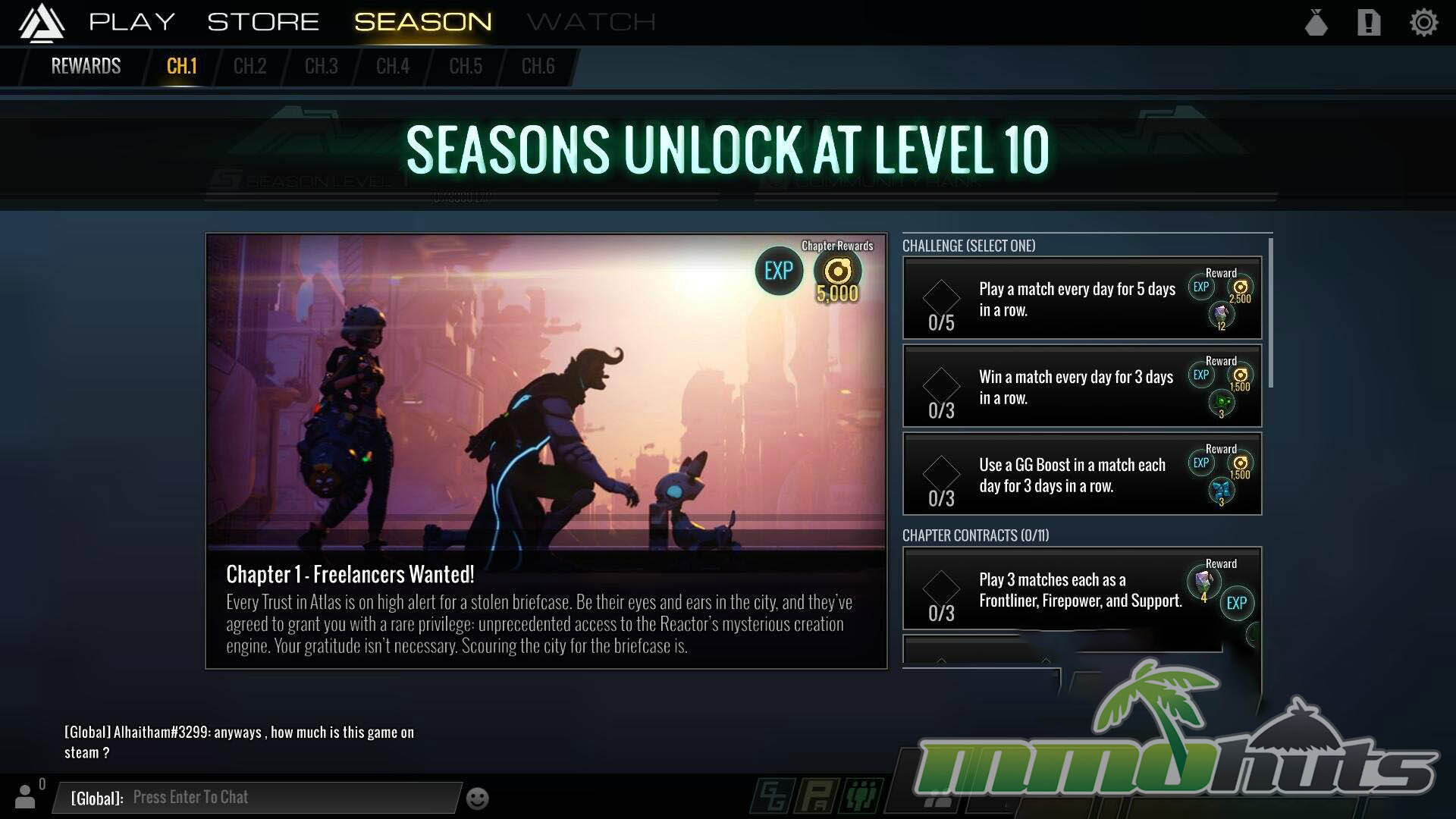
- Season Mode – narrative-driven seasonal arcs with tasks that reward players for completing objectives.
Atlas Reactor Screenshots


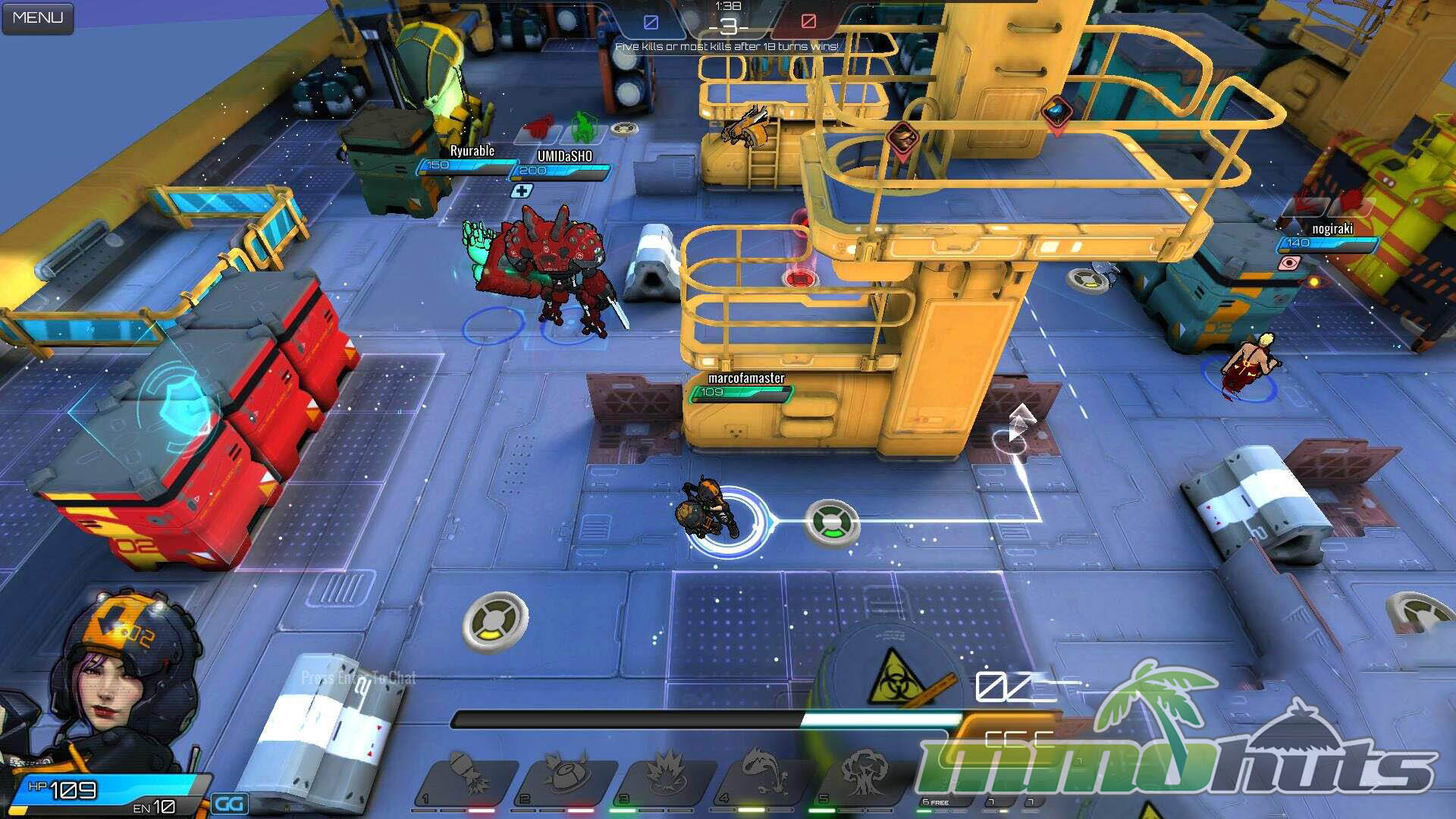
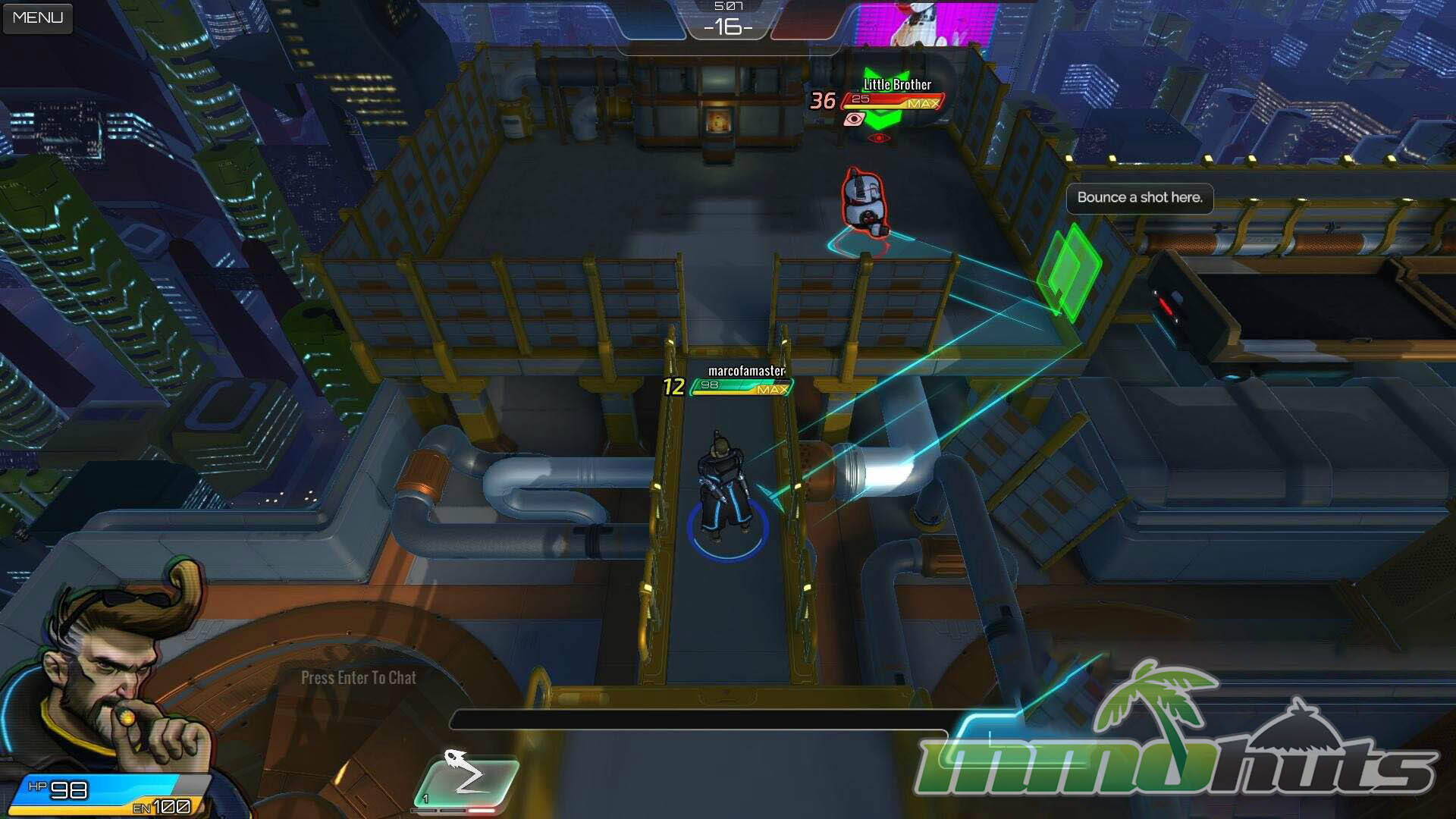
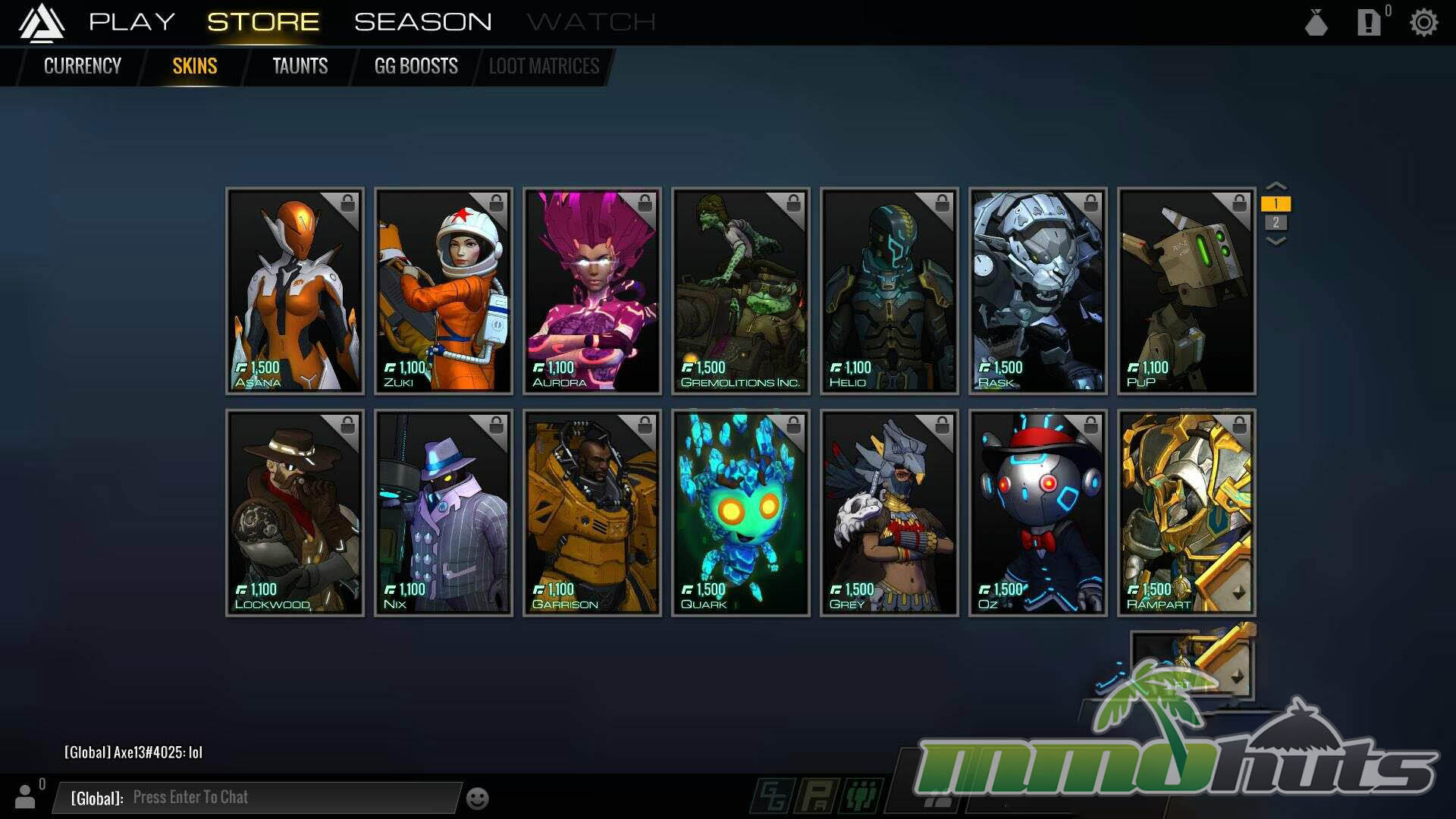
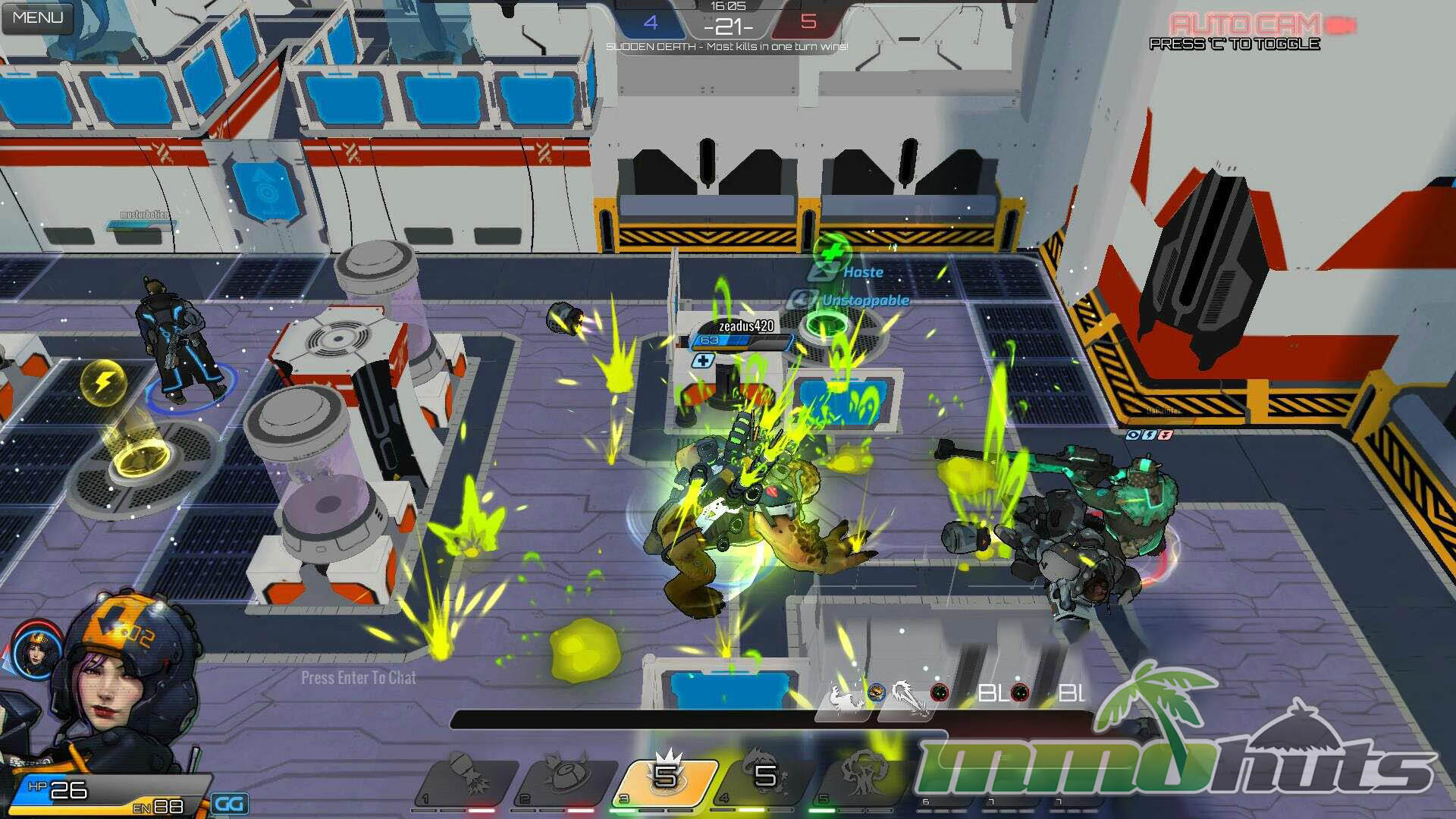


Atlas Reactor Featured Video

Atlas Reactor Review
Atlas Reactor is a buy-to-play sci-fi themed 3D turn-based strategy game set in Atlas, a towering megacity where Freelancers clash over control of the planet’s last reactor. Presentation is one of its strongest first impressions. The cel-shaded look, sharp silhouettes, and animated flair make characters easy to read in motion while still feeling stylish. Audio supports the setting well too, with futuristic effects that give abilities punch without drowning out important cues during resolution.
Start With The Basics First
Because Atlas Reactor does not play like a typical tactics title, it rewards anyone willing to learn the rhythm before queuing seriously. The “How To Play” video is useful, but the in-game tutorial is the real key, especially for understanding how actions resolve and why your “perfect shot” might miss if the target dashes away first. The tutorial can be launched from the settings menu (the gear icon in the top-right of the lobby).
Skipping that step tends to create the same early experience for many players, confusion during the first few matches. It is easy to spend turns wandering into bad angles or selecting abilities without understanding when they trigger. The good news is that the 20-second planning timer keeps matches moving, and teammates often tolerate honest mistakes better than in many competitive games, even if they do not have time to coach mid-round.
Simultaneous Turns That Actually Work
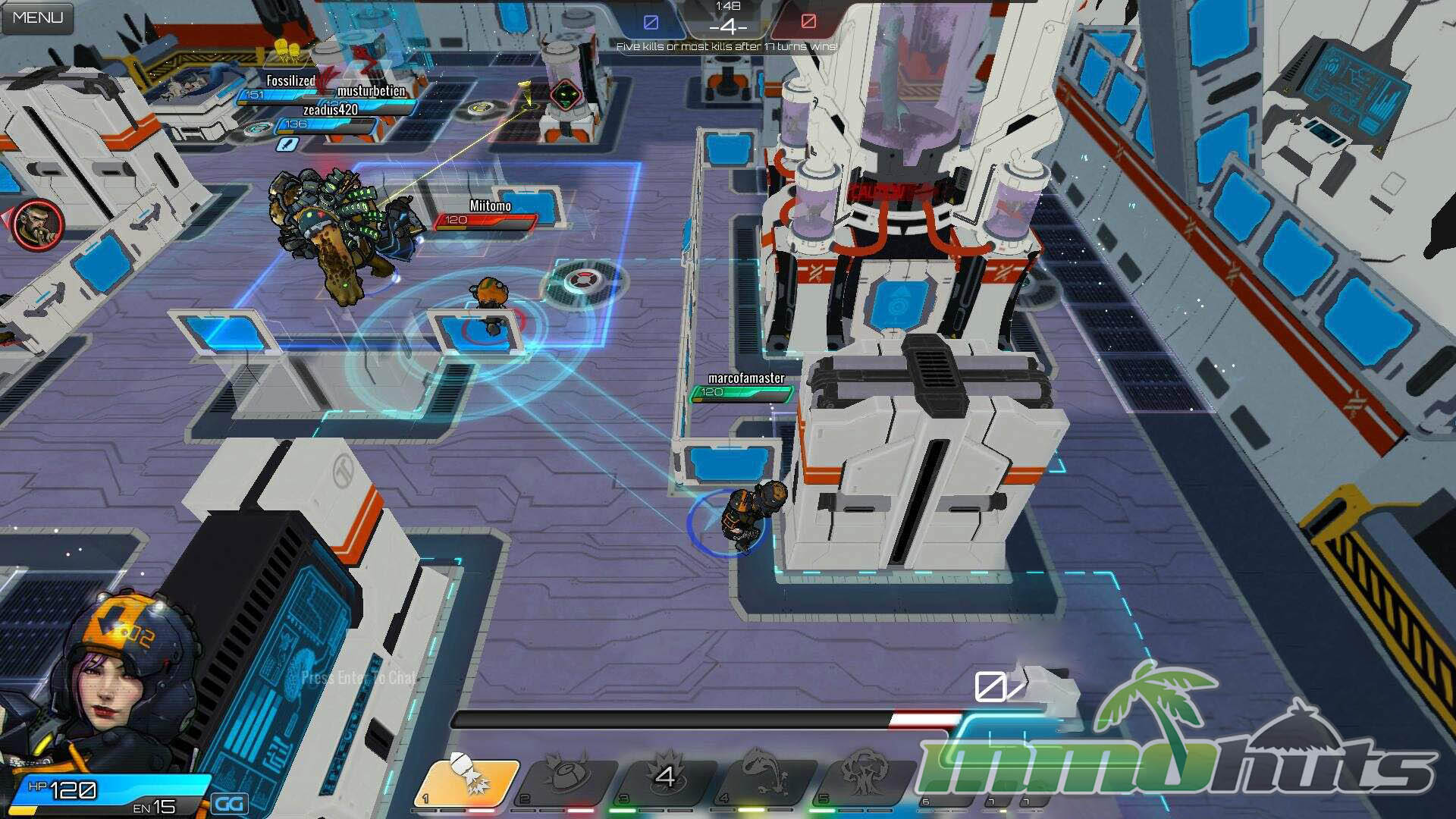
The easiest way to frame Atlas Reactor is as a prediction game built on tactical positioning. Everyone chooses actions at once, then the game resolves them in a consistent order, which creates mind games similar to chess while still feeling like an arena skirmish. It borrows the team structure and ability-driven identity of a MOBA, but removes real-time aiming pressure in favor of planning and reading the board.
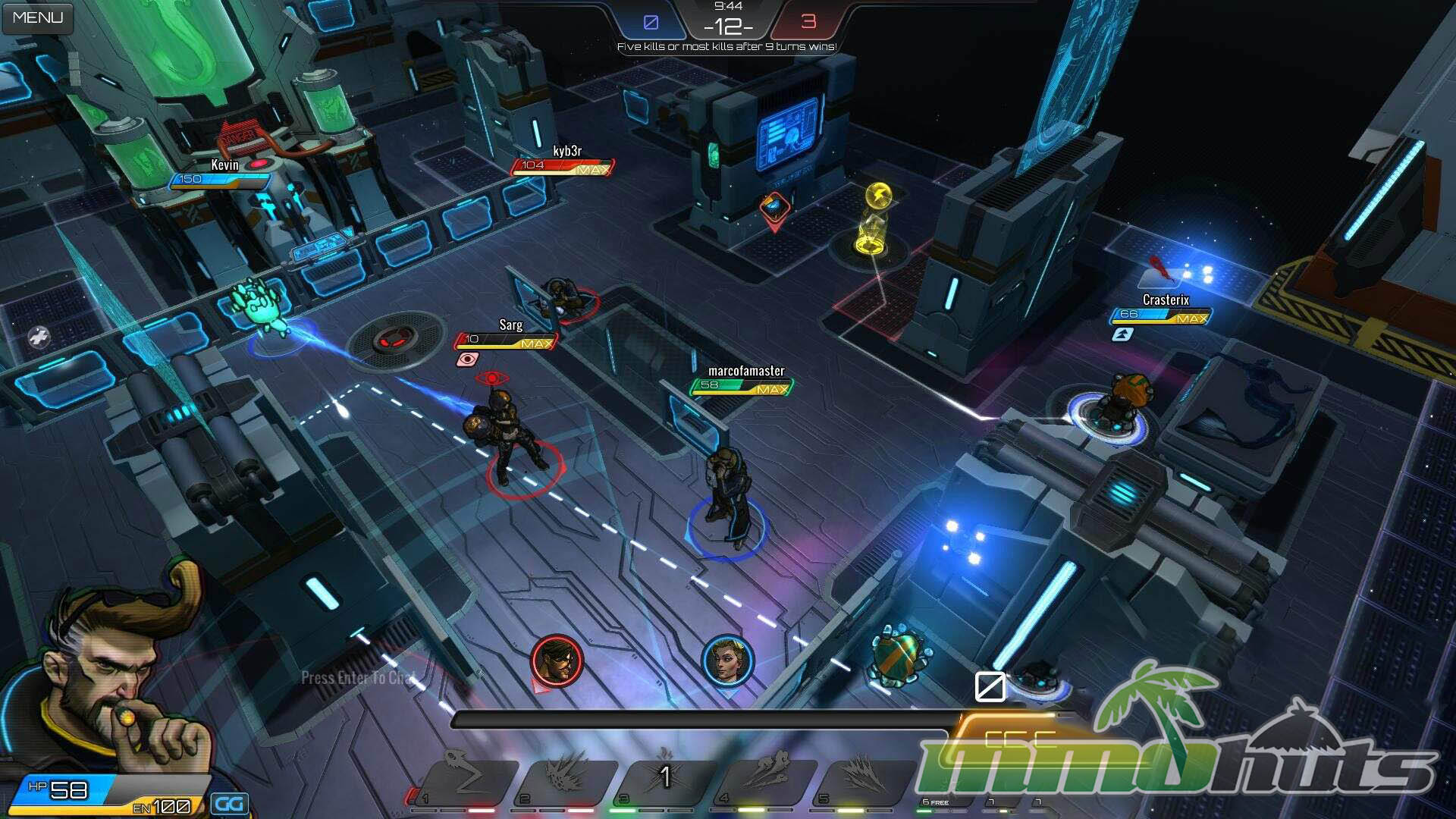
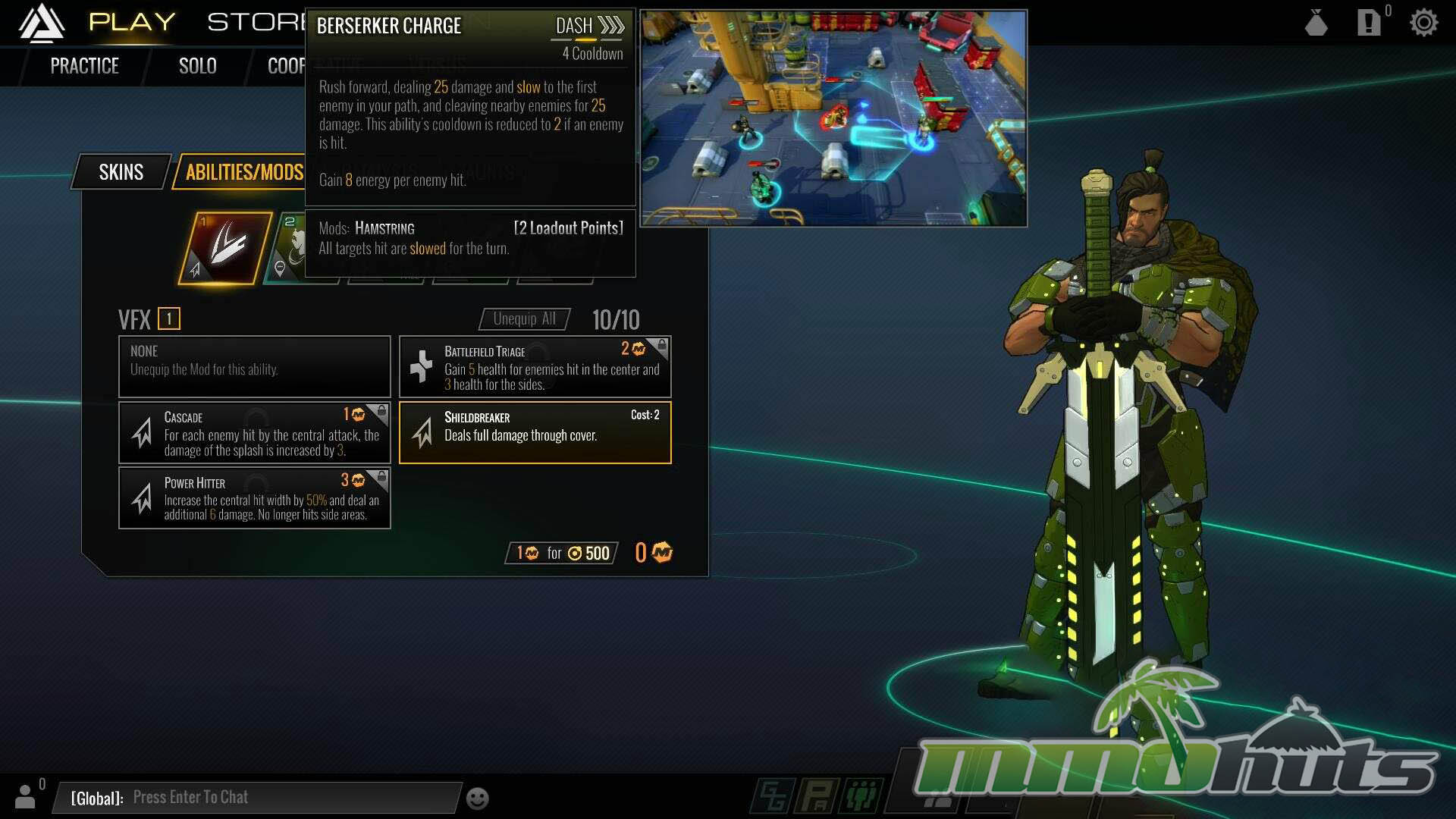
On each turn you can select one of three action types, Prep, Dash, or Blast, plus a Move. Prep skills usually set up delayed effects, such as buffs or attacks that trigger later. Dash abilities reposition you during the dash phase, often letting you dodge incoming hits and sometimes dealing damage as you move. Blast is where most direct attacks and immediate effects happen. Move is the basic reposition option, and you can choose to stay put or relocate after picking an ability. When time expires, the round resolves in the sequence: Prep, then Dash, then Blast, then Move. You can also forgo a skill to extend your movement range, but you still need to account for the fact that other phases resolve before movement.
How A Single Turn Can Flip A Fight
A simple scenario shows why the phase order matters. Imagine four players in the same lane, each expecting a different outcome. One player panics and only manages a basic reposition to cover. Another chooses a Prep shield to survive an expected hit. A third commits a Blast attack aimed at where an enemy stands right now. The final player predicts the shot and selects a Dash that carries them past the attacker, tagging multiple targets as they move.
When the timer ends, the shield from Prep comes online first, then the Dash player relocates and potentially hits on the way through. The Blast attack fires after that, and if the target dashed away, it lands on empty space. Finally, movement resolves, which can save someone who survived the earlier phases, but it can also be too late if they were already caught out. The takeaway is that Atlas Reactor is less about “who clicks first” and more about “who understood the likely plan.” In real matches, teamwork adds another layer, coordinated zoning and chained abilities can trap opponents in positions where their safest dash still leads into another threat.
Modes For Learning And Competing
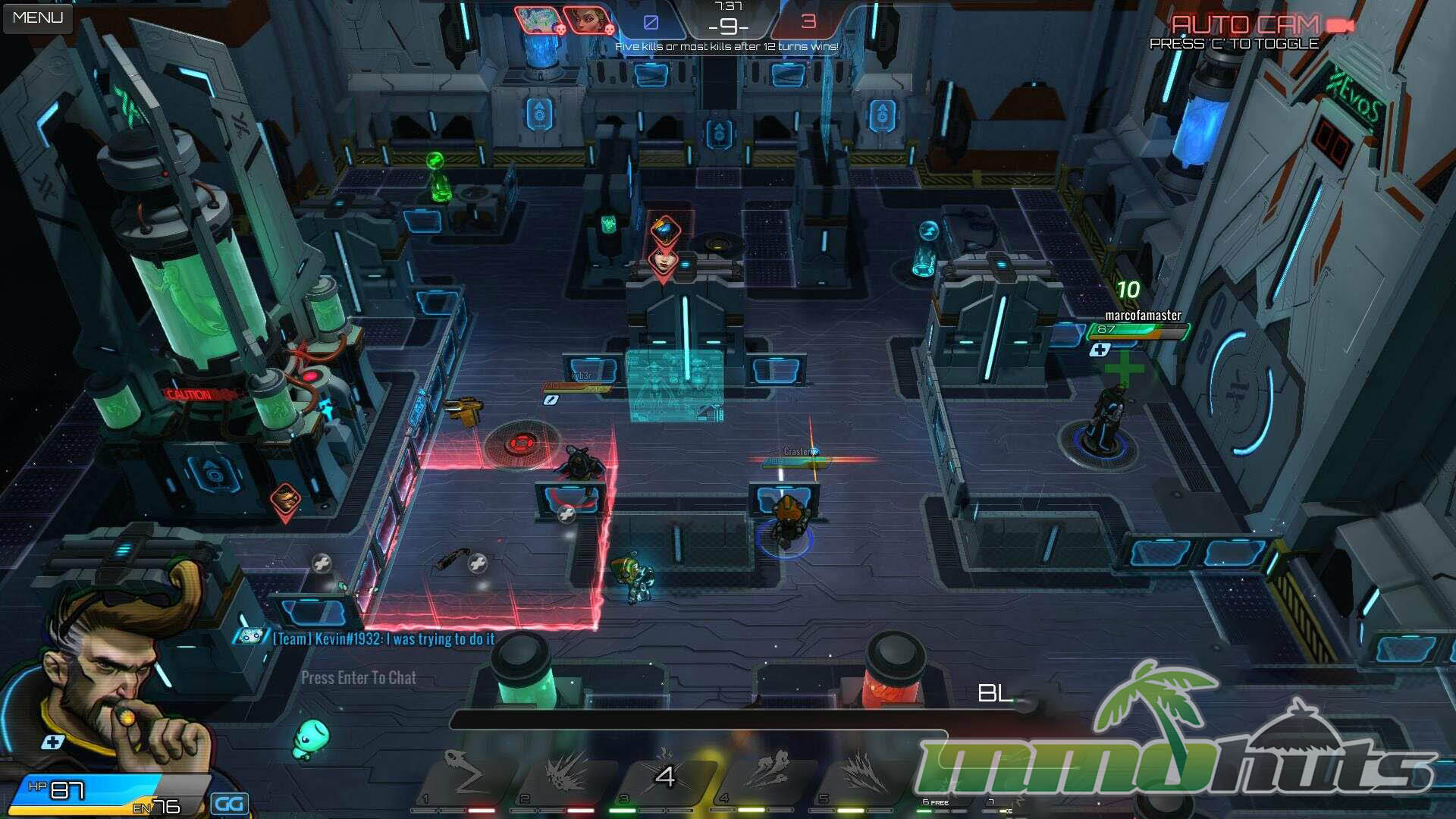
Atlas Reactor includes several modes aimed at different comfort levels. Practice is the safest place to learn Freelancer kits and phase timing against AI. Cooperative mode lets you team up with others against bots, which is useful for learning basic combos without the pressure of ranked-minded opponents. Versus is the main competitive experience, with fast, round-based fights in close-quarter arenas across three maps. Players who prefer observing or studying matchups can also use Spectator mode.
Season mode is positioned as a way for solo players (after reaching account level 10) to engage with the game’s story and earn extra loot and rewards by completing objectives during a Season arc. It is also a helpful structure for players who want goals beyond the win-loss loop.

ISO, Credits, And Progression
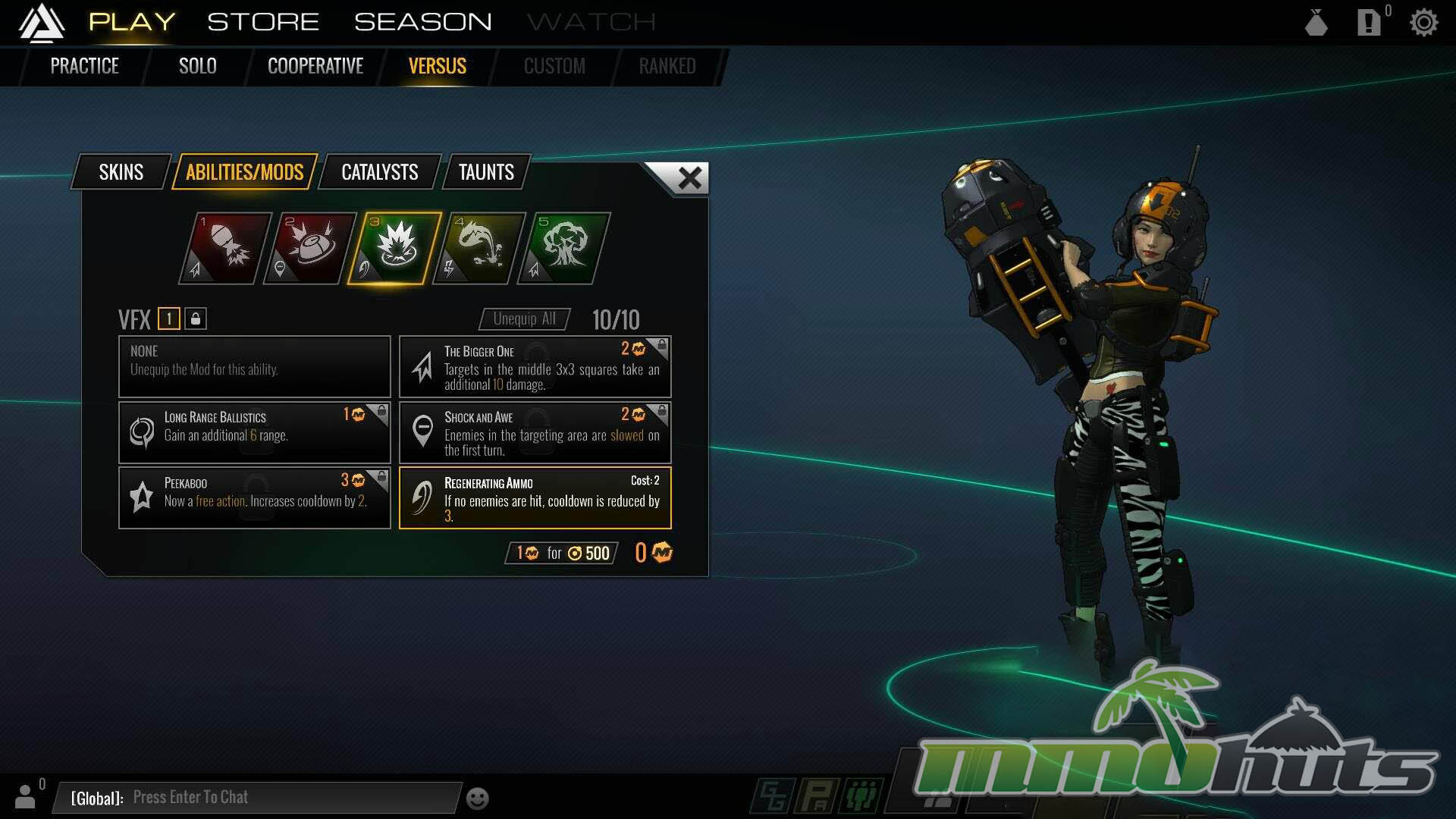
Outside of Practice, matches award ISO and experience. ISO functions as the main earnable currency and can be spent on cosmetics like skins and taunts, as well as mod tokens used to adjust abilities. ISO can also be converted into Credits, the premium currency. Credits are available through purchase and can be used for items like GG boosts that temporarily increase ISO and experience gains.
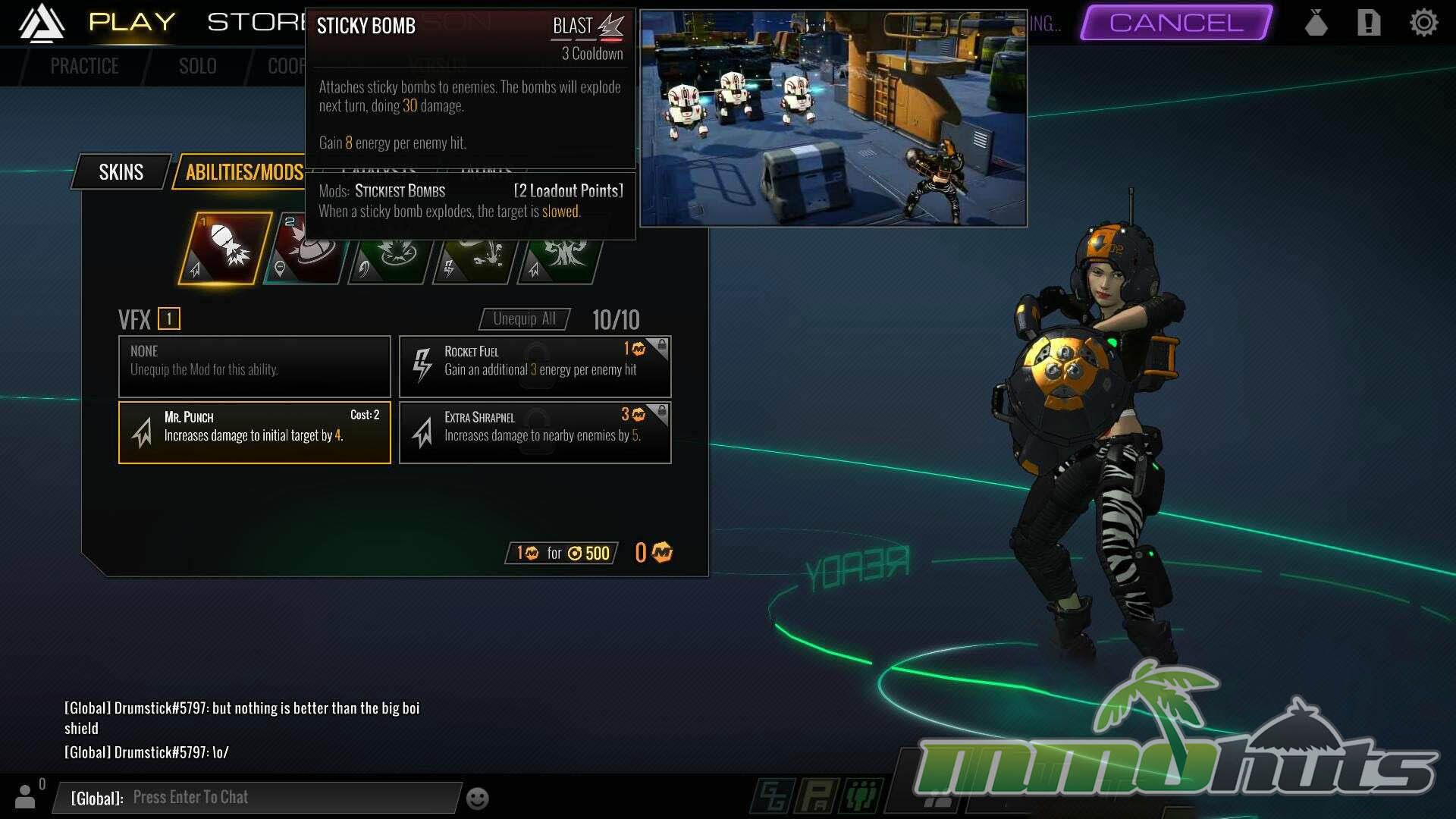
Experience contributes to both overall account progression and the Freelancer you are currently playing. As you level a Freelancer, you earn points used to tailor and improve abilities. This system gives long-term players more options and refinement, but it generally feels like an advantage in flexibility rather than an overwhelming power gap, which helps keep competitive matches from feeling decided before the planning phase even begins.
The Final Verdict – Great
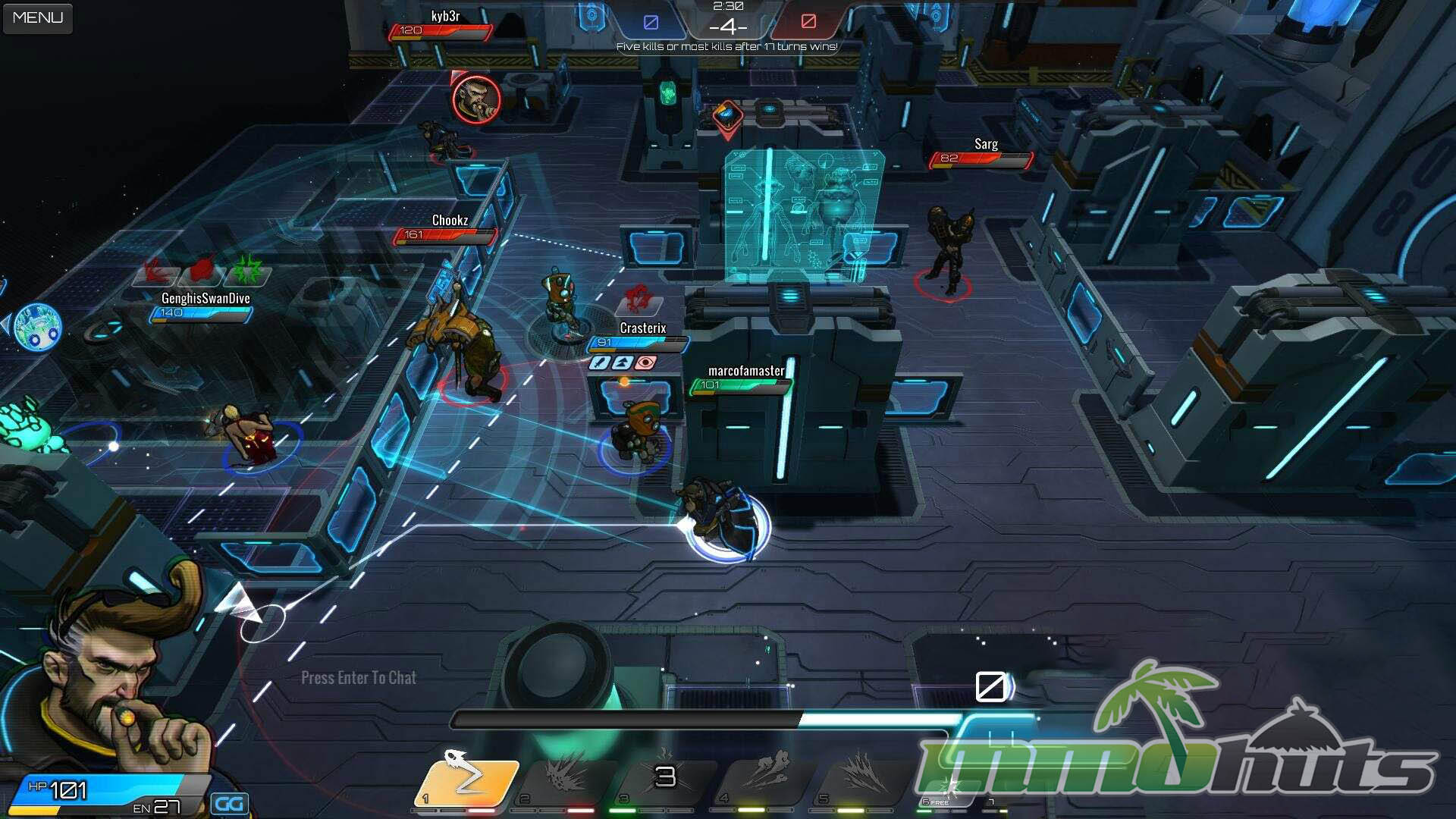
Atlas Reactor succeeds most where many tactical games struggle, it delivers strategic play without long downtime. The simultaneous planning and four-phase resolution create tense mind games, and the short timer forces decisive teamwork rather than endless analysis. Add in a strong art direction and memorable character designs, and you get a tactics title that feels distinct even among genre hybrids.
It is not frictionless. The learning curve is real, and the limited map pool and desire for more Freelancers are easy criticisms to understand. Still, for players who enjoy outsmarting opponents, coordinating with a team, and mastering timing-based interactions, Atlas Reactor offered a genuinely compelling formula. Update: It went free to play on January 17th, 2017, but a one time purchase unlocks all of the game’s freelancers.
Atlas Reactor Links
Atlas Reactor Official Site
Atlas Reactor Official Twitter
Atlas Reactor Facebook Page
Atlas Reactor System Requirements
Minimum Requirements:
Operating System: Windows Vista / 7 / 8 / 10
CPU: Intel Dual Core / AMD X2 5600+
Video Card: Nvidia GeForce 7600 GT / ATI Radeon 2600 XT
RAM: 2 GB
Hard Disk Space: 5 GB
Recommended Requirements:
Operating System: Windows 7 / 8 / 10
CPU: Intel Core i5 / AMD FX Series
Video Card: Nvidia GeForce GTX 400 series
RAM: 4 GB
Hard Disk Space: 5 GB
Atlas Reactor Music & Soundtrack
Coming soon…
Atlas Reactor Additional Information
Developer: Trion Worlds
Executive Producer: Peter Ju
Senior Producer: James Karras
Lead Designer: Will Cook
Art Director: Darren Pattenden
Game Engine: Unity 5
Reveal Date: August 28, 2015
Alpha Test Date: August 31, 2015
Open Alpha Date: February 18, 2016
Closed Beta Date: April 14, 2016
Steam Release Date: May 13, 2016
Release Date: October 04, 2016
Shut Down: June 28, 2019
Development History / Background:
Atlas Reactor is a buy-to-play sci-fi themed 3D turn-based strategy game developed and published by Trion Worlds, an American game development studio that focuses primarily in creating MMORPG’s and MMORTS games. The project was first shown publicly at PAX Prime 2015 (August 28-31). Despite its buy-to-play model, the team ran periodic free trials, beginning with a week-long Open Alpha test held February 18-24, 2016. A Closed Beta followed on April 14, 2016, leading into an Early Access release on Steam on May 13, 2016, accompanied by a free weekend that ran through May 15. Atlas Reactor officially launched on October 04, 2016, and became the first game to be fully integrated with the VOIP service Discord. The game was shut down on June 28, 2019.