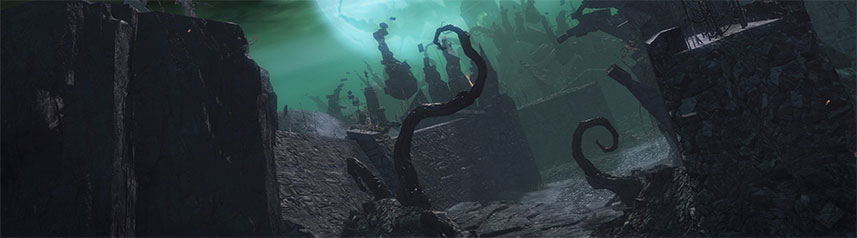
ArcheAge was a 3D sandbox fantasy MMORPG set in the medieval world of Erenor, where two rival powers, Nuia in the west and Haranya in the east, constantly clash for territory and influence. Rather than forcing everyone down the same combat focused treadmill, it encouraged players to grow through a mix of adventuring, trade, crime, farming, and crafting, with enough open ended systems to support everything from peaceful homesteaders to opportunistic pirates.
 | Developer: XL Games Type: MMORPG Release Date: September 16, 2014 (NA/EU) Shut Down: June 27, 2024 Pros: +Flexible multi-skillset class building. +Deep crafting and trade systems. +Persistent player housing. +Player driven crime and trial mechanics. Cons: -Limited race selection. -Cash shop could feel pricey and influential. |
ArcheAge Shut Down on June 27, 2024
ArcheAge Overview
ArcheAge built its identity around player choice in a large, seamless world. You started by siding with one of two hostile factions divided by an ocean, then selected a race and gradually shaped your character into a role that fit your goals, whether that meant dungeon runs, open world PvP, hauling trade packs across dangerous routes, or simply tending crops on your own land. It was the kind of MMO that tried to treat combat as only one tool in the kit, because many of its progression loops rewarded non-combat play just as reliably as monster hunting.
What made Erenor stand out was how many “life” activities were connected to risk. Farming and crafting were peaceful in theory, but land ownership, trade routes, and the sea lanes created constant friction between players. The game also embraced movement and traversal in a way many MMOs do not, letting you travel on foot, by mount, by ship, and even through the air in certain situations, which helped sell the fantasy of a living world that was more than a checklist of quest hubs.
ArcheAge Key Features
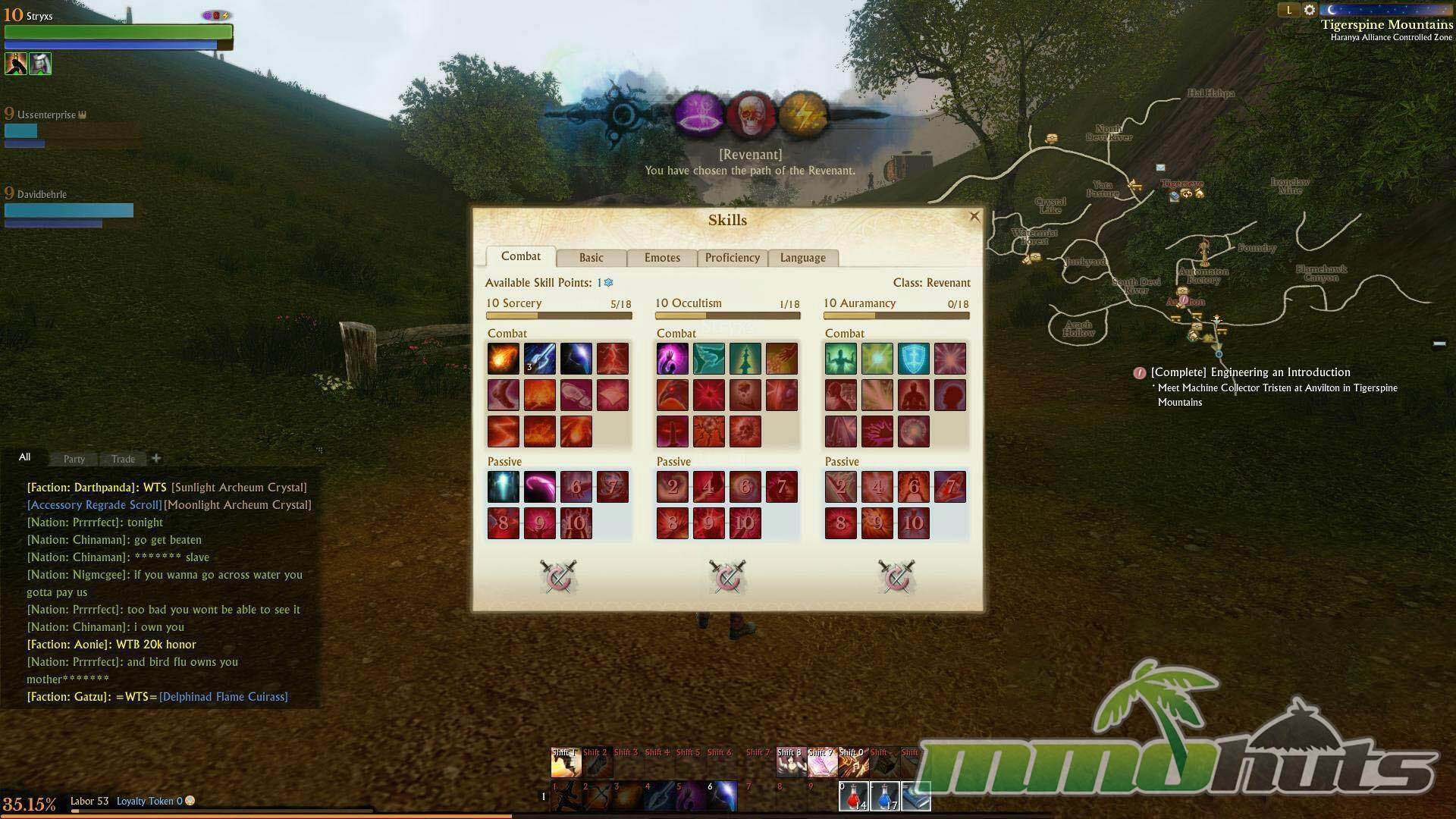
- Build-Your-Own Class – a multi-classing approach where you equipped three skillsets at a time, creating a personalized class identity without being permanently locked in.
- Progress Beyond Combat – crafting, gathering, and other economic playstyles also awarded experience, making “civilian” careers a legitimate way to advance.
- Persistent Housing – player homes existed in the shared world (with placement restrictions), giving communities a tangible footprint on the landscape.
- Two Factions, Four Races – pick Nuia or Haranya, each with two playable races: Nuia (Nuians, Elves) and Haranya (Firran, Harani).
- Open World Conflict – PvP was a major pillar, but systems were in place to discourage mindless griefing within your own side.
- High-End Presentation –strong visuals, a cohesive UI, and atmospheric music helped it feel premium for its era.
ArcheAge Screenshots
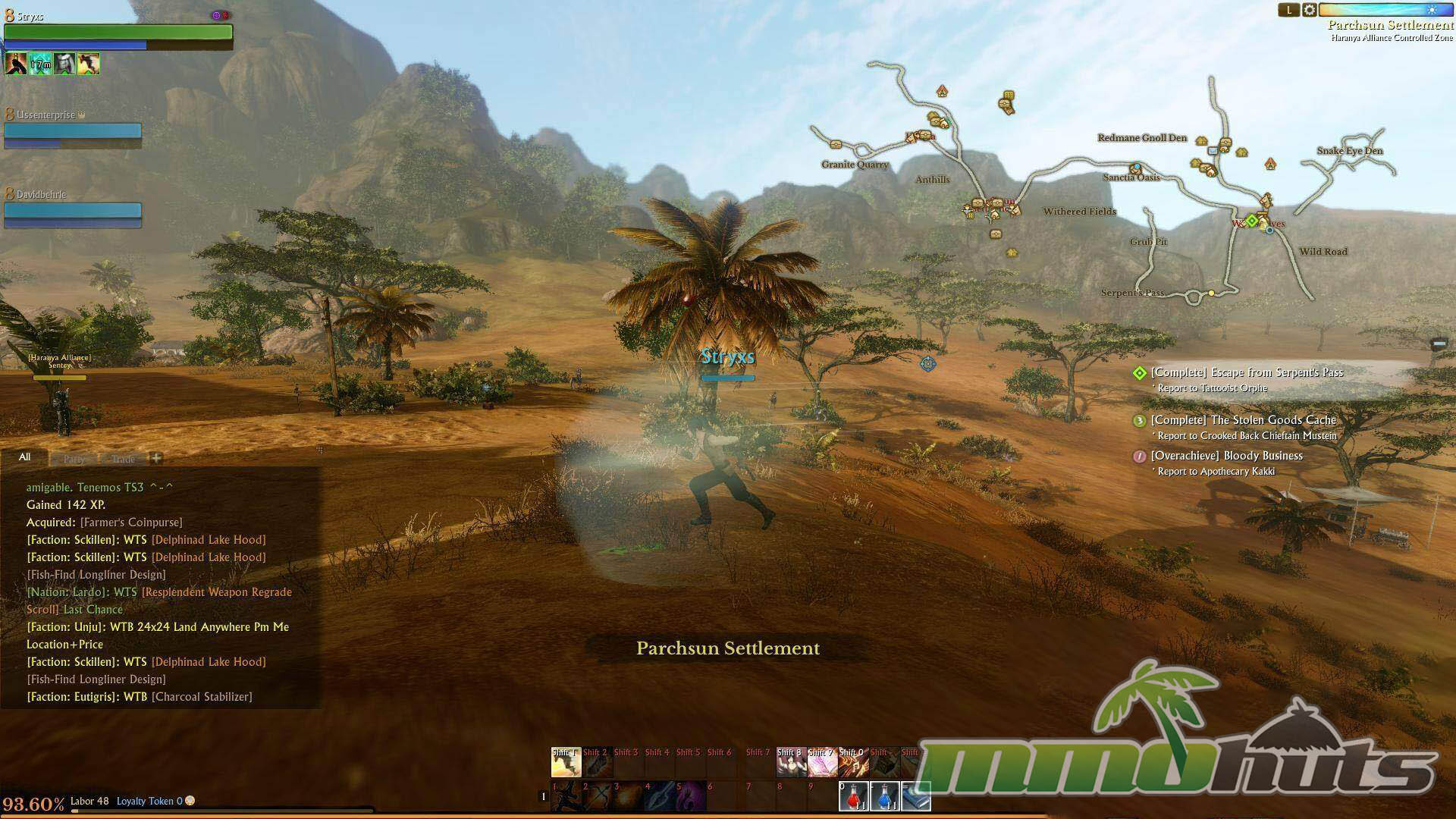
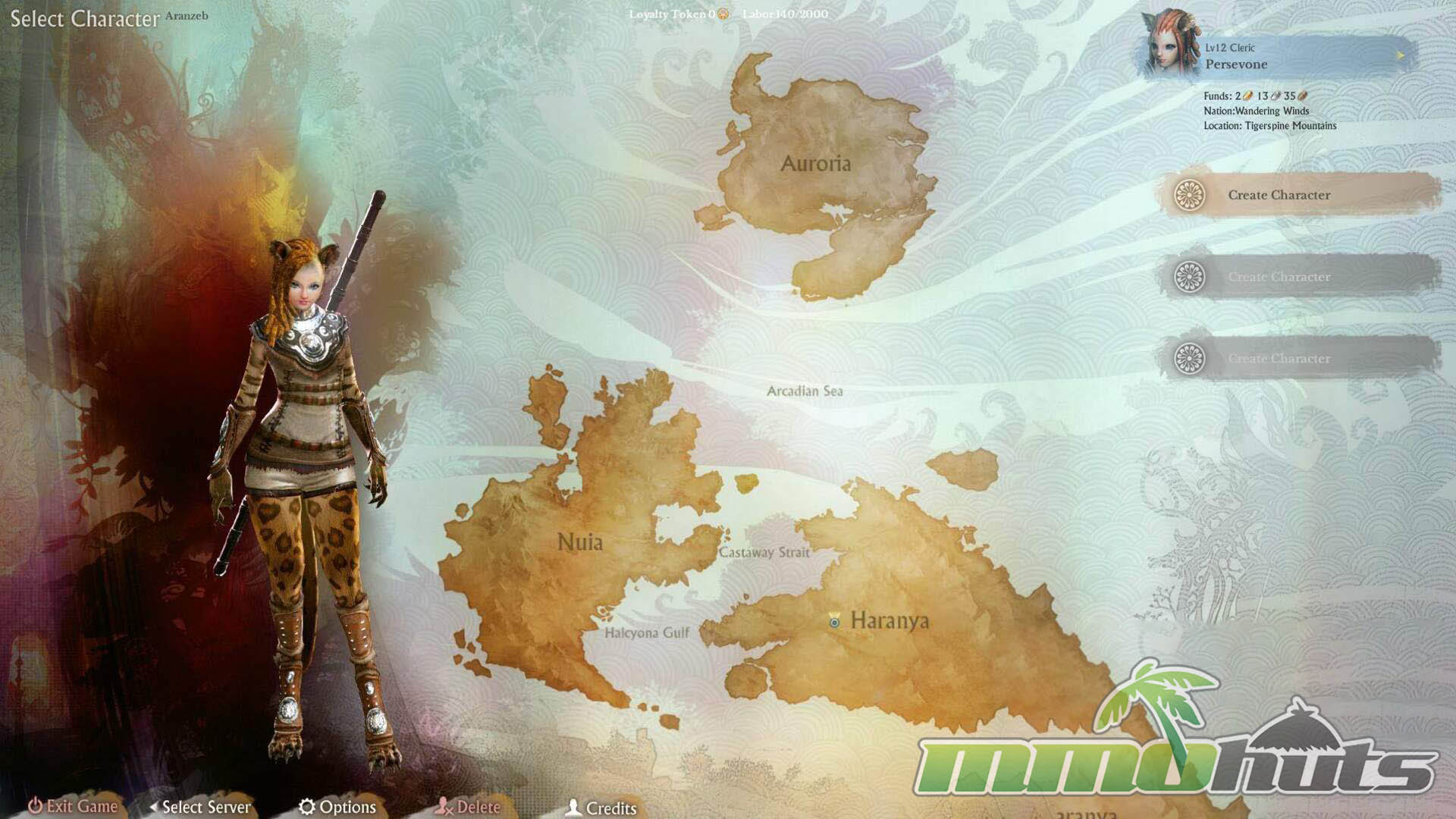
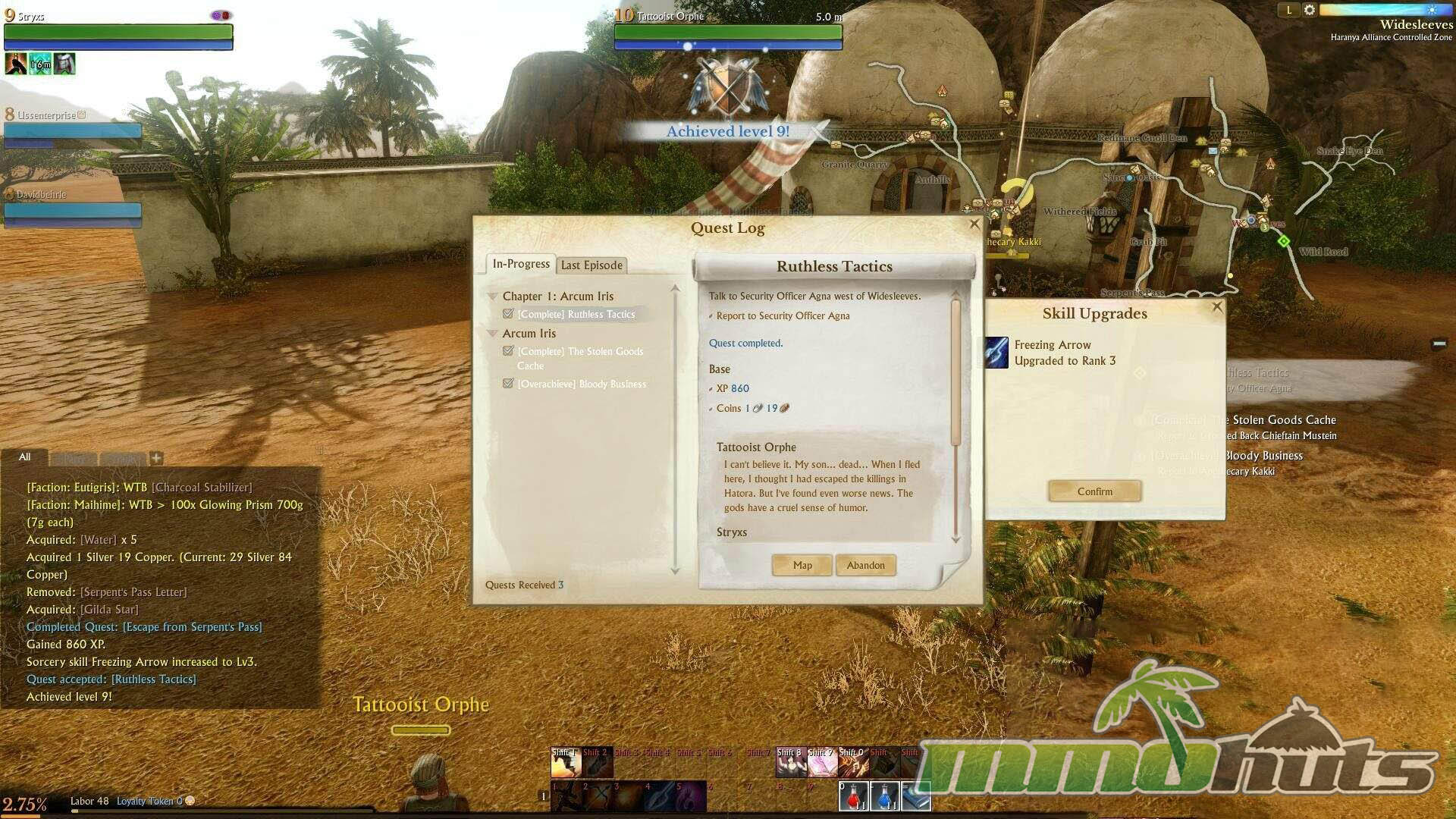
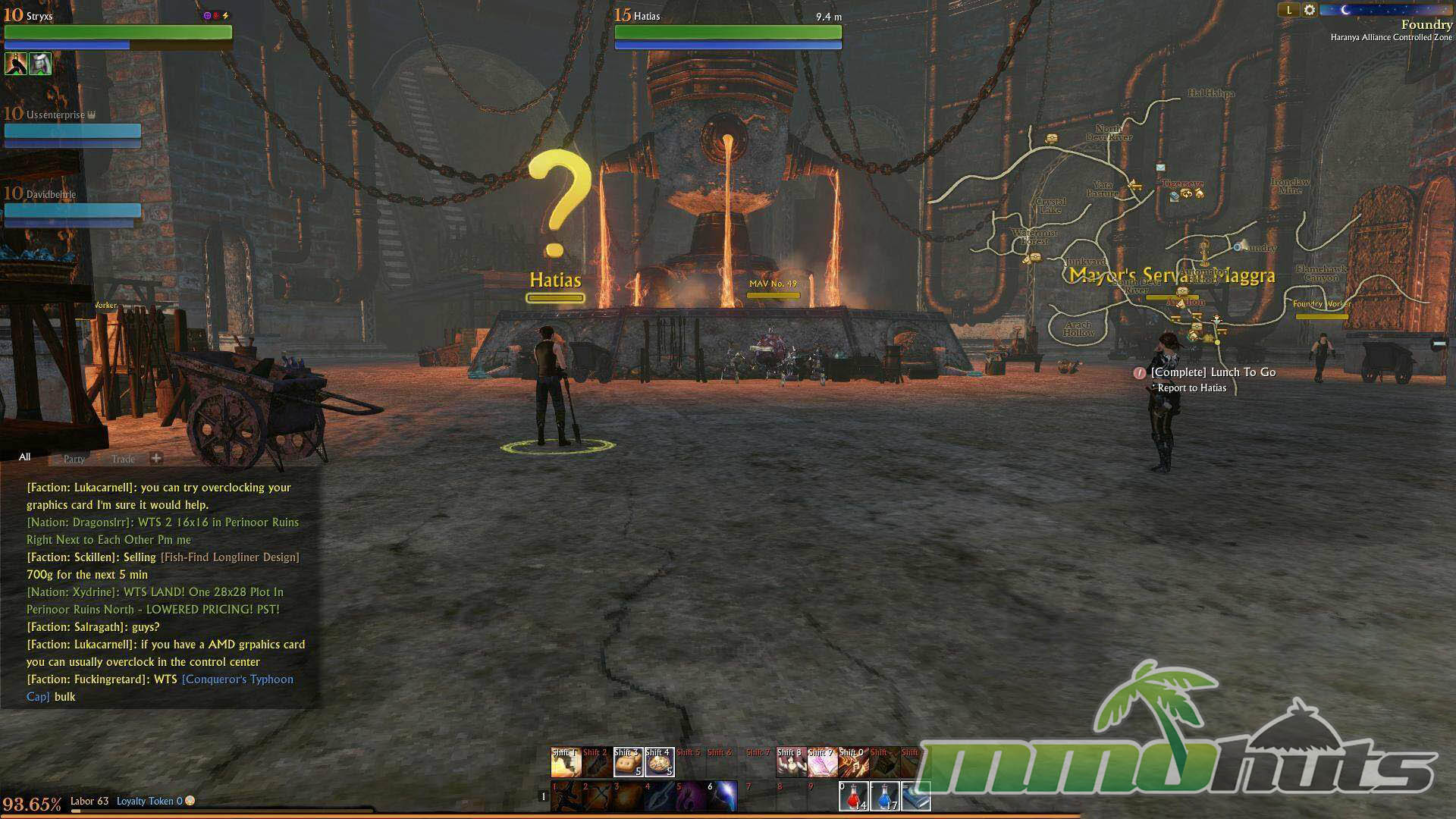
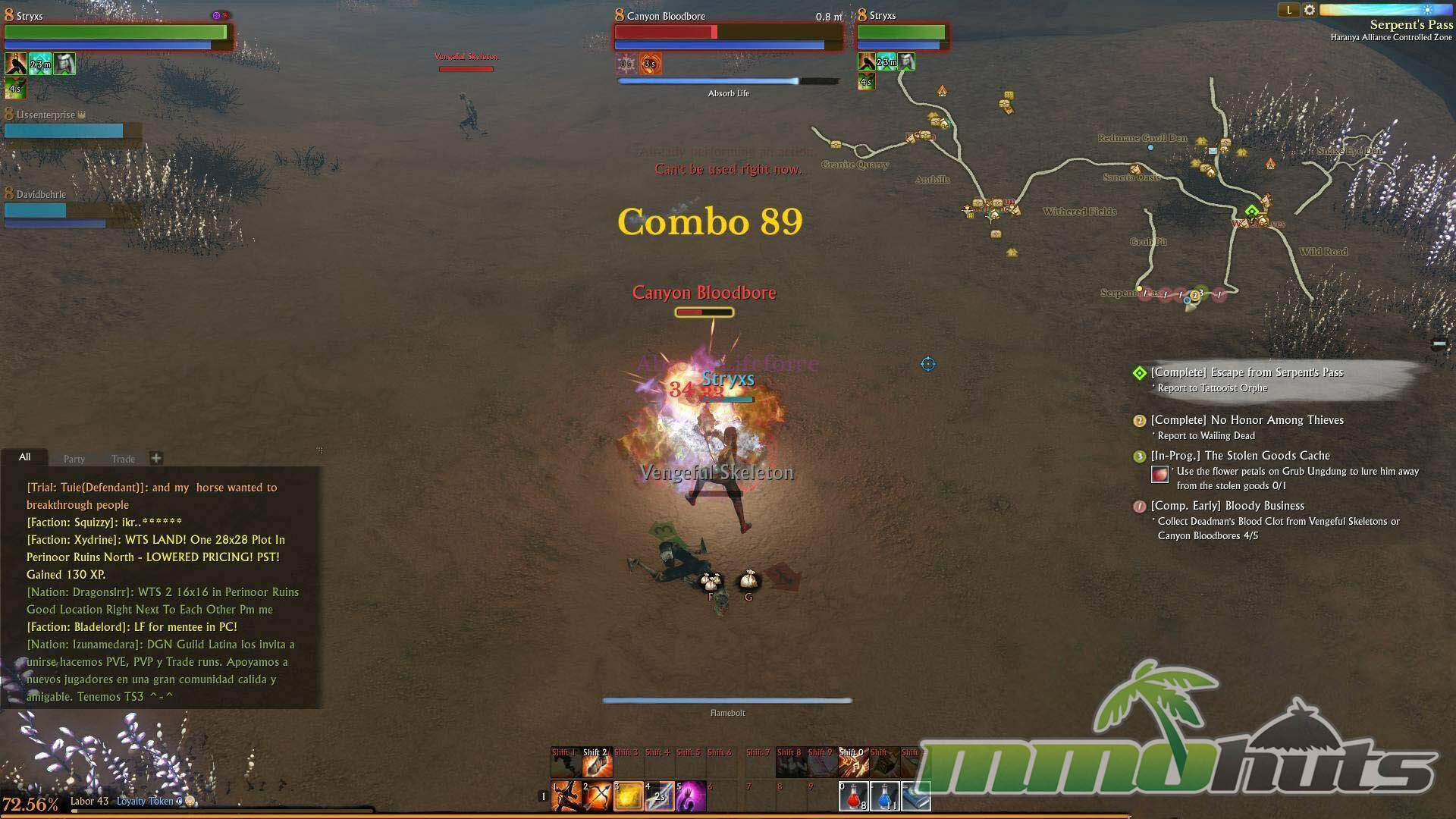
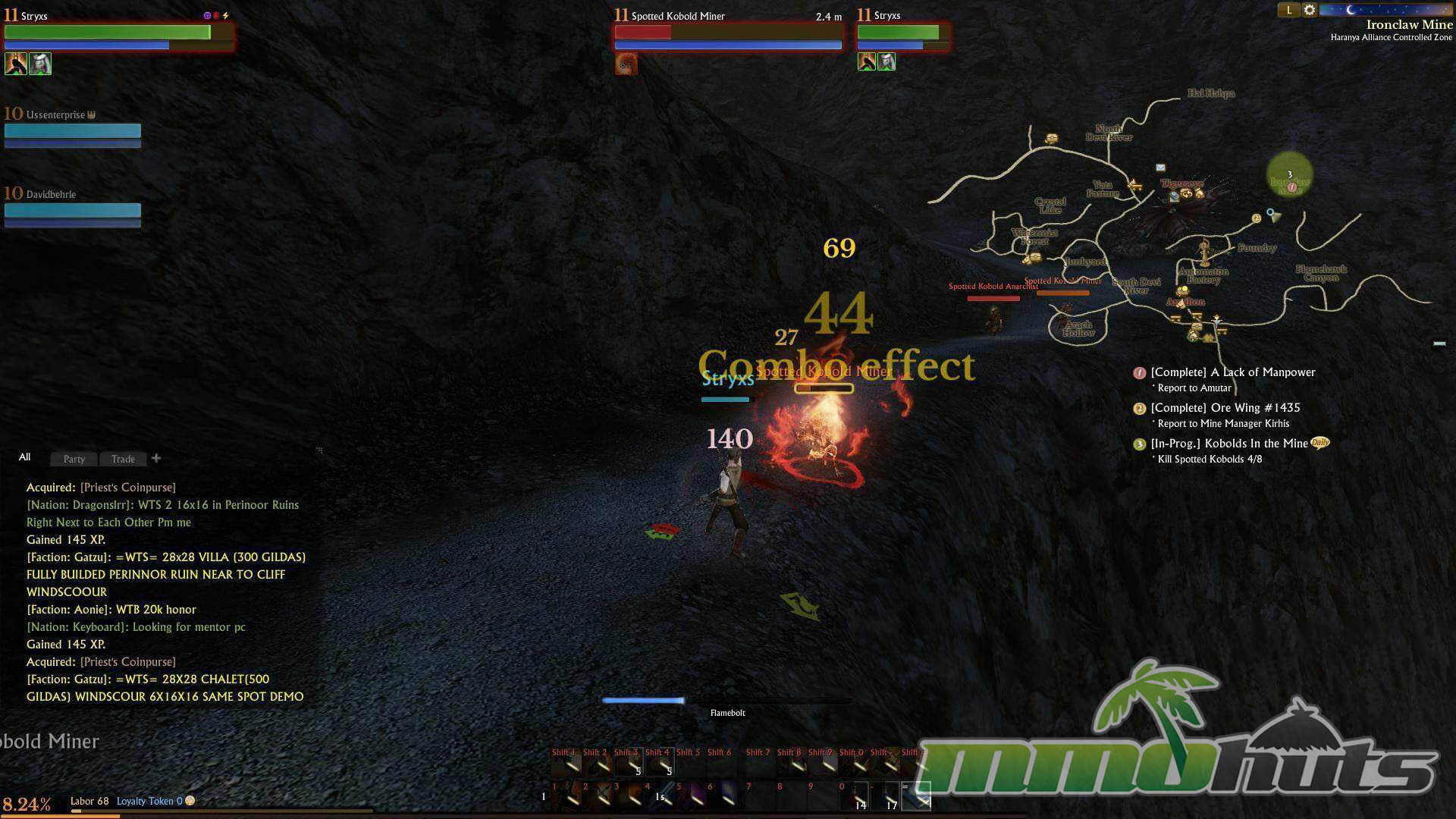
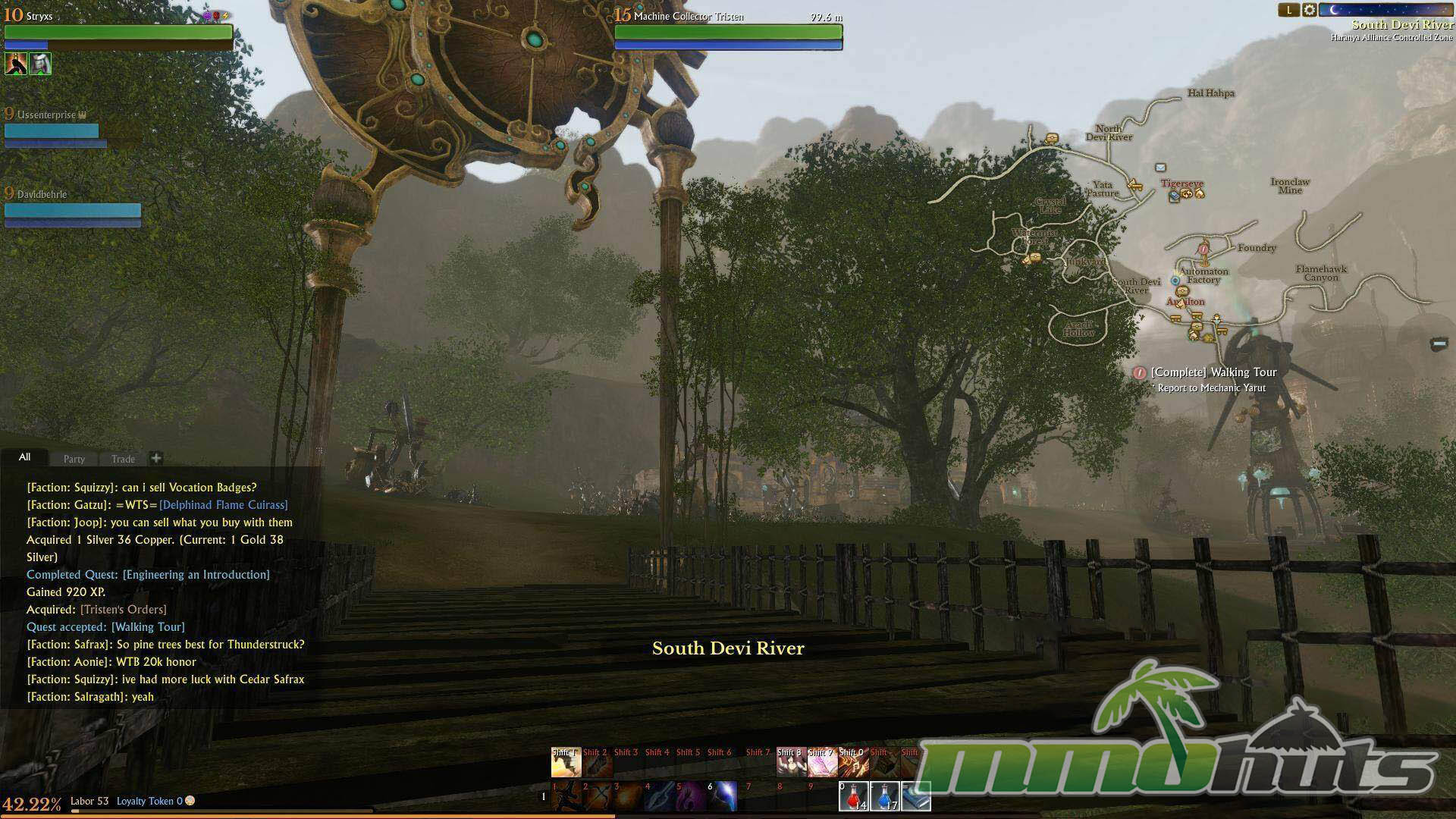
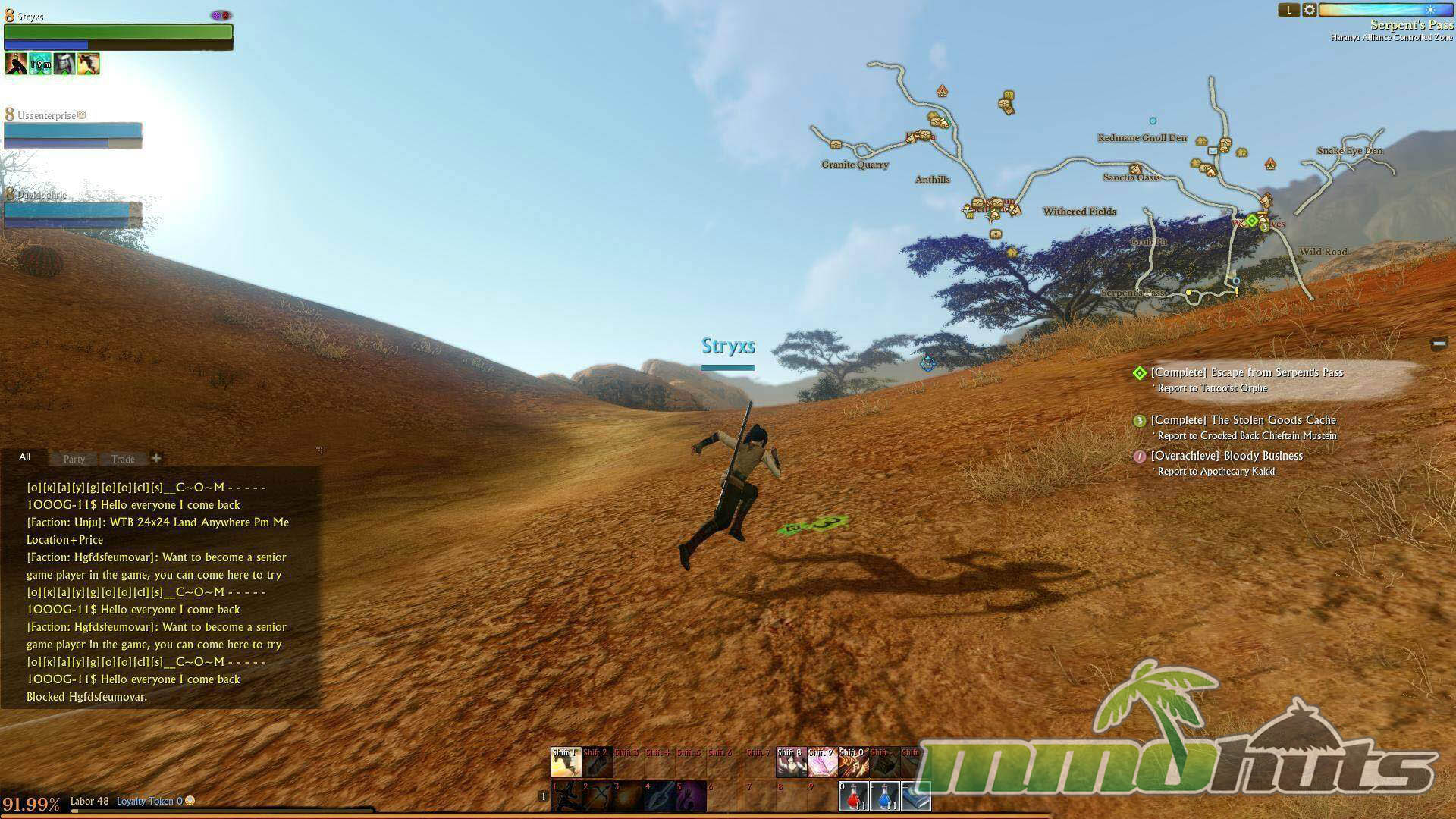
ArcheAge Featured Video

ArcheAge Classes
Factions & Races:
Nuia:
- Nuians – a spiritual people known for standing firm in defense of tradition. Their racial perks included faster construction of houses and castles, and longer lasting stat bonuses after resurrection.
- Elves – solitary warriors who romanticize honor and sacrifice. They could remain underwater longer and moved more quickly while swimming.
Haranya:
- Firran – nomadic, cat-like humanoids with sharp instincts and respect for life. They took reduced fall damage and climbed trees and ladders faster than other races.
- Harani – resilient survivors focused on protecting their people’s future. Their perks improved plant gathering and tree chopping, and they had reduced cast time and cooldown on Recall (Town Portal).
Classes:
Rather than handing you a fixed class with a permanent role, ArcheAge used “skillsets” as building blocks. You combined three skillsets to form a class, which opened up a huge number of viable archetypes, from stealthy skirmishers to frontline tanks to hybrid supports. Six skillsets were available from the start, while the remaining four unlocked later, allowing more experimentation once you had learned the basics.
- Battlerage – melee focused pressure with tools like stuns, knockdowns, and slows, plus passives that push damage output.
- Archery – long range damage with snares, slows, and damage-over-time effects to keep targets at a safe distance.
- Sorcery – elemental spellcasting designed for heavy burst and multi-target damage, often built around status combos.
- Occultism – debuffs and disruptive magic that leaned into control and attrition, supported by mana and magic crit bonuses.
- Shadowplay – stealth and mobility centered gameplay with passives for crit, evasion, and reduced aggro generation.
- Vitalism – healing and protection with resurrection, heal-over-time, and passives that enhance mana and healing potency.
- Songcraft – bard-like versatility, offering ranged damage, crowd control, debuffs, and light support that paired well with many builds.
- Witchcraft – crowd control specialization with tools that could swing fights through stronger CC and defensive play.
- Auramancy – a flexible set that mixed buffs, debuffs, light healing, defense, and control.
- Defense – tank oriented mitigation with boosts to health, armor, regeneration, and block, plus taunts for threat control.
ArcheAge Review
ArcheAge was a fantasy sandbox MMORPG from XL Games, released in North America and Europe on September 16, 2014, with Trion Worlds handling publishing in the region. It arrived with a clear mission: combine traditional questing and PvE progression with player-driven economics, housing, naval travel, and meaningful open world conflict. In practice, it often felt like an MMO where the most memorable stories came from other players, not from scripted content.
Erenor itself was presented as a broad, three-continent setting, with Nuia and Haranya occupying separate landmasses and Auroria to the north. Visually and thematically, the factions were intentionally distinct, with Haranya leaning toward ancient Asian influences and Nuia drawing from European medieval fantasy. The opening cinematic, replayed when launching the game, did a good job of establishing the “fallen gods and shattered world” tone without needing to drown the player in exposition.
Character Creation That Actually Matters
Your first big decision was faction and race, and while the race count was not large, each choice came with practical perks that could influence day-to-day play (movement, gathering efficiency, construction speed, and similar advantages). The character creator was one of the game’s stronger first impressions, with enough facial and cosmetic options to produce characters that did not all look like minor variations of the same template. The ability to fine-tune facial features and add details like scars or tattoos helped role-players and screenshot hunters alike.
The one area that felt oddly constrained was body customization, because with all the detail in the face tools, the lack of meaningful body sliders stood out. It did not ruin character creation, but it made the system feel less complete than it could have been.
After appearance, the next choice was your starting skillset. At character creation you selected from the initial six, with additional skillsets unlocking later, which gave the early game a sense of direction without overwhelming new players with too many build permutations immediately.
Early Game: Guided, Then Gradually Looser
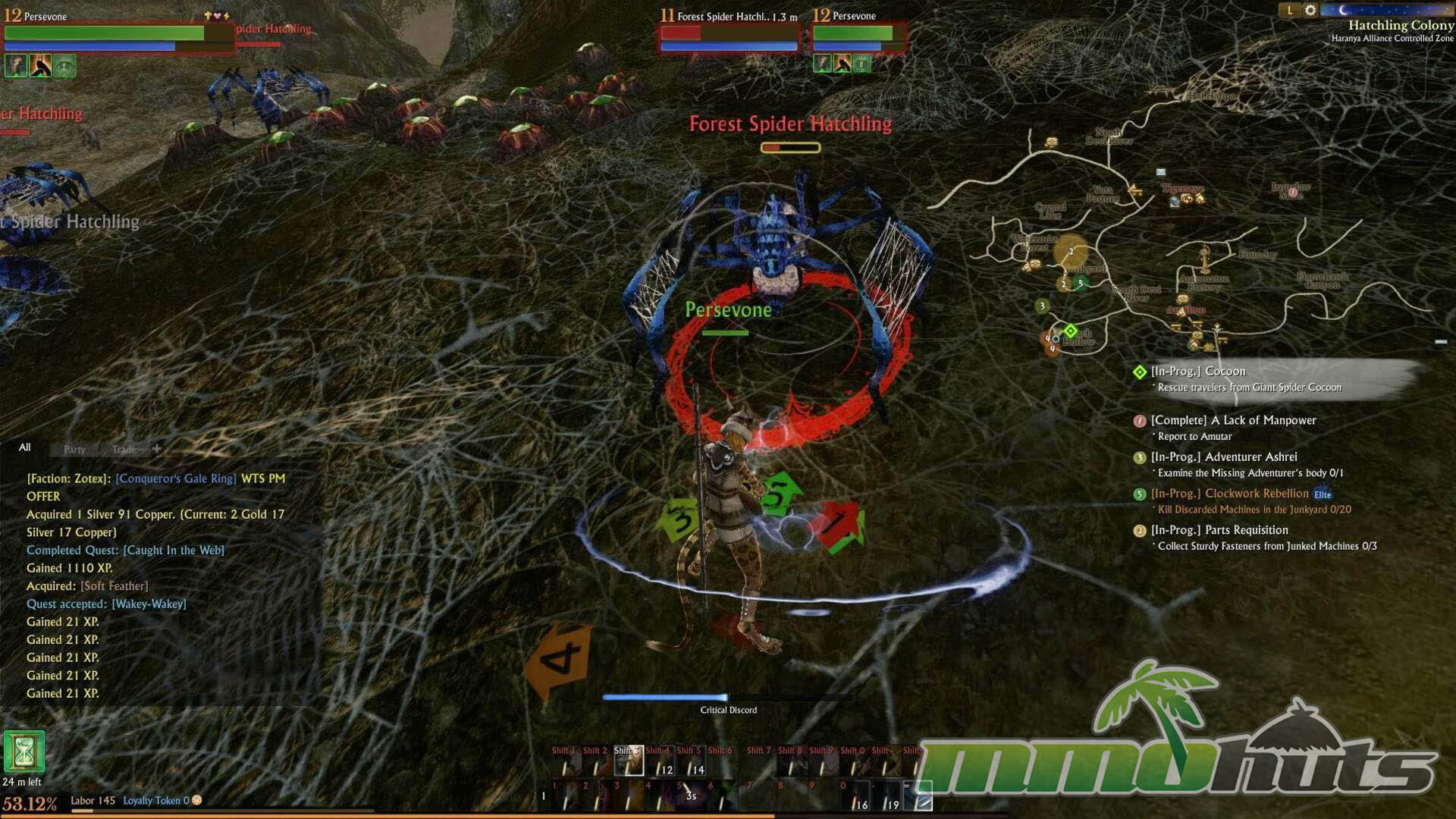
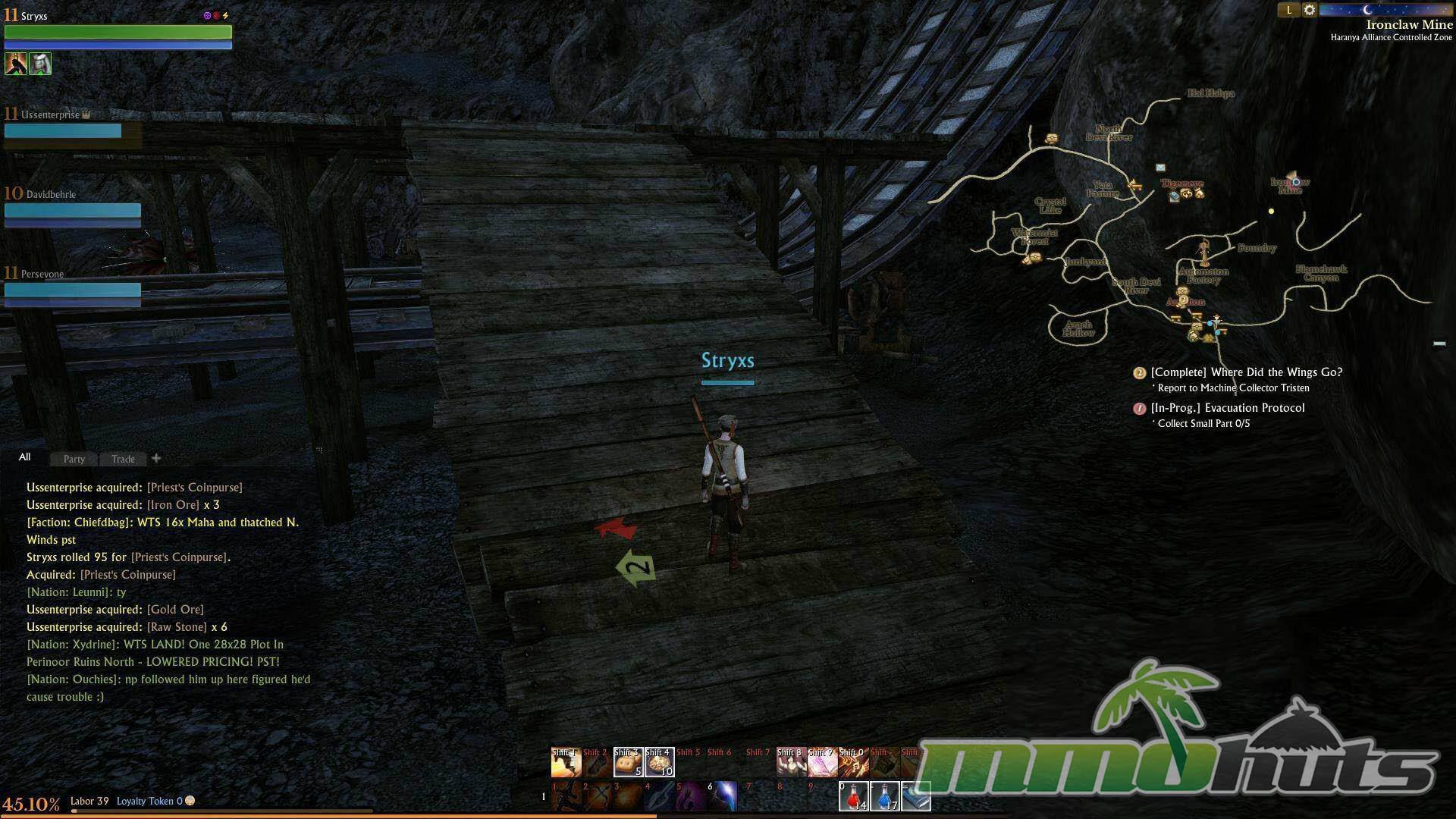
The opening hours largely followed familiar MMORPG structure: quest hubs, combat tutorials, and travel between zones, with a steady stream of rewards to keep leveling brisk. Where ArcheAge did better than many theme park MMOs was in how it used early quests to introduce sandbox systems. You were pushed to sample trading, mounts, housing basics, and investigation style objectives, which made the world feel like it had more going on than “kill ten wolves” even when the quest list still leaned heavily on combat.
Leveling pace was quick thanks to quest density, and the game offered flexibility in how you completed objectives. You could exceed requirements for better experience returns or take the faster, lower-effort route for less experience while still earning the money. Daily kill quests and hidden triggers added more tasks, but they also contributed to repetition over time, especially if you leaned on them as your primary progression method.
Navigation, however, was consistently user friendly. Clear guidance helped keep momentum, and you rarely had to fight the UI to understand where the game wanted you to go next.
Combat and Progression: A Build Tinkerer’s Playground
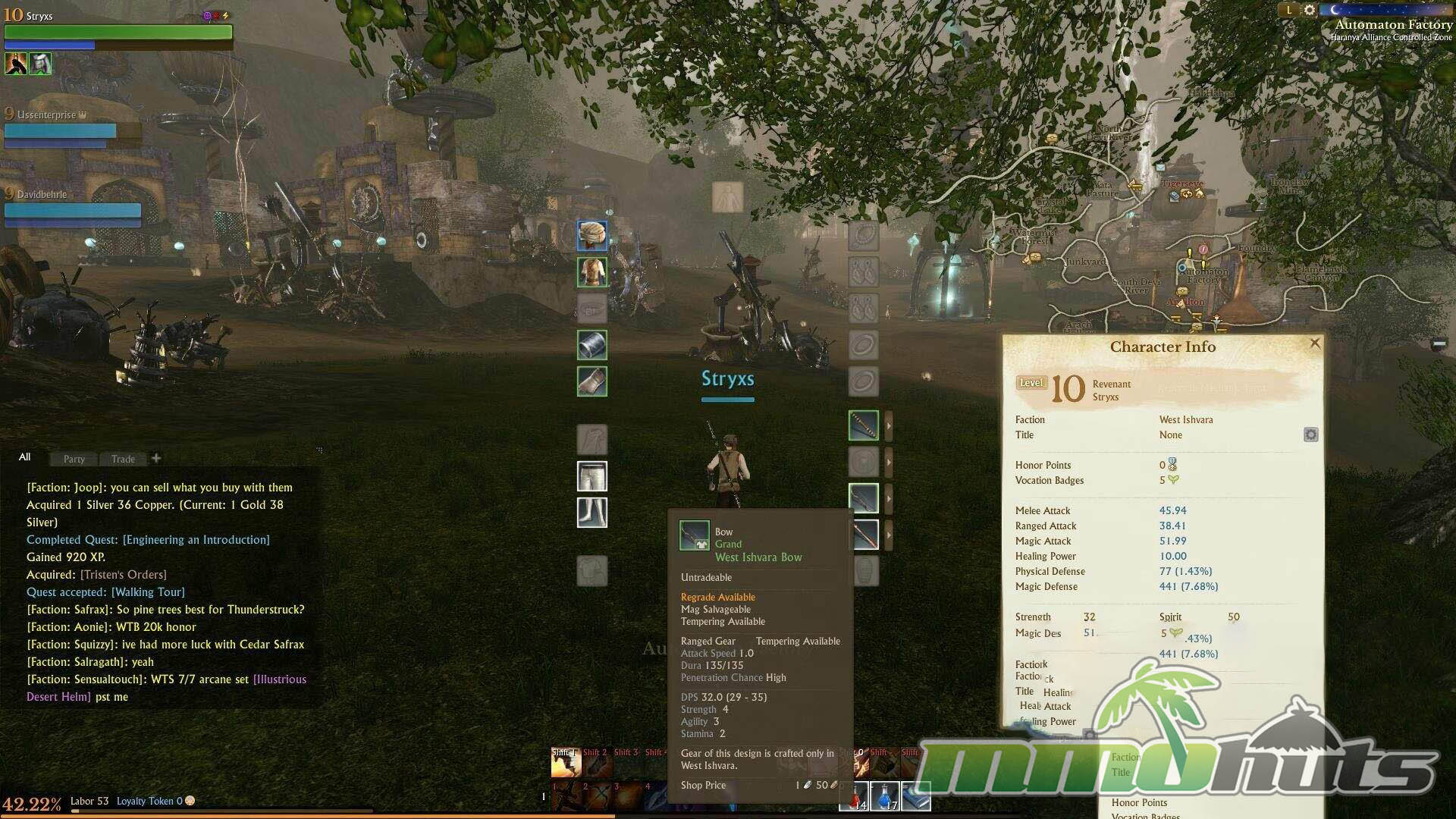
The best long-term hook was the skillset system. Once you could combine three skillsets, the game opened up into a wide build sandbox with a large number of class combinations and plenty of room for personal preference. It supported experimentation in a way that many MMOs do not, because you were not married to your initial choices. Respeccing through an NPC for a fee made trying new setups approachable, which kept characters feeling fresh without requiring rerolls.
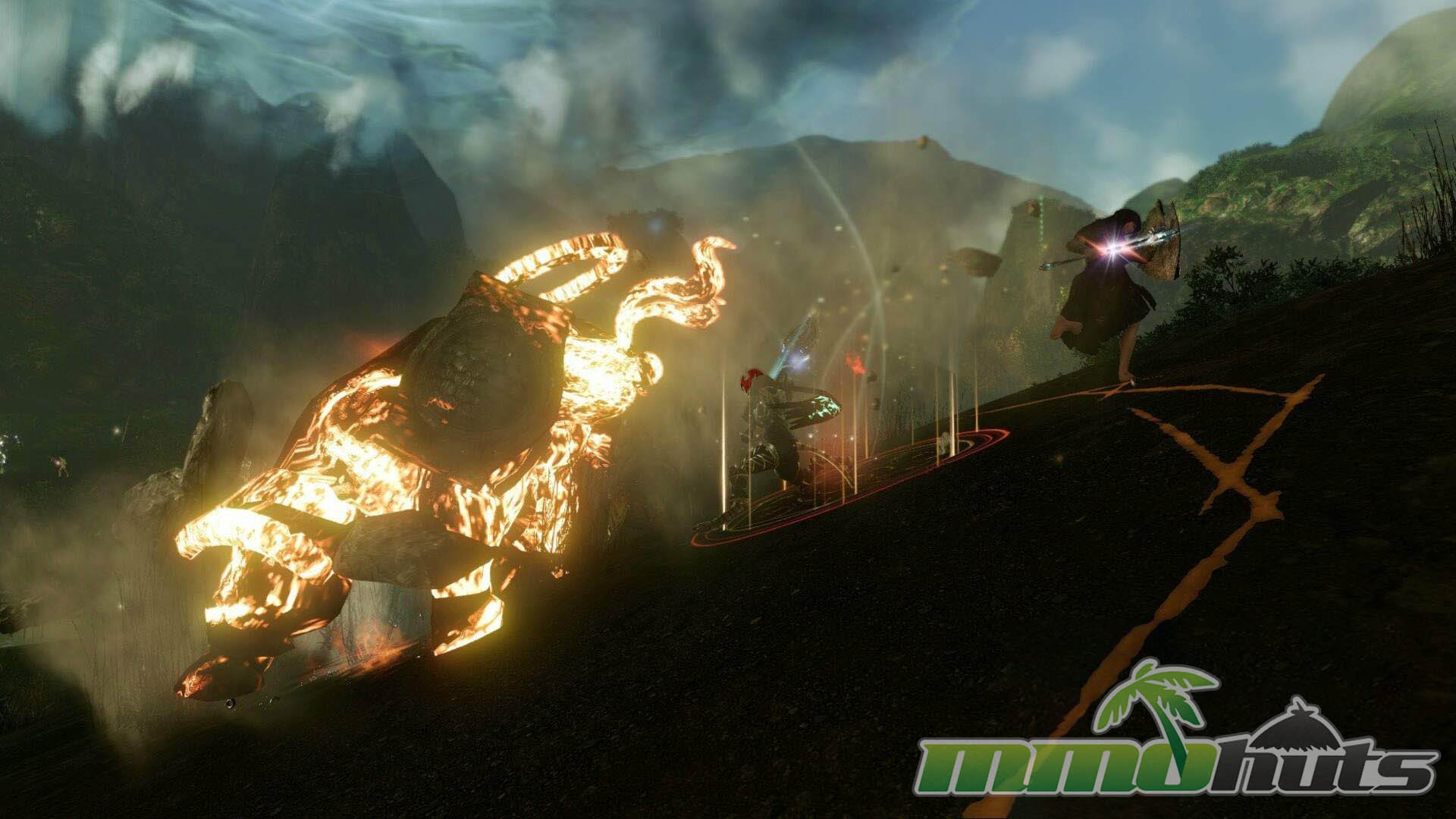
Moment-to-moment combat was quick and responsive for its time. Despite the familiar MMO foundation (targeting, hotbar rotations, and frequent PvE grinding), ArcheAge encouraged chaining abilities for extra impact, and the UI did a good job of signaling which skills could link together. The result was combat that felt more active than older tab-target designs, even if it still lived in the “MMO hotbar” tradition.
Labor, Crafting, and the Economy
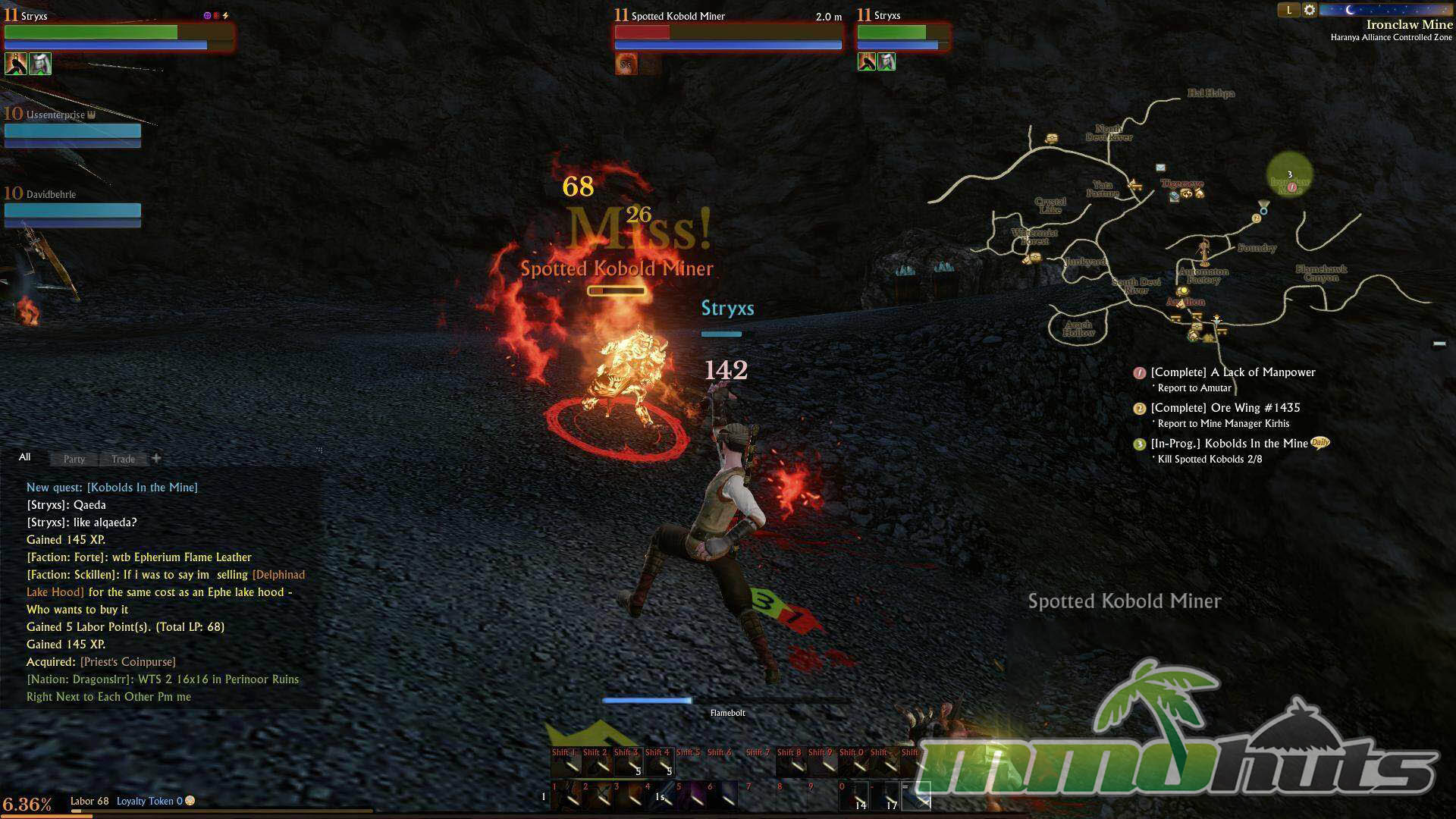
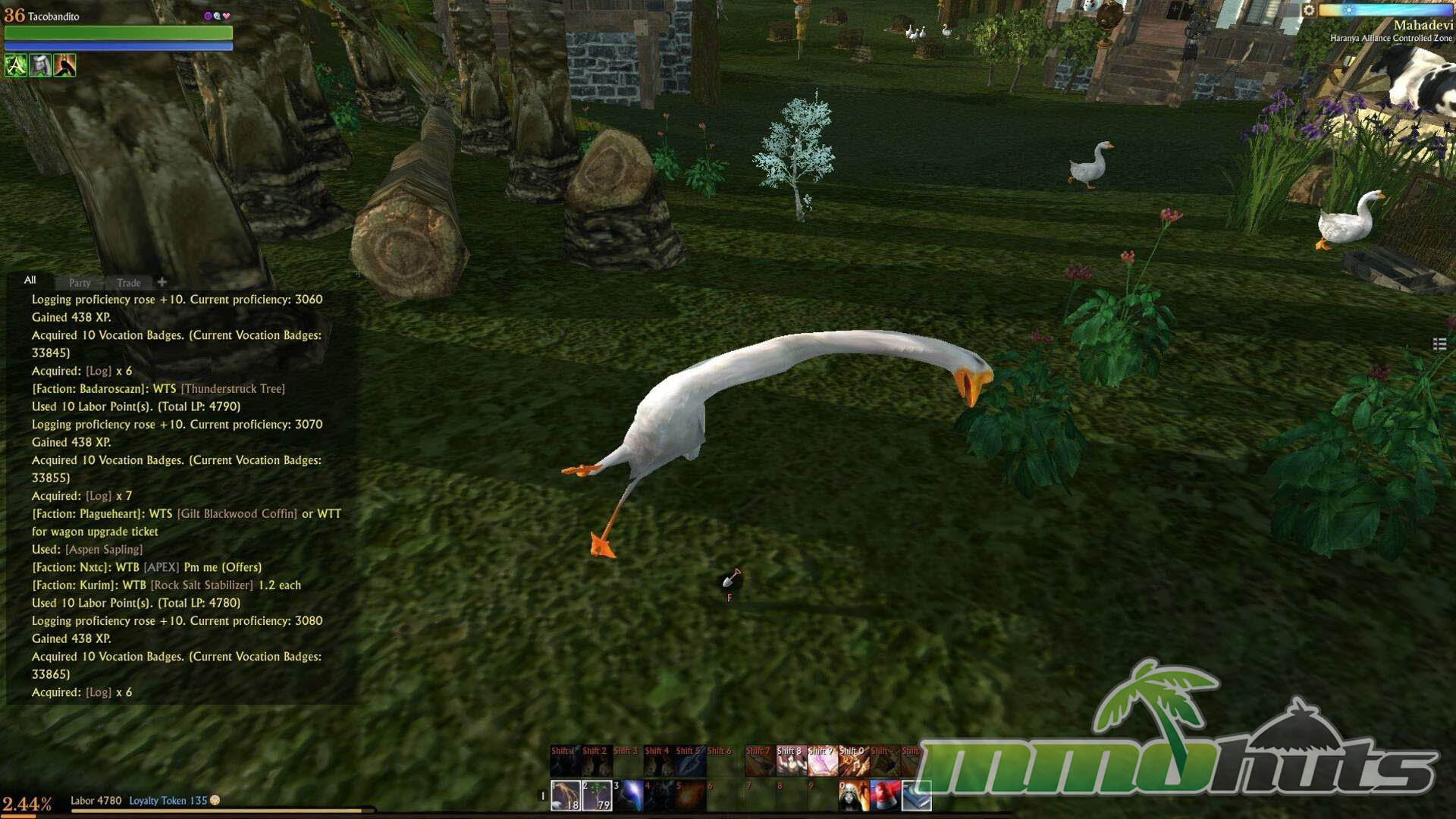
ArcheAge’s labor system was central to its identity. Gathering, crafting, building, and farming consumed Labor Points, which acted as a throttle on economic activity and helped prevent unlimited resource spam. This system mattered more as you leaned into trade skills, because labor became a daily budget you had to plan around.
The regeneration and caps differed between free players and Patrons. F2P players were capped at 2000 labor points, while Patrons had a 5000 cap and faster regeneration, including regeneration even while offline. That difference had real economic implications, because labor was effectively productivity. The upside is that the game acknowledged “non-combat careers” as legitimate progression paths, since crafting and gathering granted experience as well. With enough patience and planning, you could advance substantially while spending minimal time in combat.
Presentation and World Design
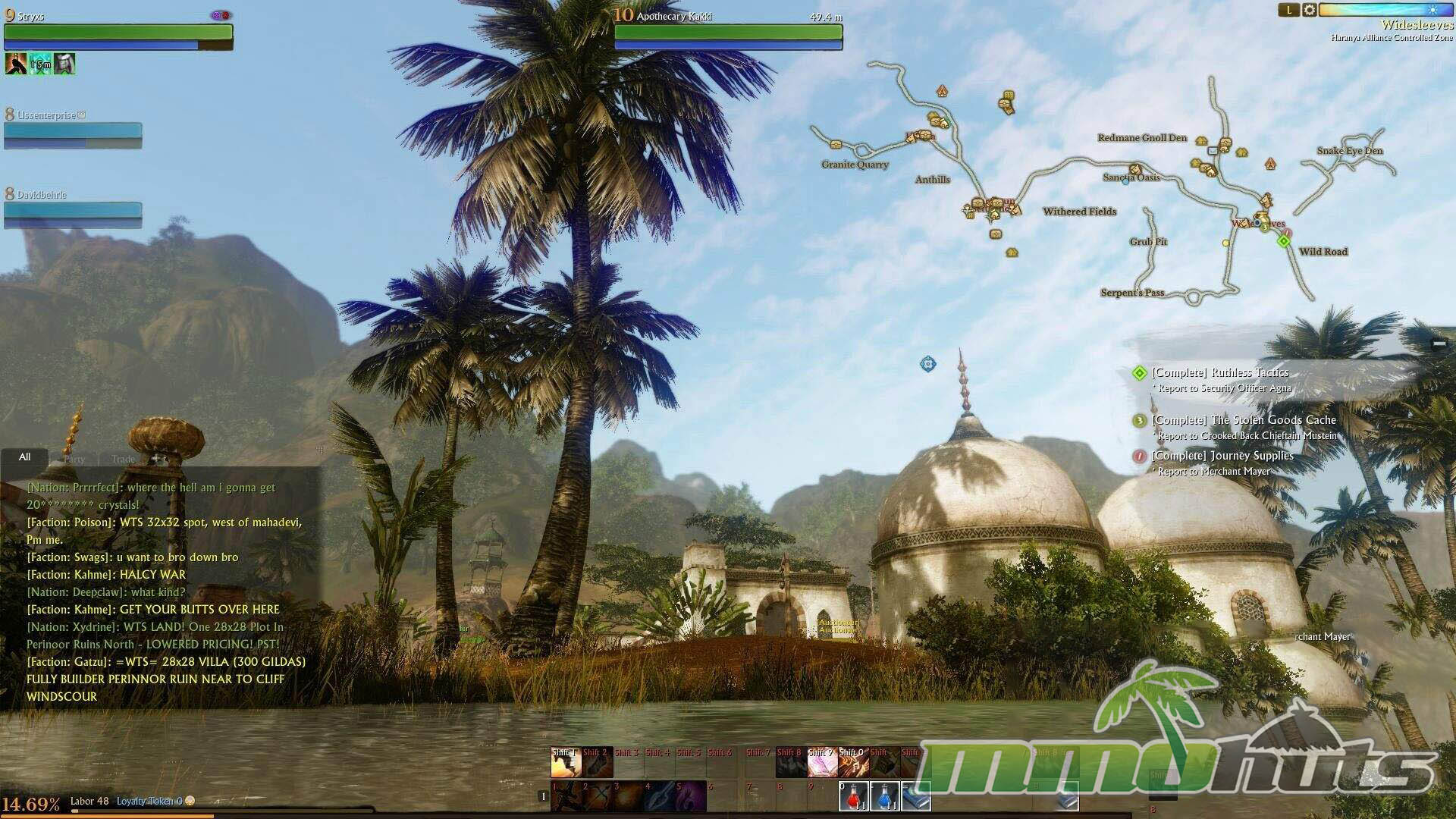
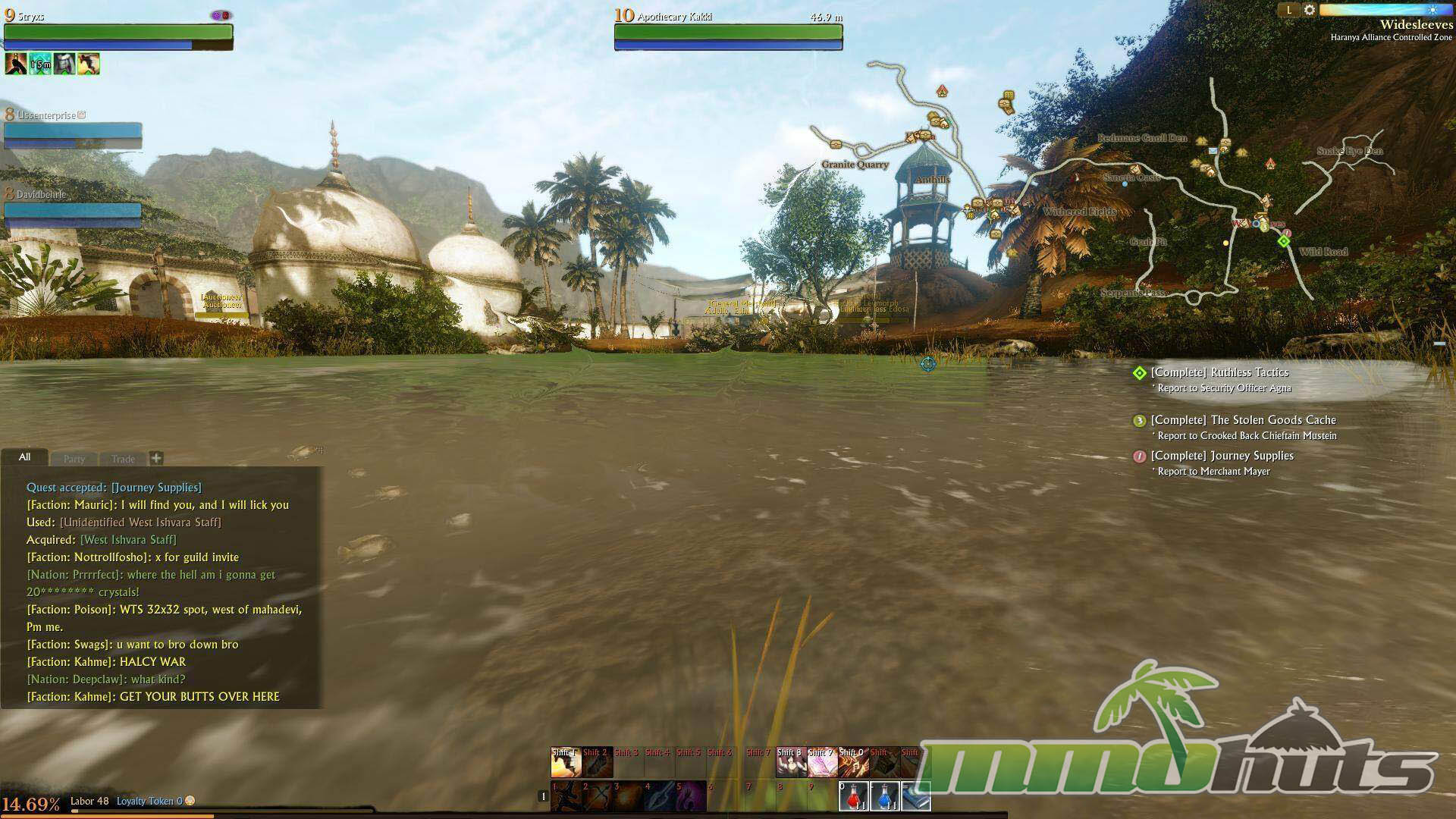
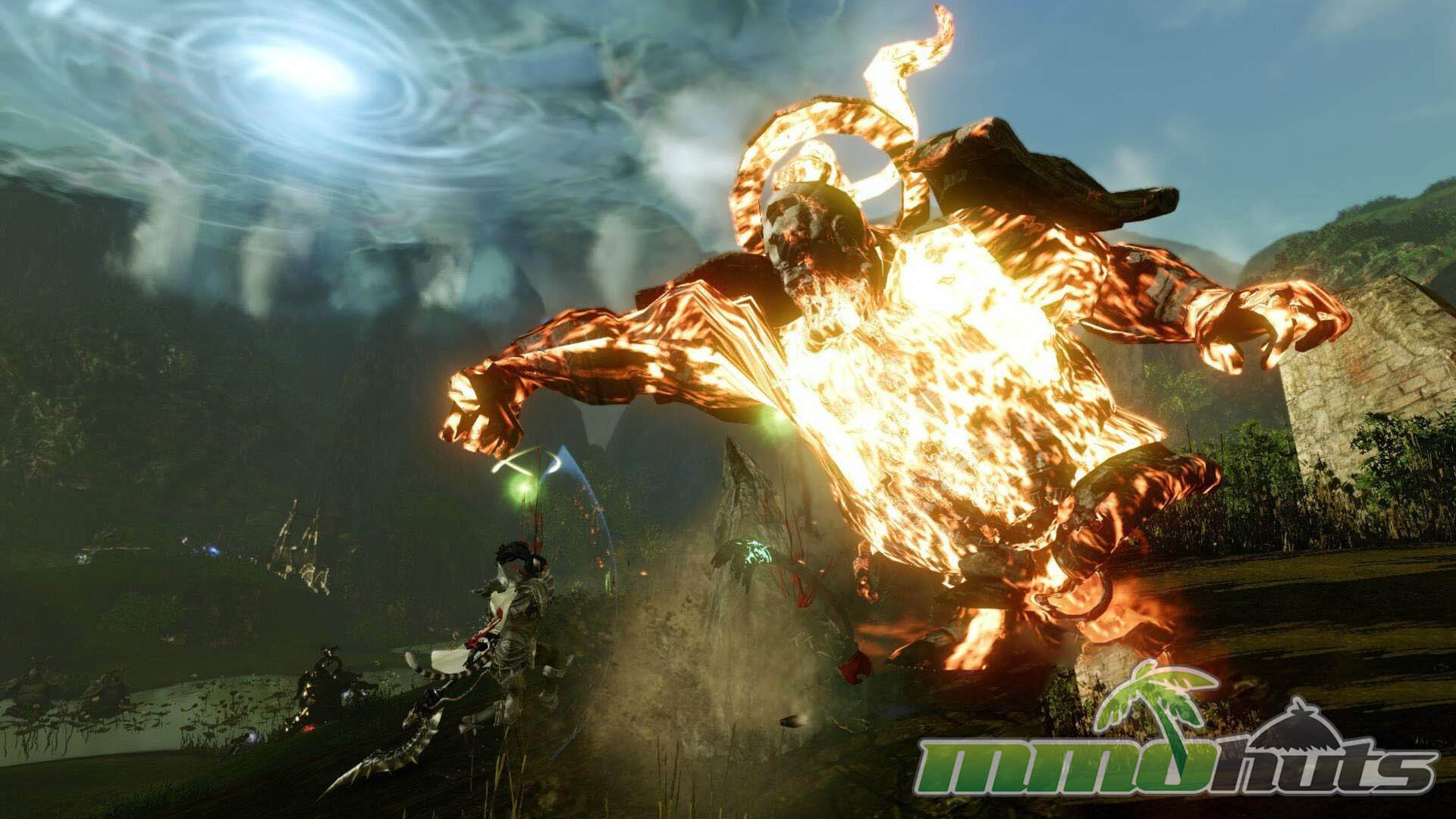
Powered by CryEngine 3, ArcheAge delivered striking landscapes, strong lighting, and especially impressive water effects, which mattered because the sea was not just scenery, it was a major gameplay space. Character models and animations were also generally smooth, giving combat and traversal a polished feel.
The soundtrack leaned into sweeping fantasy tones that fit exploration and travel well. It helped reinforce the “adventure across continents” vibe, particularly when sailing or crossing wide open zones.
In terms of structure, ArcheAge tried to sit between theme park and sandbox, with a world that supported multiple lifestyles. You could spend a night running PvE content, then switch gears into trade runs, crafting, farming, or piracy depending on what your group wanted to do.
Housing was a defining feature, because it existed in the shared world rather than behind an instance portal. Lots were placed in designated zones, and the land rush dynamic was a real part of server culture. The drawback was access, because housing was tied to subscription benefits, which created an uneven playing field. Still, the ability to rent from other players added a player-driven layer that many MMOs lacked.
Naval gameplay further amplified the sandbox feel. Building ships, crewing up, and fighting on the ocean made the world feel dangerous and alive, and it created a natural stage for PvP, trade ambushes, and faction conflict.

Crime and Punishment, With Players as the System
The judicial system was one of the most distinctive mechanics in the game. Criminal actions, from petty theft to serious harassment, generated Crime Points and could eventually flag you as Wanted. When a Wanted player was killed, they could be dragged into a trial where other players served as jurors. Because it was player-run, verdicts were not always rational, and that unpredictability was part of the entertainment (and sometimes the frustration).
A guilty verdict meant prison time and the “Prisoner” debuff, limiting abilities and making escape attempts more of a minigame than a clean solution. Even if you managed to break out, the sentence effects remained until time was served, which helped ensure that crime had consequences beyond a quick jog away from guards.
Infamy Points layered on top of that. Unlike Crime Points, infamy did not wipe when you finished your sentence, and reaching 3000 infamy automatically turned you into a pirate. Pirates became hostile to everyone, including neutral NPCs, and gained access to their own activities. Players who regretted the path could reduce infamy through daily quests from the Jailer NPCs on the main continents, giving a way back, albeit a time-consuming one.
PvP: Always Nearby
Conflict was a constant undercurrent. Outside of starter and safe areas, players could be attacked by enemies, and even by members of their own faction under certain conditions. Beaches and the sea were especially volatile, which made trade runs and ocean travel tense in the best and worst ways.
Killing opposing faction players awarded Honor Points, used for meaningful rewards such as mounts, gear, blueprints, and upgrade items. Guilds had additional outlets through island territory conflicts and fortress building, reinforcing the idea that PvP was not just dueling, it was a server-wide power game.
One important social note: the game did not meaningfully police scams. Deception, baiting, and trick trades were effectively part of the ecosystem, which fit the sandbox philosophy but also demanded caution from players who expected stronger protections.
The Cash Shop
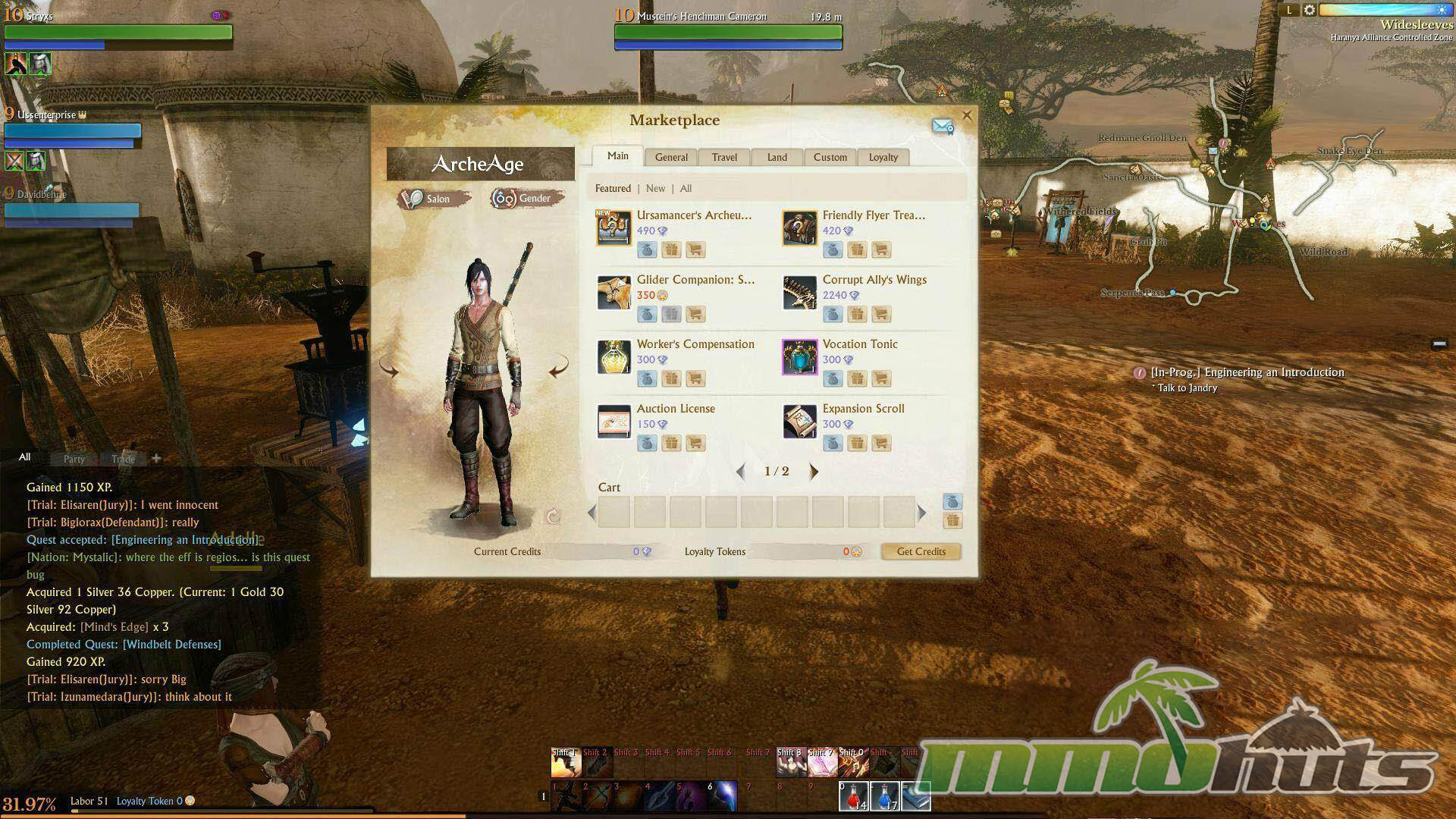
Like many free-to-play MMOs, ArcheAge offered a cash shop that could provide practical advantages. While it generally stopped short of making progress impossible without paying, the shop and the broader monetization model could still feel uneven, especially when combined with the labor system and Patron benefits.
A notable dynamic was the ability to exchange credits for gold through the Auction House, which allowed non-paying players to access premium items indirectly, while also letting paying players convert spending into in-game wealth. That loop supported the economy, but it also reinforced the sense that money could accelerate progression.
Final Verdict – Great
At its best, ArcheAge delivered an MMO experience that felt broader than dungeons and raid nights. The multi-skillset class building, persistent housing, trade and crafting depth, naval content, and player-driven justice system created stories that were hard to replicate elsewhere. Strong visuals and a cohesive world helped it feel immersive, and the freedom to reinvent your build without rerolling kept characters interesting over time.
Its weaknesses were equally clear: repetitive kill quests could creep in, the free-to-play limitations were significant in areas that mattered, and monetization pressures could shape the endgame experience. Even so, for players who valued sandbox systems and emergent conflict, ArcheAge offered a distinctive mix that earned its reputation.
ArcheAge Links
ArcheAge Official Site
ArcheAge Wikipedia
ArcheAge Gamepedia (Database and Guides)
ArcheAge Subreddit
ArcheAge System Requirements
Minimum Requirements:
Operating System: Windows XP / Sp3 / Vista / Windows 7 / Windows 8
CPU: Intel Core 2 Duo
Video Card: nVidia GeForce 8000 series 512 MB / Radeon HD 4000 Series or better
RAM: 2 GB
Hard Disk Space: 40GB
Recommended Requirements:
Operating System: Windows XP / Sp3 / Vista / Windows 7 / Windows 8
CPU: Intel Core i5
Video Card: nVidia GTS250 1GB / Radeon HD 4850 1GB
RAM: 4 GB
Hard Disk Space: 40GB
64 Bit OS recommended for optimal performance. ArcheAge supports DirectX 11 and resolutions beyond 1920×1080. GeForce GTX 660 or better recommended for DirectX 11 set-ups.
ArcheAge Music & Soundtrack
ArcheAge Additional Information
Developer: XL Games
Game Engine: CryEngine 3
Lead Designer: Jake Song (Former developer of Lineage)
Closed Beta Date: July 17, 2014 (First closed beta)
Open Beta Date: September 4, 2014 – September 8, 2014
Foreign Releases:
South Korea: January 15, 2013.
Japan: July 23, 2013
Russia: July 23, 2013
Shut Down Dates:
North America / Europe: June 27, 2024
Patch History:
Secrets of the Ayanad (March 09, 2015) – Increased the level and skill tree cap from 50 to 55. Also added the zone of Diamond Shores and the Ayanad Library. Quality-of-life changes such as an optional ‘borderless window’ display mode and inverted mouse controls were also added.
Development Background
Work on ArcheAge began in 2011, driven by a desire to create a new MMORPG under the direction of Jake Song, known for his earlier work on Lineage. XL Games developed the project over roughly two years, running FIVE rounds of closed beta testing before moving into open beta. The game ran on CryEngine 3, an engine also associated with titles like Cabal 2, Chrysis 3, MechWarrior Online, Monster Hunter Online, and many others. From the start, the design goal was to merge sandbox freedom with familiar MMO structure, a hybrid it described as “Sandpark,” blending “sandbox” and “theme park.” After launching in South Korea on January 15, 2013, Trion Worlds licensed the game for North America, Europe, and Australia/New Zealand. Korean media reported a development budget in the range of around $40 to $60 million USD. On April 25, 2024 Kakao Games announced that ArcheAge would shut down service in North America and Europe on June 27, 2024.