
Animal Crossing: Pocket Camp brings Nintendo’s famously cozy life sim to phones and tablets, trading the full town routine for a lighter, task-driven campsite experience. You run your own little outdoor getaway, meet familiar villagers, and spend most of your time gathering materials, fulfilling requests, and crafting décor to shape a camp that feels like yours.
 | Publisher: Nintendo Playerbase: High Type: Mobile Simulation Release Date: November 22, 2017 Pros: +Beloved Animal Crossing cast and tone. +Lots of outfit and campsite decoration options. +Charming, colorful presentation. Cons: -Monetization can feel pushy and advantage-based. -Activities can become samey over time. -Streamlined compared to mainline entries. |


Animal Crossing: Pocket Camp Overview
Animal Crossing: Pocket Camp is a free-to-play 3D social simulation game built specifically for mobile play. Instead of managing a full village, you act as a campsite manager, setting up furniture, amenities, and themed areas to entice different animal visitors to stop by. The daily loop is simple and relaxing, travel to nearby locations, gather common resources (like fruit, fish, and bugs), then turn those materials into crafted items that expand your decorating options.
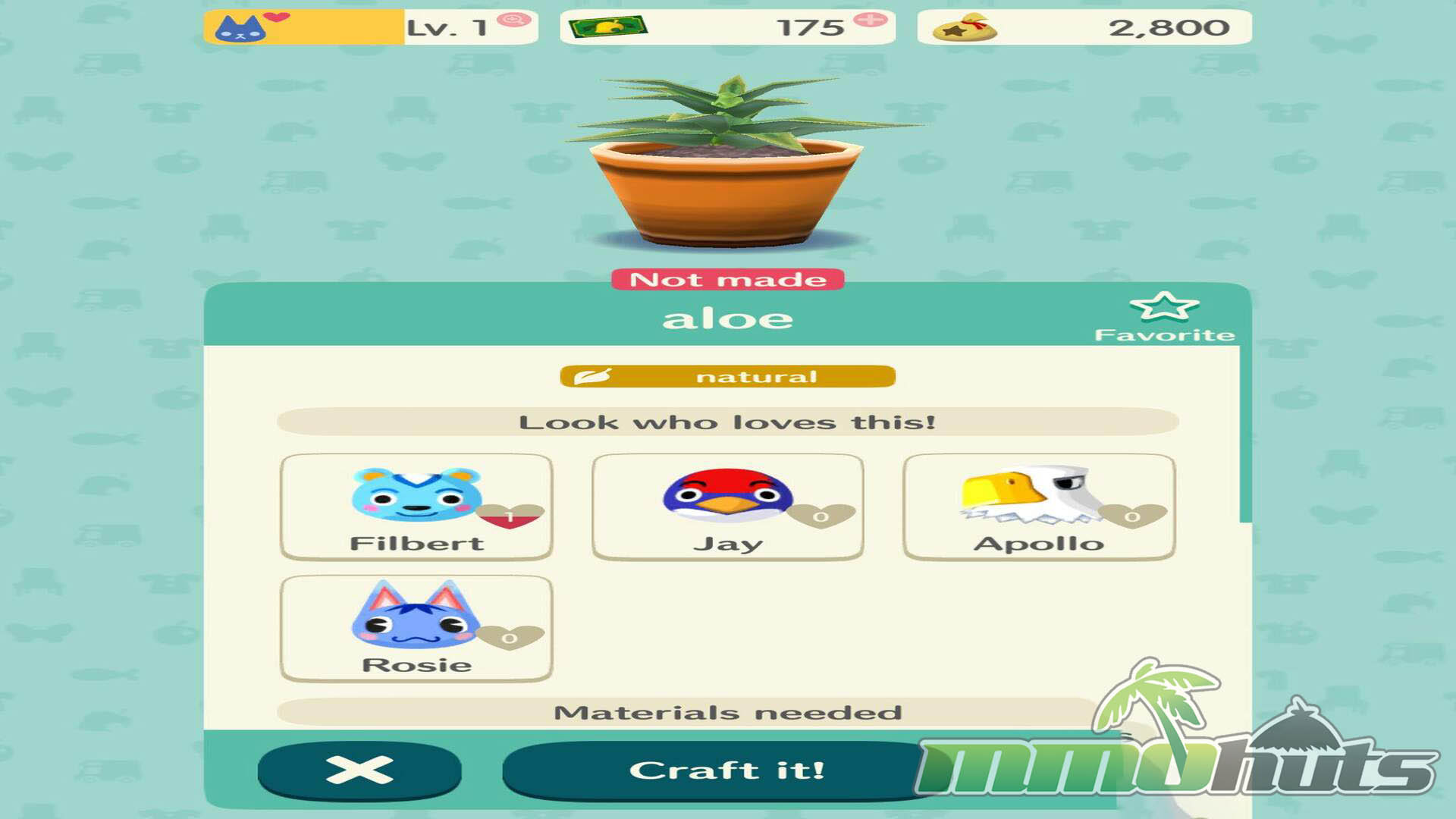
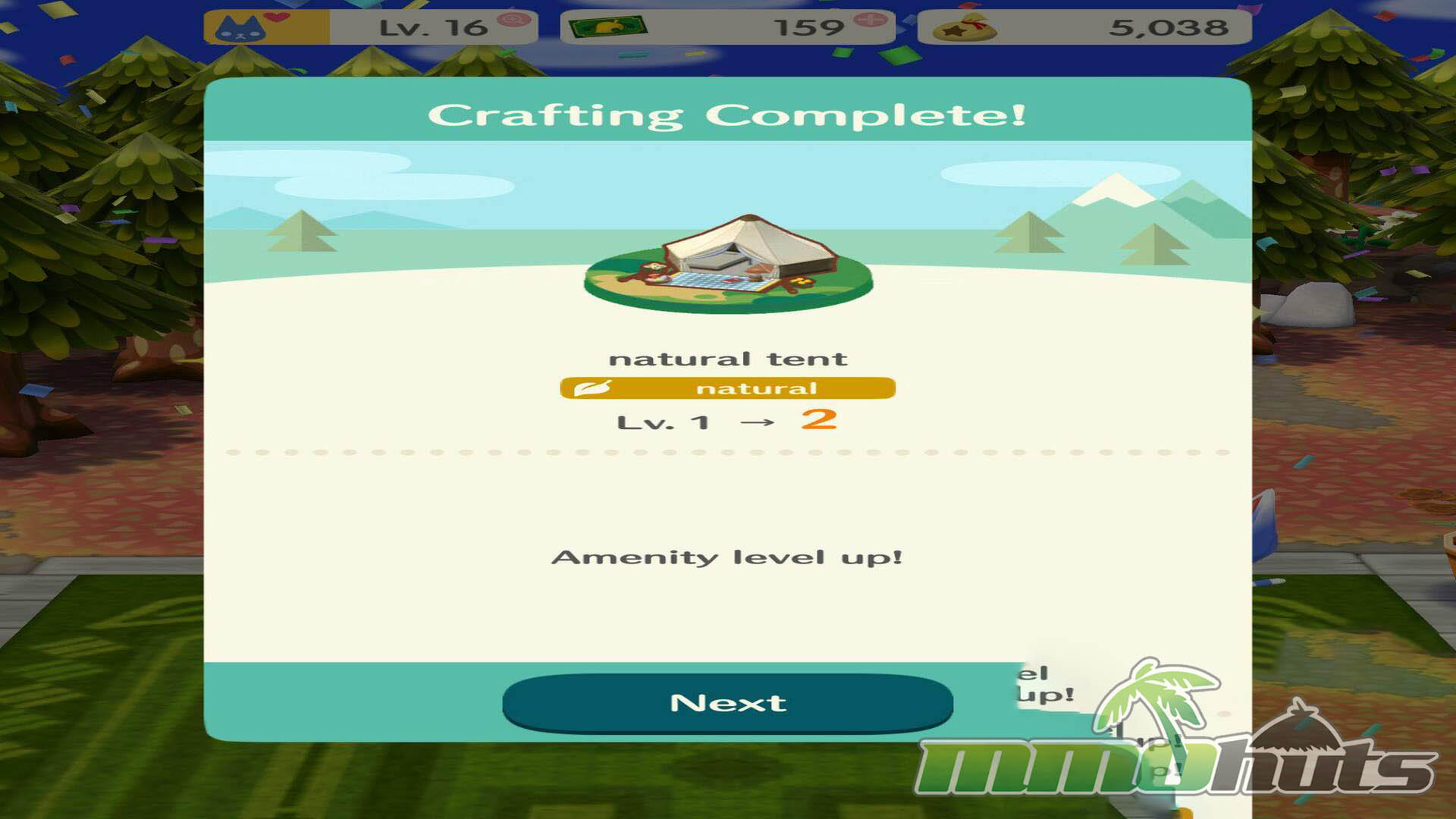
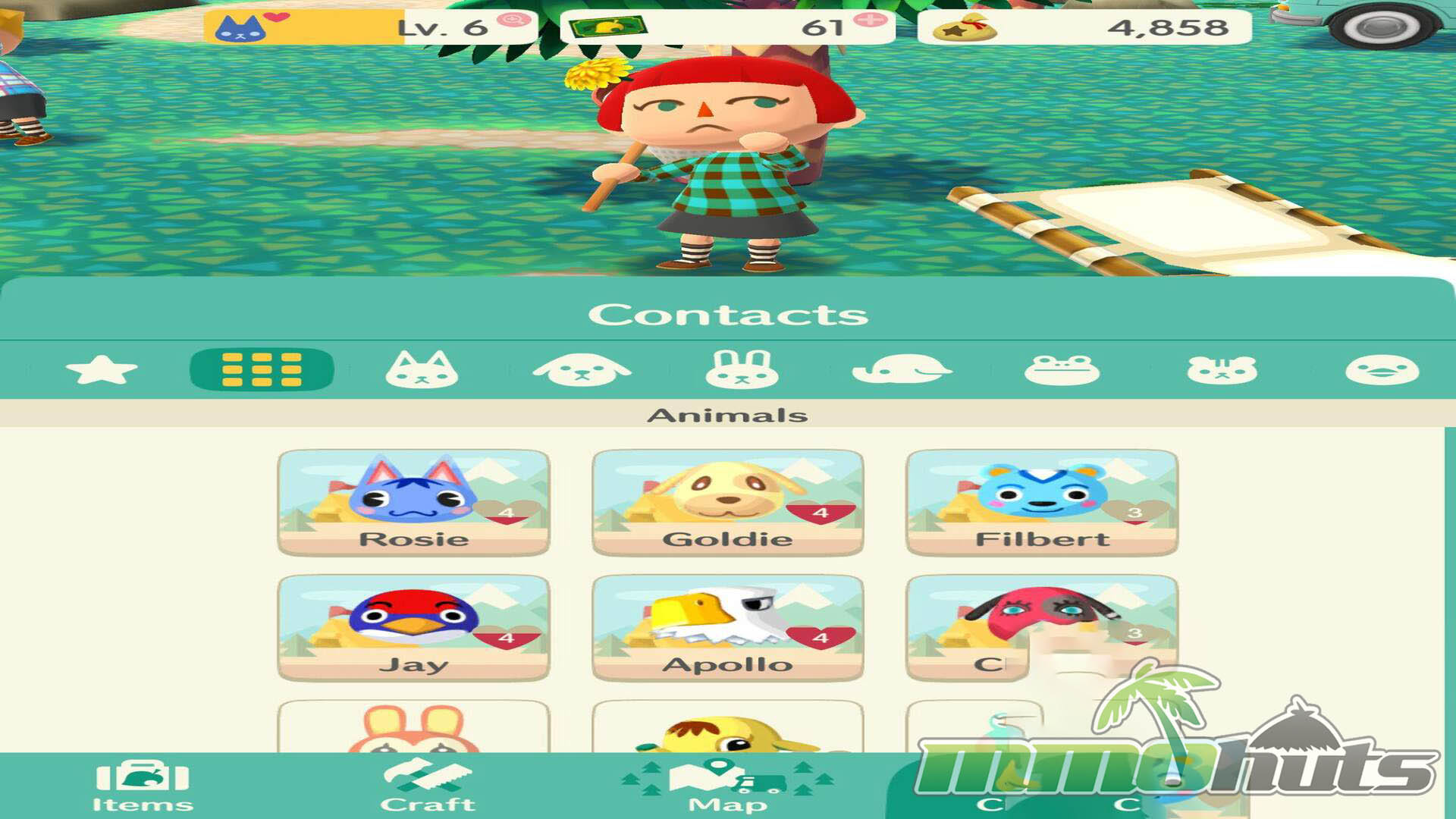
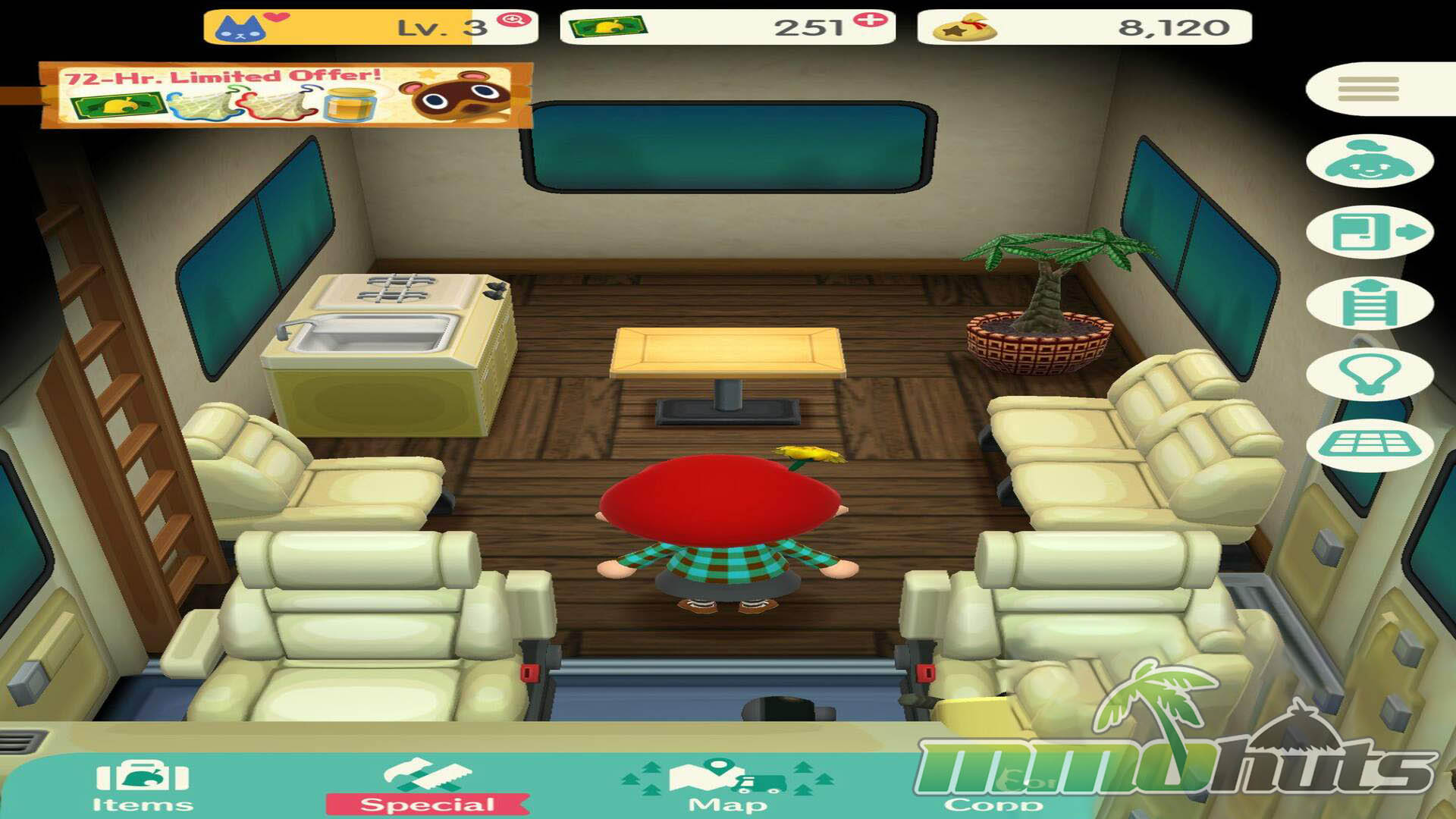
Progression is tied to relationships. Villagers post requests, you complete them for rewards, and your friendship levels rise, unlocking new items and additional characters over time. Crafting is handled through a menu that features Cyrus from Animal Crossing: New Leaf, making it easy to queue up multiple furniture pieces and plan what you want your camp to look like next. Beyond the main campsite, you also have a camper that can be upgraded and decorated, functioning as another personal space that other players can visit.
Animal Crossing: Pocket Camp Key Features:
- Animal Crossing Universe – explore a mobile-focused entry in the Animal Crossing series with returning villagers and recognizable faces like Isabelle and K.K. Slider.
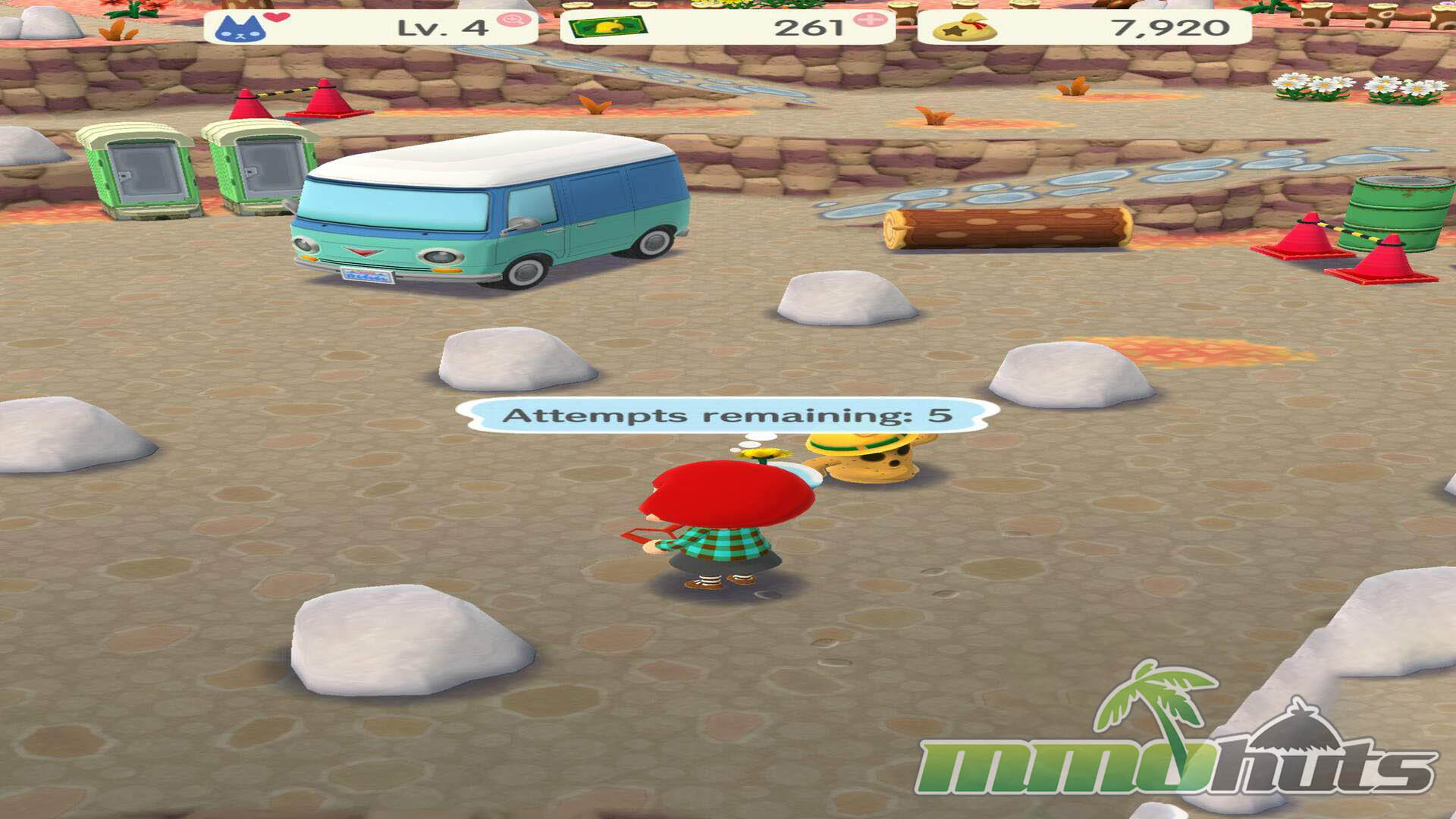
- Collect Bugs, Fish, and Fruit – move between areas on the map to pick fruit, cast a line for fish, and catch insects as part of the core resource loop.
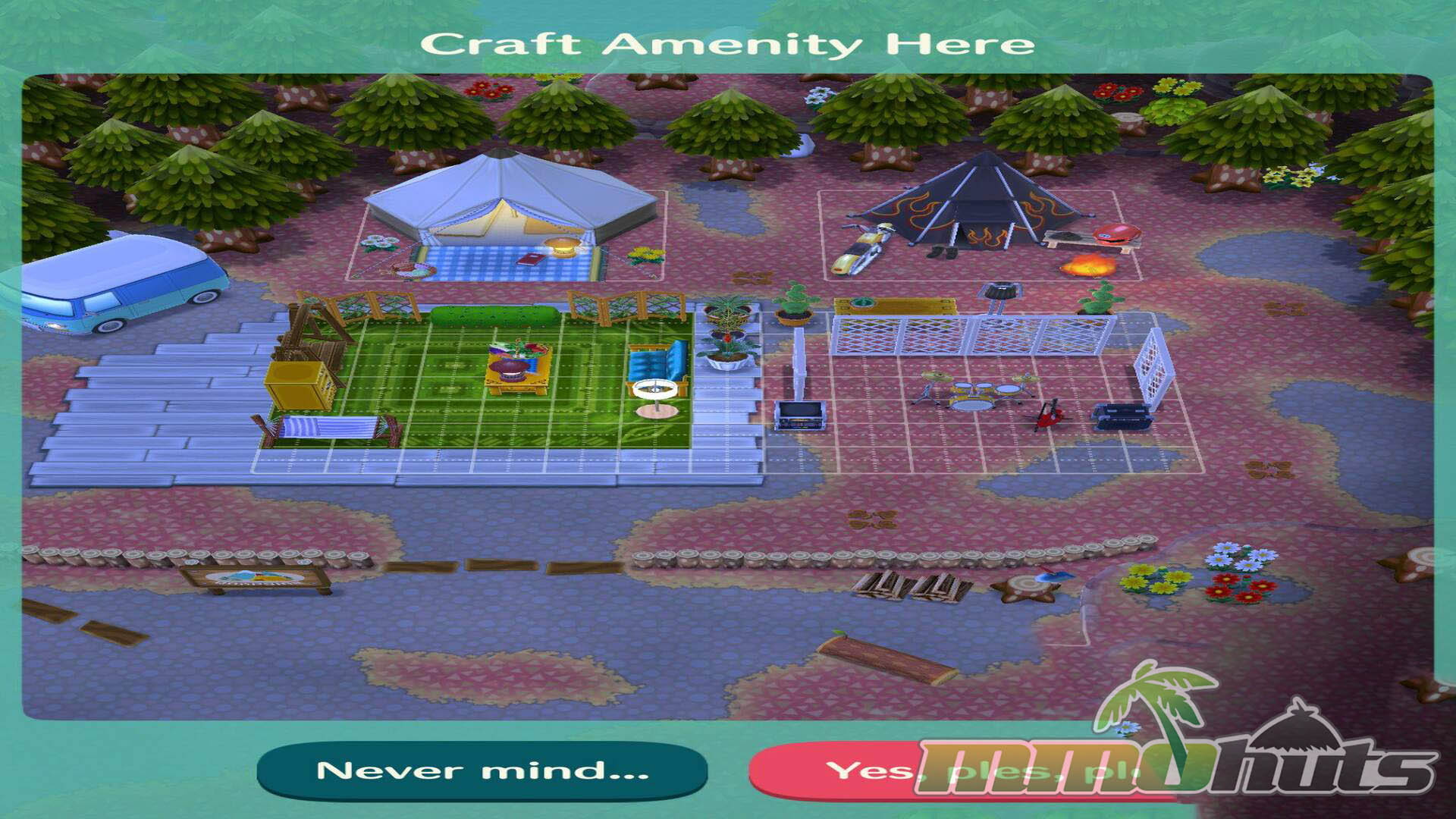
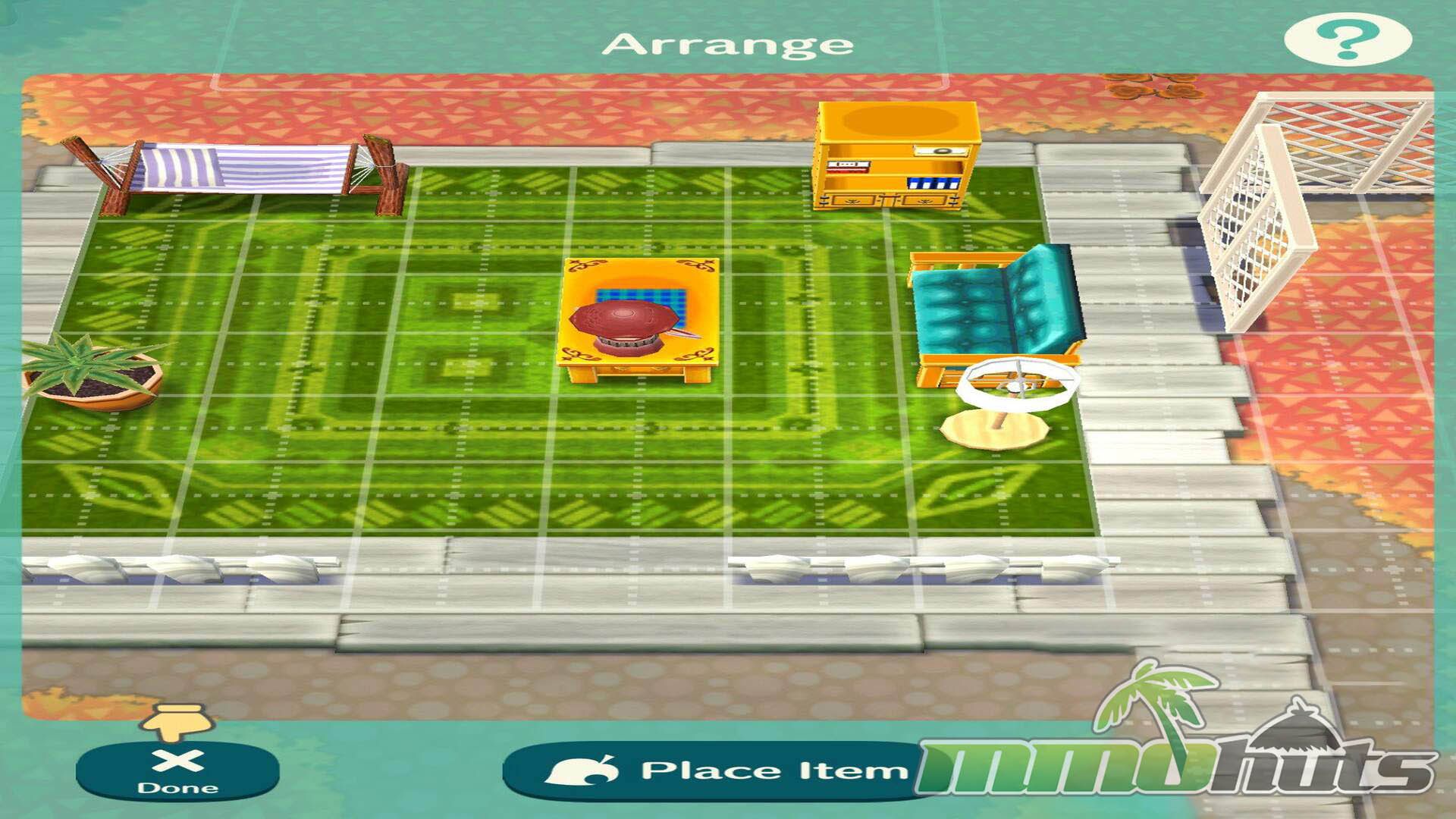
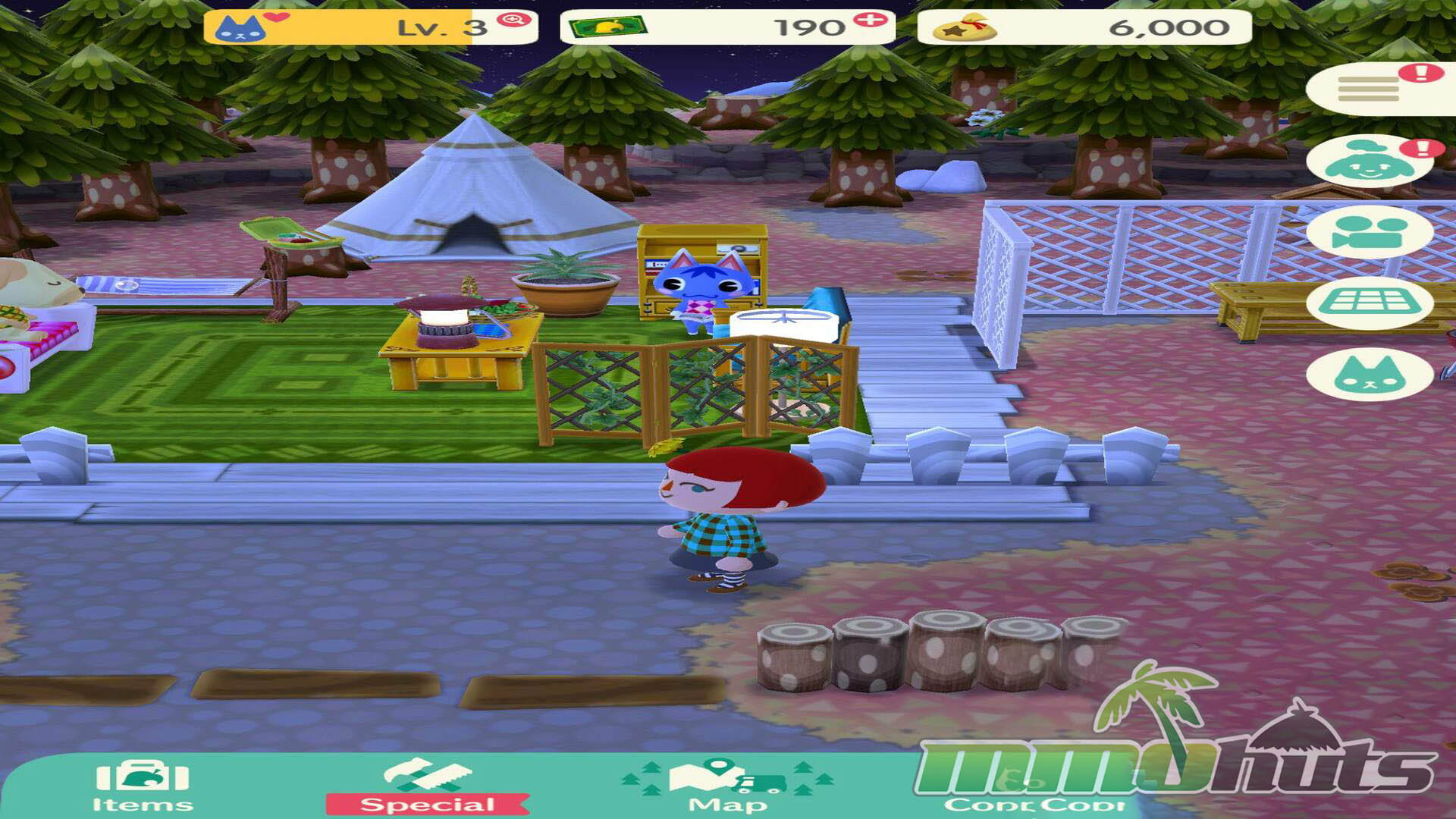
- Decorate Your Campsite – customize your outdoor space with a large selection of furniture and amenities to shape the vibe you want and appeal to different visitors.
- Play with Friends – connect with other players, drop by their camps, browse their Market Box, and send kudos as a light social layer.
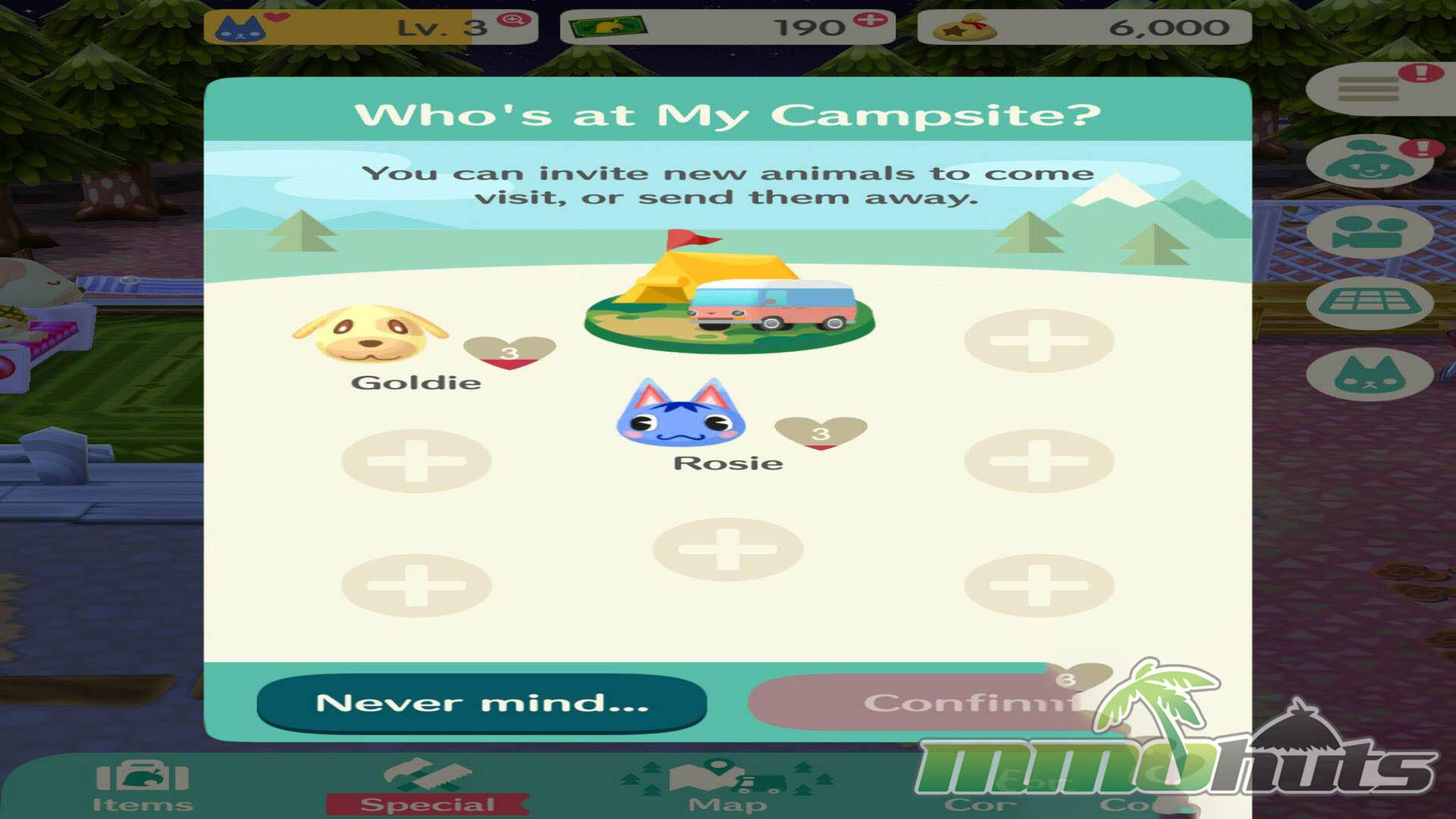
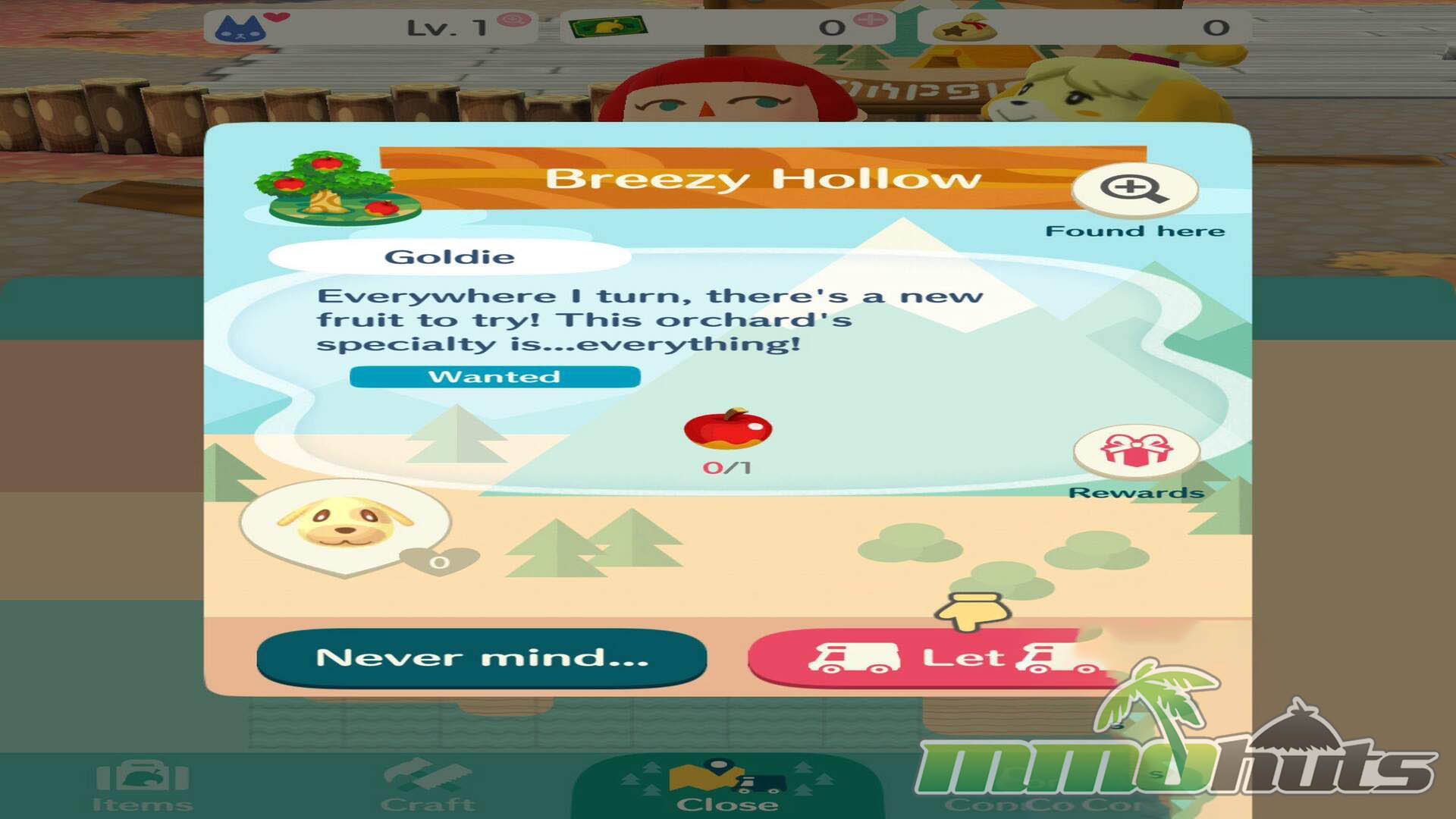
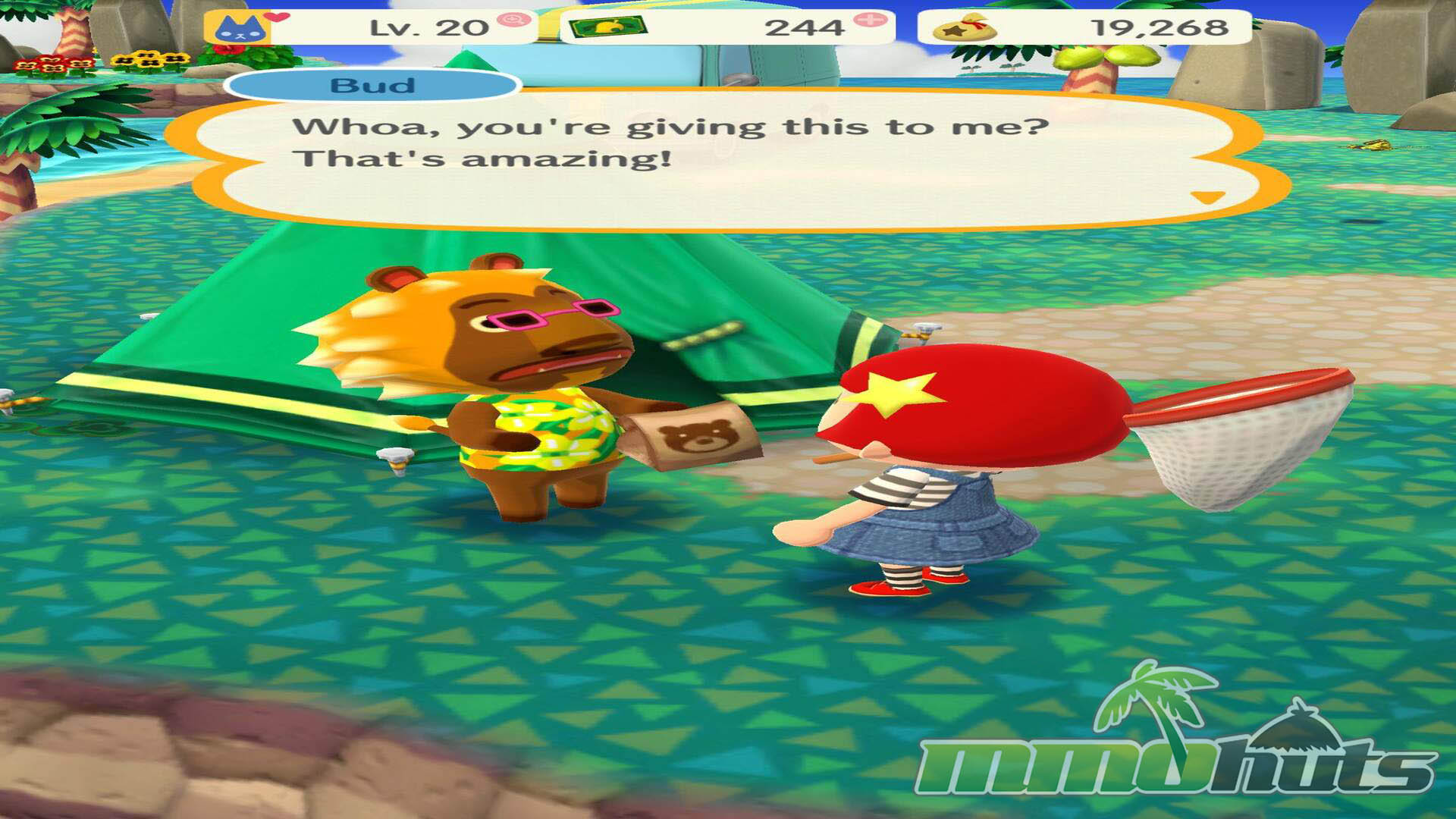
- Befriend Animals – take on villager requests across the map to earn currency, crafting materials, and friendship progress.
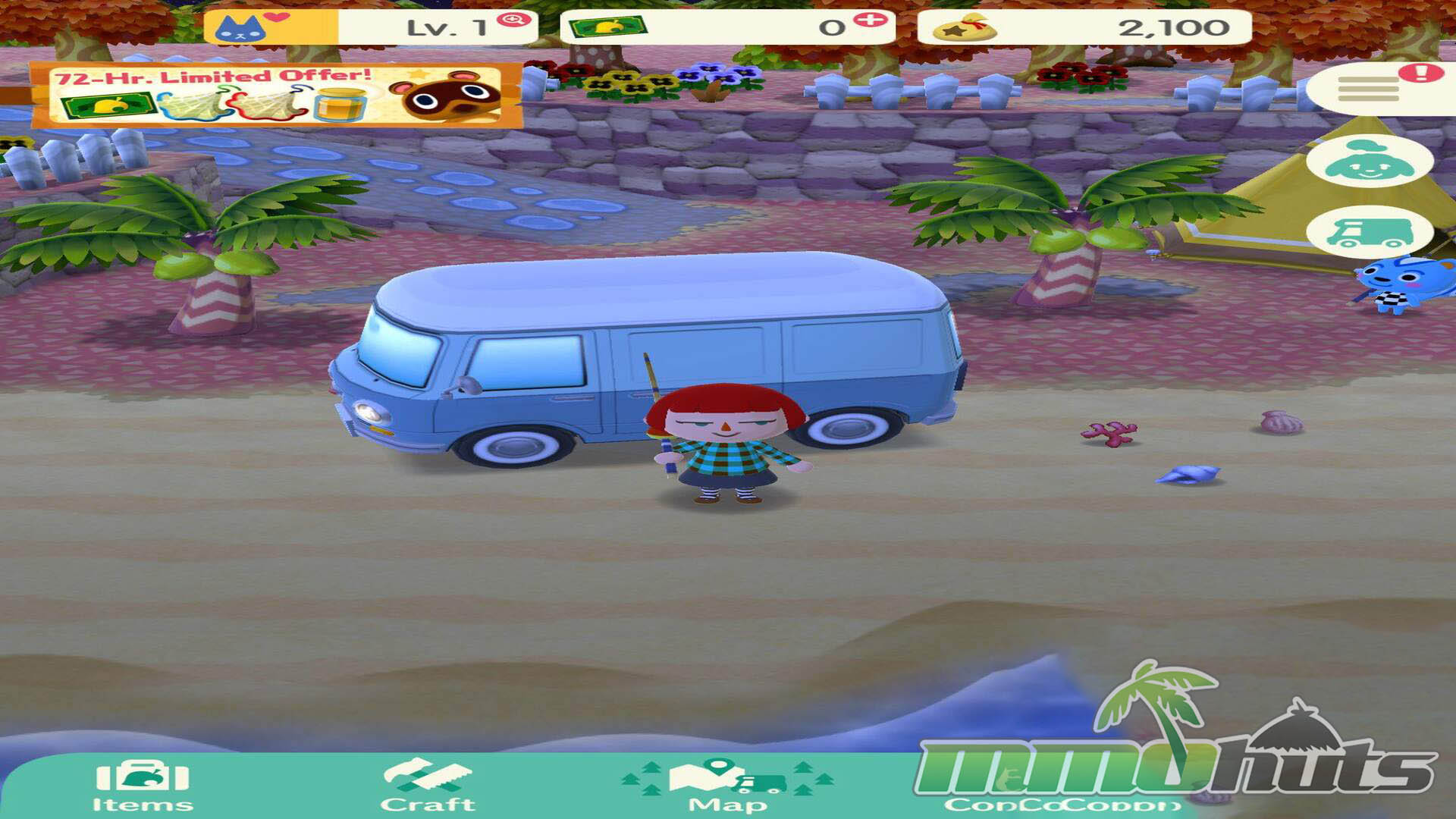
Animal Crossing: Pocket Camp Screenshots


Animal Crossing: Pocket Camp Featured Video

Animal Crossing: Pocket Camp Review
Pocket Camp is at its best when you treat it like a small, daily Animal Crossing ritual rather than a replacement for the console games. The moment-to-moment play is built around short sessions, check what villagers want, do a quick round of fishing or bug catching, then come back to craft something new or rearrange your campsite. That structure makes it approachable, but it also explains why some players bounce off once they have seen the loop repeat a few dozen times.
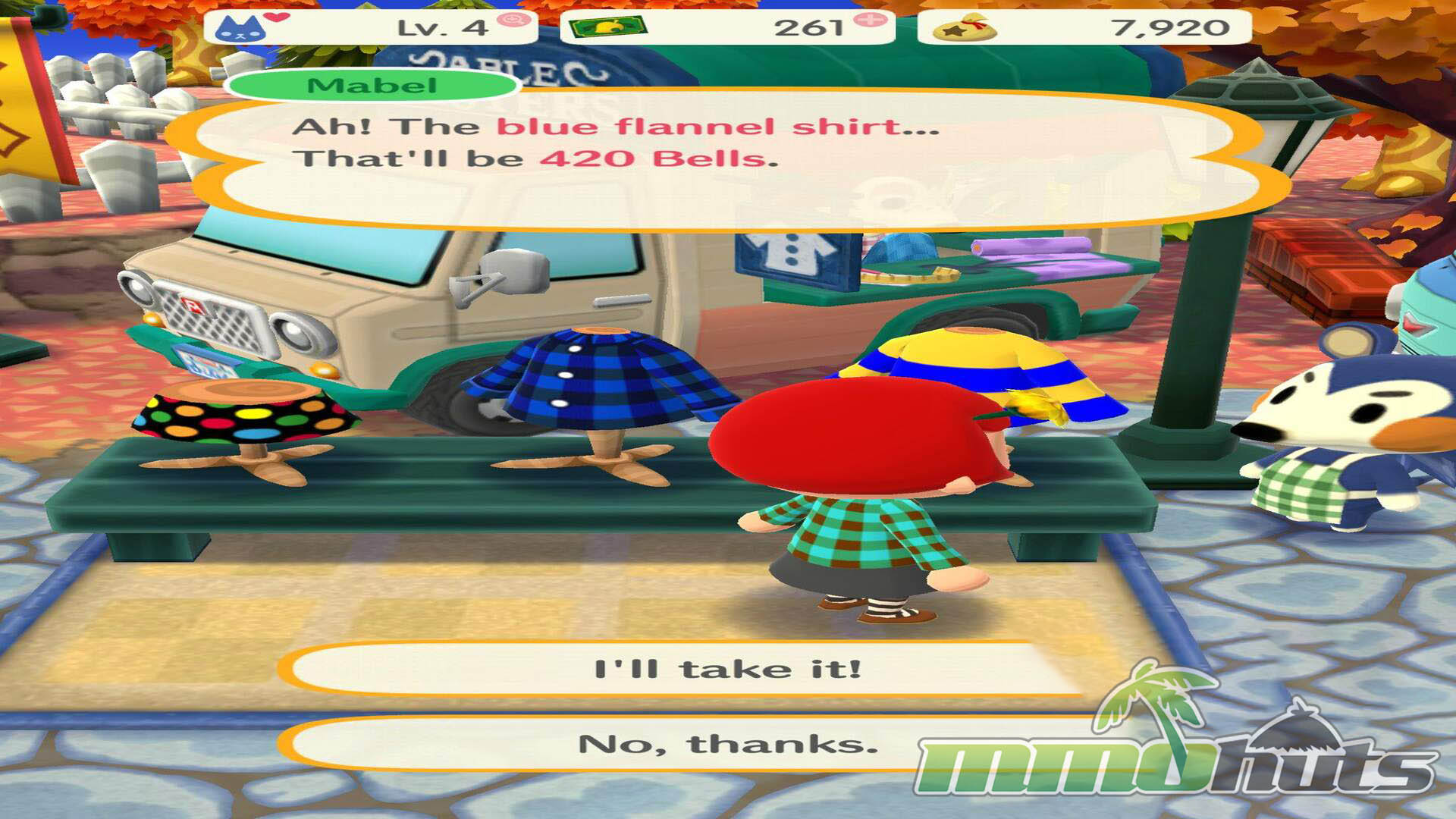
The strongest part of the experience is customization. Furniture themes let you lean into cute, sporty, natural, or more elaborate styles, and it is easy to lose time tweaking layouts, swapping outfits, and creating little scenes for visiting animals. The camper adds a second decorating canvas, and upgrades help it feel less like a menu screen and more like a personal space.
Social features exist, but they are intentionally lightweight. Visiting friends’ campsites and using the Market Box adds a sense of community without requiring coordination, which fits the franchise’s relaxed vibe. Still, it is not a social MMO in the traditional sense, it is more of a friendly backdrop to your solo routine.
Where Pocket Camp gets mixed is its free-to-play pacing. Progress is generally steady early on, then timers, resource bottlenecks, and premium currencies start to matter more. You can play without spending, but the game frequently nudges you toward convenience purchases, and some systems can feel like they reward paying players with smoother progression.
Overall, Animal Crossing: Pocket Camp succeeds as a charming mobile adaptation with great aesthetics and plenty of décor to chase. If you want a gentle collecting and decorating game you can check in on every day, it delivers. If you are looking for the depth, freedom, and long-term town life of the mainline entries, the simplified structure and monetization will likely feel limiting.
Animal Crossing: Pocket Camp Online Links
Animal Crossing: Pocket Camp Official Website
Animal Crossing: Pocket Camp Android
Animal Crossing: Pocket Camp iOS
Animal Crossing: Pocket Camp System Requirements
Minimum Requirements:
Operating System: Android 4.2 and later, iOS 9.0 and later
Animal Crossing: Pocket Camp Music & Soundtrack
The soundtrack and sound design match what you would expect from Animal Crossing, soft background music, cheerful UI sounds, and pleasant ambient touches that make the camp feel lively without being noisy. It is designed for frequent, short play sessions, so the audio stays calming and unobtrusive while still keeping that familiar series personality.
Animal Crossing: Pocket Camp Additional Information
Developer: Nintendo
Publisher: Nintendo
Release Date (Australia): October 25, 2017
Release Date (Global): November 22, 2017
Development History / Background:
Animal Crossing: Pocket Camp was developed and published by Nintendo, a major industry name with a long history of successful franchises. Animal Crossing was positioned as a strong fit for mobile thanks to its broad appeal, and it was selected alongside Fire Emblem Heroes as part of Nintendo’s early push into smartphone games. The title was first announced in early 2016, then formally showcased in a Nintendo Direct as the company’s fourth mobile app on October 25, 2017. Following that presentation, it launched immediately in Australia on both iOS and Android, before rolling out globally on November 22, 2017.