
5Street, also marketed as HighStreet 5 in parts of Asia, was a 3D rhythm dancing MMO that combined beat-timing gameplay with a strongly social, persistent online world. Rather than existing solely in match lobbies, players could spend time in a large hub-style environment, travel between multiple dance spots, and hop into sessions alongside friends or random groups. The overall experience focused as much on community, identity, and interaction as it did on strict rhythm mastery.
 | Publisher: Snail Games Playerbase: Low Type: MMO Release Date: 2008 Shut Down Date: 2019 PvP: Duels, Arenas, World, and Battlegrounds Pros: +Large world to explore and socialize. +Deep character fashion options. +Entertaining emotes and interactions. +Strong dance visuals and animations. +Couple and marriage features. Cons: -Awkward, dated interface flow. -A lot of tracks skew foreign for some regions. |
5Street Shut Down in 2019
5Street Overview
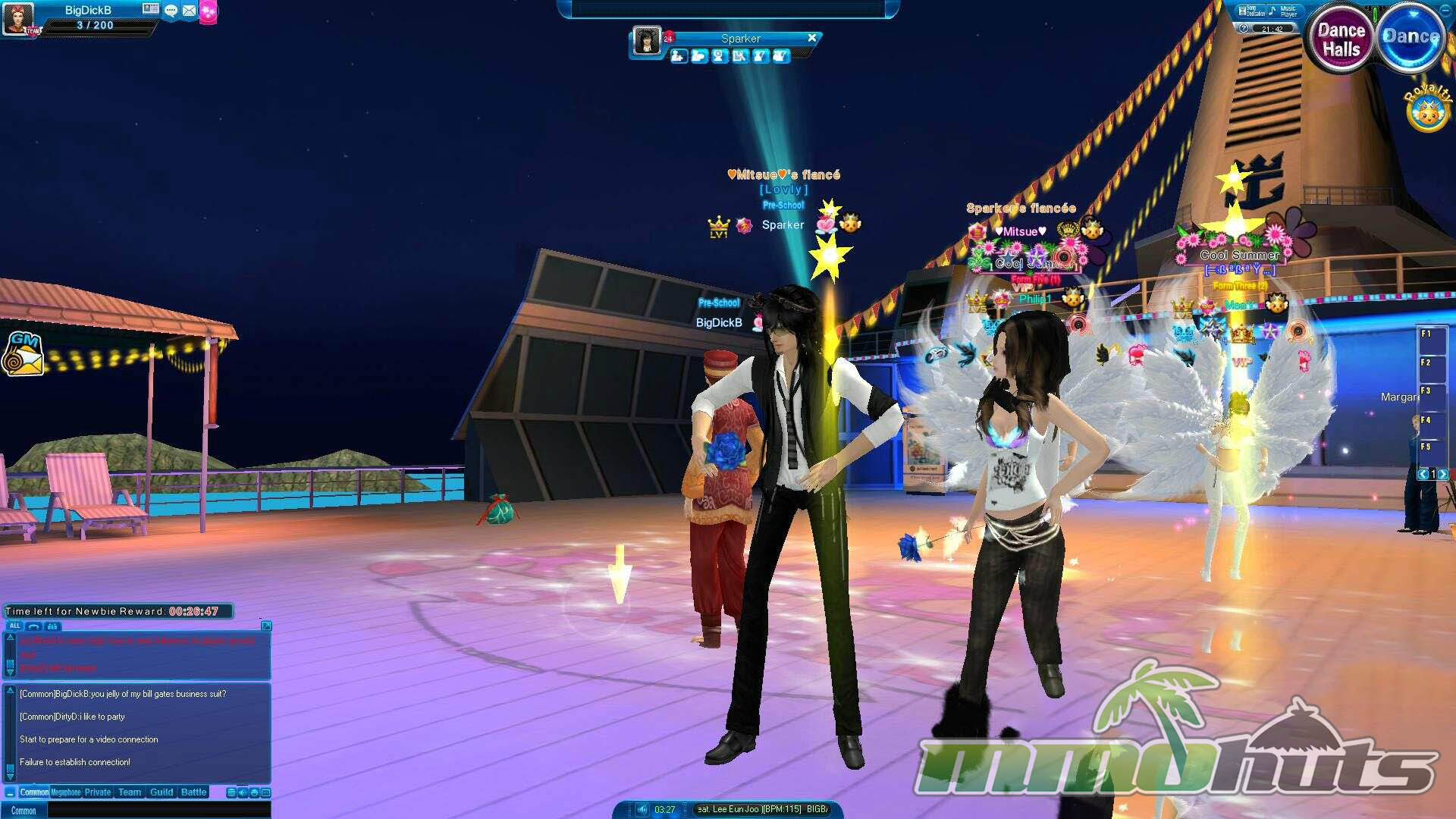
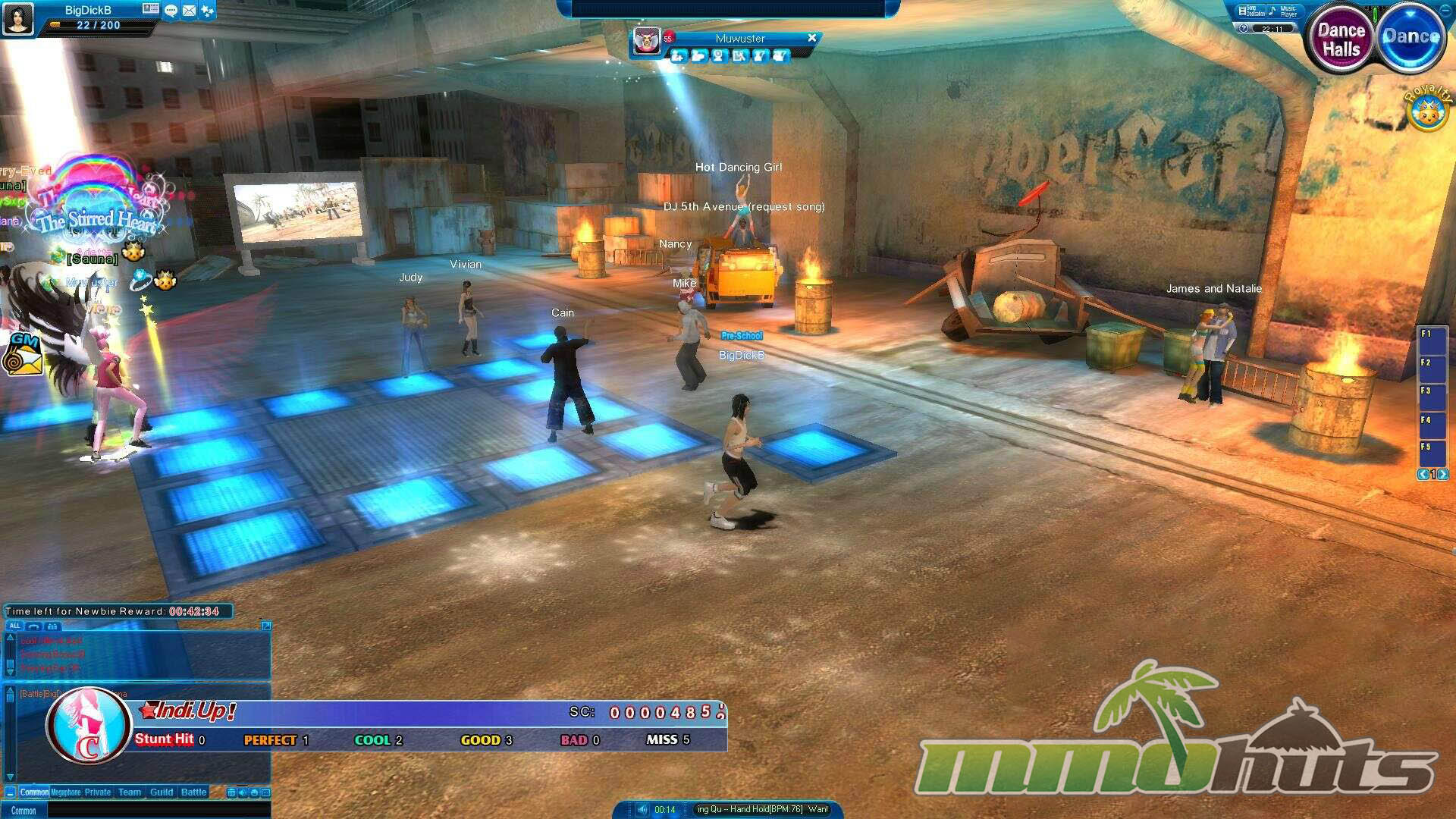
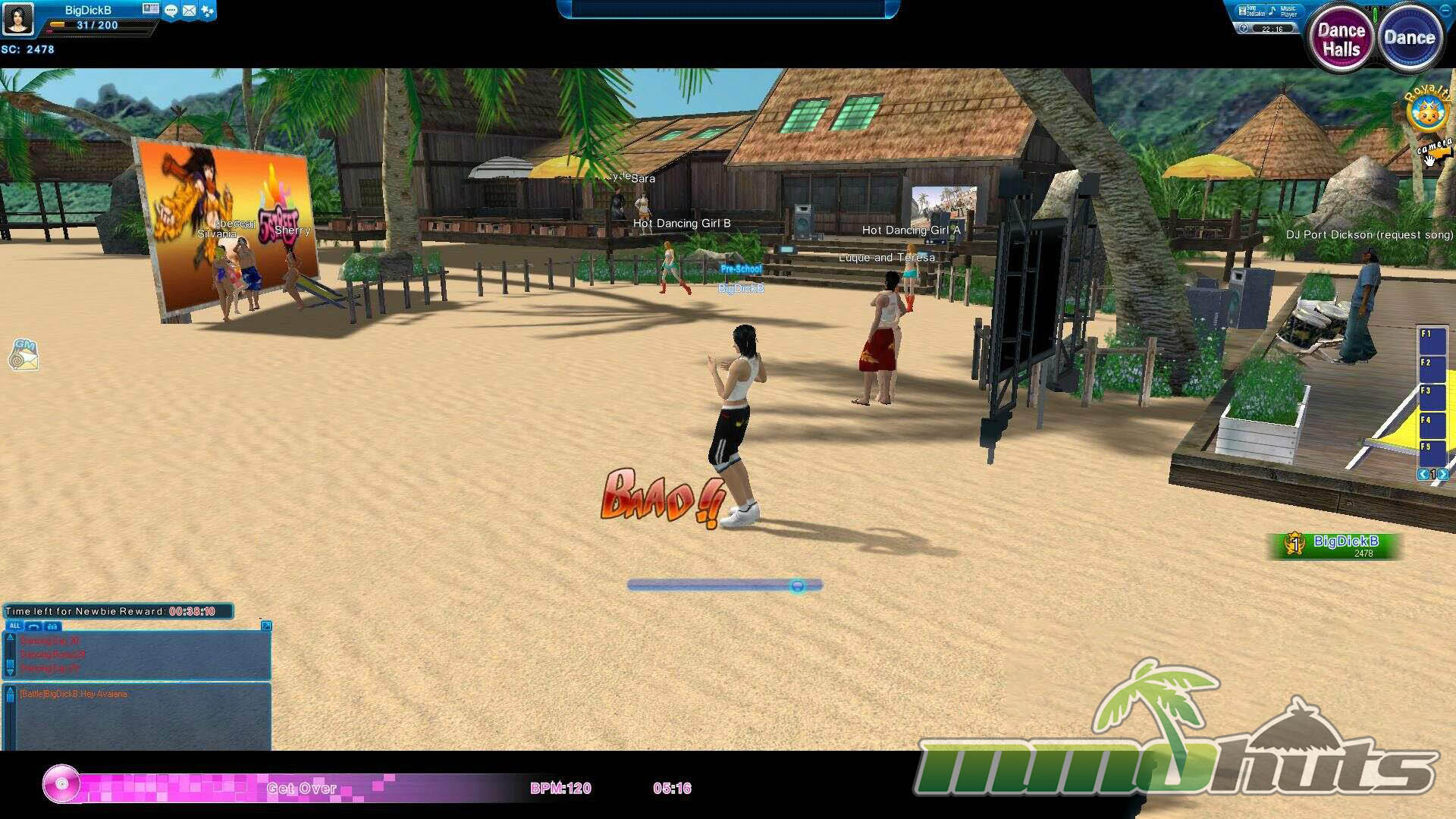
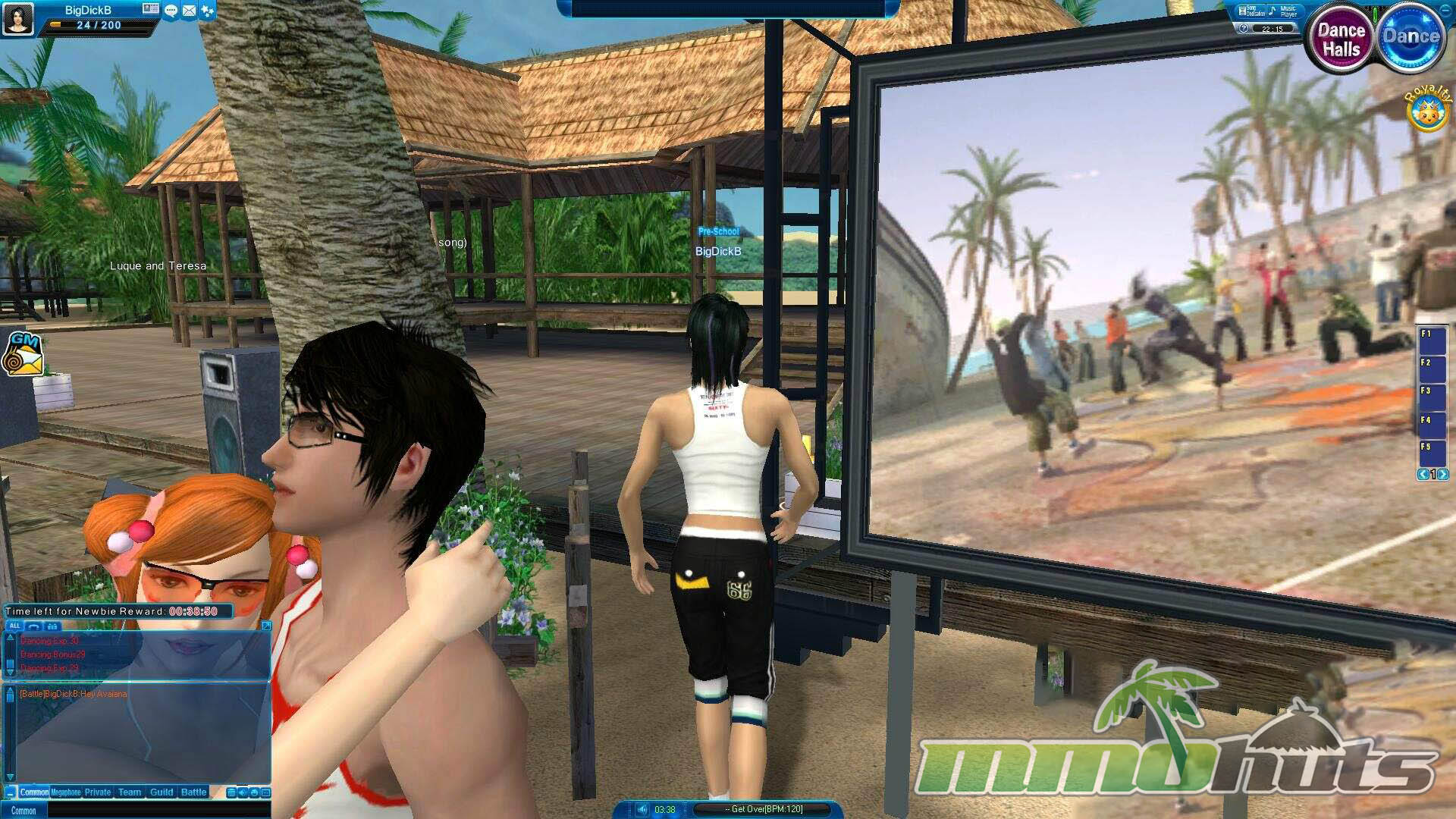
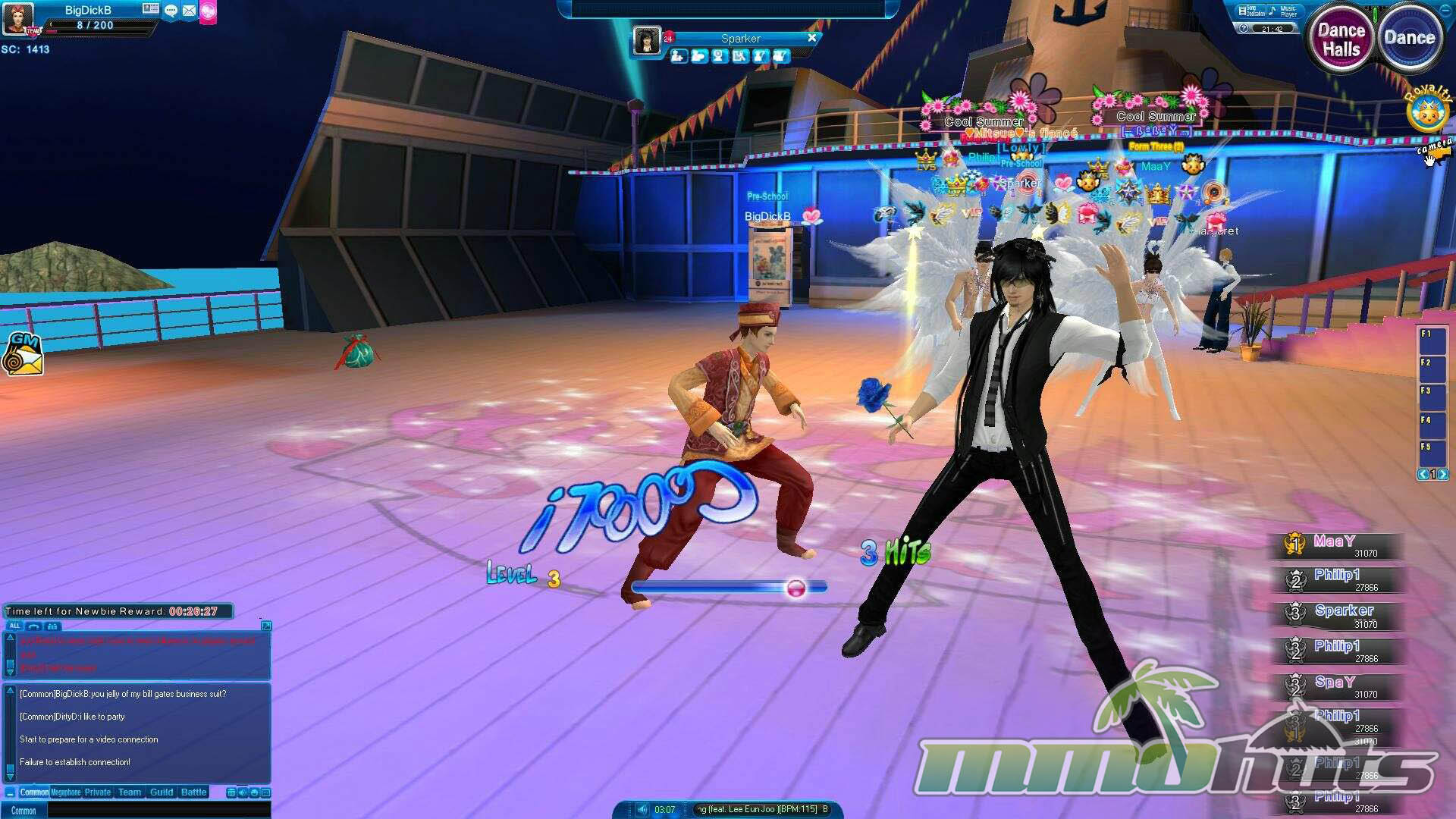
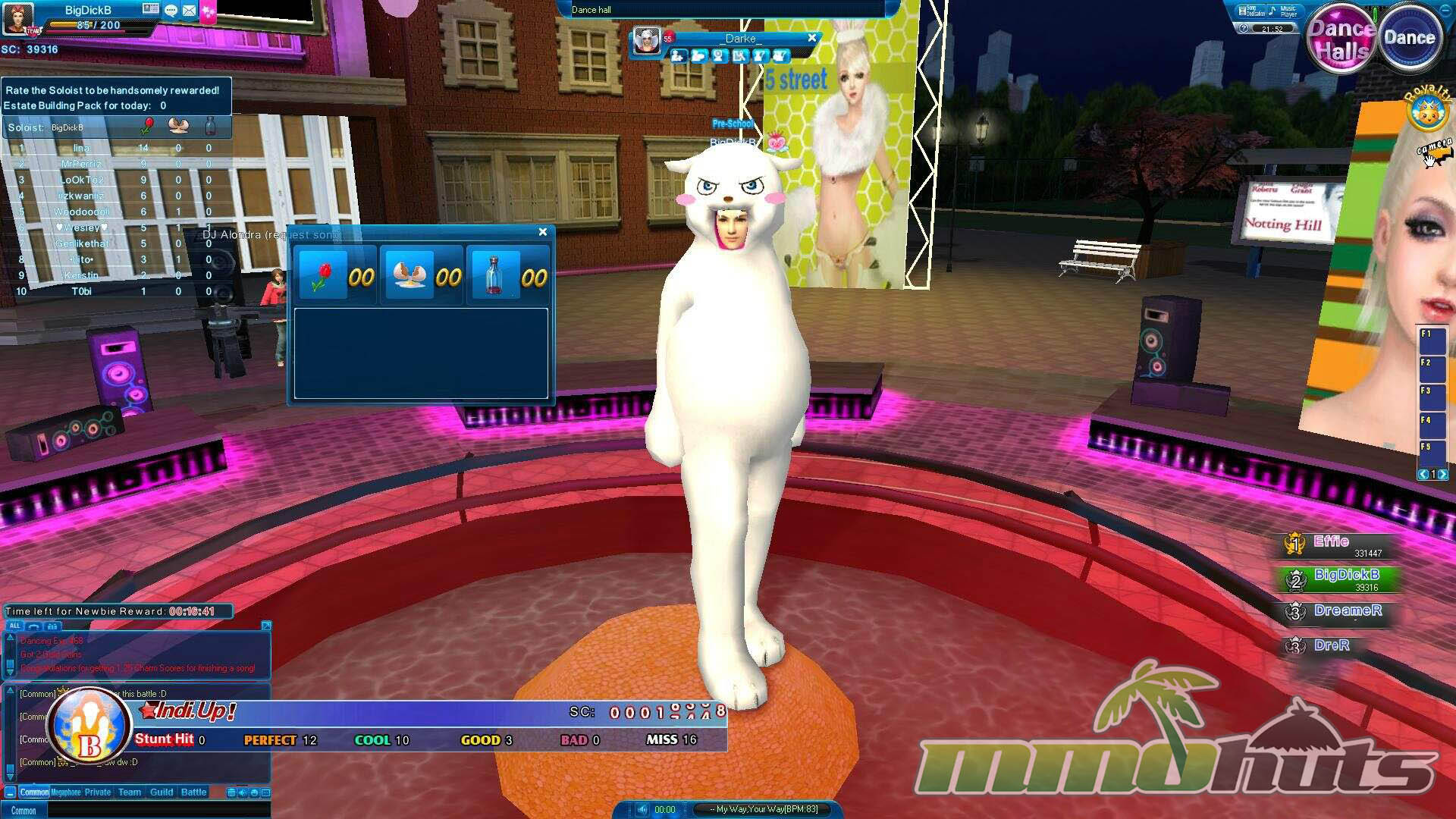
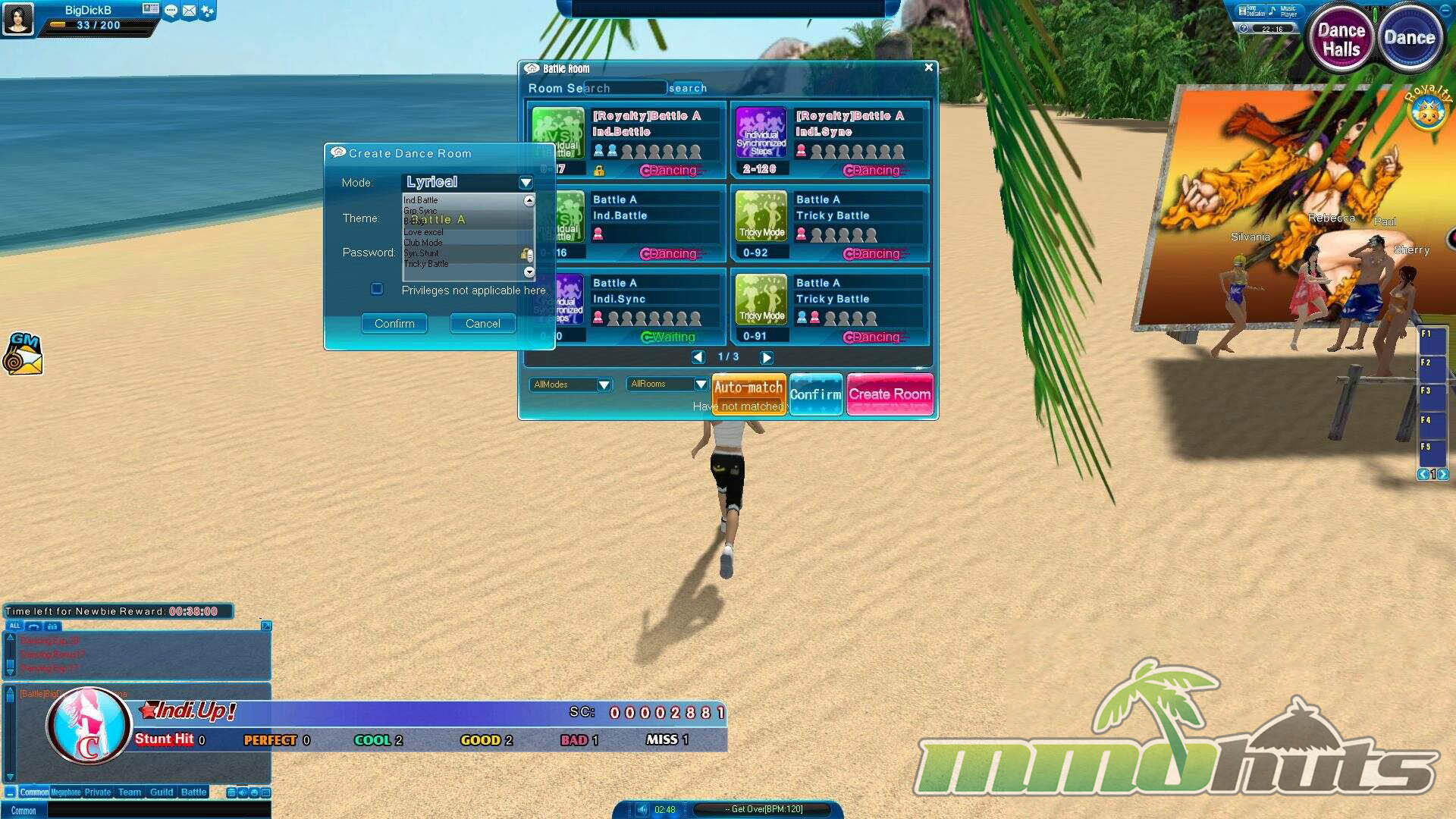
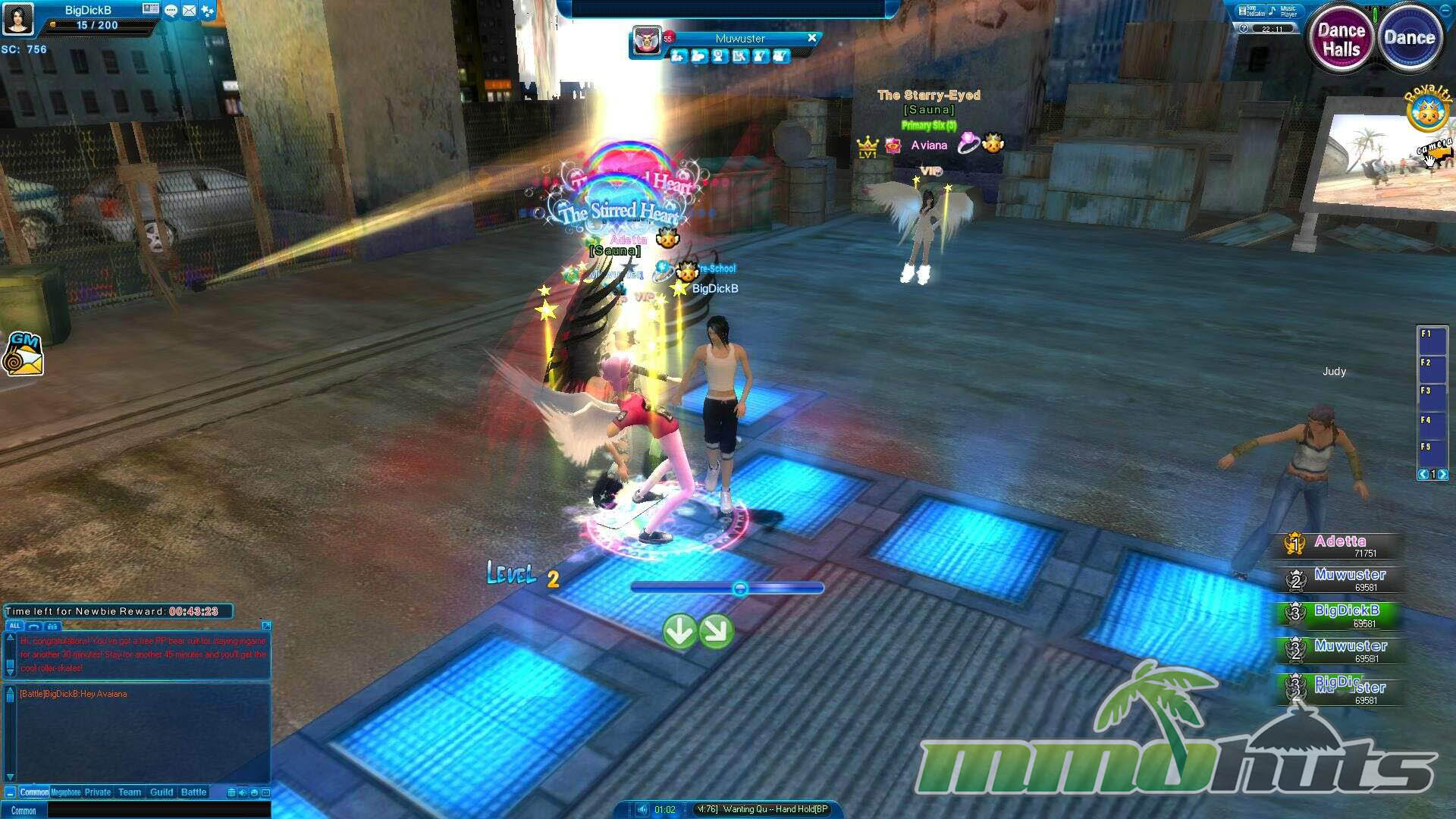
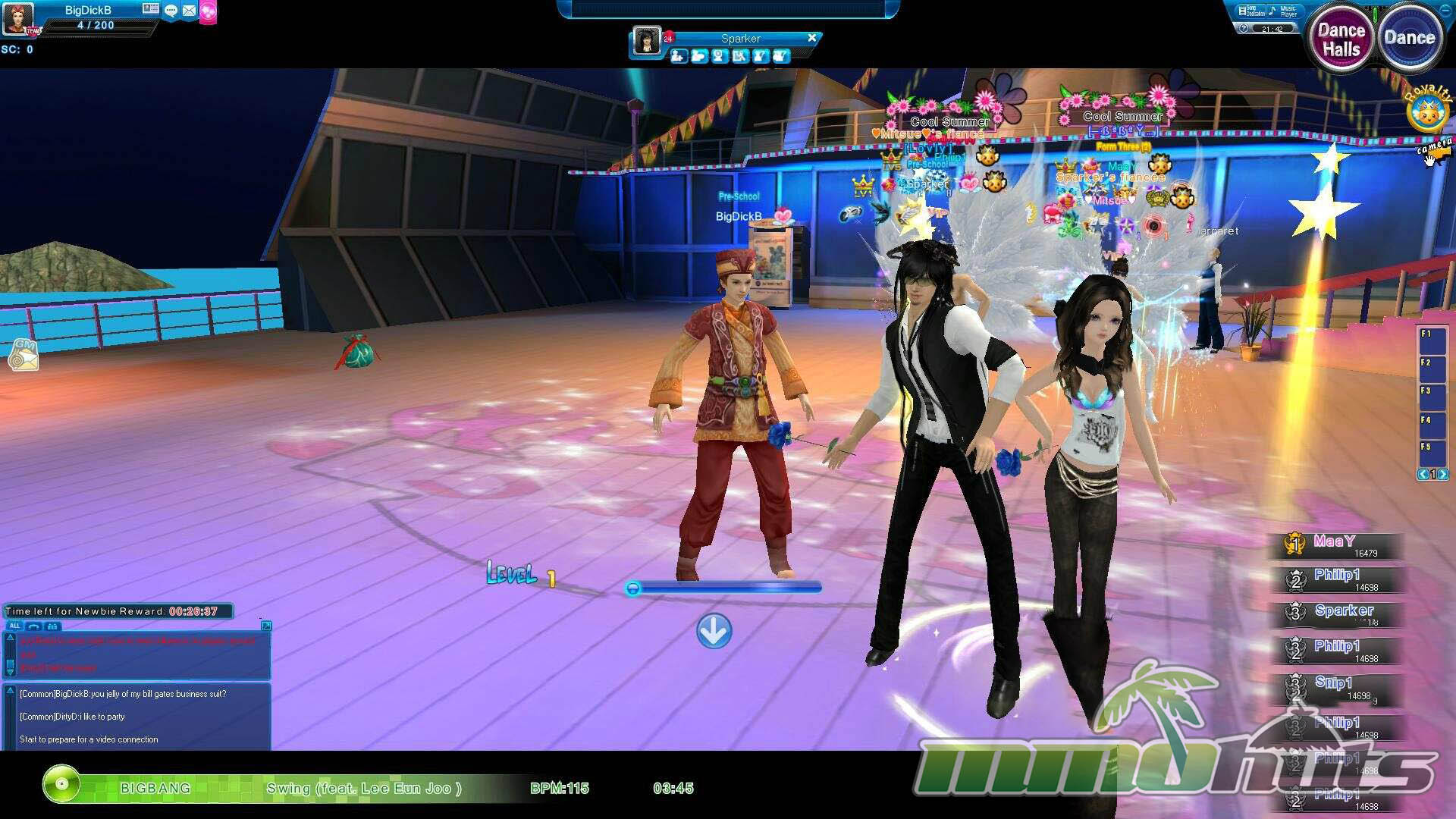
5Street leaned on familiar rhythm-game fundamentals, drawing inspiration from classic dance and step-based titles where timing and pattern recognition are as important as style. What helped it stand apart from many online dance games was its always-online world layer, featuring multiple dance halls and shared public spaces that encouraged players to hang around, chat, and show off—rather than only queue up, play a round, and log out. For those who wanted something simpler, the game also supported a more standard lobby-driven matchmaking setup.
The social layer wasn’t just a side feature. Partner routines, duo interactions, and a full marriage feature gave 5Street a distinct “music meets dating” vibe, with progression and status closely tied to self-presentation and the people you spent time with. In practice, it functioned as much as a virtual hangout and fashion stage as it did a pure score-chasing rhythm title, helping its community feel different from more competitive-focused dance games.
5Street Key Features:
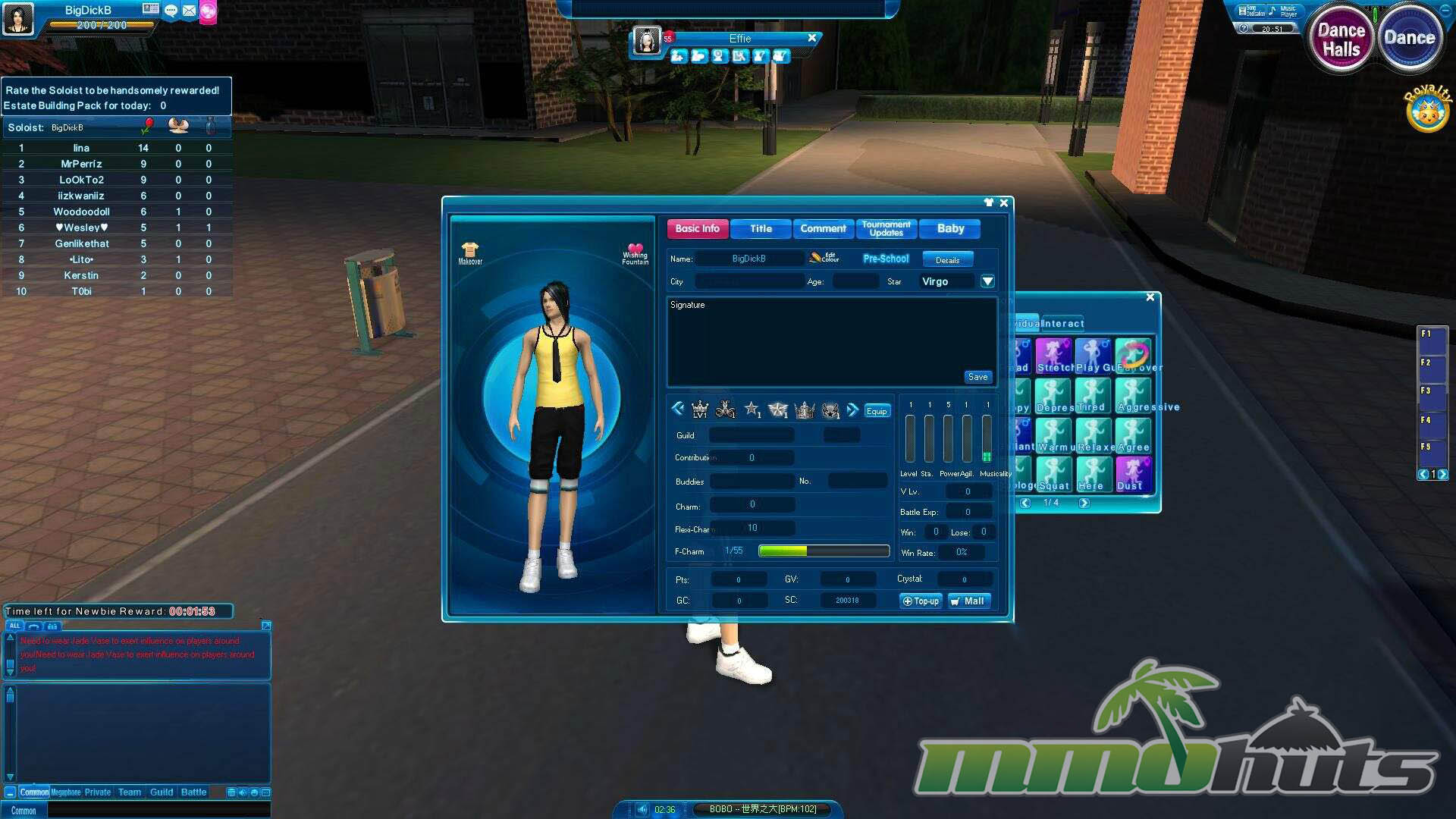
- Great Character Customization – a large wardrobe selection through the in-game store lets players build distinct looks.
- Varied Gameplay – play for high scores solo or bring rivals into competitive dance sessions.
- Quest, Achievement, and Title systems – layered goals provide reasons to log in beyond a single match.
- Tons of Emotes/Player Interactions – expressive actions such as kisses, dances, and poses support the social focus.
- Leaderboards – top performers are highlighted publicly through a hall-of-fame style feature.
- Marriage System – couples can formalize relationships and share time together at a personal “love cottage.”
5Street Screenshots





5Street Featured Video

5Street Review
Coming soon..
5Street Links
Official 5Street Website
5Street Guide Forums
5Street on Facebook
HighStreet5 Official Website
5Street System Requirements
Minimum Requirements:
Operating System: Windows 98 / 2000 / XP / 7 / 8 / 10
CPU: Pentium 3 800 MHz
Video Card: Any 64 MB VGA Graphics Card
RAM: 256 MB
Hard Disk Space: 6 GB
Recommended Requirements:
Operating System: Windows 98 / 2000 / XP / 7 / 8 / 10
CPU: Pentium 4 2 GHz
Video Card: 128 MB VGA Graphics Card
RAM: 512 MB
Hard Disk Space: 6 GB
*The official U.S. site doesn’t list published PC specs, but requirement details were located via the game’s Chinese Wiki. Also, the listed CPU/RAM targets feel optimistic today, since current operating systems typically need more memory and processing headroom to run smoothly.
5Street Music & Soundtrack
Coming Soon!
5Street Additional Information
Developer: Snail Games
Publisher: Snail Games
Beta Date: July, 14, 2007 (Chinese Beta)
Development History / Background:
Developed by Suzhou-based Snail Games (Suzhou Snail Electronic Co., Ltd), 5Street entered its earliest public testing in China with a beta that began on July 14, 2007, then moved into launch not long after. In Western regions it was at one point offered under the High Street 5 name, before later appearing again simply as 5Street via Snail Games USA. Snail Games USA was established in Los Angeles in 2010, serving as the company’s local publishing arm for the market.
Even as the game aged, the title maintained stronger traction in China and retained a smaller, steadier audience elsewhere for a time. Over its lifespan, 5Street was available across North America, South America, Southeast Asia, and China, and it continued to be referred to as HighStreet5 depending on region and branding.