Legend of Edda is a free-to-play, isometric 3D MMORPG with an anime, chibi-inspired art style, framing its faction conflict around the mythic war between the Olympian gods and the Titans. It aims for a light, approachable vibe while still offering the usual MMO loop of questing, dungeons, gear upgrades, and multiple PvP formats.
 | Publisher: JCPlanet Playerbase: Shut Down Type: MMORPG Release Date: Feb 17, 2013 (Global) PvP: Duels / Realm vs Realm / Arena Pros: +Multiple PvP modes to rotate through. +A steady supply of quests and activities. Cons: -Gameplay can feel samey over time. -Weak English localization. -Technical rough edges and bugs. |
Legend of Edda Overview
Legend of Edda is a free-to-play, isometric chibi MMORPG created by the Korean developer Eyasoft. Despite the cute presentation and relatively modest hardware needs, it still tries to cover the full MMO checklist: quest-driven leveling, instanced dungeons with multiple challenge tiers, and a PvP suite that ranges from small duels to larger faction-focused battles. Moment to moment, it is designed to be easy to read and easy to run, which made it appealing to players who wanted something lighter than the typical heavy, high-spec fantasy MMO.
JCPlanet also published “Legend of Edda: Speed,” which is positioned as a faster-paced version of the game, with quicker progression and adjustments aimed at getting players into the meat of the content sooner.
Legend of Edda Key Features:
- Cute Graphics – a bright, anime-styled world with chibi proportions that keeps the tone playful rather than grim.
- Varied PvP Options – several ways to fight other players, including duels and larger organized formats.
- Job Advancements – three base classes branch into two specializations each, giving you a meaningful direction choice early on.
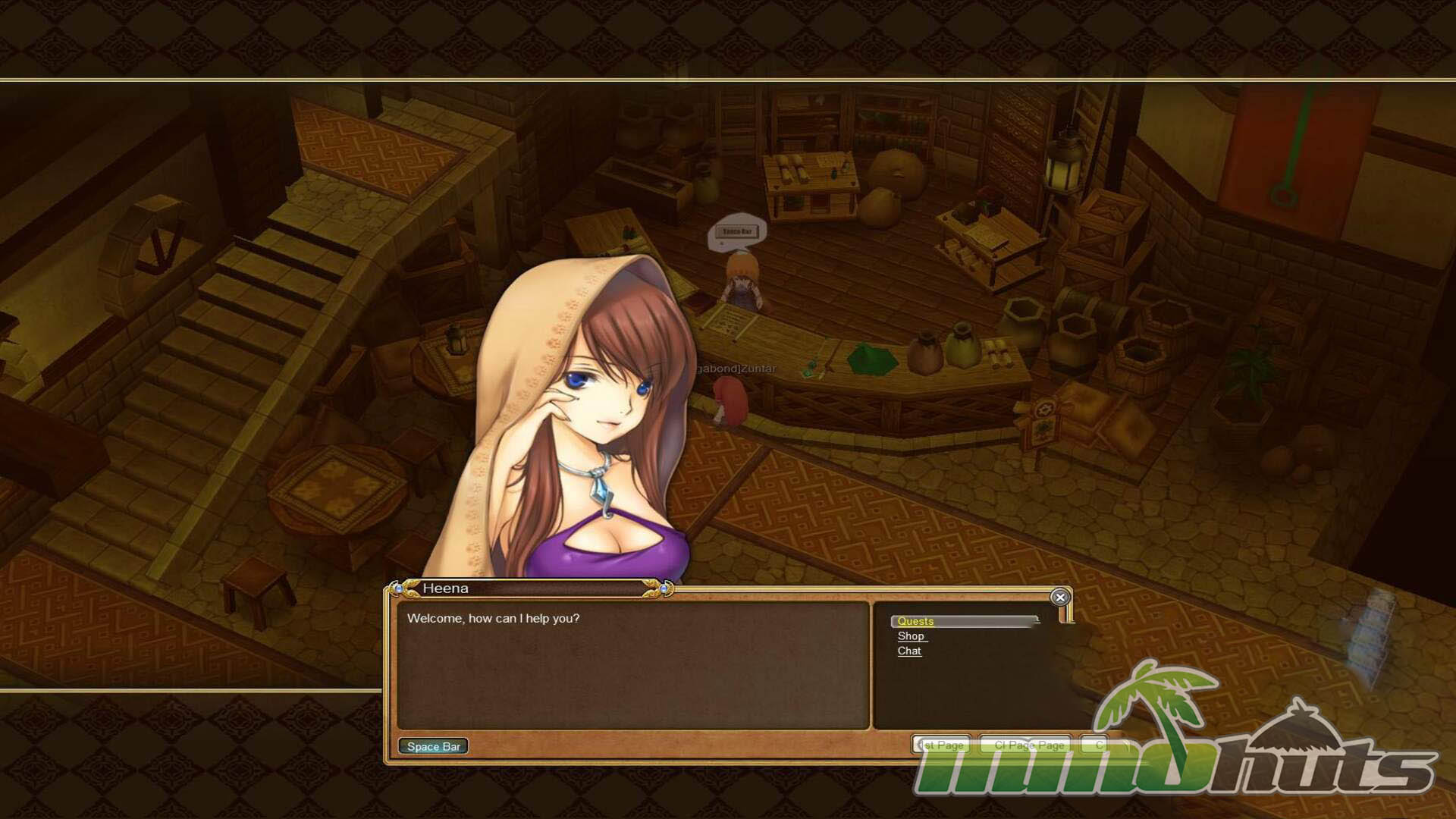
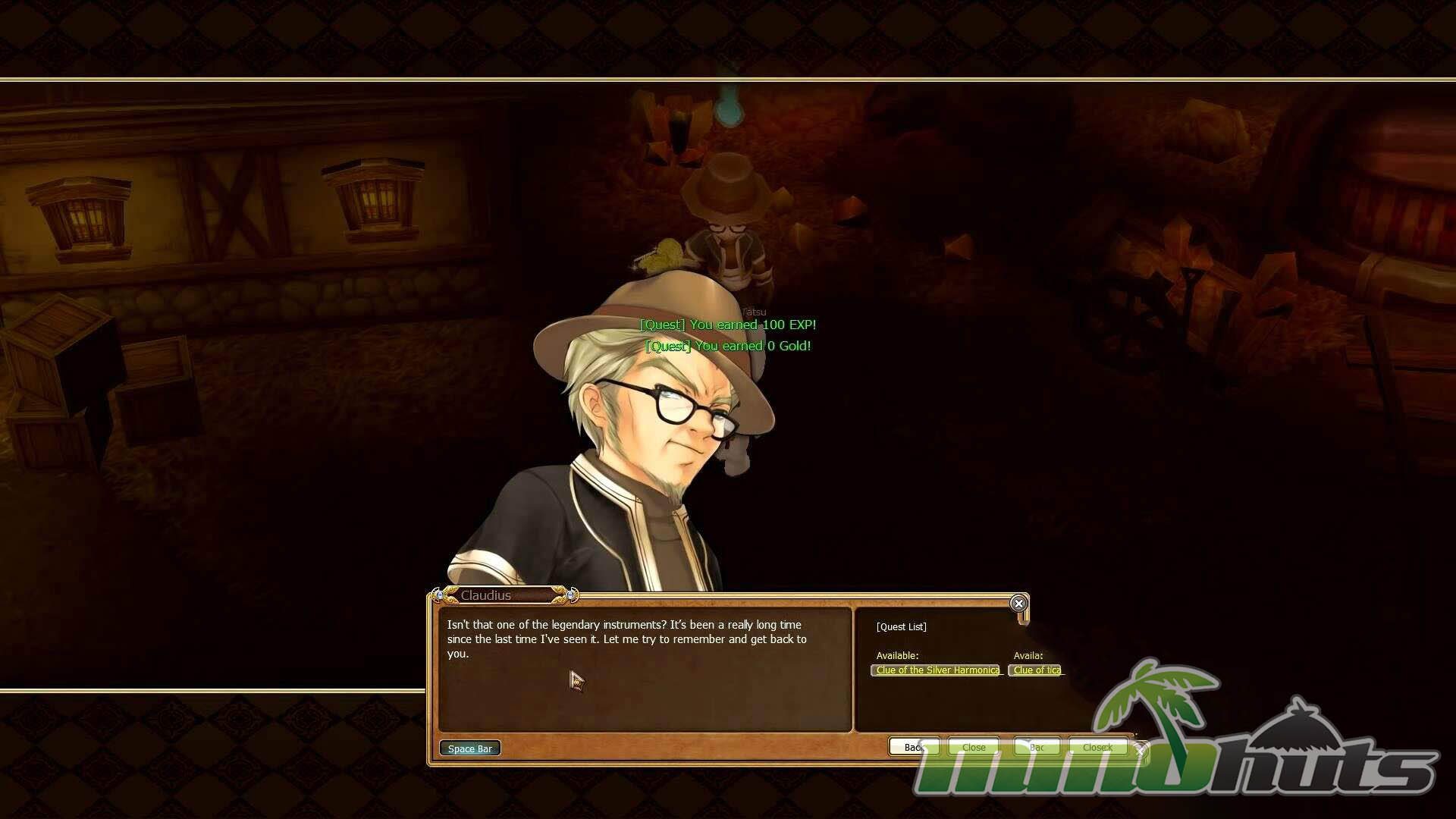
- Plenty of Quests – quest hubs and steady objectives keep the leveling path clearly guided.
Legend of Edda Screenshots

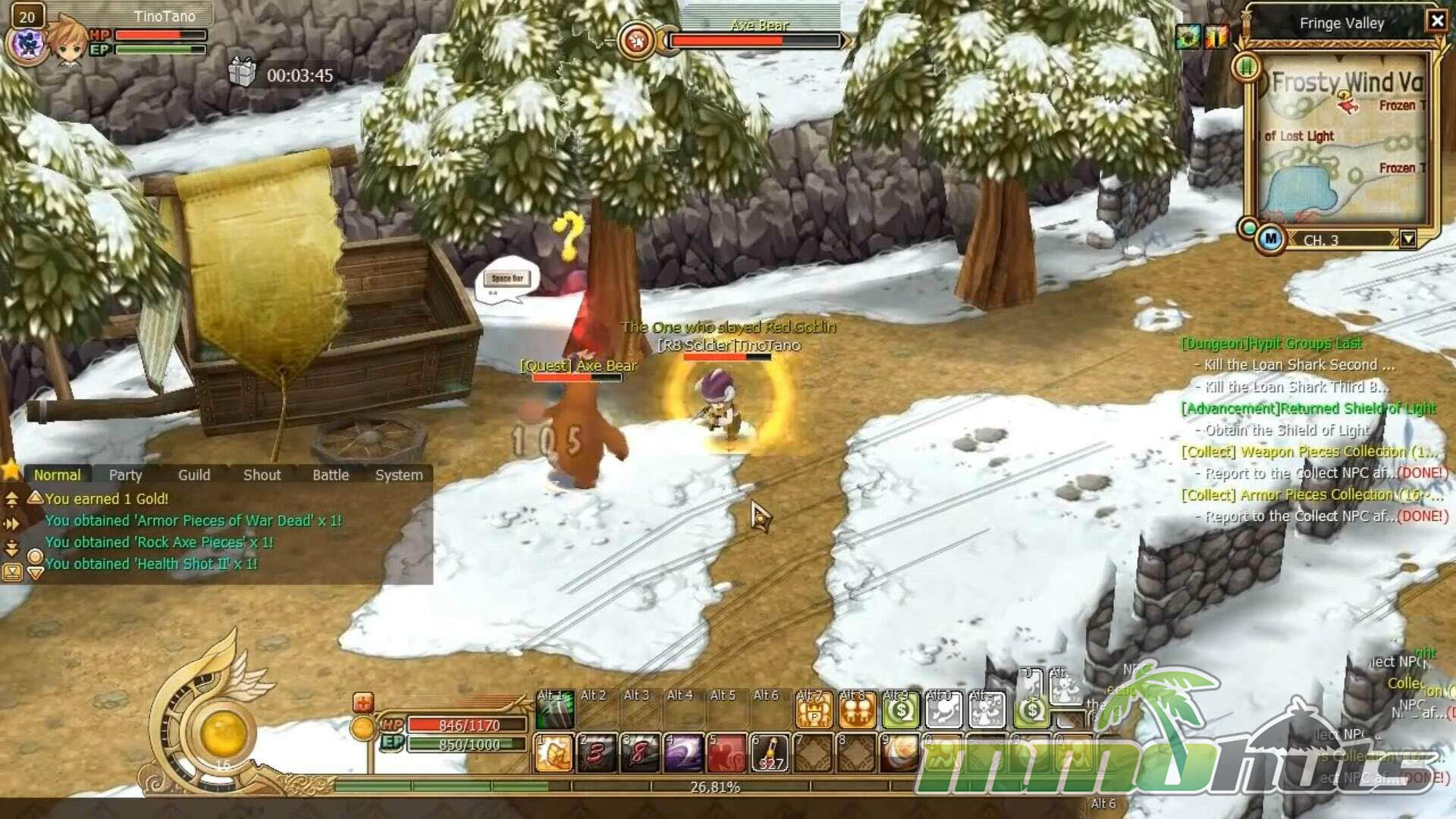
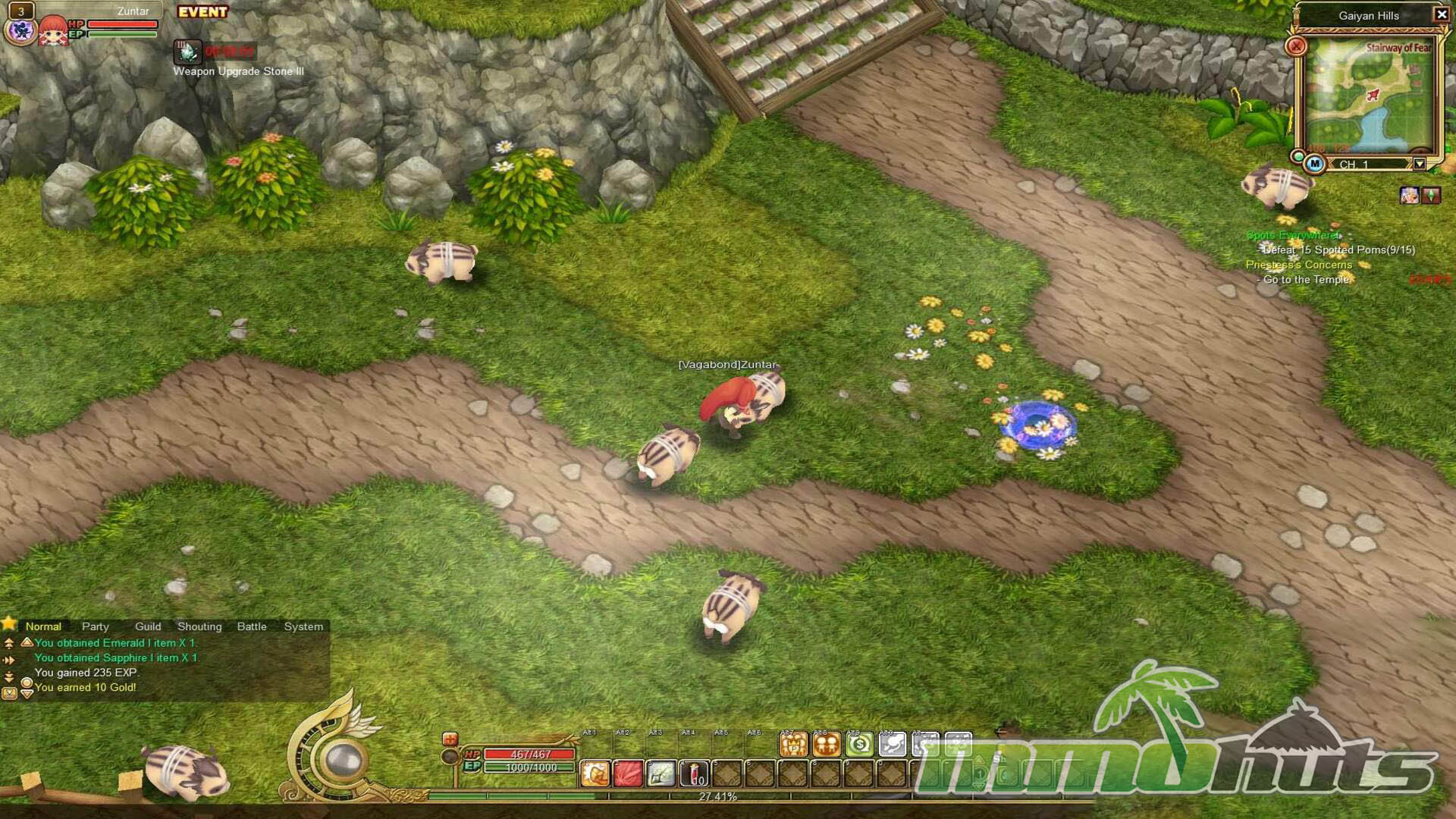
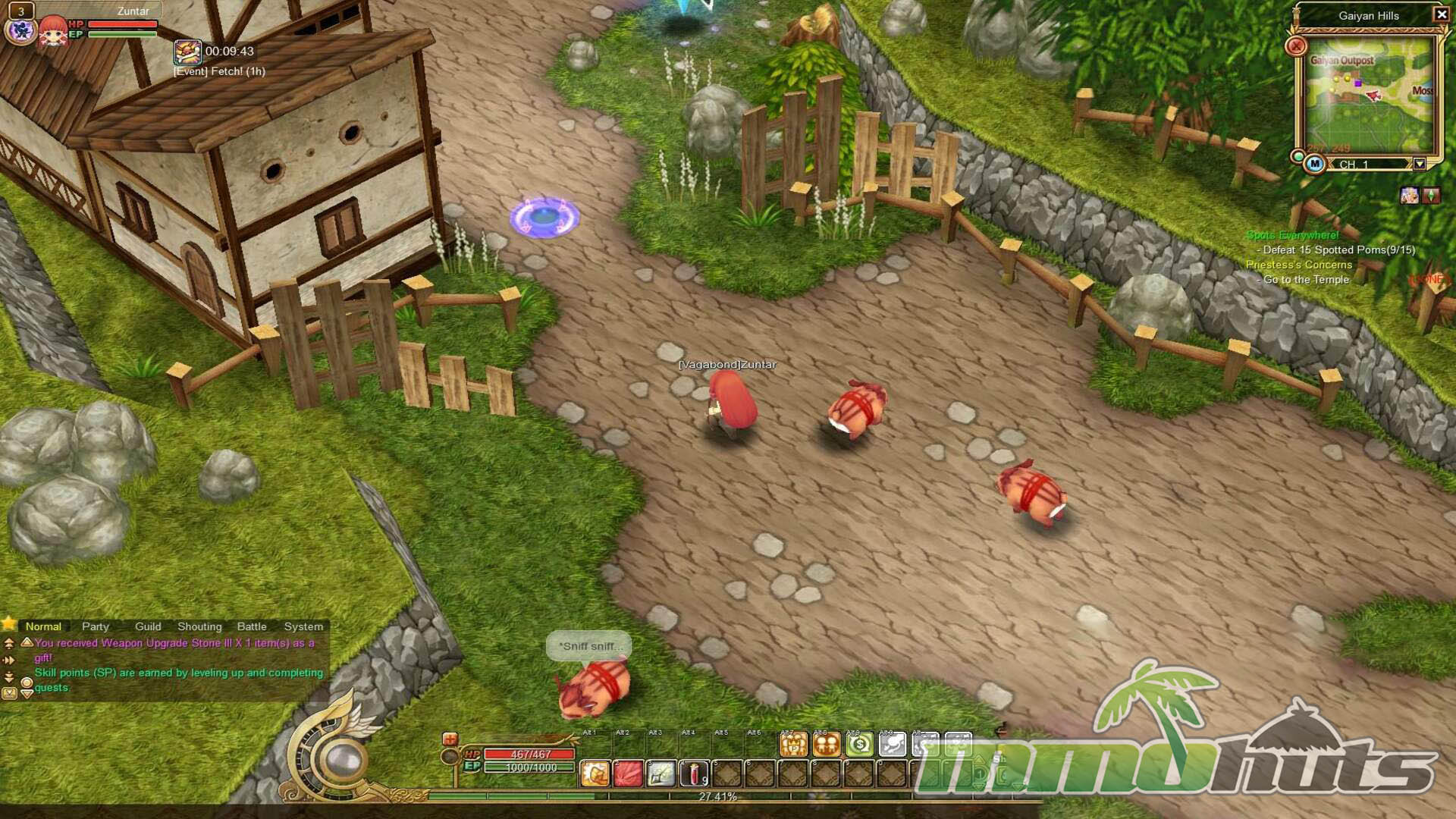
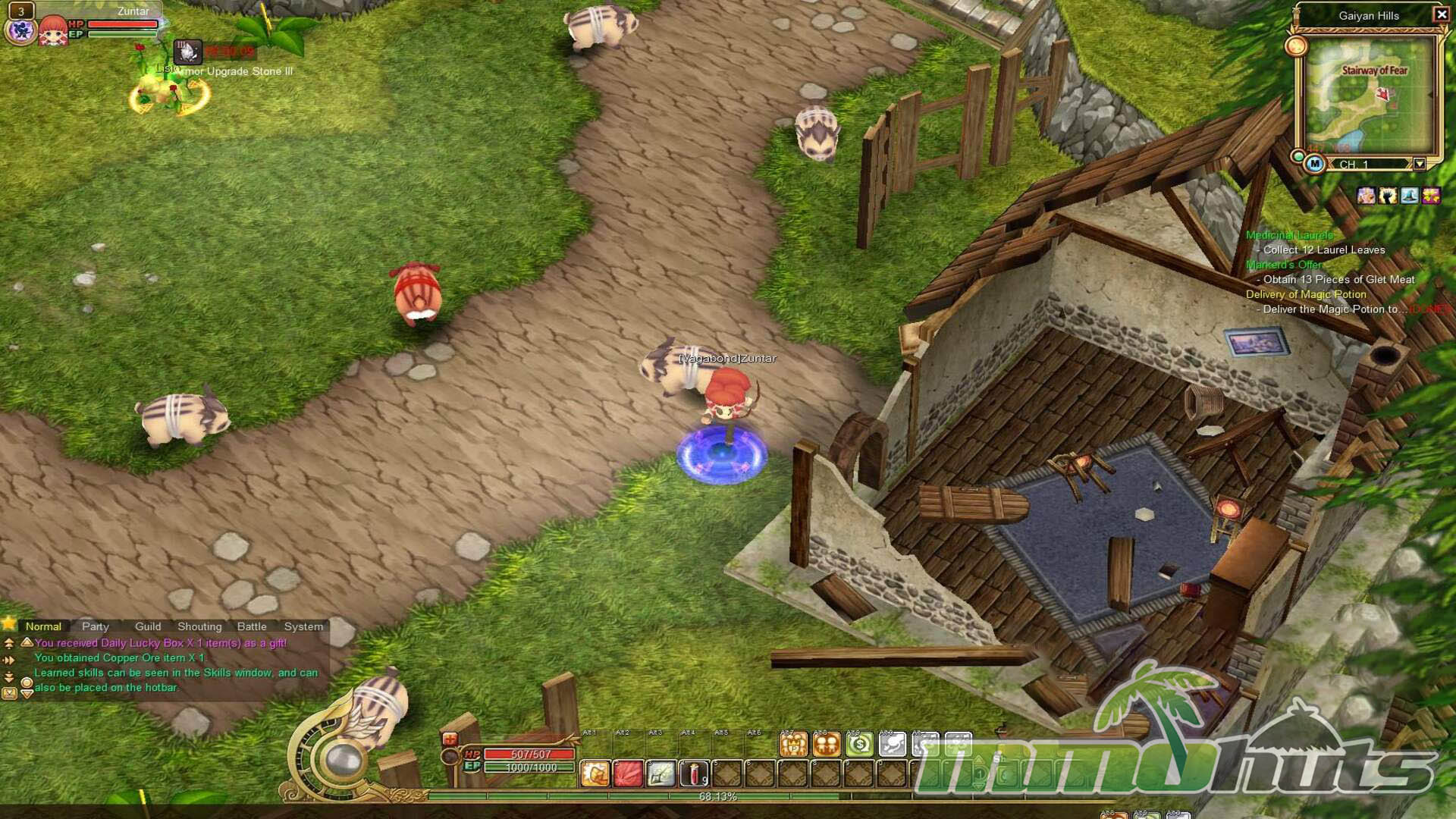

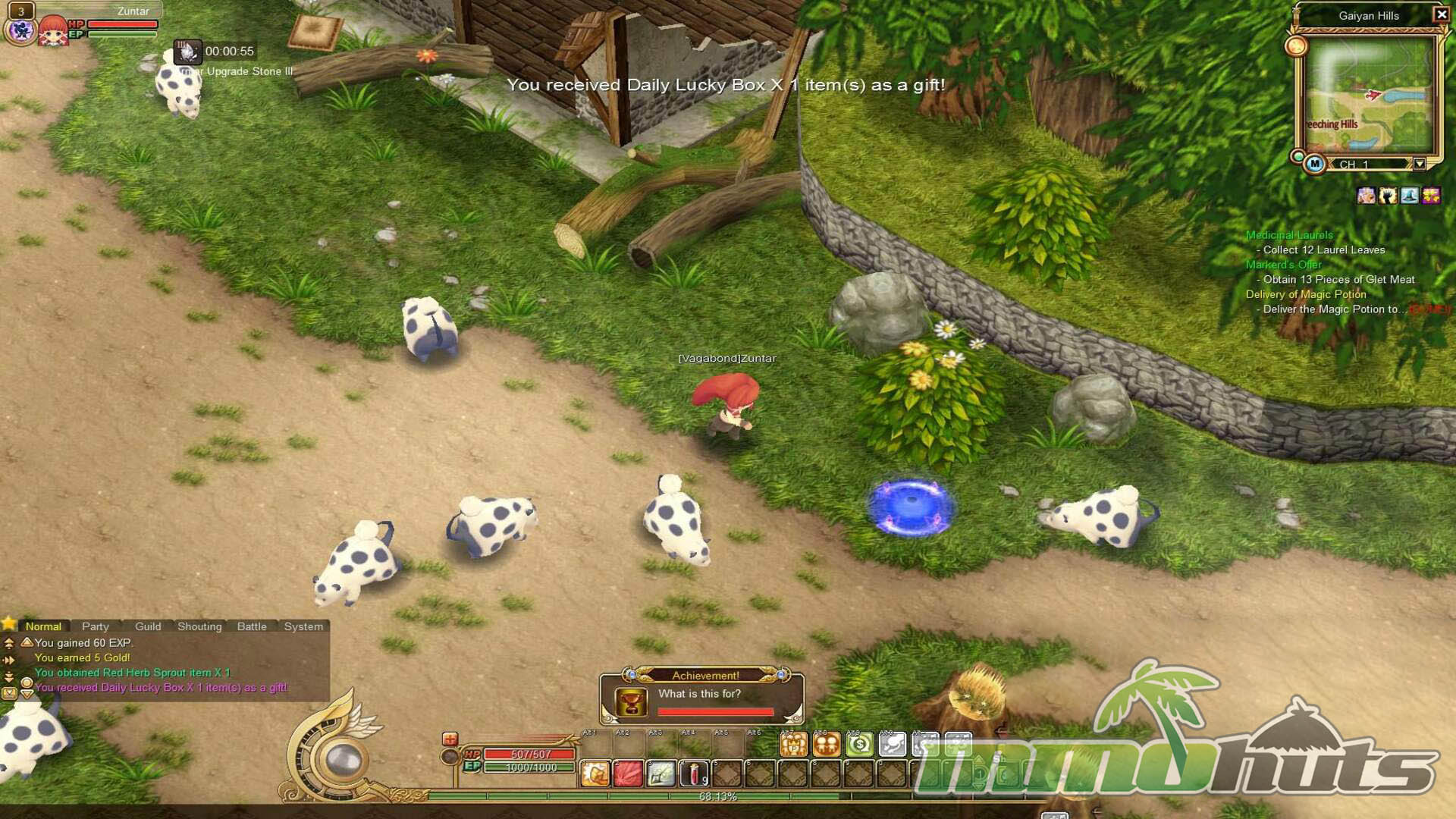
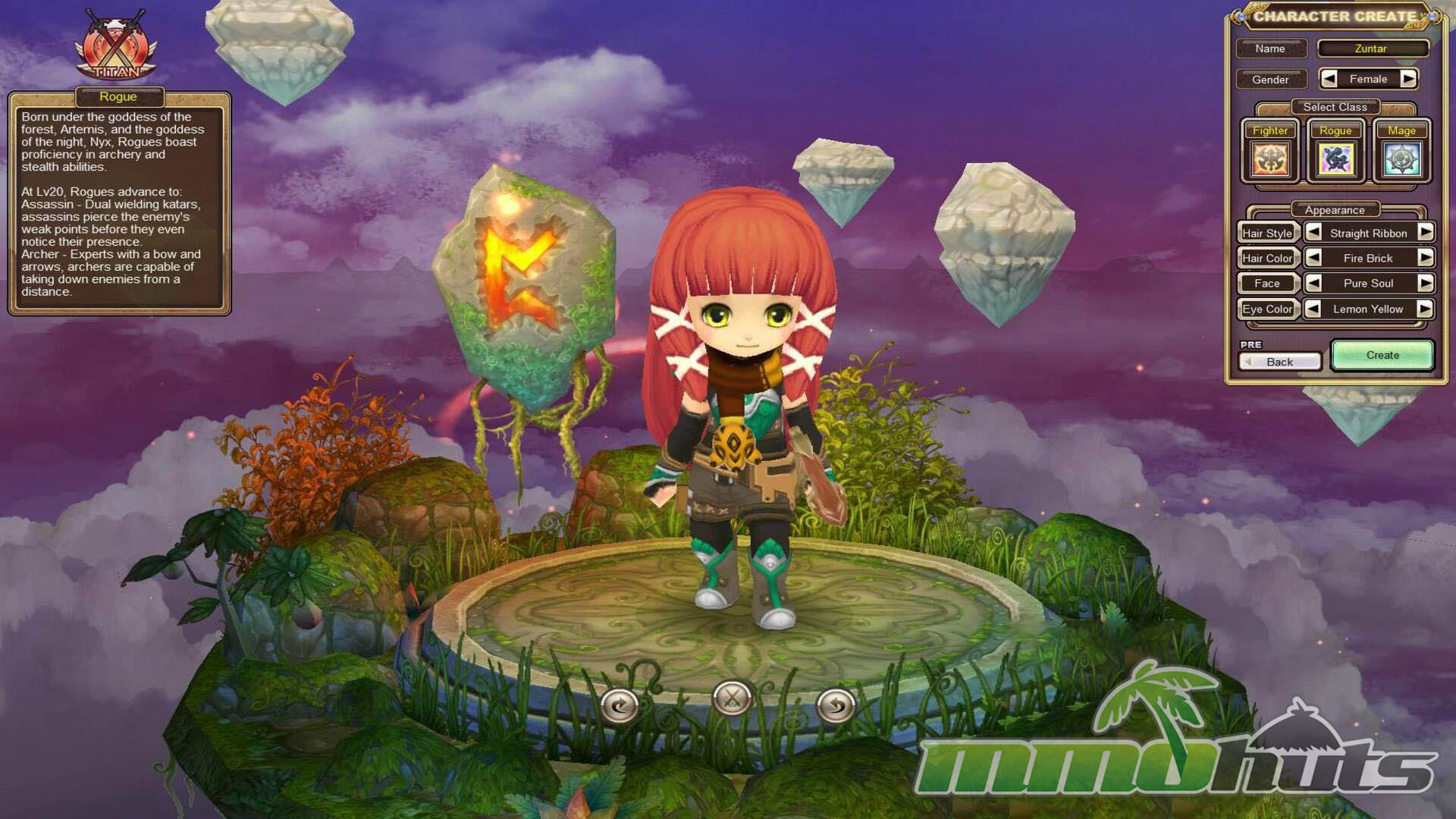
Legend of Edda Featured Video

Legend of Edda starts with three core archetypes, and each one splits into two job advancements at Level 20. That keeps the early learning curve simple while still letting you commit to a role once you have a feel for combat pacing. The available class paths are:
Fighter:
- Warrior – the sturdier shield-and-sword route, built to soak damage and hold the line with strong defense.
- Swordsman – a heavier-hitting two-handed option focused on offense, typically trading some toughness for damage.
Rogue:
- Assassin – close-range DPS with a sneaky approach, ideal for players who like bursty melee pressure.
- Archer – a ranged bow user that plays best from a safer distance, relying on positioning and consistent shots.
Mage:
- Cleric – support-oriented, bringing healing and buffs, but generally fragile due to low armor and HP.
- Wizard – a spell-focused damage dealer with strong offense, balanced by the same low survivability profile.
Legend of Edda Review
Legend of Edda is an isometric 3D MMORPG from Eyasoft, published in the West by JC Planet for US and EU audiences. The game first surfaced under GamesCampus, entering open beta on May 4, 2010, before that service ended and the title later shifted publishers. It has also been referred to as “Legend of Edda: Vengeance” during one of its relaunch periods. The JC Planet release is treated as the global version and is noted for having no IP restrictions.
First Steps and Faction Choice
At the heart of Legend of Edda is its two-side conflict: Olympus and Titan. Olympus is framed as the heroic side, while Titan represents the darker, antagonistic faction. Importantly, your faction selection applies across the account, so it effectively defines where all of your characters belong.
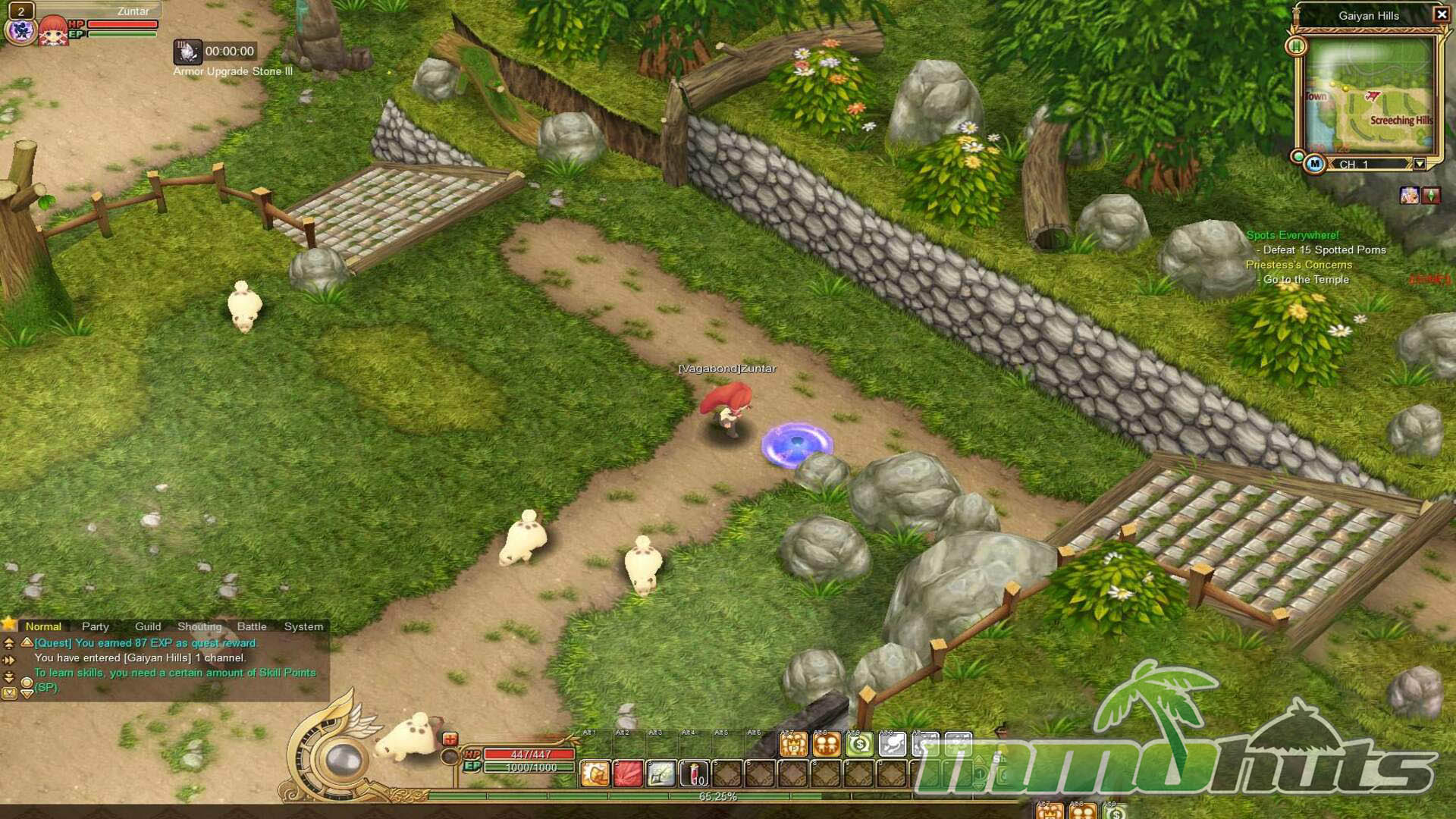
Both factions begin in Gaiyan Town, but not in the exact same shared space. Each side is placed into its own instance, and the presentation even differs slightly (Olympus begins in daylight, Titan in night). For the opening stretch, the world is similarly separated, so you primarily experience early zones as a faction-specific version of the same areas rather than constantly running into the opposing team.
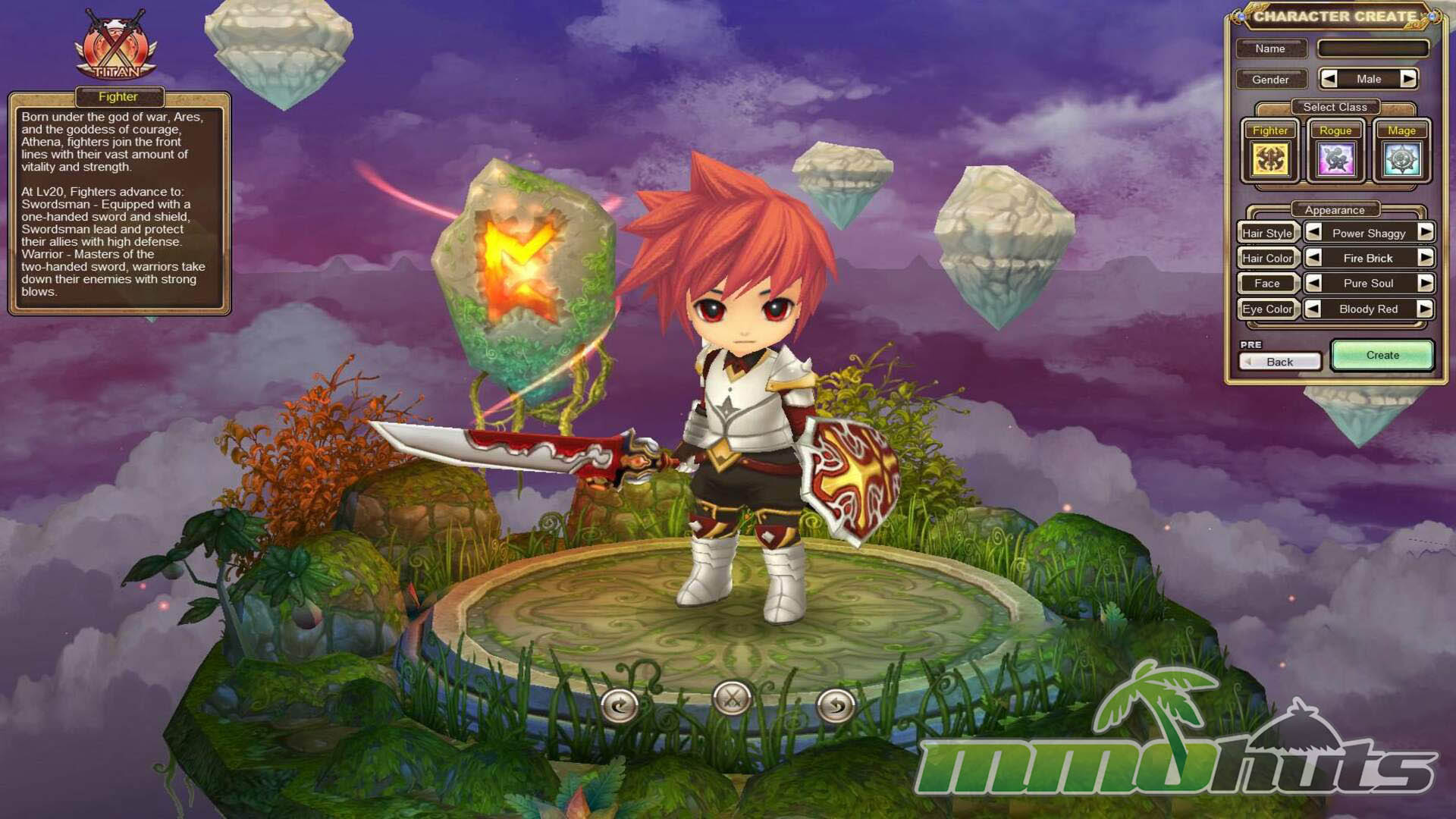
Server character capacity is generous relative to the roster, with four character slots per server and only three base classes to choose from. Those classes later branch at Level 20 into two specializations apiece: Fighters become Warriors or Swordsmen, Rogues become Assassins or Archers, and Mages become Clerics or Wizards. Character creation is functional rather than deep, offering two gender options and a small set of cosmetic picks like hair style, hair color, and face options. The chibi aesthetic dominates the look of gear and characters, giving the whole game a toy-like, approachable feel.
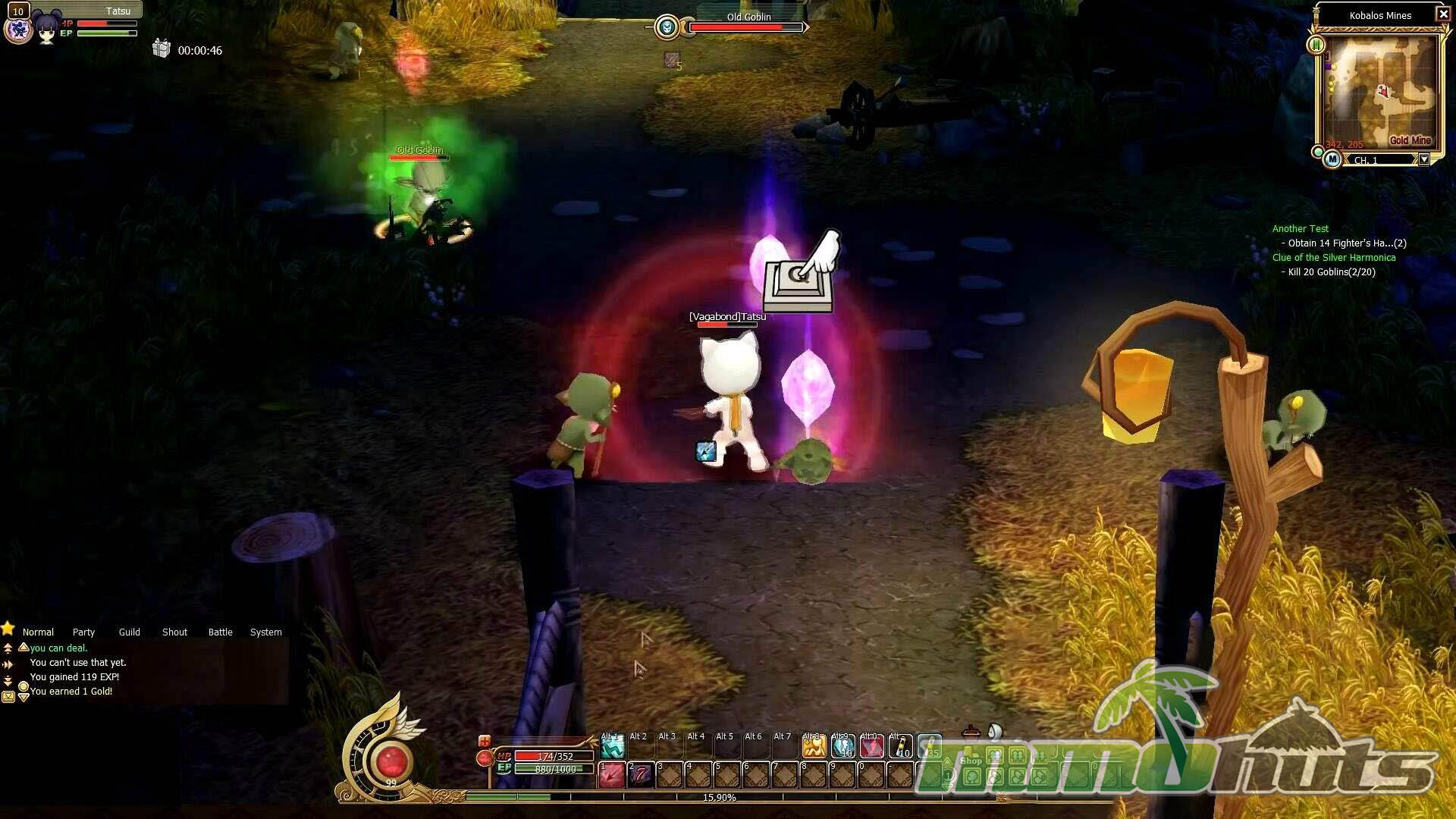
Movement supports both mouse-based click-to-move and keyboard controls. The isometric camera can make keyboard navigation feel slightly awkward at first, but the control scheme is straightforward once it clicks. You can use WASD or point-and-click for movement, Space for interaction and jumping, Q to loot, and number keys for skills and consumables.
Leveling and Quest Flow
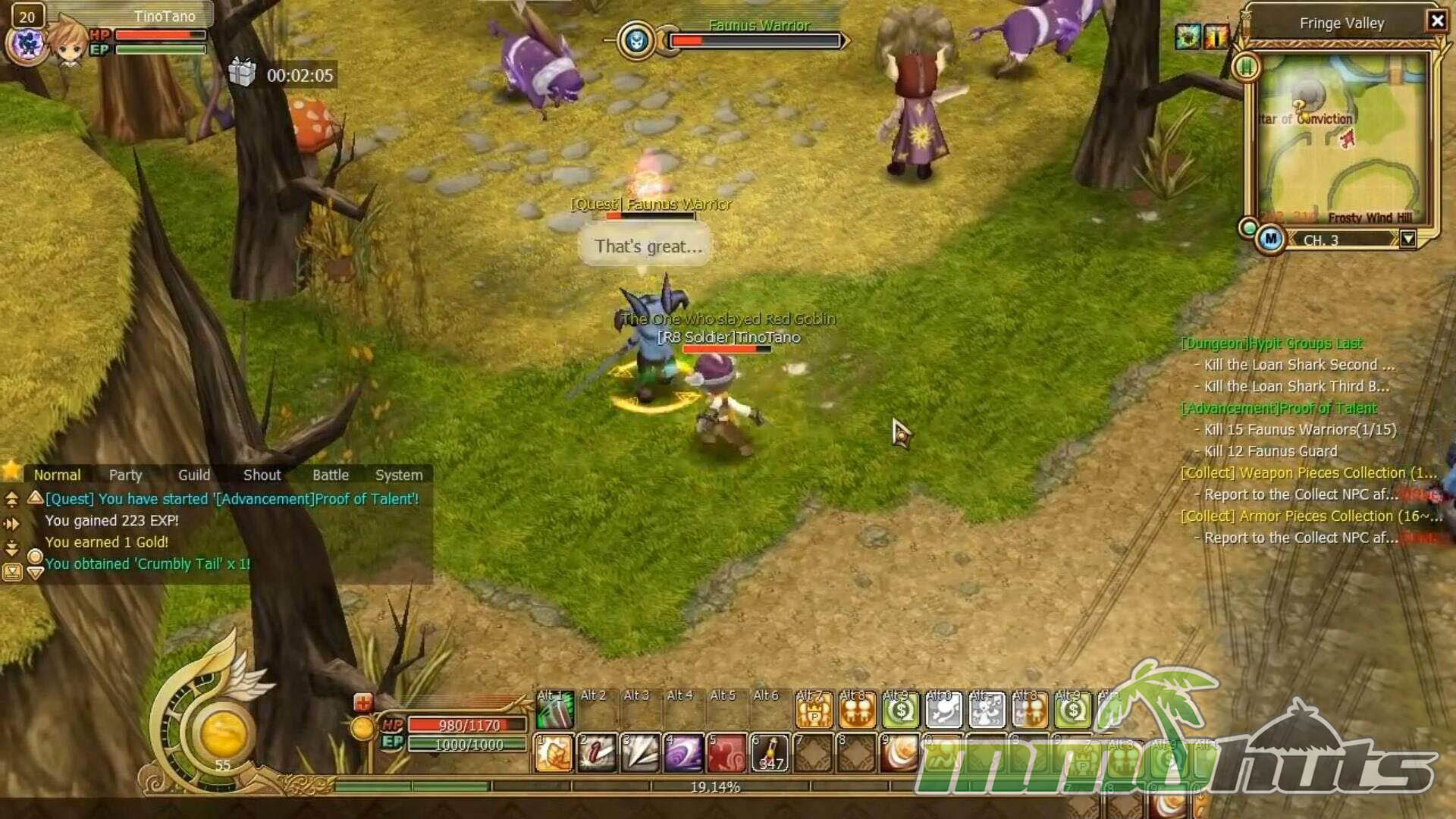
Progression leans heavily on traditional MMO quest structure. Expect familiar objectives like defeating a set number of enemies or gathering drops, often stacked together to keep you in the same area for efficiency. One downside is that similar tasks can sometimes be handed out by different NPCs, which may send you back to fight the same monsters again if you are not picking up quests in an optimal order.
Experience gain sits in a middle ground, not extremely fast, not punishingly slow. Each level awards 1 skill point, and your stats also increase automatically. New abilities are learned through trainers in town, and the skill set mixes passives with actives, keeping the build choices simple while still giving you a reason to return to trainers as you grow.
PvE, PvP, and Side Systems
PvE largely revolves around instanced dungeons designed for group play. Each dungeon supports three difficulty options, and stepping up in difficulty increases both enemy density and the quality of rewards, giving players a reason to revisit content rather than one-and-done it.
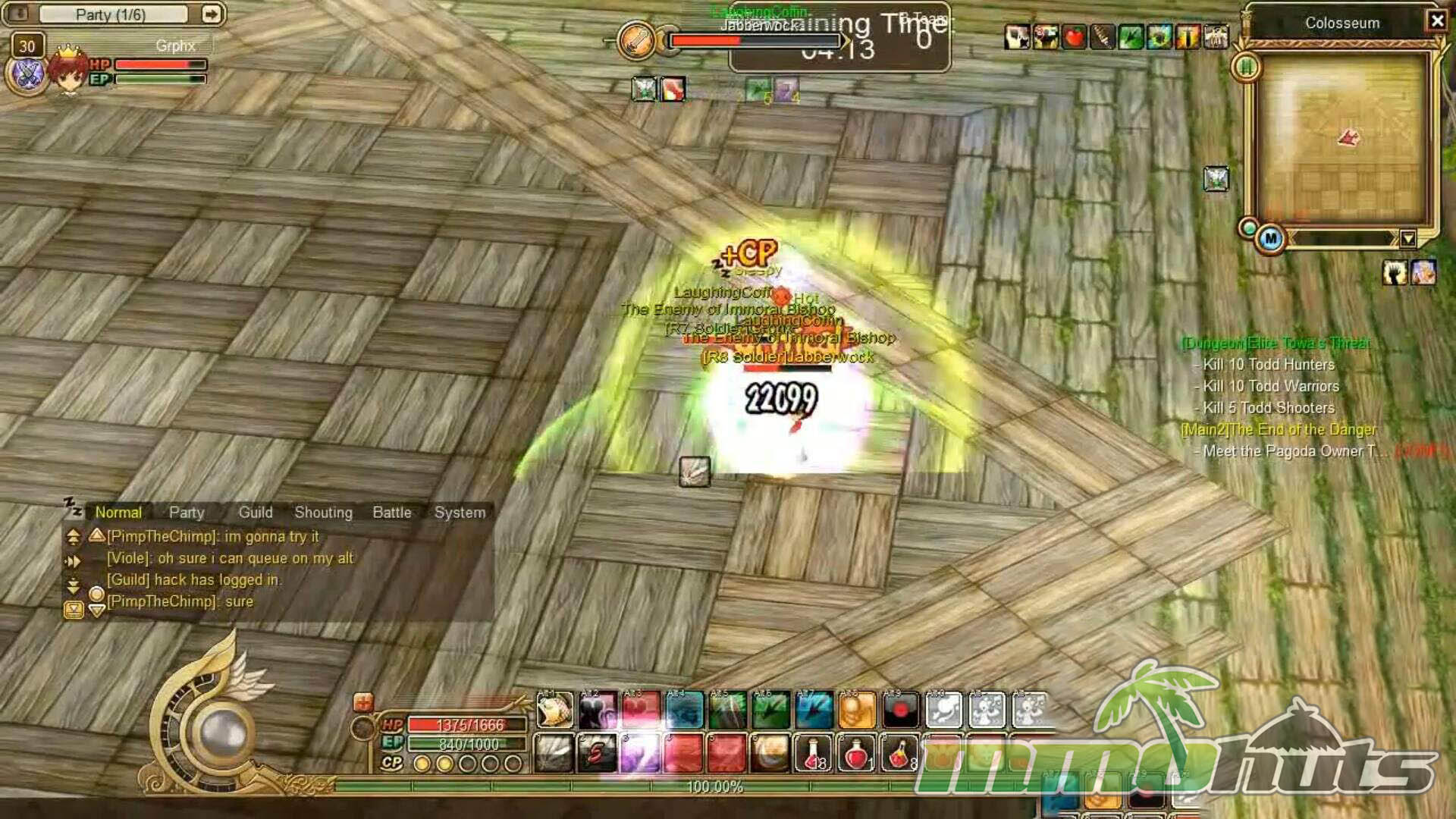
PvP is where Legend of Edda tries to offer variety. Beyond basic duels, there are organized guild and group battles, plus Sacred Treasure Battles, which function as larger faction clashes inside special PvP instances. Success in these fights comes with rewards, including points used to unlock demi-god skills, a set of powerful class-specific abilities that add an extra progression layer for players who spend time in competitive modes.
Outside combat, there is a job advancement system that changes both how your character plays and how they look. Crafting exists mainly as a path to strengthen equipment, but it comes with a notable risk: upgrades can fail badly enough to break the item you are working on, which makes it feel more like a gamble than a steady improvement track. Companion systems round things out, with pets opening at Level 10 and mounts becoming available at Level 20.
Item Mall
The game’s cash shop is labeled the Item Mall and is opened through an in-game menu. Purchases are made with JC Points. Its catalog includes convenience and progression items like XP and drop-rate boosts, gear protection for enchanting, along with mounts, pets, and cosmetic outfits.
A notable point is that many Mall items are tradable and can be sold to other players. That design can soften the paywall for free players, since it creates an in-game path to obtain cash shop goods through trading, although it can also inflate the amount of in-game currency needed to buy those items from other players. Even so, having tradeable shop items is generally friendlier than locking everything behind direct purchase only.
Final Verdict – Good
Legend of Edda delivers a comfortable, familiar MMORPG routine wrapped in a charming chibi presentation. The core gameplay is not especially innovative, and repetition sets in if you are sensitive to standard quest grinding, plus the localization and technical polish can be a hurdle. Still, it is easy to run, easy to understand, and surprisingly well-stocked with PvP options for a game with such a cute tone. Players looking for a relaxed isometric MMO with both dungeon runs and faction battles would likely have found plenty to like here.
Legend of Edda System Requirements
Minimum Requirements:
Operating System: XP / Vista / 7 / 8
CPU: Intel Pentium 4 1 GHz or AMD Equivalent
Video Card: GeForce 2 64 MB or better
RAM: 1 GB
Hard Disk Space: 3 GB
Recommended Requirements:
Operating System: XP / Vista / 7 / 8
CPU: Intel Pentium 4 1.8 GHz or AMD Equivalent
Video Card: GeForce 4 / Radeon 9200 or better
RAM: 2 GB
Hard Disk Space: 3 GB
Legend of Edda Music & Soundtrack
Legend of Edda Additional Information
Developer: Eyasoft (20% owned by Nexon)
Closed Beta Date: November 29, 2012 (original English servers)
Open Beta Date: February 17, 2013 (original English Servers)
Open Beta Date: September 24, 2014 (Global Edition)
Foreign Release:
South Korea: May, 2010
Development History / Background:
Legend of Edda came from the South Korean studio Eyasoft, also known for Iris Online and Luna Online. After launching in South Korea in May 2010, the game went through a series of western publishing changes and relaunches. The title was licensed by GamesCampus and brought to the US in open beta on February 17, 2013. Over time the audience shrank, and GamesCampus ended service. The game later returned under the name “Legend of Edda: Vengeance,” but that revival also concluded on January 22, 2014. A third return followed on September 24, 2014 as “Legend of Edda Global” via JC Planet (publisher of Seal Online), but that version ultimately closed as well.