
Spellbreak
Spellbreak was a free-to-play 3D, cross-platform fantasy battle royale built around spellcasting instead of firearms. Up to 42 players dropped into a vibrant arena and relied on elemental gauntlets, movement tech, and clever combos to survive as the playable space tightened under a steadily closing storm.
|
Publisher: Proletariat Type: Battle Royale Release Date: September 3, 2020 Shut Down: January 09, 2023 Pros: +Striking art direction and strong visuals. +Memorable soundtrack and atmosphere. +Distinct spell-driven class-style combat. +Satisfying elemental synergies. +Quick, energetic match pacing. Cons: -Limited to a single main mode. -Battlefield could use more biome variety. -Progression perks can favor long-time players. |
Spellbreak Shut Down on January 09, 2023
Spellbreak Overview
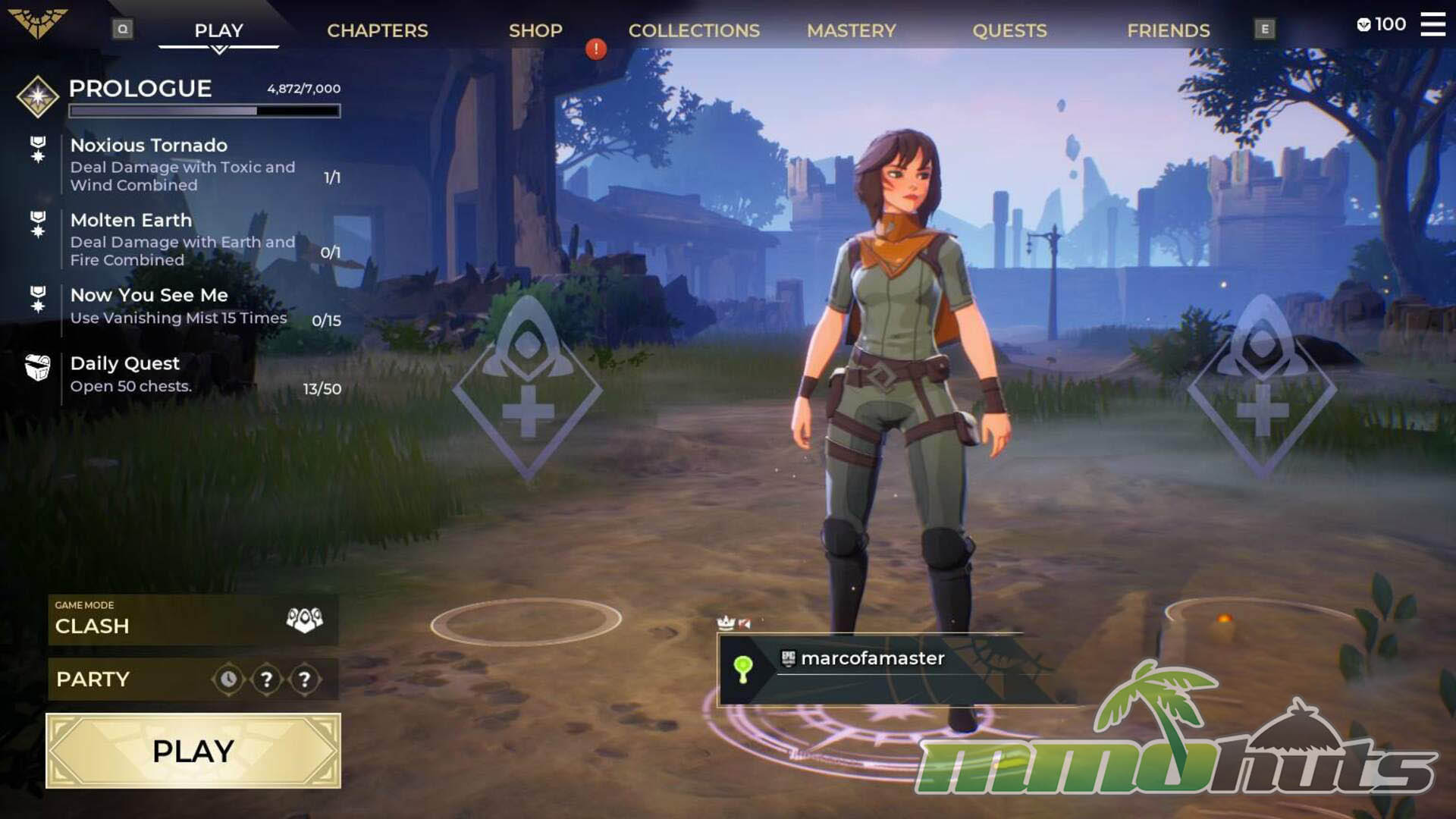
Spellbreak casts you as a battlemage in a last-team-standing style showdown where positioning, timing, and elemental knowledge matter as much as raw aim. Instead of rifles and attachments, your primary “weapon” is an elemental gauntlet, letting you specialize in Fire, Frost, Lightning, Stone, Wind, or Toxic. Each element supports its own rhythm, whether that is sustained pressure, crowd control, burst damage, or area denial, so your choice shapes how you approach fights from the first minute.
Before entering a match, you could pick three passive Talents to lean into a preferred playstyle, such as mobility, survivability, or damage-oriented setups. During the match, you looted higher-rarity gear, including off-hand gauntlets found in chests or taken from defeated opponents. This off-hand slot was a big part of Spellbreak’s identity because it encouraged mixing elements, letting you chain interactions for stronger results than either gauntlet could achieve alone.
Runes added another layer by granting special abilities, for example stealth, extended gliding, short-range teleportation, and similar utility tools that helped with both escapes and aggressive pushes. Talents expanded over time through character progression, while Runes improved automatically as a match progressed, keeping the focus on moment-to-moment scavenging and smart engagements rather than micromanaging upgrades. As with most battle royales, a shrinking storm forced rotations and kept the pace from stalling, pushing players into contested areas as the endgame approached.
Long-term goals were mostly cosmetic and mastery-driven. Sticking with a favorite gauntlet helped unlock cosmetics and additional perks tied to that element, giving players reasons to commit to a style. With full cross-play, Spellbreak also made it easy to squad up across PC, Xbox One, PlayStation 4, and Nintendo Switch, which was especially important for a multiplayer-only game.
Spellbreak Key Features:
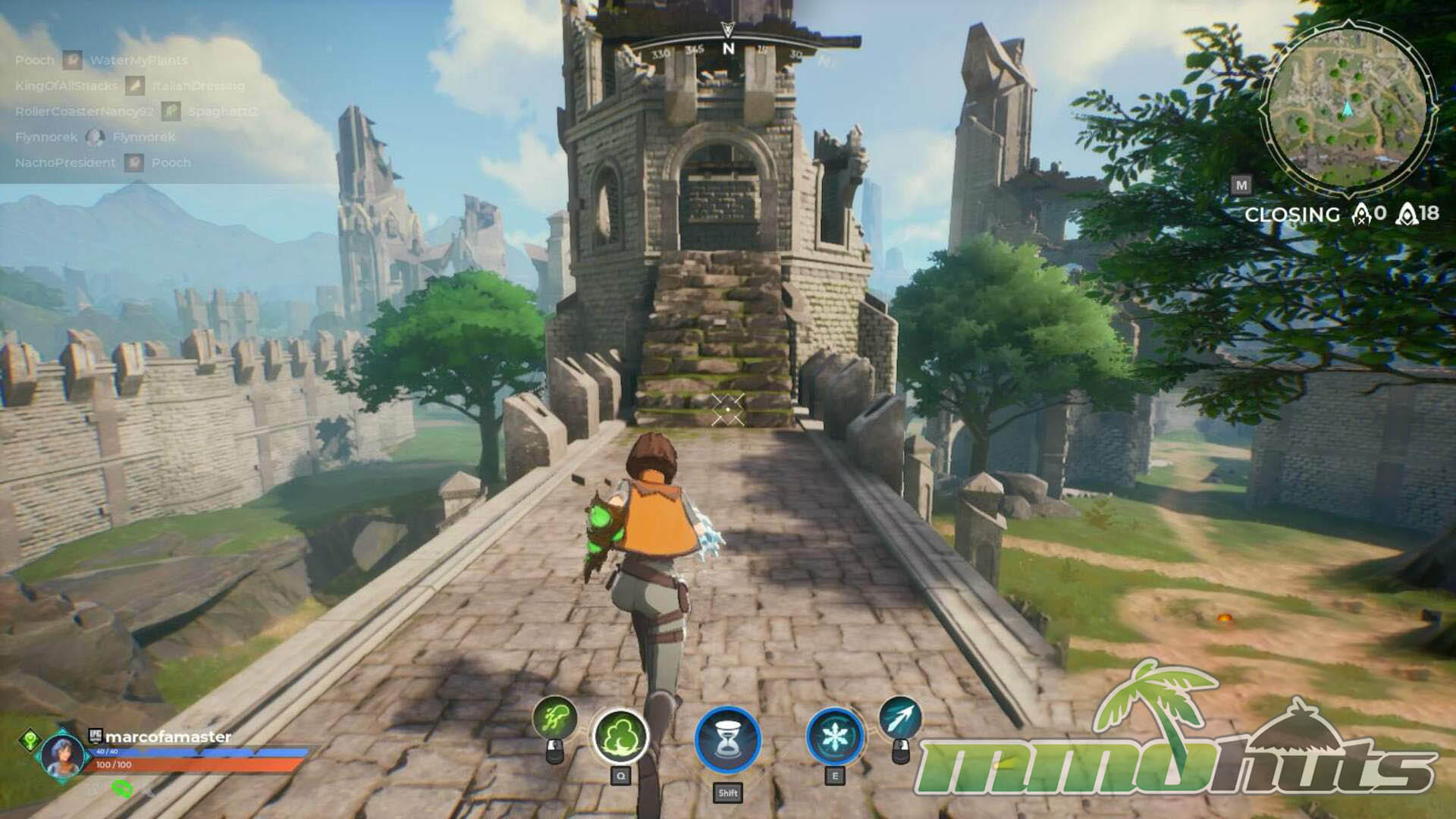
- 42-Man Battle Royale – compete against up to 41 other players in brisk matches on a colorful fantasy map featuring landmarks like castles, villages, forests, and crumbling ruins, all while the storm steadily compresses the arena.
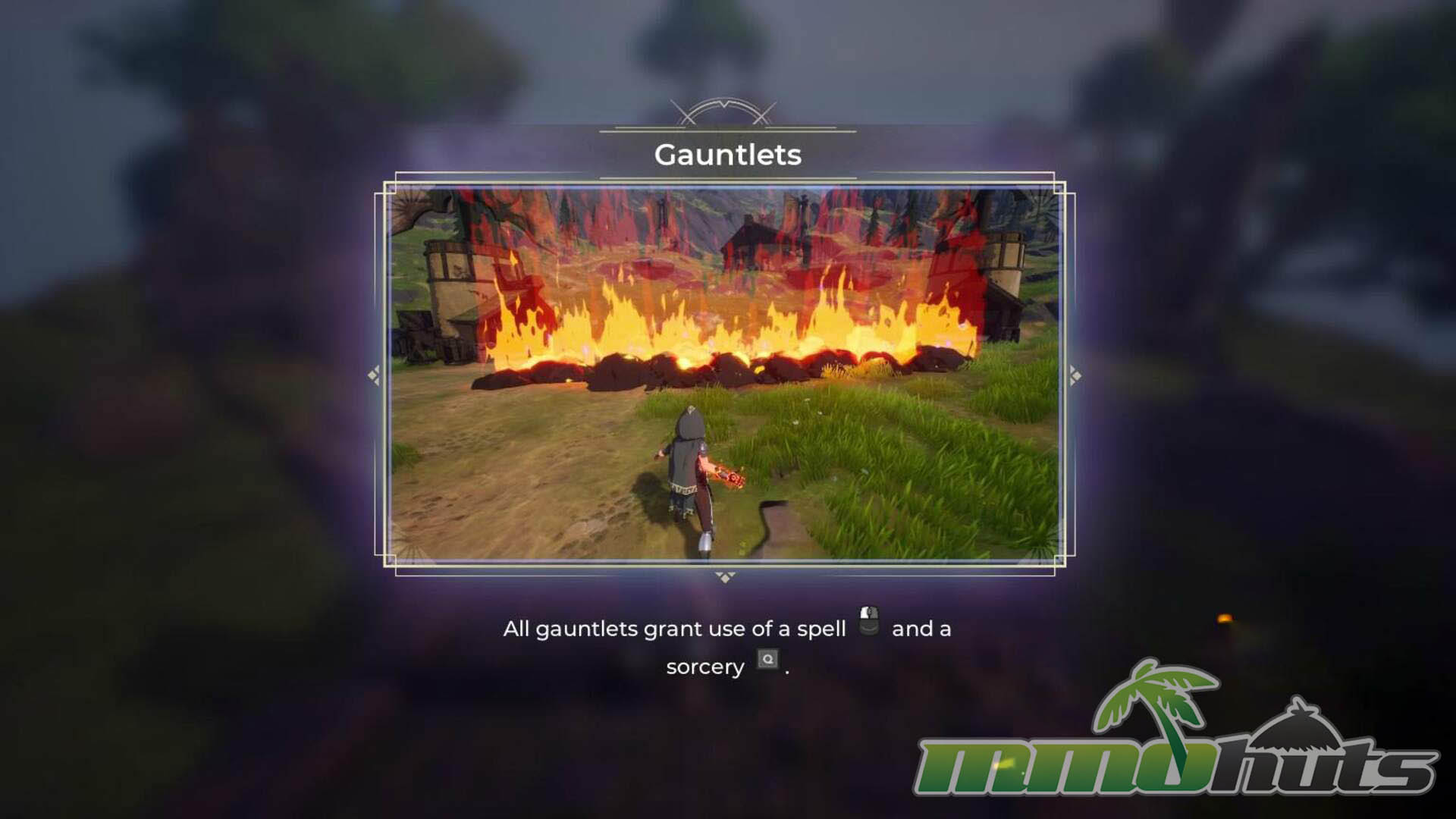
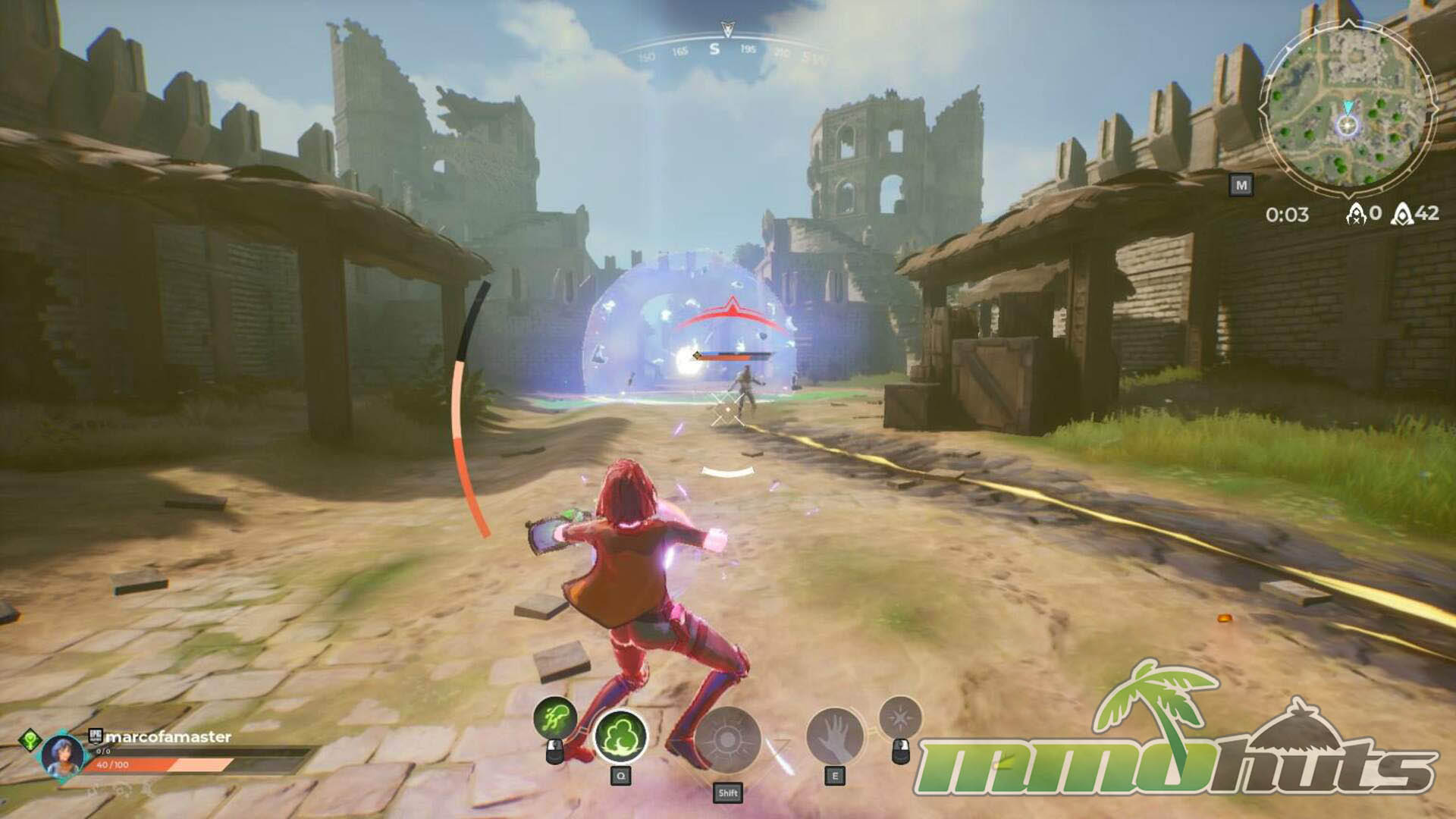
- Spell Gauntlets – choose one of six elements (Fire, Frost, Lightning, Stone, Wind, and Toxic), then upgrade your loadout by looting gauntlets of different rarities from chests or opponents.
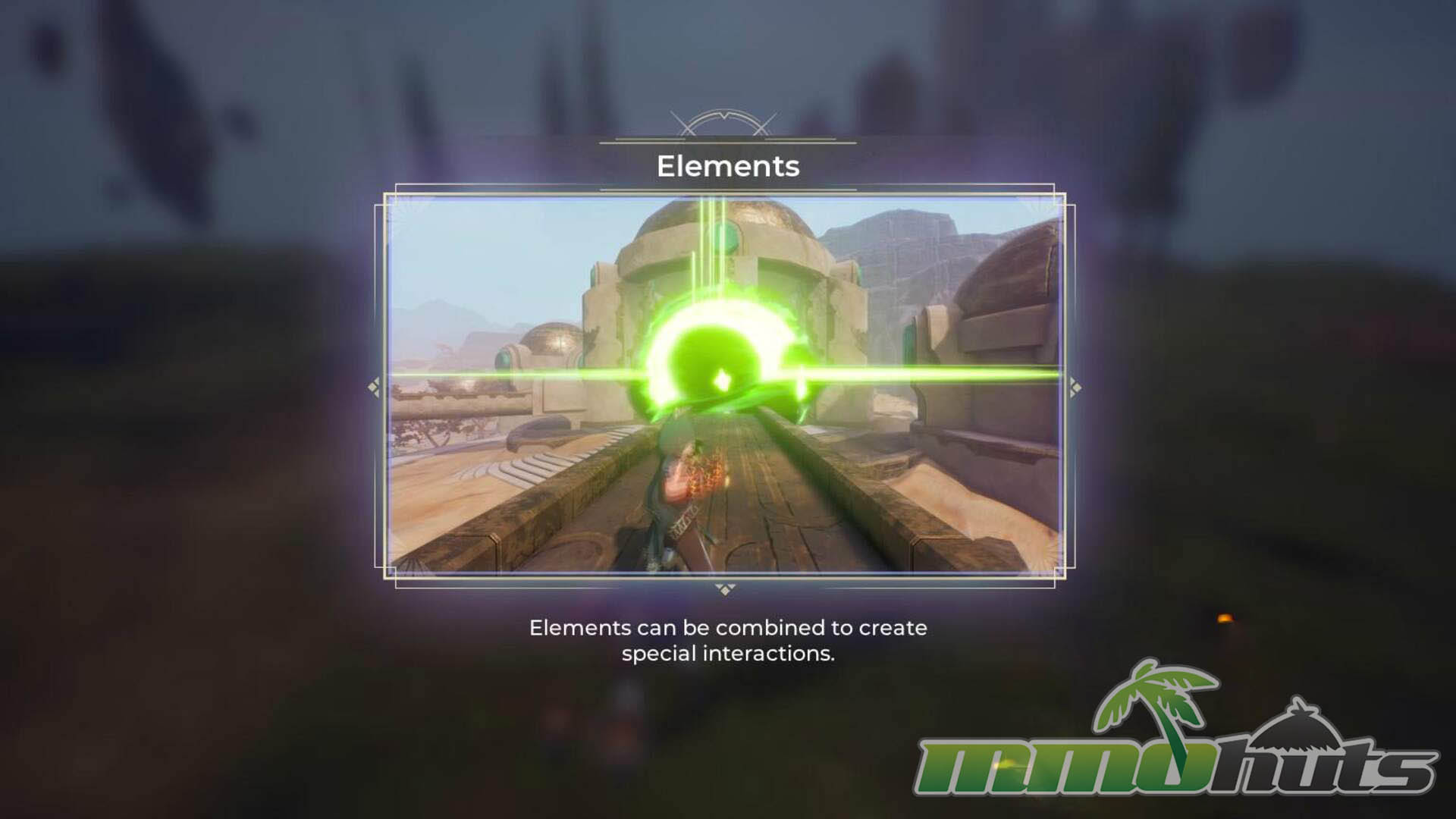
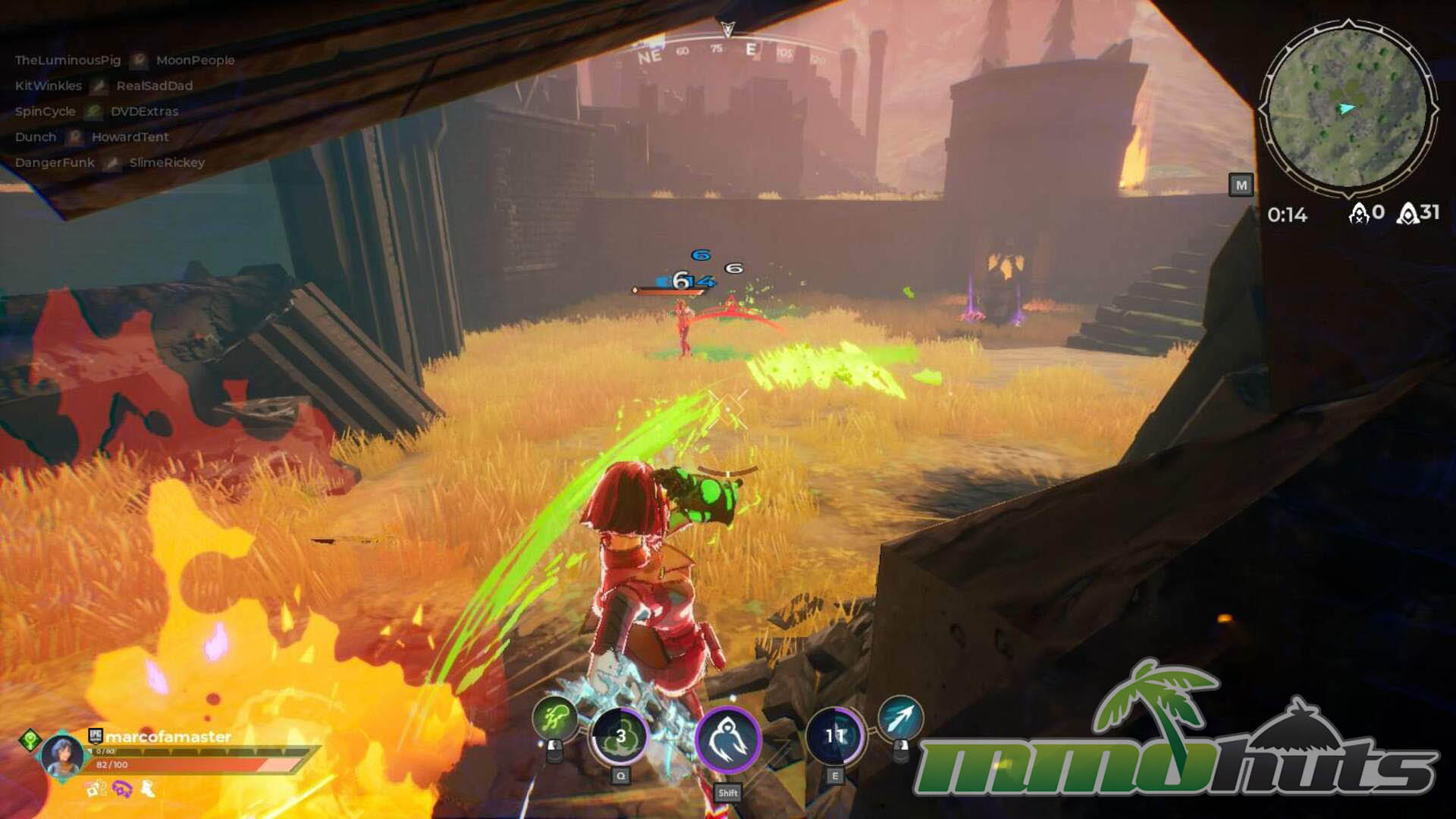
- Elemental Combos – pair primary and off-hand elements to create potent interactions, rewarding coordination, experimentation, and good timing in fights.
- Talents & Runes – set up your battlemage with pre-match passive Talents, then find Runes in-match to gain powerful mobility and utility options.
- Cosmetic Items – customize your character with cosmetics such as outfits, badges, profile cards, jump trails, and other visual unlocks.
Spellbreak Screenshots




Spellbreak Featured Video

Spellbreak Review
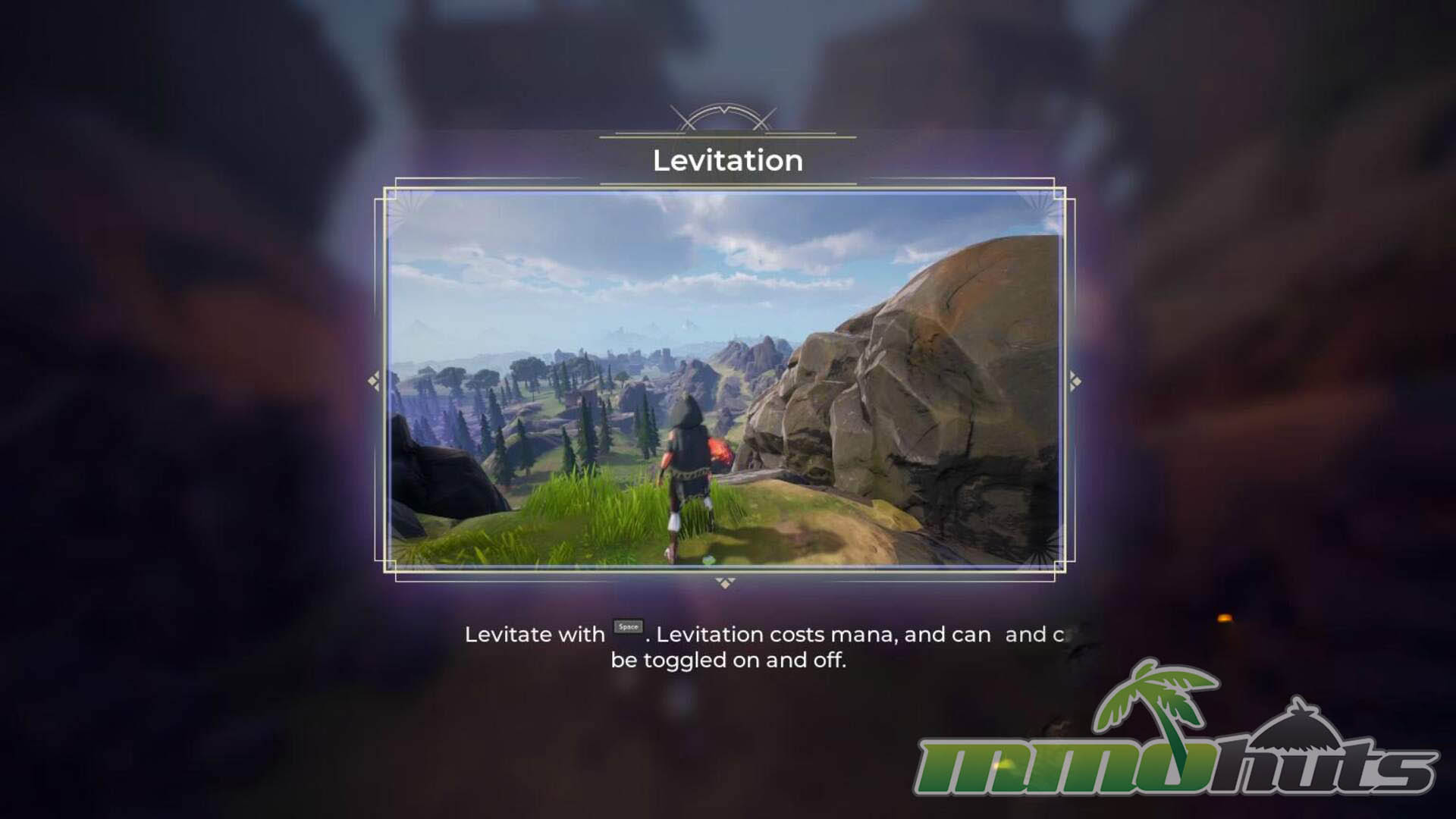
Spellbreak stood out in a crowded battle royale landscape by committing fully to magical combat. The immediate hook was how movement and spellcasting worked together, with gliding, vertical angles, and open sightlines encouraging you to think in three dimensions. Fights often happened across rooftops, cliffs, and ruined structures, and the game rewarded players who could maintain momentum while landing skill shots.
The gauntlets were the star of the show. Each element had a clear identity and readable effects, making duels feel more like a PvP arena game than a typical loot-and-shoot. What elevated it further was the off-hand gauntlet system, which made loadouts feel flexible rather than locked in. Learning how elements interacted, and then applying those interactions under pressure, created a satisfying mastery curve, especially in coordinated squads.
That said, Spellbreak’s long-term structure had some friction. With only one main mode, the core loop could start to feel repetitive even if the combat remained enjoyable. The map looked great and had strong art direction, but more distinct zones and environmental variety would have helped matches feel less familiar over time. Progression also introduced a subtle imbalance, since unlockable Talents could give experienced players an edge in consistency and build efficiency, even when everyone started each match with the same basic premise of scavenging and surviving.
Audiovisually, the game consistently delivered. The soundtrack and overall soundscape supported the fantasy tone without getting in the way of combat clarity, and the spell effects were both flashy and generally readable, which matters in a battle royale where multiple teams can collide at once. Matches were also relatively fast, which made it easy to play in short sessions and reduced the downtime that can plague the genre.
Overall, Spellbreak was an inventive take on battle royale design, aimed at players who wanted mobility, abilities, and creative combat interactions instead of conventional gunplay. It was at its best when you treated it like a spell-slinging skirmish game with BR stakes, experimenting with elements and leaning into smart rotations rather than trying to force it into a standard shooter mindset.
Spellbreak Links
Spellbreak Official Site
Spellbreak Steam Page
Spellbreak Epic Games Store Page
Spellbreak Wikipedia Page
Spellbreak Wikia
Spellbreak System Requirements
Minimum Requirements:
Operating System: 64-bit Windows 10
CPU: Intel(R) Core(TM) i5-6400 CPU @ 2.70GHz (4 CPUs)
Video Card: NVIDIA GeForce GT 640/Radeon R7 GPU
RAM: 8 GB
Hard Disk Space: 14 GB
Recommended Requirements:
Operating System: 64-bit Windows 10
CPU: Intel(R) Core(TM) i5-6400 CPU @ 2.70GHz (4 CPUs)
Video Card: NVIDIA GeForce GT 640/Radeon R7 GPU
RAM: 8 GB or more
Hard Disk Space: 14 GB
Spellbreak Music & Soundtrack
Spellbreak’s music leaned into a high-fantasy tone that matched the game’s bright color palette and magical theme. In practice, the soundtrack generally supported exploration and combat without overpowering sound cues, while effects like spell impacts and movement audio helped players read engagements quickly. For a PvP-focused game, that balance between atmosphere and clarity was one of its quieter strengths.
Spellbreak Additional Information
Developer: Proletariat Inc.
Publisher: Proletariat Inc.
Engine: Unreal Engine 4
Platforms: PC, Xbox One, PlayStation 4, Nintendo Switch
Pre-Alpha: June 1, 2018 – February 11, 2019
Closed Alpha: February 12, 2019 – October 8, 2019
CBT 1: October 15, 2019 – January 3, 2020
CBT 2: March 3, 2020 – July 20, 2020
Release Date: September 3, 2020
Shut Down: January 09, 2023
Development Background:
Spellbreak is a 3D free-to-play fantasy battle royale game developed and published by Proletariat, a studio founded in 2012 by a team of video game industry veterans from Harmonx, Insomniac, and Turbine.
Testing began well before launch, starting with pre-Alpha sessions that ran from June 1, 2018 to February 11, 2019. Early access was primarily tied to Founder’s Packs and was initially limited to PC players. Proletariat followed this with a Closed Alpha period from February 12, 2019 to October 8, 2019, then moved into broader public testing with CBT 1 beginning on October 15, 2019 and CBT 2 starting on March 3, 2020, which also opened the door for PlayStation 4 players to join in. Spellbreak officially released on September 3, 2020.
Proletariat was acquired by Activision Blizzard on June 29, 2022, and the studio’s roughly 100-person team was reassigned to support World of Warcraft development. Spellbreak’s servers later went offline, with the shutdown occurring on January 09, 2023.