
ARK: Survival of the Fittest
ARK: Survival of the Fittest was a 3D first-person survival arena spin-off of ARK: Survival Evolved, built around Battle Royale rules and ARK’s signature crafting and creature systems. Matches threw up to 72 players into tribe-versus-tribe or free-for-all contests where gear, positioning, and smart taming mattered as much as raw aim. It originally arrived as a free mod packaged alongside ARK: Survival Evolved, then later received a standalone release.

|
Publisher: Studio Wildcard Type: Battle Royale Release Date: March 16, 2016 Shut Down: December 16, 2016 Pros: +Impressive visuals pulled from ARK’s engine. +Big arena filled with varied prehistoric threats. +“Evolution Events” add tense, unpredictable match swings. Cons: -Performance issues, stutter, and FPS drops were common. -Only a single map available. -No real tutorial or onboarding. -Matches can feel long. +High learning curve. |
ARK: Survival of the Fittest Overview
ARK: Survival of the Fittest condenses ARK’s survival sandbox into a competitive arena where the objective is simple: outlast everyone else. Up to 72 combatants drop into a sealed biome that steadily closes in, pushing tribes and solo players toward conflict as the match progresses. Instead of spawning with a loadout, you start with very little and build momentum by gathering materials, crafting gear, and making risky decisions about where to travel and when to fight.
Four modes were offered: 2-Player Tribe, 4-player Tribe, 6-player Tribe, and Free-For-All. Regardless of the playlist, the core loop stayed consistent, scavenge and craft early, secure a safer zone as the arena shrinks, then prepare for the inevitable endgame clash near the center. Equipment ranges from basic stone tools and bows to higher-tier options like crossbows and firearms, so knowledge of crafting routes and resource priorities often determines who enters the final minutes with an advantage.
Creatures are not just scenery. Players can tame, mount, and command over 30 different animals and dinosaurs, turning wildlife into transportation, scouting tools, or outright combat power. Add in randomized Evolution Events (like supply drops or hazardous weather) and each match can pivot quickly, rewarding teams that can adapt without panicking.
ARK: Survival of the Fittest Key Features:
- High-Stakes Survival Combat – compete against up to 72 opponents while the playable area contracts, forcing encounters and accelerating the late-game.
- Deep Crafting Progression – harvest resources and build everything from starter tools and bows to stronger weapons, armor, and even a sniper rifle.
- Dangerous, Usable Wildlife – tame and ride prehistoric creatures, fight with them, or become their next meal if you misjudge a situation.
- Evolution Events – unpredictable match modifiers, including beneficial boosts and brutal hazards like acid rain or insect swarms.
- Multiple Game Modes – squad up in tribe modes or go solo in free-for-all for the most unforgiving rule set.
- Survivor League – compete in organized league play for rewards and cash prizes.
ARK: Survival of the Fittest Screenshots
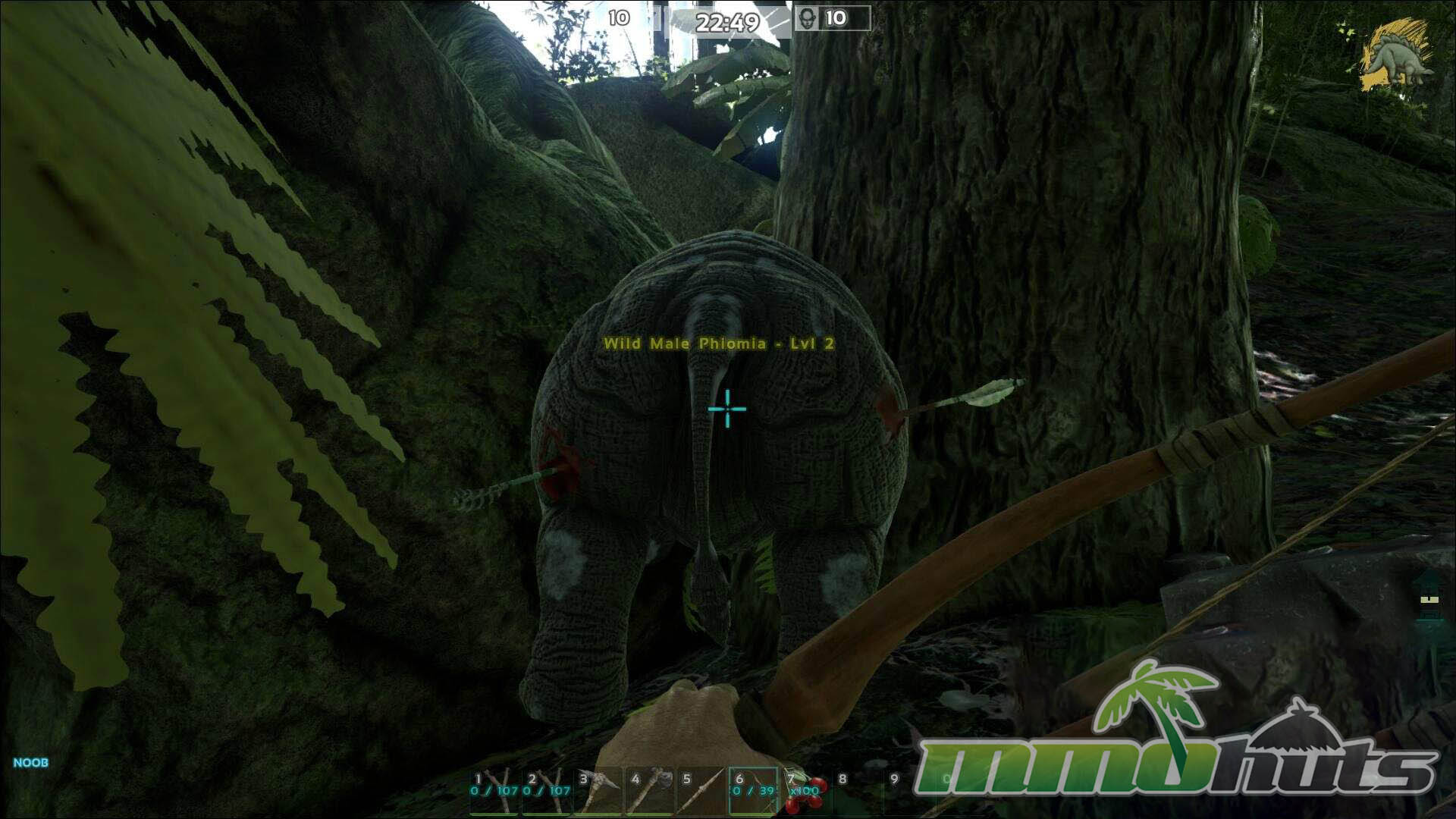
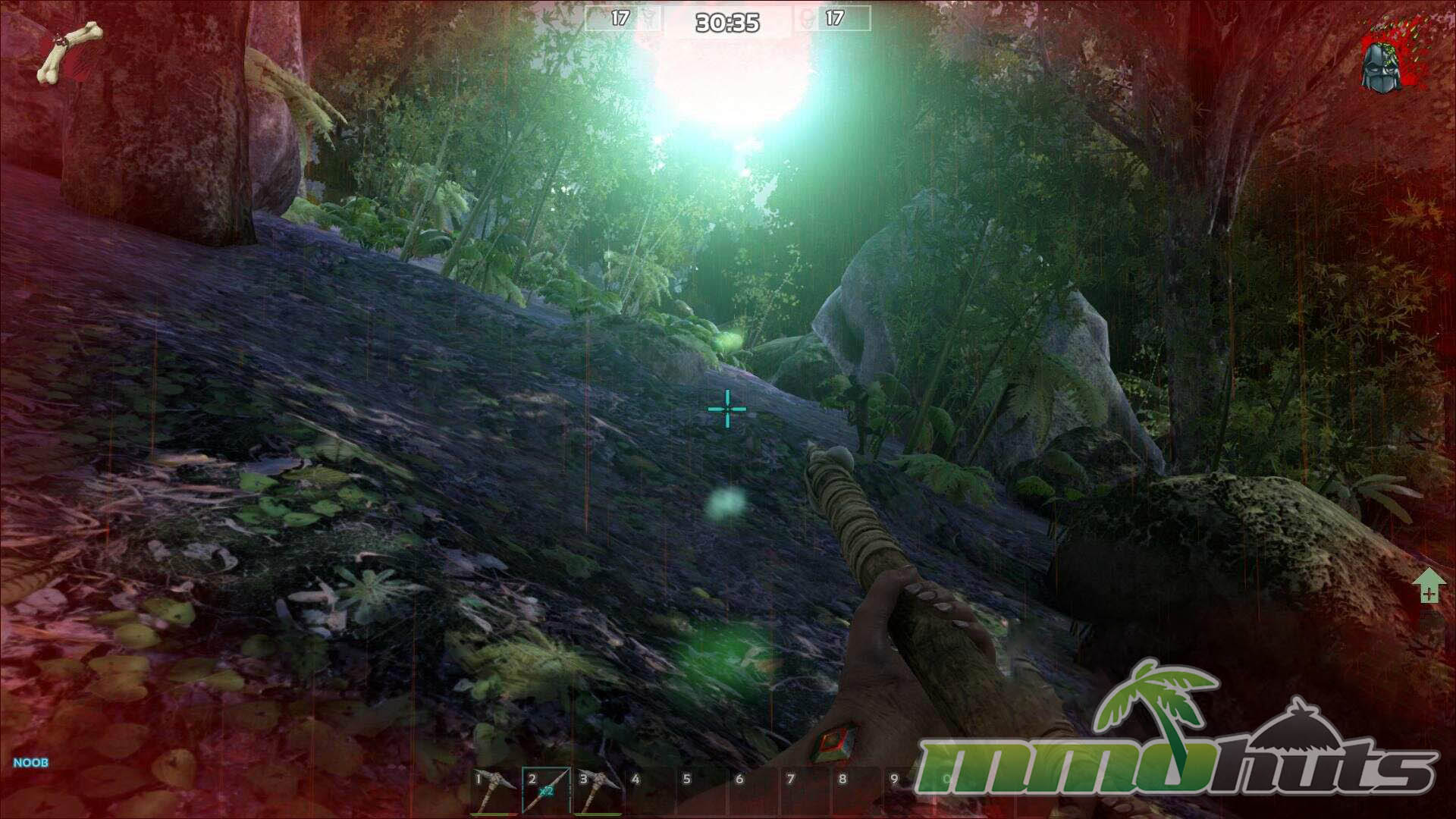


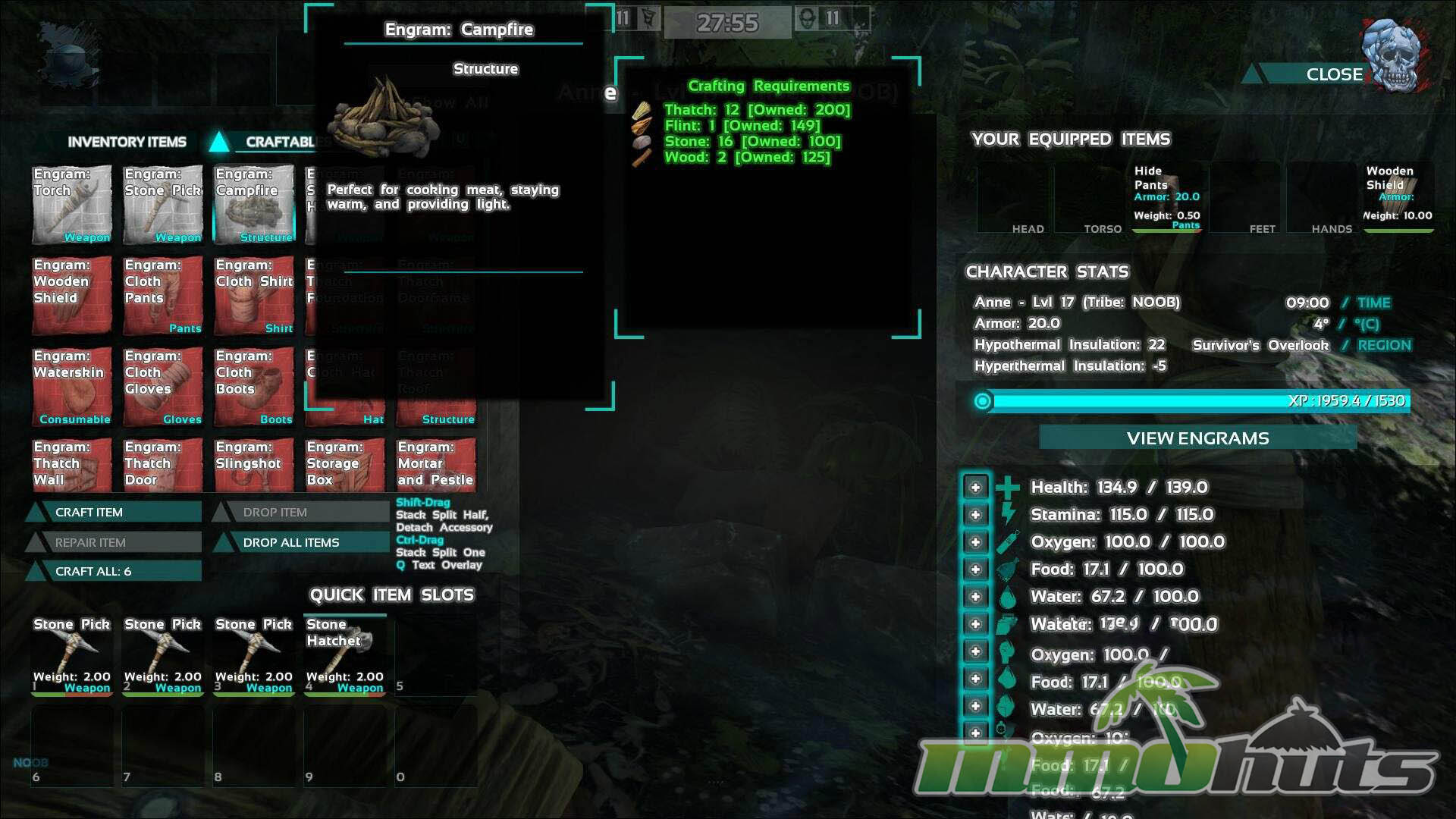
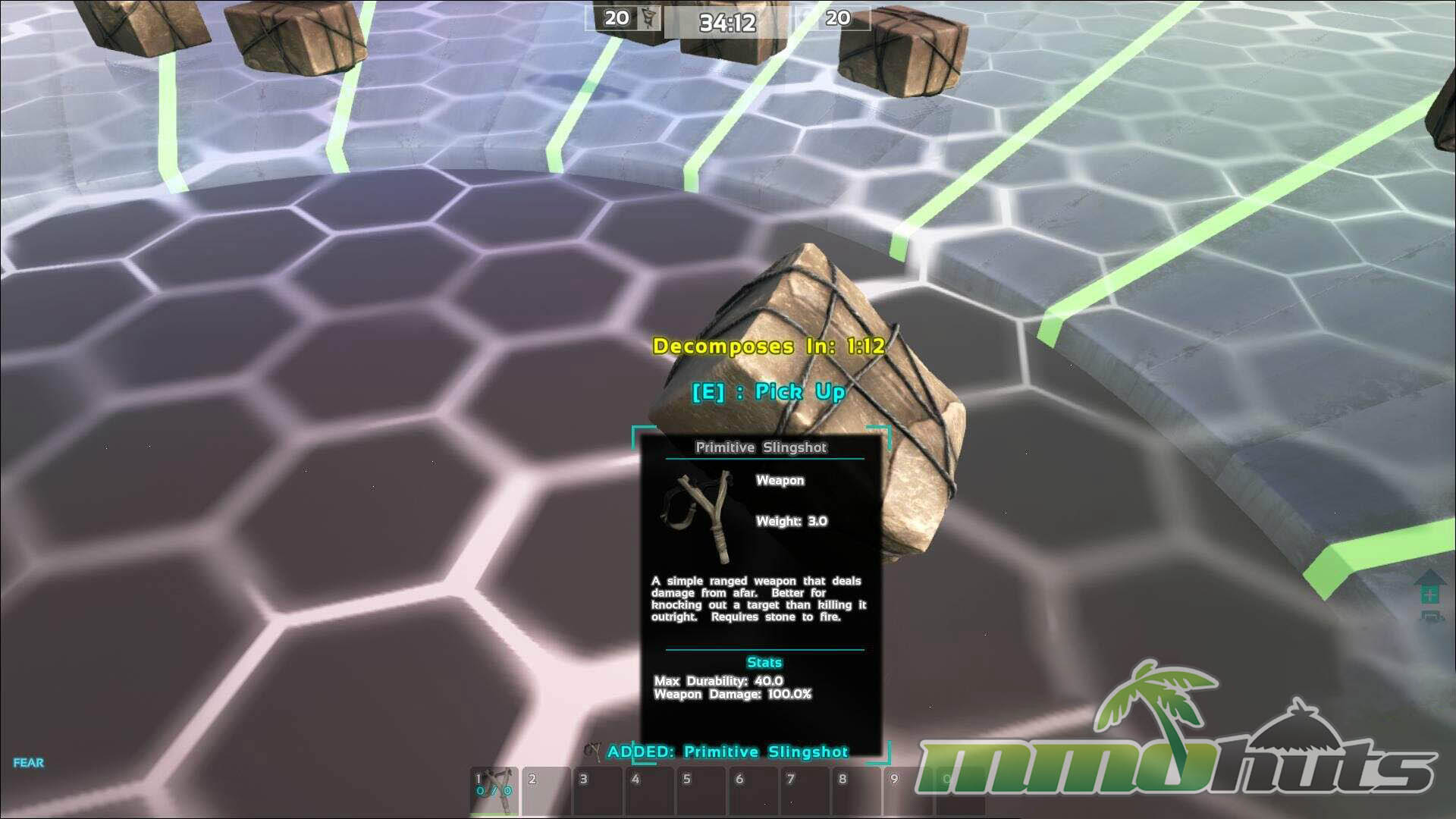
ARK: Survival of the Fittest Featured Video

ARK: Survival of the Fittest Review
ARK: Survival of the Fittest (often shortened to ASotF) took the tools-and-dinosaurs identity of ARK: Survival Evolved and aimed it directly at competitive matches. It began life as a total conversion mod, and later launched as its own Steam release. The pitch was clear: a Battle Royale where survival knowledge matters, not just mechanical shooting skill. You are fighting other players, the ecosystem itself, and the shrinking arena that prevents anyone from hiding forever.
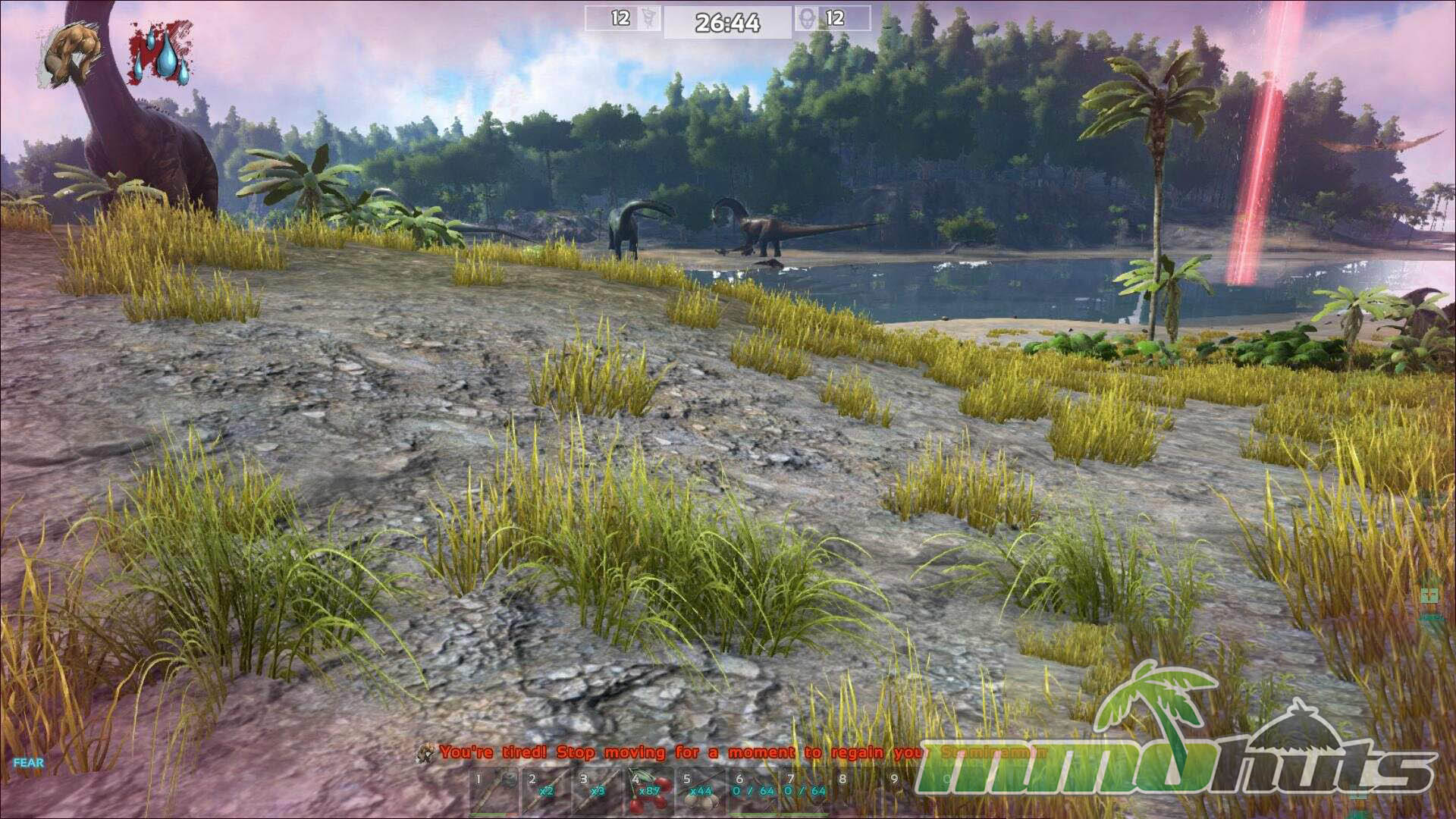
Visually, ASotF inherits the same strengths as ARK. Dense foliage, dramatic lighting, and imposing creature silhouettes make the arena memorable, especially when you spot a large predator moving through the trees at a distance. The downside is that it also inherits the technical rough edges. Even on capable machines, performance could fluctuate with heavy effects, large creature fights, or busy late-game moments. Audio, however, does a great job selling tension, the mix of environmental ambience and combat cues keeps you alert, and a sudden roar nearby can change your priorities instantly.
A Rough Start for New Players
ASotF does not ease anyone in. If you already understood ARK’s gathering, crafting, and taming basics, you started with a real advantage. If you did not, the opening matches could feel punishing because the game offers little guidance and expects you to learn by failing. Controls, crafting flow, and creature interactions are all important, and without a tutorial, the first hours are largely trial and error. It is possible to catch up, but the initial wall is steep and can be discouraging in a genre where early decisions decide your entire run.
Team Options and Match Flow
The game offered three main ways to queue: 2-player teams, 4-player teams, and Free-For-All. Each mode adjusts player counts and match length, and it also requires a minimum population before starting, which can lead to waiting in lobbies. After the lobby fills, there is still additional pre-match time before the action begins, so downtime can add up compared to faster-loading Battle Royale games.
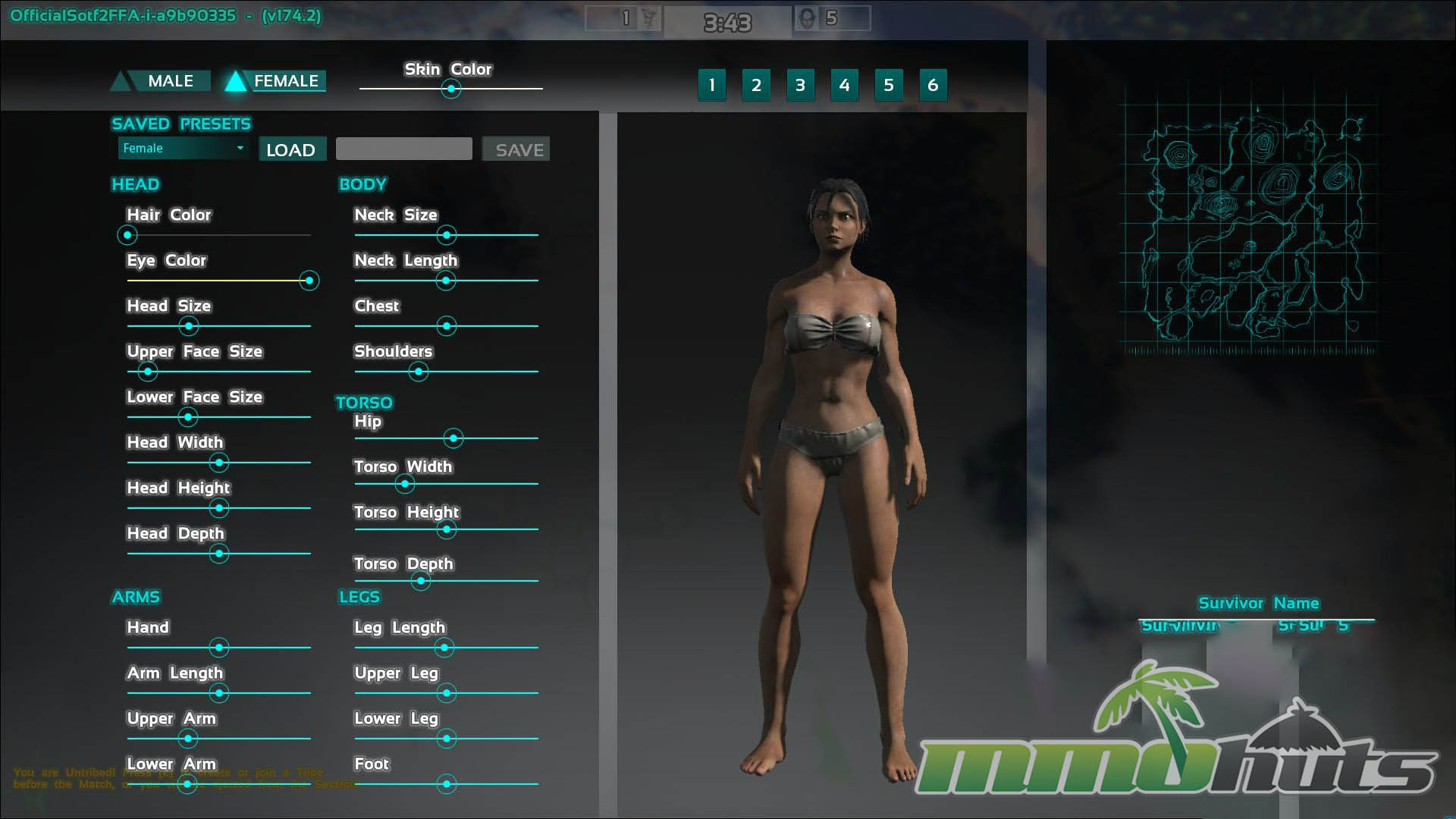
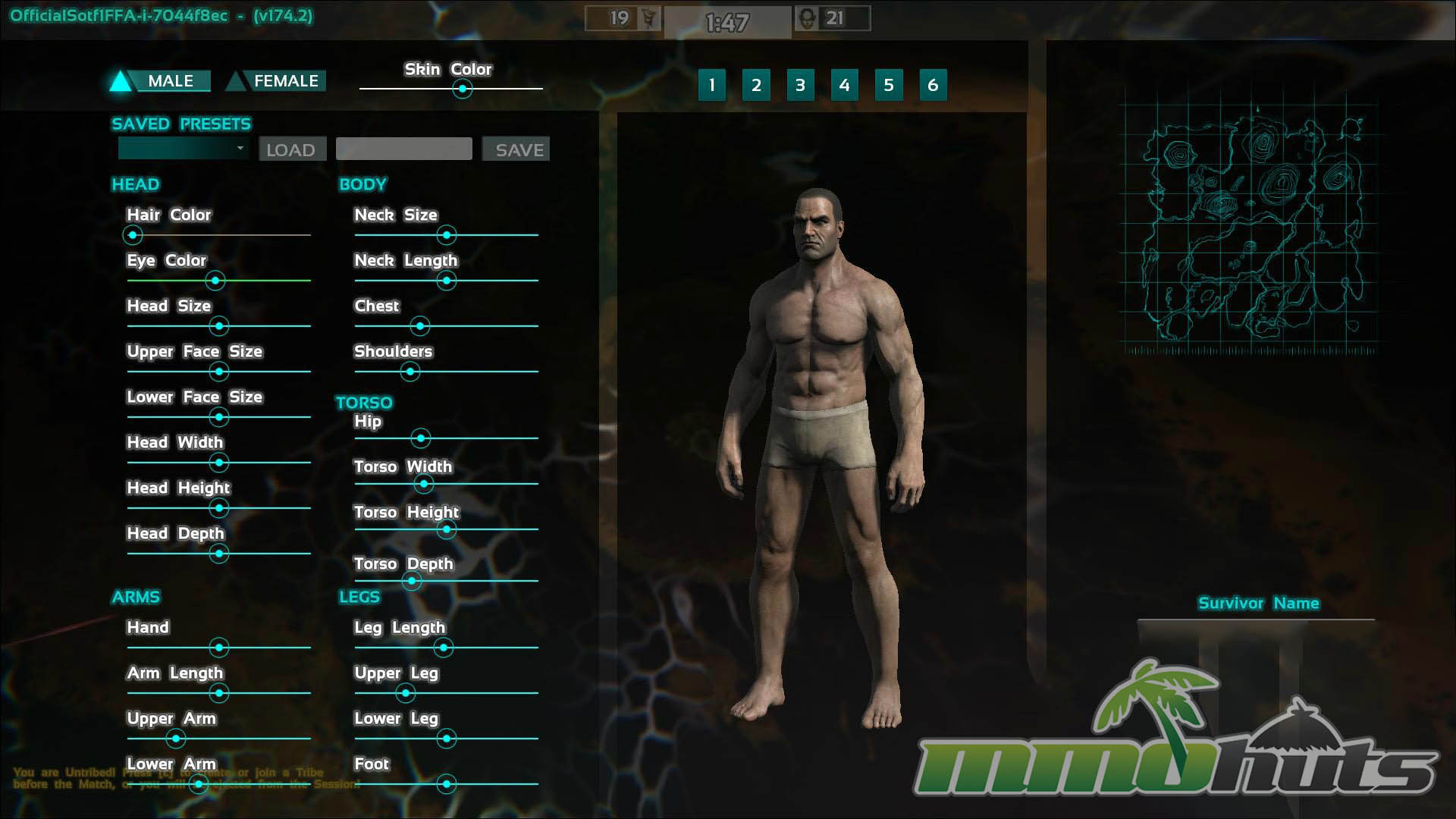
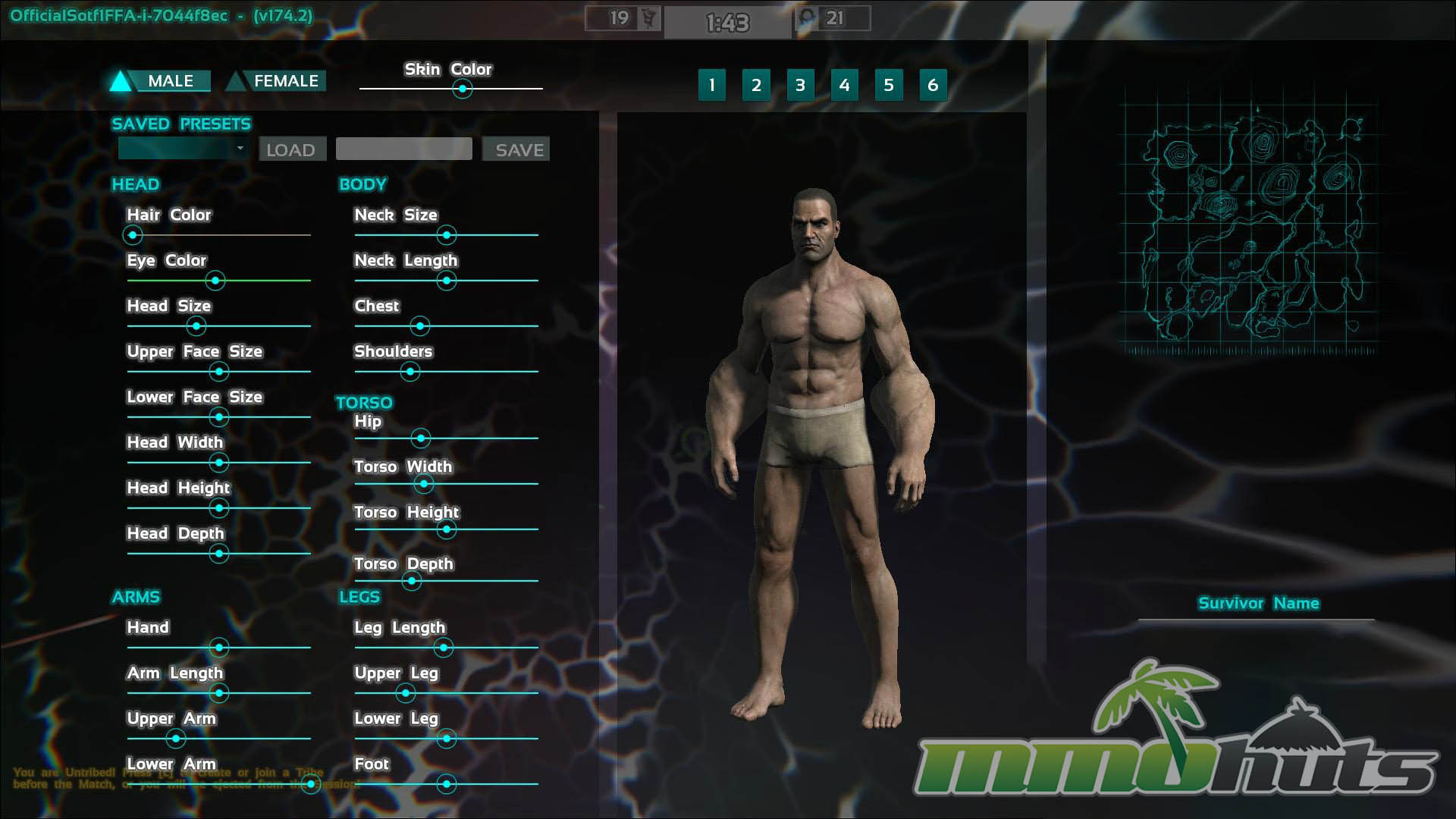
At the start of a match you are given a short window to set up your character and tribe details. The time limit keeps the pace moving, but it can feel restrictive given how many sliders and options exist. The good news is that saving and loading appearances helps, so you can refine your survivor over multiple games rather than trying to perfect everything in one rush. In practice, many players embrace the chaos and create intentionally odd-looking characters, which became part of the game’s personality.
From the Drop to First Blood
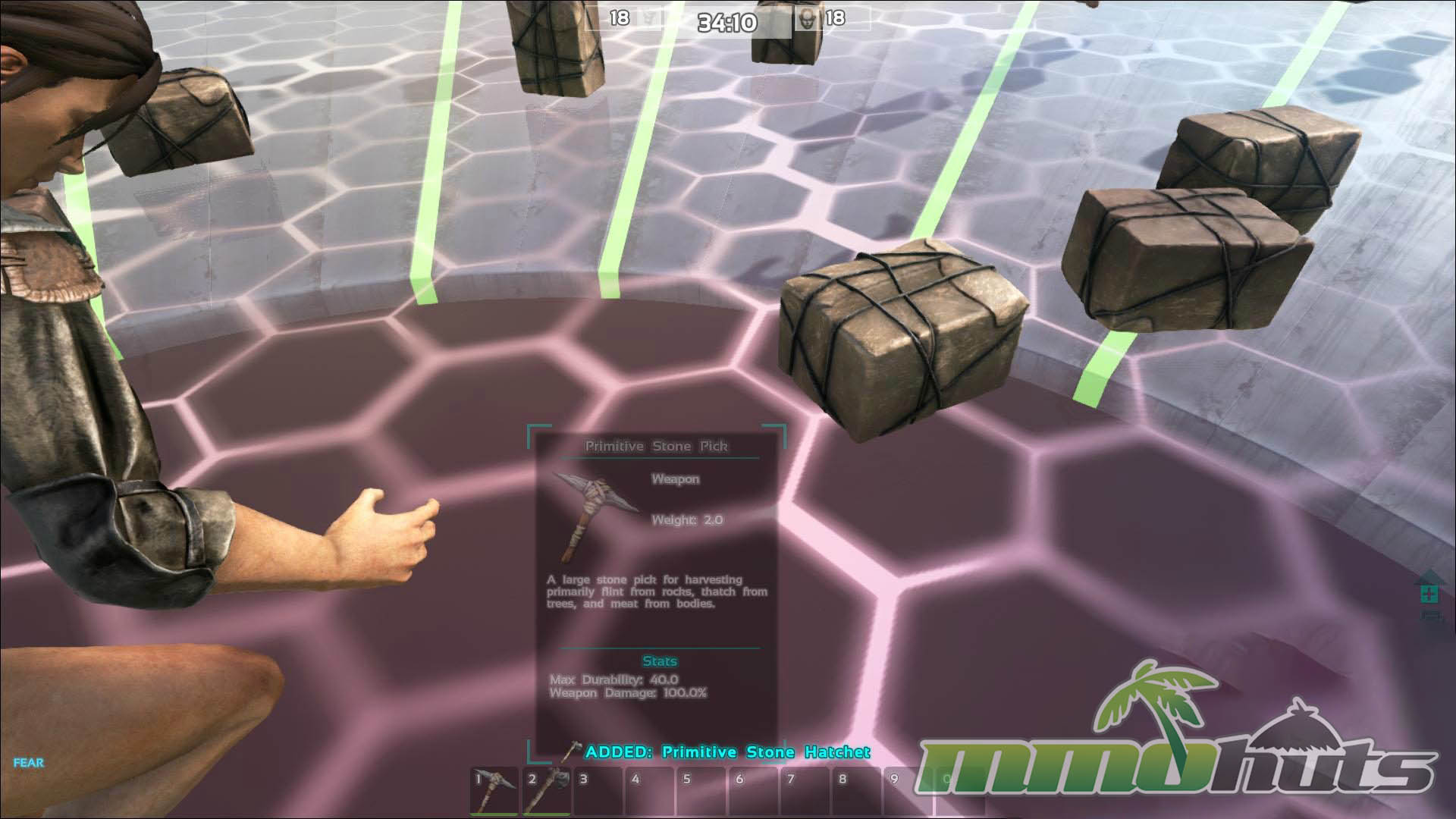
Once the match begins, survivors descend into the arena around a central area stocked with early supplies. This opening moment is where playstyles split. Some rush the middle to gamble for quick gear, others immediately retreat into the jungle to avoid early skirmishes and start collecting materials. Both approaches can work, but the central push is high risk and can end your run in seconds if multiple tribes commit to the same idea.
Navigation is also part of the challenge. ASotF does not provide the kind of constant directional assistance many competitive games rely on. Without a minimap or strong guidance tools, learning the arena is an earned skill, you identify landmarks, memorize routes, and eventually develop safer rotations. Since matches take place on a single map, familiarity grows quickly, but the early learning period is undeniably awkward.
Survival strategy typically falls into two broad plans: focus on crafting and combat readiness, or build power through creature taming. Crafting-centric players aim to secure weapons and armor quickly and look for opportunities to eliminate opponents with well-timed engagements. Taming-focused players attempt to turn wildlife into a decisive advantage, using mounts for mobility and stronger creatures for fighting. Both paths have counters, a clean headshot can end a run regardless of how many creatures you have, but a strong tame can also overwhelm poorly equipped survivors.
Crafting Under Pressure
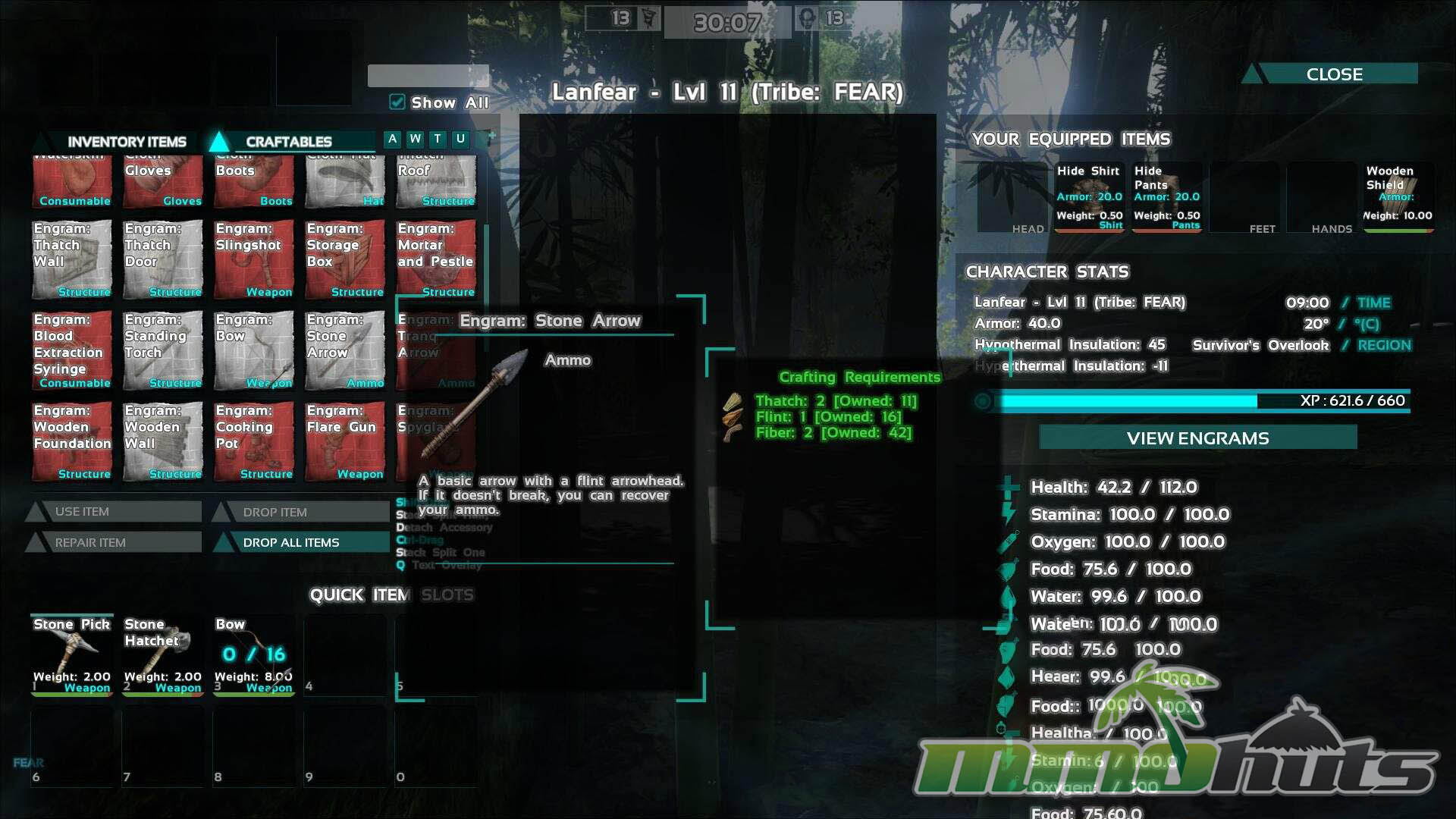
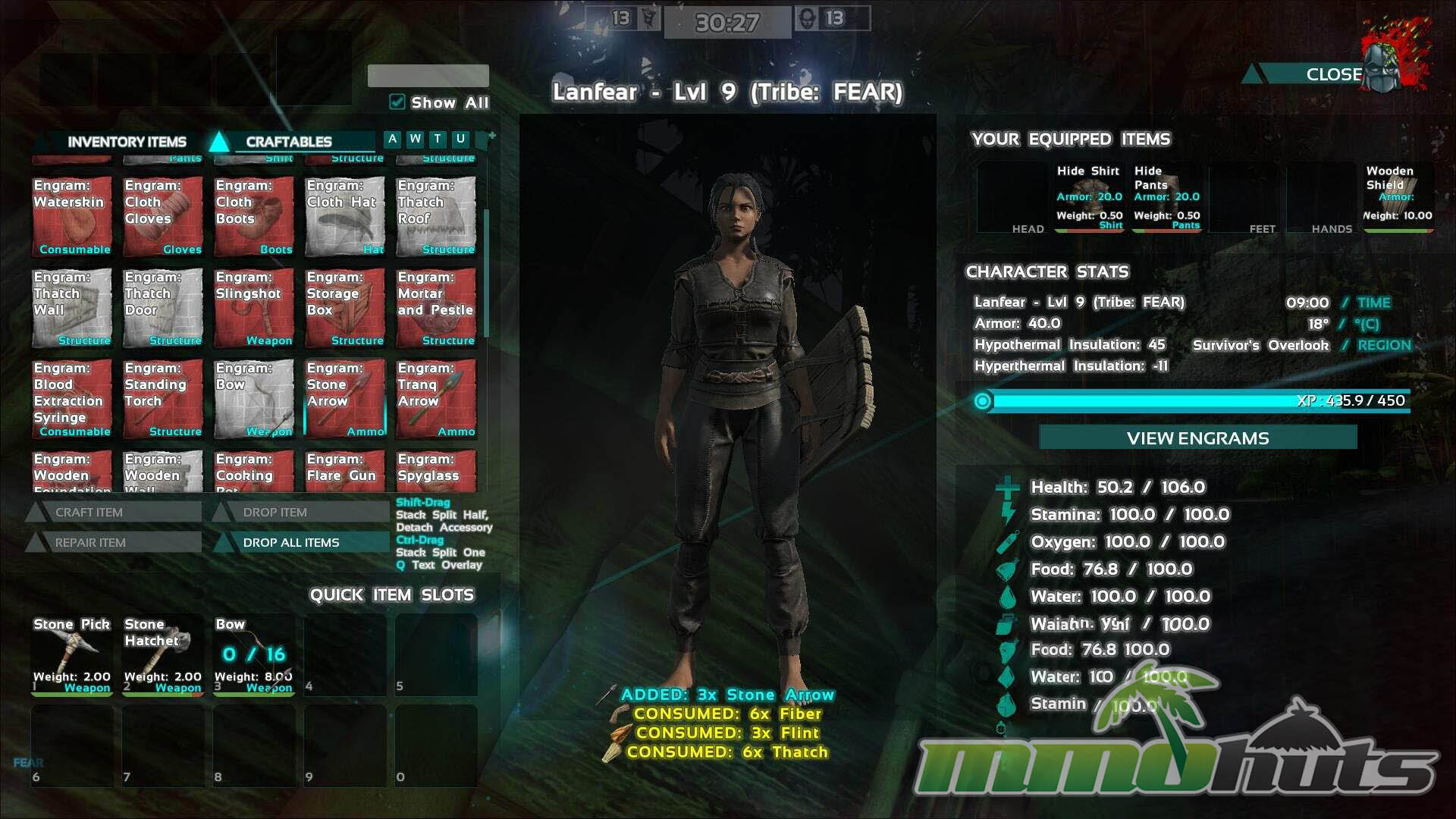
ARK’s crafting system is the backbone of ASotF. You harvest resources, convert them into tools, then upgrade into stronger options as you level. Progression is faster than in ARK: Survival Evolved, with boosted experience and gathering rates to fit match time limits, and crafting durations are shortened to keep momentum. Even so, crafting still demands planning, you need to know what to prioritize, what to skip, and when to stop farming and start rotating. Primitive gear breaks, so carrying backups is not optional, it is a core part of staying alive.
Taming as a Win Condition
Taming is where ASotF most clearly separates itself from other Battle Royale games. The basic concept is straightforward, incapacitate a creature and feed it what it prefers, but the execution is dangerous. Trying to subdue large predators or massive herbivores is a high-stakes task, especially when other players may hear the commotion and decide you are an easy target.
Ranged options and narcotics make taming more practical, and stronger equipment widens the list of viable tames. Once a creature is yours, it becomes a flexible asset: a mount for movement, a combat partner, a distraction, or a defensive presence while you craft. Teams that successfully build a small stable of useful creatures often control fights through pressure and positioning rather than pure aim.
Endgame and the “Fittest” Moment
Camping the edge is not a real long-term solution because the arena is defined by the shrinking wall of death. Over time, the safe area collapses toward the middle, forcing survivors to converge and resolve the match. By the final minutes, the field is usually thinned by everything the game can throw at you: wildlife, environment, Evolution Events, player ambushes, and the wall itself.
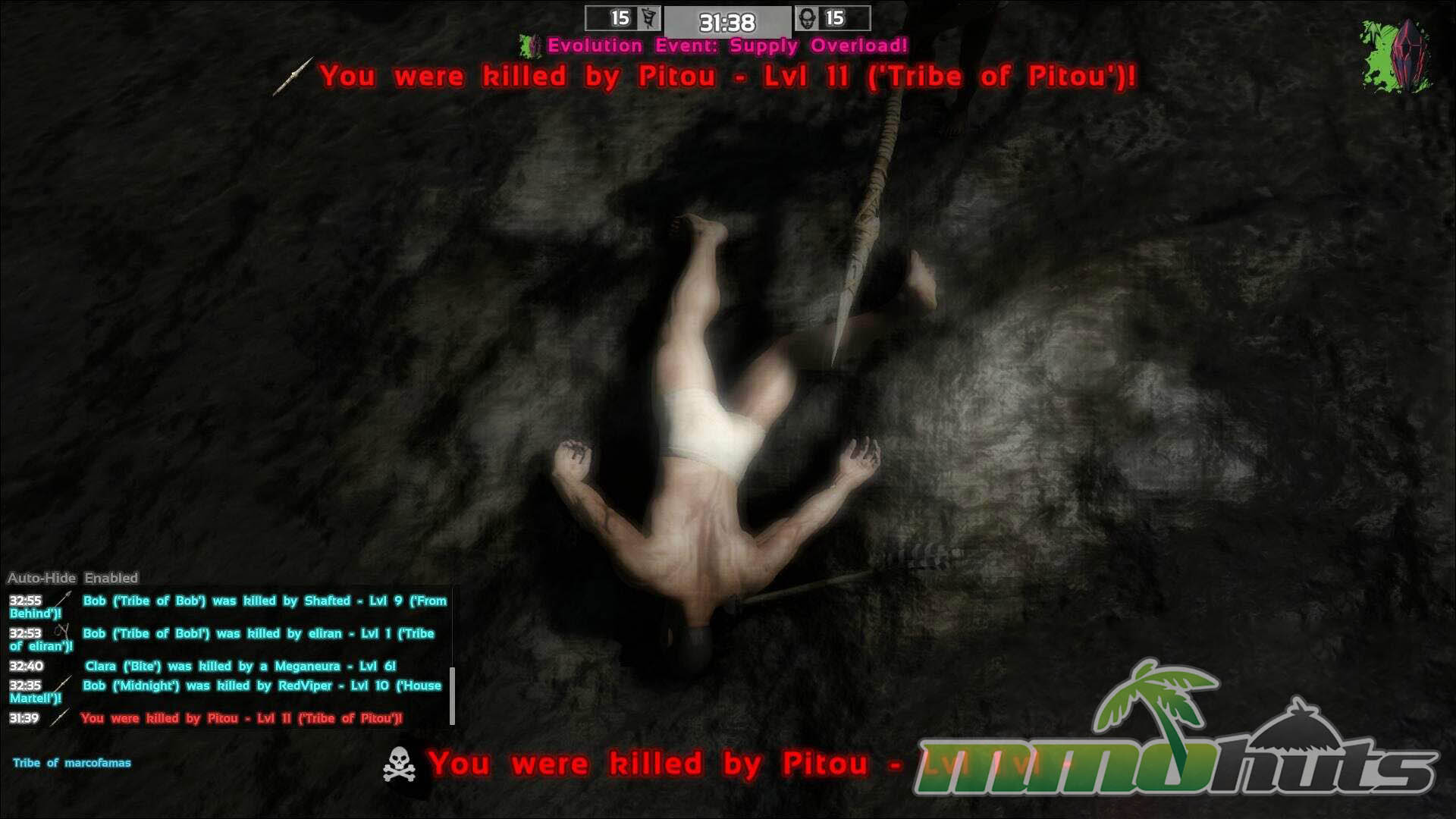
Winning means being the last tribe (or player) standing. Champions earn rewards, including cosmetic items usable across both games, while everyone else walks away empty-handed regardless of how close they came. That harsh payout structure fits the theme, but it can also make long matches feel unforgiving when a single mistake erases an hour of progress.
Final Verdict – Great
Despite notable performance problems and an unwelcoming lack of onboarding, ARK: Survival of the Fittest delivers a distinctive take on the Battle Royale formula. The combination of survival crafting, creature taming, and match-altering Evolution Events creates a kind of tactical chaos that few competitors attempt. If you enjoy learning complex systems and can tolerate technical instability, ASotF offers tense, memorable matches that reward knowledge as much as reflexes. A basic tutorial and better optimization would have elevated it even further, but at its best, it is a genuinely compelling survival arena. The existence of Survivor League cash prizes for top performers also gave highly skilled players a concrete reason to keep grinding and improving.
ARK: Survival of the Fittest Online Links
ARK: Survival of the Fittest Official Site
ARK: Survival of the Fittest Steam Page
ARK: Survival of the Fittest Gamepedia Page
ARK: Survival of the Fittest Wikia [Guides / Info]
ARK: Survival of the Fittest System Requirements
Minimum Requirements:
Operating System: 64-Bit Windows 7 Service Pack 1, or Windows 8/10
CPU: 2 GHz Dual-Core 64-bit CPU
Video Card: GTX 500 or Above DirectX10 Compatible GPU with 2 GB or More Video RAM
RAM: 4 GB
Hard Disk Space: 37 GB
Recommended Requirements:
Operating System: Windows 8, 10 64-bit
CPU: Core i5-3470 3.2GHz
Video Card: GeForce GTX 970 4GB or Radeon R9 390
RAM: 8 GB
Hard Disk Space: 37 GB
The game is also available on Mac, SteamOS, and Linux operating systems.
ARK: Survival of the Fittest Music & Soundtrack
Coming Soon…
ARK: Survival of the Fittest Additional Information
Developer: Studio Wildcard, Instinct Games, Efecto Studios, Virtual Basement LLC
Publisher: Studio Wildcard
Distributor: Steam
Mobile Release Date: December 16, 2014
Steam Release Date: May 24, 2016
Shut Down: December 16, 2016
Development History / Background:
ARK: Survival of the Fittest (ASotF) began as a total conversion mod for Studio Wildcard’s ARK: Survival Evolved, built to translate ARK’s survival systems into structured, match-based competition. Interest from the community led to a standalone release on March 16, 2016, using the original game’s assets while being developed by a separate team. Active development ultimately ended on December 16, 2016, the same date the game was shut down.