
Left 4 Dead 2
Left 4 Dead 2 is a 3D post-apocalyptic zombie FPS and the follow-up to Valve’s breakout cooperative hit Left 4 Dead. Built around frantic 4-player action-horror, it drops a squad of survivors into sprawling levels packed with fast-moving infected, frequent set-piece events, and a director system designed to keep every run tense. Alongside the co-op campaign, it also offers an asymmetric multiplayer mode where Infected players hunt human Survivors across the same maps.
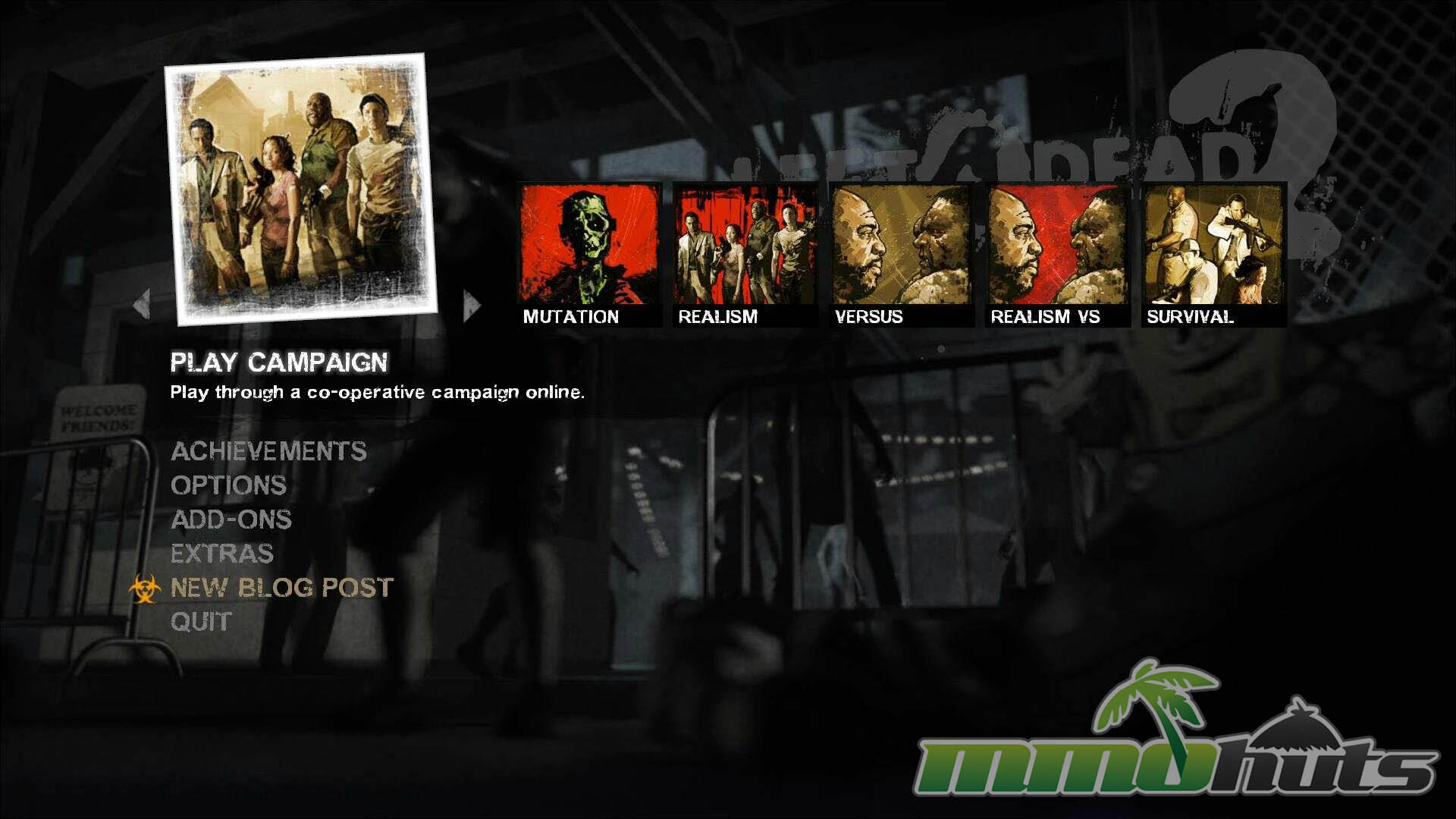
|
Publisher: Valve Playerbase: Medium Type: Survival Horror FPS Release Date: November 17, 2009 Pros: +Four-player co-op campaign that remains highly replayable. +Standout asymmetric Versus matches. +Huge mod support via Steam Workshop. Cons: -Visuals are dated compared to modern shooters. -Bot teammates can be unreliable. -Little onboarding for first-time players. |

Left 4 Dead 2 Overview
Fight through waves of infected as a team in Left 4 Dead 2, Valve’s sequel to the influential co-op action-horror shooter Left 4 Dead. The core experience is a 4-player cooperative campaign where you and your group push from safehouse to safehouse, surviving ambushes and scripted panic events across a wide range of locations, including blazing interiors and swampy, low-visibility stretches. The infected are not just background cannon fodder either, special variants force coordination, with threats like the Tank smashing through defenses, the Hunter pinning isolated players, and the Jockey latching on and steering victims into trouble.
Combat is built around a familiar lineup of firearms paired with a satisfying set of melee options, letting teams manage crowds at close range when ammo is tight or a hallway collapses into chaos. If you want a change of pace from PvE, Versus mode flips the script by letting players control the Infected and attack another team of Survivors using special abilities and coordinated spawns. And for long-term variety, the Steam Workshop is a major pillar of the game, offering everything from cosmetic swaps to more substantial add-ons that can dramatically change the feel of a run.
Left 4 Dead 2 Key Features:
- 4-Player Coop Campaign – squad up with friends, matchmaking teammates, or AI companions and battle your way to extraction through relentless infected.
- Unique Zombie Types – the classic special infected return, joined by additional variants that add new ways to split, pin, or overwhelm a team.
- Choose Your Weapons – mix ranged firepower with melee tools, from rifles and shotguns to bats, chainsaws, and other close-quarters options.
- Multiplayer Mode – take control of infected in Versus and work with your team to break survivor formations and secure wipes.
- Steam Workshop – extend the game’s lifespan with an enormous library of community-made mods and custom content.
Left 4 Dead 2 Screenshots
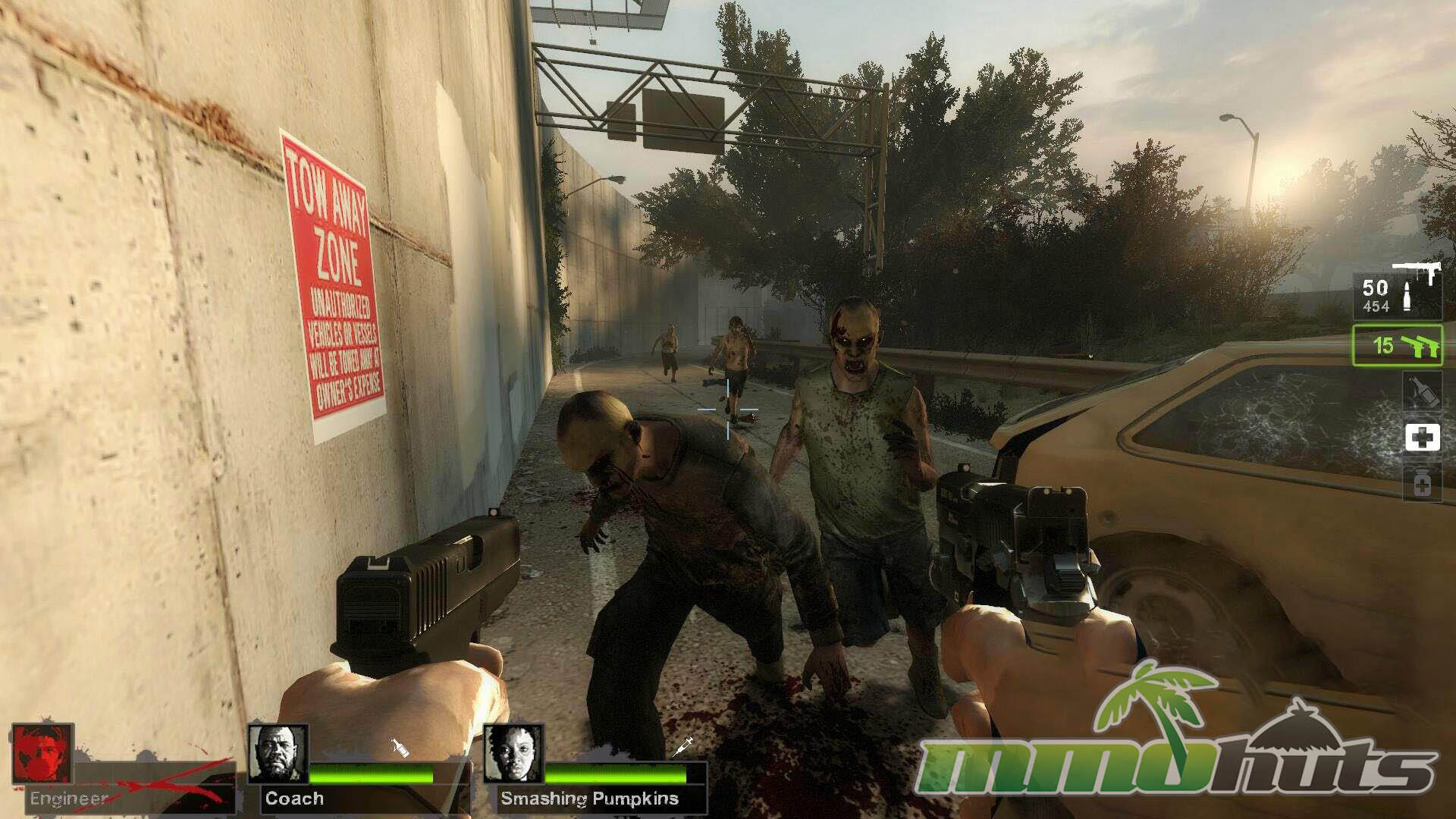
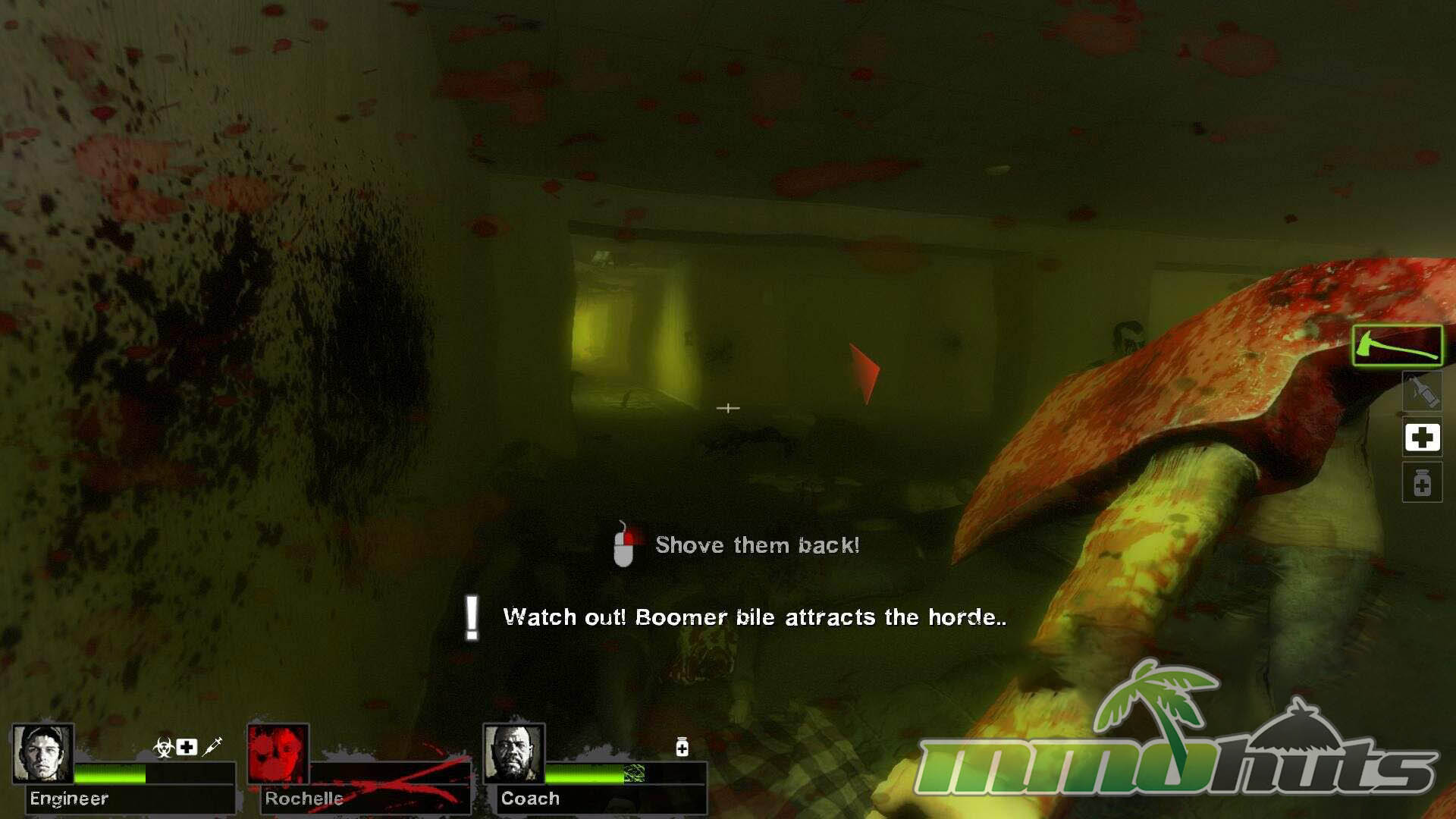
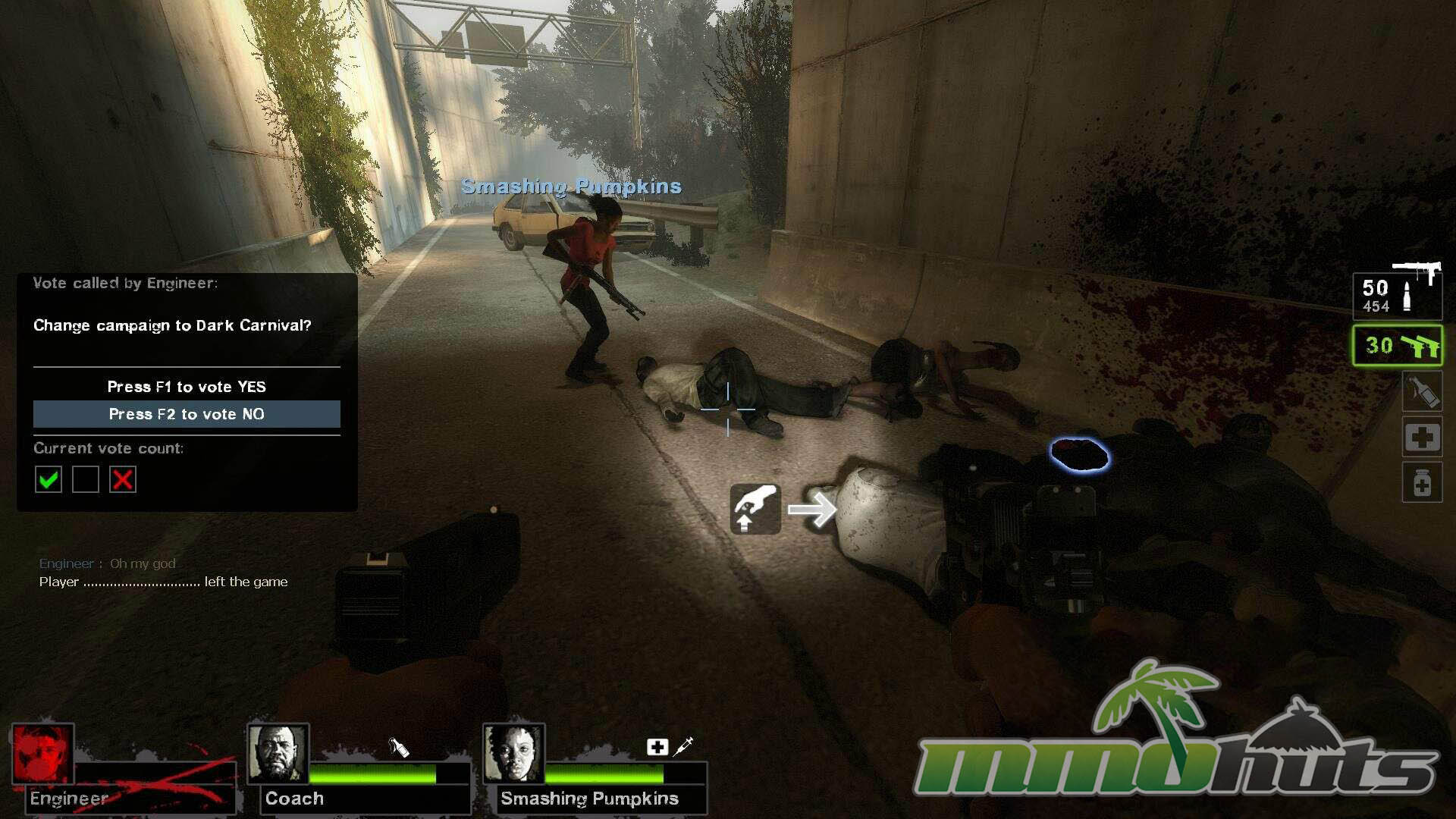
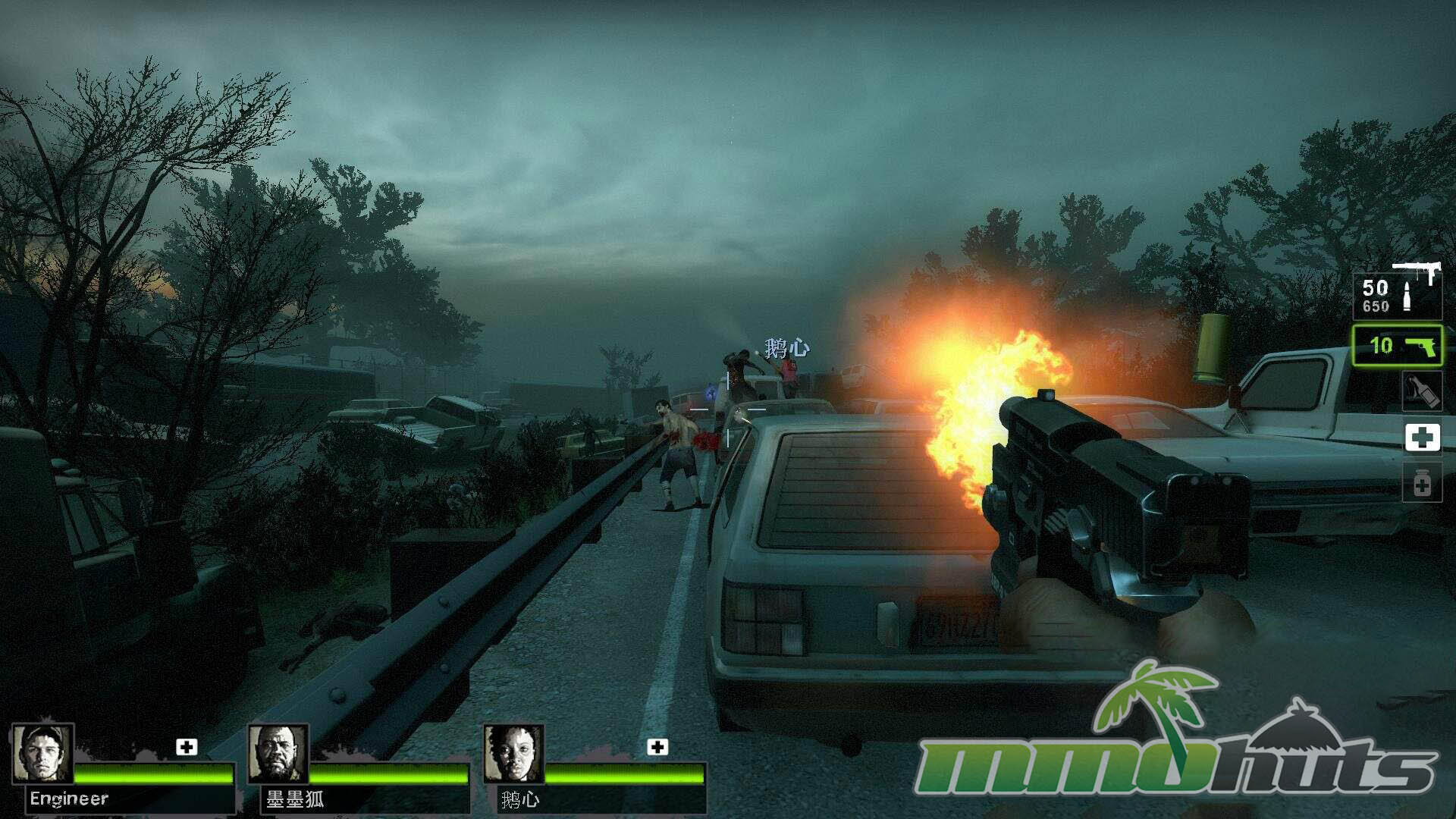
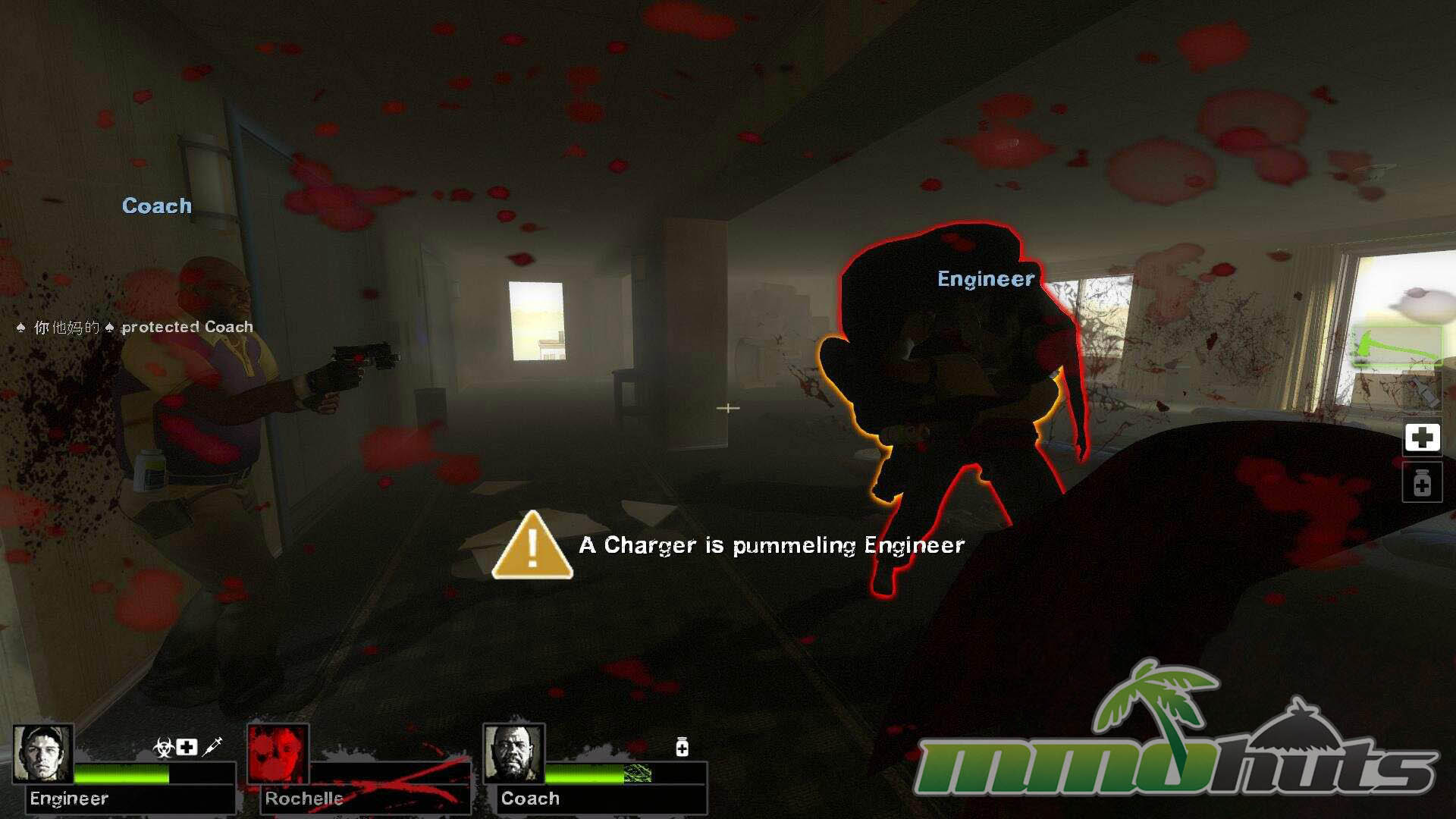
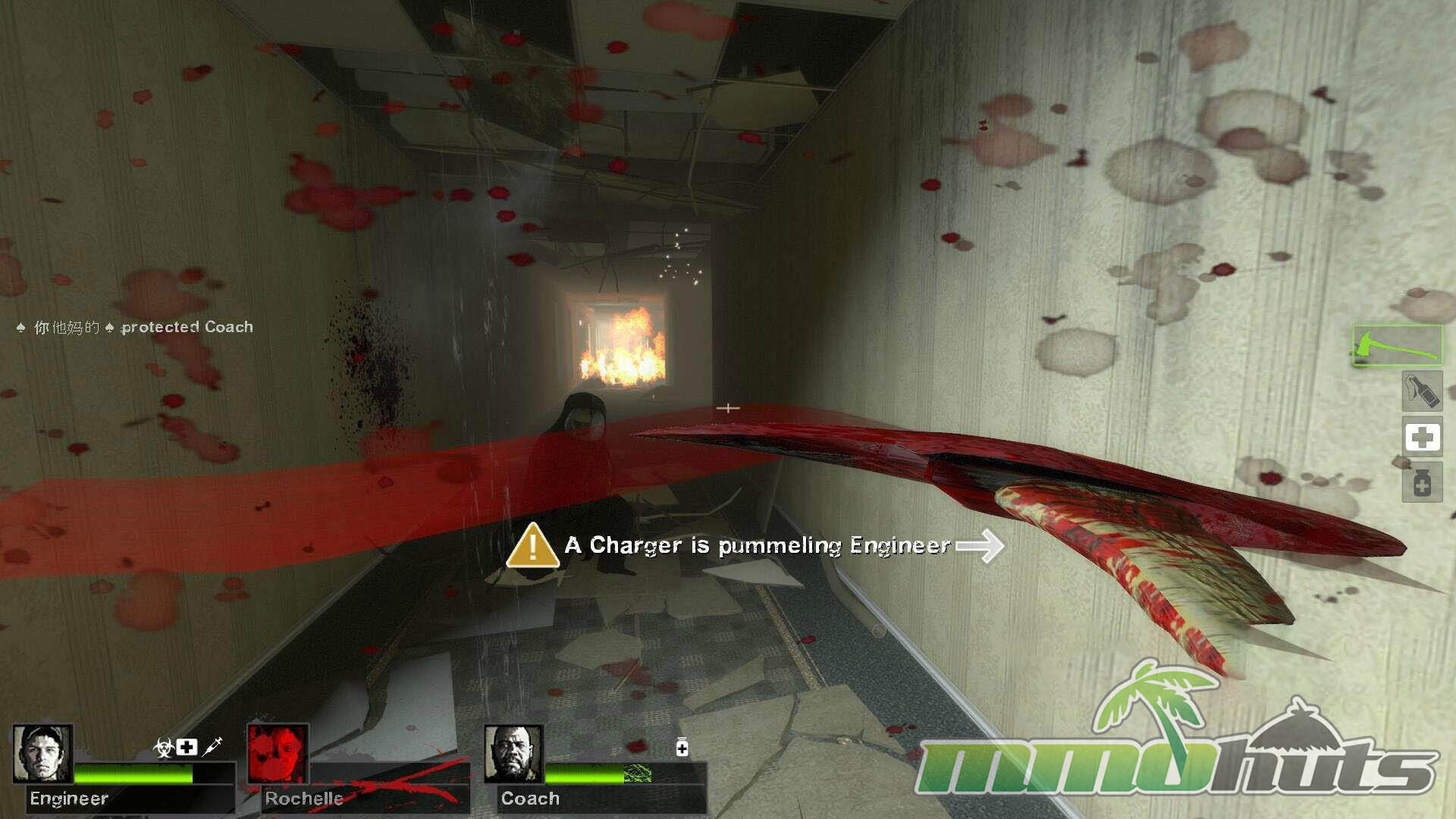

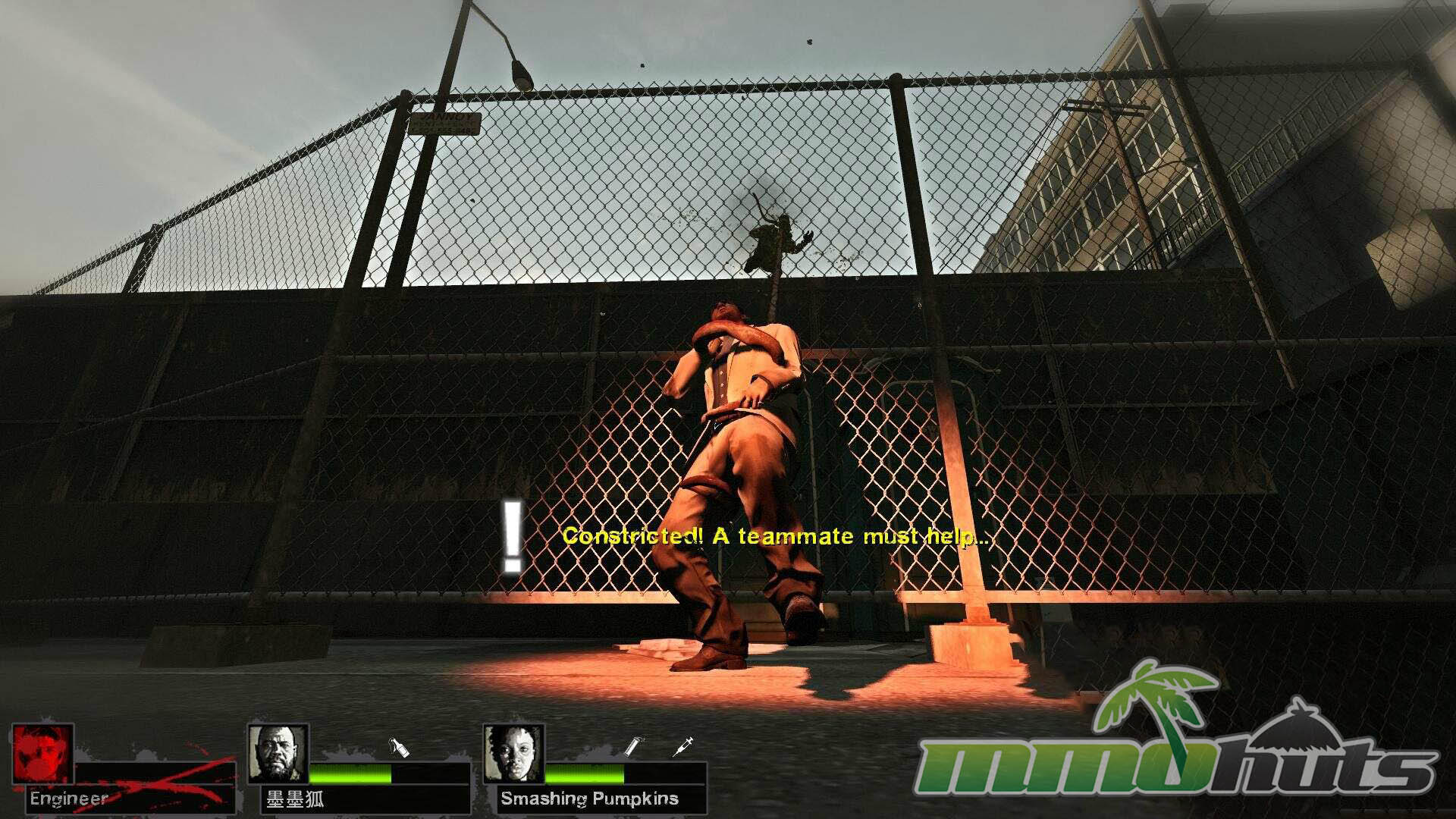



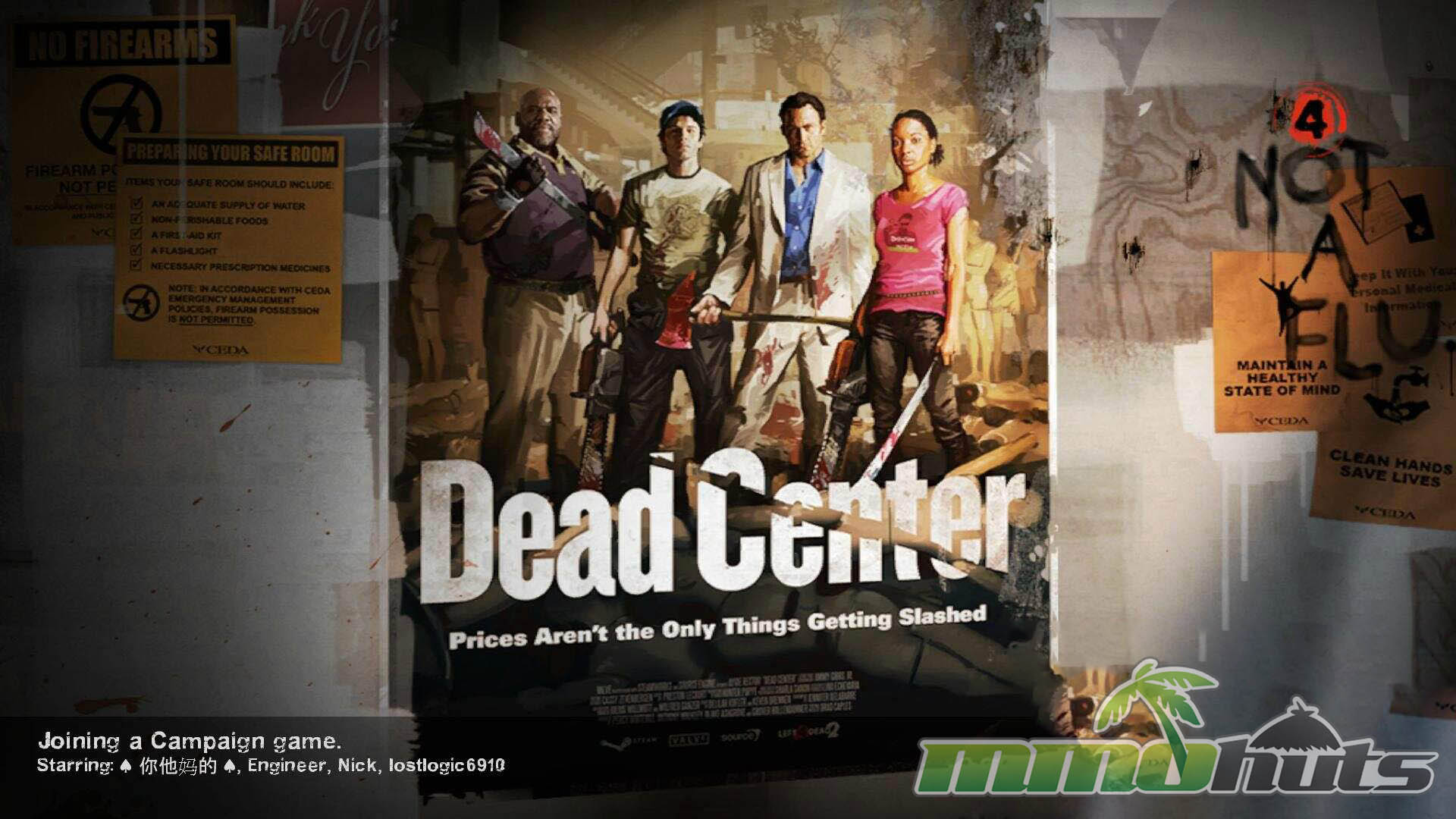
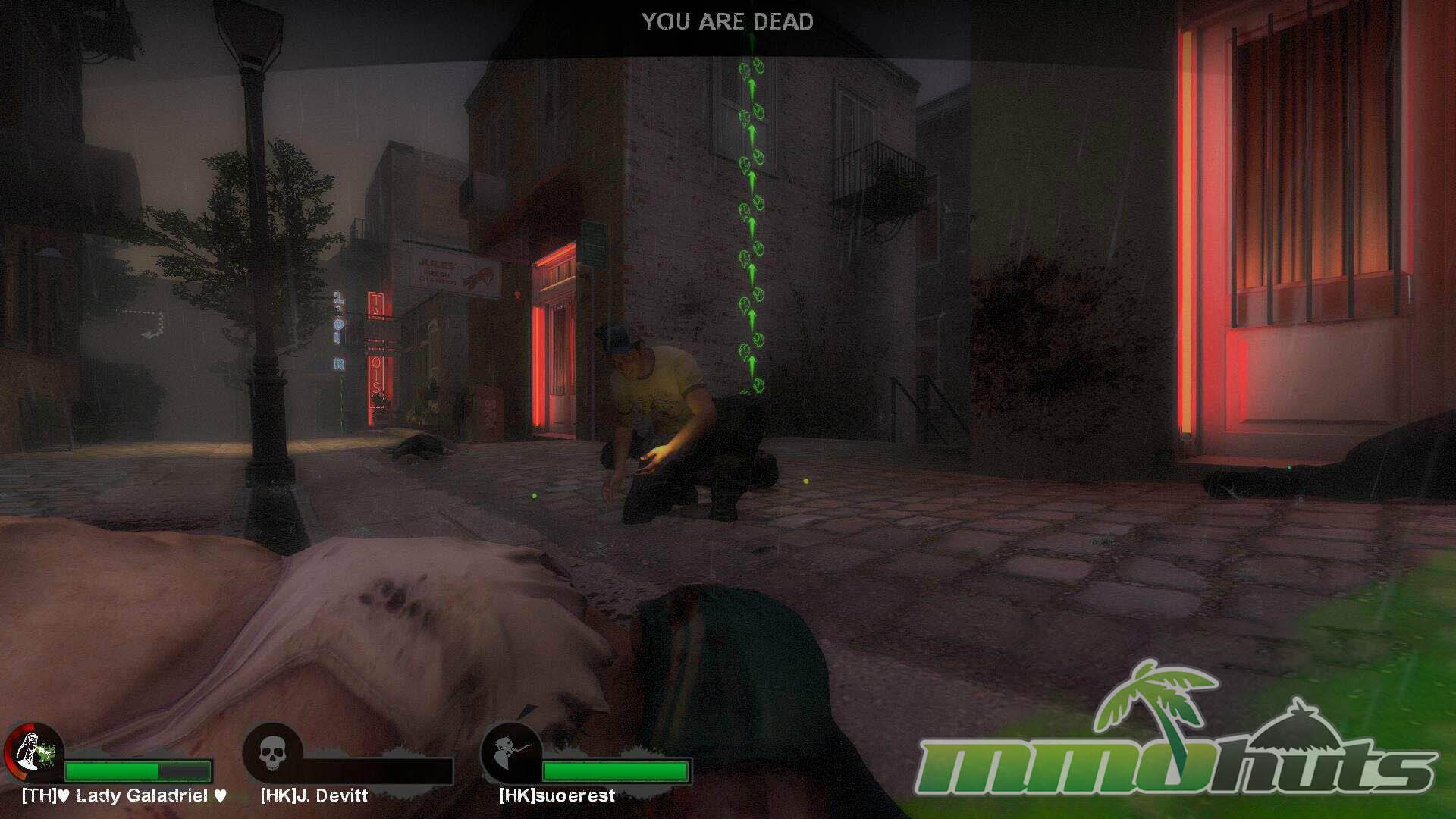
Left 4 Dead 2 Featured Video

Left 4 Dead 2 Review
Left 4 Dead 2 (often shortened to L4D2) is a buy-to-play, 3D survival horror FPS focused on cooperative play. You choose from a cast of four Survivors and push through campaign chapters where the objective is simple, stay together, keep moving, and reach the next safe room before the Director escalates the situation into a full-on disaster. The game’s locations draw inspiration from the Southeastern United States, including areas tied to cities like Atlanta and New Orleans, which helps give each campaign a distinct atmosphere even when the moment-to-moment action is consistently intense.
Technically, L4D2 runs on Valve’s Source engine. The presentation is still readable and functional, but the lighting and character models show their age next to newer genre entries. Where the game continues to excel is sound design, from the musical stingers that warn of danger to the audio cues that let attentive players identify a threat before it’s visible.
Learning Curve and Onboarding
New players should be aware that L4D2 does not guide you gently into its systems. Instead of a dedicated tutorial, the game leans on brief tooltips and the expectation that you will learn by doing. In practice, that means you may be trying to parse an on-screen hint while a sprinting horde is already closing the distance.
Veteran FPS players will adapt quickly, but complete newcomers can feel overwhelmed early on, especially once special infected start appearing in combinations that punish poor positioning. The key habits are straightforward, stay close, protect anyone grabbed or pinned, and do not waste healing items right before a safehouse.
The Co-op Campaign Loop
The campaign structure is the heart of Left 4 Dead 2. Each campaign is divided into chapters, with safehouses acting as checkpoints and brief breathers between long pushes. The spaces between those safe rooms are where the game shines, as teams are forced to manage ammo, keep an eye on angles, and decide when to sprint past danger versus when to hold a choke point.
You can run the campaign solo with AI teammates, but the bots are inconsistent. They can handle basic support tasks, like carrying supplies and occasionally helping with revives, yet they often struggle with positioning and threat prioritization when the action gets messy. Fortunately, the game is forgiving about keeping a run moving; if a teammate goes down permanently, they can reappear later in the level, typically in a rescue closet behind a locked door, as long as someone is still standing.
Compared with the first game, L4D2 expands the formula with more weapon variety, additional special infected, and a cast that feels more vocal and reactive during a run, which helps the campaigns feel less sterile even after repeated playthroughs.
Special Infected Pressure
The standard infected are dangerous in volume, but the special infected are what create the game’s signature moments. Hunters punish lone players by pouncing and pinning, Smokers disrupt formations by dragging targets away, and Tanks act as mobile boss fights that can break defensive setups with raw force. These threats are designed to work together, and the most memorable wipes often come from a chain reaction, a pull into a corner, a pounce on the rescuer, then a horde arriving at the worst possible time.
Left 4 Dead 2 builds on the first game’s lineup by adding three additional special infected types, bringing the total to eight. This expanded roster increases the number of ways a team can be split or forced into bad terrain, which is a big reason the sequel tends to feel more demanding and more dynamic than the original.
Versus Mode and Asymmetric PvP
Versus is where Left 4 Dead 2 still feels uniquely competitive. Two teams alternate between playing Survivors and Infected on campaign maps, with the Survivor side trying to push as far as possible while the Infected side attempts to halt progress through coordinated attacks. Rounds end when the Survivors finish the map or the team is eliminated, then the sides switch and the better performance wins.
Survivors play much like they do in co-op, using the same weapons and items, while Infected players rely on movement options and special abilities rather than firearms. The balance is built around teamwork, timing, and spawn coordination, not individual duels. In that sense, L4D2 remains one of the genre’s clearest examples of asymmetric multiplayer done well, and it helped popularize ideas that later games would revisit in different forms.
Mods and Community Longevity
Unlike many modern titles, Left 4 Dead 2 does not revolve around a cash shop. Its long lifespan is tied more to the community and how easy it is to install add-ons. Through the Steam Workshop, players can grab everything from UI tweaks and cosmetic replacements to larger content packs that substantially alter the tone or pacing.
It is a simple system, subscribe, enable add-ons, and launch a new run, which makes experimenting with custom content low-friction. For many players, this is what turns L4D2 from a great co-op shooter into a game that stays in rotation for years.
The Final Verdict – Excellent
Left 4 Dead 2 remains a standout cooperative shooter because its fundamentals are so clean, readable levels, strong audio cues, satisfying weapons, and a Director that keeps runs unpredictable. Its age shows in visuals and in the occasional frustration of AI teammates, and the lack of a proper tutorial can be harsh on first-timers. Still, the core loop is as compelling as ever, and Versus plus Workshop support give it an unusually long tail.
If you want a co-op FPS that rewards communication and quick decision-making, Left 4 Dead 2 is still easy to recommend, especially with friends.
Left 4 Dead 2 Links
Left 4 Dead 2 Steam Page
Left 4 Dead 2 Wikipedia Page
Left 4 Dead 2 Wikia [Database/Guides]
Left 4 Dead 2 Steam Workshop Page
Left 4 Dead 2 System Requirements
Minimum Requirements:
Operating System: Windows 7 32/64-bit / Vista 32/64 / XP
CPU: Pentium 4 3.0GHz
RAM: 2 GB RAM
Video Card: Video card with 128 MB, Shader model 2.0. ATI X800, NVidia 6600 or better
Direct X: DirectX 9.0c
Hard Disk Space: 13 GB available space
Recommended Requirements:
Operating System: Windows 7 32/64-bit / Vista 32/64 / XP
CPU: Intel core 2 duo 2.4GHz
RAM: 2 GB RAM or more
Video Card: Video Card Shader model 3.0. NVidia 7600, ATI X1600 or better
Direct X: DirectX 9.0c
Hard Disk Space: 13 GB or more available space
Left 4 Dead 2 Music & Soundtrack
Coming Soon!
Left 4 Dead 2 Additional Information
Developer: Valve
Publisher: Valve
Distributor: Electronic Arts/Steam
Designer: Michael Booth
Writer: Chet Faliszek
Composer: Mike Morasky
Game Engine: Source
Official Release Date: November 17, 2009
Mac OS X Release Date: September 5, 2010
Linux Release Date: July 2, 2013
Development History / Background:
Left 4 Dead 2 is a buy-to-play 3D survival horror FPS developed and published by Valve, created as the direct sequel to the award-winning Left 4 Dead. Work began soon after the first game launched in November 2008; during development it was briefly known internally as Back 4 More before the team settled on the final title. The finished game arrived quickly, launching on November 17, 2009 for PC and Xbox 360. On PC, it debuted on Steam first, with boxed copies following shortly after.
Since release, Valve has supported the game with multiple DLC packs, including an additional campaign called “The Passing,” which brings the new Survivors into contact with three characters from the original game. The Mac OS X version followed on September 5, 2010, and a Linux release later arrived on July 2, 2013.