
Games of Glory
Games of Glory is a sci-fi themed online arena battler that leans closer to a team shooter than a traditional lane-based MOBA. Matches are designed to be quick, movement and aim matter, and coordination is rewarded through objective play and team-focused roles. It also tried to stand out with built-in competitive tools, letting organized play feel like a first-class feature rather than an afterthought.

|
Publisher: Lightbulb Crew via Steam Type: MOBA / Arena Release Date: April 25, 2017 Shut Down: March 26, 2021 Pros: +Rapid, action-heavy matches that rarely drag. +Bring several weapons into a game and swap on the fly. +Tournament support and other competitive features built into the client. Cons: -Limited mode selection at launch. -Simplified design lacks the strategic layers many MOBA fans expect. |
Games of Glory Shut Down on March 26, 2021
Games of Glory Overview
Games of Glory blends MOBA-style heroes and objectives with the immediacy of an arena shooter. Instead of spending the early game farming lanes, teams get into fights almost immediately, using positioning, weapon choice, and coordinated pushes to take control of the map. Matches support up to ten players total and are structured to finish briskly, which makes the game easy to drop into for a few rounds.
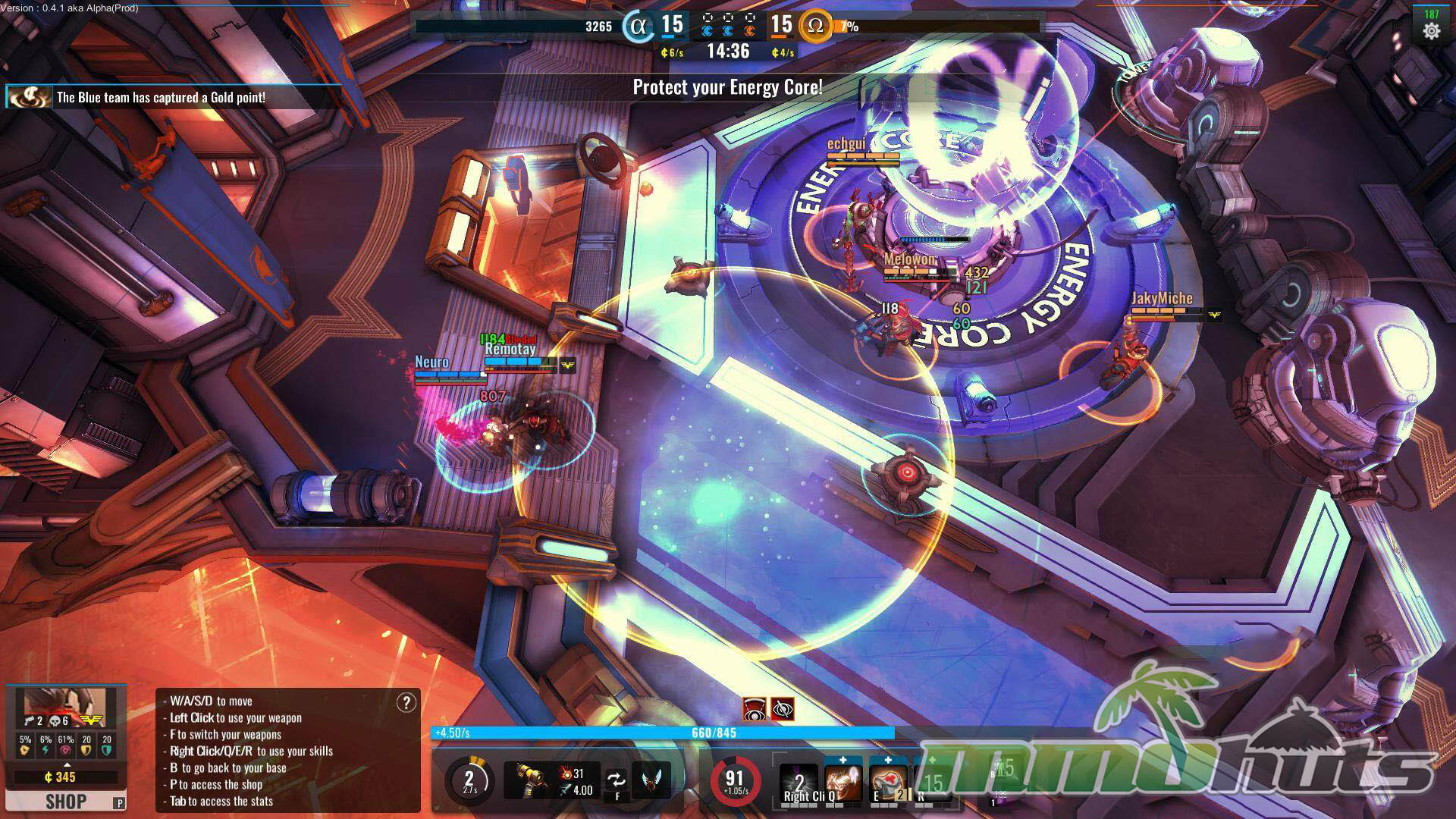
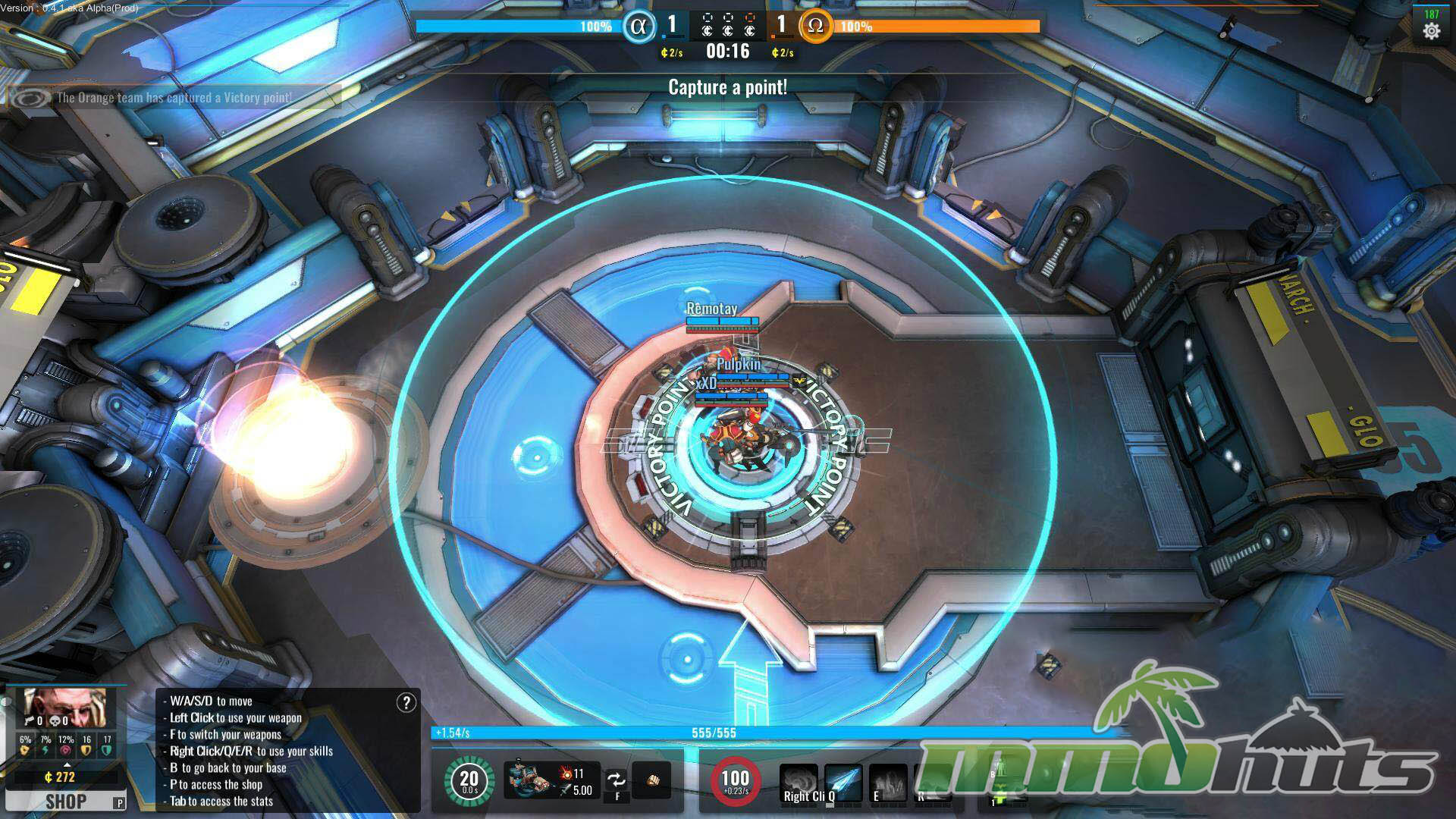
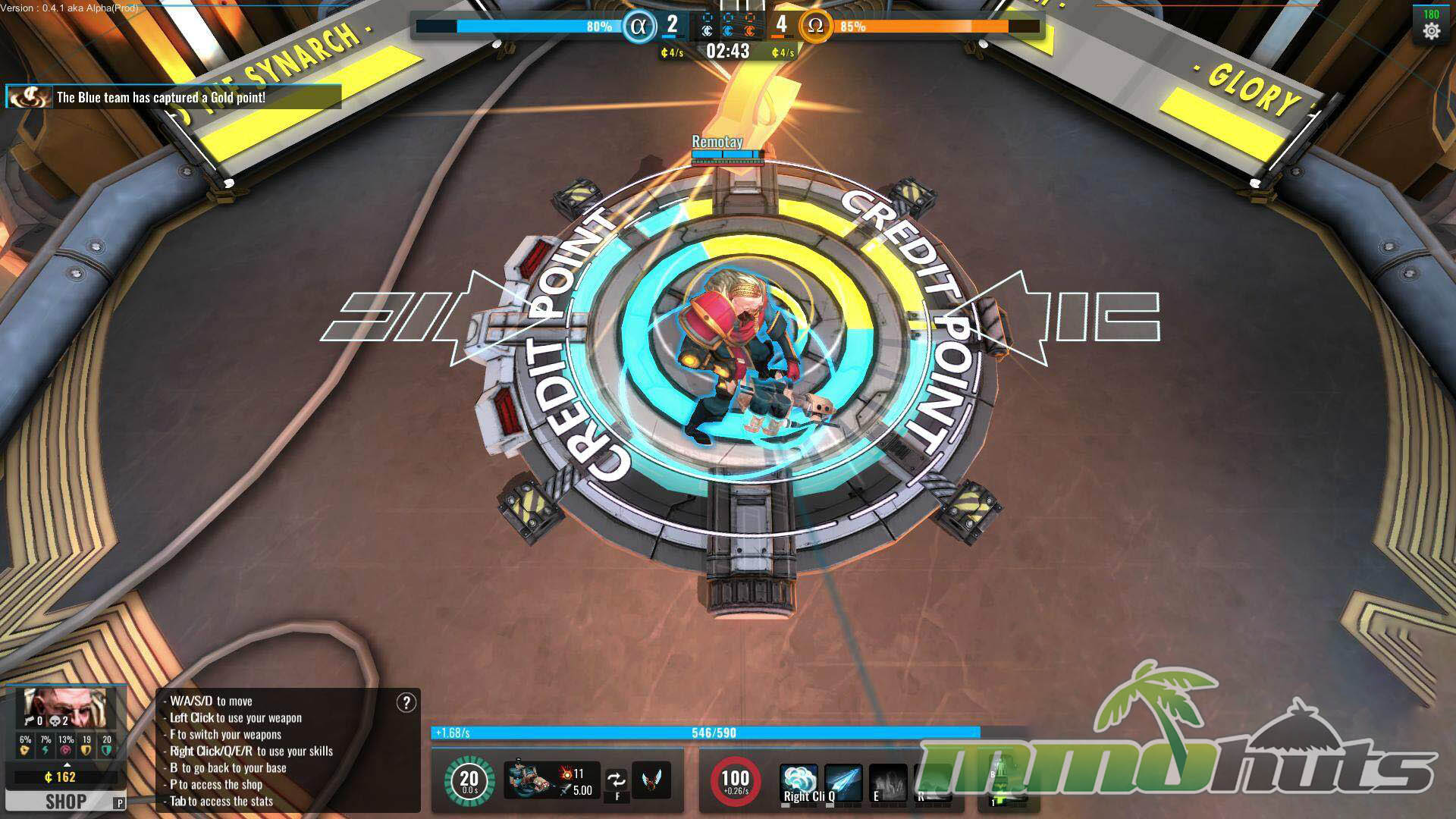
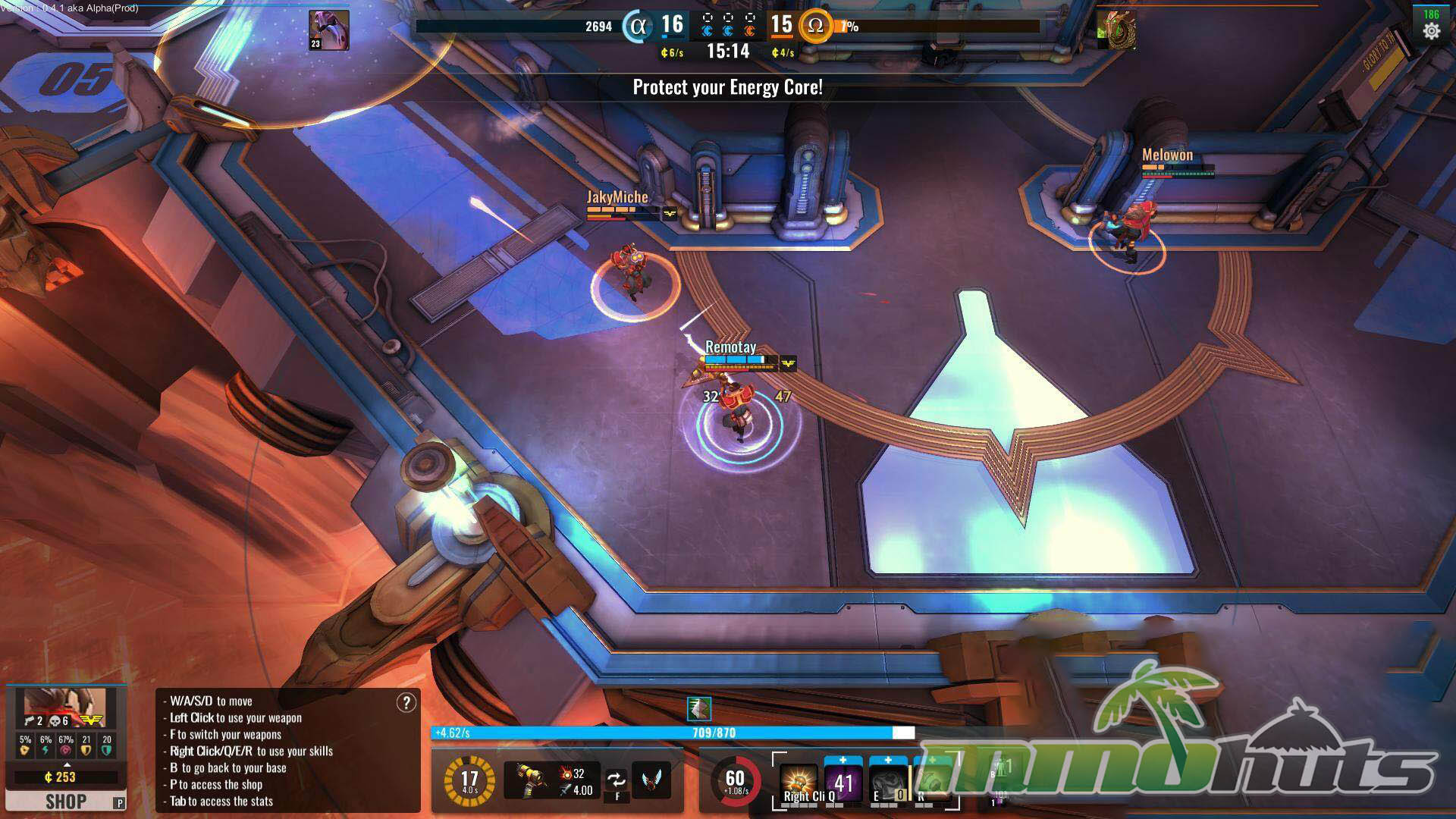
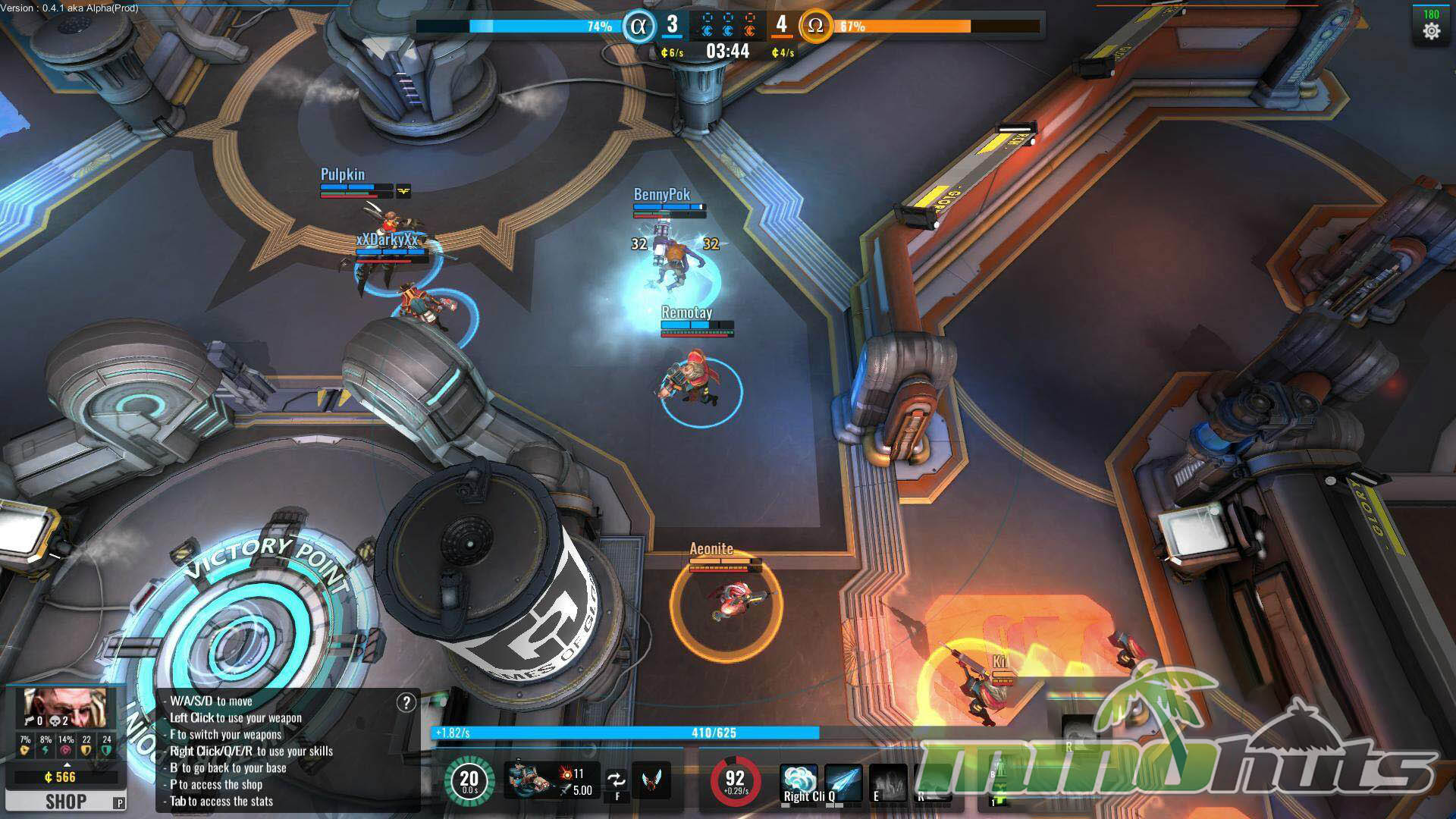
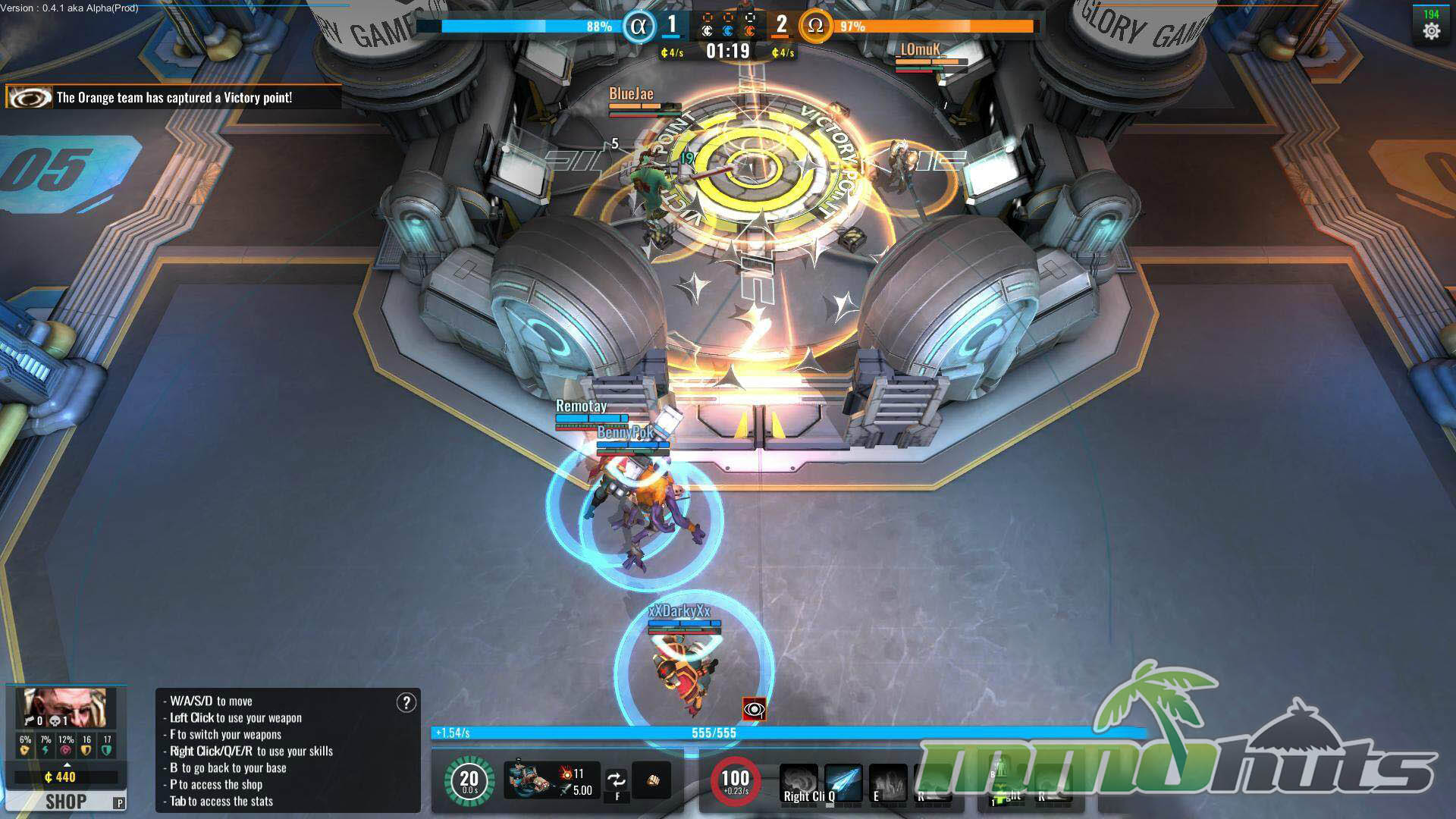
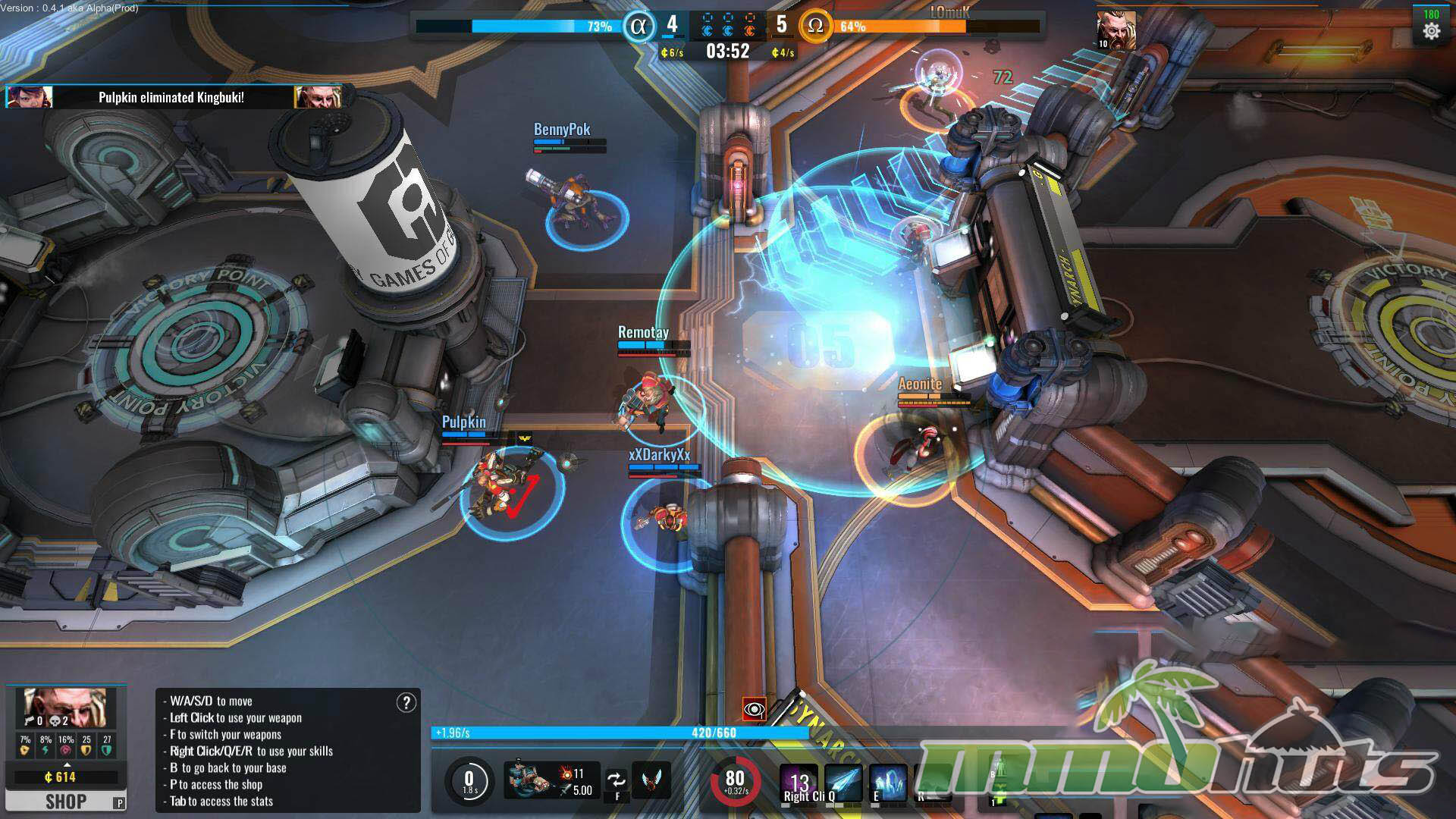
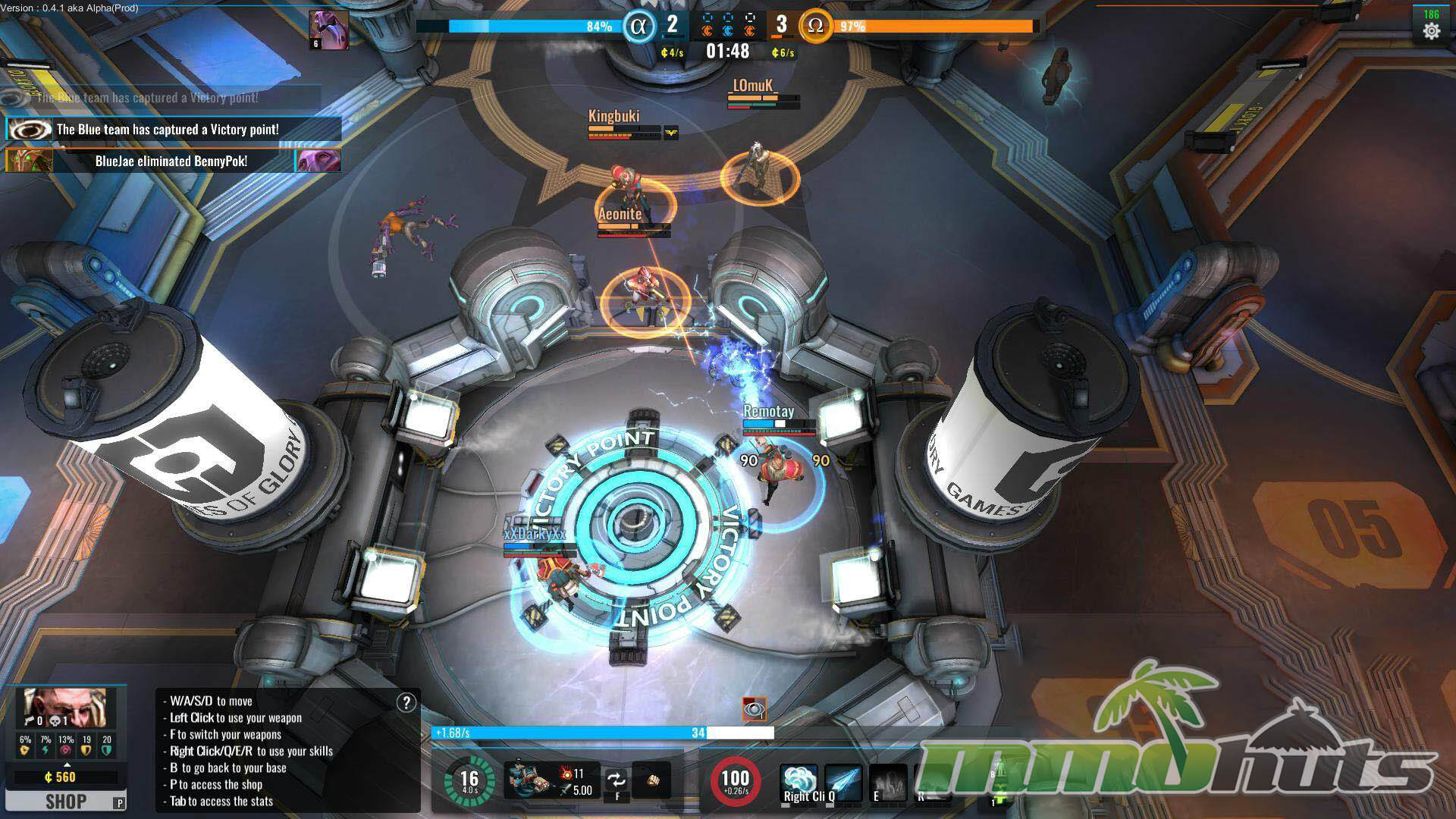
The core loop revolves around controlling capture points (referred to in-game as Capture Points or Victory Points depending on mode context) to weaken the defenses protecting the opposing team’s base. Securing these objectives lets your team bring down force fields and create a window to attack the enemy’s Energy Core. That objective-first structure keeps the pace moving and helps prevent matches from devolving into pure deathmatch, even though the combat itself is very brawl-forward.
Another pillar of the design is competitive play. Rather than pushing players toward third-party tools, Games of Glory aimed to make tournaments, brackets, and organized matches feel accessible directly in the game. For a smaller arena title, that emphasis on an eSports-ready ecosystem was a notable part of its identity.
Games of Glory Key Features:
- Action-Oriented Combat – attacks are aimed in real time, with dodging and positioning playing a major role, rather than relying on auto-attacks.
- Multiple Weapons – load into a match with several melee and ranged options and switch between them as situations change.
- Customize Your Clones – visual customization is handled through equipment pieces that alter the look of your Clones (the game’s champions).
- eSports Ecosystem – competitive tools are integrated, supporting tournament participation and organization from within the client.
- Multiple Game Modes – modes and maps are built around teams ranging from one to five players per side.
Game Modes:
- Domination – two teams of three, four, or five fight to protect their own Energy Core while breaking the enemy’s. Holding Victory Points across the map disables the opposing forcefield, opening the opportunity to damage the core.
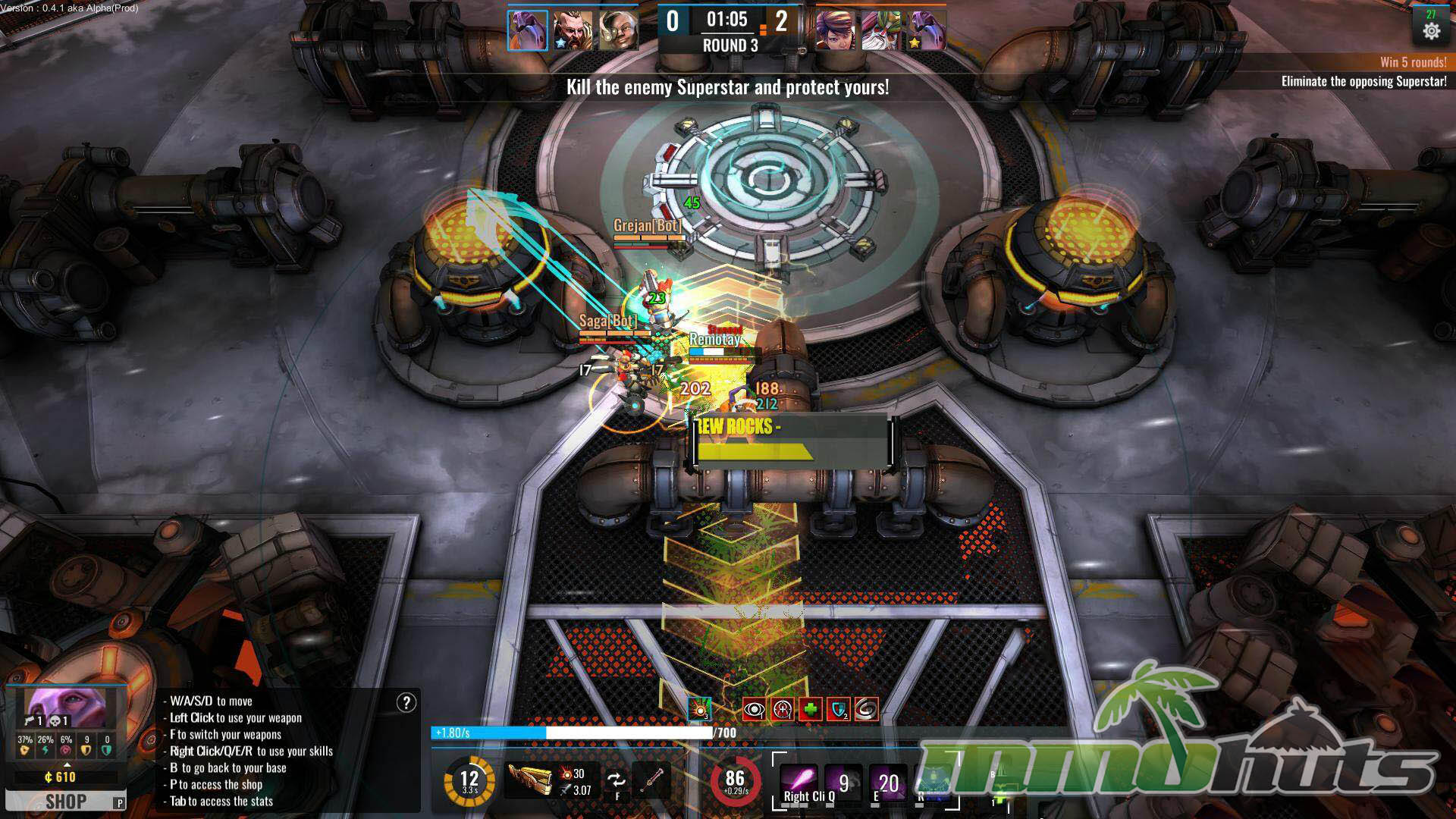
- Superstar – two teams of one, two, or three play a series of short rounds. Each round assigns a “superstar” on each team, and eliminating the enemy superstar earns a point. The first team to reach five round wins takes the match.
Games of Glory Screenshots



Games of Glory Featured Video

Games of Glory Review
Games of Glory sits in an interesting middle ground: it borrows the identity of a MOBA (distinct characters, team roles, objective pressure), but the moment-to-moment feel is closer to an arena brawler with shooter sensibilities. If your favorite part of the genre is last-hitting, laning fundamentals, and long-form macro strategy, this game was never trying to compete head-on with that experience. Instead, it focused on fast engagements, quick rotations, and readable objectives that keep everyone moving toward the same goals.
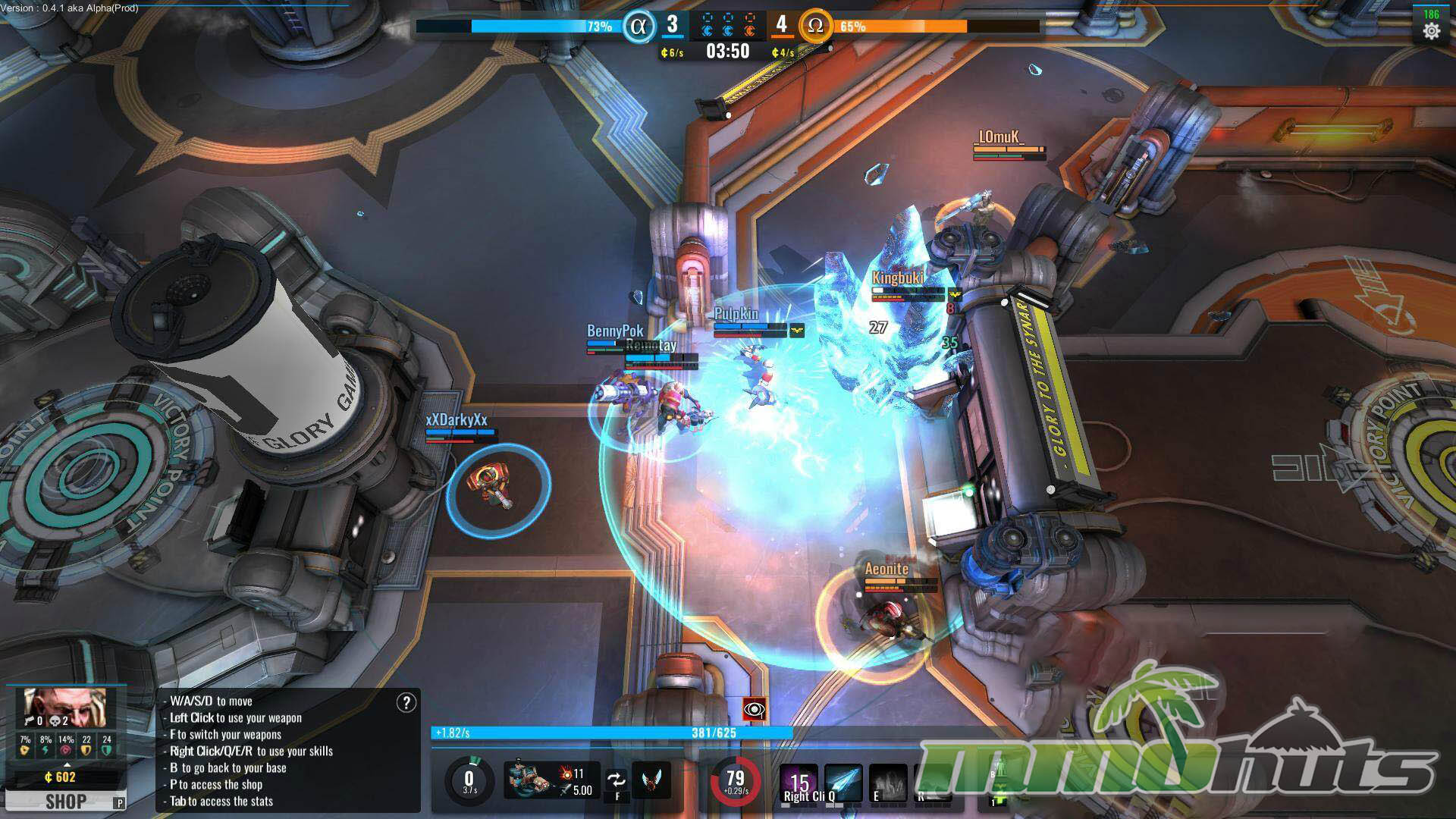
Combat is the highlight. With real-time aiming and a focus on dodging, fights tend to be more about execution and spacing than about passive stat checks. The ability to bring multiple weapons into a match and swap them freely also helps maintain momentum. You can adjust your approach mid-fight, respond to what the other team is doing, and keep pressure without needing a long downtime to “reset” your build. That flexibility makes the game approachable for players coming from action games, while still leaving room for skill expression through timing and coordination.
The objective design in Domination gives matches a clear rhythm. Capturing and holding points matters because it directly affects the protection around the enemy core. This creates consistent points of conflict, and it rewards teams that rotate together rather than chasing kills. When both sides understand the flow, matches feel purposeful, with skirmishes naturally forming around the next critical capture.
Superstar is the more arcade-like mode and works best as a change of pace. The short rounds and shifting “target player” put a spotlight on teamwork in a different way. Teams have to protect their superstar while coordinating a quick collapse on the opposing one. The format can create tense moments, but it also places a lot of pressure on a single player each round, which may not appeal to everyone.
Where Games of Glory struggled, at least compared with larger MOBAs, is depth and breadth. With fewer modes available early on and a streamlined overall structure, it did not offer the same long-term strategic layering or content variety that keeps players invested for years in the biggest games in the genre. The streamlined approach is a strength for accessibility, but it also means veteran MOBA players may find the learning curve shorter and the meta less complex.
The game’s competitive ambitions were also one of its most distinctive ideas. Built-in tournament functionality and a clear push toward organized play showed a strong understanding of what competitive communities want. In practice, those features are only as valuable as the size and stability of the player base supporting them, but the intent was commendable and forward-looking for an arena title.
As a package, Games of Glory was best suited to players who wanted MOBA flavor without the lane phase, and who preferred tight, fast rounds with direct combat over long strategic build-ups.
Games of Glory Links
Games of Glory Official Site
Games of Glory Steam Greenlight Page
Games of Glory Reddit [Community]
Games of Glory Official Forums [Community]
Games of Glory System Requirements
Minimum Requirements:
Operating System: Windows XP / 7 / 8 / 10
CPU: Any CPU with SSE2 Instruction Set Support (Most CPUs)
Video Card: Any GPU with DX9 Shadow 2.0 support (GeForce 7300 GT or better ideally)
RAM: 1 GB
Hard Disk Space: ~3 GB
Recommended Requirements:
Operating System: Windows 7 / 8 / 10
CPU: Dual Core 2.4 GHz
Video Card: GeForce 260 GTX or better
RAM: 4 GB
Hard Disk Space: ~3 GB
Games of Glory Music & Soundtrack
Coming Soon!
Games of Glory Additional Information
Developer: Lightbulb Crew
Publisher: Lightbulb Crew
Game Engine: Unity 3D Engine
Lead Game Designer: Sacha “Palantir” Duc
Senior Developer: Sebastien “Zbobiwan” Broussaud
Lead 3D Artist: Arnaud “Vonskromel” Barbier
Game Developers: Colin “Adpist”, Simon “Simwar” Guerrier
Game Designer: Thibaut “tibo” Charron
Artists: Jerome “Thav” Sounthavong, Kim “Lichthammer” Fournel, Pierre-Dante “Kiwi” Delboulle, Cesar “SizoW” Espejo Pham, Marine Coiffard “Swansel”
Early Access Release: May 27, 2015
Open Beta: April 25, 2017
Shut Down: March 26, 2021
Development History / Background:
Games of Glory was the debut project from the French/Swedish studio Lightbulb Crew. From the start, the stated goal was to build a competitive eSport experience that players could understand quickly and play in short sessions. Although it was marketed under the MOBA umbrella, the actual pacing and structure were closer to an arena combat game in the style of multiplayer brawlers, with a noticeably lower barrier to entry than lane-focused MOBAs.
The game appeared at events such as Dreamhack along with other smaller showcases, reinforcing its competitive aspirations. It entered Early Access on May 27, 2015, and later moved into Open Beta on April 25, 2017. On February 11, 2021, Lightbulb Crew announced on Steam that Games of Glory would shut down on March 26, 2021.