
Camelot Unchained
Camelot Unchained is a 3D fantasy MMORPG built around Realm vs Realm warfare, with most of its design energy aimed at large PvP battles, deep player housing, and an economy intended to be driven primarily by players rather than NPC vendors.

|
Publisher: City State Entertainment Playerbase: TBD Type: MMORPG PvP: Realm vs Realm Release Date: Late 2025 Pros: +Massive realm-scale PvP conflicts. +Strong focus on construction and housing. Cons: -Not built around traditional PvE content loops. -Heavy PvP orientation will not suit everyone. -Long development timeline with repeated delays. |

Camelot Unchained Overview
Camelot Unchained is structured around a three-faction conflict between the Arthurian realm, the Tuatha Dé Danann, and the Vikings. The pitch is familiar to anyone who remembers classic realm-based PvP MMORPGs, and that is not an accident. The project is commonly viewed as a modern successor in spirit to Mark Jacobs’ earlier work on Dark Age of Camelot, aiming to recreate the same kind of contested front lines, coordinated group play, and server-wide wars that made that era of PvP memorable.
Instead of centering progression on quest chains and dungeon schedules, the game’s identity leans into realm pride and player-driven objectives. If you are looking for a game where the main activity is organizing with your realm, building up resources, and showing up for big fights, Camelot Unchained is clearly trying to serve that niche.
Heroes:
Arthurian Races: Cait Sith / Gargoyles / Humans / Stormriders / St’rm / Golems
Arthurian Classes: Not announced yet.
Tuatha Dé Danann Races: Silverhands / Hamadryads / Luchorpán / Tuatha / Bean Sidhe / Fir Bog
Tuatha Classes: Not announced yet.
Vikings Races: Úlfhéðnar / Dvergar / Valkyrie / Vikings / Jötnar
Vikings Classes: Hellbound.
Other Blizzard: The Lost Vikings
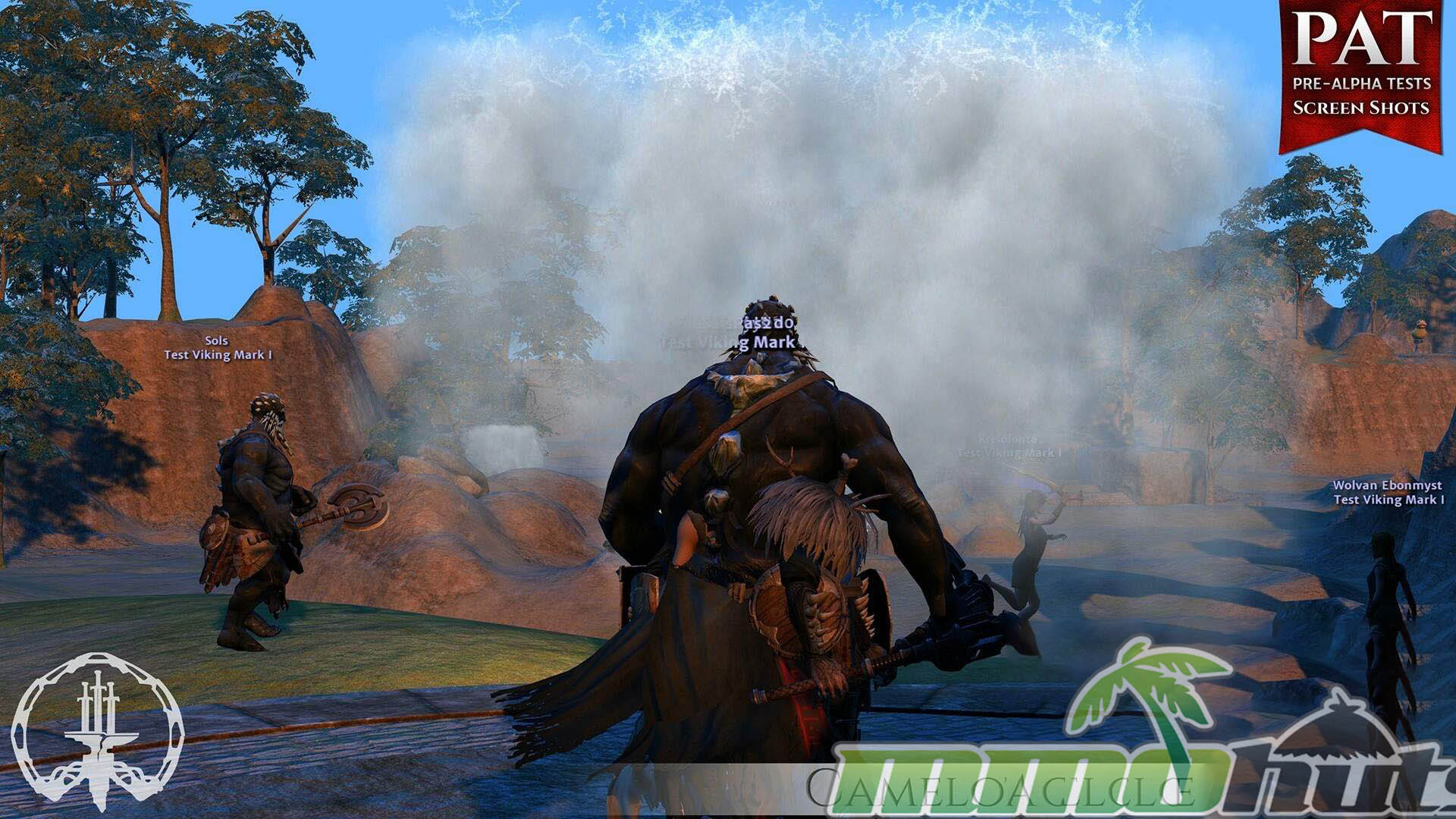
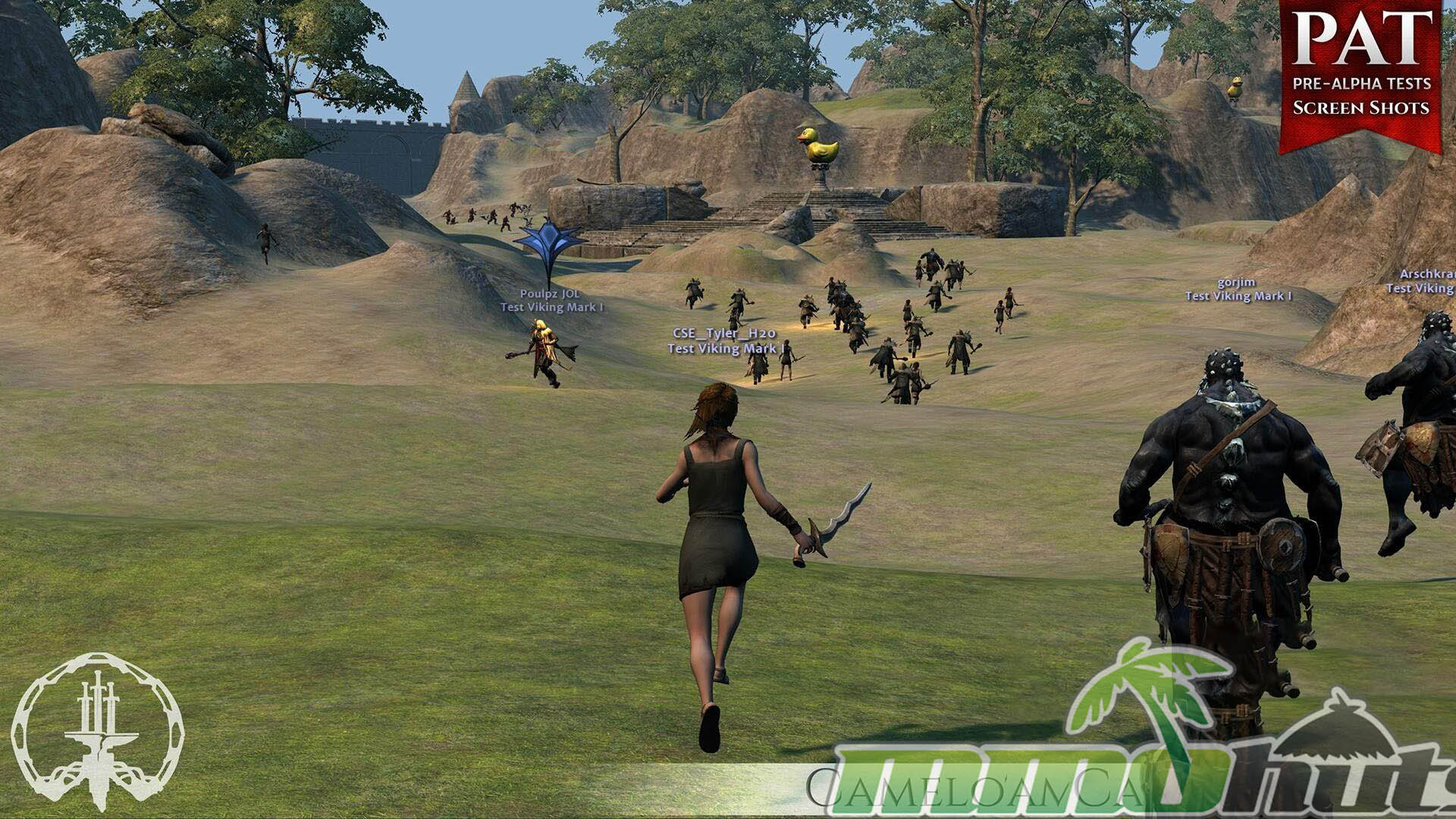
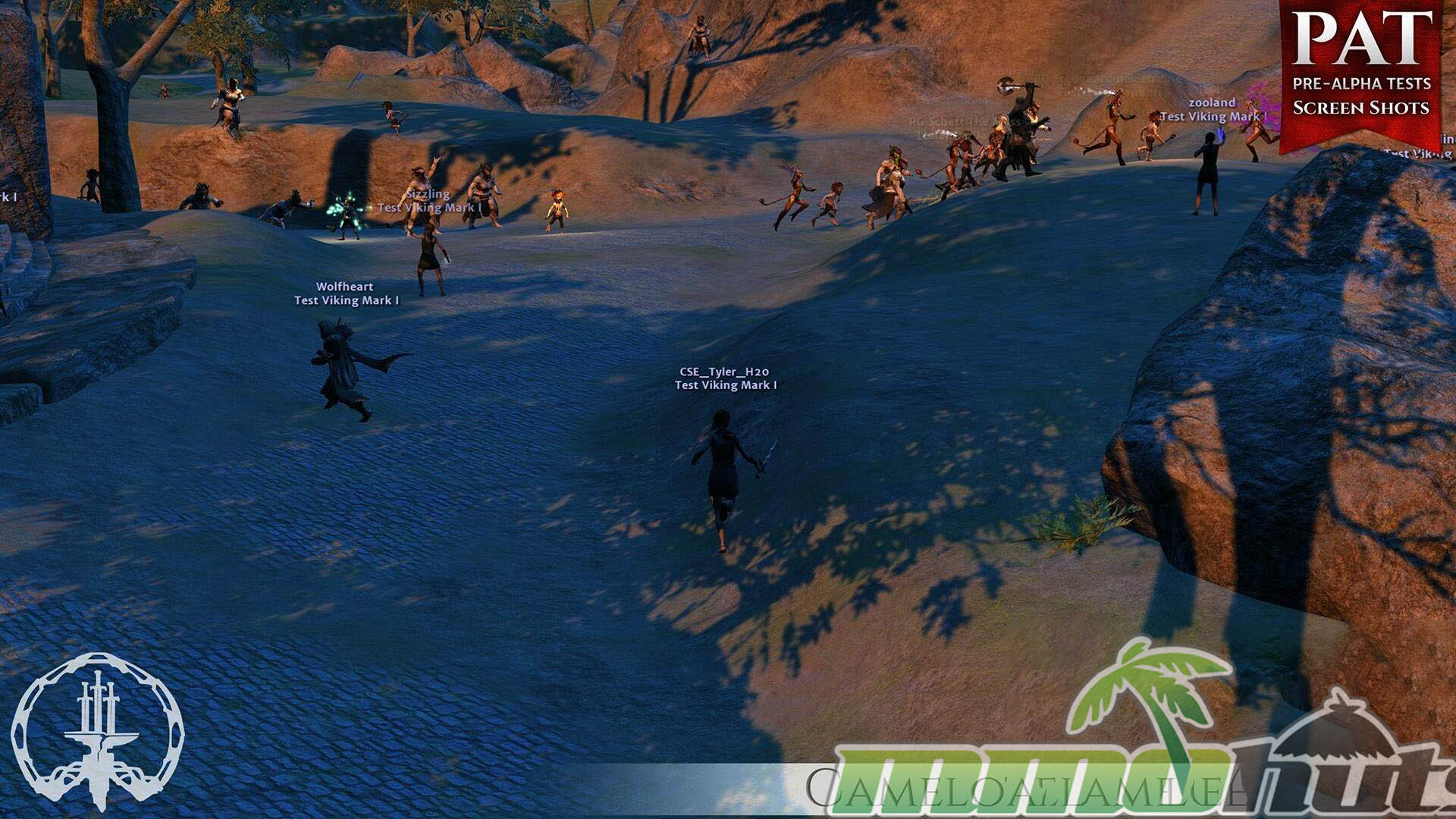
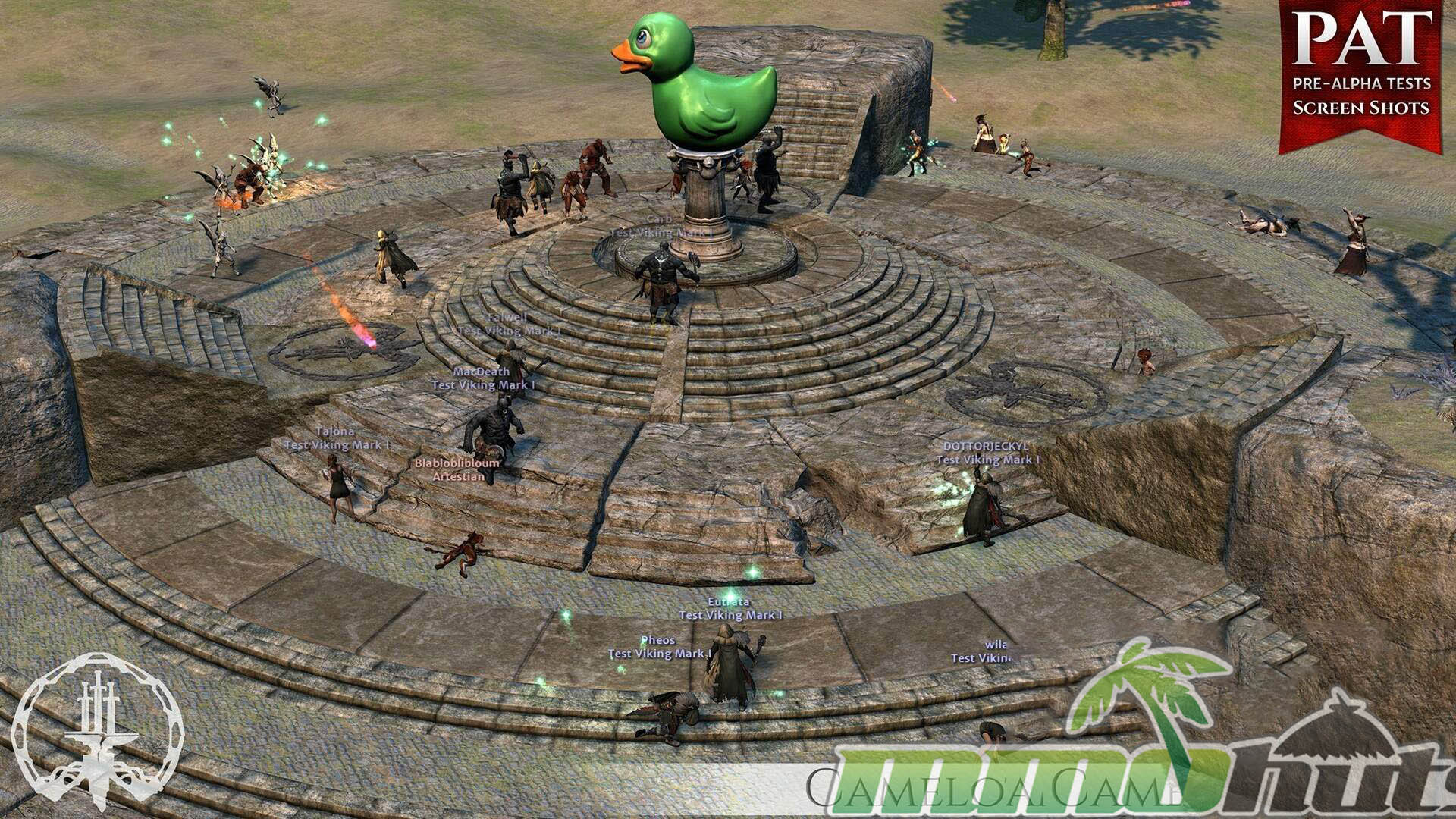
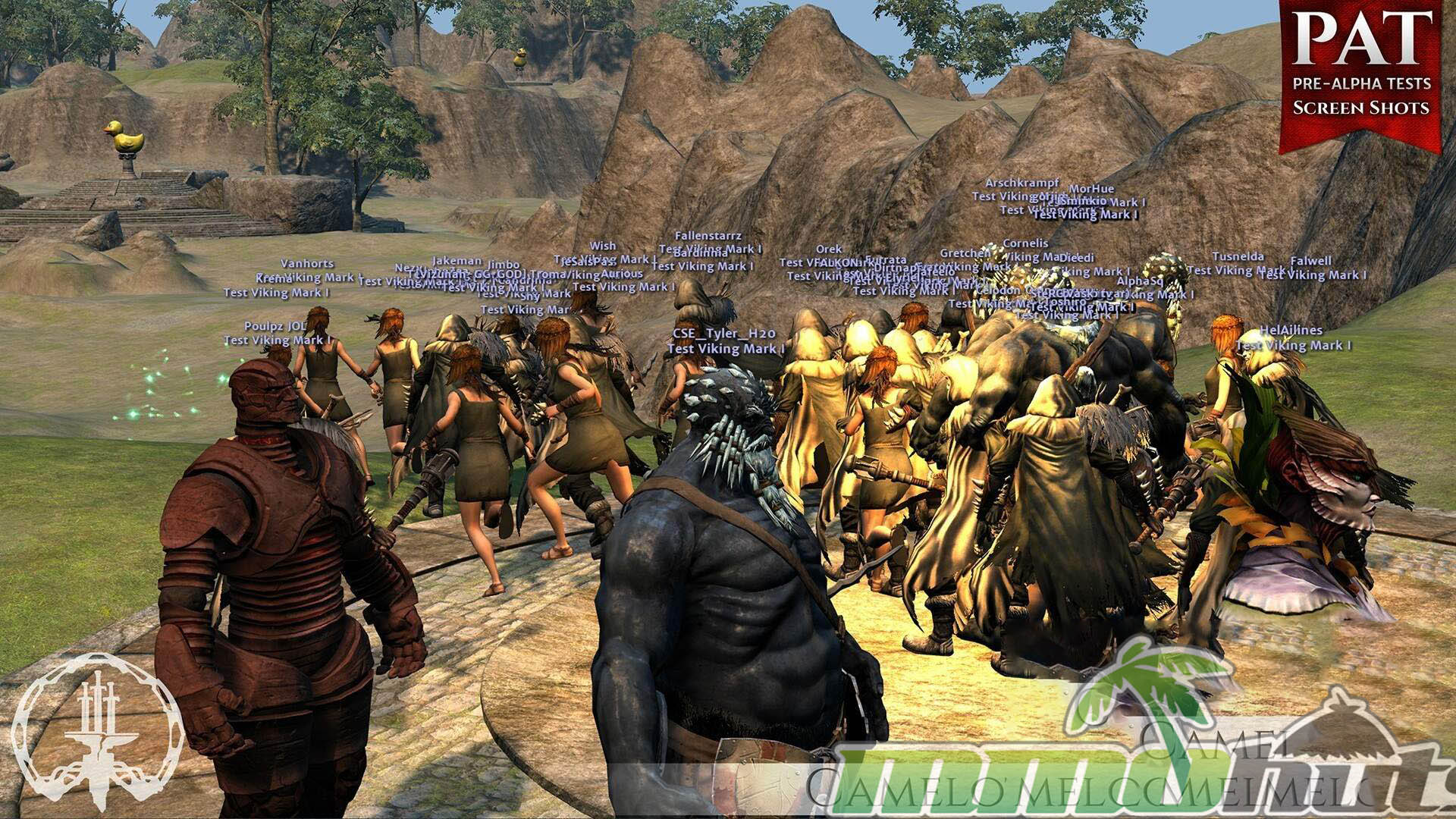
Camelot Unchained Screenshots




Camelot Unchained Featured Video

Camelot Unchained Review
A complete Camelot Unchained review will be posted here in the near future.
Camelot Unchained Links
Official Camelot Unchained Site
Camelot Unchained on Wikipedia
Camelot Unchained Subreddit
Camelot Unchained System Requirements
Minimum Requirements:
Operating System: Windows XP / Vista / 7 / 8
CPU: Intel Dual Core / AMD X2 5600+
Video Card: Nvidia GeForce 8800 GT / ATI Radeon 2600 XT
RAM: 3 GB
Hard Disk Space: 15 GB
Recommended Requirements:
Operating System: Windows XP / Vista / 7 / 8 (64 bit OS recommended)
CPU: Intel Core i5 / AMD FX Series
Video Card: Nvidia GeForce GTX 400 series / ATI Radeon HD 7790 or better.
RAM: 6 GB
Hard Disk Space: 15 GB
City State Entertainment has not published final, official system requirements for Camelot Unchained yet. The specs listed here are our current best-guess targets, and we’ll revise them once confirmed requirements are made available.
Camelot Unchained Music & Soundtrack
While the full soundtrack details are still not broadly documented, audio presentation matters a lot in a realm-war MMO, especially when battles depend on quick recognition of abilities and battlefield cues. Ideally, Camelot Unchained’s mix will support large-scale fights with clear effects and readable impact sounds, without turning busy sieges into indistinct noise.
As more official music and audio information is released, this section will be updated with additional details about the game’s soundtrack and overall sound direction.
Camelot Unchained Additional Information
Developer: City State Entertainment
Designer(s): Mark Jacobs
Game Engine: Camelot Unchained’s proprietary engine
Closed Beta Date: To be announced
Open Beta Date: To be announced. Expected release date June 2016
Development History / Background:
Camelot Unchained is being built by City State Entertainment, a studio headed by Mark Jacobs, best known in MMO circles for his role leading design on Dark Age of Camelot. From the outset, the concept has been clear: prioritize Realm vs Realm combat and the kinds of player-organized wars that emerge when three sides compete for territory and bragging rights.
Work on the project started in late 2012, and funding expanded through a Kickstarter campaign launched in March 2013. That campaign brought in over $2 million in crowdfunding, with Jacobs also stating he would add another $2 million of his own. Public testing moved into alpha on March 3, 2015, with a release expectation at the time positioned around 2016, although the project has since continued development well beyond that early target.