
Warframe
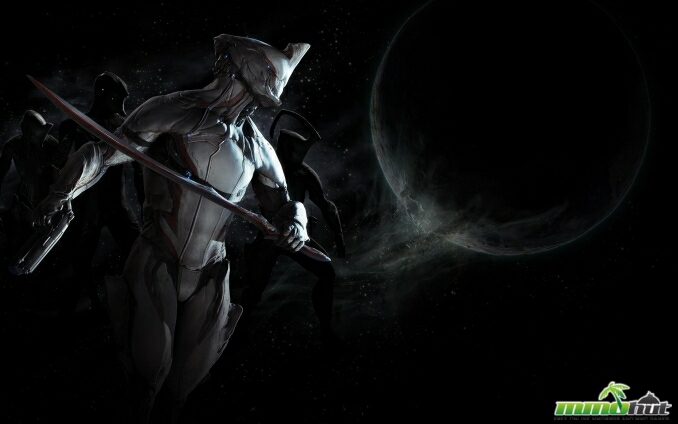
Warframe is a free-to-play, third-person sci-fi MMO shooter built around quick co-op missions and agile “space ninja” combat. You play as a Tenno, piloting powerful biomechanical suits called Warframes, mixing gunplay with melee combos and parkour movement while tackling enemy factions across the solar system.
|
Publisher: Digital Extremes Playerbase: High Type: MMORPG PvP: Duels / Conclave (Arenas) / Solar Rail Release Date: Mar 25, 2013 (NA/EU) Pros: +Strong cooperative action. +Wide selection of Warframes and builds. +Impressive presentation (visuals and music). Cons: -A heavy grind is unavoidable. -Mission flow can feel repetitive over time. -Difficulty often skews too easy. -PvP remains fairly limited. |

Warframe Overview
Warframe is an online co-op third-person shooter where you step into the role of the Tenno, ancient warriors awakened to fight using advanced exosuits known as Warframes. Missions lean into momentum and mobility, letting you chain slides, wall-runs, jumps, and ziplines while swapping between blades and firearms. The core experience is PvE, with optional PvP modes available, but most of the game’s depth and progression is tied to running objectives with other players and improving your gear.
At the start you pick from three beginner-friendly Warframes, then expand into a much larger roster over time (the page’s class list below summarizes the starter choices). Each suit brings a different kit and feel, so group play naturally encourages mixing roles, whether you prefer direct damage, utility, or support. Across the solar system you will face different enemy types, from militarized clone troops and automated tech factions to zombie-like infected hordes, all wrapped in a slick, futuristic style.
Warframe Key Features:
- Good Variety of Warframes – a large selection of suits with mod-based customization for different builds and roles.
- Fluid parkour combat – responsive shooter controls paired with ninja movement for positioning and survivability.
- Constant Updates – ongoing balance changes and new content shaped by community feedback.
- Awesome Graphics and SFX – high-quality visuals and a soundtrack that helps sell the pace and intensity of missions.
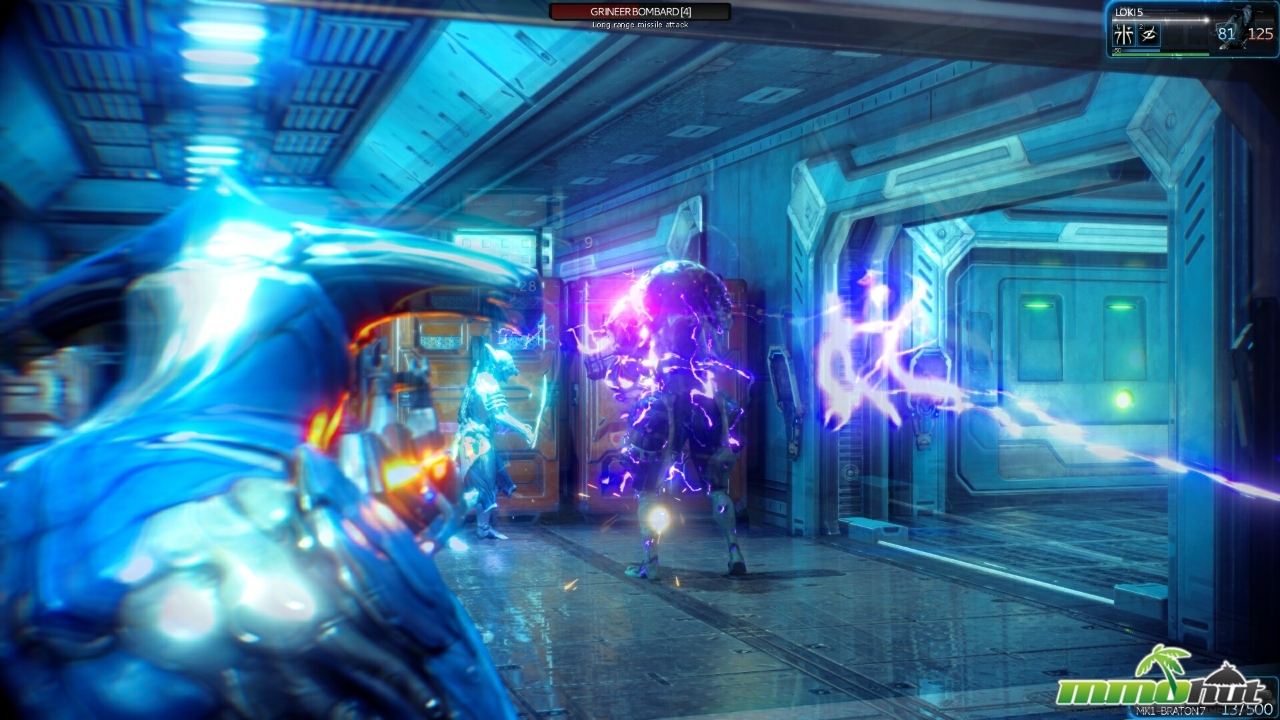
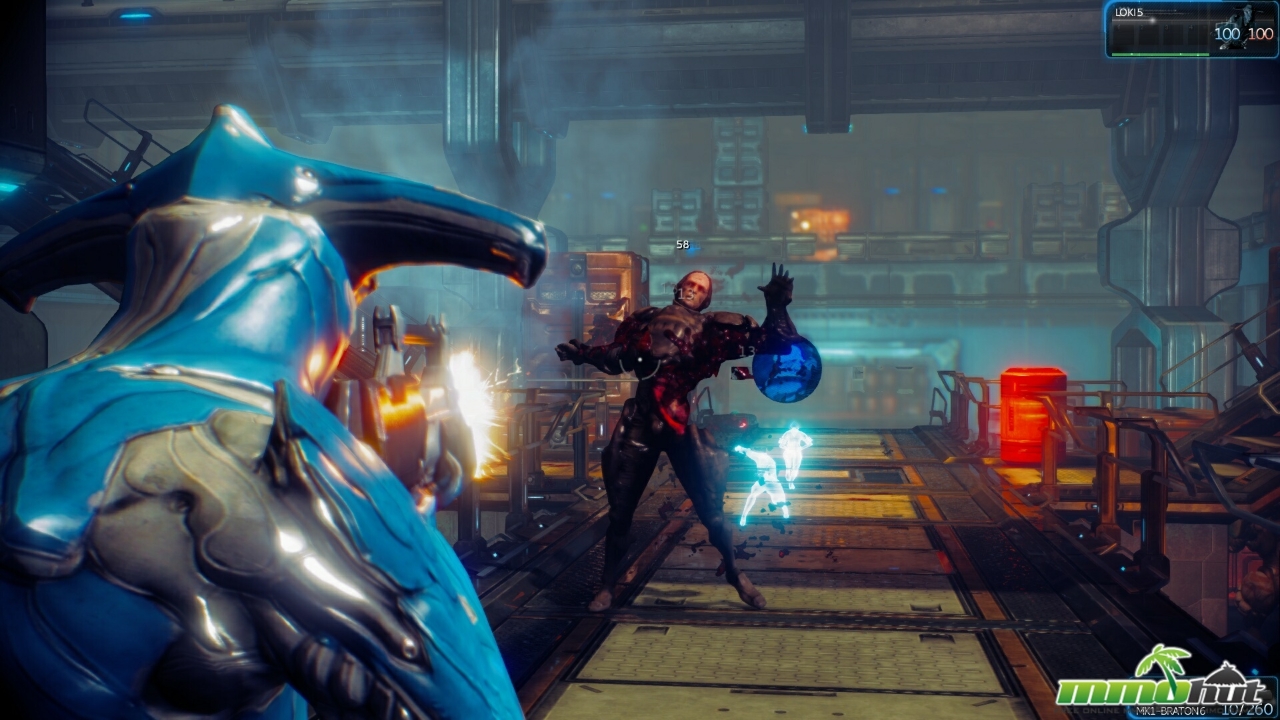
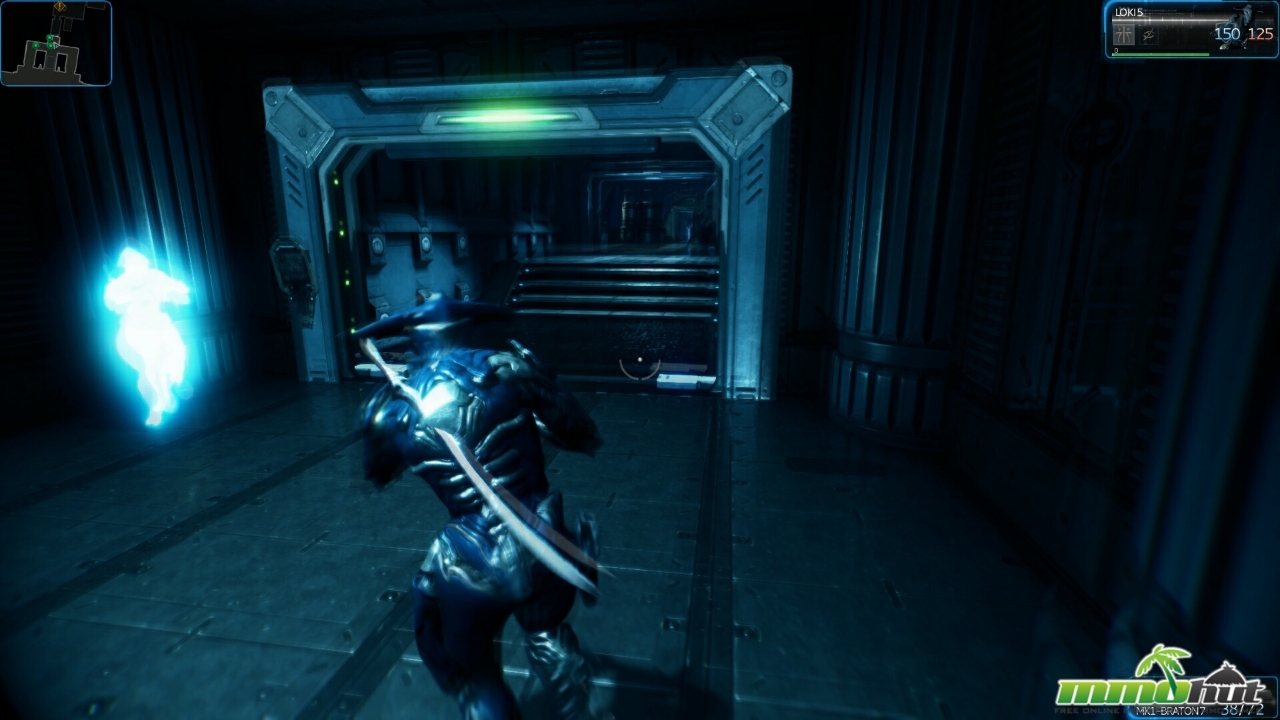
Warframe Screenshots


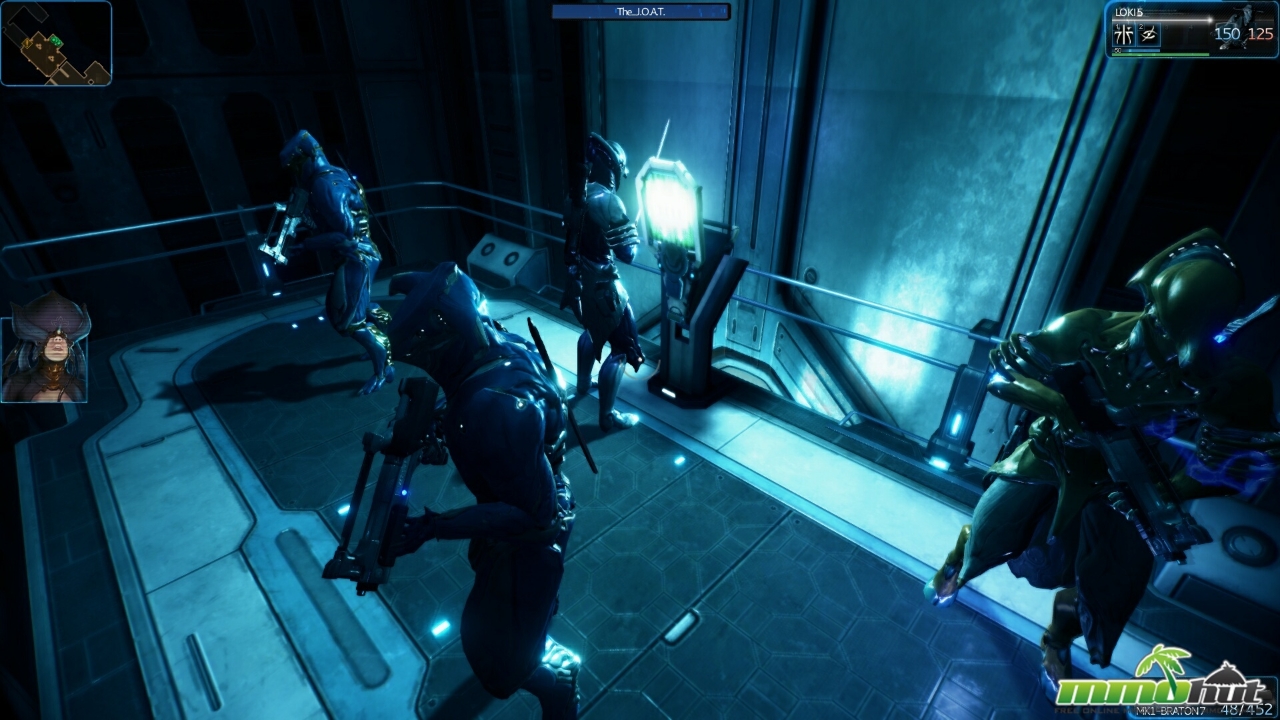
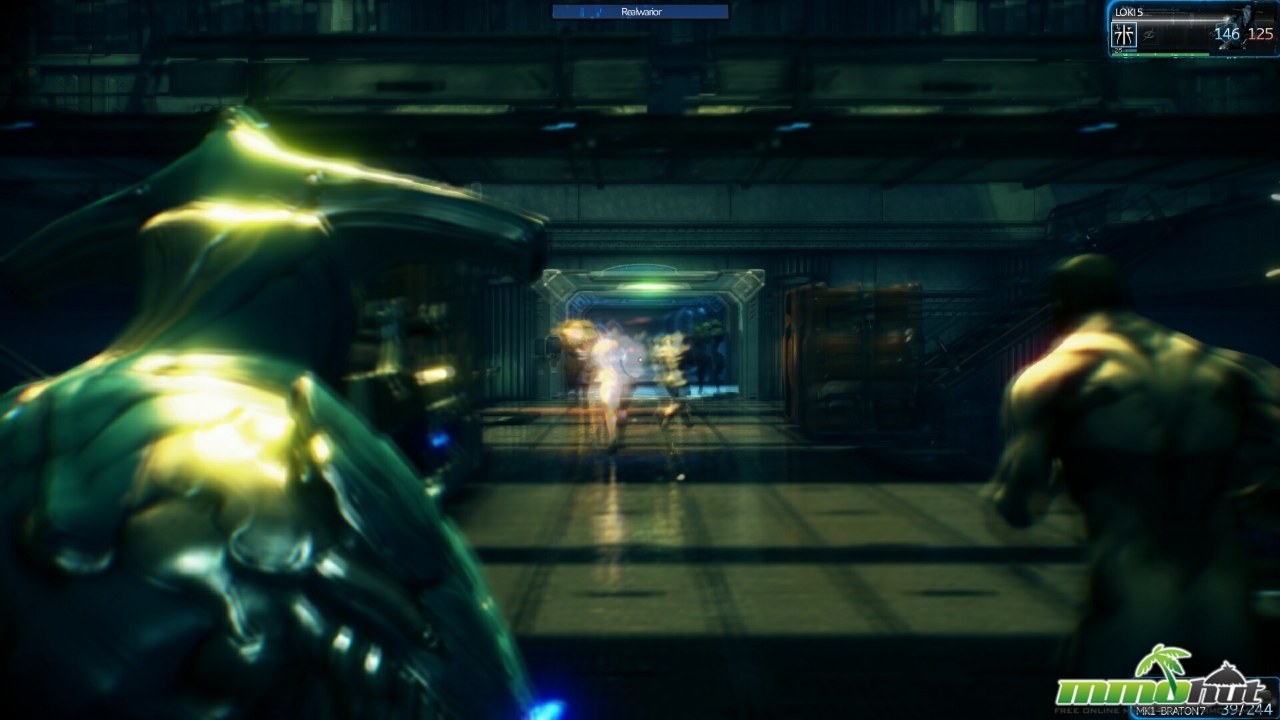

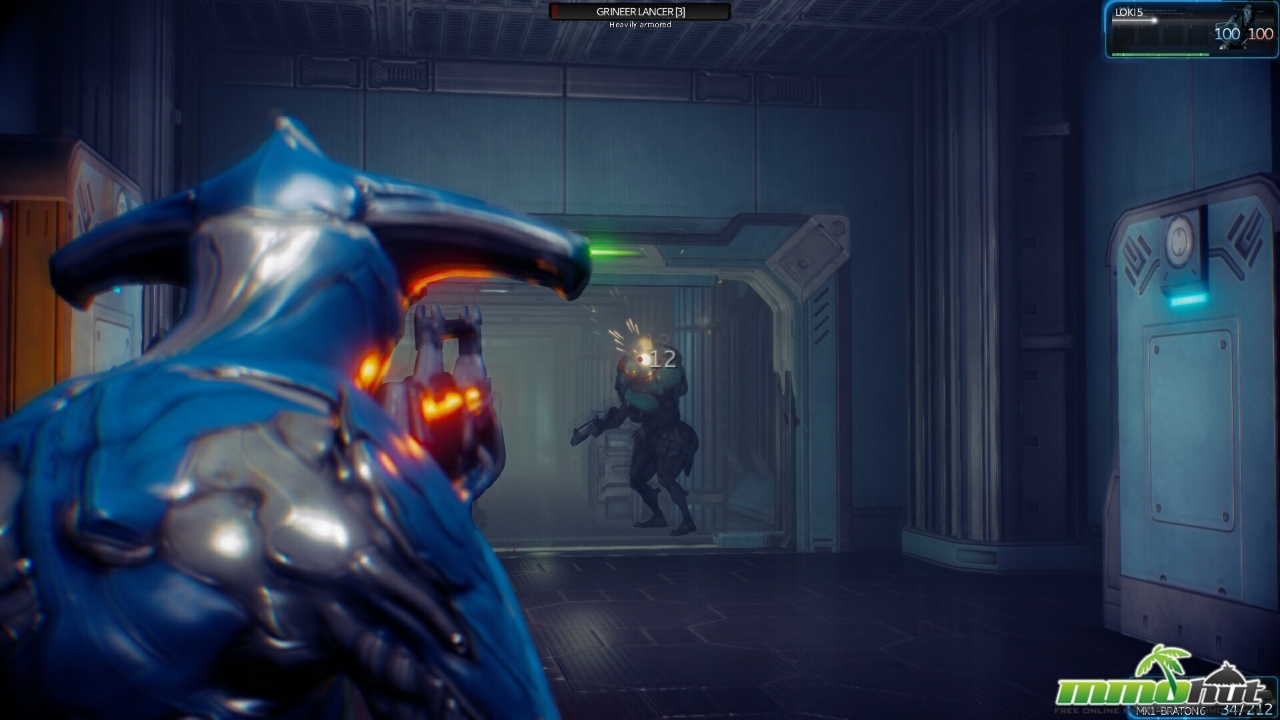
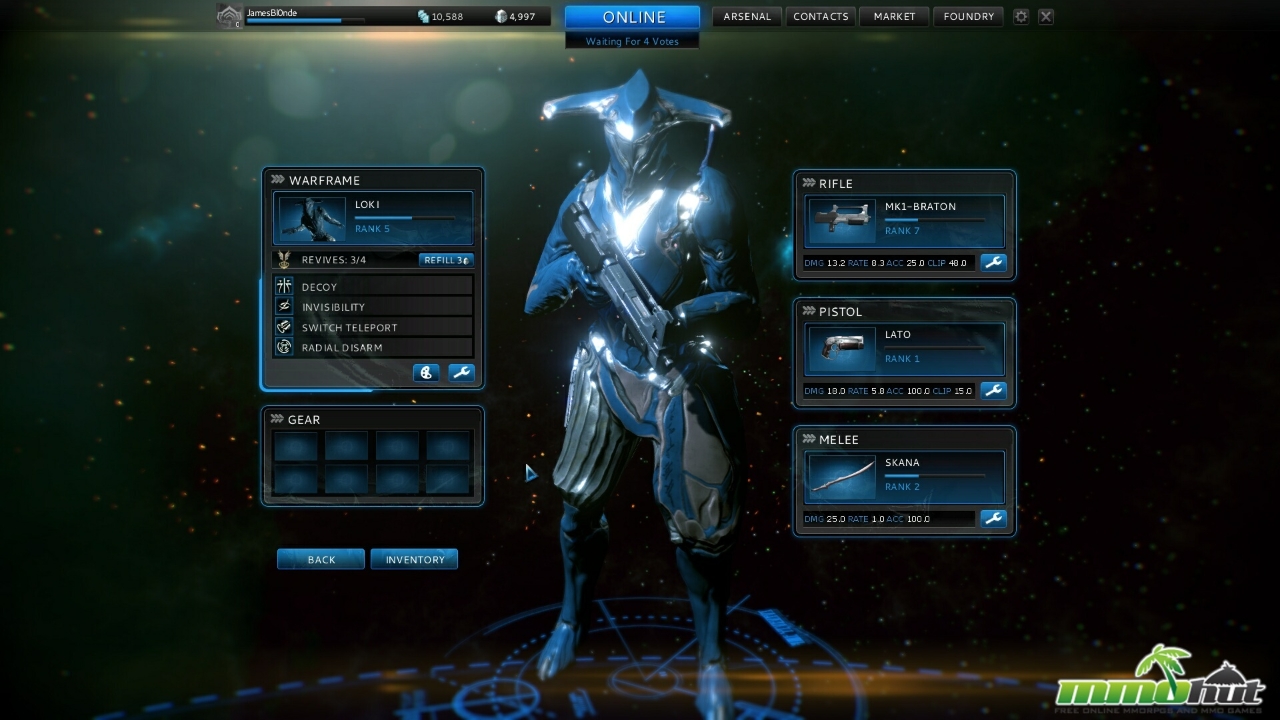
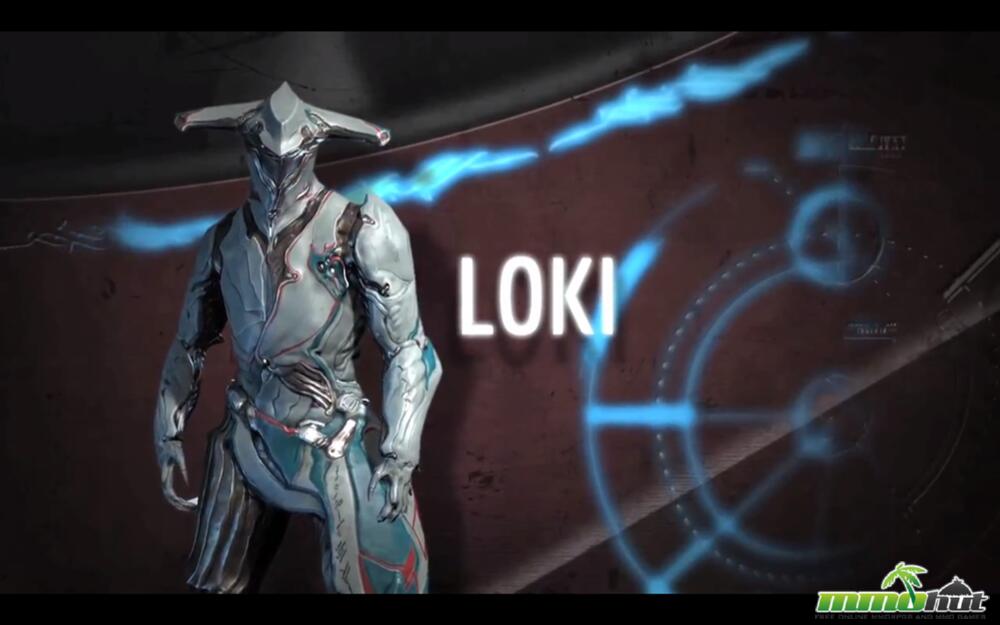
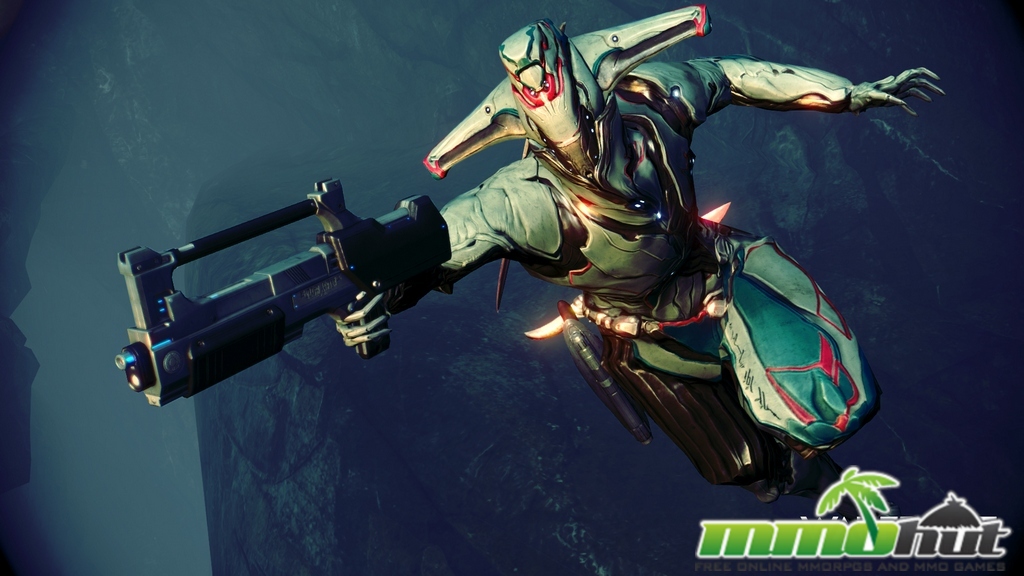
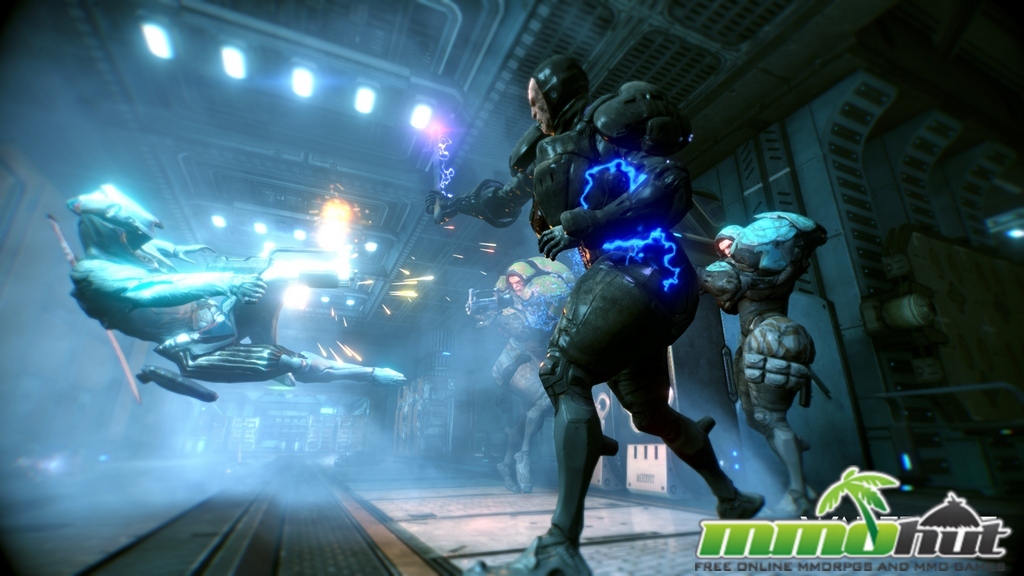

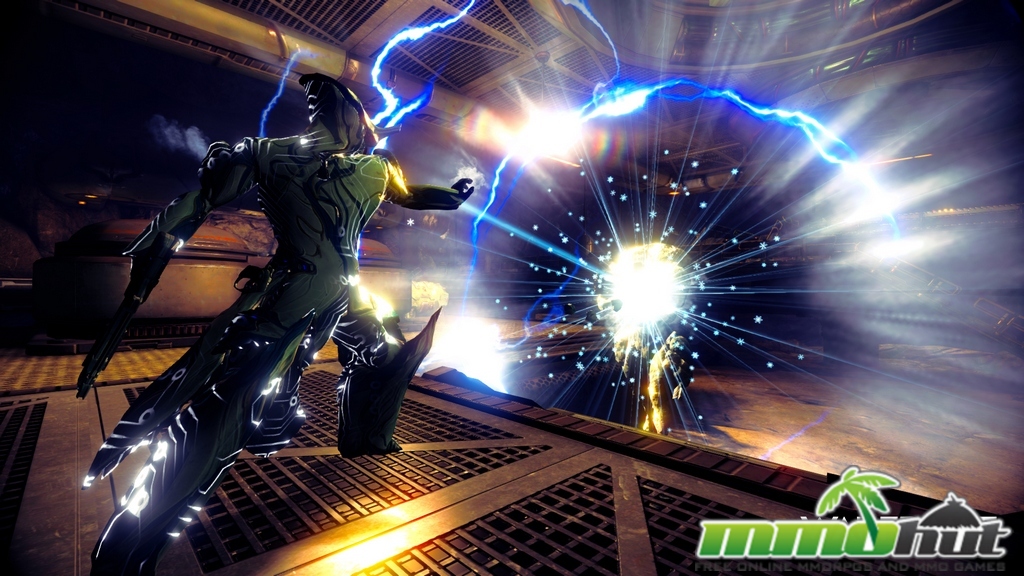
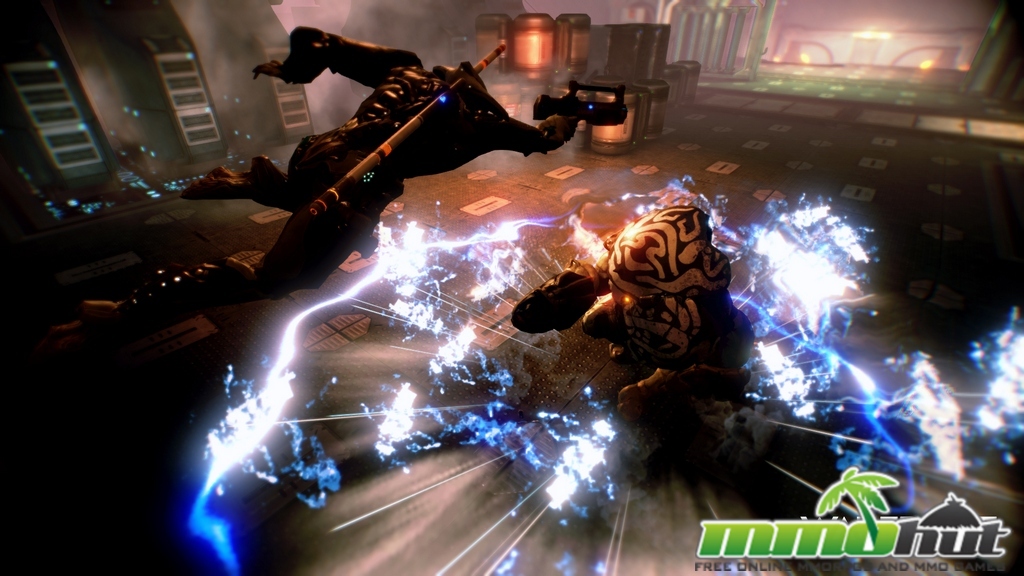
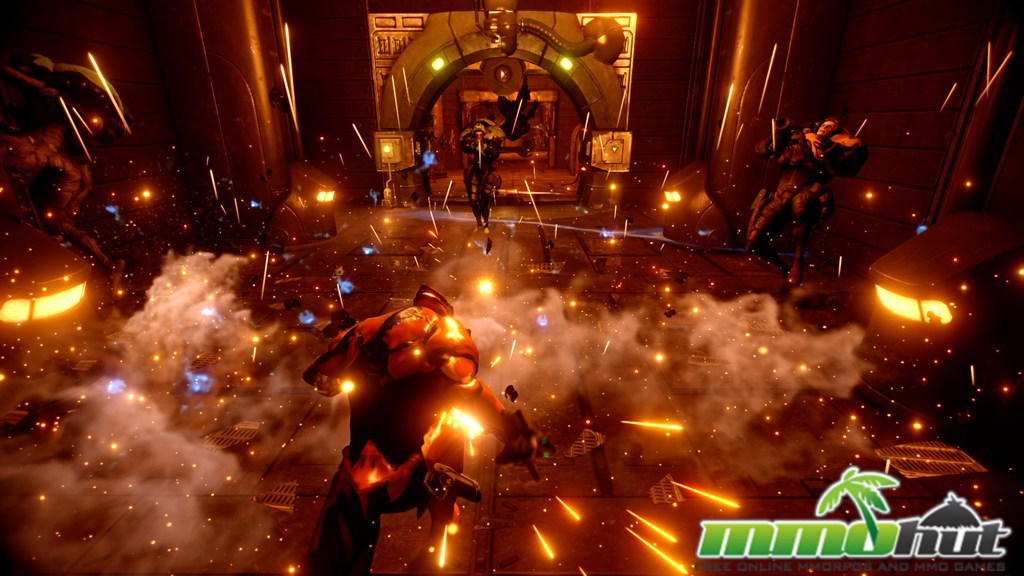
Warframe Featured Video

Starting Warframes:
- Excalibur – an iconic, all-rounder Warframe designed to be approachable, versatile, and effective in most situations.
- Volt – an electricity-based Warframe focused on high offensive output and fast, aggressive play.
- Mag – a support-leaning Warframe that manipulates magnetism, interacting with shields and controlling enemies.
Warframe Review
Warframe is a free-to-play 3D sci-fi MMO action shooter developed and published by Digital Extremes. It entered open beta on March 21, 2013, and later expanded beyond PC due to its popularity, including releases on PlayStation 4 and Xbox One. The project also carries DNA from Digital Extremes’ earlier title Dark Sector, especially in its aesthetic and overall design sensibilities.
The setting is the far future within our solar system. You awaken as one of the Tenno, guided by the Lotus, and are pushed into a conflict involving the Grineer (mass-produced clone soldiers), the Corpus (a high-tech robotic faction), and the Infested, corrupted variants of existing forces turned into monstrous, zombie-like threats. One thing that stands out is how “alive” the game feels as a service, with frequent changes and additions that can noticeably shift what the current experience looks like.
First Steps as a Tenno
Your opening minutes are built around selecting a starter Warframe (Excalibur, Mag, or Volt) and learning the fundamentals through an introductory mission. The onboarding is tied to the narrative, so it is not a segment you can simply bypass. It establishes the basic loop quickly: movement first, combat second, then a gentle push toward gear and ship management.
Once you regain access to your ship, early progression revolves around restoring functionality by completing the first set of missions. The ship’s AI, Oris, has a distinct personality and helps keep these early objectives from feeling too dry, even when the tasks themselves are straightforward. The first required mission is solo-only, but after that, co-op becomes the default way to play if you want it.
Mission Structure and Objectives
After the introduction, Warframe continues like a campaign that gradually introduces crafting, upgrades, and the broader conflict. Missions are chosen from the cockpit, and once the main path opens up you can jump between nodes across planets and moons. The variety is familiar to anyone who has played co-op shooters: extermination, sabotage, rescue, and endurance-oriented modes like survival, with occasional content set in space.
Space-focused missions rely on Archwings, which you can obtain by completing a quest after reaching Mastery Rank 2. Regardless of mission type, the reward structure remains consistent, you gather drops during the run and also earn credits, crafting materials, and Modules (Mods) on completion. The game also tracks milestone-style achievements automatically, such as stealth kills or cumulative enemy defeats, which provides a steady drip of goals while you learn the systems.
Movement and Combat Feel
Warframe’s controls are approachable, with a layout and pacing that will feel familiar to players coming from traditional shooters. Where it separates itself is mobility: sprinting, sliding, wall-running, and acrobatic repositioning are not optional tricks, they are part of how combat is meant to flow. You can play loudly with constant aggression or slow things down by leaning into stealth, depending on mood and loadout.
Levels are assembled from pre-built rooms and corridors, producing randomized layouts that keep routes from being identical every time. Even so, the tilesets can blur together after long farming sessions, and that sameness becomes more noticeable when you are repeating content for specific drops. Combat remains satisfying, but the overall difficulty can sometimes feel forgiving, especially for coordinated groups.
Loadouts, Fashion, and Identity
Customization is one of Warframe’s biggest hooks. Visually, you can adjust helmets, armor pieces, and colors to create a distinct look, and the game’s community has effectively turned appearance into its own endgame. Mechanically, loadouts are equally flexible, you can bring different primary and secondary weapons, plus a melee option that often feels just as important as gunplay.
This flexibility supports different approaches to the same mission. You can run a loud, high-rate-of-fire setup for straightforward clearing, or switch to bows, thrown weapons, and blade-focused kits when you want a more deliberate pace. The game rarely forces a single “correct” answer, it more often rewards understanding your tools.
Progression Through Mods and Mastery
Both weapons and Warframes grow primarily through Mods, which you earn as drops, mission rewards, or by purchasing from the shop. Mods can also be traded with other players, and rare ones can be sold for Platinum. There is also a transmutation option that consumes four unranked Mods to produce one random Mod, which can be useful when your inventory is overflowing with duplicates.
Mods provide stat boosts or change how abilities and weapons perform, but you are limited by Mod capacity, each Mod has a cost, and your total is capped until you improve the item. Because you can swap Mods freely at the Arsenal, experimenting is encouraged, and optimizing a build becomes a meaningful long-term pursuit rather than a one-time choice.
Weapons earn Affinity (XP) through use, ranking up to a maximum of 30. Leveling equipment also grants Mastery Points, which contribute to your Mastery Rank. Higher Mastery Ranks unlock more gear options and raise your daily trade limit, which matters if you plan to engage with the player economy.
Warframes also level to 30, gaining Affinity through ability use, kills, revives, objective play, and mission completion. As they rank up, they gain more Mod capacity along with increases to core stats like health, shields, and energy. Abilities unlock and improve automatically across levels, helping new players feel steady power growth even before they fully understand buildcraft.
Presentation: Visuals and Sound
Warframe’s art direction is a consistent strength. The animation work sells the fantasy of being a hyper-mobile fighter, and actions like melee blocks and parkour transitions look and feel smooth. Even small environmental details, including water and reflective surfaces, tend to hold up well, which helps the game’s sci-fi locations feel more polished than you might expect from a free-to-play title.
Audio is more mixed. Effects do their job without always standing out, while the music tends to become more noticeable during combat peaks, supporting the game’s fast tempo. Overall, the presentation elevates what is, at its core, a repeatable mission game.
Foundry and Crafting Timers
Crafting happens in the Foundry aboard your ship. If you have the right blueprints and materials, you can build weapons, Warframes, Archwings, and Sentinels (robotic companions that assist in combat). Builds take real time to complete, and the timer continues even while you are offline.
You can also spend Platinum to finish crafting instantly, with the cost varying by item. This system is a major part of Warframe’s free-to-play structure, it keeps progression active over long periods, but it also reinforces the sense that patience and repetition are expected.
Market, Platinum, and the Grind
Warframe’s Market includes Warframes, weapons, cosmetics, Mod bundles, prime parts, and items that can dramatically improve build potential, such as crystals that effectively double Mod capacity. Purchases are made with Platinum, and while some offerings are powerful, the game’s co-op focus reduces the competitive pressure that typically makes pay-to-win concerns more severe.
Still, pricing can feel steep, even for purely cosmetic customization. The upside is that much of the Market’s appeal can be earned through play, assuming you are willing to invest time and accept RNG. Trading also provides an alternate route, dedicated players can farm rare Mods or prime parts and exchange them for Platinum, which can feel reminiscent of older loot-grind games where repeated runs were the norm.
Final Verdict – Great
Warframe remains one of the stronger free-to-play co-op action games, especially for players who enjoy refining builds, collecting gear, and improving movement mastery. The combat is energetic, the roster of Warframes gives meaningful variety, and the overall production values are higher than many genre peers.
Its biggest drawback is the amount of repetition required to chase specific items, and the difficulty curve can be inconsistent, sometimes feeling too forgiving for experienced squads. Endgame direction can also feel vague depending on what goals you set for yourself. Even with those issues, the moment-to-moment gameplay, mobility, and style make it easy to recommend for anyone looking for a PvE-focused MMO shooter with a long runway of progression.
Warframe Links
Warframe Official Site
Warframe Steam Page
Warframe Wikipedia
Warframe Wikia [Database / Guides]
Warframe System Requirements
Minimum Requirements:
Operating System: Windows XP / Vista / 7 / 8
CPU: Intel Core 2 Duo 6400 / AMD Athlon 4000
Video Card: GeForce 8600 GT / ATI Radeon HD 3600
RAM: 2 GB
Hard Disk Space: 10 GB
Recommended Requirements:
Operating System: Windows XP / Vista / 7 / 8
CPU: Dual Core 2.5 GHz CPU or better
Video Card: GeForce 300 series
RAM: 4 GB
Hard Disk Space: 10 GB
Warframe only lists minimum system requirements on their official website. The recommended requirements we provide are based on our estimate to run the game at max settings at high resolutions.
Warframe Music & Soundtrack
Warframe Additional Information
Developer: Digital Extremes
Game Engine: Evolution Engine
Other Platforms: Platstation 4 and Xbox One
Closed Beta Date: October 24, 2012
Open Beta: March 21, 2013
Other Platform Release Dates:
Playstation 4: November 15, 2013
Xbox One: September 2, 2014
Development History / Background:
Warframe was created by Canadian studio Digital Extremes using the Evolution Engine. Work on the project began in late 2011 and early 2012, following the studio’s earlier sci-fi release Dark Sector. A number of Warframe’s visual and structural ideas clearly echo that prior game, particularly in character styling and environmental themes.
After arriving on Steam, Warframe’s audience grew rapidly, and it became one of the most successful free-to-play titles on the platform around its launch period. Digital Extremes has continued to iterate with frequent updates, helping the game maintain relevance over the long term. With the PC version proving successful, the studio brought Warframe to consoles on both PlayStation 4 and Xbox One.
That momentum also led to corporate interest. Digital Extremes announced negotiations involving two Chinese companies, Perfect World Entertainment (Arc Games) and Sumpo Food Holdings, and the acquisition was finalized on October 14, 2014. Even after the sale, Digital Extremes continued operating as a stand-alone studio, backed by additional funding and support.