Talisman Online
 (No Ratings Yet)
Talisman Online drops players into a fantasy interpretation of ancient China, built around long-form leveling, constant gear improvement, and plenty of traditional MMO questing. With five distinct classes to choose from, it leans on flashy skill effects and a weapon-focused progression system to keep combat feeling rewarding, even when the moment-to-moment structure is familiar.
 | Publisher: Mira Game Playerbase: Medium Type: 3D Fantasy MMORPG Release Date: October 17, 2007 Pros: +Distinct class combat styles. +Bright, varied zones. +Showy spell and skill visuals. Cons: -Routine quest design. -Noticeable localization issues. -Long, slow trips between objectives. |

Talisman Online Overview
Talisman Online is a large-scale MMORPG themed around an ancient Chinese setting, with a heavy focus on quest-driven progression and loot-based character growth. You will spend a lot of time traveling between hubs, accepting tasks from nearly every corner of civilization, and gradually pushing from early wildlife encounters into more dangerous foes as your stats and skills come online. Combat is built to look and feel dramatic, with bright particles and impactful ability animations that make even routine fights seem more energetic than the quest structure suggests.
A big part of that progression is tied to talismans and equipment improvement. Your weapons and related talisman items gain power through use and upgrading, unlocking additional abilities and bonuses as they grow. The class lineup offers clear differences in role and playstyle, ranging from sturdy frontliners to high-damage specialists and supportive healers. Whether you are grouping for PvE or stepping into PvP, the game encourages teamwork, because many encounters feel smoother when roles are coordinated rather than everyone playing as a solo damage dealer.
Talisman Online Key Features:
- Varied Classes- Five distinct classes provide noticeably different roles and combat pacing.
- Expansive World- A large world map with long routes, broad regions, and colorful scenery.
- Talismans- Weapon and gear growth is tied to use-based upgrades and talisman progression.
- Questing- A huge supply of quests that form the backbone of leveling and rewards.
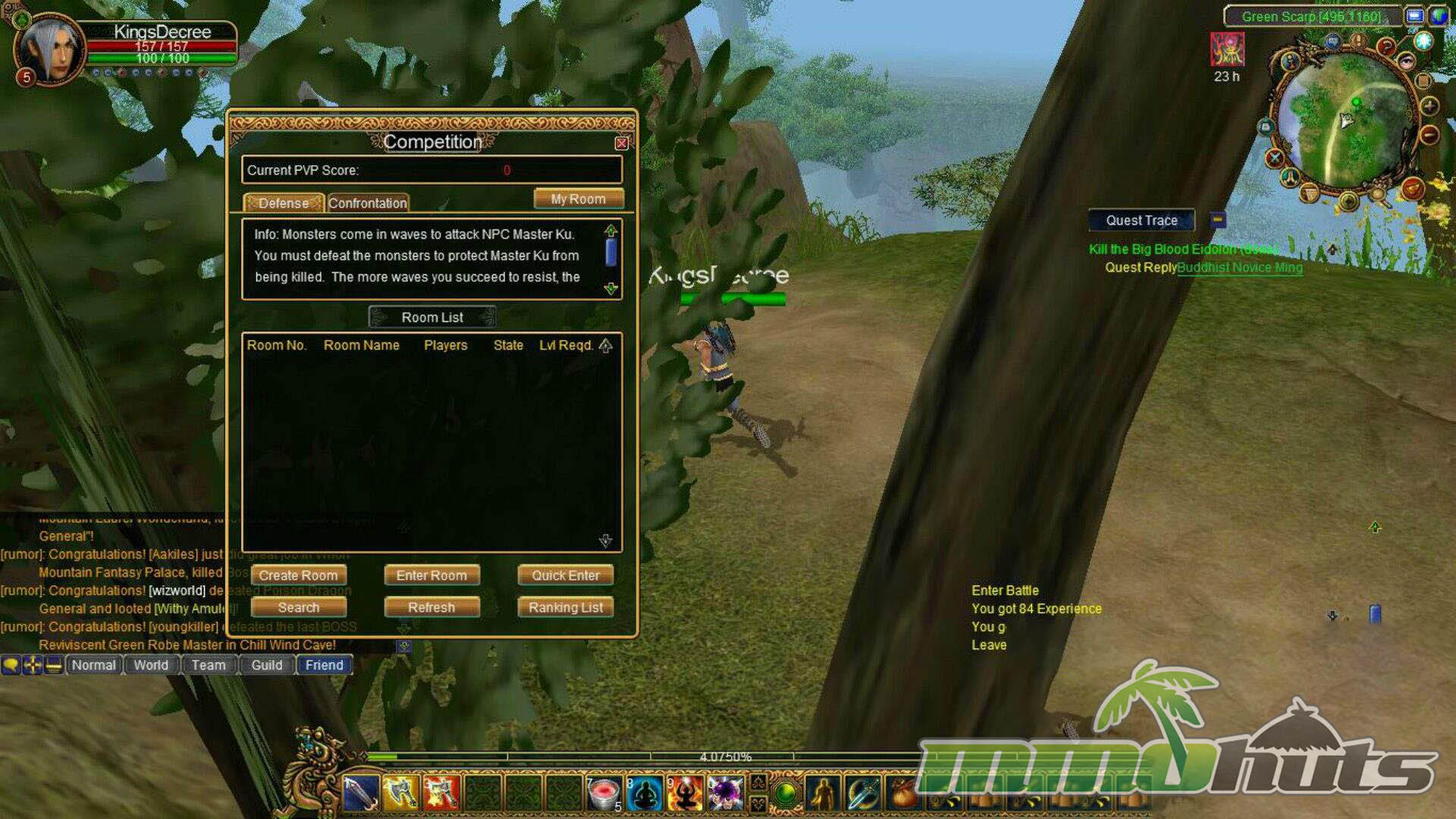
- Defense Mode- A wave-based mode built around guarding a V.I.P. under constant pressure.
Talisman Online Screenshots
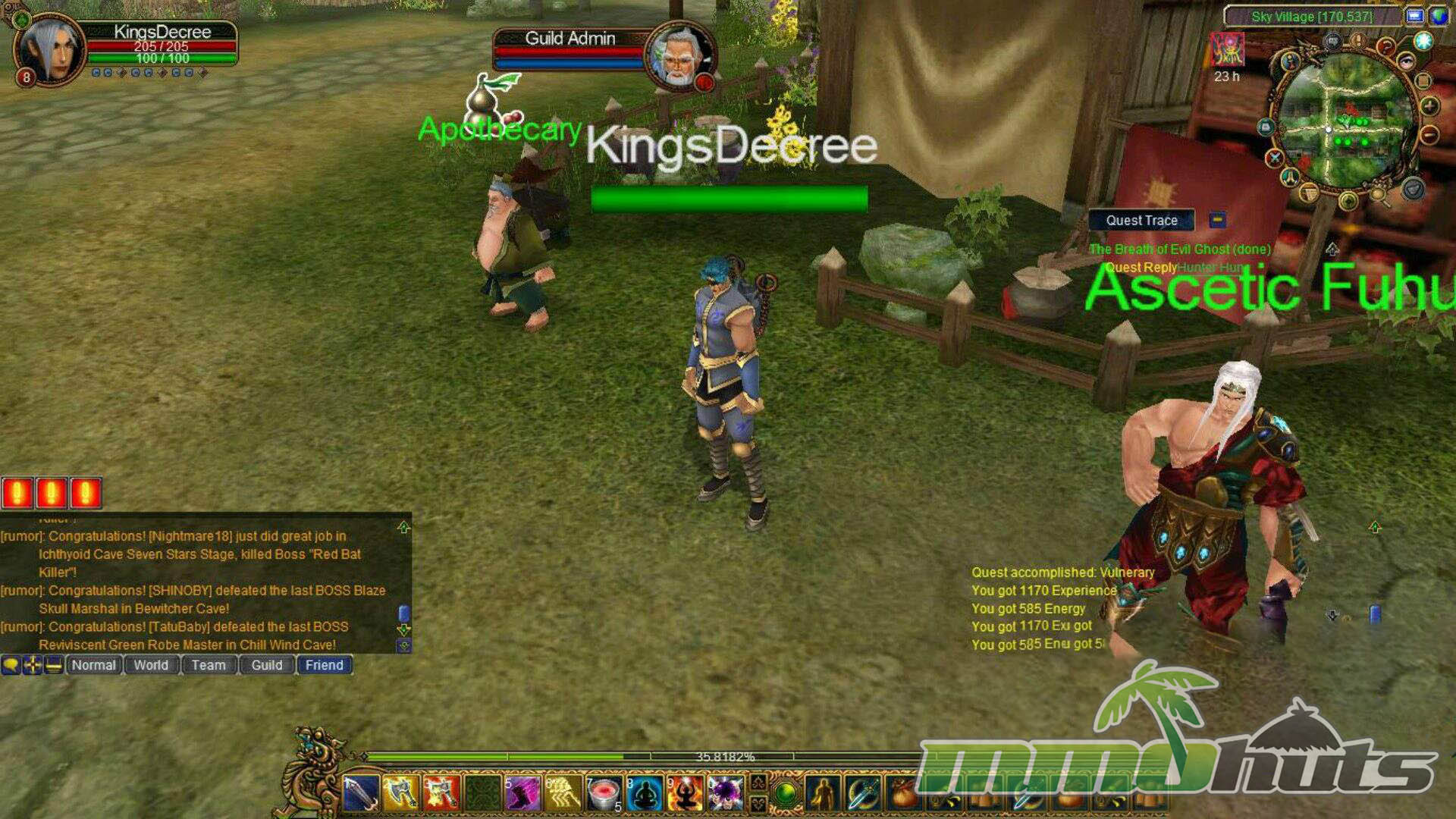
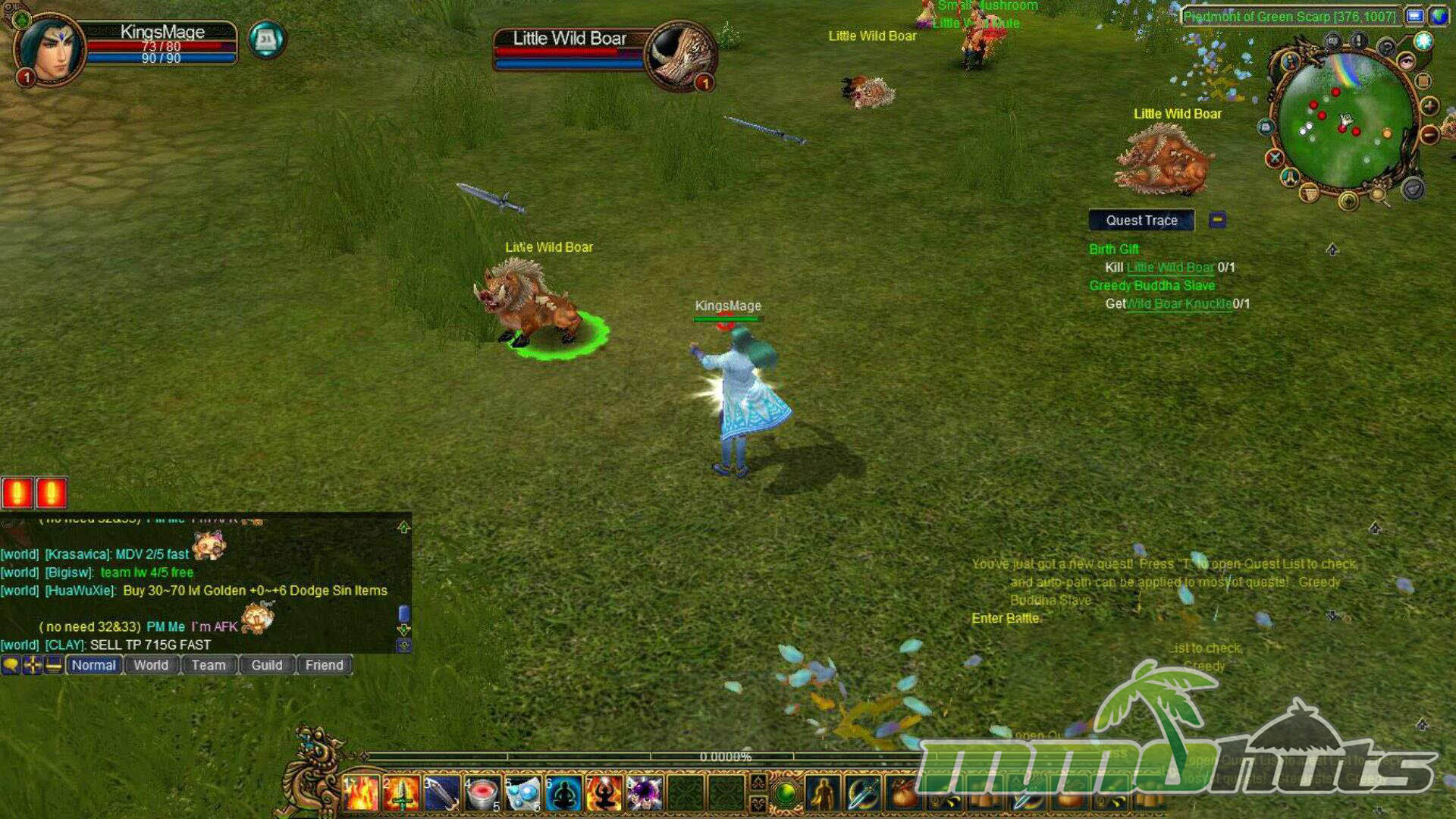

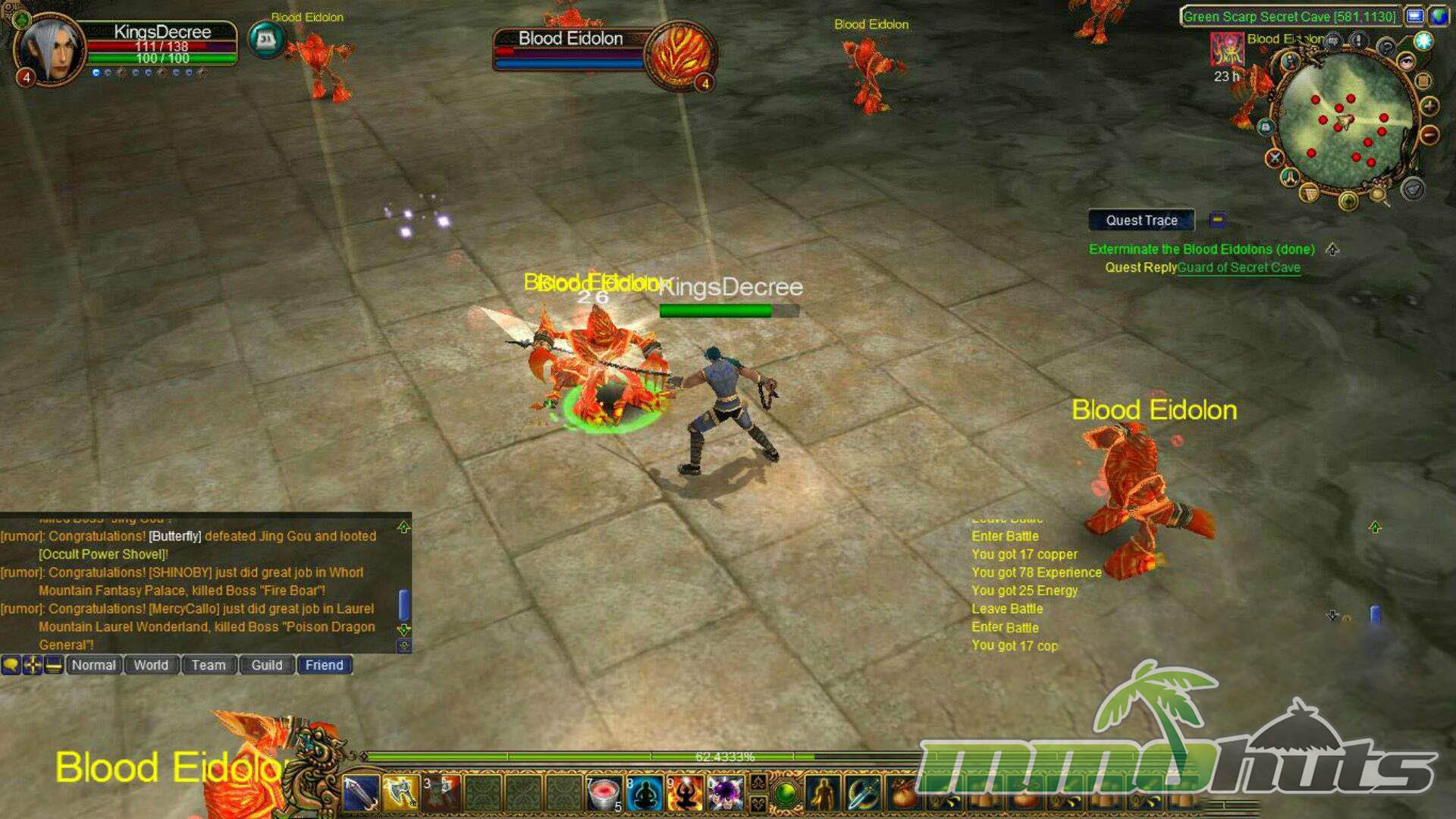
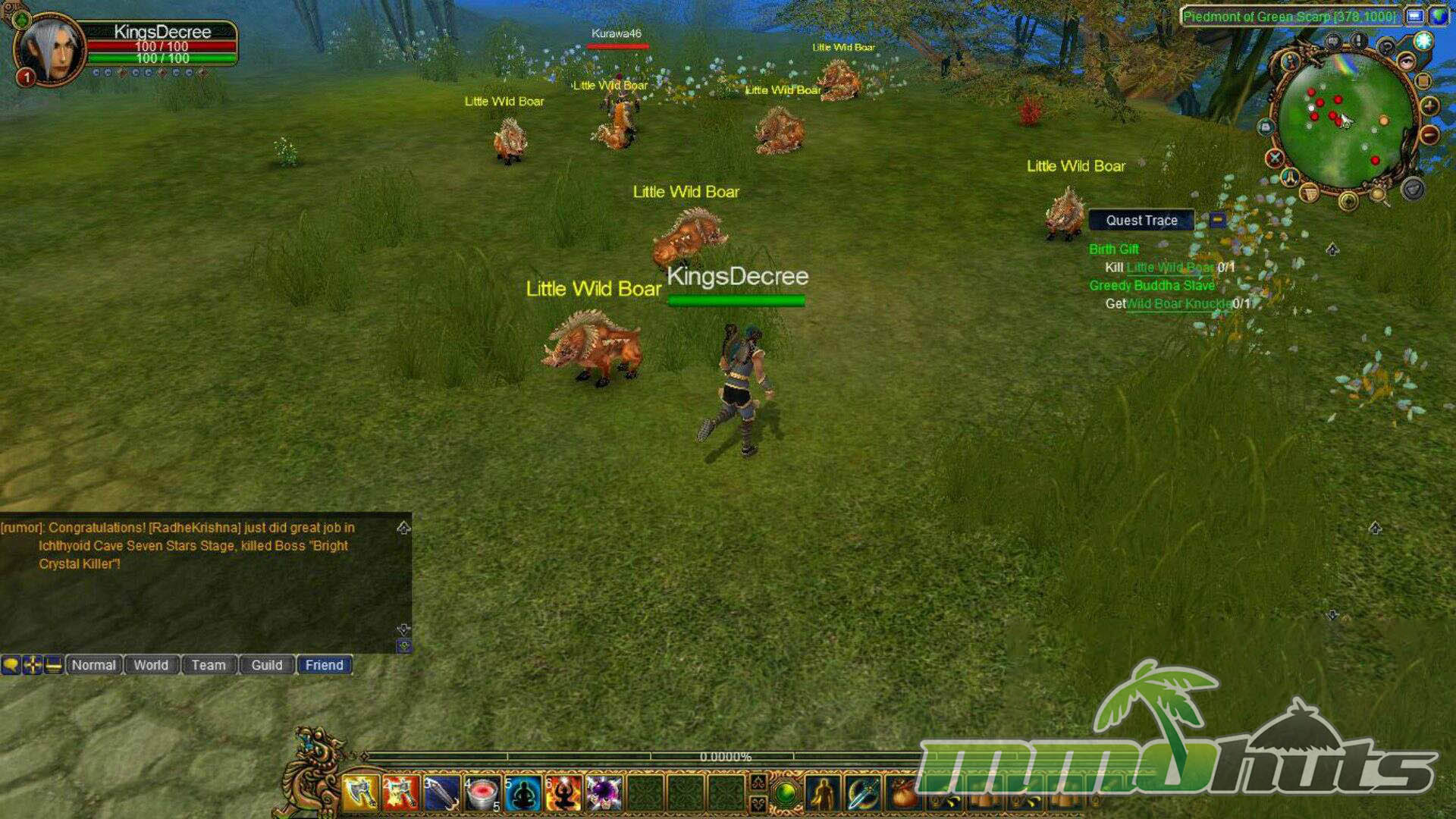
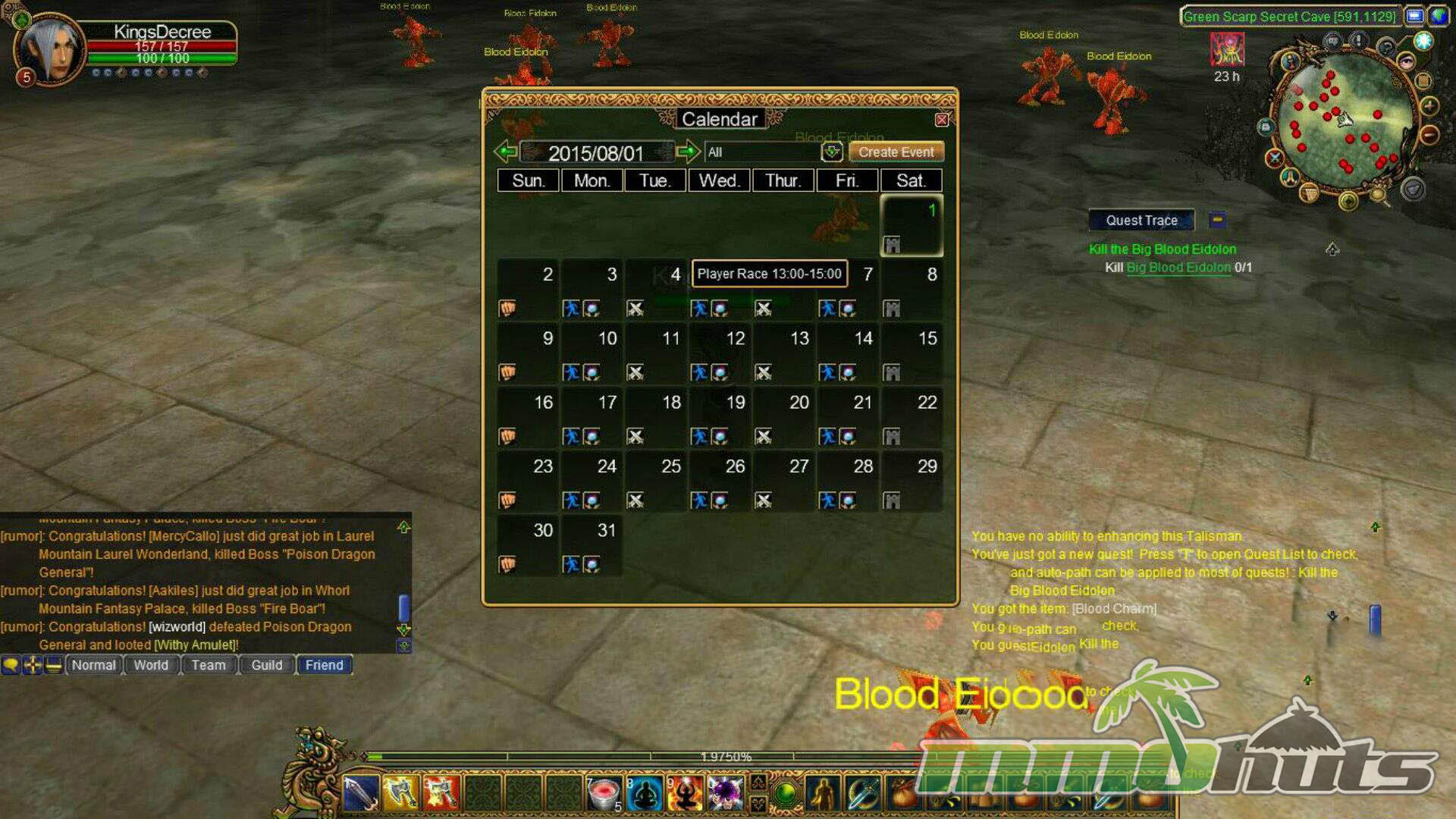
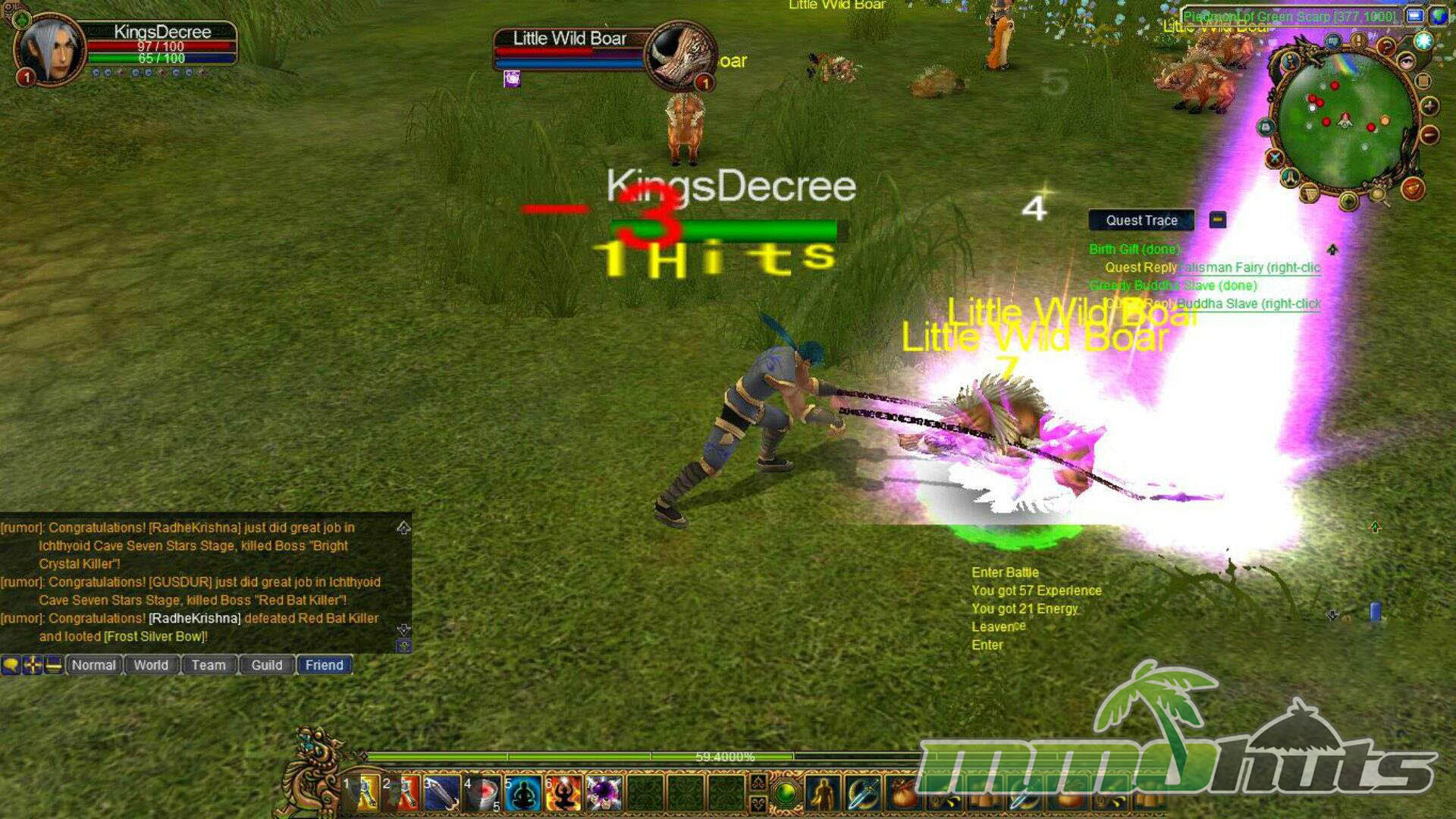
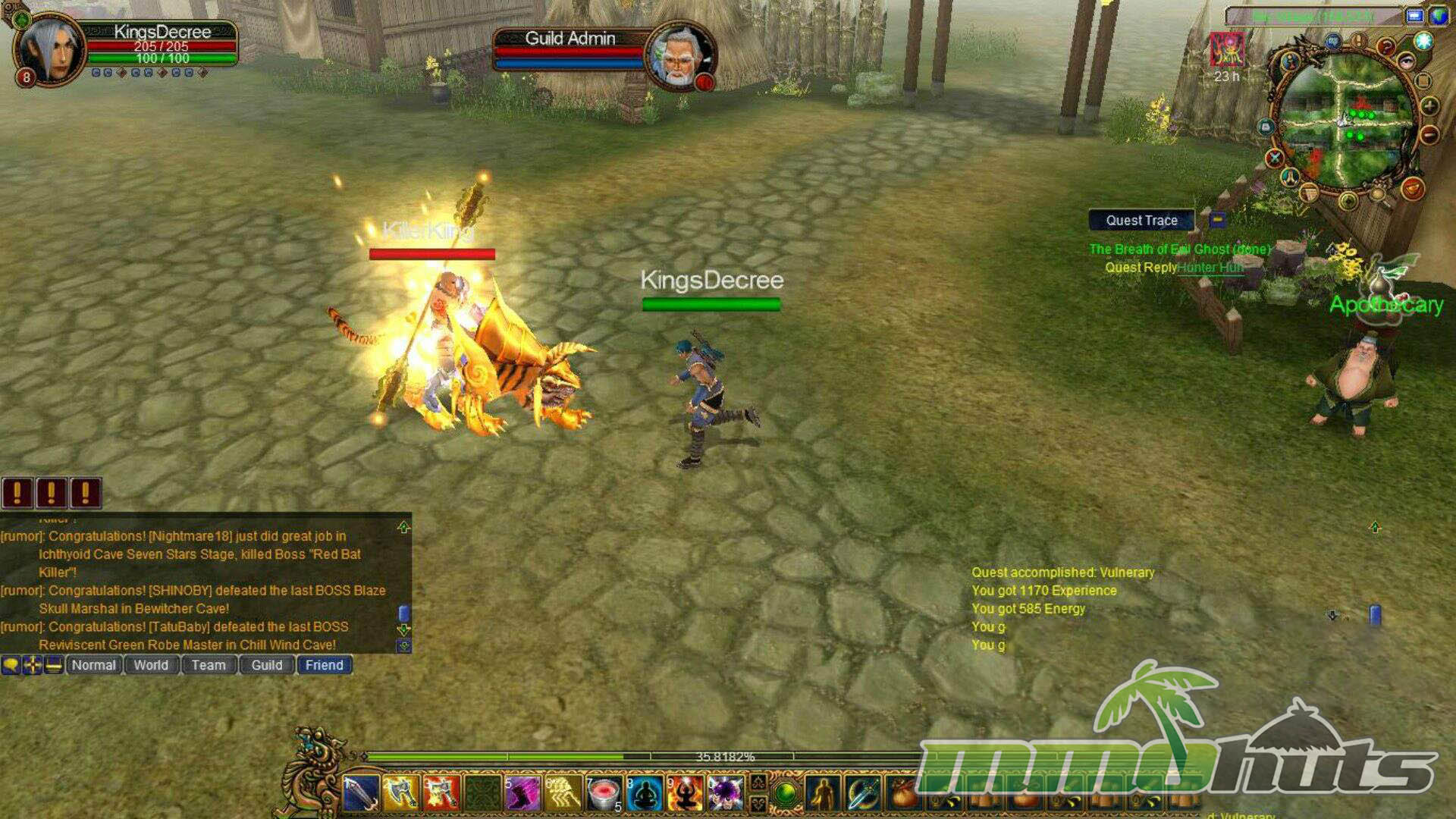

Talisman Online Featured Video

Talisman Online Classes
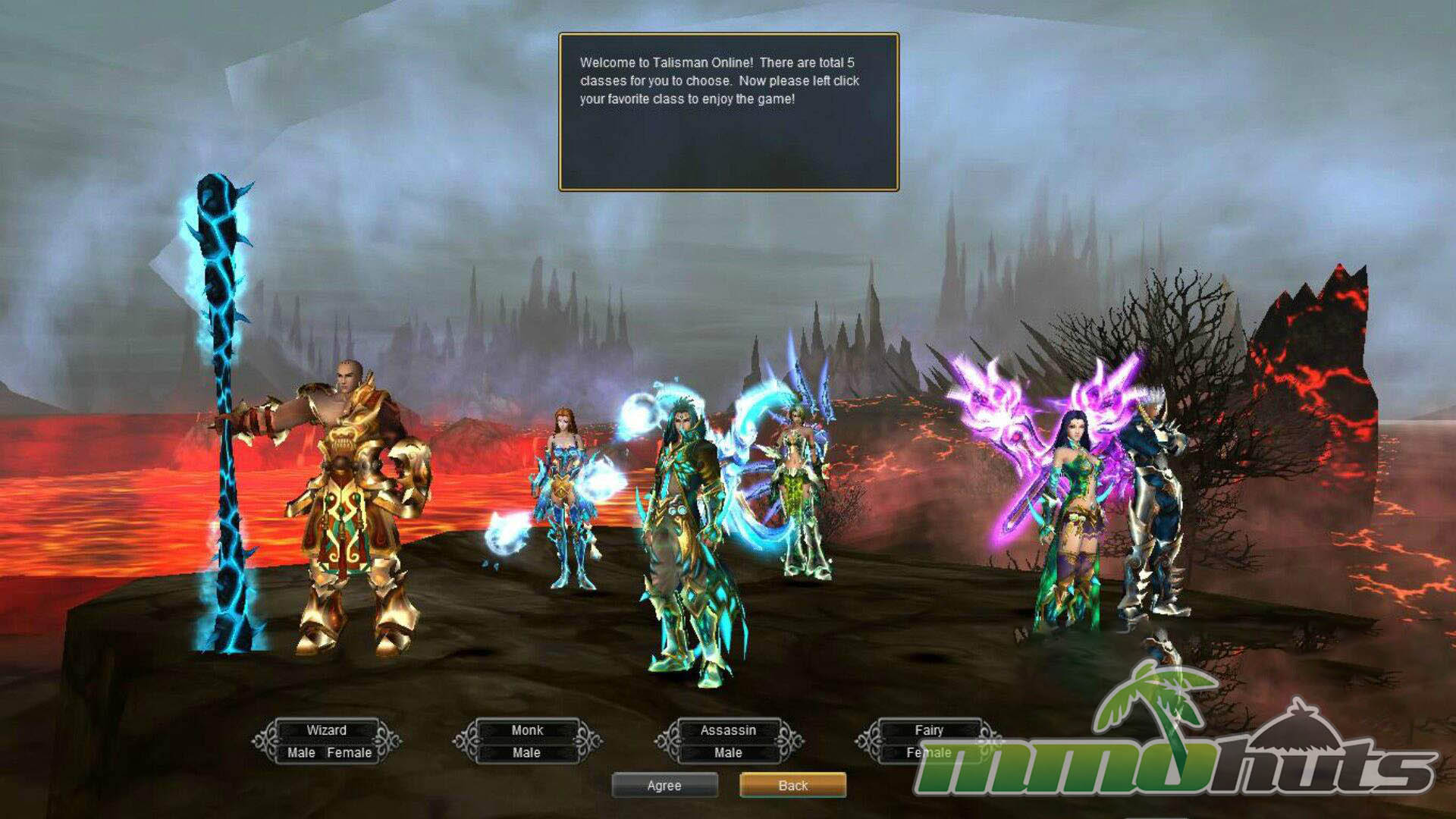
Wizard: A ranged damage dealer that channels elemental power to punish targets from a safe distance. Wizards are comfortable melting single enemies, but they also have tools that shine when several foes are stacked together.
Monk: A durable melee fighter designed to stand on the front line and blunt incoming pressure. Monks excel at close-quarters brawling and protective play, but they are less flexible when enemies refuse to stay within reach.
Assassin: A high-risk, high-reward attacker with strong single-target output and lighter defenses. Assassins can put out serious damage, but they tend to require smarter positioning and threat management to avoid being overwhelmed.
Fairy: A support-oriented class that strengthens any party through healing and helpful buffs. Despite the healer identity, Fairies can still contribute with ranged offensive spells when groups need extra damage.
Tamer: A solid choice for players who prefer to roam alone, mixing ranged control with utility. Tamers can pressure enemies at a distance, set up traps, and rely on pets, and self-healing helps them stay functional without constant assistance.
Talisman Online Review
Talisman Online is driven by two main hooks: traditional MMO combat built around clear class roles, and a gear progression loop where your equipment growth matters almost as much as your character level. It is an older title, so some of its design choices feel rooted in an earlier era of the genre, but it still offers satisfying moments when abilities light up the screen and your upgrades translate into noticeably stronger performance.
A Progression Loop Built Around Talismans
The game’s signature talisman concept is essentially a system that links power to the items you actively use. You start with class-appropriate weapons, then earn energy through play that can be invested into upgrades. That structure sounds straightforward, but it comes with constraints intended to push variety, because you cannot advance a talisman beyond your current character level. In practice, this often nudges players into rotating between multiple weapons or talisman types to avoid “wasting” potential progress.
There is also a merging system that raises a talisman’s rank while reducing its level, creating a tradeoff between long-term growth and immediate power. At any given time you can equip one weapon talisman plus two accessory talismans, and each category brings its own bonuses and ability track. A weapon line can shape a class’s toolkit in a specific direction, while accessories can push stats such as dodge upward in staged tiers. It is an interesting framework, and it does provide a sense of ownership over your loadout, even if the freedom within each path is more limited than it initially appears.
The main downside is that the level gating can make the system feel restrictive instead of empowering. If you find a weapon type you enjoy, being asked to swap off it purely because the upgrade ceiling is temporarily locked can undercut the fantasy of mastering a favored tool. On top of that, outside of selecting which talismans to develop, there is not a huge amount of build expression, because most class and weapon combinations settle into fairly defined roles.
Questing That Rarely Surprises
Where Talisman Online shows its age most clearly is in its quest design. The core loop is extremely familiar: collect a task, travel out, defeat a set number of enemies, then return for rewards. The game throws a lot of quests at you, but many of them are mechanically similar, which can make the journey feel like a long checklist rather than a sequence of memorable adventures.
Combat presentation helps, because abilities and effects keep fights visually engaging, but the pacing of questing does not always match that energy. In more modern MMORPGs, repetitive objectives can be softened by fast travel, event systems, or more reactive open-world encounters. Here, the structure is more rigid, so the monotony is easier to notice during extended leveling sessions.
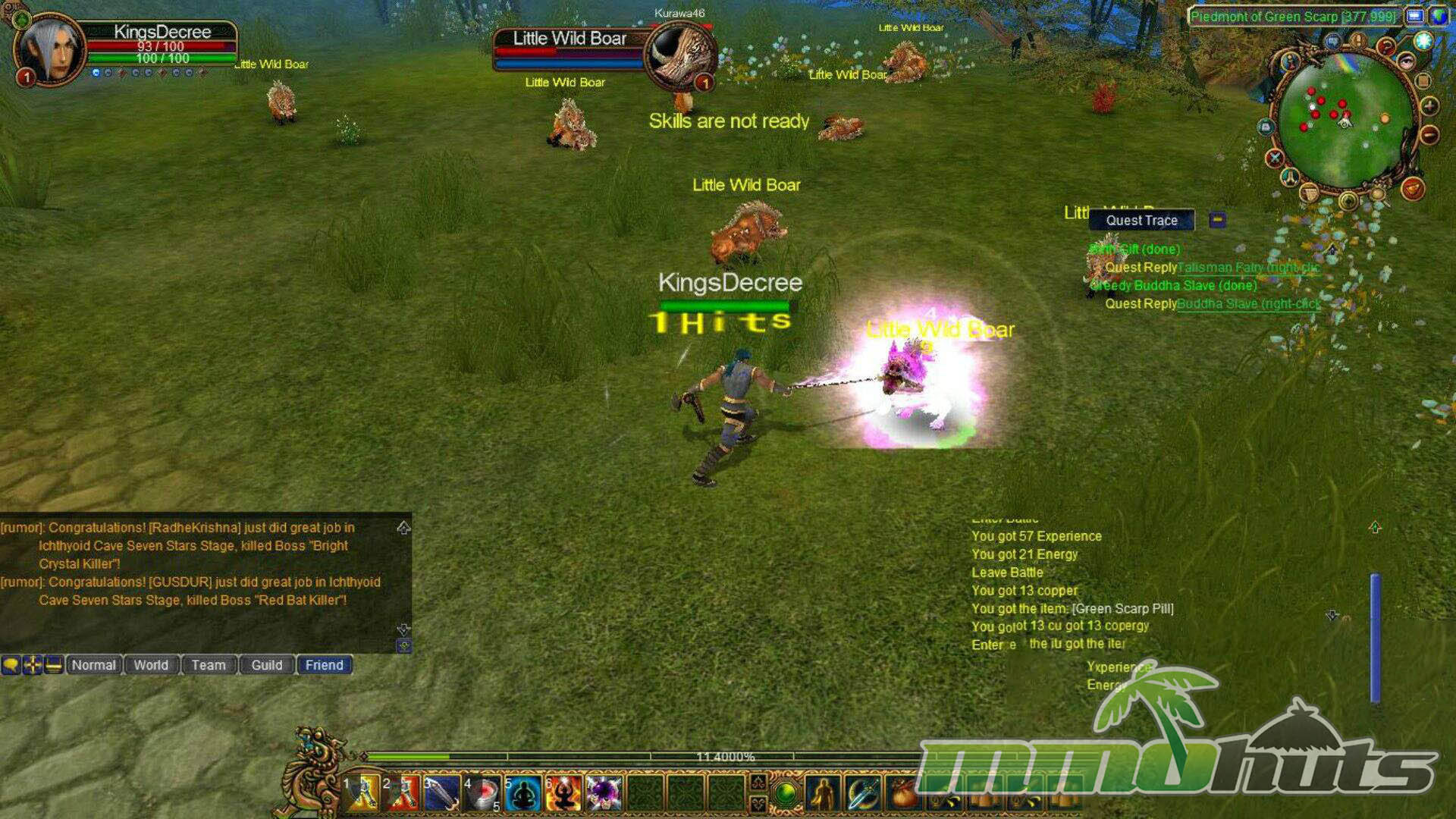
To compensate for the distance between NPCs and objectives, Talisman Online leans on auto-pathing. You can select a quest or NPC from the interface and have your character move toward the destination automatically. It is convenient, and in many cases necessary, because the world is spread out and on-foot movement can feel slow. The tradeoff is that it can turn travel into downtime, reinforcing the sense that you are commuting between tasks rather than exploring for its own sake.
A World That Feels Too Still
Although the setting has charm and the environments can be colorful, the world often lacks the small touches that make a place feel alive. NPCs commonly stand in fixed lines or static clusters, and towns do not always convey the bustle you would expect from populated hubs. When most interactions are purely functional, the world can start to feel like a series of service counters instead of a living setting.
Dialogue also struggles to carry the atmosphere. Translation issues and stiff phrasing make conversations less engaging, which pushes many players to click through text as quickly as possible. The rough edges extend into presentation and feel, with movement and animation that can seem less fluid than players may expect, and a camera that does not always let you appreciate scenery from a satisfying angle. Even audio transitions can be abrupt, with music that cuts in and out rather than flowing naturally between areas.
Five Classes That Actually Play Differently
One of the game’s strongest points is that the five classes do not feel interchangeable. Even with limited character customization options and gender-locked choices, the moment-to-moment gameplay varies meaningfully. Resource mechanics and skill cadence differ between classes, and that difference changes how fights are approached. A Monk’s rhythm is built around building and spending combat resources, while an Assassin plays more like a pressure-focused damage dealer that thrives on aggressive ability use.
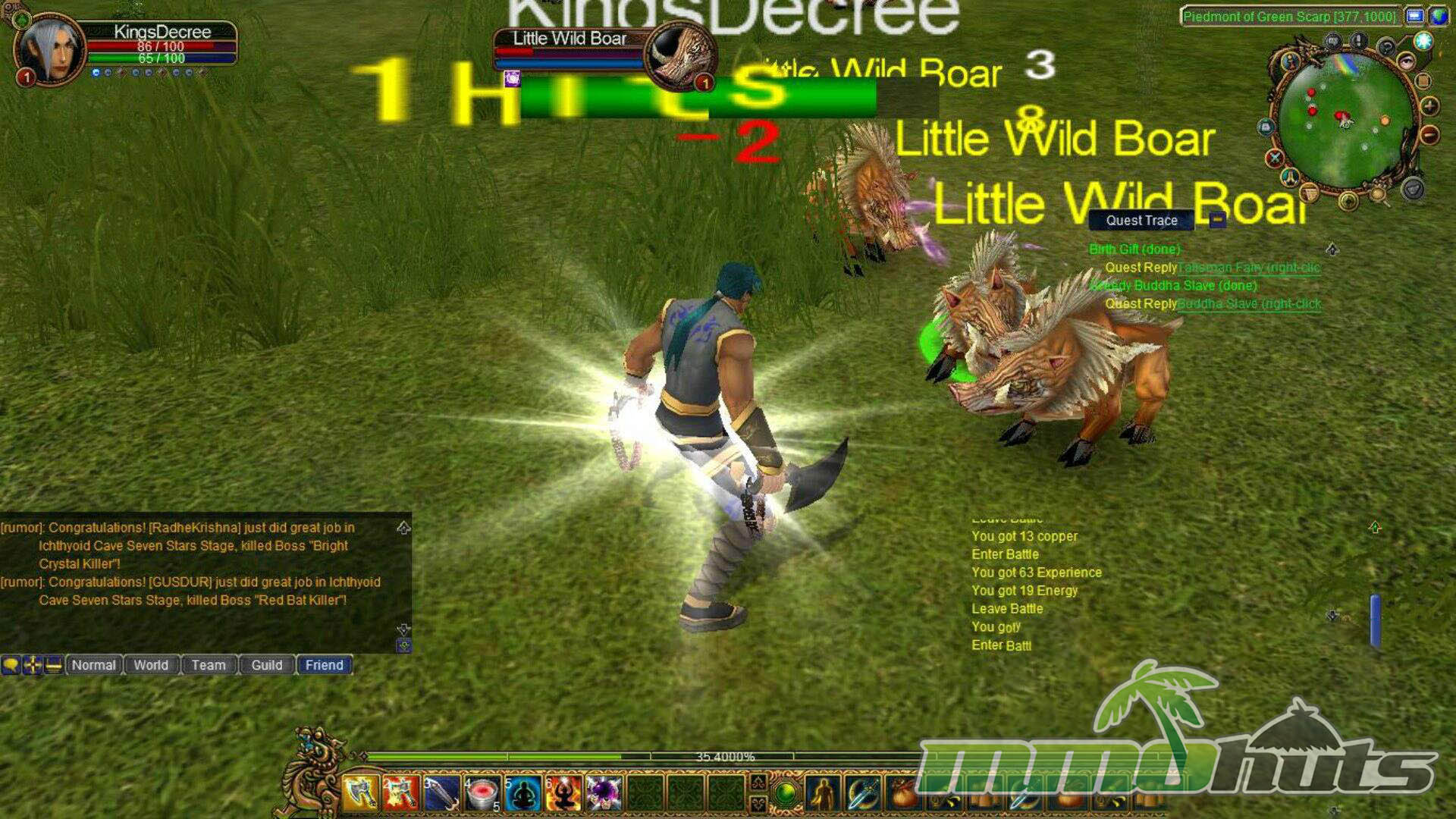
Visually, class abilities are a highlight. Many skills have dramatic effects that make attacks feel weighty and consequential. Wizards bring down large elemental bursts, and melee classes get satisfying impact and motion in their strike animations. Combat could be snappier, but it generally lands well enough to remain enjoyable across long leveling stretches, especially when you are grouping and seeing roles interact.
Strong Effects, Plain Interfaces
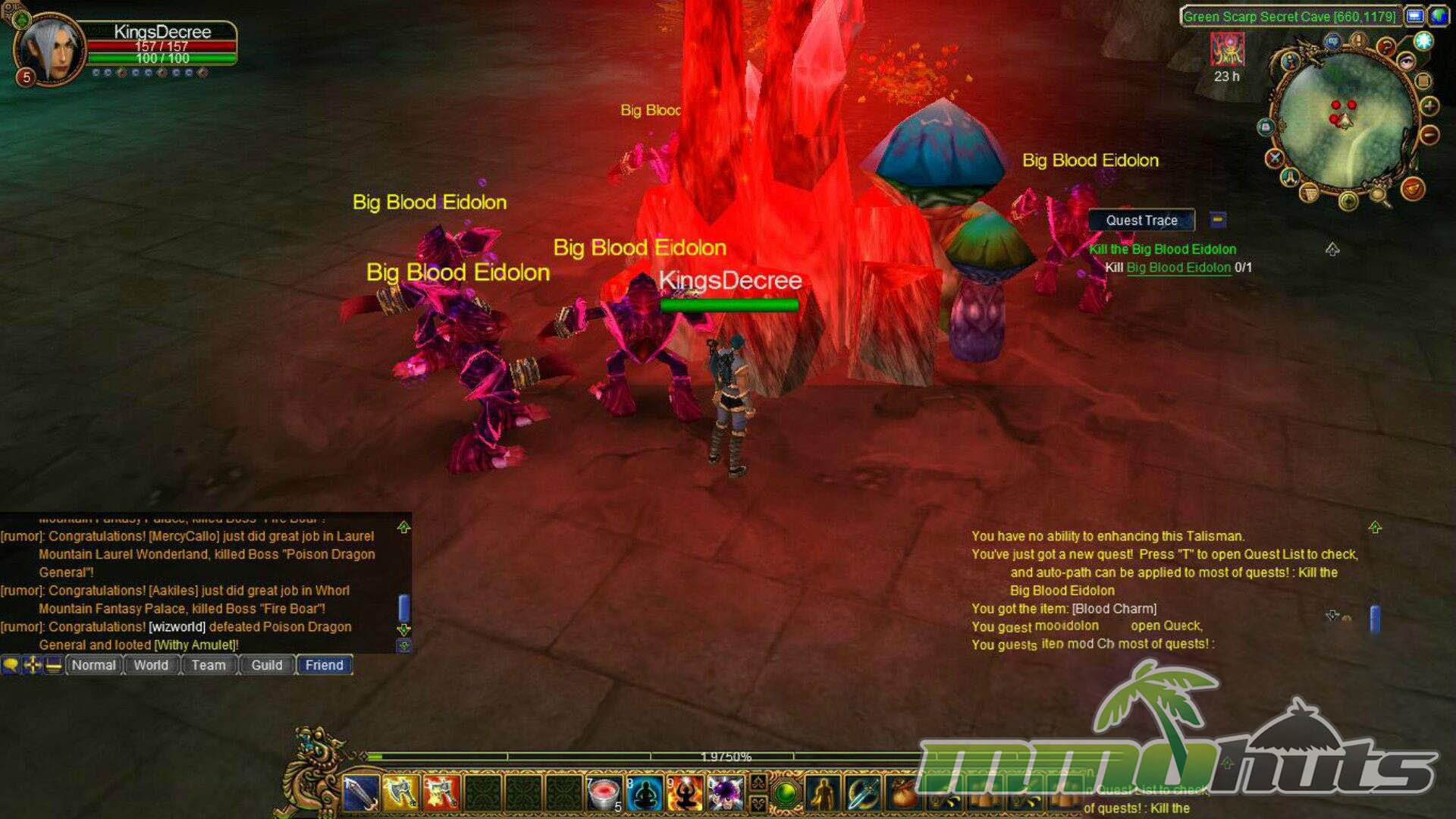
From a pure art direction standpoint, Talisman Online is a mix of competent world design and conservative visual variety. You will see familiar fantasy spaces such as caves, fields, swamps, and settlement areas, and while they are not poorly made, they can blend together over time. Character and monster models are serviceable and readable, but they rarely stand out on their own.
Where the game consistently impresses is in its effects work. Particle-heavy skills and glowing enhancements add personality to characters and make combat feel more vivid than the base models might suggest. You can see hints of that emphasis even in character creation, where the game showcases how much visual flair is tied to abilities and upgrades.
By contrast, the interface and many icons feel utilitarian, and sound effects often fall into standard “slash and hit” territory. The music does more to define mood, with calmer tracks in safe zones and more tense themes in dangerous areas. Turning down effects volume and letting the soundtrack breathe can improve the overall feel during longer sessions.
Final Verdict: Fair
Talisman Online has a solid combat foundation and a progression system that can be satisfying when your upgrades line up with your playstyle. Unfortunately, the game leans heavily on repetitive questing and long travel times, and the world’s static presentation does not always reward the time spent moving through it. If you enjoy older MMORPG structures and want a class-based game with flashy abilities, there is something to appreciate here, but players looking for modern quest variety and smoother polish may find it difficult to stick with for the long haul.
Talisman Online Links
Talisman Online Official Site
Talisman Online Wikipedia
Talisman Online Wikia [Database/Guides]
Talisman Online Subreddit
Talisman Online System Requirements
Minimum Requirements:
Operating System: Windows 98 or Higher
CPU: PIII 800
Video Card: GForce2 Graphics Memory Over 32M
RAM: 256MB
Hard Disk Space: 600MB
Recommended Requirements:
Operating System: Windows 98 or Higher
CPU: PIII 1.2G
Video Card: GForce4 Graphics Memory Over 64M
RAM: 512MB
Hard Disk Space: 600MB
Talisman Online Music & Soundtrack
Coming Soon…
Talisman Online Additional Information
Developer: Mira Game
Publisher: Mira Game
Development History / Background:
Talisman Online was created by the Chinese studio Mira Games. The company was established in the summer of 2007 with a focus on developing English-language MMOs. Mira Games has also worked on other MMORPG projects including Asura Force, Dragon Heart, and Uncharted Oceans.