Fantasica was a free-to-play mobile MMO trading card game that blended collectible unit management with tower defense style battles. Instead of directly controlling a hero, you assembled a lineup of cards, placed units to stop waves of monsters, and chased new characters through quests, events, and the player driven economy. The game leaned heavily on frequent limited-time activities, encouraging players to grind for rankings, rare rewards, and powerful upgrades while showing off an enormous library of character art.
 | Publisher: Mobage, Inc Type: Mobile TCG Release Date: August 7, 2012 Shut Down: March 31, 2019 Pros: +Trading system feels central to progression. +Supportive, social playerbase. +Consistently strong character illustrations. Cons: -Progression is extremely grind-heavy. -Card rarity power creep hurts long-term balance. |
Fantasica Shut Down on March 31, 2019
Fantasica Overview
Fantasica is a FTP mobile MMO trading card game (TCG) built around tower defense inspired encounters. You field a squad of collectible units and try to hold the line against waves of enemies, relying on your roster’s stats, positioning, and skills to survive. A major part of the appeal came from collecting and upgrading a huge number of cards featuring wildly different character designs, ranging from lighthearted magical themes to classic fantasy heroes and creatures.
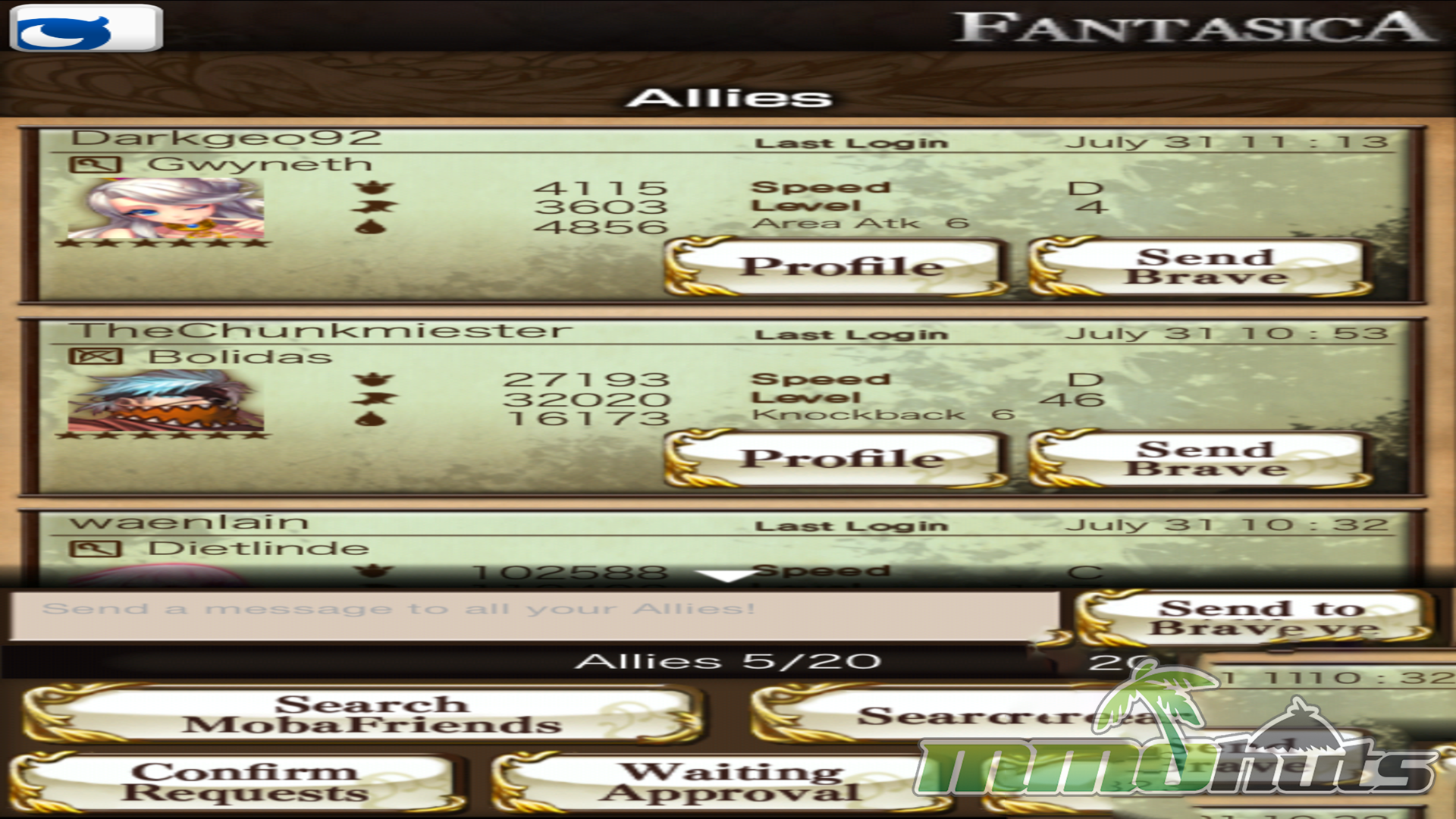
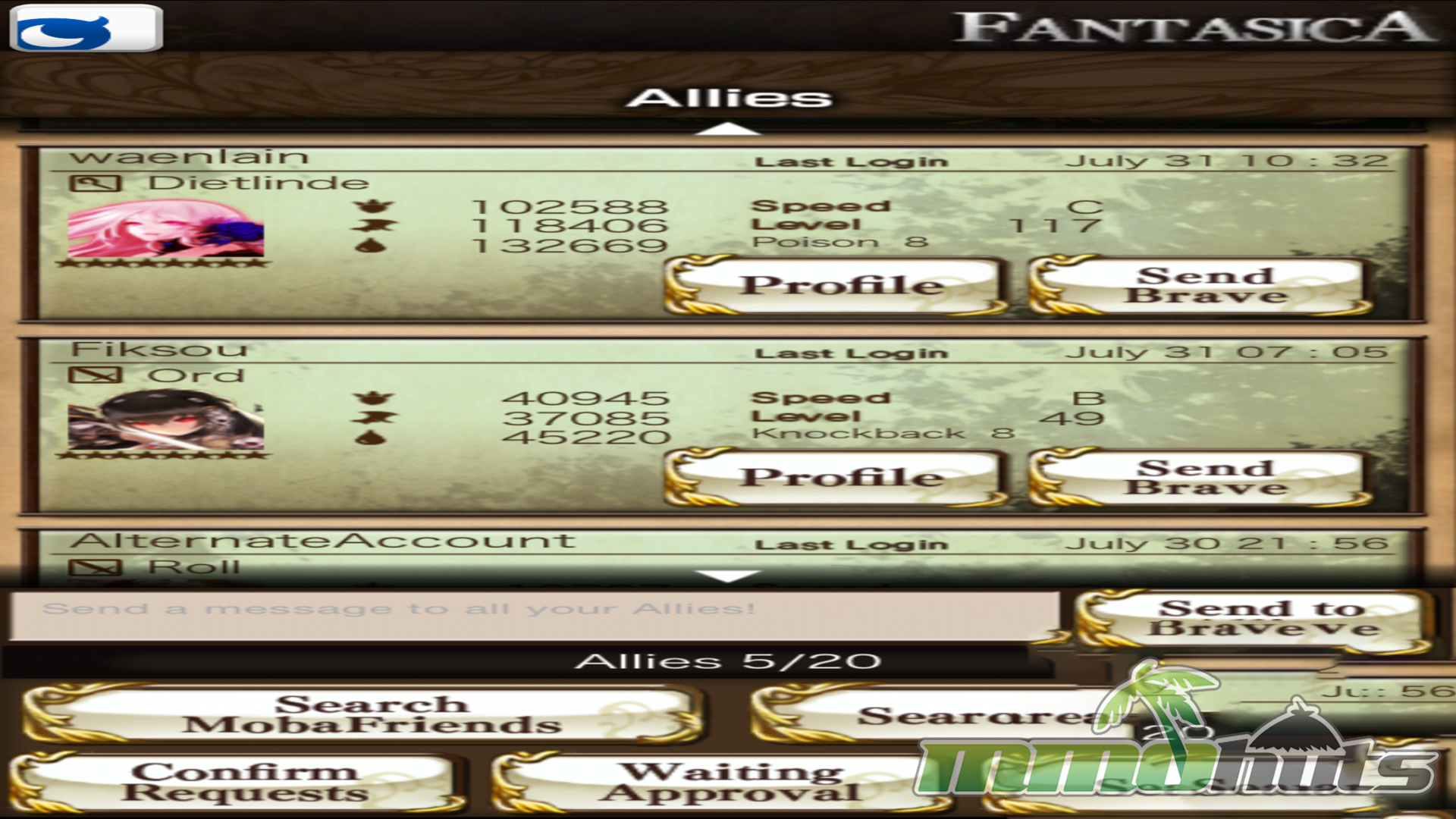
Progression revolves around questing, training, battling, and trading to grow your collection and strengthen your core team. Units can be enhanced into stronger versions, and group play matters as players band together in guilds for cooperative fights and event objectives. Events appeared frequently and acted as the game’s main engine for competition, pushing players to climb rankings for better rewards and bragging rights.
Fantasica Key Features:
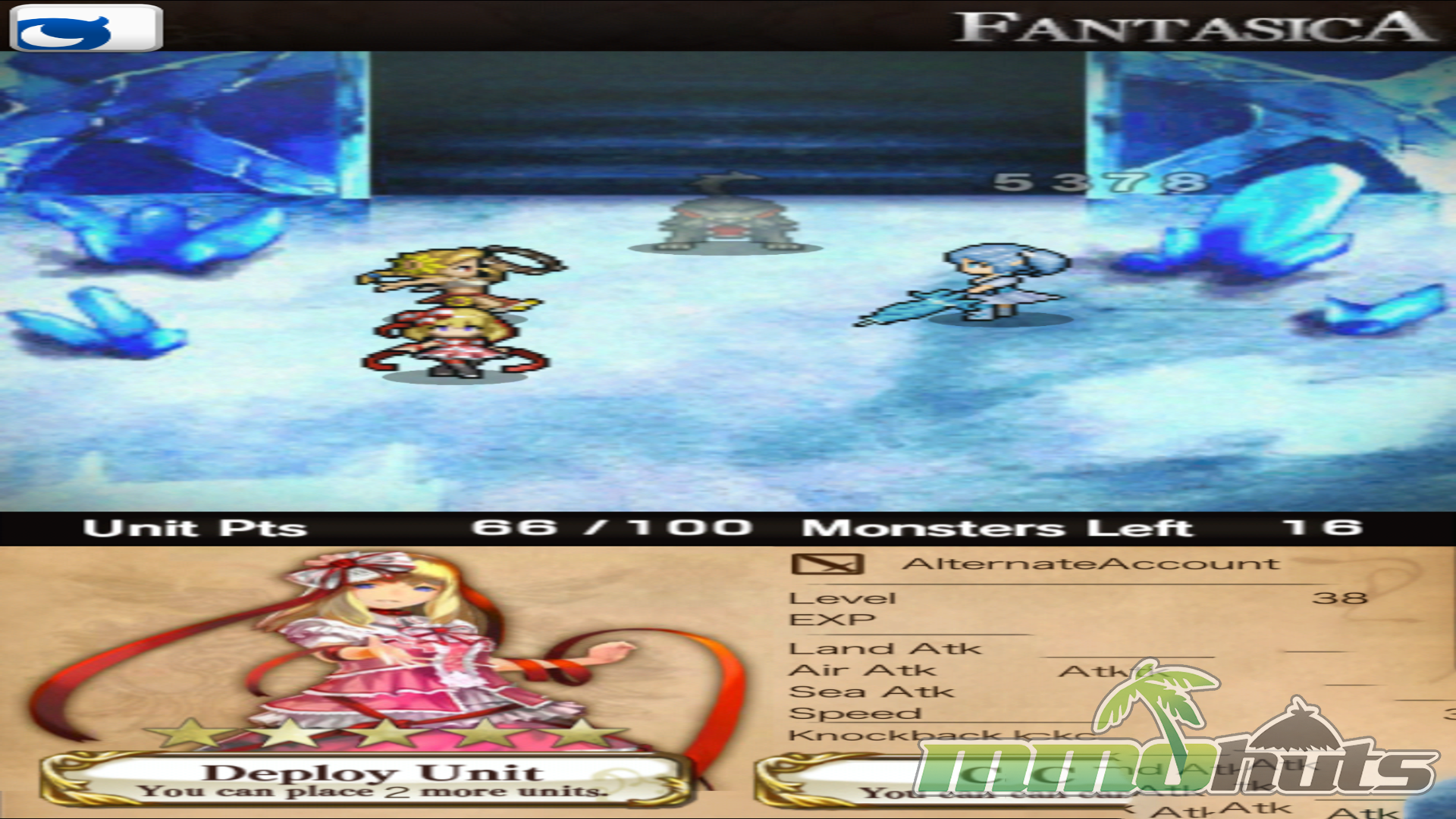
- Tower Defense – deploy units to withstand repeated monster waves across multiple tower defense formats, with events often introducing twists on the standard battle flow.
- Thousands of Cards – cards range from 1-Star to 10-Star, and higher rarity typically means greater strength and tougher acquisition. Completing sets is optional, but chasing upgrades is central to staying competitive.
- Trading Community – a notably active, player driven trading scene. Many players used fantasitrade.com to swap units, estimate values, and coordinate deals and collection goals.
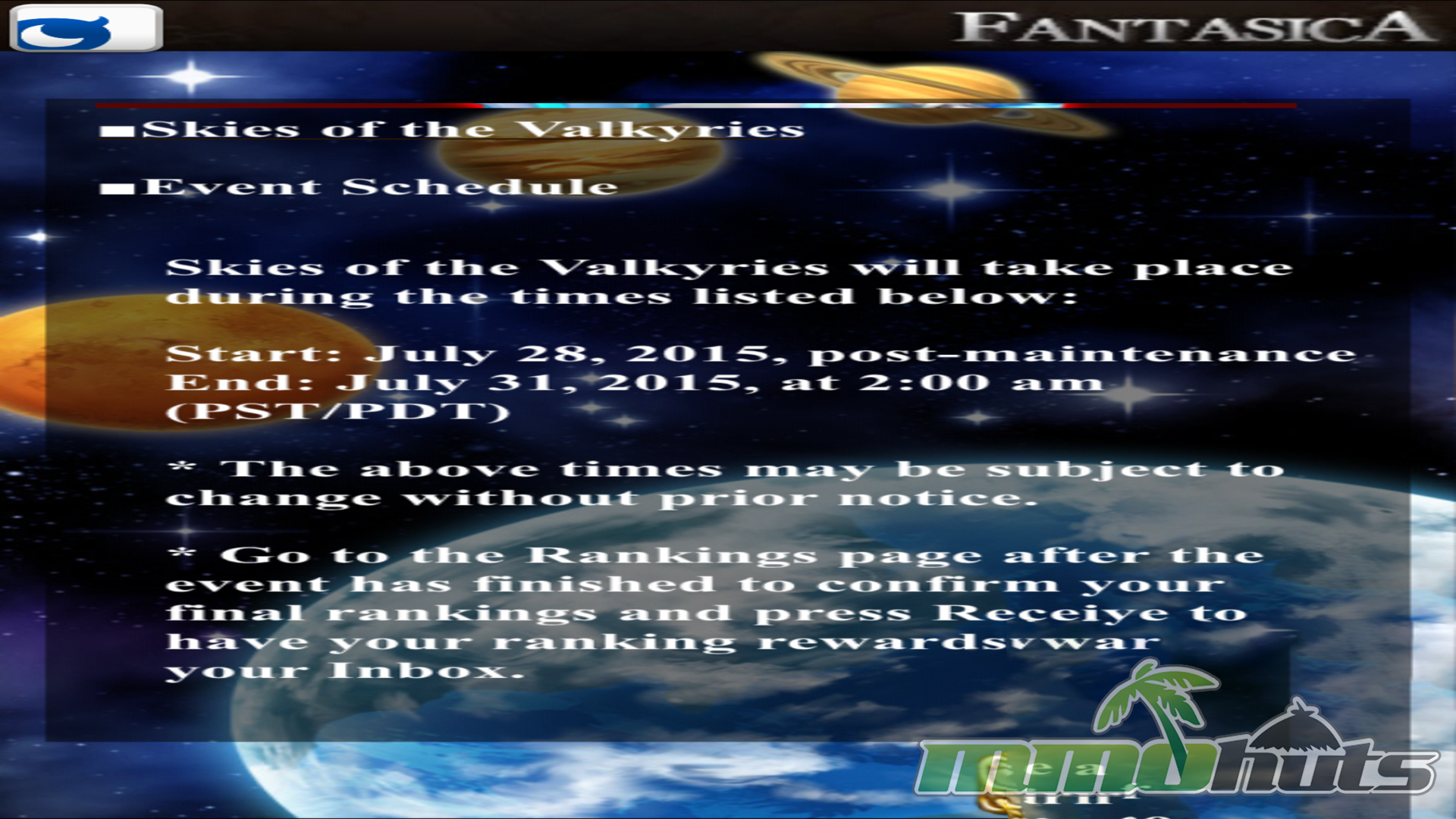
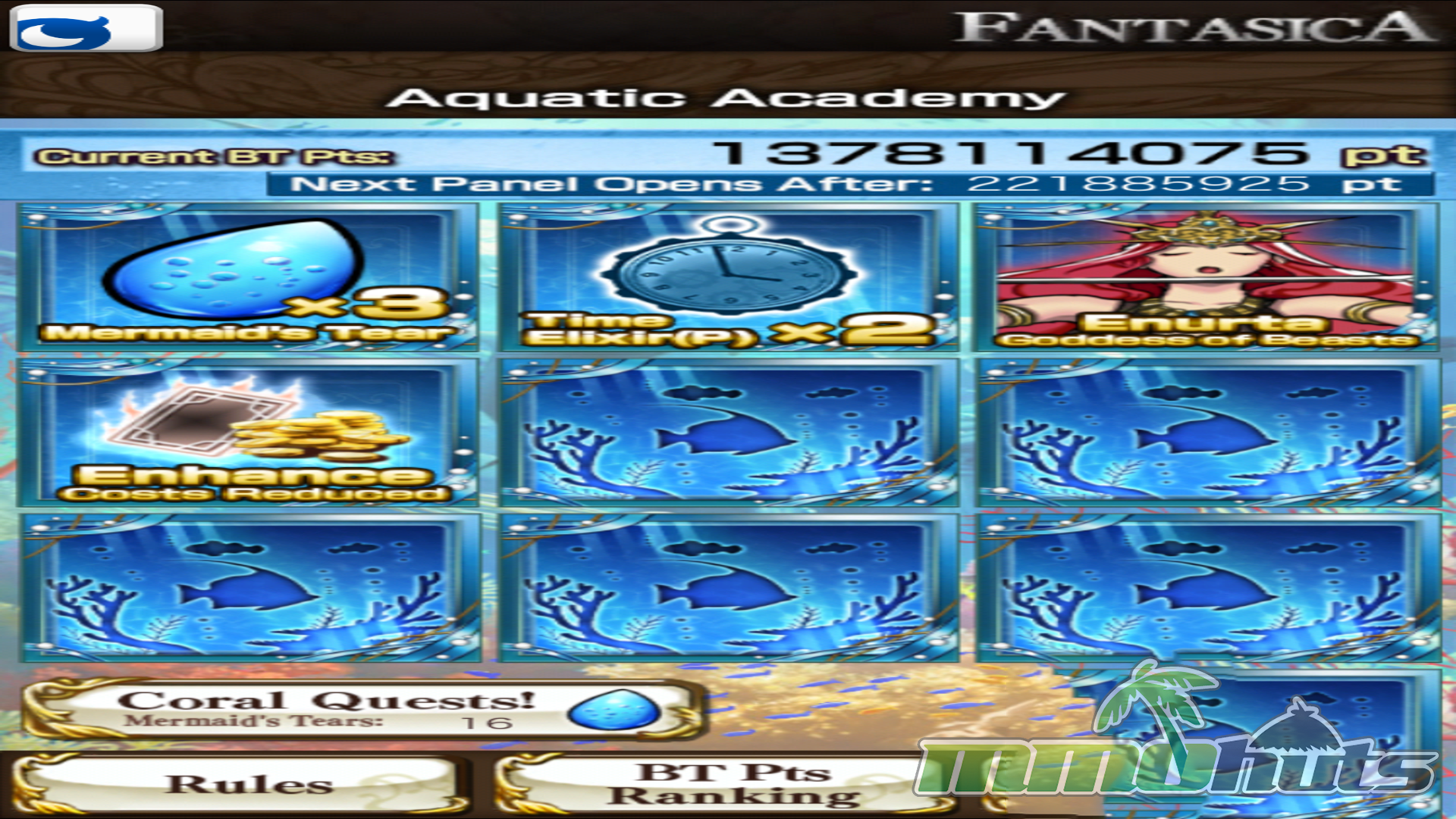
- Endless Events – with twenty two different event types, there was usually something running. Rewards scaled with participation and power, which kept competitive players engaged.
- Beautiful Art – early cards benefited from contributions by Final Fantasy artists, and the game continued to lean on varied, high quality character art across many styles, including monsters, warriors, wizards, and more.
Fantasica Screenshots
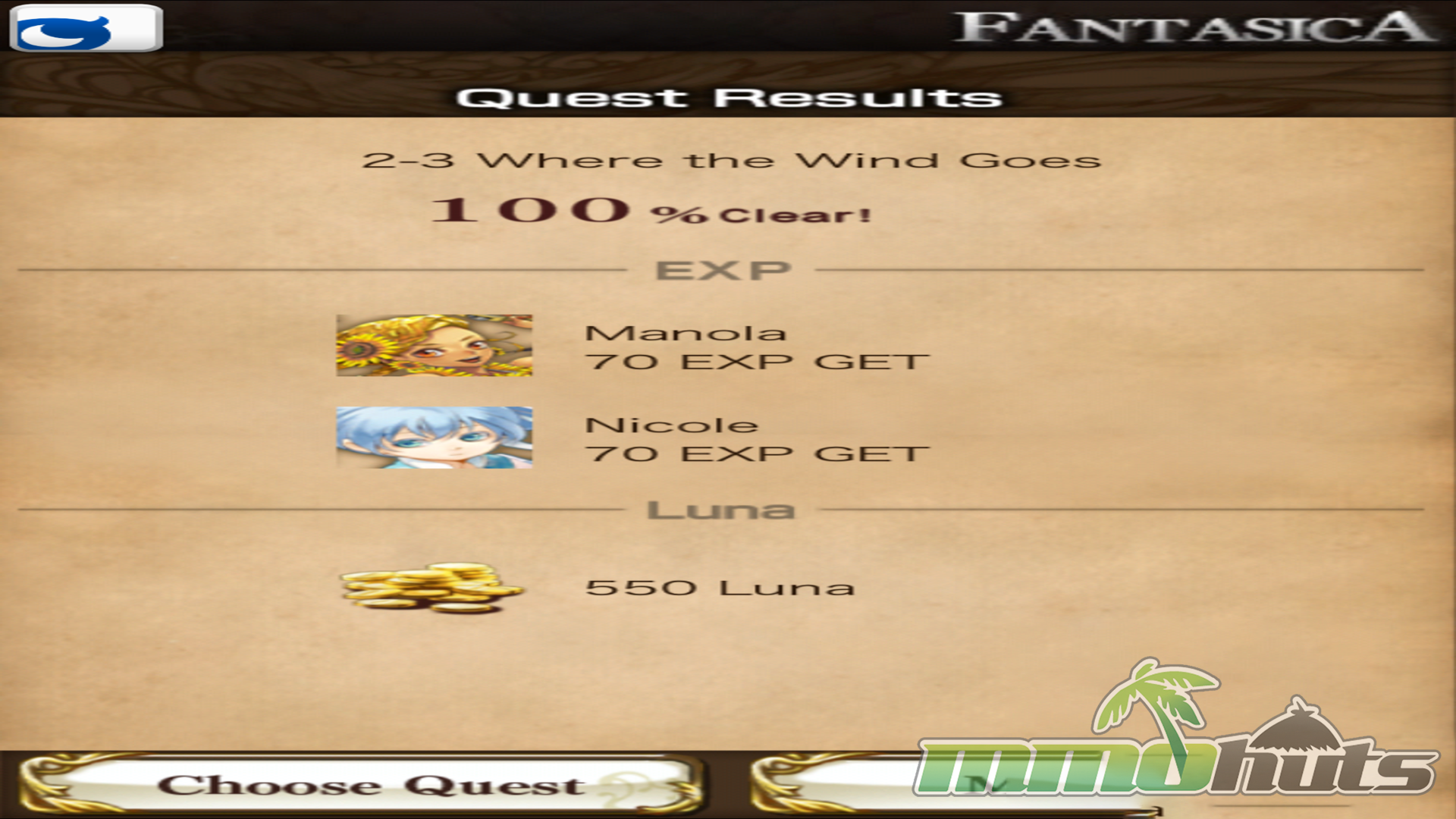
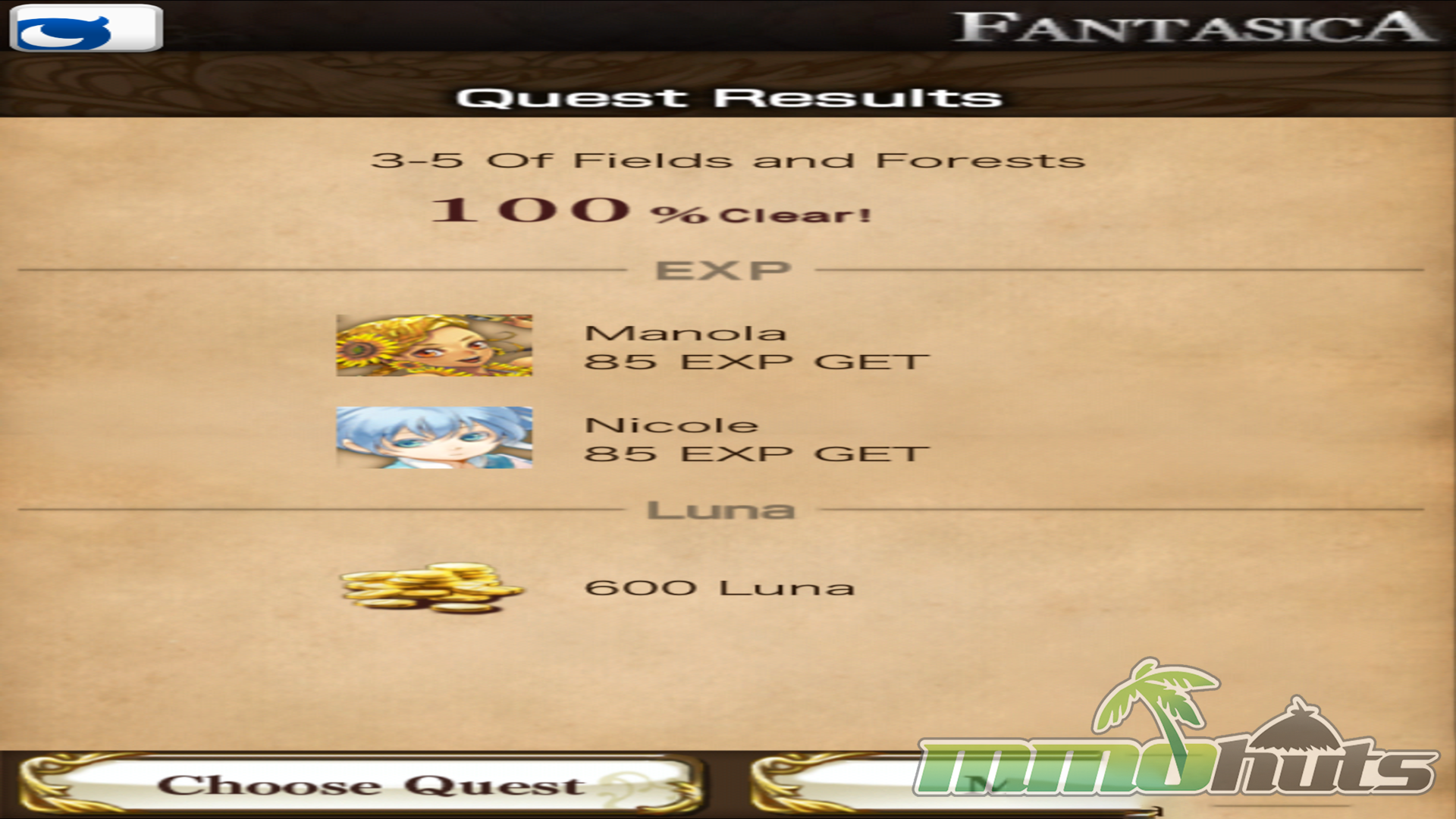
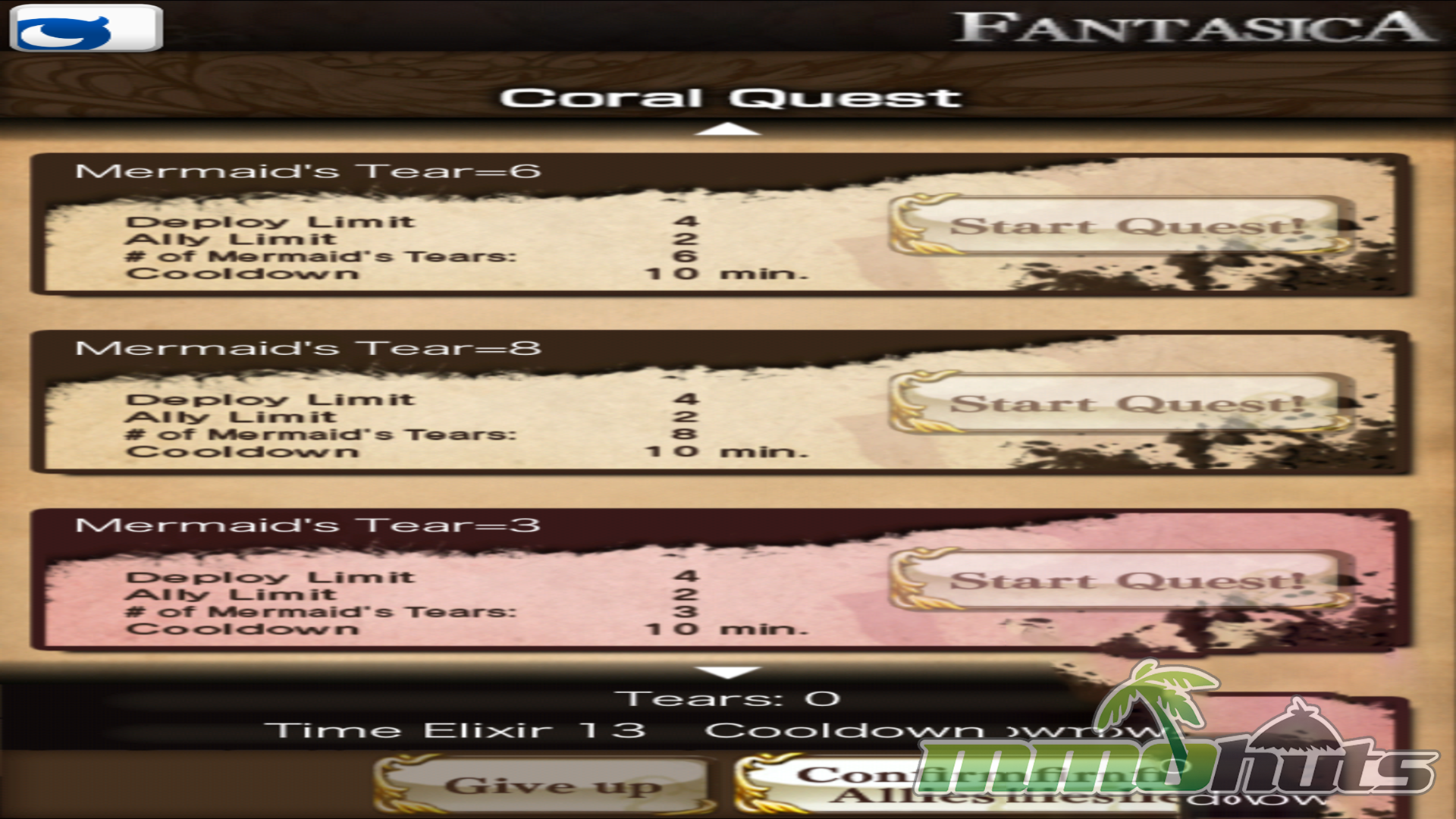
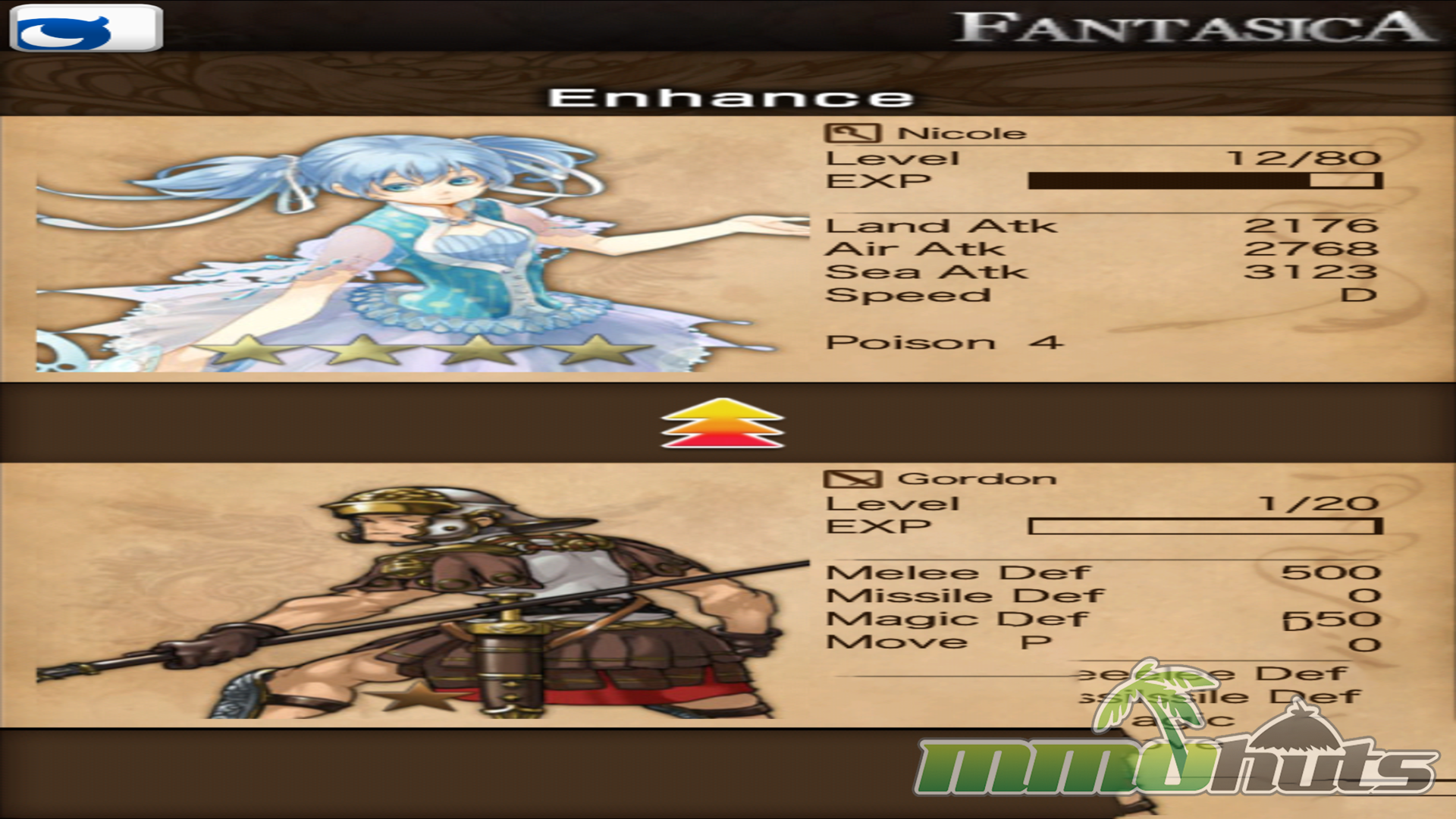
Fantasica Featured Video

Fantasica Review
Fantasica launched as a free-to-play mobile MMOTCG on August 7, 2012 under publisher Mobage. At its best, it captured the feeling of a true card collecting hobby on a phone: building a roster, hunting specific units, and using trades to shape your collection rather than relying entirely on random pulls. Battles leaned on tower defense fundamentals, while a straightforward set of stats created matchups and counterplay between different unit types.
The biggest reason many people stuck around was the presentation. The character art had a reputation for quality from the start, helped by collaborations with Final Fantasy artists for the earliest releases, and later cards kept the same general standard of visual appeal. The long-term friction point was the game’s escalating rarity tiers, which made it difficult for older collections to retain value as new power levels arrived.
Learning the Basics Through Boot Camp
New players were guided through Mina’s Boot Camp, an onboarding sequence that explained menus, combat flow, and the game’s many systems. After that, Helmut’s Boot Camp shifted focus toward understanding units as cards, including rarity, type, and the three damage categories, Air damage, Water damage, and Ground damage. Many units also came with two skill slots: a Unit Skill for general battles and an Arena Skill tied to specific competitive modes.
Rarity runs from 1-Star to 10-Star. At release in 2012, the ceiling was much lower, topping out at 5-Star, which made later increases feel dramatic. Raising the cap again and again created a familiar gacha problem: players who invested heavily into what used to be top-tier units could see their work devalued when the next rarity bracket arrived. In practice, higher rarity usually meant higher power, and often a more striking illustration as well.
Combat stats were readable but not completely shallow. Units had roles such as Missile, Magic, and Melee, and enemies had matching vulnerabilities. On top of that, both sides also fit into elemental style categories (Water, Ground, or Air). The two layered triangles helped make team building approachable while still rewarding players who built balanced lineups for different content.
Unit Skills typically mattered most in standard encounters. Effects such as Knockback could buy breathing room by pushing enemies away, while Slow could reduce the pace of incoming waves. Arena Skills were more situational and often tied to event PvP formats, for example mechanics like Critical Shot that only mattered in those battles.
Building a Lineup and Powering It Up
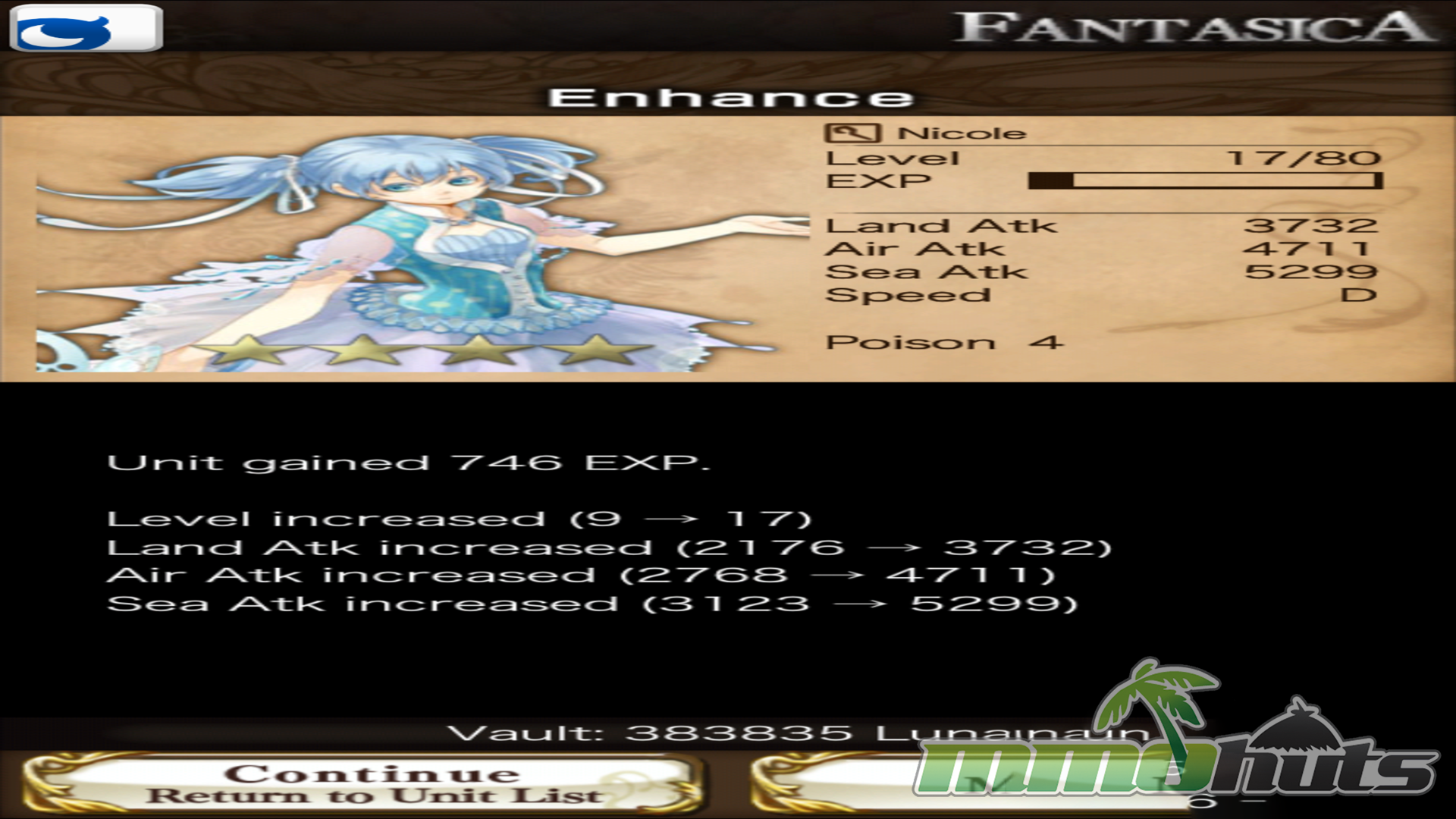
Team growth in Fantasica was not only about pulling new cards. Enhancement was a core loop, and most units had a level cap in the range of about 80, 100, 120, or 140. You could feed spare units into your favorites to accelerate leveling, or gain experience through regular questing. After hitting a unit’s cap, “level break” allowed an additional 20 levels above that limit, extending the life of key cards.
A single strong unit was never enough, since most players ran an active army of roughly six to eight units. Smart rosters mixed damage types and roles to avoid getting hard countered. Staying competitive usually meant chasing higher rarities, either through event rewards or by drawing from packs, where the odds of high-end pulls (such as 8-Star or 9-Star) were extremely low. Paying players could roll more often, while free players leaned on training and Brave Point Card Packs for a steady stream of lower rarity feeder units.
Your account level also mattered. Players could unlock and improve various Skills that boosted account-wide conveniences or bonuses, such as expanding unit storage or increasing ground damage by a percentage. Levels came from several activities including PvP, training, and event participation, but trading access in PvP did not open up until Level 31, which shaped early progression goals for many players.
A Game Built Around Repetition and Timers
Even with tower defense combat, Fantasica’s day-to-day experience largely came down to repetition. Many activities were governed by cooldowns, and the most competitive event formats rewarded players who checked in constantly rather than those who mastered difficult mechanics. In Tower Events, for instance, players began at Stairway 1 and climbed by repeatedly defeating monsters with help from allies. The catch was that attempts were limited, often allowing only one battle every ten minutes.
This structure encouraged strict schedules for anyone trying to place highly. The higher you climbed, the tougher the monsters became, which increased reliance on strong units and dependable allies. In most cases, success was less about reflexes or execution and more about persistence, timing, and having the resources to keep going.
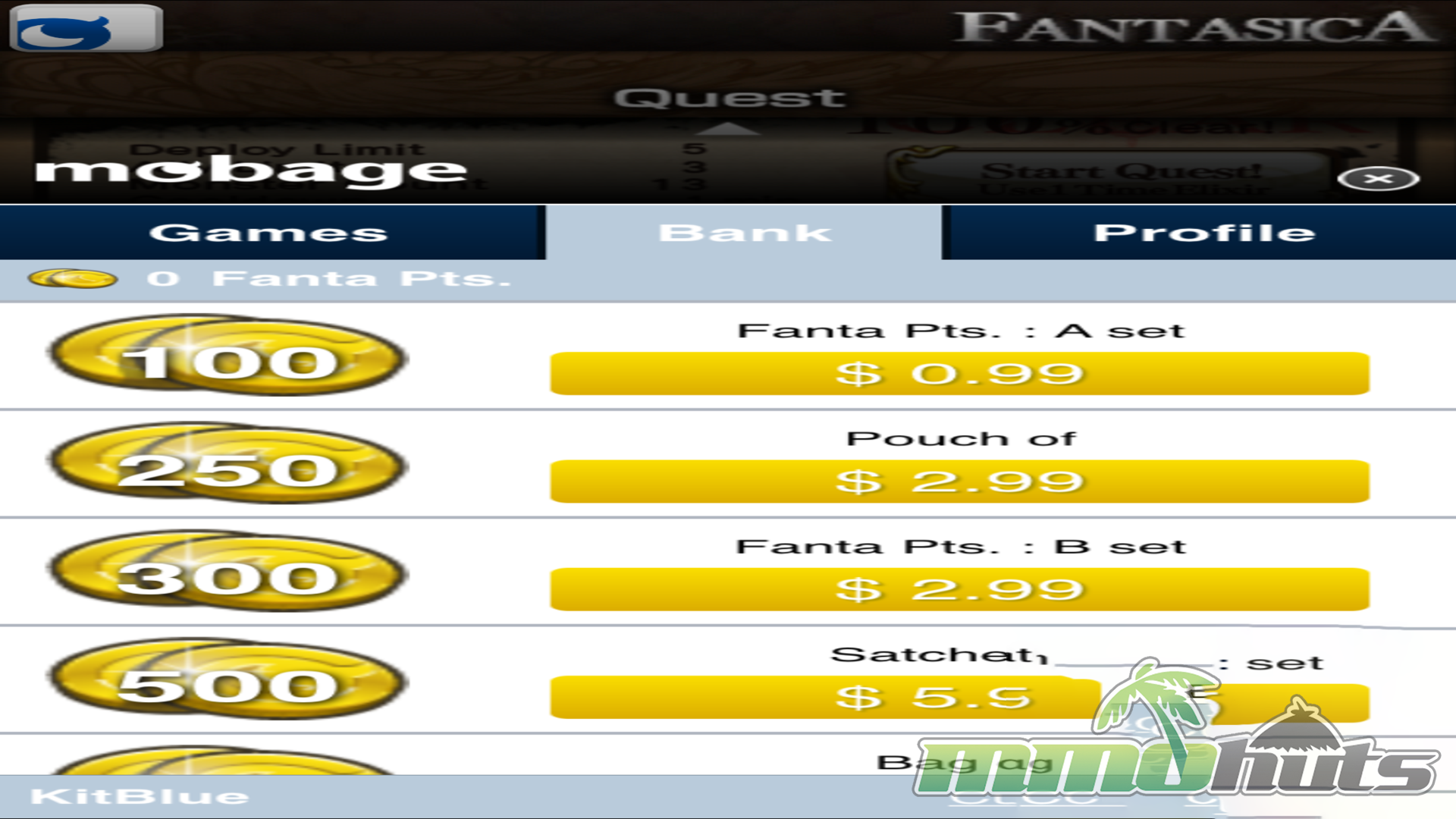
Spending was not mandatory to participate, but premium currency could provide meaningful momentum. Players willing to pay could push harder during events and smooth out the friction of cooldowns and resource limits, which widened the gap between casual play and top ranking competition.
Why Trading Was the Heart of Fantasica
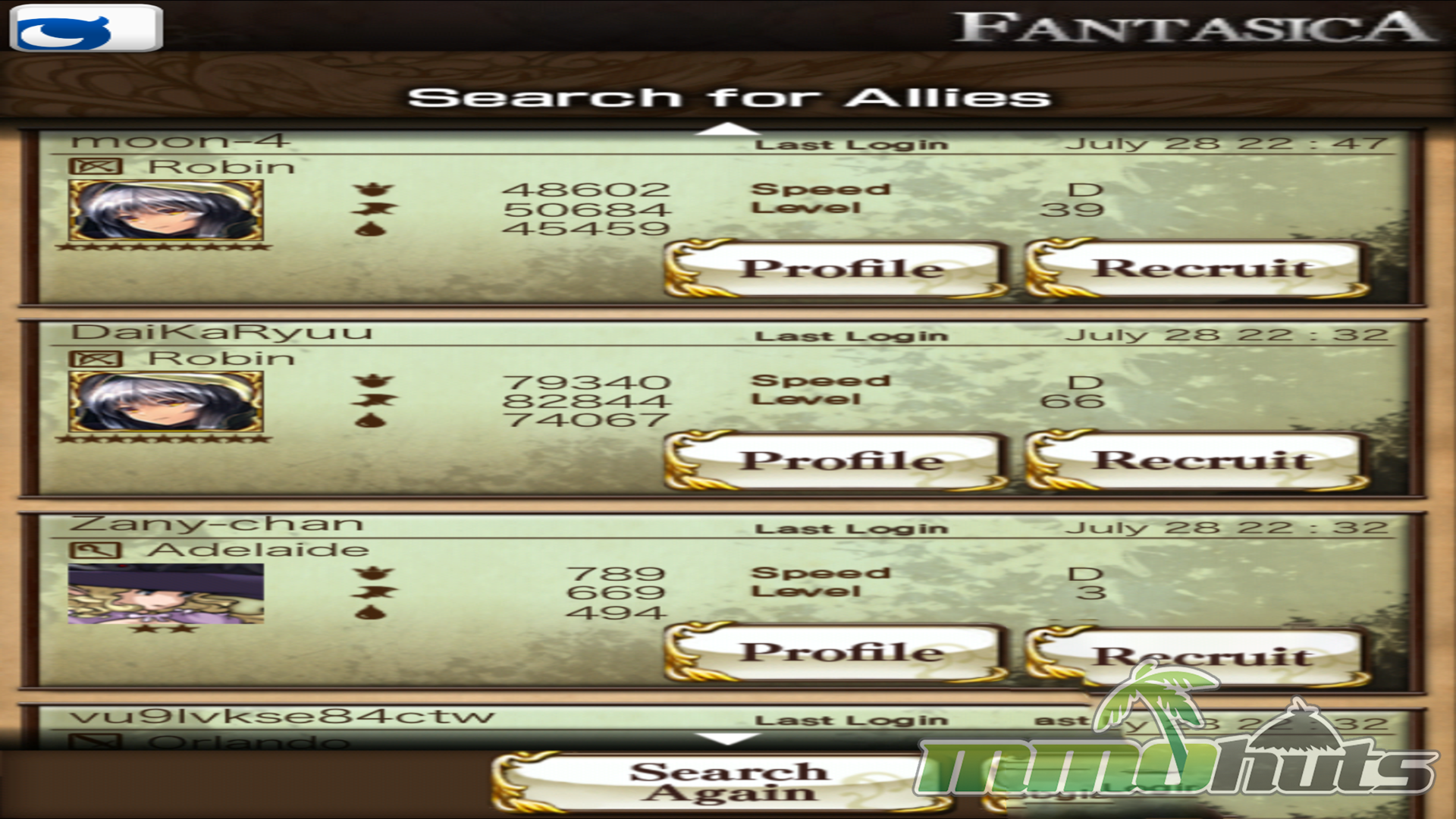
Fantasica’s trading system was one of its defining strengths. It made the game feel like a real TCG economy rather than a pure gacha collection, because players could actively pursue specific units instead of only hoping for lucky pulls. The game supported five open transactions at once, and deals were often coordinated through in-game wall posts or through third party hubs such as FantasiTrade.com, where players compared values, negotiated swaps, and even looked for short-term “album” trades to register a card in their collection history.
The community around trading was generally welcoming. Players frequently helped each other price units, suggested fair trades, and coordinated event needs. The main trade currency commonly used by players included Potions (PO) and Time Elixirs (TE), with smaller non-tradeable versions marked by “(P)” in-game. As a practical example of value at the time, a 7-Star unit could often be exchanged for around 1 to 2 PO or TE.
NOTE: Not every unit could be traded. Many 8-Star and higher units were untradeable, which meant some cards were only obtainable by pulling them directly from packs. To keep these units from clogging inventories when not in use, Inns were later added as storage housing for them.
Final Verdict – Good
Fantasica worked best for players who enjoyed steady, routine progression and a strong trading economy. It was easy to pick up in short sessions, and the combination of constant events, cooperative boss content, and a friendly community gave it a social pull that many mobile card games never achieve. The art remained a standout throughout its life, and collecting units felt rewarding even for casual players.
The main issue was the long-term health of balance. As higher rarity tiers continued to appear, older top-end cards lost relevance faster than many players would like, making the climb feel temporary. For players who could tolerate the grind and were motivated by collection goals and trading, Fantasica offered a memorable mobile TCG experience, but the power creep made it harder to recommend as a perfectly stable competitive game.
Fantasica Links
Fantasica Official Site
Fantasica Google Play
Fantasica Apple Store
Fantasica Unofficial Wiki
FantasiTrade Website
Fantasica System Requirements
Minimum Requirements:
Operating System: Android 2.3.3 or later, iOS 6.0 or later
Fantasica Music & Soundtrack
Comin Soon…
Fantasica Additional Information
Developer: Silicon Studio
Publisher: Mobage, Inc.
Platforms: Android and iOS
Release Date: August 7, 2012 (NA and EU)
Shut Down: March 31, 2019
Development History / Background:
Fantasica was officially released on August 7, 2012 for the iOS and Android in NA and EU. Developed by Silicon Studio and published by Mobage under DeNa, the game was widely recognized for its character art direction. Final Fantasy artists contributed to the initial card lineup, helping establish the game’s early identity and appeal. Over time it maintained a sizable following among mobile collectors and traders. On January 27, 2019, it was announced that the engine Fantasica depended on would be discontinued, and the servers were scheduled to close on March 31, 2019.