Heroes of Newerth is a 3D fantasy MOBA set in the Newerth universe. Heavily influenced by Dota: All Stars, it launched with a familiar lane-and-jungle formula and even includes a number of recognizable hero archetypes alongside a large roster of original additions.
 | Publisher: S2 Games Type: MOBA Release Date: May 12, 2010 Shut Down Date: June 22, 2022 Pros: +Over 123 playable heroes. +Tons of cosmetics, skins, and voice packs. +Excellent match history and stat tracking. +Strong matchmaking and rating structure. +Handy in-game voice command system. Cons: -Demanding learning curve for newcomers. -Player culture can be harsh and unwelcoming. |

Heroes of Newerth Overview
Heroes of Newerth is a free-to-play, Dota-style MOBA set in the Newerth universe, pulling in some characters connected to Savage and Savage 2. Like its genre peers, it is built around tight coordination, lane control, and snowball-prone decision making, which makes it both thrilling and unforgiving. Even though it originally launched back in 2010, HoN maintained a notable audience for years, often cited at 50k+ players online during active hours. Its hero lineup sits at 124+ playable characters, organized into three familiar stat focuses: Strength, Agility, and Intelligence.
Heroes of Newerth Key Features:
- Massive Hero Roster – pick from 124+ heroes and experiment freely. The roster is available without grinding unlocks.
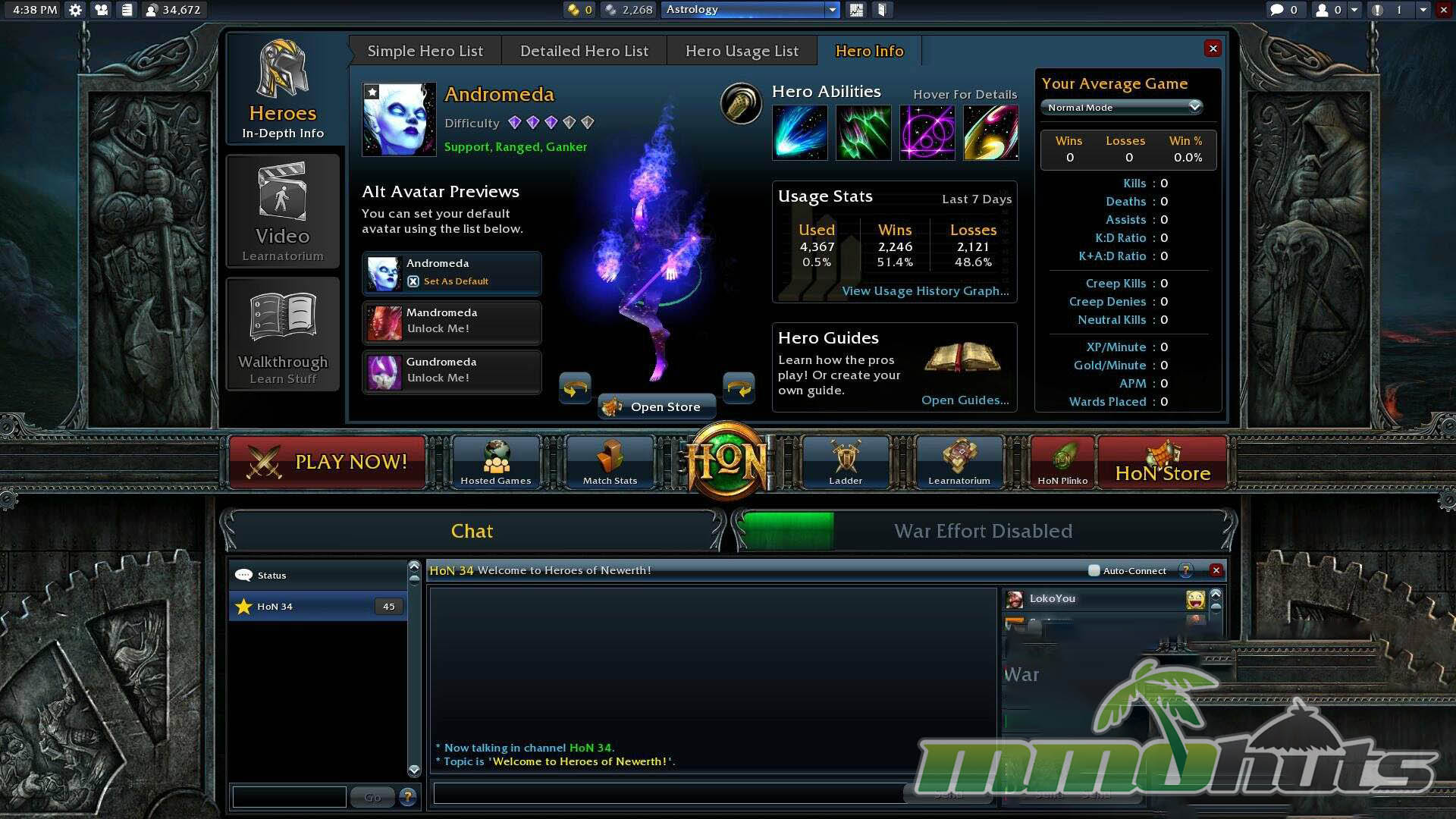
- Deep Stats and Match Records – tracks performance details like APM, GPM, streaks, and KDA in an easy-to-browse profile system.
- Dota-Style Laning and Denies – last hit for gold, and deny your own creeps to cut enemy income and experience.
- Multiple Modes and Rule Sets – jump into variants like All Mid, Casual, Single Draft, and other popular formats.
- Ranked Competition and Matchmaking – includes a ladder environment with matchmaking and an MMR-style rating approach.
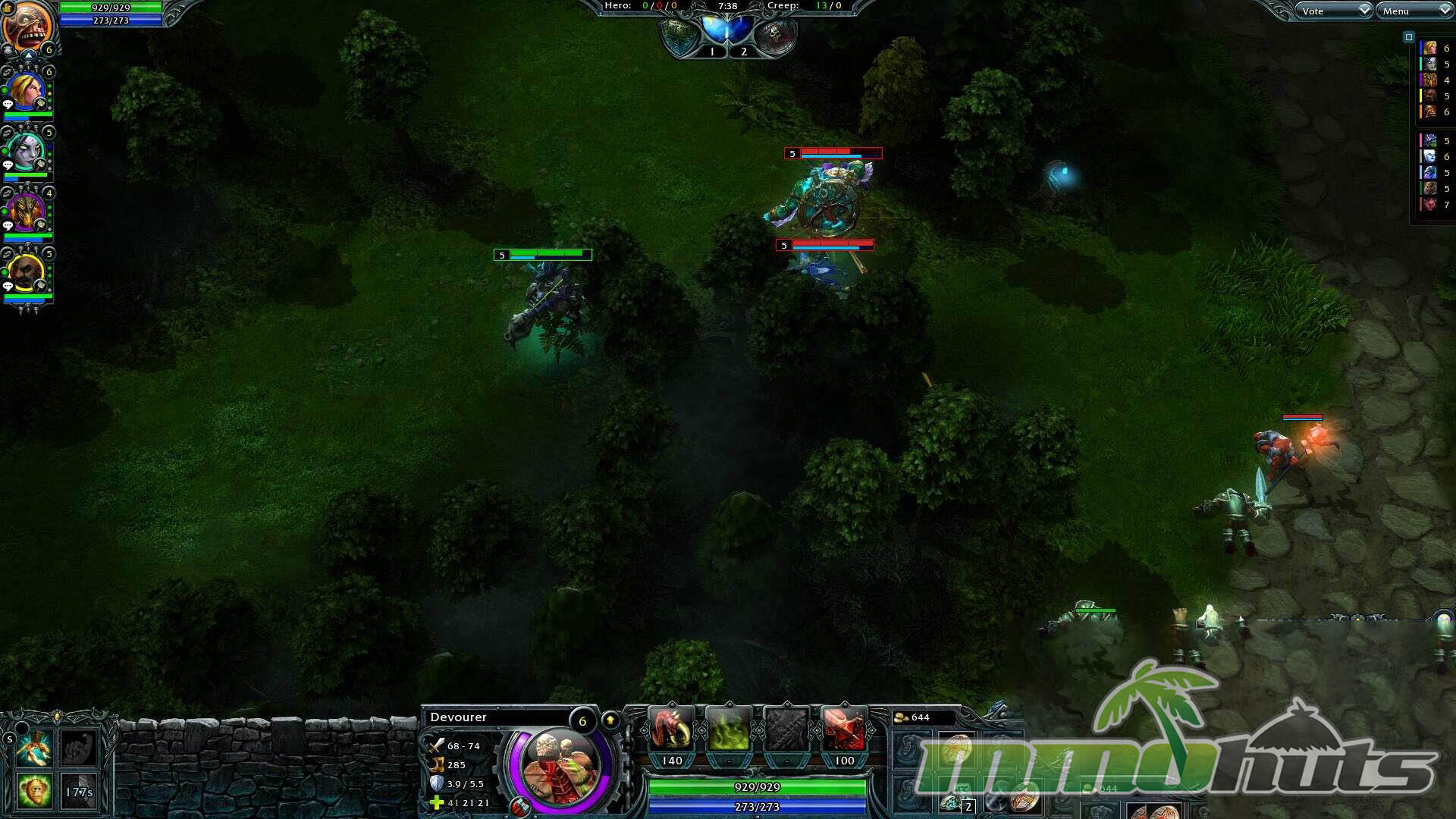
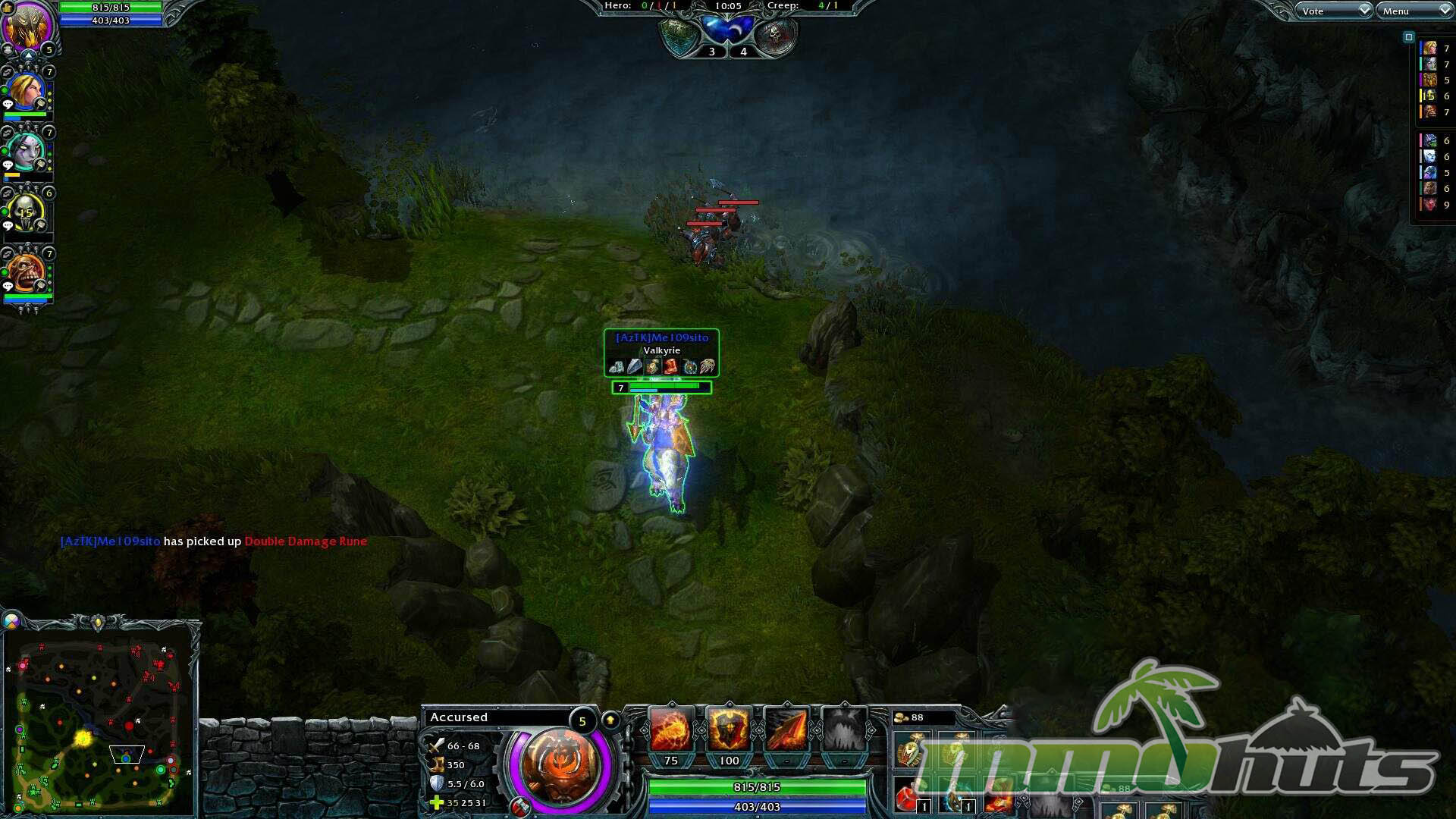
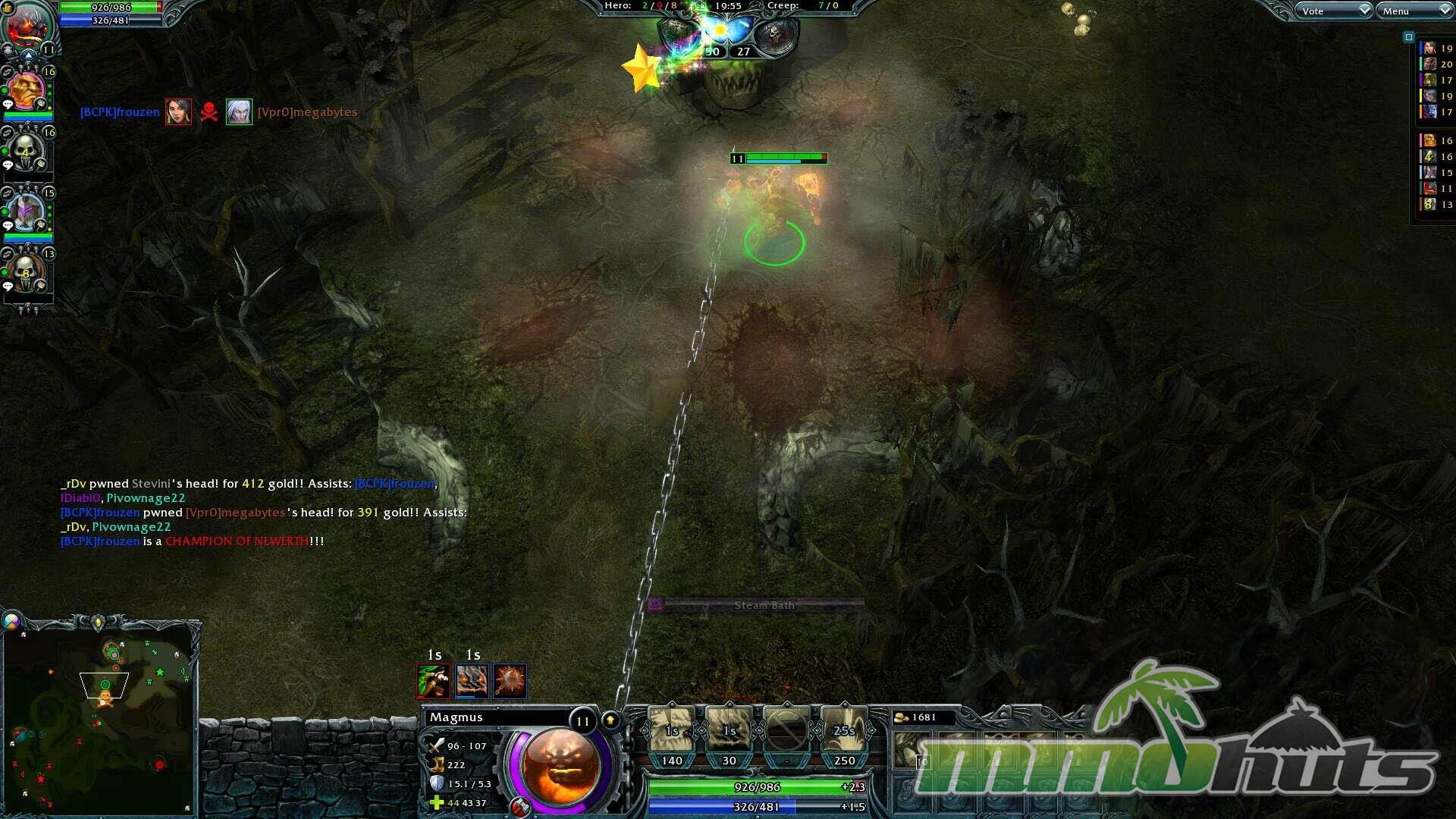
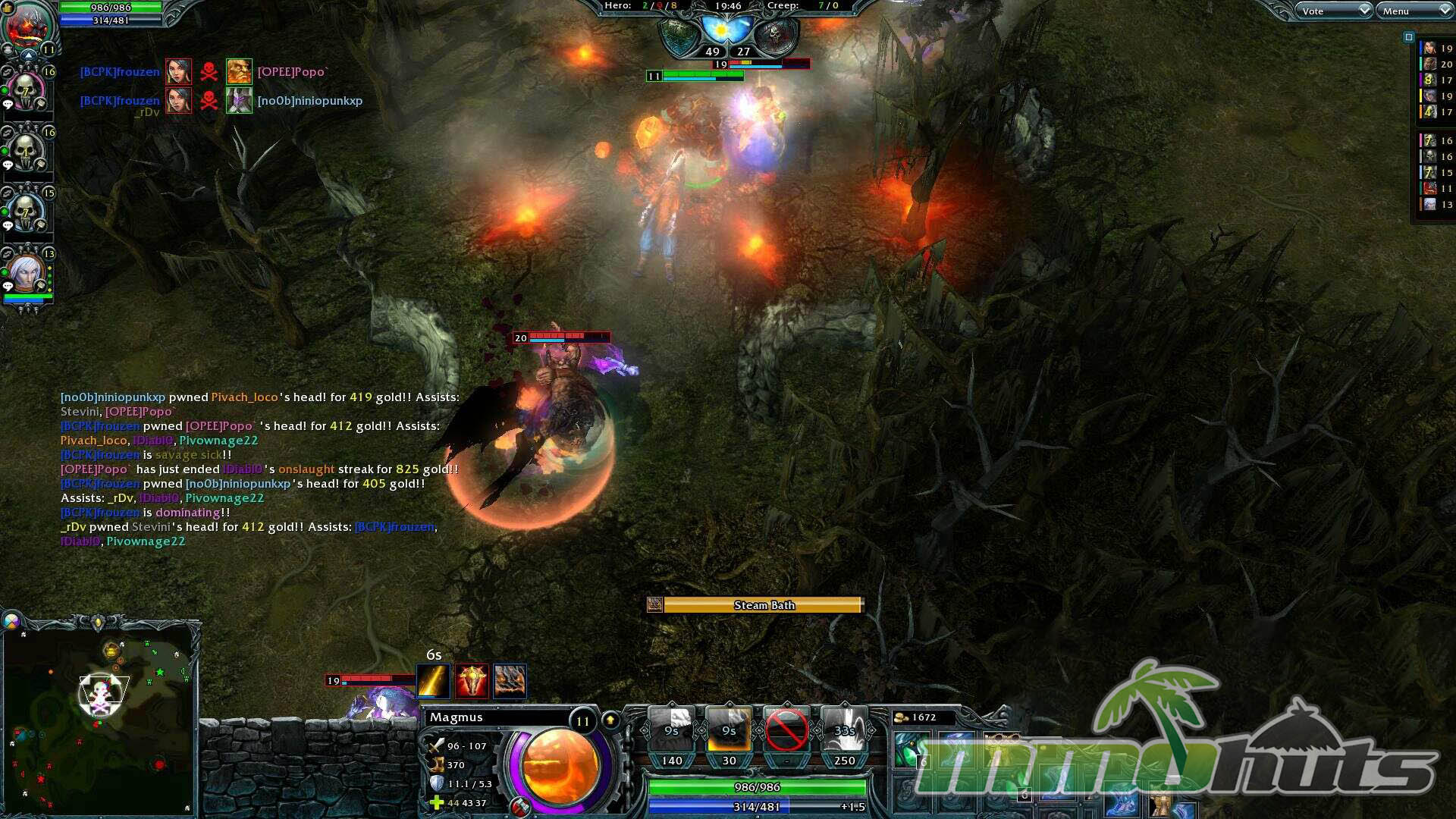
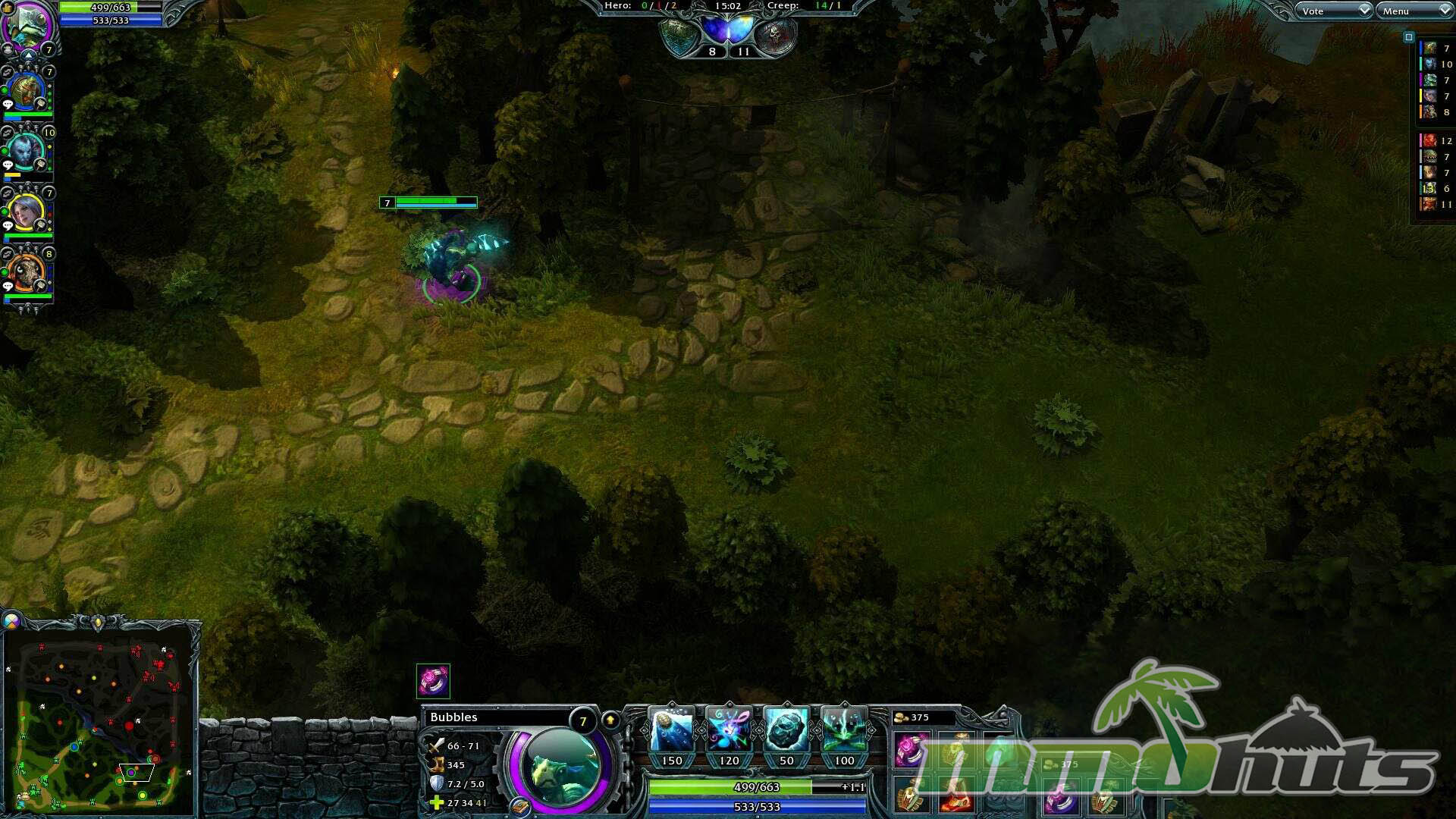
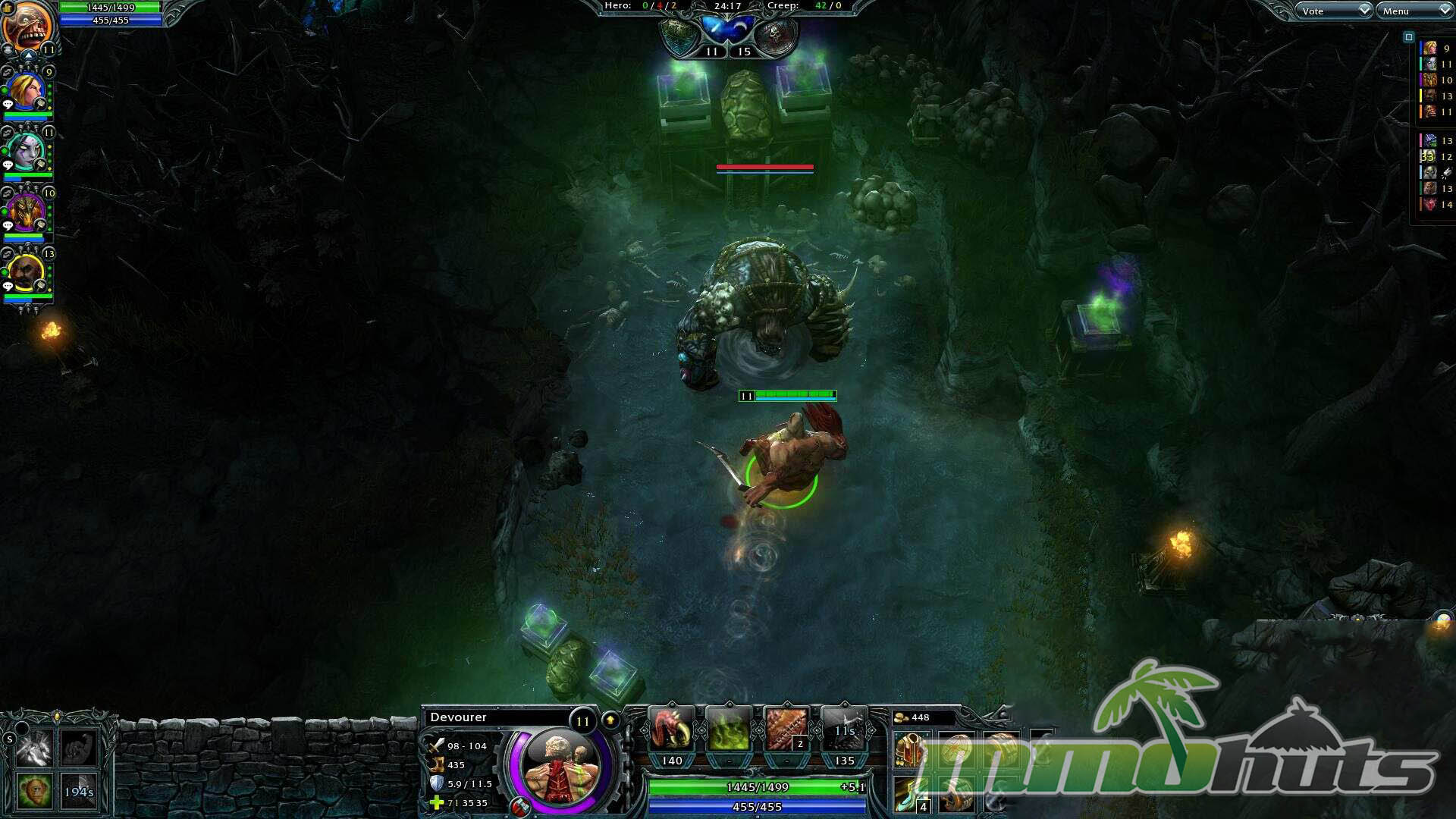
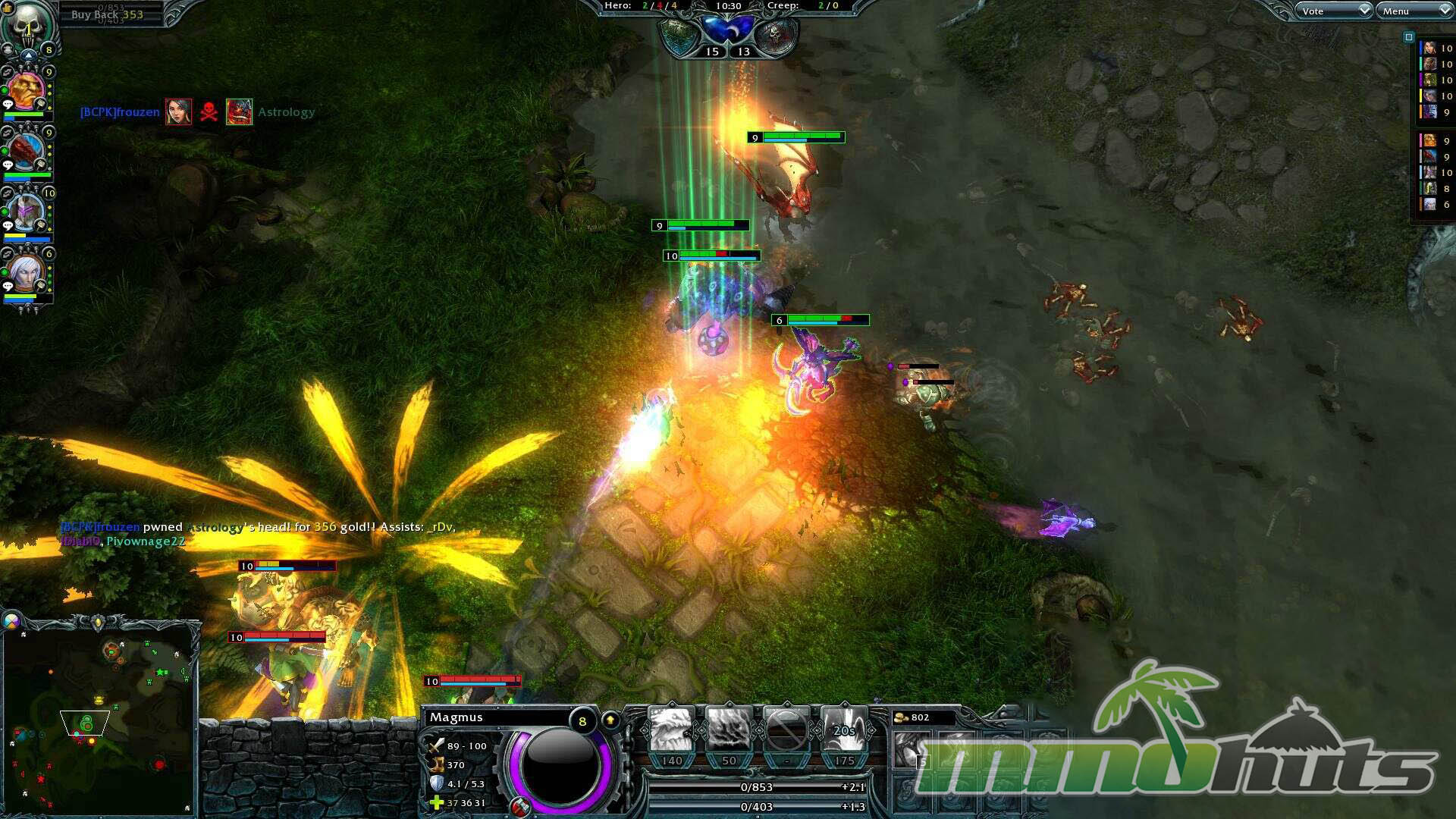
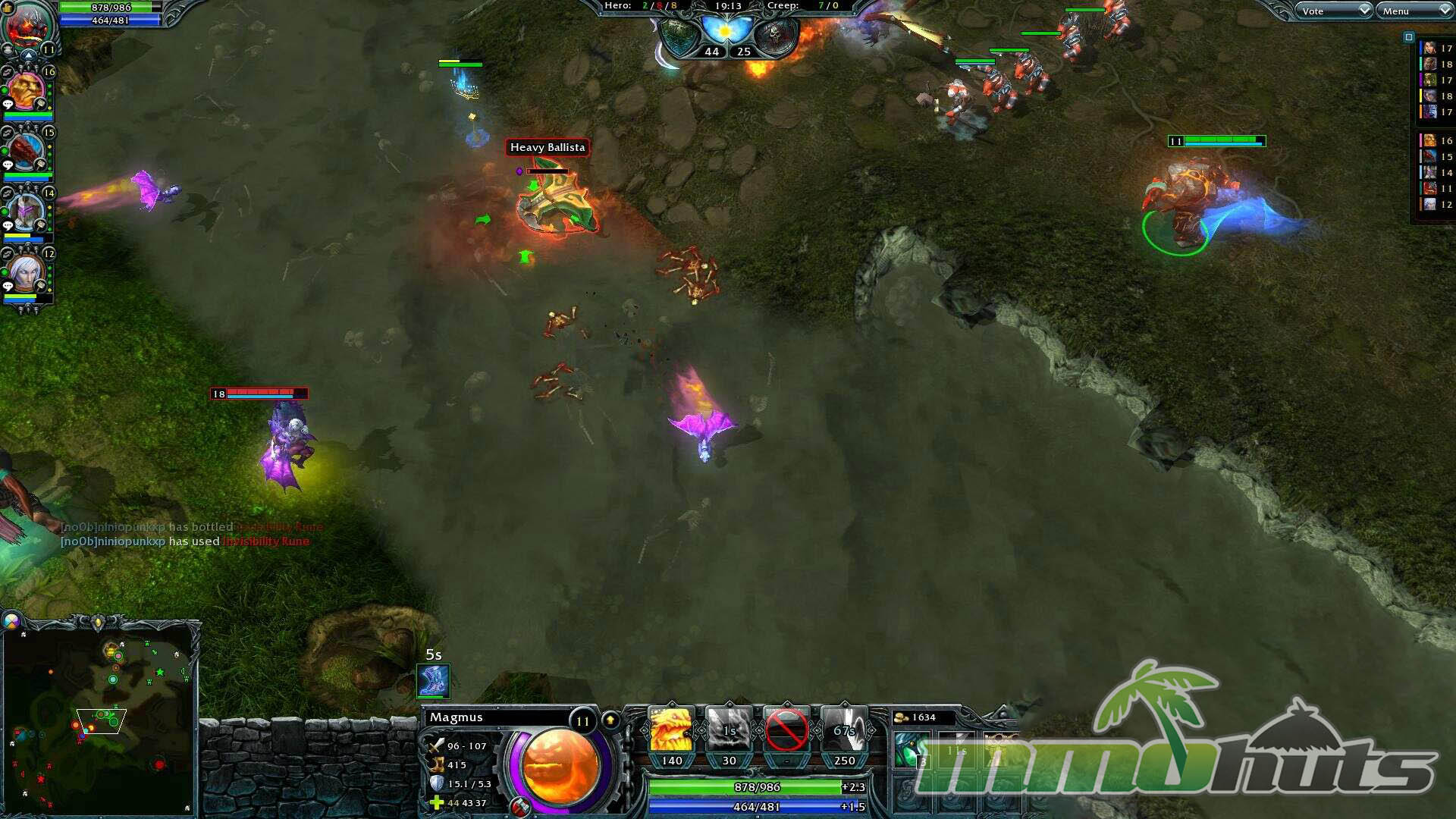
Heroes of Newerth Screenshots




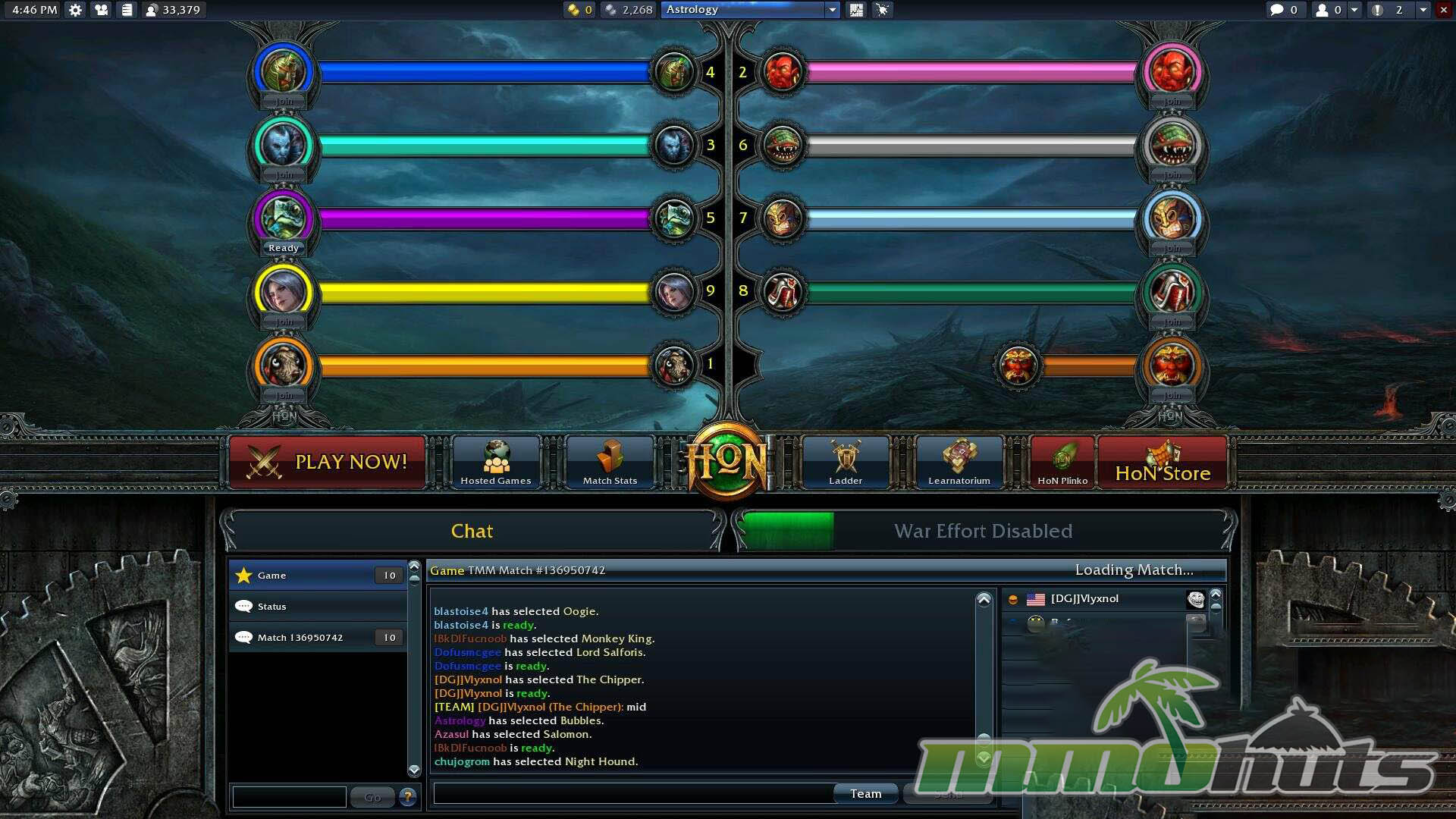
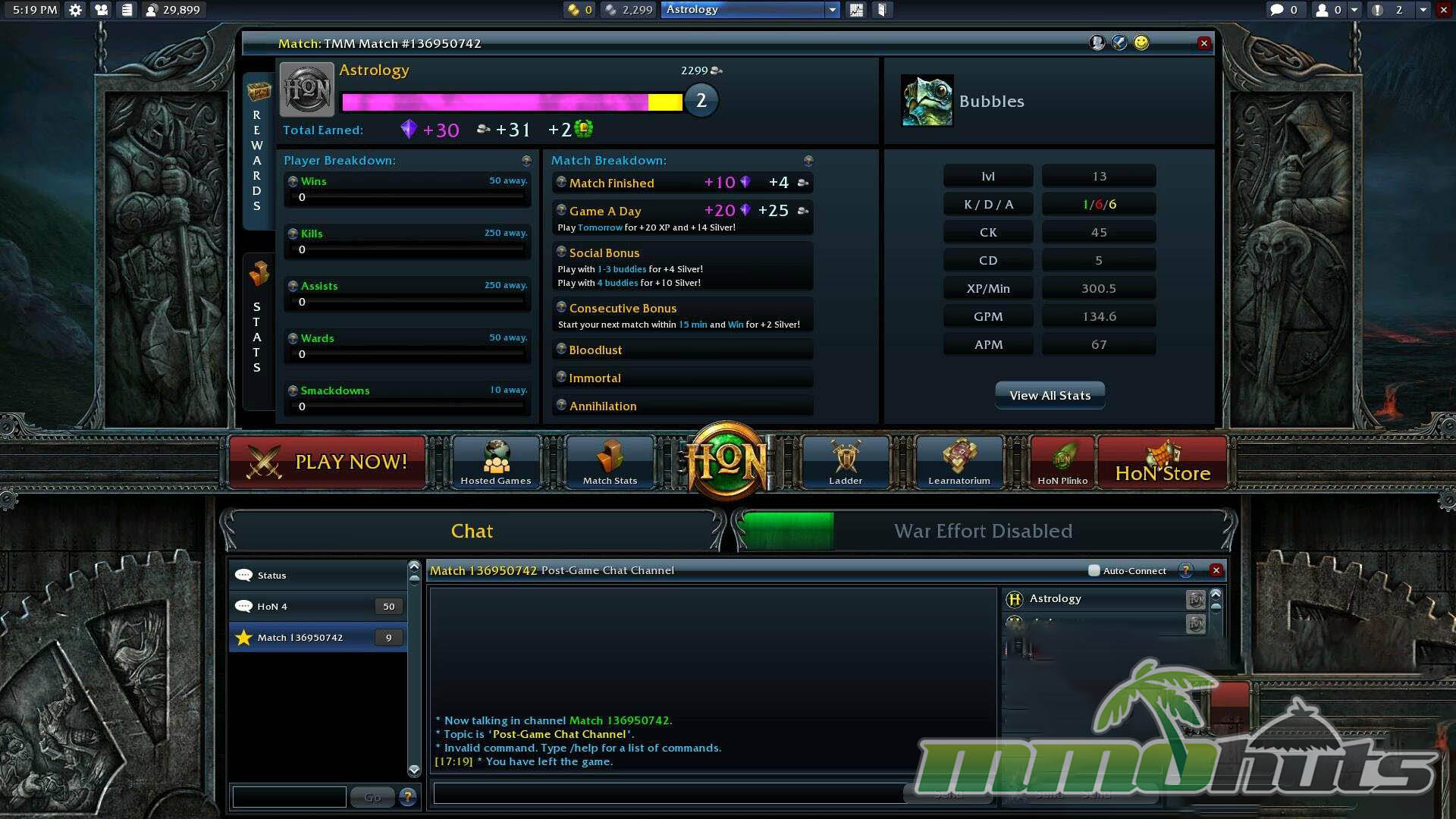
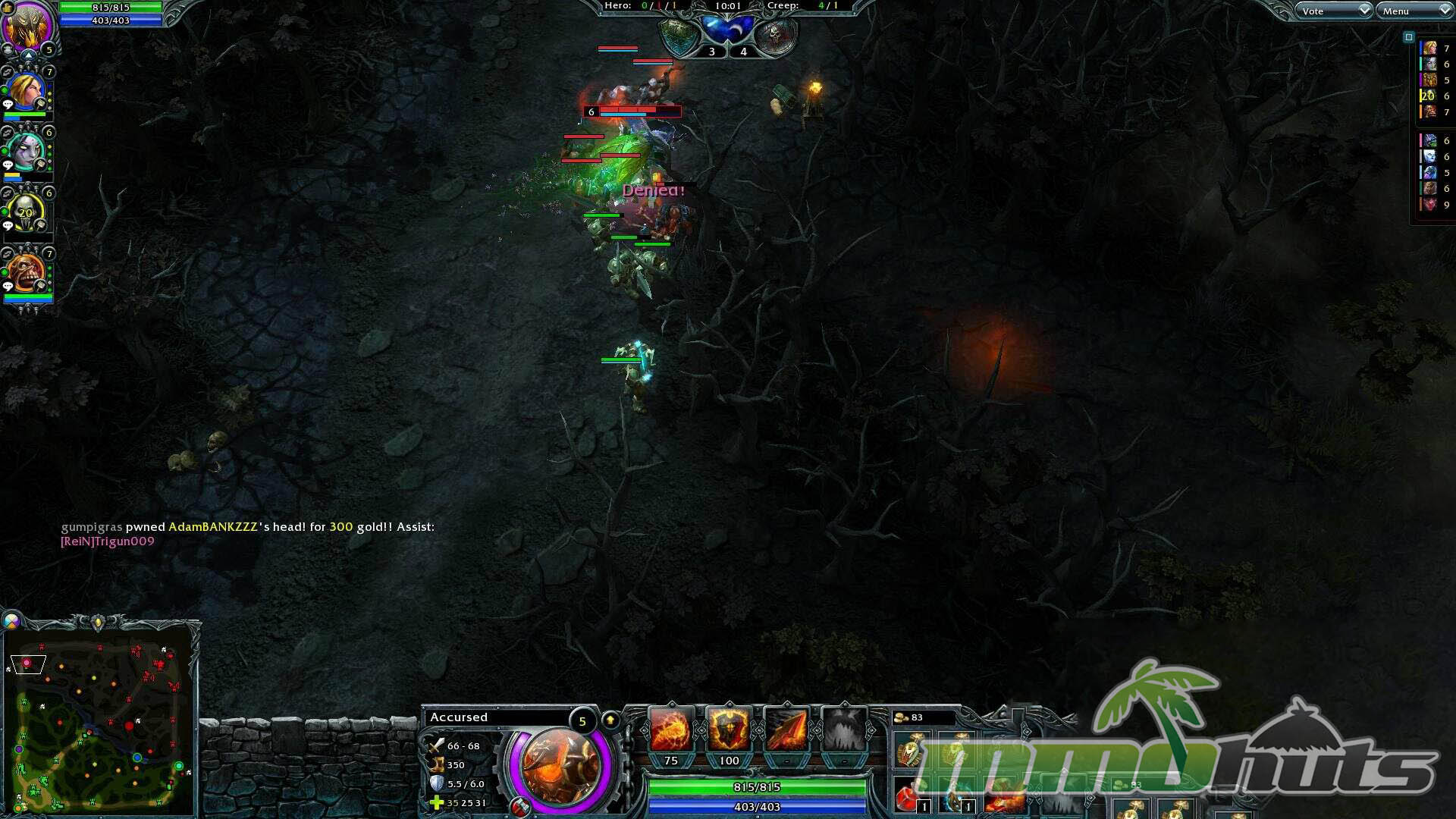
Heroes of Newerth Featured Video

Heroes of Newerth Review
Heroes of Newerth (HoN) is a MOBA developed by S2 Games for Windows, Mac OS X, and Linux. It launched on May 12, 2010 as a buy-to-play title, then transitioned to free-to-play the following year. Its foundation is clearly rooted in Defense of the Ancients, and while that familiarity helped it attract a competitive audience, it also meant the game was frequently judged on how much it differentiated itself from its inspiration.
A Familiar Battlefield, With Its Own Identity
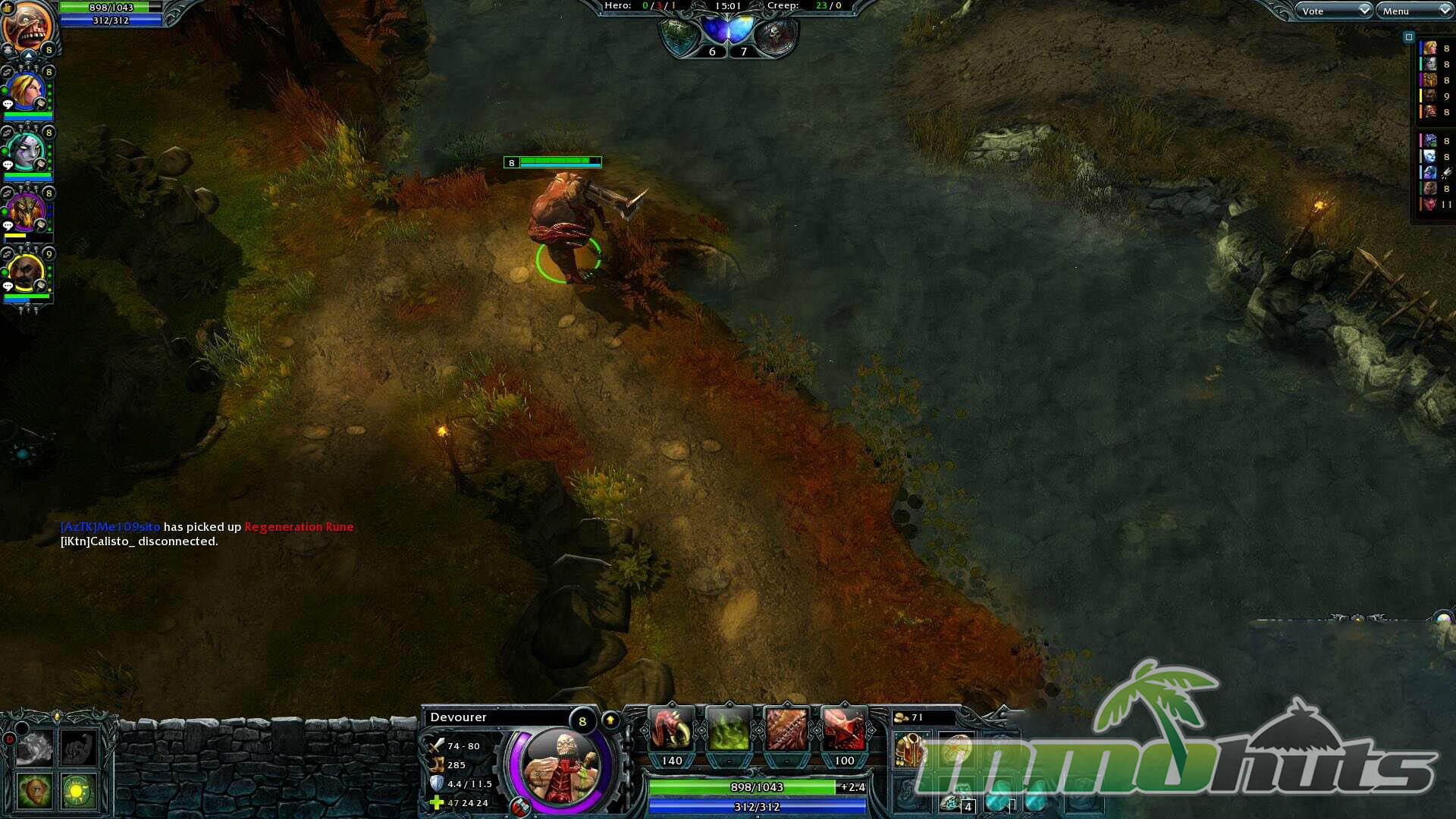
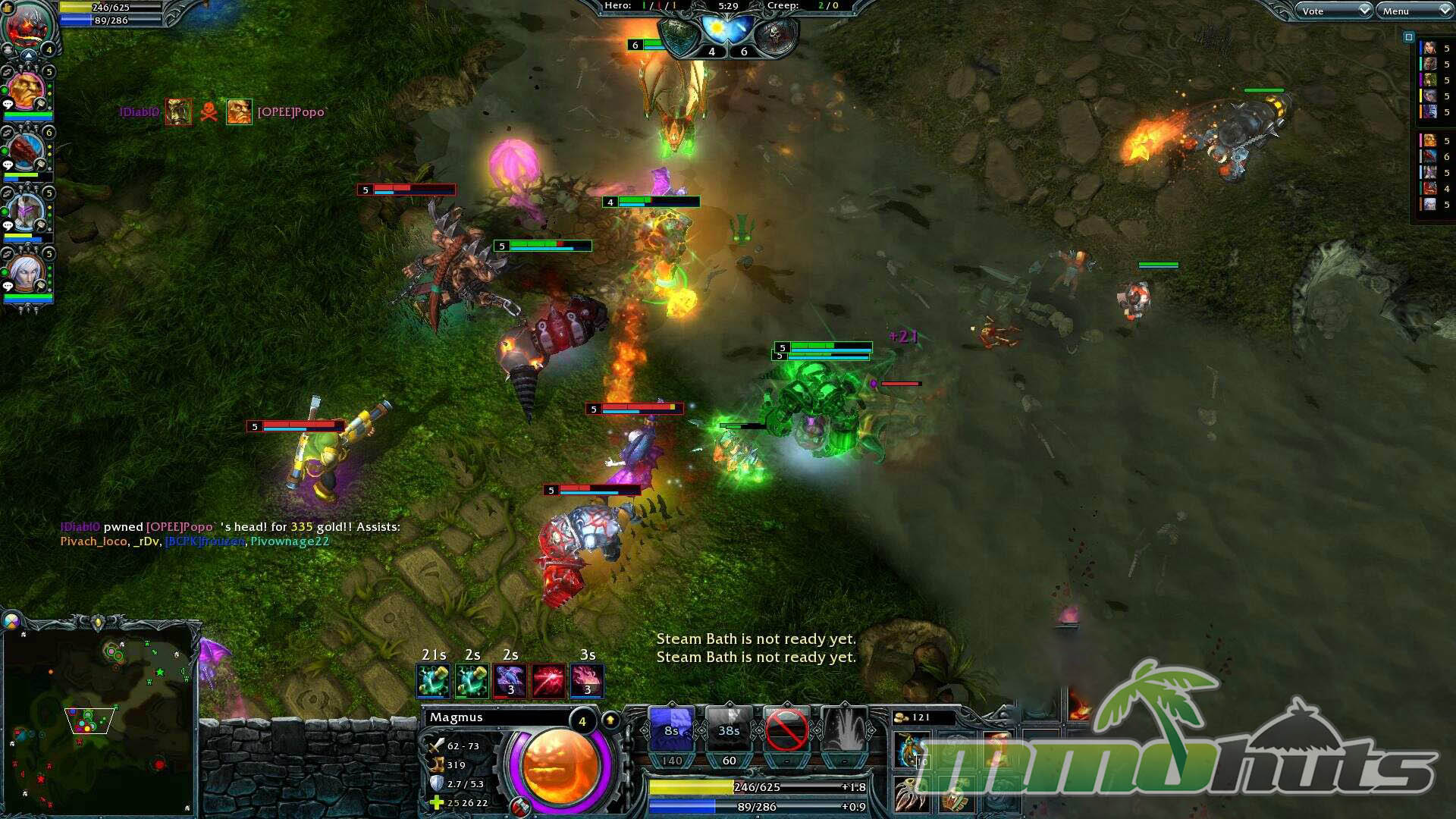
In HoN, you align with either the Legion or the Hellbourne, and the first few matches make it obvious what era this game came from. Many core systems mirror classic DoTA conventions, from lane flow to the overall pacing of fights. The game supports multiple maps and rule variations, but the centerpiece is Forests of Caldavar, the standard 5v5 setup with three lanes, defensive towers, a jungle full of neutral camps, and a major boss objective that rewards the team that brings it down.
That close resemblance is not necessarily a weakness. For players who wanted a PC-first, competitive MOBA that kept the harsher edges of early DoTA design, HoN delivered. At the same time, S2 added enough presentation flair, UI tools, and roster personality that it could feel like more than a straight copy once you spent time learning its rhythm.
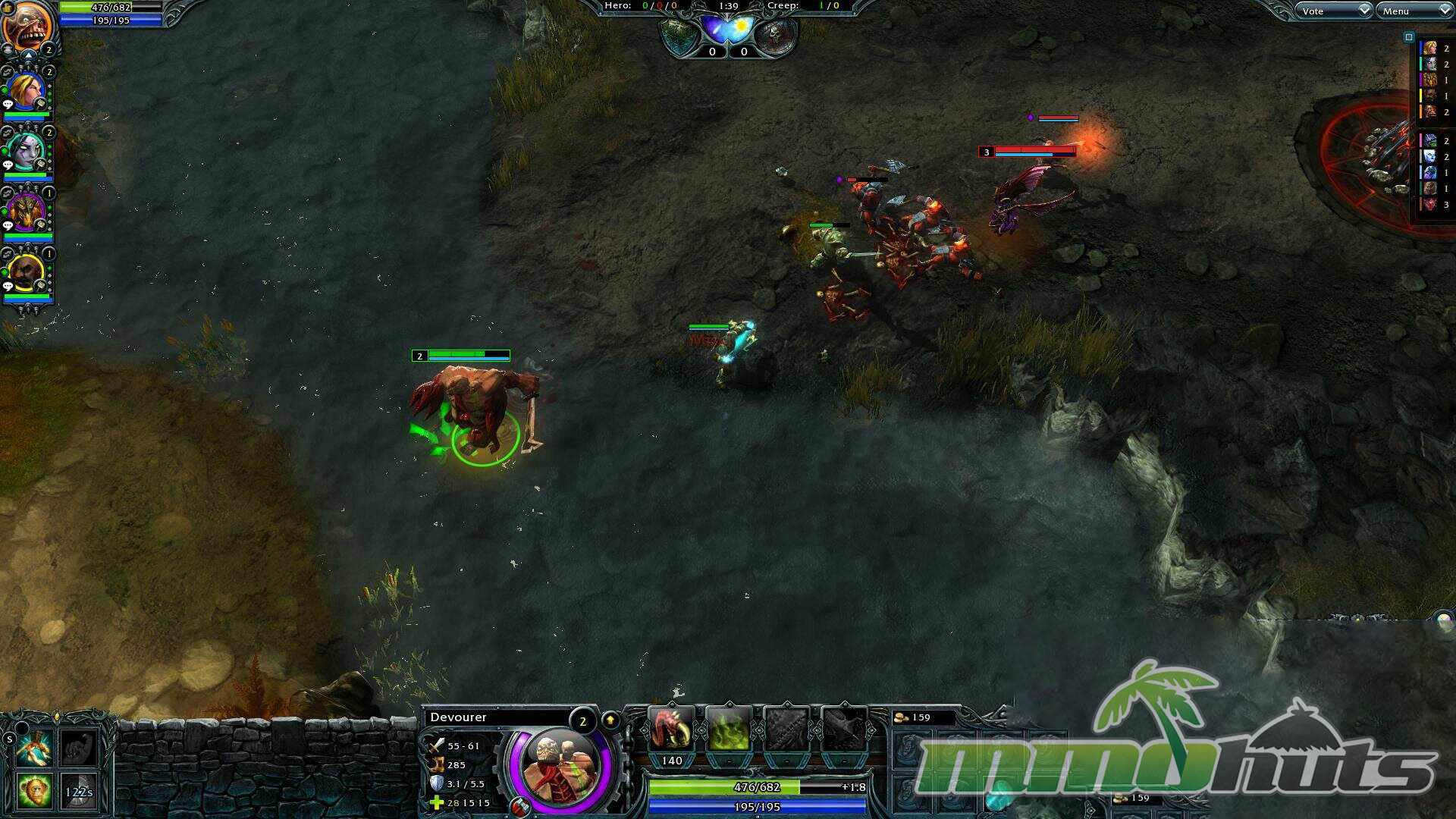
Draft Formats, Side Maps, and a Huge Cast
Mode variety is one of HoN’s long-running strengths. Different lobbies revolve around how teams draft, counter-pick, and ban heroes, which changes the tone of a match even when the map stays the same. If you prefer faster, constant brawling, Midwars effectively fills the ARAM niche with a single-lane focus. For smaller team fights and shorter macro play, Grimm’s Crossing provides a 3v3 layout with two lanes, plus another two-lane 5v5 option for a different take on the standard formula.
Heroes fall into three attribute types: Agility, Power, and Intelligence. Power heroes generally take on front-line duties and soak damage. Agility characters scale heavily through basic attacks and items, often becoming late-game win conditions. Intelligence heroes lean into spell damage and utility, with larger mana pools and ability-driven impact. With 124+ heroes available, the roster supports nearly any playstyle, although it also means the knowledge barrier is high.
HoN also offers two broader rulesets: Normal and Casual Mode. Casual Mode speeds up gold and experience, removes the gold punishment on death, and tends to produce shorter matches with less emphasis on perfect laning. Normal is closer to the traditional competitive ruleset, and it is where the game’s stricter economy and punishment systems are most apparent.
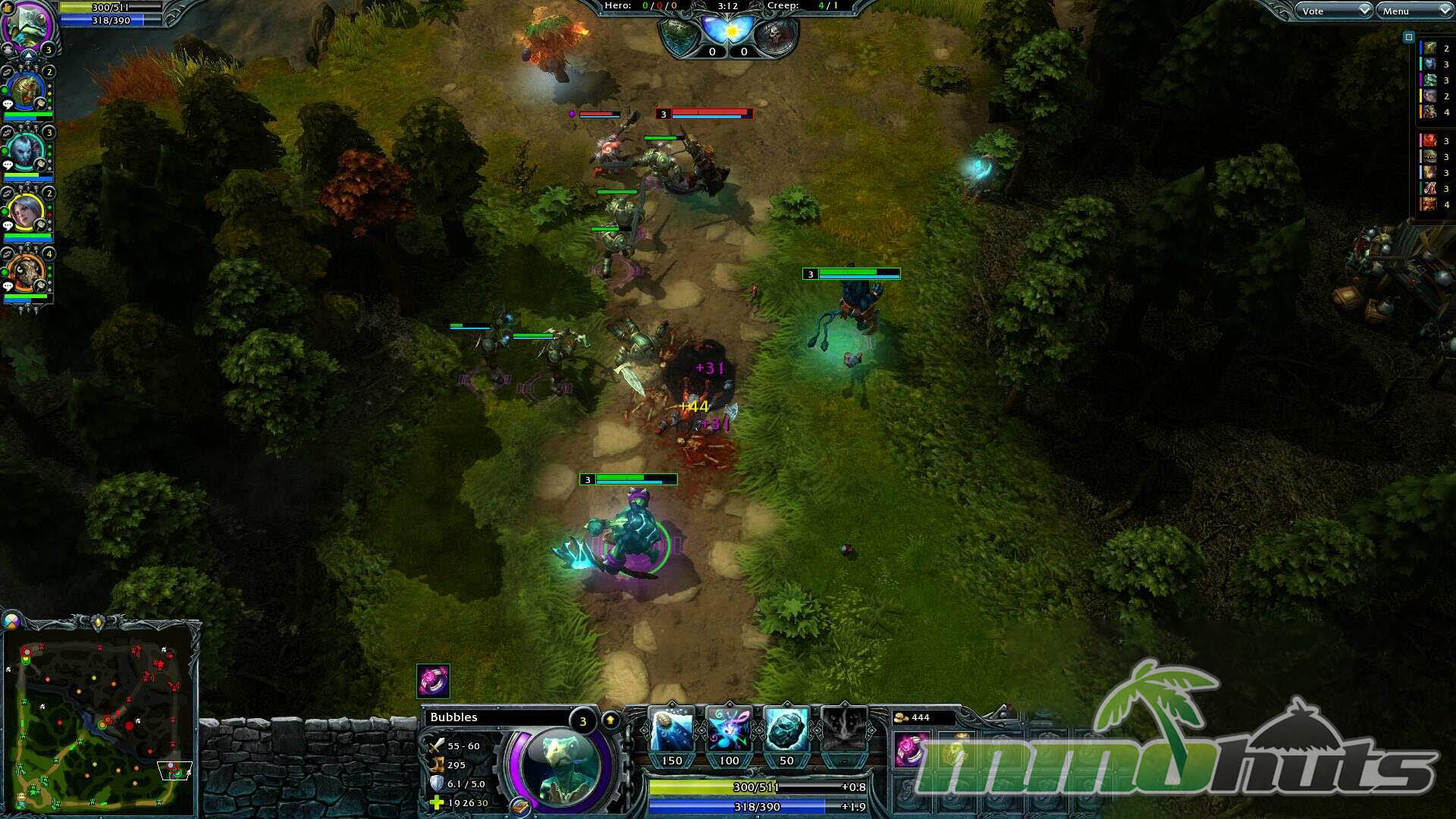
Core Match Flow and What Winning Actually Requires
Moment to moment, HoN is a lane control game that constantly asks you to balance farming, map awareness, and coordinated fighting. A typical match lands in the 20 to 40 minute range, though even games can stretch longer when both teams defend well and trade objectives cautiously. Like many classic MOBAs, the match tends to fall into early, mid, and late phases, and hero power spikes matter a lot. Picking fights at the wrong time, or failing to leverage a timing advantage, is one of the fastest ways to throw a lead.
Each hero has four abilities, with the ultimate usually unlocked at level 6. Gold comes primarily from last-hitting creeps, and item progression is a major part of power scaling. Denying is also present, letting skilled laners suppress opponents by removing access to gold and experience. This single mechanic alone raises the mechanical ceiling and makes lane matchups feel more oppressive than in MOBAs that removed or softened denies.
HoN also includes lane outposts where players can buy items without returning to base, which changes how you manage sustain and tempo. Teleporting via a homecoming stone becomes a strategic tool for rotations and defensive responses. In the jungle, neutral camps provide an alternative income route, while Kongor functions as the major boss objective, offering an advantage to the team that secures the kill, and announcing the event globally to raise the stakes immediately.
Like classic DoTA, a shared courier system delivers purchased items to players, reducing the need to leave lane and keeping the pace brisk when teams manage it well.
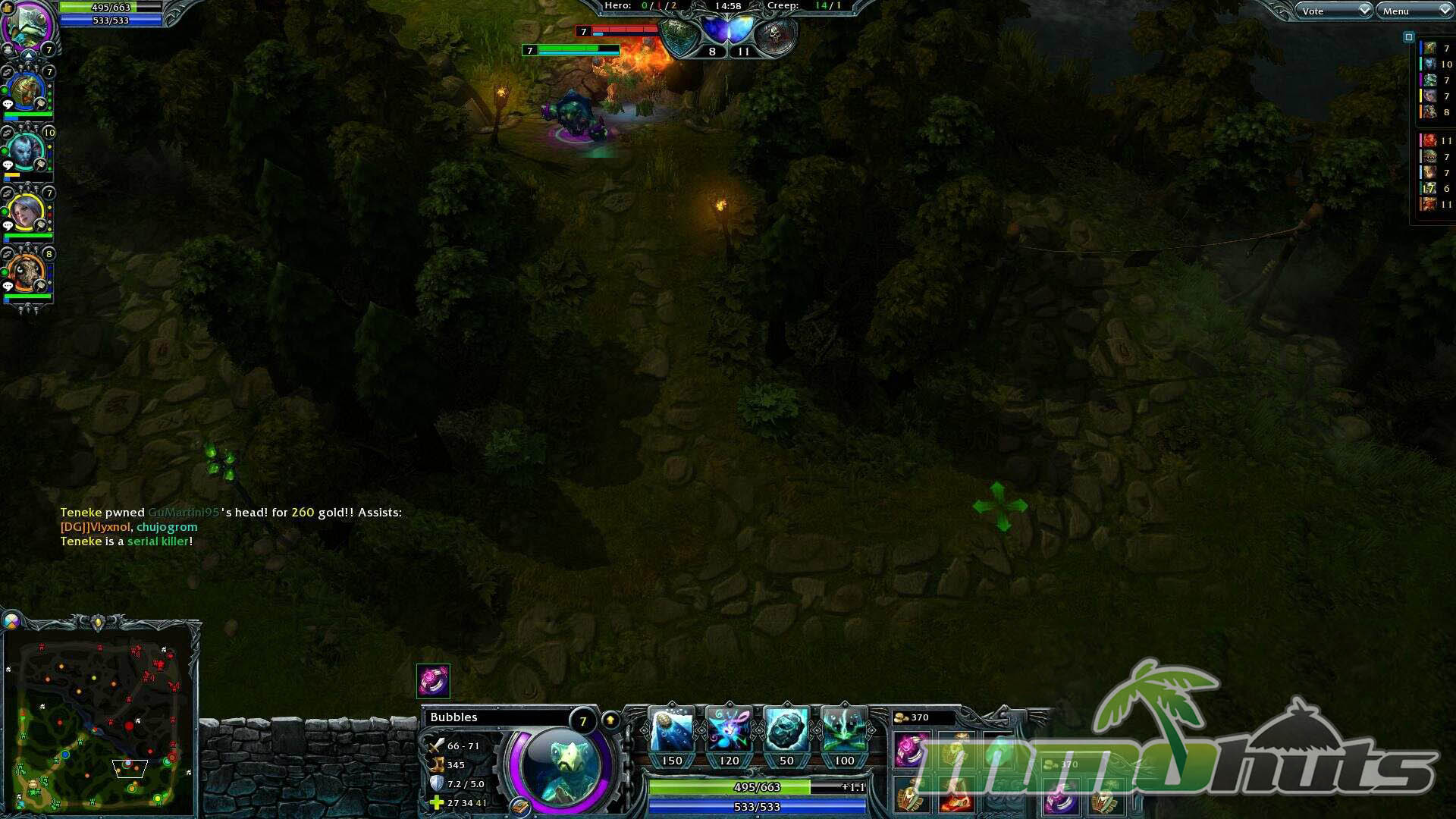
HoN is not a game that rewards skipping the basics. The tutorial matters, and revisiting it is worthwhile if you are new to deny-heavy MOBAs. The game’s tempo and punishments can feel brutal compared to more streamlined entries in the genre, and the lack of a simple recall mechanic means positioning and resource planning are constant concerns. For most new players, starting in Casual Mode is the smoother on-ramp, because the economy is more forgiving and deaths do not immediately spiral into a lost lane. Normal rules are closer to the competitive standard, but getting comfortable there typically takes time and patience.
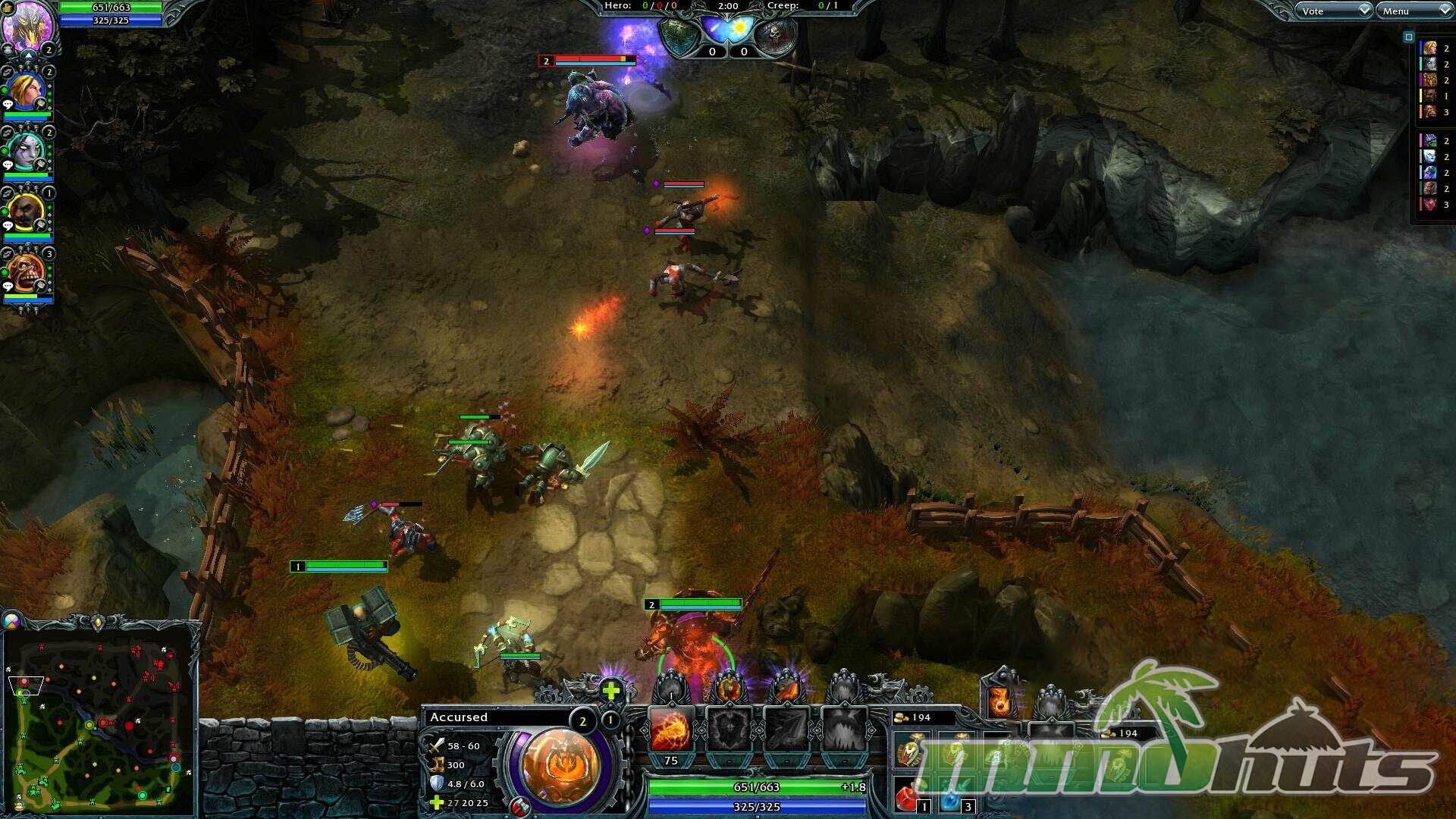
Items, Skill Kits, and Monetization
HoN’s item system is one of its defining features. Builds are rarely completely fixed, because many items provide active effects that dramatically change how a hero engages, escapes, or supports teammates. That flexibility creates real decision points: you can adapt to enemy threats, cover team weaknesses, or accelerate a snowball depending on the match state. Compared to MOBAs where builds often converge into the same few paths, HoN encourages experimentation while still rewarding players who understand optimal timings.
On the visual side, many hero kits have strong effects and readable spell animations, and the game generally communicates impact well in team fights. One recurring design pattern is the presence of multiple hook-style abilities across the roster, which can make positioning feel extra punishing. When these abilities are chained with crowd control, a single mistake can quickly become a death sentence.
The cash shop focuses on cosmetics and presentation, including announcer packs, hero skins, and voice options. For players who enjoy personalization, HoN offers a lot of ways to change the feel of a match without directly altering competitive balance.

Closing Impressions: Strong Systems, Sharpened Edges
Part of HoN’s long-standing reputation comes from how openly it embraced its DoTA roots. There are clear parallels between many heroes and items, and S2 even documented comparisons, which helped set expectations for players coming from the mod scene. If you know DoTA concepts, a lot of HoN’s learning curve becomes less about understanding the genre and more about mastering the specific roster, matchups, and pacing.
Where HoN consistently stood out was in its supporting features. The game’s stat tracking and profile tools were unusually robust for the time, covering a wide range of performance metrics and match history. For competitive players, that level of detail can be motivating, whether you are tracking improvement, scouting opponents, or simply trying to understand why a particular hero feels strong.
HoN also leans into spectacle with its killstreak system, extending up to extremely rare high streaks and rewarding strong performances with extra gold at match end that can be spent on shop items. Combined with extensive tracking of GPM, APM, KDA, and spree statistics, it gives players a long-term sense of progression even when the match outcomes swing.
In terms of feel, HoN is notably responsive, which contributes to its reputation among players who value precise inputs and fast fights. The interface and density of information can be overwhelming early on, but players willing to absorb the systems often find the depth satisfying, especially in coordinated groups.

Final Verdict – Great
Heroes of Newerth remains an impressive example of a classic, uncompromising MOBA design philosophy. It offers a huge hero selection, strong customization through cosmetics, and one of the best built-in stat and record systems in the genre. The cost of entry is real, the learning curve is steep, and the community could be rough, but for players who enjoy DoTA-style fundamentals and high mechanical expectations, HoN delivered a deep, rewarding competitive experience.
Heroes of Newerth Links
Heroes of Newerth Official Site
Heroes of Newerth Wikipedia
Heroes of Newerth Gamepedia [Database / Guides]
HoN Wiki [Database / Guides]
Heroes of Newerth Subreddit
Heroes of Newerth System Requirements
Minimum Requirements:
Operating System: XP / 2000 / Vista / 7 / 8
CPU: Intel Pentium 4 2.8 GHz / 2 GHz Core 2 Duo / AMD 2400+
Video Card: GeForce 5 / ATI 9800
RAM: 1.5 GB
Hard Disk Space: 4 GB
Recommended Requirements:
Operating System: XP / 2000/ Vista / 7 / 8
CPU: 2.4 GHz Core 2 Duo or i3 / 2.2 GHz i5 or I7
Video Card: GeForce 7800 + / Radeon X1900
RAM: 2 GB for Windows XP 3 GB+ for Windows 7 or 8.
Hard Disk Space: 4 GB
Linux Recommended System Requirements
CPU: 2.0 GHz Core 2 Duo / AMD 3500+
Video Card: GeForce 7800 + / Radeon X1900
RAM: 2 GB
Hard Disk Space: 4 GB
Mac OS X Recommended System Requirements
CPU: 2 GHz Core 2 Duo
Video Card: GeForce 7800 + / Radeon X1900
RAM: 3 GB
Hard Disk Space: 4 GB
Heroes of Newerth was originally released in 2010 and was designed to run well on lower end PCs. The system requirements aren’t very demanding, but the game does look great on max settings.
Heroes of Newerth Music & Soundtrack
Heroes of Newerth Additional Information
Developer: S2 Games
Designer(s): James Fielding, Alan Cacciamani, Pu Liu, Brent Wiedmer, and Matt Knizacky
Composer(s): Arnej Secerkadic
Engine: K2 Engine
Other Platforms: Mac OS X and Linux
Closed Beta Date: April 24, 2009
Open Beta Date: March 31, 2010
Foreign Release:
South Korea: May, 2010
Shut Down Date: June 22, 2022
Development History / Background:
Heroes of Newerth (often shortened to HoN) was created by Michigan-based S2 Games using the studio’s K2 Engine. Work began in 2006, with a substantial portion of early development focused on building out the technology and tools that would support large-scale matches. After a lengthy testing period, including a closed beta that started on April 24, 2009, the game released on May 12, 2010.
HoN was designed to compete in the growing MOBA space that DoTA helped define, and it initially launched as a buy-to-play product before shifting to a free-to-play model on July 29, 2011. That change aligned it with the broader market direction, especially as other major MOBAs were free-to-play. At its peak, HoN was widely recognized for a strong competitive scene and a substantial active population, regularly cited at 60,000+ players online, with over 3 million accounts registered by the time of the official launch. The game maintained global availability and remained one of the best-known titles of its era until its shut down on June 22, 2022.
The game later relaunched as Heroes of Newerth Reborn as a free to play game with some balance tweaks.