Alliance of Valiant Arms, better known as AVA, is a lobby-based 3D tactical MMO shooter that leans into grounded modern weaponry and a more “mil-sim adjacent” presentation than most free-to-play FPS games. Its setting frames a near-future conflict between the European Union (EU) and the New Russian Federation (NRF), giving the maps and modes a familiar modern-infantry tone.
 | Publisher: NeoWiz Playerbase: Medium Type: MMO Shooter Release Date: Nov 11, 2009 (Original) Relaunch Date: August 25, 2022 Pros: +Large weapon selection and lots to unlock. +Strong mission and achievement progression. +Deep attachment and weapon tuning options. +Detailed stat tracking and performance history. Cons: -Premium gear can offer notable power advantages. -Bots in AI modes are extremely unconvincing. |

Alliance of Valiant Arms Overview
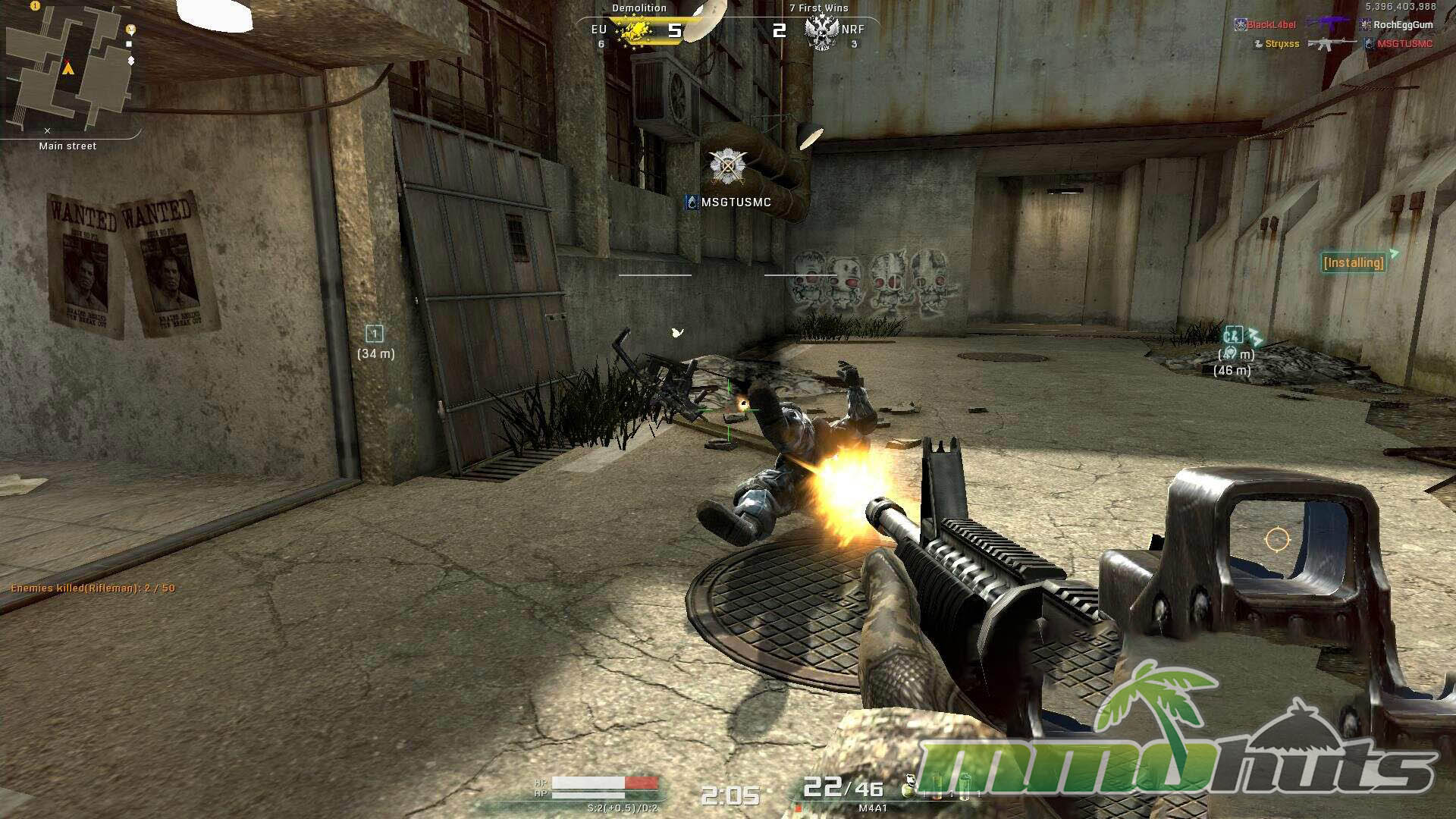
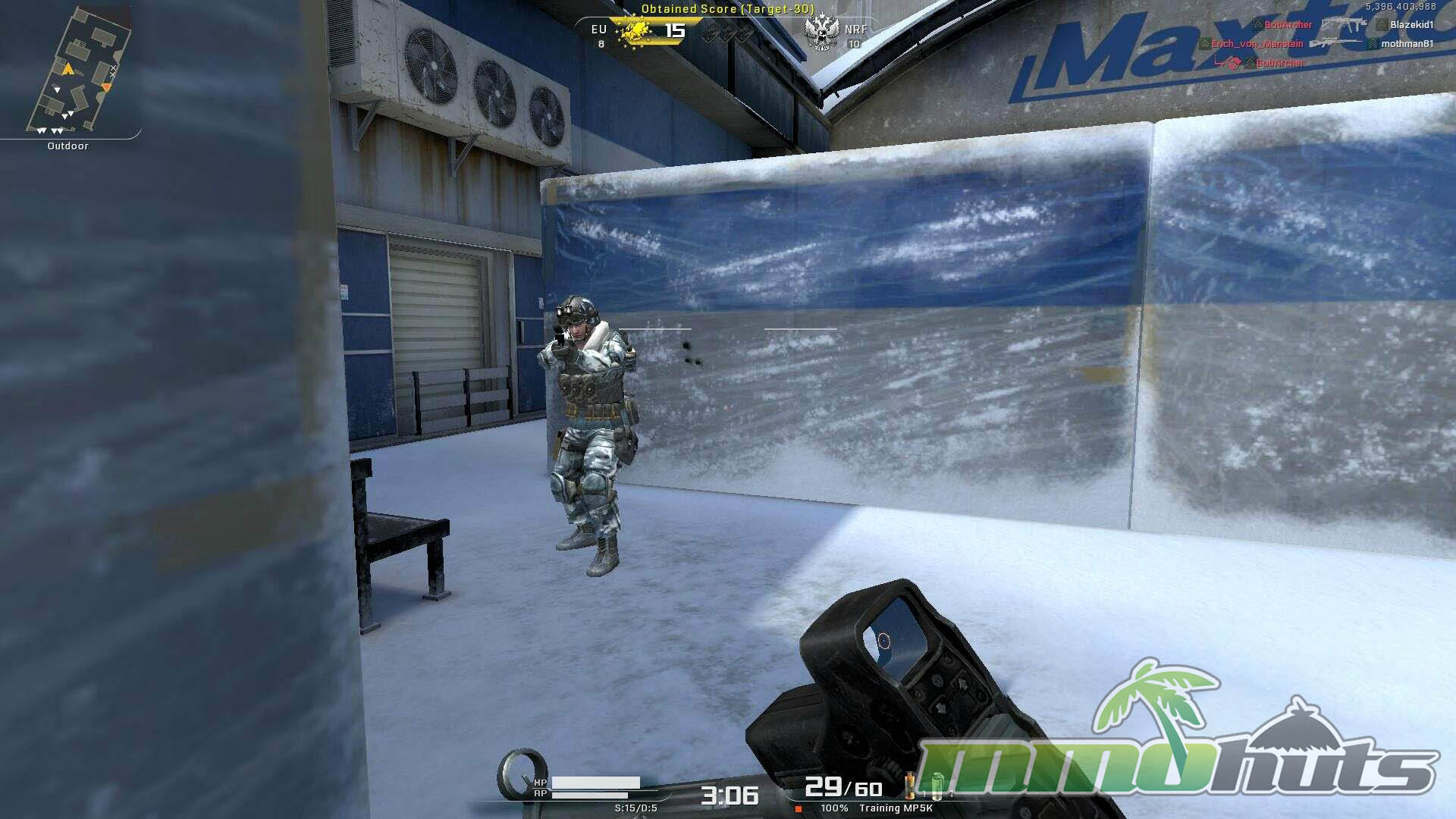
Alliance of Valiant Arms (AVA) is a modern-day tactical FPS built around matchmaking lobbies rather than an open world, which places it in the same “MMOFPS” lane as other long-running Korean shooters. The big differentiator is presentation, AVA’s Unreal Engine 3 foundation still delivers sharp lighting and solid weapon detail for its era, and the overall feel is more “serious” than arcade-focused competitors. Between matches you manage loadouts, browse the shop, and queue into modes across a large map rotation.
Progression is tied to two parallel tracks. First, you earn Euros (the free in-game currency) by playing, completing achievements, and finishing various objectives, then spend it on weapons, armor, and attachment parts. Second, you gain experience from match results to increase your rank, which acts as a gate for much of the arsenal, encouraging steady play over time rather than immediate access to everything. It is a simple loop, but it gives AVA a clear sense of momentum for players who enjoy collecting gear and refining a main loadout.
Alliance of Valiant Arms Key Features:
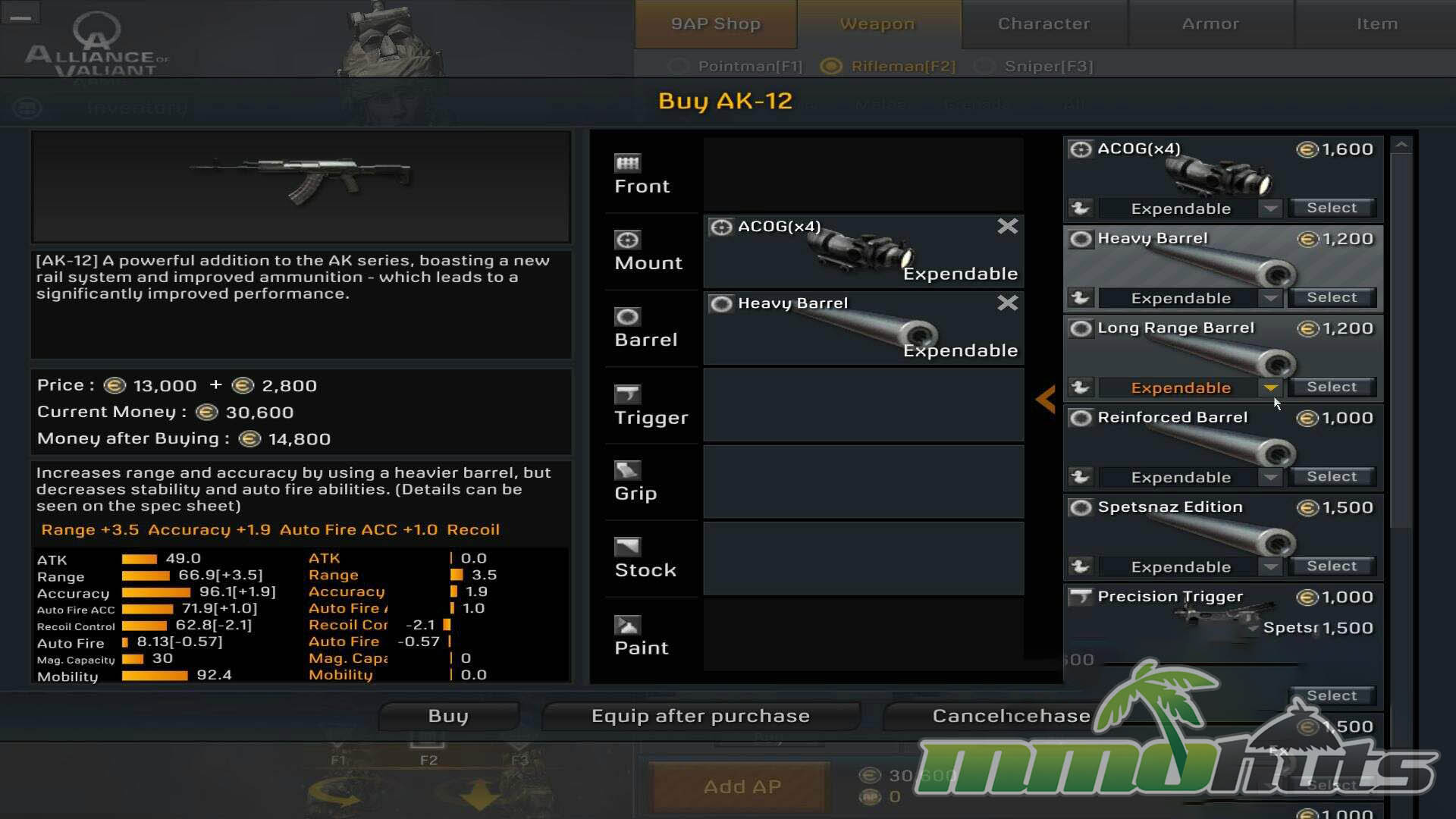
- Variety of Weapons – over 175 weapons, with many supporting customization (Mount, Barrel, Trigger, and Grip can be customized).
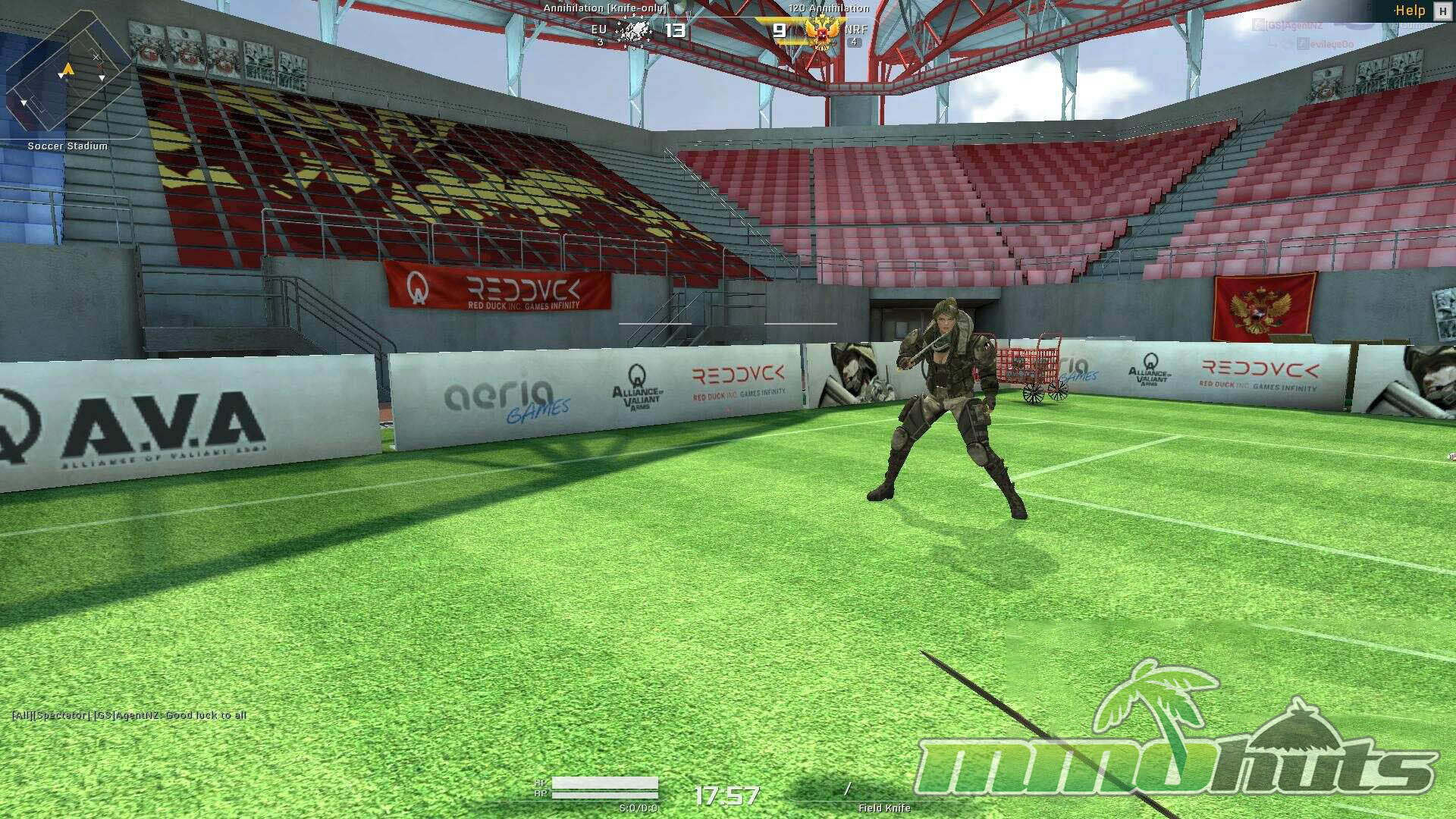
- Maps and Modes Galore – play on over 30+ maps and 5+ game modes (Demolition / Escort / Annihilation / Military Drill / Suppression).
- Excellent Ranking System – ranking system that keeps track of stats. Higher ranks are required for most weapons.
- Play on a Team – join the clan system with friends or make new friends, and participate in clan matches.
Alliance of Valiant Arms Screenshots



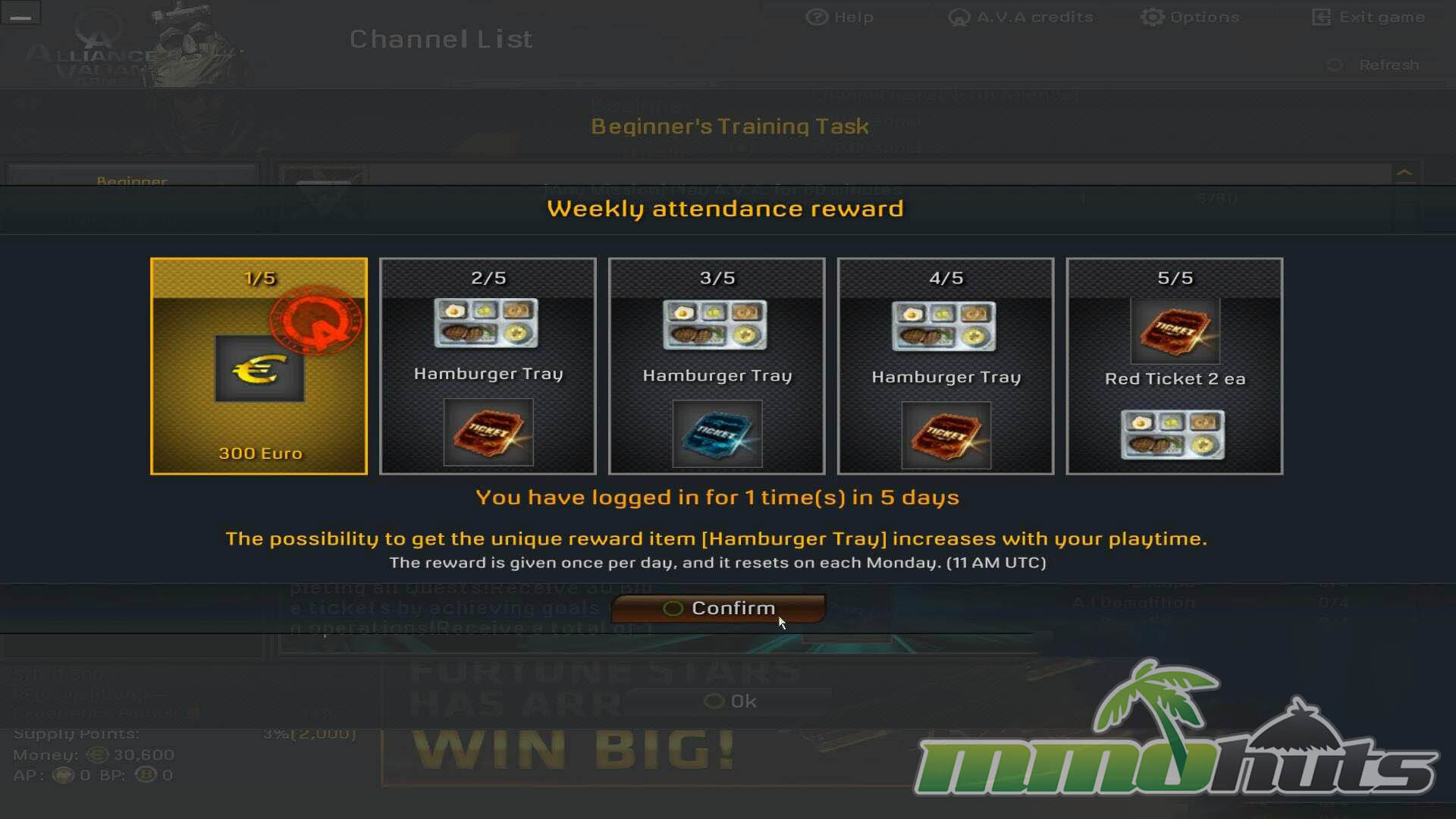
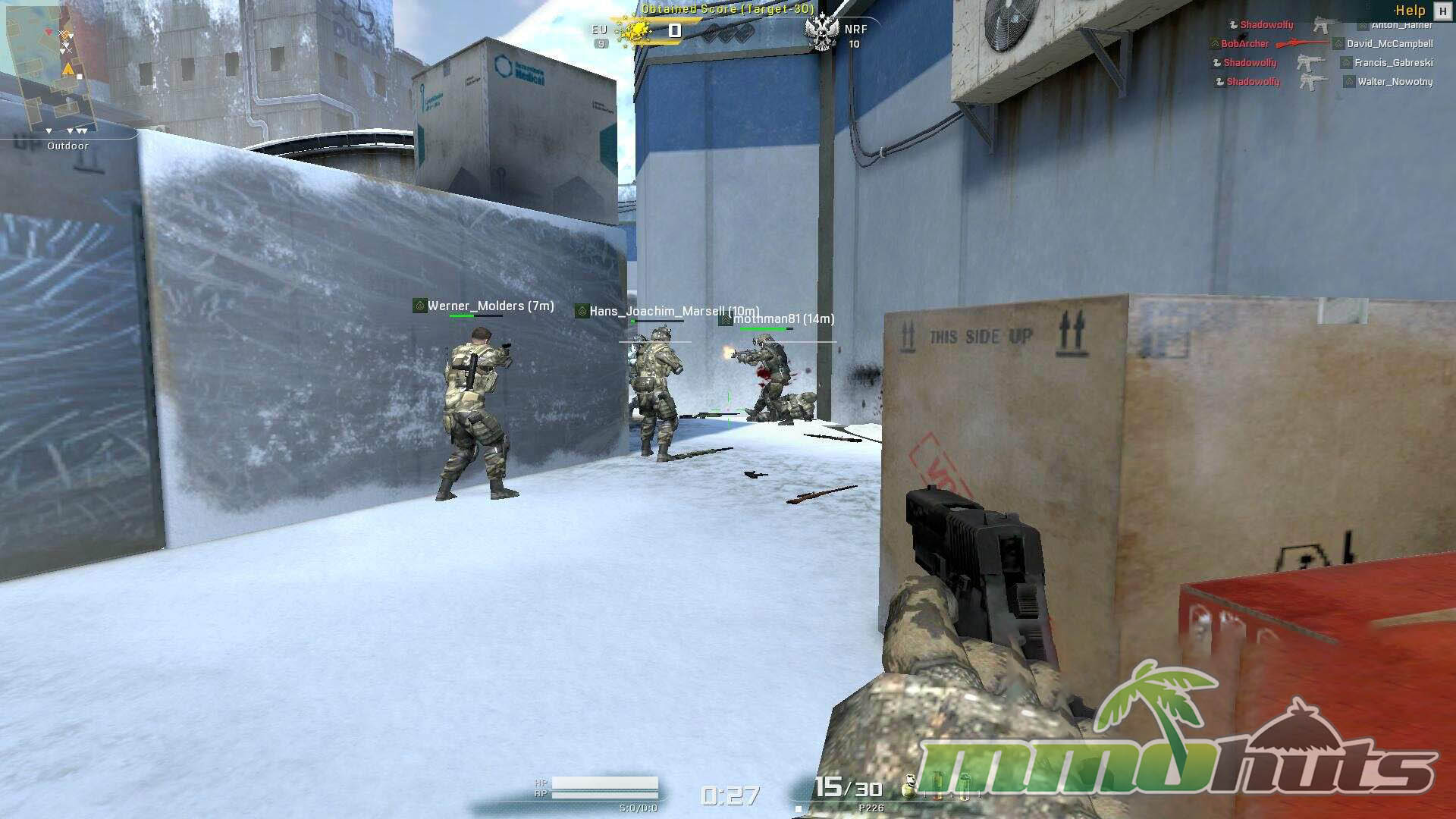
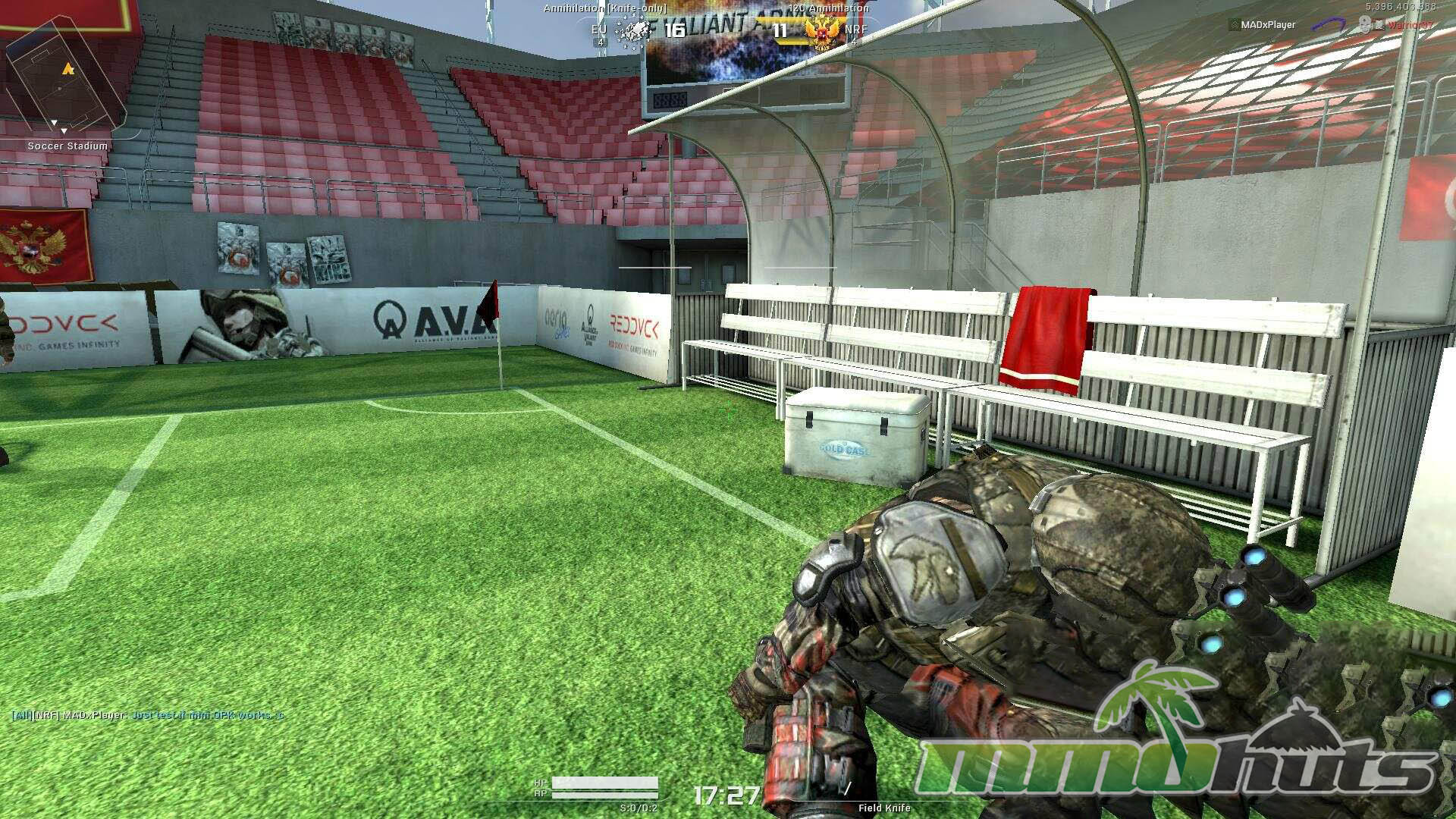
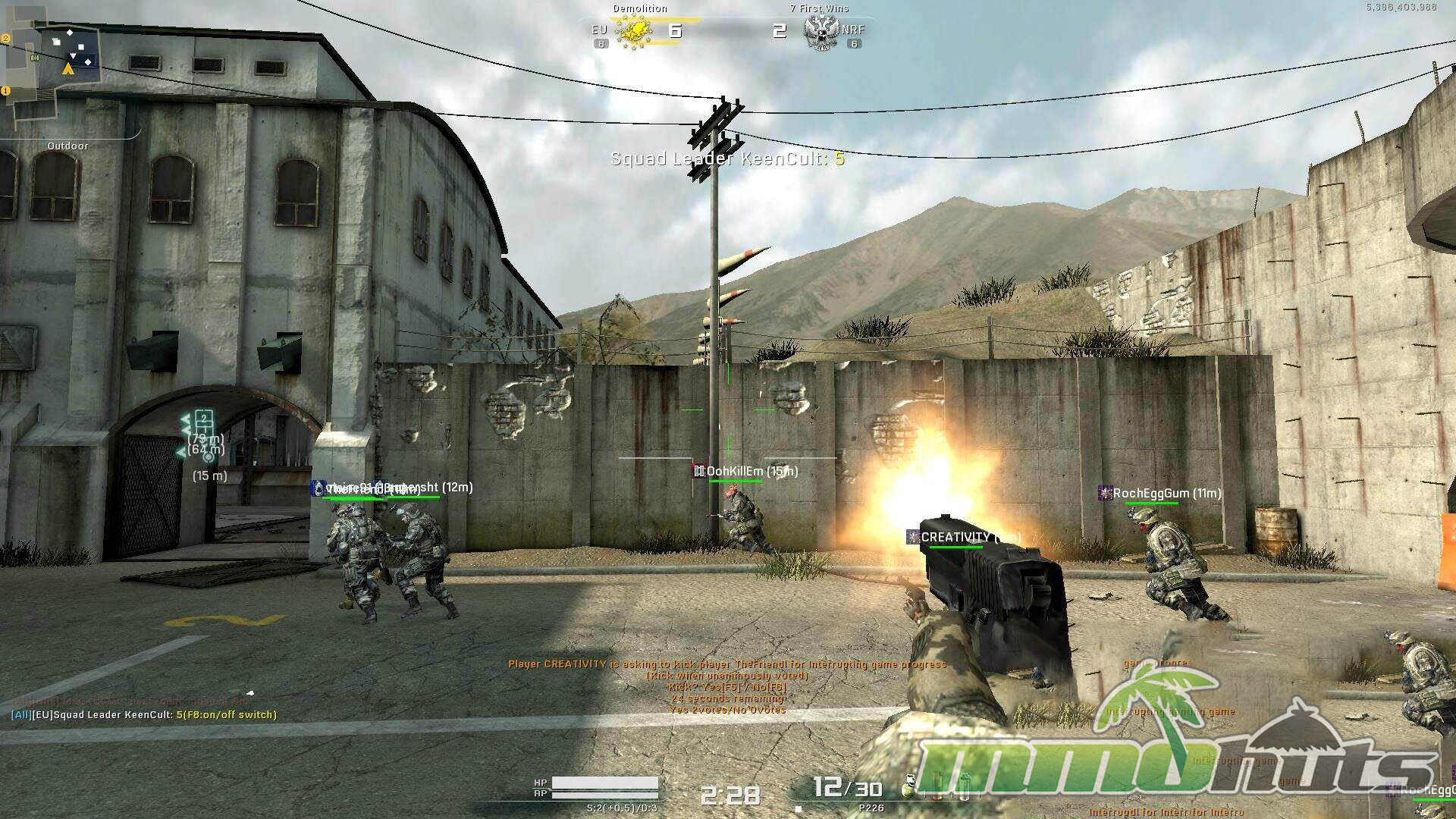

Alliance of Valiant Arms Featured Video

Alliance of Valiant Arms Review
Alliance of Valiant Arms is a first person shooter from South Korean developer Red Duck, and over the years it has passed through multiple Western publishing eras (with EnMasse among the later operators after earlier services). In the US it first reached open beta via ijji on October 15, 2009, and after that original service ended in mid 2012 the game continued under a new license holder. Like many players who came to AVA early, it is the kind of shooter you can step away from and return to, because the fundamentals are immediately recognizable if you have experience with lobby-based titles such as Combat Arms or Sudden Attack.
First Steps and Early Progress
After installation, AVA starts with a basic character setup. The initial creator is mostly cosmetic and limited, with the most noticeable changes coming later through store cosmetics rather than anything that affects gameplay. From there, the game nudges you into a short tutorial. Veteran FPS players can safely treat it as optional, but it does a decent job of confirming AVA’s core movement and gunplay expectations: standard WASD movement and mouse aiming, right click to aim down sights, and a forward dash triggered by double-tapping W.
AVA also attempts to ease new players in through beginner channels that restrict entry by level. When those rooms are active, they provide a softer landing than unrestricted PvP, especially for players learning recoil patterns and map angles. The downside is that the game’s population has fluctuated over time, so these protected queues are not always the fastest place to find a match.
Modes, Match Flow, and the Core Feel
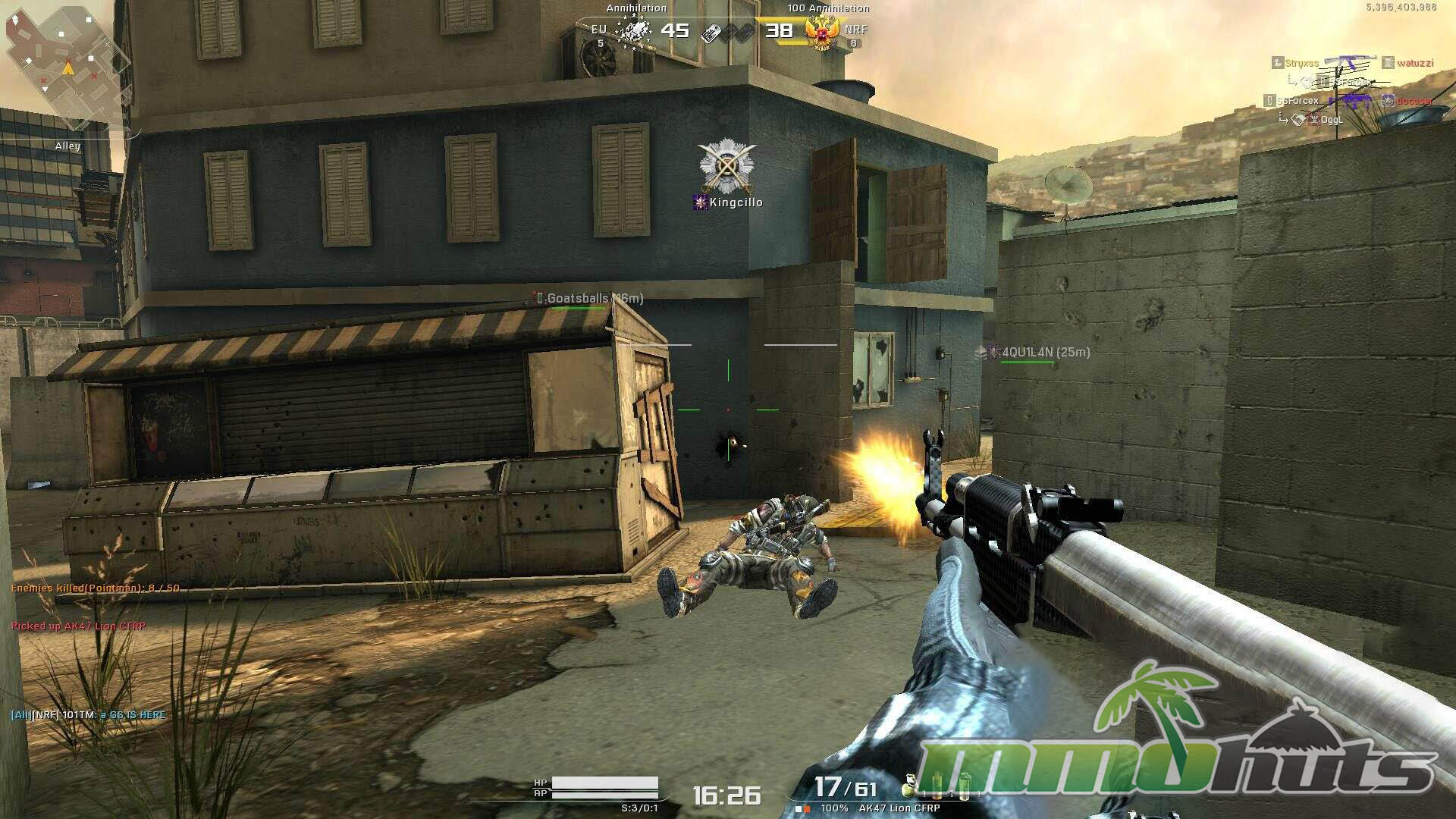
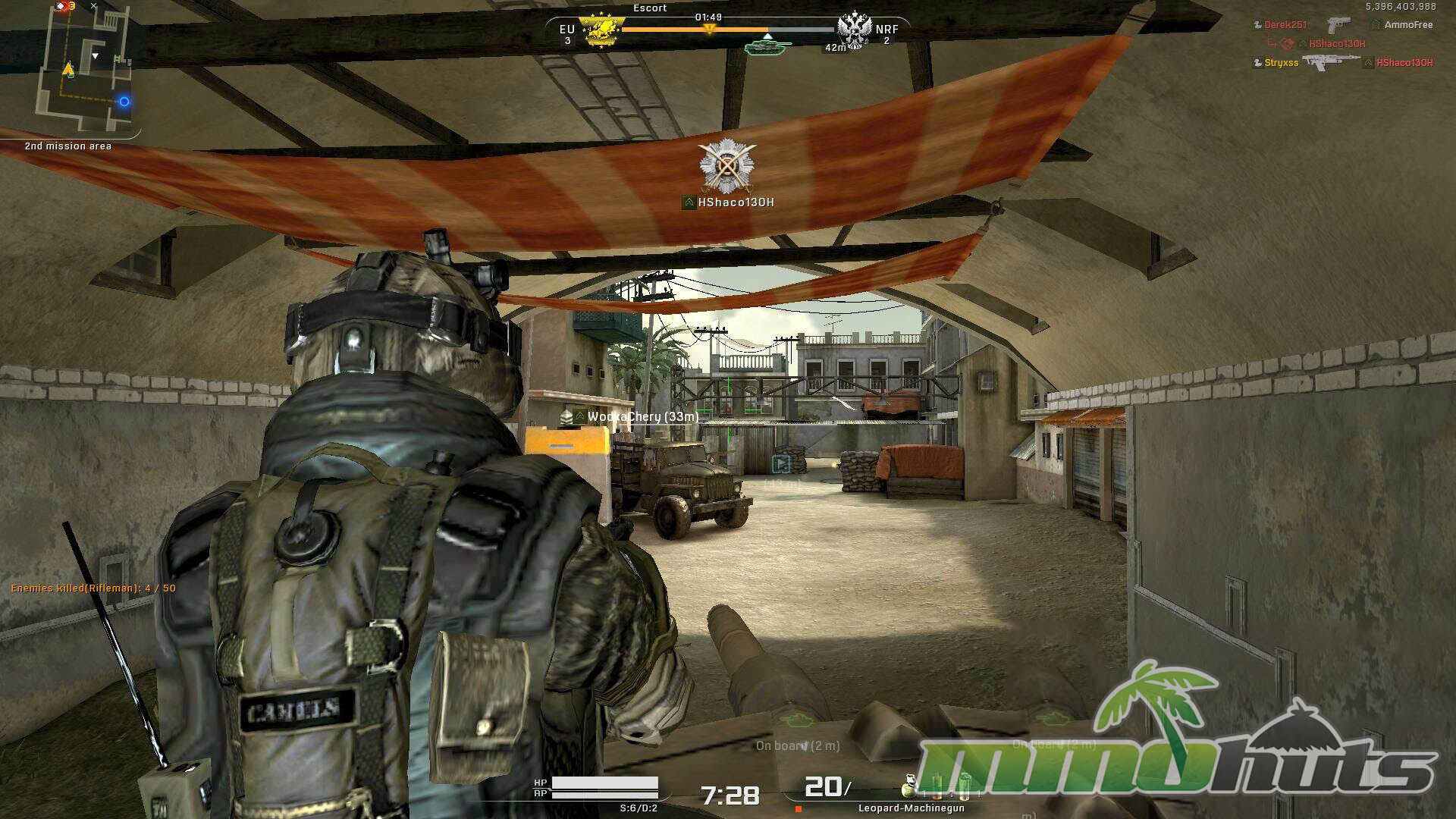
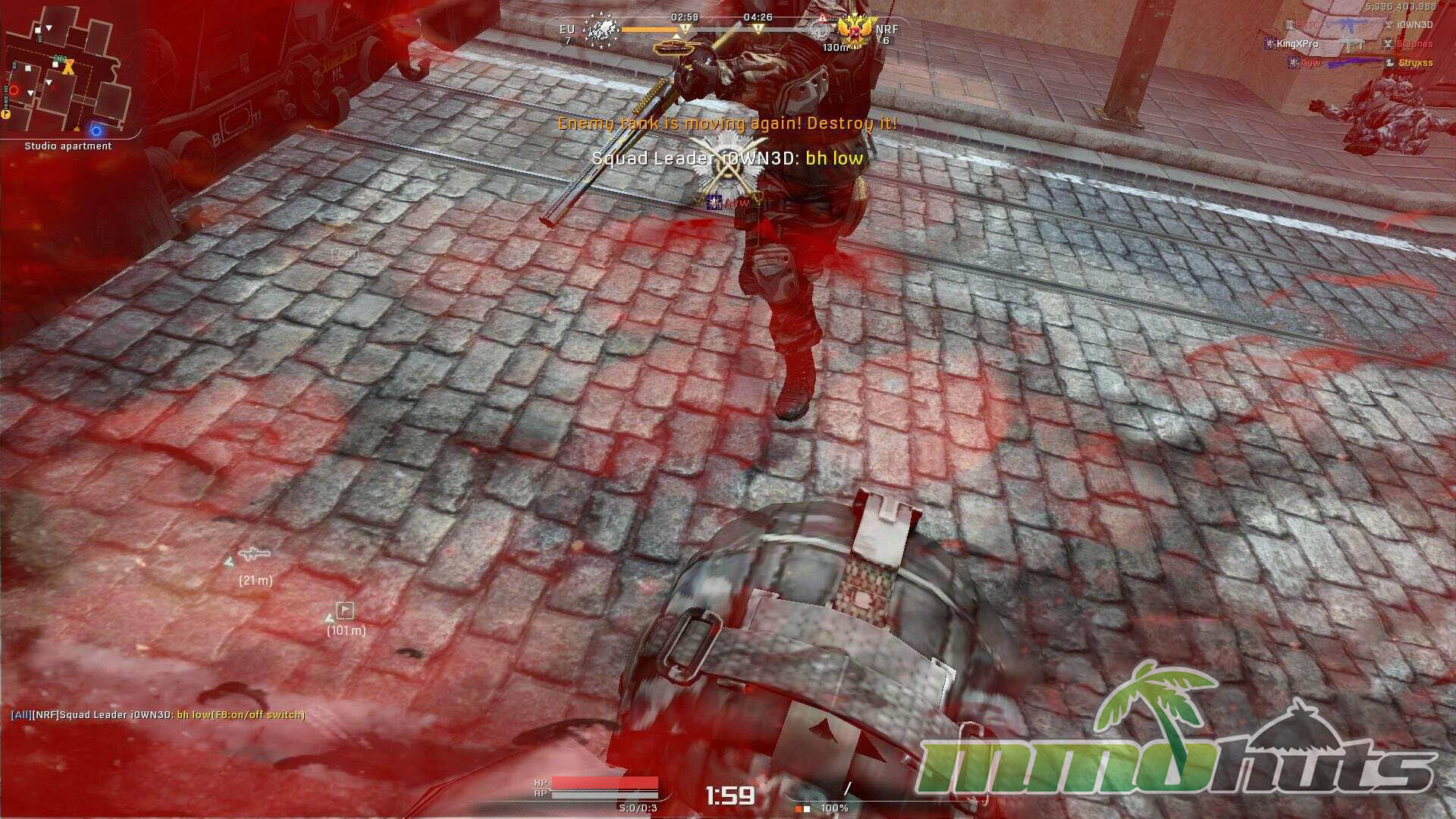
AVA’s mode list covers the familiar bases while still offering enough variety to avoid feeling like “only one playlist.” Demolition is the classic bomb plant and defuse formula, while Annihilation delivers straightforward team deathmatch pacing. Escort stands out as a more objective-driven option, sharing the same general concept as payload modes in other shooters, where one side advances a tank by staying close while defenders try to halt progress, including using RPGs to destroy the vehicle.
Round length is generally brisk. Most games wrap up in under 15 minutes, with longer sessions typically coming from more competitive, round-based Demolition formats. AVA also includes AI versions of some modes, but these bot matches are not a credible training ground. The AI behavior is simplistic and often fails to pressure players in realistic ways, so it functions more as a low-stress warmup than meaningful practice.
Where Time Shows, and Where It Still Works
Despite its strong visual reputation for a free-to-play tactical shooter, AVA does not feel modern in every respect. The underlying structure, the pace of lobbies, and the overall balance expectations reflect its original era. That is not inherently bad, but it means AVA competes with both older staples (like Combat Arms and CrossFire) and also with highly refined tactical shooters such as Counter Strike: Global Offensive, which set a high bar for clarity and competitive balance.
Balance is also complicated by the sheer breadth of the arsenal. With well over a hundred weapons and multiple item types in circulation, it is difficult for any one meta to feel perfectly fair, and premium items can tilt that further. AVA can still be enjoyable as a skill-based shooter, but players who are sensitive to uneven gear advantages should be aware of the store’s influence.
Weapons, Classes, and the Store Economy
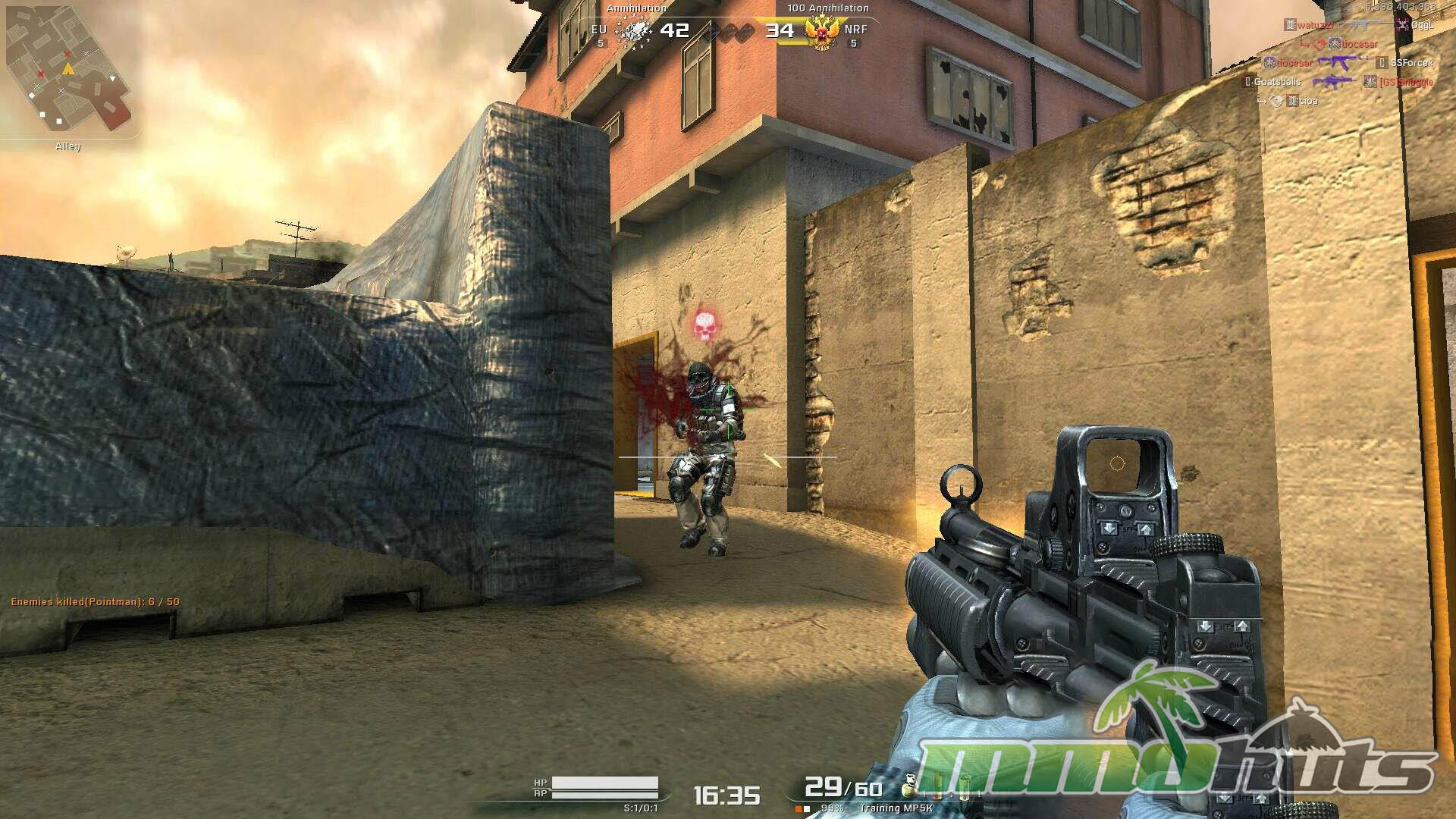
AVA’s combat identity is tied to its three-class structure: Pointman, Rifleman, and Sniper. Pointman focuses on SMGs and excels in close to mid-range fights, Rifleman tends to be the flexible mid to long-range backbone, and Sniper is built for controlling sightlines and punishing predictable movement. This class split keeps team compositions readable while still leaving room for personal preference in weapon choice.
Purchasing is split between Euros (earned through play) and premium currency. Euros come in steadily through normal matches, daily objectives, achievements, and the “Supply” meter that rewards consistent activity. In practice, regular players can keep themselves equipped without paying, especially if they focus on a few reliable weapons rather than trying to buy everything.
Weapon variety is one of AVA’s long-term strengths, and customization deepens it. Many guns can be tuned with parts such as mounts, barrels, triggers, and grips, which lets you shape recoil feel and handling to match your style. Permanent weapons are available (reintroduced after the May, 2015 update) and typically cost in the 15K to 70K Euro range, while rentals offer cheaper short-term options for testing a gun before committing. Rank requirements also matter, as most equipment is locked behind progression, creating a clear incentive to keep playing.
Premium purchases complicate that structure. Items bought with premium currency can bypass rank restrictions, and some premium armor and weapons are simply stronger than their Euro counterparts. Skill can overcome gear in many situations, but the advantage is real enough to create an uneven playing field. For non-paying players, the most immediate way to try premium firepower is picking it up from opponents during a match, which can be fun in the moment but does not solve long-term access.
Achievements, Passive Skills, and Stat Tracking
AVA does a good job providing constant goals beyond “win the next match.” The achievement list covers straightforward milestones (kills with specific classes, time played, and other common objectives), and rewards are practical, either granting Euros or occasionally unlocking weapons. This gives casual sessions a sense of direction, because even a loss can still contribute to progress.
As you rank up and complete requirements, AVA also unlocks passive skills that offer small, incremental benefits. These boosts are not dramatic, but they add a light layer of build flavor. Faster reloads for SMGs, extra ammo, reduced fall damage, and minor mobility improvements are the types of bonuses you can expect, and they subtly reinforce class identity without replacing aim and positioning as the primary skill checks.
Finally, AVA’s statistics suite is one of its most satisfying “MMO” elements. The game records performance in detail, tracking core metrics like kills, deaths, and accuracy in multiple views, including overall, per map, and per class. For players who like improving over time, that record-keeping helps turn AVA into a long-term project rather than a purely match-to-match shooter.
Final Verdict – Great
Alliance of Valiant Arms remains an enjoyable free-to-play tactical shooter, especially for players who appreciate lobby-based pacing, class roles, and a large armory to work through. Its moment-to-moment gunplay is smooth, the mode selection is varied, and progression offers plenty of goals. The main caveat is the presence of premium items that can create unfair advantages, even if they do not completely decide outcomes on their own.
Alliance of Valiant Arms Links
Alliance of Valiant Arms Official Site
Alliance of Valiant Arms Wikipedia
Alliance of Valiant Arms Steam Page
Alliance of Valiant Arms Wikia [Database / Guides]
Alliance of Valiant Arms System Requirements
Minimum Requirements:
Operating System: XP / Vista / 7 / 8
CPU: Intel Pentium 4 2.4 GHz (Dual core recommended)
Video Card: GeForce 7600 GT / AMD Equivalent
RAM: 1 GB
Hard Disk Space: 5 GB
Recommended Requirements:
Operating System: XP / Vista / 7 / 8
CPU: Intel Pentium 4 3 GHz (Dual core recommended)
Video Card: GeForce 8600 GT or better
RAM: 1 GB
Hard Disk Space: 5 GB
Alliance of Valiant Arms Music & Soundtrack
Alliance of Valiant Arms Additional Information
Developer: Red Duck Inc
Game Engine: Unreal Engine 3
Steam Release Date: June 14, 2011
Closed Beta: September 24, 2009 (Original ijji Closed Beta)
Open Beta: October 15, 2009 (Original ijji Open Beta)
Aeria Games Launch (after ijji service closed): August 24, 2012
EnMasse Launch (After Aeria lost the license): August 25, 2016
Red Duck (Developer) Alpha: July 18, 2018
Foreign Releases:
South Korea: October, 2007 (PMANG)
Japan: December 1, 2008 (GameOn)
China: January, 2010 (Tencent)
Taiwan: December 23, 2013 (Garena)
South America: January, 29, 2015 (RockHippo)
Shut Down Date: June 29, 2018 (En Masse Shut Down)
Relaunch Date: August 25, 2022
Development History / Background:
Alliance of Valiant Arms (AVA) was created by South Korean developer Red Duck using Unreal Engine 3, and it was the studio’s first released game. Development began in 2006, and AVA launched commercially in South Korea in late 2007 through Neowiz Games. The title received major recognition at the 2007 Korea Game Awards, including multiple awards and Game of the Year in Korea in December, 2007. From there, AVA expanded through regional licensing, with releases across markets such as China, Japan, Taiwan, South America, and the US.
In the West, AVA was first offered through ijji, later moving to Aeria Games after the original service ended. The game also arrived on Steam in the US on June 14, 2011. After Aeria lost the license, EnMasse launched its service on August 25, 2016, before shutting down on June 29, 2018. Following that closure, Red Duck pursued a relaunch path under AVA: Dog Tag, beginning with an alpha test on July 18, 2018. NeoWiz ultimately brought the game back globally on Steam with the relaunch on August 25, 2022.