Second Life
 (No Ratings Yet)
Second Life is an unusual kind of MMO, less of a quest-driven game and more of an online hangout where the “content” is largely built by the people living in it. Residents create the avatars, outfits, animations, homes, vehicles, and even the small interactive experiences you stumble into while exploring, which makes the world feel more like a constantly evolving community project than a theme park.
 | Publisher: Linden Lab Playerbase: Medium Type: MMO Virtual Universe Release Date: June 23, 2003 Pros: +Resident-made gear and creations. +Extremely deep avatar personalization. +A huge variety of unique sims to visit. +Linden Dollars can be exchanged for real money. +Active, diverse social community. Cons: -Tough for beginners to learn. -Interface feels busy and dated. -Texture/asset streaming can be sluggish. |

Second Life Overview
Second Life drops you into a massive user-built virtual world where you start by designing an avatar and then deciding what “playing” even means for you. There is no traditional campaign or checklist of objectives. Instead, the experience revolves around exploring resident-made locations, meeting people, joining communities, and shaping your own routine, whether that is roleplay, fashion collecting, live events, building, or simply sightseeing.
The world is divided into countless simulations (usually called sims), which are essentially themed regions created by players. One sim might feel like a casual social lounge, another might be a faithful tribute to a movie or anime-inspired setting, and another might be a fully scripted space with interactive systems. Because residents build the spaces and the objects inside them, Second Life leans hard into creativity. If you have the skills and patience to learn the tools, you can make everything from clothing and skin textures to vehicles, furniture, and scripted gadgets, and other players can use them in-world.
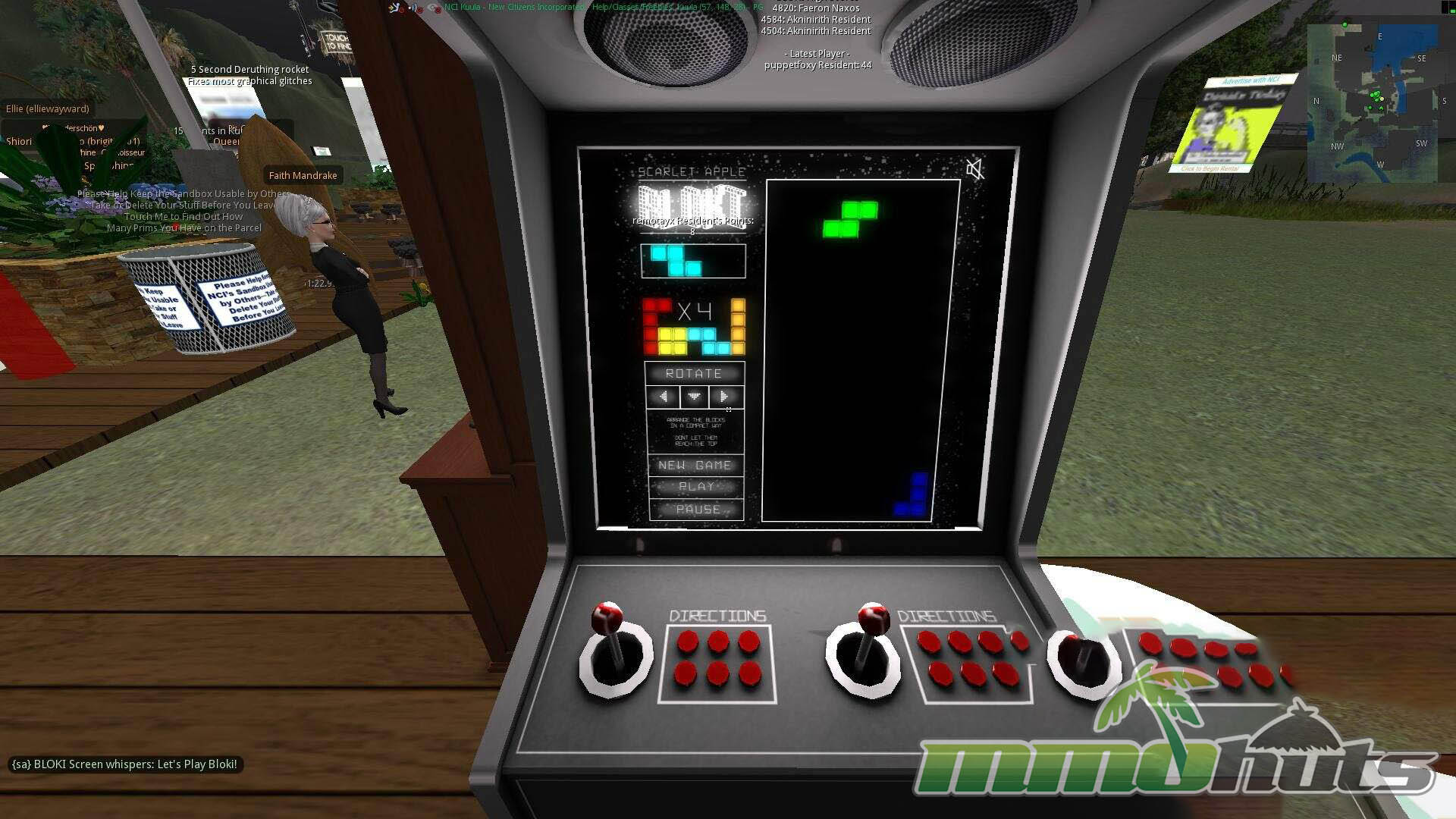
That user-generated focus also extends beyond cosmetic items. Many sims include interactive toys, social games, and small “games within the game” that rely on scripting. The result is a platform where the best content is often discovered through exploration and community recommendations rather than official updates.
Second Life Key Features:
- Deep Avatar Customization – change your look in granular ways, including body parts, skins, clothing layers, hairstyles, animations, emotes, and more.
- Resident-Built Sandbox – the world is largely made by its users, from themed sims to interactive objects and small minigames.
- Broad Social Scene – you can find groups for casual chat, structured roleplay, niche hobbies, and adult communities.
- Currency With Real Value – items are commonly bought with Linden Dollars, and Lindens can be exchanged for USD through official channels.
- Immersion-Friendly Tools – proximity voice chat, first-person options, and Oculus Rift support help the world feel more present, plus messaging options for staying in touch.
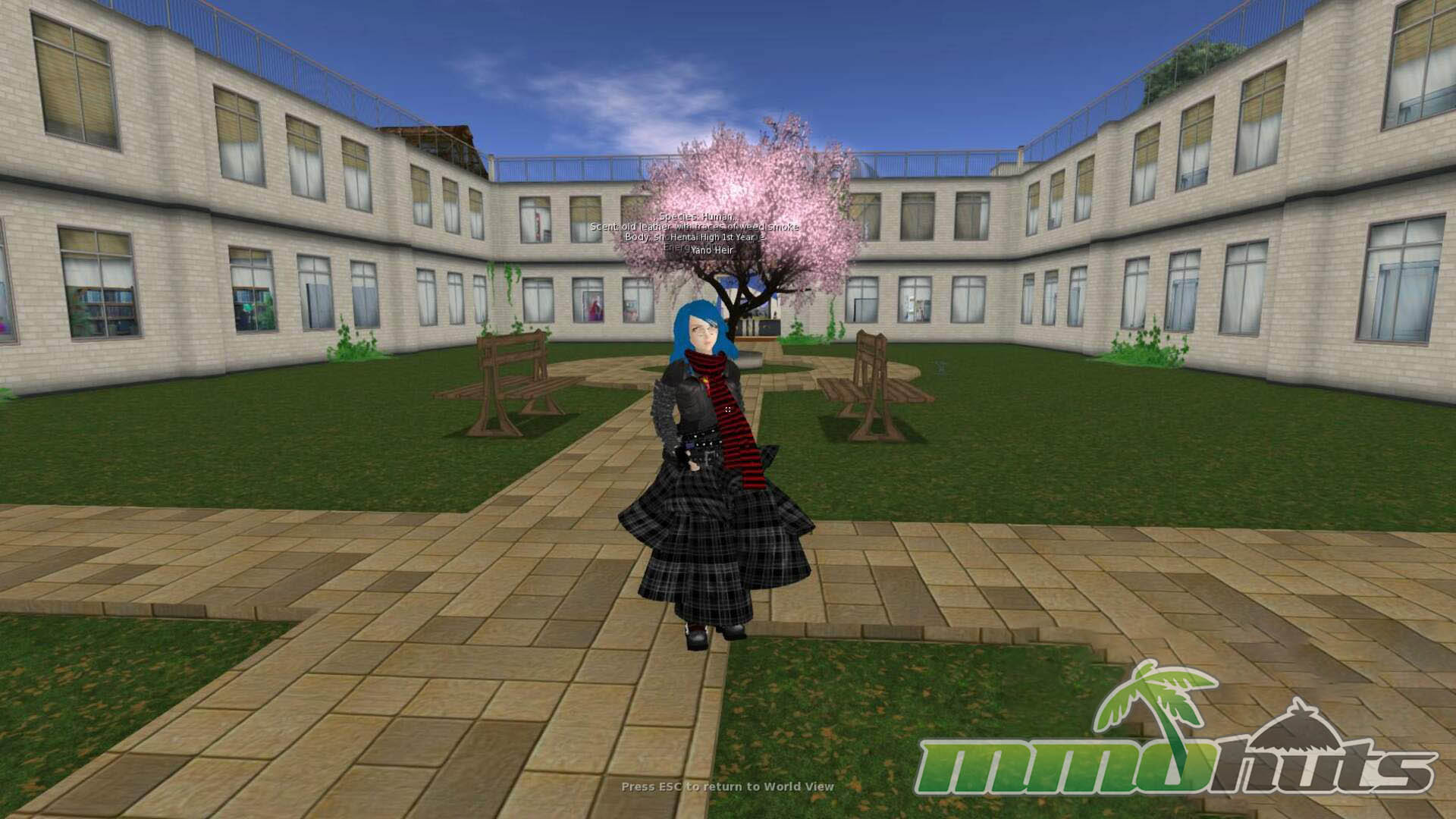
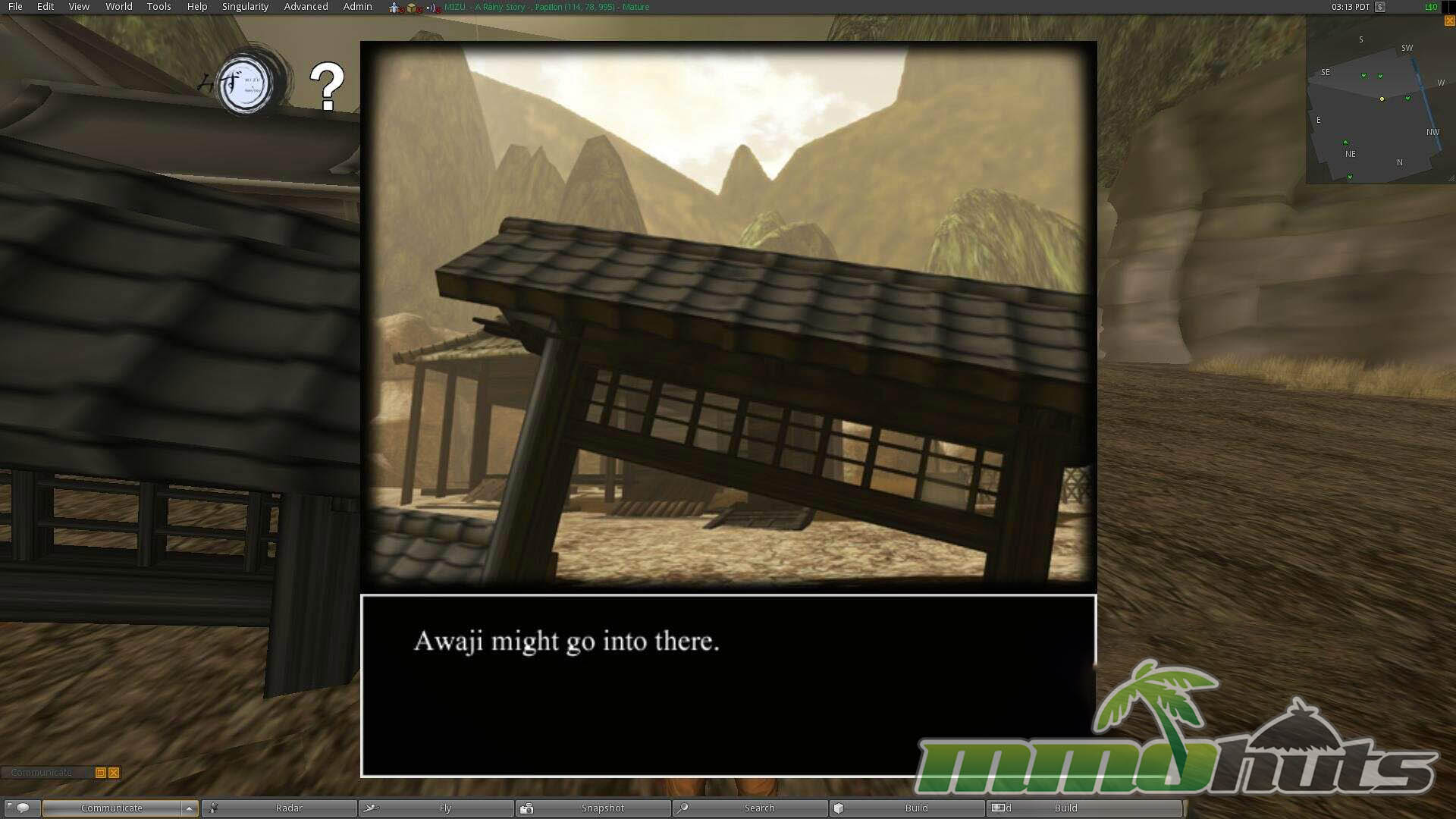
Second Life Screenshots

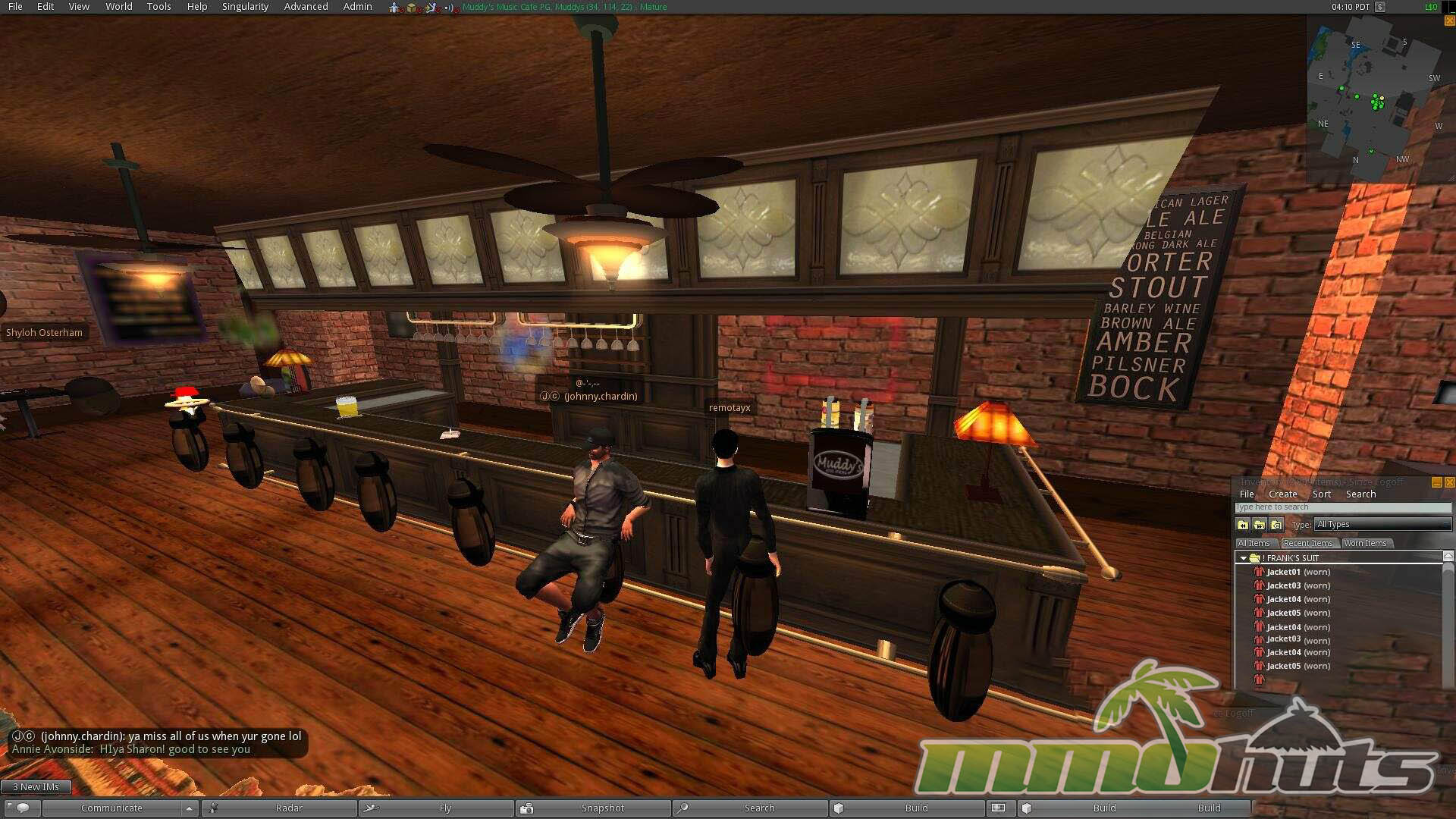
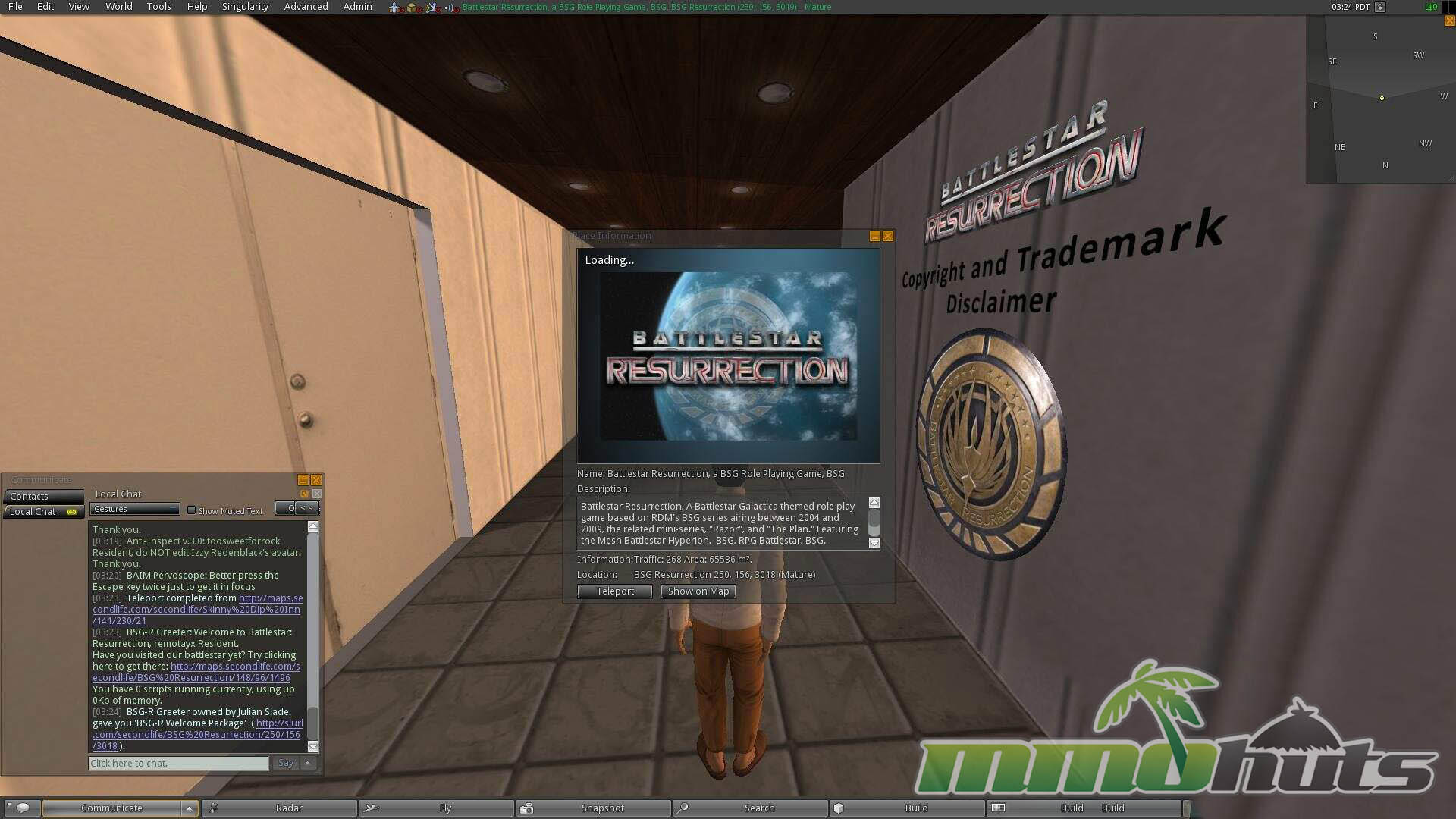

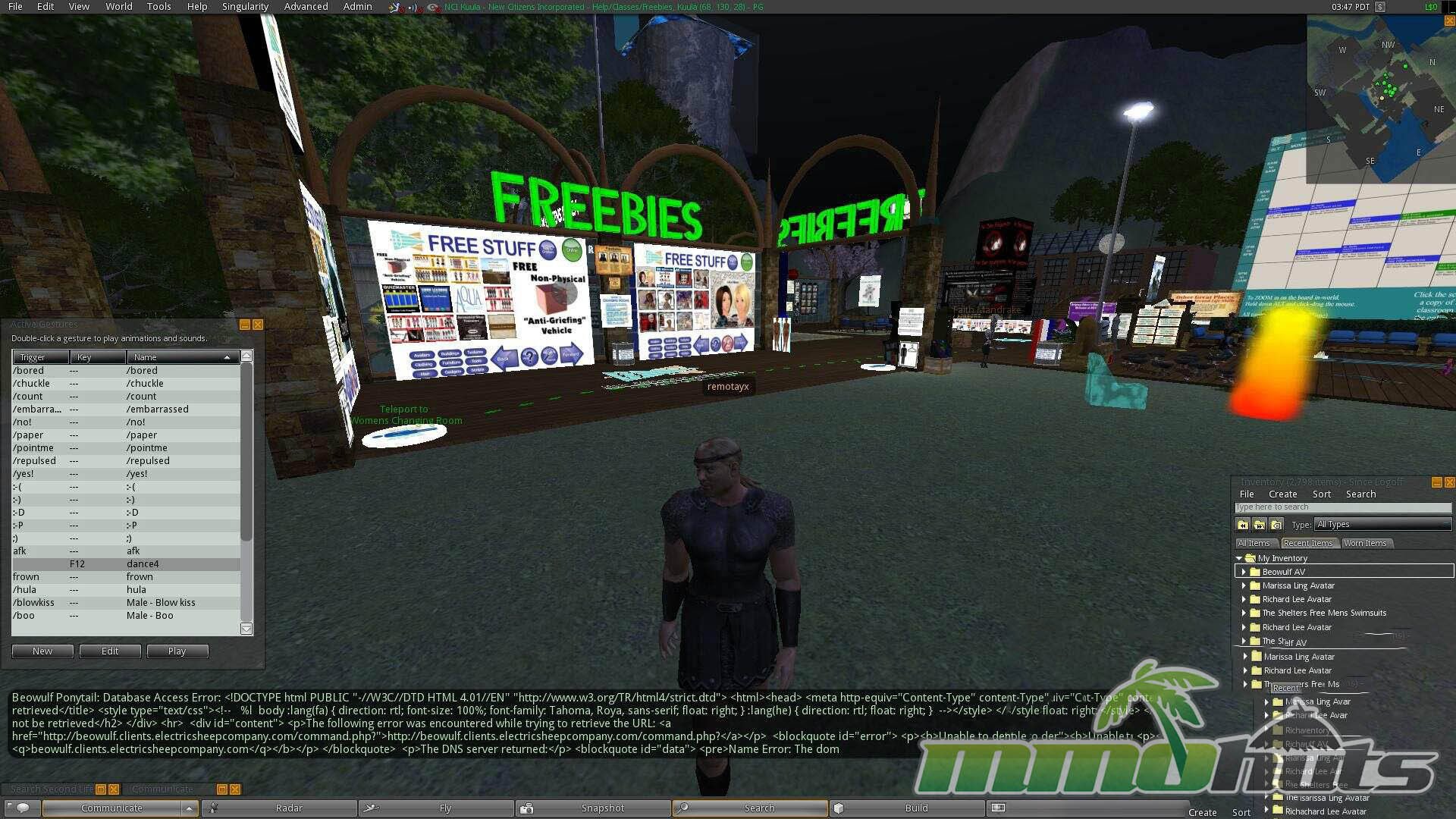
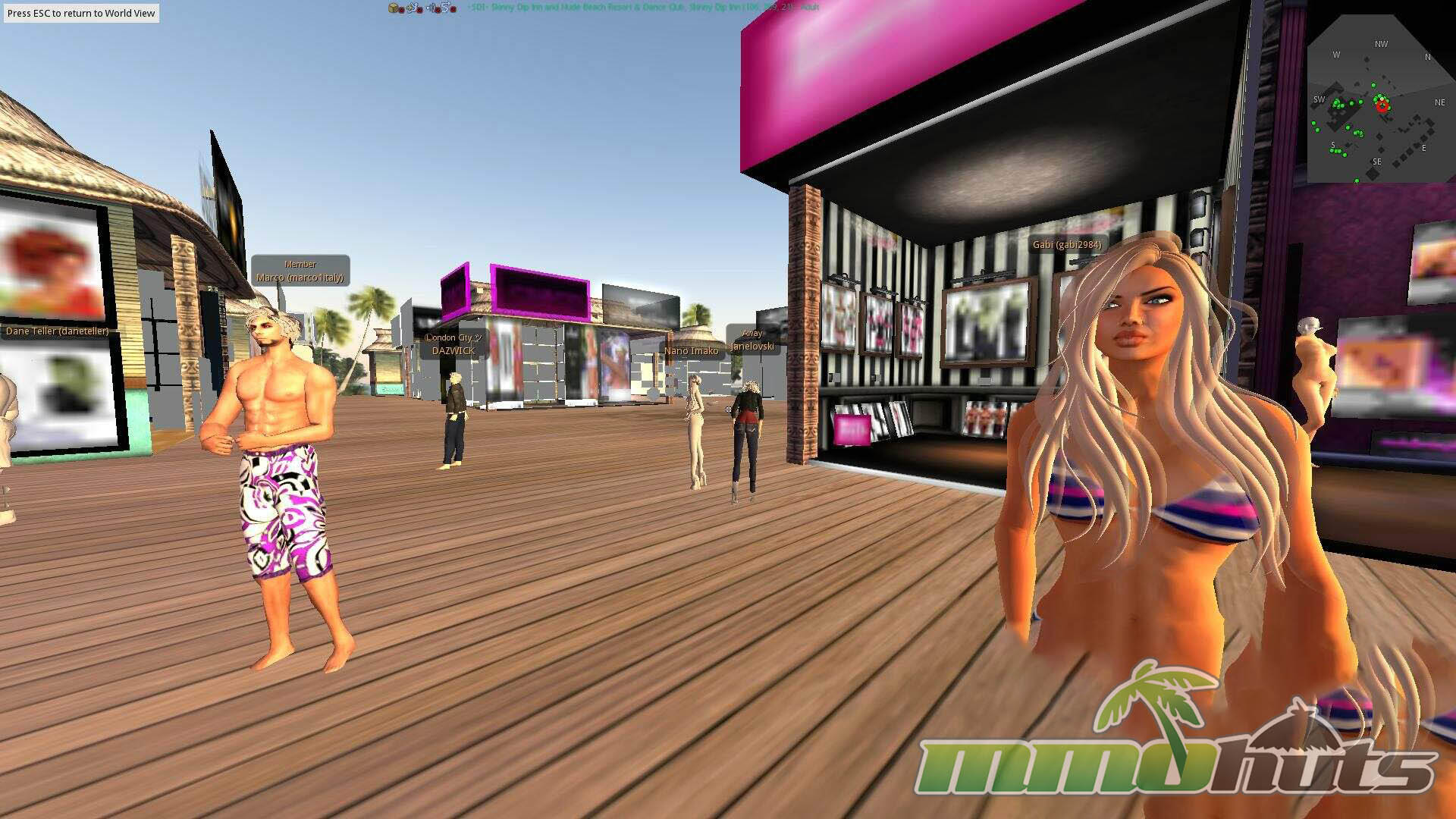



Second Life Featured Video

Second Life Review
Second Life is an online virtual world developed and published by Linden Lab. Even with other “virtual universe” style projects existing over the years (such as Blue Mars and Entropia Universe), Second Life remains the name most people recognize, both inside gaming circles and as a wider pop culture reference point. It launched on June 23, 2003, and it is available as a free download through the official website.
The first hurdle is simple: it can be a lot to take in. While the initial onboarding teaches basic movement and interaction, the deeper systems (especially appearance editing, inventory management, and buying or equipping user-made items) quickly become complicated. The interface also shows its age, and it does not always behave like modern MMOs, which makes early sessions feel clunky until the controls and camera become second nature.
Once you push past that early friction, the appeal becomes obvious. Second Life offers a level of self-expression that most online games cannot touch. If you can’t find exactly what you want, the platform encourages you to create it, assuming you are willing to learn the building and scripting tools (or to shop from creators who already have).
It is important to set expectations: Second Life is not structured like a typical MMO. There are no leveling systems, no official raid ladder, and no universal “endgame.” It is closer to a social sandbox where the community provides the entertainment. Players looking for traditional progression loops will likely bounce off, but anyone who wants a living virtual space built around identity, creativity, and social presence will find a lot to explore.
Starting Out in Second Life
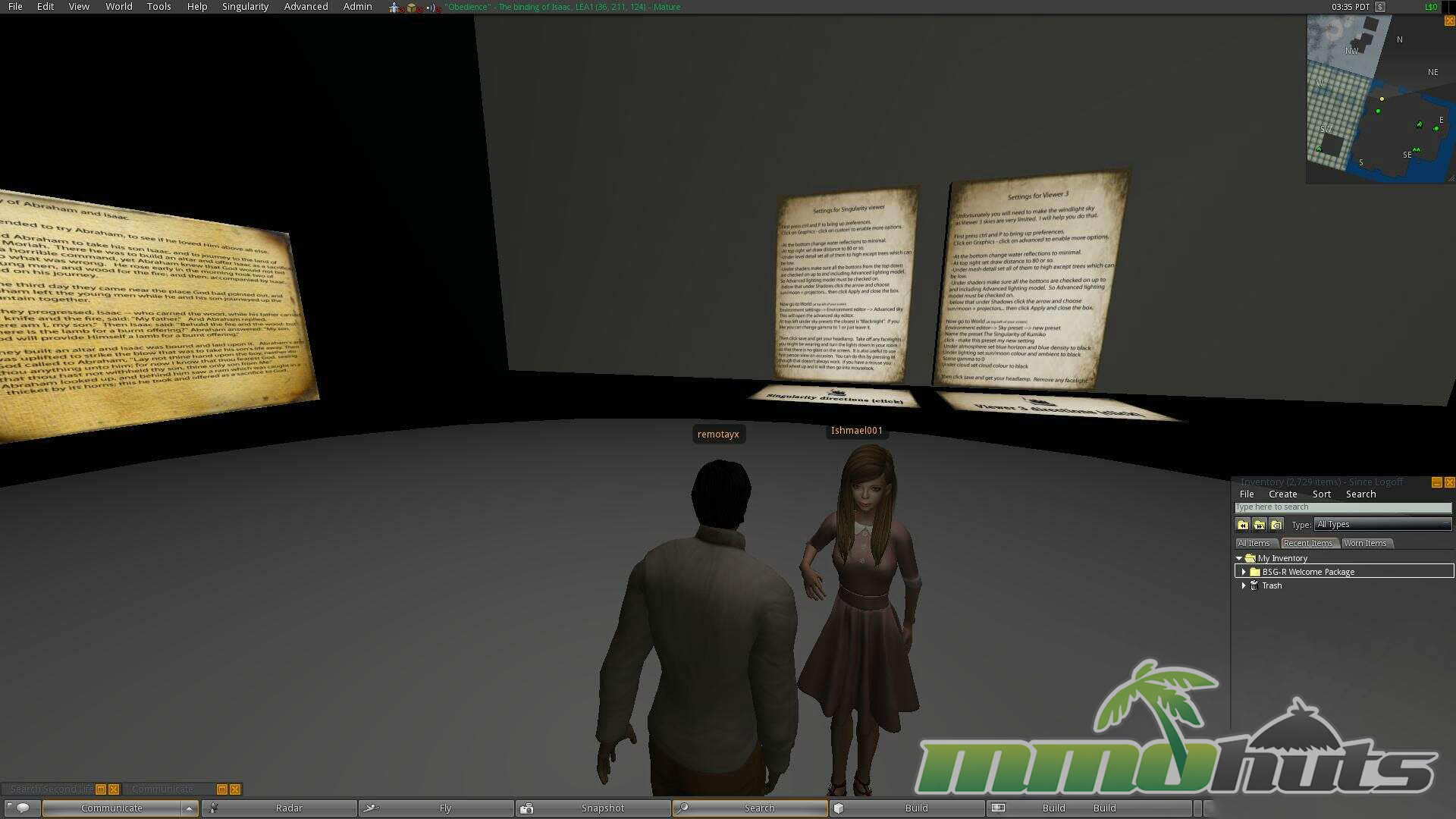
After creating an account, you begin by choosing a starter avatar. This choice is not permanent, it is simply a quick way to get you into the world with a functional look. From there, the game funnels you through a short tutorial area that focuses on the basics, moving, interacting with objects, and understanding the camera. It is not long, and confident players can get through it quickly.
When you arrive in the wider world, you are effectively handed a map to nowhere and told to make your own plans. The most common next step is searching for sims to visit. Sims range from realistic city builds to horror-themed survival spaces, fantasy roleplay regions with combat scripts, and countless fandom-inspired areas. Getting around is straightforward thanks to teleporting, so you can bounce between experiences in minutes.
A Sandbox With No Central “Game”
Second Life works because it strips away the usual MMO structure and focuses on the parts many players already enjoy, social spaces, identity, and shared activities. There is no single objective handed down by the developer. Instead, communities form around themes, locations, genres, and interests, and those communities shape what you do day to day. If you want a particular vibe, there is often a region built for it, whether that is a sci-fi roleplay hub, a fantasy tavern, or a tribute sim inspired by a well-known series.
Linden Lab provides the framework and tools, but residents fill the world with content and then sell or share it. The in-world and web-based marketplaces include everything from animations and avatar components to vehicles, roleplay accessories, weapons for scripted combat sims, and social utilities like shared media devices.
That freedom is the core strength. You can wander, build, attend events, roleplay, shop, or spend an evening learning a specific community’s rules and systems. Because players can script interactive objects, you also end up with small self-contained “games” that only exist because someone decided to make them. One well-known example is “En Garde,” a fencing experience built entirely by residents, a reminder that many of Second Life’s most memorable activities come from the community, not the developer.
Economy and Marketplace
Second Life’s economy is a major part of why it has lasted. Purchases commonly use Linden Dollars, and the currency can be exchanged for real money through the official exchange. Rates fluctuate with supply and demand, and the LindeX functions by matching players who want to buy and sell. Linden Lab earns money through fees and commissions tied to these transactions rather than by directly “selling” currency in the same way a typical cash shop might.
The web marketplace offers huge selection, but it can be frustrating to browse. Search results are not always consistent, and even specific queries can fail to surface what you are looking for. Many players end up relying on creator stores, curated lists, or community recommendations to find quality items.
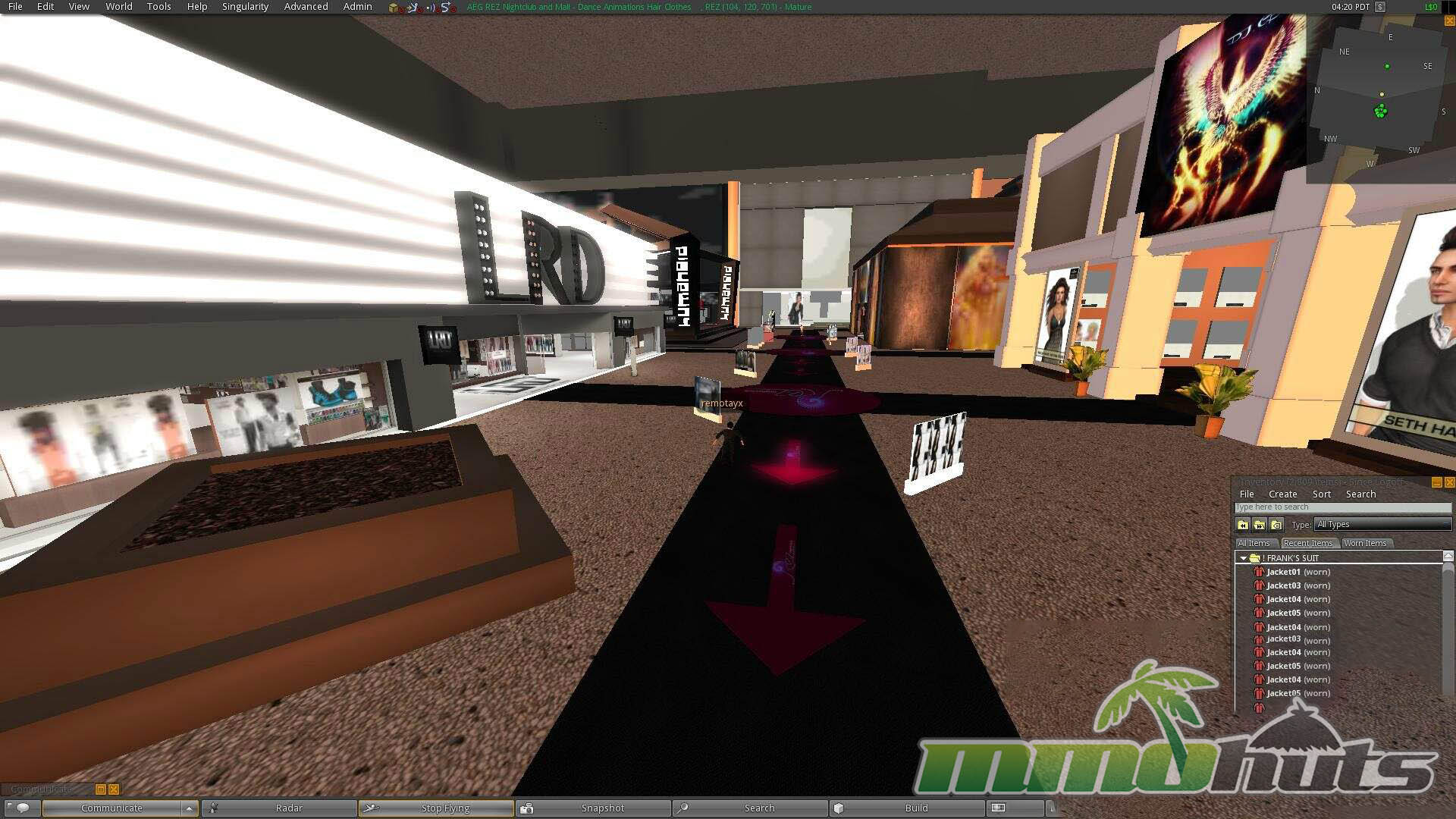
In-world shopping is also a big draw, and it is one of the most distinctive “everyday” experiences Second Life offers. Visiting malls or boutique sims, trying on outfits, and running into other shoppers can feel surprisingly social compared to the usual MMO auction house routine.
With user-made products comes uneven documentation. Some items are intuitive, others assume experience with mesh bodies, HUDs, and attachment points, which can be confusing for newcomers who are still learning how inventory and equipment behave.
Customization That Goes Extremely Far (But Often Costs)
If your main goal is to look exactly the way you want, Second Life is in a class of its own. The starter avatar is enough to begin, but most players eventually expand into purchased clothing, accessories, animations, and body parts. Mesh avatars open up even more options, letting you lean into almost any identity or creature concept, from stylized humanoids to animals and fantasy forms, because creators are constantly building new options.
The downside is that customization can become a compatibility puzzle. Certain outfits only work with specific mesh bodies, and some accessories require particular rigs or add-ons. Learning how to mix and match parts, and understanding what works together, is a skill in itself. For players who enjoy fashion and collection, that process becomes part of the hobby, and it is easy to see why Second Life has such a dedicated style community.
Making Your Own Routine
Once you have a few favorite locations and some friends, Second Life starts to feel like a place rather than a product. On any given day you might stumble into a community event, find a scripted activity, or join a sim with a set of house rules for roleplay. There are also plenty of “games within the world,” from simple tabletop-style diversions to more elaborate themed experiences that simulate sci-fi control panels or fandom set pieces.
Immersion is one of Second Life’s strengths when the tech cooperates. First-person view can make your avatar feel grounded, and proximity voice adds a natural social layer, conversations shift as you move through a room. Oculus Rift support is also present for players who want to lean into VR.
Adult-only regions also exist, and they are a meaningful part of the platform’s ecosystem. They are clearly separated and regulated by access controls, but it is worth knowing they are part of the broader Second Life landscape.
Final Verdict – Great
Second Life remains one of the most complete “virtual world” platforms available, largely because it empowers residents to build, trade, and socialize at scale. It is not an MMO for players who want guided progression, but it is an excellent fit for people who value creativity, identity customization, roleplay, and community-driven exploration. If you can tolerate the steep learning curve and an interface that feels dated in places, there is an enormous amount to do and an even larger variety of people and spaces to discover.
Second Life Links
Second Life Official Site
Second Life Wikipedia
Second Life Official Wiki [Database/Guides]
Second Life Wikia [Database/Guides]
Second Life Subreddit
Second Life Requirements
Minimum Requirements:
Operating System: Windows Vista / 7 / 8 / 10
CPU: Any CPU With SSE2 Support
RAM: 1 GB RAM
Video Card: NVIDIA GeForce 6600 / Radeon 9500 / Intel 945+
Hard Disk Space: 2 GB of free space
Recommended Requirements:
Operating System: Windows Vista / 7 / 8 / 10
CPU: 2 GHz CPU+
RAM: 3 GB RAM
Video Card: NVIDIA GeForce 9000/200 series or ATI 4000 / 5000 series.
Hard Disk Space: 2 GB of free space
Mac OS X Recommended:
Operating System: Mac OS X 10.9+
CPU: 2 GHz Core 2 Duo
RAM: 3 GB RAM
Video Card: Nvidia 9800+ or ATI 4850+
Hard Disk Space: 2 GB of free space
Linux Recommended:
Operating System: Any modern 32-bit Linux environment
CPU: 1.5 GHz+
RAM: 1 GB RAM
Video Card: Nvidia 9800+ or ATI 4850+
Hard Disk Space: 2 GB of free space
Second Life runs best on a fast cable or DSL connection.
Second Life Music
Coming soon!
Second Life Additional Information
Developer(s): Linden Lab
Publisher(s): Linden Lab
Game Engine: Havok
Platforms: Windows, Mac OS X, & Linux
Release Date: June 23, 2003
Development History / Background:
Second Life is developed and published by Linden Lab, a game company based in San Fransisco, California. The virtual world is built on the Havok game engine. Released in 2003, it grew into the most prominent virtual world in its category, competing with other social-focused online spaces such as Entropia Universe, Blue Mars, OurWorld, and IMVU. In its early years, Second Life attracted significant attention outside gaming, including interest from universities and corporations that set up virtual locations for outreach and experimentation. Some of these institutional spaces still exist today, even if the broader academic and corporate spotlight has faded over time. Despite its age, Second Life continues to be supported by a dedicated community and remains a relevant destination for social sandbox fans.