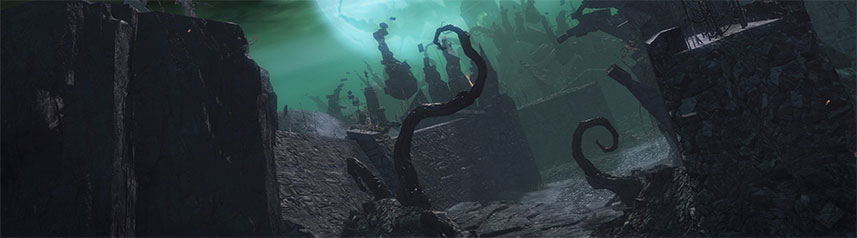
Warmode is a compact, arcade-leaning first-person shooter built around straightforward team deathmatch on small, easily readable maps. You pick a side, chase frags, and turn your score into weapon and gear unlocks mid-session, with a focus on quick rounds and constant action. Despite the occasional rough edge, it aims to deliver a simple, pick-up-and-play FPS loop that runs on almost any PC.
 | Publisher: Novalink Playerbase: Low Type: Shooter Release Date: August 25, 2015 Pros:+Very small install size and low system demands. +Rapid-fire matches with constant skirmishes. +Punchy pace and easy-to-grasp gunplay. Cons: –Unreliable hit detection and server responsiveness. –Limited variety due to the narrow mode selection. |

Warmode Overview
Warmode is a fast-paced first person shooter developed by WARTEAM, designed around quick firefights and short routes between spawn points and objectives, or rather, the lack of objectives. Players split into two opposing factions and jump into compact arenas where the action starts immediately and rarely slows down. As you score kills you earn points, which can be spent to expand your loadout with different firearms and basic combat tools, letting you shift from close-range brawling to longer sightlines depending on the map and your preferences.
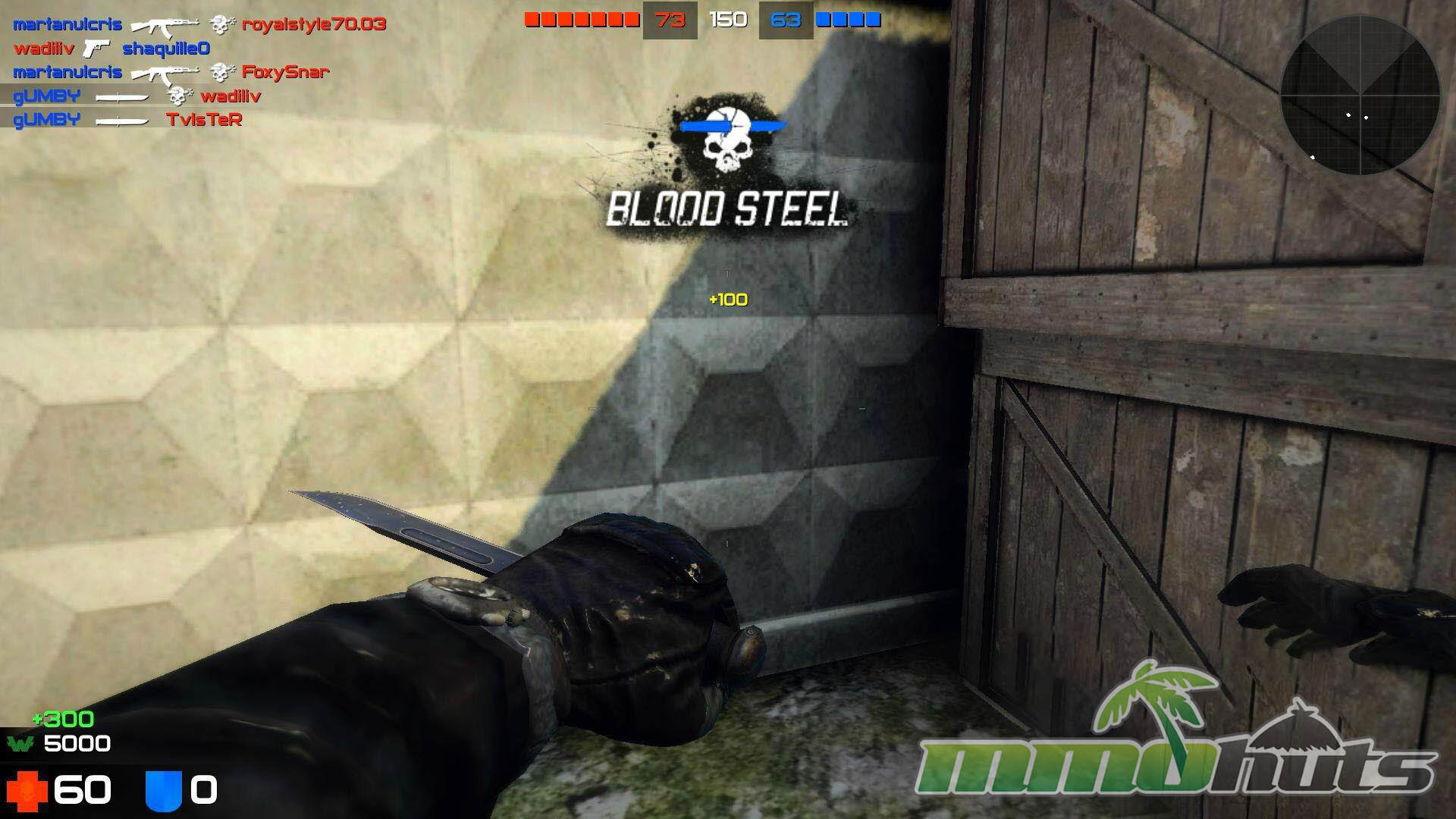
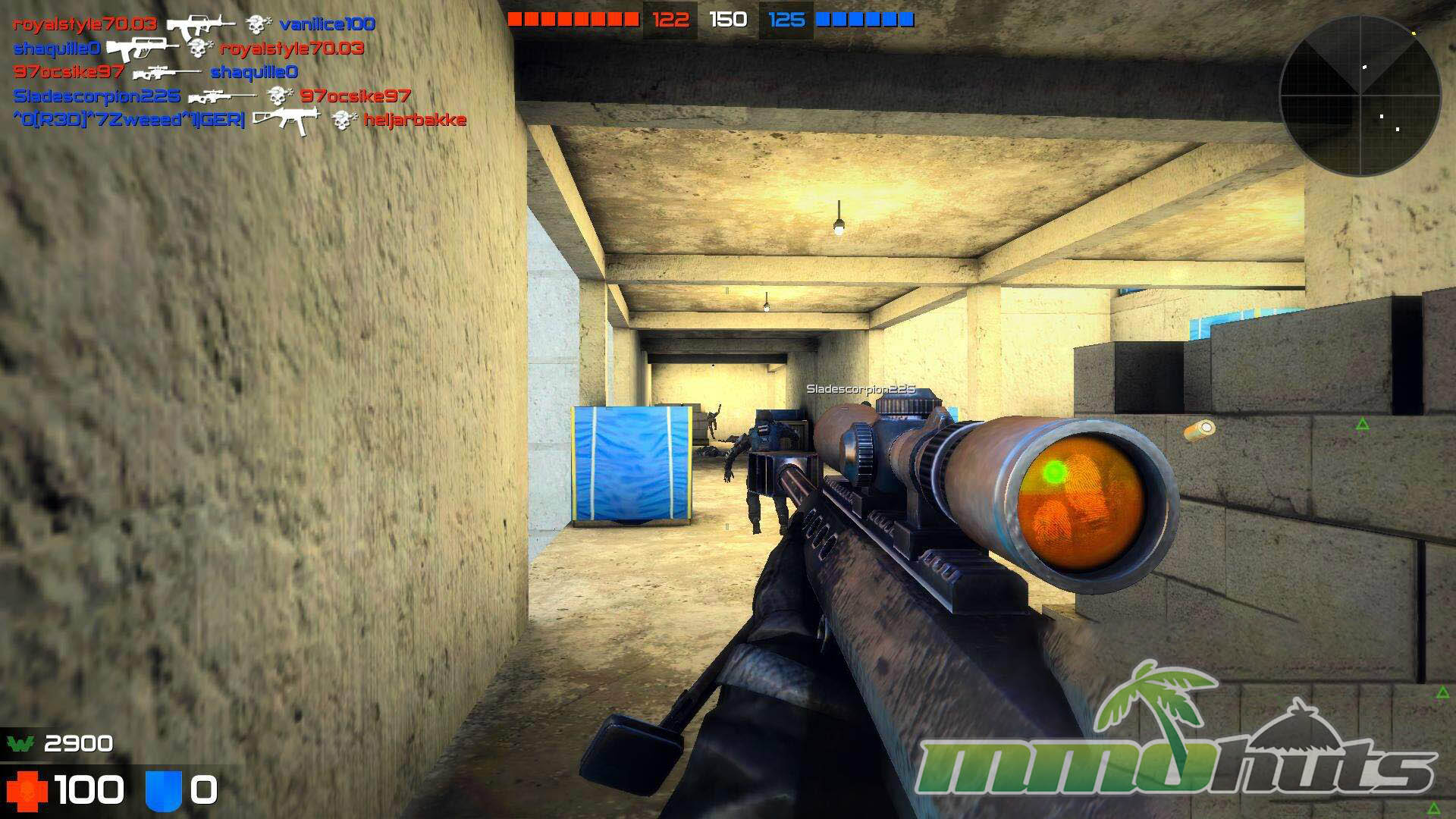
The arsenal covers the familiar FPS staples, including shotguns for tight corners and sniper rifles for players who prefer holding angles. Most maps are intentionally congested, with sharp turns and narrow passages that keep teams colliding. The primary win condition is classic team deathmatch, with each side effectively racing to exhaust the other team’s pool of lives. Outside of the match-to-match loop, Warmode also offers cosmetics such as masks and banners, giving players a small way to stand out even when everyone is running similar routes and weapons.
Warmode Key Features:
- Six Distinct Maps – battle across varied arenas that lean into tight lanes, chokepoints, and constant close-quarters contact.
- Large Arsenal – earn points through kills, then spend them on different weapons and basic equipment to suit the pace of each round.
- Accessible – with only a 200MB client and modest visuals, Warmode targets broad compatibility on older and lower-end PCs.
- Level Up – gain experience through play and work toward achievements, stickers, and other account progression extras.
- Cosmetic items – personalize your character with helmets, masks, and banners that function as visual flair rather than power.
Warmode Screenshots


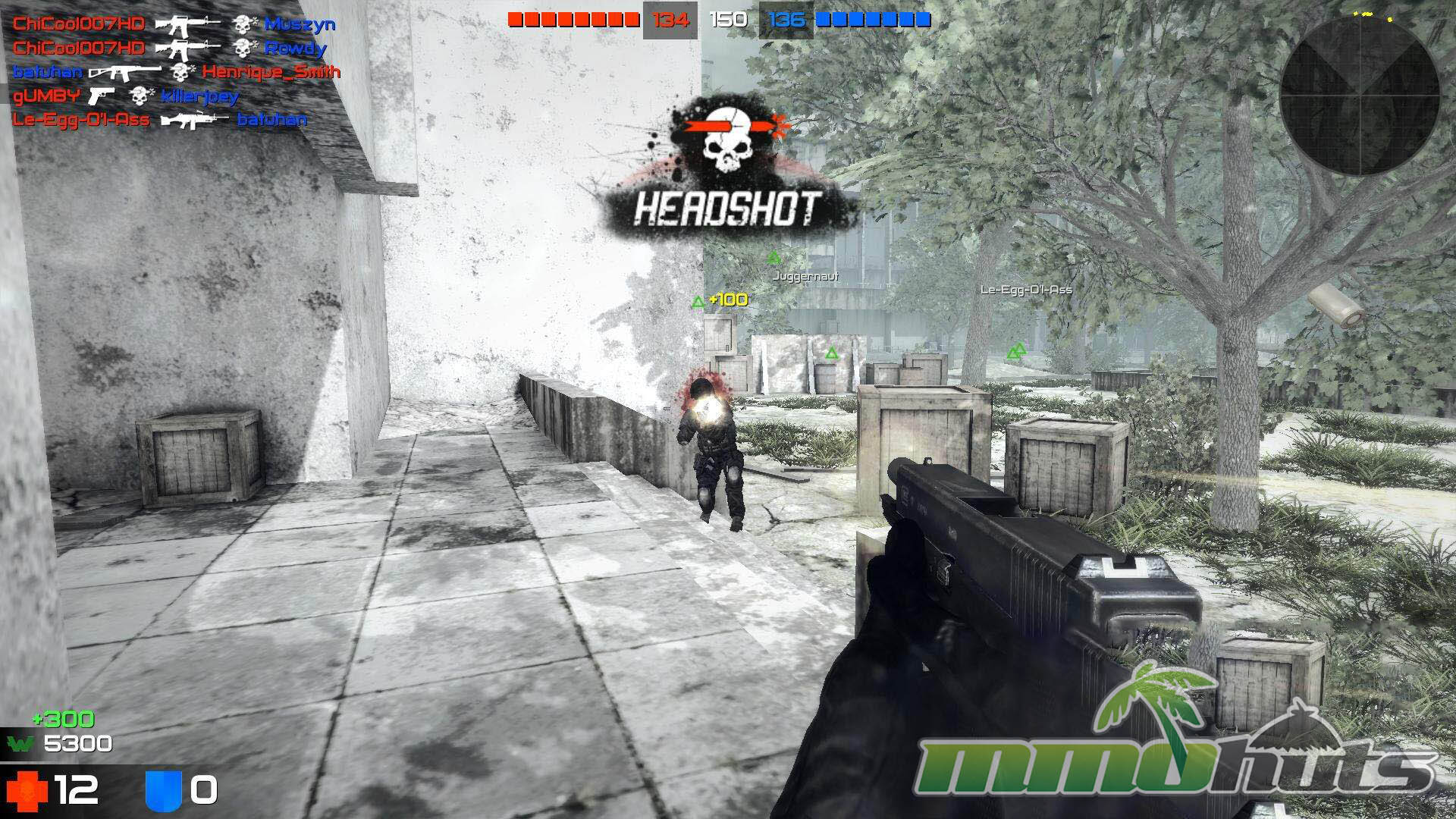

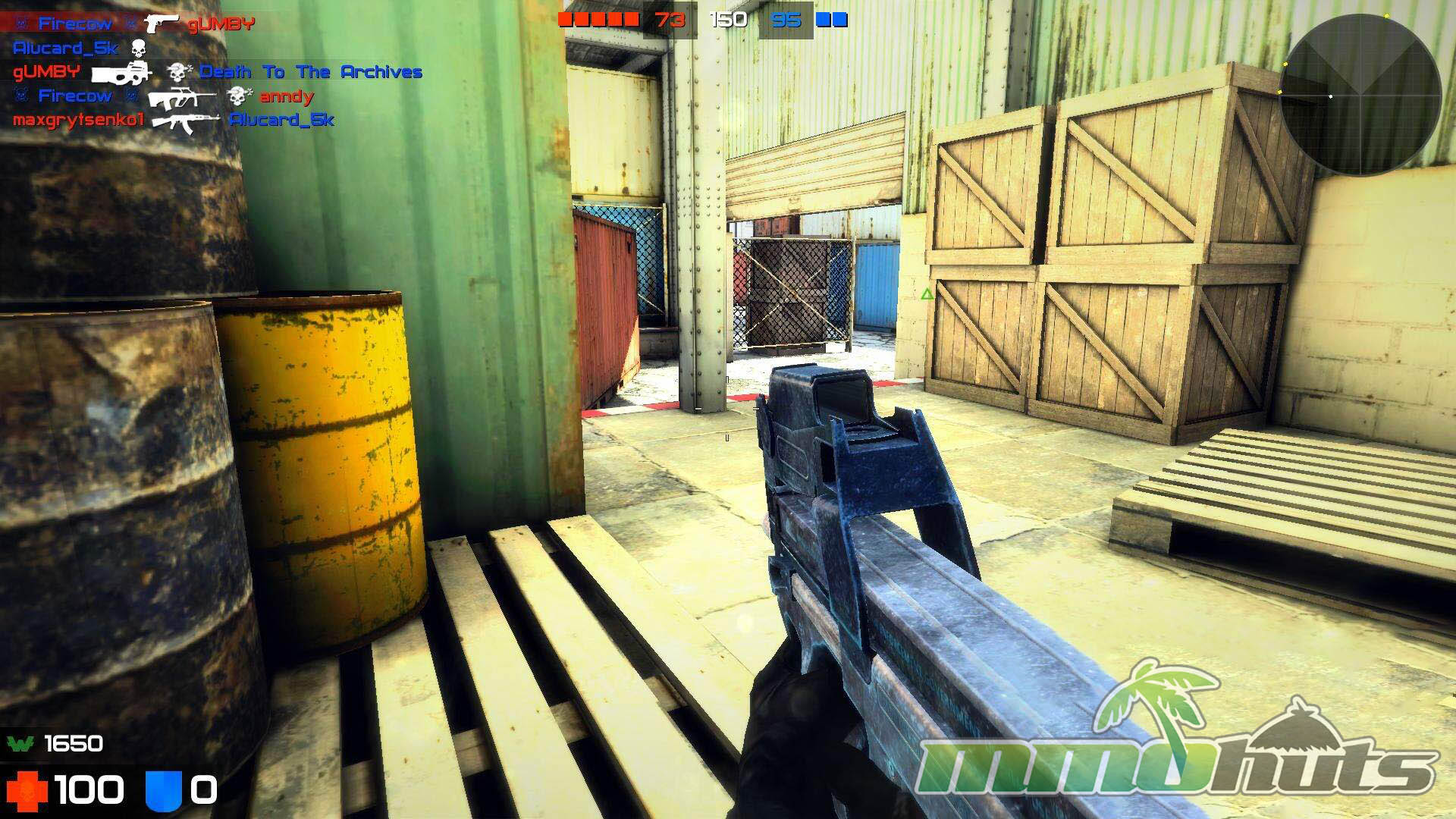
Warmode Featured Video

Warmode Review
Warmode wears its inspirations openly. From the general look of its arenas to the familiar two-team setup, it often feels like a collage of ideas pulled from well-known competitive shooters, then streamlined into something more arcade-like. That can be a negative if you are searching for originality, but it is also why the game is immediately understandable. You spawn, find a lane, take duels at close range, and spend your points to bring out a more comfortable weapon. The end result is a shooter that is easy to drop into and occasionally surprisingly fun, even if it is clearly rough around the edges.
What Warmode does best is keep the tempo high. Rounds are defined by repeated clashes in narrow spaces, with very little downtime between engagements. That same design also exposes the game’s weaknesses, because when you are fighting every few seconds, issues like inconsistent networking and uneven weapon feel become hard to ignore.
Game Mode[s]
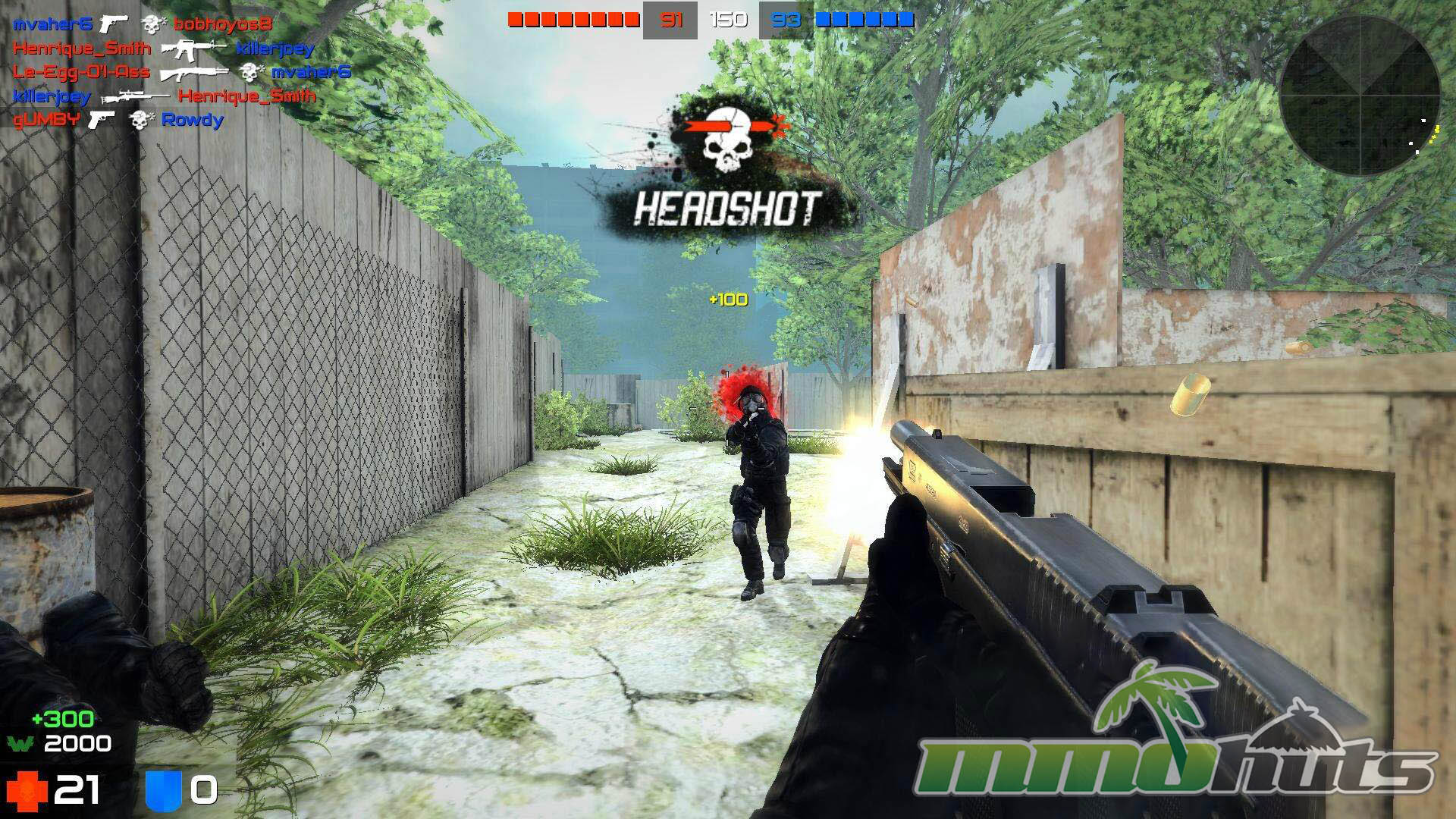
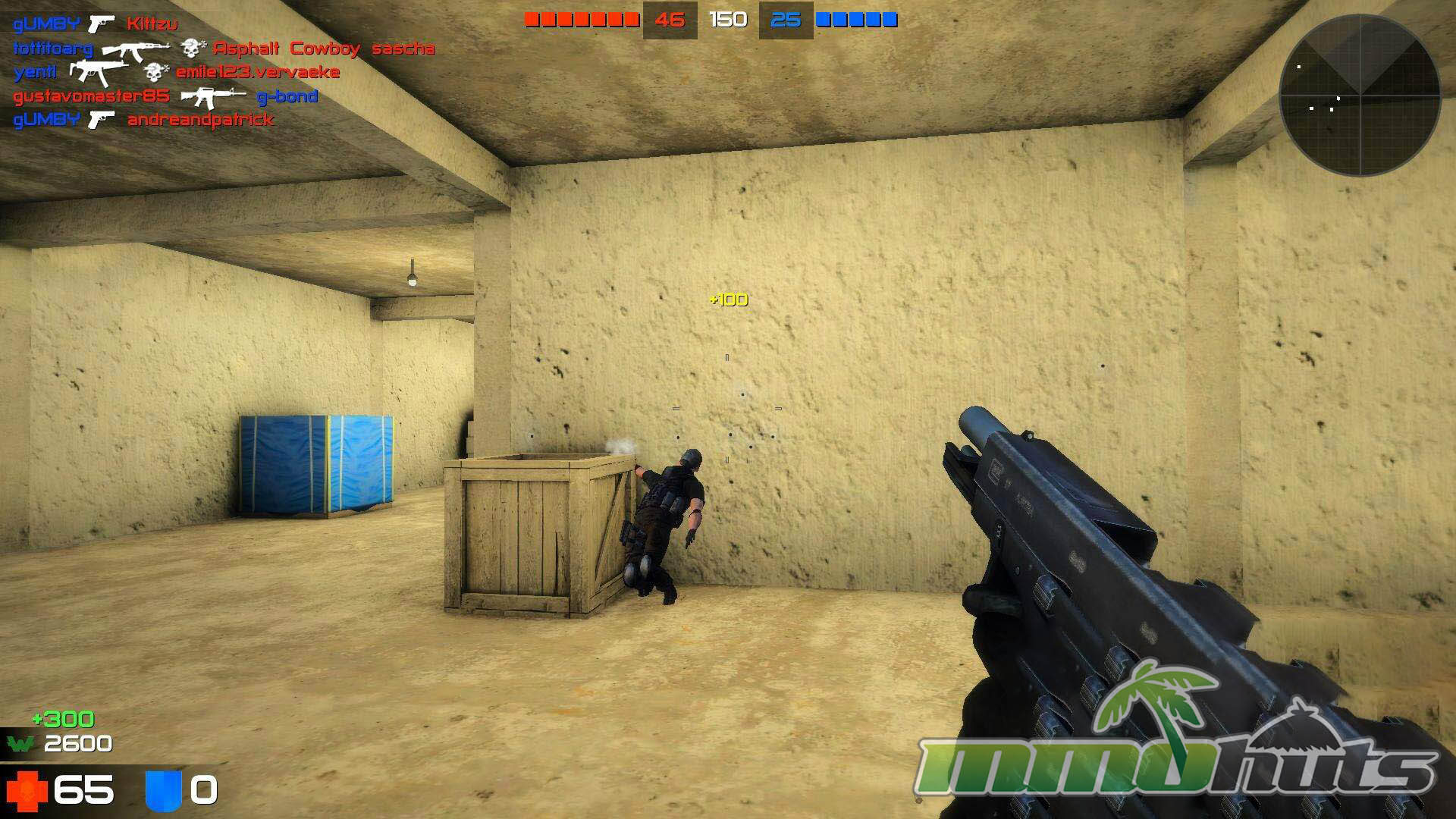
Warmode is focused almost entirely on Team Deathmatch. You join either the Terrorists or Counter-Terrorists and fight across compact maps built around a handful of lanes and intersections. With 16 players funneled into tight corridors, encounters happen constantly, often at point-blank distance, and weapons like shotguns stay relevant on nearly every layout.
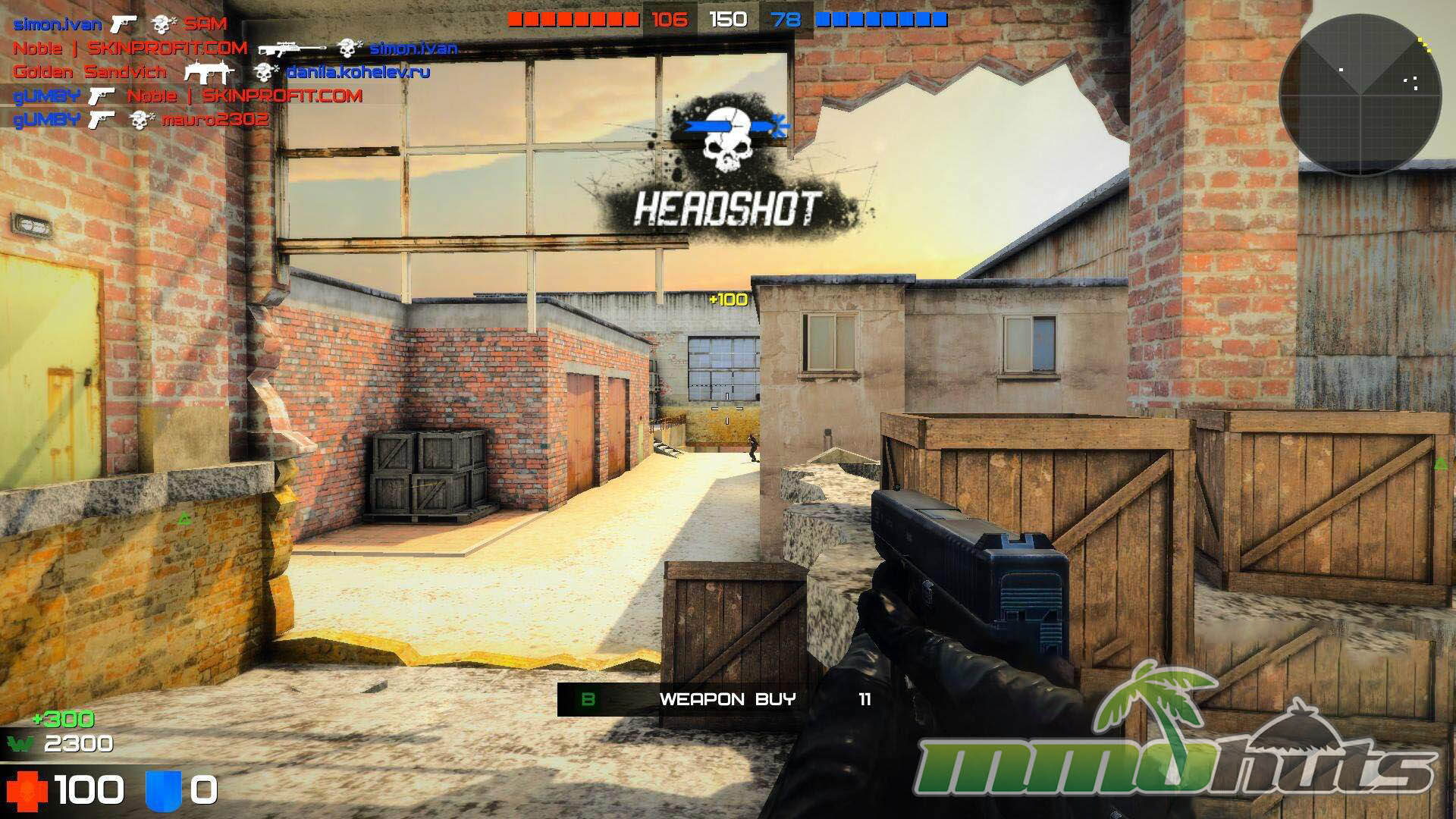
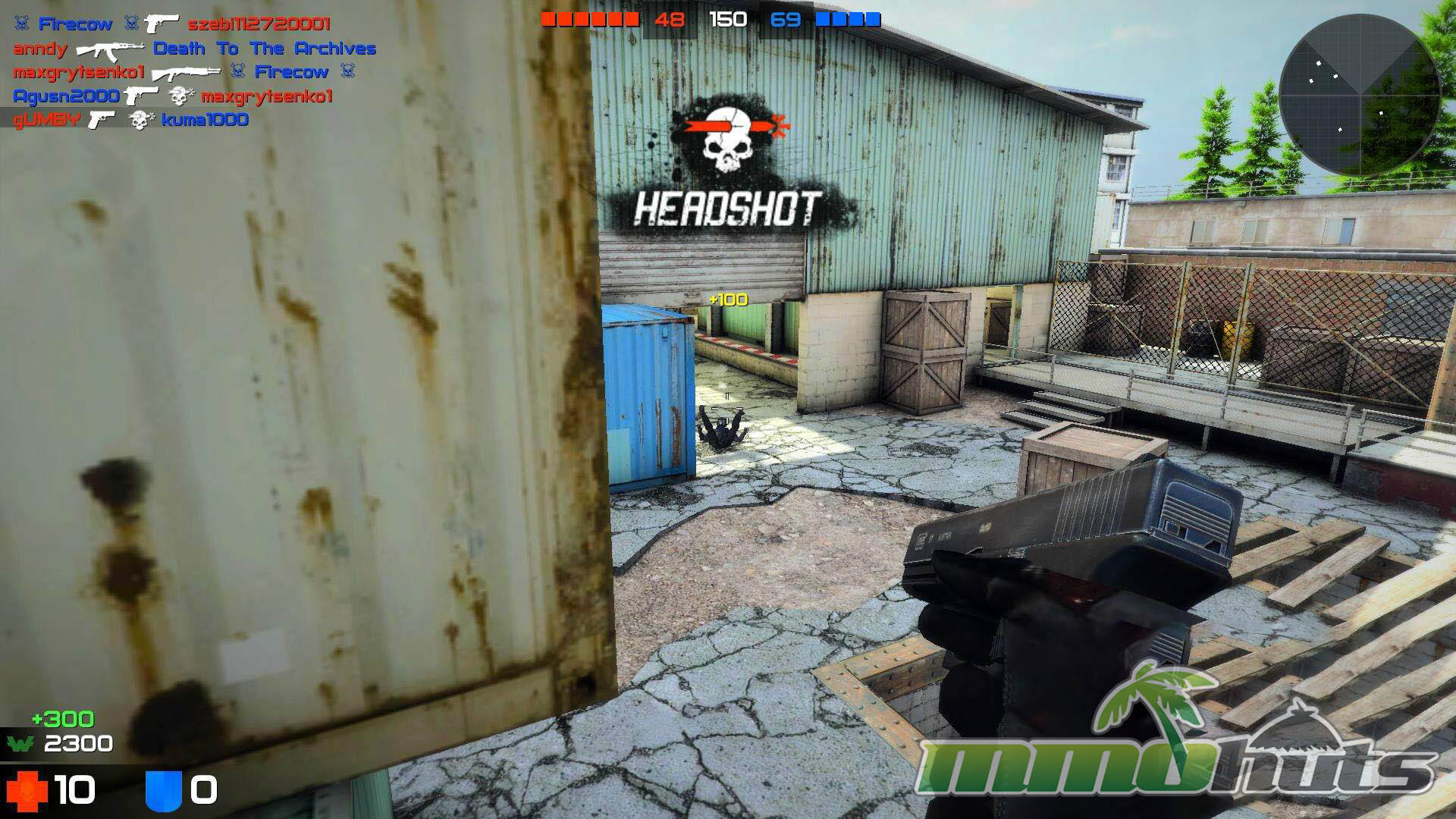
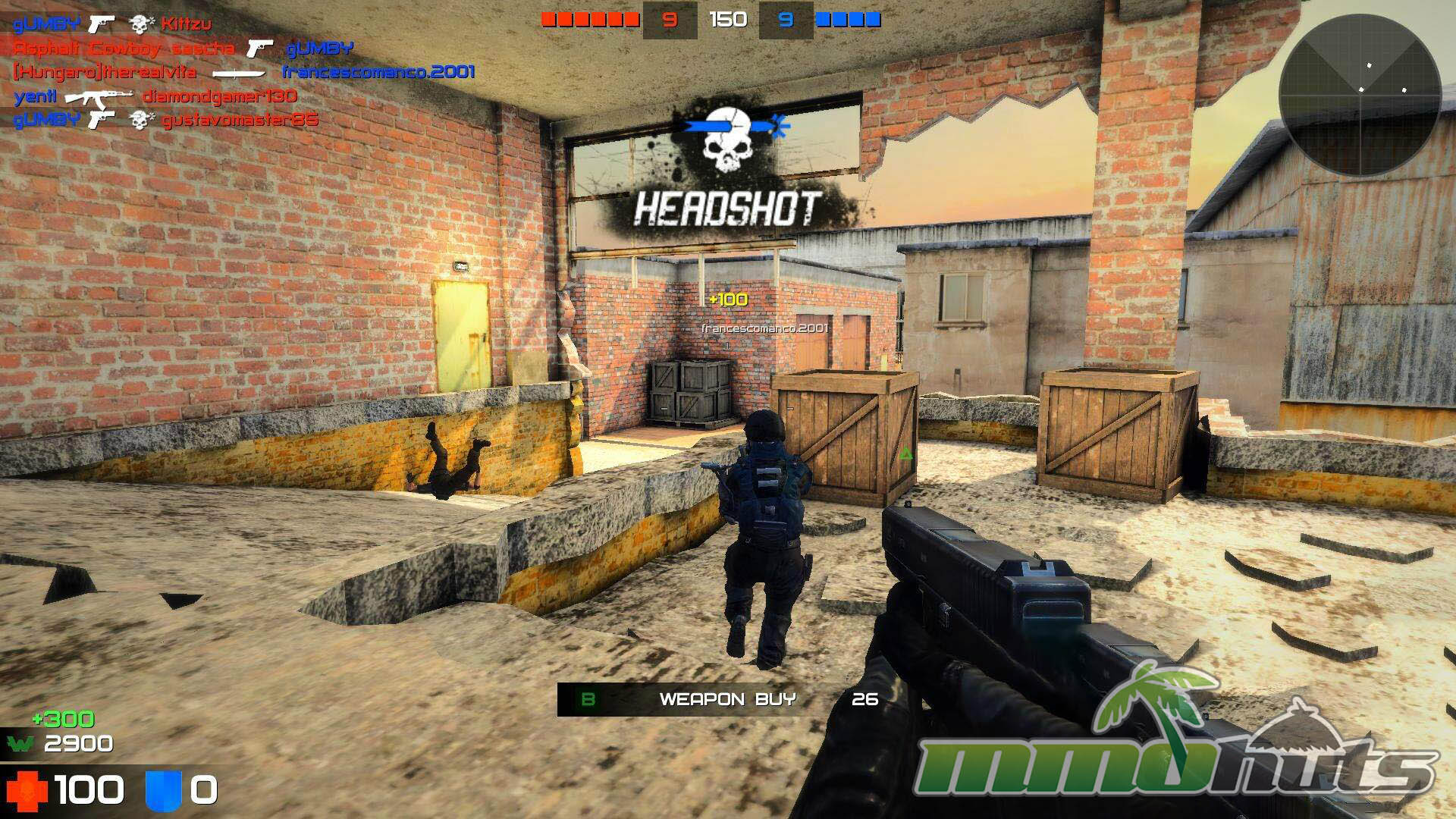
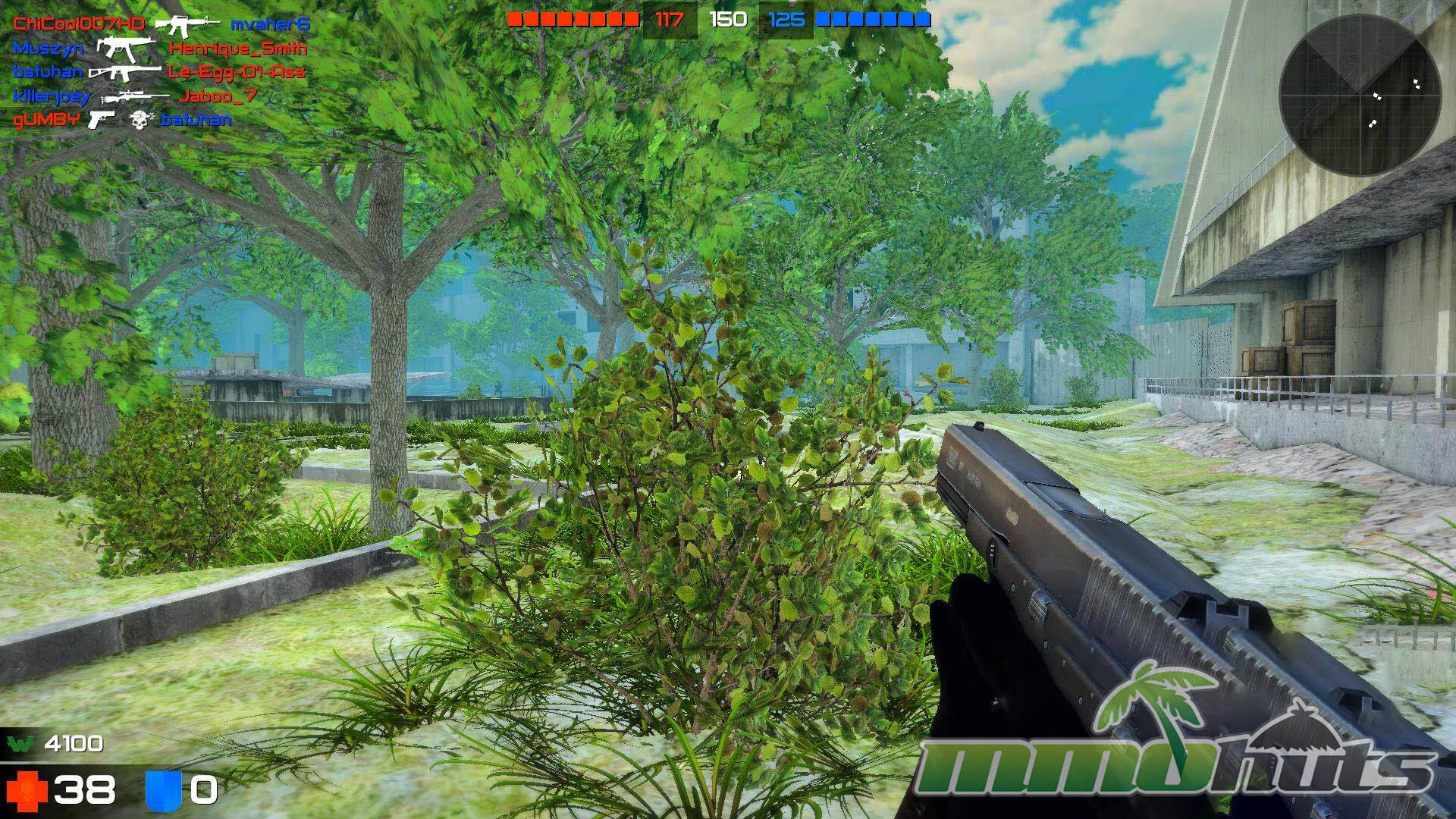
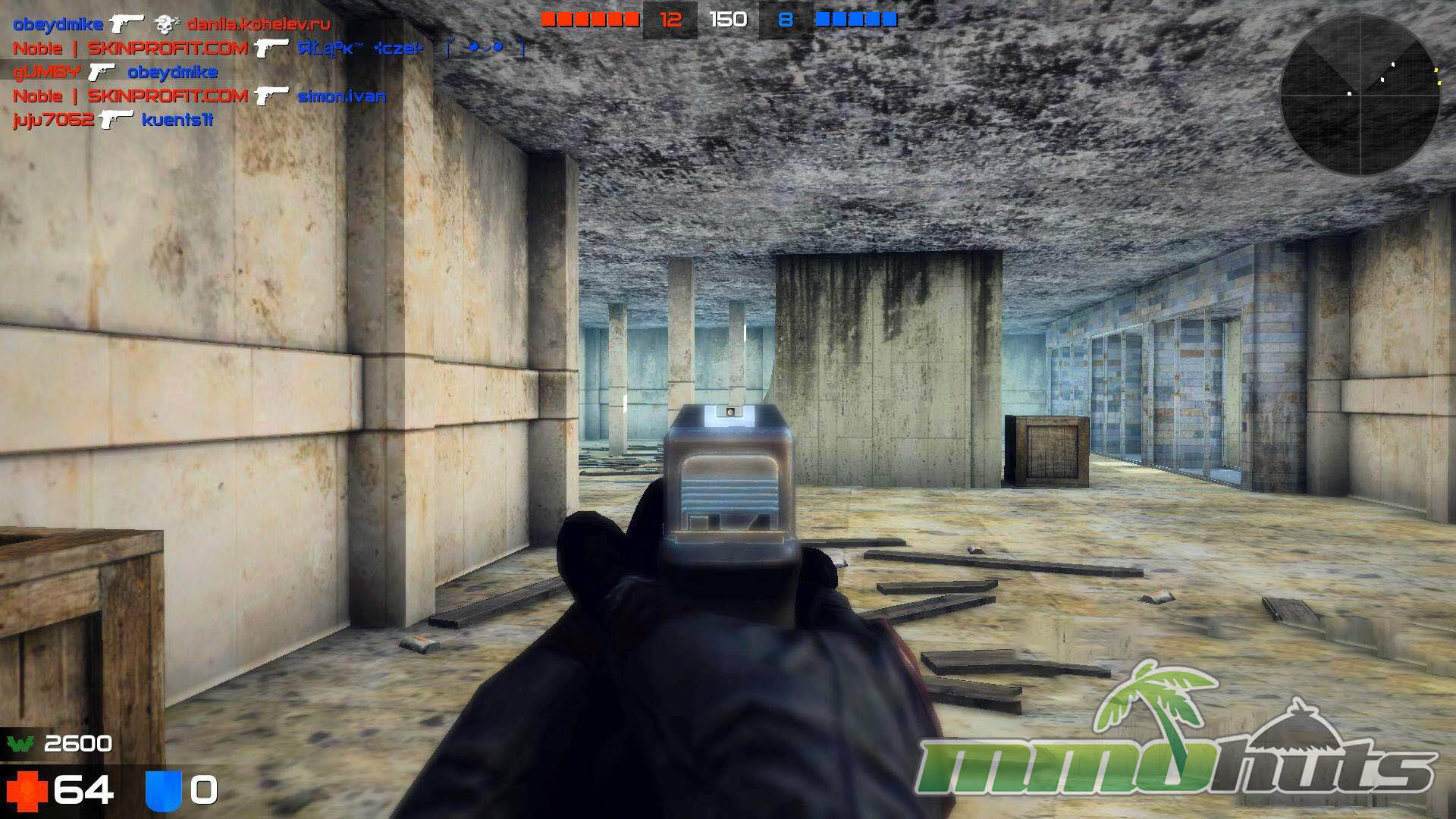
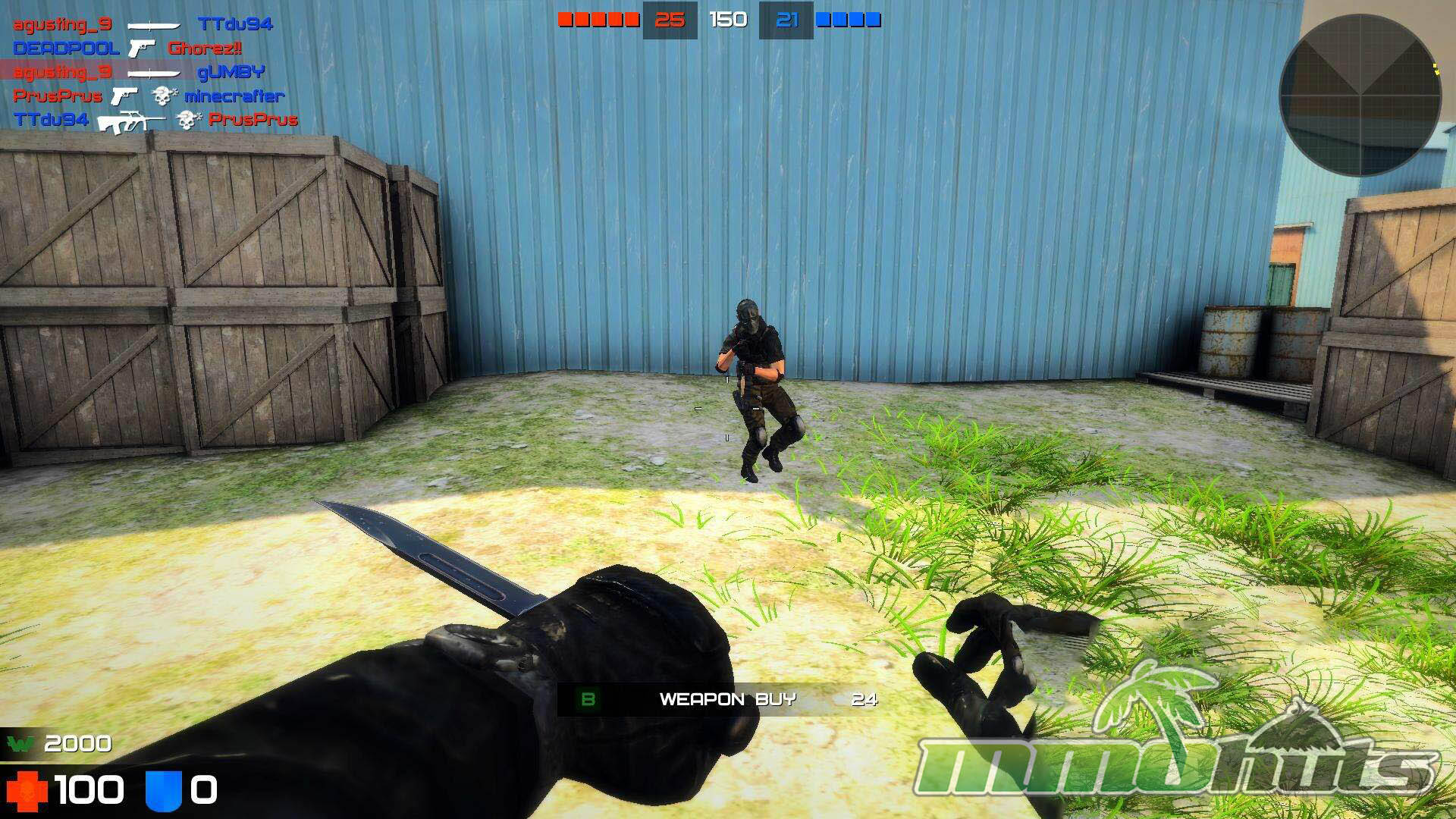
There are six maps available, and while they share a similar “small arena” philosophy, they at least try to vary their themes and color palettes. One of the arenas strongly echoes classic Counter-Strike styling, while others lean into more dramatic settings, including a Pripyat-inspired environment and an industrial yard filled with bright cargo containers. Tactically, the game is more about reflexes and fast re-engagements than slow, coordinated play. If you want methodical rounds and strict positioning, the overall flow can feel too chaotic. If you want constant skirmishes, it delivers exactly that.
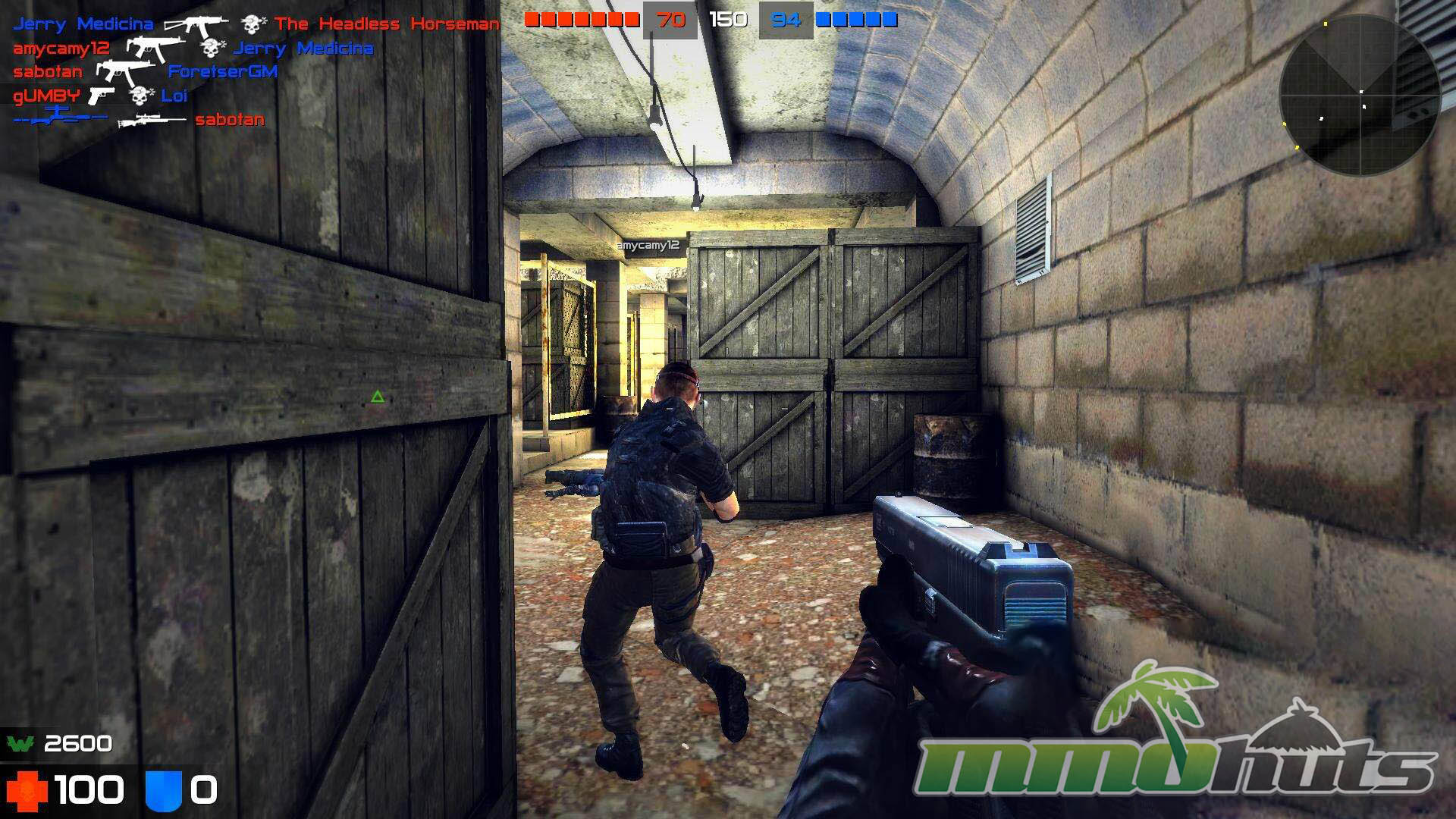
Shopping Between Shootouts
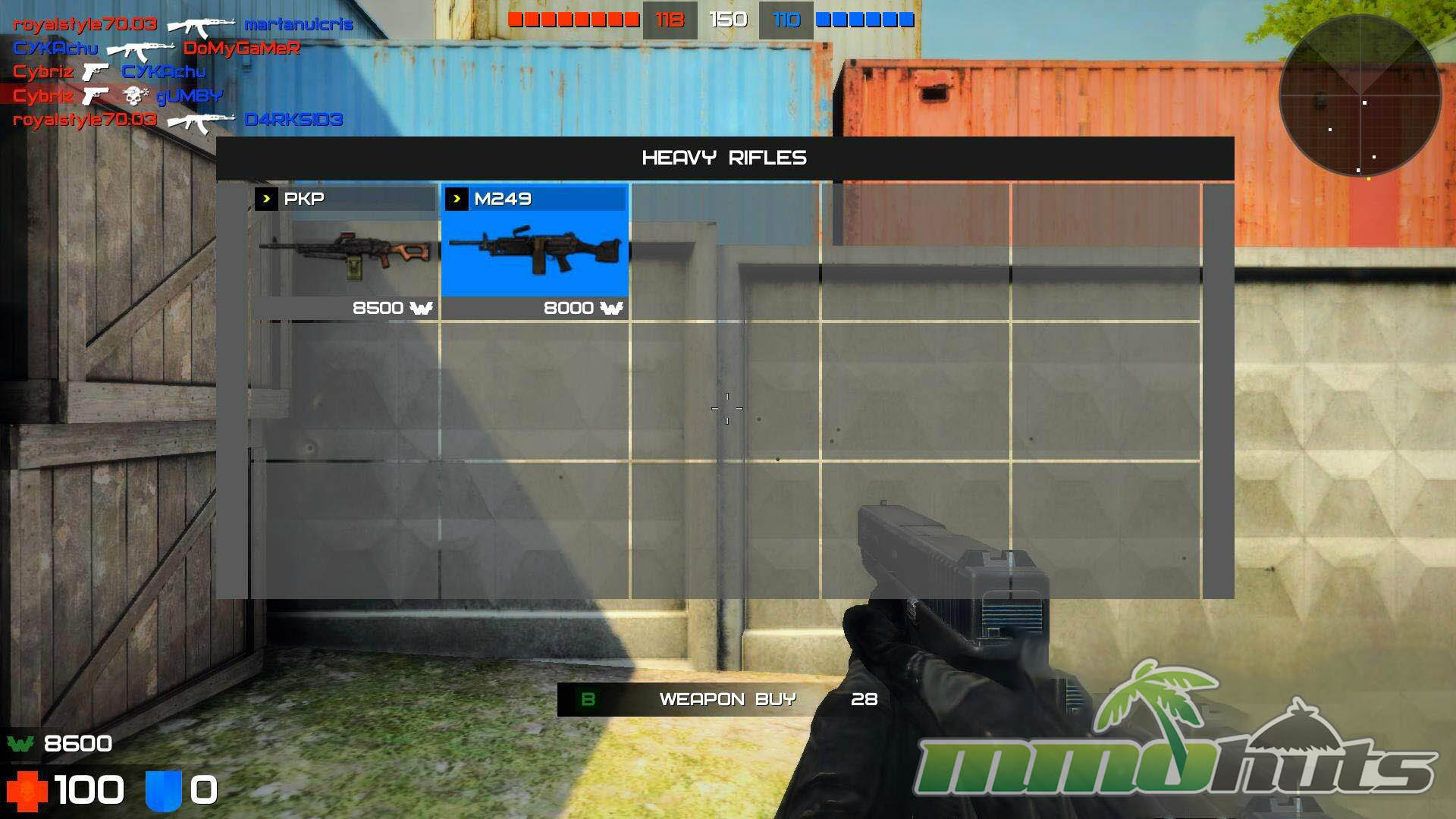
The loadout system is simple: kills grant points, and points buy weapons, armor, and a grenade. The baseline sidearm is already effective enough that you never feel helpless, but upgrading quickly is easy, and common rifles are within reach early in a match. Importantly, purchased gear persists through deaths, so the economy is more about unlocking comfort and options than taking risks with equipment.
Because the maps are so compact, explosives can be extremely effective. Tossing a grenade into a predictable choke can pick up multiple kills when teams bunch together, and the short travel distances mean you can immediately follow up. One notable limitation is that you cannot scavenge weapons from downed enemies, since dropped guns vanish rather than staying in the world. That keeps the loop clean and predictable, but it also removes a fun improvisational element that many shooters rely on.
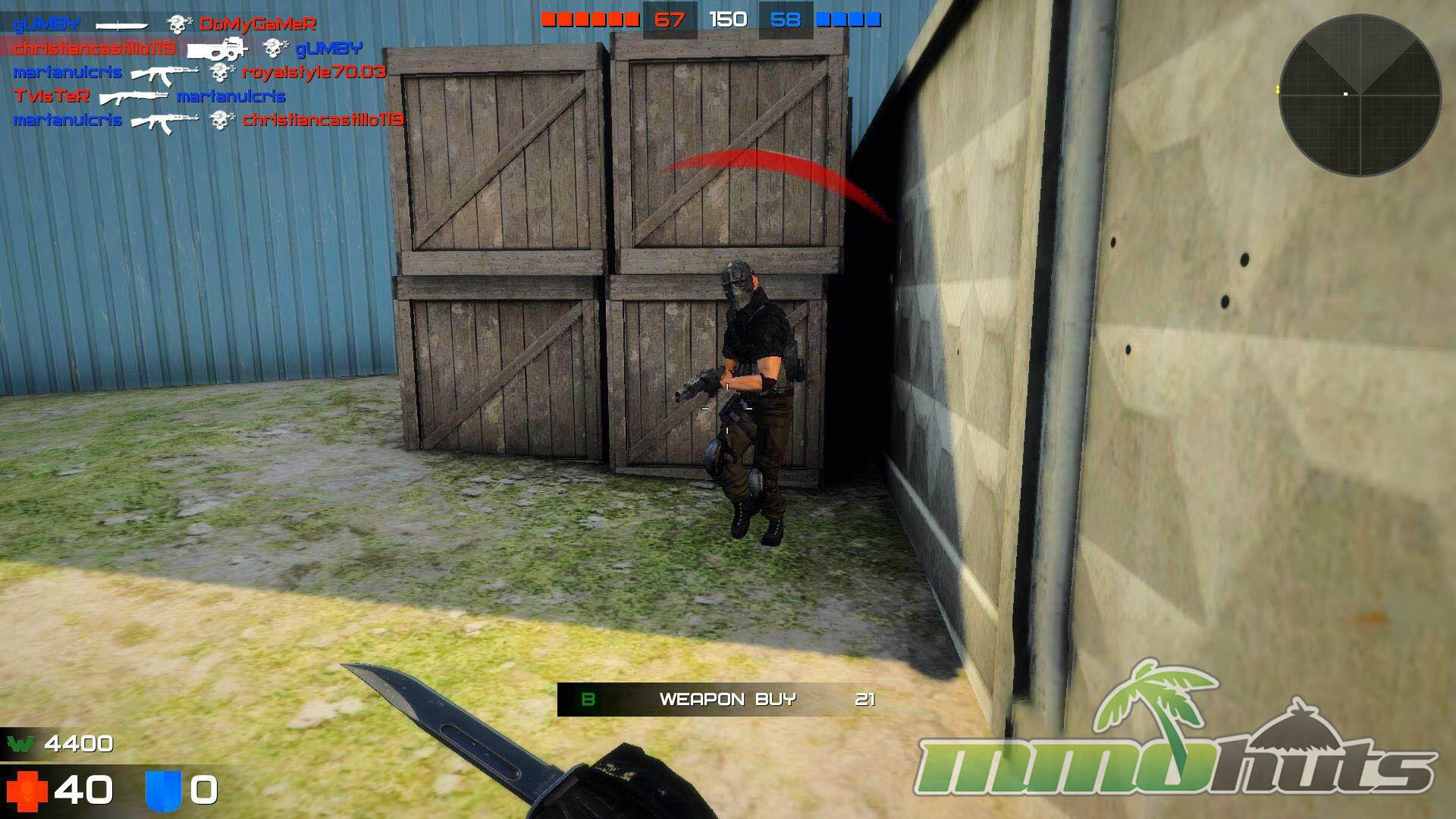
Low Barrier, Low Ceiling
Warmode is easy to perform well in, and that is both a strength and a drawback. The shooting model tends to reward quick target acquisition more than careful recoil control, with weapons feeling comparatively straightforward to handle. In practice, that makes the game welcoming for players who do not want to study spray patterns or spend hours mastering minute weapon behavior.
The downside is that firefights can blur together. When many guns within the same category behave similarly, the choice becomes more about preference than meaningful tradeoffs. Combined with the game’s fast respawns and small maps, the overall experience can feel less like a competitive shooter and more like a lightweight aim-and-click arena. You can still improve through positioning and reaction speed, but the skill expression is not as deep as genre leaders.
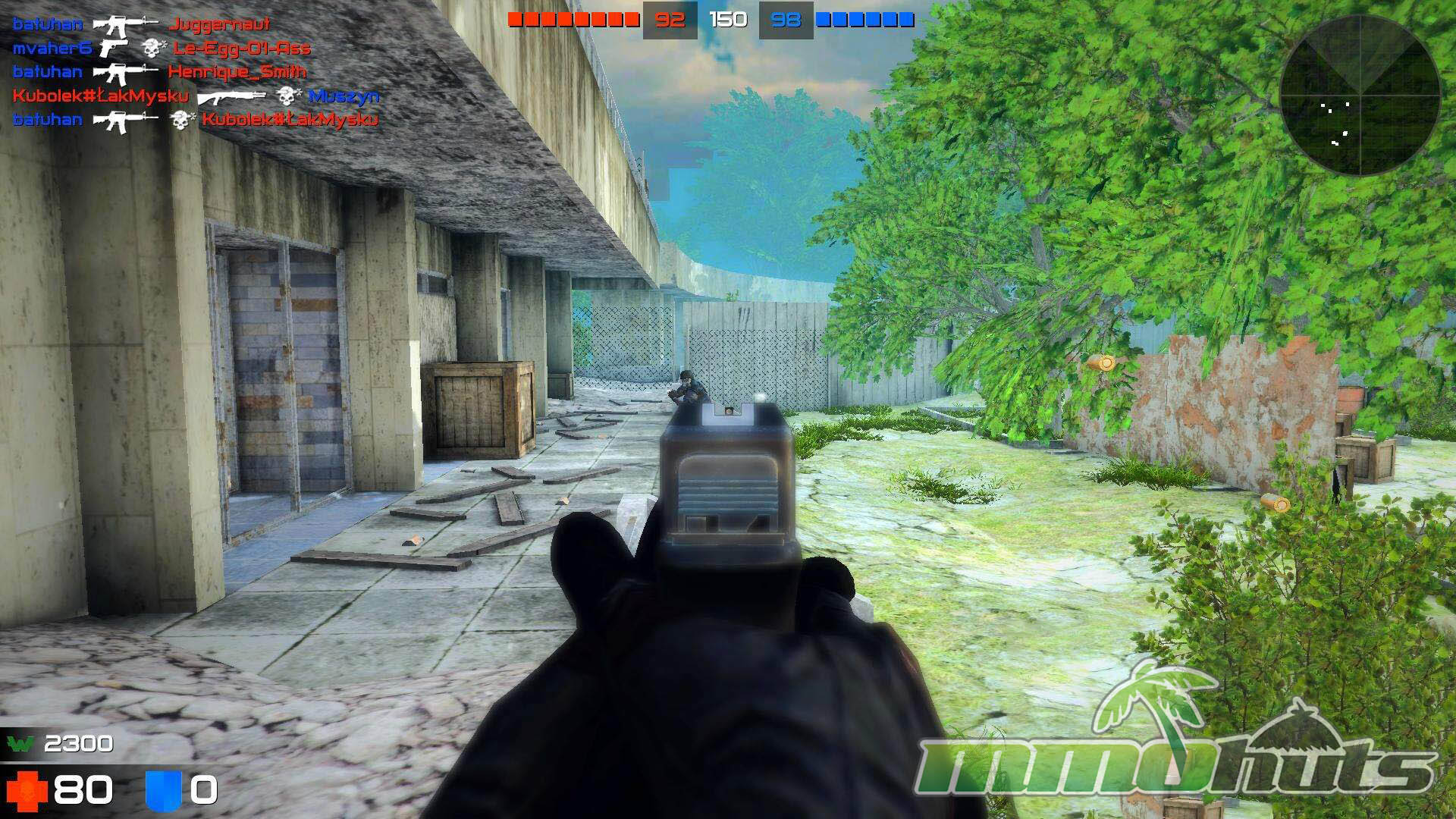
Networking Woes
The most disruptive issue is inconsistent online performance. Matches frequently feature rubber-banding and stuttering movement, where players appear to slide, snap, or momentarily freeze before the server catches up. In a shooter built around quick corners and instant duels, even small delays can change the outcome of fights, and it also contributes to the “anything goes” tone of the game.
Strangely, the chaos can also make Warmode unintentionally amusing. When opponents desync or appear in odd positions, it creates moments that feel more like a messy arcade brawl than a serious match. That novelty wears off if you are looking for fair competition, but it can still be entertaining in short sessions, especially with friends. If the game ever had consistently solid server performance, it would be far easier to recommend as a daily-play FPS.
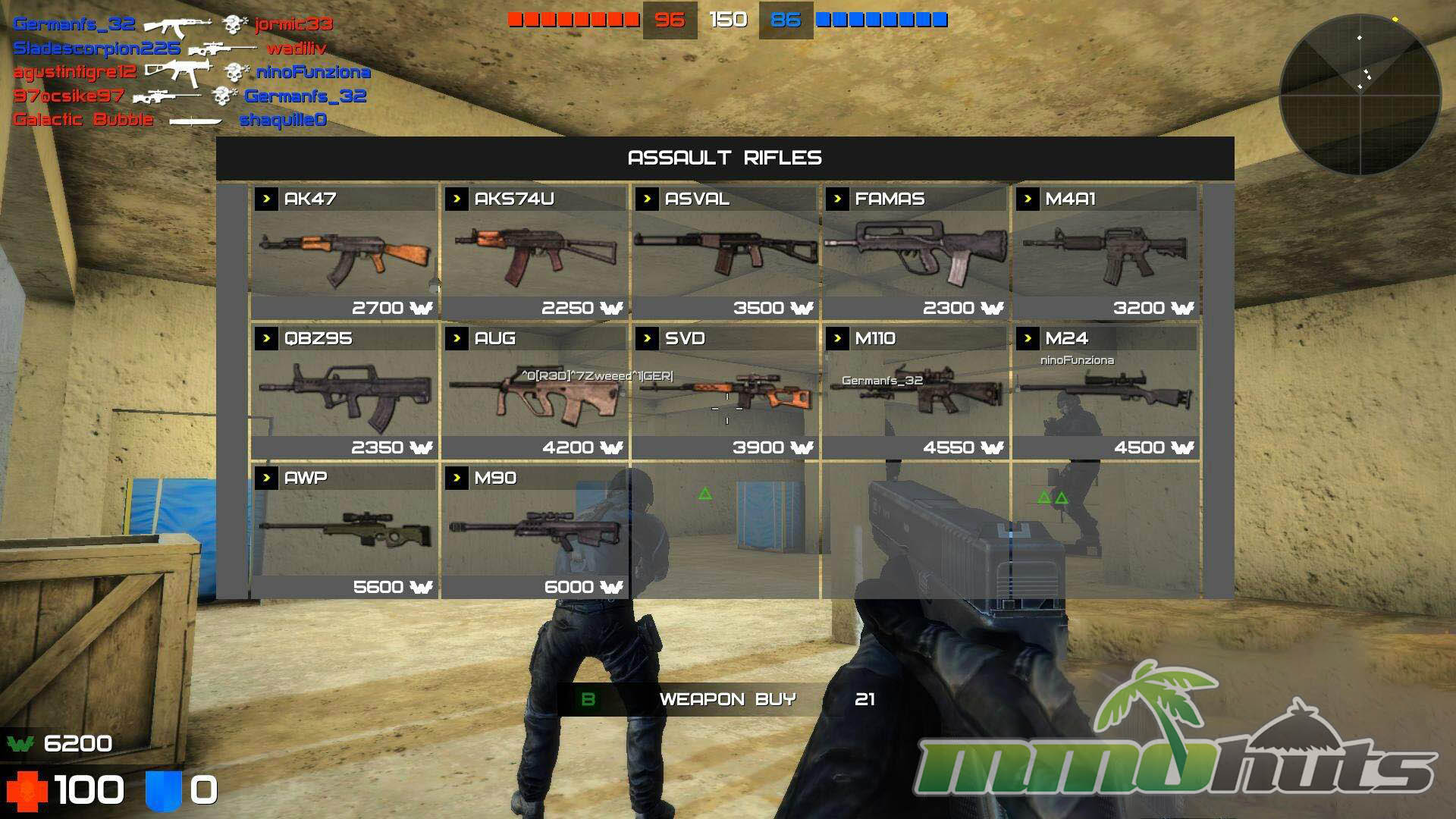
Simple Visuals, Clear Readability
Visually, Warmode is functional rather than cutting-edge. Character models, effects, and textures are noticeably behind modern shooters, but the upside is that the game runs smoothly on a wide range of hardware. That seems like a deliberate choice: readable environments, bold color contrast, and low overhead rather than cinematic presentation.
The maps often look brighter and more saturated than expected, which helps opponents stand out in motion. Environmental details are present in places, such as damaged interiors and cluttered industrial props, but they are there to set a mood rather than impress technically. Sound is similarly straightforward. Weapon audio does not have the layered realism of big-budget FPS games, but hit feedback is punchy enough to make accurate shots feel rewarding.

Cosmetics Over Power
Warmode’s monetization takes cues from other long-running shooters by leaning on visual items. The shop focuses on cosmetics rather than gameplay advantages, with low-priced options that include masks, badges, and similar personalization pieces. It is not the kind of store that pressures you to spend to stay competitive, but it is clearly intended as a steady drip of small purchases for players who want to show support or stand out.
The overall approach fits the game’s tone. Warmode is at its best when you treat it as a casual shooter to hop into for a few matches, not as a long-term ranked grind. Cosmetic variety is the main form of “collection” alongside basic progression, and it is easy to imagine more skins and visual variants being the primary content additions over time.
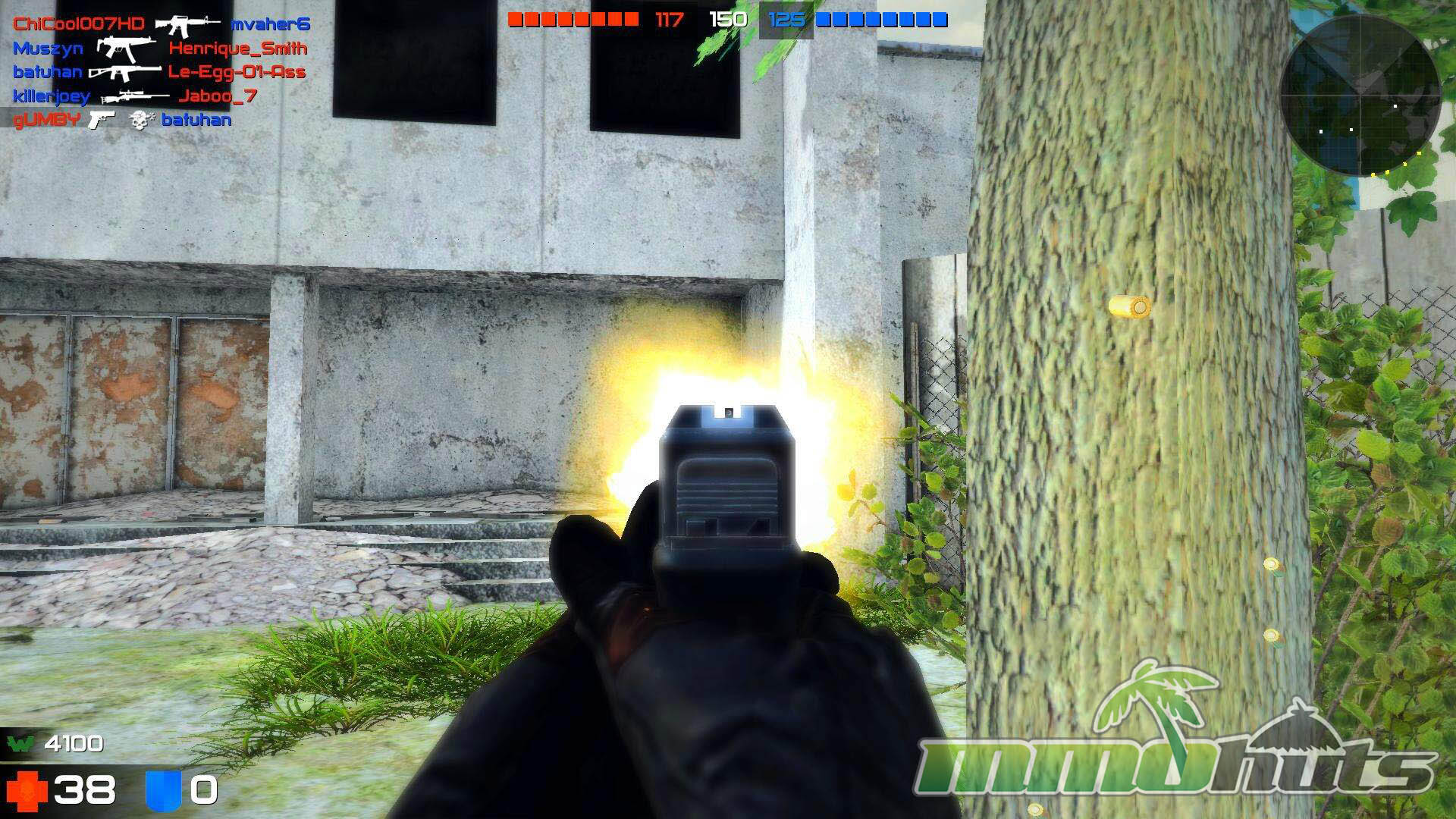
Final Verdict – Fair
Warmode is a lightweight, fast-moving shooter that can be fun in short bursts, especially if you enjoy constant close-quarters engagements and do not mind a rough presentation. The weapon selection and quick point-spend loop keep matches from feeling completely repetitive, and the low system requirements make it easy to recommend to players with older PCs.
At the same time, uneven hit registration and noticeable lag make it hard to treat as a serious competitive experience. With only one core mode, the long-term hook is limited unless you are satisfied repeating the same team deathmatch loop across the available maps. Warmode is best approached as a casual, occasionally messy arcade FPS, not a replacement for more polished tactical shooters.
Warmode Requirements
Minimum Requirements:
Operating System: Windows XP
CPU: x86
RAM: 1 GB GB RAM
Hard Disk Space: 512 MB Free Space
Warmode Music
Coming Soon…
Warmode Additional Information
Developer: WARTEAM
Publisher: Novalink
Language(s): English, Russian
Steam Greenlight Posting: July 08, 2015
Steam Greenlight Approval: July 14, 2015
Release Date (Early Access): August 26, 2015
Warmode is developed by Russian based developer WARTEAM. The project appeared on Steam Greenlight on July 08, 2015, and was approved shortly after on July 14, 2015. It later launched into Early Access on August 26, 2015. Although it remains associated with Novalink, the game’s visibility and activity on Steam have dropped significantly over time.