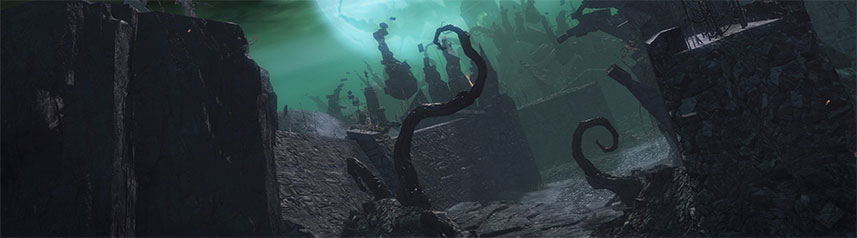
Warlords Awakening (often referred to as ELOA) is a vibrant, anime-styled action MMORPG presented from an isometric viewpoint. Its standout hook is a flexible combat setup where every character carries three weapons at once, swapping between them to access different skill kits on the fly, while adventuring across a large fantasy world built around instanced zones, dungeons, and PvP.
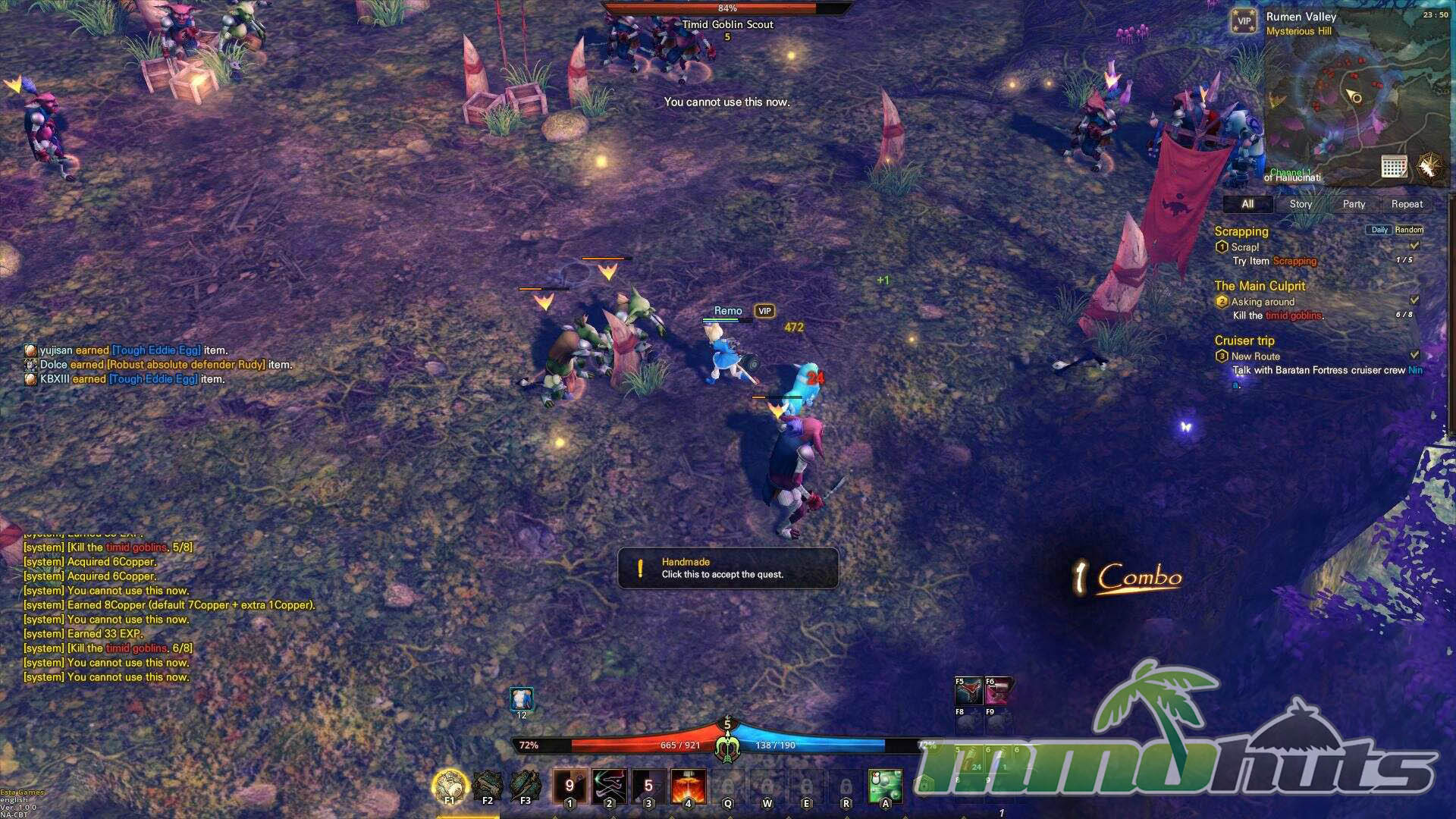 | Publisher: Playwith Interactive (Previously Webzen) Playerbase: Shut Down Type: B2P MMORPG Release Date: July 24, 2015 (As ELOA) Shut Down Date: June 28, 2019 Pros: +Clean, friendly UI. +Handy in-game encyclopedia for drops and enemies. +Distinctive three-weapon combat design. +Pets feel meaningful and practical. Cons: -English localization is rough in places. -Skill targeting can be finicky from the top-down view. -Visual variety in areas can feel repetitive. |
Warlords Awakening Shut Down on June 28, 2019
Warlords Awakening Overview
Warlords Awakening, known earlier in the West as ELOA (Elite Lord of Alliance) and also tied to the name Inspirit Online, is an anime-influenced fantasy action MMORPG with an isometric camera and a control scheme that supports both mouse-driven movement and keyboard play. After picking from 4 classes and 3 races, you are built around the game’s signature combat mechanic: each class can equip three weapon types and freely swap between them to open up different skill sets for different situations.
Progression is structured around questing through a broad world filled with monsters, instanced zones, and group content. Along the way you can hatch and collect pets that provide practical bonuses (such as experience boosts and mobility perks), and some can be ridden as mounts to speed up travel. Crafting also plays a role, letting you focus on producing gear and consumables using materials gathered during exploration. With a level cap of 40, the game pushes players toward dungeons and PvP arenas once they have their core kit online.
ELOA Key Features:
- Lots of starting variety – Begin with 4 classes (Knight, Mage, Gunner, and Psychic) and 3 races (Kartu, Liru, and Sapiens), giving you different looks and play styles right from the start.
- Signature three-weapon gameplay – Every class uses 3 weapon categories, each tied to its own skill set, and you can swap between them as combat demands.
- Transcendence progression – After hitting level 40, Transcendence points unlock additional ways to tune and specialize your character.
- Encyclopedia built into the game – A strong reference tool for learning enemy details, potential drops, and other useful information without leaving the client.
- Pets with real utility – Pets can act as mounts and provide quality-of-life functions (repairs, loot pickup, and more), plus they can be upgraded and evolved.
- Crafting paths – Four professions are available (Weapons, Armor, Alchemists, and Accessory), supporting players who like to build their own gear and supplies.
Warlords Awakening Screenshots

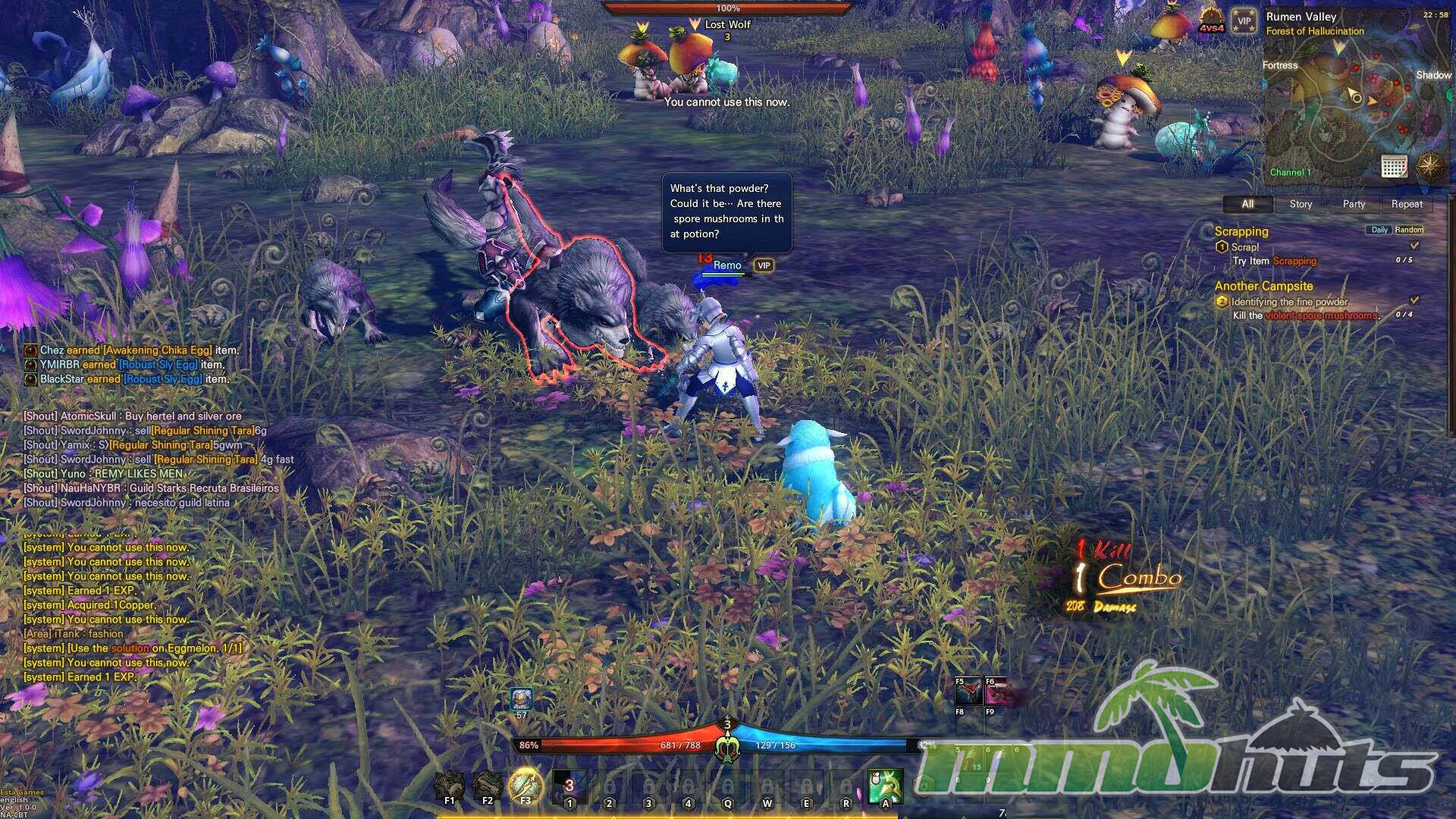
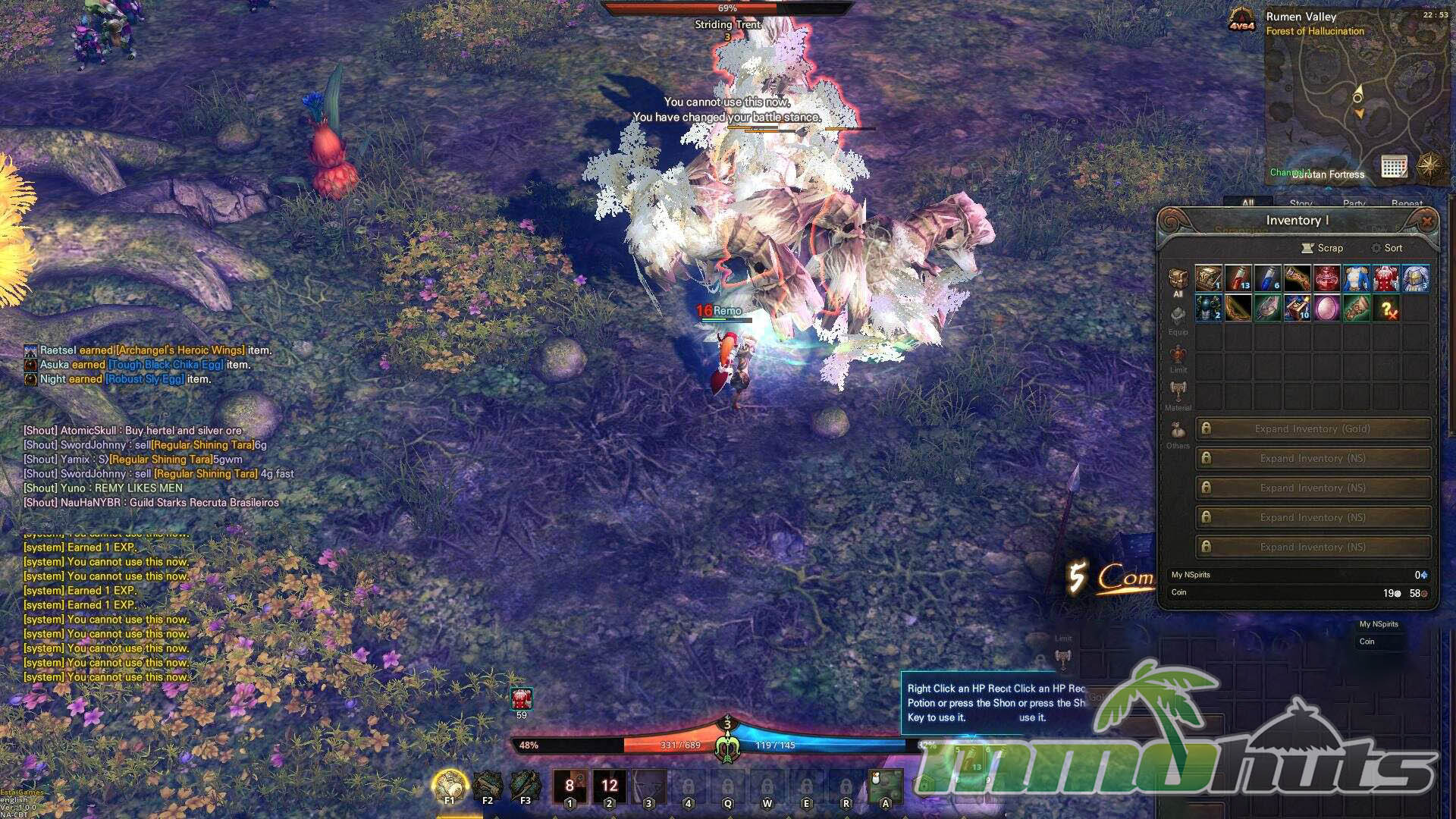
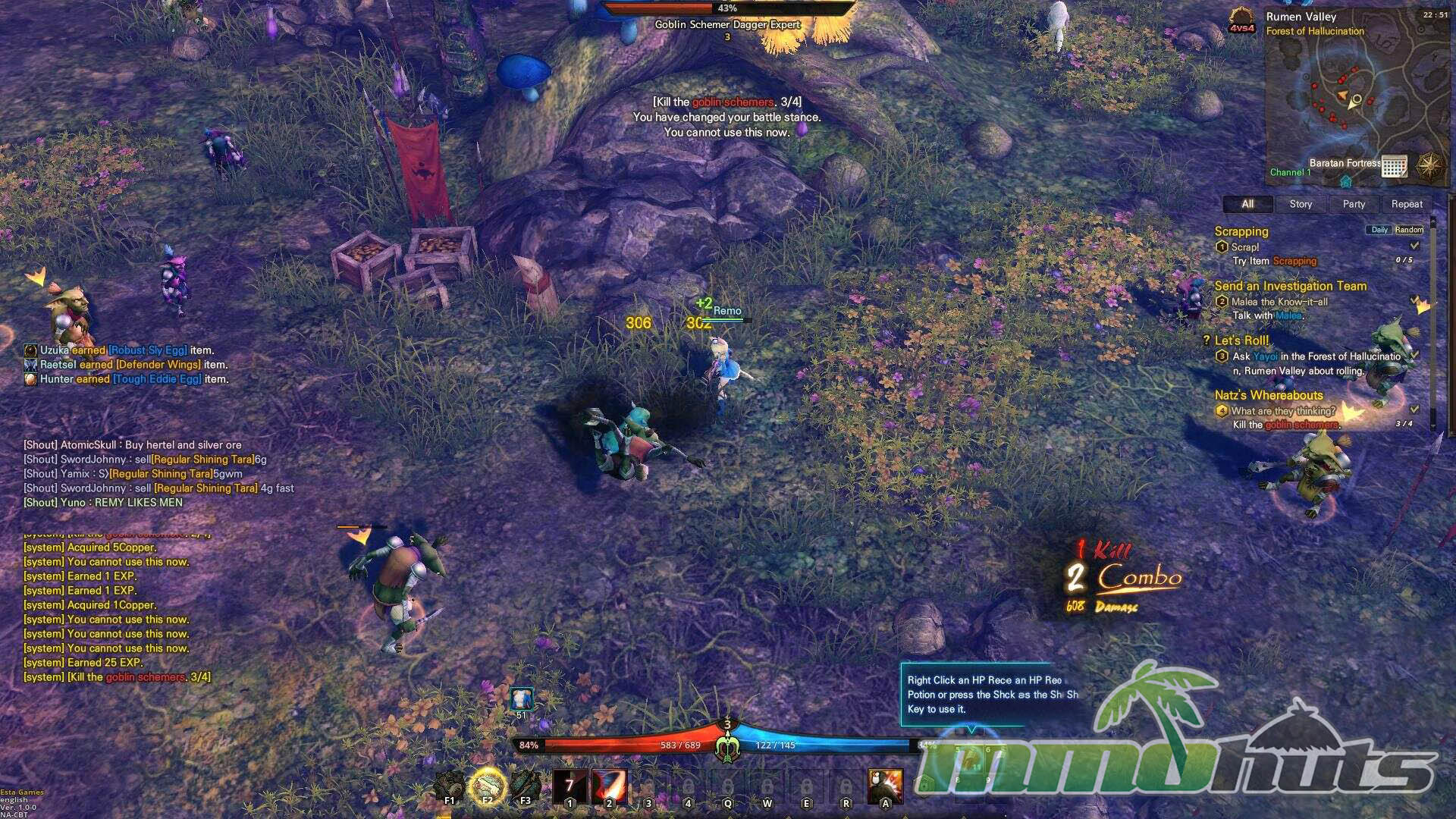
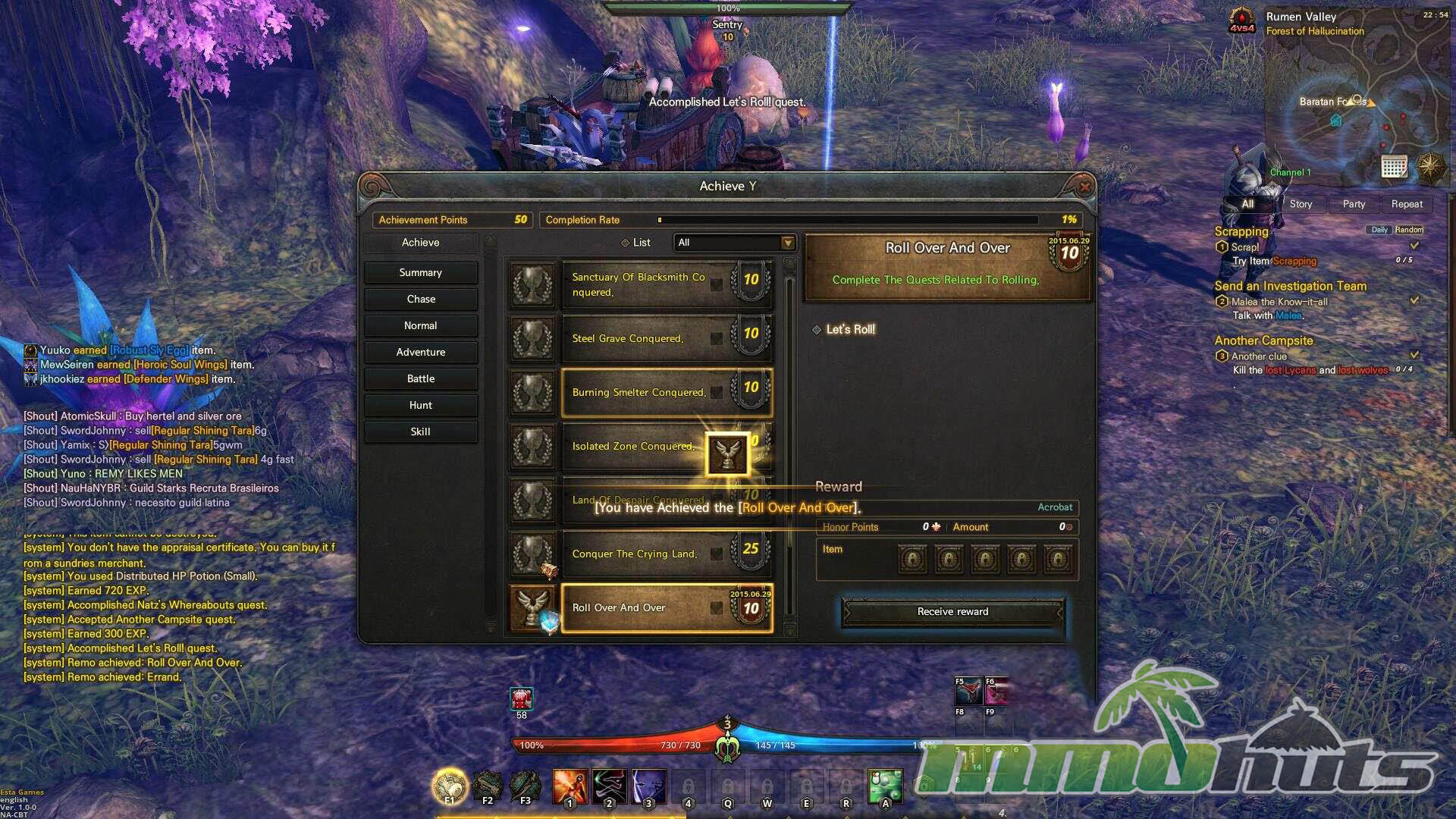
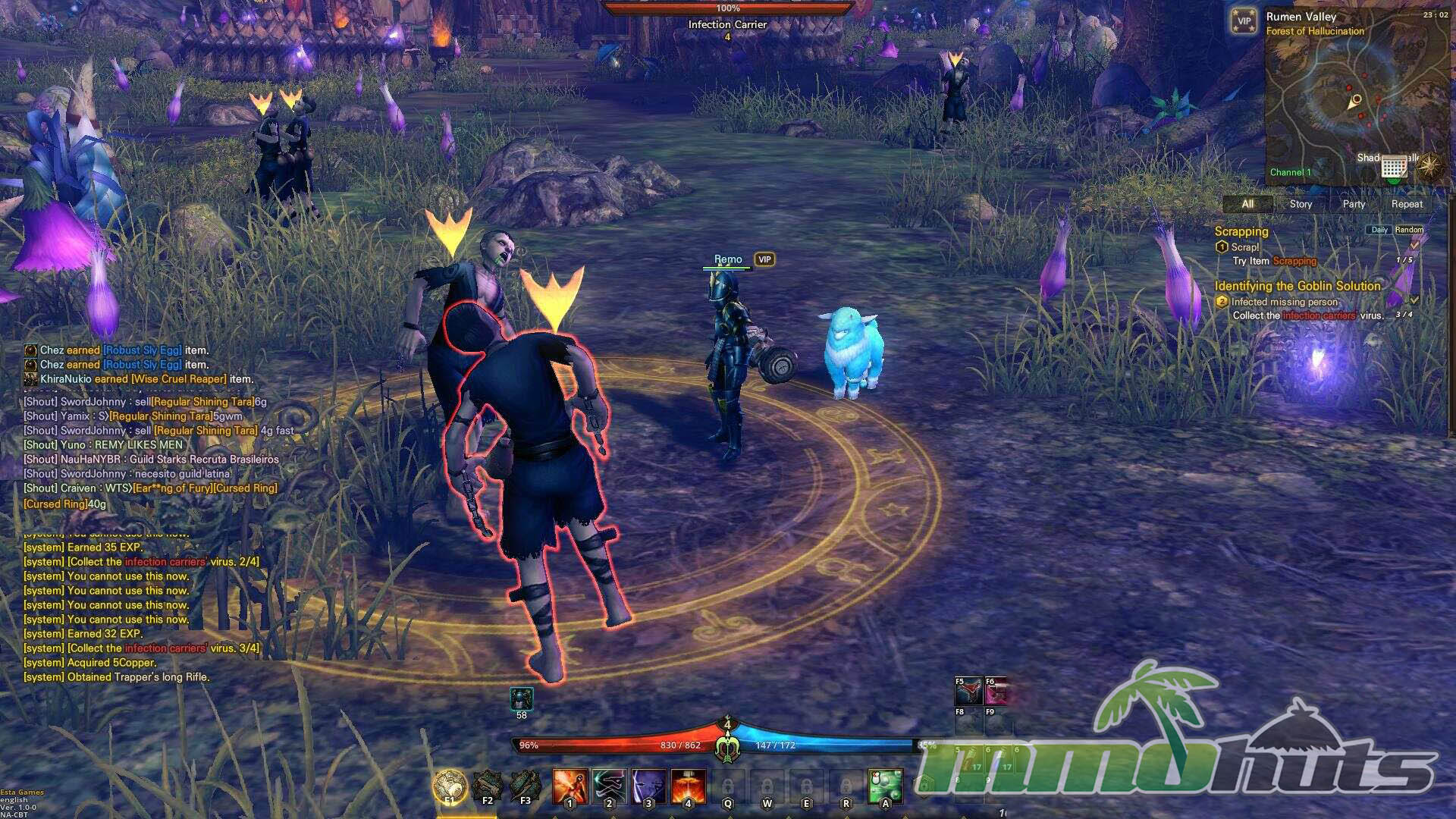


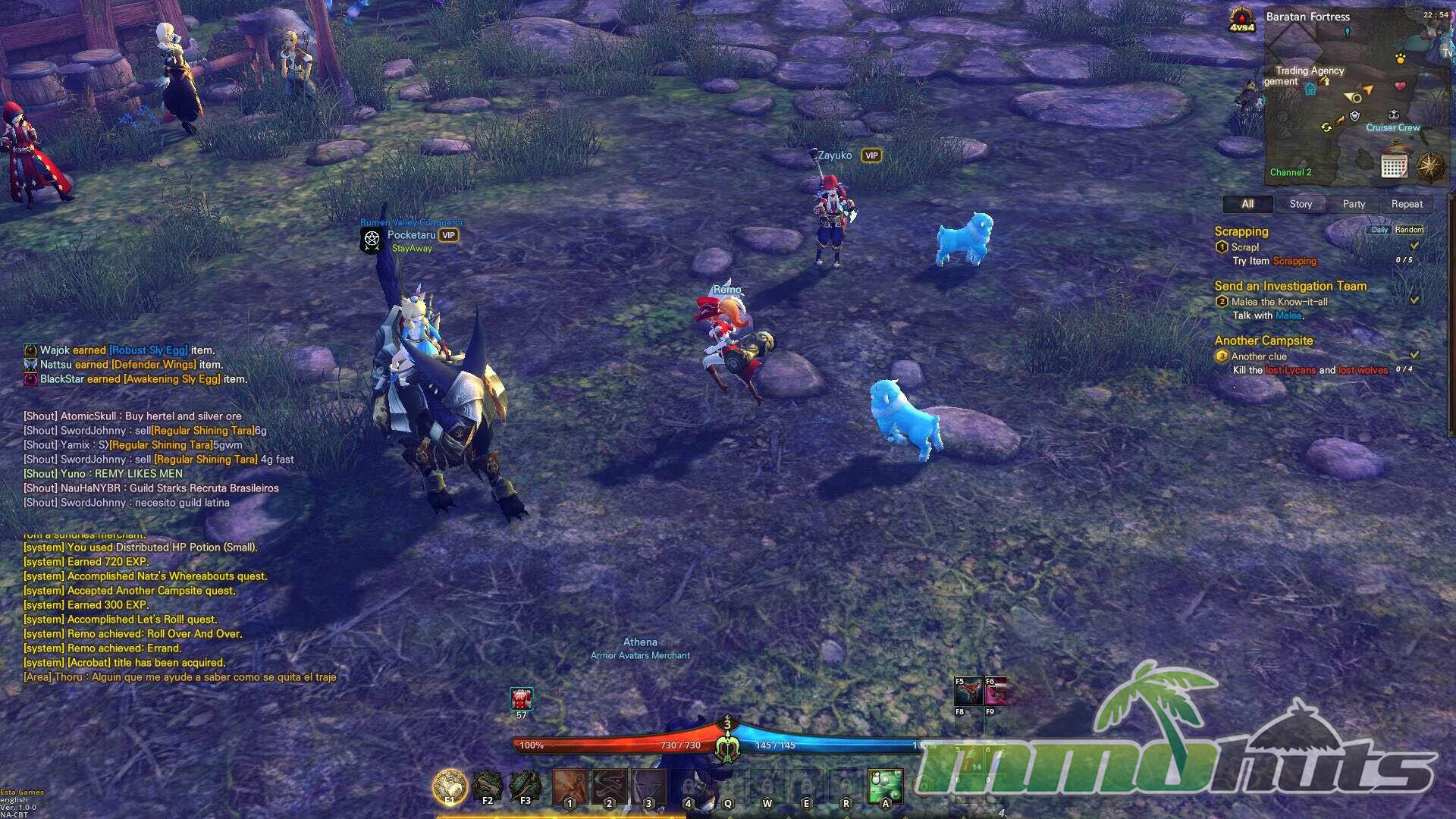
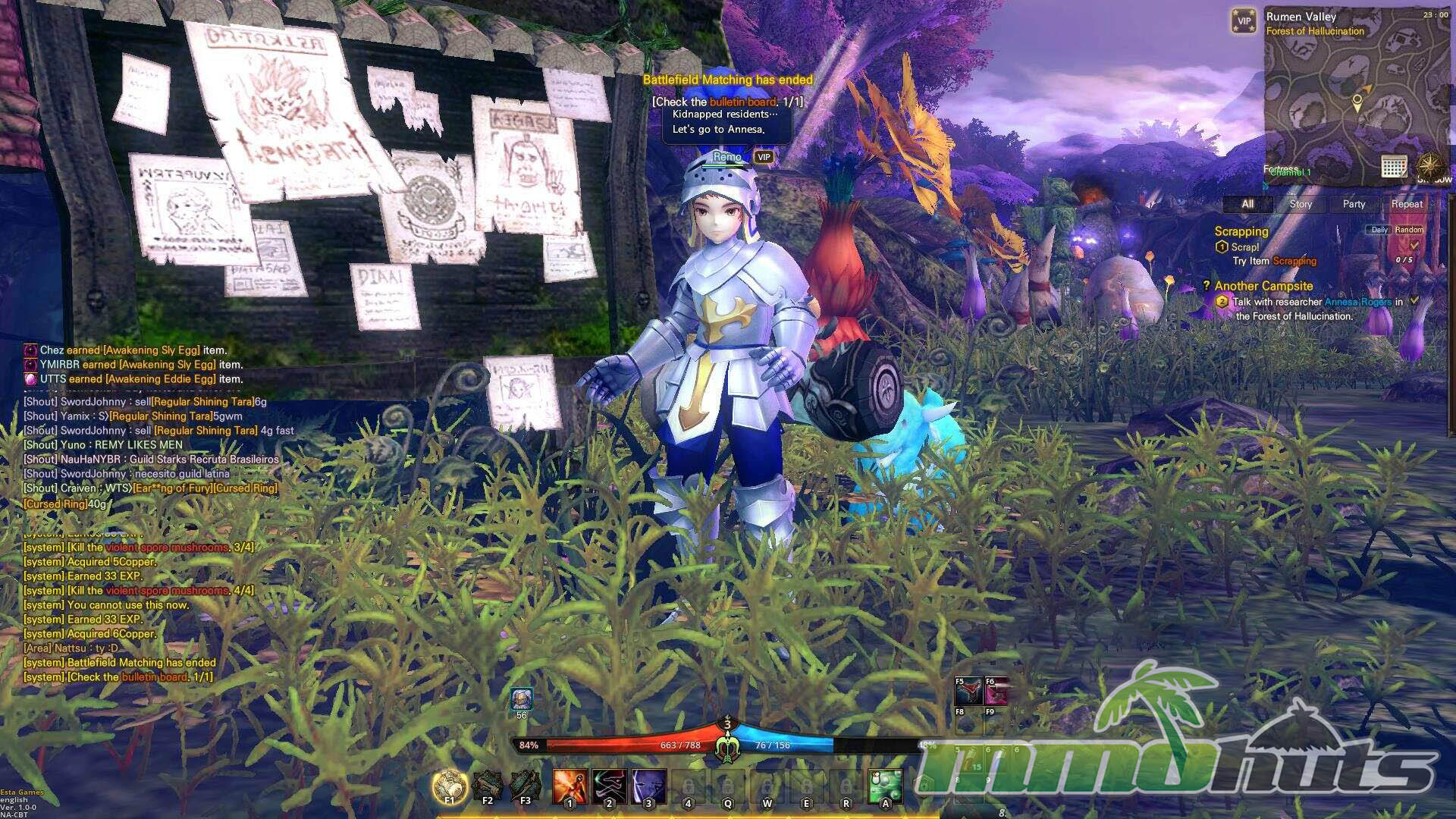

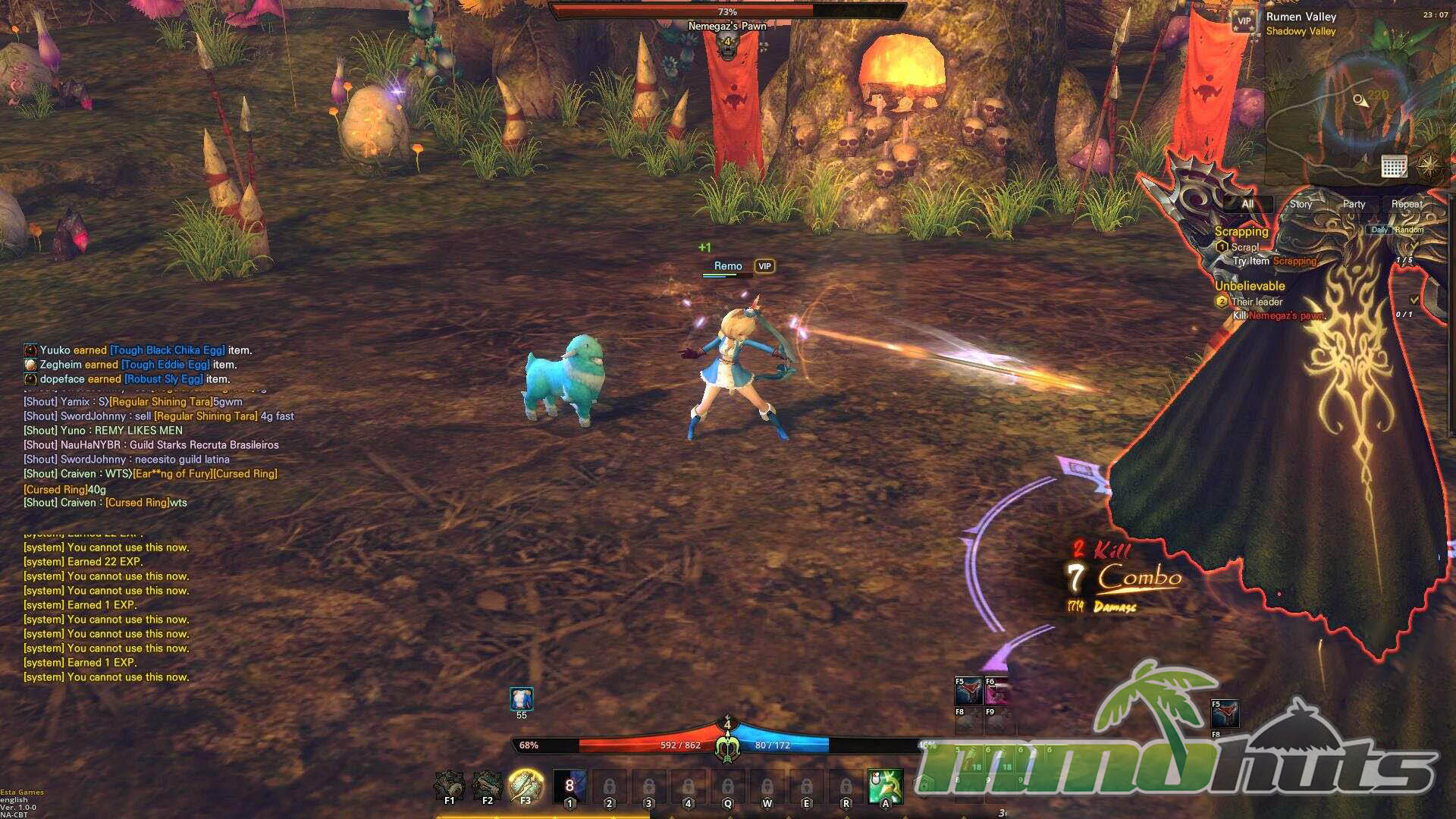
ELOA Featured Video

Warlords Awakening Review
Warlords Awakening sits in that space between MMO and action RPG, with a fixed top-down perspective and a heavy emphasis on chaining skills rather than tab-target rotations. It is colorful, fast, and clearly designed to make moment-to-moment combat the reason you keep playing. At the same time, it carries some of the baggage typical of its era, including uneven localization and content that can blur together once you have seen a handful of zones.
A quick note on identity, because this title has a complicated history: ELOA originated in Korea and later appeared in the West through different operators under different names. Players may also recognize the name Inspirit Online from earlier, unofficial drama surrounding the international release, followed by a later official launch through Webzen. By the time it returned as Warlords Awakening, it was positioned as a buy-to-play service, but it ultimately shut down in 2019.
Character creation and presentation
Character creation gives you the usual basics plus a decent set of face, hair, and eye options, though it is more “pick from a list” than “sculpt with sliders.” There is enough range to make characters feel distinct, but anyone expecting modern, granular customization will notice the limits quickly. The anime-inspired style is consistent across the board, with exaggerated features and bright colors that read clearly from the zoomed-out camera.
Since the game is largely played from a pulled-back viewpoint, most of your time is spent noticing silhouettes, spell effects, and costumes rather than small facial details. That does not make customization irrelevant, but it does mean the game’s visual identity leans more on flashy combat readability than close-up character glamour.

Class selection is straightforward: Knight, Mage, Gunner, and Psychic. Each class is framed with a clear role expectation (durability versus damage focus, for example), but the more important decision is how you prefer to fight, because each class is effectively split into three combat styles through the weapon system. That structure is what gives ELOA its personality, and it is also what makes the classes feel more flexible than their names suggest.

Controls and camera, a love-it-or-hate-it setup
Movement and combat reflect the game’s action RPG roots. You can click-to-move across the terrain, and skills are designed around quick activation and positioning. Keyboard movement is possible, but the overall layout still feels like it expects you to play like a classic isometric dungeon grinder.
Because the camera is locked in a top-down angle, skill aiming can be slightly awkward, especially if you rely on basic attacks that require precise facing. In practice, the game feels best when you lean into its strengths: use abilities with clear arcs or areas, swap weapons to answer the situation, and treat positioning as part of your rotation.

Combat is the main reason to log in
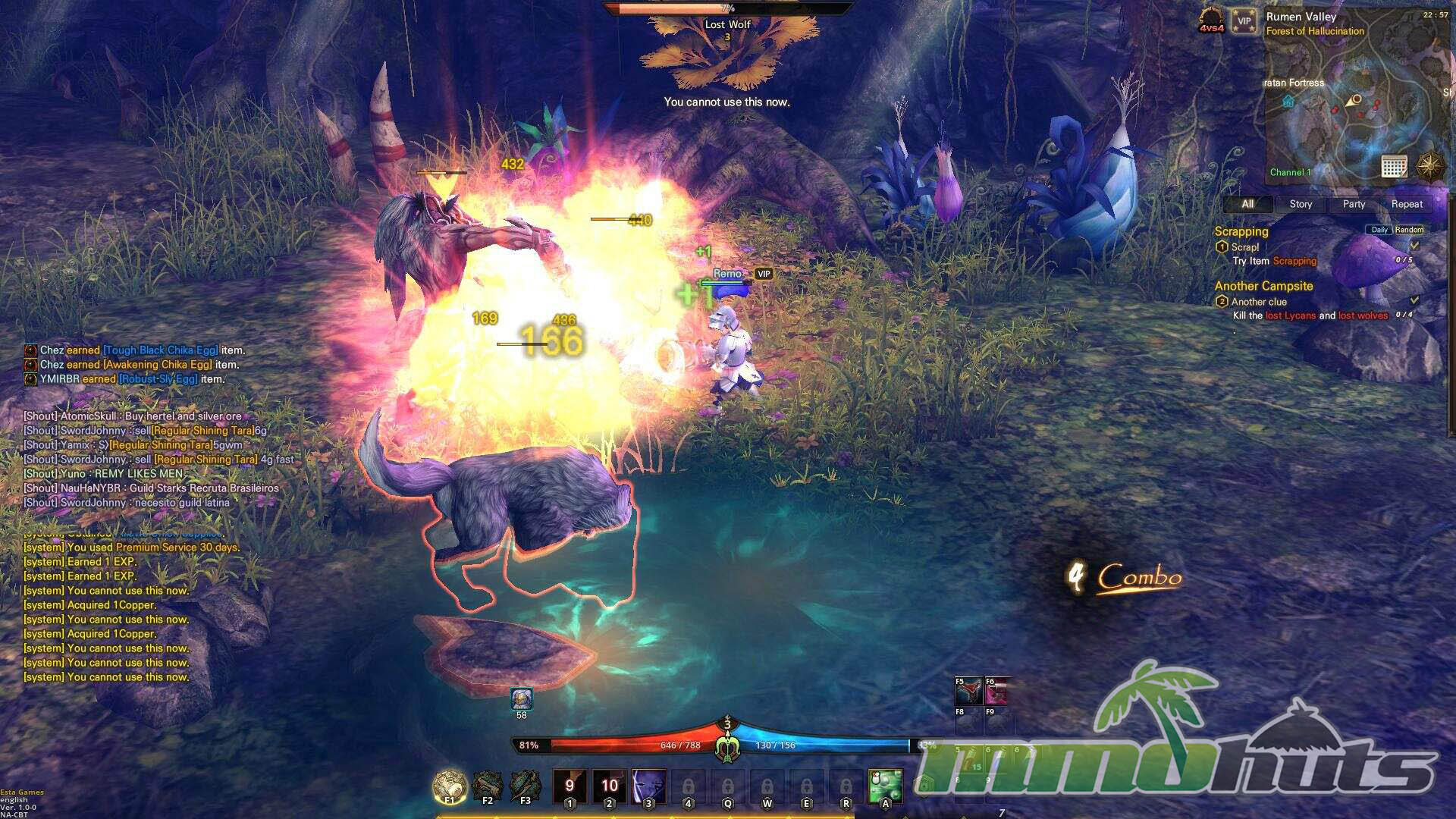
The three-weapon system is not just a gimmick, it shapes how encounters flow. Swapping stances (or weapon sets) mid-fight opens access to different tools: crowd control, burst damage, range options, or survivability buttons depending on class. It creates a satisfying rhythm where you set up with one kit, capitalize with another, then pivot again when enemies pile up or a cooldown window opens.
It also means there is a lot to manage once your character matures. With multiple skill bars worth of abilities available, players who enjoy optimizing will find plenty to tinker with. You can keep things simple by favoring a smaller “core” set of skills, but the ceiling is higher than it first appears, particularly in PvP where timing swaps and knowing what to hold becomes a real advantage.
That said, combat is not flawless. Some animations can look abrupt when you transition from movement into an attack, which makes certain actions feel less fluid than the effects imply. It is not a deal-breaker, but it does stand out in a game that clearly wants combat to feel smooth and responsive.
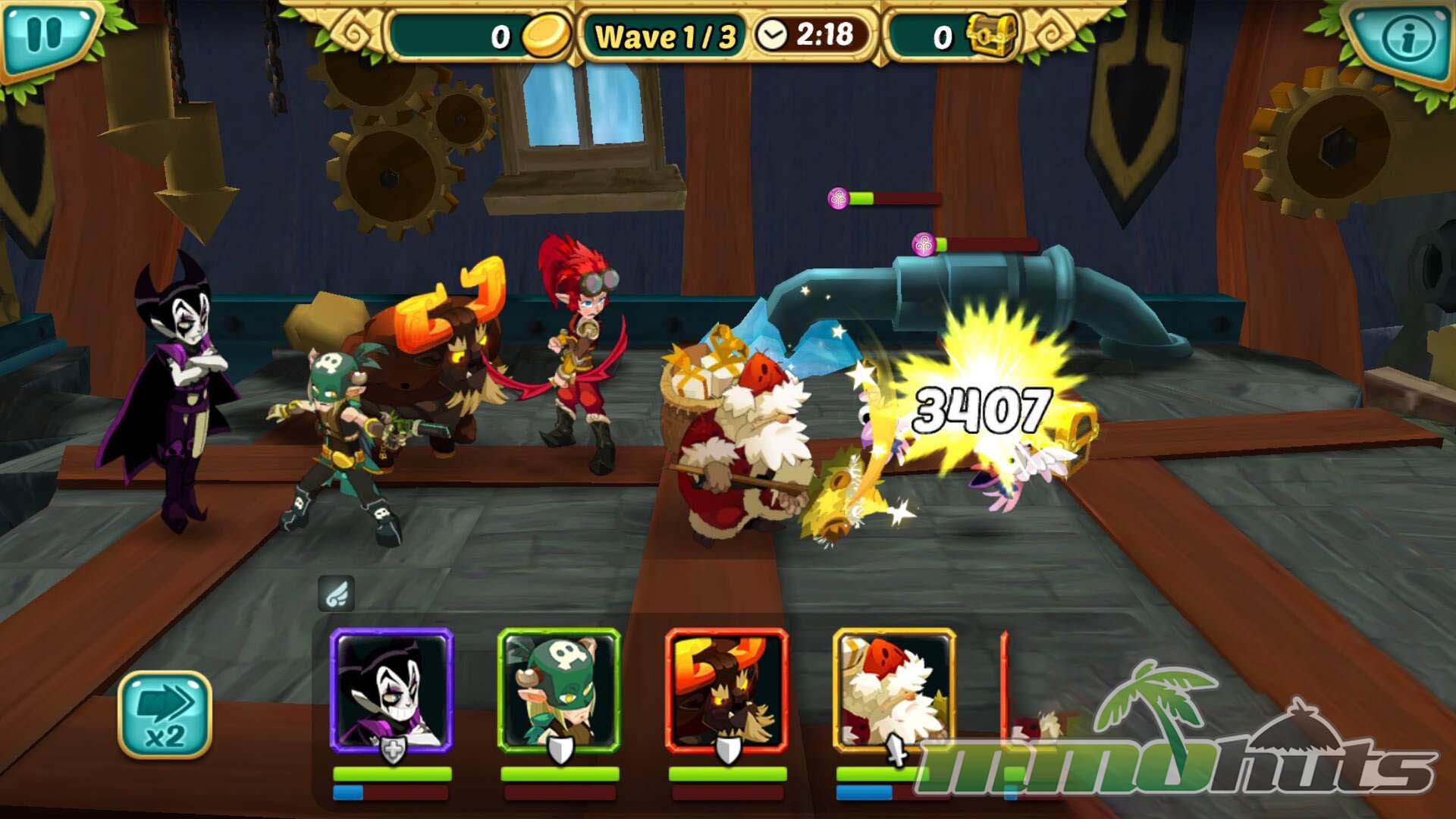
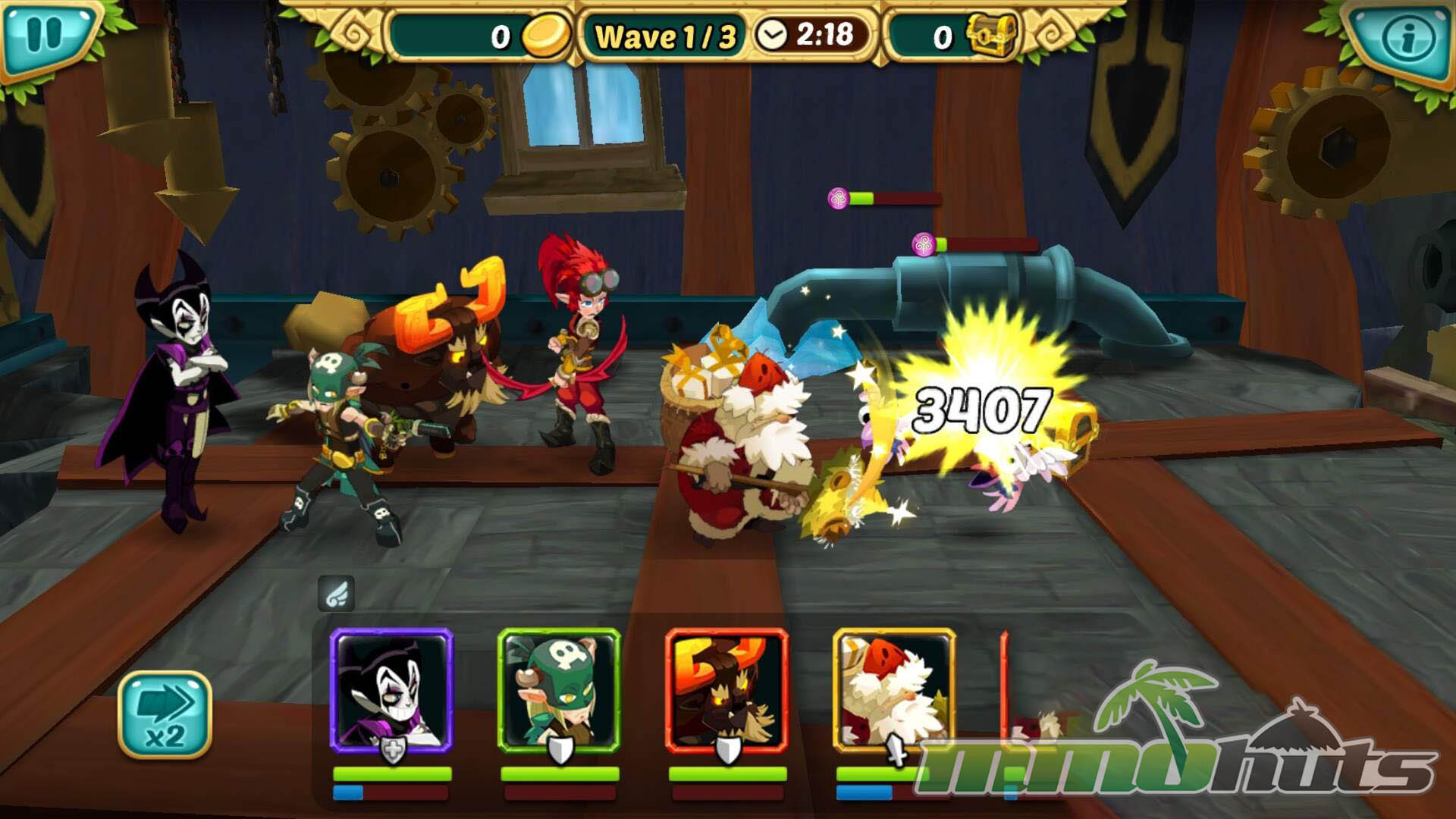
The game is also built around fighting groups rather than isolated enemies. Aggro behavior often pulls clusters, so many engagements become controlled chaos, which suits the multi-weapon design well. When it clicks, you are cycling kits to keep control of the pack, rather than repeating a single combo that works everywhere.
World design, charming but often samey
Visually, Warlords Awakening leans hard into a saturated fantasy palette, and early areas can feel like they are washed in a similar tint across multiple zones. It creates a cohesive mood, but it also reduces the sense of discovery when neighboring regions share the same overall look and structure.
Dungeons and instances do offer occasional shifts in scenery, yet the contrast can feel inconsistent, especially when an interior space does not match what you would expect from its location on the world map. Layouts can also start to feel familiar, with repeated patterns that make zones blur together during extended leveling sessions.
Still, the art direction is pleasant, and the game’s audio does a lot of work. The soundtrack leans whimsical in the overworld and ramps up in instanced combat, matching the upbeat anime tone even when the quests themselves veer into darker “monster menace” territory.
Localization and readability
Text is generally understandable, but the English translation is uneven. You will see awkward phrasing and occasional UI formatting issues, such as text that does not fit cleanly in a box. Functionally, it does not prevent you from progressing or understanding objectives, but it does chip away at polish, especially for players sensitive to presentation.
Voice work is another area where expectations should be tempered. For much of its life, the game’s audio presentation did not match the language of the Western audience, which is common for imported MMORPGs. If you prefer original voice tracks, that is not necessarily a negative, but players wanting fully localized voice acting may be disappointed.
Crafting, useful but constrained
Crafting is split into Accessories, Armor, Weapons, and Alchemy, and you commit to one at a time. The system is functional and supports self-sufficiency, but it is not especially immersive. Progression tends to be tied to unlocking recipe tiers rather than “practice makes perfect,” and crafting often requires using the appropriate NPC rather than letting you create items wherever you are.
Alchemy is the most obviously practical during leveling because consumables directly support your momentum, but the need to return to town for crafting can interrupt dungeon pacing. As a side system, it does its job, but it is not deep enough to carry the game on its own.
Pets, a genuine highlight
Pets are more than cosmetic companions here. They provide tangible stat bonuses and quality-of-life benefits, and they are integrated into the overall loop in a way that makes them feel like part of your build rather than a novelty. Managing pets is simple: hatch, equip, feed, and level them, then pursue stronger options through upgrades and evolution.
Convenience features such as loot pickup are especially valuable in a game that encourages fighting dense packs of enemies. Mounting also helps movement between objectives, and while the visuals can be a little funny at times, the feature is practical and fits the game’s upbeat tone.
Monetization and shop expectations
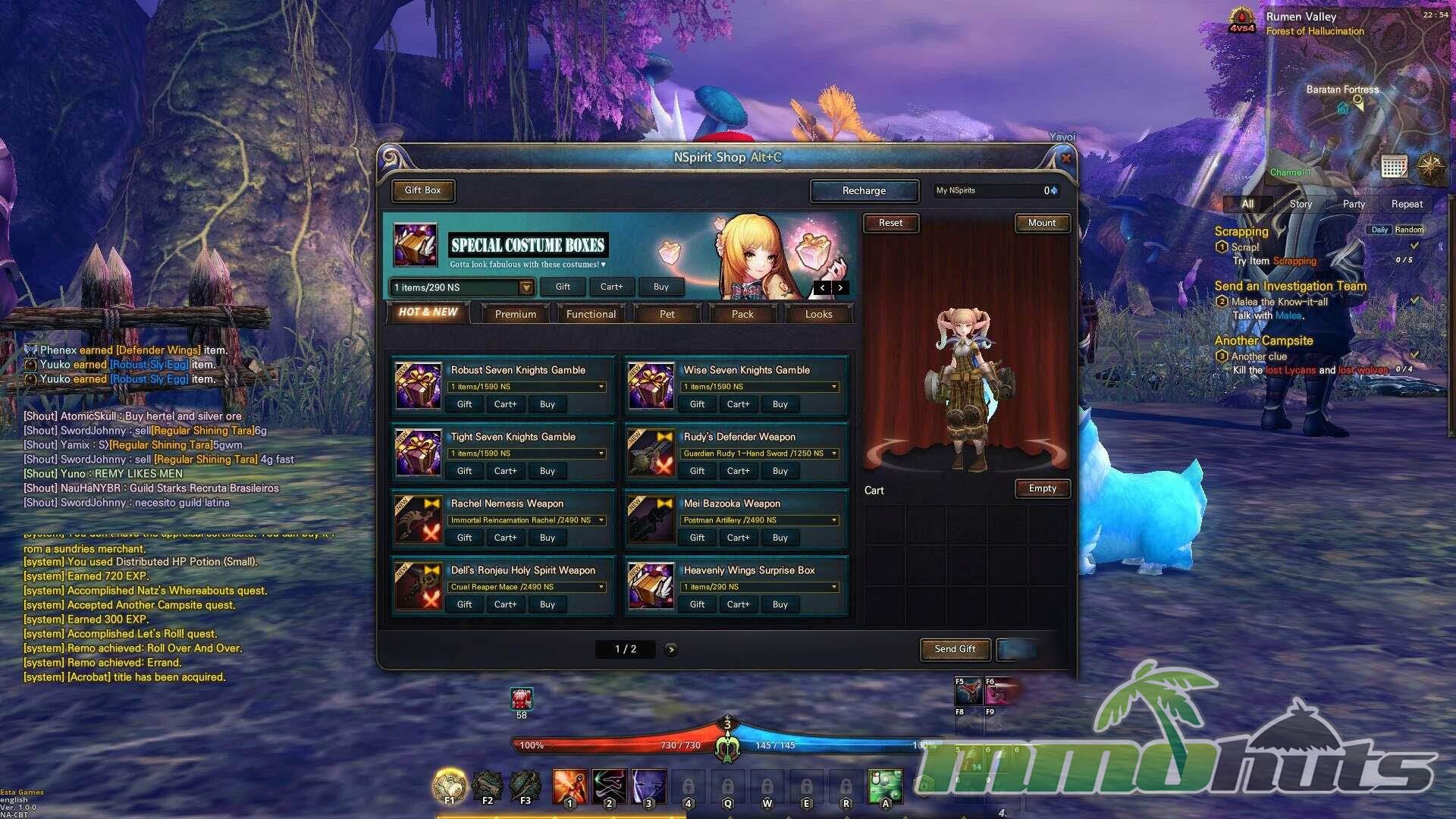
Despite its history across different operators, the shop content during the period many players remember leaned more toward convenience and cosmetics than raw power. Items like experience boosts and utility scrolls are typical, and the overall selection can feel modest compared to other MMORPG cash shops.
For players who care about appearance customization, the main takeaway is that the game could have benefited from more outfit variety, especially given how well its anime aesthetic supports cosmetic collecting.
Final Verdict – Great
Warlords Awakening delivers a satisfying action MMO foundation with a genuinely interesting three-weapon combat structure, plus a strong interface and an unusually helpful in-game encyclopedia. When the combat flow is working, it is easy to see why players wanted it to succeed long-term.
Its weaknesses are also clear: localization issues, occasional clunky feel in targeting and animation transitions, and environments that can start to feel repetitive over time. Even so, as a package, it remains a memorable example of an isometric action MMORPG that tried to add meaningful depth through stance and weapon swapping, and it succeeded more often than it stumbled.
Warlords Awakening System Requirements
Minimum Requirements:
Operating System: Windows XP or newer
CPU: Pentium 4 / Dual Core
Video Card: GeForce 7600+
RAM: 1 GB
Hard Disk Space: 4 GB
Recommended Requirements:
Operating System: Windows XP or newer
CPU: Pentium 4 / Dual Core 1 GHz+
Video Card: GeForce 8000 Series+
RAM: 2 GB
Hard Disk Space: 4 GB
Warlords Awakening Music & Soundtrack
Coming Soon!
Warlords Awakening Additional Information
Developer: NPICSoft
Western Release Date: October 13, 2015 (Webzen Open Beta)
Foreign Release Date:
South Korea: Q1, 2014 (Published by Netmarble)
Webzen Closure: November 08, 2016
Game&Game Closed Beta: November 13, 2016
Game&Game Open Beta: November, 17 2016
Game & Game Shut Down Date: August 11, 2017
Playwith Interactive Relaunch (As Warlords Awakening): August 1, 2018
Shut Down: June 28, 2019
Development History / Background:
ELOA, short for Elite Lord of Alliance in its home market, was created by South Korean MMO developers Esta Games and NPICSoft. It entered closed beta in South Korea in Q3 2013 and moved into commercial service in Q1 2014 under Netmarble. A version marketed internationally by Game Release Entertainment began closed beta on June 26, 2015, but the service, called Inspirit Online, was later understood to be unauthorized, effectively operating as an illegal private server, with a Korean IP block in place.
The official Western release arrived through Webzen on October 13, 2015. Webzen later closed its service on November 08, 2016. After that, portal service Game&Game ran the title with a short closed beta (November 10, 2016 to November 13, 2016) and launched open beta on November, 17 2016, before shutting down on August 11, 2017.
The game returned once more as Warlords Awakening on August 1, 2018 as a buy to play release under Playwith Interactive, and it ultimately shut down on June 28, 2019.