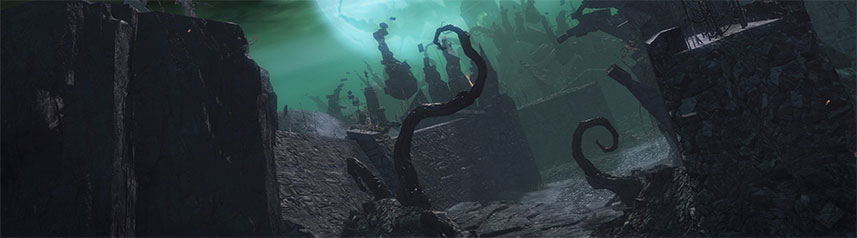
Wanderlust Adventures is a procedurally generated online co-op action RPG with four distinct classes. Team up with friends, push through shifting zones and events, and ultimately bring down the lich threatening the realm.
 | Publisher: Chucklefish Playerbase: Low Type: Action RPG Release Date: August 10th, 2015 Pros: +Procedural sessions keep routes and tiles changing. +The four classes play in noticeably different ways. +A huge variety of enemies can be recruited as companions. Cons: -Fighting can feel repetitive and drawn out. -Crusader kit can edge into “too strong” territory. -Blocking is overly forgiving. -Companion leveling is pricey and grindy. -Environments lack personality. -Occasional lag and hiccups. |

Wanderlust Adventures Overview
Wanderlust Adventures is a cooperative action RPG from Yeti Trunk that sits comfortably between arcade brawlers like Gauntlet and loot-focused ARPGs like Diablo. It drops you into a world built around procedural sessions, where the terrain and moment-to-moment obstacles can shift from one login to the next, even if your long-term objective remains the same. As you travel between outposts, you will be dealing with swarms of enemies, occasional surprises, and side activities that can either slow your group down or set you up with valuable rewards.
A typical run is structured around moving across the world map, completing story-driven tasks, and pushing toward the final confrontation with a lich that is destabilizing the land. On the road you will run into random events, including ambushes and shrines that invite players to take risks for extra loot. Progress is designed for co-op first, with difficulty that scales upward as more players join, so a full group has more pressure to coordinate roles and manage fights rather than simply brute-forcing every encounter. You can also bring help in the form of companions, including a wide range of recruitable monsters, which adds another layer of planning for parties that want extra utility.
Wanderlust Adventures Key Features:
- Procedurally generated world – zones load with altered layouts each time you enter the session, and the overall world map refreshes after you defeat the lich.
- Random events – shrines can be activated for bonuses, while ambushes and other surprises can interrupt travel.
- Companions – with enough currency, nearly any monster type can be converted into a fighting companion.
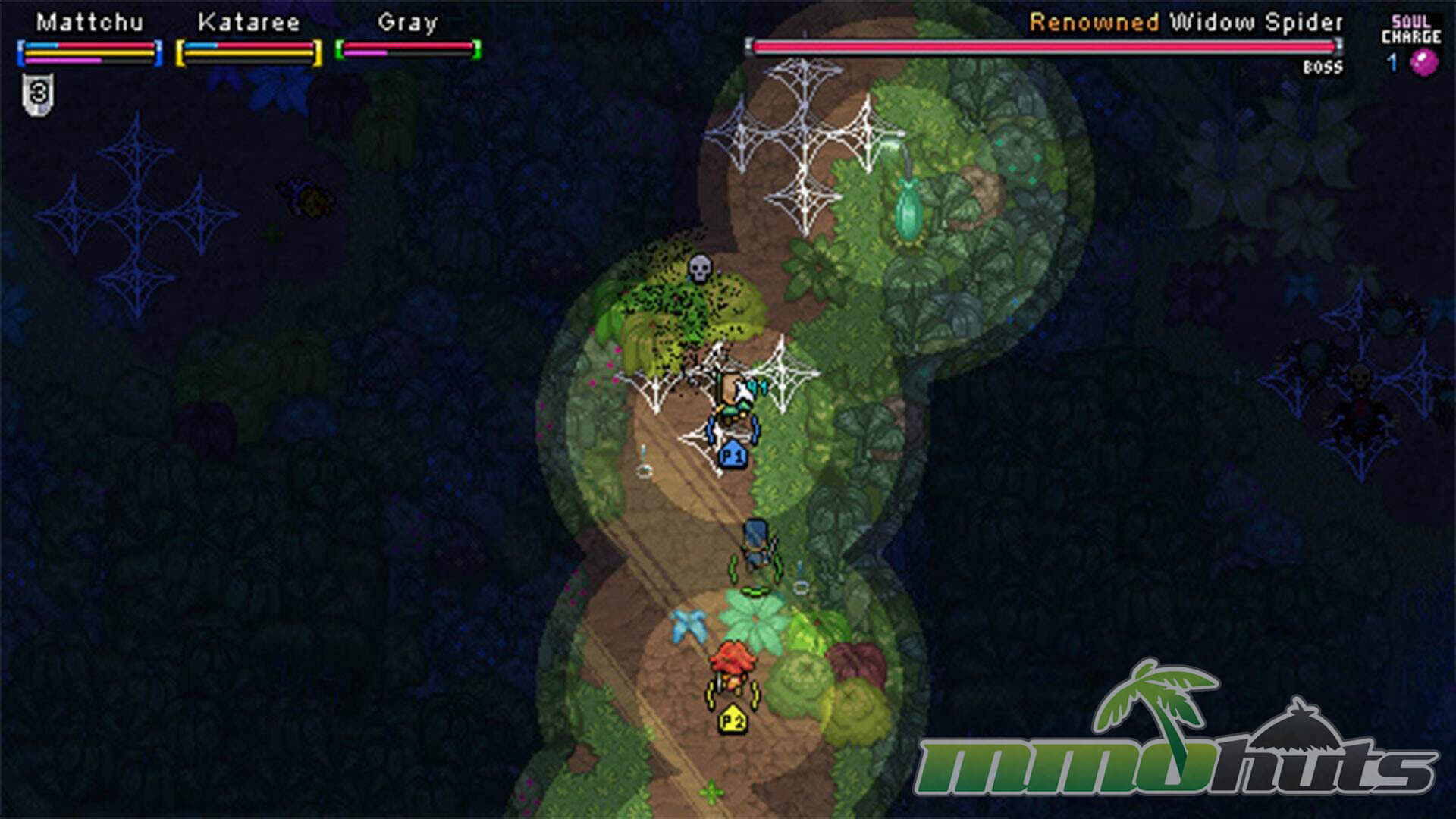
- Challenging opponents – take on reknowned enemies intended to serve as tougher, standout threats.
- Scaling difficulty – enemy pressure increases depending on how many players are in the session.
Wanderlust Adventures Screenshots
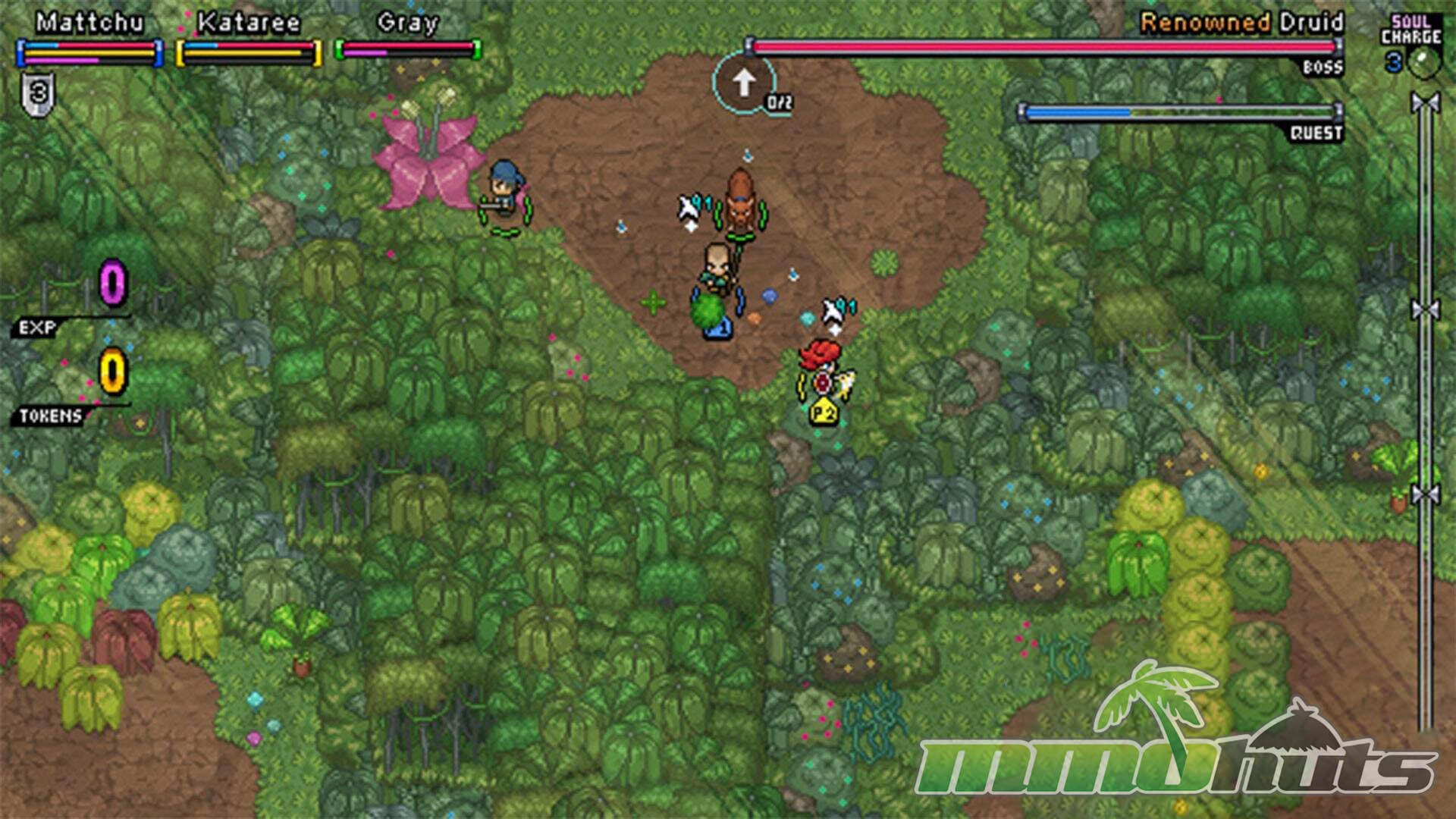
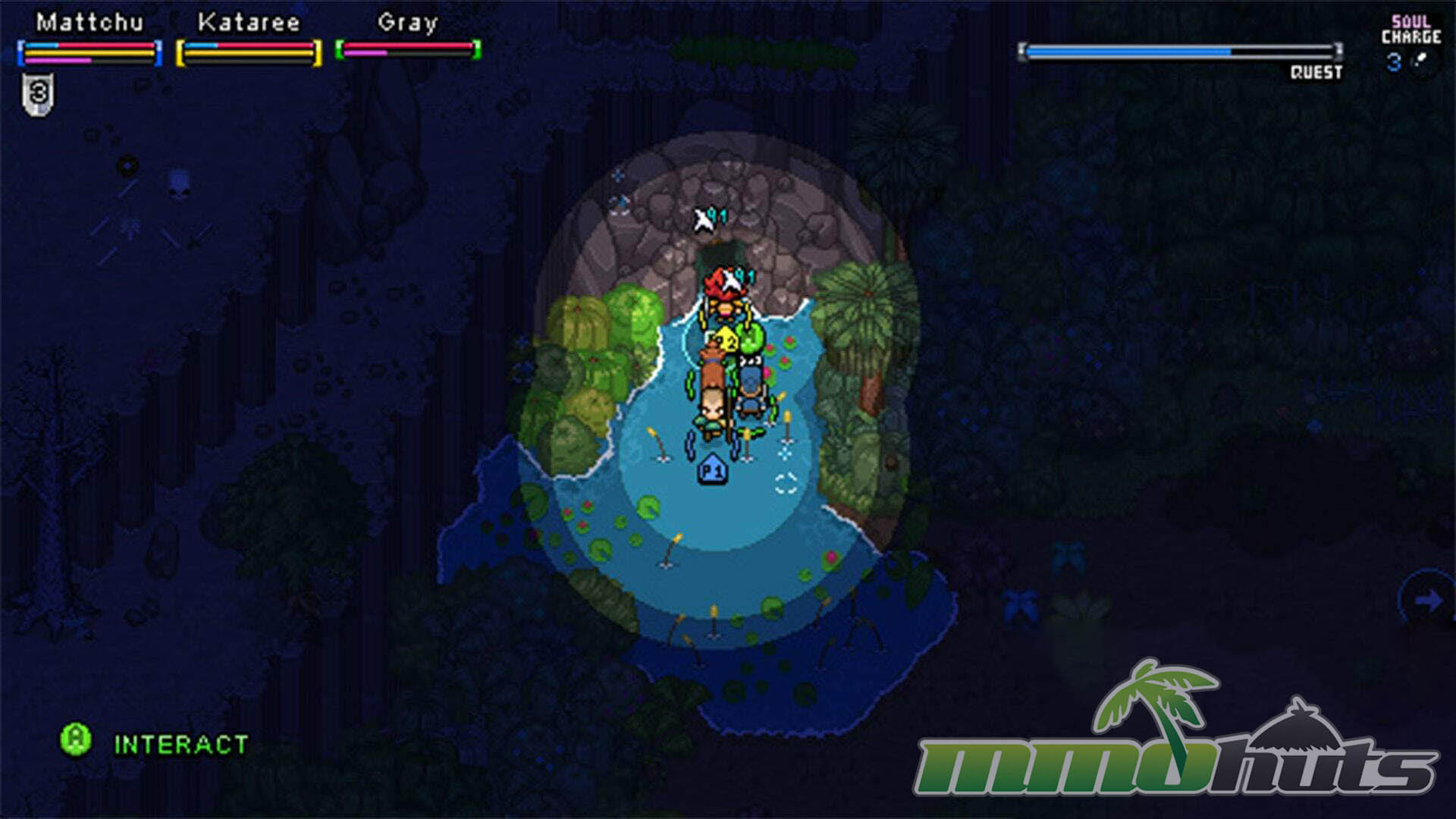







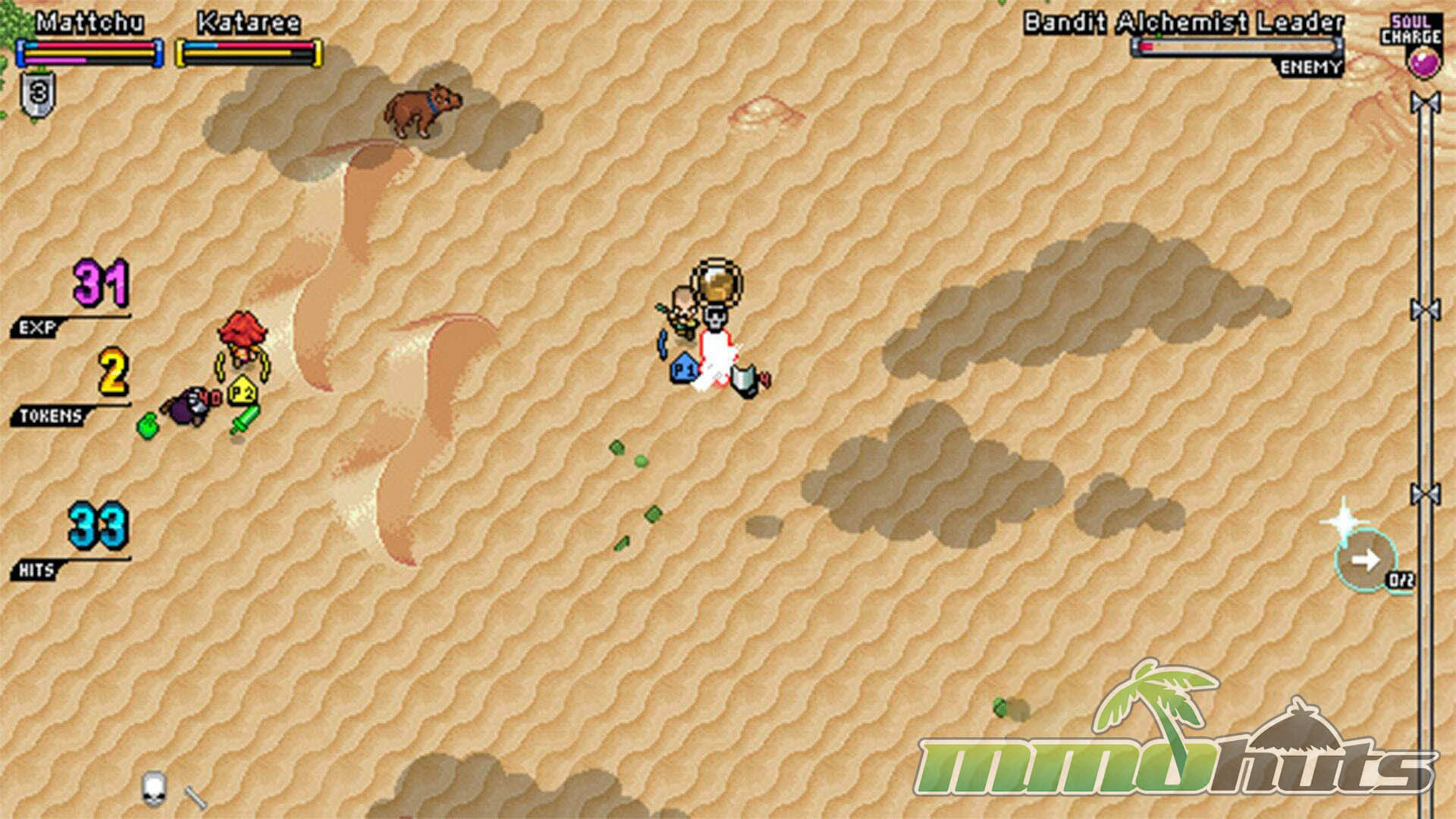
Wanderlust Adventures Featured Video

Wanderlust Adventures Review
Wanderlust Adventures is Yeti Trunk’s follow-up to Wanderlust: Rebirth (2012), aiming to broaden the scope with a larger journey, online co-op, and a world that reshuffles itself as you play. In practice, it delivers a serviceable co-op hack-and-slash with a clean art style and a few clever systems, but it also carries some design decisions that make the experience feel thinner than it should, especially once the novelty of procedural variation wears off.
Exploration and Setting
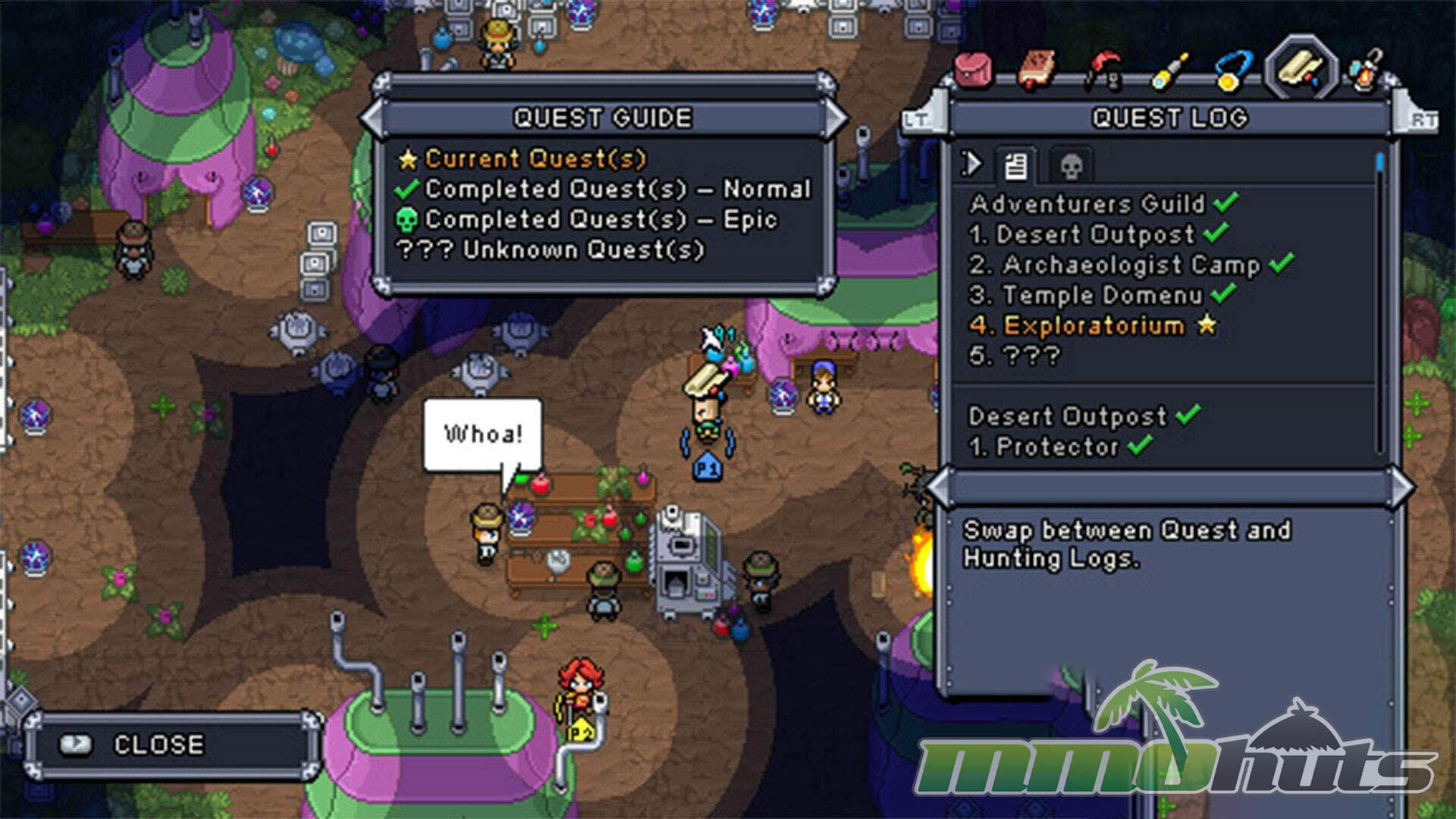
The biggest hurdle Wanderlust Adventures faces is that its world rarely feels memorable. You are cast as a recruit of the Adventurer’s Guild, moving from outpost to outpost to contain the damage caused by a lich, eventually building toward a final showdown. The framing is functional, but it does not provide much context beyond “go here, fix this problem, keep moving.” Individual quests sometimes offer small bits of explanation for what you are collecting or who you are helping, yet those details do not consistently connect back into a strong overarching narrative. As a result, the campaign often feels like a sequence of errands rather than a journey with momentum.
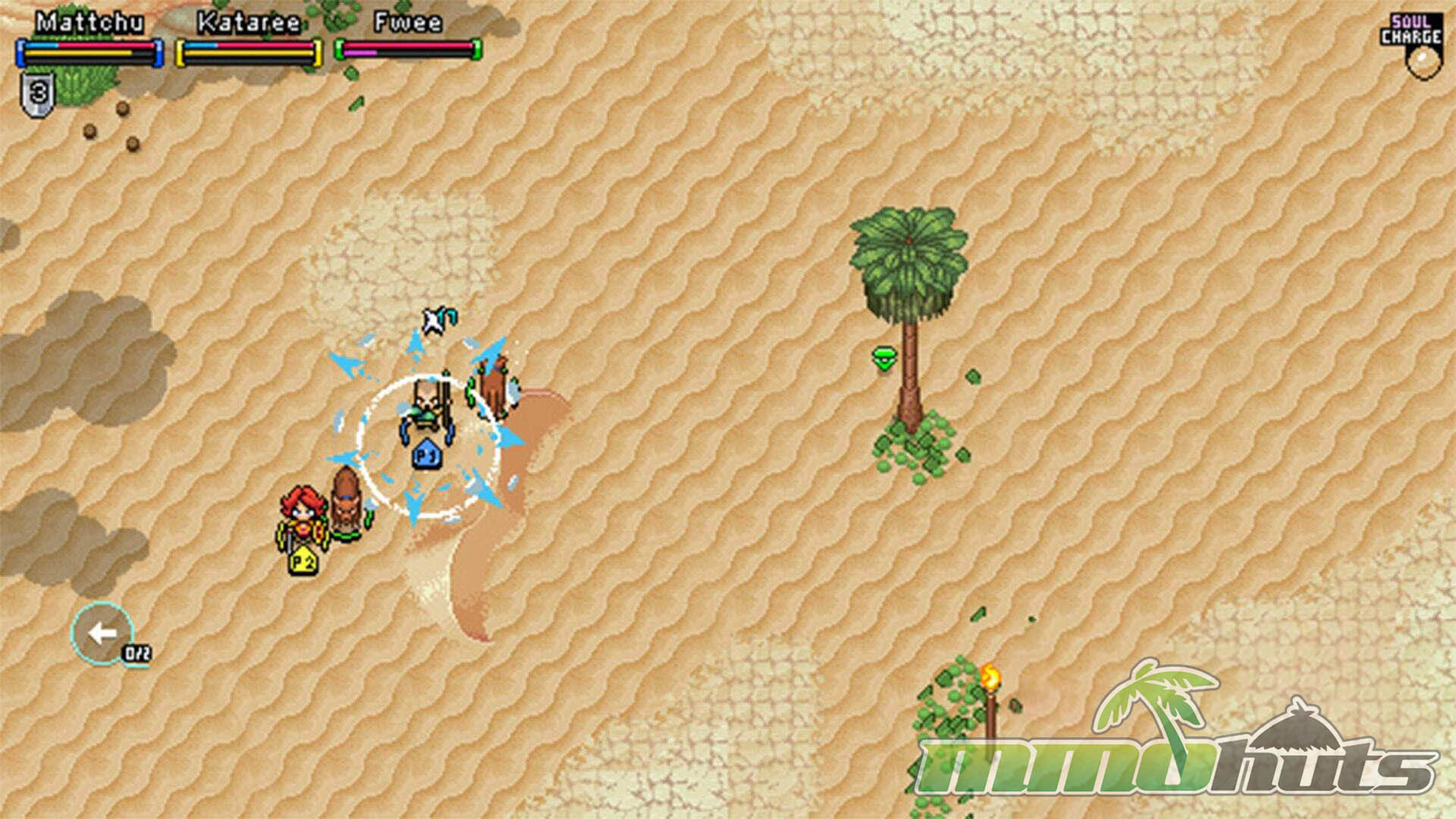
Structurally, the overworld is divided into tiles, and moving to the edge of a tile shifts the camera to the next segment. It is a very classic approach, but on a modern resolution it can feel oddly segmented, like the world is being shown in chunks that are not quite small enough to be snappy and not quite large enough to feel seamless. It works, but it can also make traversal feel a little stilted.
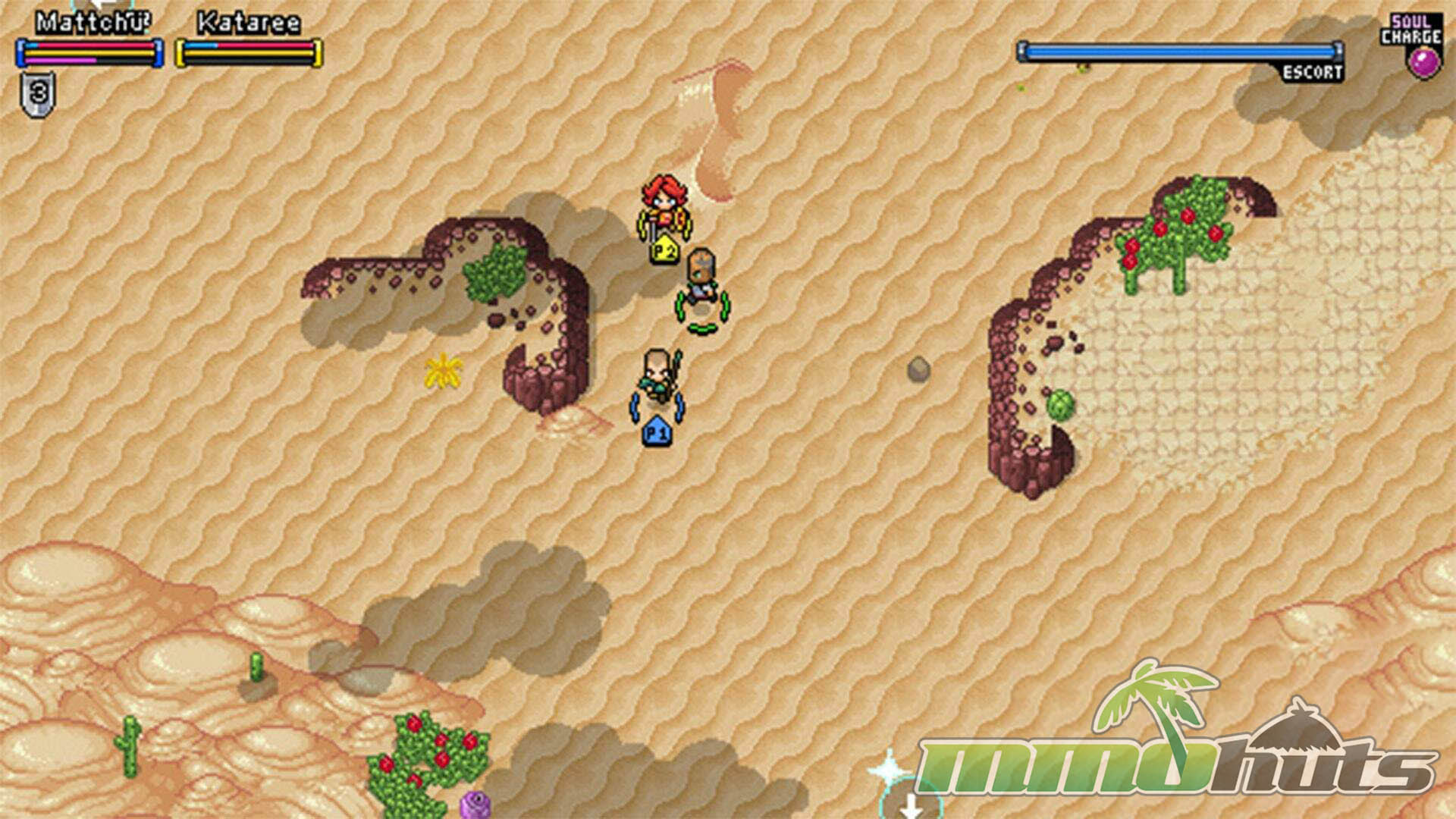
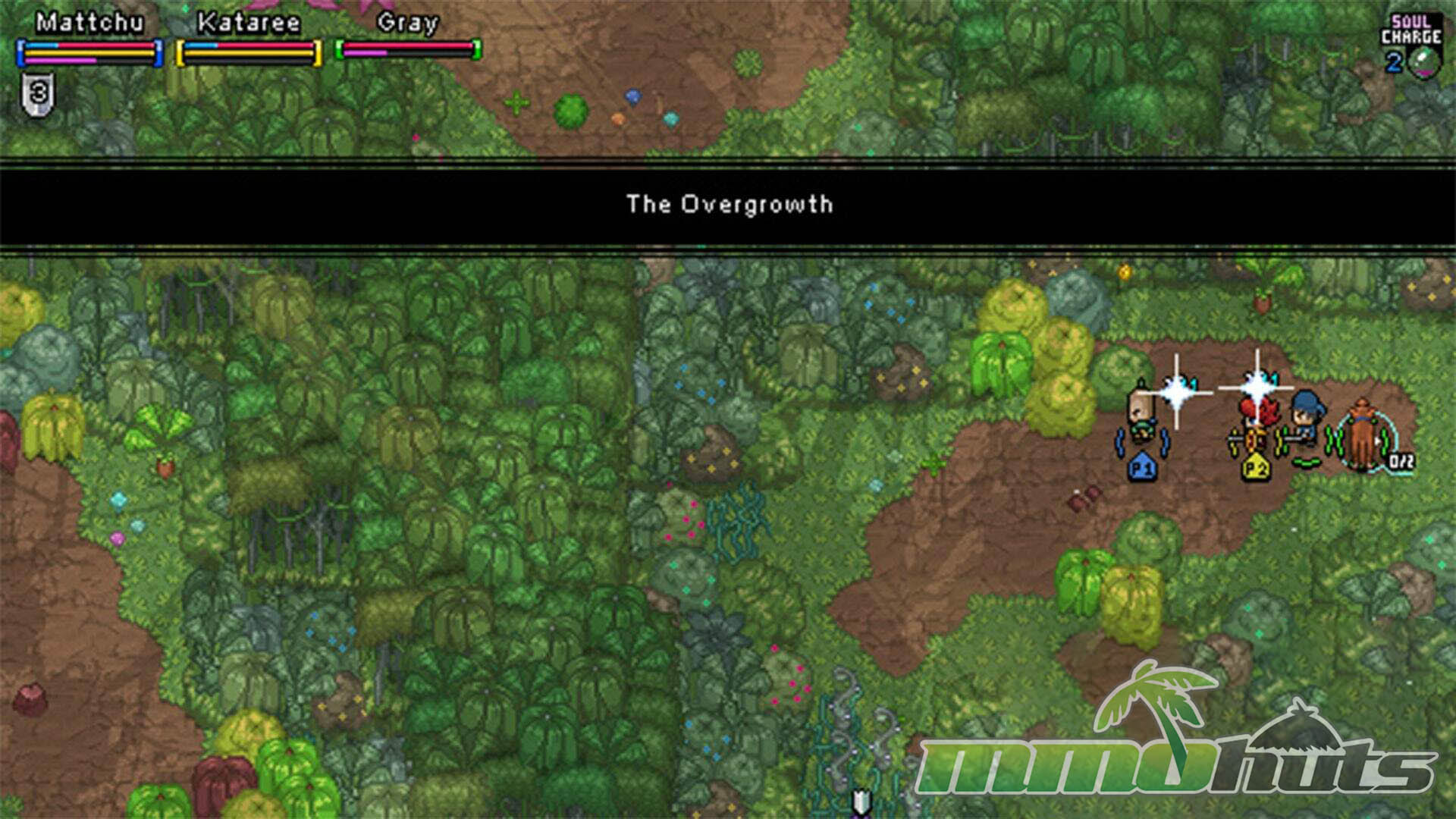
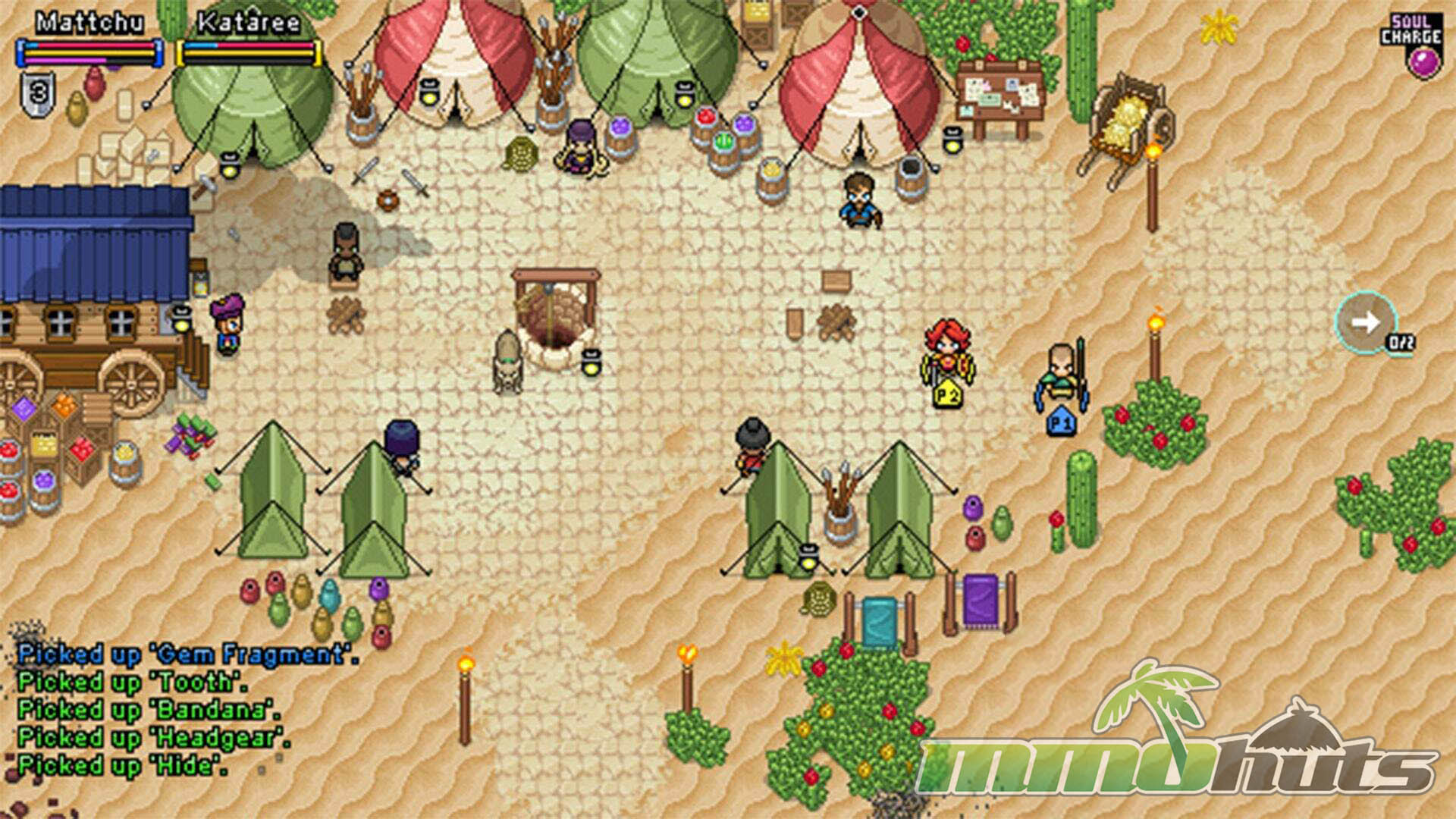
The biomes do not do much to elevate exploration either. Much of your time is spent in familiar fantasy backdrops like deserts, gloomy forests, and jungles, and while the visuals are pleasant, the areas themselves are not packed with distinctive landmarks or surprises. The jungle introduces more obstructed routes using thick brush, but it often comes across as friction rather than interesting routing, and the overall tile layouts can feel overly uniform.
The procedural layer is where the game tries to keep things fresh. When you create a session, the game generates an overworld map and places the core story objectives that lead to the lich. That session map stays in place until you defeat the lich, even if you roll new characters within it. Dungeons are randomized more aggressively each time you enter them, but the overworld structure is the primary “road trip” you will repeat.
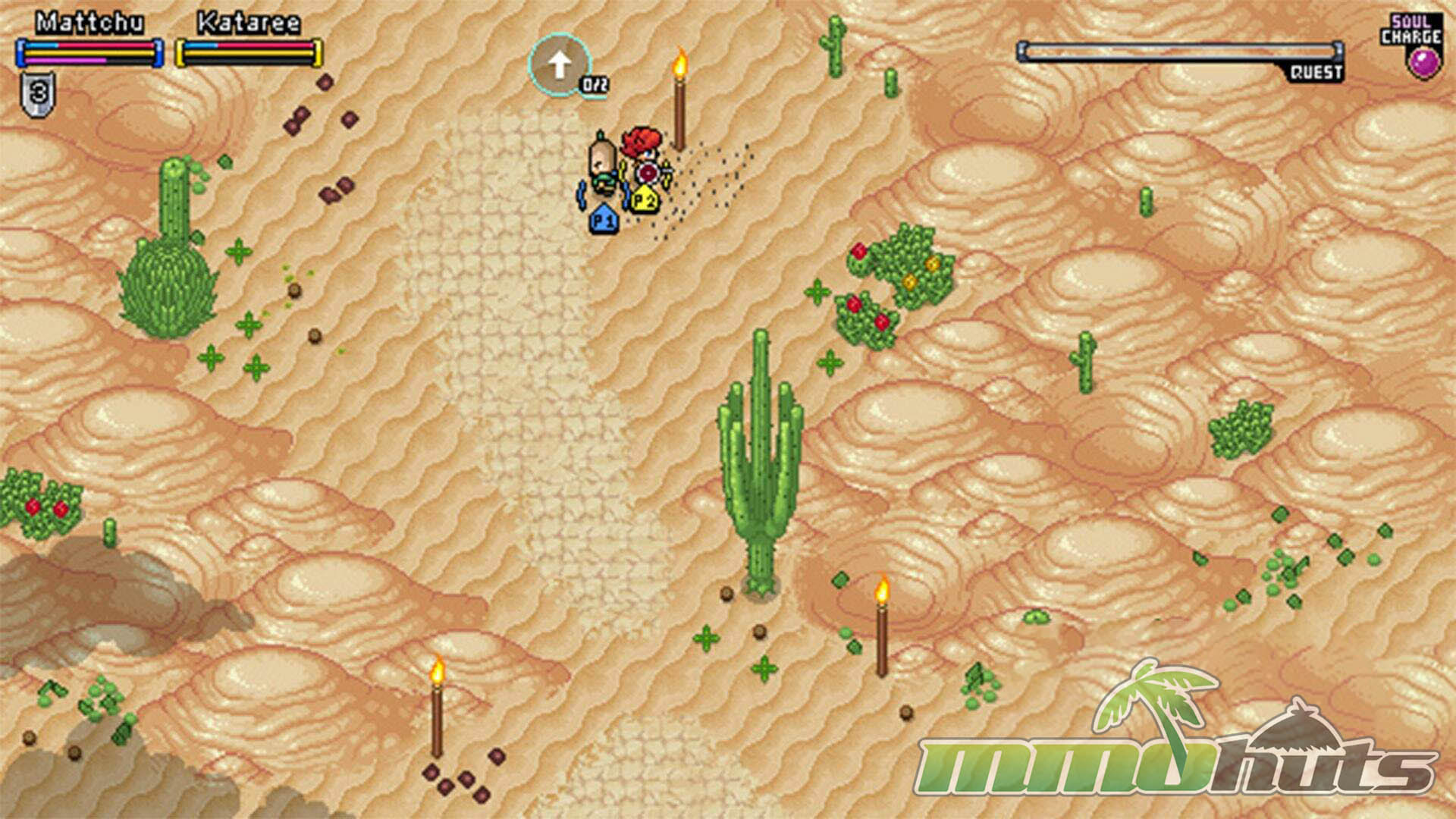
On top of that, each time you load into the session, many non-critical tiles can reconfigure their terrain and layout. That means a familiar stretch of desert might have different obstacles or elevations the next time you run through it. It is an interesting idea, but because key locations remain fixed, the practical effect is limited. You still travel to the same destinations over similar distances, and the altered geometry does not always meaningfully change how you approach the route.
Classes and Identity
There are four playable classes: Warrior, Assassin, Crusader, and Sorcerer. Their roles map cleanly to familiar archetypes, with the Warrior leaning tanky, the Assassin focusing on close-range damage, the Crusader covering healing and support, and the Sorcerer serving as ranged damage. Even though this is an action RPG rather than a traditional MMO, the party dynamics still lean into that classic division of labor, and the game is clearly happiest when a group brings complementary kits.
Character creation is extremely light. You pick from limited male or female models per class and adjust clothing colors, and that is largely the end of it. Gear does not dramatically reshape your look later, so if visual progression matters to you, Wanderlust Adventures is not built around that kind of customization loop.
Combat Feel
Because the game is combat-heavy, the moment-to-moment fighting has outsized importance. Wanderlust Adventures keeps the controls simple, with three abilities available normally and three more while blocking, selected through your progression system. You spend a lot of time cutting through regular enemies, clearing repeated threats on routes you revisit, and dealing with occasional tougher targets.
The simplicity is approachable, but it can also become tiring. One issue is aiming and facing. With the exception of the Sorcerer having an option that can change how aiming behaves, attacks generally fire in the direction your character is facing. For melee-focused classes this is usually fine, but for the Crusader, who mixes healing and ranged attacks, it can become awkward. The limitation that your “resting” facing snaps to cardinal directions (up, down, left, right) makes diagonal targeting less natural, and it can lead to missed heals or misfired ranged abilities unless you are constantly adjusting movement.
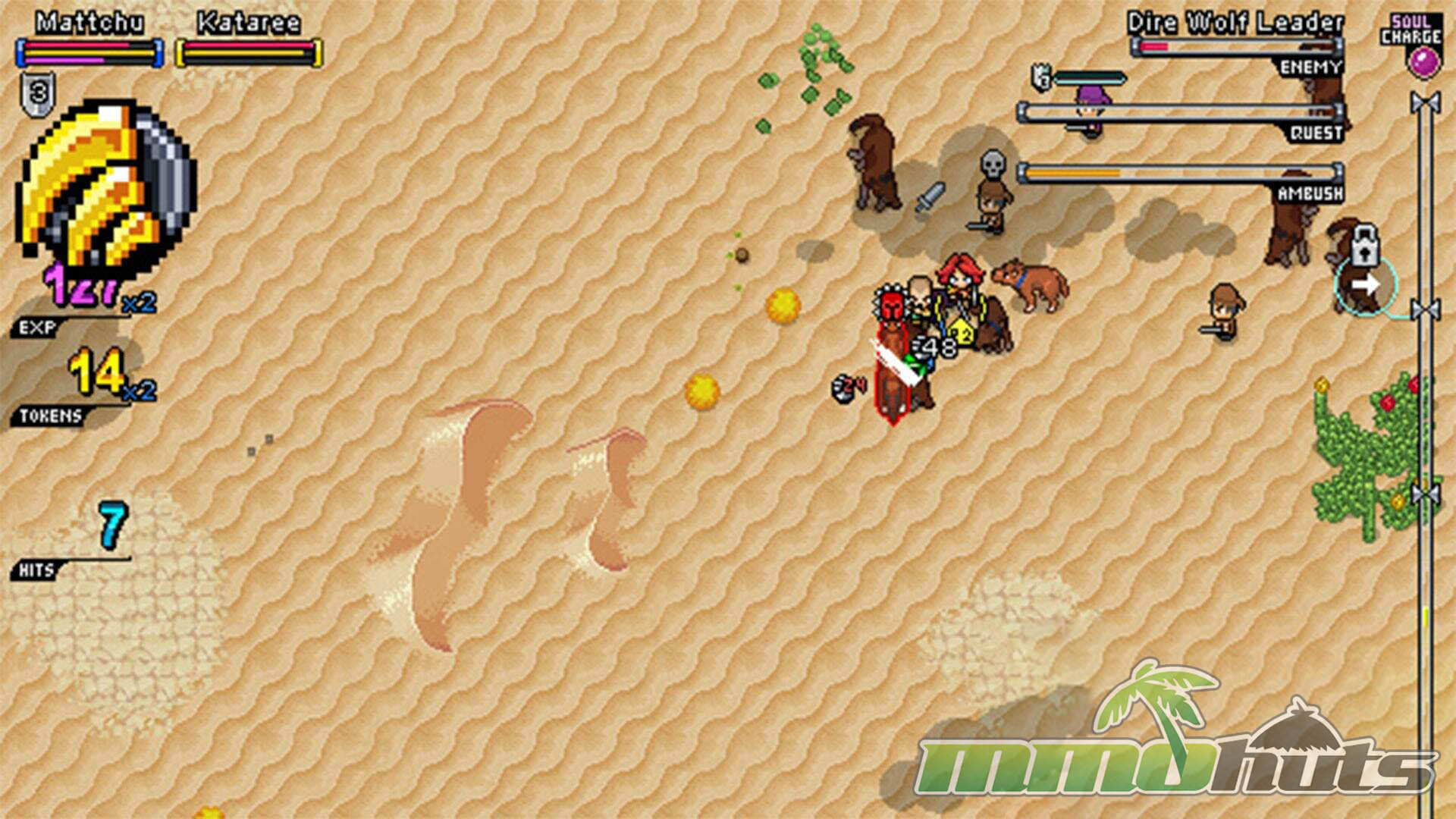
Blocking, meanwhile, is extremely generous. Rather than requiring directional timing, holding block mitigates incoming damage from any angle. The game attempts to balance this with a limited number of blocks that recharge over time, but in practice, gear scaling and enemy pacing often make defense feel too safe. With decent movement and a few blocks available, many encounters become a routine of absorbing hits, stepping away while charges return, and re-engaging. If your group includes a Crusader with tools like knockback and passive healing, the friction shifts away from “can we survive” and toward “how long will this take.”
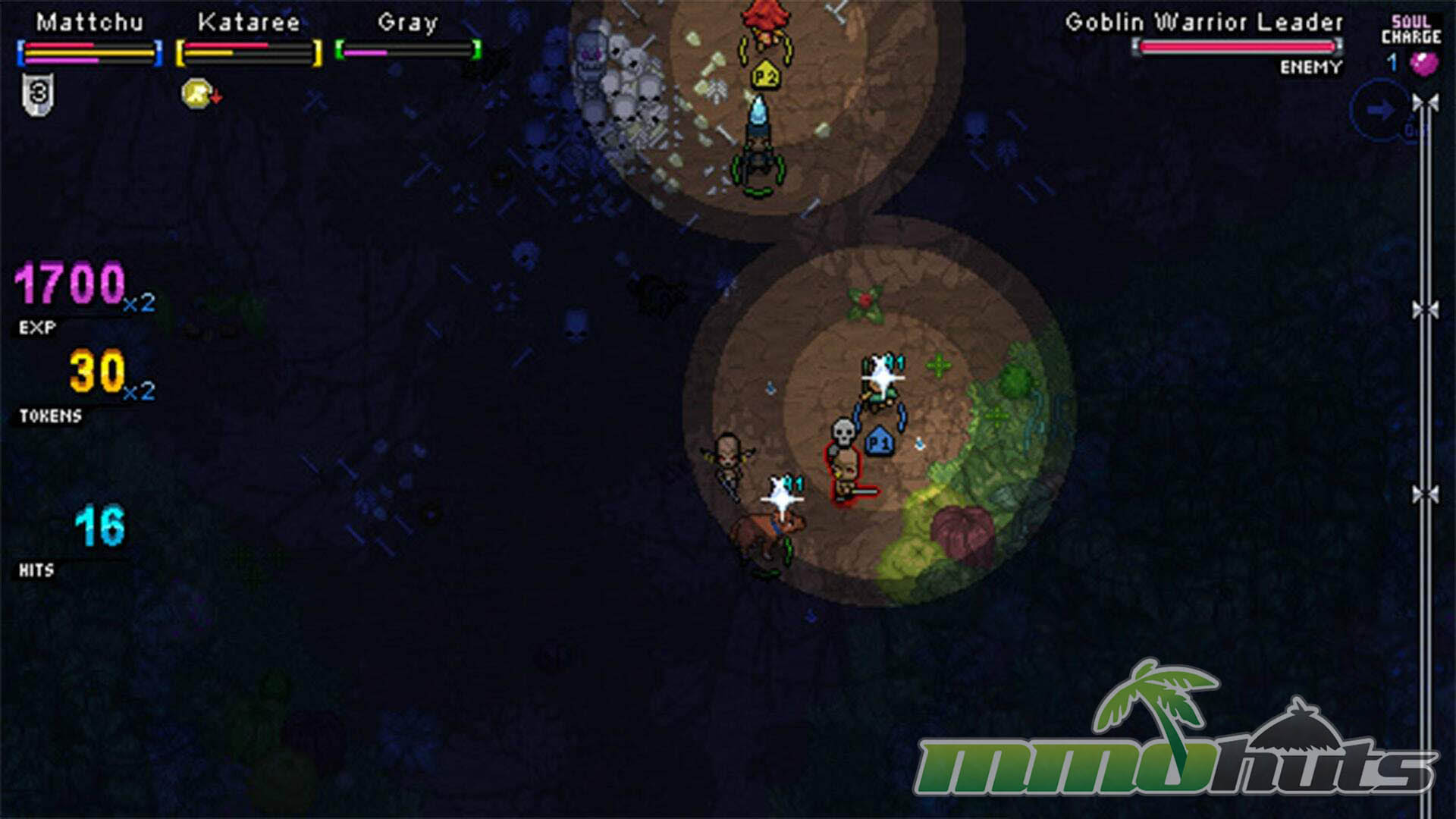
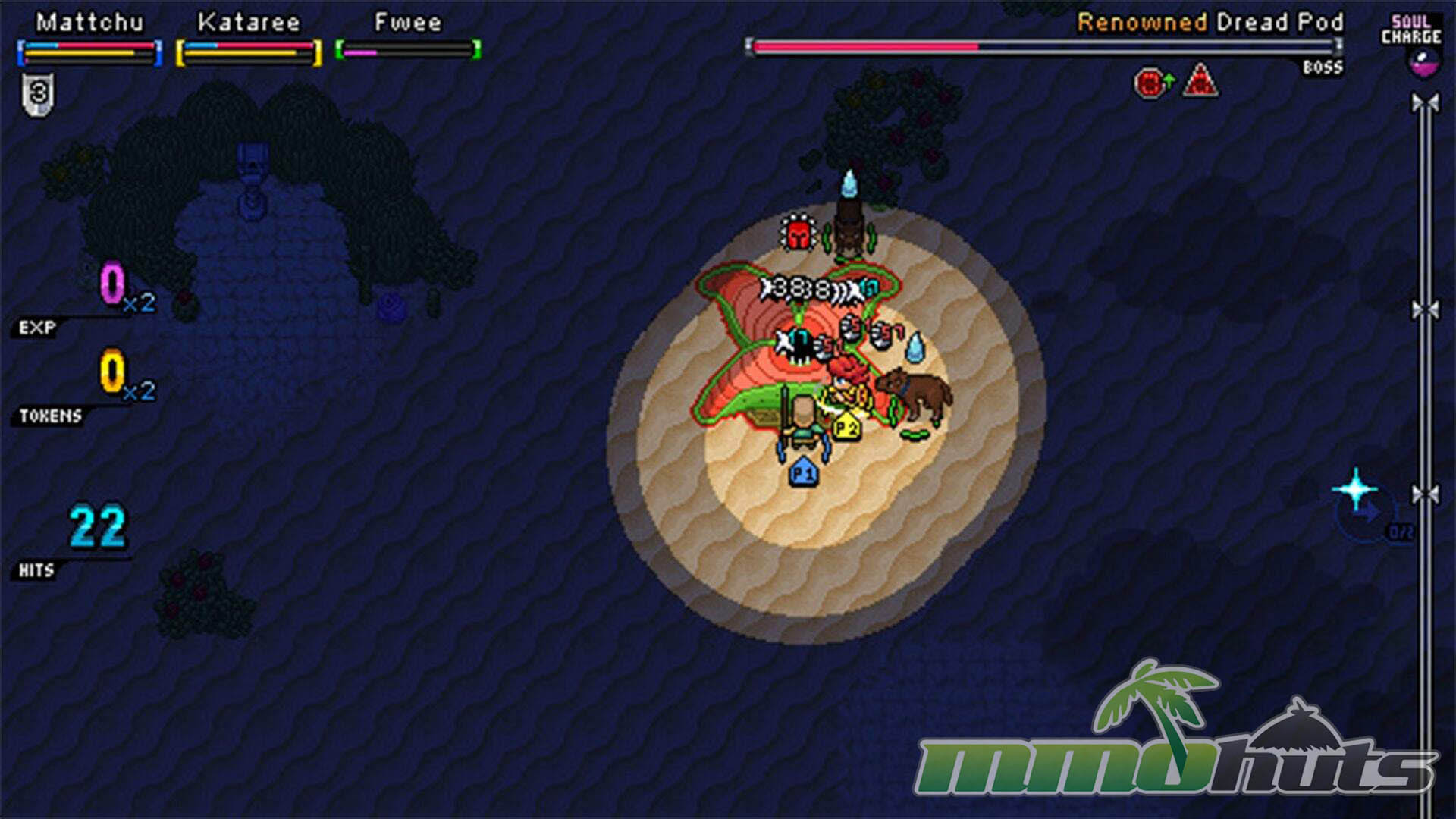
That is where the tediousness sets in. Many fights resolve into large swarms or into “renowned” enemies that soak damage. Tougher opponents can turn into extended kiting or repeated hit-block-retreat cycles, and while mistakes can still get you killed, the danger does not always feel exciting. Boss encounters try to introduce more structure, but their patterns are generally straightforward, and many fights lean heavily on waves of supporting mobs rather than complex mechanics. The result is combat that is readable and manageable, but not consistently satisfying.

Progression Without Much Branching
Progression is presented in a way that resembles a skill tree, but it behaves more like a set of tiers with light point distribution. New tiers unlock when you hit certain spending thresholds, and within unlocked tiers you can allocate points freely. Because there are no strict prerequisite chains and each skill caps at three points, there is rarely a moment where you feel locked into a defining specialization. You can spread points around comfortably, which reduces the fear of “ruining” a build, but it also flattens the sense of making a meaningful identity over time.
This design keeps character development accessible, yet it can make leveling feel more like routine maintenance than exciting evolution, especially if you are hoping for dramatic build-defining decisions.

Companions and Their Costs
One of the more charming systems is the companion feature. Enemies can drop contracts, and by turning those in and paying a substantial fee, you can recruit that creature (or even human-type enemies) as a companion, name it, and bring it into combat. The variety is a genuine highlight, and experimenting with different companion abilities can add some flavor to runs.
Mechanically, however, companions are normalized heavily. Their scaling follows the same formula, and the main differentiator is their special effects and move sets rather than raw power. That makes the choice more about utility than optimization, which is good in theory, but it also means many companions feel statistically similar once you look past their gimmicks.
The biggest drawback is how they level. Instead of growing naturally through combat experience the way your character does, companion progression relies on feeding them large quantities of crafting materials in small experience chunks. As levels climb, the cost becomes more demanding, and what starts as a fun collection system can turn into a resource sink that discourages experimentation.
Soul Charges and Difficulty Tension
Soul Charges accumulate as you fight, up to a cap of three. They are used to interact with altars and to resurrect the party on the spot. Conceptually, it is a smart way to reward steady play and create a shared resource the group can manage.
In practice, the cap of three can undercut the stakes. Because you can often enter major encounters with multiple charges stocked, a group can recover from several wipes without needing to restart or retreat. That can be convenient, especially for co-op sessions where restarting is frustrating, but it also reduces the penalty for repeated failure and can make some bosses feel less consequential than they should.
Final Verdict – Fair
Wanderlust Adventures succeeds as a cooperative action RPG that is easy to pick up and pleasant to look at, with classes that do feel meaningfully different and a companion system that encourages collecting and experimentation. The problems are less about any single feature and more about how the parts add up. Combat can slip into repetitive patterns, blocking is overly safe, and progression does not provide enough strong build identity to keep leveling exciting. Combined with a world that feels generic despite its procedural shuffling, the game tends to shine most during a first co-op playthrough rather than as a long-term hobby. If you want a light, session-based romp that sits between Gauntlet-style brawling and Diablo-like structure, it is worth a look, but it may not hold attention for many runs beyond that initial campaign, which typically lands around ten hours.
Wanderlust Adventures Links
Wanderlust Adventures Official Site
Wanderlust Adventures Steam Store
Wanderlust Adventures Developer’s Website
Wanderlust Adventures Wiki
Wanderlust Adventures Soundtrack Band Camp Store
Wanderlust Adventures System Requirements
Minimum Requirements:
Operating System: Windows XP, Vista, 7, or 8
CPU: 2.0 Ghz
Video Card: 128MB VRAM
RAM: 2 GB
Hard Disk Space: 300 MB
Wanderlust Adventures Music & Soundtrack
Wanderlust Adventures Soundtrack Band Camp Store
Wanderlust Adventures Soundtrack on YouTube
Wanderlust Adventures Additional Information
Developer(s): Yeti Trunk
Publisher(s): Chucklefish
Lead Designer(s): Matthew Griffin, Jason Gordy
Concept Art: Lauren Feehery
Composer: Chris Christodoulou
Release Date: August 10, 2015
Steam Release Date: August 10, 2015
Development History / Background:
Following the solid reception of Wanderlust: Rebirth in 2012, Yeti Trunk revealed Wanderlust Adventures in June 2014 as a larger-scale sequel aimed at expanding the formula and smoothing out pain points from the earlier game’s single-player focus. Wanderlust Adventures launched on August 10th, 2015 and was met positively overall, and it currently sits at a 70% positive rating on Steam.