
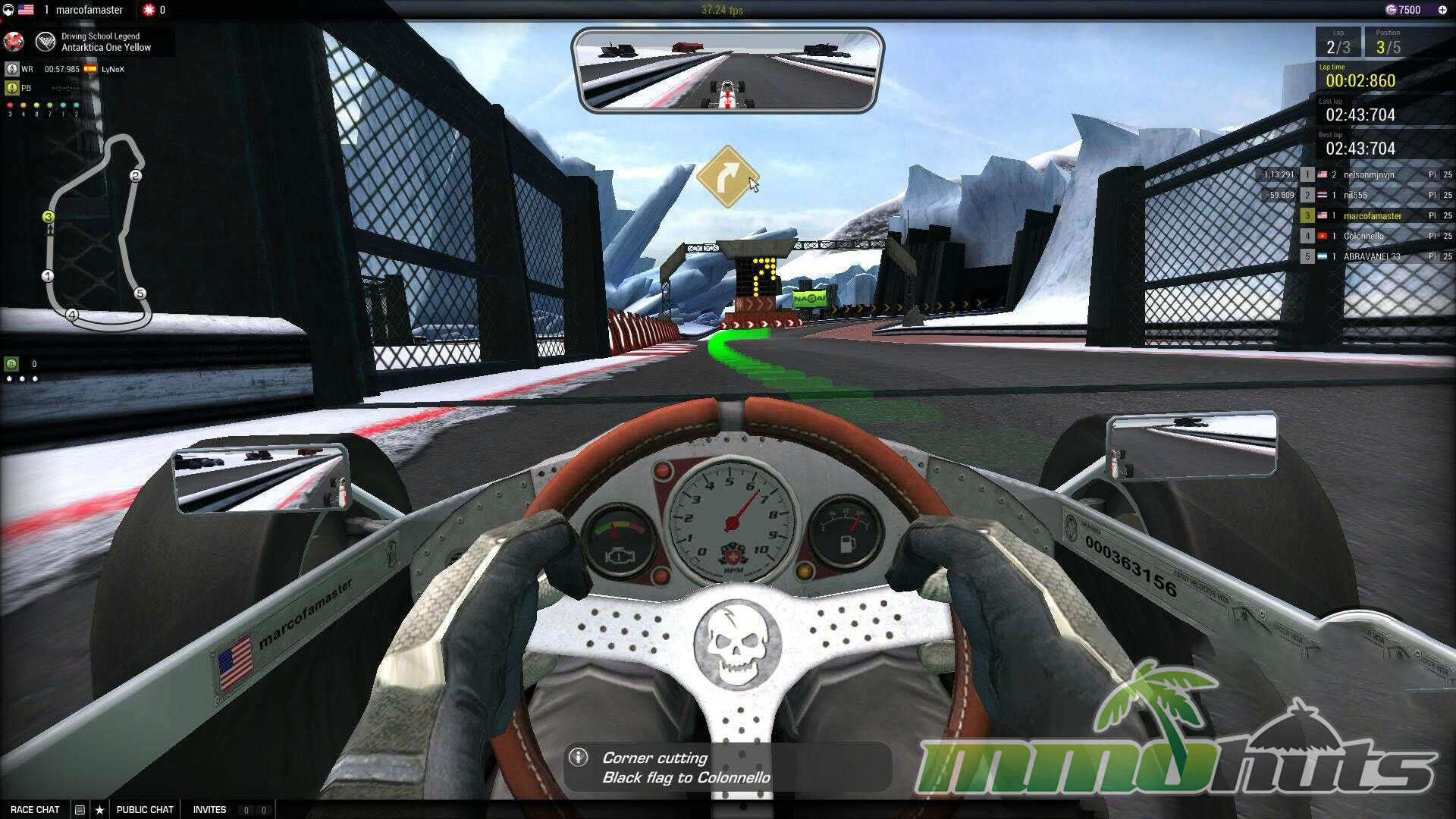
Victory: The Age of Racing is a free-to-play 3D racing MMO focused on open-wheel, Formula 1 style cars that you can build, customize, and upgrade. Set in a world where DriveNet’s authoritarian rules have pushed motorsport underground, it frames its multiplayer races as acts of rebellion, then backs that theme up with detailed car models, demanding tracks, and a tuning system that rewards players who enjoy learning how a vehicle behaves at speed.
 | Publisher: Vae Victis Games Playerbase: Medium Type: Racing Release Date: February 13, 2016 Pros: +Impressive visuals with highly detailed cars. +Robust editor for building and painting your vehicle. +Handling that feels responsive and consistent. +Tracks that demand precision. Cons: -No proper onboarding for new players. -Not many modes to rotate through. -Busy lobby interface that can feel overwhelming. |

Victory: The Age of Racing Overview
Victory: The Age of Racing drops you into the cockpit of a single-seater racer and asks you to climb the ladder through competitive events. The big draw is how much control you have over your car, both visually and mechanically. You can assemble a vehicle from core blocks, dress it up with paint and decals, then chase better performance by earning and spending points on upgrades that affect how the car behaves on track.
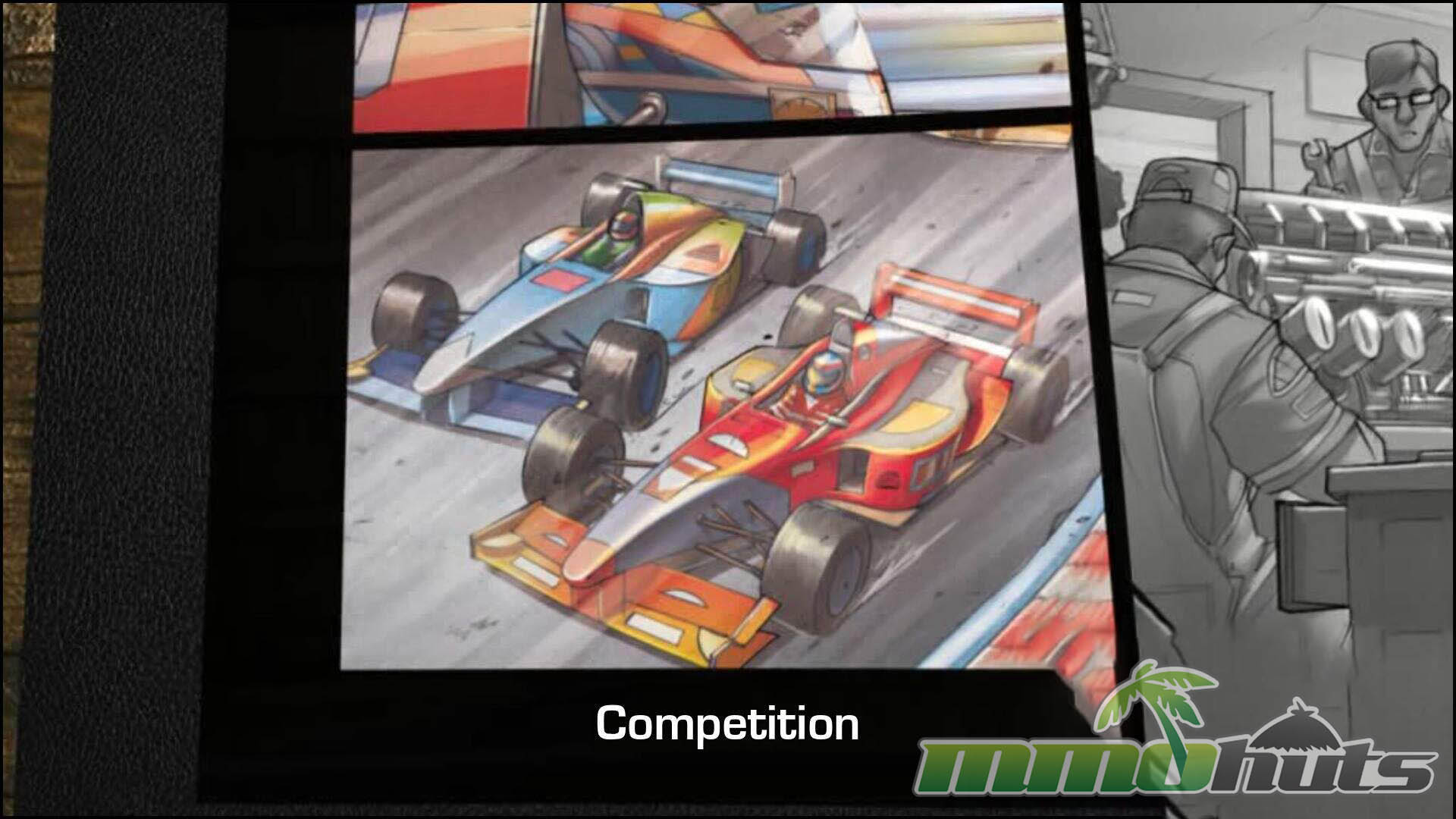
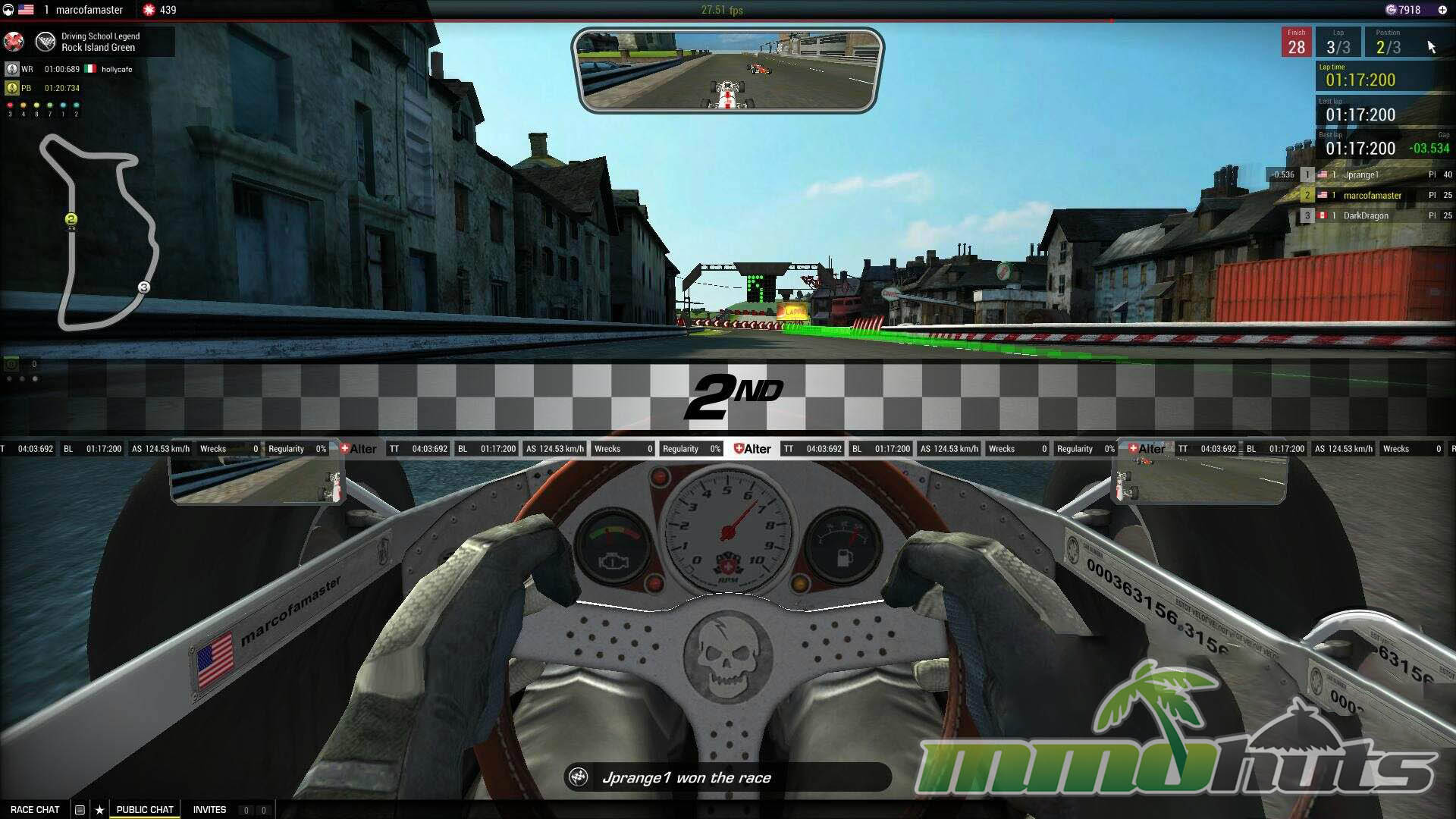
Rather than sticking to one format, the game mixes real-time multiplayer races (up to six drivers at once) with time-based challenges where you try to beat other players’ best laps in Hot Lap events. There is also a career mode built around the fantasy of making a name for yourself in a world where DriveNet has outlawed racing, giving the game a simple narrative wrapper for its progression.
Victory: The Age of Racing Key Features:
- Multiplayer Racing Events – compete head-to-head in real-time races, or measure yourself against players’ recorded lap times in Hot Lap challenges.
- Superb Handling System – a driving model that leans between sim-like weight and arcade readability, making it approachable without feeling weightless.
- Fully-customizable Cars – assemble your car’s look and then fine-tune its parts and stats to suit different tracks and driving styles.
- Unique and Challenging Tracks – closed circuits with varied themes, from coastal routes to colder, more technical environments.
- Team Career – a progression-focused career mode aimed at building your reputation and moving up through events.
- Multiple Control Methods – supports keyboard, gamepad, and steering wheel setups so you can drive the way you prefer.
Victory: The Age of Racing Featured Video

Victory: The Age of Racing Review
Victory: The Age of Racing positions itself as a free-to-play MMO racer built around Formula-style single-seaters and quick competitive sessions. The premise is light, you are essentially an outlaw driver pushing back against DriveNet’s control, but the actual hook is the moment-to-moment driving paired with a surprisingly deep car building layer.
From a presentation standpoint, the game does a lot with its budget. Cars are rendered with a level of care you do not always see in free-to-play racers, with small touches that help sell speed and mechanical stress. Audio is similarly convincing where it counts, engines and braking noises do the heavy lifting. What stands out more is what is missing, races feel noticeably quiet in terms of music, which may be fine for players who prefer a “track day” vibe, but it can also make longer sessions feel a bit sterile.
Three Eras, Three Event Ladders
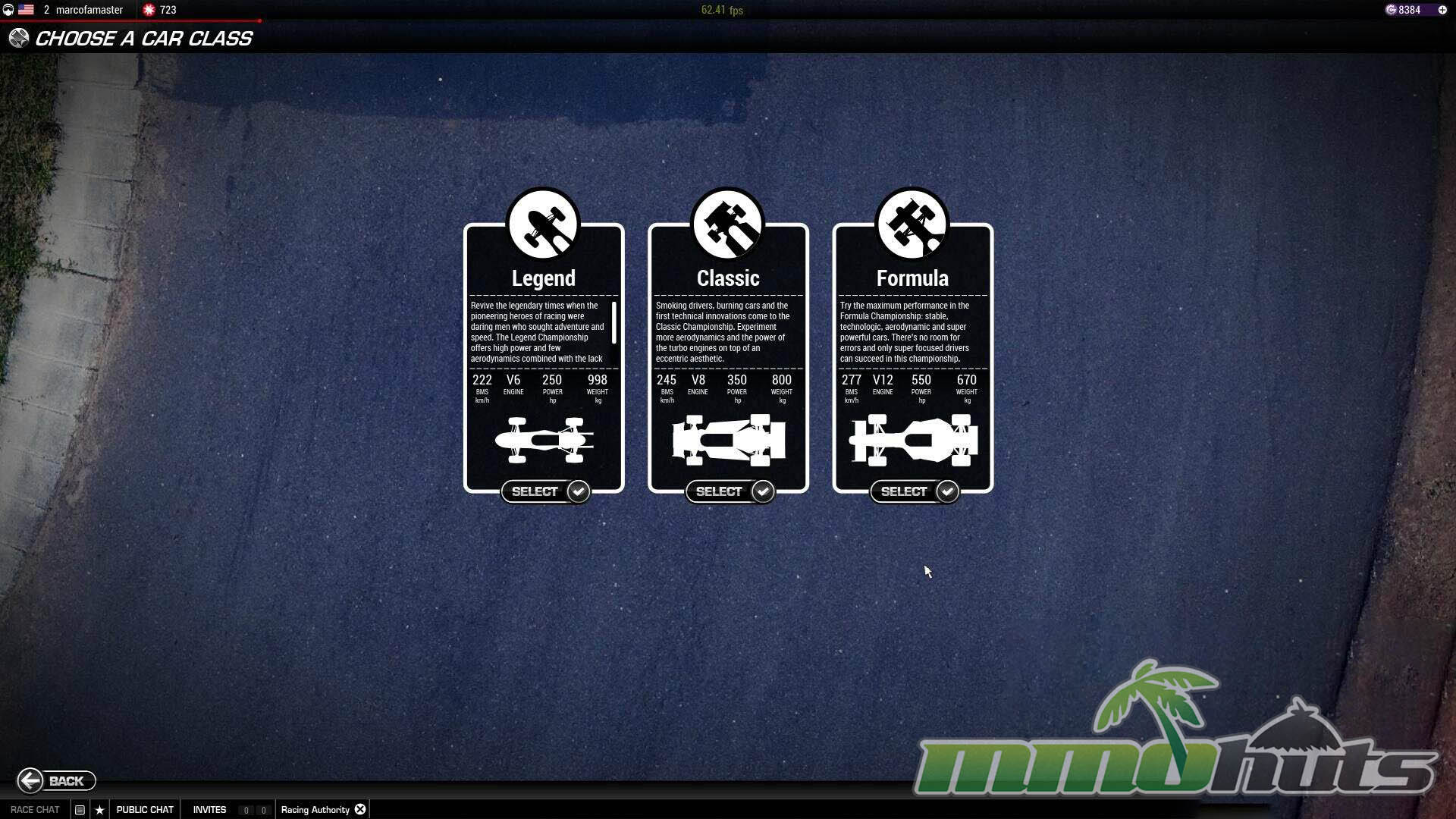
Instead of offering one universal car pool, Victory splits its vehicles into three categories inspired by different periods of Formula 1 history: Classic, Legend, and Formula. In practice, this matters because events are tied to those categories, so you bring a Classic car to Classic races, a Legend car to Legend races, and so on. That structure helps keep matchmaking and performance expectations in check, and it gives the game a clear sense of progression as you move between classes.
Within each category, cars are further separated into multiple speed group tiers with performance requirements. Early on, you are given a basic car for each category, plus a limited-use premium option and some starting Gear Points. That initial bundle is enough to begin experimenting, but if you have your eyes on building something specific (especially in Formula), you will likely want to run a few races first to earn more currency before committing.

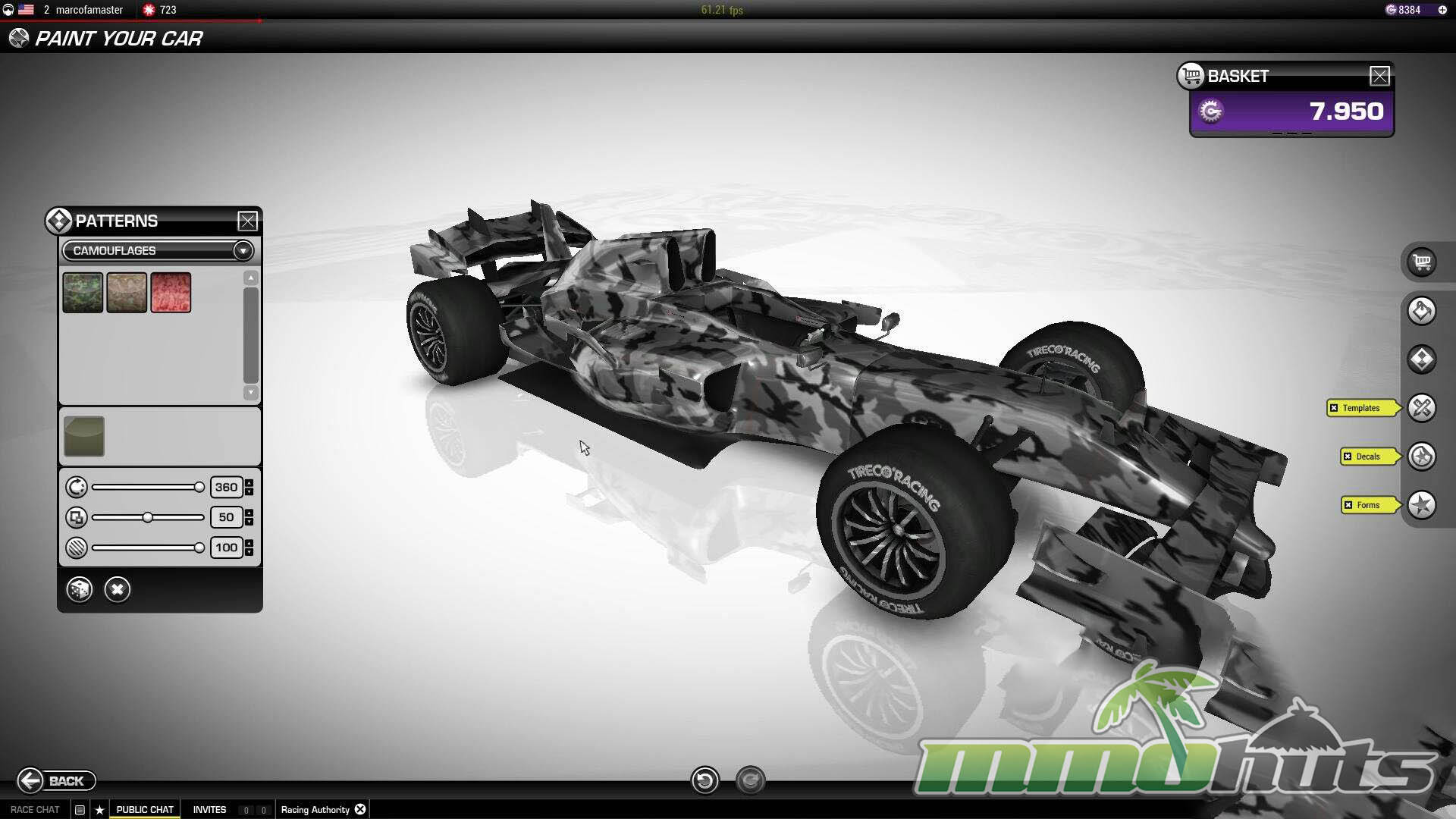
From Chassis Blocks to Livery
Building a car begins with choosing the main blocks, front, body, and rear. Each block has multiple options (15 per block), and your selections define the overall silhouette. In the Formula class, those early choices can consume most of your starting Gear Points, which makes the first build feel like a meaningful decision rather than a free sample.
Once the shape is locked in, the editor becomes the star. You can repaint the vehicle, layer decals and stickers, and apply textures and cosmetic details that give your car a personal identity. The catch is that many of those flourishes cost additional Gear Points, so players who spend everything on the chassis may find themselves stuck with a random default color until they can afford a proper livery. If you enjoy customization, it is worth budgeting for aesthetics from the start, because the editor is one of the game’s strongest features.

Learning Without a Safety Briefing
The biggest usability issue is the lack of a real tutorial. Victory expects players to explore menus, discover systems, and learn through experimentation. Basic driving is straightforward once you check the keybindings, but the more layered mechanics (widgets, performance points, upgrade paths, and pre-race tuning) can feel opaque for newcomers.
The lobby UI does not help, it is crowded, and first-time players may not immediately understand where to go for the fastest path into a race. A streamlined quick-match option would have made a big difference, especially for an MMO racer where the main appeal is getting on track quickly.
Control options are flexible. You can race using a keyboard, mouse, or steering wheel. Keyboard defaults use the arrow keys for throttle, brake, and steering, though remapping to a more familiar layout is easy. Mouse steering is available but can feel awkward for longer sessions. A wheel is the most natural fit if you have one, particularly when you start experimenting with car setup changes.
Handling That Meets You Halfway
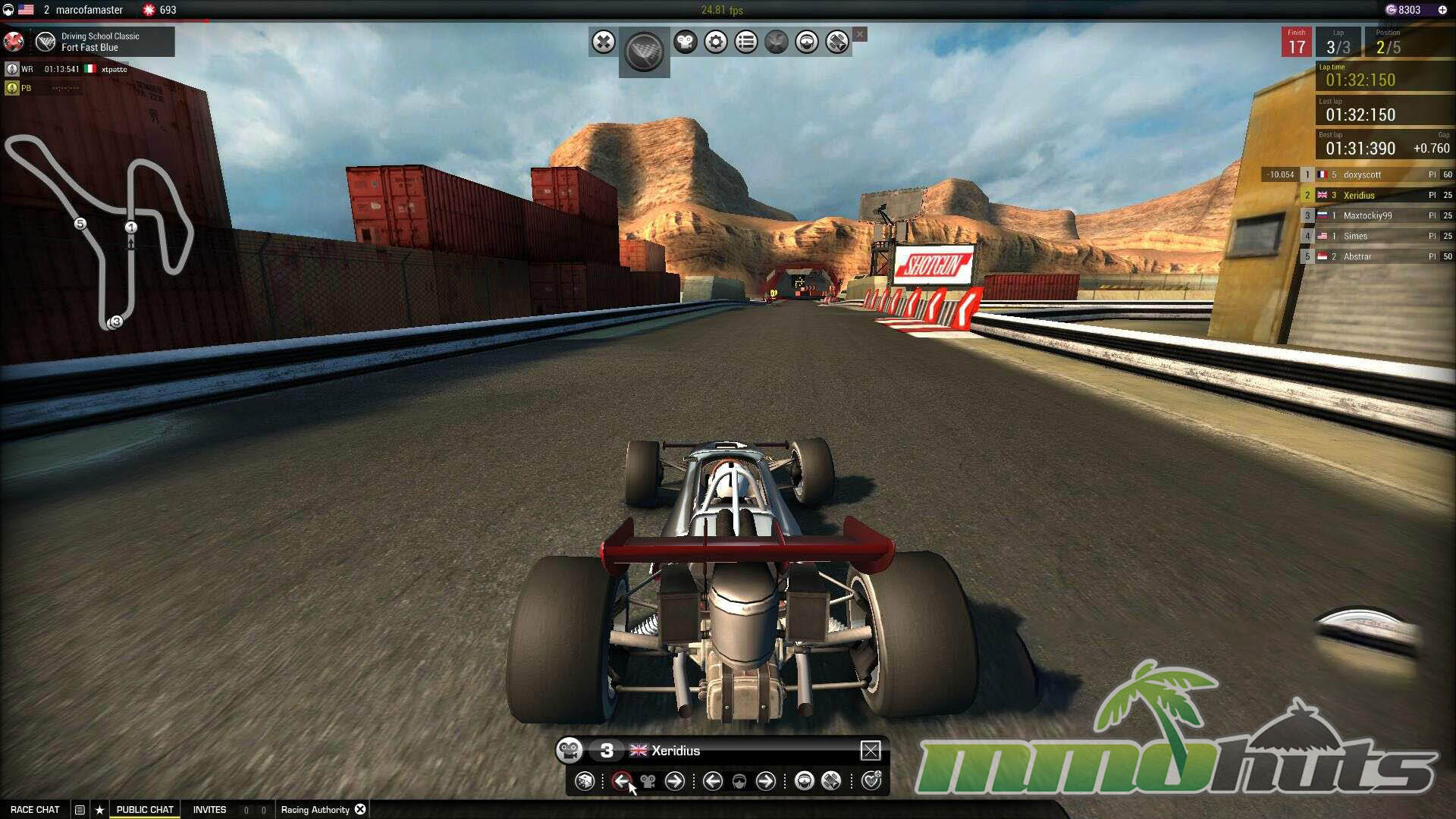
On track, Victory’s driving model hits a comfortable middle ground. It has more weight and consequence than a pure arcade racer, but it avoids the punishing exactness of a hardcore sim. That balance makes it possible to enjoy clean laps quickly, while still leaving room to improve.
For players who want help, the game includes assist options. Driving assistance can reduce the chances of overcooking corners, and racing line assist offers visual guidance for ideal lines and braking points. Using both can make the early hours far less frustrating, though it is worth noting that certain maps and modes restrict assists, so learning to drive without them still matters if you plan to play broadly.
Upgrades, Points, and Pre-Race Setup
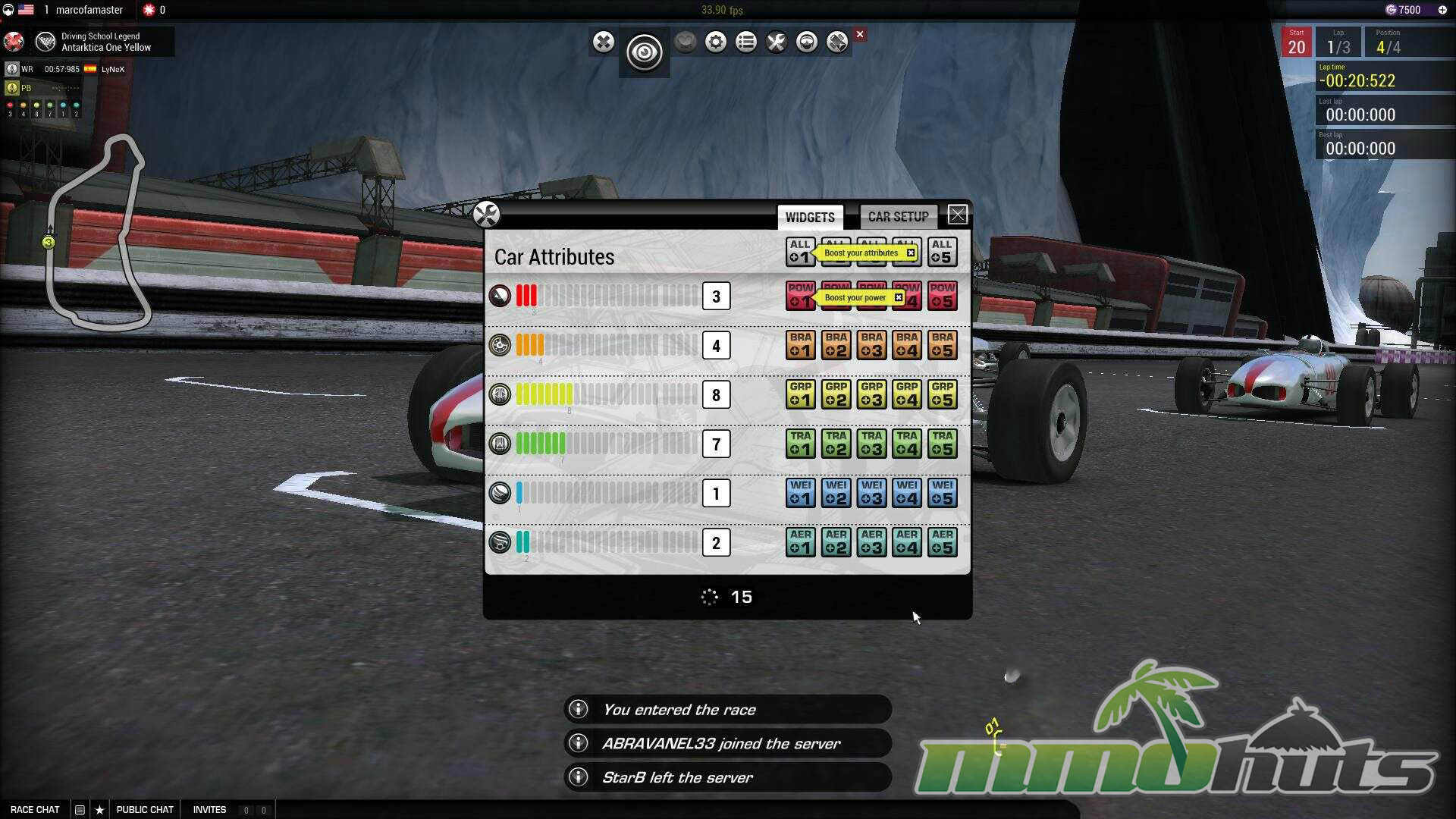
Progression is built around earning Gear Points through races, then spending them on parts such as engines and tires. Engines influence power, torque, and weight, while tires change grip and traction, the kinds of upgrades you can feel immediately when pushing through corners or accelerating out of turns.
Alongside parts, you also earn Performance Points, which can be distributed across six stats: Power, Brake, Grip, Traction, Weight, and Aerodynamics. With a cap of 20 points per stat, the system encourages specialization and experimentation, you can shape a car that feels stable and planted, or chase a more aggressive setup that rewards confident driving.
Before each race, you also get a short window to tweak advanced parameters like downforce, gear ratio, brake bias, and suspension. The time limit adds pressure, especially for newer players who are still learning what each slider does. Once you understand the relationship between setup and track layout, that minute becomes a satisfying “final check” moment, but the game does not do enough to explain the fundamentals up front.
Money Helps, but It Does Not Drive for You
Gear Points function as the main currency for almost everything, cars, cosmetic options, and performance parts. If you run short, the game offers the ability to purchase more with real money. Even so, Victory does not automatically become pay-to-win in practice, because results depend heavily on consistent driving, track familiarity, and making smart setup choices. A well-upgraded car will not save a player who misses braking points, clips walls, or racks up penalties for cutting corners.
In competitive sessions, the strongest advantage often comes from clean laps and controlled aggression, not simply from having the most expensive parts bolted on.
The Final Verdict – Good
Victory: The Age of Racing delivers a satisfying core loop for players who enjoy tuning and shaving time off laps. Its best qualities are clear: sharp visuals, excellent car detail, a capable handling model, and a customization suite that lets you create a car that feels like your own. The main drawbacks are equally obvious, the game does not guide new players well, the lobby can feel messy, and the limited selection of modes reduces variety over longer stretches.
It is still an enjoyable free-to-play racer, especially if you like learning tracks, experimenting with setups, and competing in short multiplayer events. For both dedicated racing fans and more casual drivers who want something deeper than a pure arcade experience, it is worth trying.
Victory: The Age of Racing Screenshots
Victory: The Age of Racing Videos

Victory: The Age of Racing Links
Victory: The Age of Racing Steam Store
Victory: The Age of Racing Official Website
Victory: The Age of Racing Wikia [Database/Guides]
Victory: The Age of Racing System Requirements
Minimum Requirements:
Operating System: Windows XP SP3, Windows Vista, Windows 7, Windows 8
CPU: Dual-core 2.0 GHz or Equivalent
Video Card: DirectX 9 Compatible Graphics Card with 512 MB RAM
RAM: 2 GB
DirectX: Version 9.0
Hard Disk Space: 500 MB
Recommended Requirements:
Operating System: Windows 7, Windows 8
CPU: Quad-core 2.4 GHz or Equivalent
Video Card: DirectX(R) 9 Compatible Graphics Card with 1 GB RAM
RAM: 4 GB
DirectX: Version 9.0
Hard Disk Space: 500 MB
Victory: The Age of Racing Music & Soundtrack
Coming Soon!
Victory: The Age of Racing Additional Information
Developer(s): Vae Victis Games
Publisher: GamersFirst.com (Closed Beta) / Vae Victis Games
Distributor: Steam
Game Engine: In-house engine co-developed with Stefano Casillo author of Assetto Corsa
Game engine: Source
Open Beta Date: January 19, 2012
Steam Greenlight: September 21, 2012
Early Access: February 10, 2016
Release Date: February 13, 2016
Development History / Background:
Victory: The Age of Racing is created by Vae Victis Games and distributed exclusively via Steam. During its closed beta phase, the title was published through GamersFirst.com, with that period beginning on August 27, 2011. Following closed beta, the studio shifted to self-publishing and continued testing through multiple beta rounds, including an open beta that started on January 19, 2012. The project later passed through Steam Greenlight on September 21, 2012, arrived on Steam as an Early Access release on February 10, 2016, and then reached its official launch on February 13, 2016.