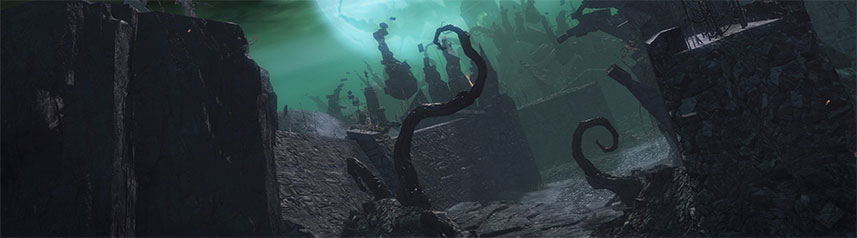
Unreal Tournament is a classic-style sci-fi arena FPS built around speed, precision, and map control, and it stands as the ninth entry in the Unreal series. Instead of long campaigns or loot grinds, the focus is on tight matches where weapon pickups, power-ups, and movement skill decide who dominates the scoreboard, whether you are playing solo modes or coordinating with a team.
 | Developer: Epic Games Type: FPS Release Date: August 15, 2014 Shut Down: January 24, 2023 Pros: +Lightning-fast arena combat. +Community-driven, open development approach. +Strong showcase for Unreal Engine 4 tech. Cons: -Awkward menus and UX. |
Unreal Tournament Shut Down on January 24, 2023
Unreal Tournament Overview
Unreal Tournament delivers the pure arena shooter formula in a futuristic setting: small-to-mid sized maps, equal starts, and a heavy emphasis on mechanical skill. Matches revolve around learning routes, timing key pickups, and choosing the right tool for the fight, because most weapons are placed around the level rather than handed out through loadouts. Whether you are chasing a top frag in a free-for-all or trying to lock down objectives with teammates, the game rewards smart movement and quick decision-making.
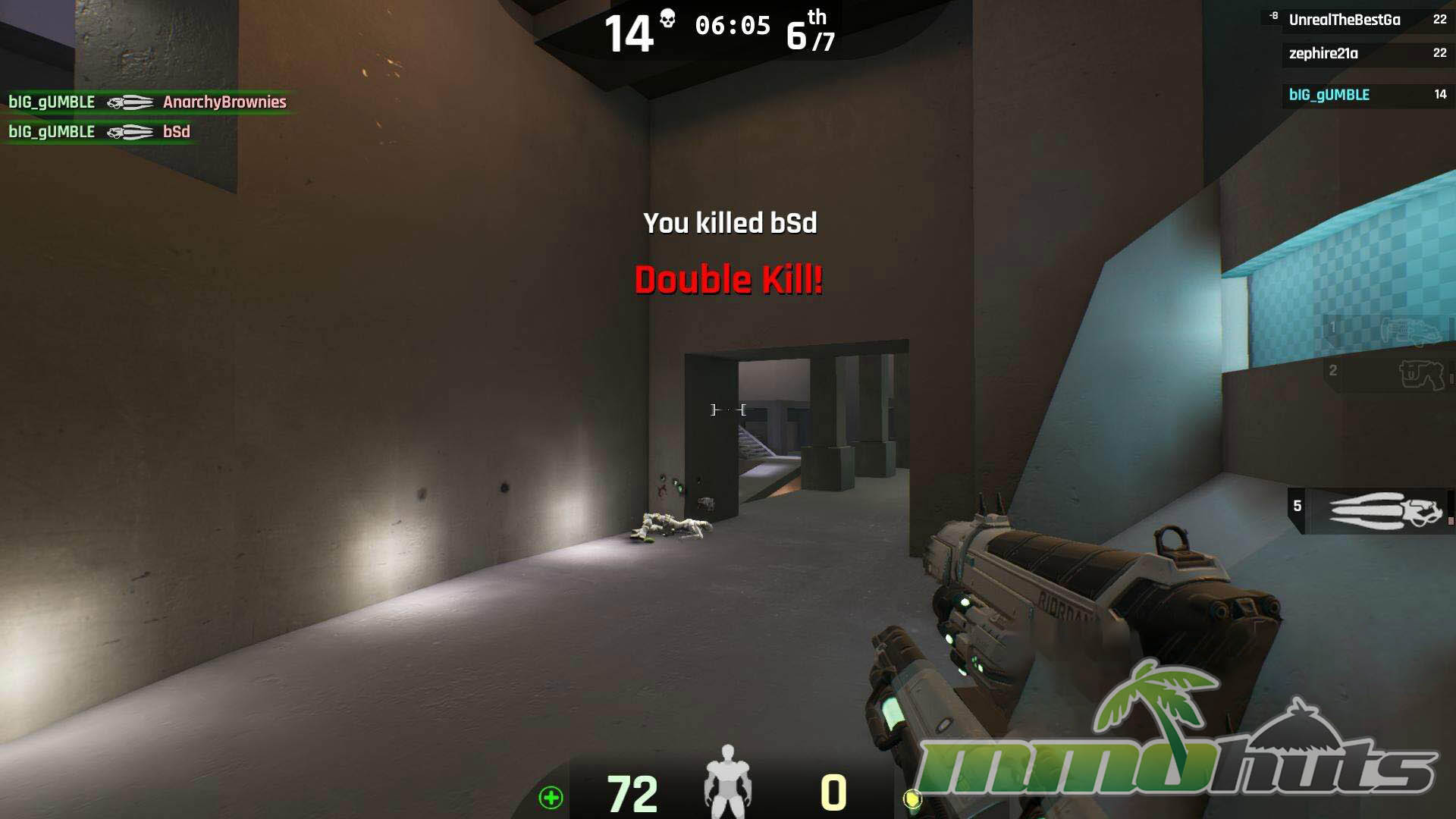
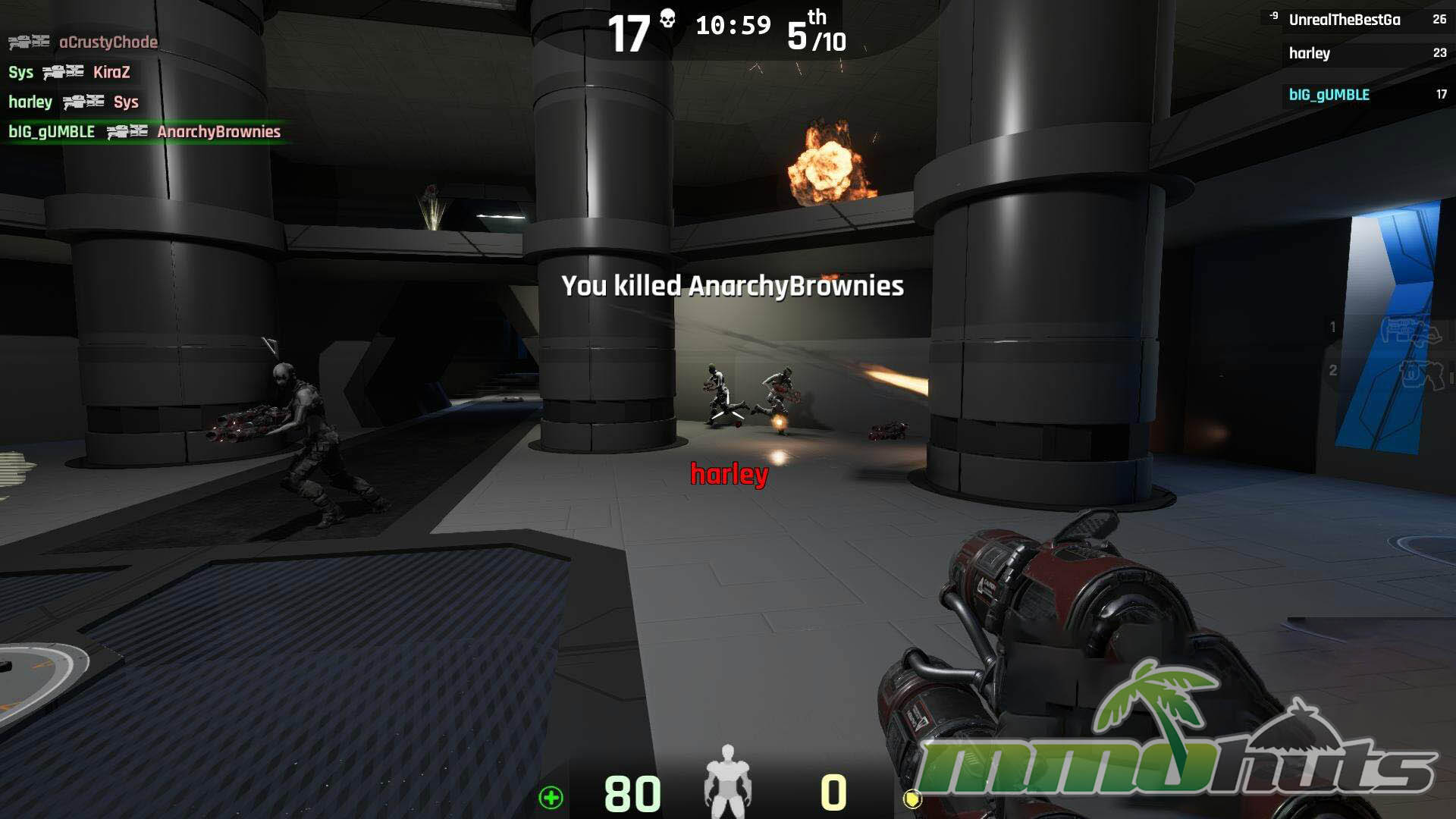
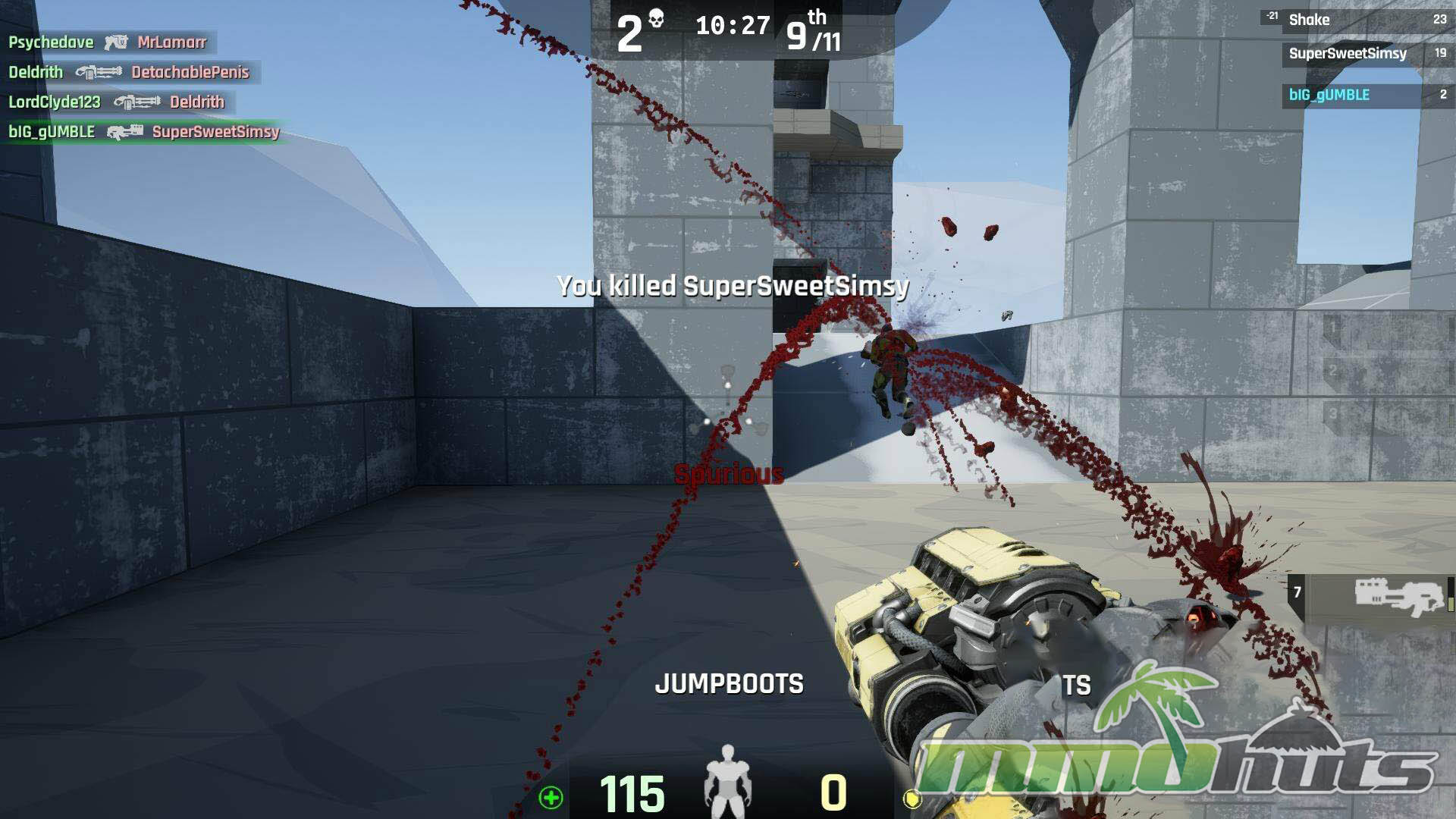
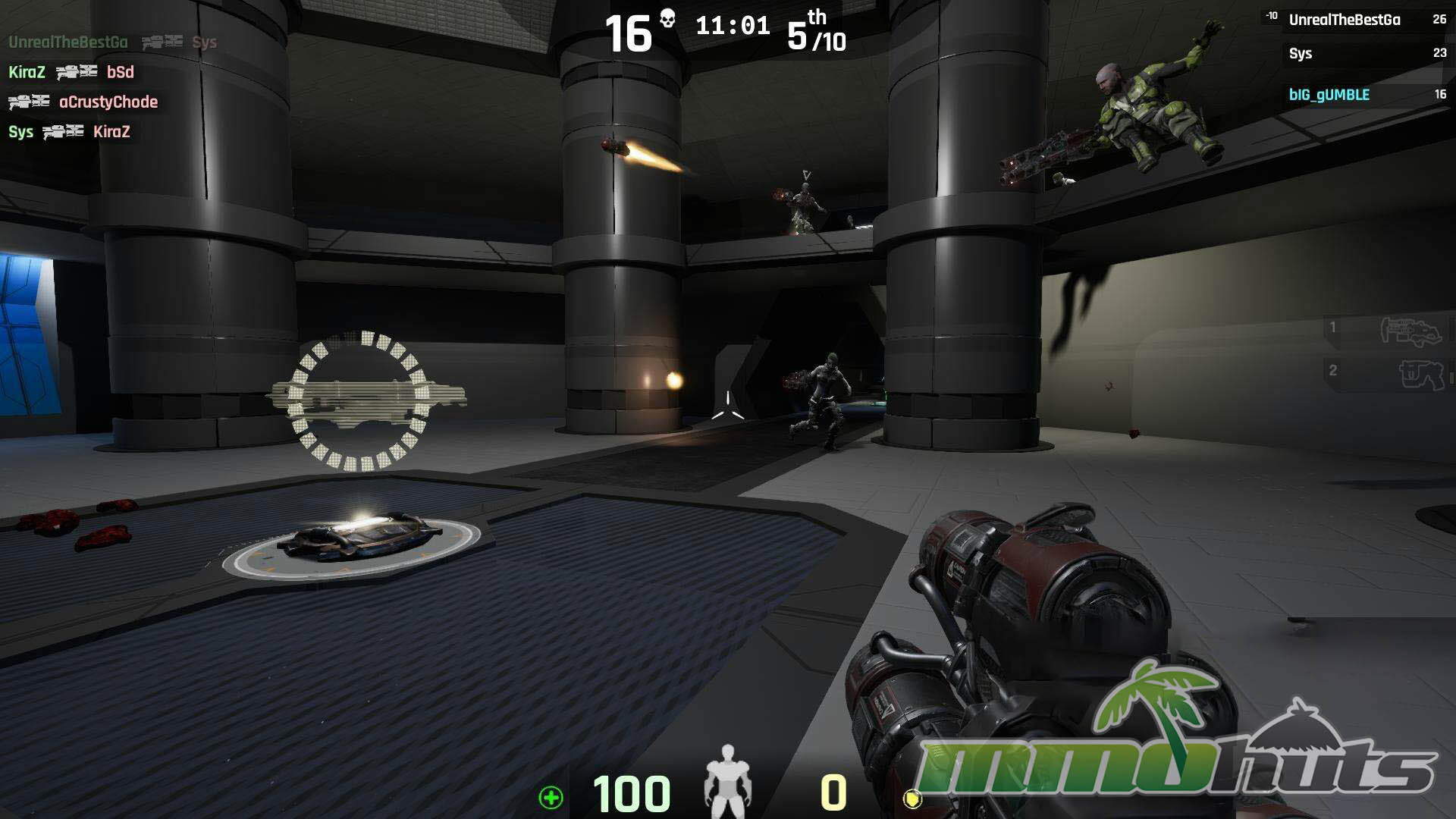
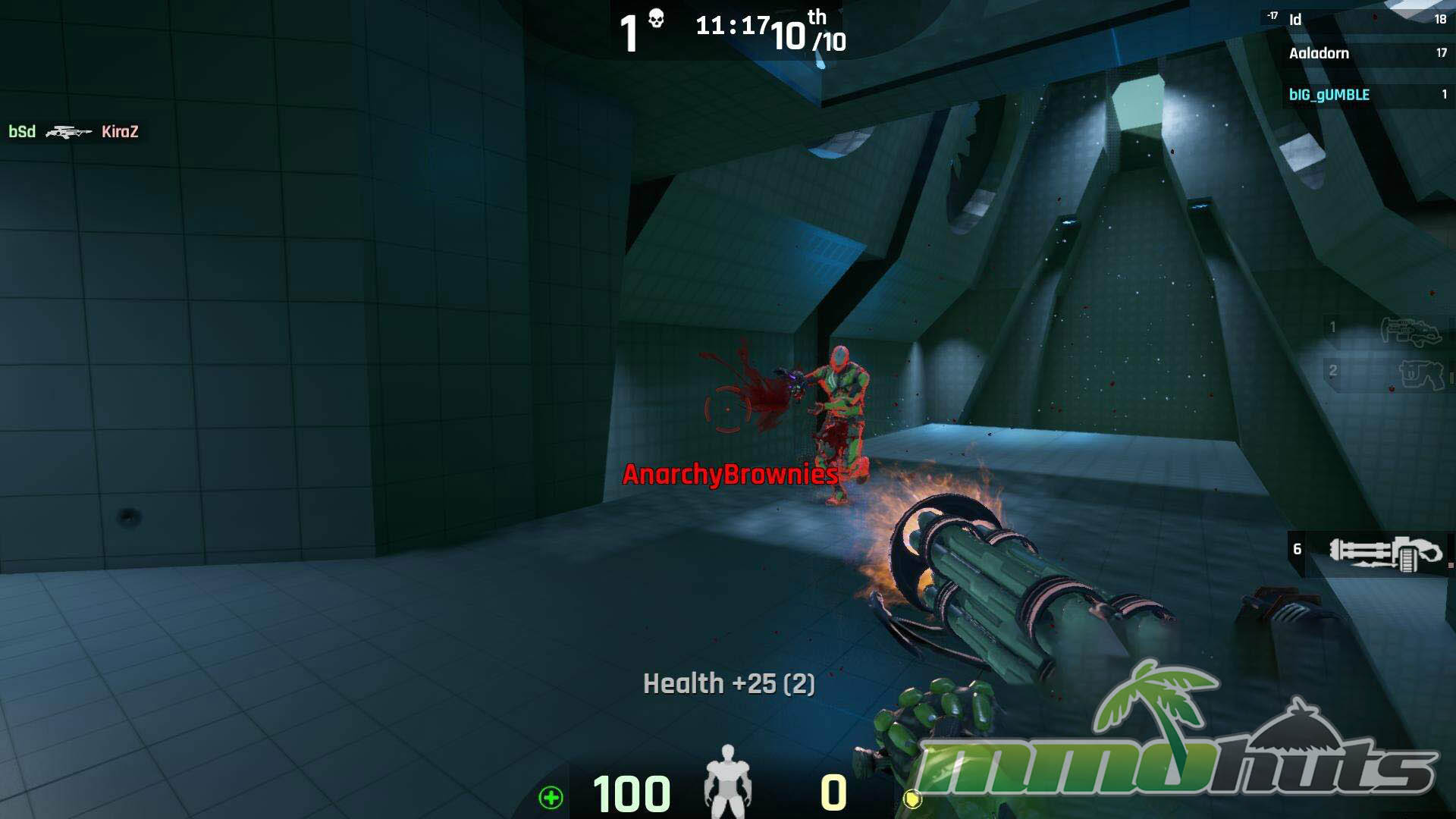
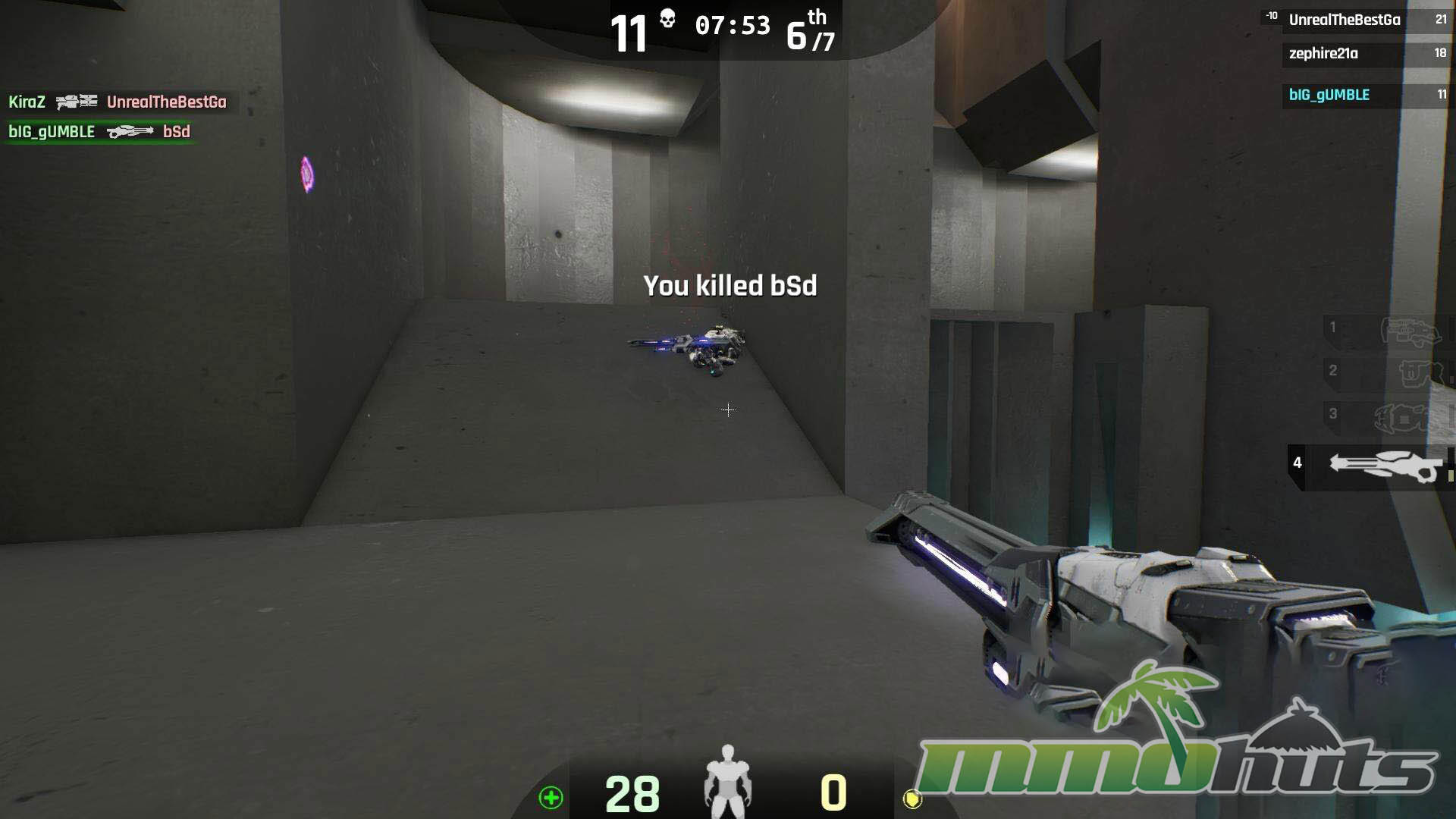
The familiar Unreal Tournament armory is a major part of the identity here. Staples like the Rocket Launcher are still built for prediction and splash damage control, while more specialized options (such as the GES Bio Rifle) create space, deny routes, or punish players who move carelessly through chokepoints. Winning duels often comes down to swapping weapons on the fly, reading your opponent’s dodge patterns, and knowing when to disengage to grab armor or health.
Movement is equally important. Dodges, jumps, and momentum-based traversal keep the pace high, and the best players use verticality and corners to break aim assist habits that form in slower shooters. Surviving is not only about aim, it is about staying difficult to hit while keeping your own shots consistent.
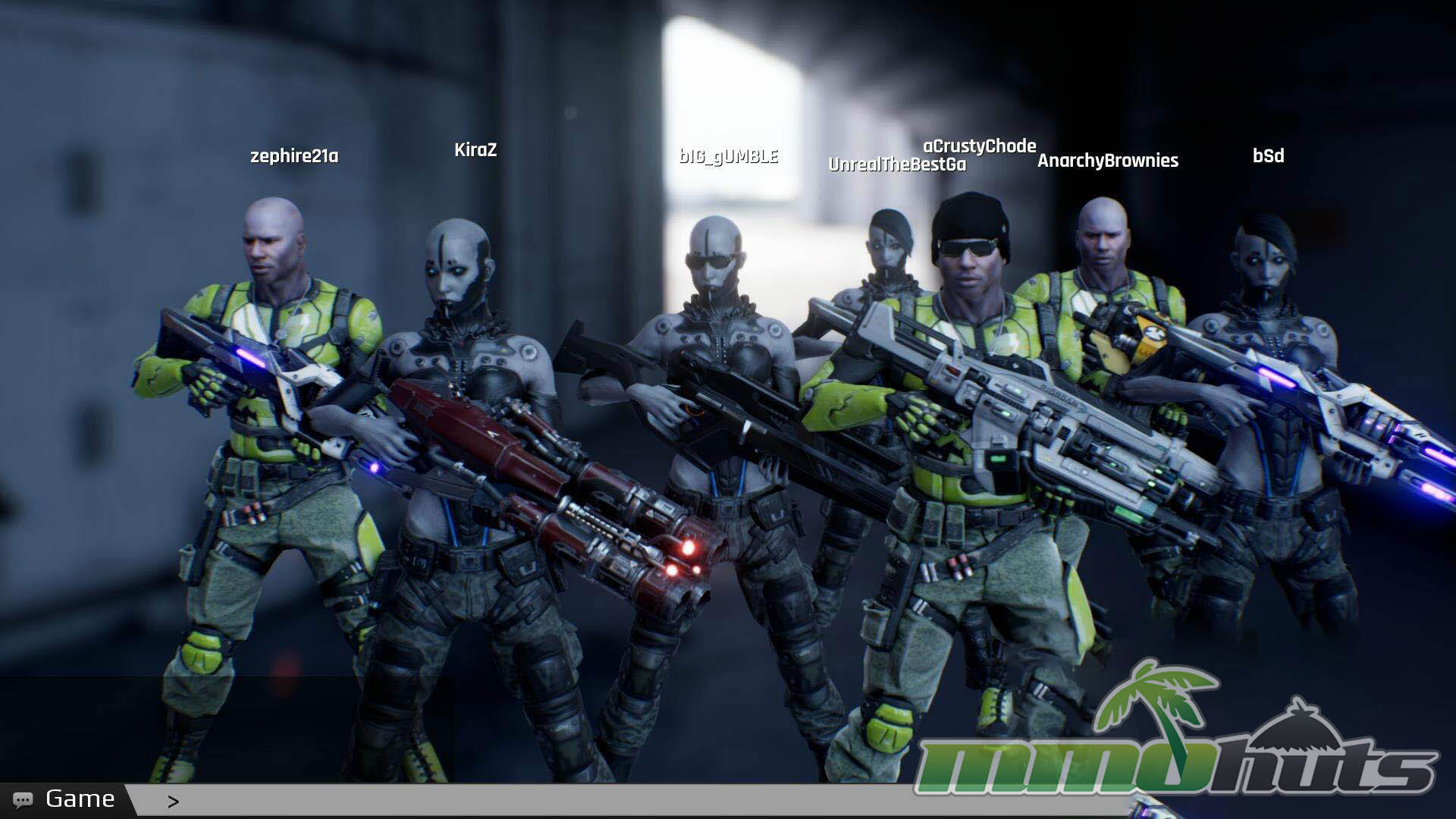
Progression is lighter than in modern service shooters, leaning into cosmetics and profile stats rather than gameplay power. You can earn experience, unlock visual items (like sunglasses and other accessories), and build a look for your character while your performance feeds into recorded stats and ranks.
A defining piece of this Unreal Tournament project is its community-forward development. Alongside official maps, players can create and share their own content, and feedback historically played a role in shaping priorities and direction. The end result is a UT that feels rooted in classic arena principles while also acting as a collaborative showcase for what Unreal Engine 4 can do.
Unreal Tournament Key Features:
- Multiple Game Modes – jump into different match formats, ranging from solo frag-fests to team-focused objectives.
- Crowdsourced Development – the project was built with player feedback in mind, and the community could contribute maps and content.
- Cosmetics – earn levels and unlock visual customization items to personalize your in-game avatar.
- Weapons Arsenal –map-based weapon pickups define the flow of combat, with distinct tools like the sticky, area-denial GES Bio Rifle.
- Ranking System – stat tracking and player progression support competitive play and give regulars a reason to keep improving.
Unreal Tournament Screenshots

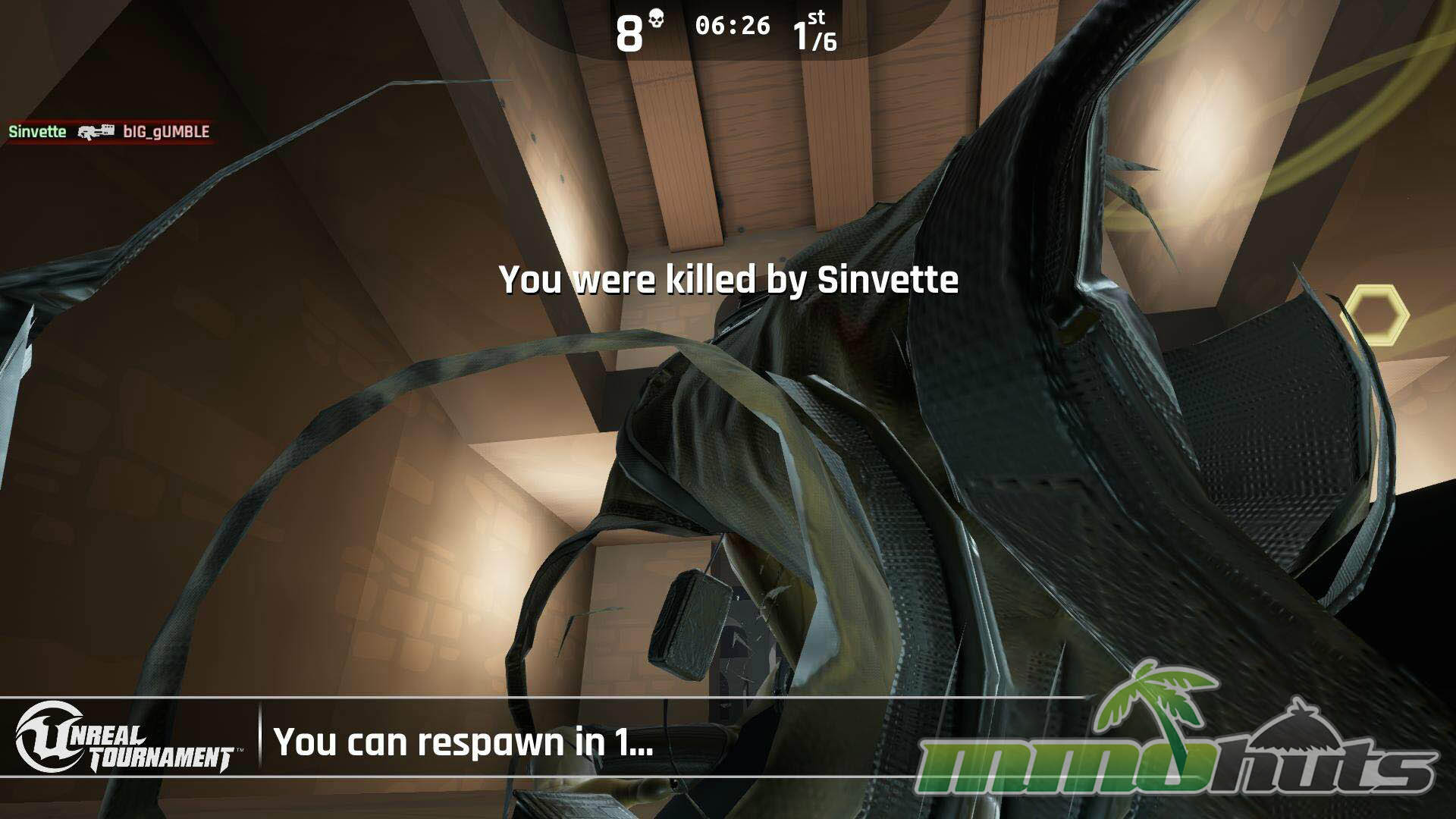
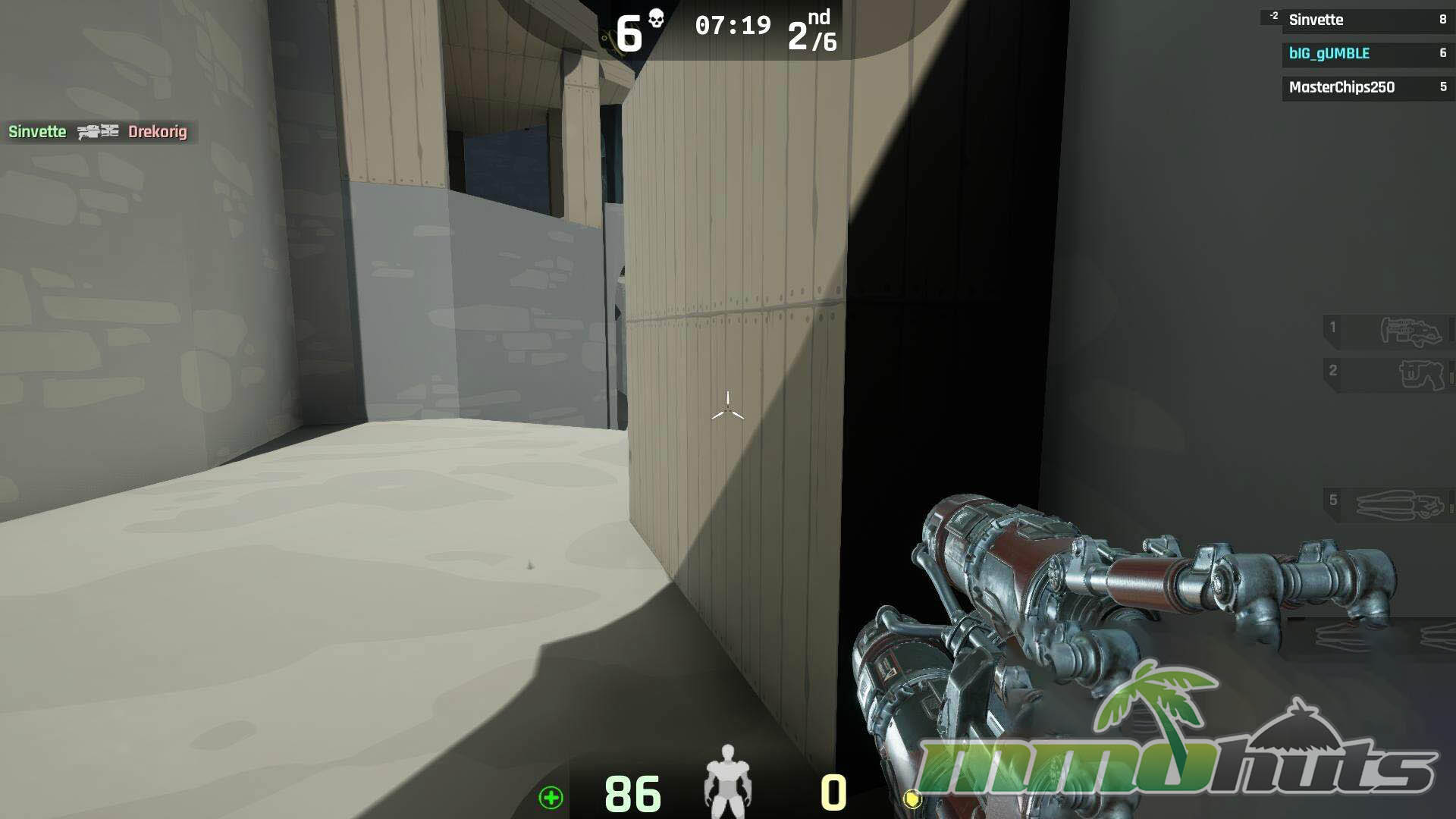
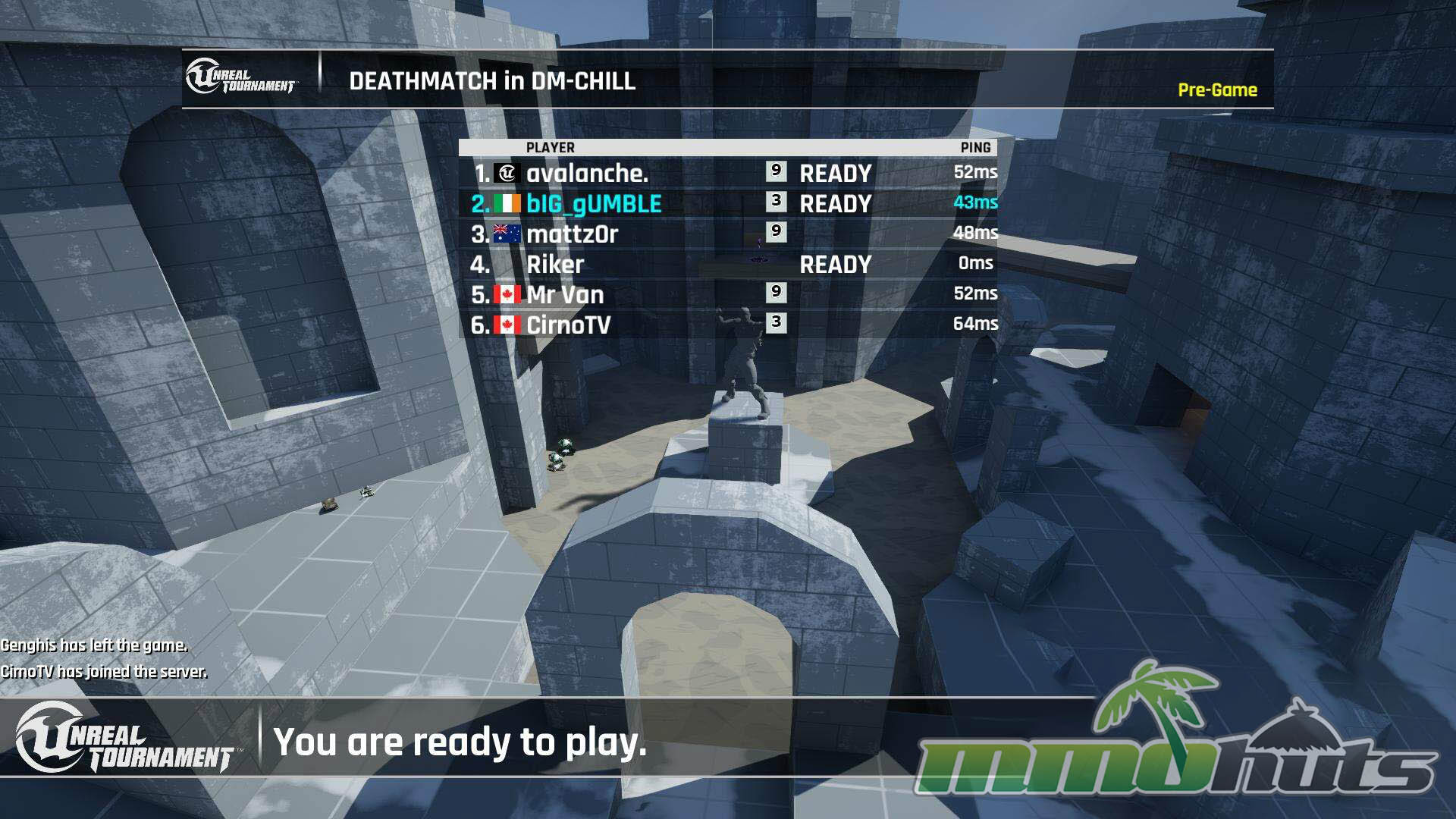
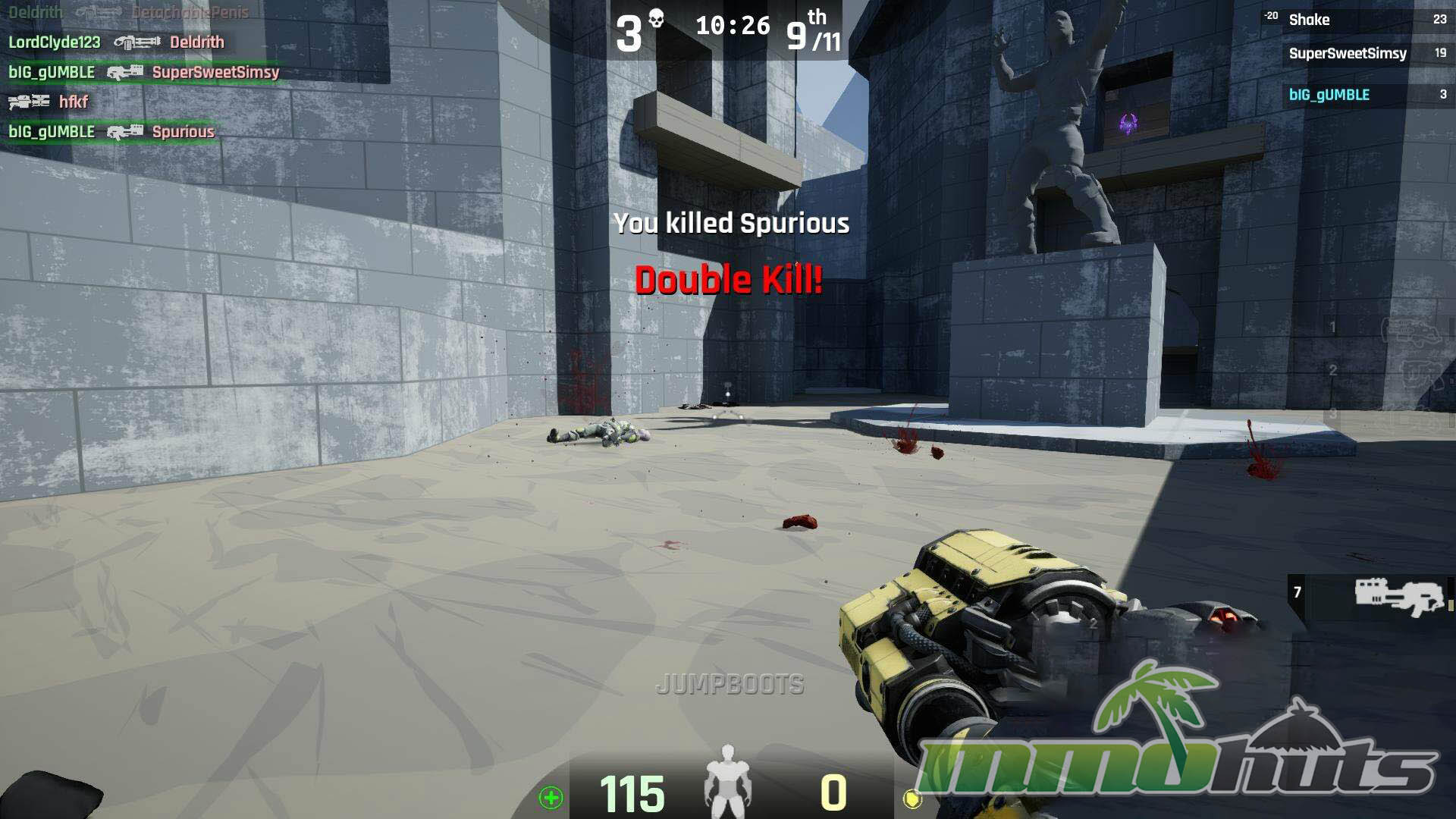
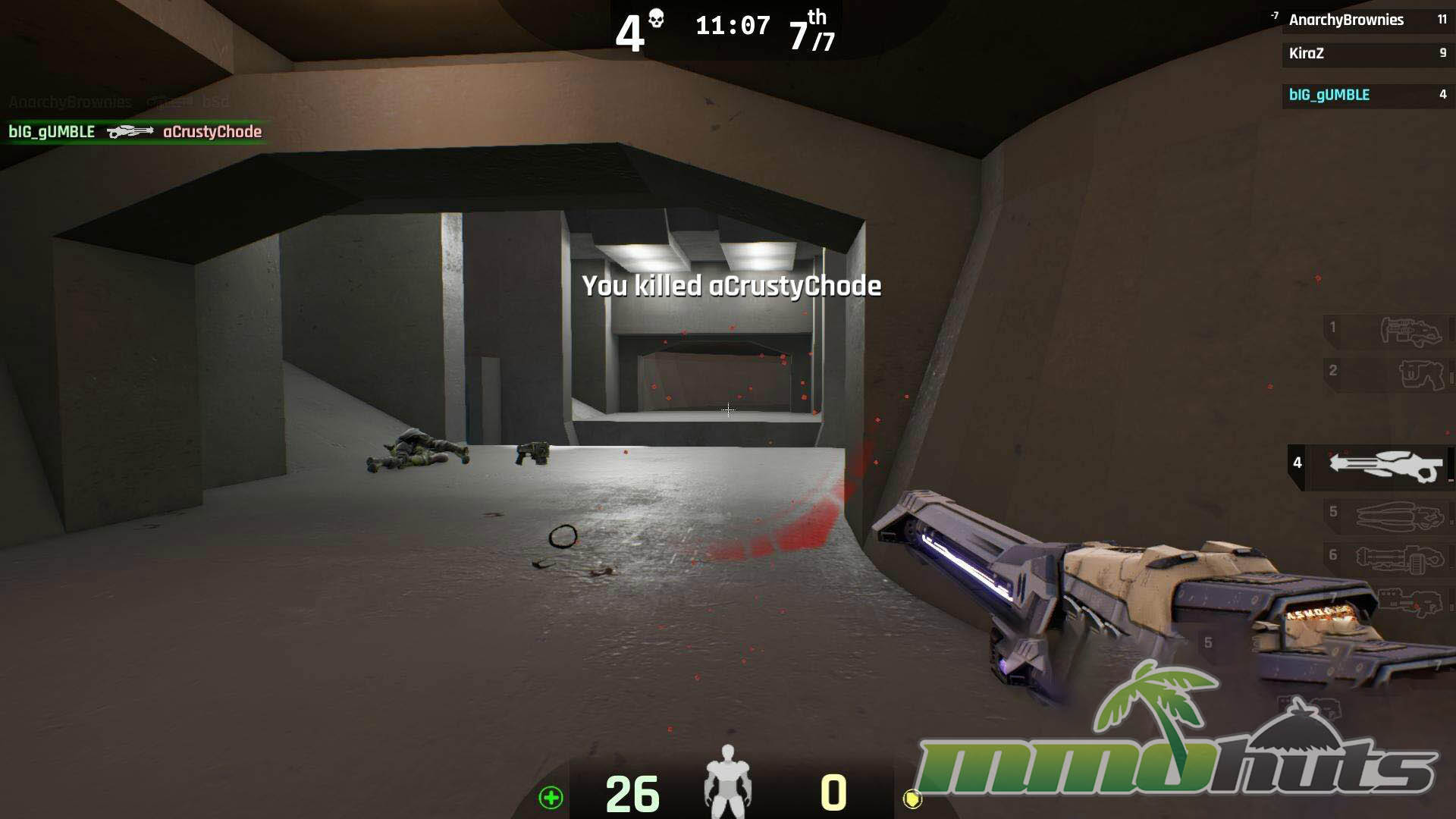
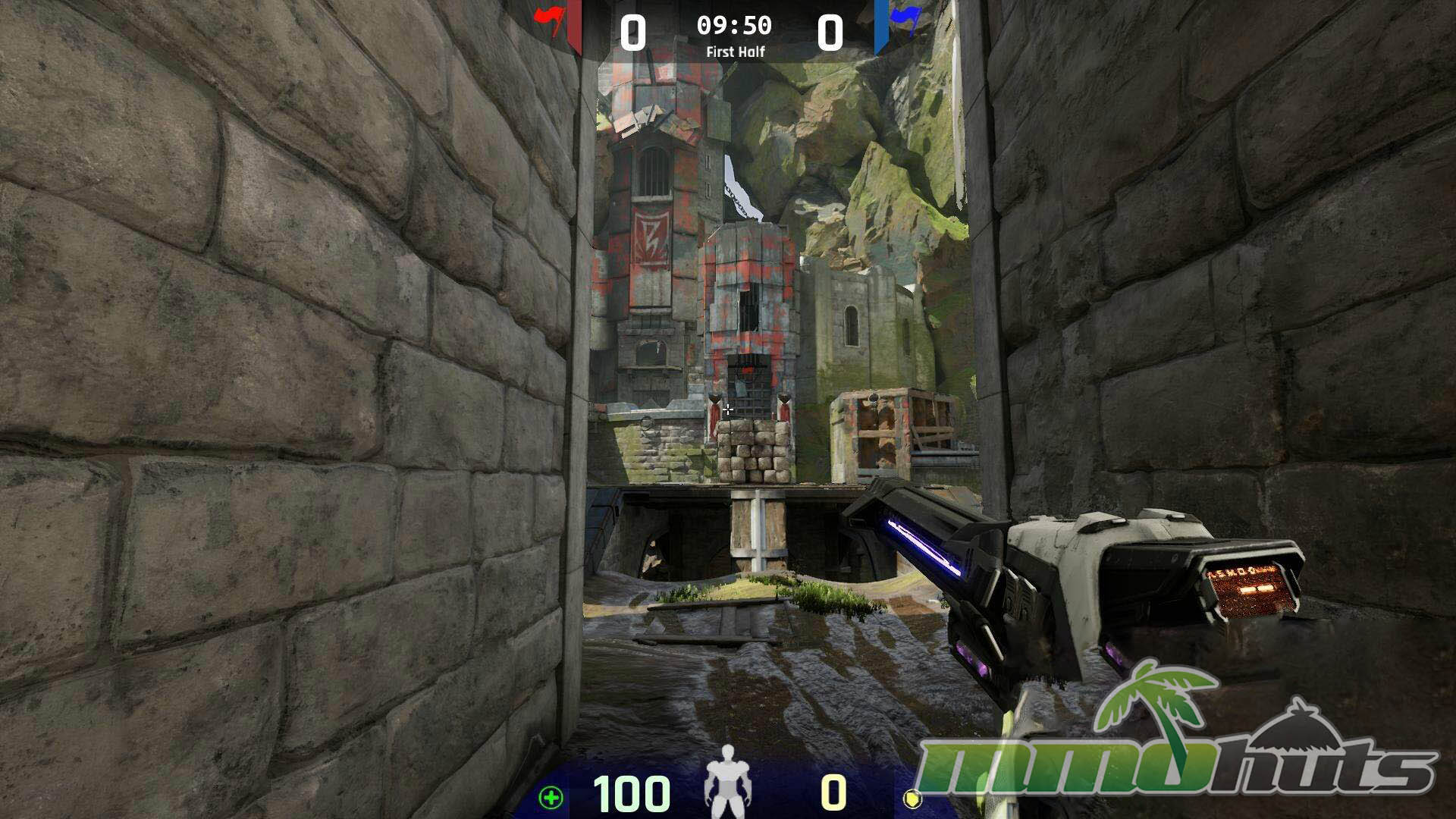
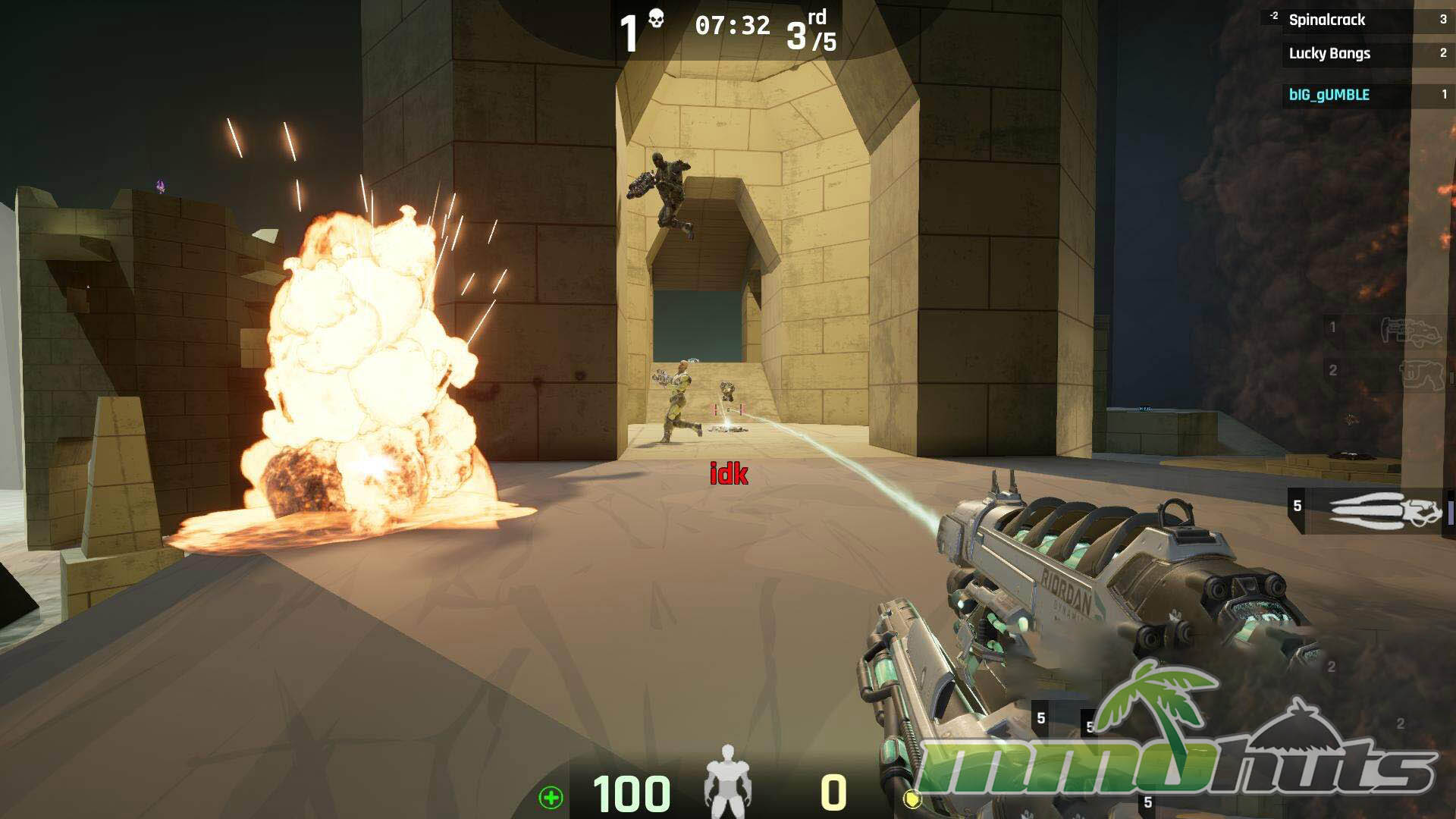
Unreal Tournament Featured Video

Unreal Tournament Review
Unreal Tournament (2014 pre-alpha) is best understood as a return to fundamentals. It chases the older arena shooter mindset where everyone fights on equal footing and the advantage comes from mastery: knowing spawn points, controlling armor, and hitting shots under pressure. When it clicks, it delivers the kind of clean, competitive FPS loop that is hard to find in modern shooters built around loadouts and unlock trees.
Combat that rewards fundamentals
Gunplay leans on readable projectiles, strong weapon identities, and the expectation that players will learn when to switch tools. Rockets are for control and prediction, hitscan weapons punish exposed movement, and the weirder options give the sandbox personality by letting you trap, zone, or force opponents into bad angles. Fights are fast, and the time-to-kill can feel unforgiving, but it generally supports the intended rhythm: take a duel, reposition, scoop up resources, then re-engage on your terms.
Movement is the real skill check
This version of UT emphasizes mobility, and that mobility is not just for style. Dodging and jumping are central to survival, and players who can chain movement smoothly will feel like they are playing a different game than newcomers. Map knowledge matters because the safest escape routes and the best ambush angles are learned over time. In strong matches, you can feel how positioning and pathing decide fights before the first shot is fired.
Modes and teamwork
The game supports both individual and team play, and the tone changes depending on the mode. Free-for-all modes tend to be chaotic, with a constant threat of third-party frags, while objective modes like Capture the Flag encourage coordinated pushes and defensive setups. UT’s best moments often come from those team modes where one player creates an opening, another runs the route, and the rest of the squad peels off pressure at exactly the right time.
Interface and usability
One of the bigger sticking points is usability. The interface can feel clumsy, and navigating options or getting into the action is not as smooth as it should be for a game built around quick matches. For a competitive FPS, friction outside the arena stands out more than it would in a slower, more campaign-driven title.
Community development: exciting, but uneven
The open, community-influenced approach is a major strength conceptually. Player-made maps and active feedback loops can keep an arena shooter fresh and varied. At the same time, that kind of development model can lead to inconsistency, because content quality and direction can vary when a project is still in flux. As a pre-alpha experience, Unreal Tournament often feels like a promising foundation and a technology showcase as much as a fully rounded product.
Who it was for
This Unreal Tournament is at its best for players who enjoy pure skill-based FPS design, especially those who grew up on classic arena shooters and miss the focus on movement, pickups, and raw mechanics. If you prefer progression-driven systems, long-term unlocks that change gameplay, or heavily curated competitive ladders, the appeal is more limited.
Unreal Tournament Links
Unreal Tournament Official Site
Unreal Tournament Wikipedia
Unreal Tournament Forums
Unreal Tournament Twitch
Unreal Tournament Unreal Engine Wiki
Unreal Tournament System Requirements
Minimum Requirements:
Operating System: Windows 7 64 bit
CPU: Core 2 Duo E6550 2.33GHz or Athlon 64 X2 Dual Core 5600+
Video Card: GeForce GT 430 or Radeon HD 5550 512MB
RAM: 6 GB
Hard Disk Space: 8 GB
Recommended Requirements:
Operating System: Windows 7 64 bit
CPU:Pentium Dual Core E6700 3.2GHz or Athlon 64 X2 Dual Core 6000+
Video Card: GeForce GT 730 or Radeon HD 7570
RAM: 8 GB
Hard Disk Space: 8 GB
Unreal Tournament is also available for GNU/Linux and Mac OS X.
Unreal Tournament Music & Soundtrack
Coming Soon!
Unreal Tournament Additional Information
Developer: Epic Games
Game Engine: Unreal Engine 4
Designer(s): Jim Brown, Nick Donaldson
Programmer(s): Steve Polge, Joe Wilcox
Artist(s): Chris Perna, Josh Marlow, Pete Hayes
Composer(s): Michiel von den Bos, Alexander Brandon, Kevin Riepl
Other Platforms: OS X, Linux
Announcement Date: May 02, 2014
Release Date: August 15, 2014 (Pre-Alpha)
Shut Down: January 24, 2023
Development History / Background:
Unreal Tournament was created by American studio Epic Games as a modern take on its arena shooter legacy, developed in parallel with the rollout of Unreal Engine 4. Epic Games vice president and co-founder Mark Rein posted a teaser on May 02, 2014, and development started the following week on May 08, 2014. With Unreal Engine 4 available for anyone to download and use, Epic positioned this UT project as both a game and a community hub, inviting players and modders to help shape it.
The development approach leaned heavily on collaboration. Epic remained the lead developer, but community contributions and modding efforts were encouraged, and fan-made work could be incorporated as the project evolved. Communication with players often happened publicly, including through Twitch streams used to show progress, discuss changes, and share ongoing updates.
Unreal Tournament entered playable form as a Pre-Alpha release on August 15, 2014. Later, on January 24, 2023, Epic announced it would be shutting down online servers for several legacy titles, including Unreal Tournament 2003, Unreal Tournament 2004, Unreal Tournament Game of the Year Edition, and Unreal Tournament 3.