
UberStrike is a free-to-play arena FPS built around quick deathmatch rounds where you rack up frags to earn experience, climb levels, and unlock more gear to buy. Between matches you can tweak your loadout from a surprisingly large weapon list and dress up your avatar with loud cosmetics that make you stand out in the chaos.
 | Publisher: Cmune Ltd. Playerbase: Shut Down Type: FPS Release Date: November 16, 2010 Shut Down: June 13, 2016 Pros: +Deep cosmetic variety. +Big selection of weapons. +Runs well on modest PCs. Cons: -Weak anti-cheat protections. -Premium currency tied to weapons. -Pay-to-win advantages. -Inconsistent hit detection. -Frequent bugs. |
UberStrike Overview
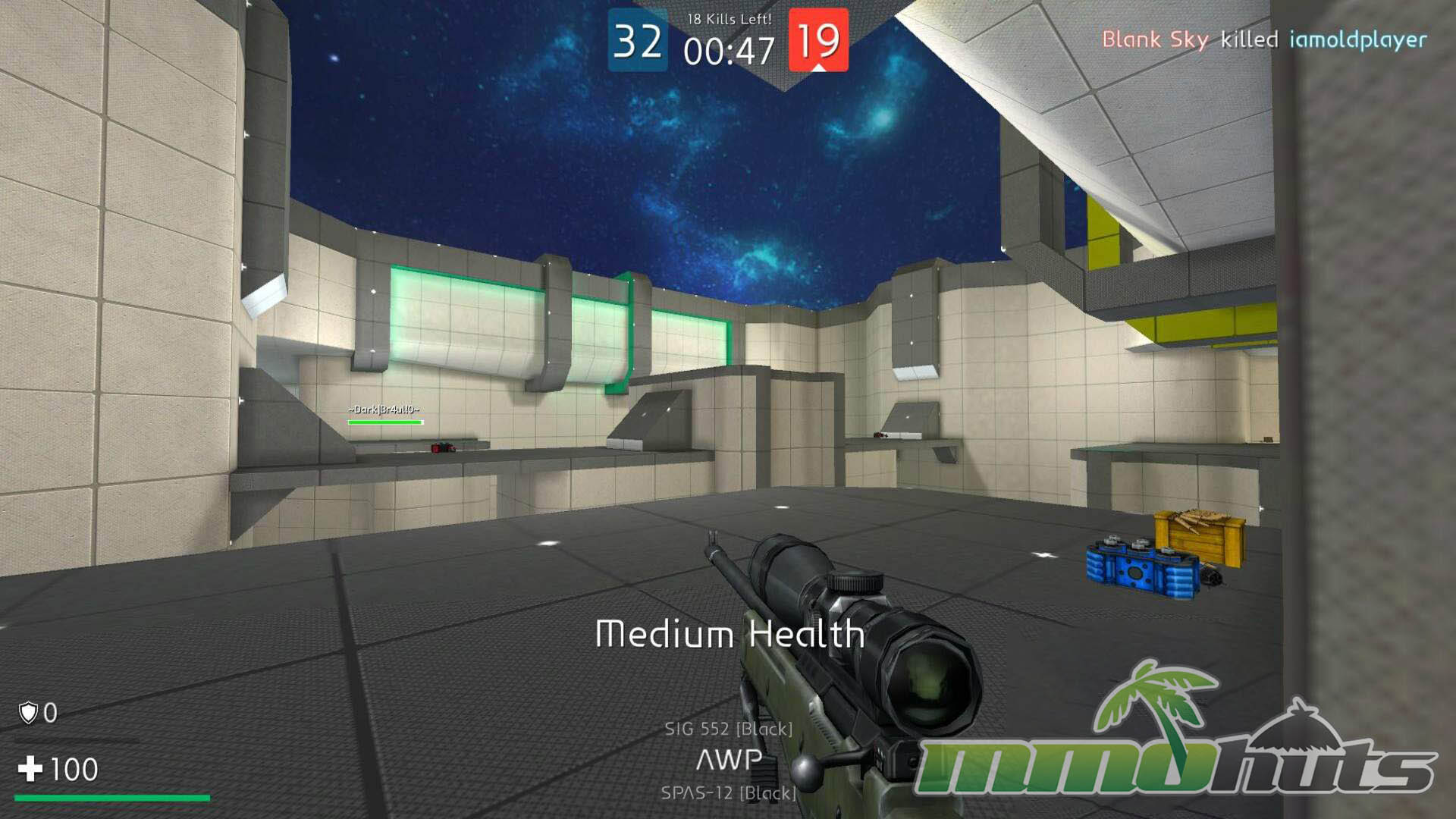
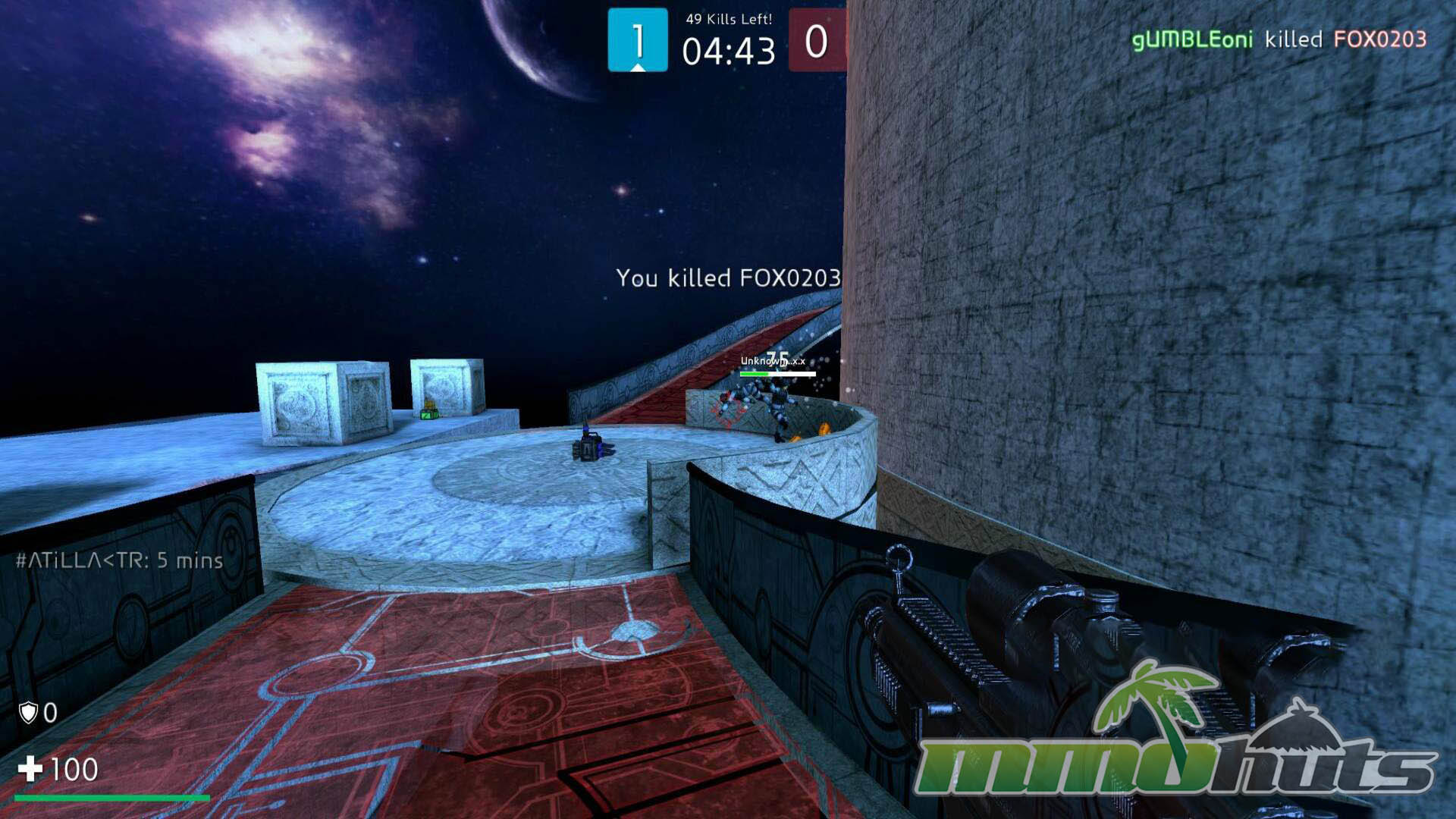
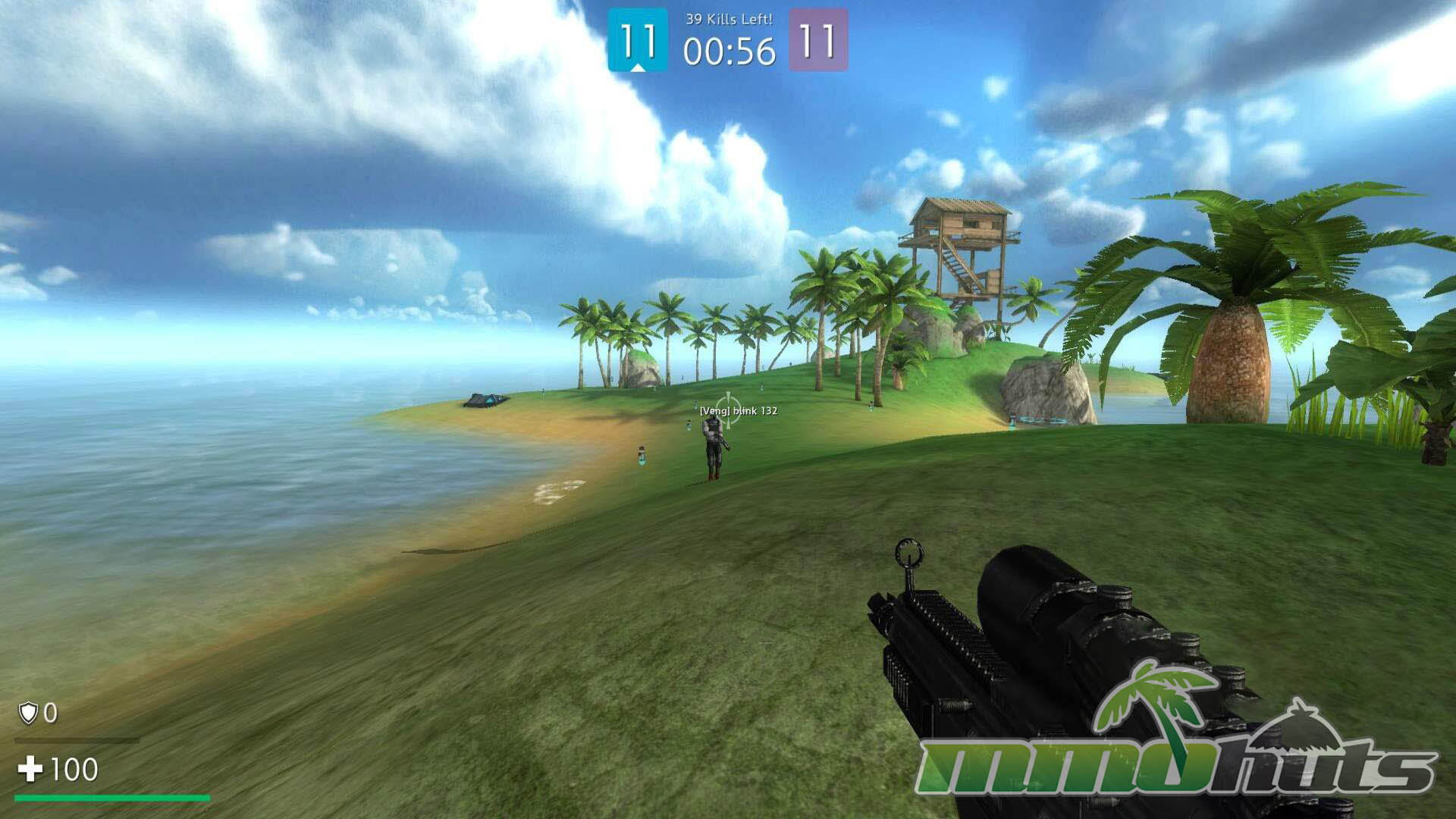
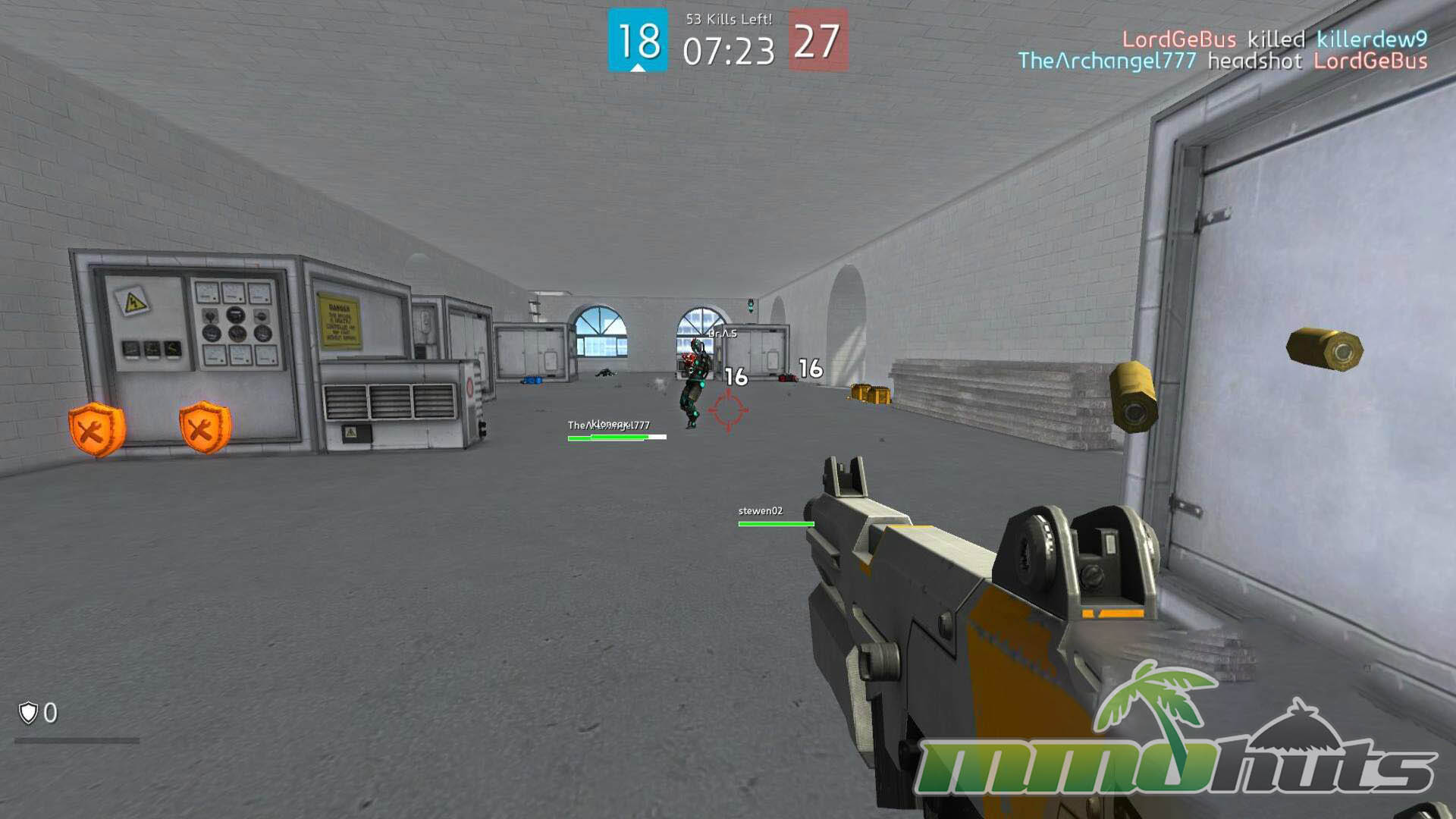
UberStrike is a high-speed multiplayer shooter focused almost entirely on deathmatch style brawls. The loop is simple: jump into an arena, score kills for your team (or for yourself), and convert match performance into experience that pushes your level upward. As you level, more weapons become available in the shop, letting you swap between familiar shooter staples like a sniper rifle and more over-the-top sci-fi options such as the Magma Rifle.
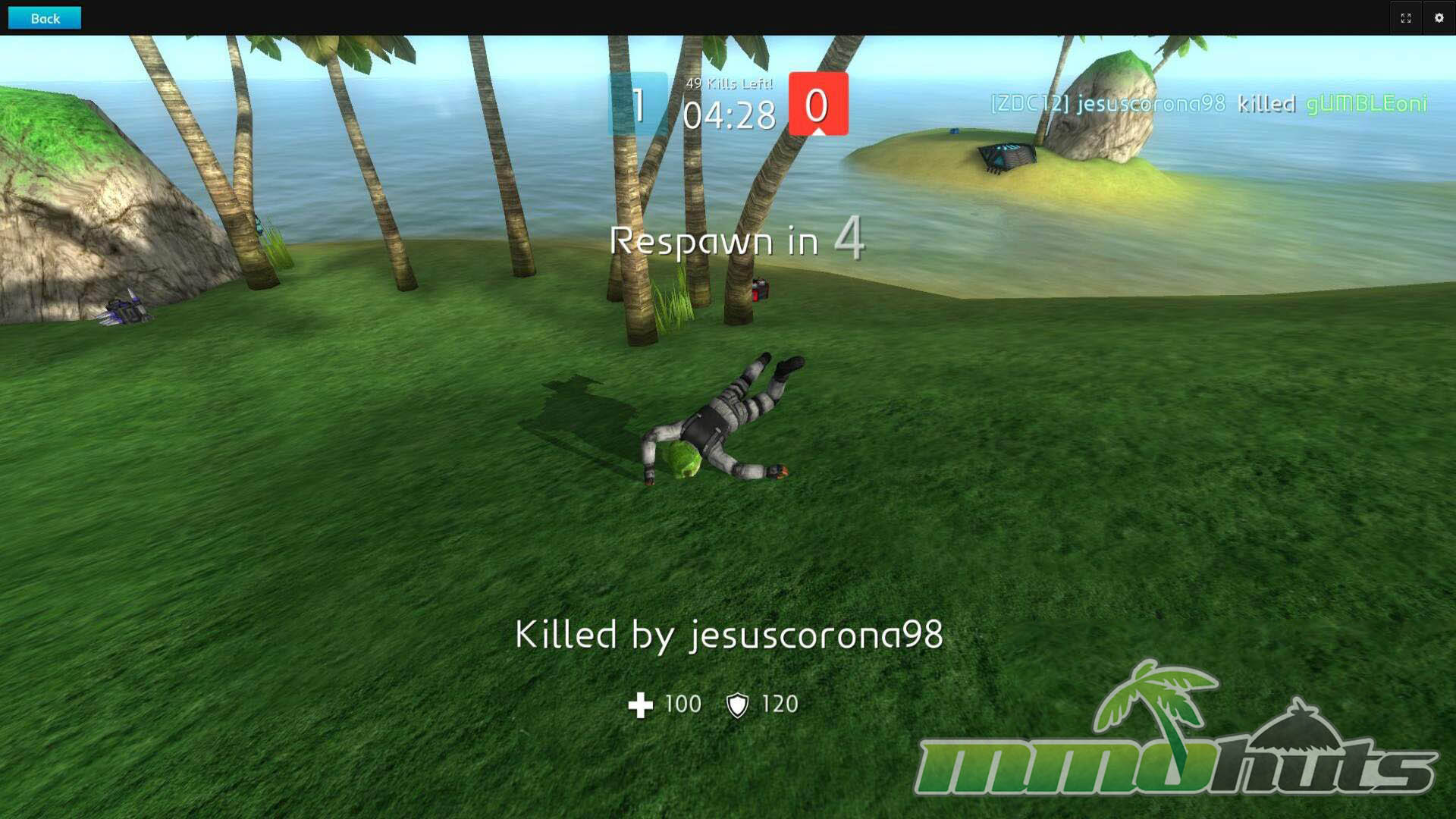
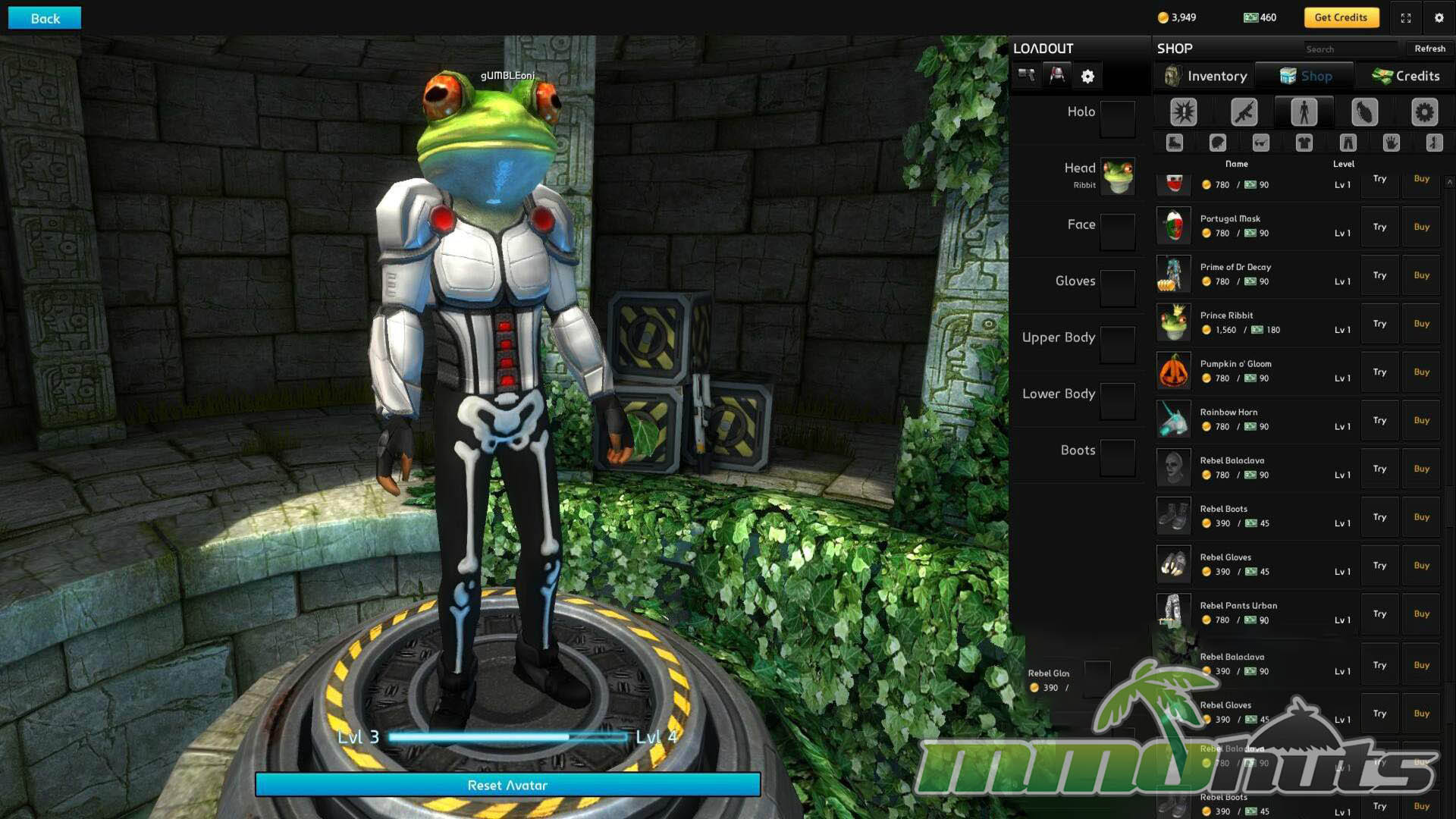
The moment-to-moment feel is intentionally arcadey. Kills are punchy and often send opponents flying in exaggerated ragdoll fashion, keeping rounds loud and kinetic even when the map selection is small. Outside of combat, UberStrike leans heavily into personalization, offering plenty of cosmetic items that range from simple outfits to deliberately silly accessories like animal heads and novelty helmets.
One of the game’s biggest practical strengths was always its accessibility. The client is lightweight, loads quickly, and generally ran on a wide range of computers without much tuning. UberStrike ultimately shut down on June 13, 2016, so it is no longer playable on official servers.
UberStrike Key Features:
- Deathmatch Gameplay – jump into short, frantic matches as a solo player or alongside a team.
- Level Up – earn experience through play and unlock additional equipment to buy as you progress.
- Gun Arensal – shape your loadout with a wide range of firearms and explosives, from close-range options to heavy launchers.
- Cosmetics – customize your character with playful visual items, including masks, themed outfits, and novelty headgear.
- Lightweight Client – designed to run smoothly on most modern computers, with quick match loading.
UberStrike Screenshots
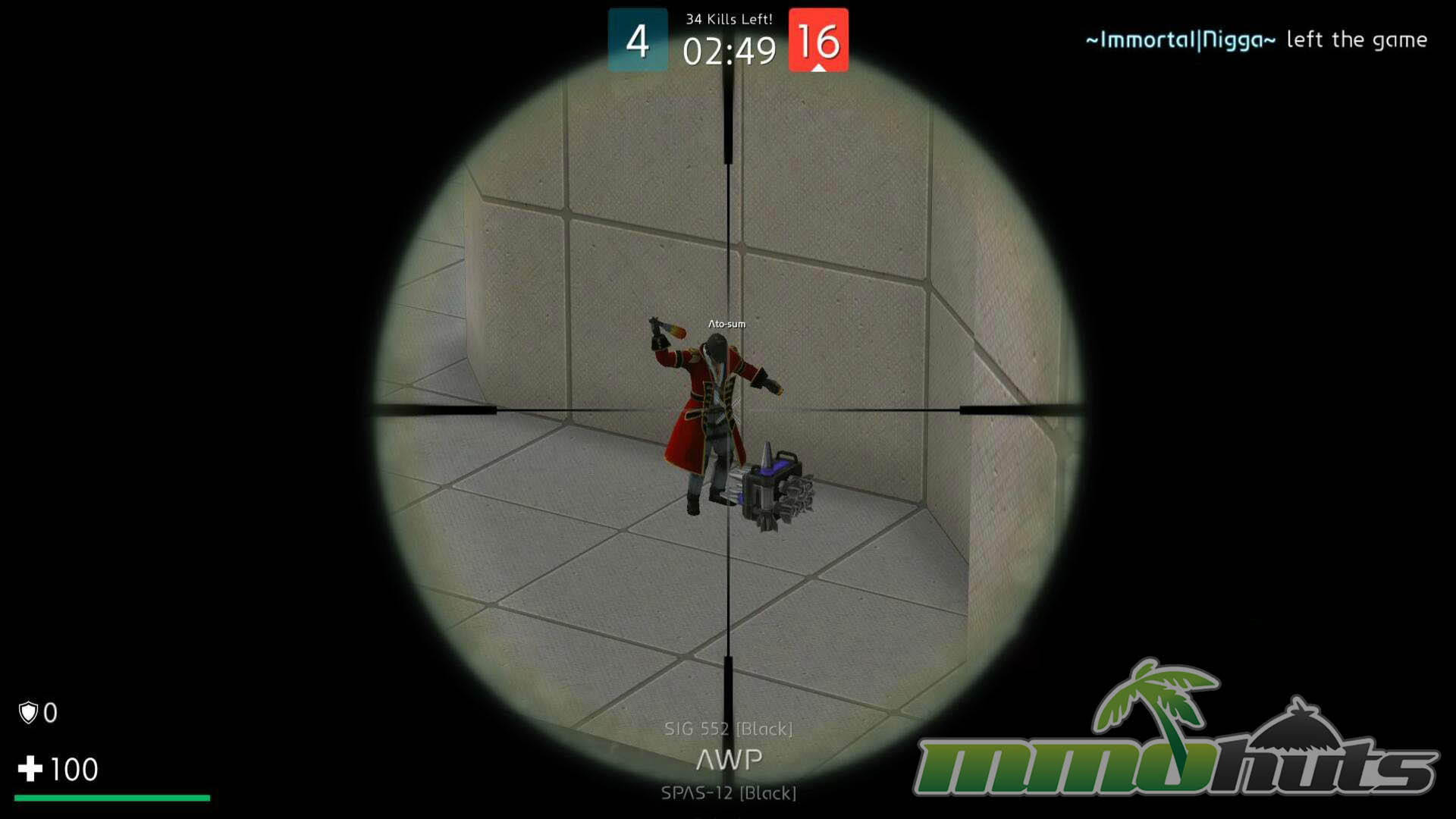

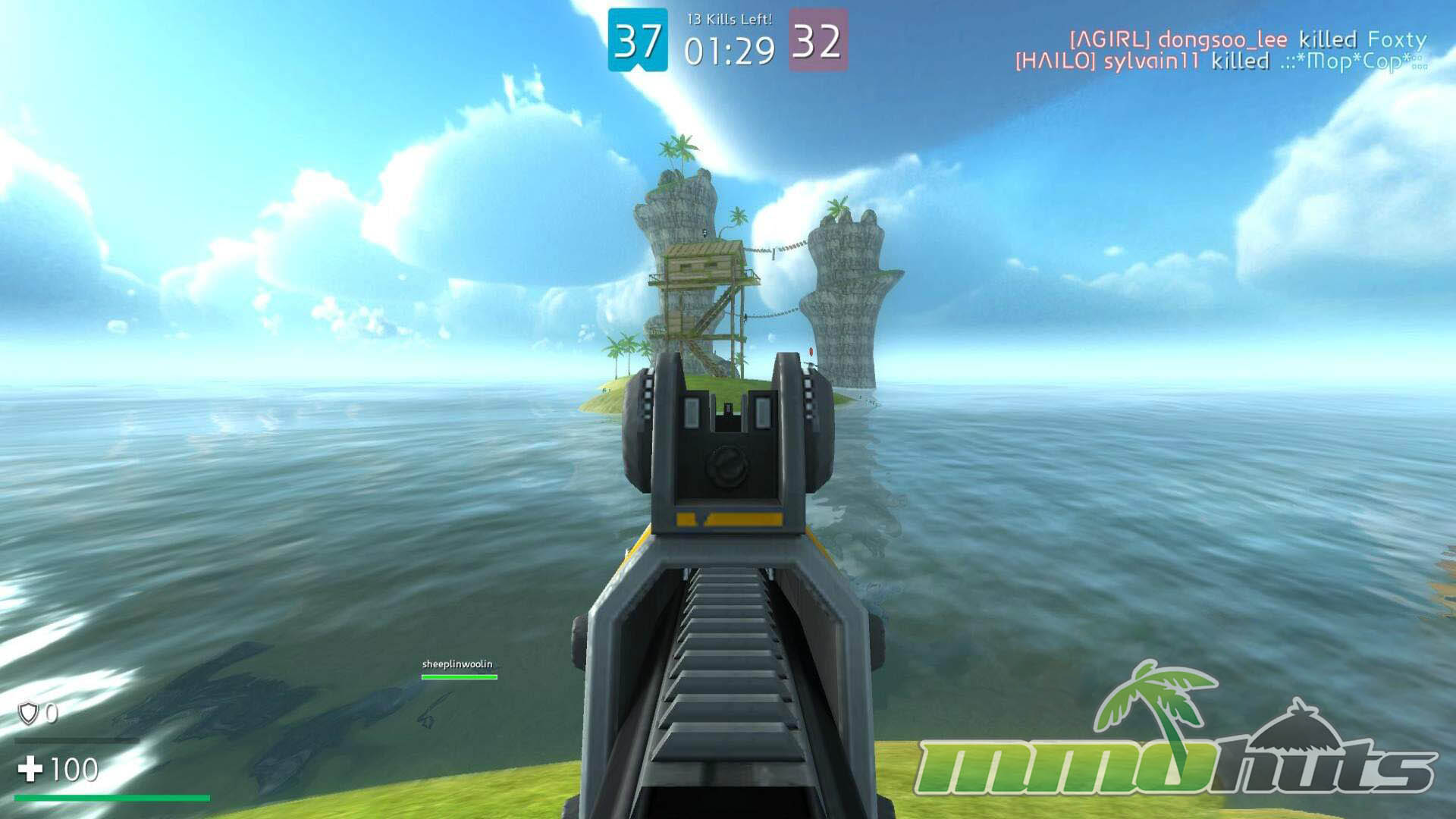

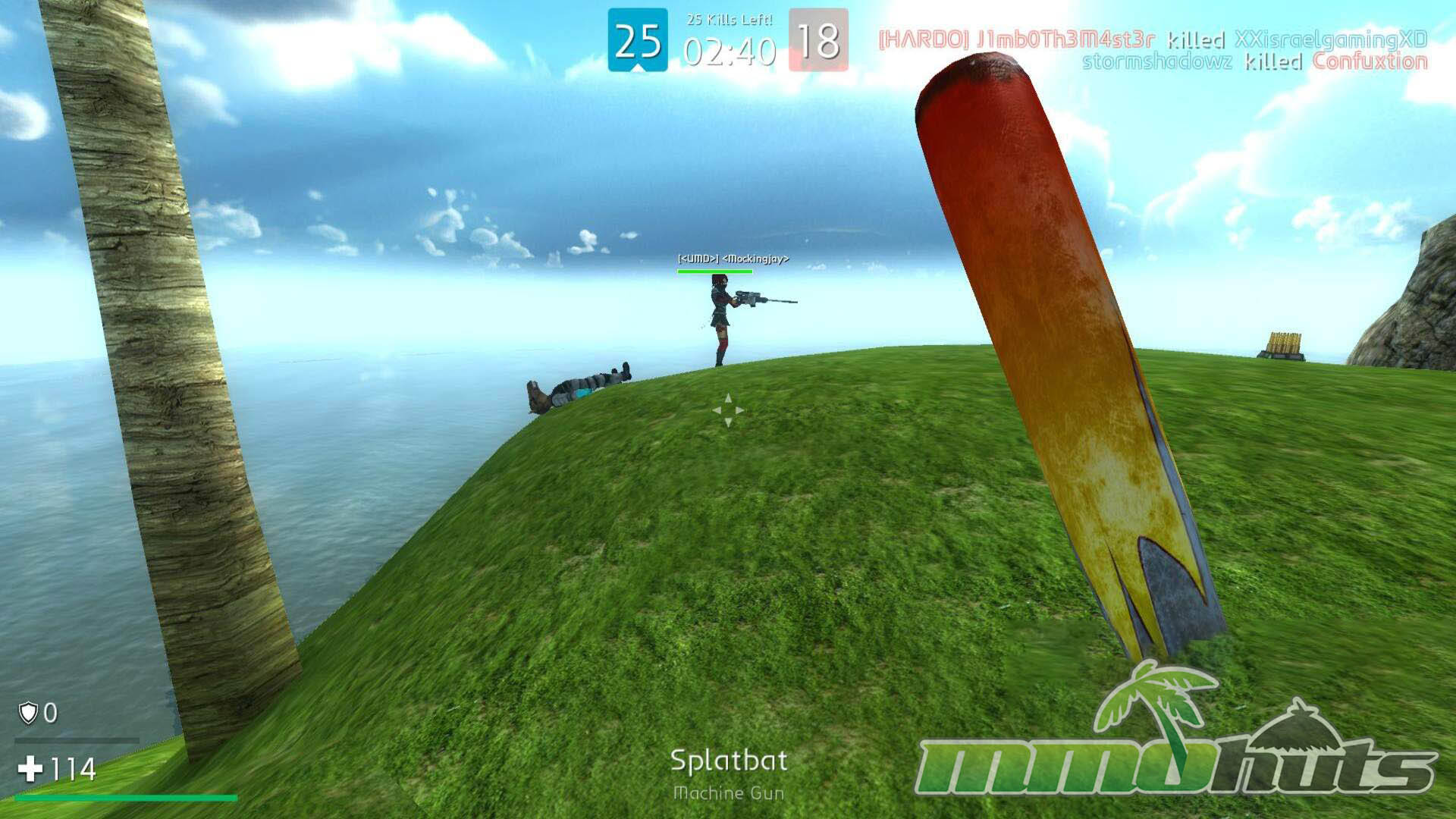
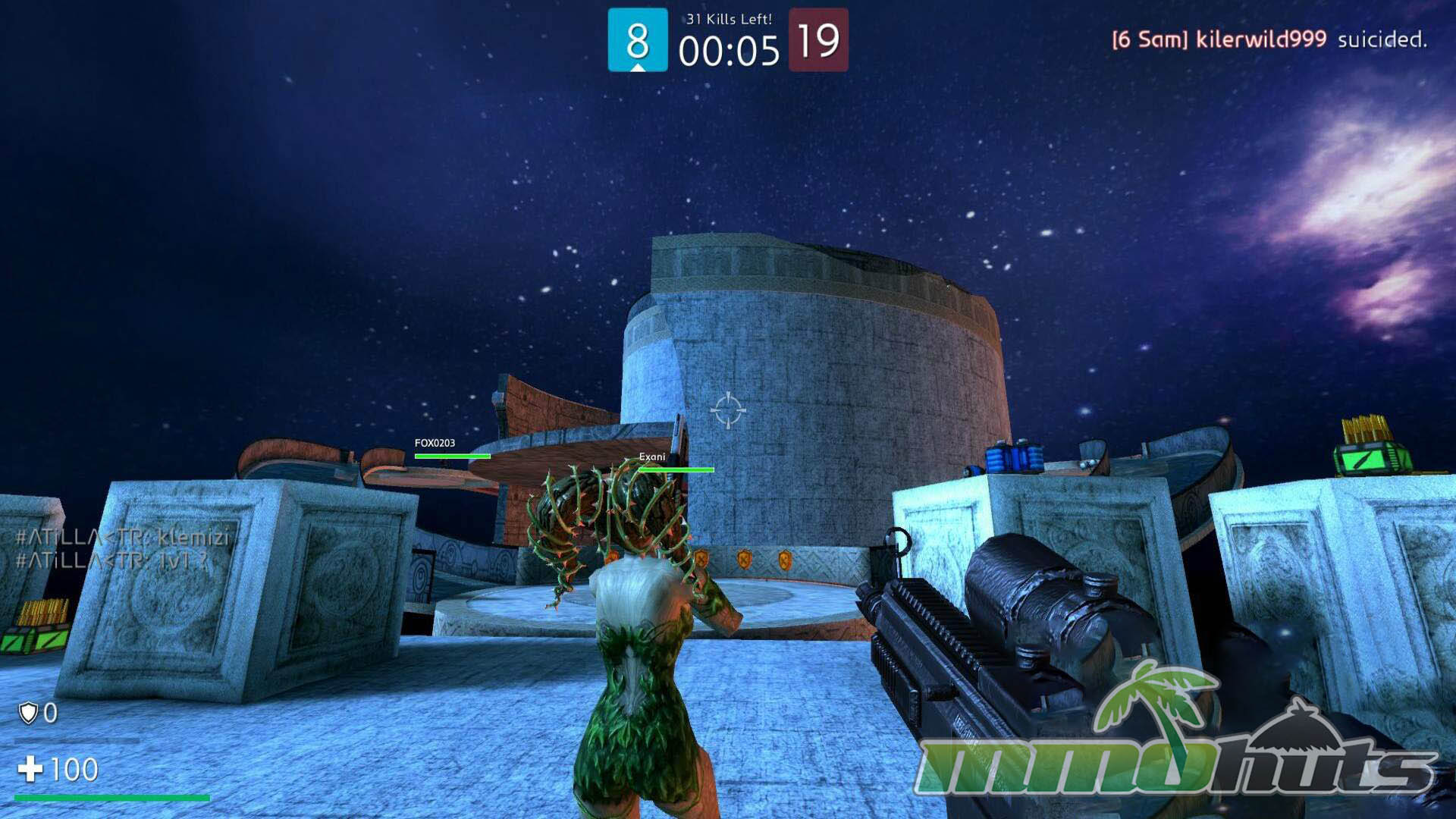

UberStrike Featured Video

UberStrike Review
UberStrike has the kind of storefront presence that makes it hard to ignore, a free-to-play shooter sitting in your Steam library daring you to click “Play.” It has an unusual history for a Steam FPS, with roots as a browser and social platform game that later transitioned into a standalone client via Greenlight. That background shows up in both good and bad ways: it is easy to run and quick to grasp, but it also carries design choices and rough edges that feel dated next to more modern competitors.
Hyperactive Movement, Constant Re-engagement
The first thing you notice is how fast everything moves. UberStrike aims for a relentless pace where deaths are frequent and respawns are immediate, keeping the action almost uninterrupted. The mobility meta tends to revolve around constant jumping and evasive movement rather than careful positioning, which gives matches a jittery, high-caffeine rhythm. If you try to play it like a slower arena shooter, you are usually punished, because standing still for even a moment often means getting erased by someone bouncing through your sightline.
That speed can be fun when the lobby is evenly matched, because it creates those short bursts of momentum where you chain a few kills and feel untouchable. The downside is that it can also turn fights into messy exchanges where tracking matters less than simply staying unpredictable and spraying damage into the crowd.
Gunplay That Rewards the Right Purchases
Weapon behavior is straightforward, with each gun dealing a set amount of damage and certain options clearly outperforming others. The difference between starter equipment and stronger store choices is noticeable quickly, which pushes players toward upgrading as soon as they can. UberStrike also emphasizes critical hits, and in practice it often feels like landing headshots is easier than it should be. Whether due to generous hitboxes or inconsistent detection, firefights can produce kills that look questionable from the receiving end.
Match flow suffers from familiar arena FPS problems as well. Spawn pressure is common on small maps, and getting eliminated from behind is a regular occurrence when sightlines overlap and players crisscross constantly. There is also the ever-present suspicion that comes with weak anti-cheat, where a portion of long-range kills and impossible-looking reactions feel difficult to trust, even if some of it can be explained by latency and the game’s loose hit registration.
Overall, UberStrike is less about precise duels and more about chaotic skirmishing. Between melee rushdowns, explosive weapons, and the speed of movement, many engagements resolve into quick trades rather than extended, skill-testing fights.
A Familiar Grind With Limited Variety
Progression is built around leveling, with 40 levels to work through and a steady trickle of experience from match participation. On paper it provides a reason to keep queuing, because higher levels open access to more weapons and options in the store. In practice, the repetition sets in quickly because the mode selection is narrow and the maps do not offer enough variety to make each session feel meaningfully different.
Team Deathmatch and standard Deathmatch play similarly, both emphasizing constant hunting and frequent ambushes. If you enjoy the core movement and the bouncy, arcade-like combat, that sameness is manageable. If you are looking for objective modes or more tactical pacing, UberStrike does not have much to offer beyond the basic frag chase.
Lightweight Presentation, Uneven Polish
Visually, UberStrike lands in an in-between space. It is not ugly in a catastrophic way, but it is clearly built for accessibility rather than spectacle. Character models are simple and doll-like, and environments lean toward clean, shiny surfaces and straightforward geometry. The benefit is performance, because even lower-end systems could run matches smoothly and load quickly.
The cost of that simplicity is that the game can feel rough around the edges. Animations and collisions do not always read cleanly, and oddities like players clipping into terrain, rubber-banding at corners, or melee hits connecting from confusing distances make matches feel less dependable than they should. When the foundation of a shooter is fast movement and constant engagements, technical hiccups stand out, because you are exposed to them every few seconds.
Monetization That Tilts the Playing Field
UberStrike uses a cash shop structure with two currencies, gold earned through play and real-money currency represented plainly as dollar bills. Weapons and items often come with rental-style options, letting you pay for short-term access (such as a day or a week) or spend more to keep equipment permanently. It is a system that encourages experimentation, but it also nudges players toward repeated spending if they want to stay equipped with top-tier options.
The larger problem is competitive balance. Players willing to spend heavily can access strong weapons more consistently and keep optimal loadouts ready as they level, while free players are more likely to feel underpowered during the climb. Level locks prevent immediate access to everything, but they do not eliminate the advantage of being able to buy the best tools the moment they become available.
Cosmetics are the brighter side of the store, because they provide lots of personality without affecting match outcomes. If you enjoyed dressing up your avatar, UberStrike delivered plenty of silly and memorable looks.
Final Verdict: Fair
UberStrike has energy and a certain throwback charm, but it struggles to stand out when judged as an arena shooter. The speed and constant action can be entertaining in short bursts, and the game’s low system demands made it easy to recommend to friends with older hardware. At the same time, inconsistent hit detection, frequent bugs, limited map and mode variety, and a monetization model that favors paying players make the overall package hard to endorse against other free-to-play FPS options. If your computer could not handle heavier shooters, UberStrike had a niche, but it rarely offered a compelling reason to stick around for the long haul.
UberStrike Links
UberStrike Official Site
UberStrike Steam Page
UberStrike Steam Greenlight Page
UberStrike Wikia [Database/Guides]
UberStrike System Requirements
Minimum Requirements:
Operating System: Windows 7
CPU: Dual Core 2.4GHz
RAM: 2 GB
Hard Disk Space: 1 GB
Recommended Requirements:
Operating System: Windows 10 x64
CPU: 3 GHz
RAM: 8 GB
Hard Disk Space: 1 GB
UberStrike is also available for Mac OS X.
UberStrike Music & Soundtrack
Coming Soon…
UberStrike Additional Information
Developer: Cmune Ltd.
Publisher: Cmune Ltd.
Engine: Unity
Release Date: November 16, 2010
Steam Greenlight Posting: Novemeber 12, 2013
Steam Release Date: April 27, 2015
Shut Down: June 13, 2016
Development History / Background:
UberStrike was developed by Chinese software developer Cmune. The project began under the name Paradise Paintball, which launched in November 2008. It gained attention as an early real-time 3D MMO-style experience on social platforms like Facebook and MySpace, and it also reached the top spot for several months on the Apple Dashboard. It is often cited as an early 3D browser title to make heavy use of micropayments. Paradise Paintball was rebranded as UberStrike on Novemeber 16, 2010, bringing a range of gameplay changes alongside the new name. The game later appeared on Steam Greenlight on Novemeber 12, 2013, was approved by the community, and eventually launched on Steam on April 27, 2015. That Steam release effectively combined the browser-era version of the game with the Steam client.
UberStrike shut down and closed its servers for good on June 13, 2016.