Trinium Wars is a 3D sci-fi fantasy MMORPG set on a post-World War III Earth
 | Publisher: Insel Games and IME Playerbase: Low Type: Sci-Fi MMORPG Release Date: February 17, 2016 (Early Access) Shut Down Date: August 31, 2016 PvP: Arena / 1000-player Resource Wars Pros: +MOBA-style PvP arenas. +1000-player Resource Wars. +Base building metagame. +Take control of vehicles in certain instances. +Player-driven economy. Cons: -Only two factions. -Limited classes. -Dated Graphics. -Clunky animations. |
Trinium Wars Overview
Trinium Wars drops players into a ruined future shaped by the nuclear devastation of World War III. In this setting, survival is not only about fighting mutants left behind by the fallout, it is also about competing factions trying to secure what little remains worth claiming. You pick between two races, the returning Humans who want to take back their world and the Narc, an alien presence that moved in after exhausting its own resources. Both sides push through separate starting zones and story beats, but they share the same broad end goal: dominate the planet’s remaining strategic materials.
Class choice is simple and limited to three options built around familiar MMO roles and playstyles. Warrior is the heavy front-liner, Ghost leans into mobility and stealth, and Esper focuses on firearms and ranged pressure. Progression is largely driven by questing, with a long chain of missions that advances the narrative while moving you from region to region. To keep things from being nothing but standard combat loops, the game also mixes in special instanced quests that temporarily shift the rules, including sequences where you take direct control of vehicles such as mechs, tanks, and helicopters.
PvP is a major pillar of the design, offering two distinct flavors. Smaller-scale competition comes through instanced, MOBA-like arenas where teams clash around objectives, while the headline mode is a massive 1000-player resource war built around faction conflict and control. Trinium Wars shut down on August 31, 2016.
Trinium Wars Key Features
- Story-driven questing – uncover the state of post-World War III Earth through a lengthy quest line.
- Vehicle-focused instances – certain missions hand you control of mechs, tanks, and helicopters for set-piece combat.
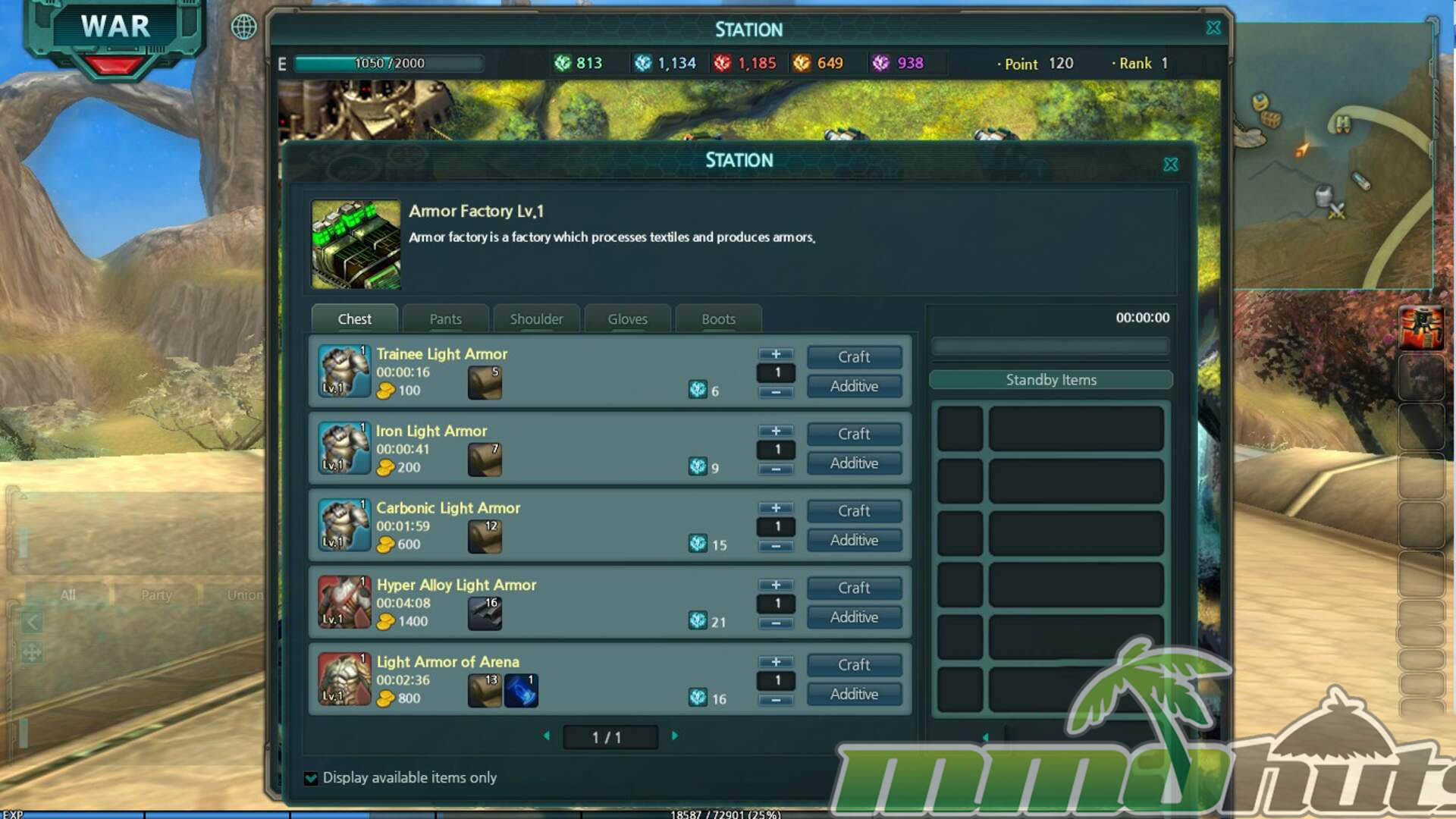
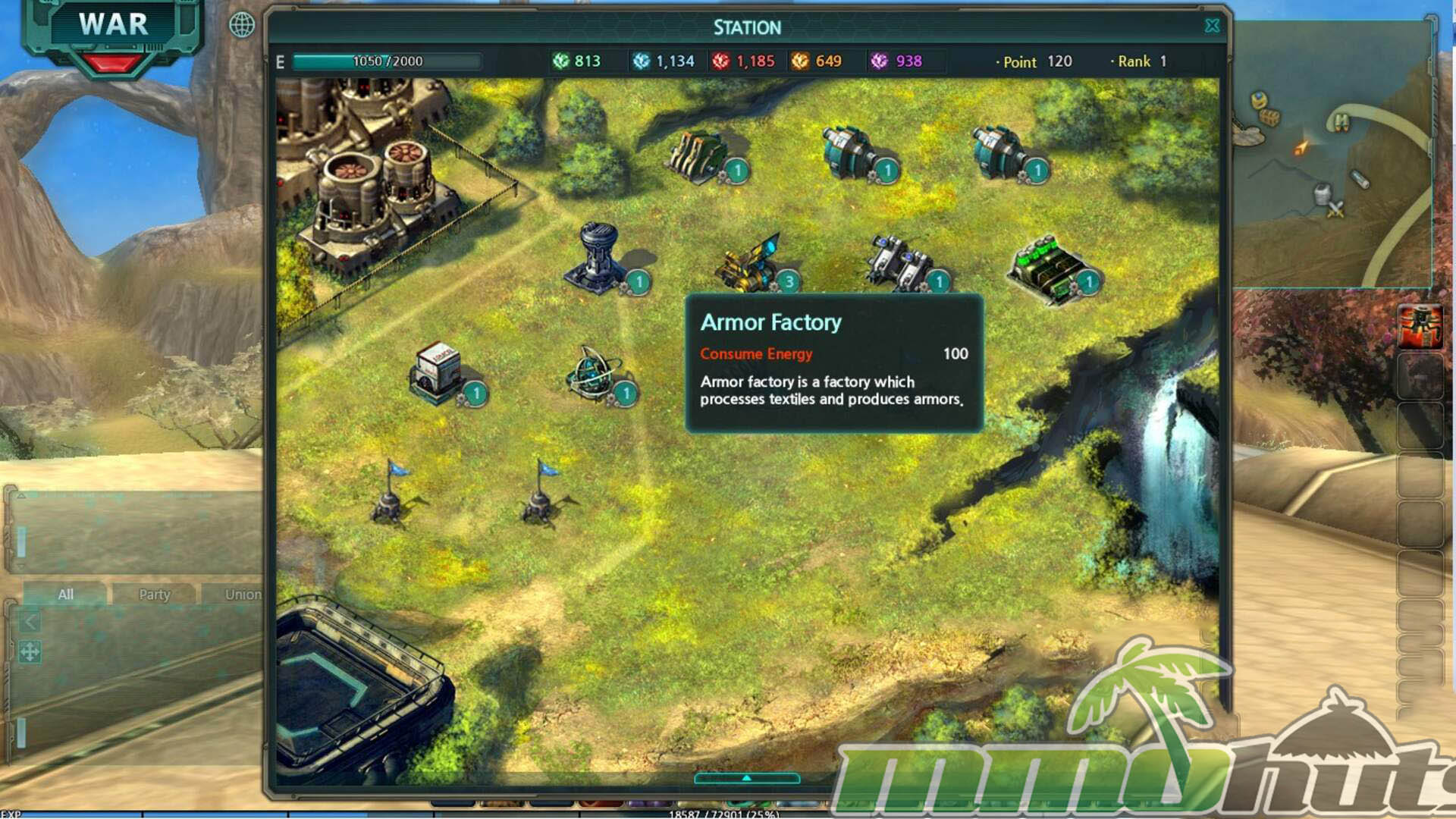
- Base building layer – construct and upgrade a personal base to create items like equipment, potions, and skills using different buildings.
- Team arenas with MOBA DNA – queue into objective-based PvP arenas against an opposing squad.
- Trinium Wars – take part in a large faction conflict mode built around resources, with battles scaled up to 1000 players.
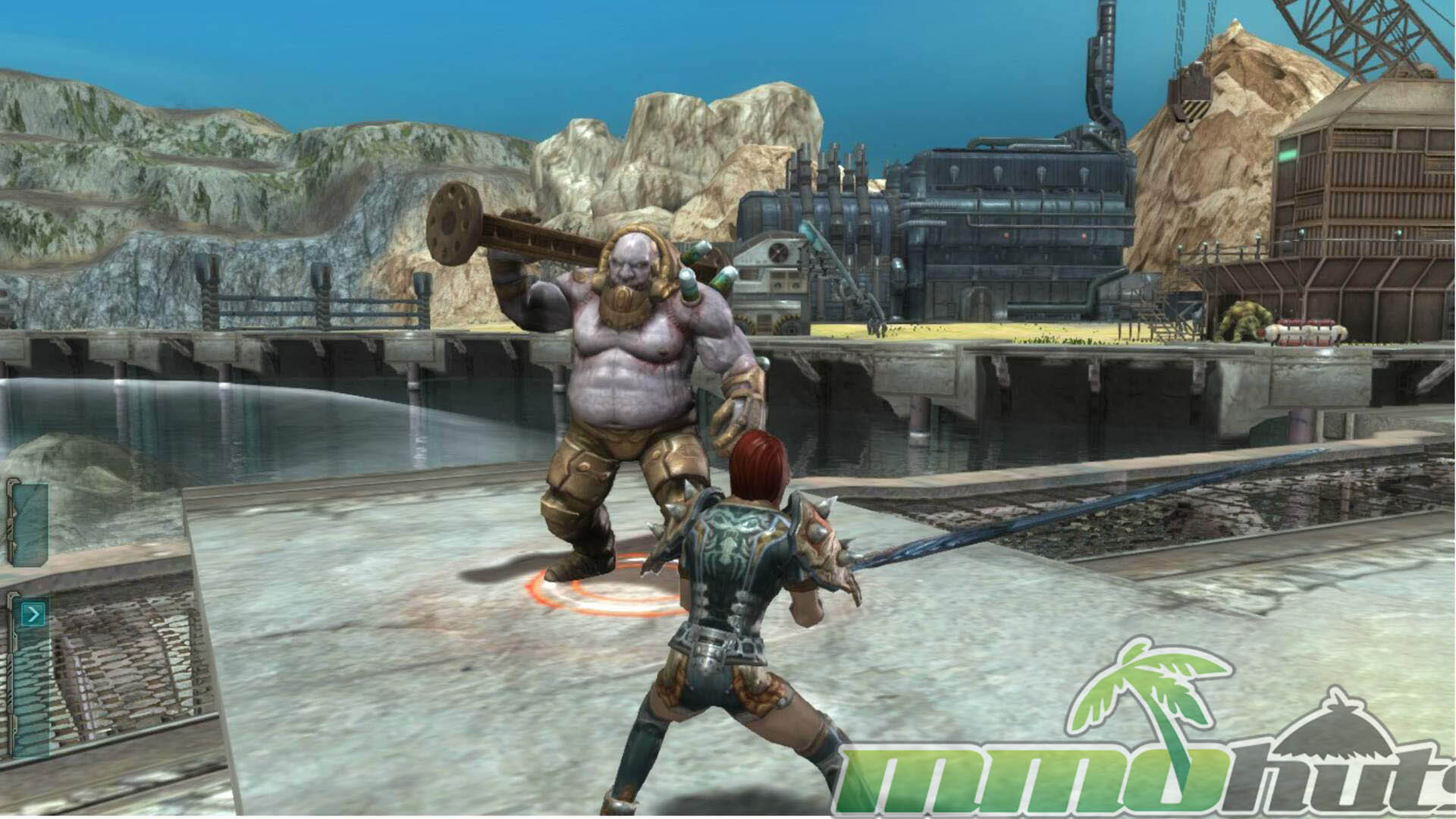
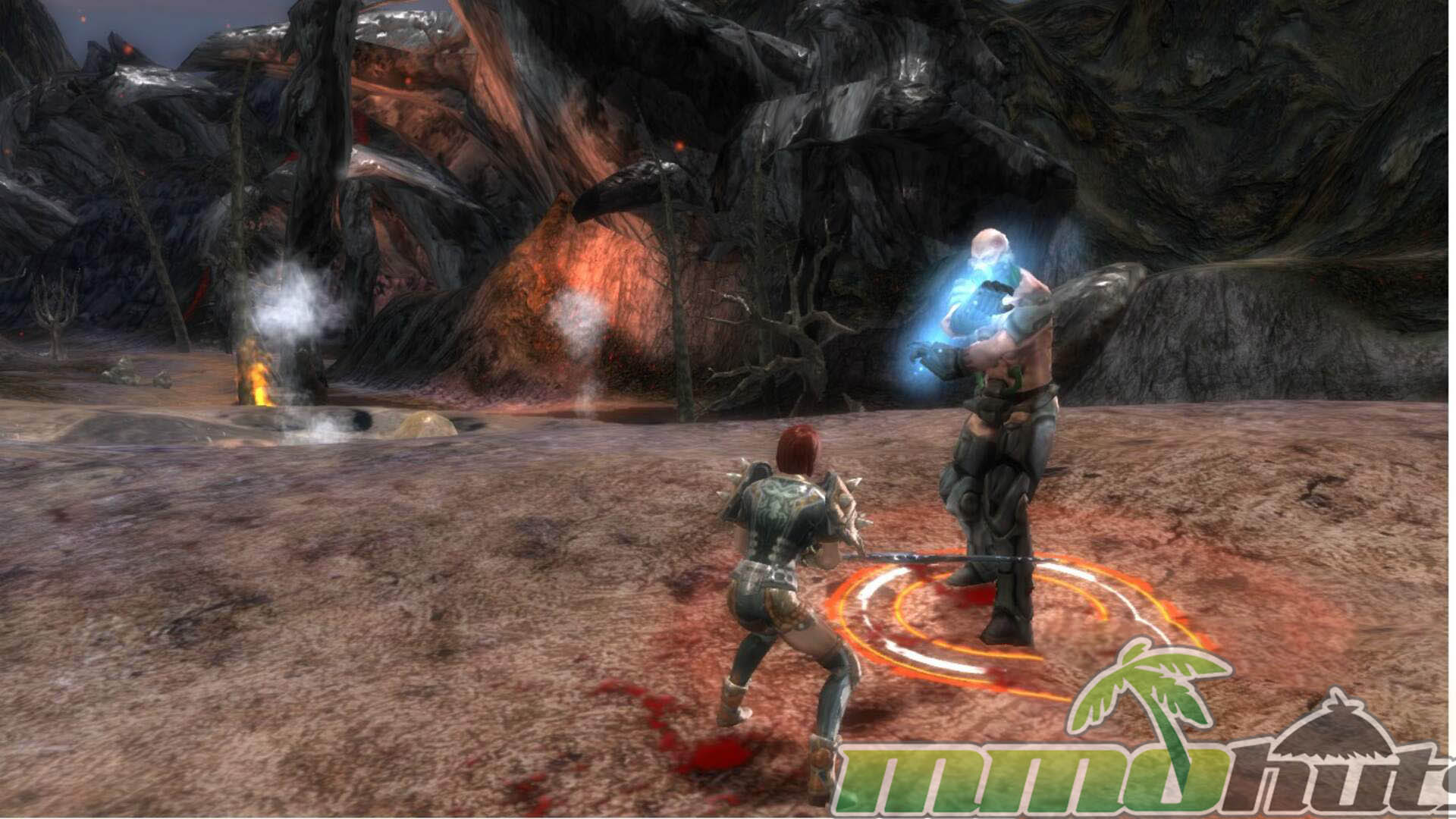
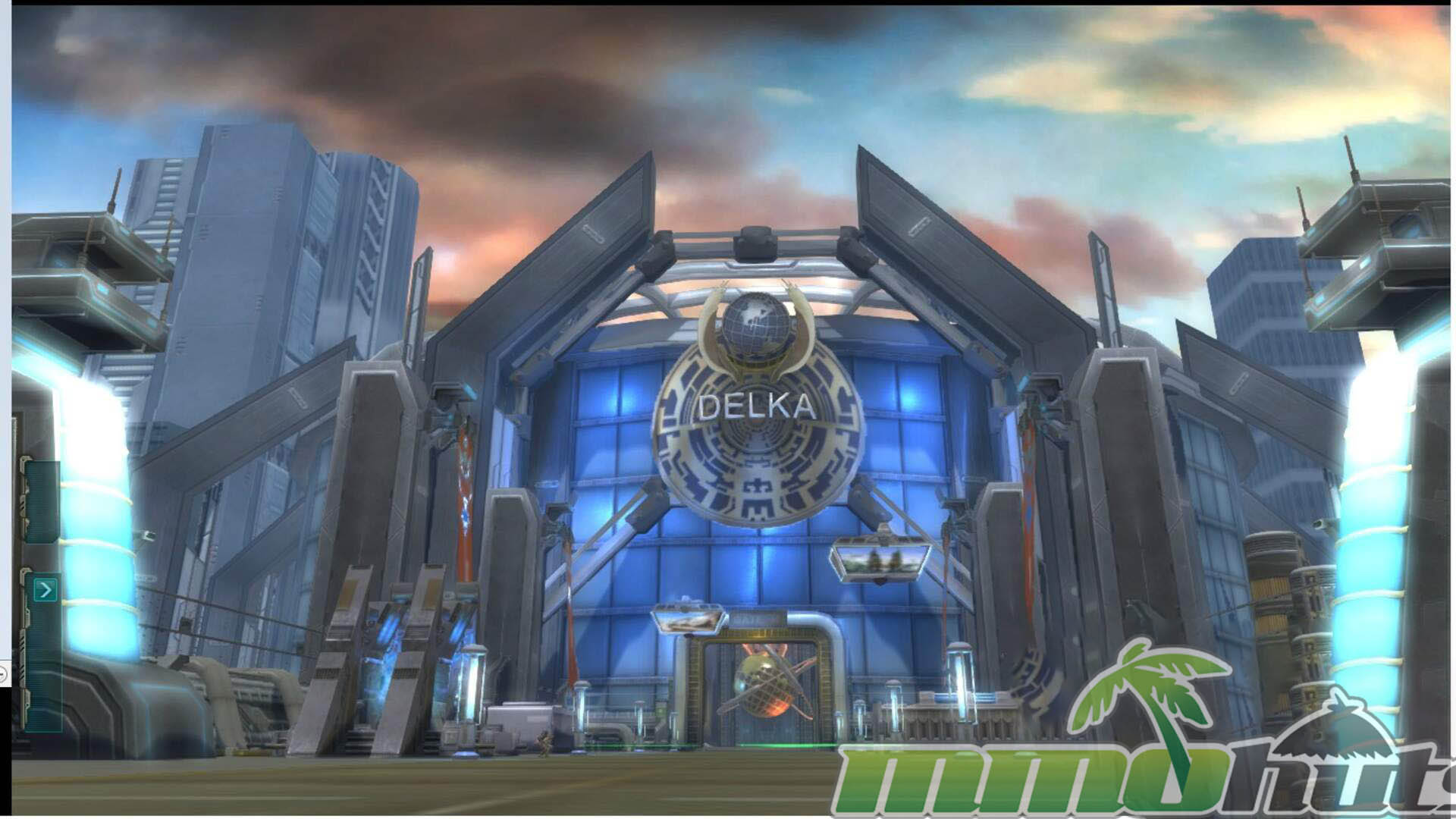
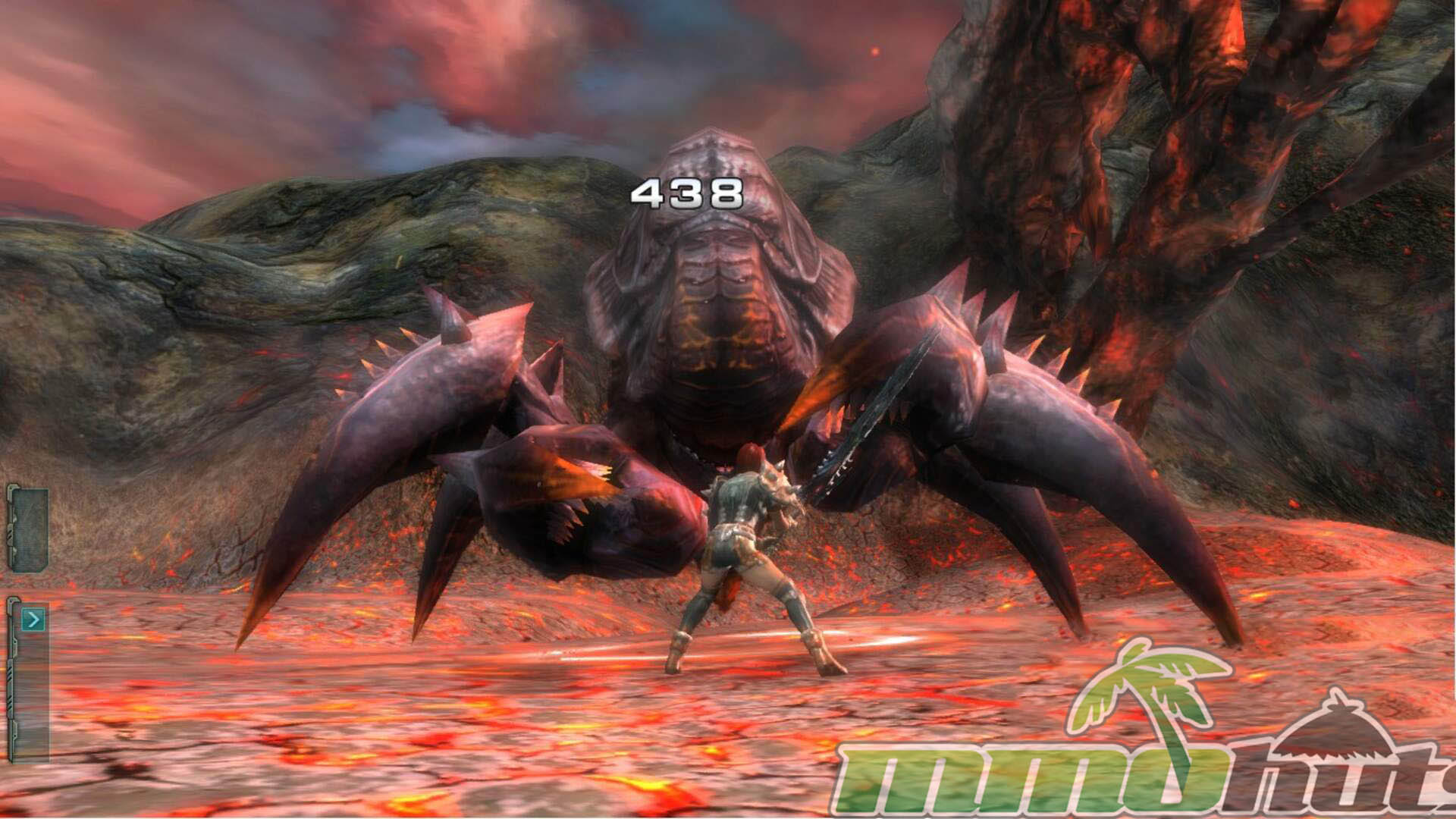
Trinium Wars Screenshots

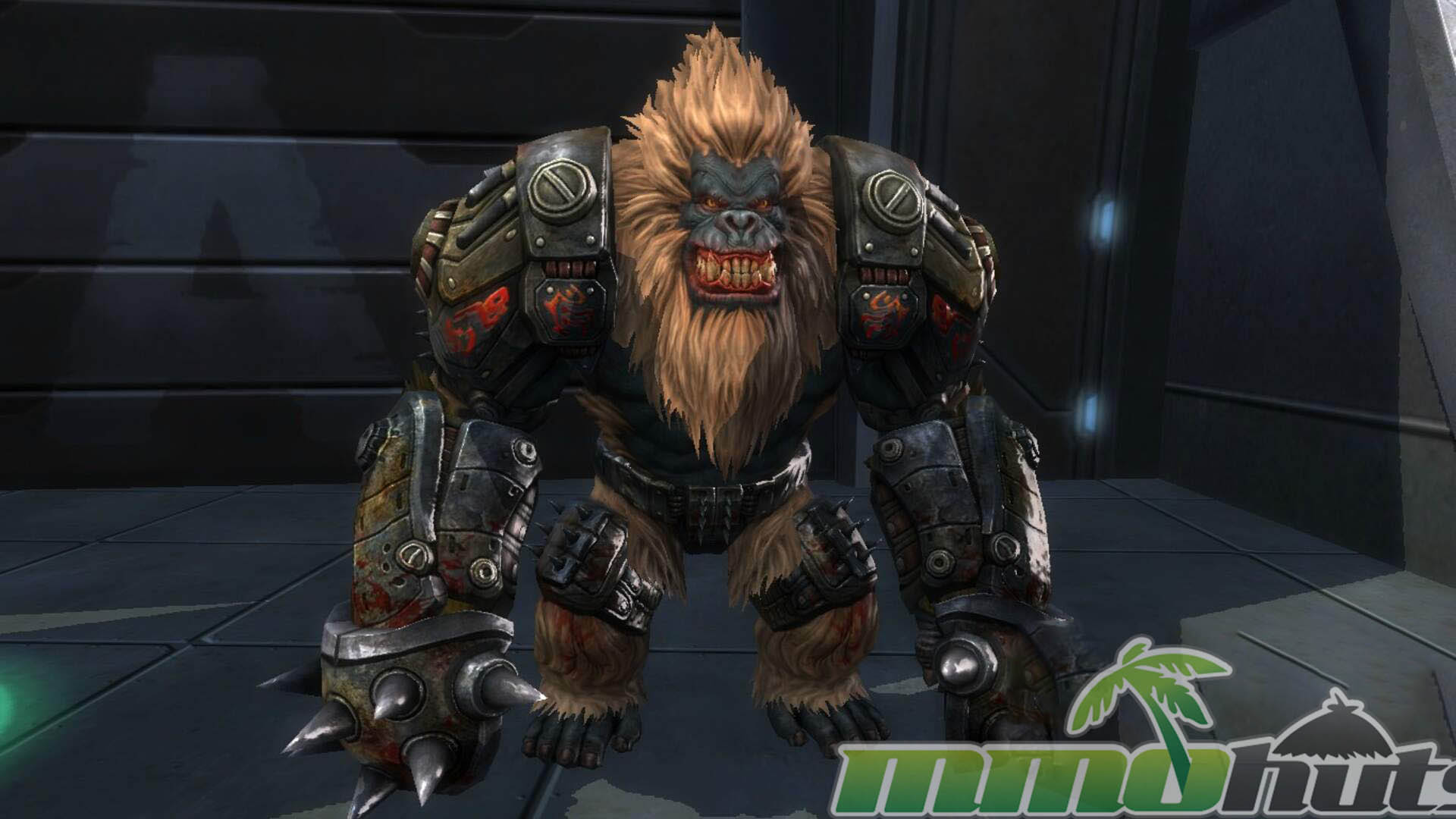


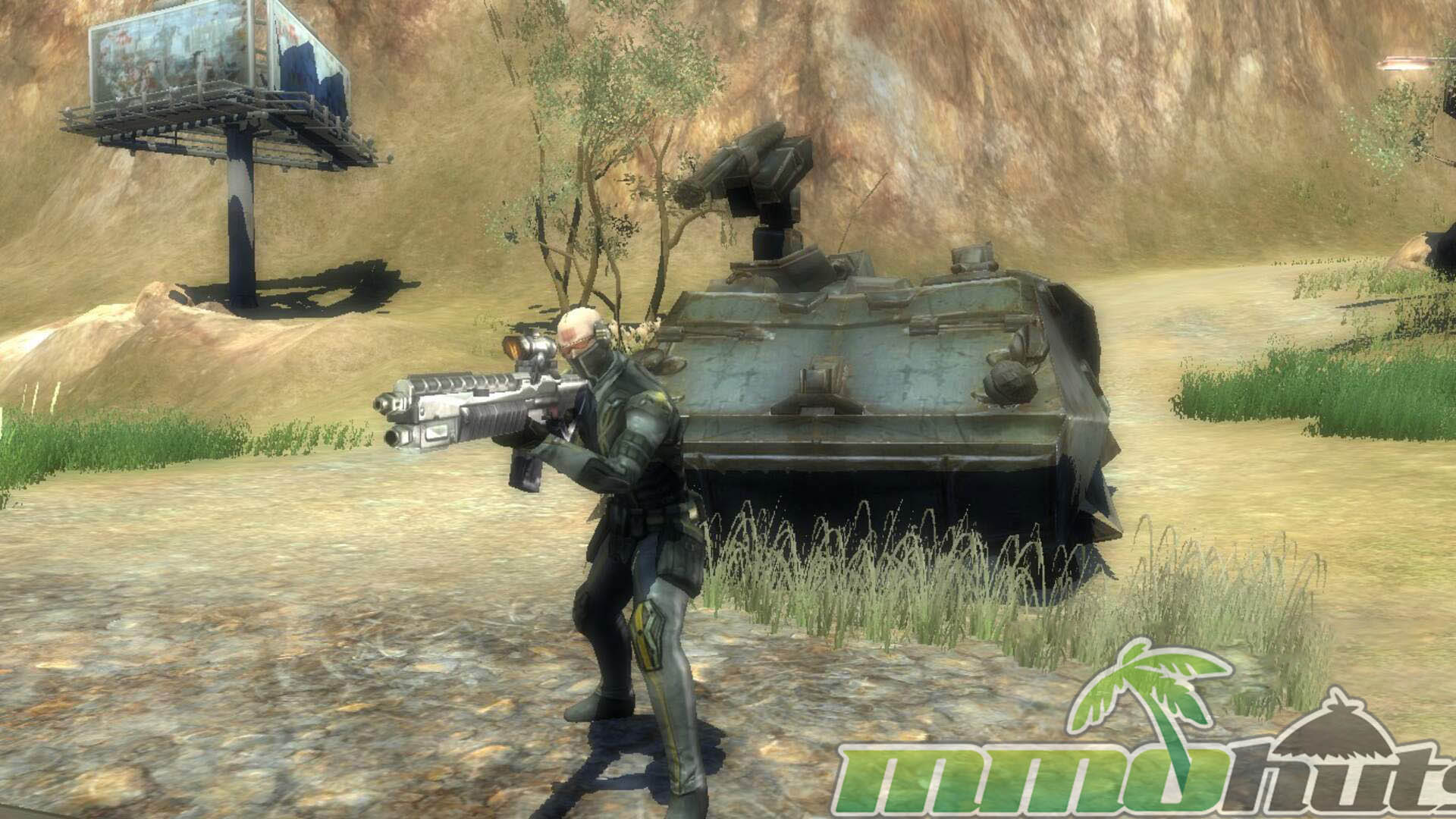
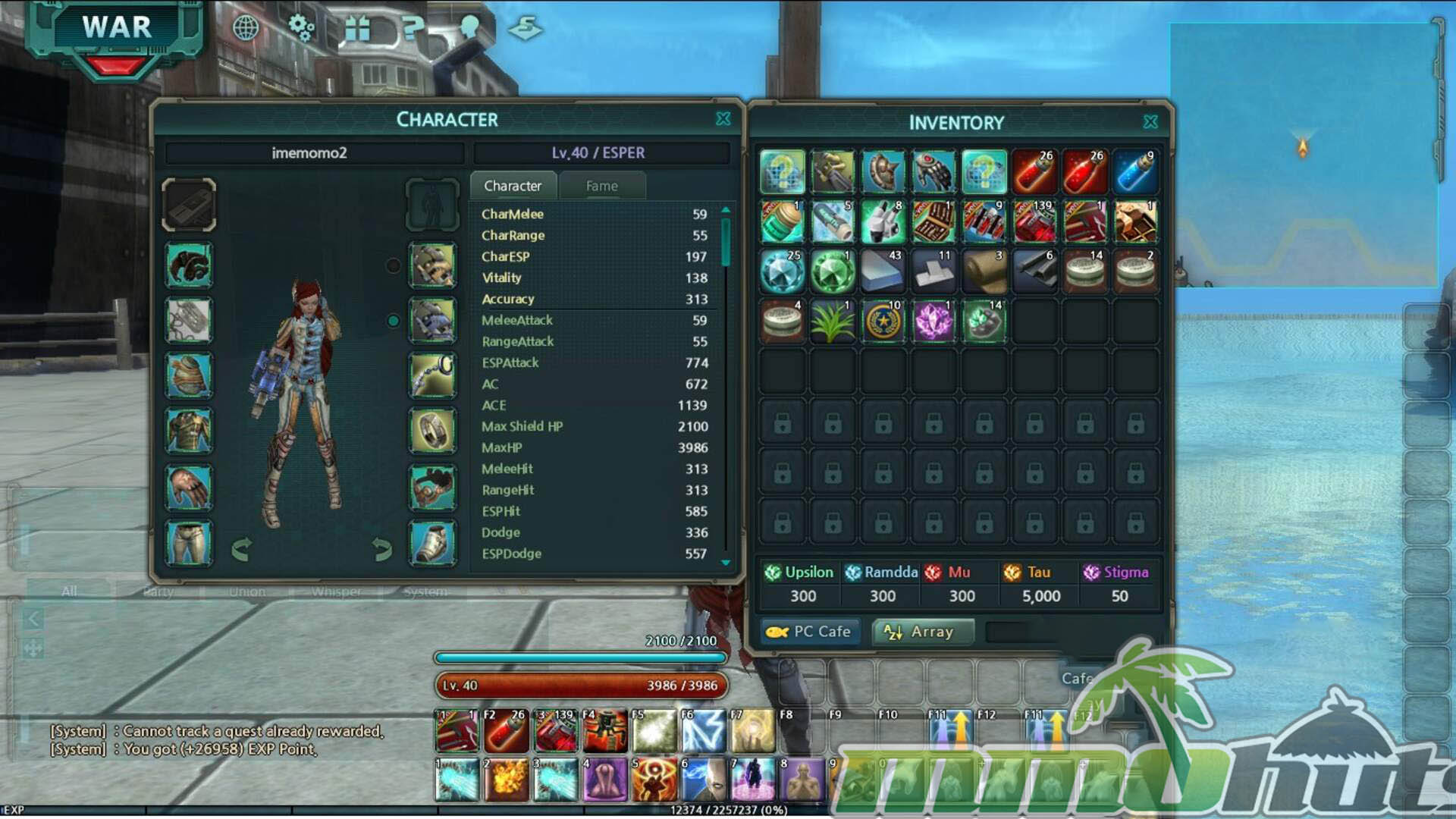
Trinium Wars Featured Video

Trinium Wars Review
Trinium Wars is a buy-to-play, 3D sci-fi fantasy MMORPG that revisits the setting and narrative framework of L.A.W. (Land After War). The premise is straightforward post-apocalypse with a spacefaring twist: Earth is shattered by the nuclear fallout of World War III, a remnant of Humanity survives by leaving the planet, and then returns centuries later to find the world occupied by an alien race and infested with mutants. On paper, it is a solid hook for a faction MMO, and the game tries to support it with lots of quest text and a steady drip of story missions.
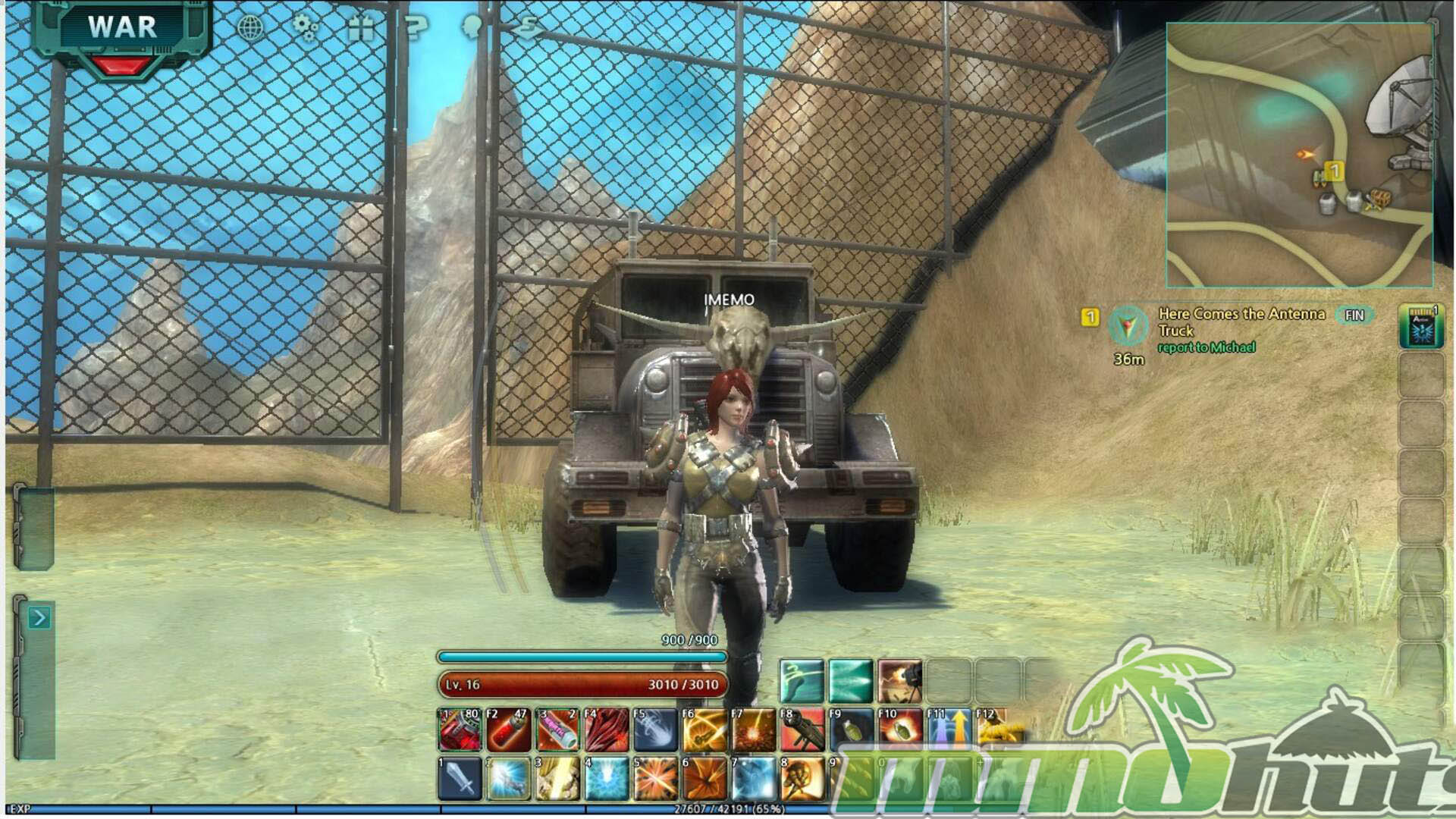
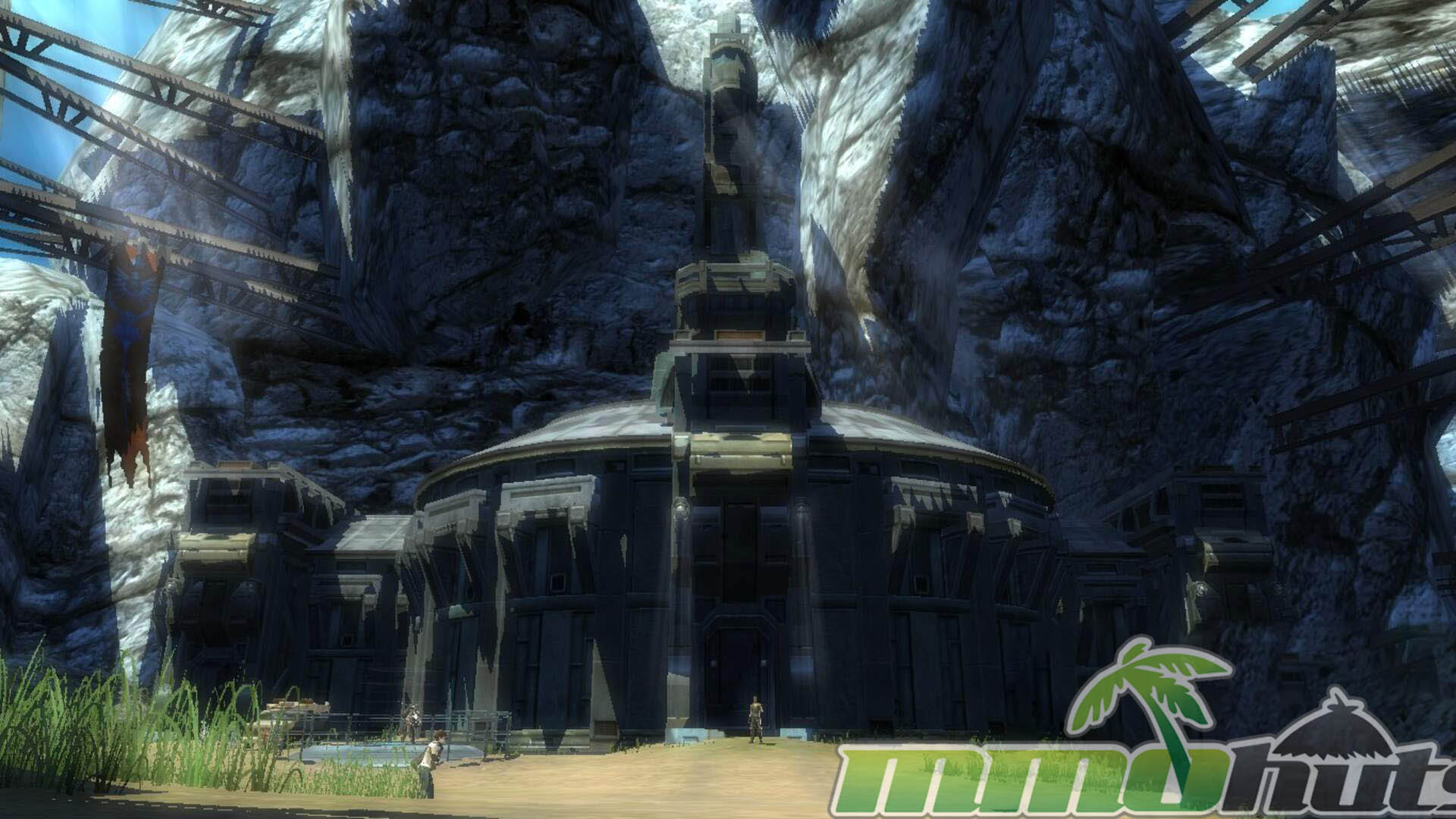
Presentation is a mixed bag. Even for an Early Access release in early 2016, the visuals come across as behind the curve, particularly in character models, environments, and the overall lighting and texture work. Where it struggles most is in motion; combat, traversal, and vehicle movement often feel stiff, with animations that do not communicate impact particularly well. Audio does the job but rarely elevates a moment, leaning on serviceable, familiar MMO sound cues rather than memorable themes. If you have experience with older sci-fi MMORPGs, the general vibe and structure will feel reminiscent of that era.
Two Sides of the Same Coin
Your first major decision is faction selection: Humans or Narcs. Humans are the returning survivors, while Narcs are the alien settlers who arrived after running their own world dry. The choice affects your starting region and the storyline framing you get early on, but mechanically the two sides mirror each other by offering the same class options. It is also an account-wide commitment, so it is worth thinking about which side you want to represent before you invest time into leveling.
Character creation offers male and female variants for each class with basic customization. You can tweak the look with preset choices, but the toolset is fairly limited, especially for hair options, colors, and facial variation. It is functional rather than expressive, which is a shame in a game that leans heavily on faction identity.
Questing Through the Wasteland
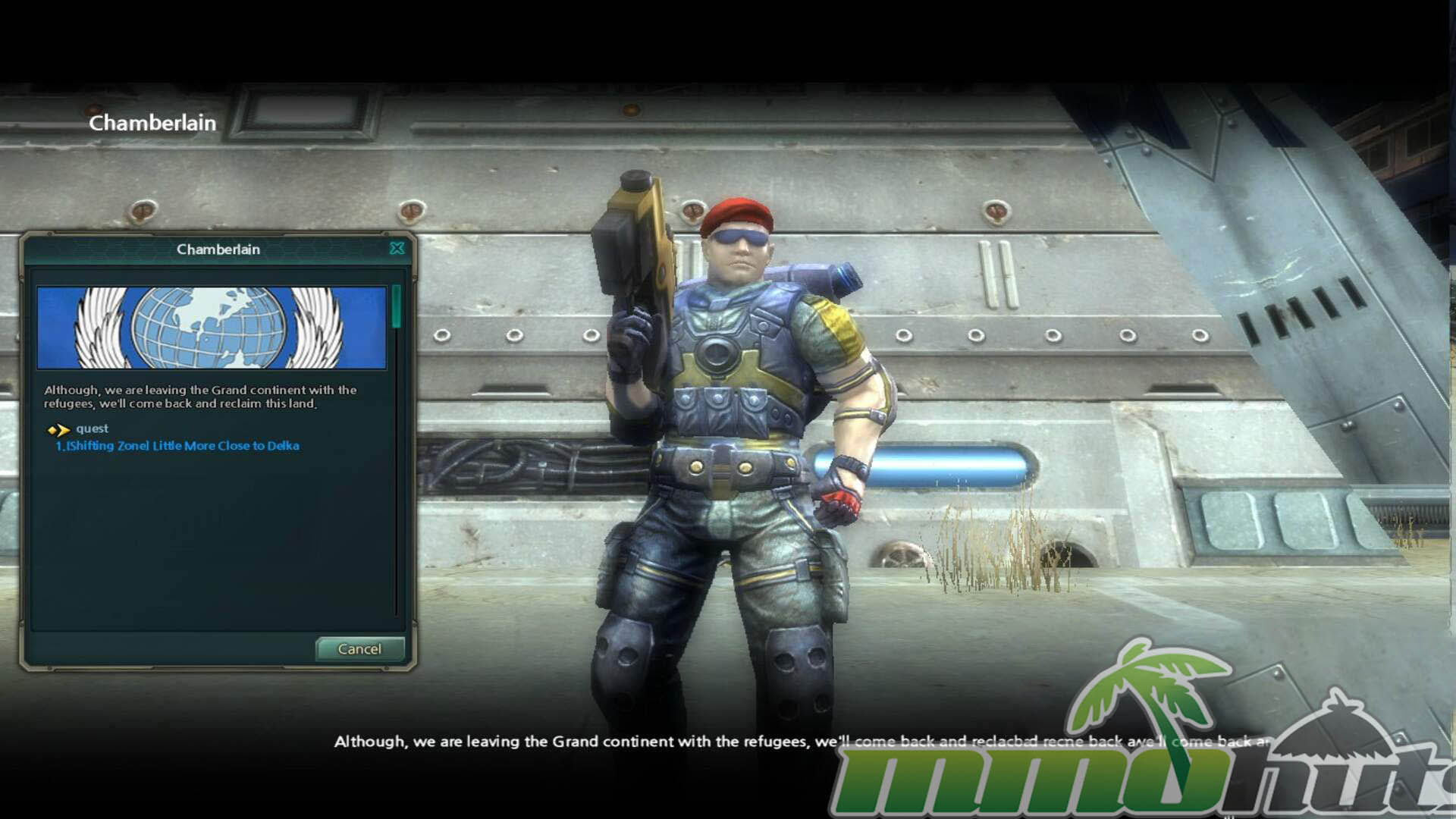
After a short introductory cinematic tied to your faction, you are placed into the opening zone with little guidance. There is no robust tutorial, only minimal pop-ups pointing out interaction controls and reminders about level thresholds for PvP activities. As a result, the early experience can feel abrupt, particularly for players new to tab-target MMORPG conventions.
From there, the game is primarily a quest conveyor belt: accept tasks, clear enemies, gather items, move to the next hub, repeat. Most objectives are the expected kill and collect variety, with occasional mission types meant to add variety. The story does progress as you go, but the pacing is anchored to routine combat loops, so enjoyment depends heavily on how much you tolerate traditional grind structure.
The standout interruptions are the special instanced quests, which function as set pieces. These can include activities like placing defenses or jumping into vehicle combat scenarios. In theory, they break up the rhythm nicely; in practice, they are held back by control feel. Combat is heavily tab-target and can become button-spammy, and the vehicle sections suffer from awkward handling and unconvincing physics. Those moments still add variety, but they rarely feel as smooth as they should.
Leveling, Gear, and Skills
Advancement moves quickly in the early hours. Levels come fast through quest completion, and progression is closely tied to equipment. Your level gates what gear you can wear, and your performance is strongly influenced by your item quality, since stats are primarily gear-driven.
Skills unlock as you hit certain level milestones, but they are not immediately usable. You still need to purchase newly unlocked abilities from job trainers, typically located in towns and safe areas. Currency matters here, because Tau is used for skill purchases. Tau can be gathered in several ways, including harvesting Tau nodes, looting enemies, and earning it from quest rewards. The system is simple to understand, but it reinforces the core loop of constant questing and farming.
PvP: Arenas and Resource Warfare
For players drawn to competition, Trinium Wars concentrates its PvP into two modes rather than a broad menu. Battlegrounds are instanced team matches with a MOBA-inspired structure, built around coordinated fights and objectives inside dedicated arenas. They are the most accessible option for quick PvP sessions.
The signature mode is Trinium War, a large-scale resource conflict described as a 1000-player free-for-all. It leans into the fantasy of massive faction warfare, and conceptually it is one of the game’s stronger selling points, especially for players who enjoy big chaotic battles similar in spirit to older faction-war MMORPG modes.
Cash Shop and Monetization
The cash shop includes the typical MMO conveniences: boosters and consumables intended to speed up progress or reduce friction. More controversially, it also offers premium skills purchasable with real money. The developers stated that these purchases are optional and that most items can be earned through in-game play, but the presence of premium skills still changes the tone of the store, especially in a buy-to-play Early Access title.
The Final Verdict – Fair
Trinium Wars covers many standard MMORPG checkboxes: quest-based leveling, mounts, a faction storyline, and a large-scale war mode designed to be the long-term hook. The problem is that the moment-to-moment experience rarely feels modern enough to justify its asking price, particularly during Early Access. Visuals and animation work feel dated, combat and movement can be awkward, and the vehicle content, while a good idea, is not polished enough to carry the experience.
If you are specifically hunting for an older-school sci-fi MMO structure with big faction conflict, there are ideas here worth appreciating. For most players, though, the overall package comes across as behind its contemporaries, and it is difficult to recommend over more refined alternatives, especially among free-to-play options that offer smoother combat and stronger production values.
Trinium Wars Screenshots
Trinium Wars Videos

Trinium Wars System Requirements
Minimum Requirements:
Operating System: Windows XP, 7, 8, or 10
CPU: Intel Core 2 Duo 2.5 GHz
Video Card: NVIDIA Geforce 8600GT or equivalent 512 MB video card
RAM: 1 GB
Hard Disk Space: 6 GB
Recommended Requirements:
Operating System: Windows XP, 7, 8, or 10
CPU: Intel Core i5 760 2.8Ghz
Video Card: NVIDIA Geforce GTX 460 or equivalent 768 MB video card
RAM: 4 GB
Hard Disk Space: 6 GB
Trinium Wars Music & Soundtrack
Coming Soon!
Trinium Wars Additional Information
Developer(s): Hanmaru Soft
Publisher(s): Insel Games, IME
Steam Early Access release date: February 17, 2016
Shut Down Date: August 31, 2016
Development History / Background:
Trinium Wars is a buy-to-play 3D sci-fi fantasy MMORPG developed by Hanmaru Soft, a Korean gaming company that has been in game development for eight years, and published by Insel Games. Development of the game is headed by former Diablo III Lead Artist Jang Wook Lee. It was largely kept under wraps until January 20, 2016 when it was unveiled along with an announcement that it would be headed to Steam Early Access on February 17, 2016. Prior to that reveal, only three screenshots were publicly visible on Insel Games’ website under the working title M.A.D. The developers chose Early Access to gather feedback from a smaller, dedicated community while they worked toward improving the game into a stronger MMORPG experience.