Tribes: Ascend is a sci-fi first-person shooter built around speed, verticality, and projectile-heavy gunfights. Instead of slow corridor battles, it pushes you into wide-open arenas where jetpacks and frictionless skiing turn every hill into a launch ramp. Across modes like Capture the Flag and Team Deathmatch, you earn experience to open up additional classes and loadout options, letting you tailor everything from weapons to perks as you chase that perfect mid-air shot.
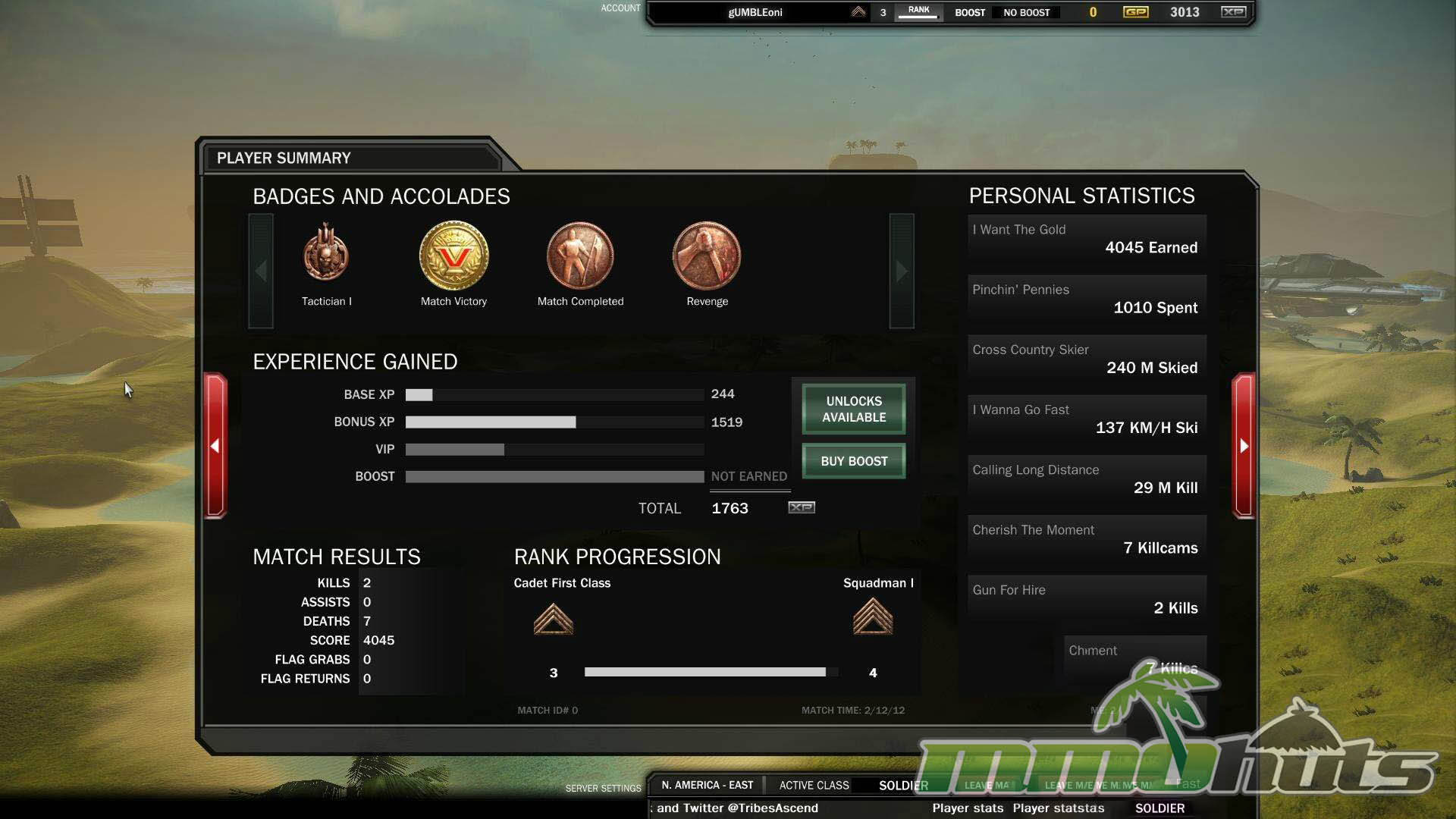 | Publisher: Hi-Rez Studios Type: FPS Release Date: April 12, 2012 Shut Down: November 19, 2018 Pros: +Extremely high-speed firefights. +Several distinct classes to earn. +Jetpack and ski movement feels unlike other shooters. Cons: -Small remaining server population. -Demanding learning curve. -Limited post-launch support from the developer. |
Tribes: Ascend Overview
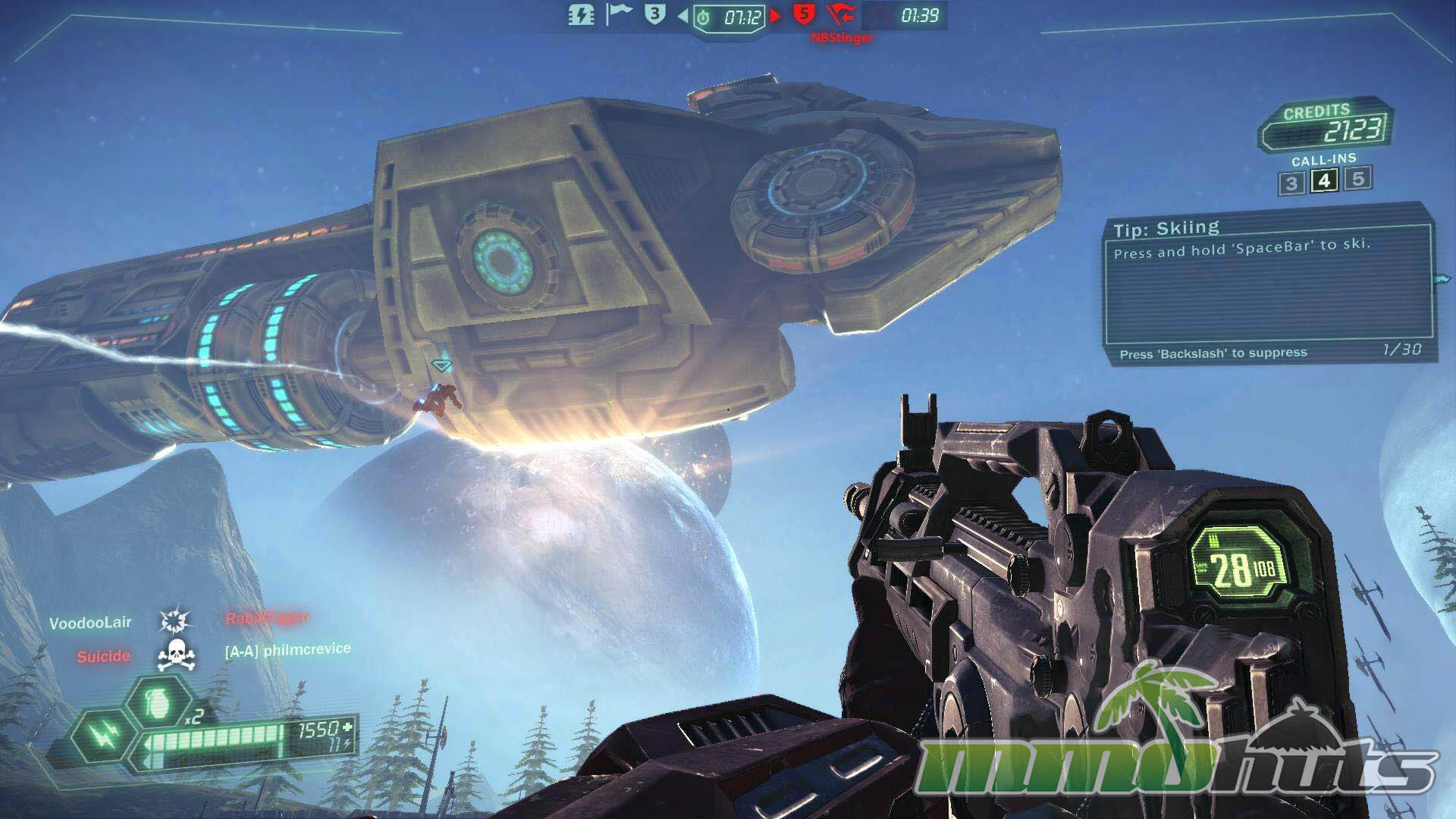
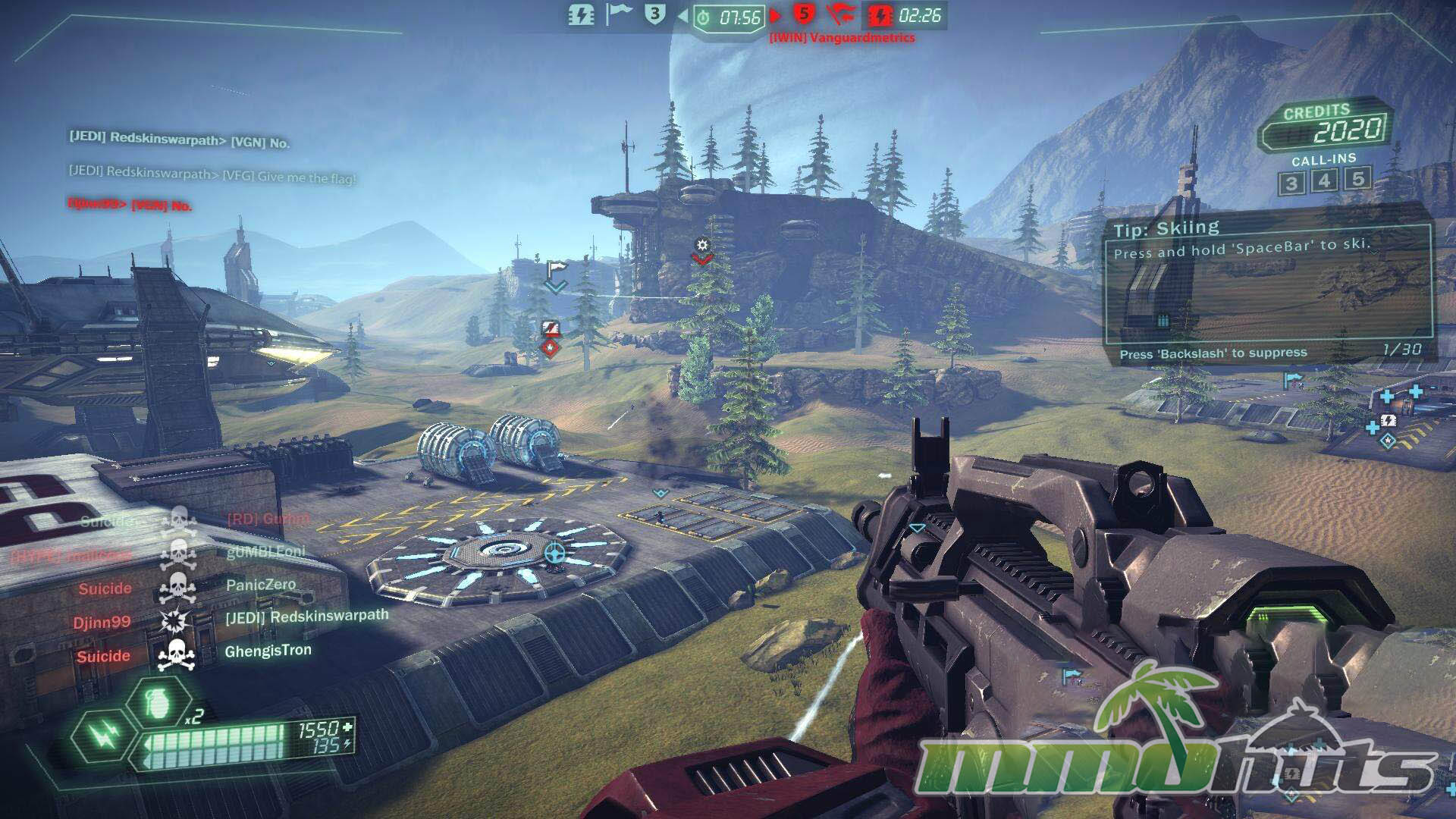
Tribes: Ascend is a science fiction FPS from Hi-Rez Studios that leans heavily into momentum-based movement and long sightlines. It was marketed as the “World’s Fastest Shooter,” and that description fits its moment-to-moment feel. Players are rarely planted in one spot, because the game expects you to chain together jetpack bursts with skiing to cross massive maps in seconds, then take fights while both teams are flying past each other at alarming speed.
Gunplay is built around projectiles and travel time more often than hitscan, which changes how engagements work. You are not just tracking targets, you are predicting where they will be after the next jetpack tap or slope boost. Matches award experience that feeds into progression, letting you unlock additional classes and gear choices that influence your role. Want to sit back and pick people off, or suit up as a heavier class designed to pressure vehicles and hold space, the class lineup supports a range of approaches without abandoning the core requirement, you still need to move well to survive.
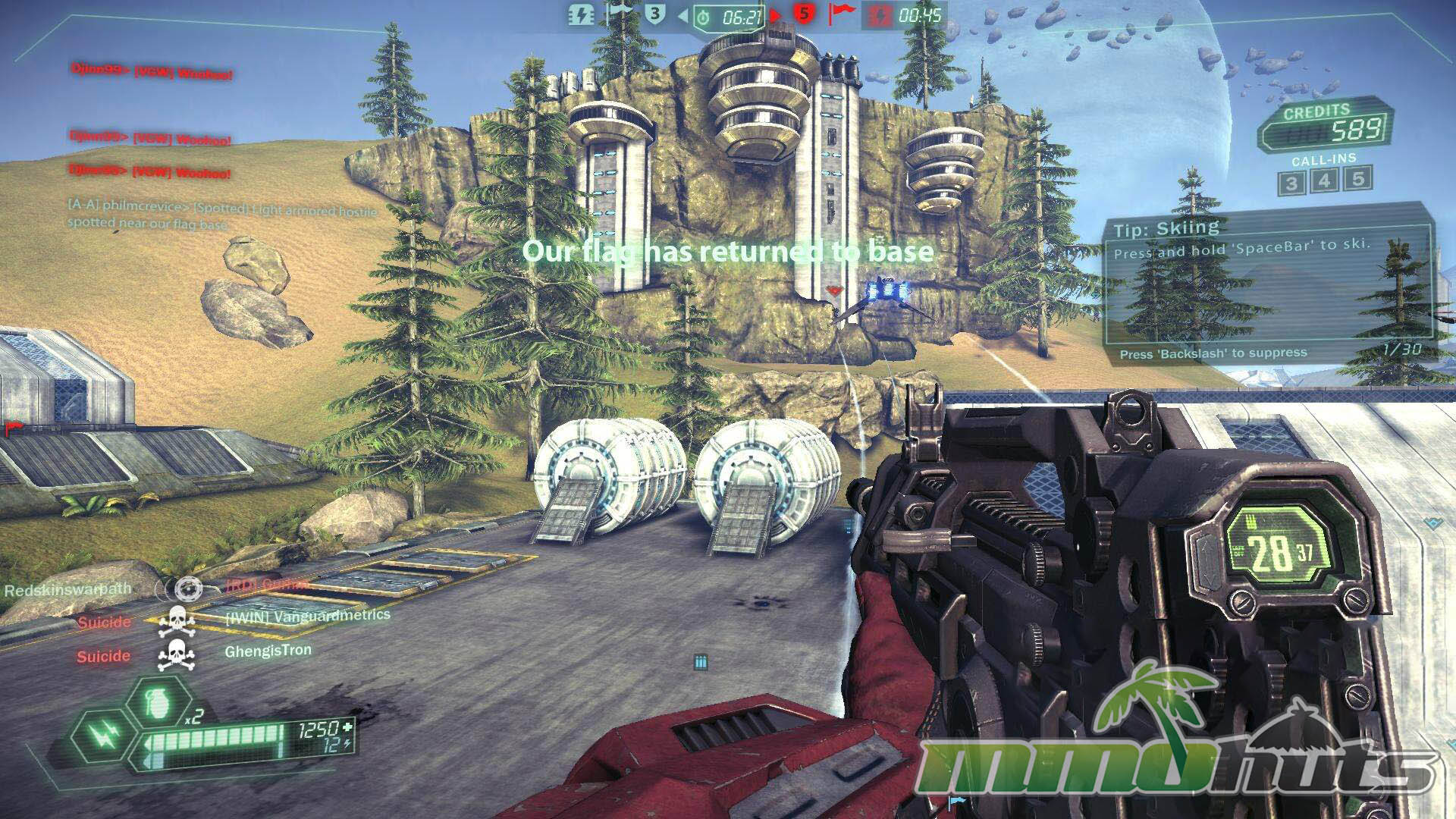
Modes include staples like Capture the Flag, Team Deathmatch, and Arena, with maps designed as open battlegrounds dotted with structures and terrain features that double as cover and speed tools. With nine classes available (three accessible immediately), Tribes: Ascend is at its best when you embrace the flow of the terrain, learn routes, and treat every fight as a mid-air duel rather than a conventional FPS standoff.
Tribes: Ascend Key Features:
- Intense FPS combat – fights resolve quickly, and the pace stays high as teams collide in rapid skirmishes.
- Unique movement system – jetpacks plus anti-gravity skiing create extreme speed and constant vertical play.
- Equipment customization – gain experience to unlock weapons, armor options, perks, and other tools that shape your build.
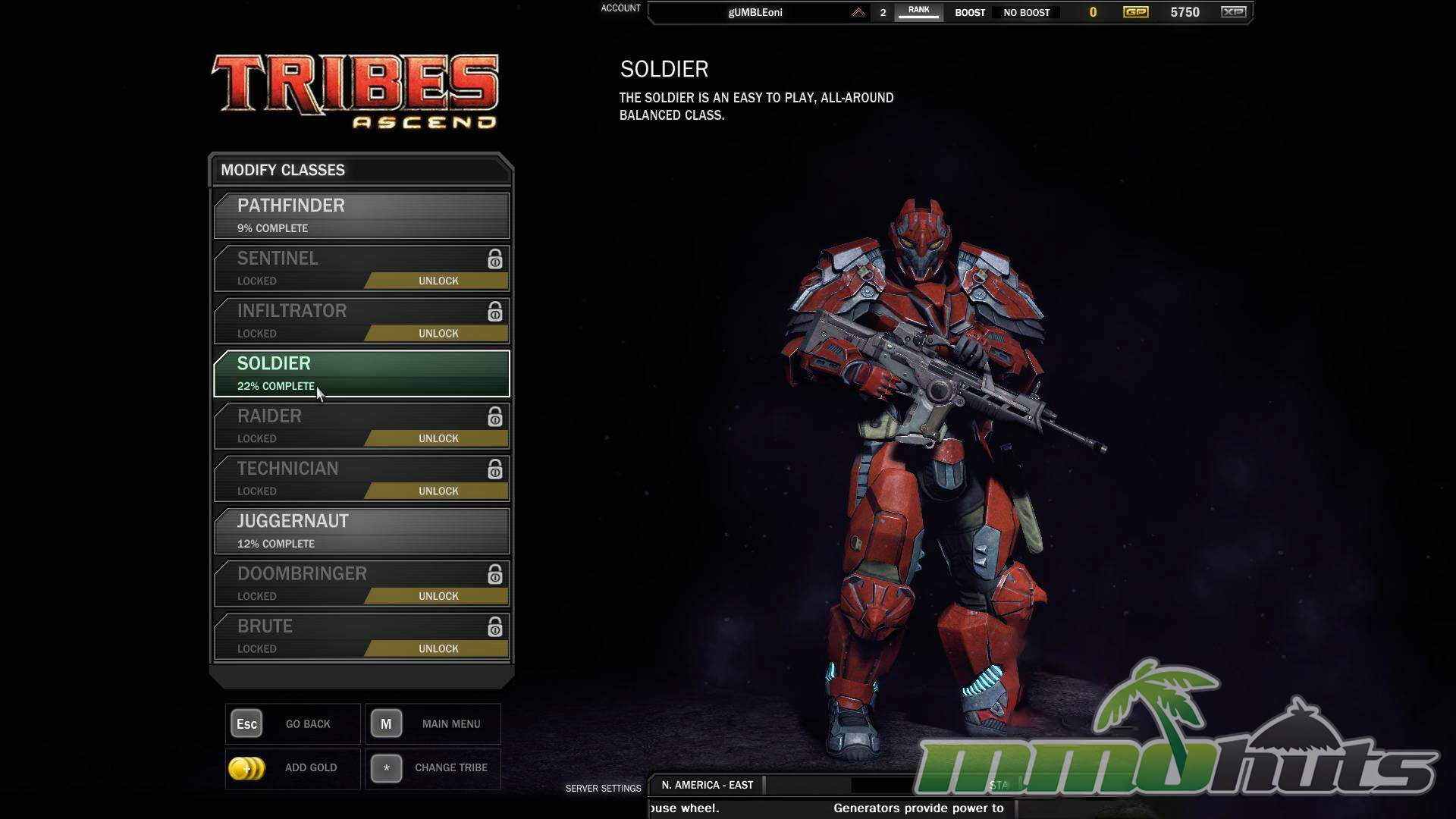
- Nine classes – a broad roster ranging from stealthy long-range roles to heavy hitters built to break defenses and threaten vehicles.
- Various game modes – jump into classic offerings like Capture the Flag, Arena, and Team Deathmatch on large, open maps.
Tribes: Ascend Screenshots

Tribes: Ascend Featured Video

Tribes: Ascend Review
Coming to Tribes: Ascend after its peak highlights both what made it special and why it can be intimidating today. Hi-Rez’s attention shifted to other projects not long after launch, and while the game still has dedicated fans, the level of official support never matched the strength of its core design. Even so, it remains one of the clearest examples of how a shooter can feel radically different when movement is treated as a primary skill, not a convenience feature.
High-Speed Shootouts
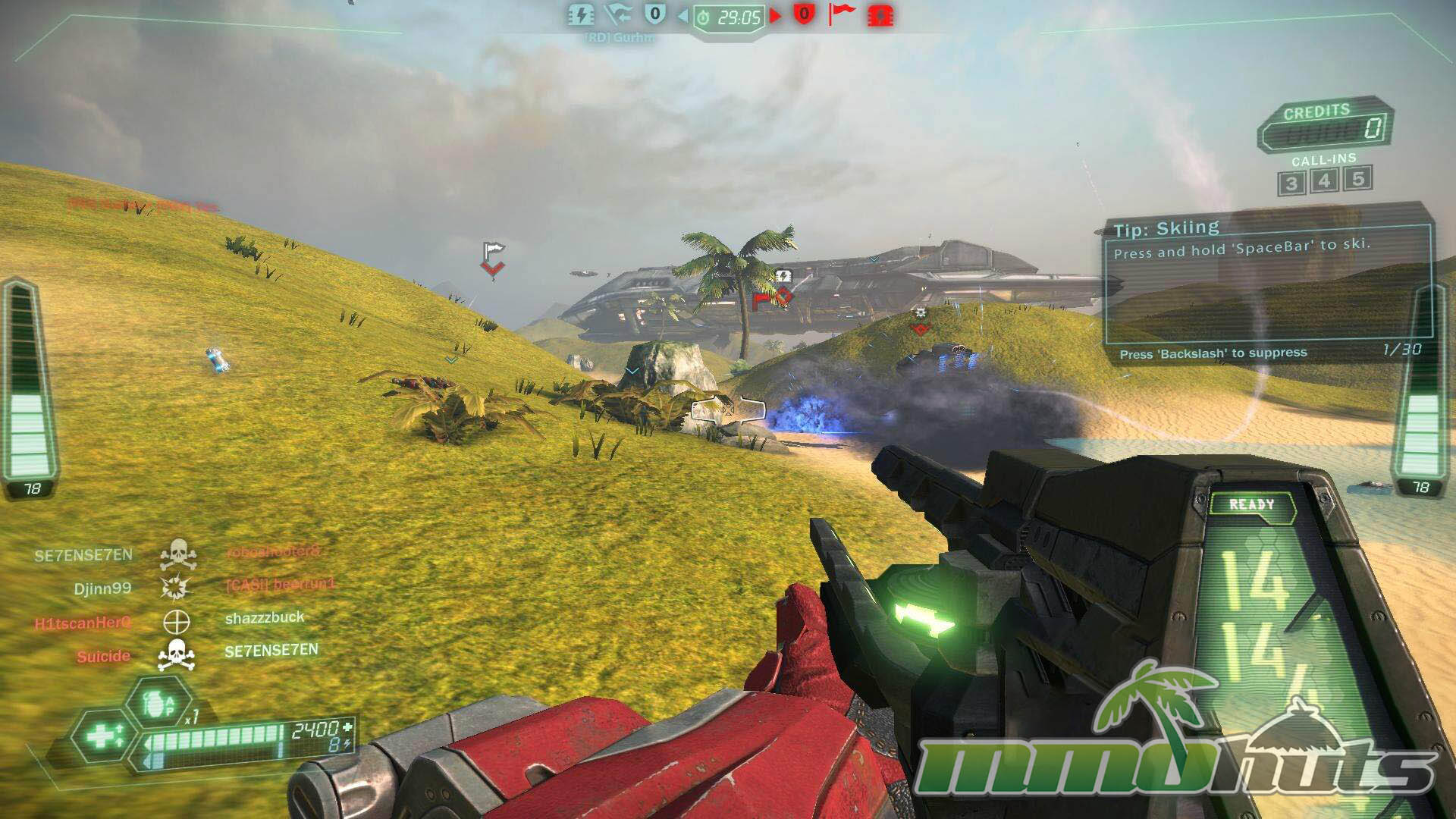
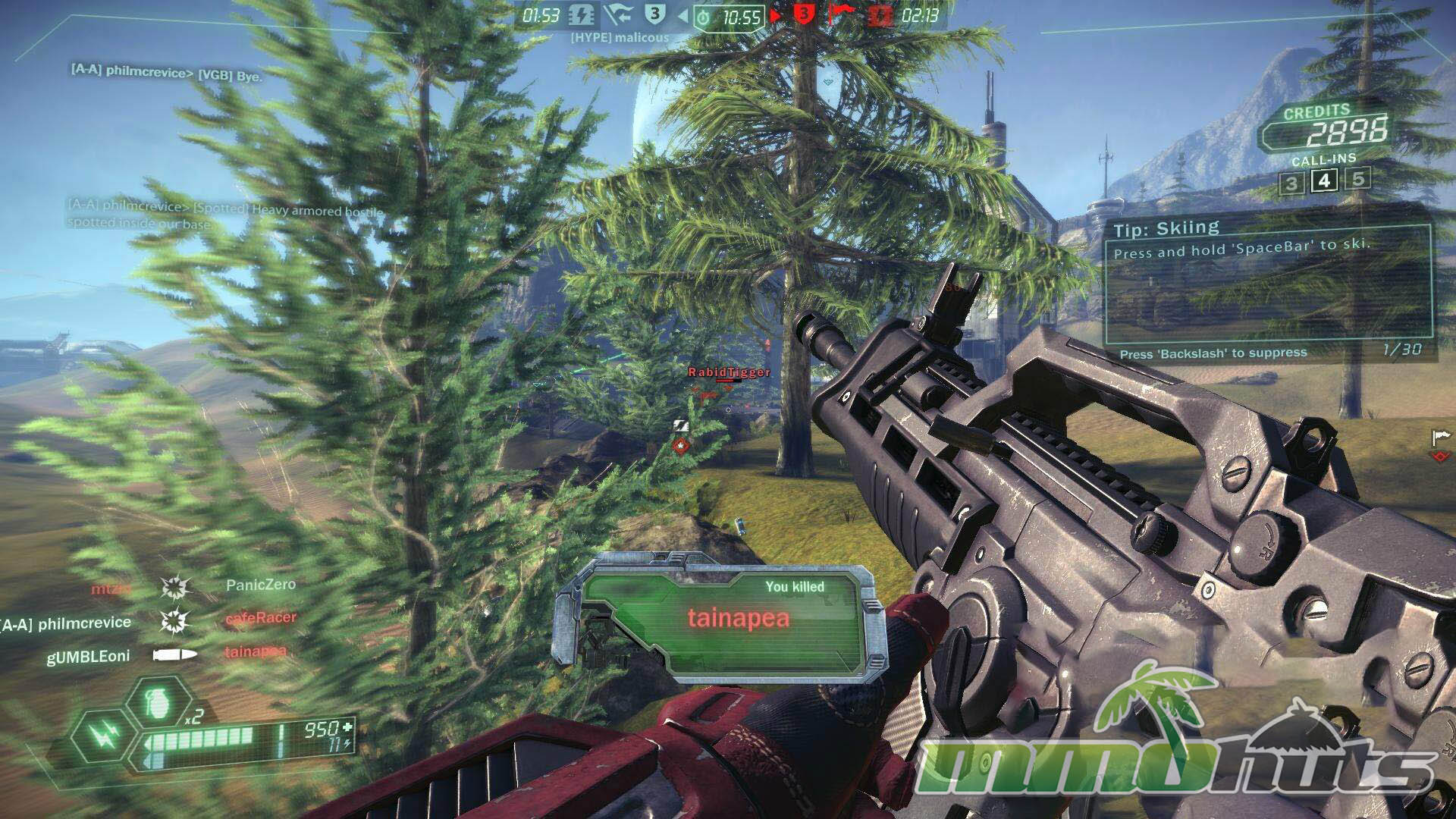
The first thing that stands out is how quickly matches turn into full-scale chaos. Players crest hills at speed, rocket into the air, and trade fire while both sides are moving too fast for traditional corner-peeking habits to matter. Because many weapons rely on projectiles with visible travel time, you learn early that accuracy is as much about anticipation as it is about aim. Leading targets becomes second nature, and the strongest players seem to read your route before you commit to it.
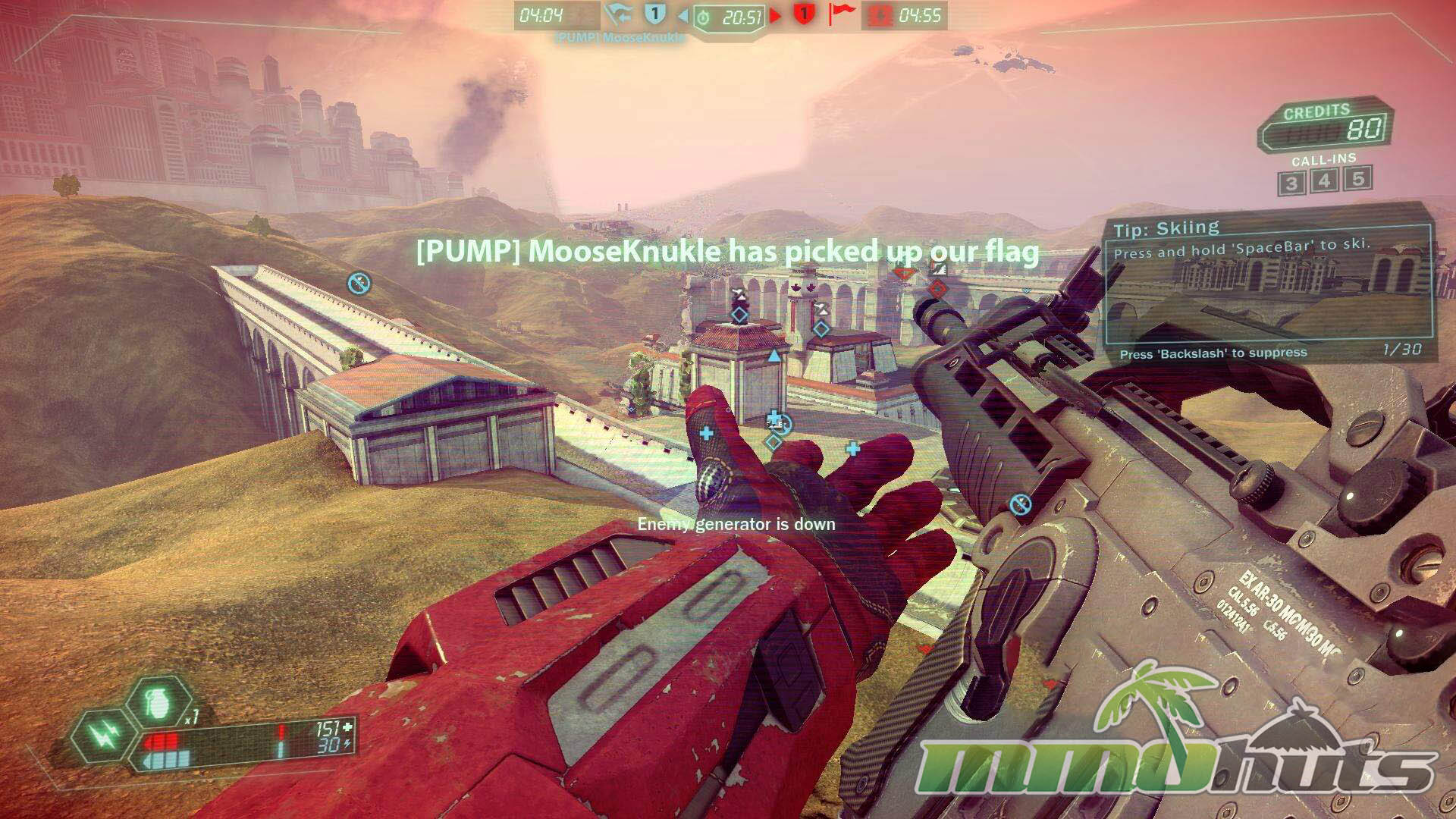
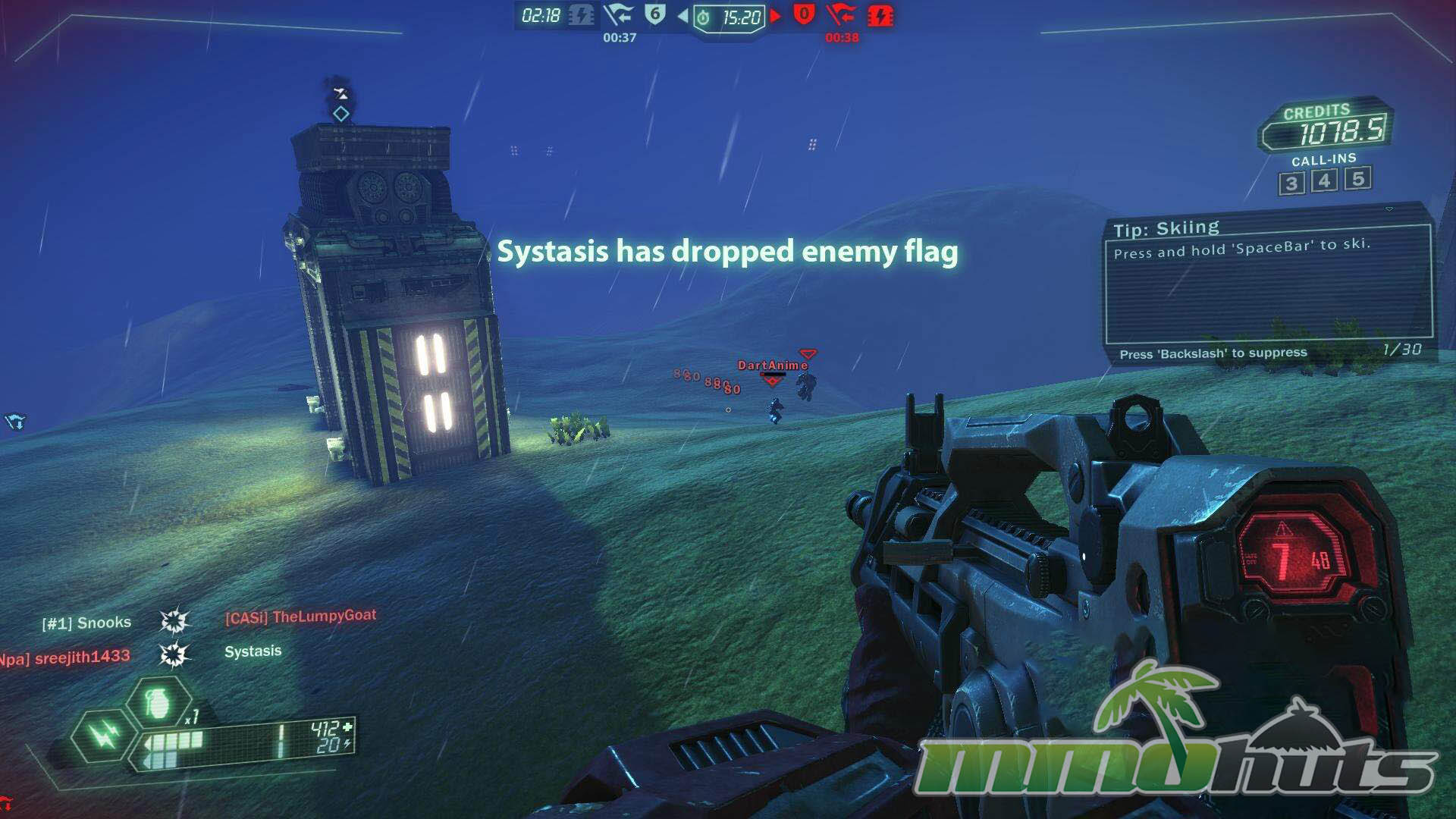
Visually, combat can resemble a storm of energy bursts and explosions, especially around objectives like the flag. In those crowded moments, survivability often comes down to positioning and momentum, not raw toughness. If you hesitate, you get erased. If you keep moving, you can sometimes slip through fights you have no business surviving.
Jetpacks Plus Skis, the Real Identity of the Game
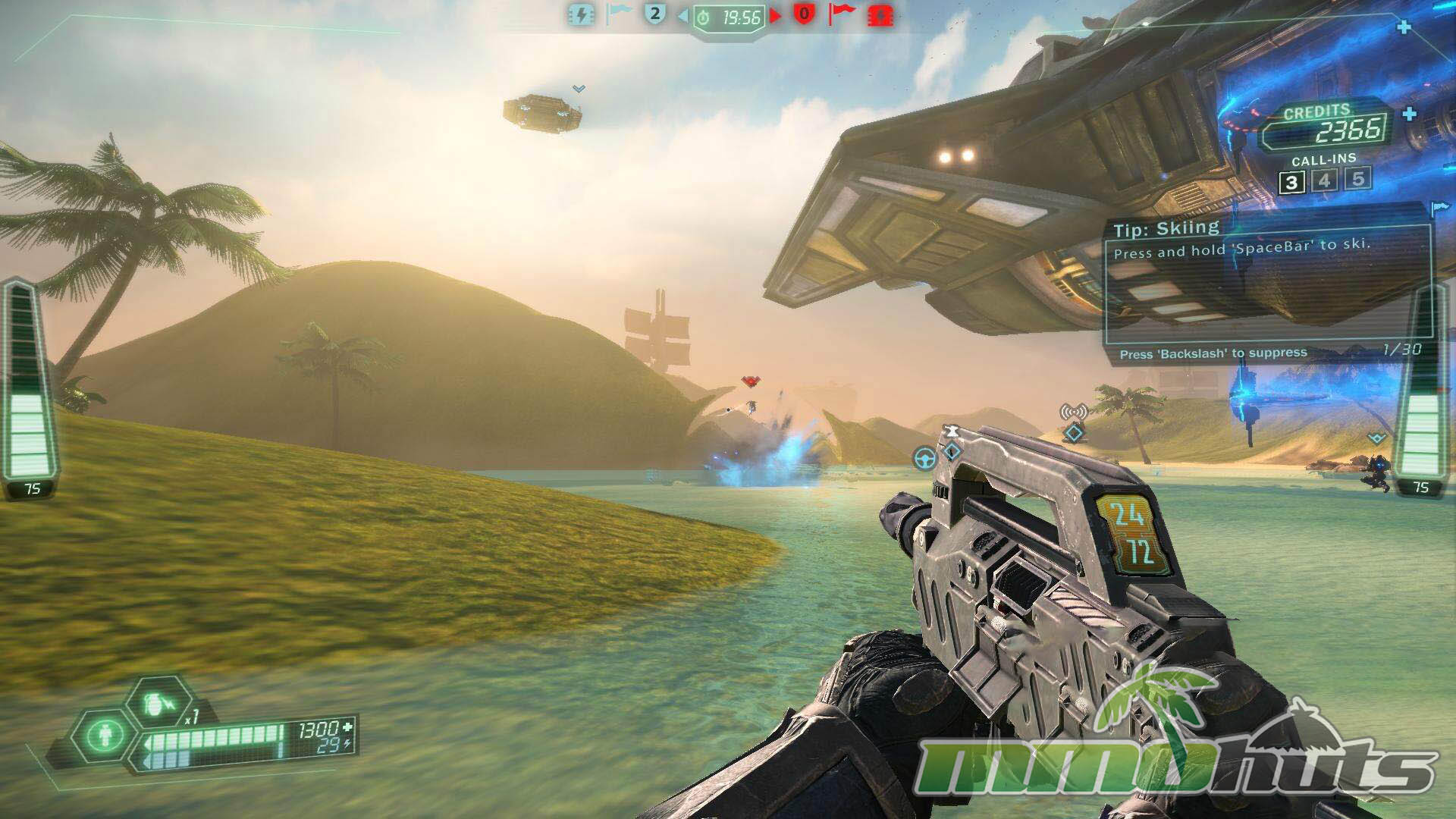
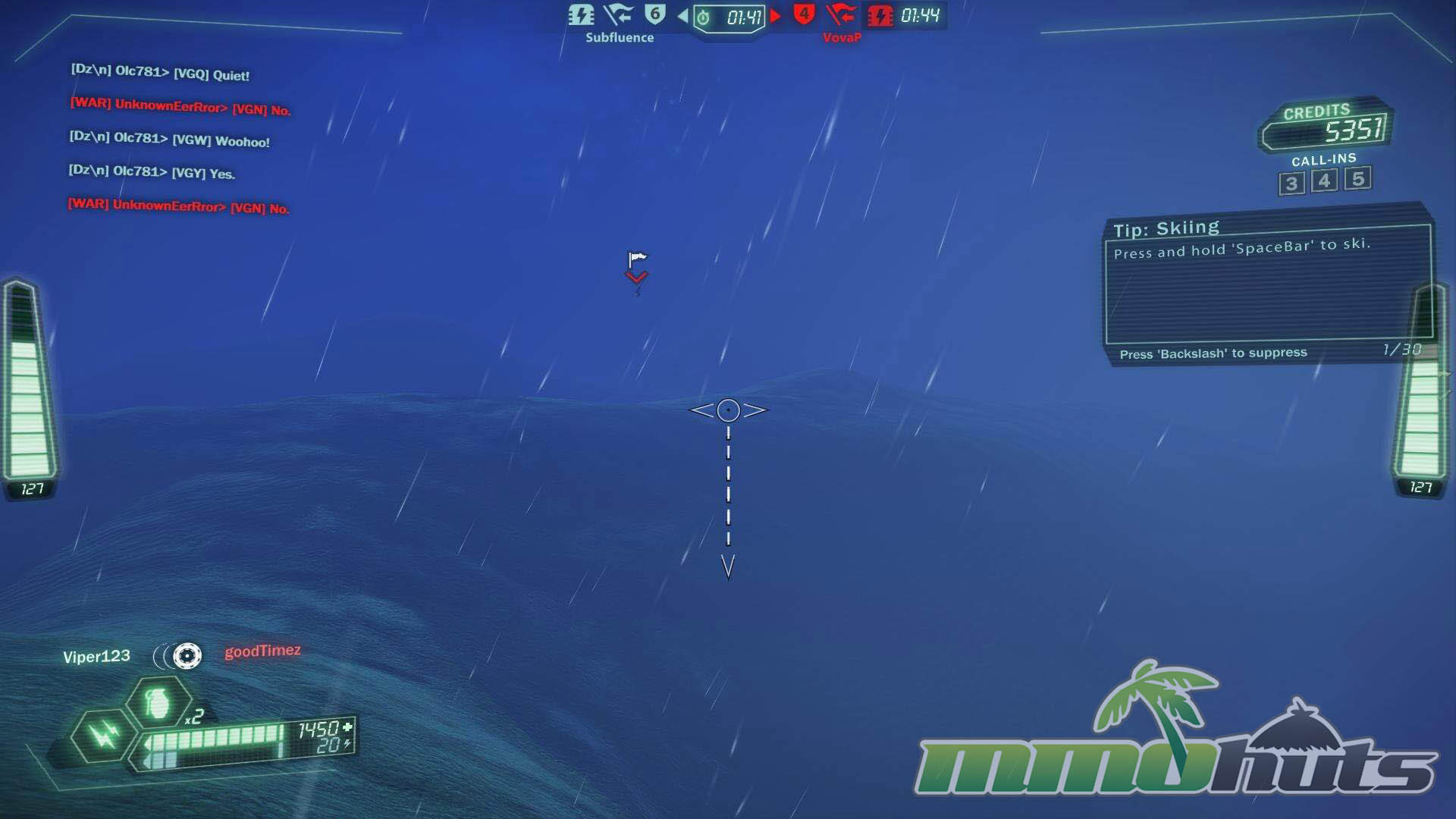
Tribes: Ascend’s controls are straightforward on paper, but the skill comes from how you combine actions. Standard movement gets you started, but the game is really about managing jetpack fuel and using the terrain as a speed multiplier. Skiing (activated by holding the jump key on slopes and surfaces) removes friction, turning hills into accelerators. Once you understand that you should rarely be “running” in the normal sense, the maps start to feel like racetracks built for combat.
This system also reshapes how you take shots. When opponents are skiing at high velocity, aiming directly at them is a mistake. You need to estimate their line, account for their momentum, and fire into space where they will arrive. The result is a high ceiling that rewards practice, and it explains why new players can feel outmatched quickly. Tribes is less about memorizing recoil patterns and more about mastering speed, routes, and timing.
Classes and Loadouts That Actually Matter
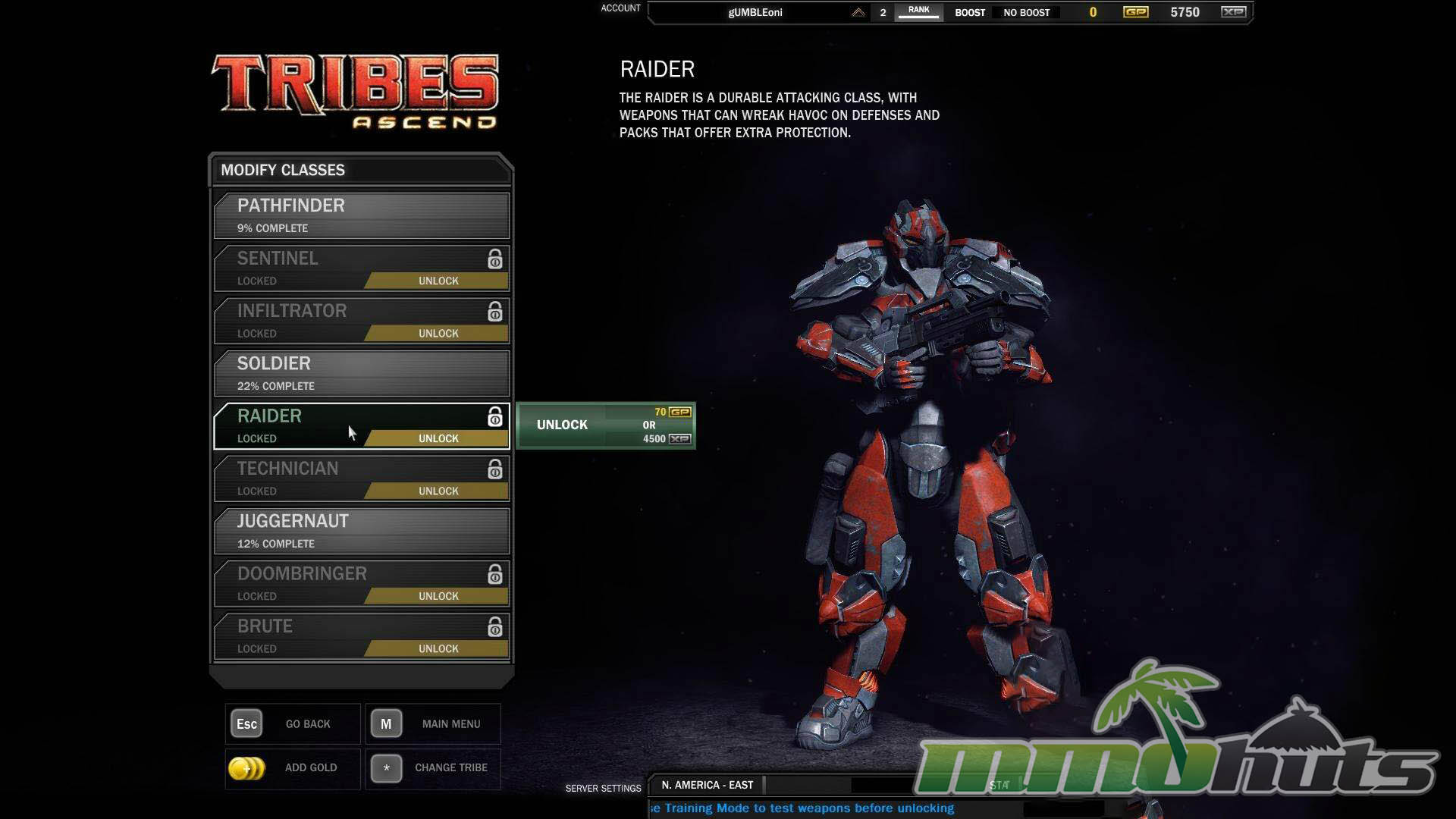
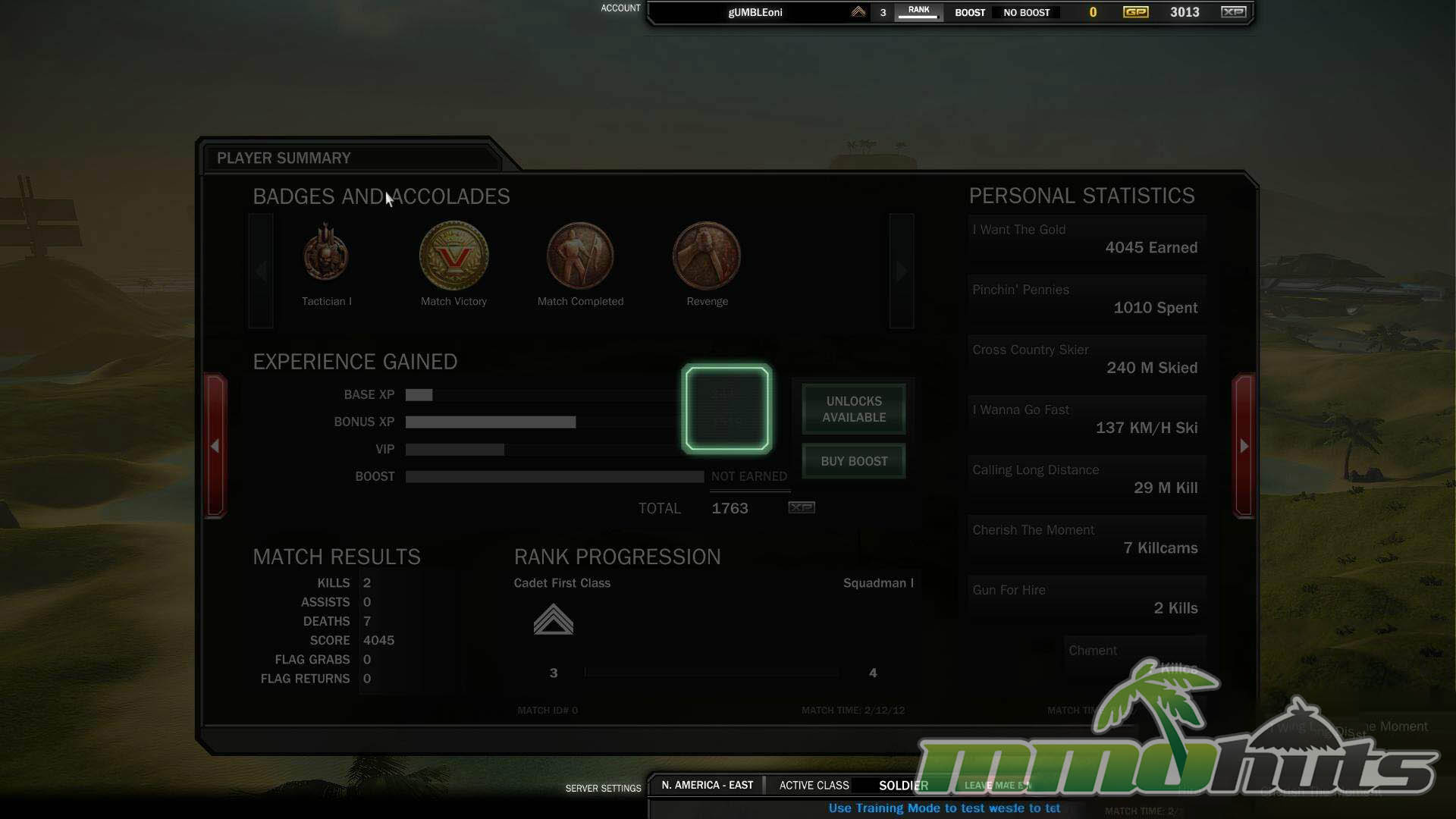
The class system does a good job of giving players distinct identities without turning the game into a slow, ability-driven shooter. There are nine classes total, and three are available right away: Pathfinder, Soldier, and Juggernaut. The remaining options must be earned through experience or purchased with the game’s currency, gold. Each class changes not only weapon access but also how you interact with the map, because weight and mobility strongly influence your ability to build and maintain speed.
Loadout depth is one of the game’s underrated strengths. Within a class, you are not limited to a single weapon path. You can choose between multiple weapon options (often several per slot), adjust armor and perks, pick a belt item, and even tweak presentation details like voice. Unlocking these options takes time, but the progression feels meaningful because small changes can influence how you approach a fight, whether you want reliable mid-range pressure, more explosive area denial, or tools that support objective play.
Presentation That Still Holds Up
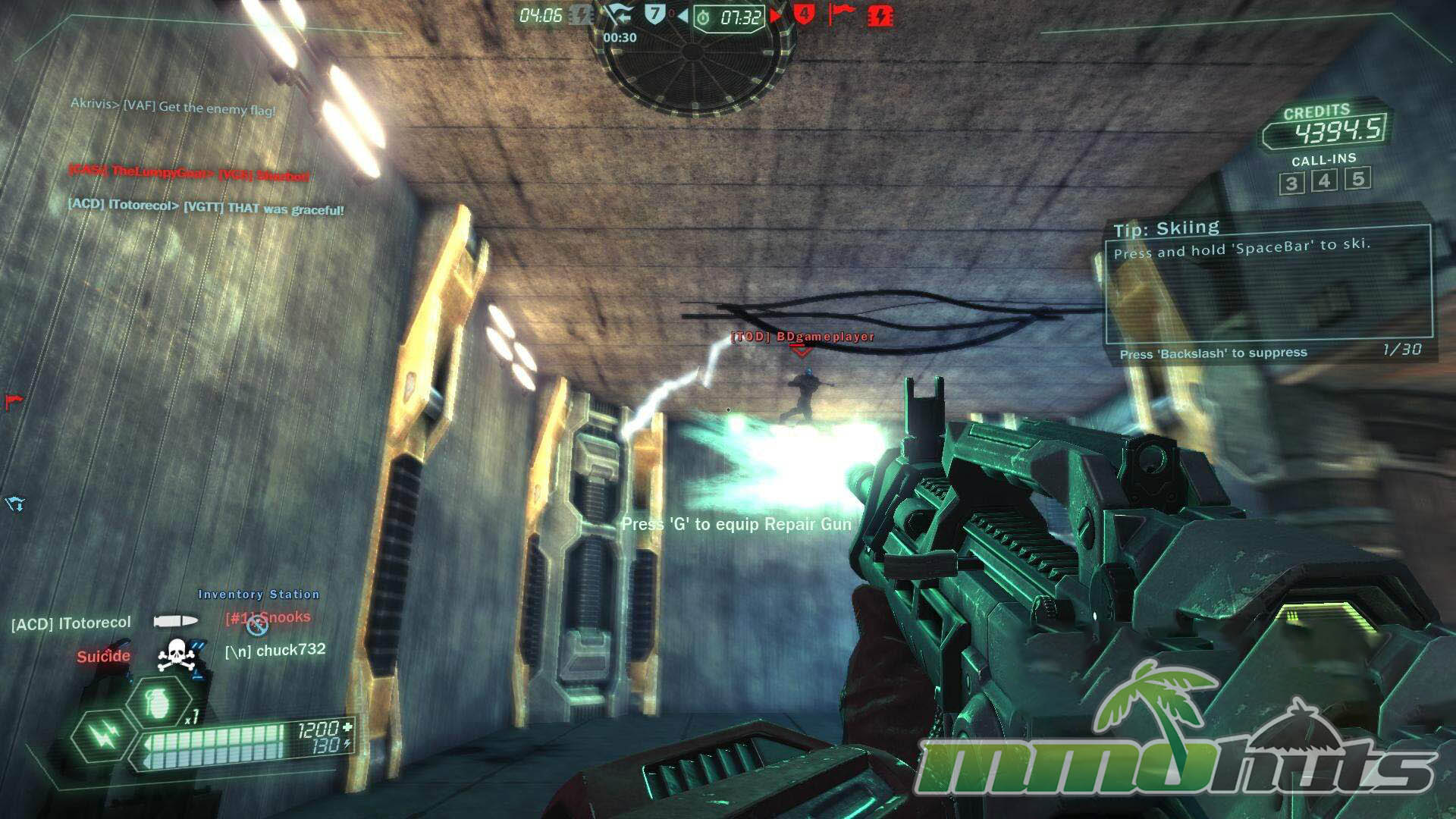
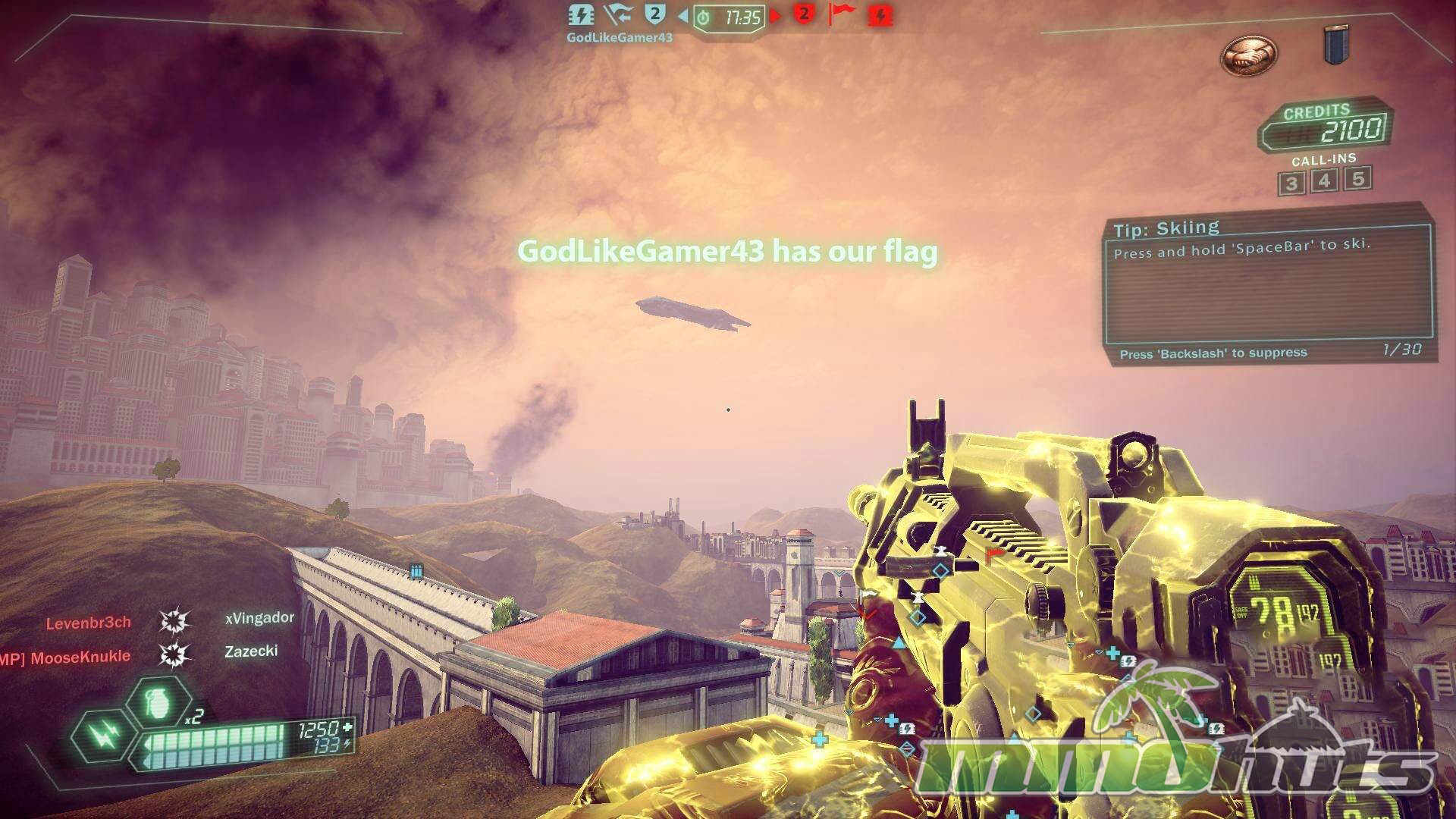
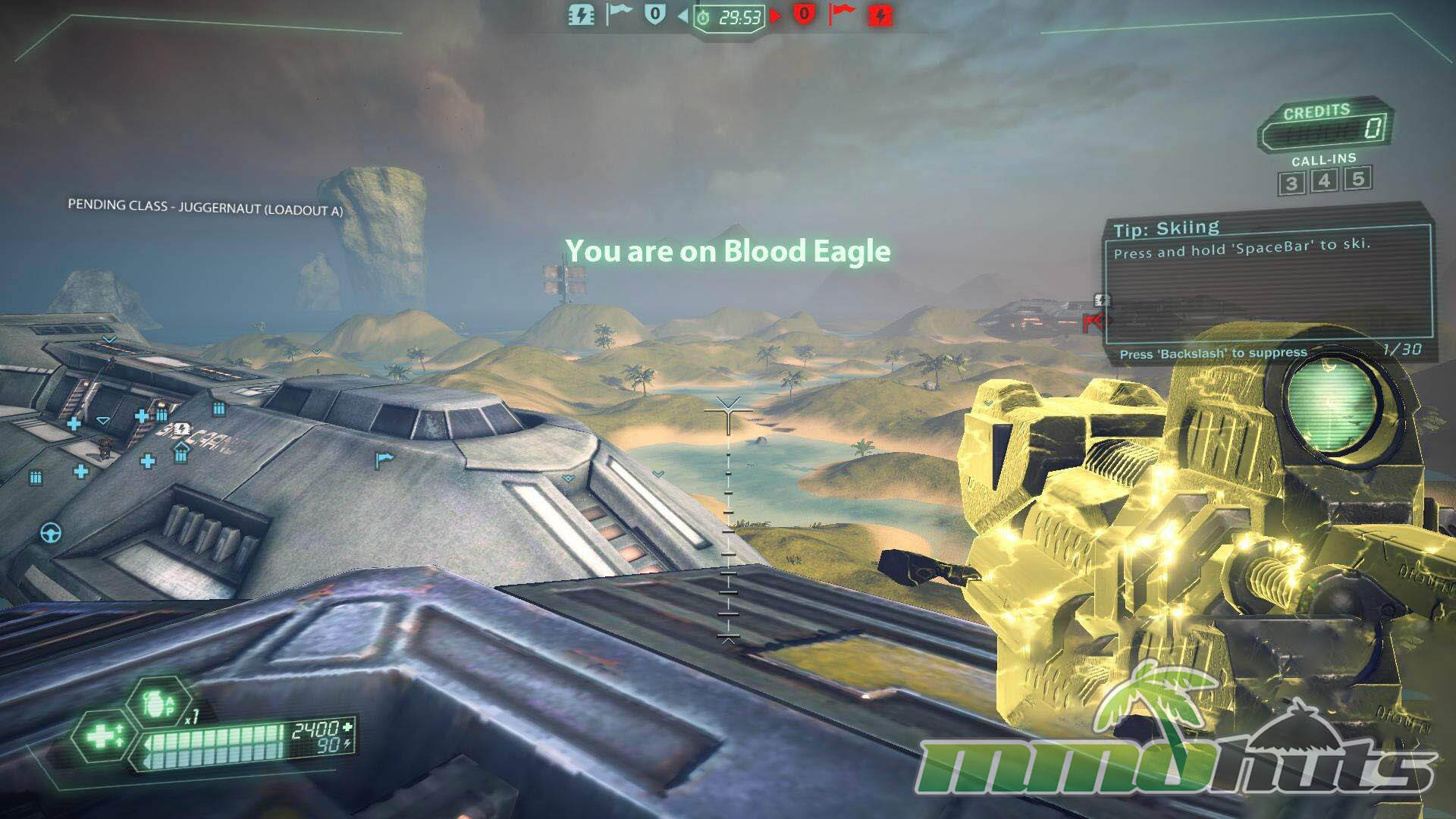
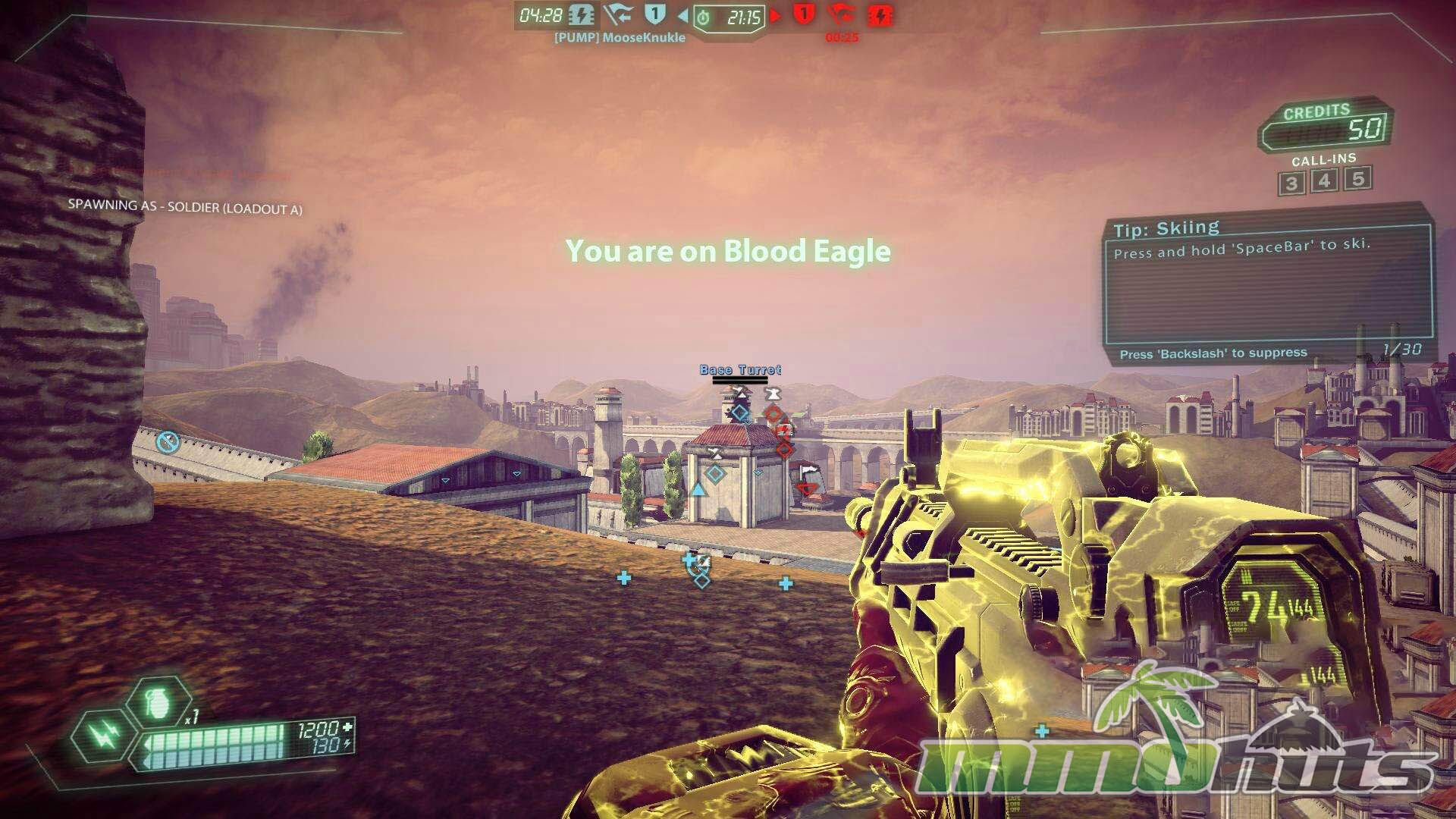
Despite releasing in 2012, Tribes: Ascend remains readable and stylish in motion, which matters in a shooter where targets can cross your screen in an instant. Some maps show their age more than others, and certain environments look flatter or more foggy than you might expect today, but effects work remains a highlight. Energy weapons, explosions, and lighting during large skirmishes help sell the sci-fi theme, especially when the fight turns into an aerial brawl over a base.
Audio supports that arcadey sci-fi feel: weapons have the expected futuristic snap and hum, and the overall mix complements the pace without becoming muddy. Ragdoll physics also add a bit of levity after intense duels, with defeated players sometimes spinning through the air in ways that are hard not to notice.
Population and Mode Variety
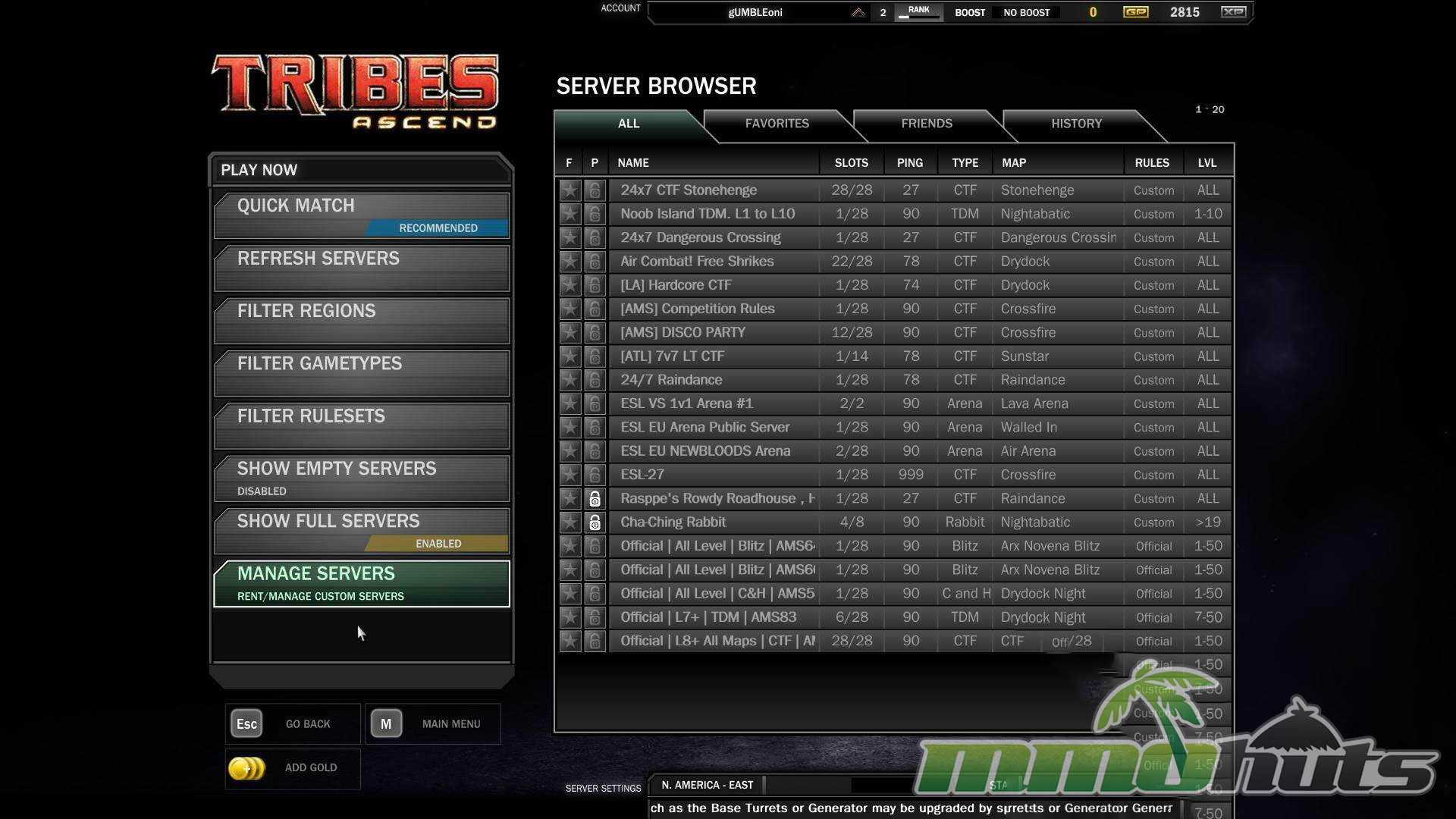
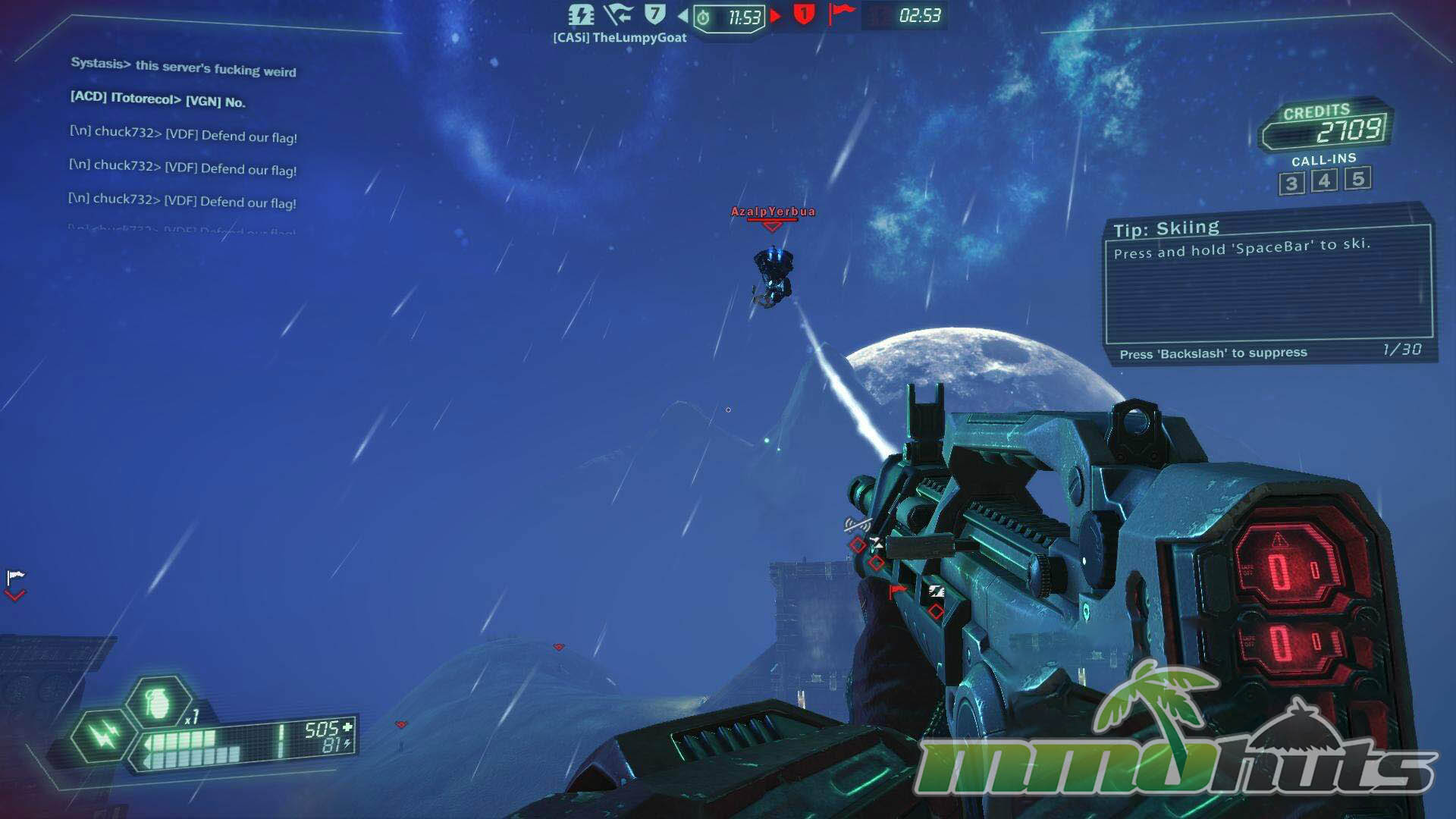
The biggest practical issue is not the mechanics, it is finding consistent matches across the full suite of modes. While the game launched with options like Arena, Team Deathmatch, and Blitz, activity tends to concentrate around Capture the Flag on the remaining active servers. CTF is arguably where Tribes’ movement and route mastery shine the most, but losing easy access to other modes reduces variety and can make the experience feel narrower than it should.
It is difficult to separate the current state of the community from the history of reduced developer attention. The game’s fundamentals are strong enough to keep enthusiasts playing, but the barrier to entry rises when the player pool is smaller and the average skill level is higher.

Final Verdict – Great
Tribes: Ascend is a standout for players who miss arena-style shooters where movement is the defining skill and every duel is decided in seconds. Its jetpack-and-ski system creates a kind of speed and freedom that few FPS games have matched, and the class and loadout progression provides long-term goals beyond pure match wins. The downsides are clear, the learning curve is steep, and the limited population and support make it harder to recommend as a daily driver. Still, for anyone curious about one of the most distinctive movement systems in the genre, Tribes: Ascend remains worth experiencing.
Tribes: Ascend Links
Tribes: Ascend Official Site
Tribes: Ascend Developer’s Website
Tribes: Ascend Wikipedia
Tribes: Ascend Reddit
Tribes: Ascend Wiki [Database/Guides]
Tribes: Ascend System Requirements
Minimum Requirements:
Operating System: Windows XP, Windows Vista, or Windows 7
CPU: Core 2 Duo E4600 2.4GHz or Athlon 64 X2 Dual Core 5200+
Video Card: GeForce 8600 GTS 512MB or Radeon HD 5550 512MB
RAM: 2 GB
Hard Disk Space: 10 GB
Recommended Requirements:
Operating System: Windows XP, Windows Vista, or Windows 7
CPU: Core 2 Quad Q6400 2.13GHz or Phenom 9600B Quad-Core
Video Card: GeForce GTX 560 or Radeon HD 6950
RAM: 4 GB
Hard Disk Space: 10 GB
Tribes: Ascend Music & Soundtrack
Tribes: Ascend Additional Information
Developer(s): Hi-Rez Studios
Composer(s): Chris Rockwood
Artist(s): Adam Moore
Game Engine: Unreal Engine 3 (modified)
Announcement Date: March 11, 2011
Open Beta: February 24, 2012
Release Date: April 12, 2012
Steam Release: Date: June 27, 2012
Development History / Background:
Tribes: Ascend was created by the U.S. developer Hi-Rez Studios as part of the long-running Tribes series that began with Starsiege: Tribes in November 1998. It serves as a follow-up to Tribes 2, which launched on March 30, 2001. Tribes: Ascend attracted very strong critical reception at release, earning a large number of positive reviews, and it quickly became known for prioritizing speed and player mastery.
However, active development effectively stopped in July 2013 as Hi-Rez redirected resources to other projects. The studio’s earlier work included the sci-fi MMO shooter Global Agenda, and after mid-2013 the company’s primary focus shifted toward the free-to-play MOBA SMITE. A later patch on November 19, 2018 ultimately made Tribes: Ascend unavailable through any official launcher.