TrainCrasher is a mobile side-scrolling beat em up action RPG that mixes arcade brawling with light RPG progression. It stands out through its anime-leaning steampunk presentation, snappy combo-focused controls, and a Chain mechanic that lets you swap between two characters mid-fight to manage momentum. Across a long run of stage-based train cars, you collect gear, improve your power, and dabble in asynchronous PVP plus extra modes like Ghost Train and Gold Rush.
 | Publisher: Softmax Type: Mobile RPG Release Date: December 29, 2015 Shut Down: July 15, 2016 Pros: +Stylish, high-end visuals for a mobile brawler. +Satisfying, combo-driven action combat. +Quick stages that suit short play sessions. Cons: -Stage loop can feel samey over time. -Monetization can tilt progression and PVP balance. |
TrainCrasher Shut Down on July 15, 2016
TrainCrasher Overview
TrainCrasher is a 3D side-scrolling action RPG developed by Softmax, a Korean studio also known for mobile releases like Chaos Battle Hero and Fishing Fishing: Set the Hook! The entire adventure plays out across a seemingly endless train, broken into a huge number of short stages that lean on classic arcade beat em up pacing while still using familiar RPG hooks like leveling, gear drops, and upgrades. The core appeal is its fast combat, where simple inputs branch into flashier strings, and a Chain system that encourages swapping between two characters to keep pressure on enemies.
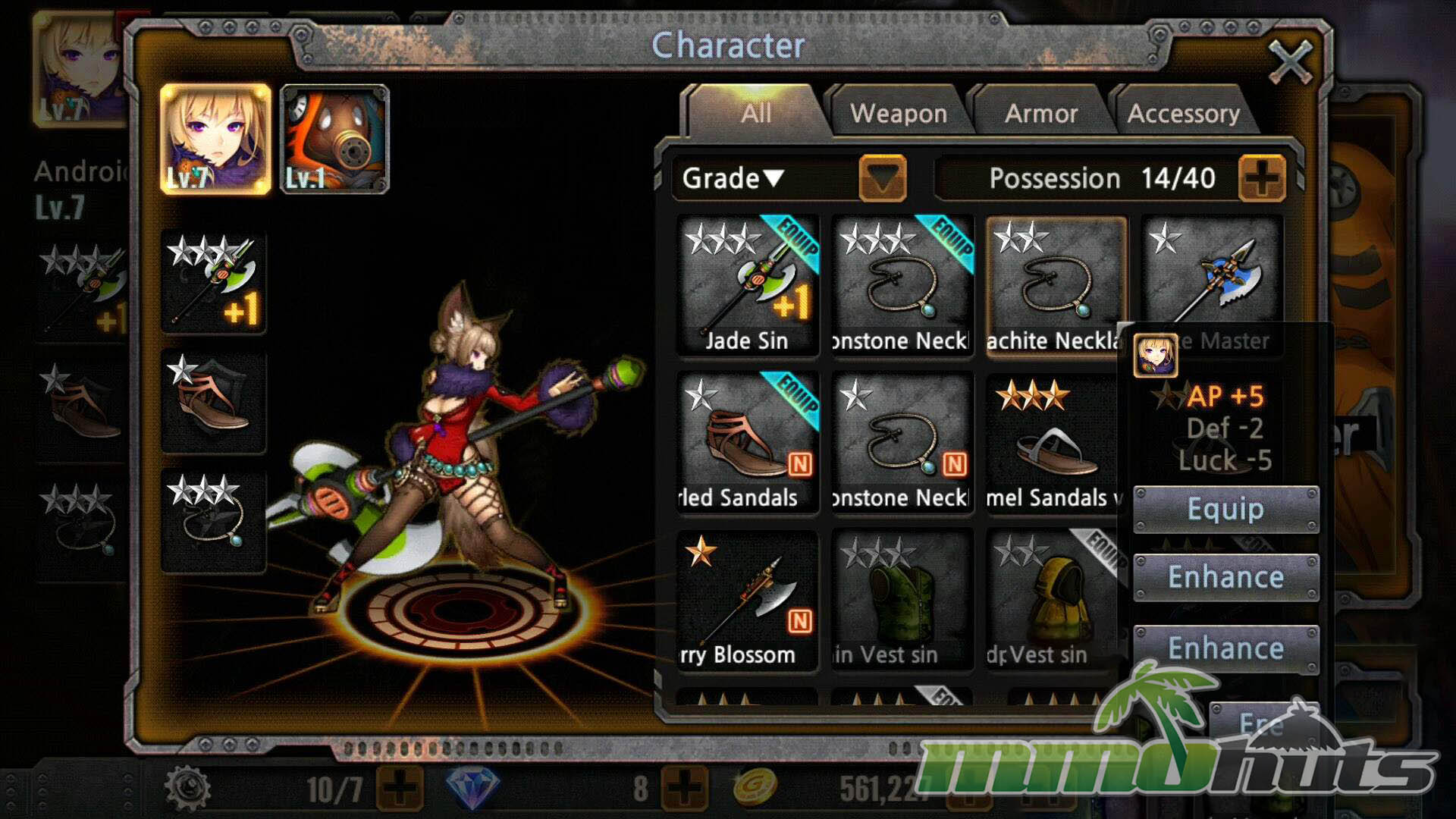
You pick from four distinct classes and fight through train cars packed with mobs, minibosses, and regular boss encounters. Between runs you improve your loadout by collecting equipment and enhancing it, which becomes increasingly important as difficulty ramps up. Outside the main stage progression, TrainCrasher offers asynchronous PVP and additional modes such as Ghost Train and Gold Rush for extra rewards and score chasing. While the game is easy to start playing, its systems provide enough depth for players who enjoy optimizing combos, upgrades, and efficient stage clears.
TrainCrasher Features:
- Stage-based Levels – Progress through a massive set of train-car stages across multiple difficulties, with changing backdrops, enemy types, and regular boss fights.
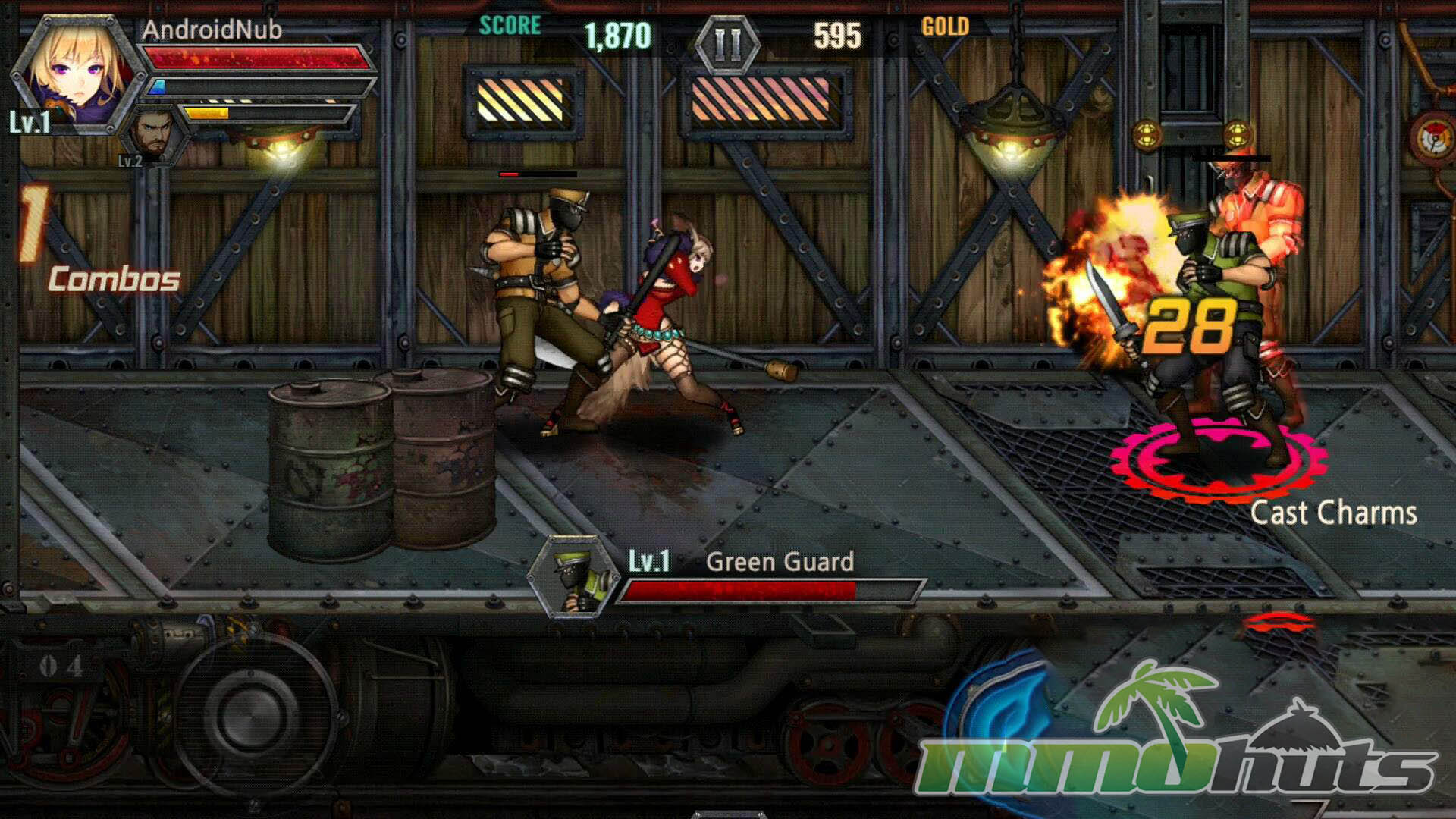
- High Quality Graphics – A polished anime-inspired look paired with steampunk flair, detailed environments, and punchy combat effects that make hits feel impactful.
- Beat ‘em Up Action Combat – Side-scrolling brawling built around rapid inputs, combo strings, and on-the-fly character swapping through the Chain system.
- Many Classes to Choose From – Choose from Ron (Sword), Mei (Axe), Zett (Brawler), or Hound (Gun), each with a distinct feel in spacing, tempo, and combo routes, with more planned.
- PVP, Ghost Train, & Gold Rush – Compete via asynchronous Arena battles, test survival in Ghost Train, or farm currency in the Gold Rush mode.
attle.
TrainCrasher Screenshots


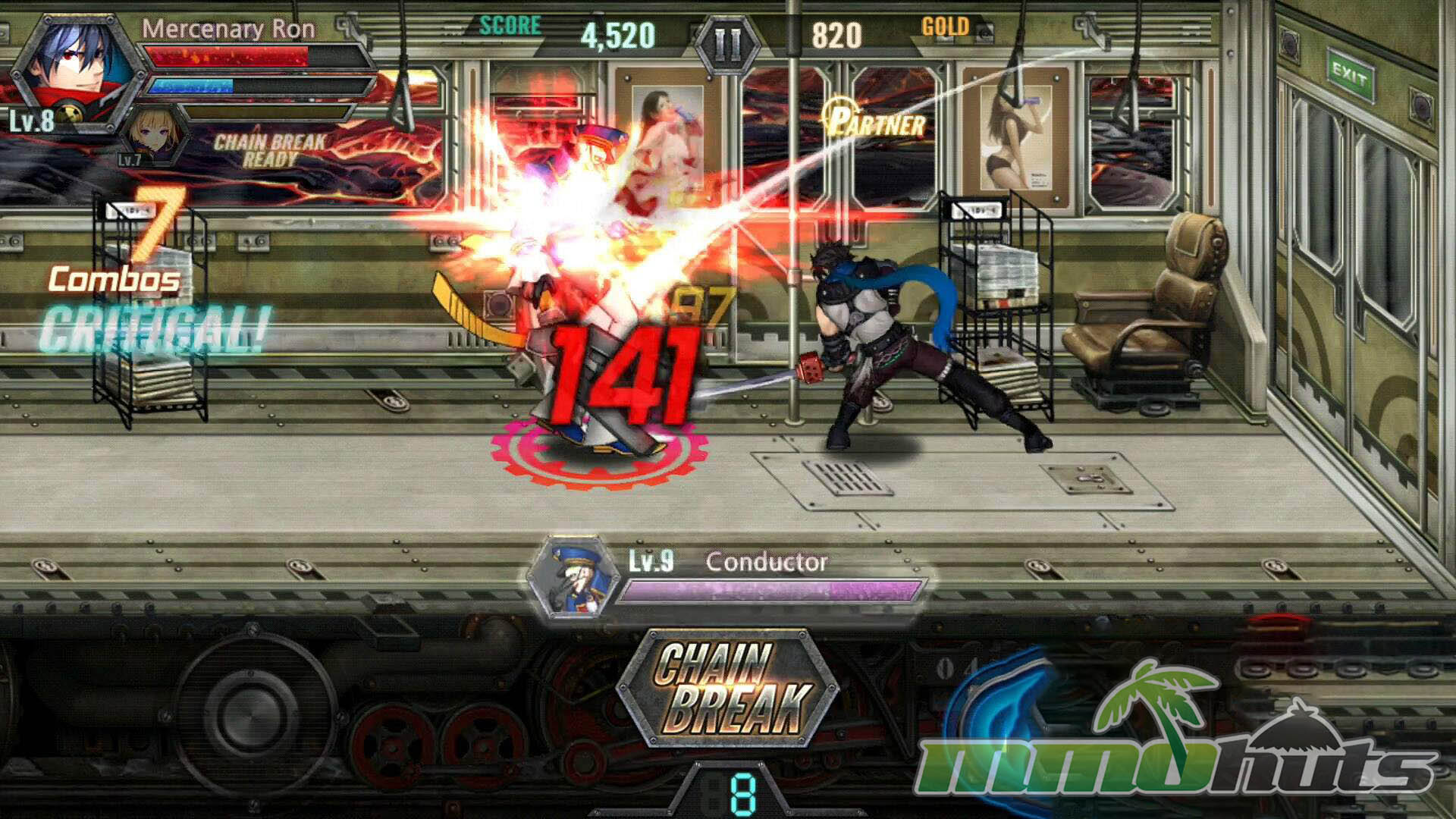

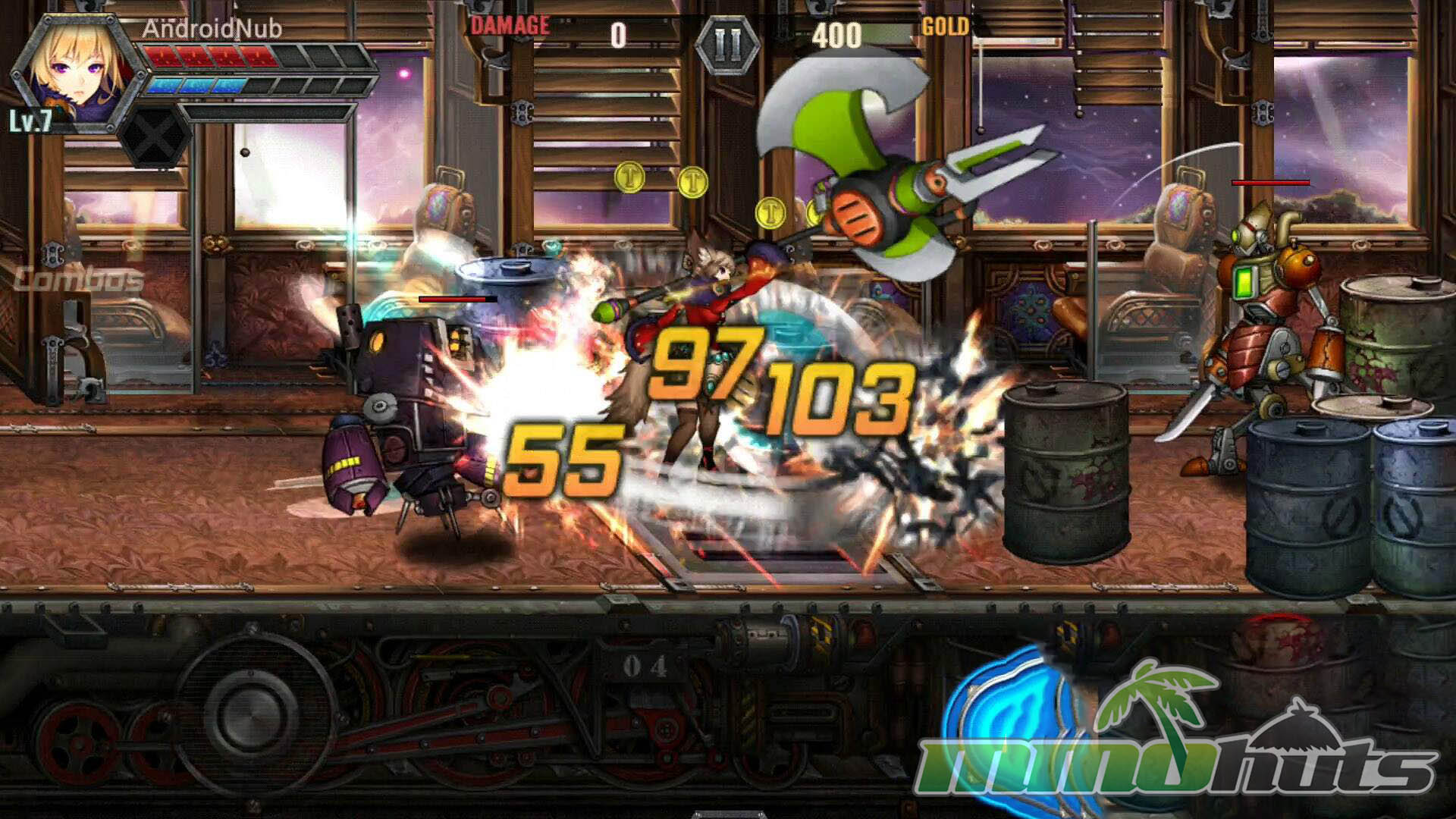
TrainCrasher Featured Video

TrainCrasher Review
TrainCrasher is a free-to-play mobile beat em up action RPG developed and published by Softmax, the Korean company associated with long-running series like Magna Carta and The War of Genesis. Conceptually it borrows the lane-based brawling of old-school arcade fighters and blends it with the gear-and-growth loop you would expect from modern mobile RPGs. The result feels like a compact, train-themed take on the genre, with its biggest strength being the responsive, combo-centered combat rather than its broader RPG structure.
What keeps TrainCrasher interesting, at least in its best moments, is how much it asks you to stay engaged moment to moment. Instead of leaning on auto systems or a hotbar of cooldown skills, it pushes you to learn strings, manage resources, and use the swap mechanic at the right time. That focus gives it a distinct identity among mobile action RPGs, even if some surrounding systems are more familiar.
Character Creation and Classes
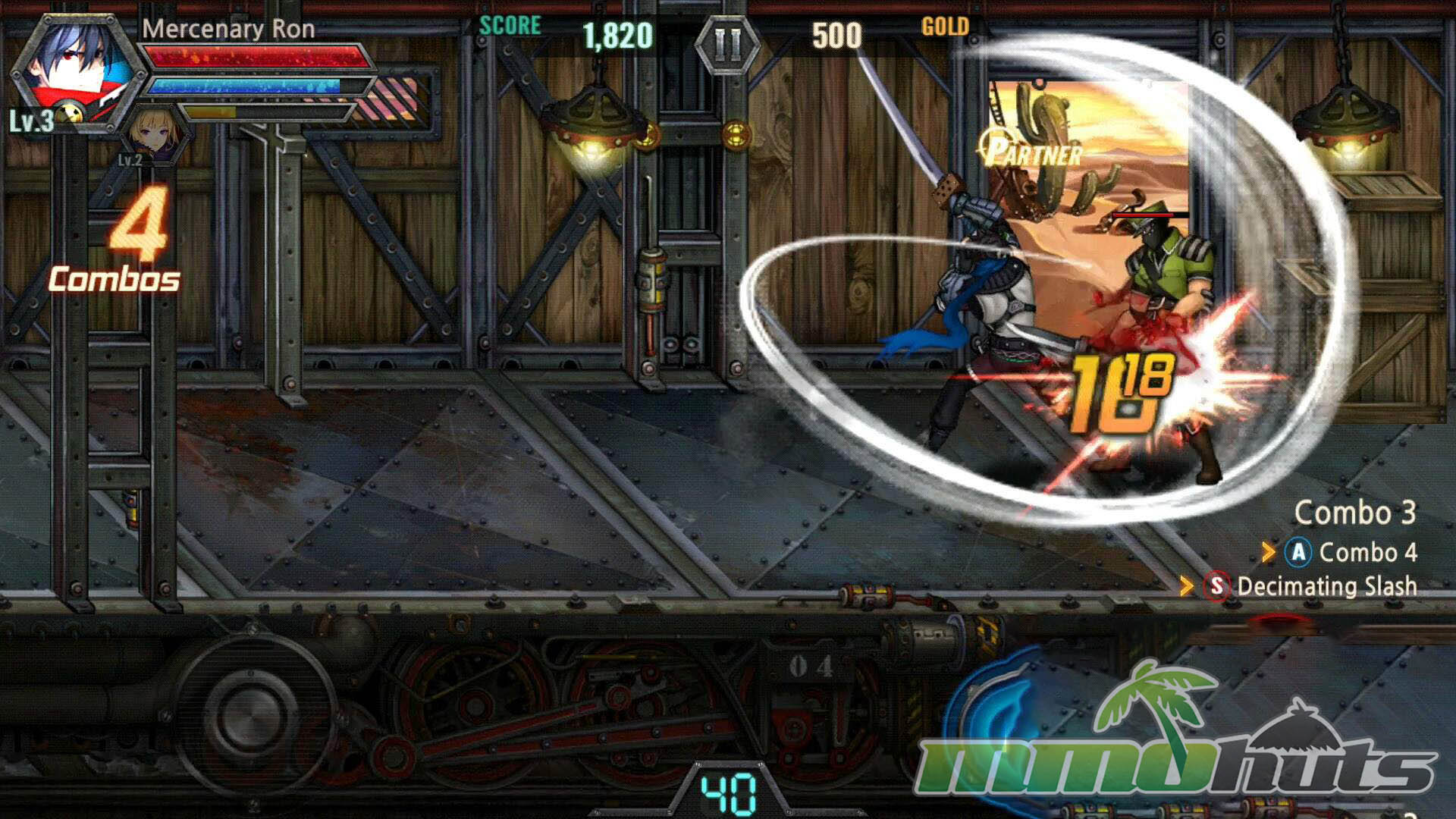
At the start you choose from four classes: Ron (Sword), Mei (Axe), Zett (Brawler), and Hound (Gun). The game lets you create two characters without charge, then expects Diamonds (the premium currency) for additional slots. Each class is built around a clear combat identity. Ron plays like a balanced frontline fighter with reliable offense and defense and a strong crit focus. Mei swings a heavy axe with a mid-range presence, slower cadence, and chunky combo payoffs. Zett is designed for close-range control, emphasizing toughness and grappling-style pressure. Hound trades durability for ranged harassment, leaning into spacing and quick hit-and-run exchanges.
Even though the basic input language is consistent, the animations, timings, and effective routes differ enough that swapping classes changes how you approach encounters. That variety matters because a lot of the content is stage-based repetition, and having distinct playstyles helps keep the grind from becoming purely mechanical. There is also an unlockable character, Alice, earned after clearing the Story campaign on Normal with Hound. She largely mirrors Hound’s approach but provides a cosmetic and roster variation that rewards sticking with the campaign.
Crashing the Train
The game’s entire structure is built around advancing through a long sequence of train cars, effectively turning the train into a multi-map dungeon. The narrative is present but not heavily emphasized, it frames the journey as a revenge chase toward a villain named Meleck waiting at the far end. The more important takeaway is how the stages are organized: each map contains five stages, the last stage ends in a major boss fight, and individual stages often finish with a miniboss. That steady cadence gives the campaign a clear rhythm and a reason to tune your loadout between segments.
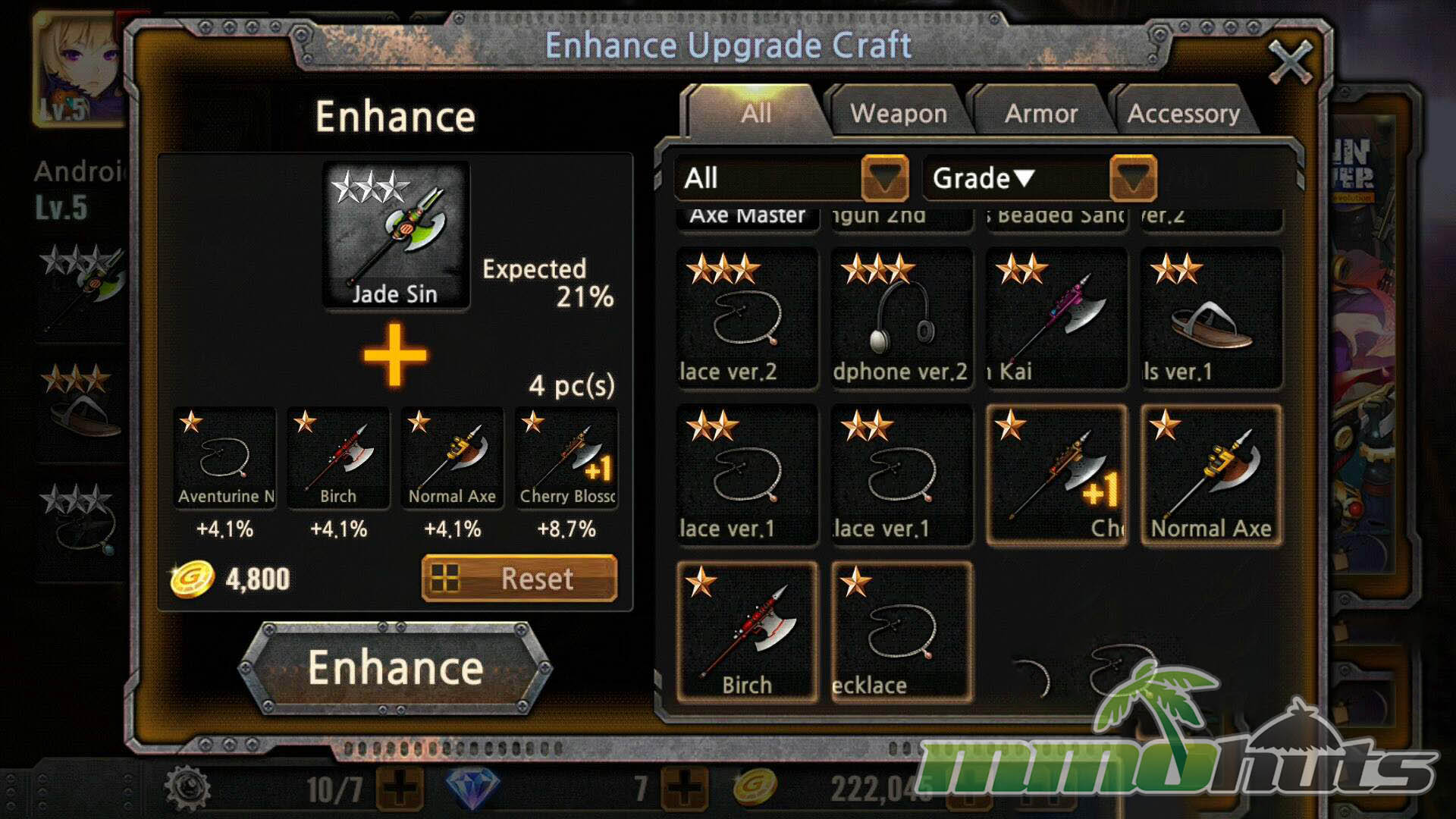
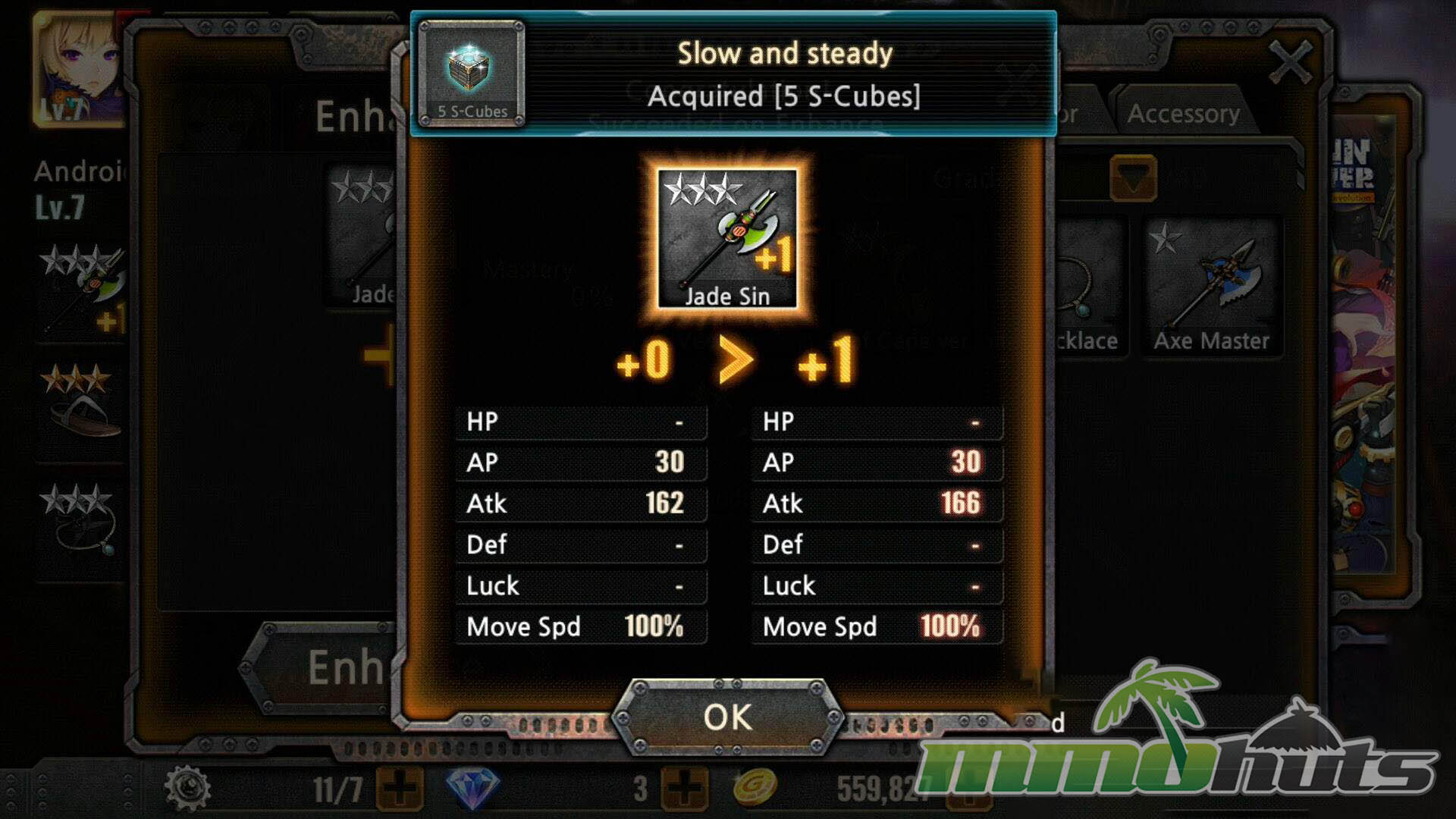
Despite being set on a train, the environments do not look identical for long. The backgrounds shift, the steampunk styling stays consistent, and the motion of the train adds a sense of momentum. Stages are short and reward gold, experience, and gear, which makes the game fit well into quick sessions. Difficulty climbs noticeably as you progress, and even on Normal you eventually hit points where enhancement and replaying earlier stages becomes the practical path forward.
Beating People Up in Style
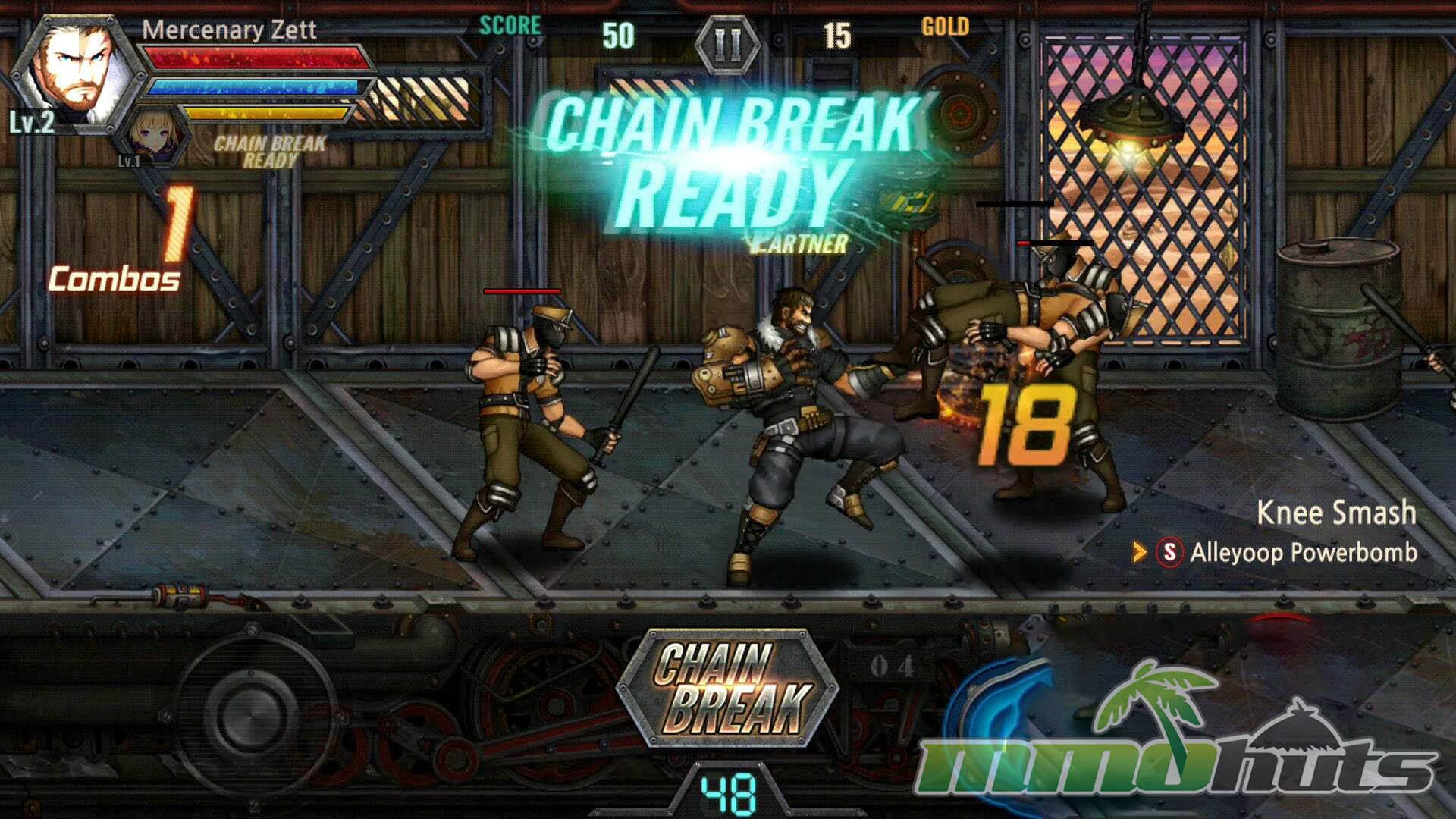
TrainCrasher’s combat is built around a virtual stick plus three main buttons: A, S, and a dedicated grab shortcut marked as +. On paper this looks minimal, but in practice the system is about chaining inputs into longer strings, with different classes converting those strings into different attacks. You spend most fights moving laterally, juggling groups, and deciding when to commit to longer sequences versus safer basic hits.
Combos come from patterns rather than separate skill icons, so learning the timing of sequences like AAAS or longer A and S chains becomes the equivalent of learning a moveset. The grab function also adds utility. After grabbing, you can punish with follow-up strikes or throw enemies, and in certain positions you can toss targets into scenery or off the side when the train’s edge is open. It is a simple toolkit that still allows for expressive play because positioning and input choice matter in crowded encounters.
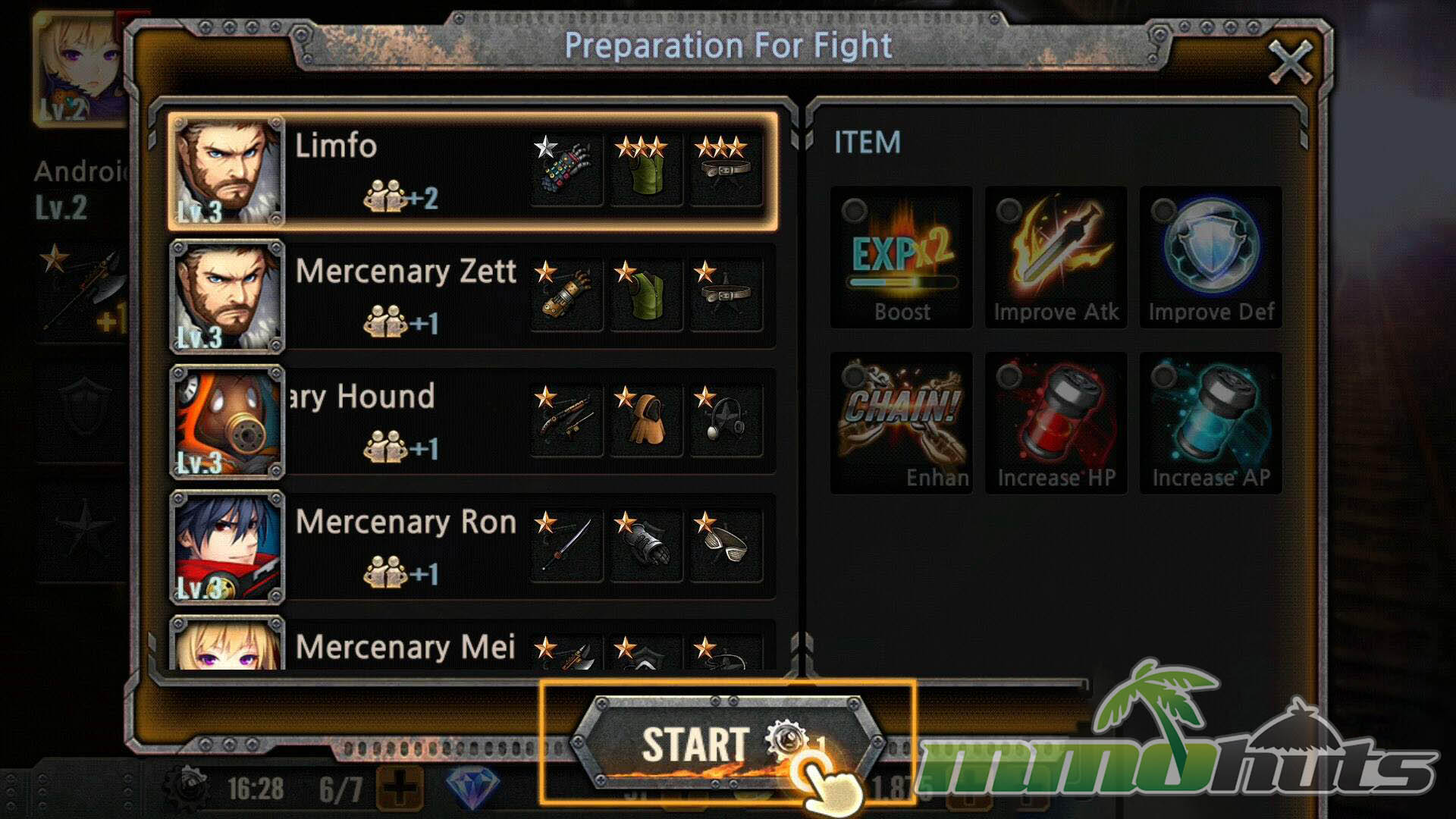
Instead of traditional active skills, TrainCrasher uses an AP bar tied to your stronger combo options. Basic attacks keep you going, but more elaborate moves consume AP, which creates a push-and-pull between high output strings and recovery. This is where the Chain system becomes central. As you fight, a Chain gauge fills, and once it is ready you can swap to a second character that you selected before the stage. The substitute character typically feels weaker because they do not inherit the main character’s equipment, but the swap gives your original character time to recover AP and HP.
There are tradeoffs. The second character cannot be dismissed until the gauge refills again, and if the backup character is defeated the run ends. Used well, Chain swaps are a safety valve and a way to maintain tempo through longer stages or tough boss sequences. Used poorly, they can turn into a risky detour that costs you a clear.
PVP and Additional Modes
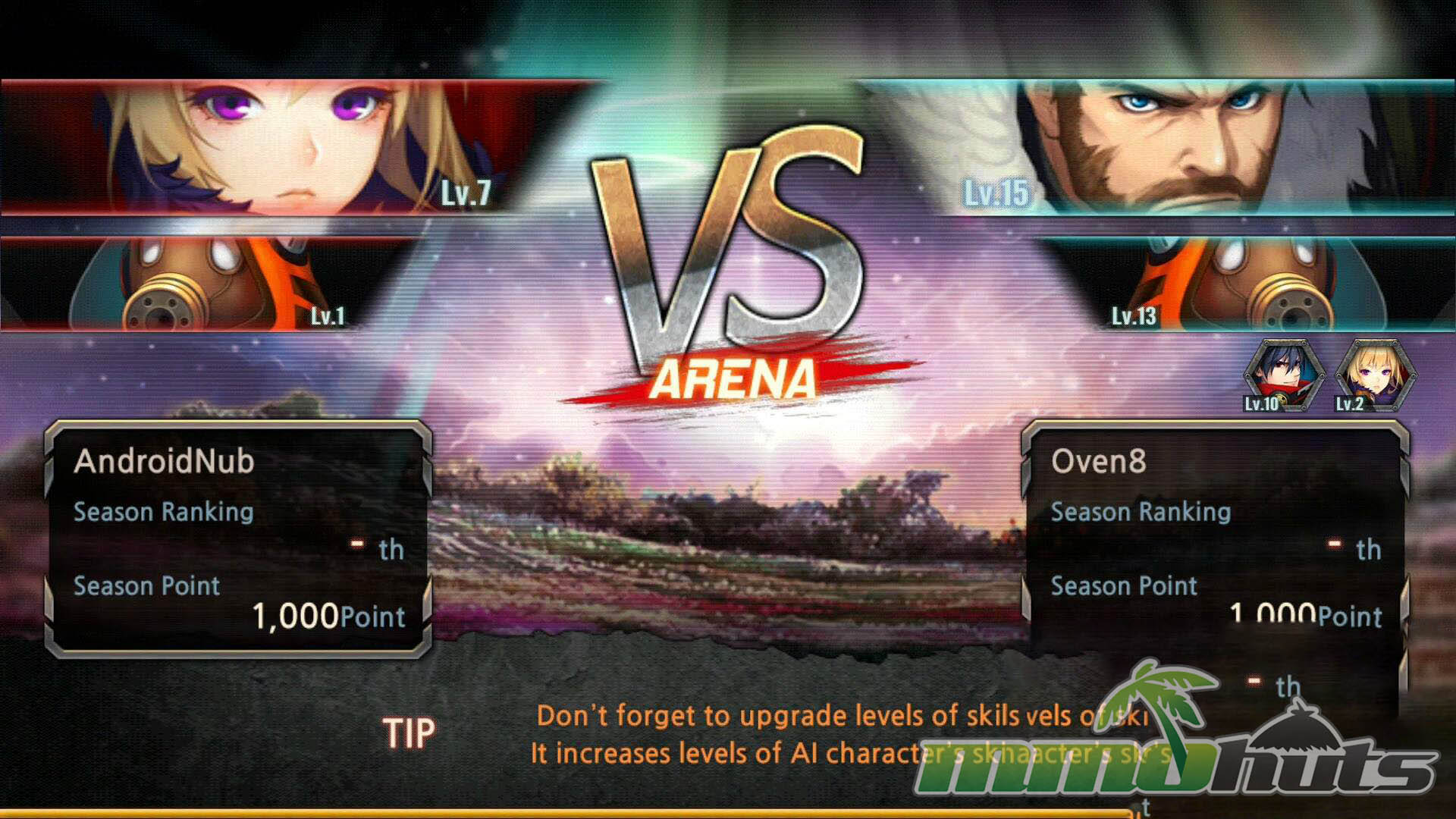
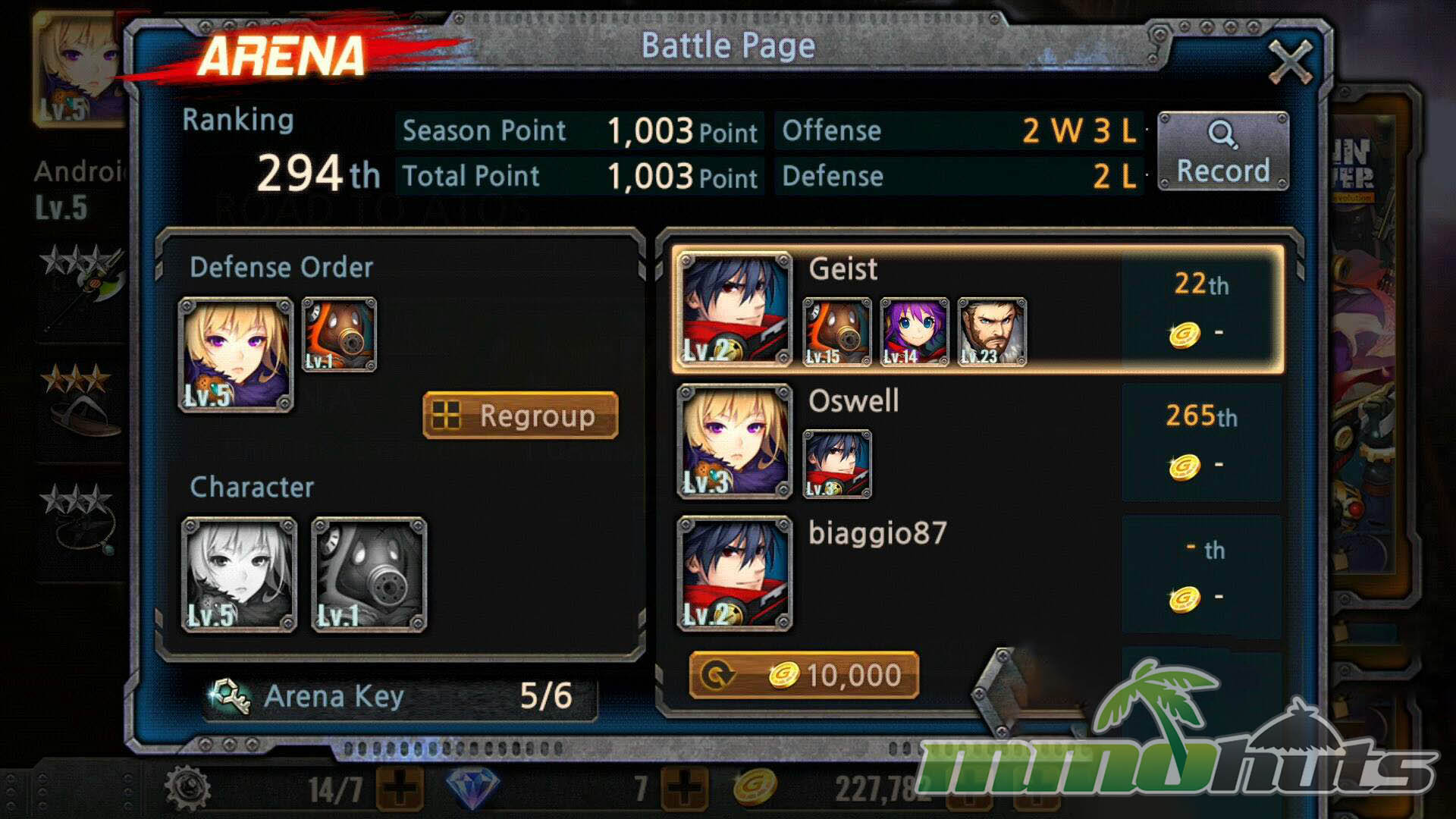
TrainCrasher’s online component is asynchronous Arena PVP, meaning you fight AI-controlled versions of other players rather than real-time opponents. You choose from a small set of available matchups, build a two-character lineup, and jump into short fights. As the attacker you control your main character directly, while swaps are theoretically possible but uncommon because matches tend to end quickly.
Defense works differently. When facing an asynchronous opponent, their two characters appear together rather than swapping in and out, which can feel like an advantage for the defending side. Likewise, when others attack you, they face both of your characters at once. The setup is unusual and can lead to frustrating moments, especially when crowd control causes you to get locked down by two enemies simultaneously. Still, it functions as a typical rank ladder, with seasonal rewards tied to your placement.
Alongside Story and Arena, there are two additional PVE activities: Gold Rush and Ghost Train. Gold Rush plays like a forward-driving survival run where your character is forced to keep moving, and you earn currency by breaking objects and defeating enemies before you take too many hits. The inability to stop adds pressure, and the mode becomes a test of reaction and route choice rather than careful positioning.
Ghost Train is closer to a traditional survival gauntlet. You fight through an ongoing stream of enemies, aiming to push your distance and score as far as possible. Both modes primarily feed the economy by awarding gold, which in turn supports equipment enhancement. They also include ranking elements with end-of-season rewards, giving competitive players something to chase beyond campaign progression.
Cash Shop/In-App Purchases (IAP)
The monetization is centered on Diamonds and equipment acquisition, plus convenience items. Players can roll for gear using different currencies: low-tier summons via friendship points and in-game gold, and higher-tier 4 to 6 star summons via Diamonds. Diamond spending also covers common mobile staples like buying gold, purchasing Coins (energy), and activating temporary experience boosts.
In practical terms, purchases mainly reduce friction. Paying players can attempt to obtain stronger equipment sooner, refill energy to keep running stages, and accelerate leveling. Progression can be achieved without paying, but it generally requires more replaying and enhancement cycles to reach the power needed for later difficulties. The biggest concern is PVP, where better gear and faster progression can translate into a tangible advantage, even in an asynchronous format.
Final Verdict – Great
TrainCrasher succeeds most as a mobile brawler that respects player input. Its combo-driven combat, AP management, and Chain swapping give fights a lively pace, and the steampunk anime presentation helps it stand out visually. While repetition and monetization pressures can creep in, the core action is strong enough that fans of arcade-style beat em ups and action RPG progression would have found it an easy game to enjoy in short bursts.
TrainCrasher Links
TrainCrasher Facebook
TrainCrasher Google Play
TrainCrasher iOS
TrainCrasher Requirements
Minimum Requirements:
Android 4.0.3 and up / iOS 7.0 or later
TrainCrasher Music & Soundtrack
TrainCrasher Additional Information
Developer: Softmax
Publisher: Softmax
Platforms: Android, iOS
Release Date: December 29, 2015
Shut Down: July 15, 2016
TrainCrasher was developed and published by Softmax, a Korea-based game company known for series such as Magna Carta and The War of Genesis. Founded in 1993, Softmax has worked across a wide range of platforms over the years, including console, PC, and later mobile releases. TrainCrasher positions itself as a modern mobile take on classic side-scrolling beat em ups like Final Fight, filtering that formula through anime-styled characters and a steampunk setting.
The game originally appeared in South Korea roughly a month before its worldwide launch on December 29, 2015. Softmax also published mobile titles including Chaos Battle Hero and Fishing Fishing: Set the Hook! On June 06, 2016, the publisher announced that TrainCrasher would shut down on July 15, 2016, ending service less than seven months after release.