TheWave was a cross-platform virtual reality music MMO built around live, interactive performances. With a VR headset on, creators could sculpt sound and trigger reactive visuals inside a virtual venue, essentially turning a DJ set into a 3D audiovisual show for an online crowd.
 | Publisher: WaveVR Inc. Type: Music Release Date: April 12, 2017 Shut Down: April 01, 2021 Pros: +Perform and “play” music in a 3D VR space. +Create visuals and sound together in real time. +A distinctive way to attend and share live-style shows. Cons: -Requires costly VR-capable hardware. -Some live events were restricted by region/time. -Very small overall community. |
TheWave Shut Down on April 01, 2021
TheWave Overview
TheWave was a cross-platform virtual reality music MMO designed to connect performers and audiences through live, venue-like events hosted in VR. Instead of simply streaming audio, the platform emphasized presence and interaction, giving creators a set of VR tools to “perform” by shaping both the soundtrack and the accompanying effects around them. The result was closer to a playable concert than a traditional DJ application, with the room itself becoming part of the instrument.
For musicians and visual artists, the appeal came from its integrated workflow. TheWave’s tools encouraged building a set where sound design and visuals were linked, so changes in rhythm, intensity, or timing could be reflected immediately in the environment. For viewers, it offered an alternative to physical venues, letting fans watch shows from home while still feeling like they were attending something communal. Because audiences could join together remotely, friends could experience the same performance even when separated by distance, and performers could reach people well outside their local scene.
TheWave Key Features:
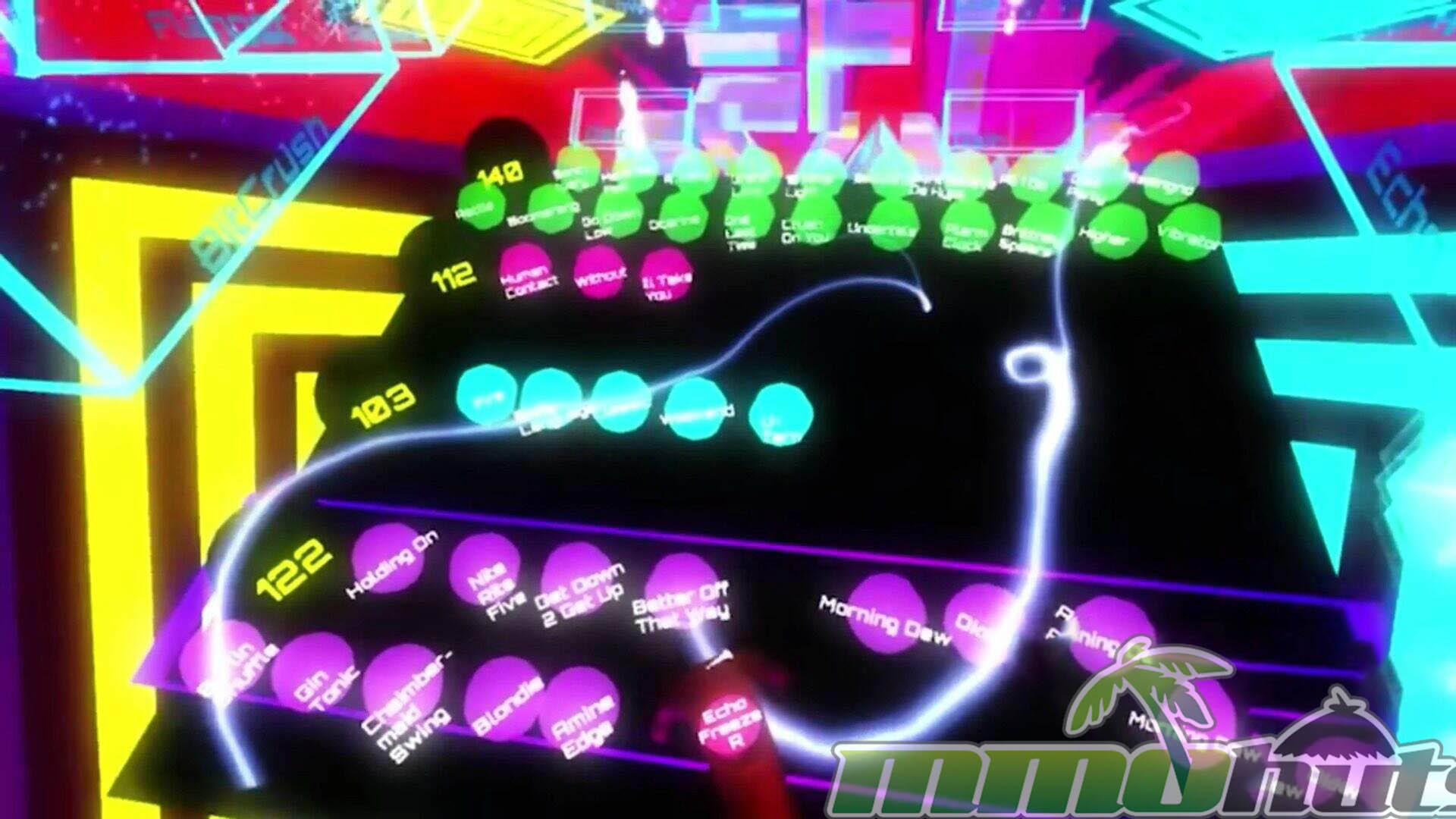
- VR Performance Tools – stage a show inside virtual reality and manipulate both audio and visuals as part of the performance.
- Global Access – drop into events and see artists without needing to travel, making live-style experiences easier to attend.
- Flexible, Creator-Friendly Setup – tailor the controls to how you like to DJ or produce, with less reliance on traditional physical gear.
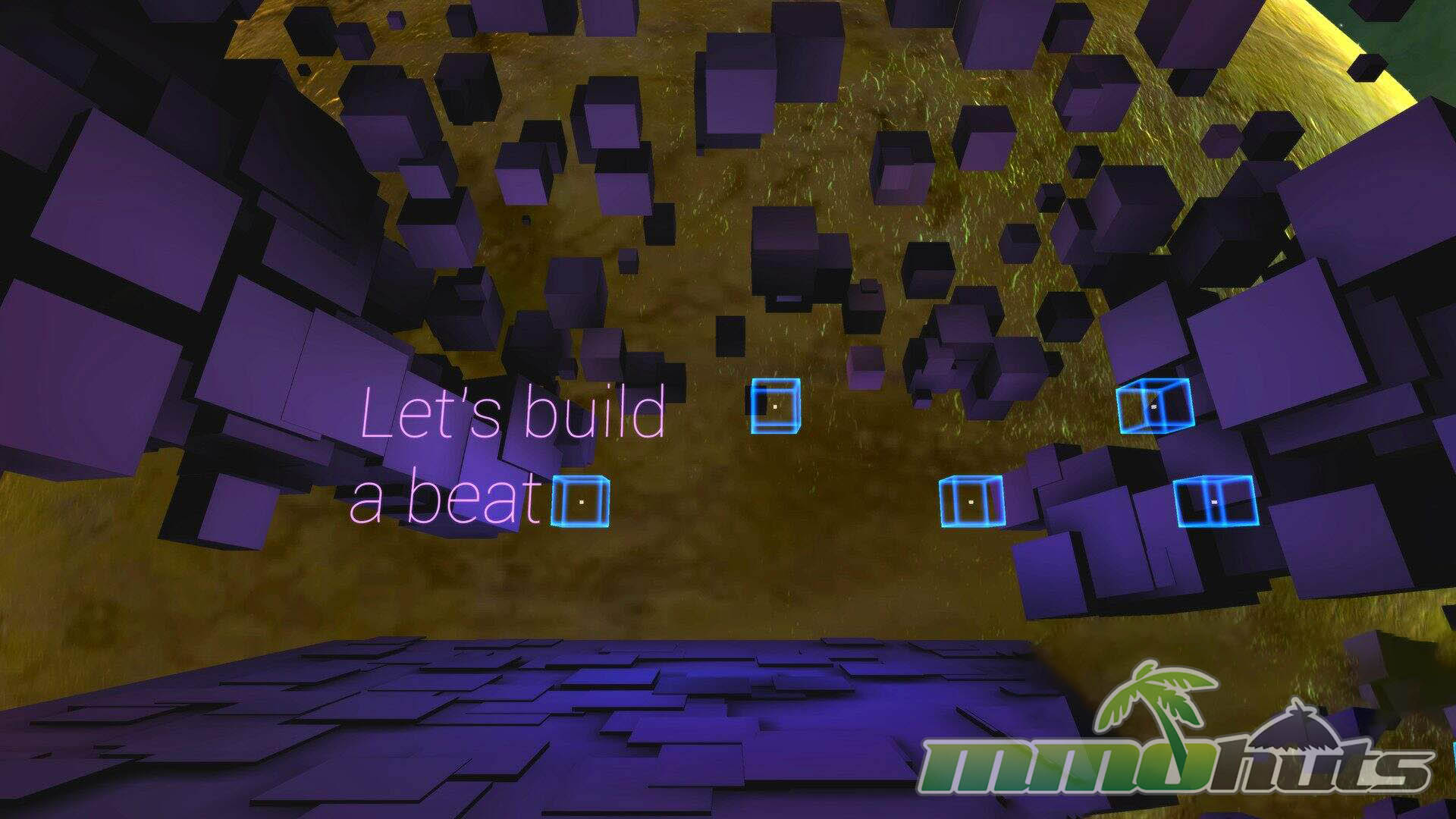
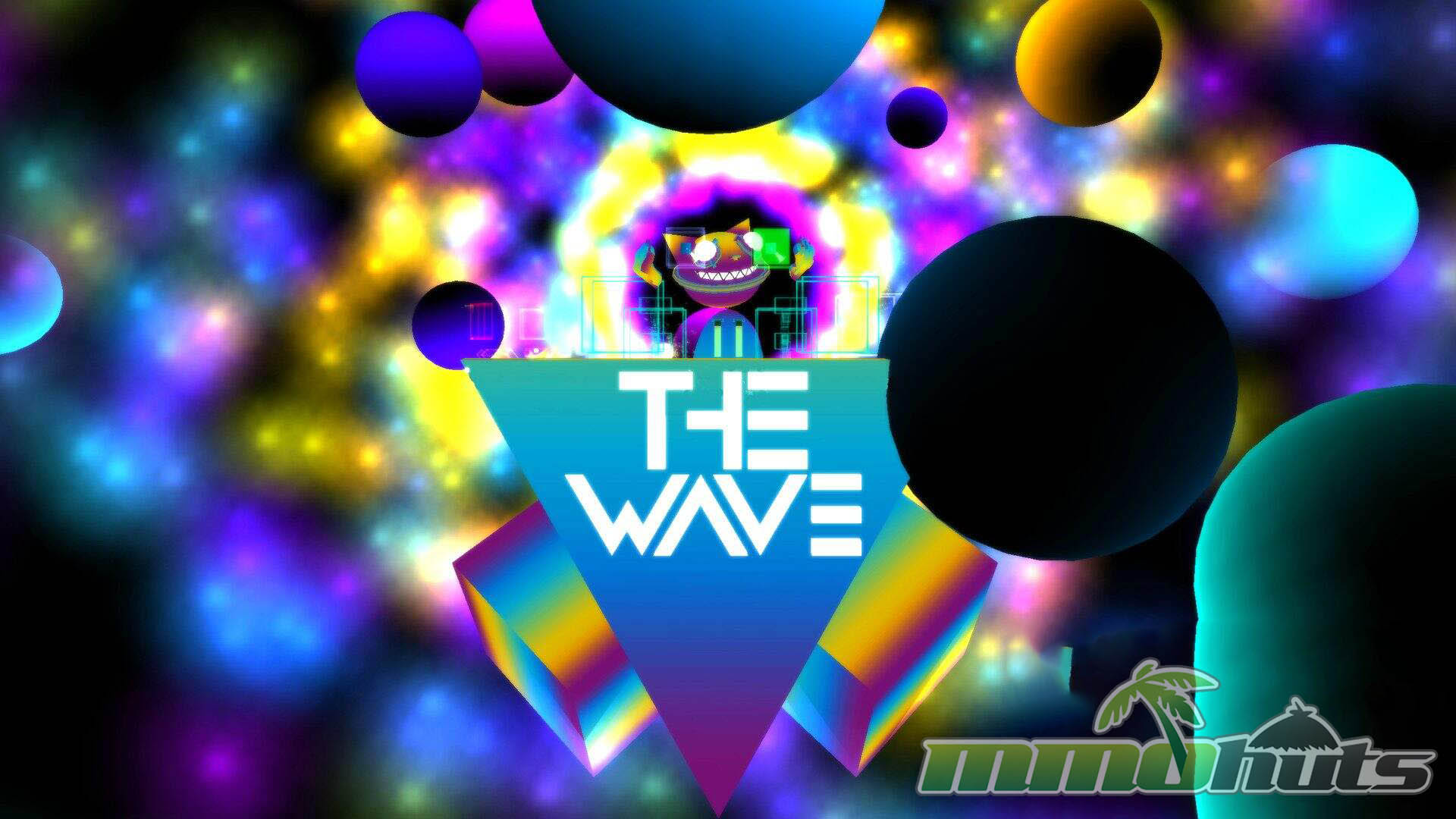
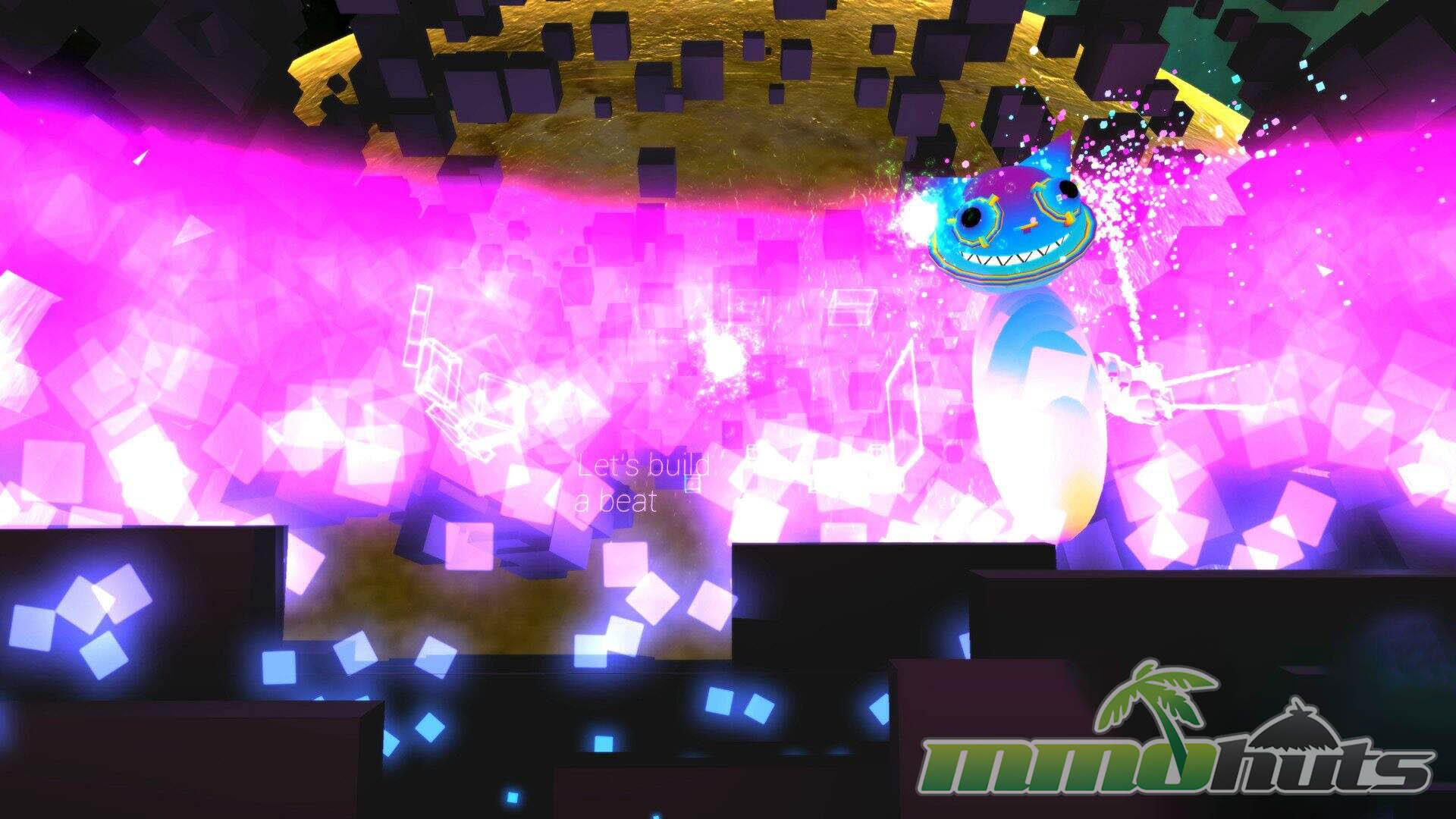
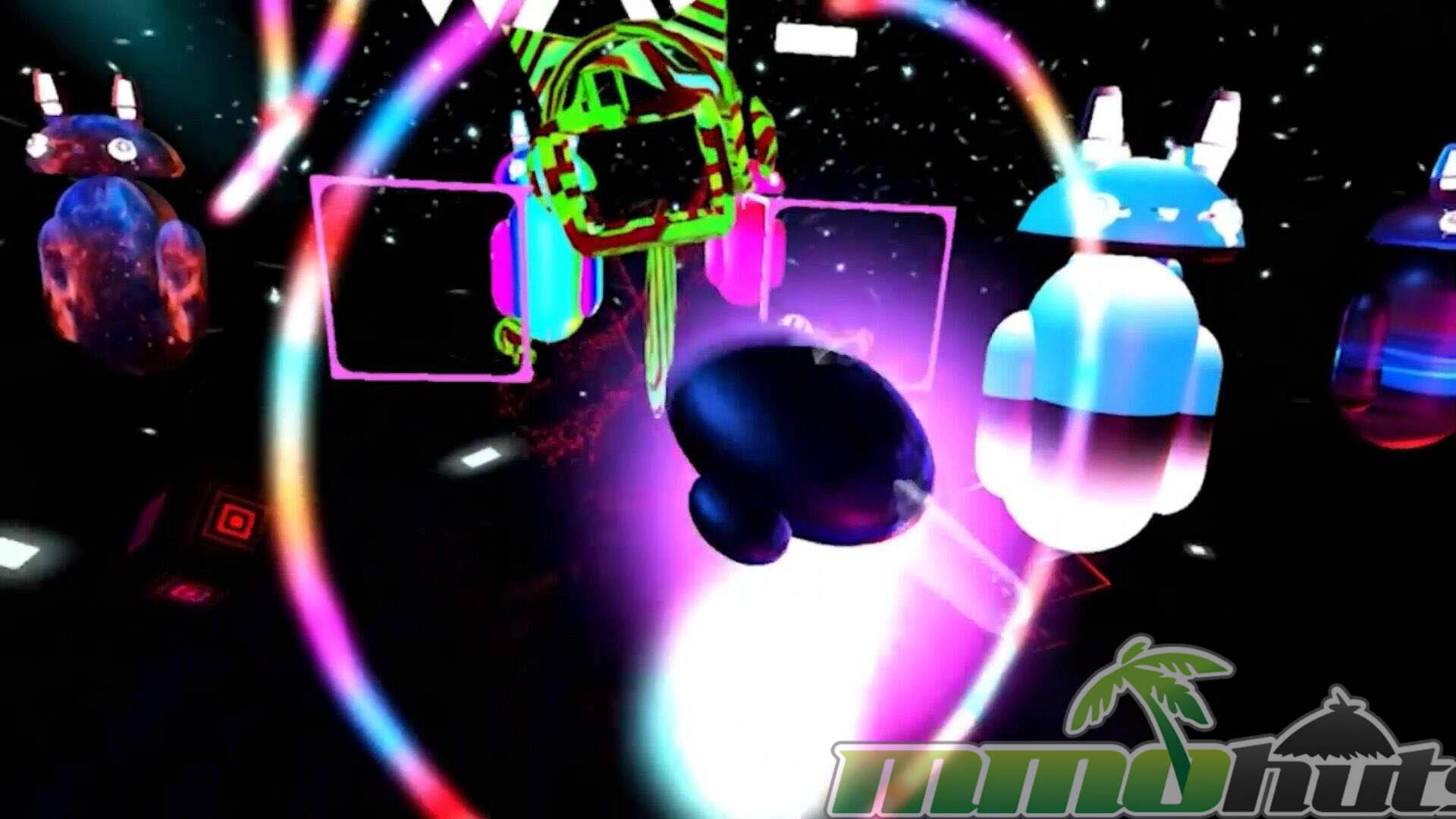
- Vivid Visual Presentation – a colorful, high-contrast virtual space where the look of the show can be heavily customized.
- Linked Audio-Visual Control – drive effects and atmosphere alongside the music to create a unified audiovisual set.
TheWave Screenshots



TheWave Featured Video

TheWave Review
TheWave’s core idea was straightforward but ambitious, bring the energy of a live music venue into VR and give performers the tools to treat the environment like an extension of their instrument. At its best, it delivered a kind of digital stagecraft that standard livestreams cannot replicate. When you are inside the space, watching effects bloom and shift in sync with the set, the “show” feels authored moment to moment rather than merely played back.
From a creator standpoint, the most compelling aspect was how the platform framed performance. Instead of focusing only on track playback, TheWave encouraged hands-on manipulation. Visuals were not an afterthought, they were a parallel layer that could be shaped live to match drops, builds, and transitions. That immediacy made performances feel personal, and it supported experimentation in a way that fit VR naturally.
For attendees, the experience leaned heavily on presence and spectacle. You were not just consuming music, you were “there” with other users, sharing a virtual crowd and watching a set unfold around you. That sense of shared attendance was the product’s main differentiator, and it was especially effective for people who want a concert-like vibe but cannot make it to physical venues regularly.
However, the same factors that made TheWave novel also limited its reach. VR-ready hardware remained a barrier, and the overall community never reached the scale you would expect from an MMO-style platform. Live events could also be difficult to catch depending on region and scheduling, which undercut the promise of always-available nightlife. In practice, it was a memorable concept with standout moments, but one that depended on a niche audience and consistent event support to stay vibrant.
TheWave ultimately shut down on April 01, 2021. Looking back, it serves as an early example of how VR can reshape music performance, not by replacing concerts, but by offering creators a new kind of stage where sound and visuals are equally performative.
TheWave System Requirements
Minimum Requirements:
Operating System: Windows 10 64-bit
CPU: Intel i7 quad core or better
Video Card: NVIDIA 970 | AMD R9 290 or better
RAM: 16 GB
Disk Space: 17 GB
TheWave Music & Soundtrack
While TheWave centered on live performance rather than a conventional game soundtrack, its identity was still defined by music. Sets could range widely depending on the performer, and the platform’s strength was how it presented audio and visuals as one combined experience. Because much of the content was creator-driven, the “soundtrack” was effectively the community’s shows and the artists featured through events.
TheWave Additional Information
Developer: The Wave VR Inc.
Publisher: The Wave VR Inc.
Game Engine: Unity
Release Date: April 12, 2017
Shut Down: April 01, 2021
Development History / Background:
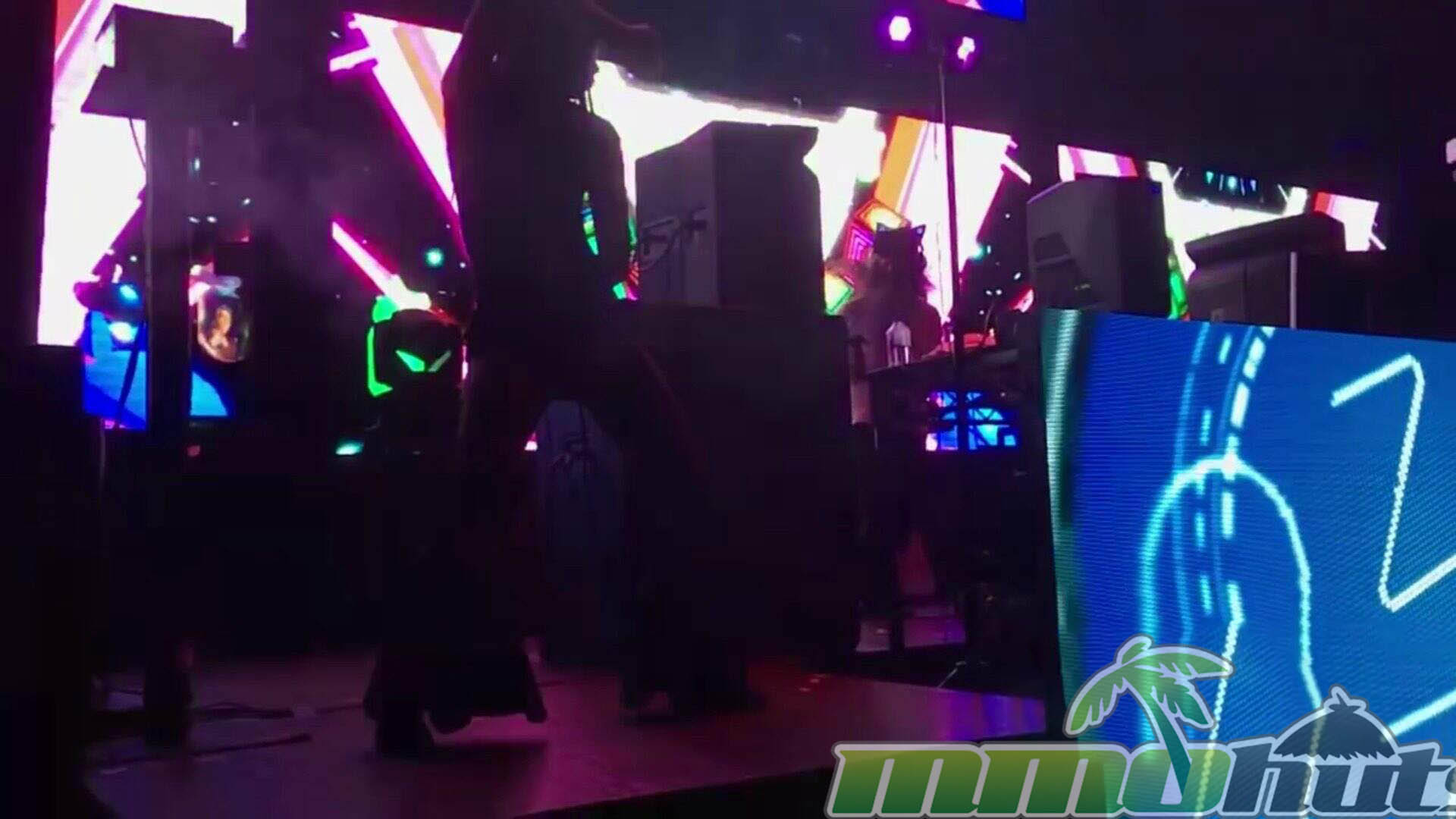
TheWave was developed and published by The Wave VR Inc., an Austin-based technology startup backed by venture capital and focused on music-tech projects. Built in Unity, it stood out as one of the earlier Unity-based efforts aimed specifically at VR music performance rather than traditional game design. The company raised a $2.5 million seed round on August 5, 2016, with an initial goal of launching in Fall 2016. The project was shown publicly in a live performance context at GDC 2016 with musician Grimecraft. TheWave later released on April 12, 2017, and the service was shut down on April 01, 2021.