
The Sims Online was a 3D social MMORPG spin on the long running life-sim series, built around meeting other players, developing skills, and turning your Sim into a steady earner. Instead of focusing on quests or combat, it leaned on conversation, routine work, and a largely player-driven economy where money was typically reinvested into housing, furniture, and showing off your space.
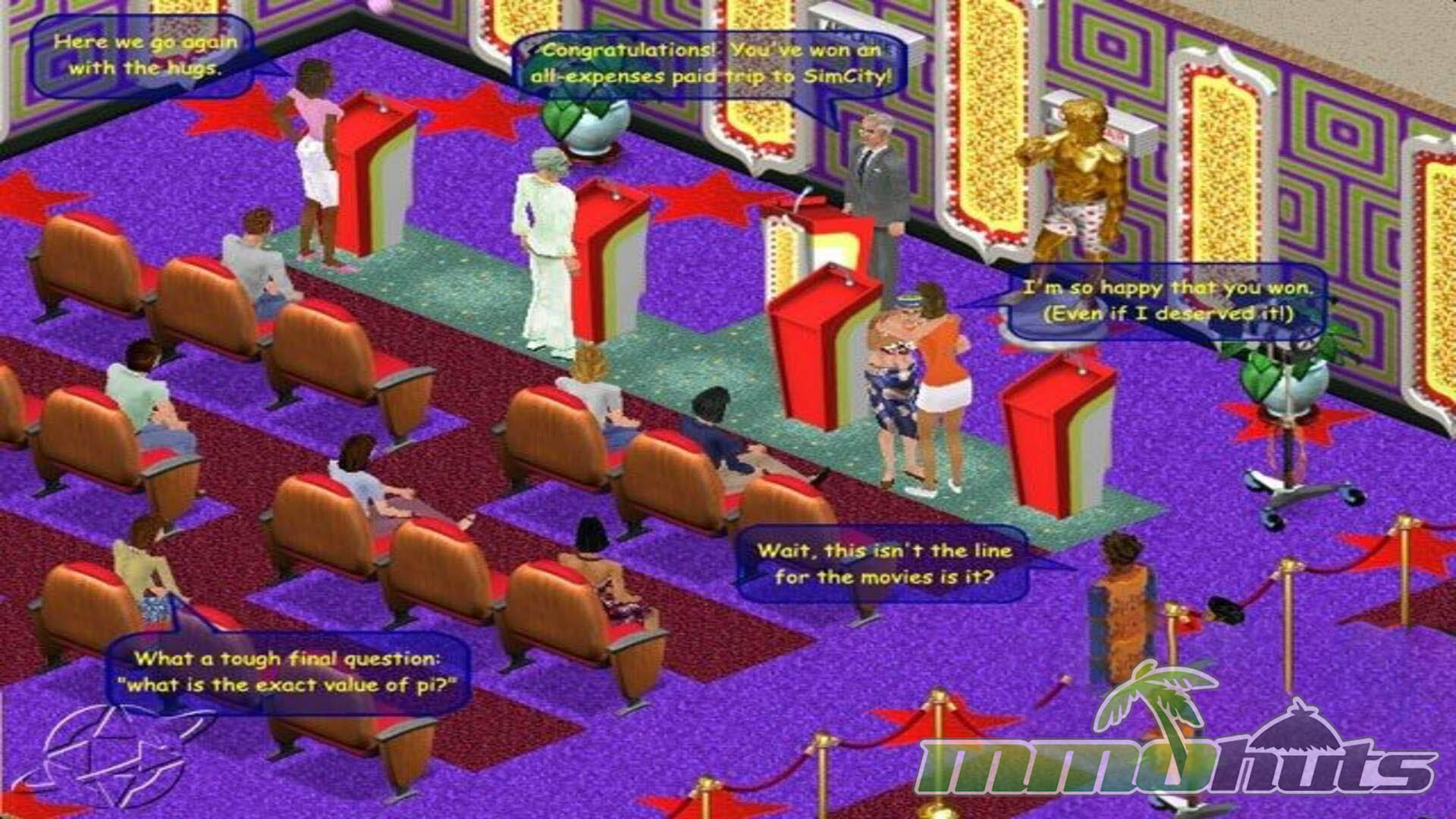 | Publisher: Electronic Arts Type: MMORPG Release Date: December 17, 2002 Closure Date: August 01, 2008 Pros: +A functional player-run economy that gave trading real purpose. +Progression was tied to skills rather than levels. +Plenty of job options and income loops to pursue. +Strong home customization for private lots. Cons: -Some systems pushed repetitive skilling instead of organic social play. -Not many activities beyond work, chat, and building. -Longstanding technical problems were left unresolved for far too long. |
The Sims Online Overview
The Sims Online, which later resurfaced under the EA-Land name, was the franchise’s first attempt at a large-scale online multiplayer Sims experience. It launched in late 2002 and asked for a $10/month subscription, positioning it closer to traditional MMORPGs of the era than the casual social games that would dominate later. In practice, the game played more like a shared, persistent neighborhood where your routine revolved around meeting people, improving skills, and finding profitable ways to spend your time.
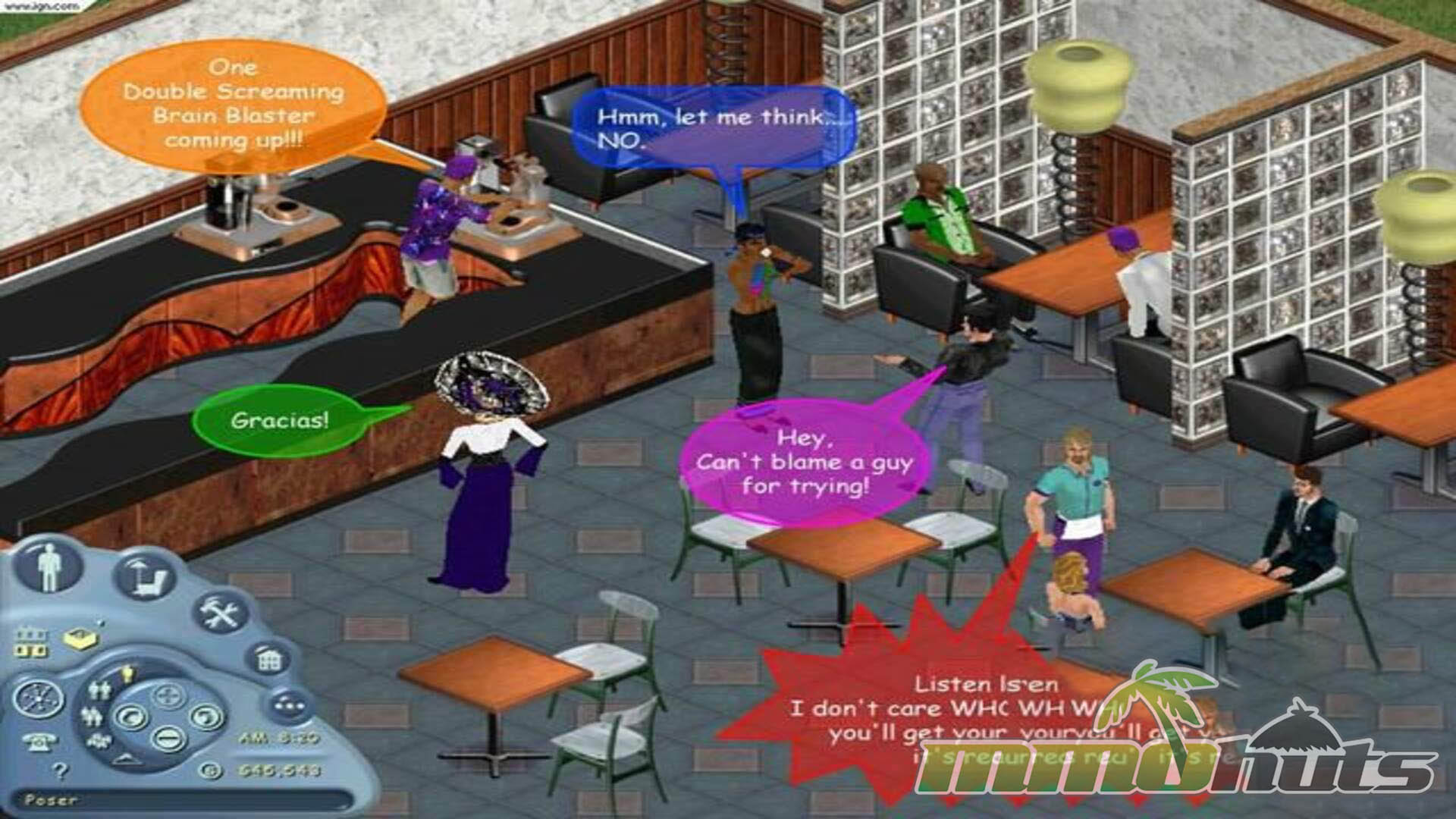
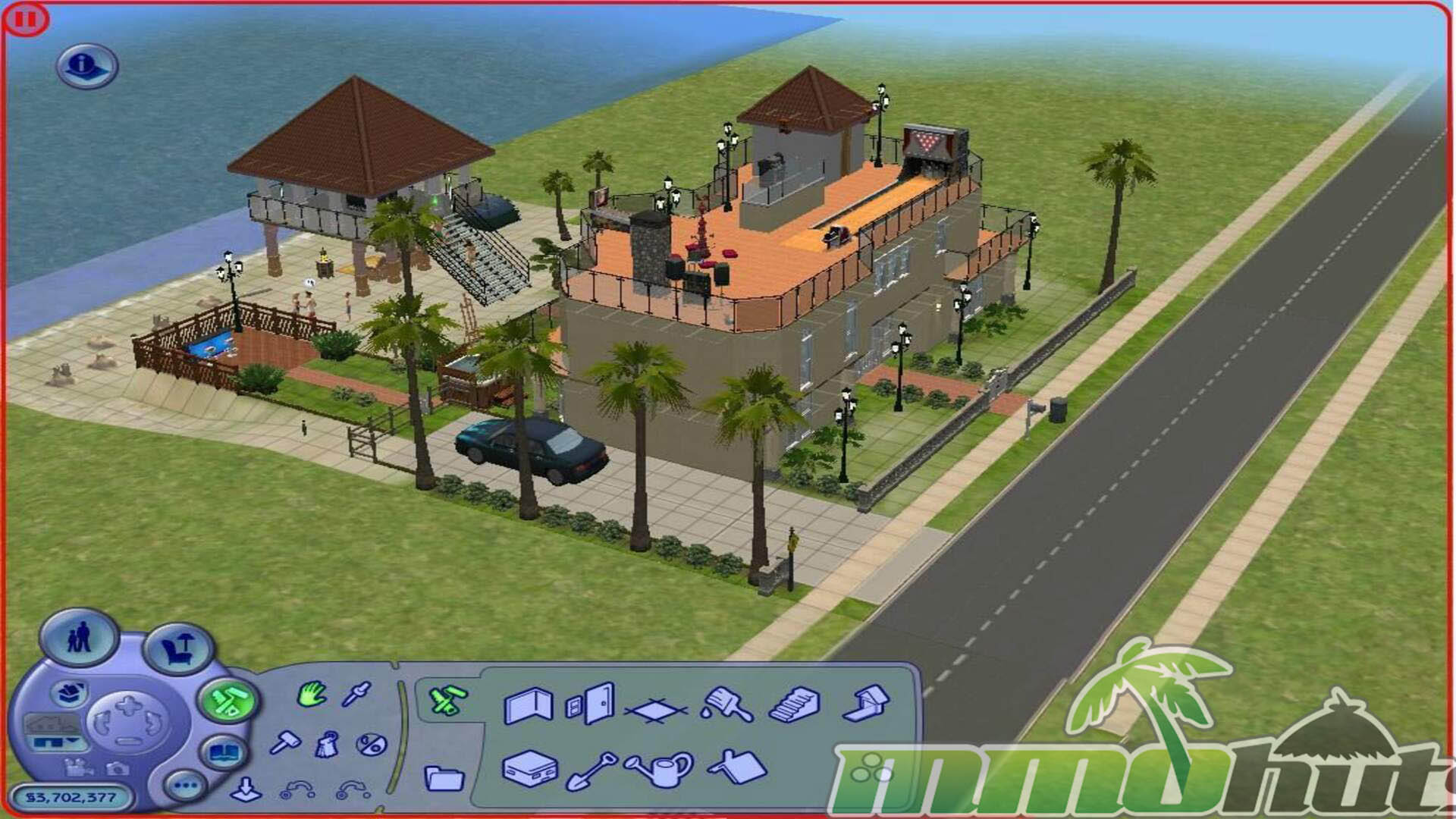
While it carried the MMORPG label, the amount of structured content was relatively light. There were no sweeping quest chains or combat roles to chase, so the moment-to-moment loop often became: train skills, take jobs that convert those skills into cash, and then use your earnings to improve your home or invest in property. That emphasis on money and housing made the economy feel unusually important for a social game, with players buying, selling, and renting space to one another, and real estate becoming a central form of status and progression.
That same economy also exposed the game’s rough edges. Without a dedicated deed trading system, property dealings could be risky, and bad actors had room to exploit other players. On top of that, a severe exploit that enabled currency duplication caused serious damage to the market, undercutting the satisfaction of earning and trading legitimately. Even with the strength of The Sims name behind it, the overall package struggled to stand out as competing online hangouts and emerging free-to-play social experiences offered a lower barrier to entry.
Job Types – Restaurant, Robot Factory, DJ, Dancing
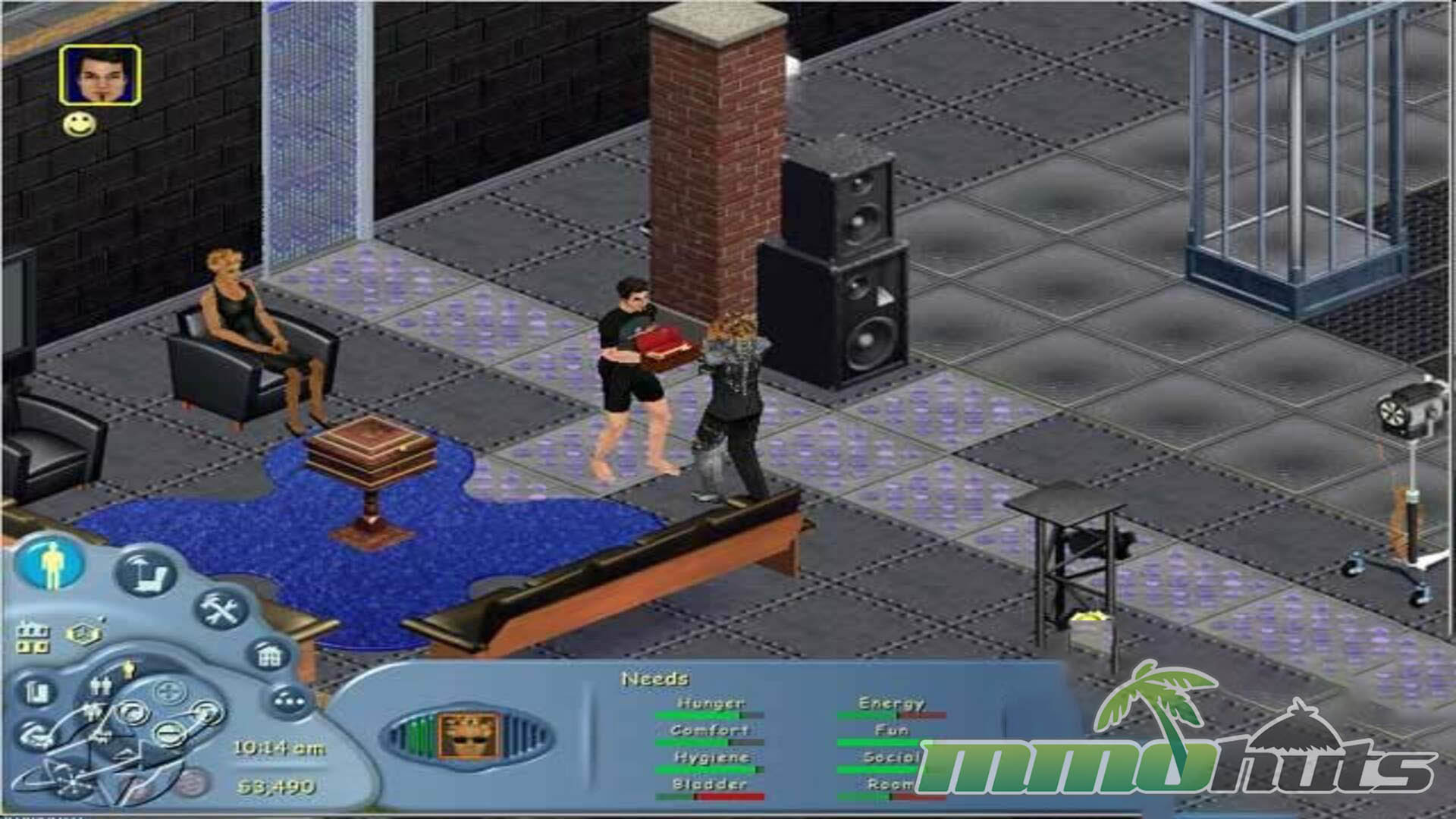
Core Skills – Mechanical, Cooking, Charisma, Body, Creativity, Logic
The Sims Online Key Features
- The Sims… Online! – A franchise first, bringing The Sims formula into a shared online world with many players.
- Cyber Real Estate Tycoon – An economy primarily shaped by players, with property buying, selling, and renting at its center.
- Social Collaboration –Skill training benefited from being around other players, encouraging group sessions and casual connections.
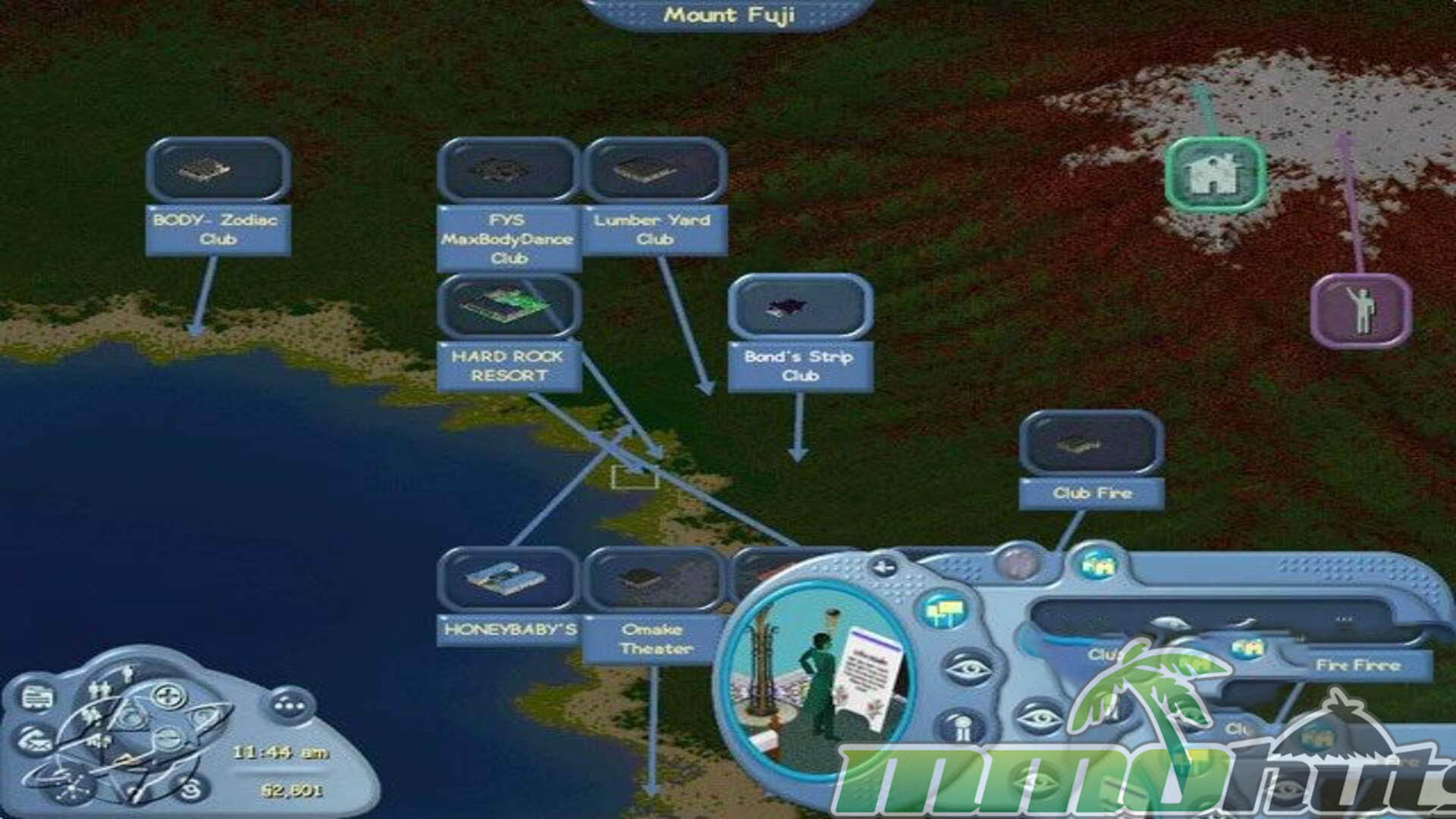
- Multiple Cities to Explore –Visit four distinct cities, including the tougher Dragon’s Cove and the experimental Test Center
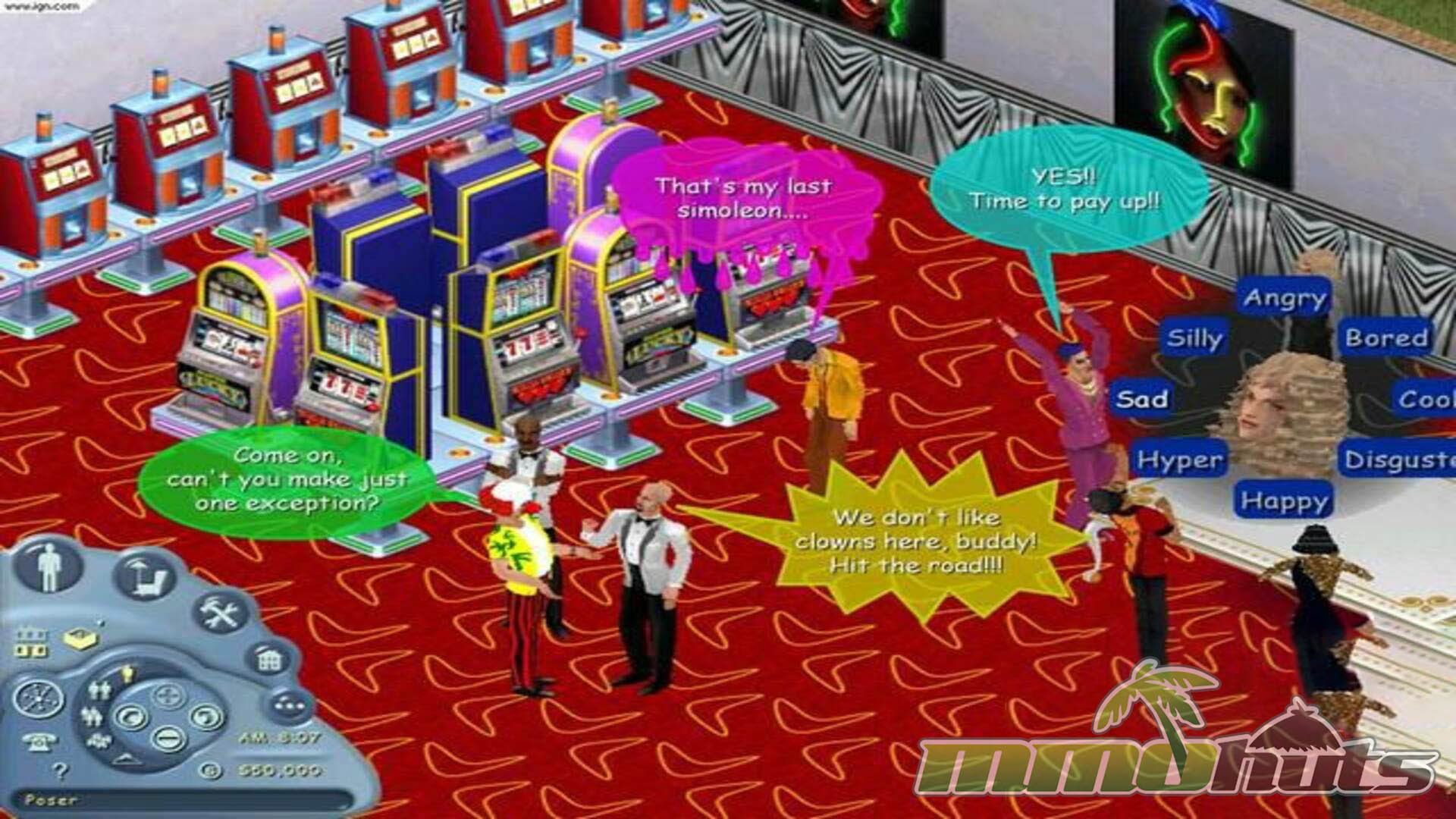
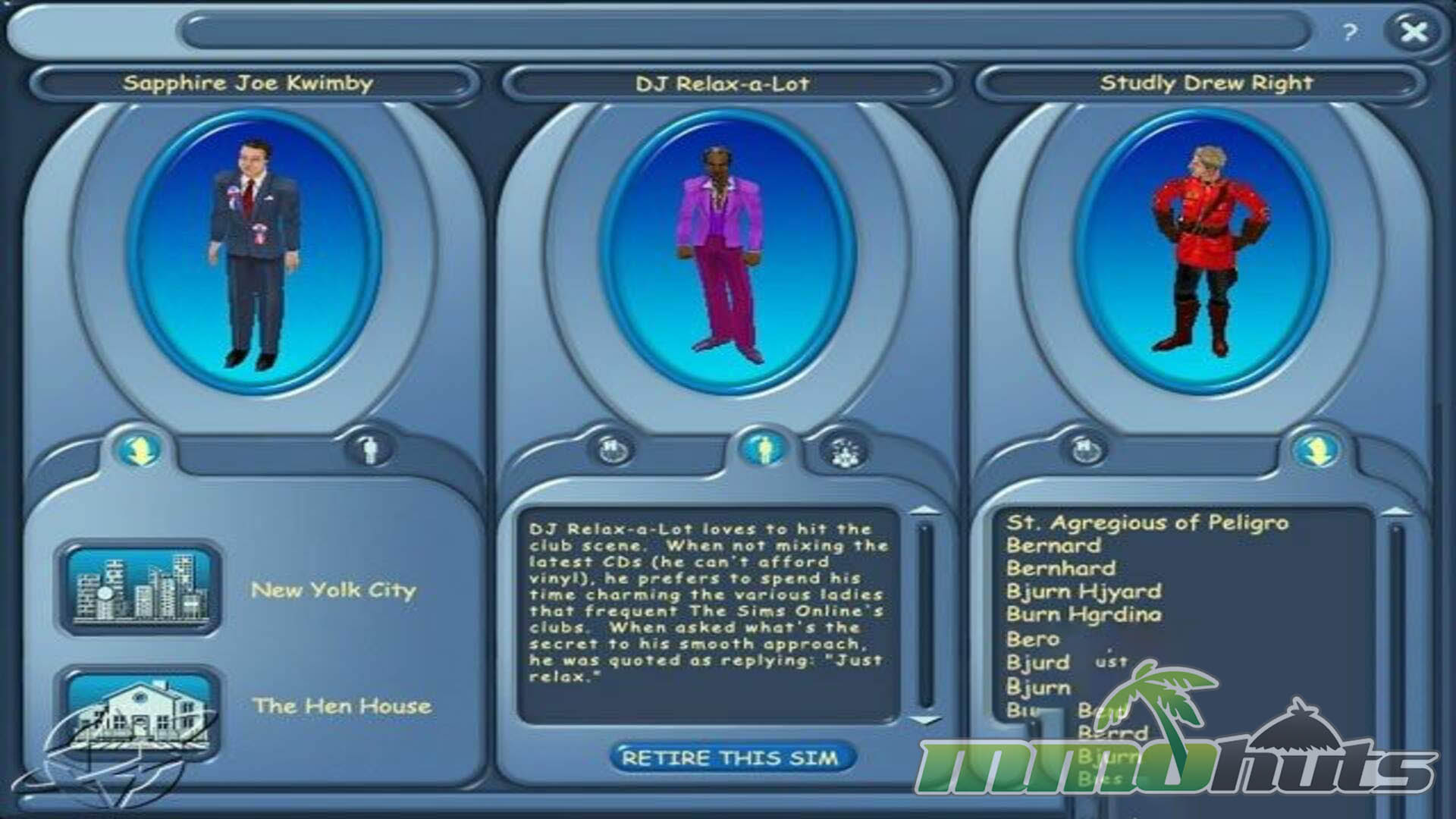
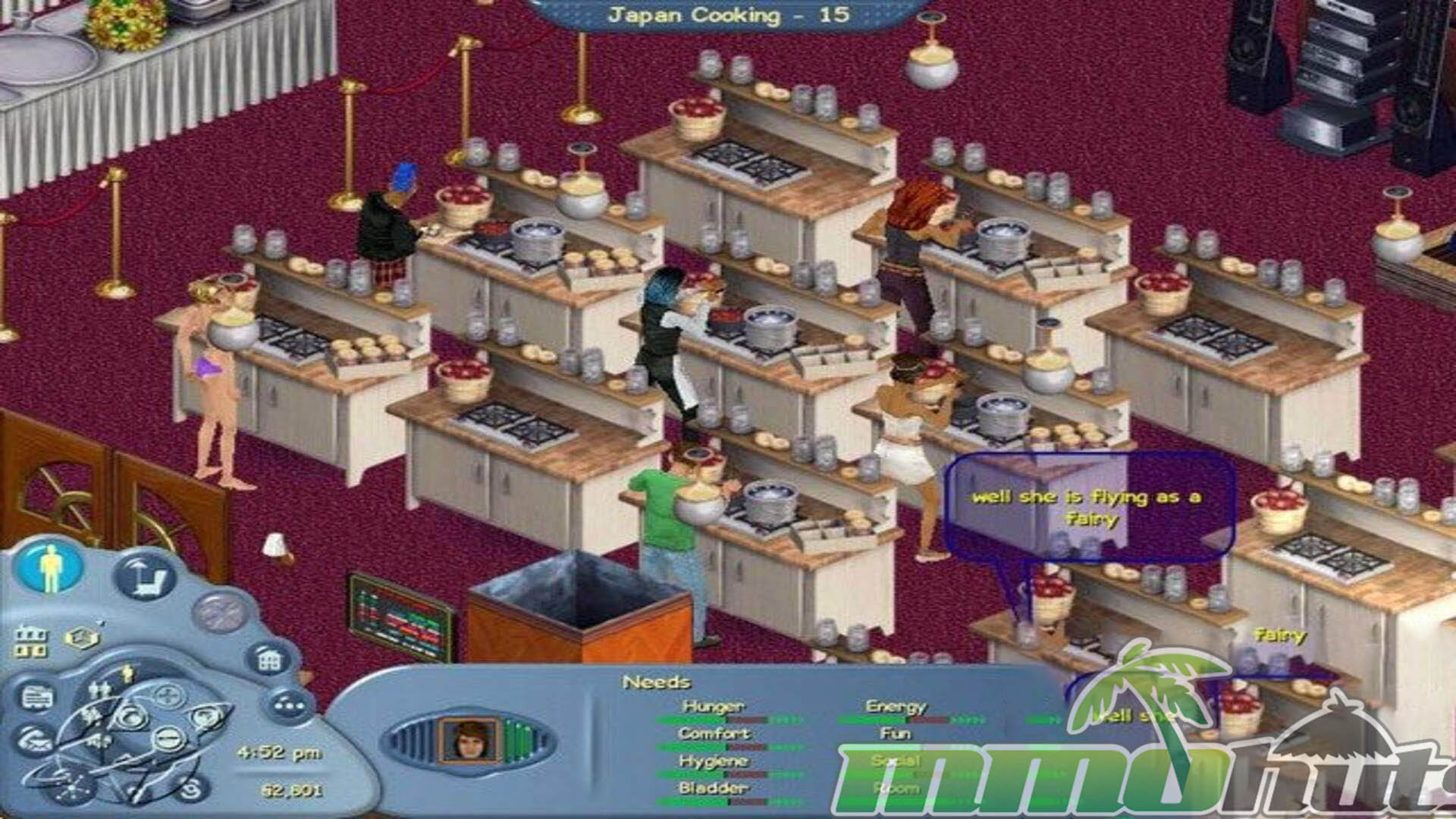
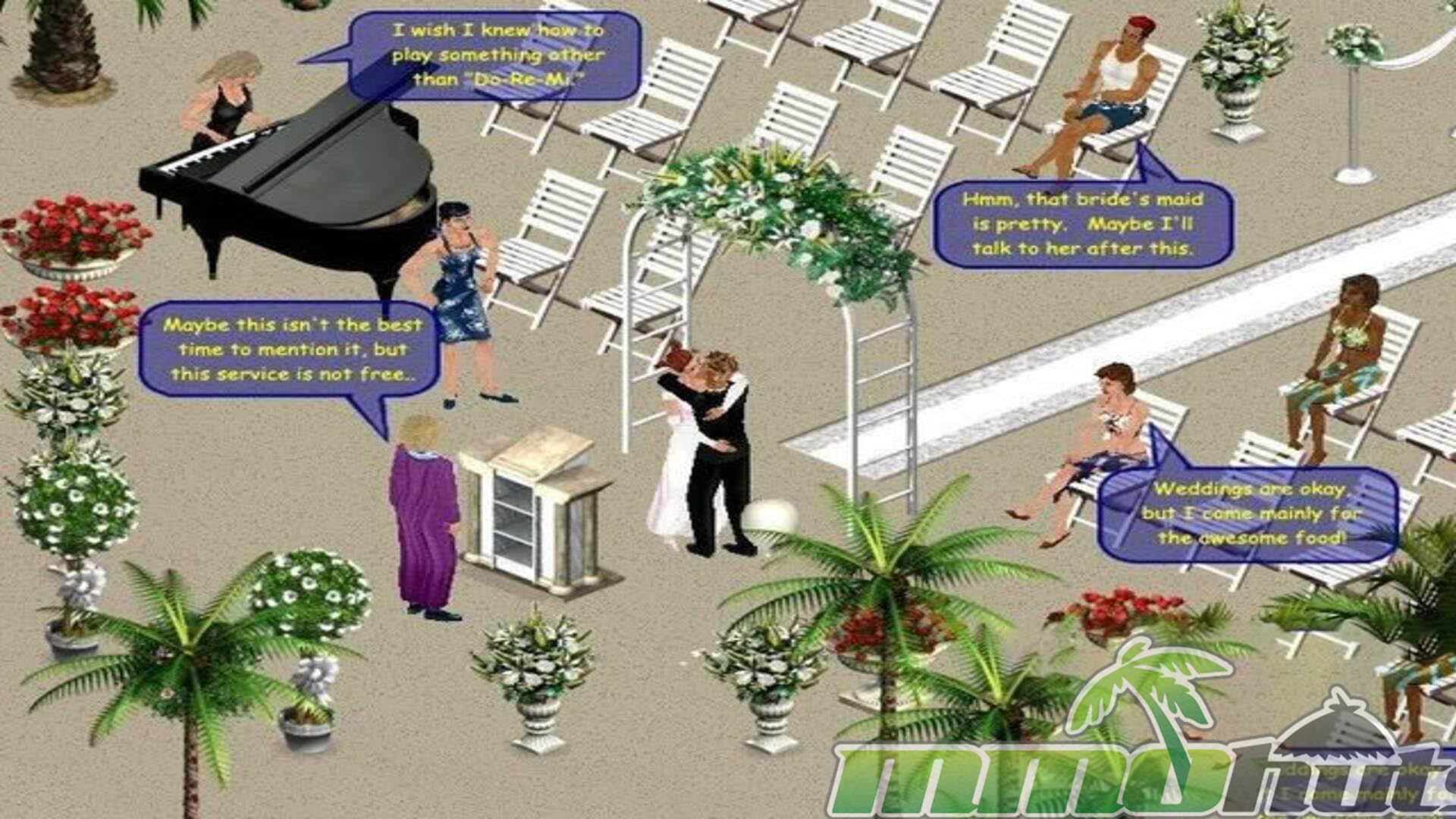
The Sims Online Screenshots

The Sims Online Featured Video

The Sims Online Links
The Sims Online Wikipedia Entry
The Sims Online on The Sims Wikia [Database/Guides]
FreeSO [The Sims Online Emulation Project]
Niotso [The Sims Online Emulation Project]
The Sims Online Music & Soundtrack
The Sims Online Additional Information
Developer: Maxis
Publisher: Electronic Arts
Game Designer: Will Wright
Composer: Jerry Martin
Release Dates:
United States: December 17, 2002
Japan: December 26, 2002
Closure Date: August 01, 2008
Development History / Background:
Developed by Maxis, the studio responsible for one of PC gaming’s most successful series, The Sims Online aimed to translate the franchise’s everyday-life sandbox into a persistent online setting. Even as the first multiplayer-focused Sims entry, it struggled to carve out a stable audience in the MMORPG space. When it arrived in December 2002, the genre’s expectations leaned toward deeper systems and more directed goals, and TSO’s lighter feature set often left players relying on chatting and repetitive skilling to create their own momentum.
Electronic Arts attempted to refresh interest years later by resetting the experience and relaunching it in late 2007 as EA-Land. That relaunch brought feature additions, bug work, and a reorganization that consolidated the original three major cities. To better match the appeal of social virtual worlds like Second Life, EA-Land also introduced support intended to tie in player-created content. However, the revival was short-lived. In April 2008, roughly four weeks after EA-Land went live, Electronic Arts chose to end the service, and the game ultimately shut down on August 1, 2008.
Later Sims titles would continue experimenting with multiplayer elements in different forms, including The Sims Bustin’ Out and The Sims Social.
The Sims Online Private Servers
A notable fan effort, the TSO Restoration Project, was first announced in October 10, but it was ultimately cancelled on September 21, 2011 after receiving a cease and desist letter from EA. Even so, players who remain curious have a couple of emulation initiatives to look into. Both have been works in progress rather than fully polished replacements, but they are the main options still referenced by the community.
FreeSO – Generally appears to be the more active and advanced effort, with more visible progress than Niotso.
Niotso – Has not posted updates since 2014, though that does not necessarily mean it will never resume.