The Mighty Quest for Epic Loot is a quirky free-to-play hybrid that blends dungeon building with fast, loot-driven action. Set in the over-the-top realm of Opulencia, it asks you to do two things in a constant loop, raid other players’ castles for treasure, then use what you earn to design a deadlier keep of your own that can withstand the next wave of would-be thieves.
 | Publisher: Ubisoft Playerbase: Medium Type: MMO Release Date: February 5, 2015 Shut Down: October 25, 2016 PvP: Castle Raiding Pros: +Clever blend of action RPG raiding and player-made defenses. +Lighthearted tone and strong comedic style. +Colorful visuals that fit the theme. Cons: -Progression leans heavily on the cash shop. |
The Mighty Quest for Epic Loot Overview
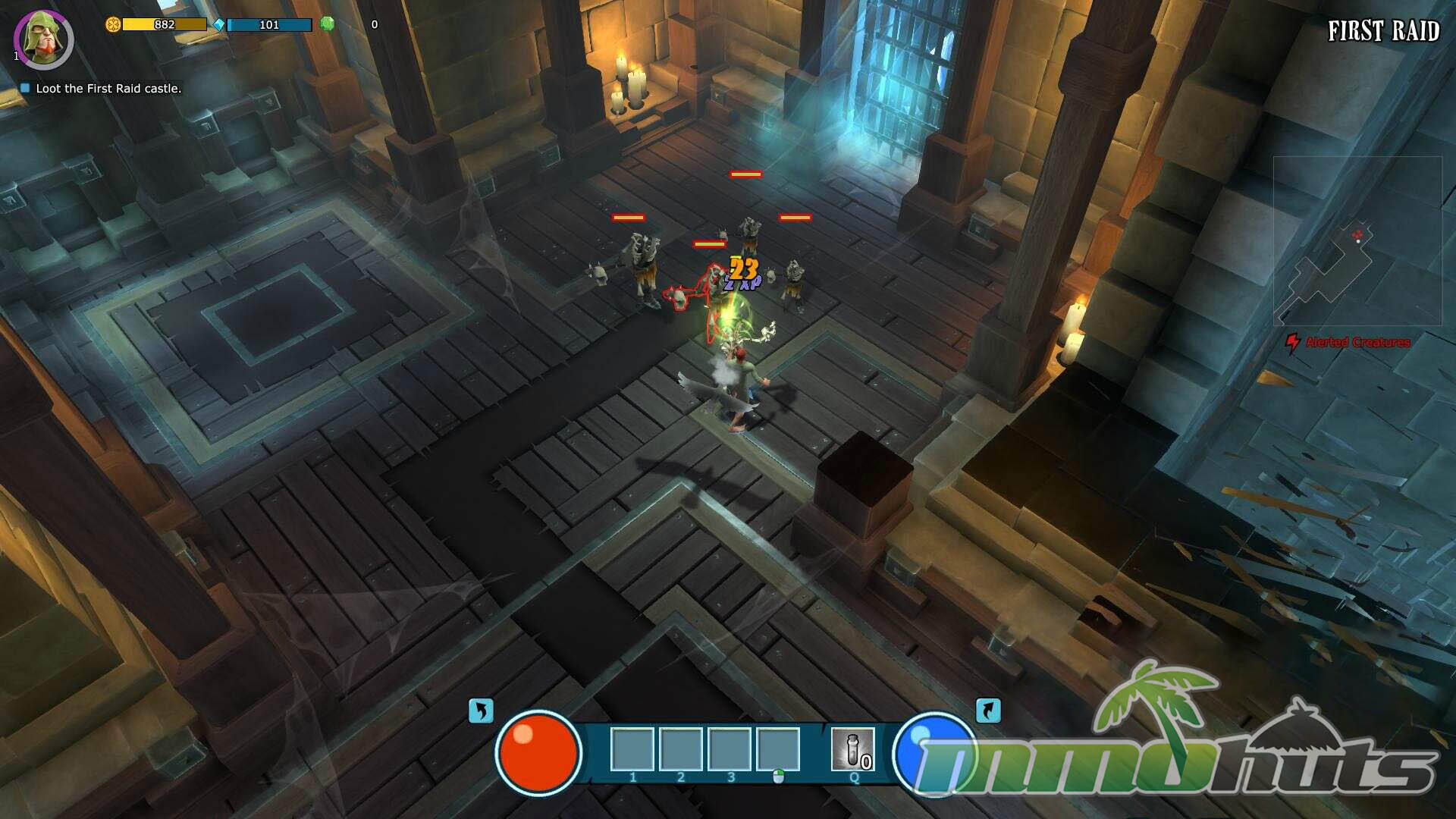
The Mighty Quest for Epic Loot is a free-to-play, real-time strategy action MMO developed and published by Ubisoft. It stands out by combining two normally separate loops: building a trap-filled castle like a tower defense game, then taking an action RPG hero into other players’ keeps to hack, slash, and loot. Your defense layout protects your treasure from raiders, while your offensive runs supply the gold and resources needed to expand and improve your own dungeon. The game offers both Attack and Defense play, with multiple heroes for raiding and a broad toolbox of traps, monsters, and layout tricks for castle design. The servers were permanently shut down on October 25, 2016.
The Mighty Quest for Epic Loot Key Features:
- Mix of Genres – a distinctive fusion of action RPG combat, strategy progression, and tower defense style base building.
- Castle Defense – design a castle-dungeon with monsters and traps to discourage raiders, then raid rival keeps to steal their loot.
- Four Playable Heroes – each with skill trees and different gear options for tackling a wide variety of player-built castles.
- In-depth Crafting System – loot-and-craft equipment with Diablo-like randomness and reroll-style progression hooks.
The Mighty Quest for Epic Loot Screenshots



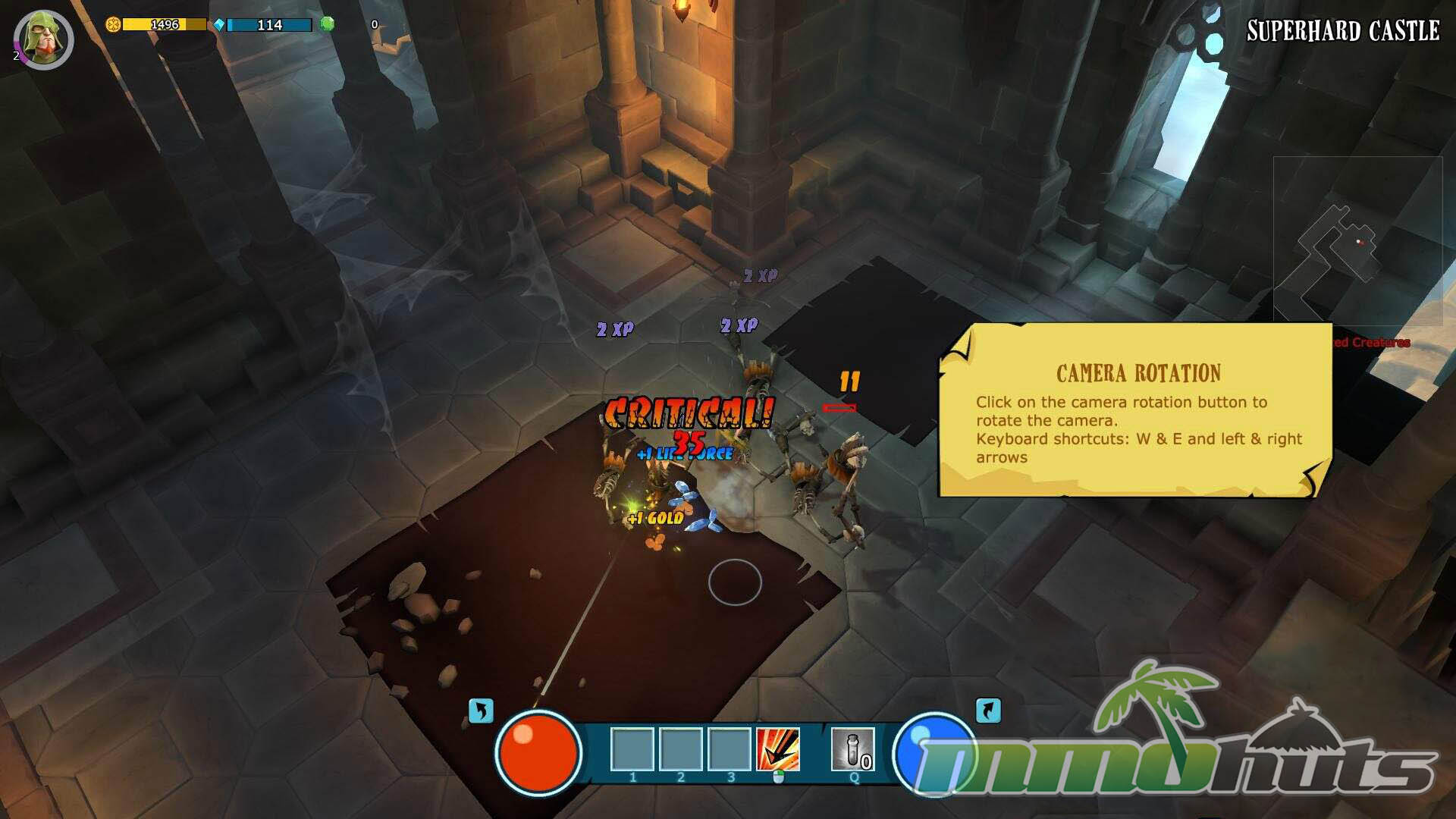


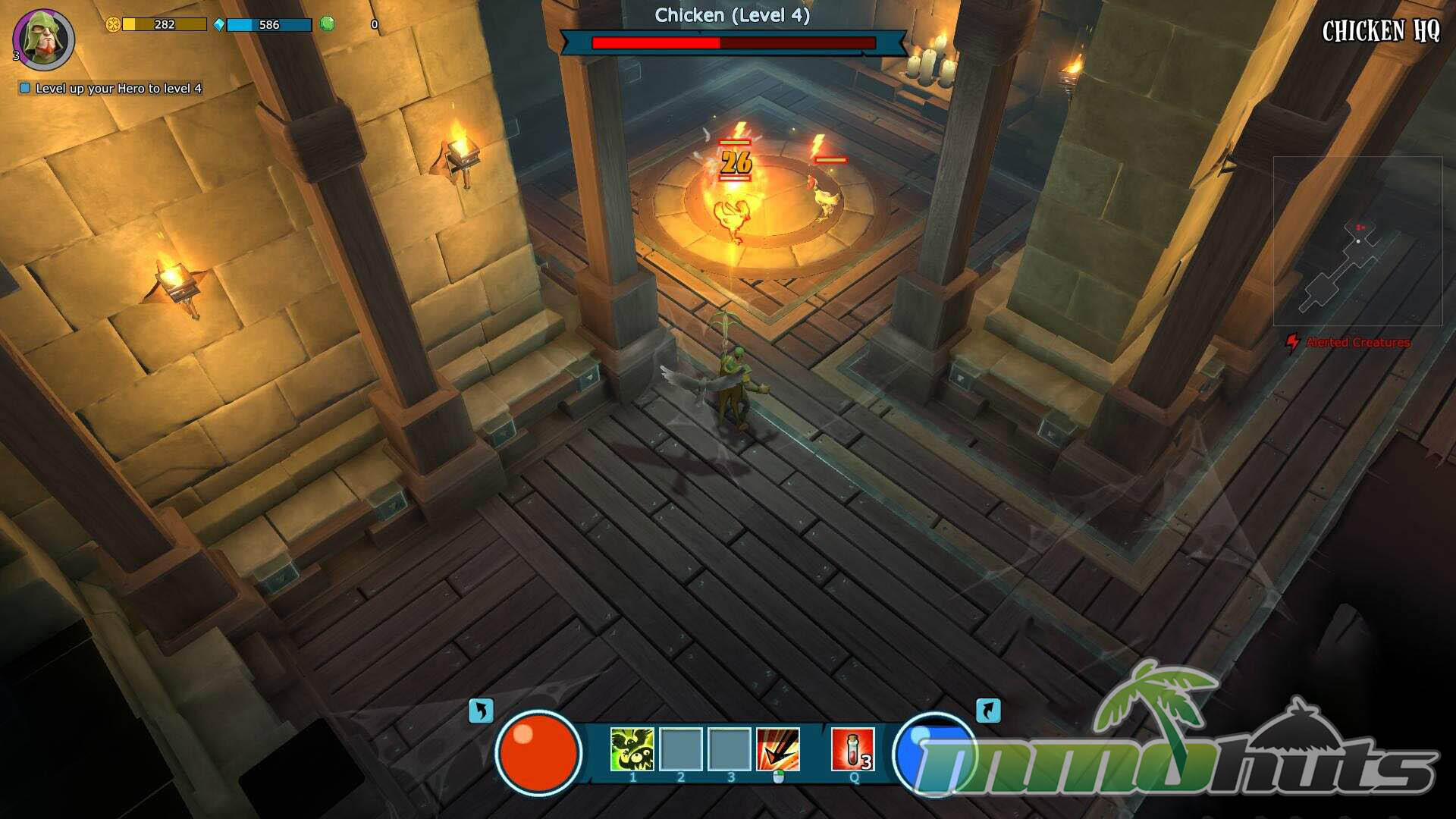
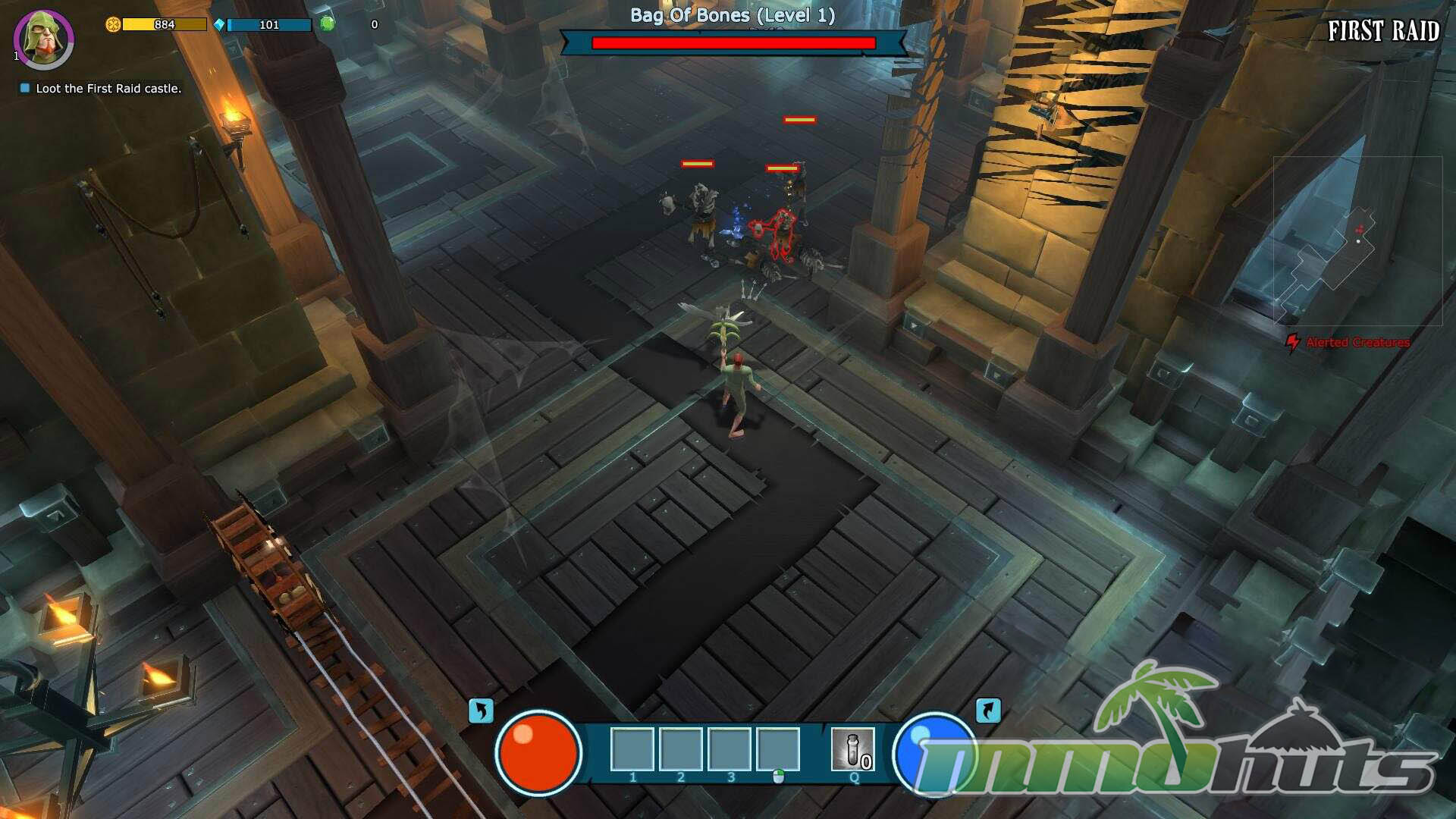

The Mighty Quest for Epic Loot Featured Video
![The Mighty Quest: The doors are now open [EN]](https://i.ytimg.com/vi/6Y9cje91K4A/0.jpg)
The Mighty Quest for Epic Loot Review
The Mighty Quest for Epic Loot is Ubisoft’s attempt at merging player-generated dungeon design with arcade-like, loot-focused castle raiding. It officially released on February 5, 2015 and could be downloaded through the official site and Steam. The core idea is simple but memorable: every time you go on offense, you fund your defenses, and every time you improve your defenses, you influence how much you can safely hold onto. In practice, it plays like a loop of short action runs mixed with base building, with PvP stakes attached through rankings and raid results.
Getting Established
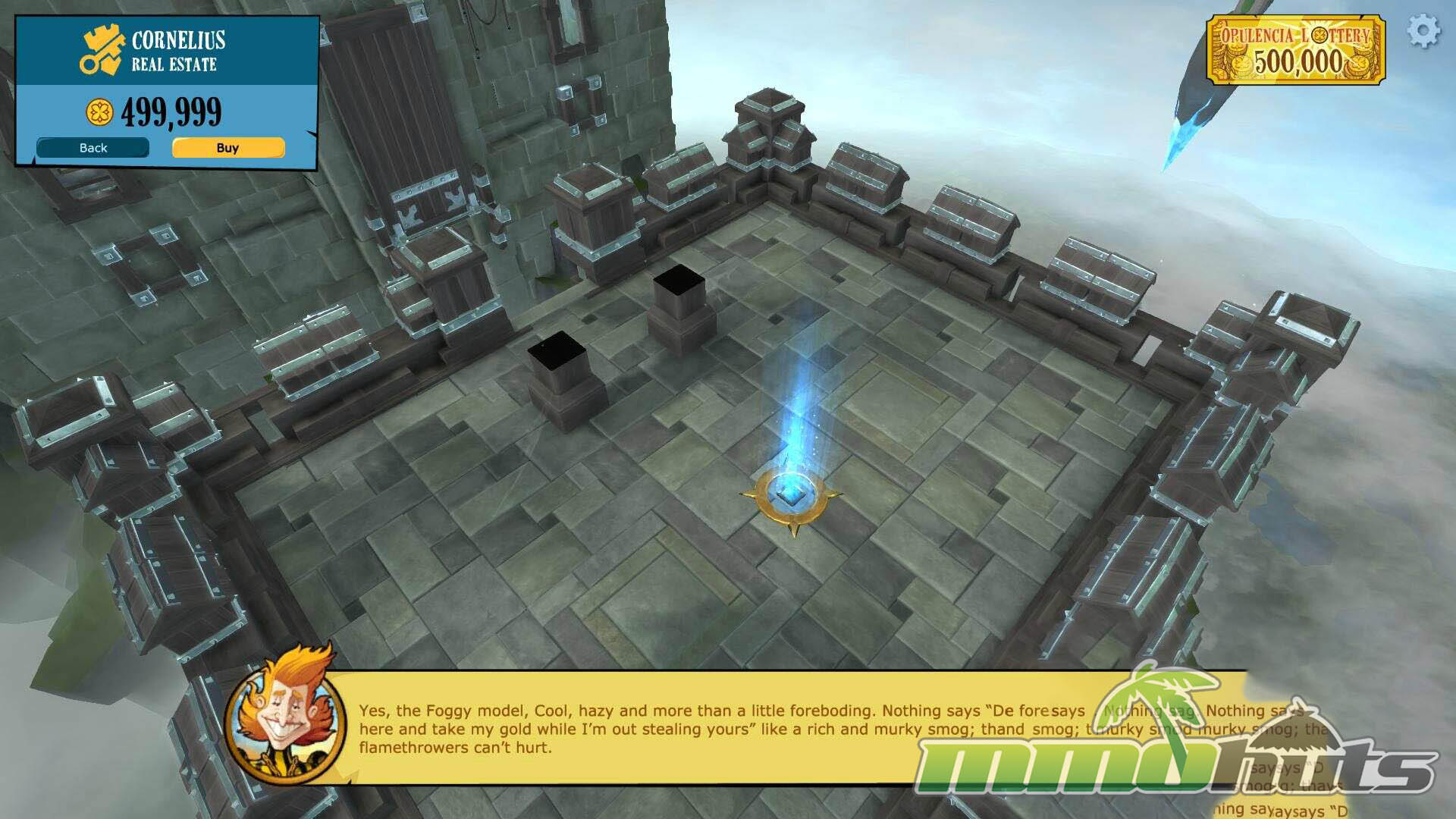
The opening sequence leans into the game’s comedic tone, then quickly hands control over to Cornelius Richling, who serves as your guide through the early steps. After that, you choose between three starter castle themes: Dusky, Foggy, and Evening. These options are largely cosmetic in feel, but they also determine which early creatures, traps, and barricades you can work with, which nudges your first layouts in different directions. Your new property starts out bare and unimpressive, and the early quest chain is essentially a structured checklist: place defenders, set traps, improve key pieces of the keep, and learn how the economy feeds back into growth.
On the attacking side, you select a hero to start raiding. Beginners have access to the Knight and the Archer, while additional heroes are locked behind the premium currency, Blings. Once the basics are covered, the game pushes you toward a tougher NPC castle that acts as a gate to the next region, where higher payouts and new upgrade options make the loop feel more rewarding.
The tutorial does not overstay its welcome, and much of the learning happens naturally through the interface and repeated actions. After the introductory phase, the social layer becomes more visible through a global chat, and the game starts serving up a wider selection of player-created castles to raid. Success on these raids earns Crowns, which function as a PvP ladder currency tied to your standing.
Building a Castle That Bites Back
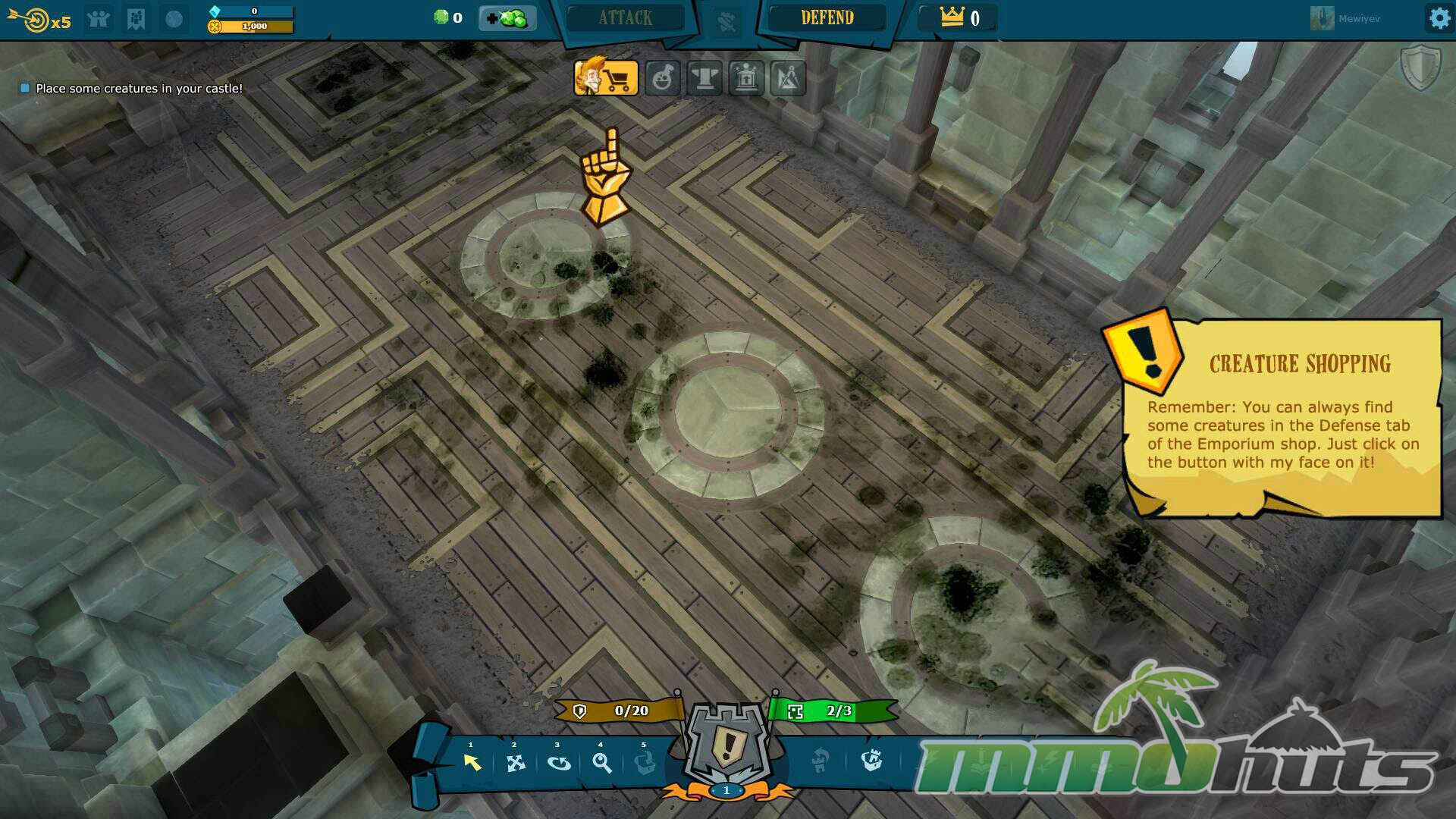
Designing your keep is not a side activity, it is half the game. The editor tools are straightforward, and the ability to drag, rotate, and place defenses makes the creative side accessible even if you are not typically a base-builder. The goal is to create a dungeon route that slows attackers down and forces mistakes, stacking enemy pressure with trap timing and awkward angles.
Your defensive budget is powered by what you steal from other players. With raid earnings, you buy new objects and upgrade your existing setup. Creatures provide direct combat resistance, while traps create the real danger when paired with chokepoints and line-of-sight tricks. Mines placed in the castle add another layer, they can be collected by you, but raiders can also destroy them, turning your economy into a tactical target.
Upgrades rely on two main resources earned while raiding: gold and life force. Gold handles much of the general purchasing, while life force feeds into the castle’s Heart. Improving the Heart is a major progression lever, it unlocks new building options, opens up additional trap and enemy types, and expands the castle with extra rooms so you can design longer, more elaborate gauntlets.
Proving Your Dungeon Works
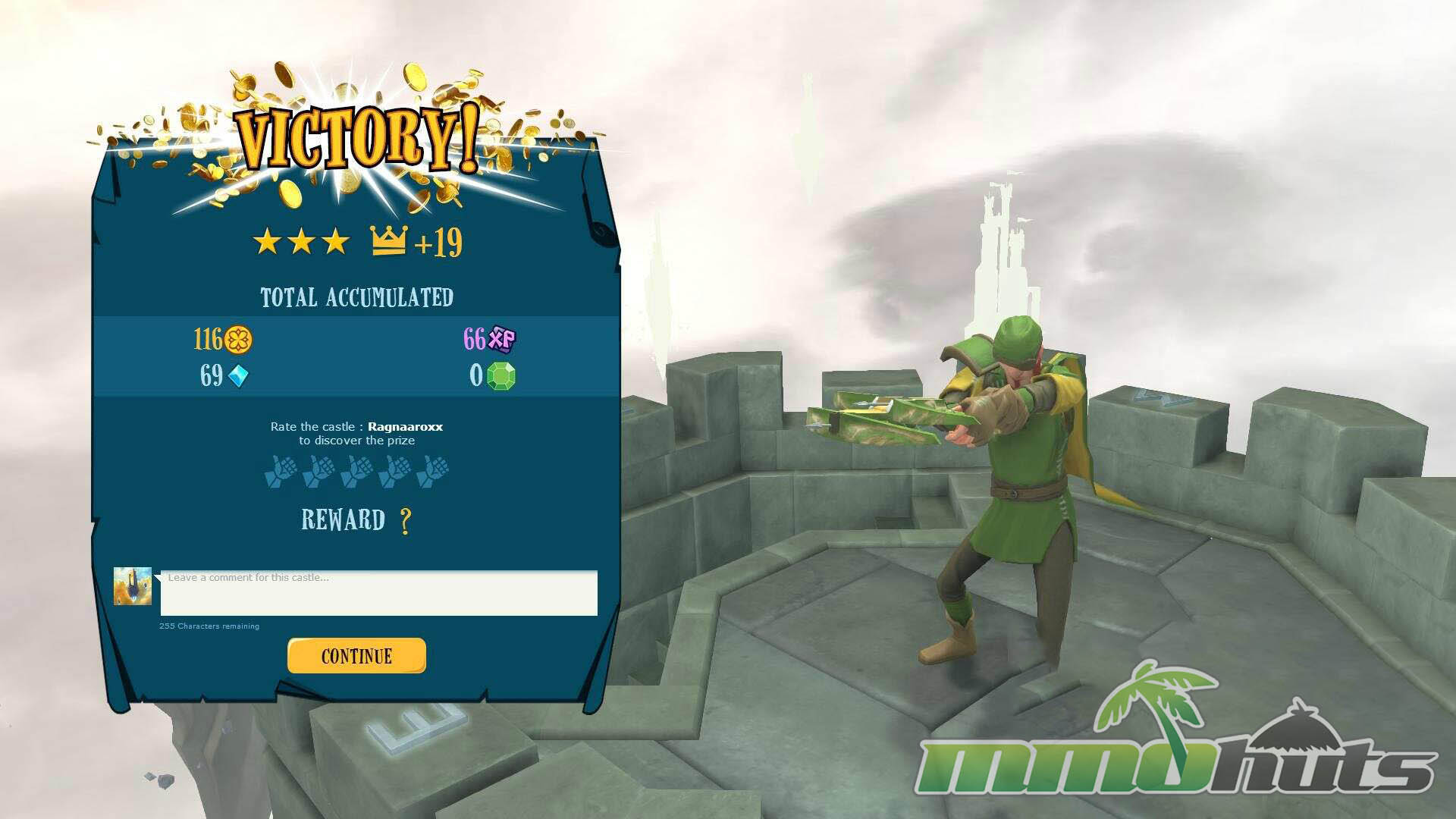
Once you think your castle is ready, the game requires a validation step. You can complete it yourself, pay for a premium pass that lets other players attempt it, or rely on a Clan member to help test it. Validation is important because it establishes the Time Attack benchmark for your castle. Raiders are essentially racing your recorded time, and beating it earns Stars that determine how much of your stored loot they can claim. A perfect raid aims for all three Stars, but that can be difficult when a layout combines overlapping trap fields with stacked enemy packs.
Because so much of the content is player-made, the overall pacing is less about a hand-authored campaign and more about community-driven difficulty. Ratings and comments become the soft balancing mechanism, pushing strong castles into the spotlight and discouraging layouts that feel unfair or unfun to run.

Raiding for Riches
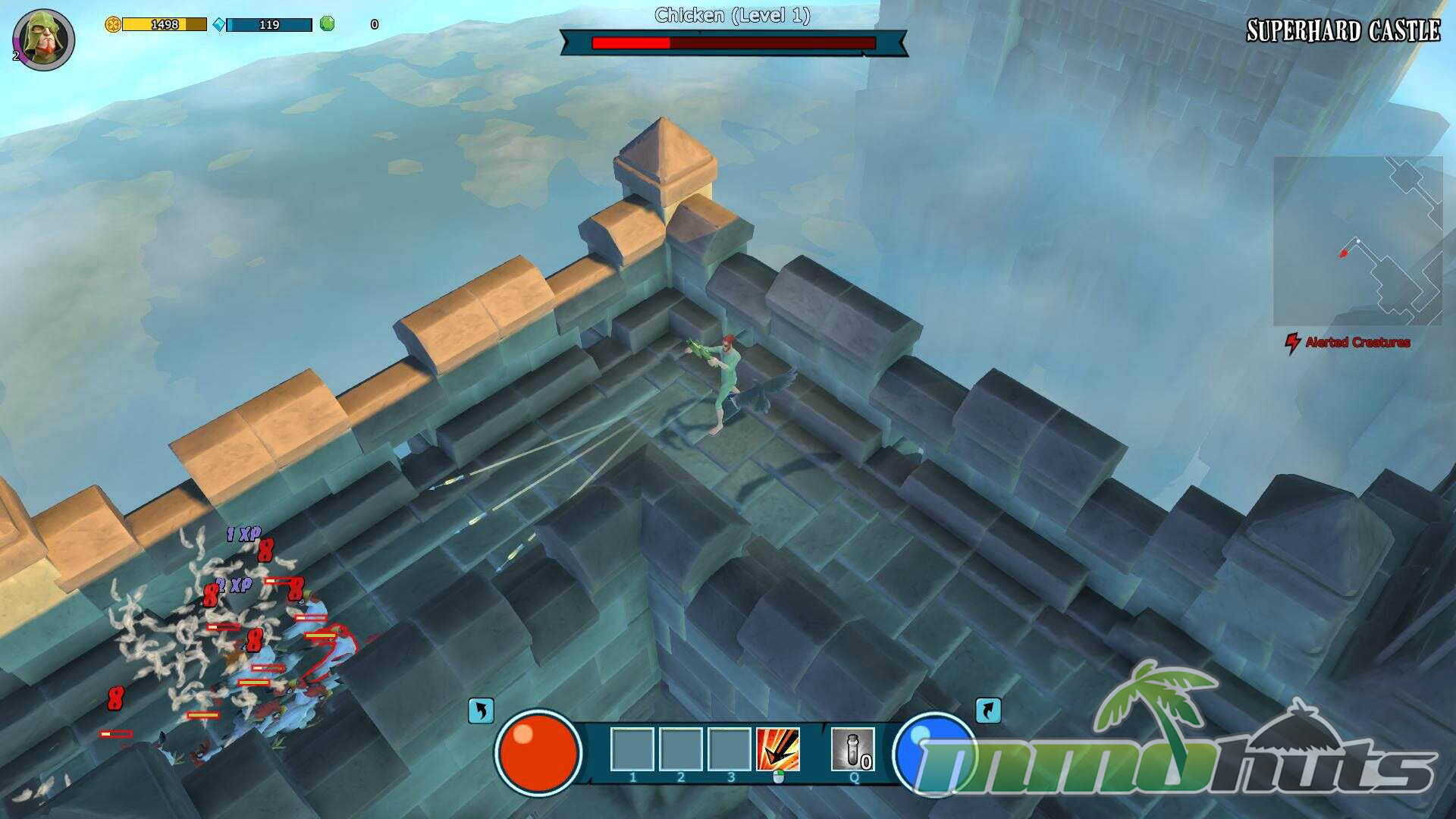
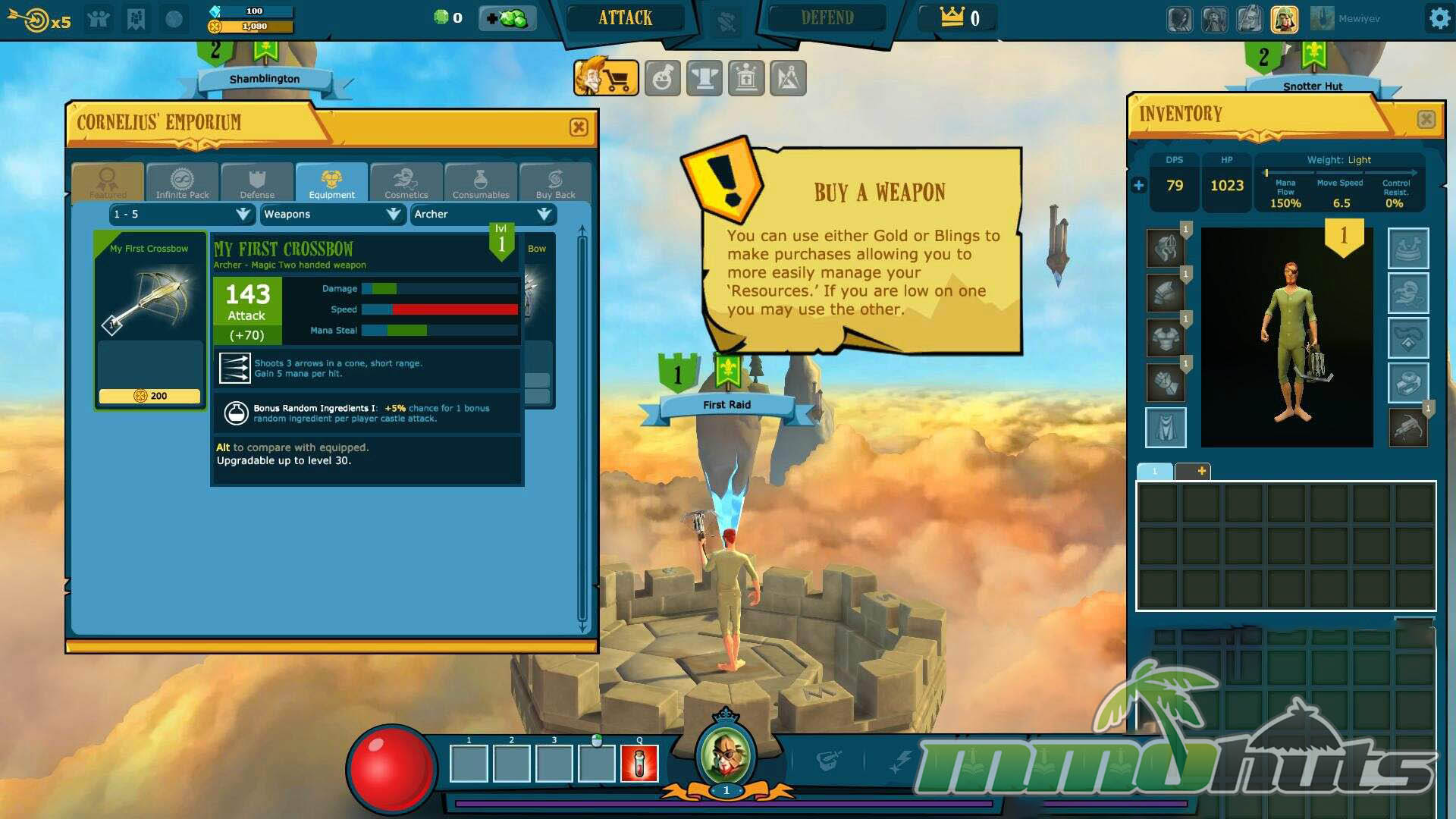
Offense revolves around your chosen hero, with the Archer and Knight serving as the entry point. Their playstyles differ enough to make early experimentation worthwhile, and the gear chase is a major reason to keep raiding. Equipment drops with randomized stats, and the Blacksmith allows you to combine, upgrade, and rework items so that your best pieces can keep pace with your progression.
Weapons are especially influential, and the game leans into Diablo-style unpredictability. A new drop can noticeably change how a run feels, whether through faster attack patterns, different projectile behavior, or secondary effects that help you control enemies while navigating trap-heavy corridors.
Heroes also develop through skill trees, but your active loadout is limited to four combat slots. That restriction forces real choices, you build toward mobility, survivability, burst damage, or utility depending on what kinds of castles you are targeting. Loot and currencies are scattered throughout dungeons and rewarded on completion, while premium currency is occasionally available through specific objectives, though it is not handed out frequently.
PvP and Progression Pressure
The long-term hook is the PvP ladder. Crowns determine rank, and the game organizes players into tiered leagues reminiscent of competitive ranking systems in other genres. Doing well brings daily rewards, and at higher levels those rewards can include Blings, which gives dedicated players a route to premium purchases without paying. The PvP loop is also social in small ways: after a raid you can rate and comment on the castle, and Clans provide a more organized channel for feedback and testing once you meet the level requirement to join one.

Cash Shop
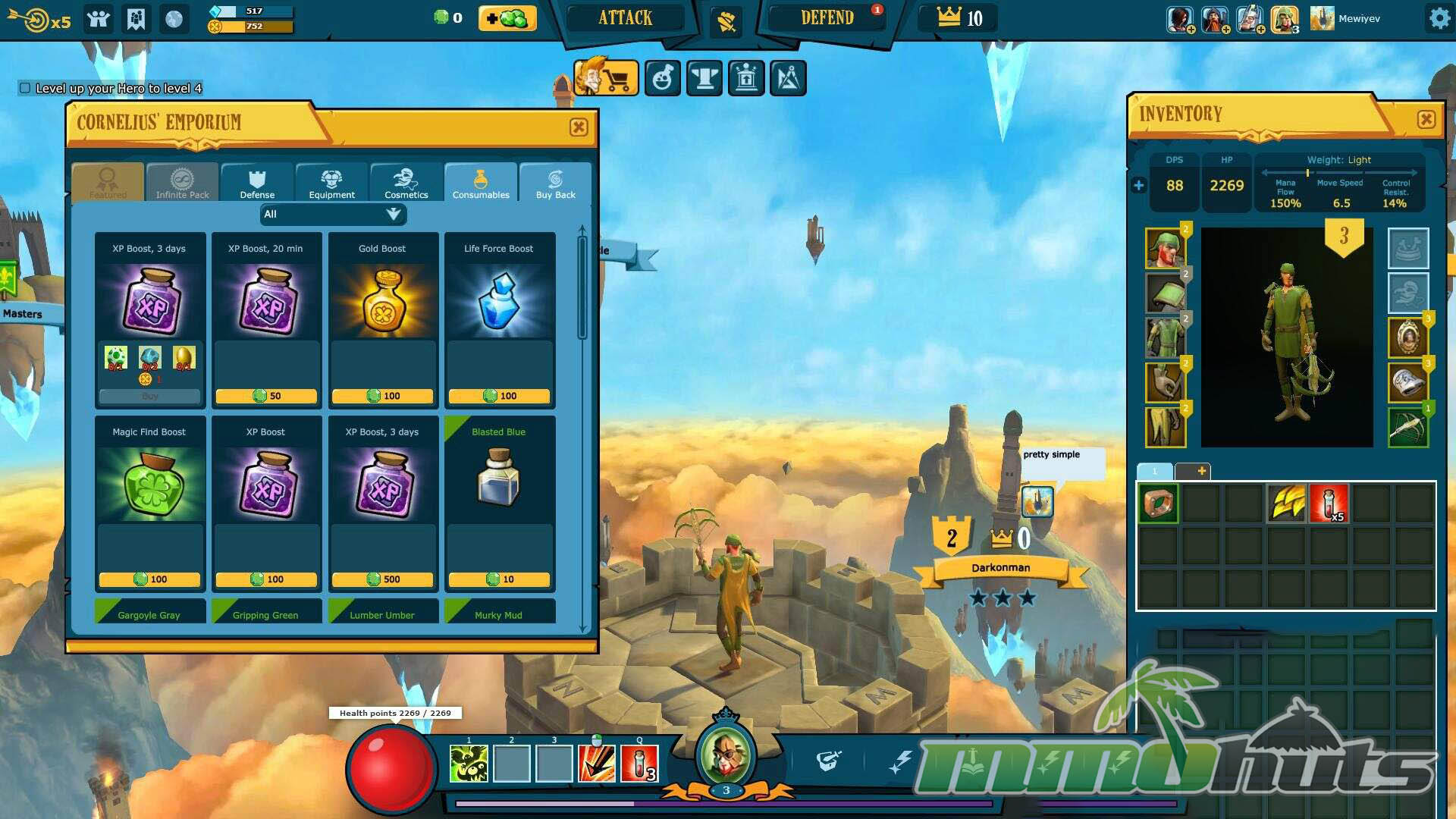
The store is comparatively restrained in scope, but it still shapes the pacing. Most defensive pieces are purchased with regular in-game currencies, and a lot of hero improvement comes through play. However, new heroes are tied to Blings, and many convenient items have both standard and premium pricing, often gated behind level requirements. The shop also sells cosmetics that lean into the game’s silly fantasy style (wings, hats, dyes), along with boosts for experience and currency that effectively reduce the grind.

Final Verdict – Good
The Mighty Quest for Epic Loot succeeds at being different. Its art direction is bright, its humor is consistently playful, and the back-and-forth between raiding and building creates a satisfying early rhythm. Switching between attacking and defending keeps things from feeling one-note, and the player-made castle ecosystem can produce genuinely clever layouts.
The downside is that the long-term experience can start to feel repetitive, with progression increasingly defined by grinding for upgrades and optimizing around the same incentives. If you enjoy both sides of the design, building and raiding, the game’s structure makes sense and stays engaging longer. If one half does not click, the overall progression can stall because the two modes are tightly intertwined.
The Mighty Quest for Epic Loot Links
The Mighty Quest for Epic Loot Official Site
The Mighty Quest for Epic Loot Wikipedia
The Mighty Quest for Epic Loot Steam
The Mighty Quest for Epic Loot Wikia [Database / Guides]
The Mighty Quest for Epic Loot System Requirements
Minimum Requirements:
Operating System: XP / Vista / 7 / 8
CPU: Intel Pentium 4 3 GHz
Video Card: Any Graphics Card with at least 256 MB video memory
RAM: 2 GB
Hard Disk Space: 600 MB
The Mighty Quest for Epic Loot is a very light client based game that should run smoothly on practically any PC. The game only lists minimum system requirements.
The Mighty Quest for Epic Loot Music & Soundtrack
The Mighty Quest for Epic Loot Additional Information
Developer: Ubisoft
Publisher: Ubisoft
Director(s): Arnaud Jamin
Composer(s): Jamie Christopherson
Release Date: February 5, 2015 (Worldwide)
Closed Beta Date: June 10, 2013
Open Beta Date: February 25, 2014
Shut Down: October 25, 2016
Development History / Background:
The Mighty Quest for Epic Loot was created at Ubisoft Montreal and was built around the idea of combining castle defense (in the spirit of games like Orcs Must Die) with action RPG style raiding and loot progression. It entered closed beta on June 10, 2013, reached open beta on February 25, 2014, and launched worldwide on February 5, 2015. Ubisoft later ended service, and the game shut down permanently on October 25, 2016.