The Elder Scrolls: Legends is a 2D collectible card game rooted in The Elder Scrolls universe. Matches are turn-based and revolve around careful card timing, building class-driven decks, and controlling two separate lanes that create constant tactical tradeoffs.
 | Publisher: Bethesda Softworks Playerbase: Medium Type: CCG Release Date: March 08, 2017 Pros: +Faithful Elder Scrolls visuals and lore-inspired presentation. +Two-lane battlefield adds real tactical depth. +Plays well on PC and tablets. Cons: -No Android support. |

The Elder Scrolls: Legends Overview
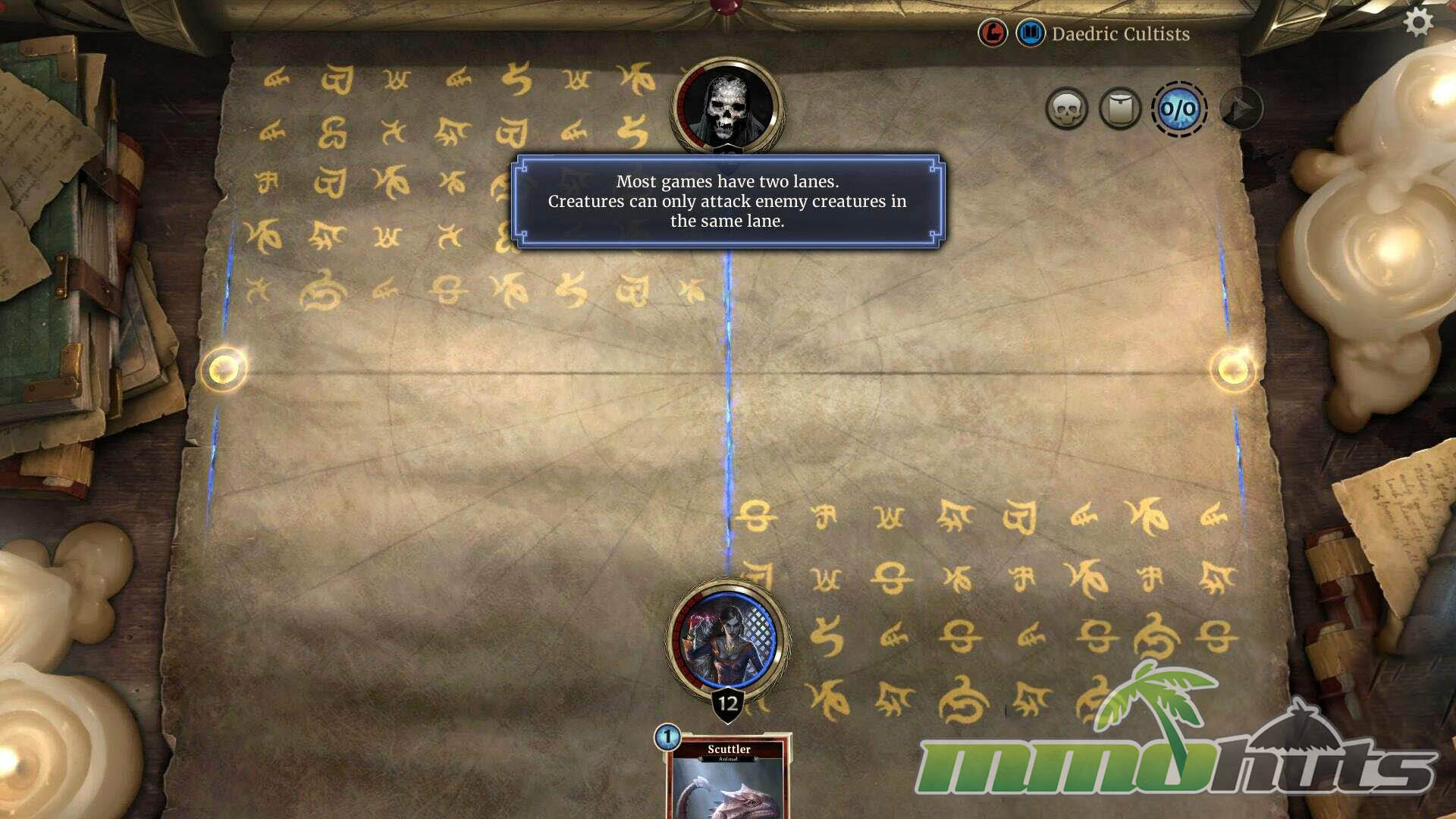
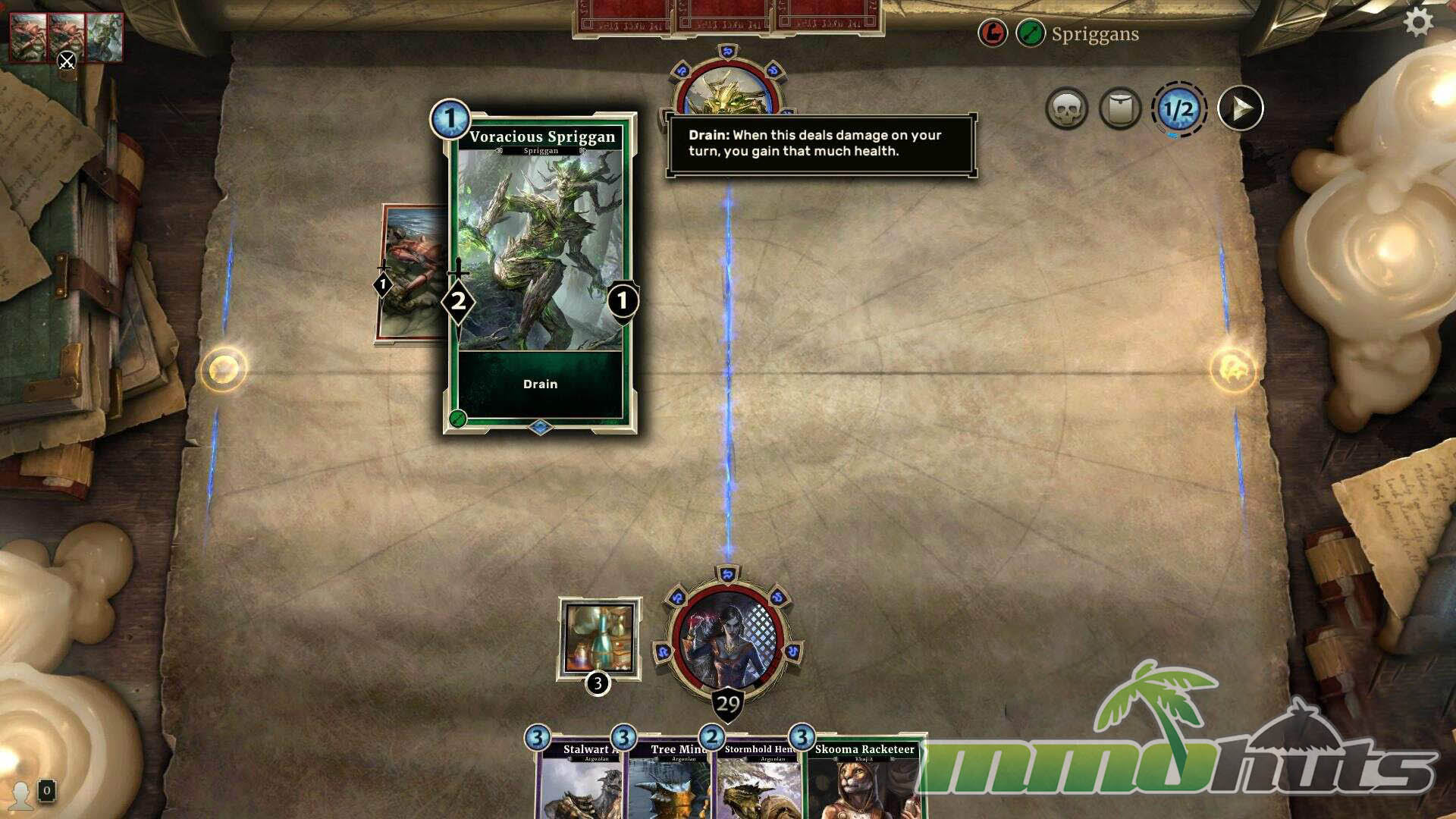
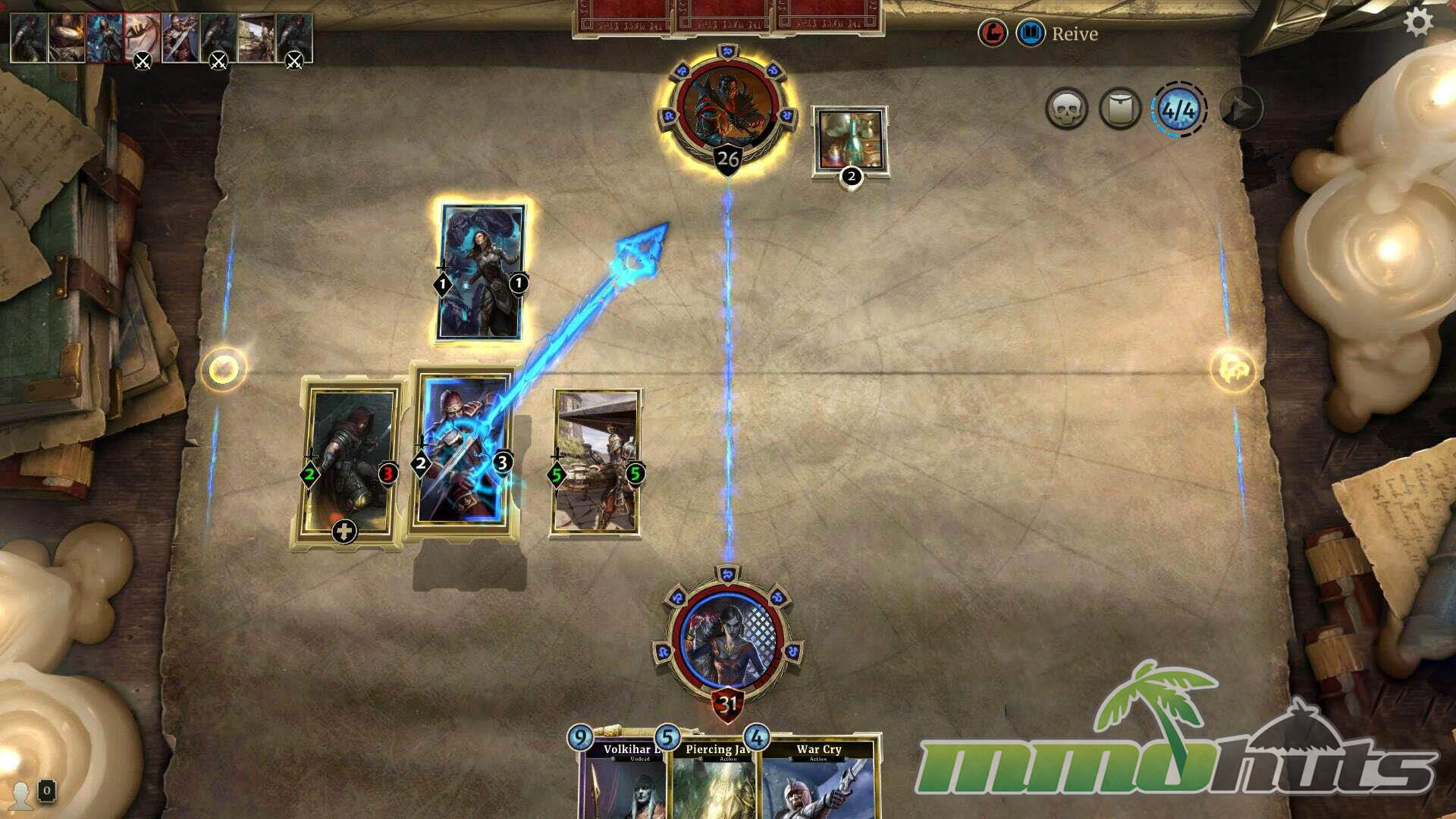
The Elder Scrolls: Legends delivers classic CCG fundamentals, draw, play, trade, and push for lethal, while wrapping everything in the tone, characters, and iconography Elder Scrolls fans will recognize. Its biggest twist is the board itself: combat takes place across two lanes, forcing you to split resources, protect key creatures, and decide when to contest a lane versus when to race for damage.
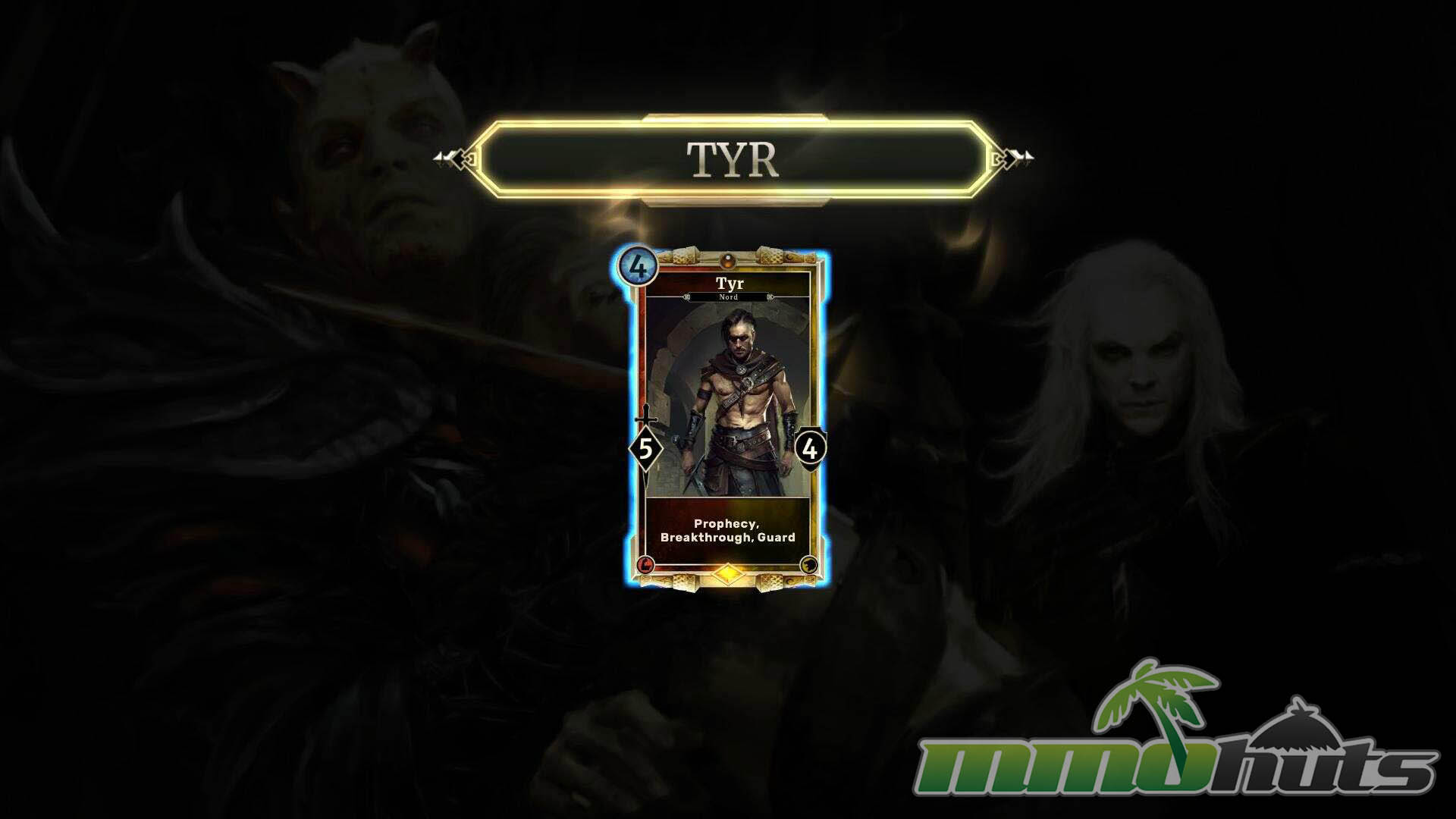
Single player content centers on a campaign that follows the tale of an Imperial soldier named Tyr as he and his allies confront Lord Naarifin and the Aldmeri Dominion. Beyond the story, you can take your decks into real-time matches in Versus and Versus Arena, or practice and refine lists against AI in Practice and Solo Arena. Cards come from wins and rewards, then get turned into focused strategies through deckbuilding and crafting with Soul Gems. Whether you prefer unit-heavy pressure or spell-driven control, the game’s class combinations and lane decisions give matches a steady flow of meaningful choices.
The Elder Scrolls: Legends Key Features:
- The Elder Scrolls CCG – step into a strategic collectible card game built around Elder Scrolls lore, creatures, and factions.
- Unique Lane System – fight across two lanes that behave differently, changing how you deploy threats and defend.
- Story Mode – progress through a campaign of escalating battles while following Tyr’s journey through the Great War era.
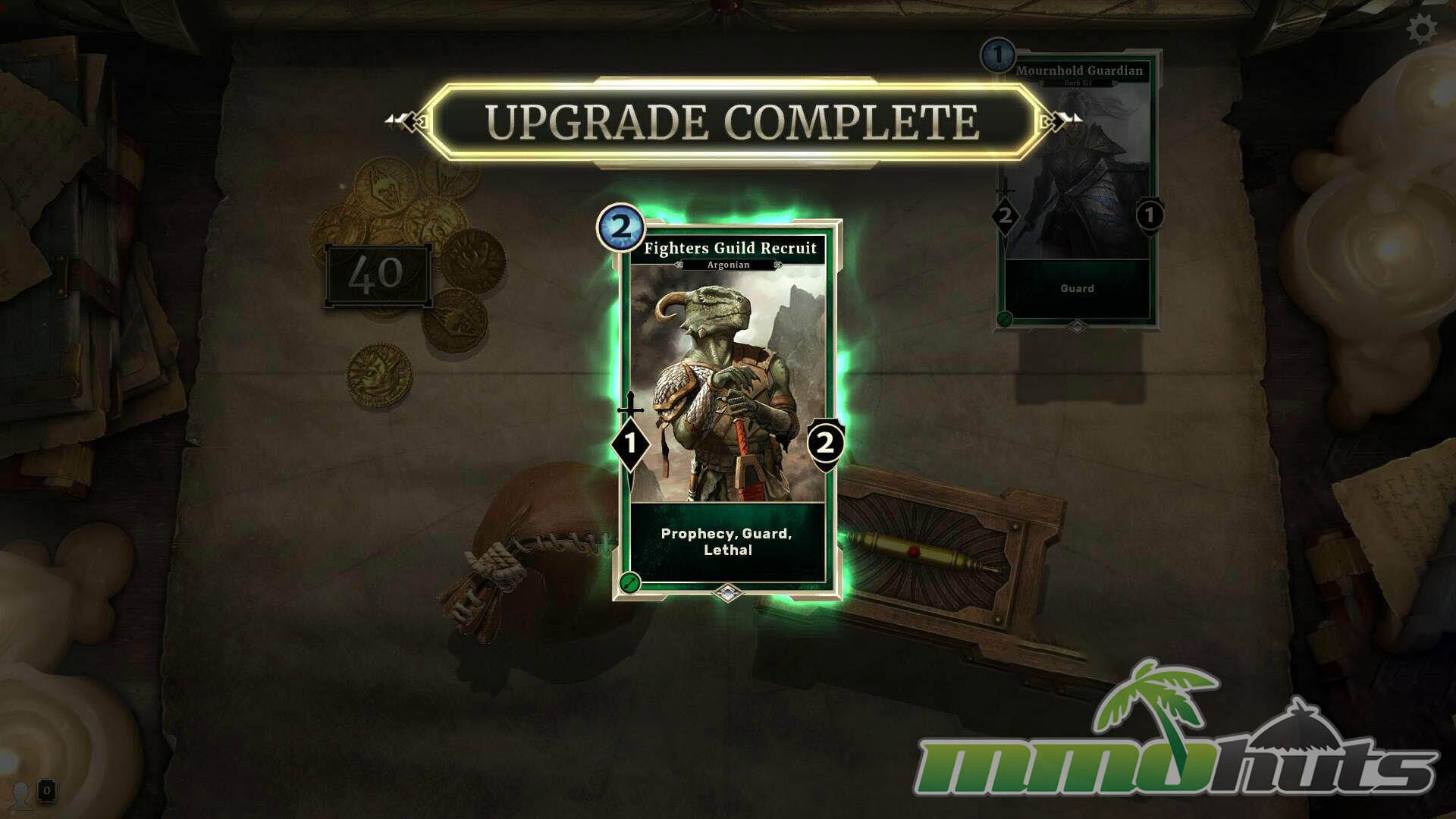
- Card and Deck Customization – earn packs and rewards, then upgrade your collection via progression or crafting with Soul Gems.
- Classes – pick class pairings that fit your style, from aggressive Crusader colors to spell-focused Mage combinations.
The Elder Scrolls: Legends Screenshots

The Elder Scrolls: Legends Featured Video

The Elder Scrolls: Legends Review
The Elder Scrolls: Legends is a collectible card game that uses familiar CCG structure but frames it inside a setting that has decades of worldbuilding behind it. The campaign focuses on the story of Tyr, an Imperial soldier pulled into a struggle against Lord Naarifin and the Aldmeri Dominion, and it serves as a guided way to learn the systems while collecting early rewards. Visually, it stays in a clean 2D presentation, but the card art leans toward a more grounded, high-fantasy style rather than a bright, exaggerated look. Sound design is also a highlight, with music, effects, and voicework that fit the Elder Scrolls tone.
Picking a Character That Actually Matters
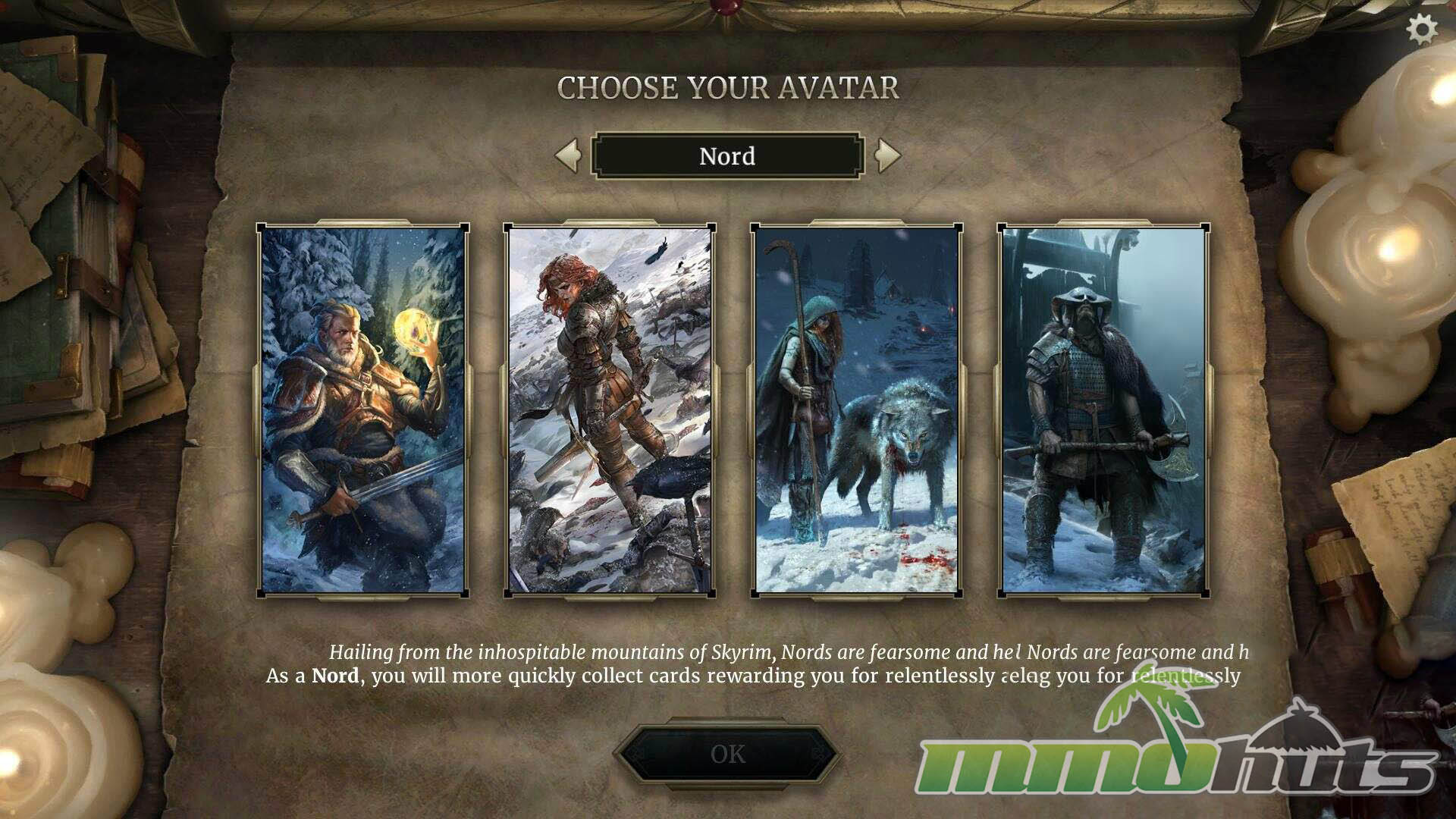
Your first meaningful choice is selecting an avatar. Instead of being purely cosmetic, your avatar influences the type of cards you tend to receive as you play. For example, an Imperial-themed pick nudges rewards toward unit-heavy, army-building tools, while a High Elf choice favors spell-oriented cards more often. You can swap avatars later in your profile, but the system rewards consistency, sticking to one or two avatars makes it easier to build a coherent collection around the strategies you enjoy most.
Early Acts as a Guided On-Ramp
After a short introductory scene, the game pushes you into Chapter 1 Act 1, which doubles as a tutorial. This first act is split into eight chapters and needs to be completed to open up Practice and Versus. The pacing is well-judged: you start with simplified scenarios, learn core rules step by step, then gradually reach full matches once the fundamentals are in place. If you have played other online CCGs, it will feel familiar, but it still does a good job explaining what makes Legends different.
A Campaign That Teaches, Then Tests
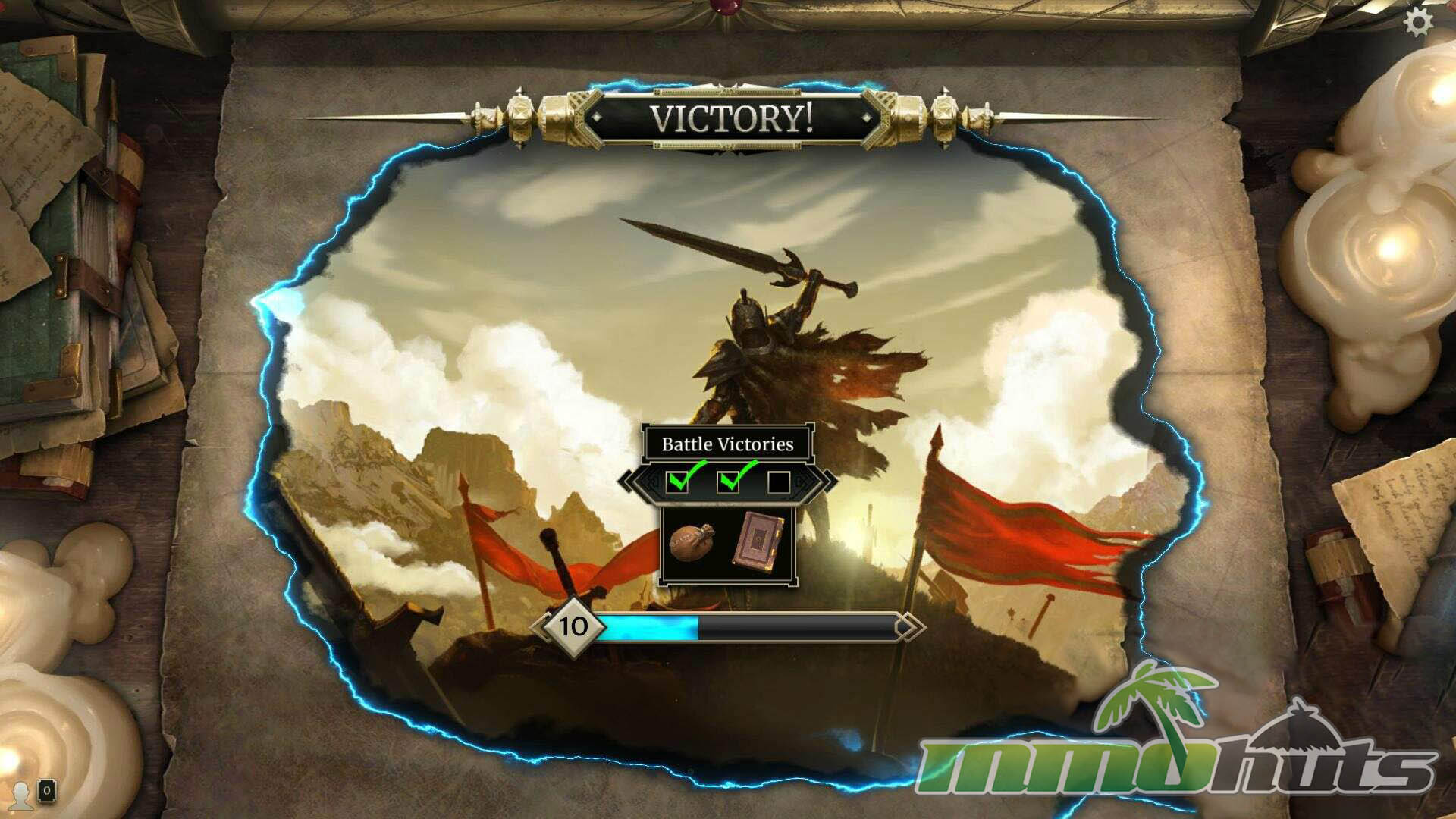
Story mode is organized into three acts across 20 chapters, covering Tyr’s role in events connected to the Great War between Titus II’s Imperial forces and the Aldmeri Dominion under Lord Naarifin. Along the way you will encounter choices that look like branching paths, but they function more as reward selections than true narrative forks. The upside is practical: those moments can grant early access to a few rarer cards. Anything you skip is not lost forever, it can still appear in packs or be crafted with Soul Gems. In terms of time, the campaign is fairly brisk, with the final stretch demanding the most retries, especially around late-chapter bosses.
Two Lanes, One Big Difference
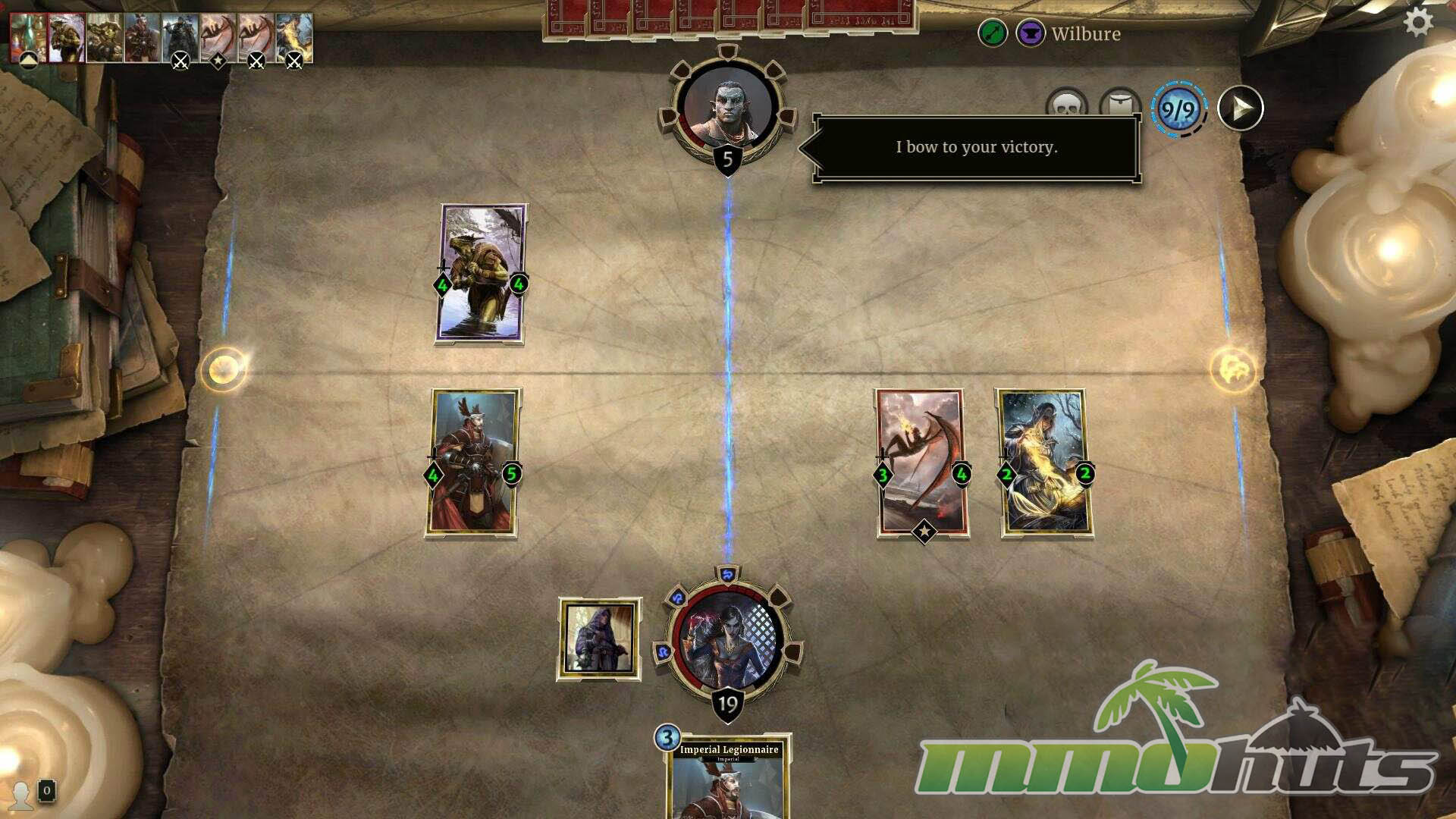
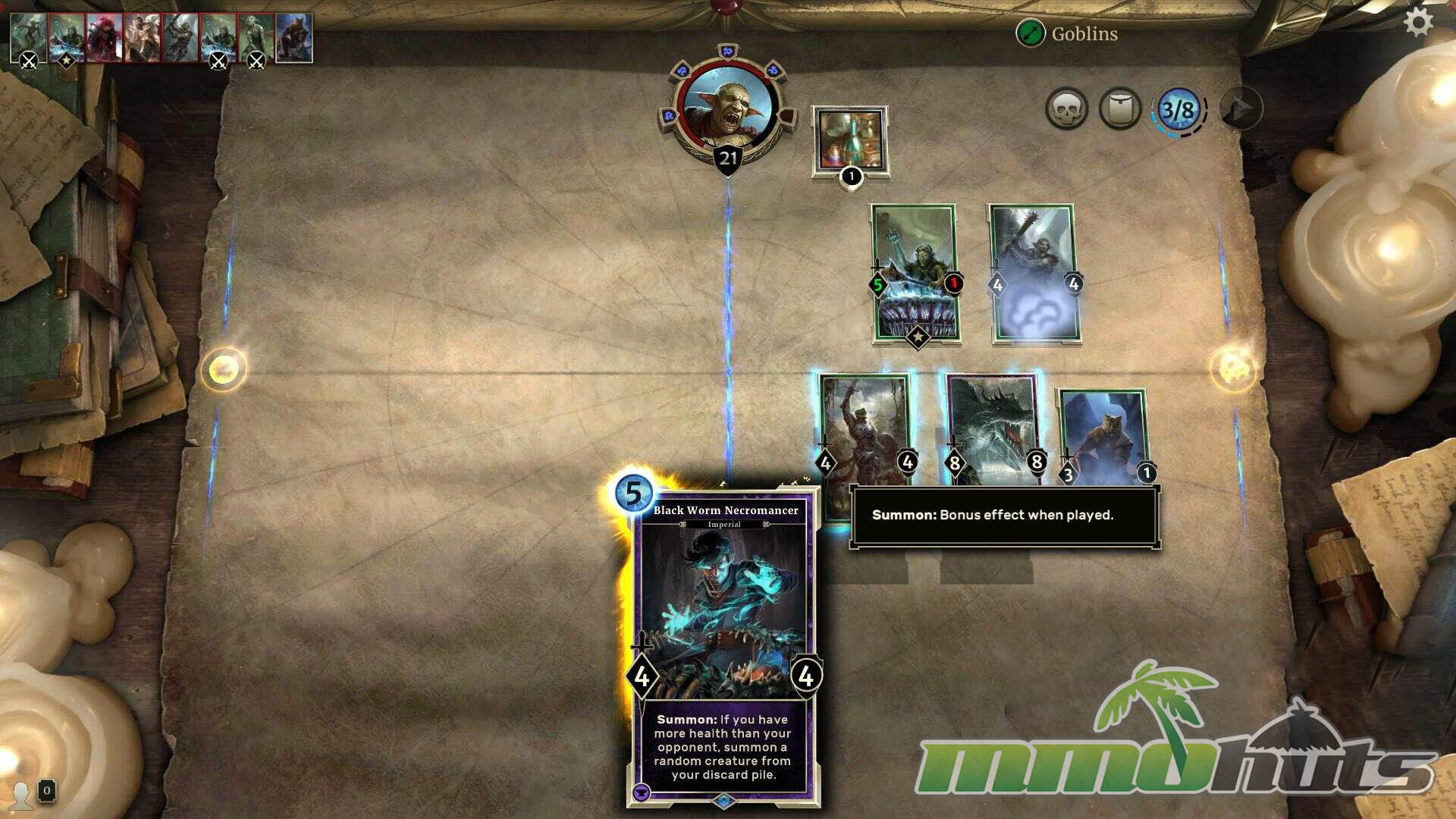
At its core, Legends follows traditional CCG rhythms: you and your opponent start at 30 health, take turns playing cards from your deck, and aim to reduce the other player to zero. The defining system is the two-lane battlefield. Creatures are placed into either lane, and they primarily fight within their own lane, which immediately changes how you evaluate trades and pressure. One lane behaves like a normal board, while the Shadow lane grants newly played creatures protection from attacks for a turn, letting you set up safer development or surprise damage. Spells and actions still reach across lanes, so the lanes do not isolate you completely, but they do prevent single oversized threats from locking down the entire match the way they sometimes can in other CCGs.

Building Decks Around Colors and Roles
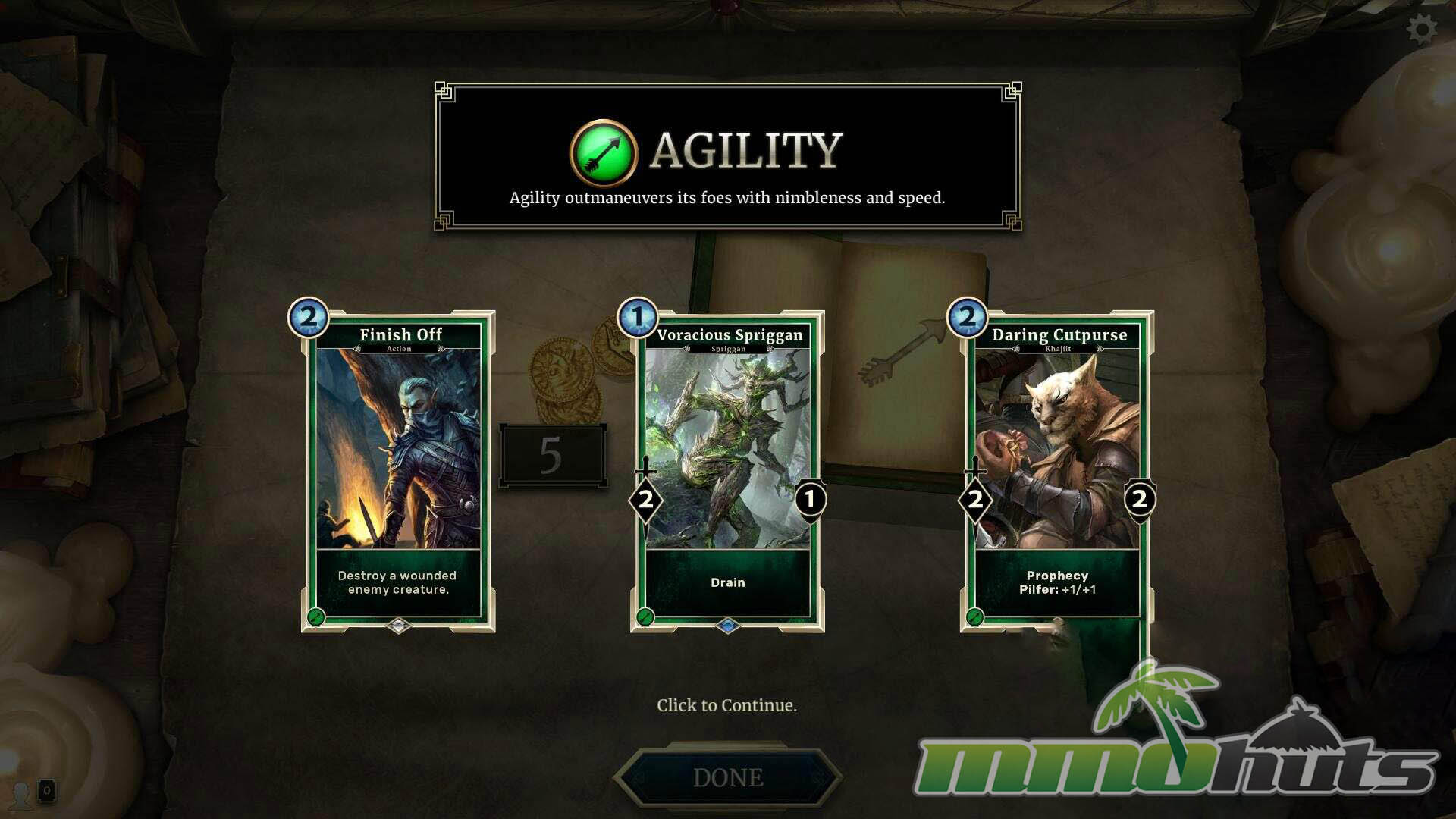
Winning consistently comes down to deck construction and understanding what your color pairing is trying to accomplish. Cards are divided into six colors: Red (Strength), Blue (Intelligence), Green (Agility), Yellow (Willpower), Purple (Endurance), and White (Neutral). Rarity ranges upward from common to unique. Decks are limited to one or two colors (with optional neutrals), which keeps archetypes readable while still allowing varied builds.
A Red and Yellow Crusader list, for instance, typically plays like a proactive swarm or tempo deck, leaning on pressure and efficient units. Blue and Green Assassin builds often feel more surgical, using removal and tricks to pick apart opposing boards before converting openings into damage. The best decks are not just strong in a vacuum, they are built to exploit lane advantages and punish opponents who overcommit to one side.
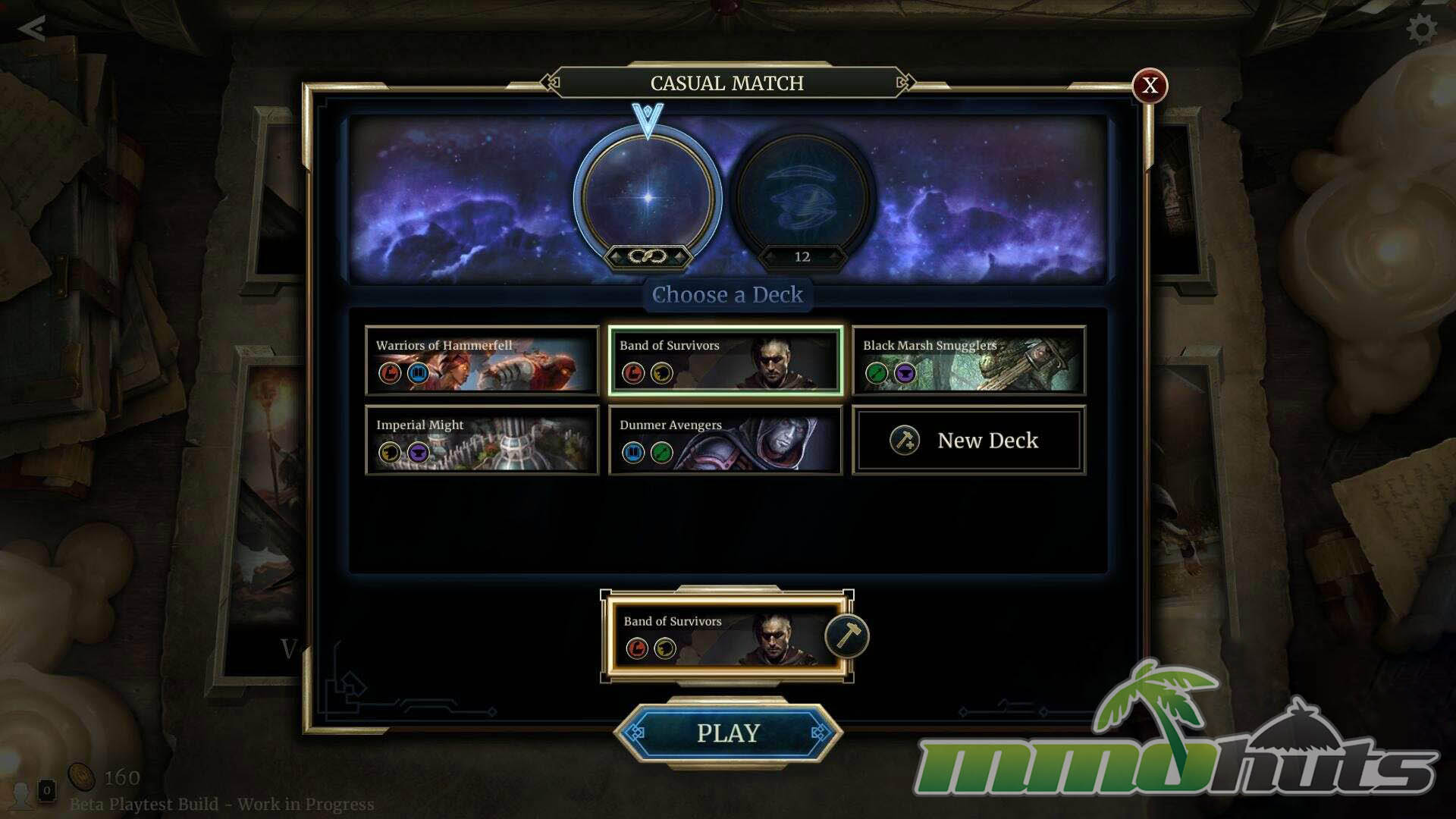
You begin with five starter decks that unlock automatically as you reach certain points in the campaign. These start at 50 cards and can be edited in the deck builder, which also supports building from scratch. Although decks can go up to 70 cards, keeping a list closer to 50 generally improves consistency and helps your strategy show up more reliably.
Modes for Testing, Climbing, and Drafting
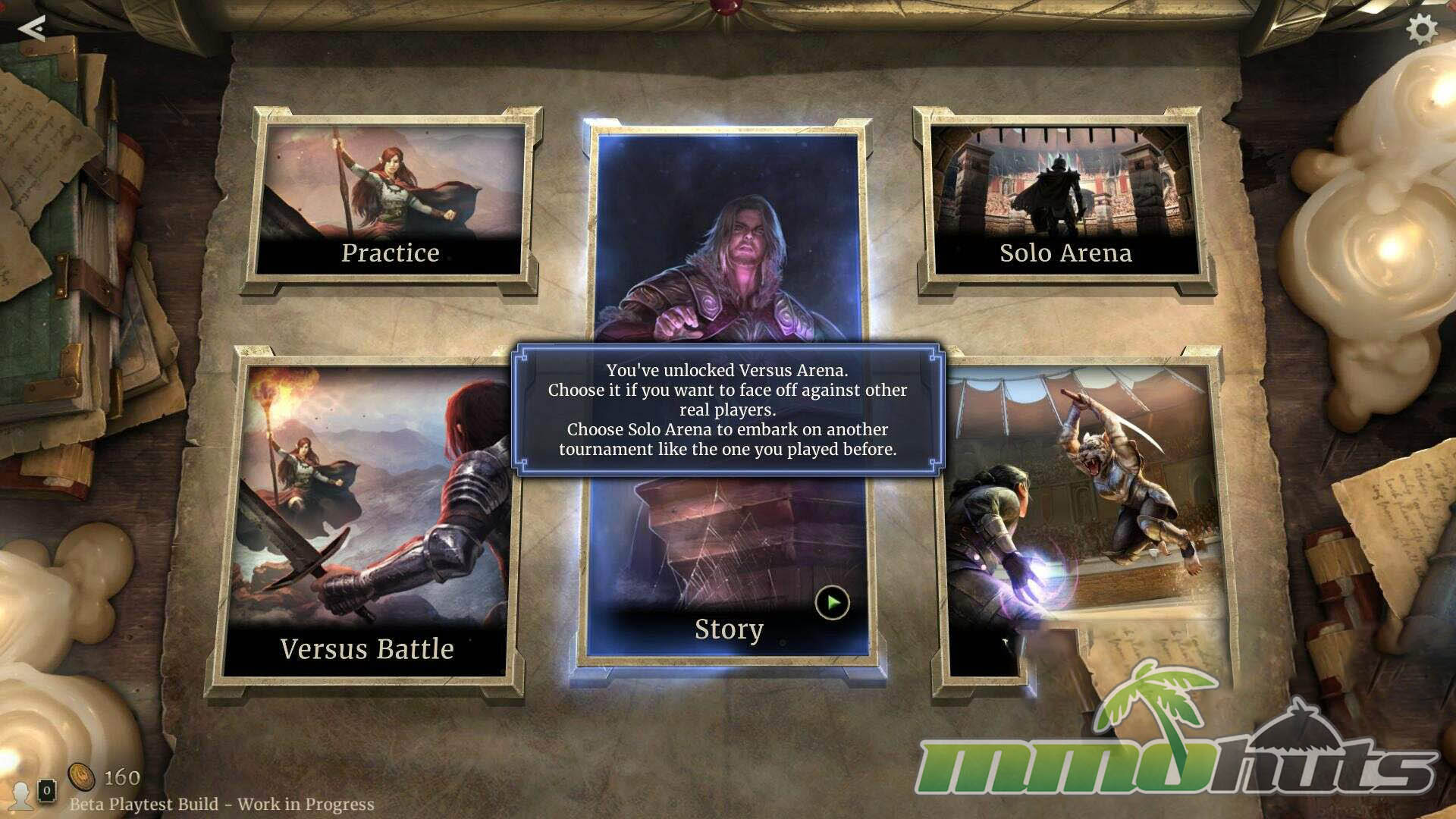
Outside the campaign, Legends offers several ways to play. Practice is for matches against AI, while Versus is for competitive play against other players, and both become available after finishing Chapter 8. Arena comes in two flavors: Solo Arena (AI opponents) and Versus Arena (player opponents). Solo Arena unlocks after Chapter 14, and Versus Arena becomes available after you have played a Solo Arena match.
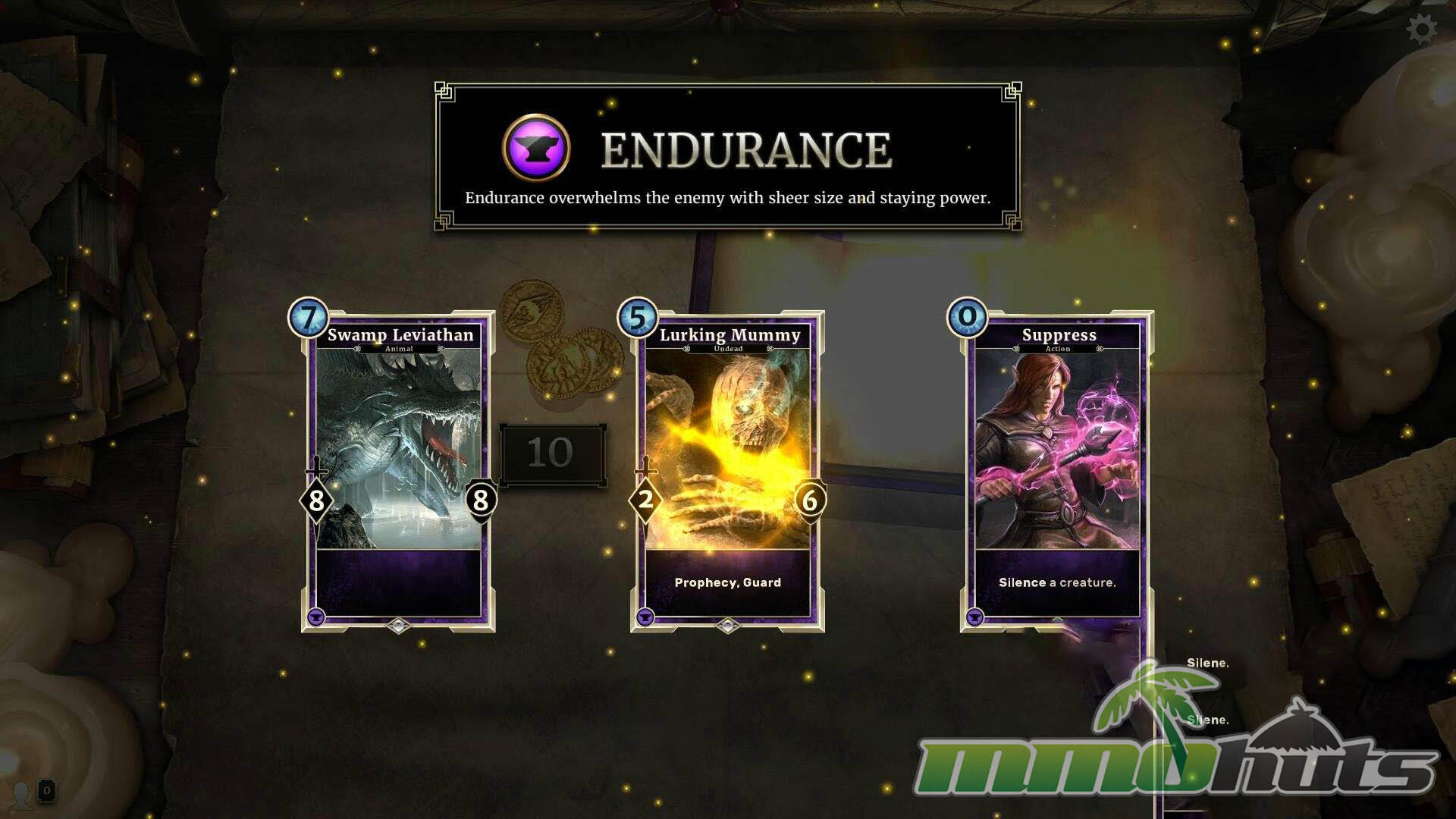
Arena uses a draft-style deckbuilding process where you pick one card from three repeatedly until you have 30 cards, then you attempt a run. In Solo Arena you face 10 AI opponents, while Versus Arena continues until you reach three losses. Rewards scale with performance, so strong runs can be very efficient for building a collection, but entry requires Arena tickets, purchased either with real money or with the in-game currency, Gold.

Economy: Packs, Tickets, and Gold
The store is straightforward, focusing on card packs and arena tickets. Both can be purchased individually or as bundles. Gold functions as the main earnable currency and is used for buying packs or paying arena entry. You pick up Gold through campaign progress and daily quests, such as winning a set number of matches with a particular deck type or defeating a certain number of creatures. The result is a loop that feels typical for the genre: steady daily progression, plus optional spending for faster collection growth.

Final Verdict – Excellent
As digital CCGs tied to established franchises have become more common, it is easy to assume they exist mainly to extend a brand. Legends does more than that. Its production values (especially art and audio) feel in line with the universe it is borrowing from, and the lane system meaningfully changes how matches play compared to other popular online CCGs. If you enjoy thoughtful board management, incremental advantages, and deckbuilding that rewards planning, The Elder Scrolls: Legends stands out as one of the stronger entries in the genre, and it is an easy recommendation for CCG players and Elder Scrolls fans alike.
The Elder Scrolls: Legends Online Links
The Elder Scrolls: Legends Official Site
The Elder Scrolls: Legends Official Developer Site
The Elder Scrolls: Legends Guides from Bethesda
The Elder Scrolls: Legends System Requirements
Minimum Requirements:
Operating System: Windows XP 32 bit
CPU: Pentium D 805 2.67GHz or Athlon 64 X2 Dual Core 3600+
RAM: 2 GB GB RAM
Video Card: GeForce 6800 GT or Radeon X1600 Pro 512MB
Hard Disk Space: 3 GB Free Space
Official system requirements have not yet been released for The Elder Scrolls: Legends. The requirements above are what the developers are aiming for, but may not represent the final numbers.
The Elder Scrolls: Legends Music & Soundtrack
Coming Soon…
The Elder Scrolls: Legends Additional Information
Developer: Dire Wolf Digital
Publisher: Bethesda Softworks
Open Beta: August 04, 2016
Release Date: March 08, 2017
Development History / Background:
The Elder Scrolls: Legends is developed by Dire Wolf Digital, a Colorado-based studio, with publishing handled by Bethesda Softworks, best known for The Elder Scrolls franchise. The project was announced publicly during Bethesda’s E3 2015 presentation and originally targeted a 2015 launch, before shifting its timeline into 2016. Closed beta testing began on April 21, 2016, and the game was also playable during PAX East from April 22, 2016 to April 24, 2016. It later moved into Open Beta on August 04, 2016, followed by the full PC release on March 08, 2017.