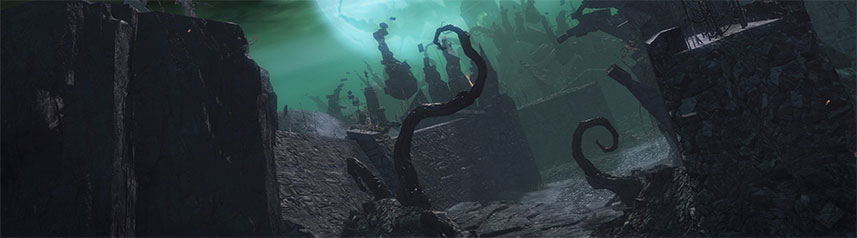
The Culling is a battle royale survival title built around compact, high-pressure matches, where 16 players are dropped into a sealed-off tropical arena and pushed into conflict. You loot structures for gear, craft improvised weapons, and set traps to outplay opponents, all while a deadly gas cloud steadily corrals everyone toward a final showdown.
 | Publisher: Xaviant Playerbase: Shut Down Type: Battle Royale Release Date: March 4, 2016 Pros: +Last-player-standing battle royale structure. +Strong emphasis on PvP mind games. +Short, high-tempo rounds. +Flexible, interesting perk choices. Cons: -Melee can feel awkward at times. -Single map limits long-term variety. -Harsh learning curve for new players. |
The Culling Overview
The Culling aims for a lean, violent take on the battle royale formula, with 16 contestants thrown onto a bright island that quickly turns hostile. Each match has a 20-minute ceiling, and if players do not finish each other off in time, a creeping gas cloud closes in from the perimeter and forces survivors into tighter and tighter spaces. The pacing is intentionally brisk, pushing you to make decisions fast, whether that means committing to a crafted starter weapon or gambling on an early loot run through buildings and supply crates.
A big part of the loop is improvisation. You can assemble primitive tools and weapons from scavenged materials, lay traps to punish careless movement, and accumulate F.U.N.C. during the round to purchase equipment or call in airdrops with higher-end gear. Encounters are often close-range and personal, but the sandbox includes plenty of options, from thrown explosives to opportunistic ranged picks, so smart positioning and timing matter as much as raw aim.
The Culling Key Features:
- Various Weapons – take down opponents with everything from explosives and firearms to chainsaws and tasers.
- Intense Action – matches cap at 20 minutes, with an encroaching gas zone pushing everyone toward the middle.
- Battle Royale – an arena built primarily for player versus player elimination, with clear influences from the genre’s classic inspirations.
- Create Traps – set up nasty surprises, including simple ground hazards and remotely triggered explosives.
- Weapon Crafting – build functional weapons on the fly, starting with basic blades and working up to spears, axes, and bows.
The Culling Screenshots
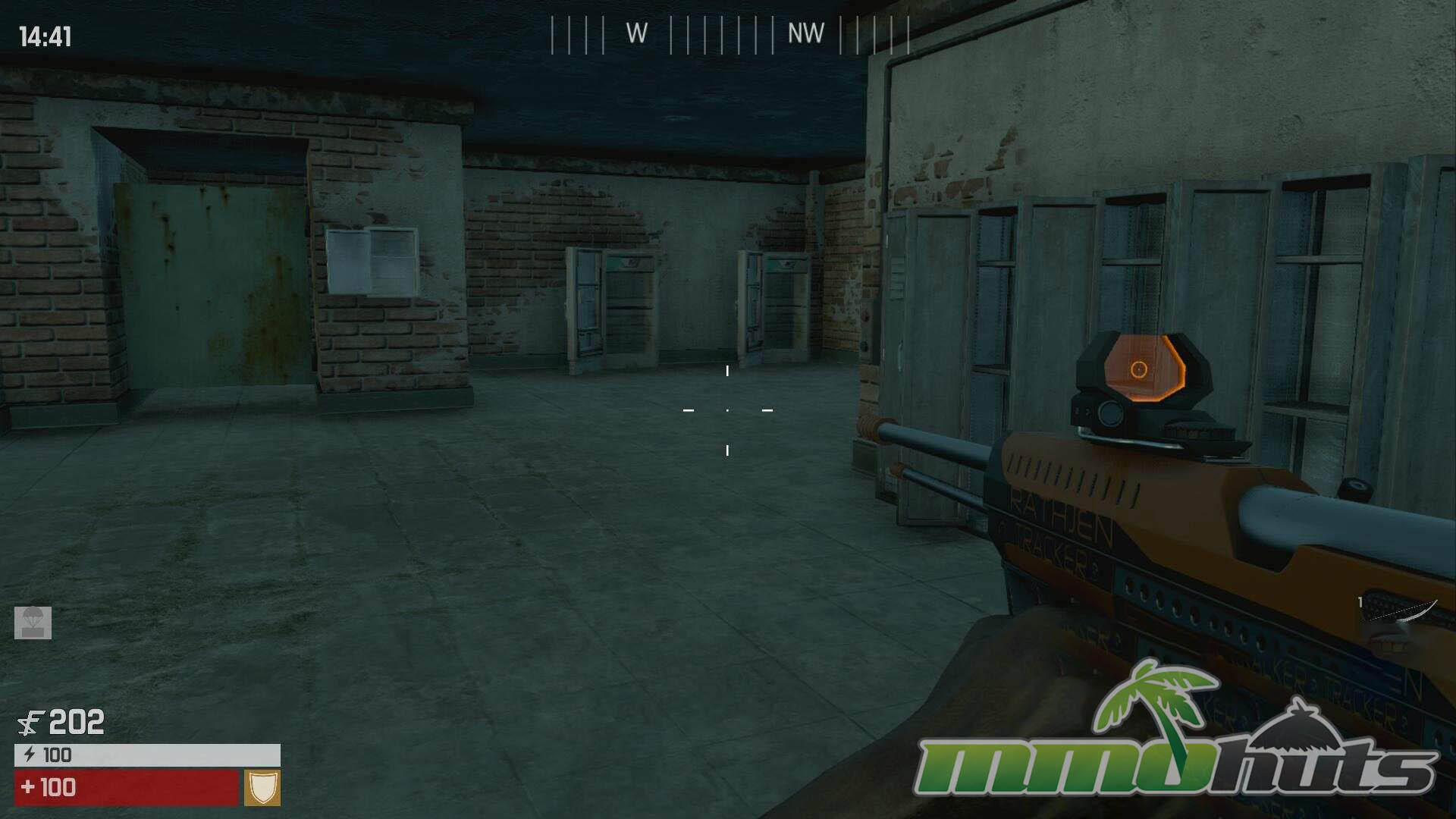
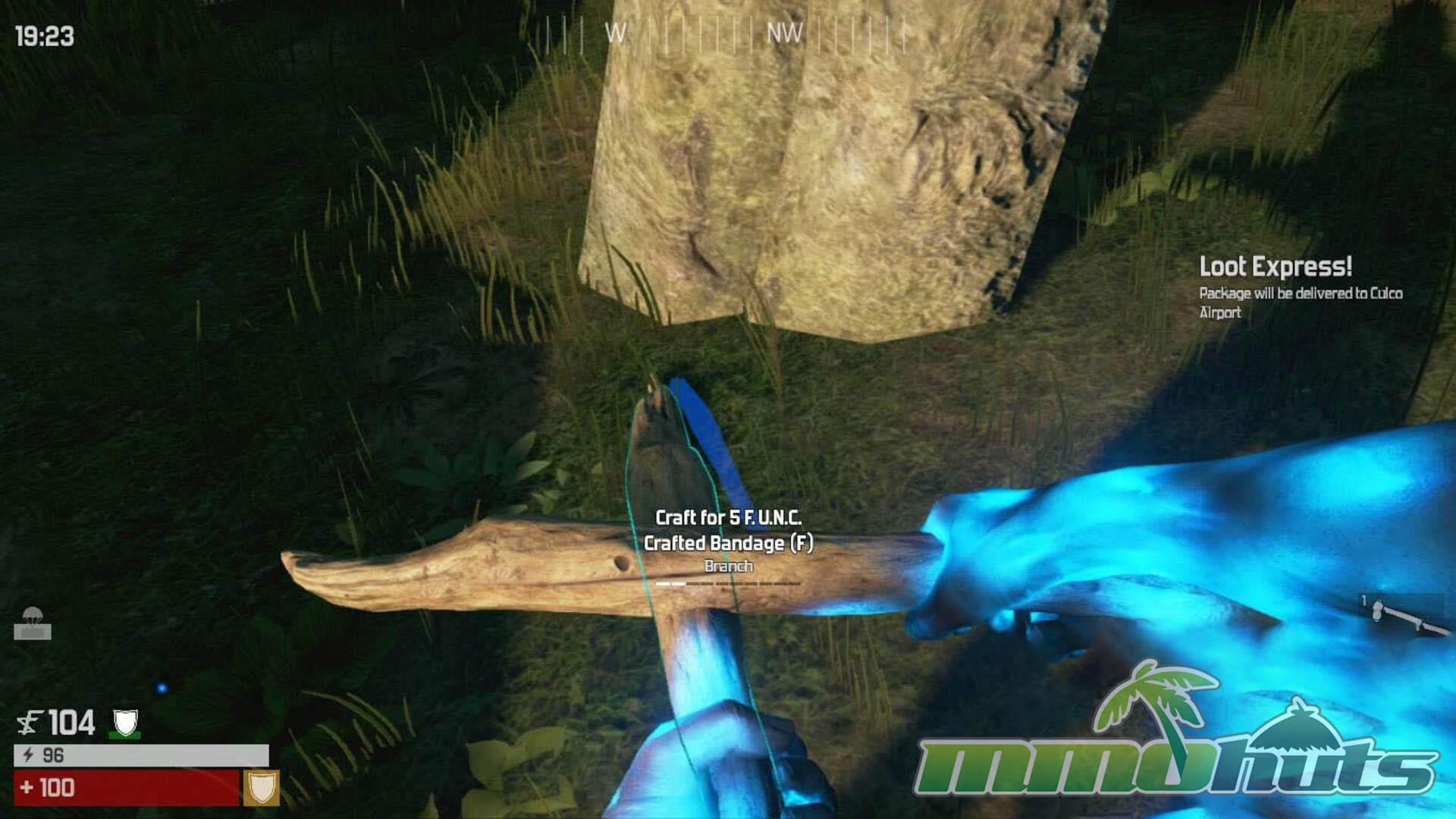
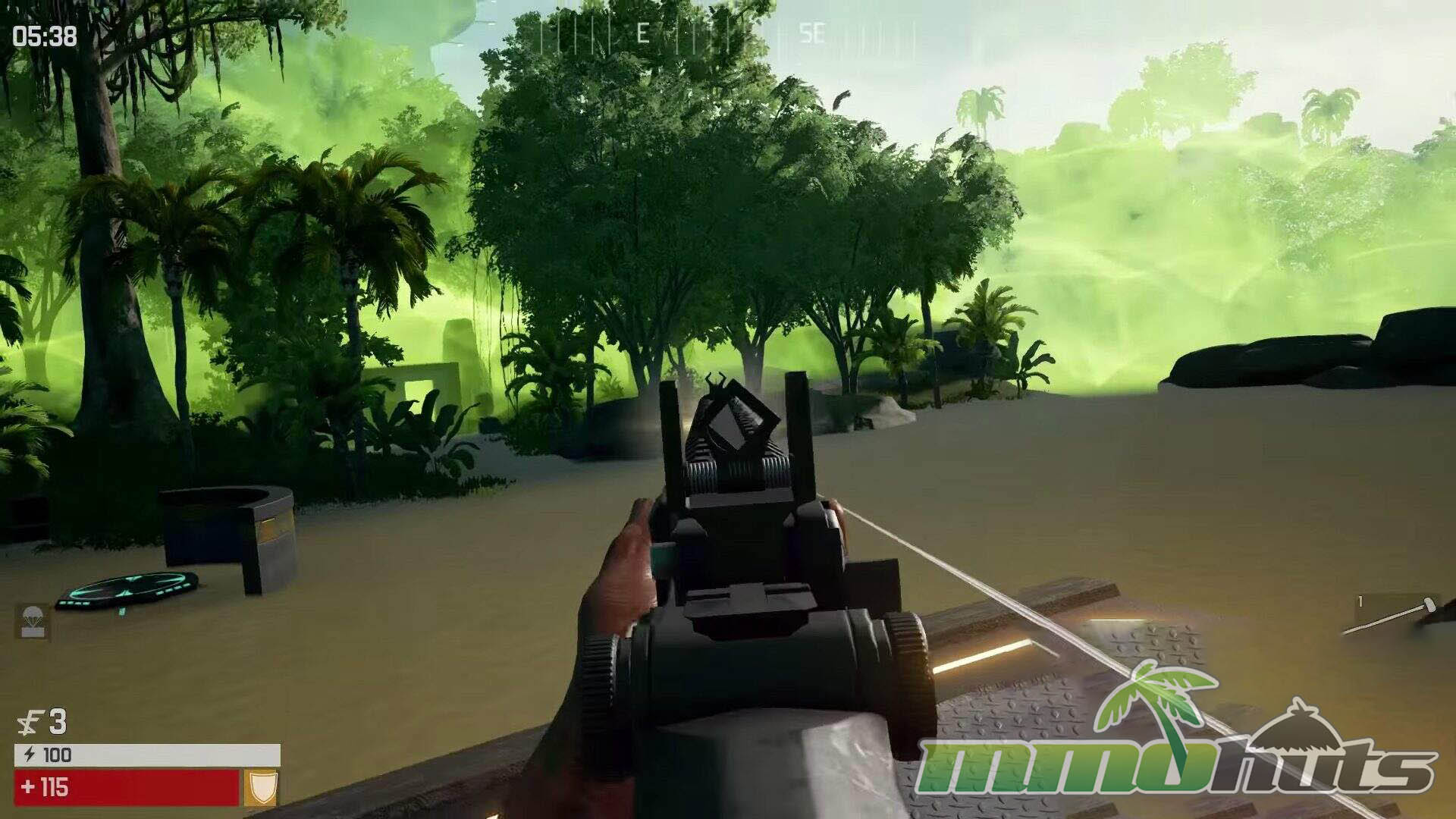

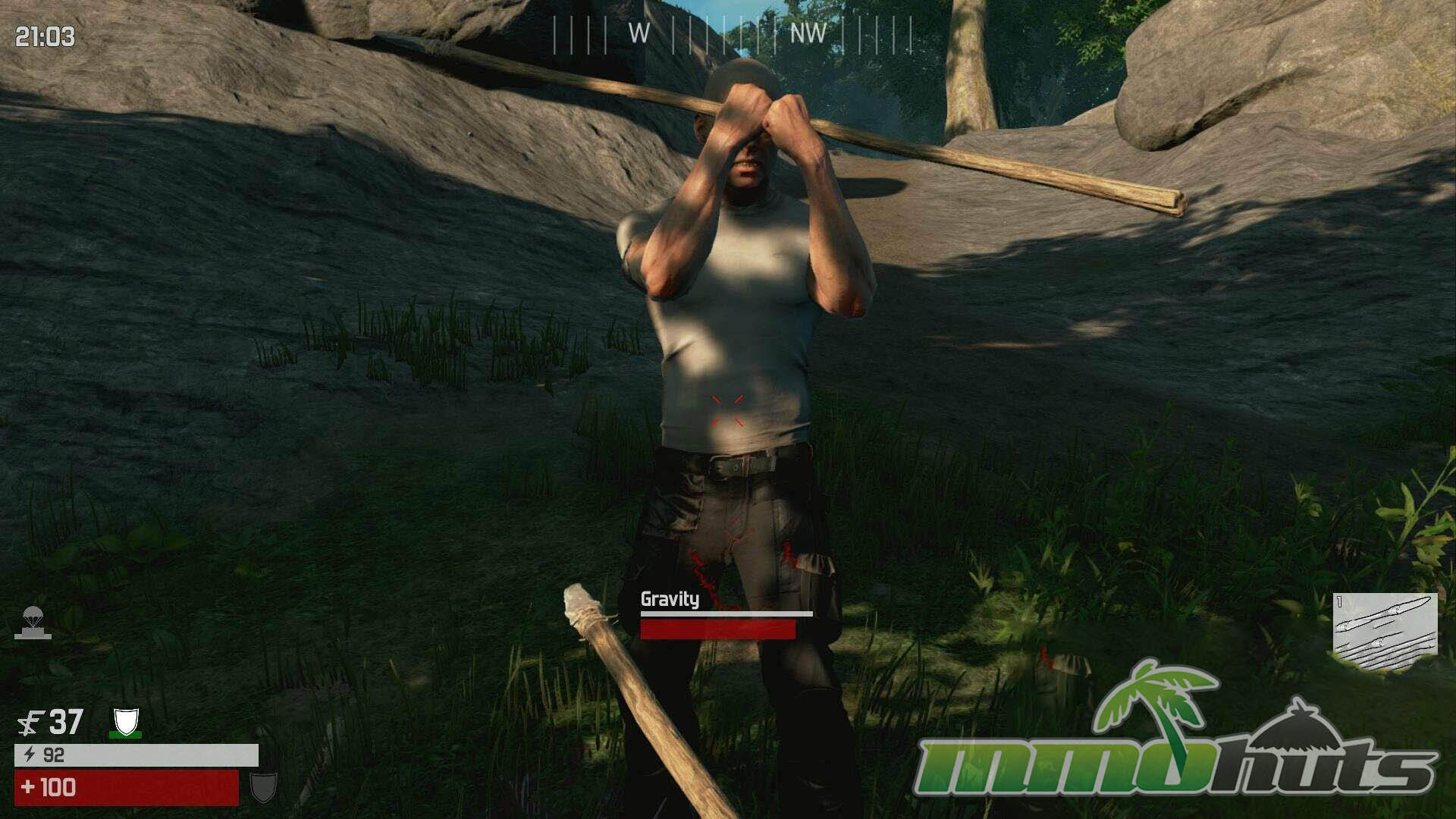


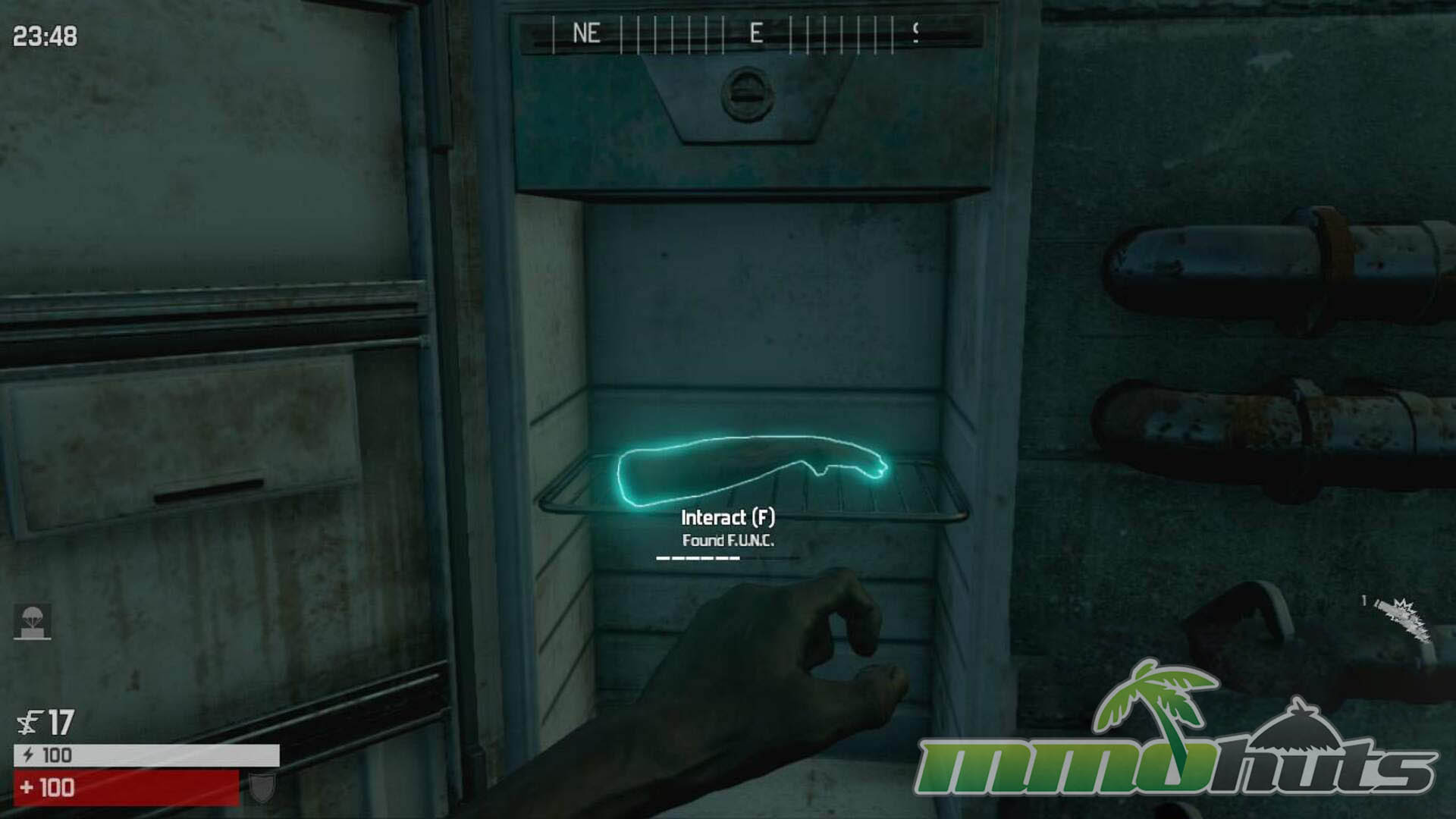
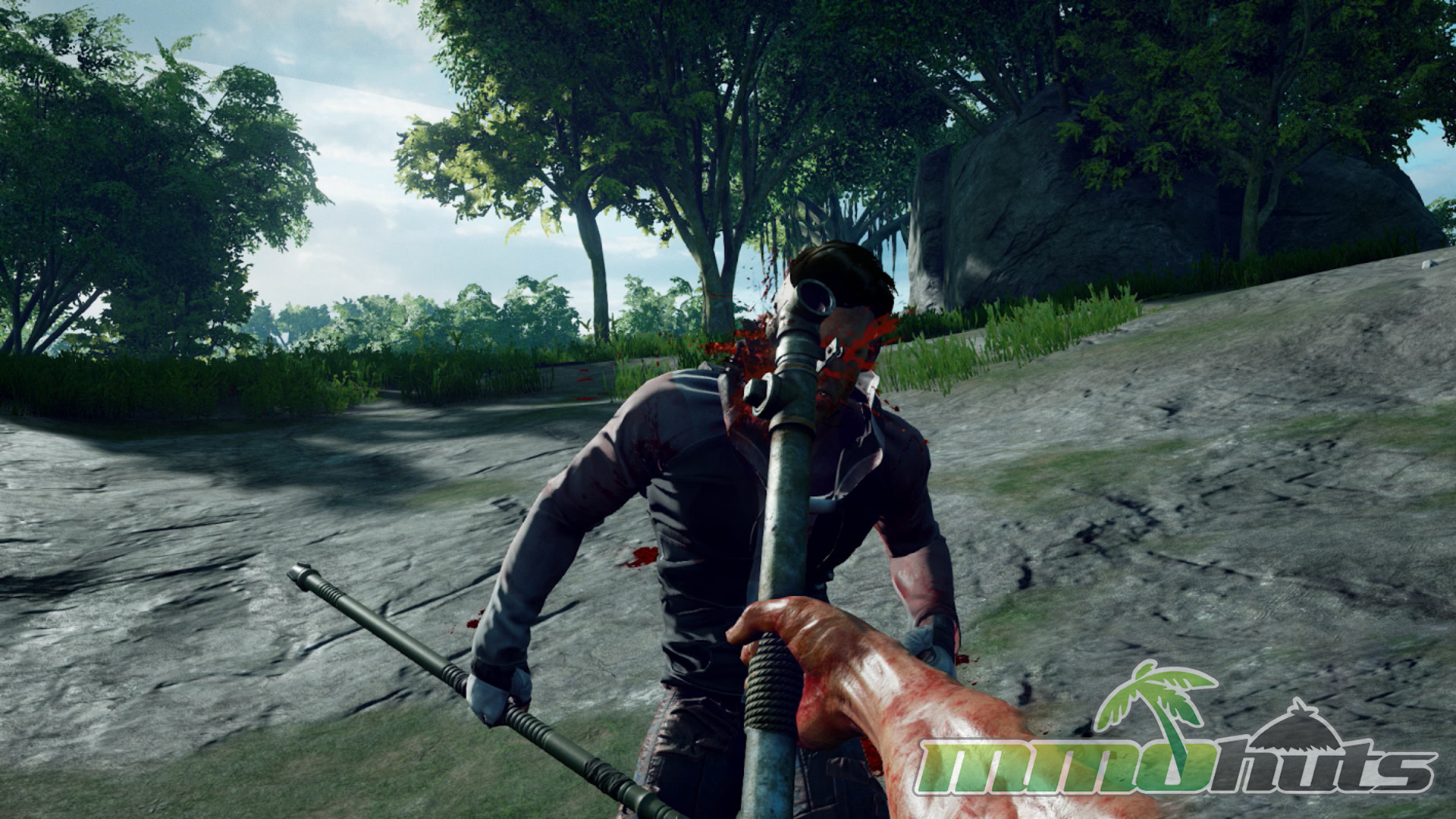


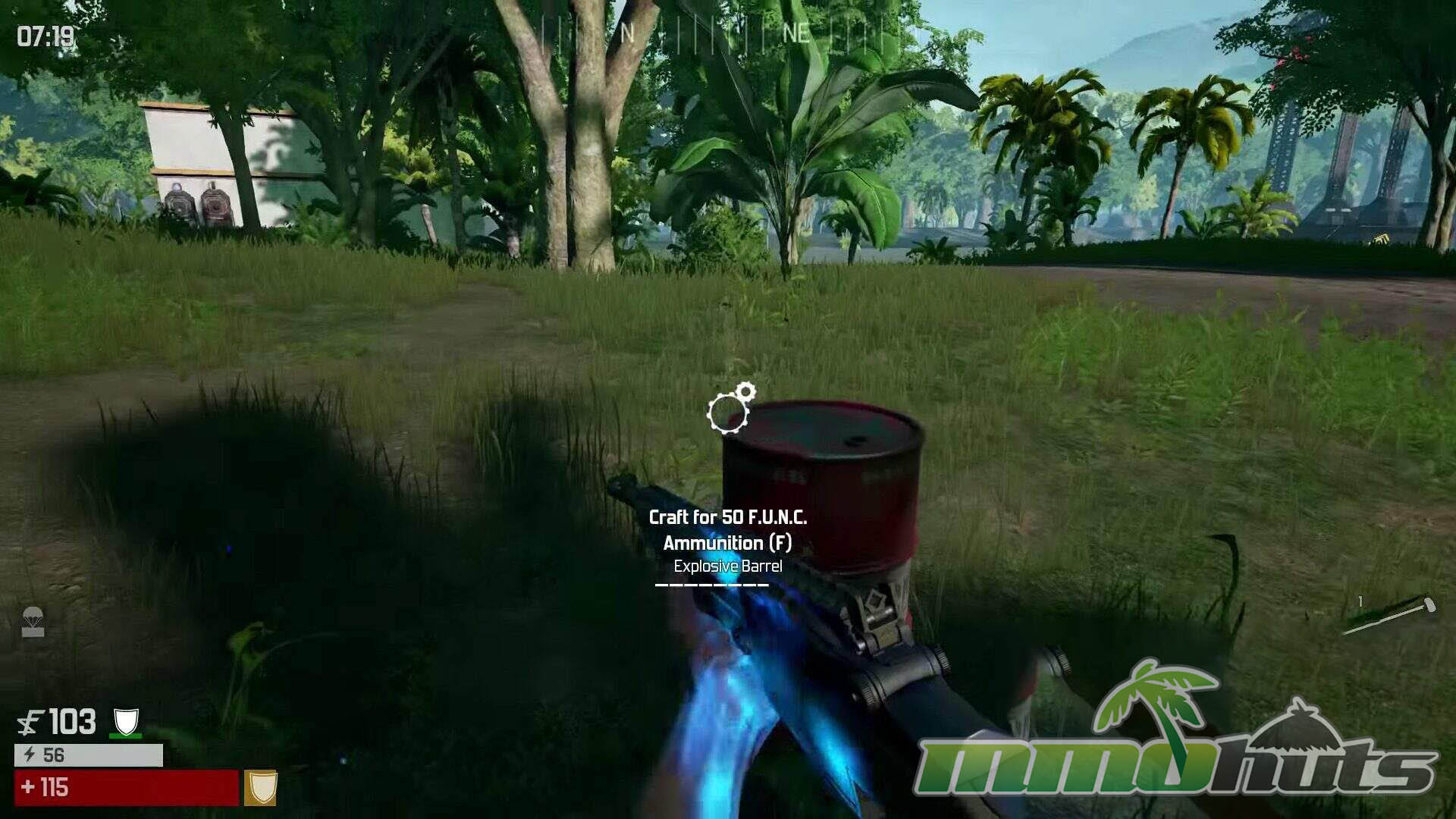


The Culling Featured Video

The Culling Review
The Culling is a buy-to-play first-person battle royale where 16 players enter a controlled arena and fight until only one remains, with an optional mode that supports two-player teams. The setting leans into a stylized “game show” vibe on a fictional island, and the presentation benefits from Unreal Engine 4, with strong lighting and crisp environmental detail. Small touches, like the cameras tracking movement around the map, help sell the idea that you are being watched, not just surviving.
One of the more memorable choices is the soundscape. There is no constant musical score pushing you along, so the island often feels uncomfortably quiet, which makes footsteps, crafting noises, and sudden impact sounds much more stressful. On top of that, the match is framed with a talkative host who chimes in with play-by-play style commentary, giving the violence an intentionally theatrical edge.
Learning the ropes
New players are not thrown in completely blind. The game includes a tutorial you can launch from the Play menu, and it is structured as a series of training rooms that cover fundamentals and then move into more complex systems. It is longer than a quick tooltip pass, but it does a solid job of showing how the game expects you to approach crafting, fighting, and match flow.
The basic section focuses on essentials like movement, early combat interactions, and entry-level recipes. The advanced portion shifts to higher-impact tools, including traps, explosives, and the mechanics around supply drops. Taken together it runs around half an hour, and it is time well spent if you are unfamiliar with battle royale pacing or if you want to understand the crafting economy. If you prefer to learn mid-match, recipe information is still accessible, with a quick reference available via the Esc key.
Loadouts and looks
Before queueing, you can personalize your contestant. The options are fairly modest, covering a small set of faces, hair choices, skin tones, and a limited wardrobe selection. It is not a deep character creator, but it does give you a basic identity, and cosmetic items are awarded through play, so your look expands over time.
After a handful of matches you can put together an outfit that stands out, although appearances can also communicate experience. On this island, the person who looks like they have been here for a while often has the game knowledge to match, which can be intimidating when you are still learning where to find key items and how to handle close-range fights.
The island as an arena
The action takes place on a single island map enclosed by shield generators, dotted with recognizable locations such as a pump house, an airport, and underground areas like sewers. These points of interest tend to be the most reliable places to find weapons, healing items, and crafting components. Because the layout does not change between matches (outside of supply crate placement), players who learn the routes and loot patterns gain a clear advantage over newcomers.
At roughly the halfway point, gas begins rolling in from the edges and squeezes the playable space toward the center, a designated final area known as The Culmination. Near the end of the timer, even that central zone becomes unsafe, which prevents stalemates and forces a decisive finish. In practice, many rounds end earlier once a few fights snowball and the lobby thins out.
Spending F.U.N.C.
The opening moments matter because you start with limited protection. After stepping out of your drop cage, you can immediately craft something basic to avoid being defenseless, or sprint for buildings and crates in hopes of finding stronger gear. Scavenging can pay off, but it is risky, especially if another player reaches the same hotspot first.
Crafting and purchasing revolve around F.U.N.C., the round-specific currency. Recipes require both materials and a F.U.N.C. cost, and the same resource can be used to buy powerful items and weapons, as well as to request airdrops with high-impact loot. You earn additional F.U.N.C. for staying alive, and you can pick it up from corpses across the map, which adds a natural incentive to take fights, finish opponents, and then loot efficiently.
Melee mind games
Gear matters, but The Culling also tries to make close combat more tactical than simple swinging. Melee attacks can be charged for extra damage, and you have defensive and control options beyond movement, including blocking and a shove. Used correctly, these tools can turn a fight even when your weapon is not the best available.
The interactions resemble a rock-paper-scissors loop. A well-timed block can stagger an attacker and open a window for a counter, but a player who turtles behind a block can be shoved to break their defense and get punished. Ranged weapons have their own drawback, because taking a melee hit can cause you to drop what you are holding, including guns. That design encourages carrying a reliable melee backup, with longer-reach options like spears and javelins being especially practical. Nearly anything can also be thrown with the middle mouse button, and while not every tossed item is lethal, a well-placed throw can finish a low-health enemy or interrupt a plan at the worst possible moment.
Perk selection
The perk system is one of the game’s better ideas, mainly because it does not lock core perks behind grind. Instead, perks are available to everyone from the start, and the real decision is how to build around your preferred approach. You select three, which forces tradeoffs and makes your choices feel meaningful.
Perks cover a wide spread of benefits, from durability and recovery to mobility and weapon-specific advantages, plus stealth-oriented options that help you move more quietly (even through water). A player leaning into melee might prioritize survivability and regeneration, then add a perk that boosts a favored weapon type, while a hit-and-run style can combine speed, stealth, and damage bonuses to secure quick eliminations.
Final Verdict – Great
The Culling stands out as a battle royale designed around the format rather than stapling it onto an unrelated game. Its short match length, aggressive zone pressure, and crafting economy keep the pace high, and the announcer framing gives the violence a distinctive tone that feels both grim and oddly playful. There is real satisfaction in winning fights through smart perks, careful resource use, and well-timed blocks, shoves, or throws.
That said, it is not an easy game to learn. The fixed map rewards experience, and the melee system can feel clunky until you understand the timing and the matchup logic. For players willing to absorb that learning curve, it delivers tense, memorable rounds. Despite the game’s later struggle to maintain a healthy population, at its best The Culling offered a focused PvP sandbox with a clear identity.
The Culling Online Links
The Culling Official Site
The Culling Steam Page
The Culling Developer Site
The Culling Wikia
The Culling System Requirements
Minimum Requirements:
Operating System: 64-Bit OS Required: Win7 SP1, Windows 8.1, or Windows 10
CPU: Intel Core i3 560 / AMD Phenom2 X4 945
Video Card: DX11 GPU with 1GB VRAM: NVidia GTX 460/ AMD Radeon 5850
RAM: 4 GB
Hard Disk Space: 4 GB
Official system requirements have not yet been released for The Culling. The requirements above our based on our experience and will be updated when official numbers become available.
The Culling Music & Soundtrack
Coming Soon!
The Culling Additional Information
Developer: Xaviant
Game Engine: Unreal 4
Announcement Date: February 03, 2016
Early Access: March 08, 2016
Shut Down: May 15, 2019
Development History / Background:
The Culling comes from Georgia-based studio Xaviant. It was officially revealed on February 03, 2016, with plans to enter Early Access on March 08, 2016. Closed Alpha registration opened shortly after, beginning on February 11, 2016. Xaviant, founded in 2007, previously released Lichdom: Battlemage.
The game arrived on Steam on March 4, 2016 with a relatively small feature set and then evolved through a steady run of updates. Even after shifting to a free to play approach, it struggled to sustain an active community over time, and service ended on May 15, 2019.