Tera: Rising is a 3D fantasy MMORPG best known for bringing a more hands-on, action-game approach to MMO combat. Instead of relying on tab targeting alone, you are expected to aim attacks, time blocks, and dodge enemy swings while questing through Arborea’s zones and tackling its dungeon bosses. With multiple races, a deep class roster, and flashy skill design, Tera delivered a distinct style of MMO moment-to-moment gameplay during its run.
 | Publisher: Krafton Blue Hole Type: MMORPG Release Date: May 1, 2012 (NA) Shut Down Date: June 30, 2022 PvP: Duels / Battlegrounds / Open World Pros: +Smooth visuals and responsive combat feel. +Guild conflicts with a political layer. +Skill-based targeting that keeps fights active. +Controller support. Cons: -Questing can drag in the middle levels. -Crafting feels underdeveloped and unrewarding. |
Tera Shut Down on June 30, 2022
Tera Overview
Answer the call of the Valkyon Federation and take the fight to the Argons, reality-warping invaders returning to threaten Arborea once again. Tera: Rising frames its adventure around the struggle between the world’s mortal races and these destructive outsiders, pushing players from early skirmishes into larger conflicts as the stakes climb. You can choose from seven playable races, each with built-in traits, then pair that choice with one of nine core classes (each designed around a specific combat rhythm, from methodical defense to high-mobility offense).
Tera Key Features
- Amazing Setting – a classic fantasy MMO world (Arborea) presented with impressive visuals for its era.
- Character Variety – a broad selection of classes and races, with racial perks that can complement different play styles.
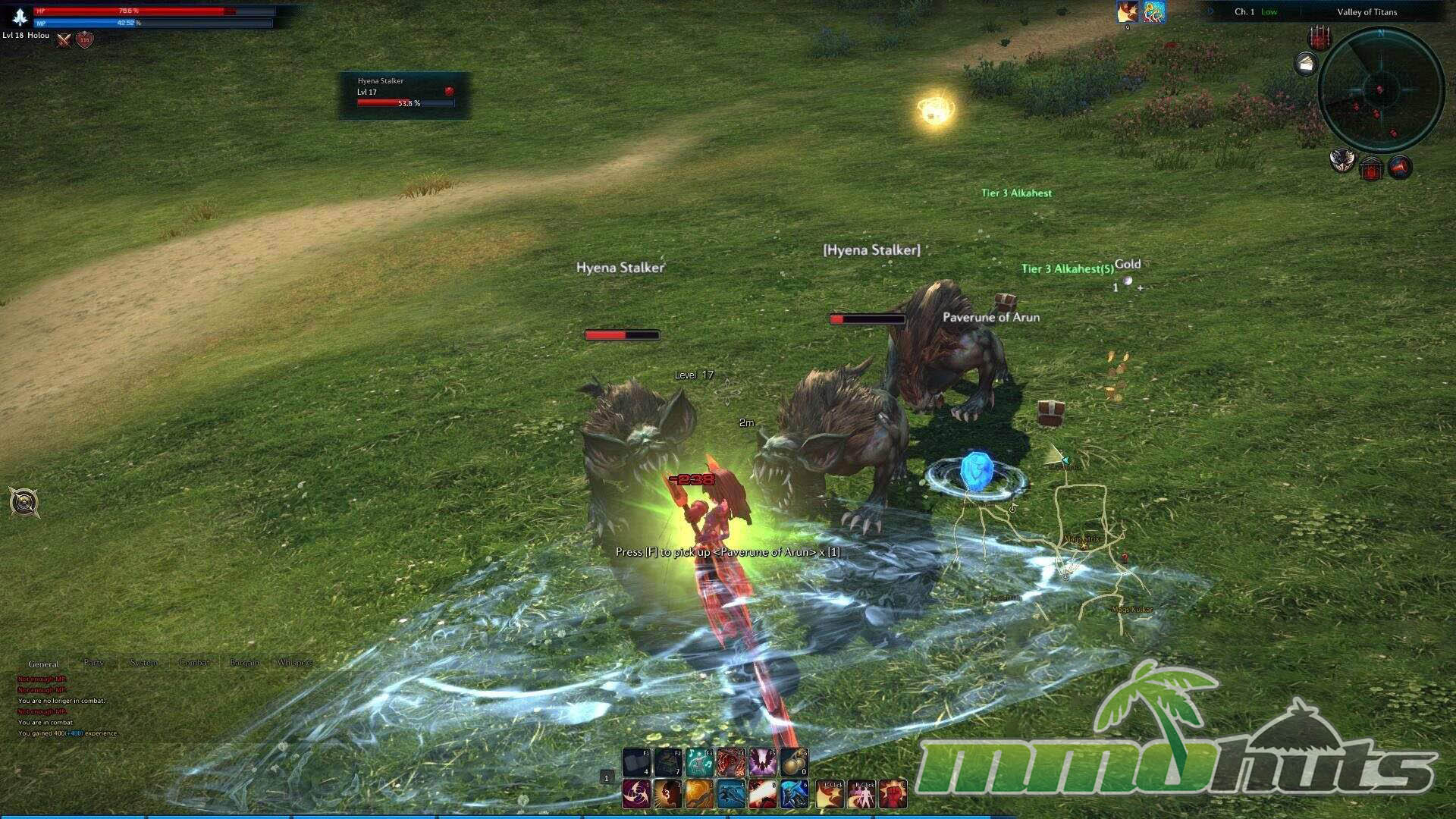
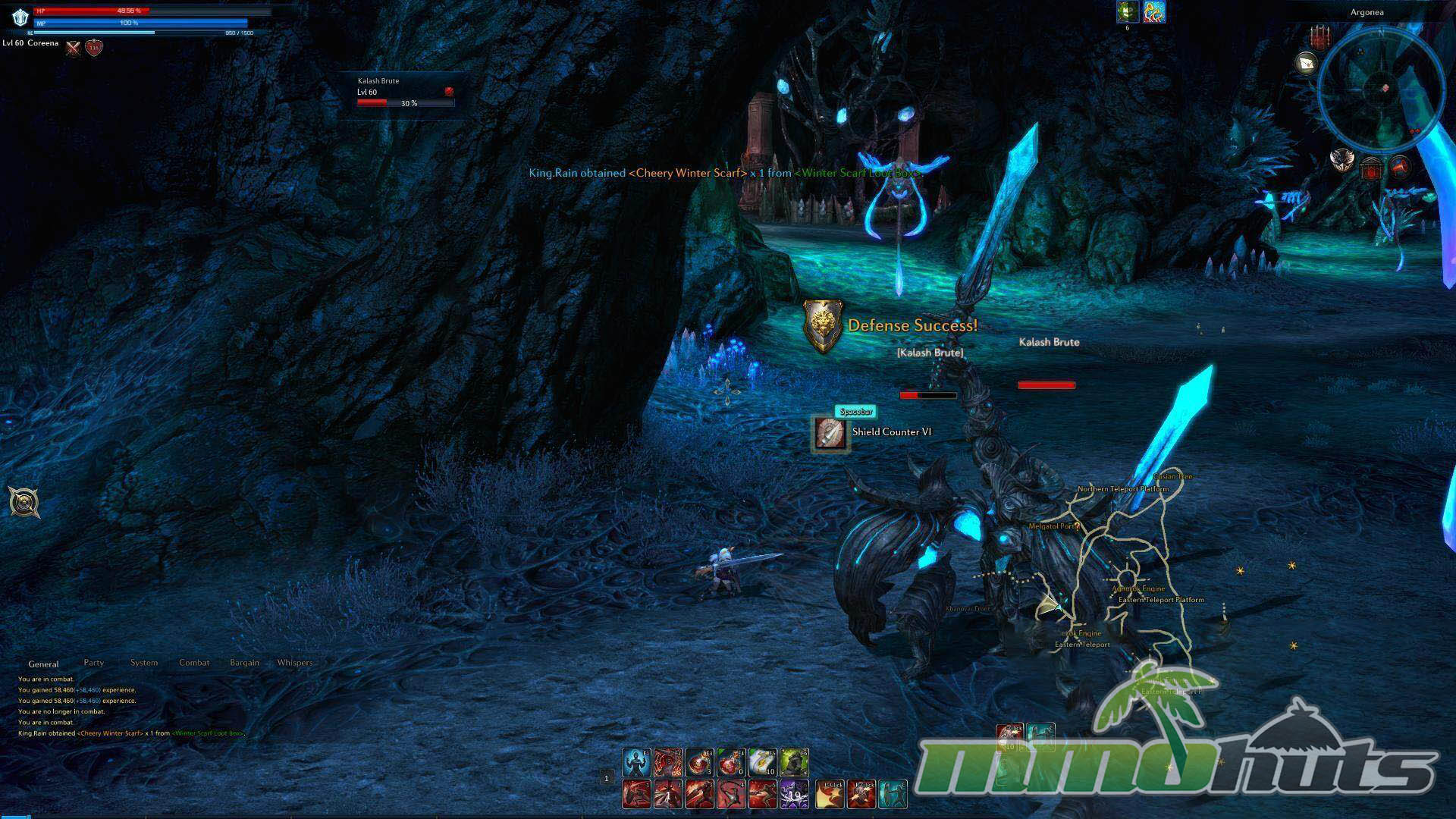
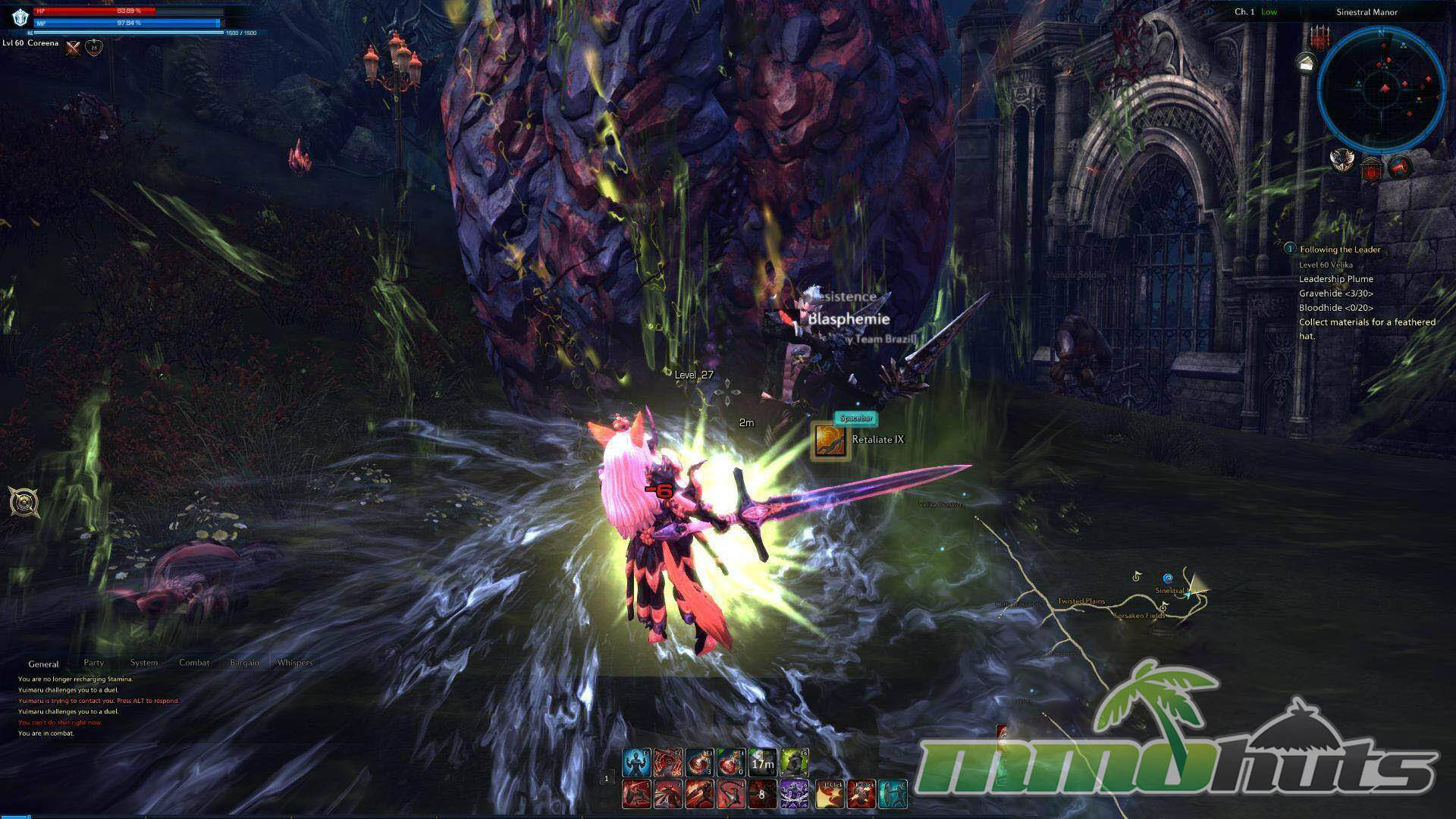
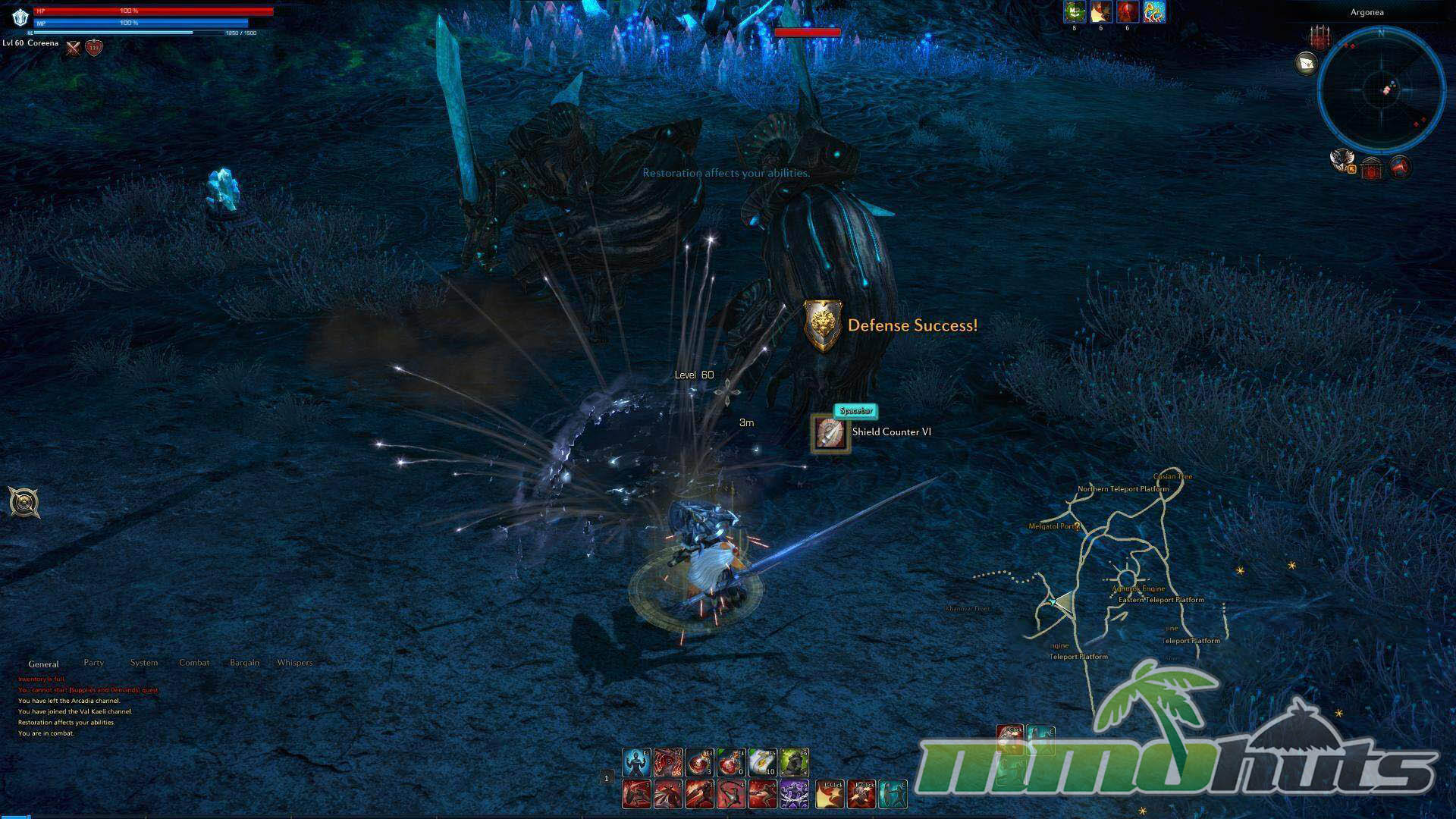
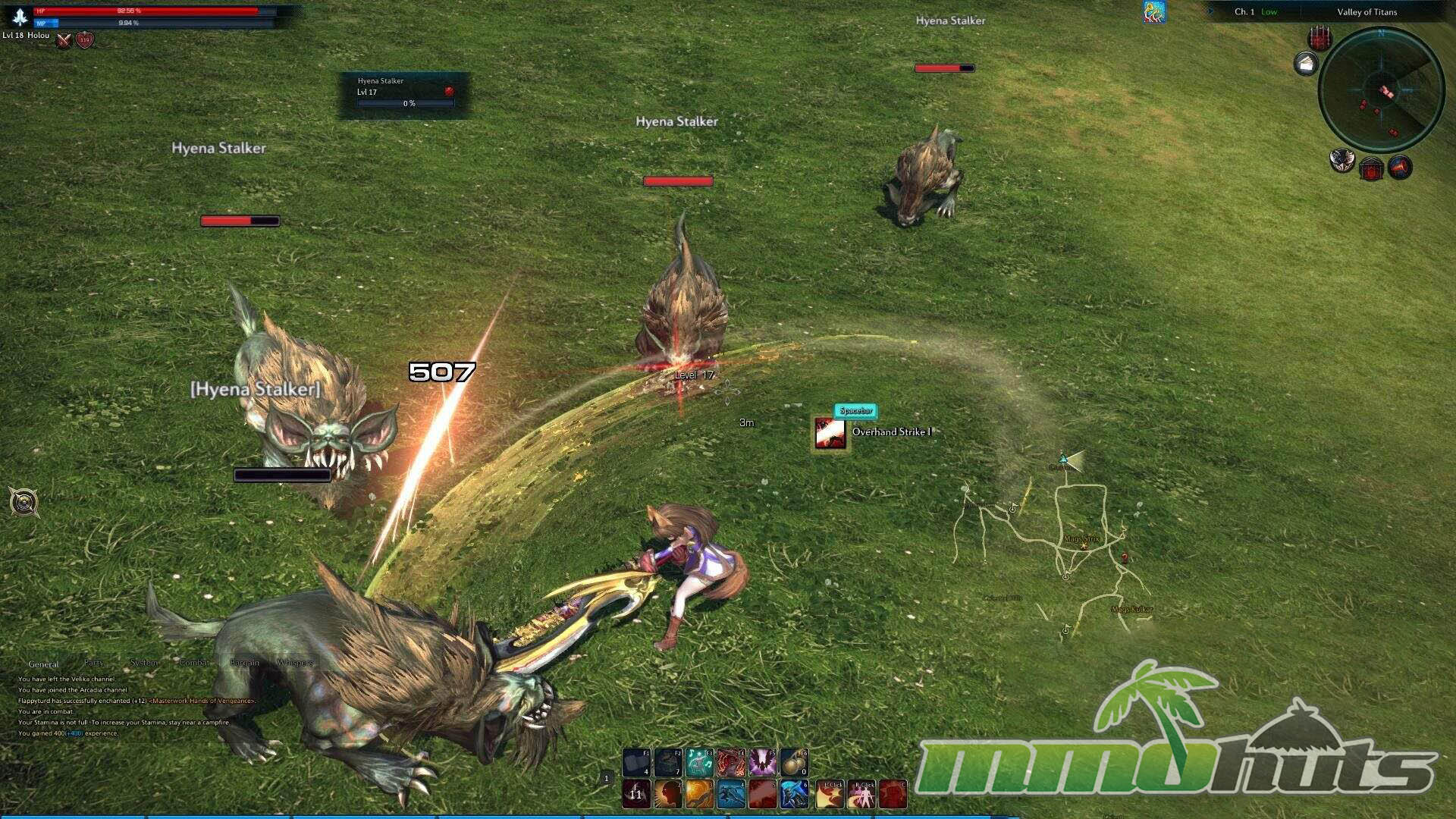
- Real-Time Combat – an action-first battle system that emphasizes aiming, positioning, and timely dodges or blocks.
- High Production Value – polished presentation, fluid animation, and a strong soundtrack supporting the atmosphere.
- Unique Story – a narrative framework centered on the Argon threat and the uneasy alliances of the mortal races.
Tera Screenshots
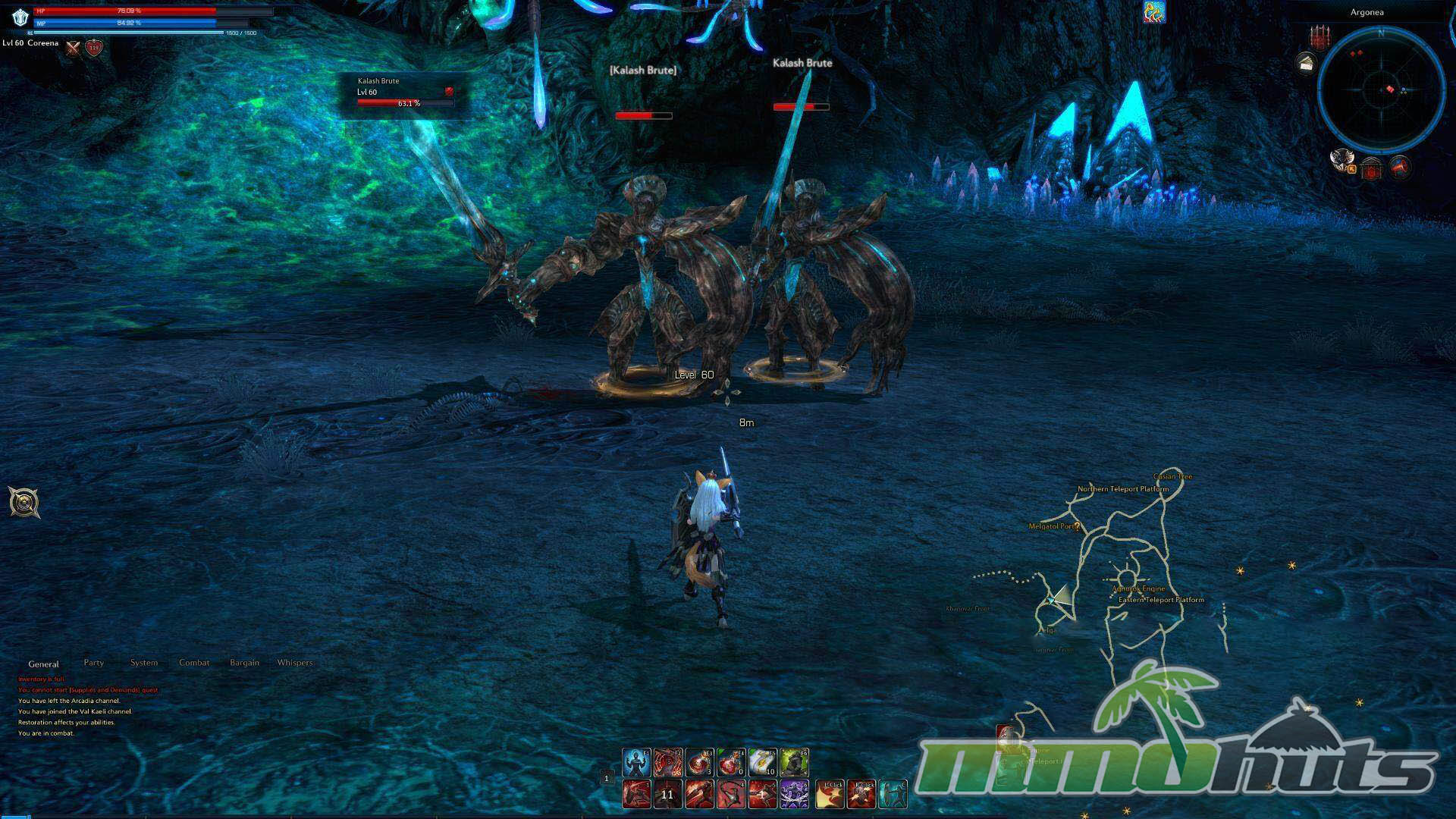


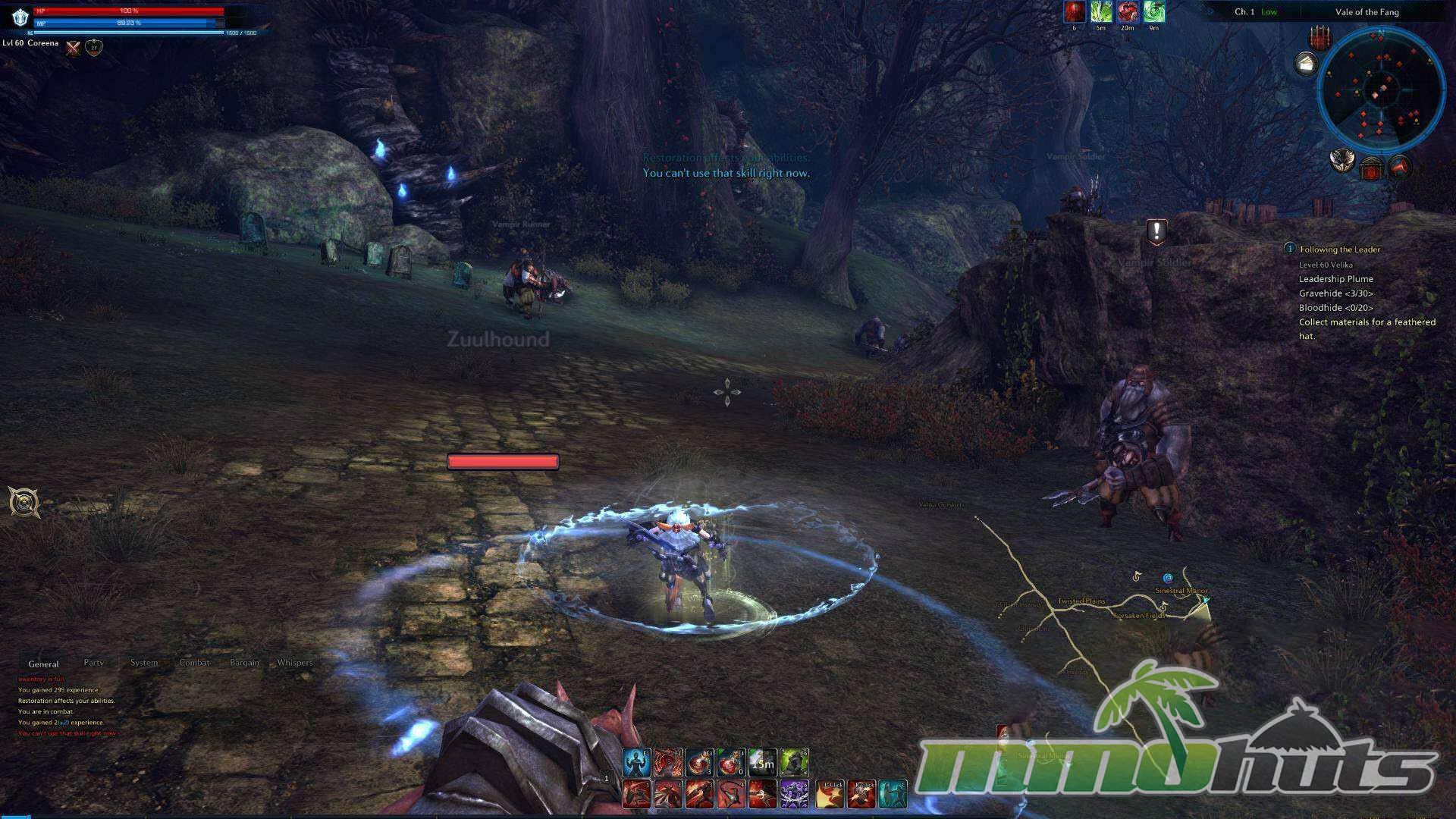
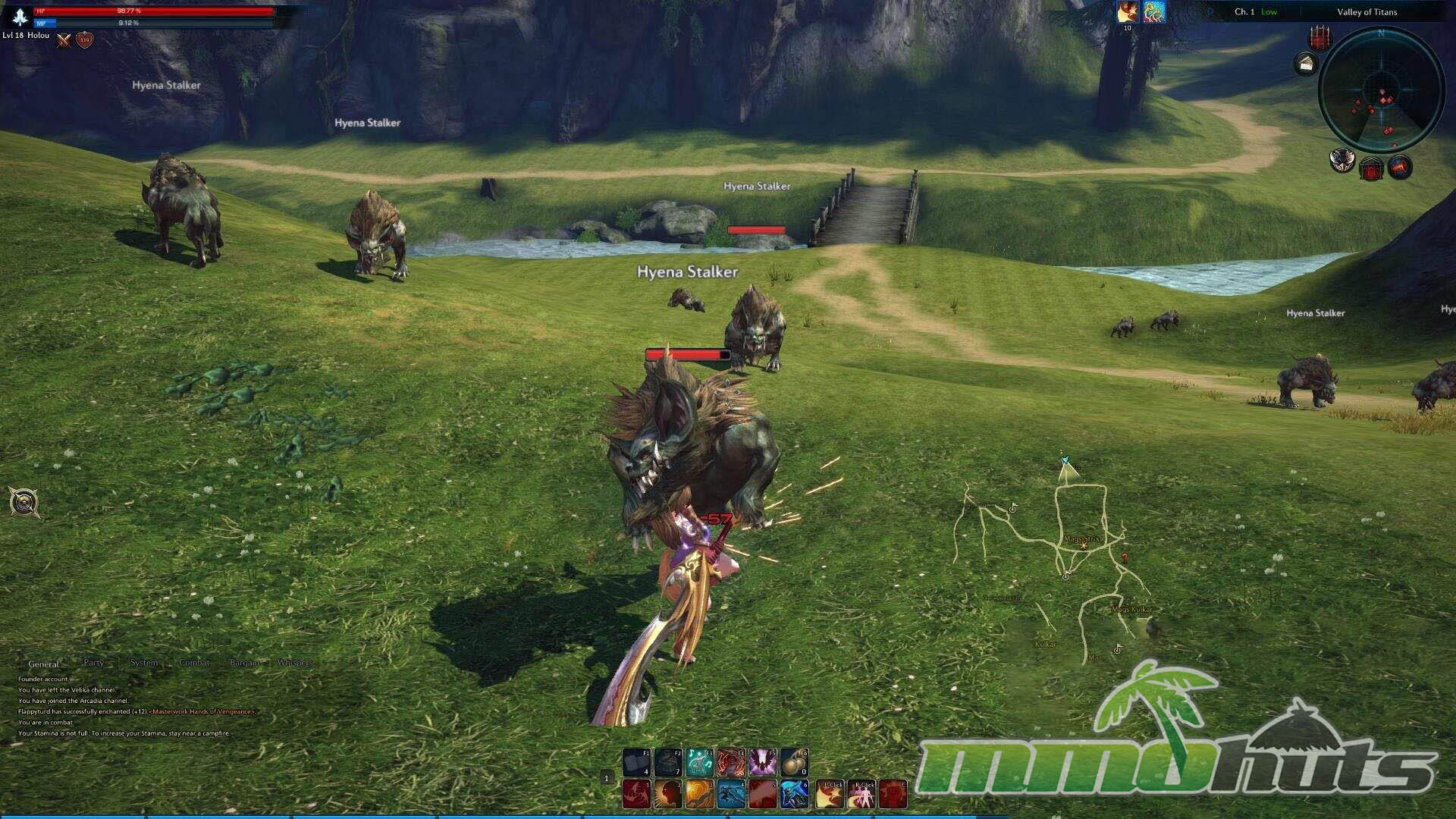
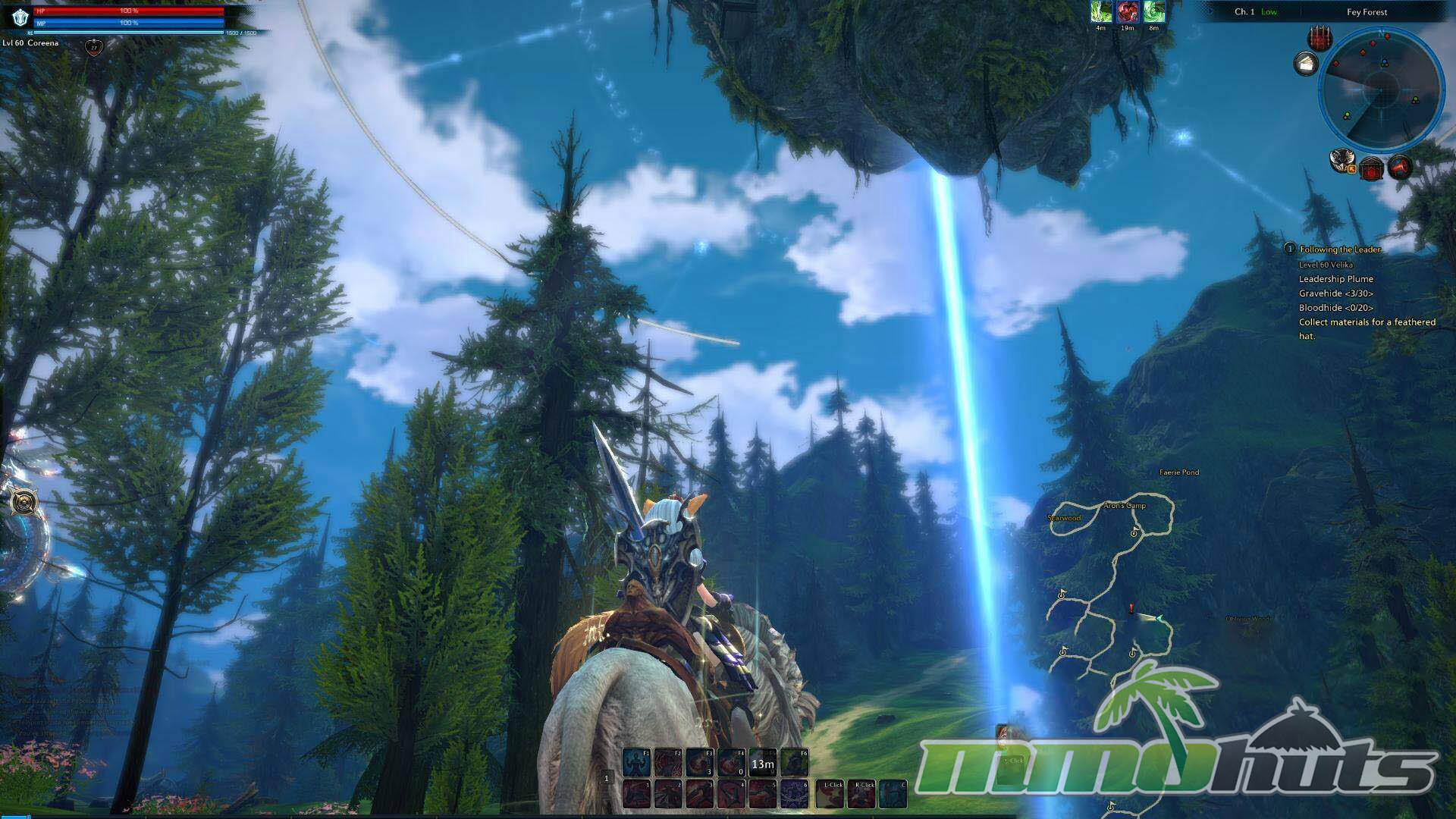
Tera Featured Video

Tera Classes and Races
Classes:
All races have access to the following classes. Some classes may require more skill to play than others and may not be suitable for new players of the genre.
- Lancer – a shield-focused frontline defender built to soak hits and hold enemy attention, trading mobility and damage for exceptional protection.
- Warrior – a fast, evasive fighter that can deliver steady DPS and, in experienced hands, tank by avoiding damage rather than simply absorbing it.
- Berserker – a heavy melee damage dealer centered on powerful charge attacks, with blocking tools that help them stay in the fight.
- Slayer – a greatsword DPS class that mixes high burst with mobility, plus crowd-control options that can disrupt enemies and open windows for damage.
- Archer – a ranged DPS archetype capable of both sharp bursts and consistent pressure from a safe distance.
- Sorcerer – a spellcaster that excels at clearing groups or burning down targets quickly, but needs careful spacing to avoid close-range punishment.
- Priest – a party healer whose priority is sustain and recovery, while still having the option to contribute damage when things are under control.
- Mystic – a support class built around buffs, utility, and summoned thralls that can assist with healing and combat support.
- Gunner – a long ranged DPS class that uses… you guessed it, Guns! They have powerful Area of Effect skills and can summon constructs to aid them in battle.
- Reaper* – a chain-blade wielder that fights from melee to mid-range, specializing in multi-target damage and control effects like stuns, immobilizes, and knockdowns.
- Brawler – a heavy-armor fist fighter with an aggressive kit that can flex between tanking duties and dealing damage.
- Ninja – a swift hit-and-run damage dealer that leans on trickery and repositioning, fragile but capable of strong output.
- Valkyrie – a polearm-based melee class that blends close-range pressure with reach.
*Players must have a Level 40 character before being given the option of creating a Reaper.
Races:
Each race is gifted with distinct racial attributes, skills, and bonuses as well as the ability to teleport to preset areas in the game world.
- Humans – once wanderers without a homeland, Humans became central to the Valkyon Federation’s formation. Their racial perks emphasize resilience, including knockdown resistance, survivability at low HP, and benefits on resurrection, plus faster light-armor crafting.
- High Elves – former conquerors turned defenders, High Elves bring mana-oriented racial advantages, including periodic mana restoration, bonus mana on resurrection, and faster collection of alchemical essences.
- Amani – a powerful dragon-blooded people shaped by hardship and a strong sense of honor. Their traits focus on toughness (damage reduction, resistances) and efficient ore gathering.
- Baraka – massive, scholarly giants with a calm exterior and serious combat capability. They feature strong sustain tools, stamina advantages, resistance to paralysis, and improved speed when crafting magical weapons.
- Castanics – fiery, independent, and daring, Castanics are rewarded for aggressive play with perks that support speed and combat effectiveness, along with advantages tied to metal weapon crafting and reduced fall damage.
- Elin – small female humanoids tied to the goddess Elinu and nature’s defense. Their racial kit includes stealthy movement past monsters, mobility boosts, and faster swimming and plant gathering.
- Popori – animal-like protectors uplifted by the Elin. Despite the cute look, they are combat-ready and share the Elin racial benefits.
Tera Review
Tera: Rising is a fantasy hack-and-slash style 3D MMORPG developed by Bluehole Studio and published by Krafton Blue Hole (formerly En Masse Entertainment) in North America. Originally released as Tera Online with a subscription model, it later rebranded to Tera: Rising when it moved to free-to-play in February 2013. Its setting leans into mythic fantasy, a world shaped by gods and their mortal creations, then left unstable after divine conflict. That fragile peace collapses as the Argons, brutal beings associated with the underworld, return to threaten the world and force the remaining races into a desperate alliance.
One practical reality of Tera’s era is that the client footprint is substantial. With a game install that sat a little over 25 GB before additional updates, getting fully set up could be time-consuming, particularly when patches were involved. If you were on a slower connection or dealing with an unreliable download method, the onboarding could feel like the first boss fight, long before you swung a weapon.
Character Creation With Serious Depth
Once you are in, the first major draw is the character setup. Tera offers seven races with distinct racial perks, and it also places restrictions on gender options for certain races, Elin characters are female-only, while Popori and Baraka are male-only. Class choice is the next big decision, with nine foundational classes available at launch-era framing, and later additions expanding the roster. While min-maxers can align racial bonuses with class strengths, the game never hard-locks you out of unconventional combinations, so you can still play something off-meta if that is what you want.
Customization is one of Tera’s strongest early impressions. The editor goes beyond simple presets, letting you adjust facial structure and proportions with slider-based detail that was uncommon for MMORPGs at the time. If you like spending time refining a character’s look, Tera supports that play style well, and if you want to jump in quickly, presets and a randomizer are available to speed things along (sometimes with unintentionally funny results).
A Tutorial Zone That Sets the Stage
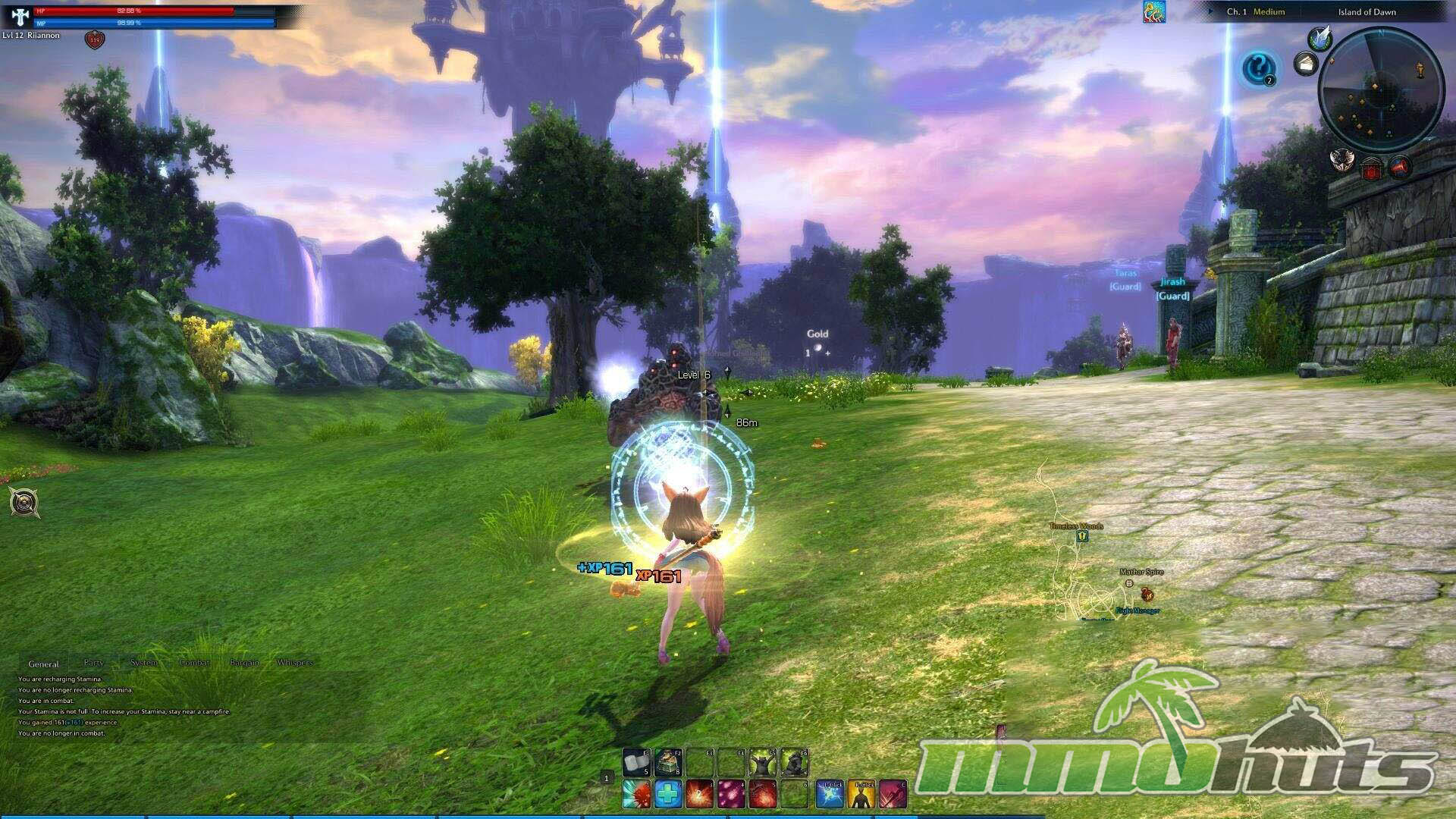
The opening hours take place on the Island of Dawn, which functions as both narrative prologue and mechanical training ground. You step in as part of the second expedition, tasked with investigating what happened to the first group and searching for survivors. It is a straightforward MMO introduction, but it does a good job of easing players into movement, quest structure, and combat fundamentals without immediately overwhelming them.
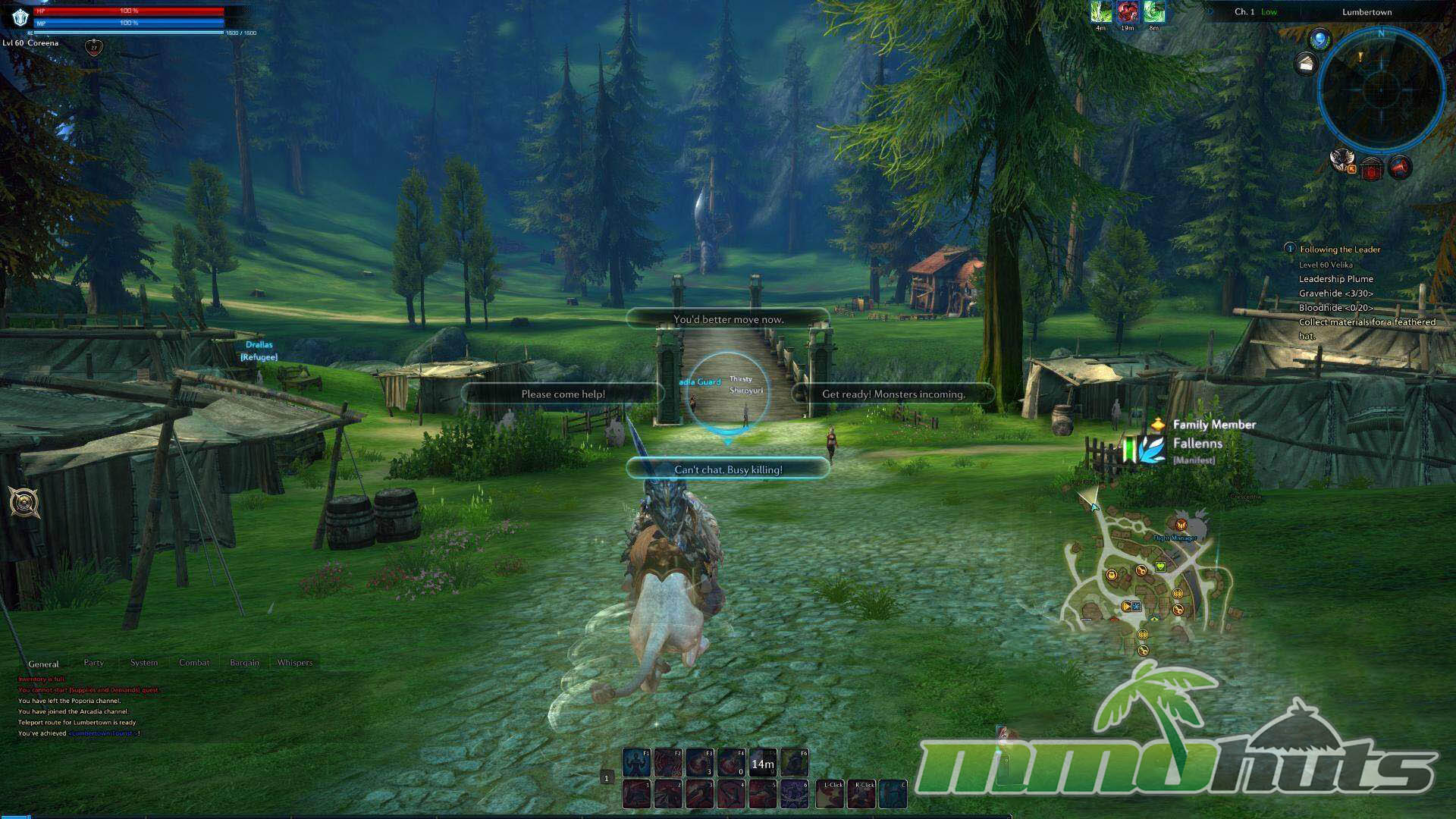
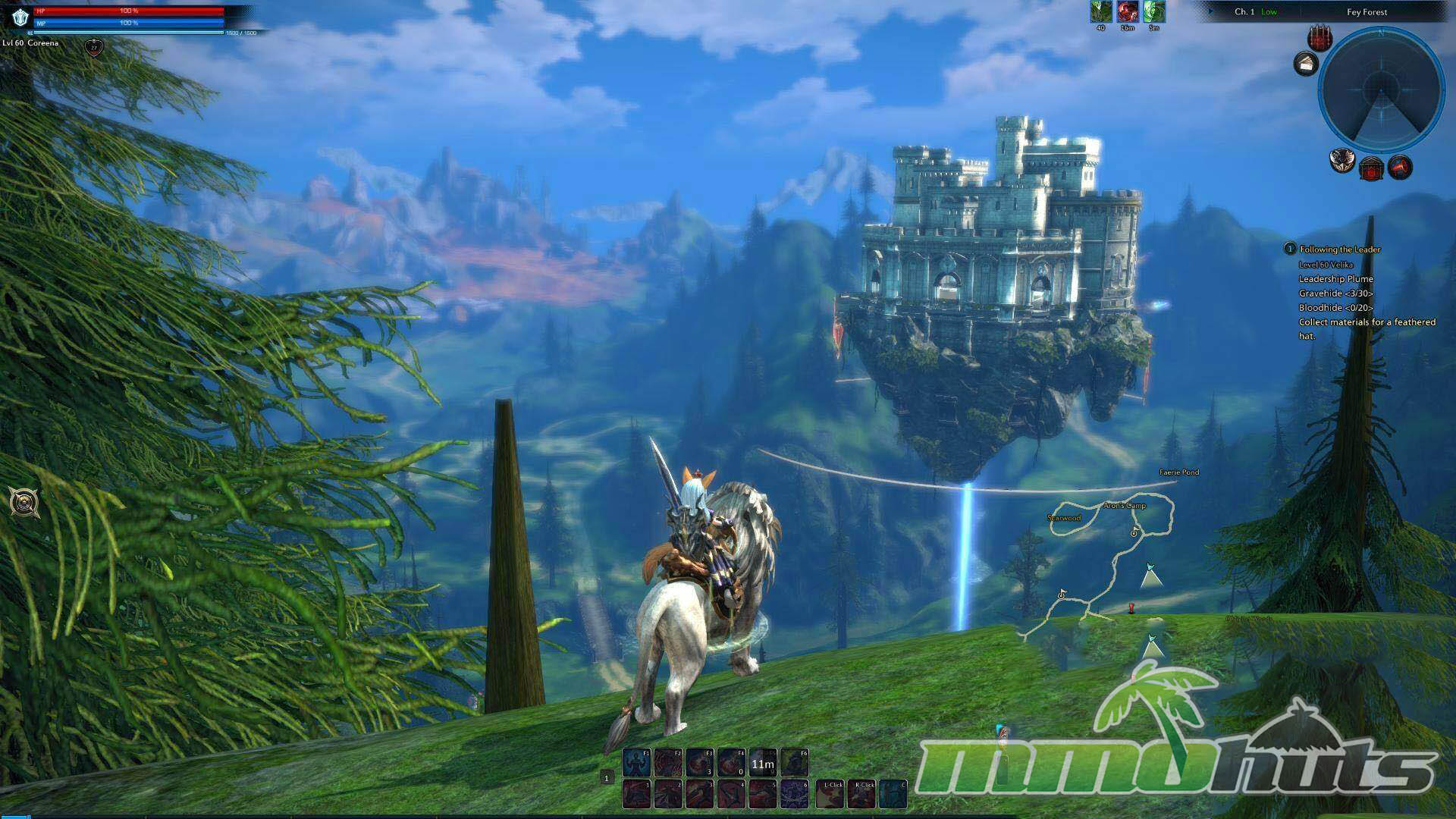
Visually, the early zones sell the game quickly. Lighting, environmental detail, and skill effects were all standouts, and even small touches (like how defeated monsters visually dissipate rather than simply popping out) helped combat feel more grounded. The audio presentation is also solid, with a soundtrack that matches the heroic fantasy tone, even if repetitive combat vocalizations can become noticeable during long sessions. The important part is that the strong presentation is not limited to the starter area, the overall world maintains that high-fidelity style when played on higher settings.
Familiar MMO Foundations, With One Big Twist
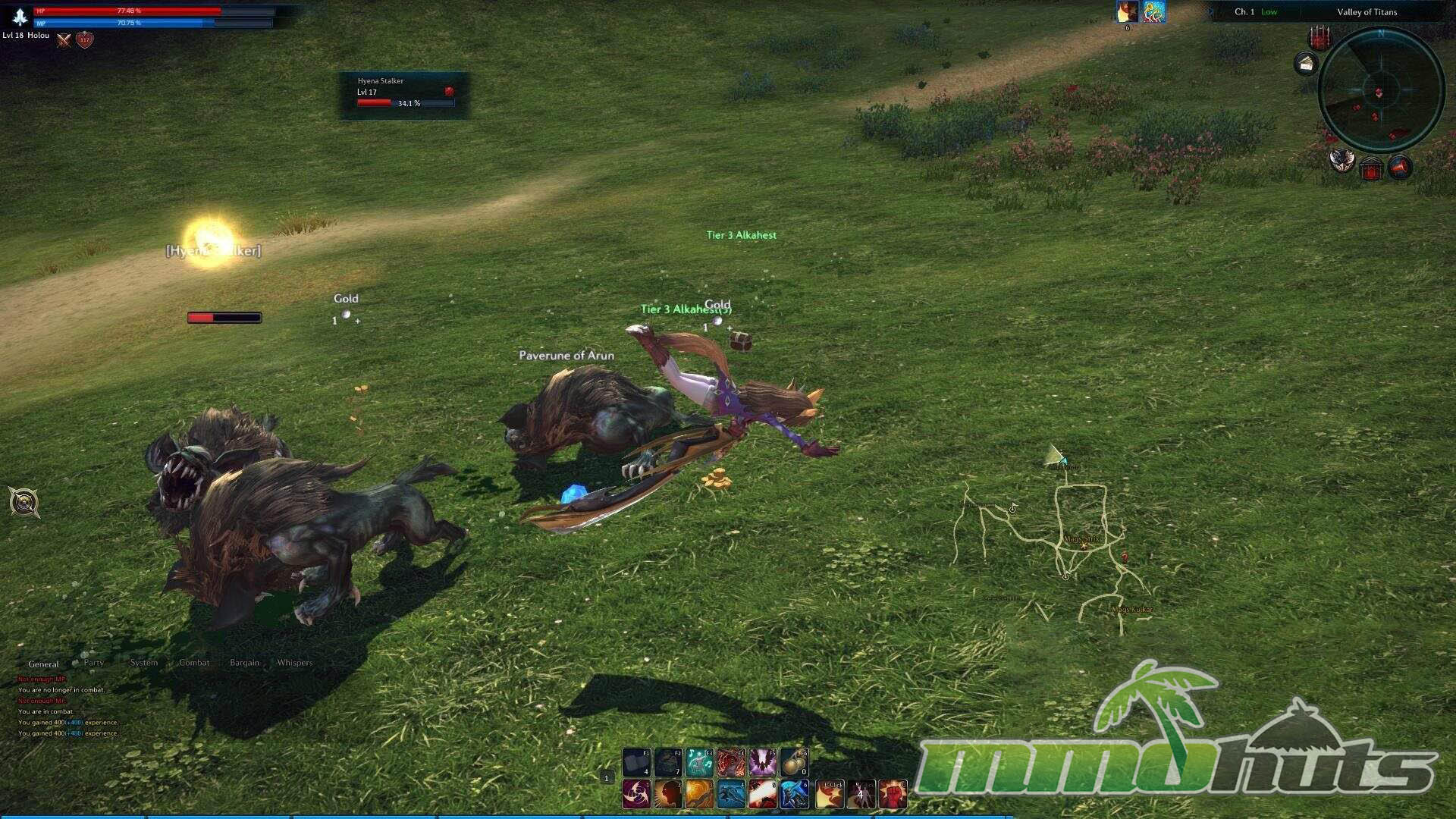
Structurally, Tera is built on recognizable MMORPG pillars: quest hubs, instanced dungeons, crafting and gathering, mounts, and multiple PvP formats. Players coming from other theme-park MMOs will recognize many of its systems and pacing. Where Tera differentiates itself is the combat layer, it asks you to actively aim skills, position around attack arcs, and treat enemies as threats you respond to in real time rather than as targets you simply cycle through.
That combat design pays off most when fighting tougher enemies, especially the game’s signature large monsters (BAMs). Learning attack animations and tells becomes part of the skill curve, and once you start reacting consistently, fights feel more like action encounters than routine MMO rotations. It does take some adjustment if you are used to tab-target systems, but the payoff is that even routine combat can stay engaging longer than expected.
Abilities, Chains, and the Glyph System
Progression in Tera revolves around learning new skills as you level, plus purchasing abilities from class trainers. The game encourages chaining abilities together, which adds a practical layer to building your hotbar and choosing what you keep readily accessible. Because hotkey space is limited, you naturally end up tailoring your loadout to what you are doing, general questing, tougher solo targets, dungeons, or PvP.
Glyphs serve as the main way to customize how skills behave. Rather than a sprawling talent tree, glyphs modify specific abilities by improving damage, adjusting costs, changing cooldowns, or extending effects. Players earn glyph points through leveling, starting with 10 points at level 20, then gaining 1 point per level from 21 to 60, reaching 50 total points. Unlocking glyphs is done directly from the skills interface, and since glyphs vary in cost (1 to 7 points), building an effective setup is about tradeoffs. The ability to store multiple glyph configurations, up to five, and reset them freely makes experimentation painless.
PvP Options and Guild Conflict
PvP in Tera is offered through several formats that cater to different moods. If you want quick, informal competition, duels can be initiated on demand. For structured team play, battleground-style modes allow larger groups to clash, and the ability to place gold and items as wagers adds an extra layer of risk for players who enjoy that kind of stakes-based match.
On PvP servers, the outlaw system (unlocked at level 11) enables open conflict by allowing players to flag themselves for player killing. Guild-focused players also had access to GvG, initiated by guild leadership and lasting up to 24 hours under specific end conditions. It is a system that can be exciting for organized communities, but it can also be punishing if you are caught alone while the opposing guild has numbers online.
A Soundtrack That Carries the Adventure
Tera’s music is one of its most consistently praised elements. The score reinforces the world’s tone, shifting between sweeping orchestral pieces and lighter, more adventurous tracks depending on location and situation. Even during extended play sessions, the soundtrack holds up well enough that it rarely feels necessary to replace it with external playlists, which is not something you can say about every long-form MMORPG.
Final Verdict – Excellent
Tera: Rising’s biggest frustrations historically came from the practical side, lengthy setup, large downloads, and patching that could feel slow. Beyond that, it offered a high-quality free-to-play MMO package for its time, combining strong visuals, satisfying action combat, a memorable audio presentation, and unusually robust character customization. If you wanted an MMORPG that asked for more mechanical involvement in fights, Tera stood out in a crowded genre, even with a few weaker systems like mid-level quest pacing and crafting depth.
Tera Links
Tera Official Website
Tera Steam Page
Tera Wikia (Database / Guides)
Tera Wikipedia Page
Tera Subreddit
Tera System Requirements
Minimum Requirements:
Operating System: Windows XP SP2 / Vista / 7 / 8
CPU: Intel Pentium 4 3.2 GHz / SMD Athlon 64 3200+
Video Card: Nvidia GeForce 7600 GT / ATI Radeon X1600T
RAM: 2 GB
Hard Disk Space: 40 GB
Recommended Requirements:
Operating System: Windows 7 / 8
CPU: Intel Core 2 Duo E6750 / AMD Athlon 64 X2 6000+ or better
Video Card: Nvidia GeForce 8800 GT / ATI Radeon HD 3870 or better
RAM: 4 GB or better
Hard Disk Space: 40 GB
Tera Music & Soundtrack
Tera Additional Information
Developer: Bluehole Studio
Executive Producer: Yong-Hyun Park
Chief Strategy Officer: Byung-Gyu Chang
Art Director: Huang Cher Ung
Composers: Inon Zur, Rod Abernethy
Global Publisher: Krafton Bluehole Inc
Game Engine(s): Unreal Engine 3
Closed Beta Date: December 14, 2010 – January 5, 2011
Free to Play Date: February 5, 2013 (NA/EU)
Shut Down Date: June 30, 2022
Foreign Publishers:
Europe: Gameforge
Korea: NHN Corporation
Japan: NHN Japan Corporation
Foreign Releases
Korea: January 25, 2011 (went free-to-play in January 2013)
Japan: August 18, 2011 (went free-to-play in December 2012)
Europe: May 3, 2012