Team Fortress 2 (TF2) is Valve’s long-running, class-based multiplayer shooter, known for its bold cartoon art direction, sharp silhouettes, and a sense of humor that never gets in the way of competitive play. Built on the legacy of the original Team Fortress mods for Quake and Half-Life, TF2 refines objective-focused team combat with nine distinct classes, clever map flow, and match-to-match chaos that still feels surprisingly readable once you learn the basics.
 | Publisher: Valve Playerbase: High Type: MMO Release Date: Oct 9, 2007 (NA/EU) Pros: +Tight class balance that rewards teamwork. +Strong map layouts built around objectives. +Distinctive, timeless art direction. +Huge amount of community content via Steam Workshop. Cons: None. Team Fortress 2 is awesome. |

Team Fortress 2 Overview
Grab a loadout, pick a role, and jump into one of PC gaming’s most recognizable team shooters. Team Fortress 2 is a fast, objective-driven FPS where two teams clash across a variety of modes that emphasize positioning, timing, and class synergy. Its tone is intentionally playful, but the fundamentals are serious: sightlines matter, choke points are designed to be contested, and coordinated pushes can flip a round in seconds.
The heart of TF2 is its roster of nine exaggerated mercenaries, each designed around a clear job on the battlefield. Whether you prefer speed and disruption, explosive area denial, base-building support, or pure frontline durability, the class lineup offers a tool for most situations. Beyond the staples like Capture the Flag and King of the Hill, TF2 also leans into signature setups such as Payload and Medieval, keeping the objective variety wide enough to suit different moods and skill levels.
Team Fortress 2 Key Features:
- Memorable Class Personalities – distinct characters with iconic voice lines and a comedic style that gives every match its own flavor.
- Well-Structured Battlefields – maps are built around clear lanes, cover, and pressure points, making team fights feel purposeful rather than random.
- Refined Class-Based Shooting – simple controls and readable abilities, paired with a class lineup that stays surprisingly balanced for such a chaotic game.
- Achievement Goals – a large set of challenges encourages experimentation across modes and classes long after you learn the basics.
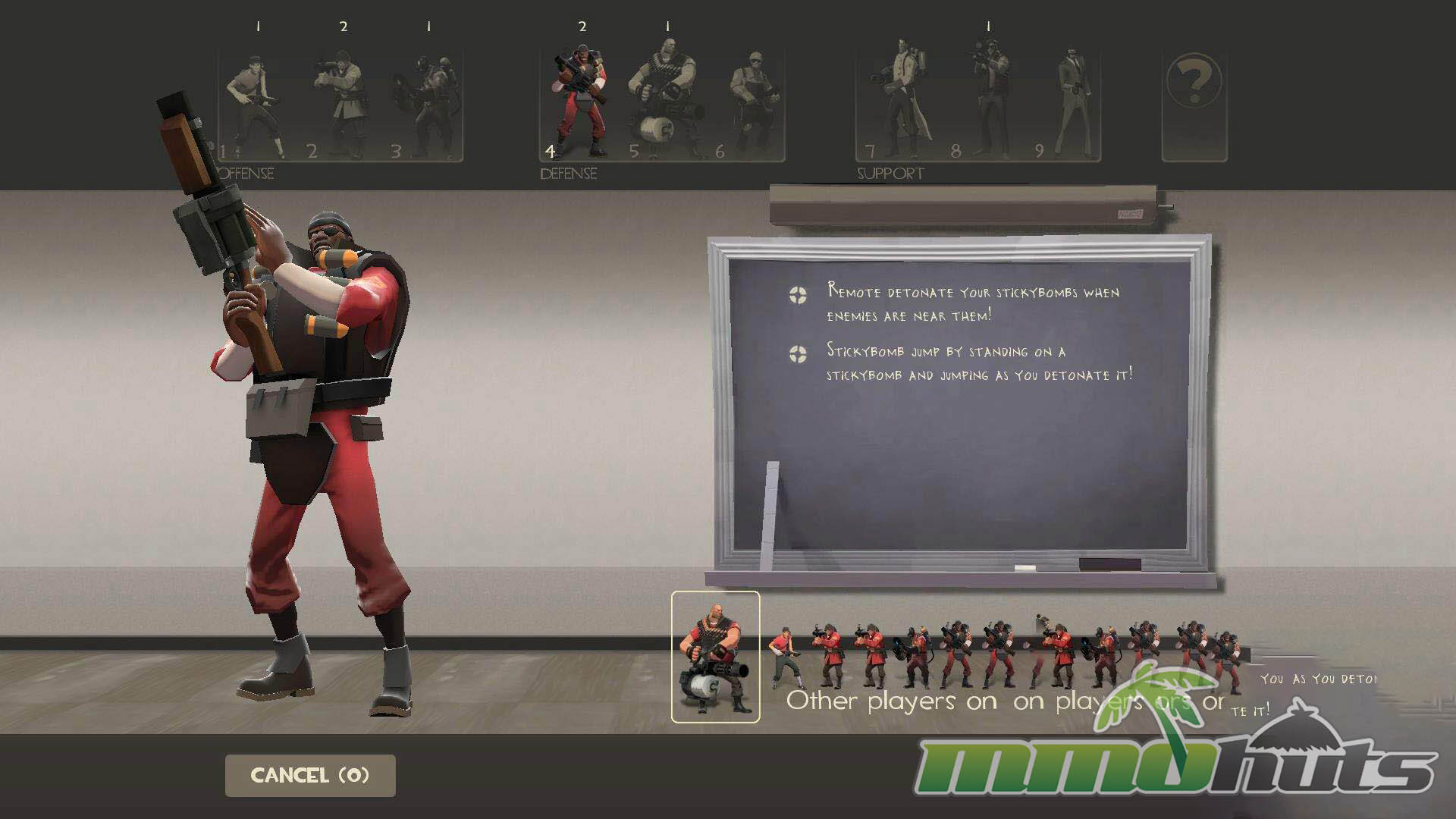
- Approachable Training Tools – new players can learn the fundamentals through training and class tutorials instead of being thrown in completely blind.
Team Fortress 2 Screenshots


Team Fortress 2 Featured Video

Team Fortress 2 Classes
Offense:
- Scout – a speedy skirmisher carrying a scattergun, pistol, and aluminum bat. Scouts can double jump, and they capture points and push payloads at twice the normal rate. They are the frailest class in terms of health.
- Soldier – a sturdy, slower-paced attacker equipped with a rocket launcher, shotgun, and shovel. Soldiers can also use rocket jumping to reach high ground or reposition aggressively.
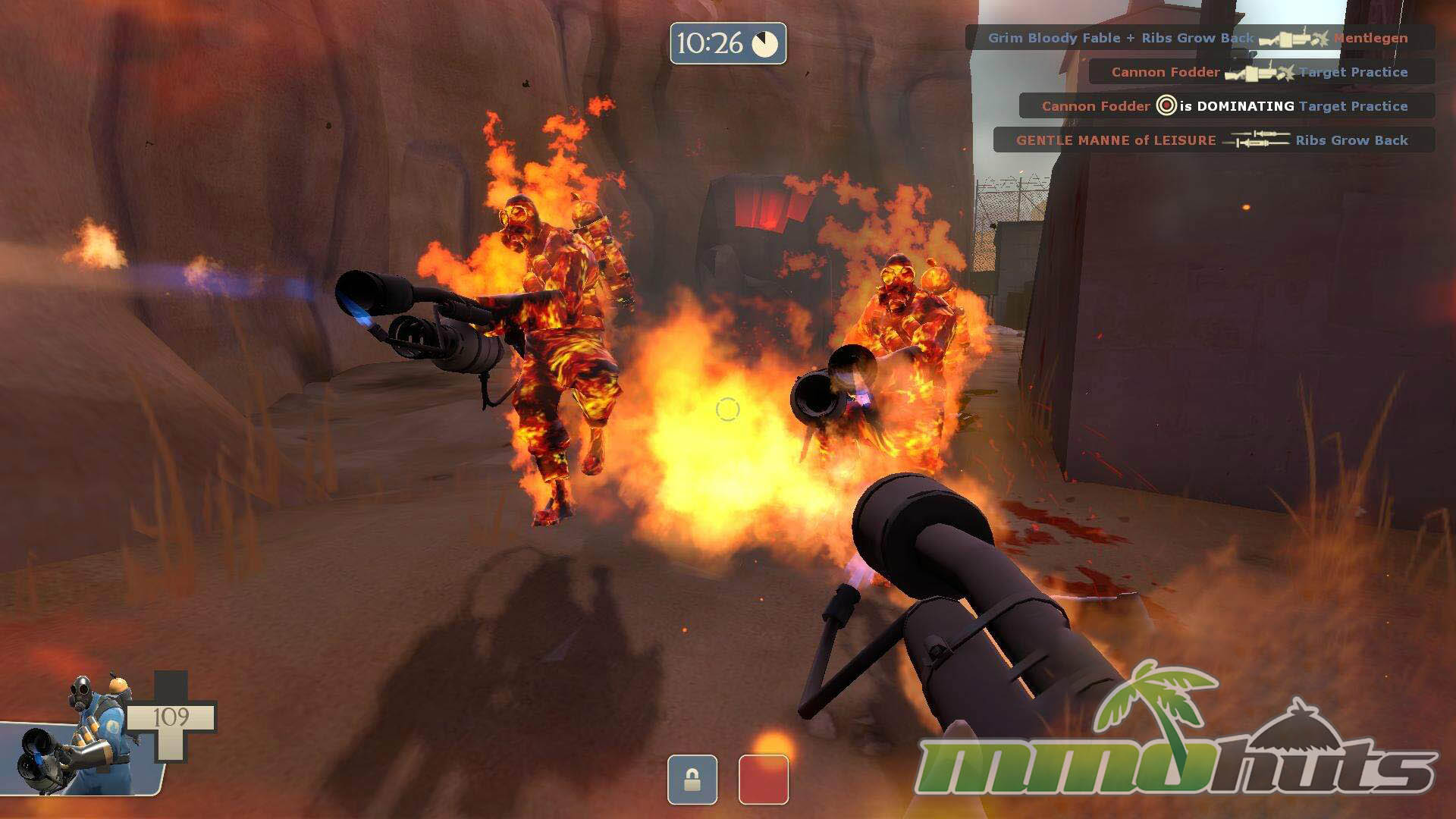
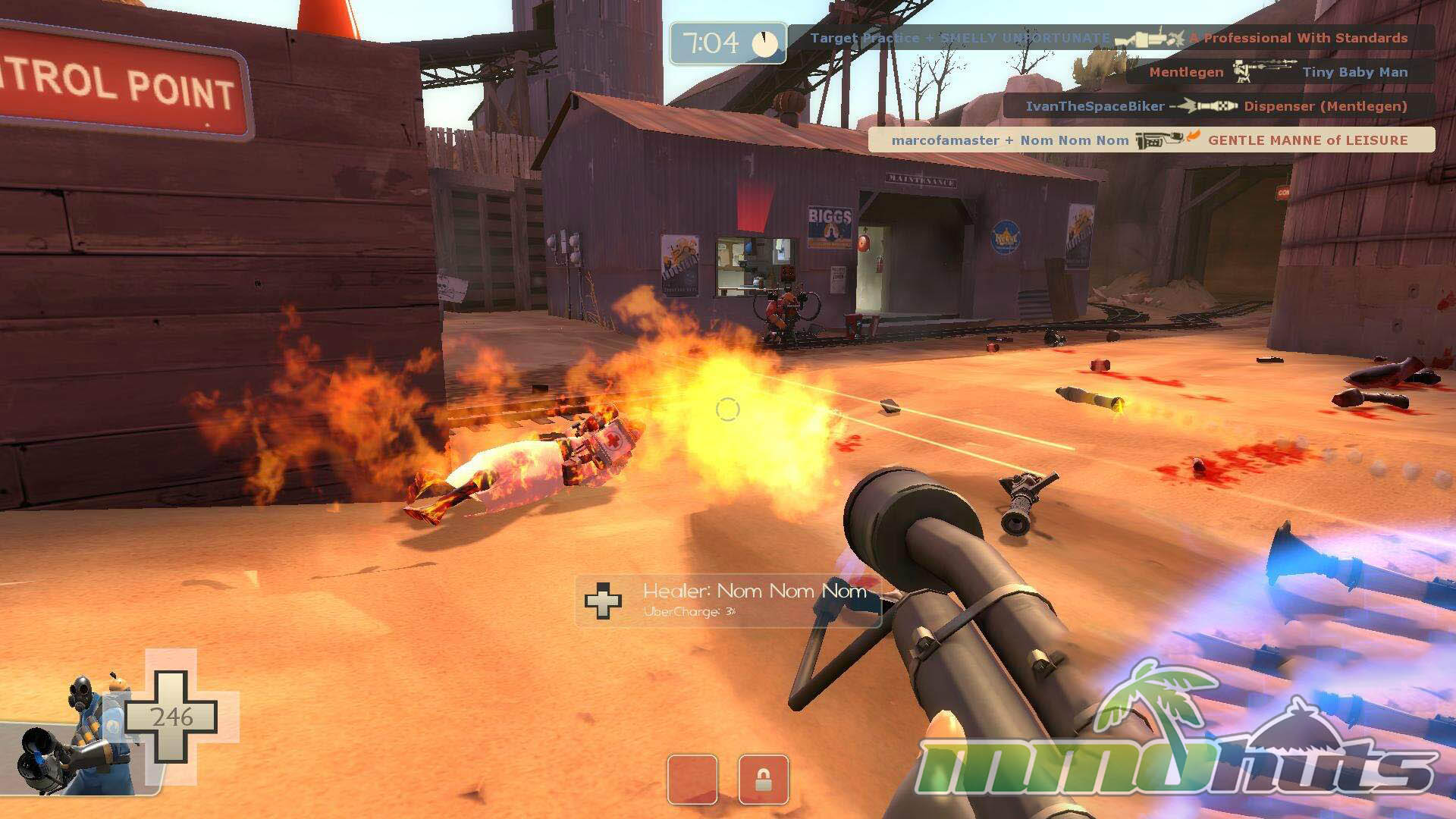
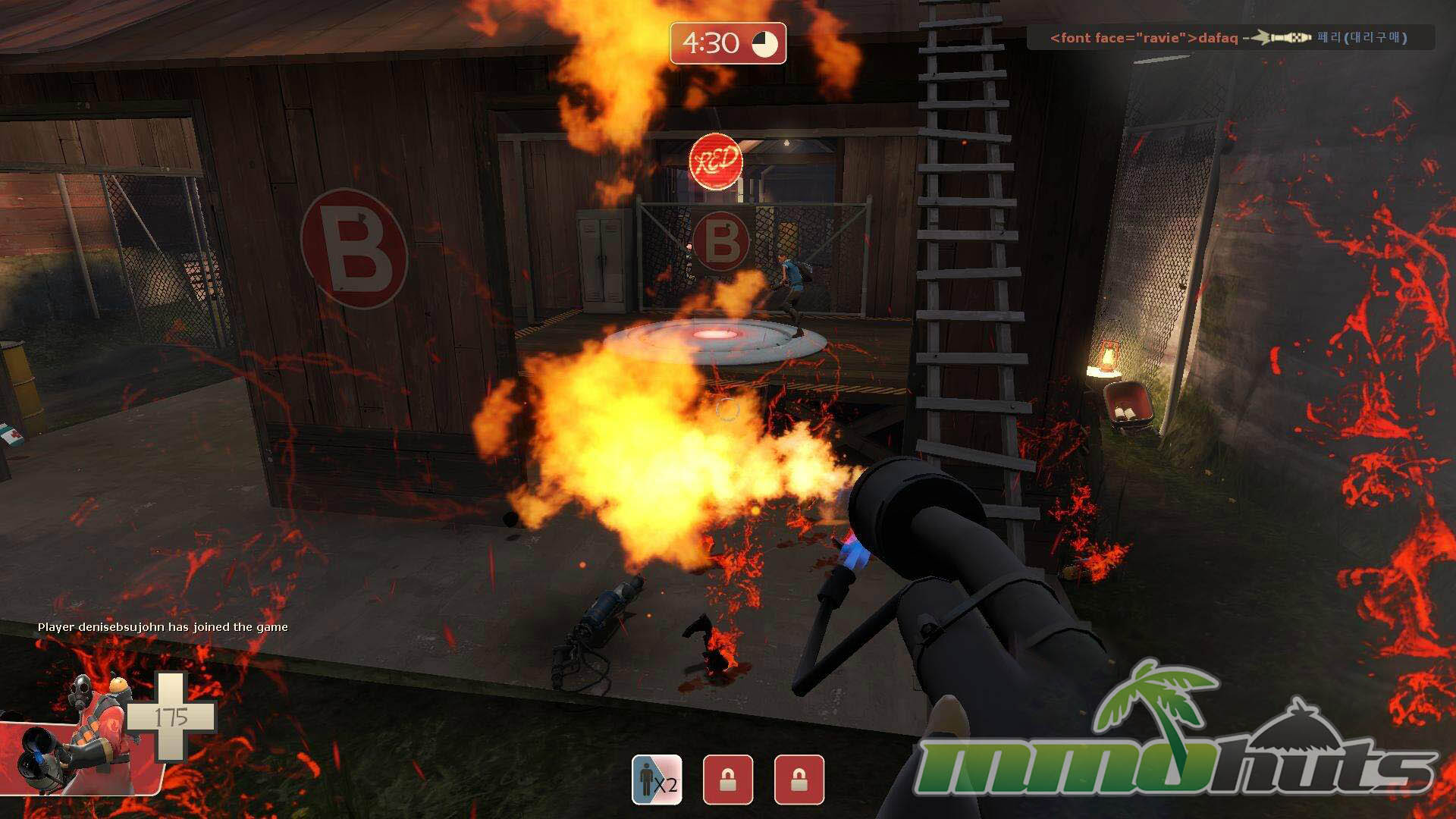
- Pyro – a fire-obsessed brawler wearing a flame-resistant suit, wielding a flamethrower, shotgun, and fire axe. Pyros can blast compressed air to deflect threats, shove enemies, or put out burning teammates.
Defense:
- Demoman – a one-eyed Scottish explosives expert armed with grenades, sticky bombs, and a bottle. The Demoman excels at traps, indirect pressure, and controlling space with timed detonations.
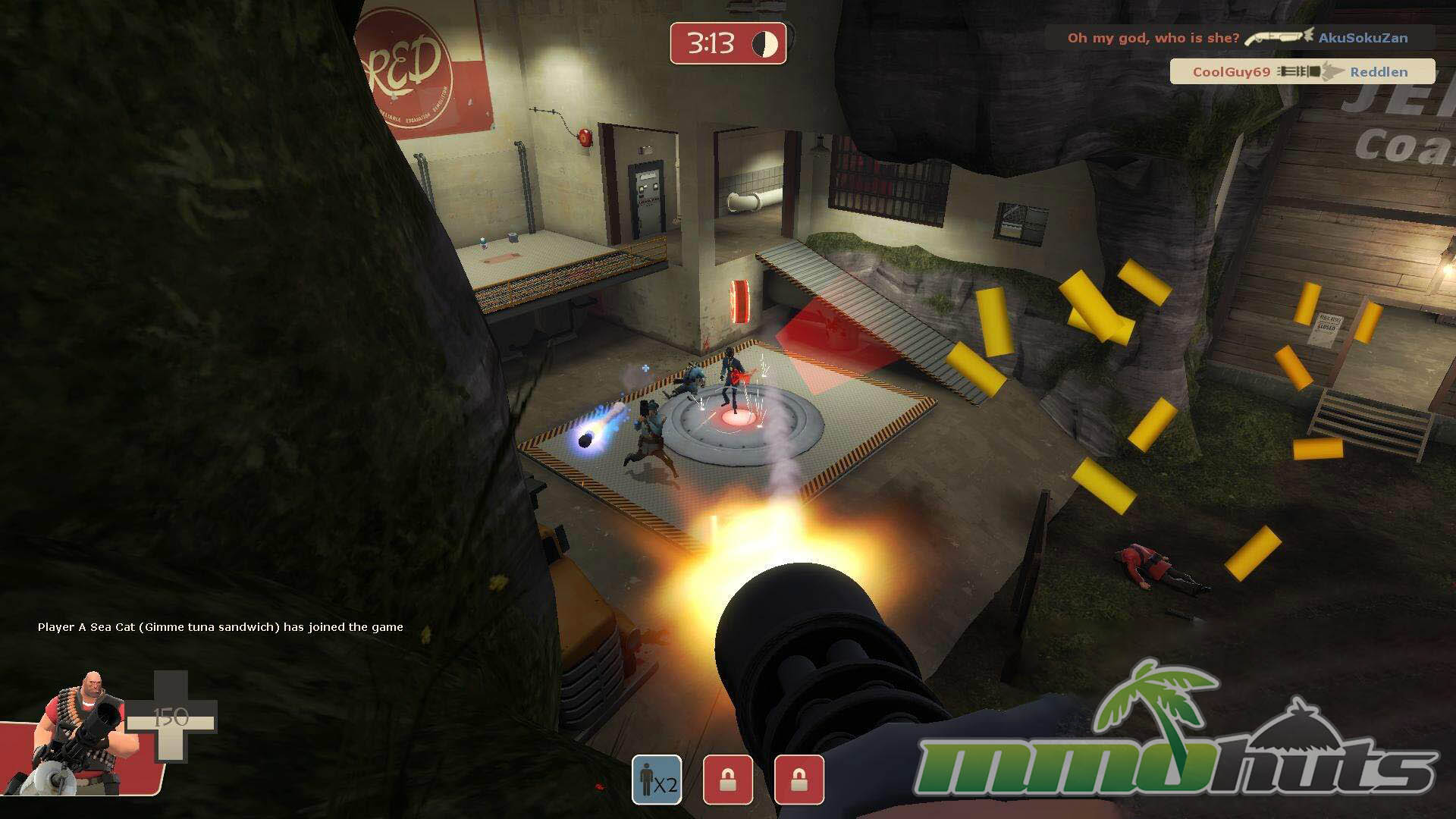
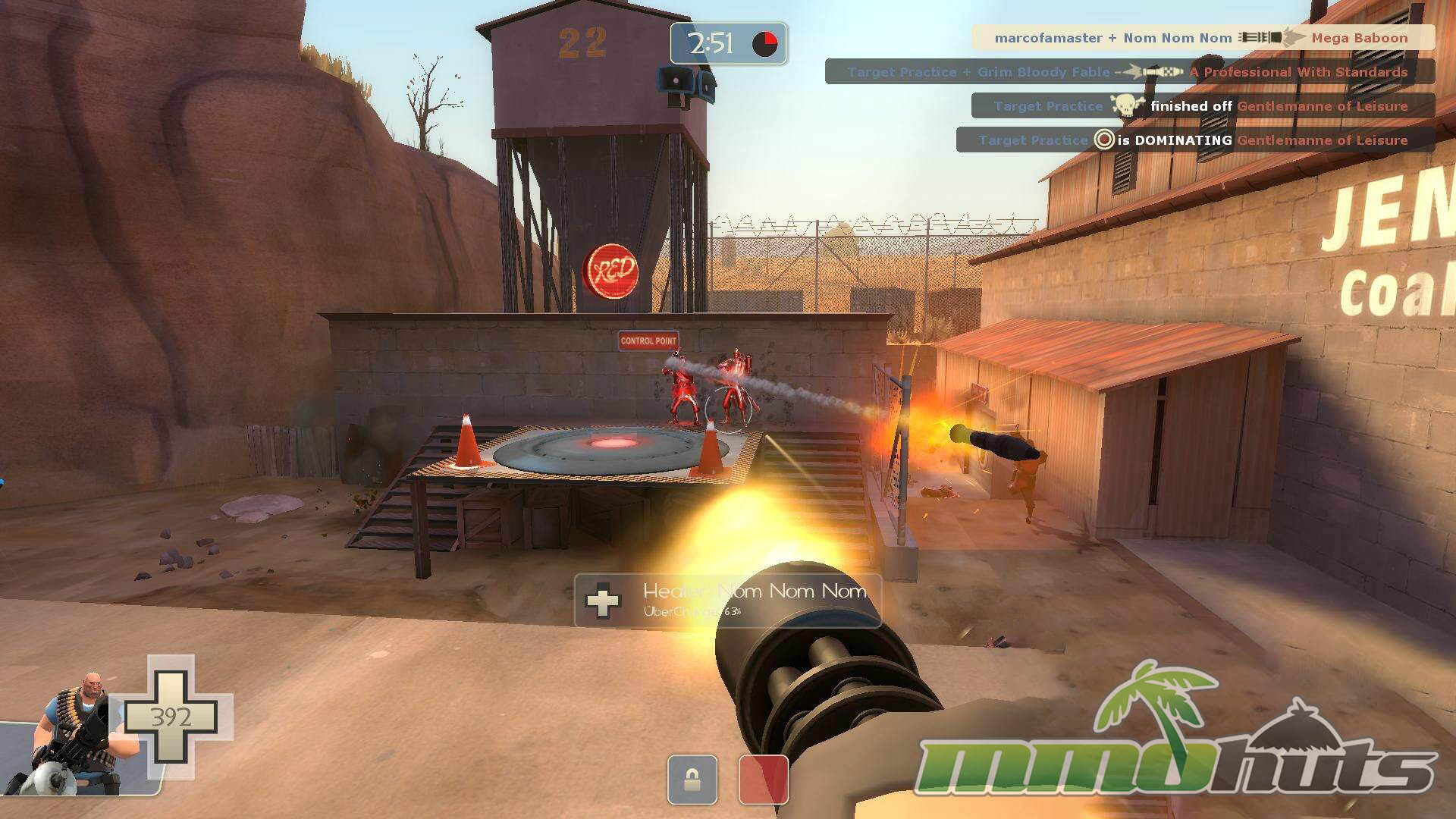
- Heavy – the slowest powerhouse on the roster, built to soak damage and shred targets up close. He carries a gattling gun, shotgun, and his fists, and boasts the highest health pool in the game.
- Engineer – a support builder who sets up team infrastructure. Engineers can construct sentry guns, dispensers for health and ammo, and teleporters. He uses a shotgun and pistol for defense, and his wrench upgrades, repairs, and accelerates building construction (in addition to being a melee weapon).
Support:
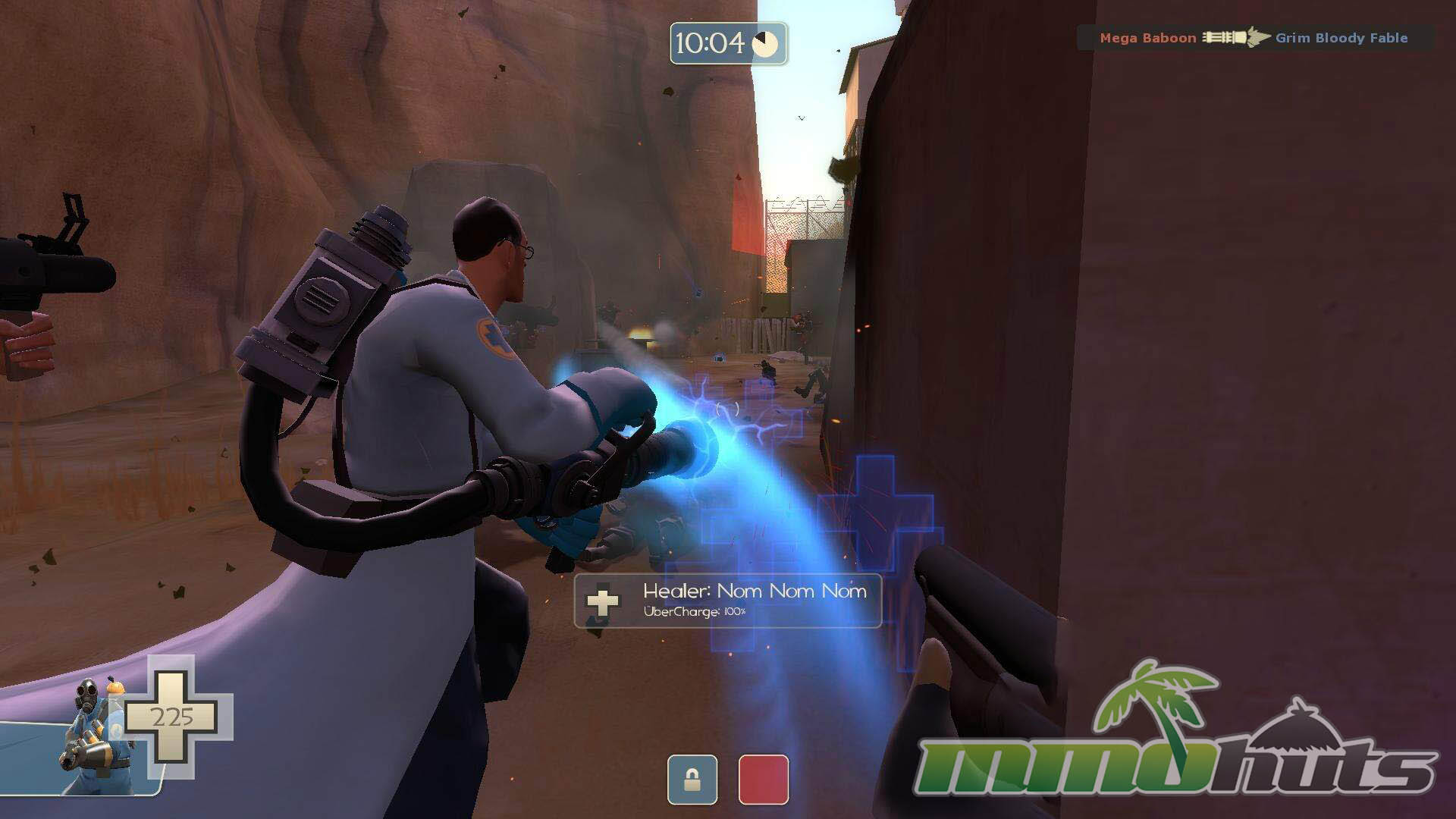
- Medic – the team’s lifeline, healing allies with the Medi Gun. Healing builds UberCharge, which can be activated for temporary invulnerability for the Medic and their patient. The character’s German delivery is a major part of TF2’s identity.
- Sniper – a long-range eliminator who relies on precision, using a laser-sighted sniper rifle to pick targets at distance. He also carries a submachine gun and a kukri. Sniper tends to be more situational than core frontline classes.
- Spy – a deception-focused infiltrator built around misdirection and picking key targets. Spies use a cloaking device, a sapper to disable enemy buildings, and disguises to slip behind lines. They also carry a revolver and a butterfly knife capable of instant kills from behind (or the sides). Like Sniper, Spy shines most when the match situation calls for it.
Team Fortress 2 Review
Team Fortress 2 is Valve’s team-based multiplayer FPS, and it sits in a unique spot between casual chaos and surprisingly deep, skill-driven play. It follows the earlier Team Fortress lineage, beginning as a Quake mod in 1996 and later evolving through Team Fortress Classic, and it ultimately shipped both as a standalone Steam release and as part of The Orange Box. The result is a shooter that feels instantly recognizable, even years later, because its core design priorities are so clear: readable classes, strong objectives, and maps that create natural moments for teamwork.
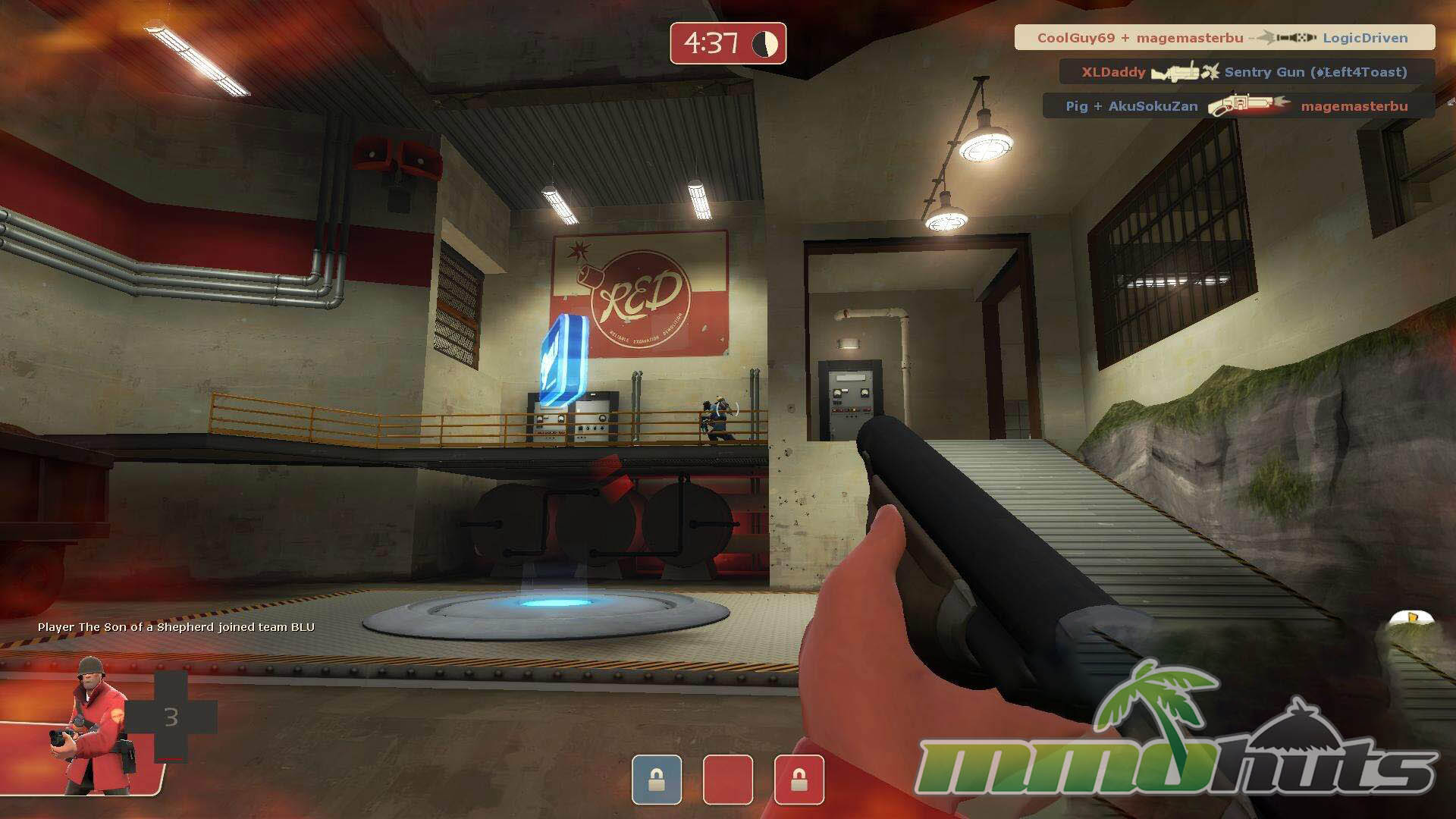
At a basic level, TF2 pits two sides, RED and BLU, against each other in objective matches. The teams are framed as rival companies, Reliable Excavation Demolition (RED) and Builders League United (BLU), a backdrop that supports the game’s tongue-in-cheek tone without getting in the way of what matters, the push-and-pull around choke points, routes, and timed team fights.
Learning the Ropes
TF2 does a good job of onboarding considering how different each class plays. The menus are supported by helpful tool tips, and the Training section provides tutorials that cover movement, shooting fundamentals, and class-specific mechanics. You can enter matchmaking immediately if you want, but the tutorial path gives new players a practical understanding of roles before they face experienced opponents.
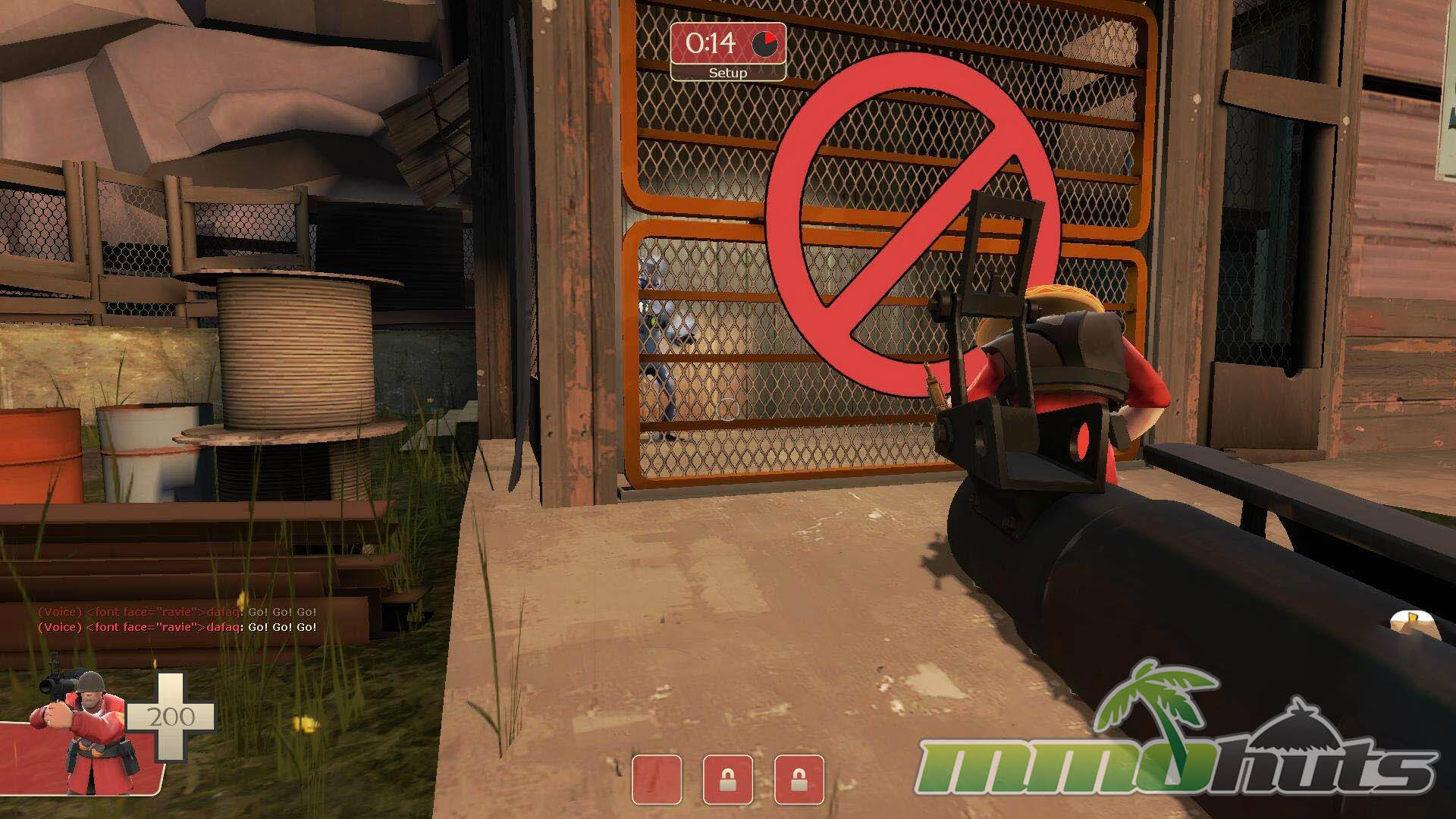
Bot matches are also available and can be surprisingly effective for practicing. The AI, based on the same code lineage used for the Left 4 Dead series, is competent enough to mimic real match pacing, and it even reacts to common voice commands such as “Medic!” or “Go! Go! Go!” This makes it a useful stepping stone for learning maps and weapon feel without the pressure of live players.
Fast, Funny, and Still Competitive
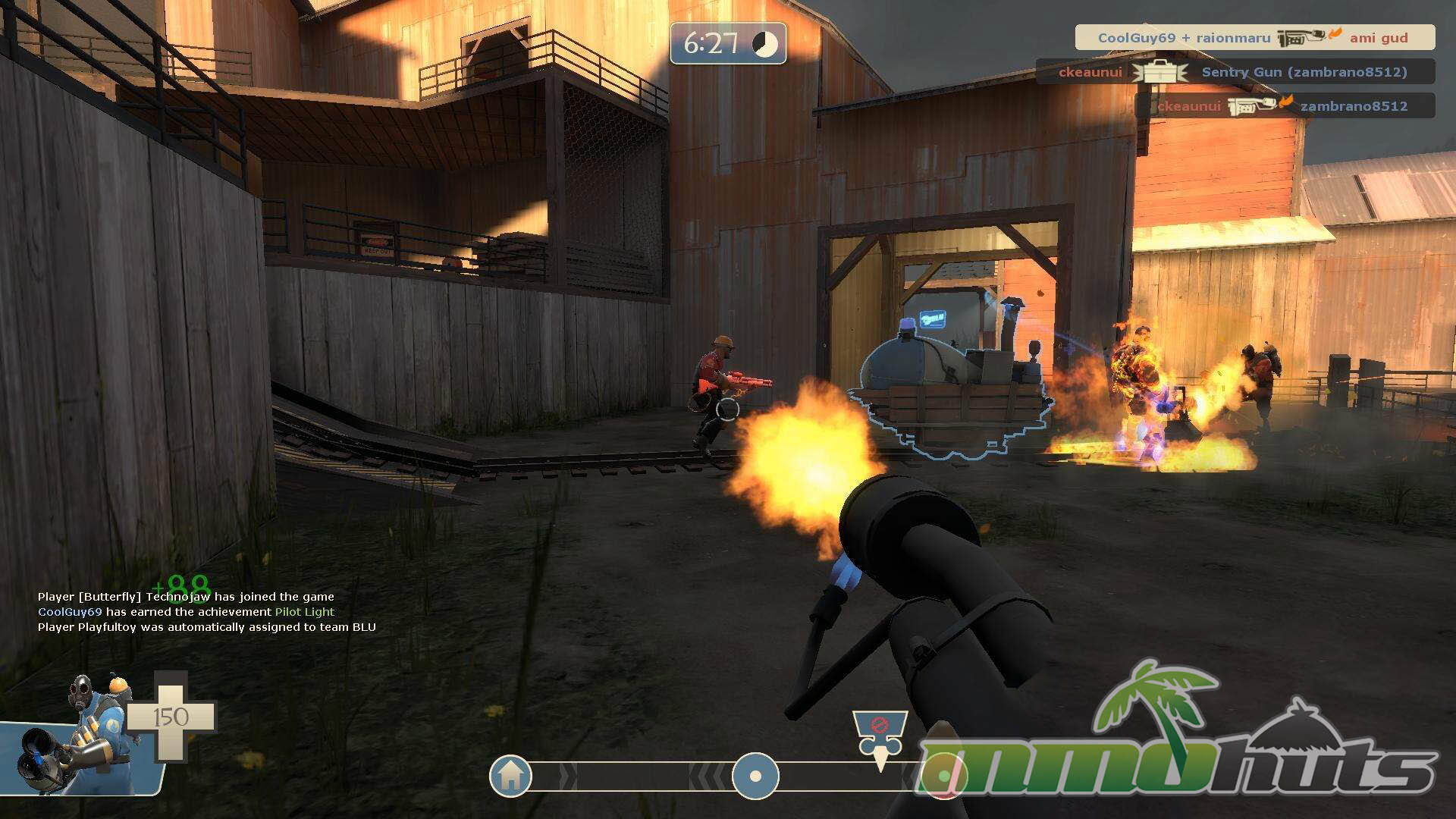
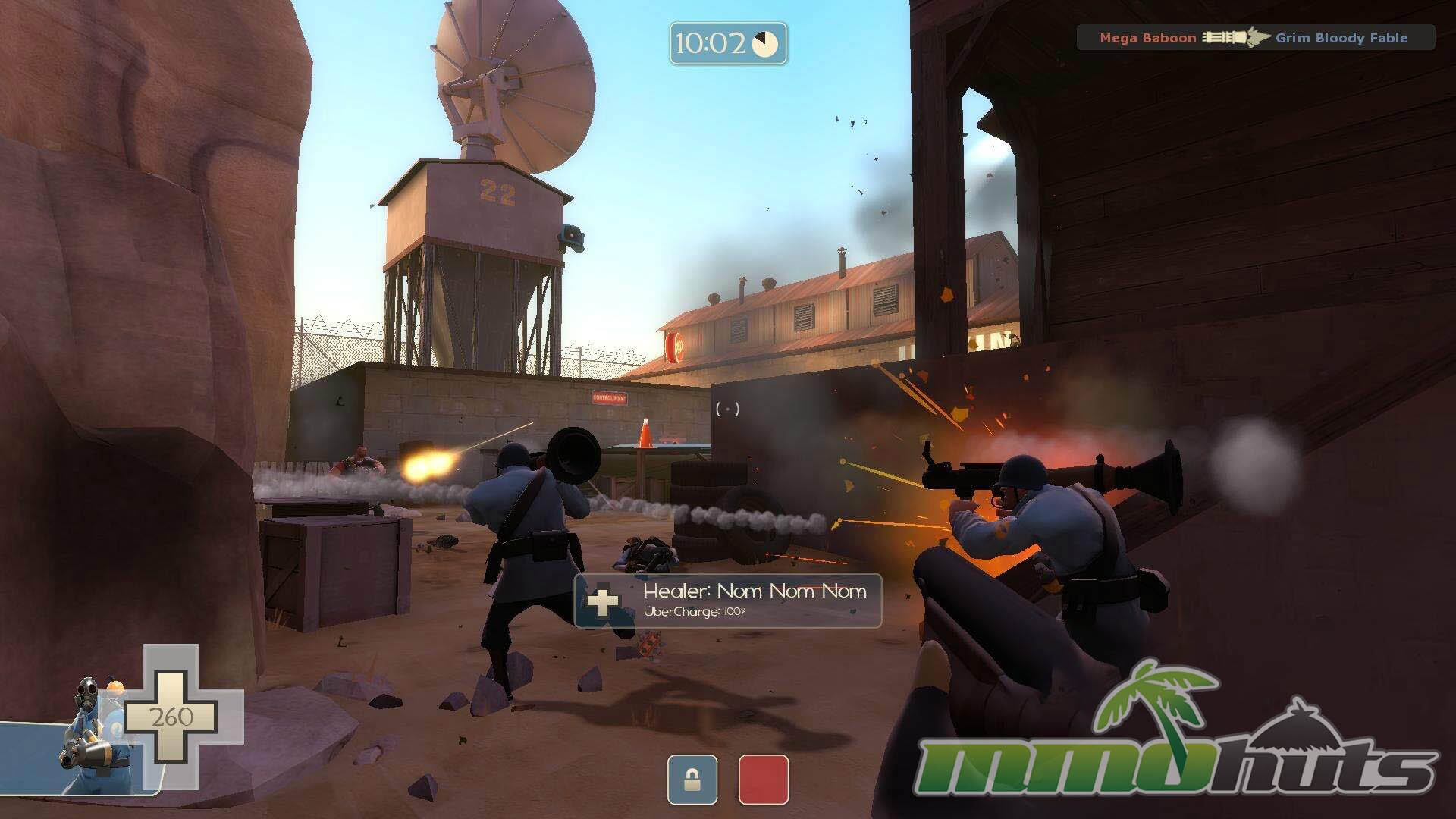
Moment to moment, TF2 plays like a classic arena-inspired shooter filtered through class roles. You are constantly evaluating range, angles, and cooldown-like resource moments (for example, UberCharge timing or Engineer setup windows) while also dealing with the unpredictability of human opponents. What separates TF2 from many MMO shooters is the tone: instead of grim realism, it leans into comedy through animation, voice lines, and character archetypes, which keeps matches light even when the gameplay gets intense.
The cartoony presentation does not make the combat shallow. TF2 rewards aim, movement, and matchup knowledge, and it strongly encourages team coordination. A well-timed push with a Medic can be more valuable than individual hero plays, and swapping classes to solve a problem is often the smartest option. It is a game where choosing the right tool for the moment is part of the skill ceiling.
Modes and Matchmaking Variety
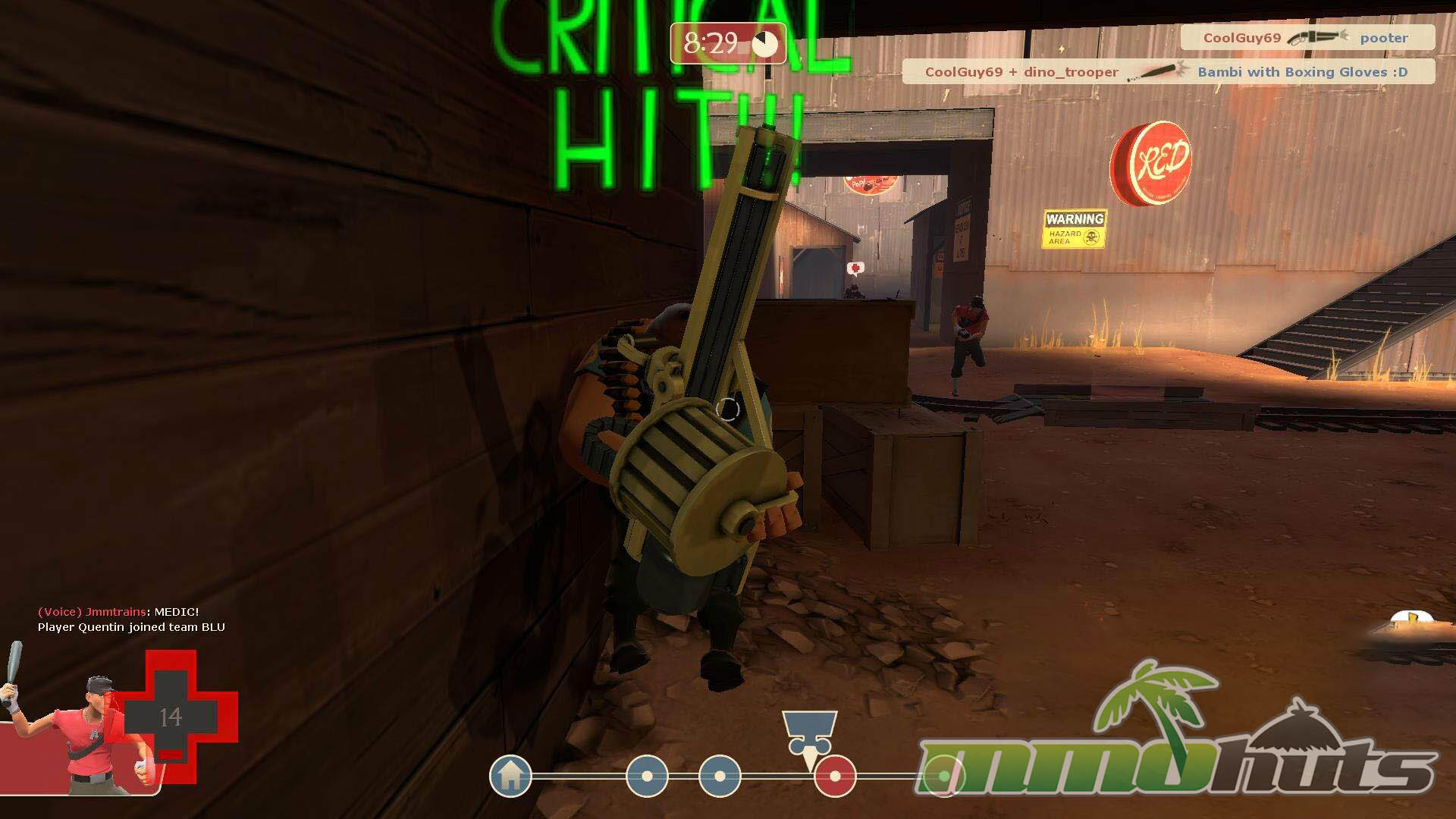
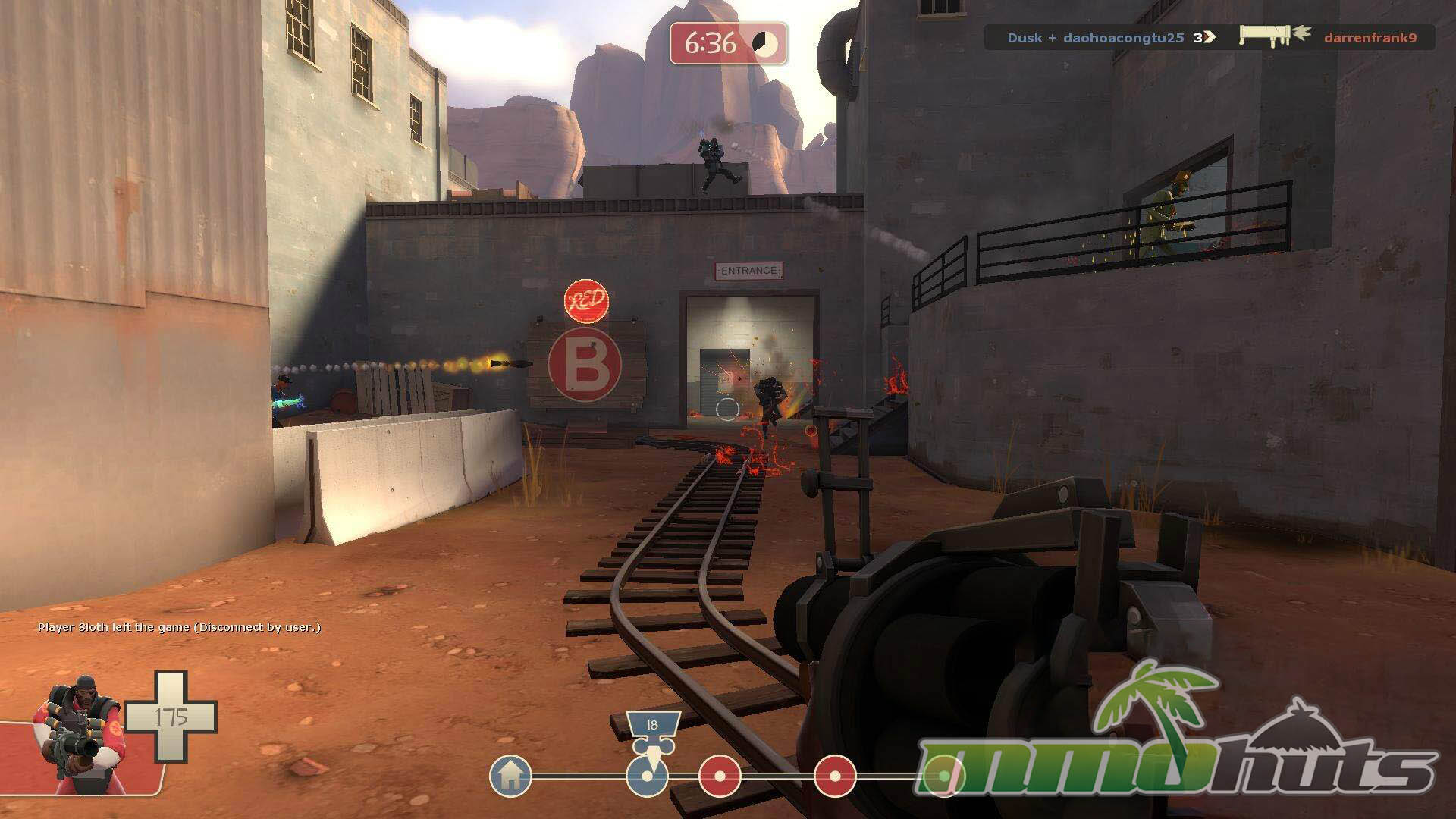
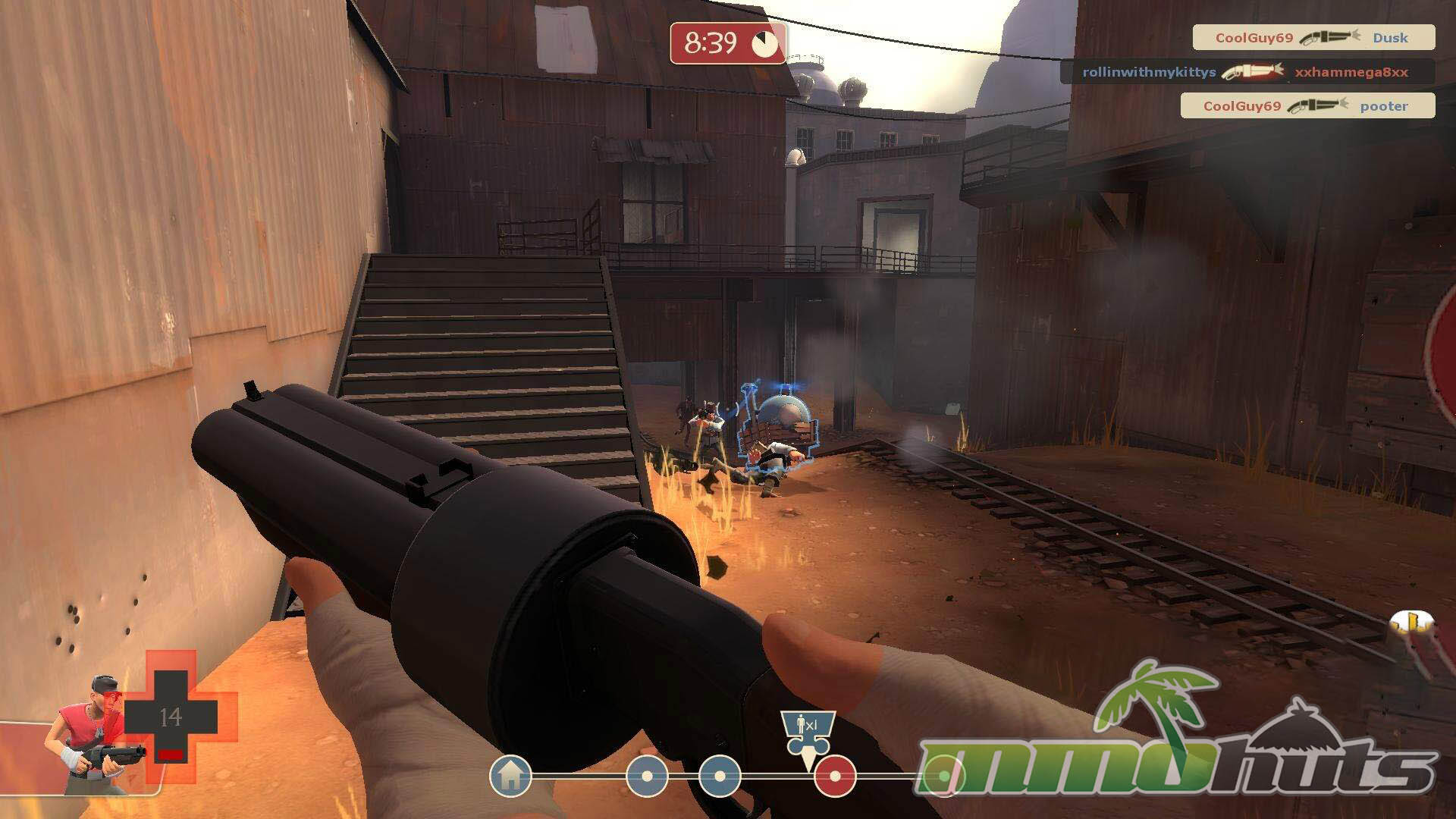
TF2 uses a matchmaking approach familiar to MMOFPS players, quickly placing you into objective matches with other players. The mode selection is broad and encourages different kinds of teamwork. Alongside classics like Capture the Flag and King of the Hill, there are objective formats that feel distinctly “TF2,” including Payload, where BLU escorts a bomb cart along tracks while RED tries to hold them back.
Payload Race adds a mirrored twist, giving both sides their own cart, and the winner is the team that reaches the end first (or progresses farther). Control Points and Territorial Control focus on capturing and defending locations across the map. Special Delivery turns the match into a back-and-forth fight over a briefcase delivery, with the case dropping on death and resetting when an enemy runs over it. Mann vs. Machine shifts the experience into cooperative defense against waves of robots, and it requires forming a party, which fits its more structured co-op style.
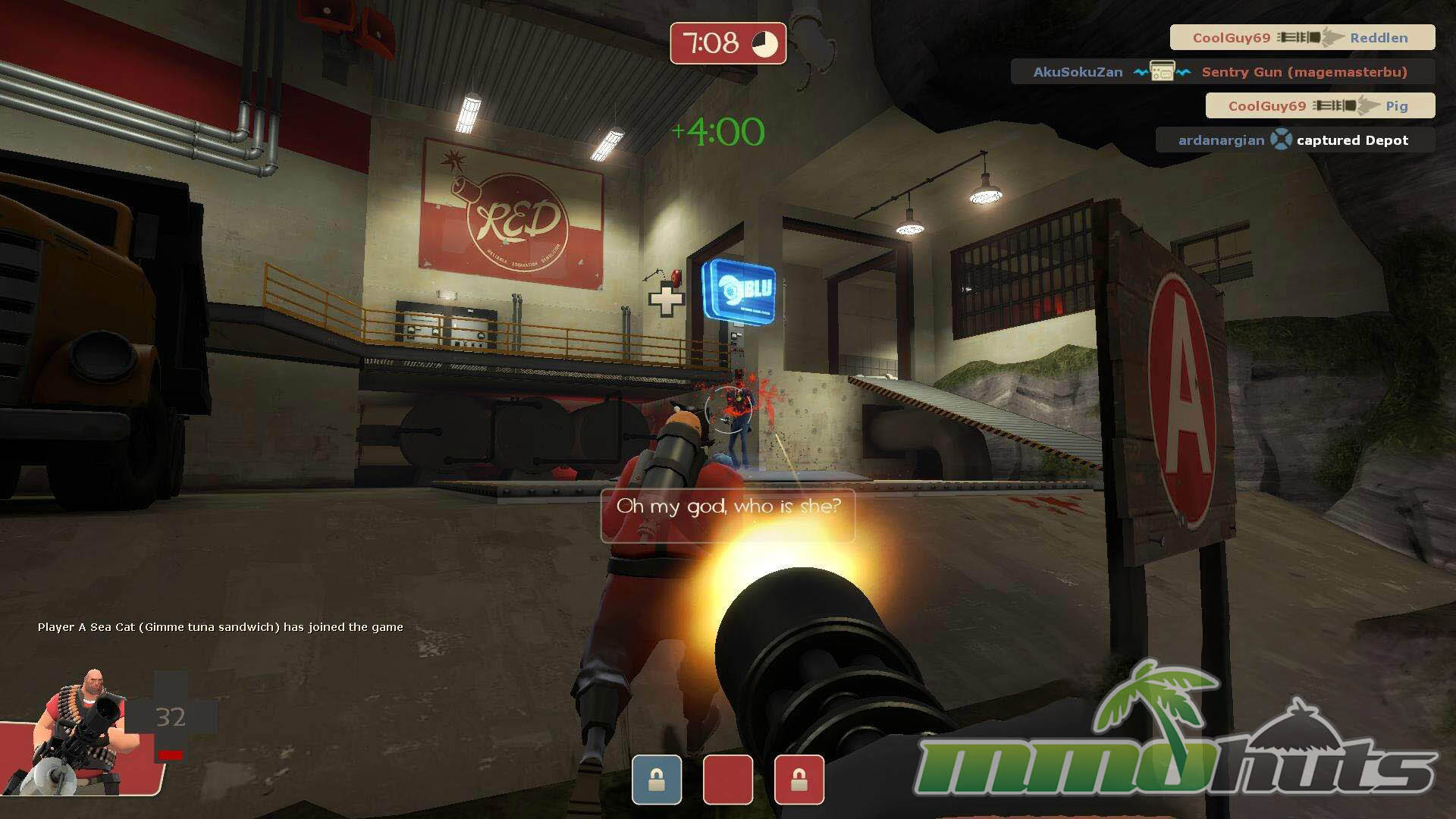
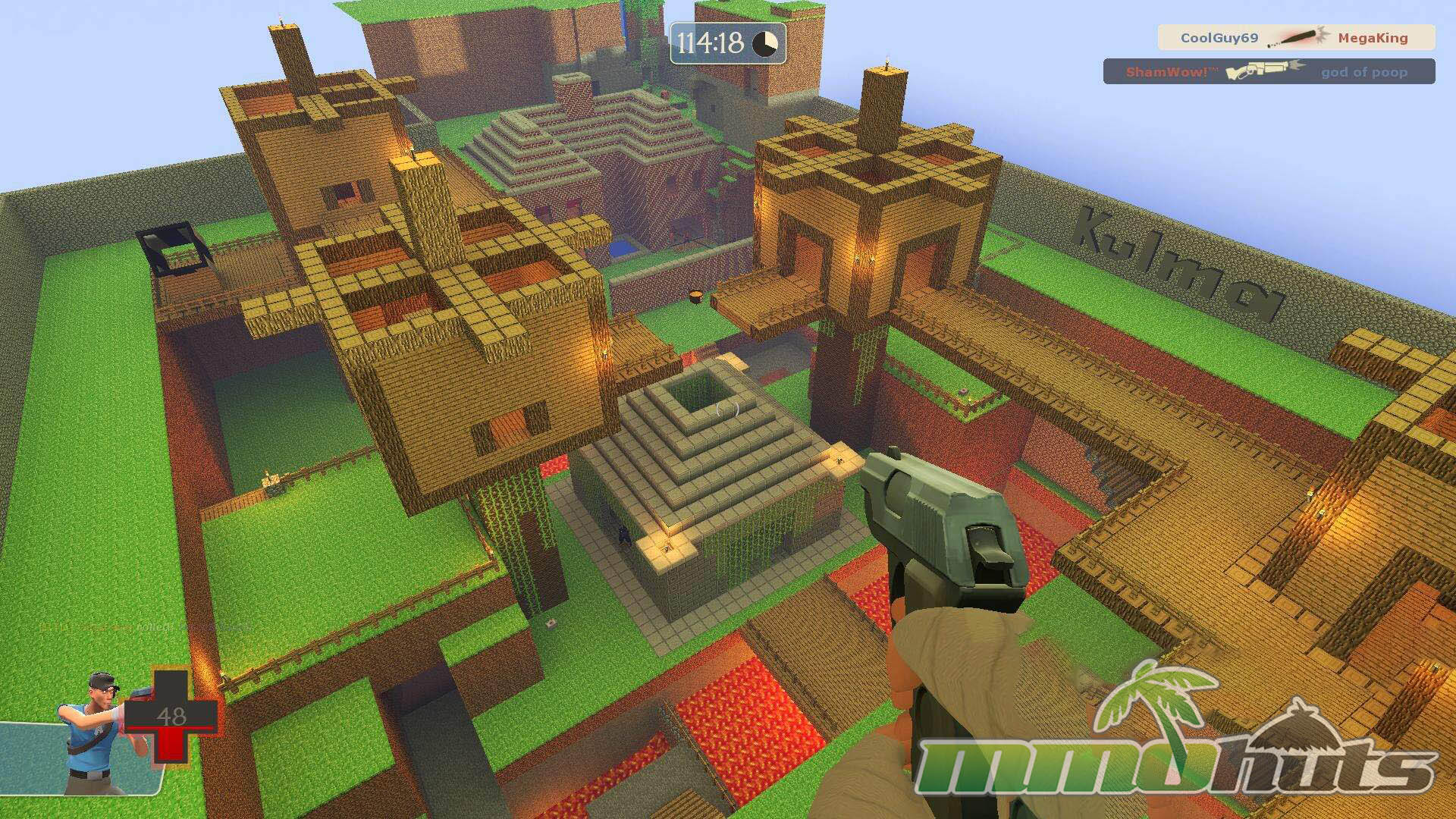
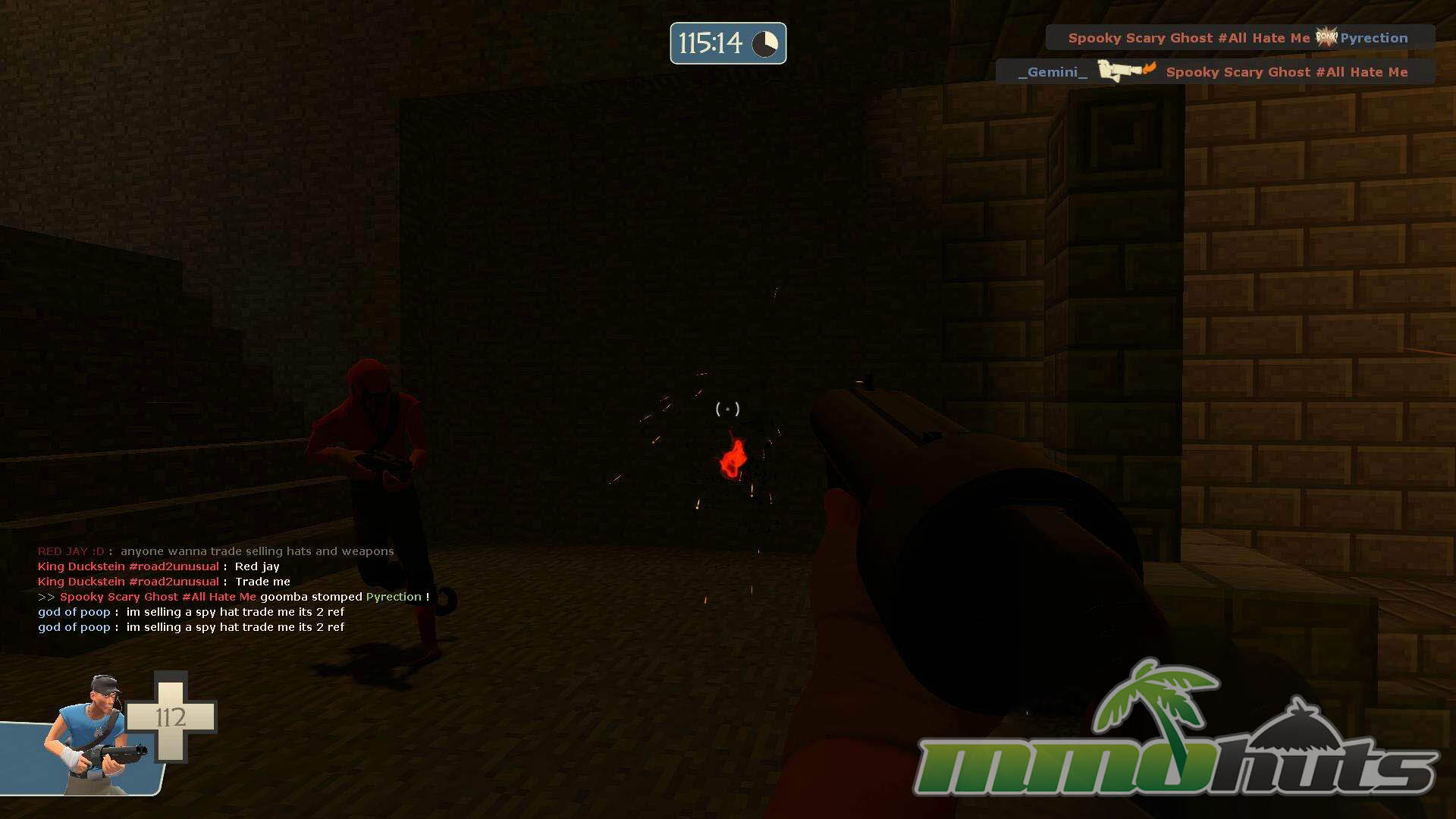
One of TF2’s biggest long-term strengths is how much content exists beyond the default playlist. Custom maps and community-made experiences have been a major part of the game’s identity for years. The range is enormous, from playful theme recreations to serious competitive layouts, and that variety makes TF2 feel effectively endless if you enjoy sampling different servers and rule sets.

Cosmetics and the “Hat Game” Reputation
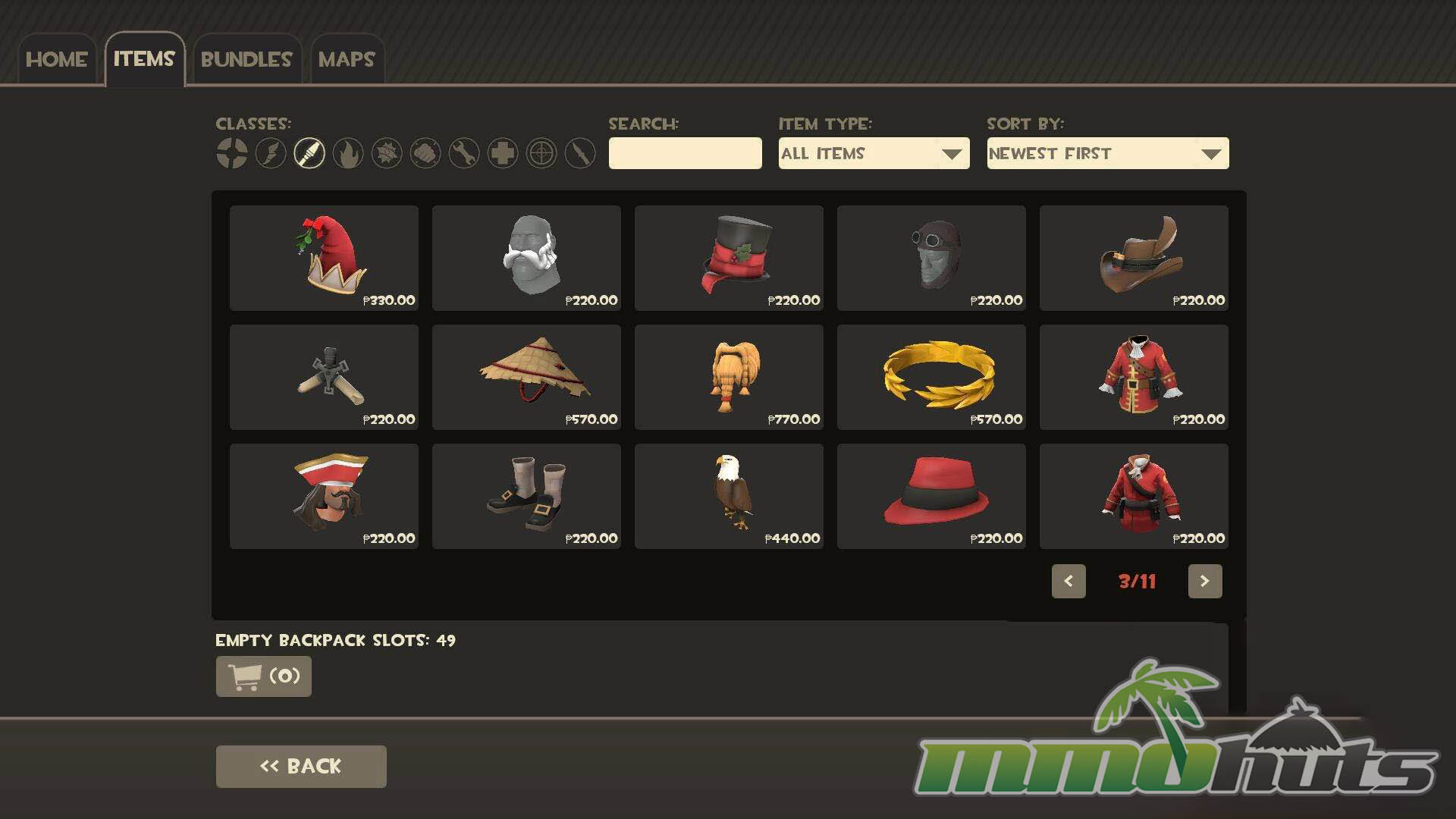
TF2’s progression is tied heavily to items, especially cosmetics. The game uses a timed item drop system that grants random weapons, tools, or cosmetic pieces simply through play, generally every 30 -70 minutes. This is limited by a weekly cap of 10 hours of drop-eligible time, after which random drops stop until the cap resets.
Cosmetics, particularly hats, are a huge part of TF2 culture. They occupy one of three cosmetic slots and range from intentionally silly to surprisingly stylish. For many players, the metagame of collecting and customizing is almost as memorable as the firefights.
Achievements and Long-Term Goals
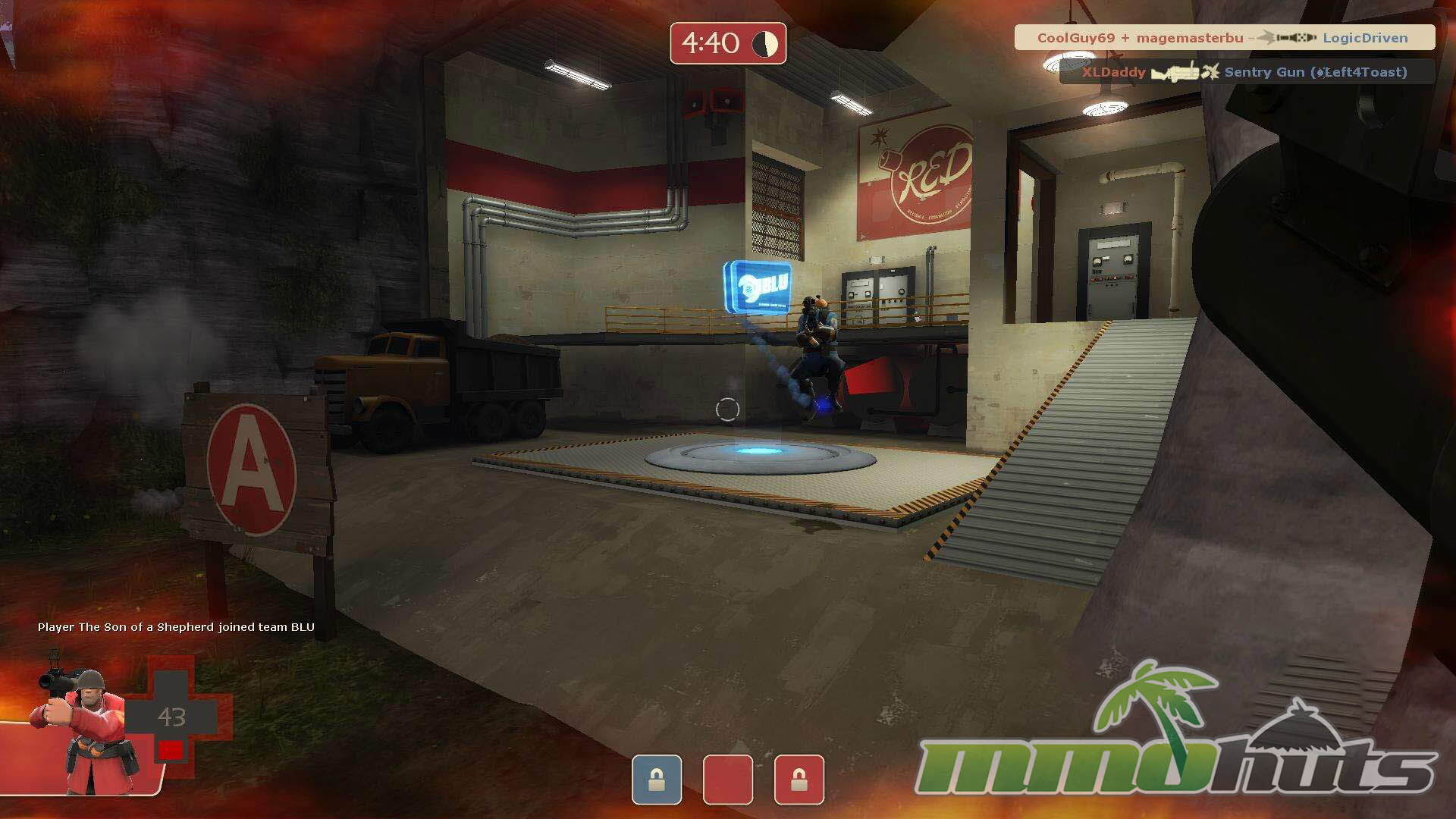
TF2’s achievement list is extensive and helps maintain momentum once you have tried every class. The achievements are grouped into sets such as general, class, events, maps, and a dedicated Mann vs. Machine list. Some are quick, playful challenges (like group emotes or oddball survival moments), while others require sustained performance, such as headshot totals, kill streaks, or large lifetime milestones.
Milestone achievements are particularly important because they reward untradeable achievement weapons. This gives players an incentive to explore different roles rather than sticking to a single comfort pick.

Mann Co. Store and the Economy
The Mann Co. Store is TF2’s real-money shop, offering weapons, cosmetics, taunts, bundles, and maps through your Steam payment method. Some items provide stat differences that can be advantageous, but TF2 generally remains skill and teamwork focused, and match outcomes still rely more on execution and coordination than purchases.
Beyond the store, TF2 has a notable player economy through Steam Marketplace trading. Rare cosmetics can be traded and sold, and a small number of items have historically commanded extremely high prices, turning collecting into a hobby with real-world stakes for some players.
Visuals and Sound
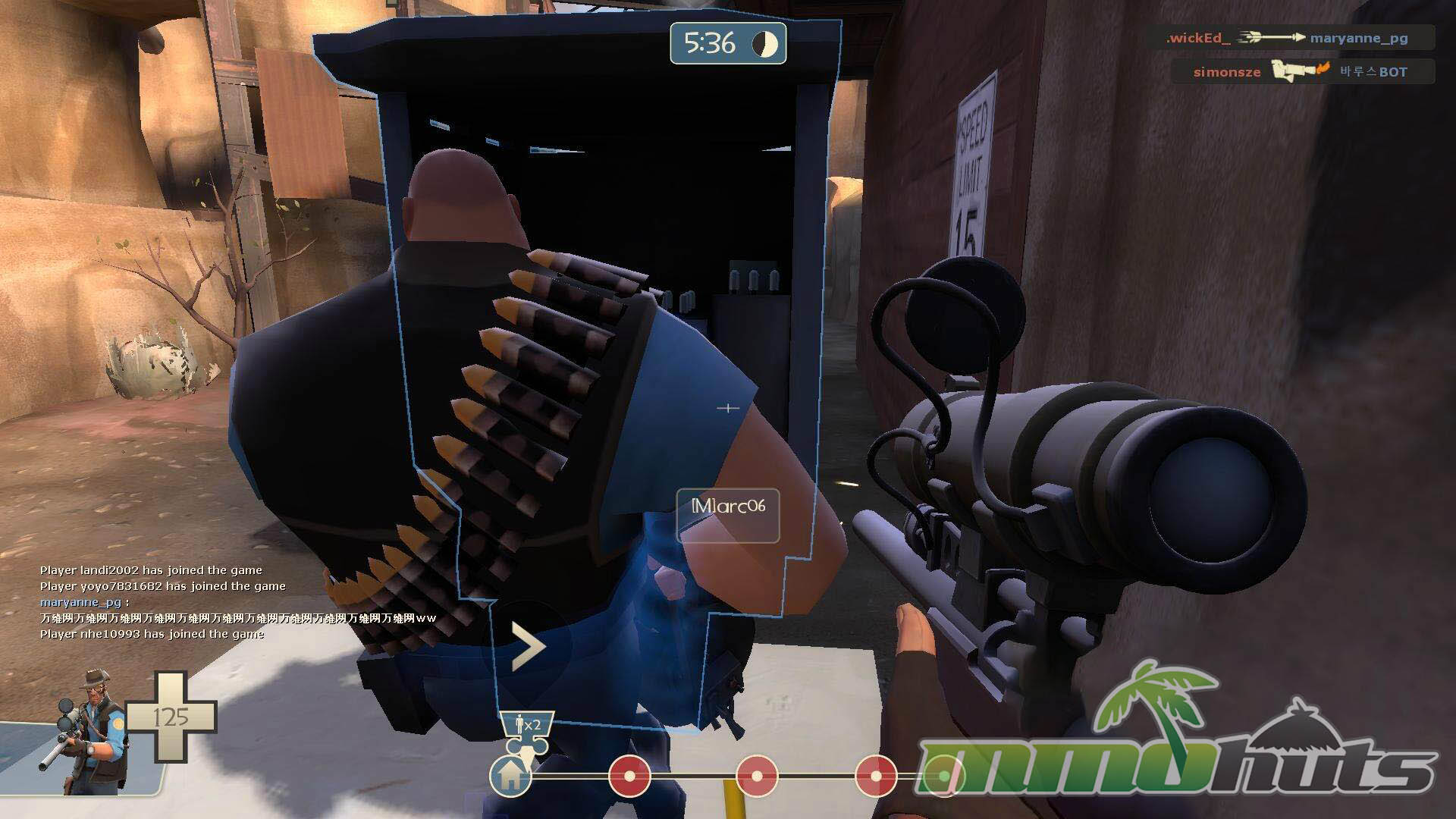
TF2’s stylized visuals are one reason it has aged so well. The exaggerated character shapes make classes readable at a glance, and the animations communicate intent clearly during combat. Taunts and facial expressions add personality without cluttering the action.
Audio is equally strong. Weapon sounds are distinct, and the voice acting is central to the game’s identity, selling the characters as comedic caricatures while still providing useful gameplay callouts. It is the kind of soundscape that stays entertaining even after hundreds of matches.
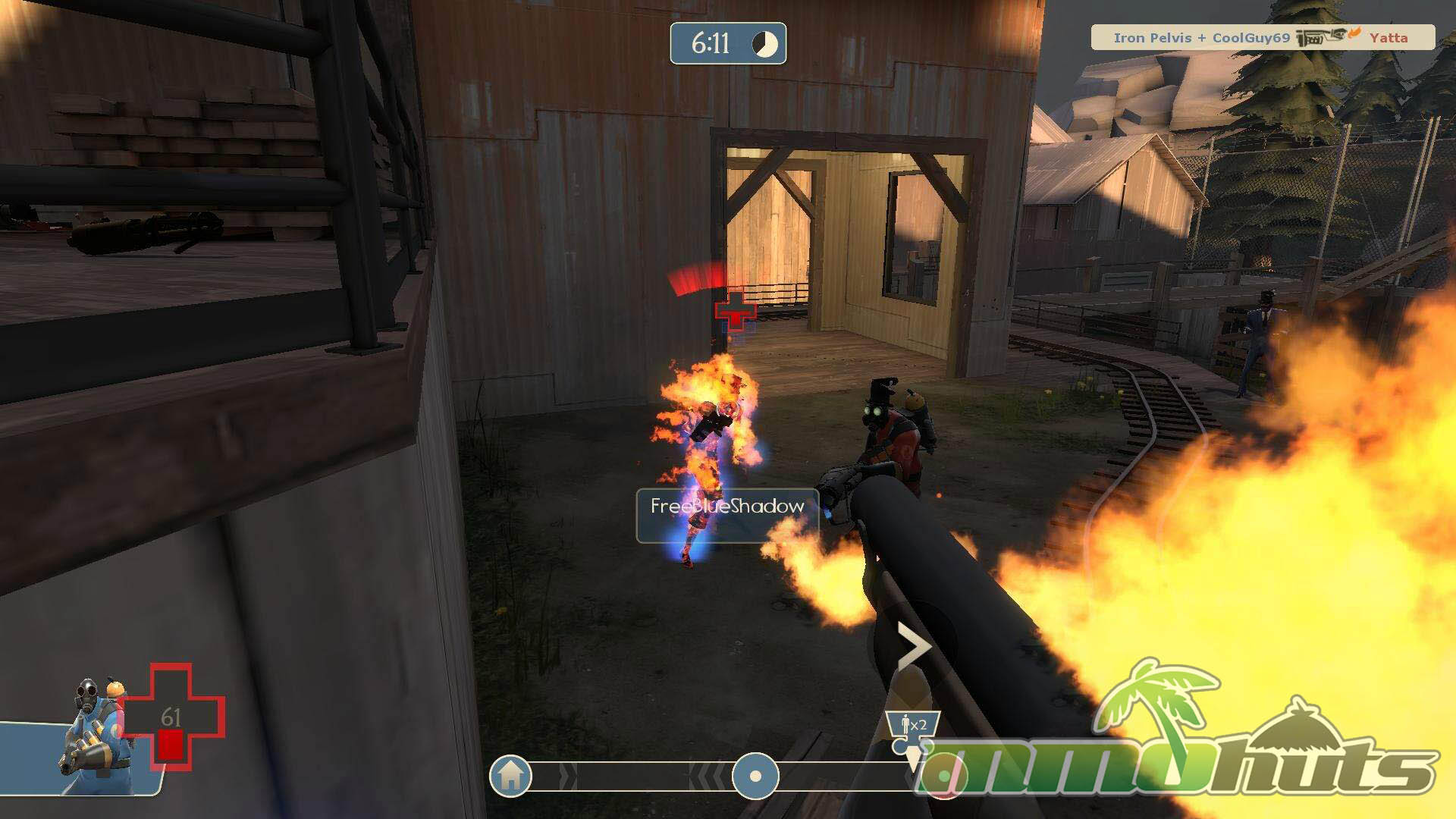
Final Verdict – Excellent
Team Fortress 2 remains one of the easiest multiplayer shooters to recommend on PC. It is straightforward to pick up, but it has enough depth in movement, class matchups, and team timing to keep improving for a long time. The blend of fast objective play, strong map design, and a uniquely comedic presentation makes it feel different from most MMO shooters, even today.
If you want a class-based FPS where teamwork matters, matches are varied, and the community has produced an enormous amount of extra content, TF2 is still a standout. It is widely considered one of the best PC games ever made, and it has earned that reputation through design that continues to hold up.
Team Fortress 2 Links
Team Fortress 2 Official Site
Team Fortress 2 Wikipedia
Team Fortress 2 Official Wiki (Database / Guides)
Team Fortress 2 Subreddit
Team Fortress 2 System Requirements
Minimum Requirements:
Operating System: Windows XP / Vista / 7 / 8
CPU: 1.7 GHz Processor or better
Video Card: GeForce 8600 / ATI Radeon HD 2600
RAM: 512 MB
Hard Disk Space: 15 GB
Recommended Requirements:
Operating System: Windows XP / Vista / 7 / 8
CPU: Pentium 4 3 GHz or better
Video Card: GeForce 9600 GT / ATI Radeon 3600
RAM: 1 GB
Hard Disk Space: 15 GB
Mac OS X System Requirements
Operating System: Max OS X Leopard 10.5.8 or newer
CPU: 1.7 GHz or better
RAM: 1 GB+
Hard Disk: 15 GB
Video Card: Nvidia GeForce 8 series or better / ATI X1600 or better.
Team Fortress 2 runs well on Intel HD 3000 or newer integrated graphics cards.
Team Fortress 2 Music & Soundtrack
Team Fortress 2 Additional Information
Developer: Valve
Designer(s): John Cook and Robin Walker
Composers: Mike Morasky
Other Platforms: Mac OS X, Linux, Steam OS, Xbox 360, and PlayStation 3
Game Engine: Source Engine
Closed Beta Date: September 17, 2007
Foreign Release(s):
Team Fortress 2 is published globally through Steam with no IP restrictions
Development History / Background:
Team Fortress 2 was created by Valve and launched as part of The Orange Box bundle on October 10, 2007, building on the earlier Team Fortress legacy that began as a 1996 Quake mod and continued through the 1999 Half-Life mod Team Fortress Classic. Work on a standalone Team Fortress project started after Valve hired John Cook and Robin Walker, the original mod creators. When the game first appeared publicly at E3 1999 it looked far more like a realistic military shooter, which is dramatically different from the stylized version players know today.
After that early reveal, Valve delayed the project and shifted development toward the Source engine, and information remained sparse for years. In 2004, Valve confirmed the game was still in production, and by July 2006 the modern TF2 direction was finally unveiled. Over its long timeline, the project was reworked multiple times before settling on the distinctive cartoon look and comedic tone. TF2 originally launched as a buy-to-play game, then later dropped its subscription and moved to a free-to-play model on June 23, 2011. As Valve’s first free-to-play title, it helped shape the company’s approach to the model, and it has since remained a consistent presence among Steam’s most played games. Despite the lengthy development cycle, Team Fortress 2 is still frequently cited as one of the best PC games ever made.