Tales Runner is a 3D MMO racing game that trades cars for characters, letting you sprint, jump, dash, ski, and climb through obstacle-filled stages themed around fairy tales from both Western and Asian folklore.
 | Publisher: OGPlanet Playerbase: Low Type: MMO Racer Release Date: April 22, 2014 (NA) Shut Down Date: April 20, 2017 Pros: +Charming, colorful presentation. +Several modes beyond standard races. +Includes solo and cooperative play. +Social hubs and mini games add variety. Cons: -Few graphics and display options. -Small community makes matchmaking tough. -Unstable client with frequent issues. -Core loop can feel repetitive over time. |
Tales Runner Overview
Tales Runner is a Korean-made, anime-styled online racing game in the same general space as KartRider, except the “vehicle” is your character’s own movement. Instead of steering a kart, you time jumps, dashes, and boosts while navigating trap-heavy courses that lean into storybook themes. It is intentionally lighthearted and approachable, with a big emphasis on cosmetics, social features, and side activities, but it also hides some surprisingly demanding tracks for players who enjoy mastering difficult routes. Tales Runner shut down on April 20th, 2017.
Tales Runner Key Features:
- Large Character Roster – there are 18 playable characters in total, although newcomers begin with access to only two.
- Multiple Race Formats – race in different rule sets such as solo, team, relay, tournament, and large-room races up to 30 players.
- Meaningful Progression – earn experience through racing to grow stats and open up more clothing and gear options.
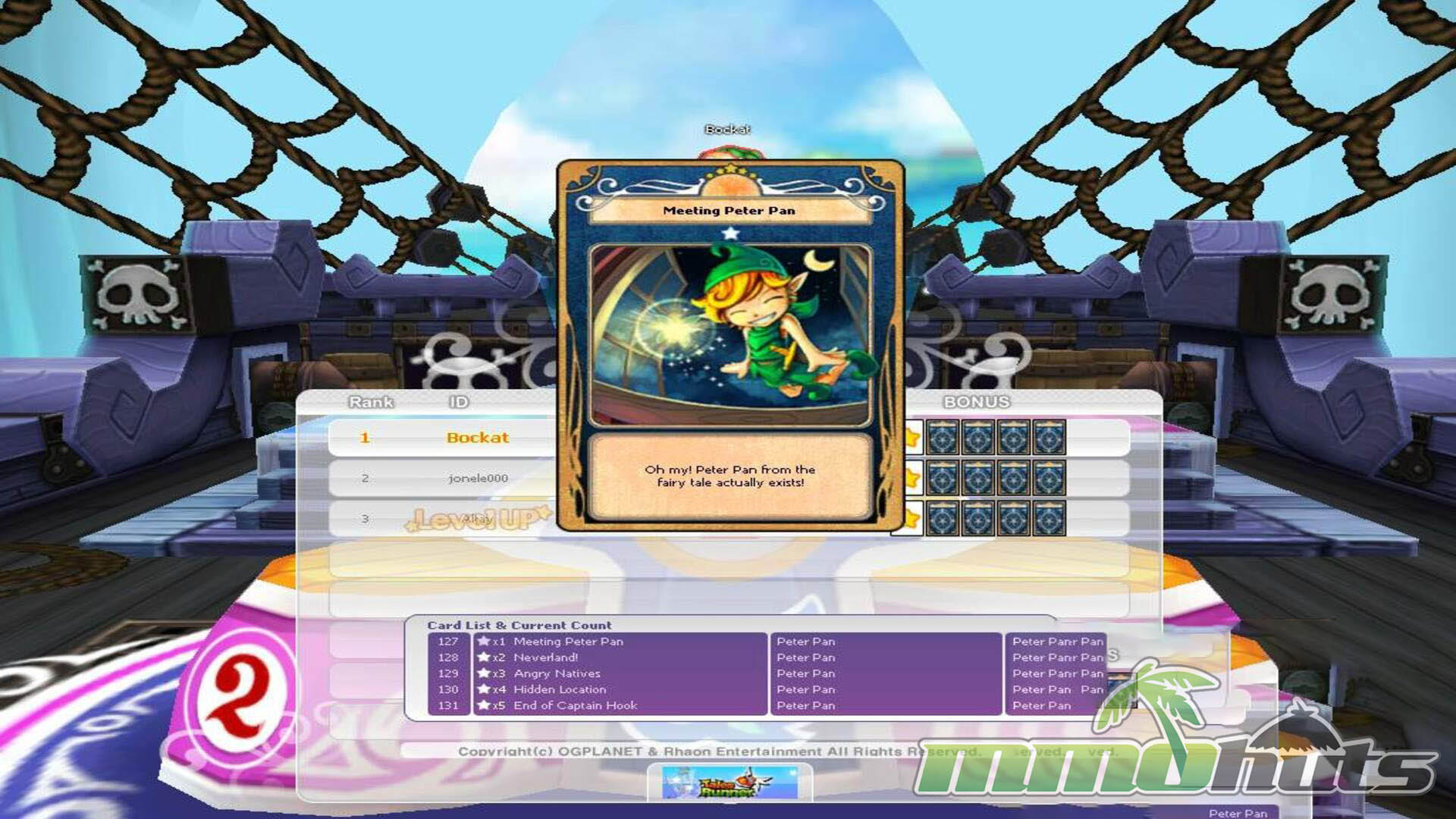
- Alchemy Crafting – build equipment by combining cards that drop from races and wins.
- Community Tools – guild systems, marriage, and other social mechanics encourage players to stick together.
- Farm System – manage a personal farm, decorate it, and use earned experience to plant, grow, and collect items.
Tales Runner Screenshots
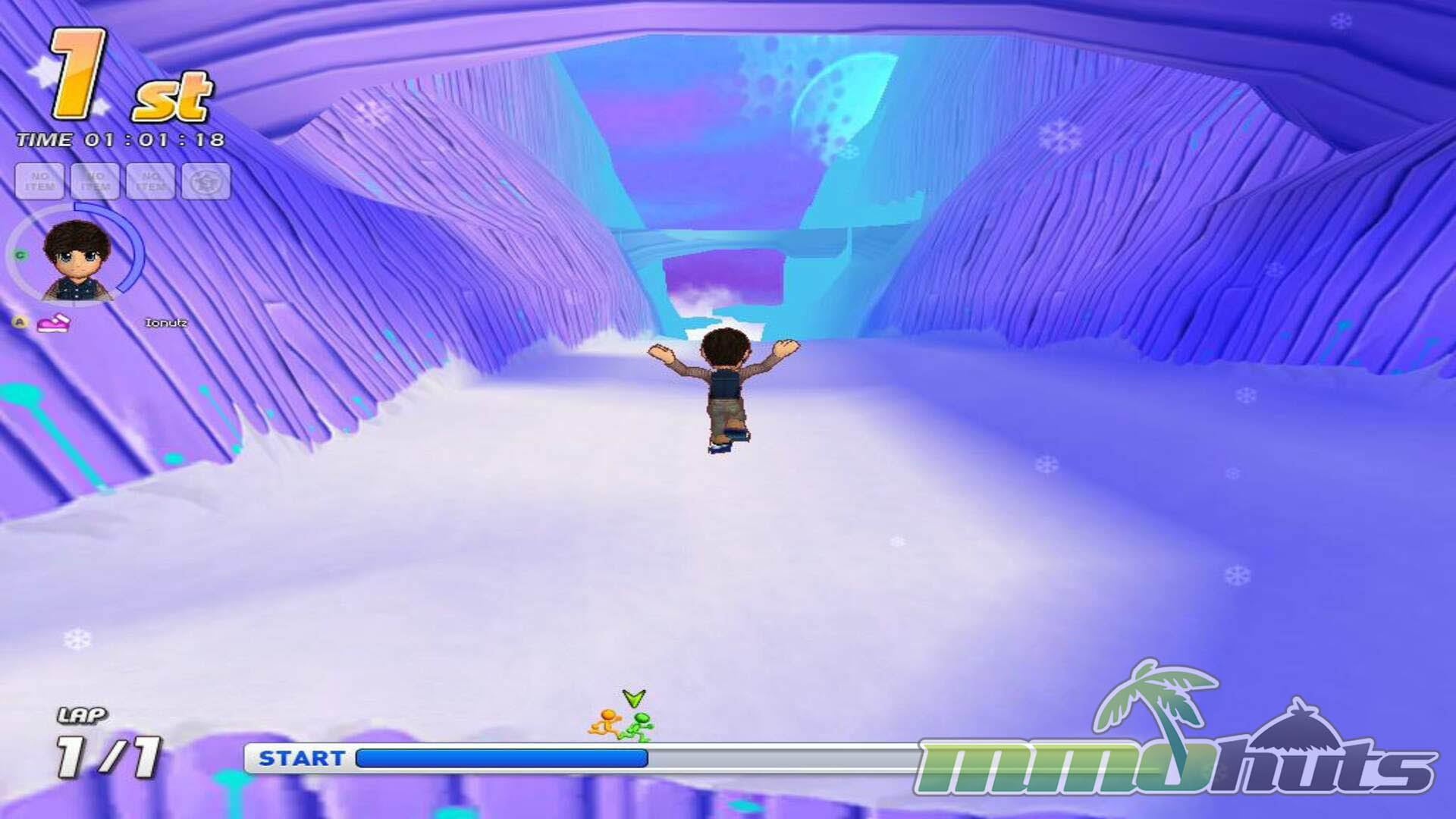
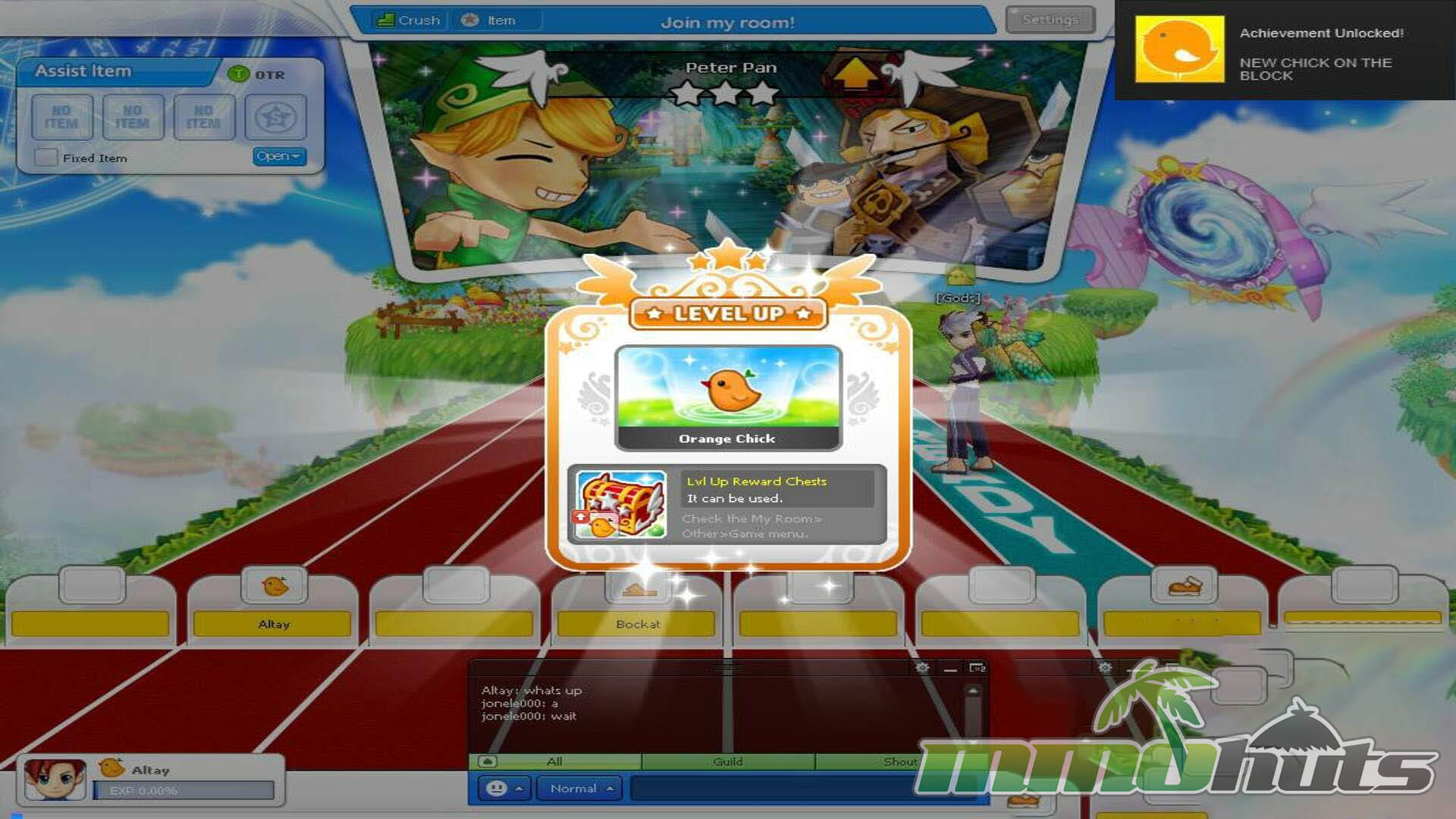

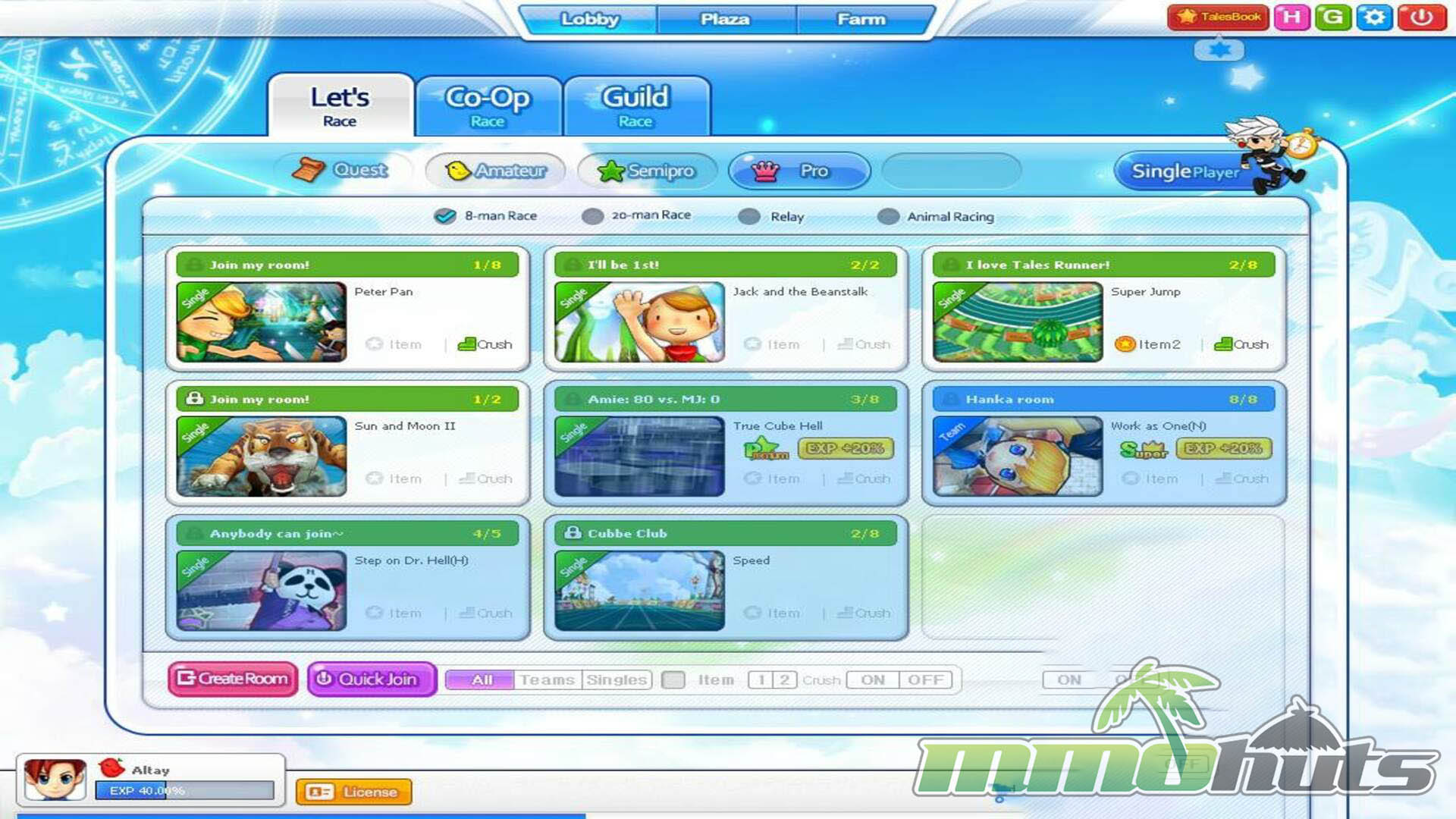
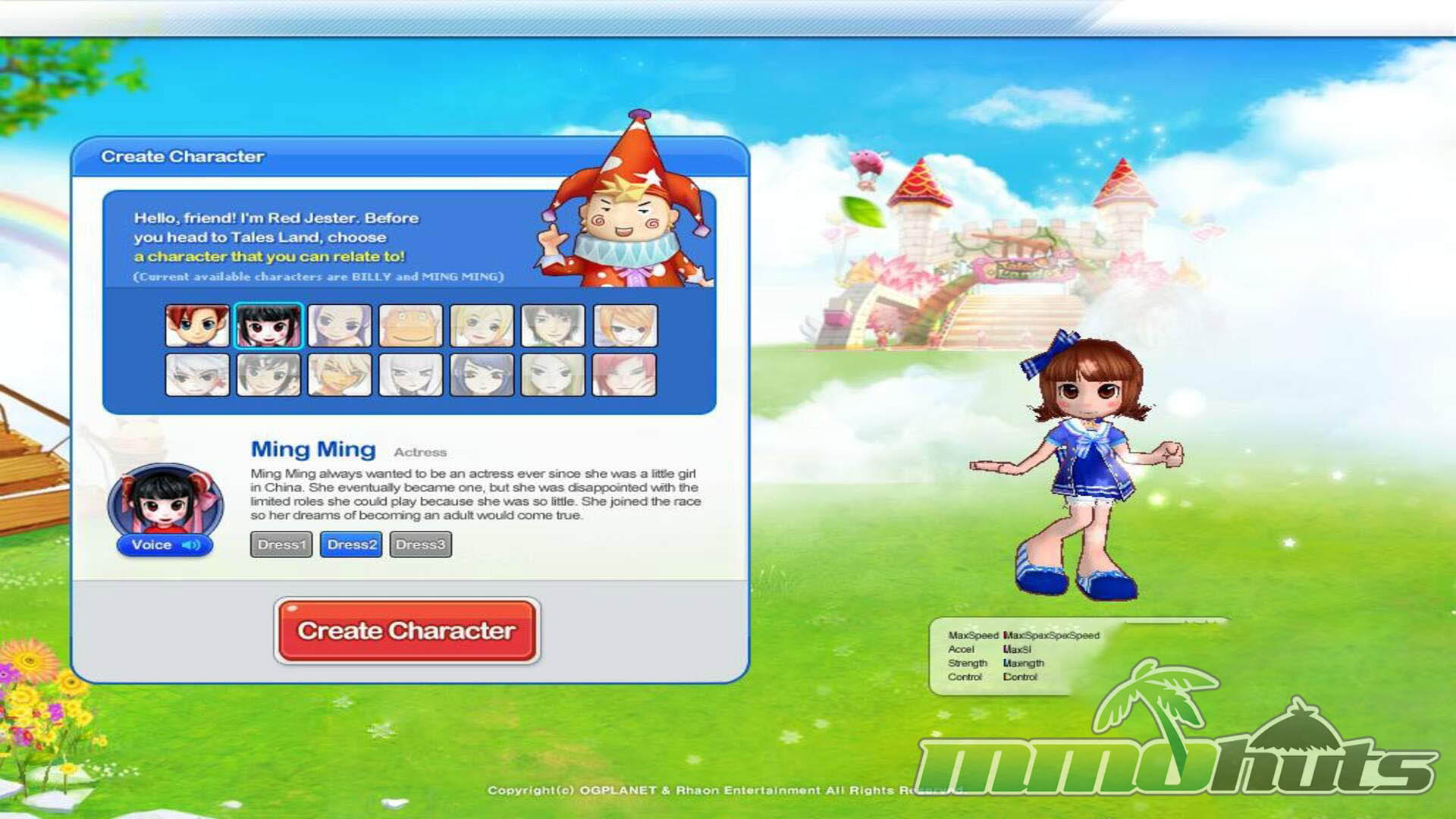
Tales Runner Featured Video

Tales Runner Review
Tales Runner has long been a recognizable name in parts of Asia, yet its Western presence never felt as secure as its overseas reputation might suggest. After earlier North American attempts came and went, OGPlanet brought it back with a more content-complete version than the older gPotato era. The result is an MMO racer that can be deceptively deep, but also one held back by technical friction and a community that never reached critical mass.
Getting Into the Race
You can access Tales Runner through OGPlanet’s launcher or via Steam, but either route still relies on the X-Trap anti-cheat solution. In practice, that extra layer can be part of the game’s biggest hurdle, instability. Crashes, failed launches, and general client stubbornness are common complaints. Running in windowed mode tends to reduce problems, but the game does not make it easy, you have to get through character creation and an introductory sequence before you can change that setting.
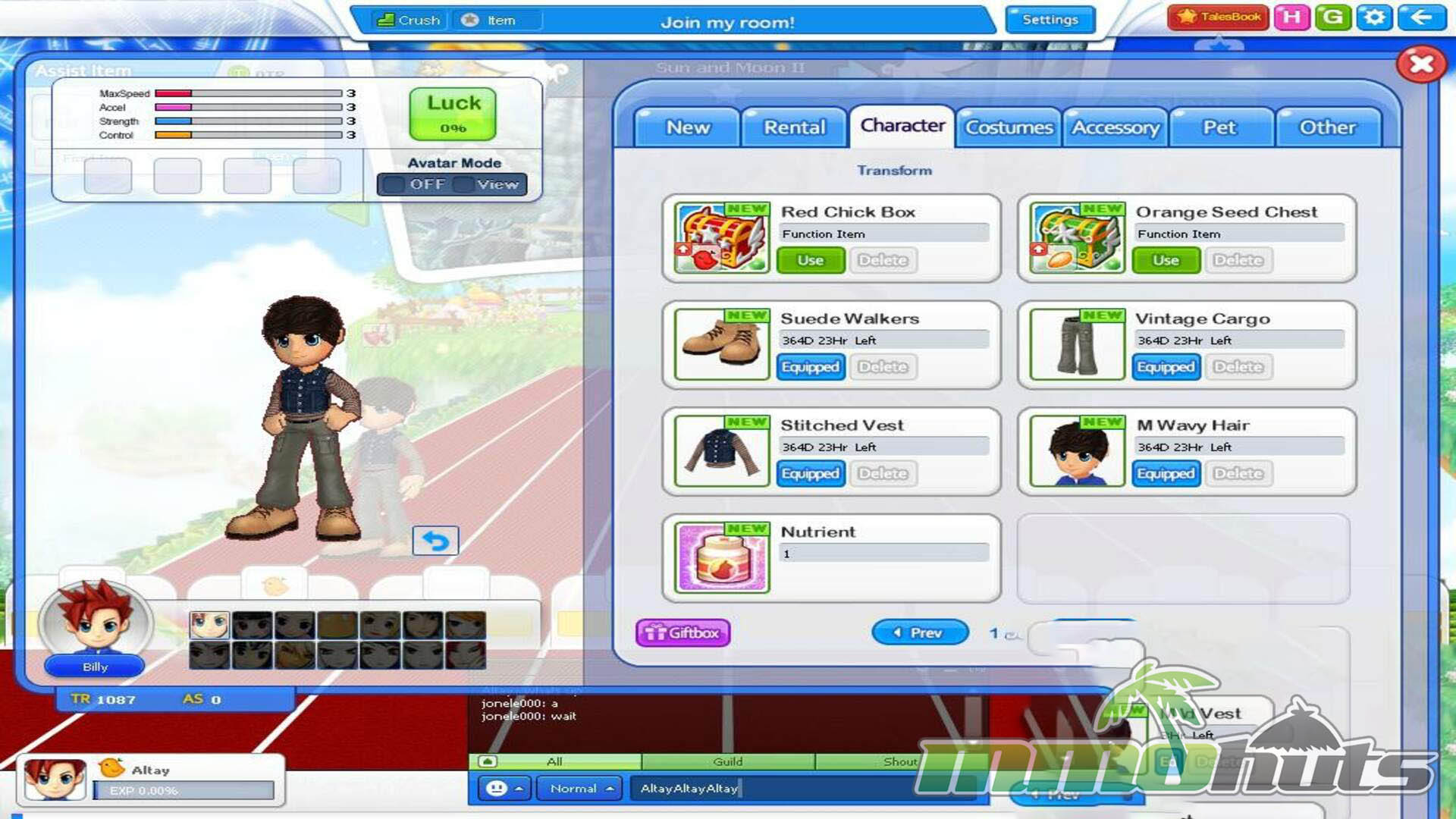
Starting out, you pick from two default characters, Billy and Ming Ming, each with a few outfit variations. Their stat spreads are modest and fairly even across the game’s main attributes (Max Speed, Acceleration, Strength, and Control). More characters are available later, typically purchased with TR, the in-game currency earned by racing and completing quests.
Learning Through Missions
Once the short opening introduces the setting and walks you through a basic course, you land in the main lobby where most of the game’s options are organized. Before doing much else, most players will want to adjust settings, especially switching to windowed mode. Visual options are thin, with no meaningful resolution choices beyond the default 1024×768, although you can at least remap key functions like movement, jump, item use, and dash.
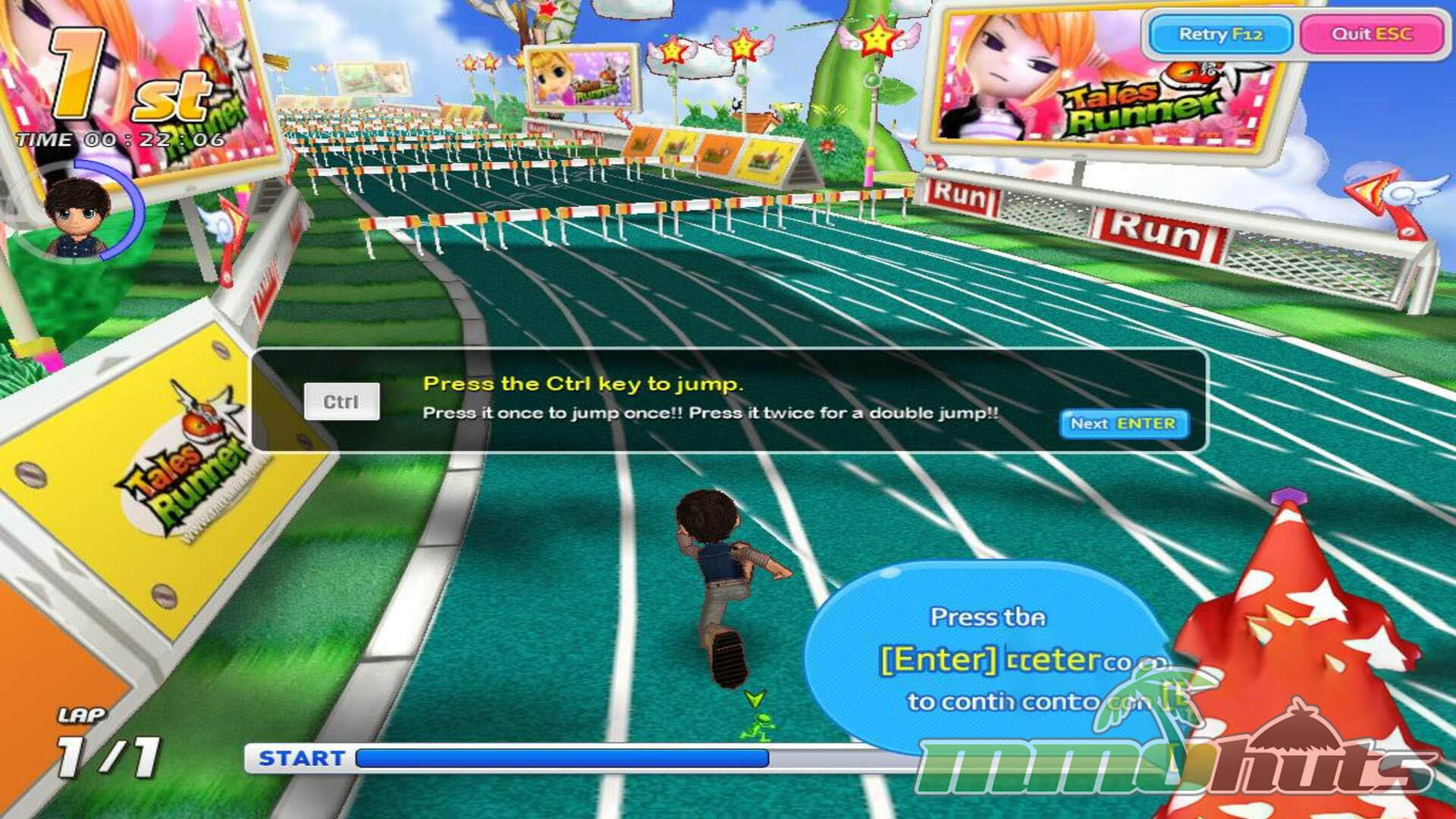
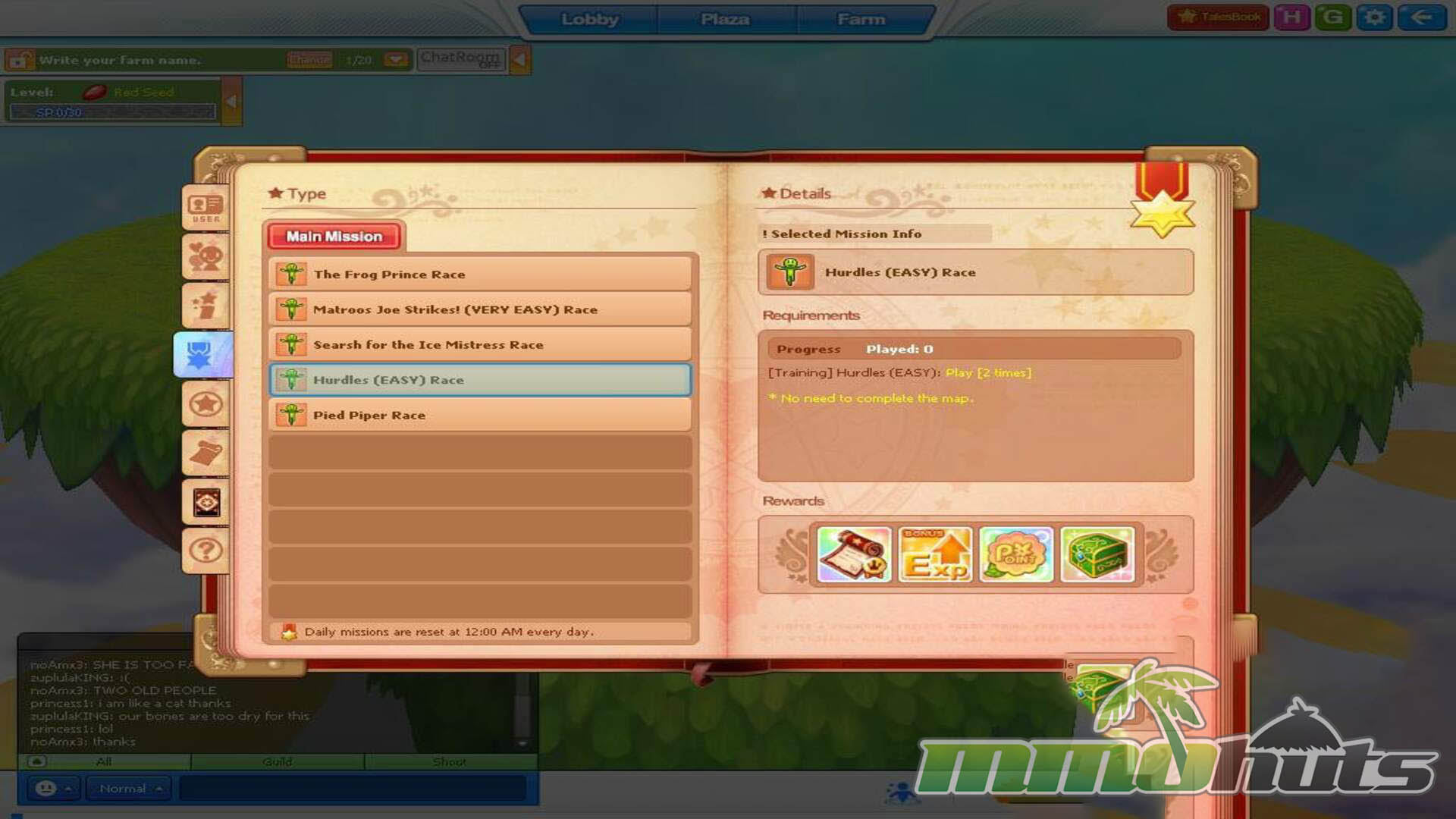
From the lobby, races and activities are grouped into three main tabs: Let’s Race, Co-Op Race, and Guild Race. The “Quest” area under Let’s Race is effectively the single-player track, and it doubles as an extended tutorial series. It teaches core mechanics like dashing, jumping, obstacle timing, and boost usage, but it breaks these lessons into very small, quick missions rather than one consolidated training run. The upside is that each short task pays out a small reward in items, experience, or TR. Completing the set earns you a first license, the game’s way of signaling you are ready for regular multiplayer rooms.
Storybook Tracks With Real Difficulty
Tales Runner tries to separate players with Amateur, Semipro, and Pro lobbies, but the low population often makes those brackets feel more theoretical than practical. On quieter days you may have limited rooms available, and skill gaps can be obvious when long-time players fill the same matches as brand-new runners.
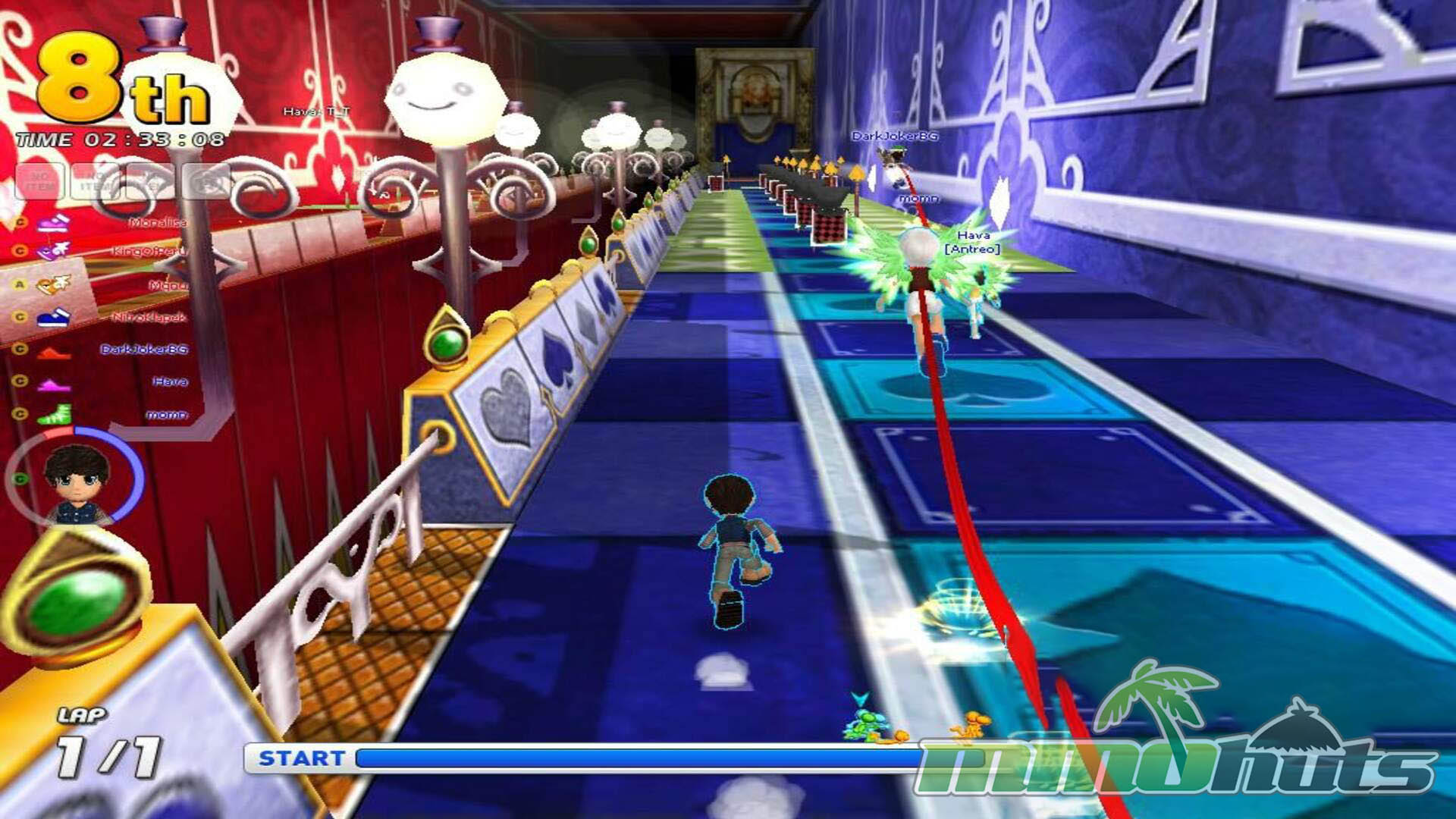
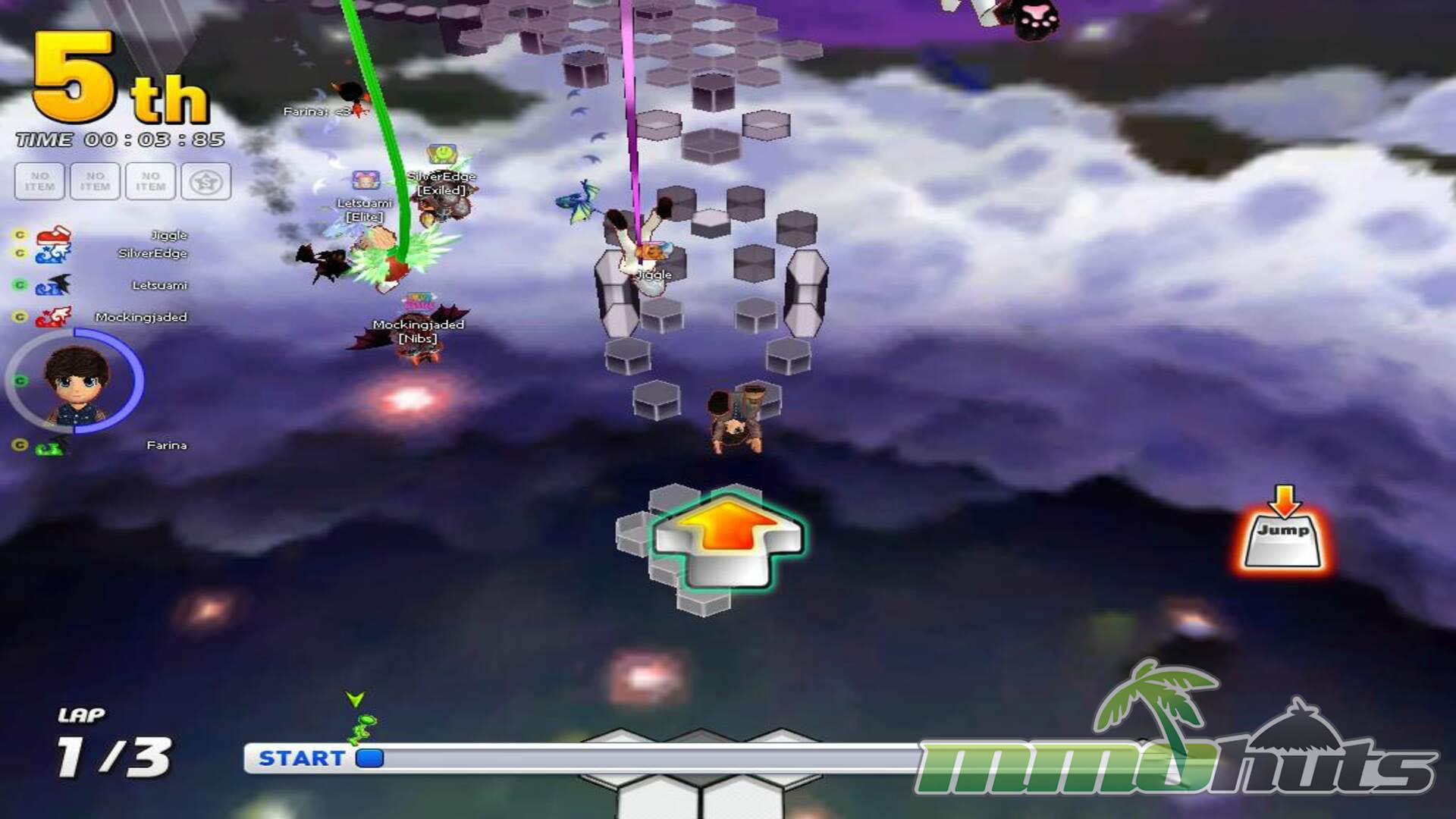
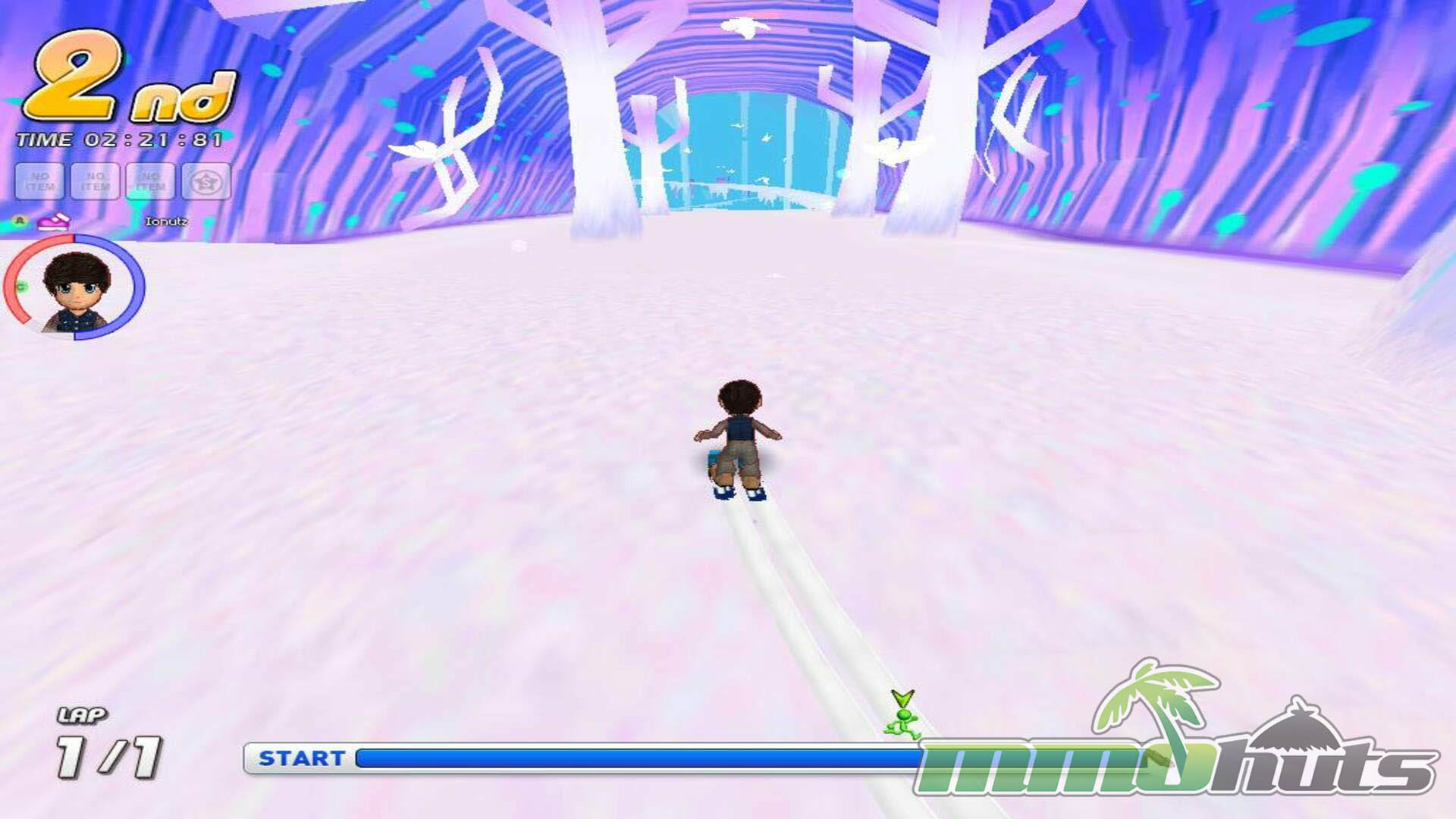
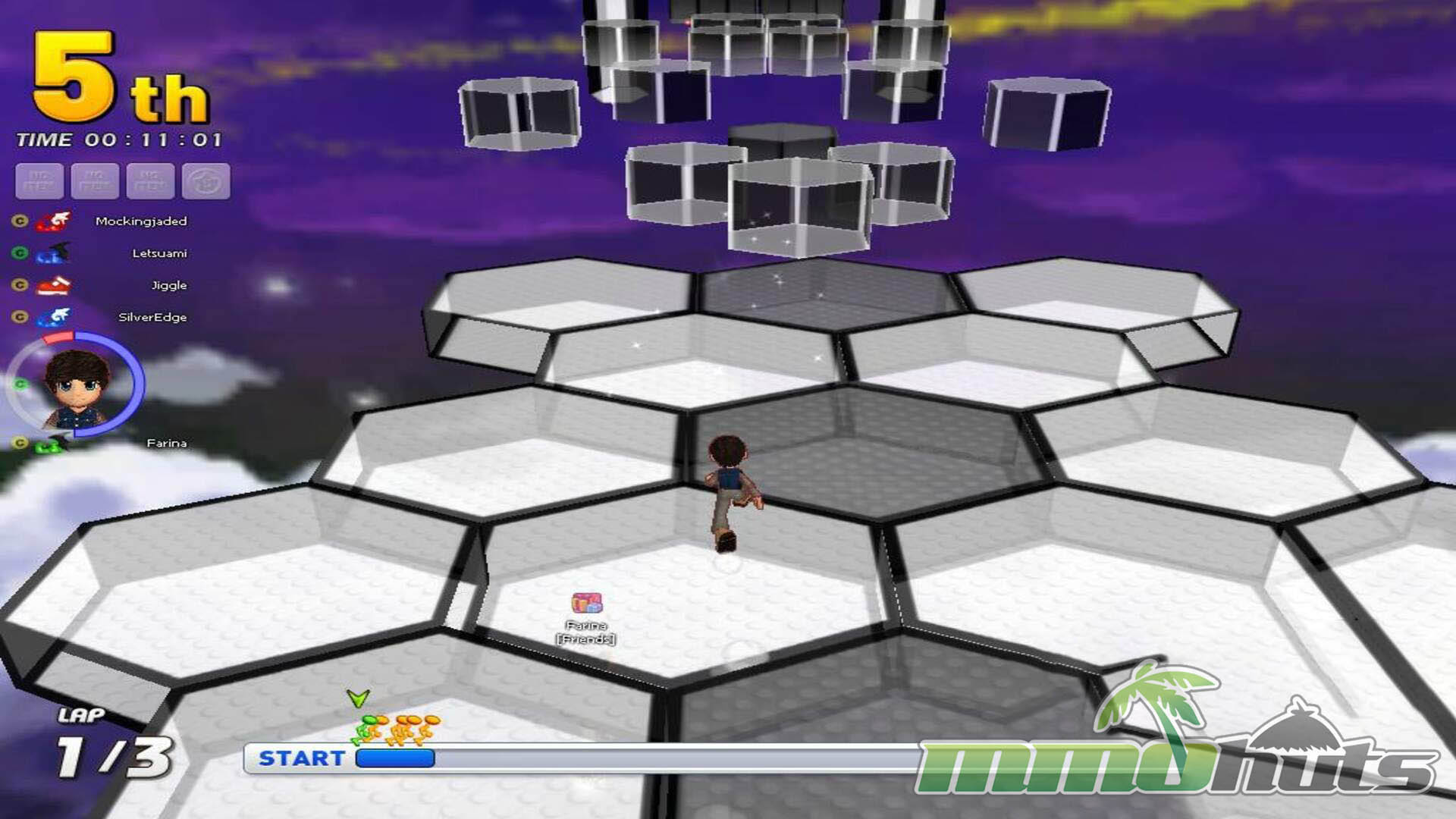
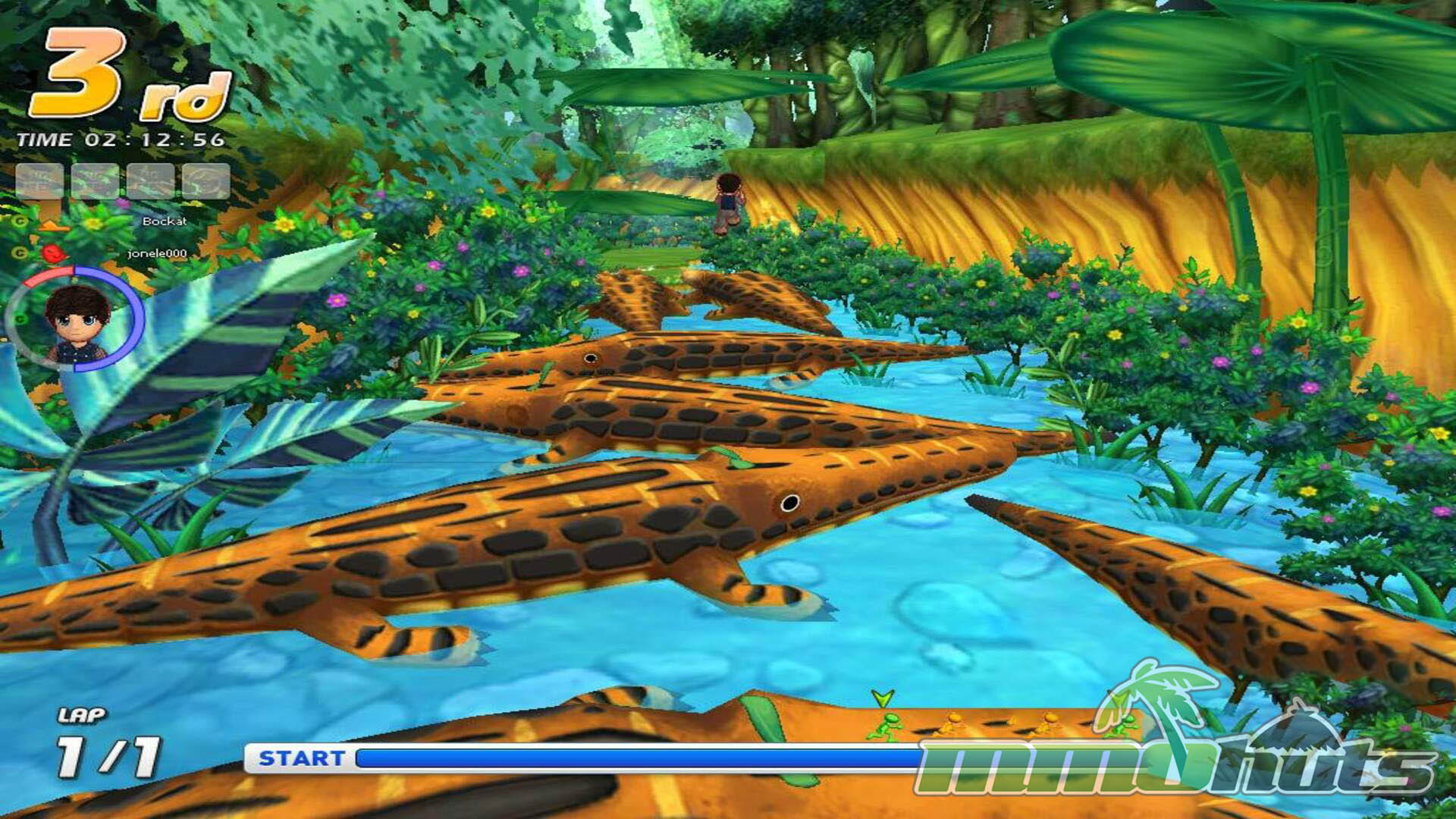
Still, the courses themselves are the highlight. Stages borrow from familiar tales such as Aladdin, Peter Pan, and Jack and the Beanstalk, alongside Asian folklore-inspired tracks like Heungbu Nolbu, Sun and Moon, and Momotaro. Many of the most memorable maps are not direct story retellings at all, instead leaning into abstract, toy-like obstacle worlds where platforms appear and vanish in timed patterns, or where route knowledge matters as much as reflexes.
Most races use a standard third-person chase camera, but a handful switch to side-on perspectives that resemble a 2D platformer. That variety helps keep the game from feeling like a single repeated course template, even when you are running similar mechanics.
Solo Runs, Team Play, and Co-Op Chases
For practice and time-chasing, Tales Runner includes a solo option that lets you run tracks alone to improve your best records or learn a difficult section without pressure. The more distinctive content shows up in the group modes. Team races can involve checkpoint gates that only open once enough teammates reach specific points, which creates a simple but effective kind of cooperation, faster players help “pull” the team forward by reaching locks first, while less experienced players still matter because the gate requires a minimum headcount.
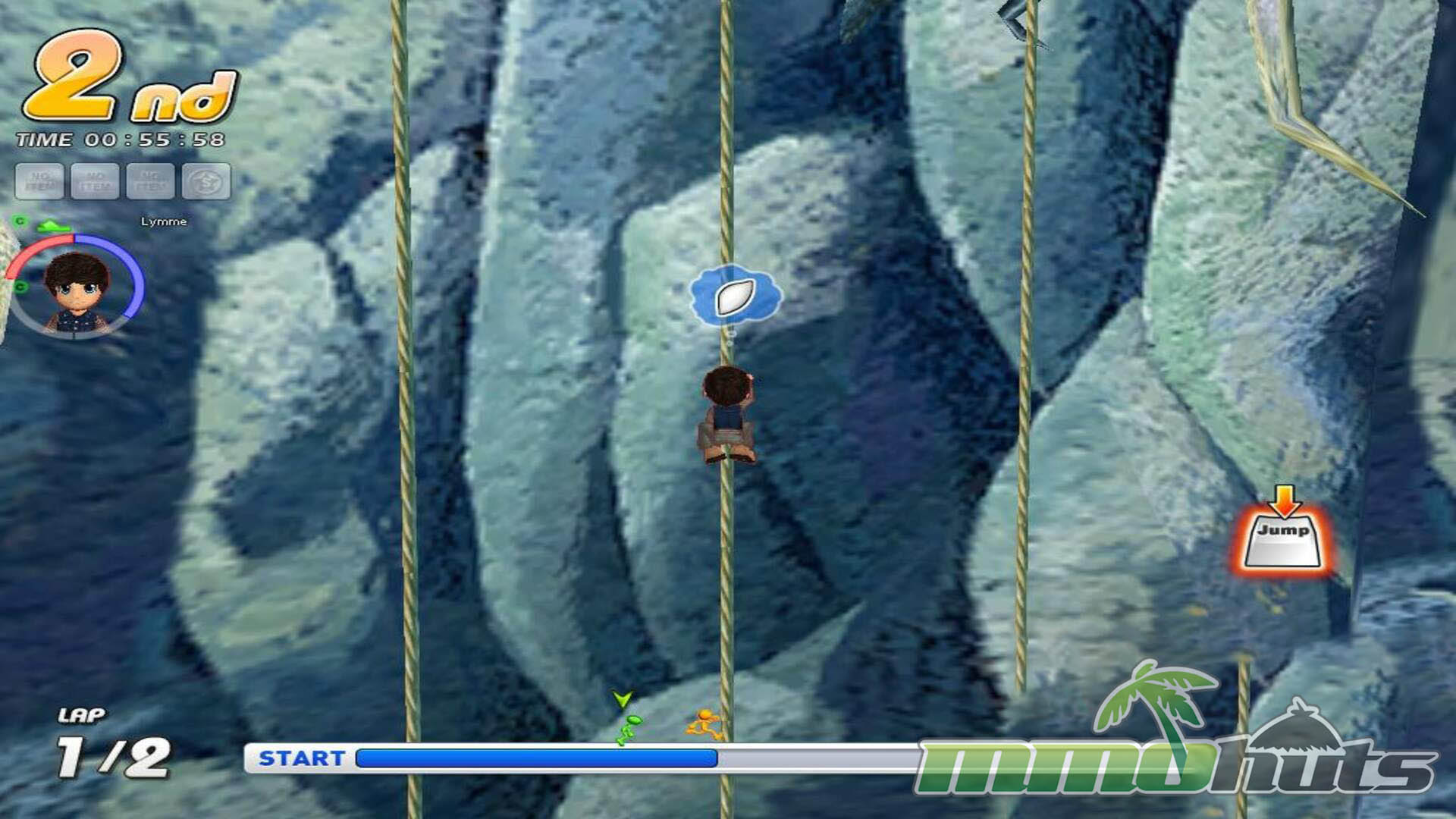
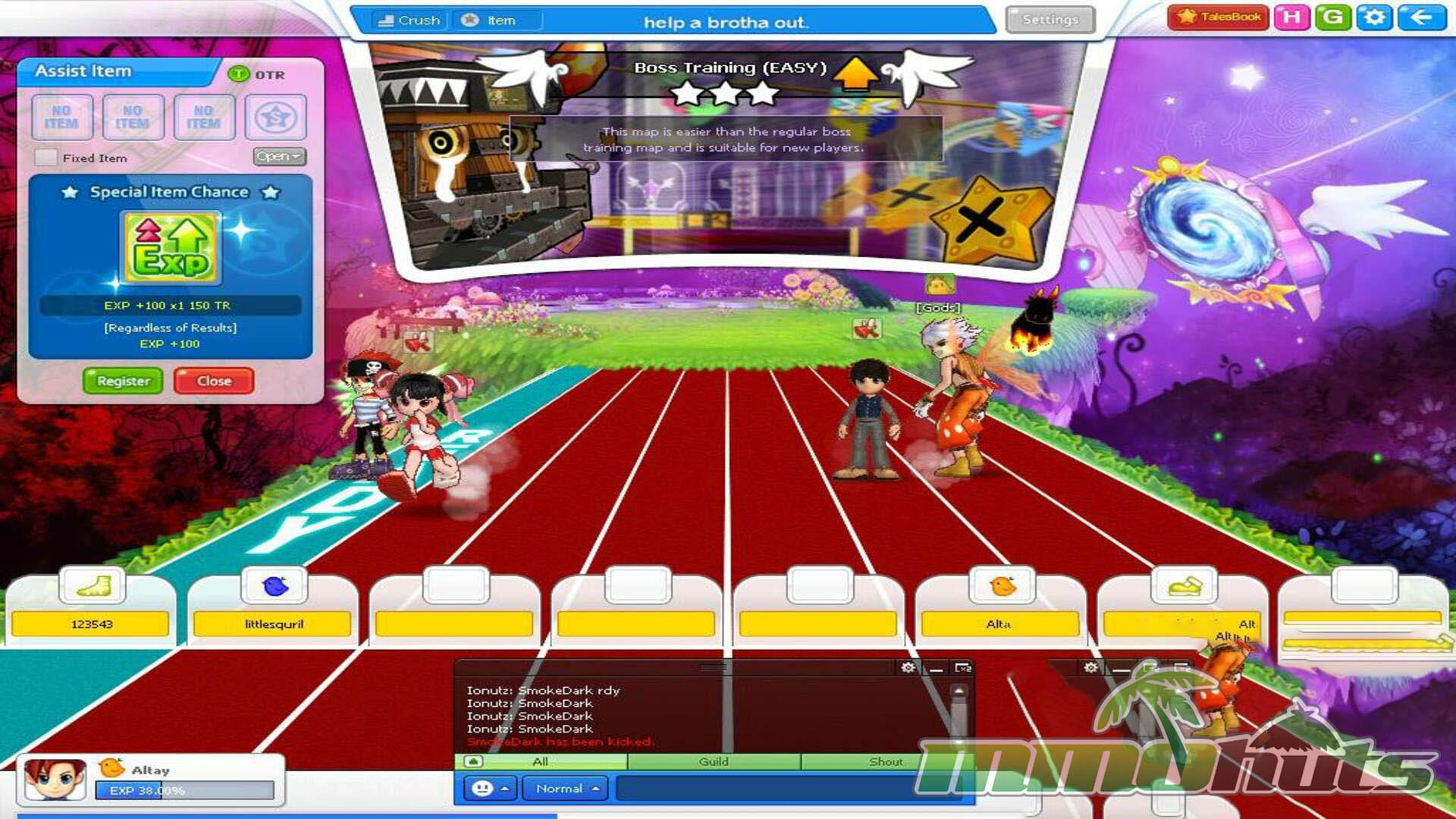
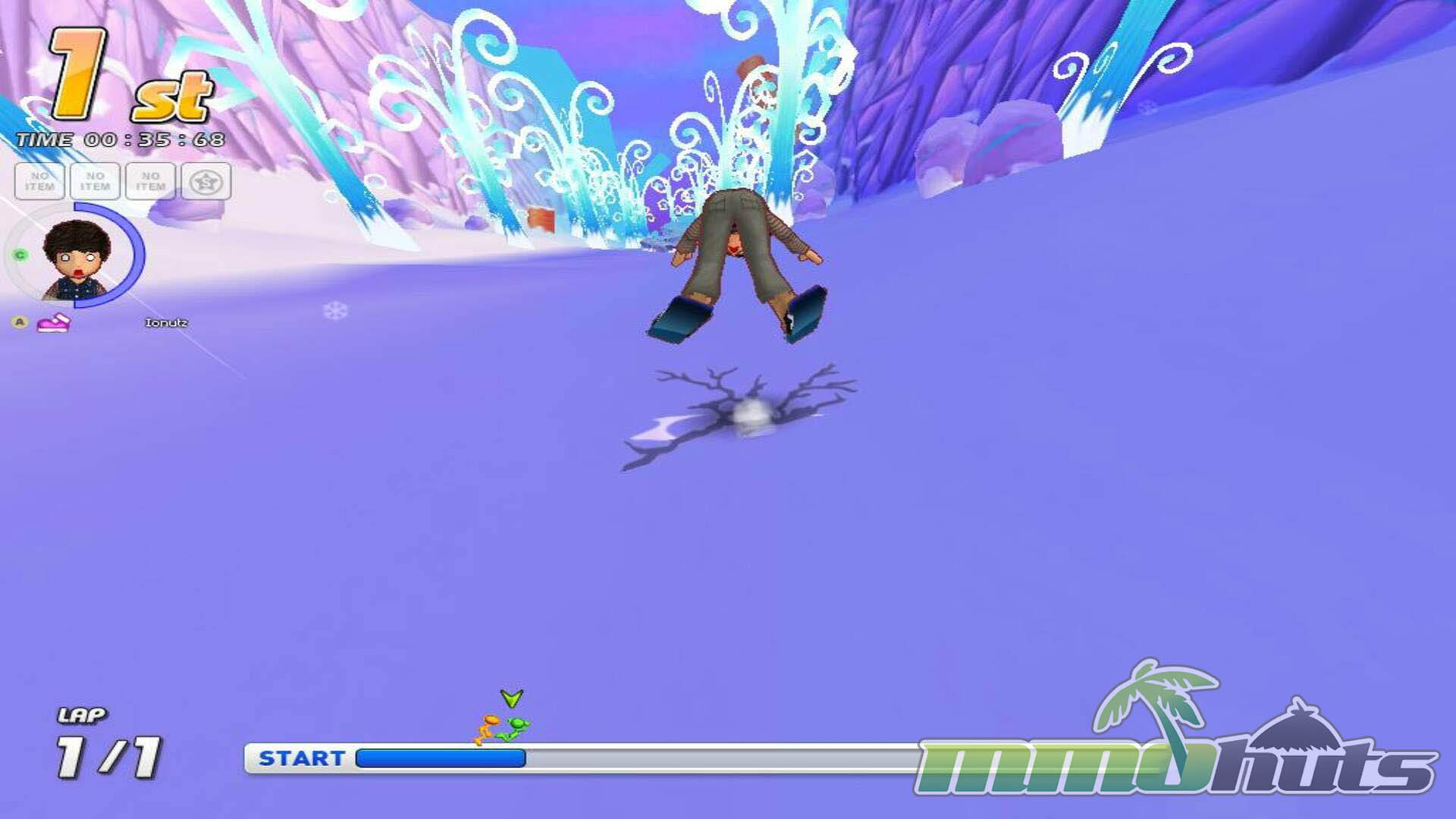
The co-op boss mode is another fun twist. Instead of racing other players, the group sprints together to stay ahead of a pursuing boss, turning the stage into a shared survival run. Movement is mostly on foot, but certain tracks add segments like skiing, rope climbing, or swimming to break up the rhythm.
The game also includes mounted races. After finishing the first step of the animal license requirement, you receive a large yellow chick mount. These races play similarly to standard runs, but the mount handling allows a drifting-like cornering style that feels closer to traditional arcade racing. Unfortunately, alternative modes are often the first to suffer when population is low, it can be difficult to find co-op rooms, and beginners may struggle to get accepted into groups that want experienced clears. Large 20- and 30-player races exist, but in a low-activity environment they can be hard to catch at all.
The Plaza and Its Odd Side Activities
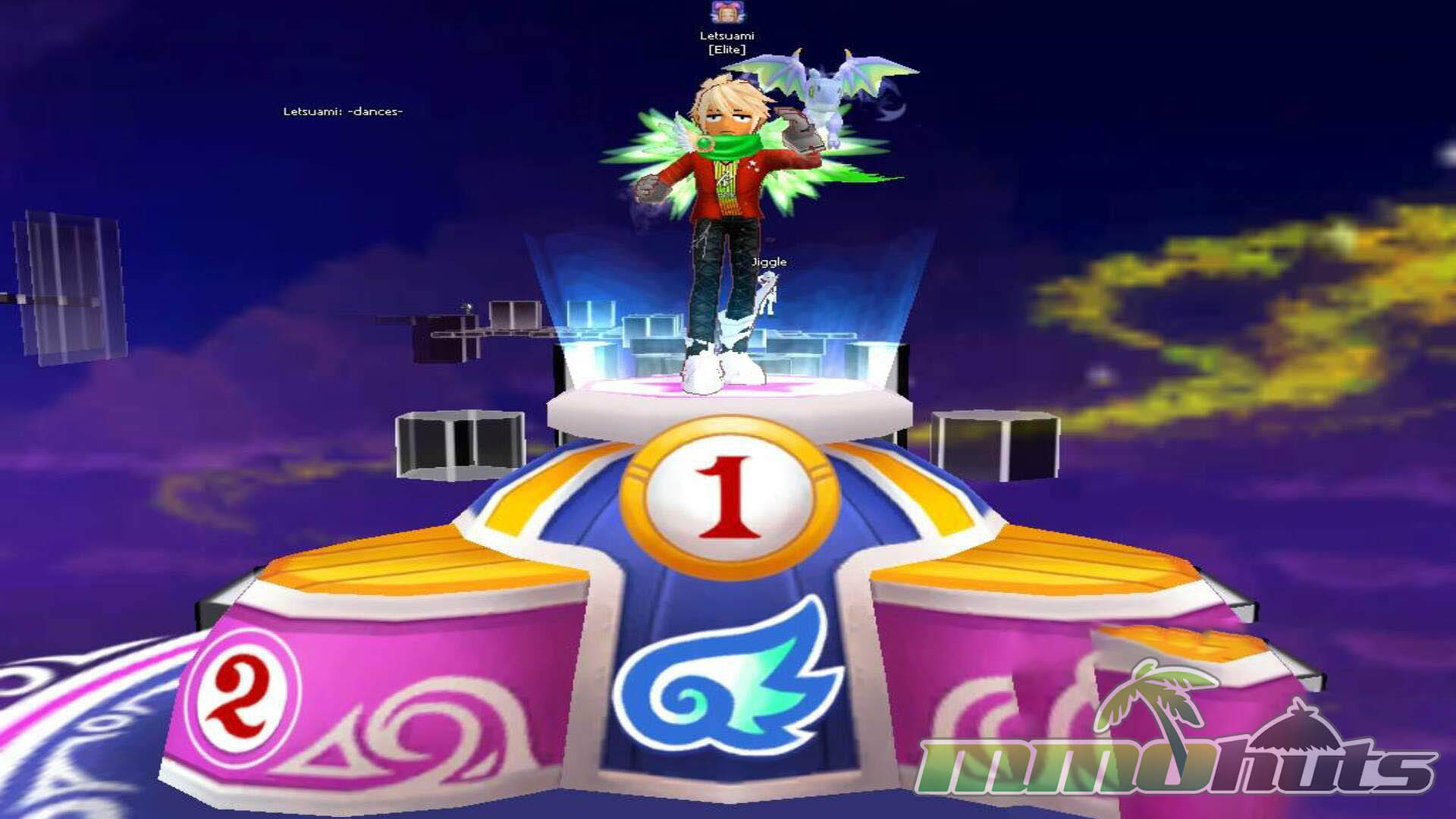
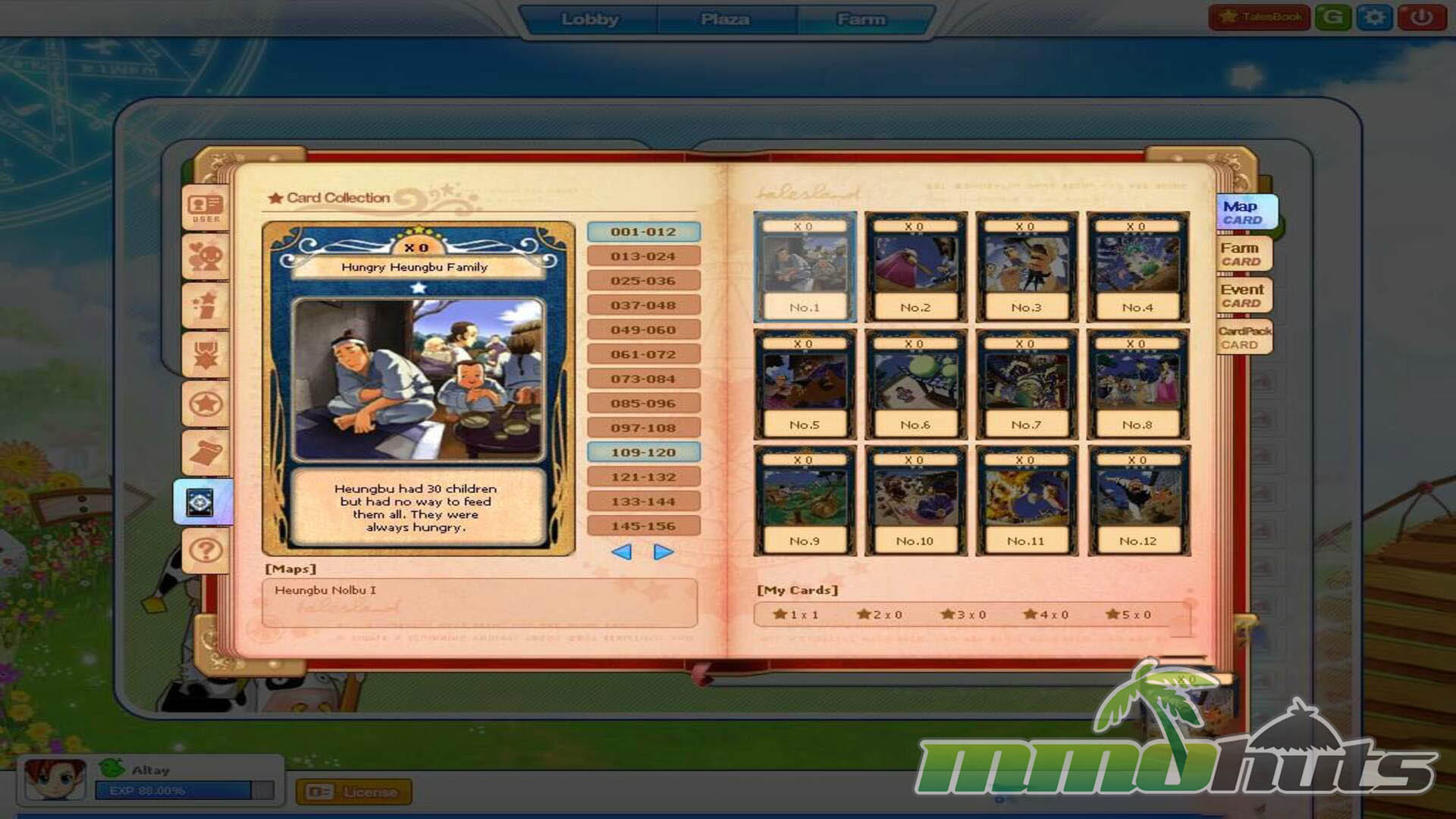
Beyond racing, Tales Runner leans heavily into social MMO features. A persistent Plaza acts as a communal hangout where players can walk around, chat, and access services. Shops and systems branch out from here, including the Alchemy Store, where you combine card drops from races into cosmetic rewards.
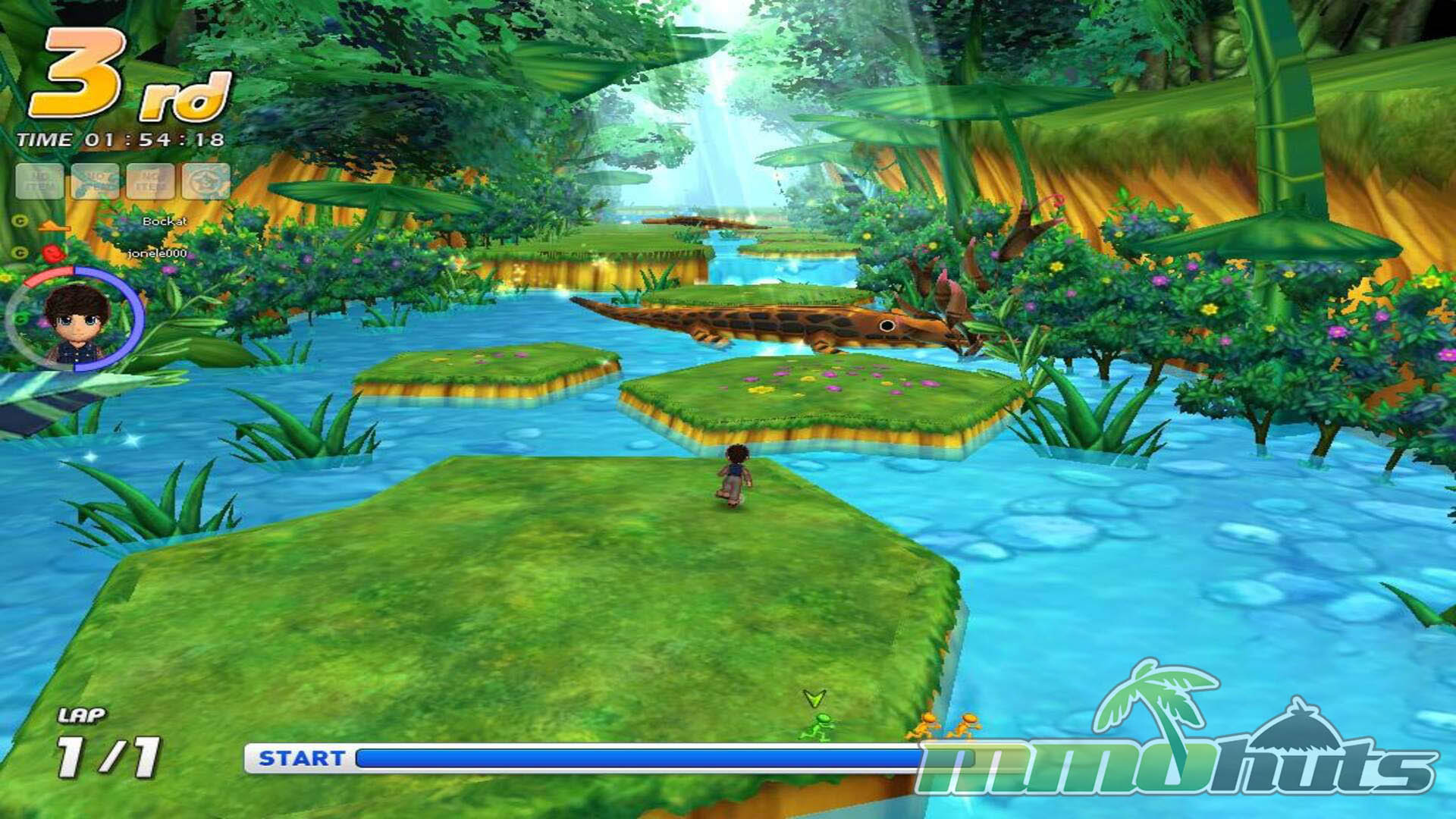
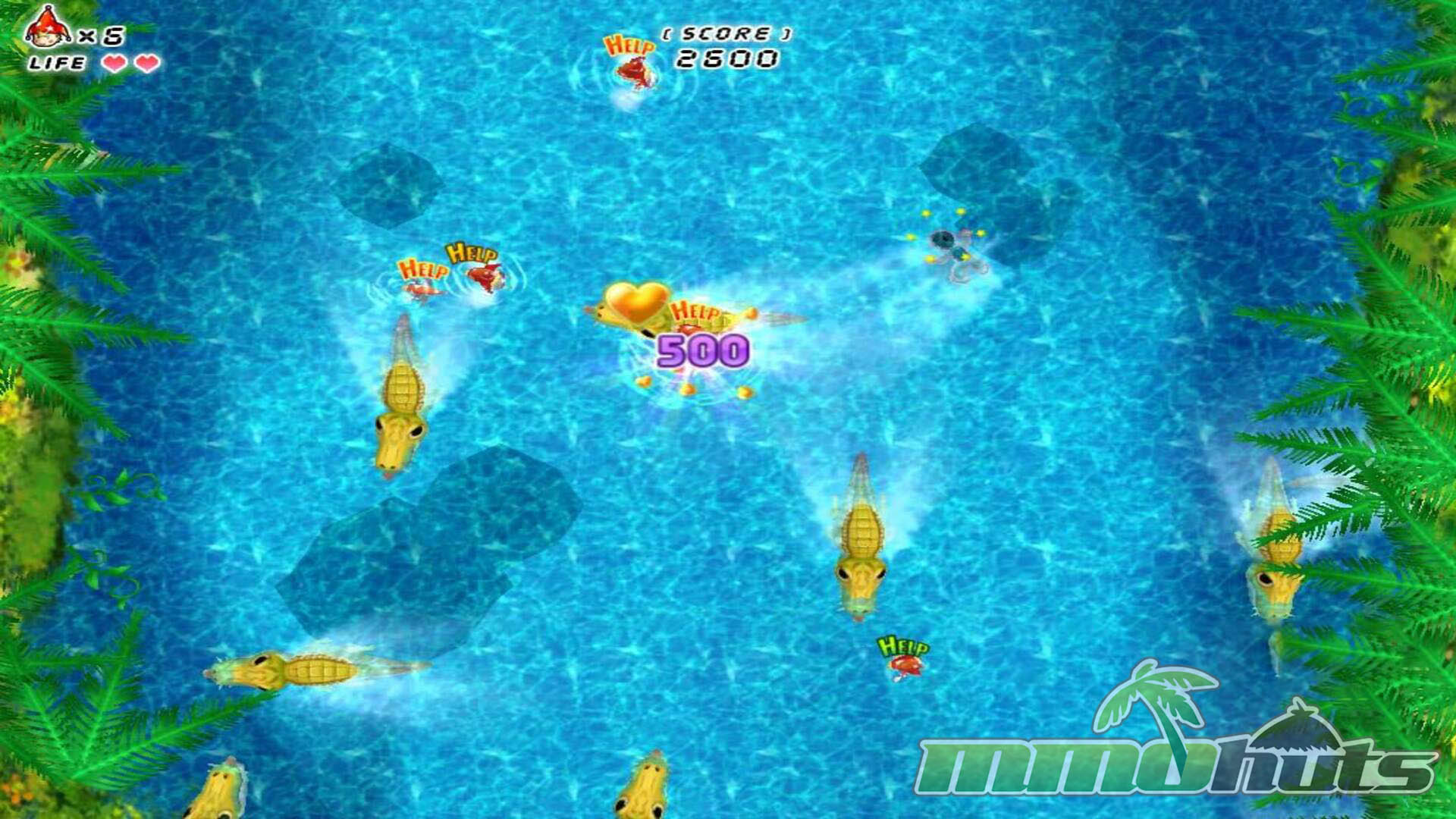
The Plaza also houses guild tools and vending machines tied to the farm system, and it includes quirky set dressing that reinforces the game’s playful tone, including a frog piano that stands out as one of the stranger landmarks. There is also a mini game hut tucked away in a less obvious corner of the area. It offers two mini games: Jester Rescue (saving drowning clowns while dodging alligators in a small river section) and Stop The Penguins (manually firing cannons down three lanes to stop bomb-carrying penguins). They are simple diversions, but they add a welcome change of pace when you want something other than another lap of obstacle racing.
Farms, Cosmetics, and the Long Grind
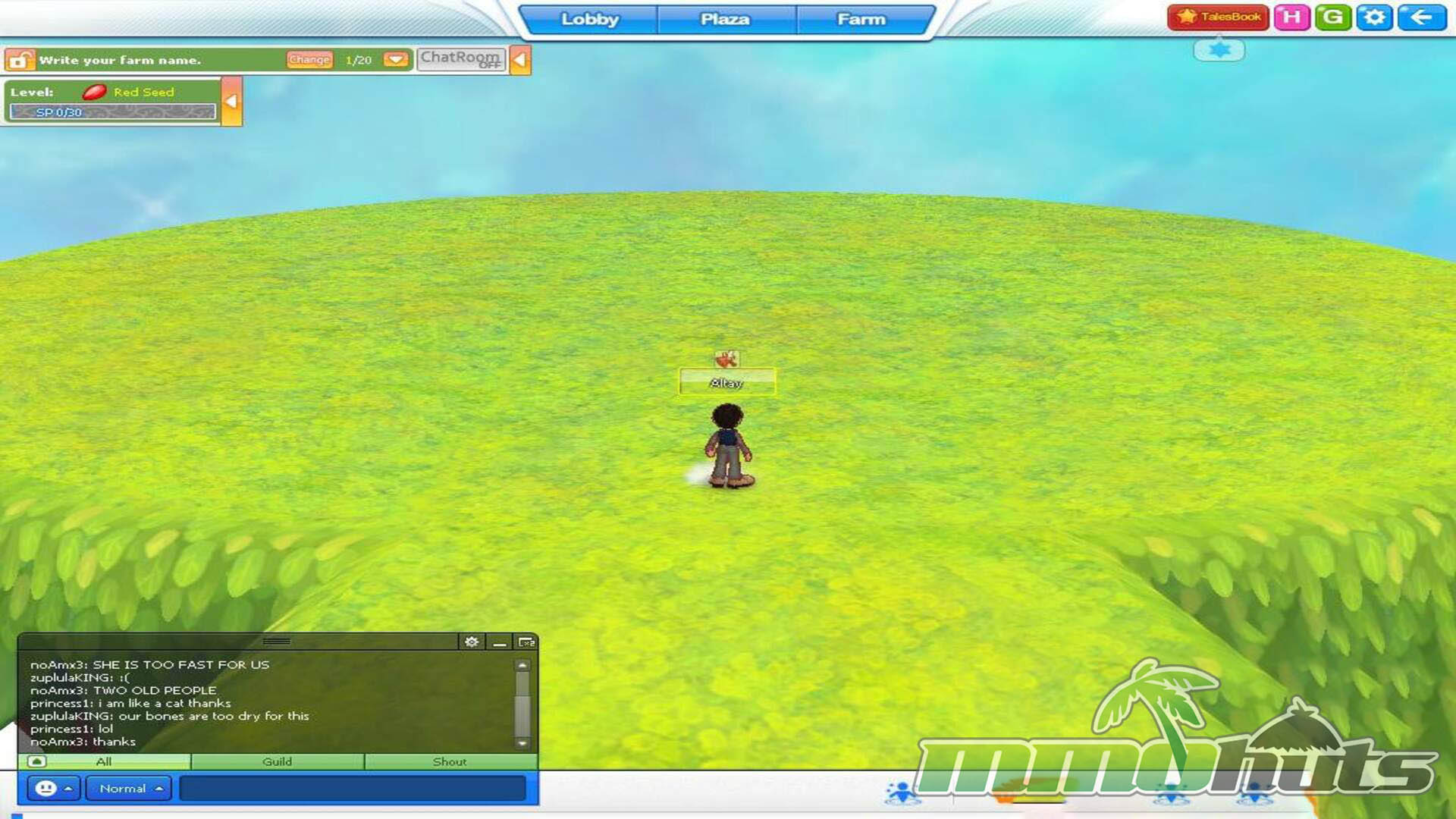
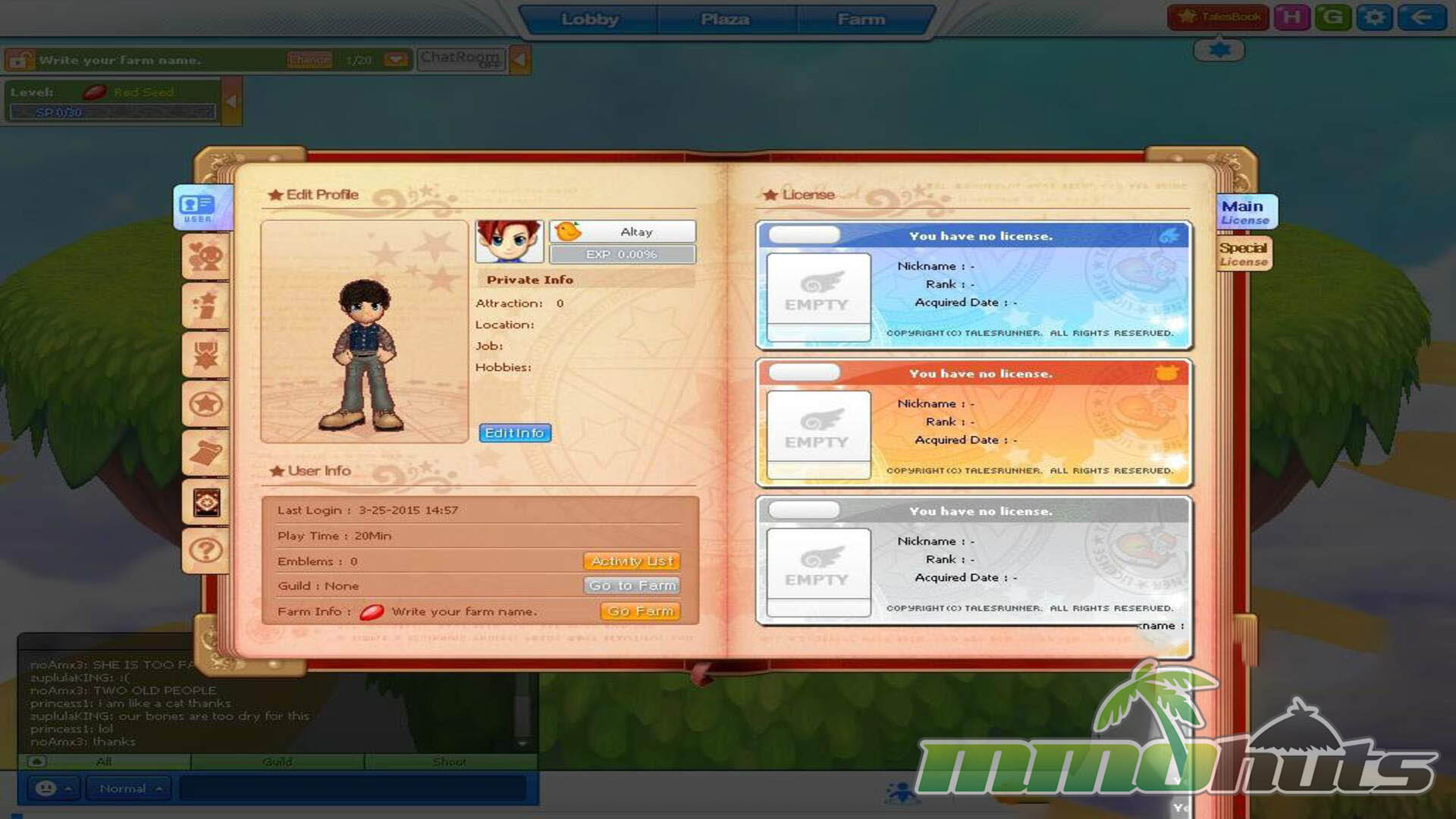
The farm feature is essentially personal housing. You get an instanced plot you can decorate with furniture, structures, trees, and other themed objects, and you can plant crops using experience earned through racing. Because other players can visit, farms become both functional (harvesting items) and expressive (showing off designs), and it is easy to see why some players sink time into creating elaborate themed spaces.
Progression, however, can be slow. TR earnings from a handful of races add up gradually, and the price tag for new characters, costumes, and equipment can feel steep. With new characters costing 82,000 TR, unlocking favorites can take a significant amount of repetition. The tracks are fun and visually inviting early on, but the moment-to-moment loop can start to feel samey if you are grinding currency rather than chasing mastery.
To its credit, the game tries hard to keep the remaining community connected. Alongside guilds, it includes marriage and even a family tree system, all of which tie into an in-game achievement book that tracks performance stats like wins, losses, play time, and other milestones. Tales Runner is packed with unexpected systems for a game that, at first glance, looks like a straightforward casual racer. Ultimately, though, everything circles back to the core running races, and the experience is only as strong as the client stability and the number of active players online at any given time.
Final Verdict – Fair
Tales Runner looks simple on the surface, but it offers tricky stages, multiple modes, and a surprising amount of side content once you dig in. The problem is that technical rough edges and a consistently low population keep it from delivering on what its design clearly aims to be.
Tales Runner Links
Tales Runner Official Site
Tales Runner on Steam
Tales Runner Wikipedia
Tales Runner Wikia [Database / Guides]
Tales Runner System Requirements
Minimum Requirements:
Operating System: Windows XP
CPU: Intel Pentium 3 800 MHz
Video Card: GeForce 2 MX
RAM: 128 MB
Hard Disk Space: 2300 MB
Recommended Requirements:
Operating System: Windows 7 or higher
CPU: Intel Pentium 4 2.0 GHz or better
Video Card: GeForce FX or better
RAM: 1 GB
Hard Disk Space: 5 GB or more
Tales Runner Music & Soundtrack
Tales Runner Additional Information
Developer: Rhaon Entertainment
Open Beta: April 22, 2014 (NA)
Shut Down Date: April 20, 2017 (NA)
Foreign Release:
South Korea: 2005 (SMILEGATE)
Japan: 2010-2011 (Rhaon)
Taiwan/Hong Kong/Macau: 2006 (Funtown)
China: 2007 (Shanda Games)
Thailand: 2007 (TOT)
North America: 2008-2011 (gPotato), 2012 (nowcom), 2014-current (OGPlanet)
Singapore: 2013 (Winnerhub)
Indonesia: Gemscool (2014)
Brazil: 2014 (Nurigo Games)
Development History / Background:
First surfacing in closed beta in 2005, Tales Runner gradually expanded into multiple regions over the following years. North America saw early turbulence with the gPotato shutdown, but the game later returned under new operators with a more feature-rich build. At its broader peak, the title was available across more than nine countries and was reported to have drawn 60 million players worldwide. Rhaon Entertainment, the South Korean studio behind the game, also claimed a community of over 10 million gamers worldwide as of 2011.