Swords of Legends Online
 (No Ratings Yet)
Swords of Legends Online is a 3D fantasy MMORPG that brought the Gujian universe into an online format for western audiences. Drawing heavily from Xianxia themes and Chinese mythology, it offered stylish action combat, dungeon progression, crafting side activities, and a surprisingly robust slate of PvP modes. It later transitioned to a free-to-play model, with monetization focused on cosmetics, before ultimately being discontinued.
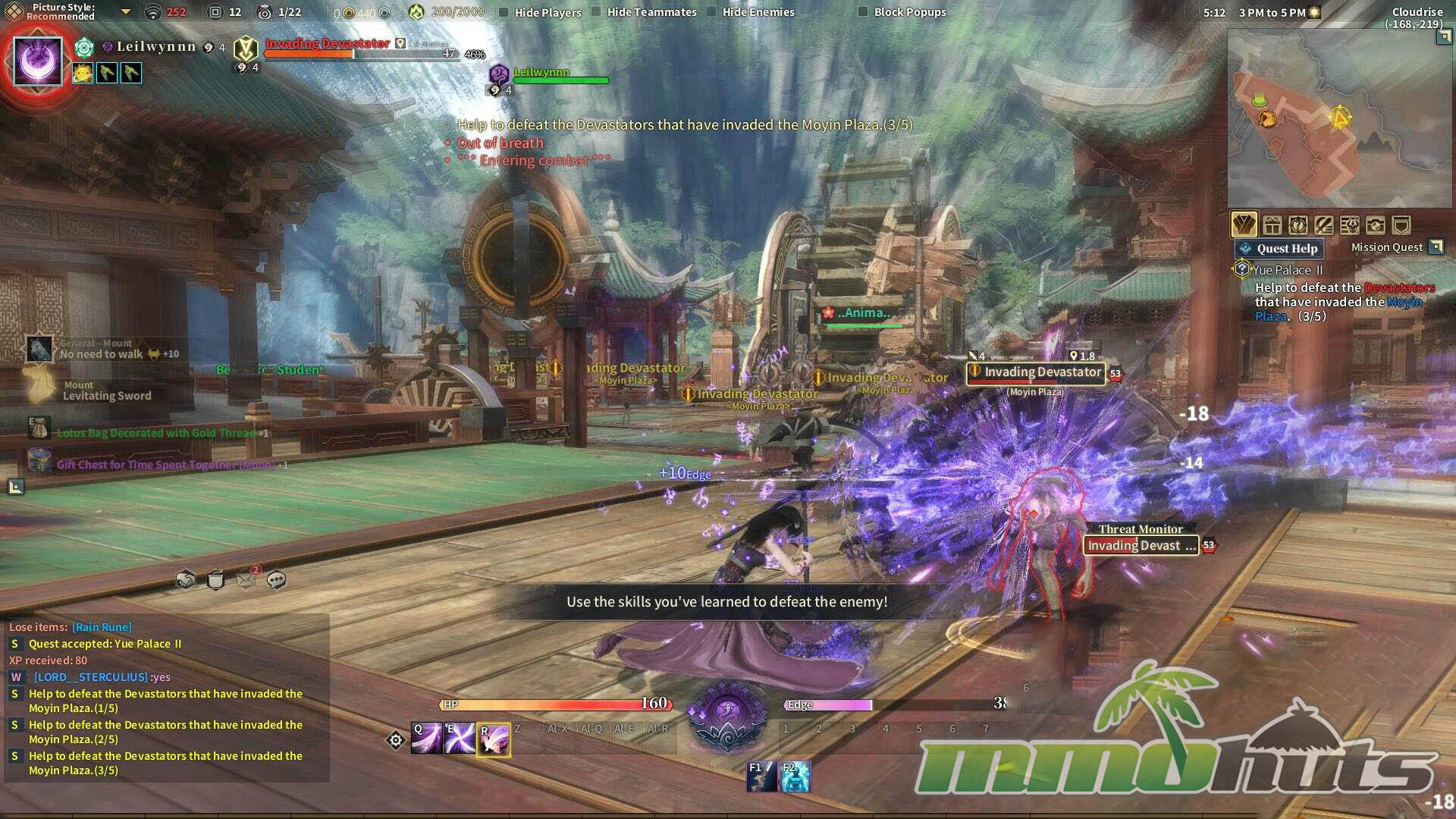 | Publisher: Gameforge Type: MMORPG Release Date: July 9, 2021 Free to Play Transition: March 3, 2022 Shut Down: June 30, 2023 Pros:+Striking art direction and environments. +Deep character and housing personalization. +Quick climb to endgame systems. +Responsive, combo-driven action combat. Cons: -Performance issues and uneven optimization. -A lot of content is time-limited or gated. -Localization and translation quality varies. -Cosmetic pricing can feel high. |
Swords of Legends Online Shut Down on June 30, 2023
Swords of Legends Online Overview
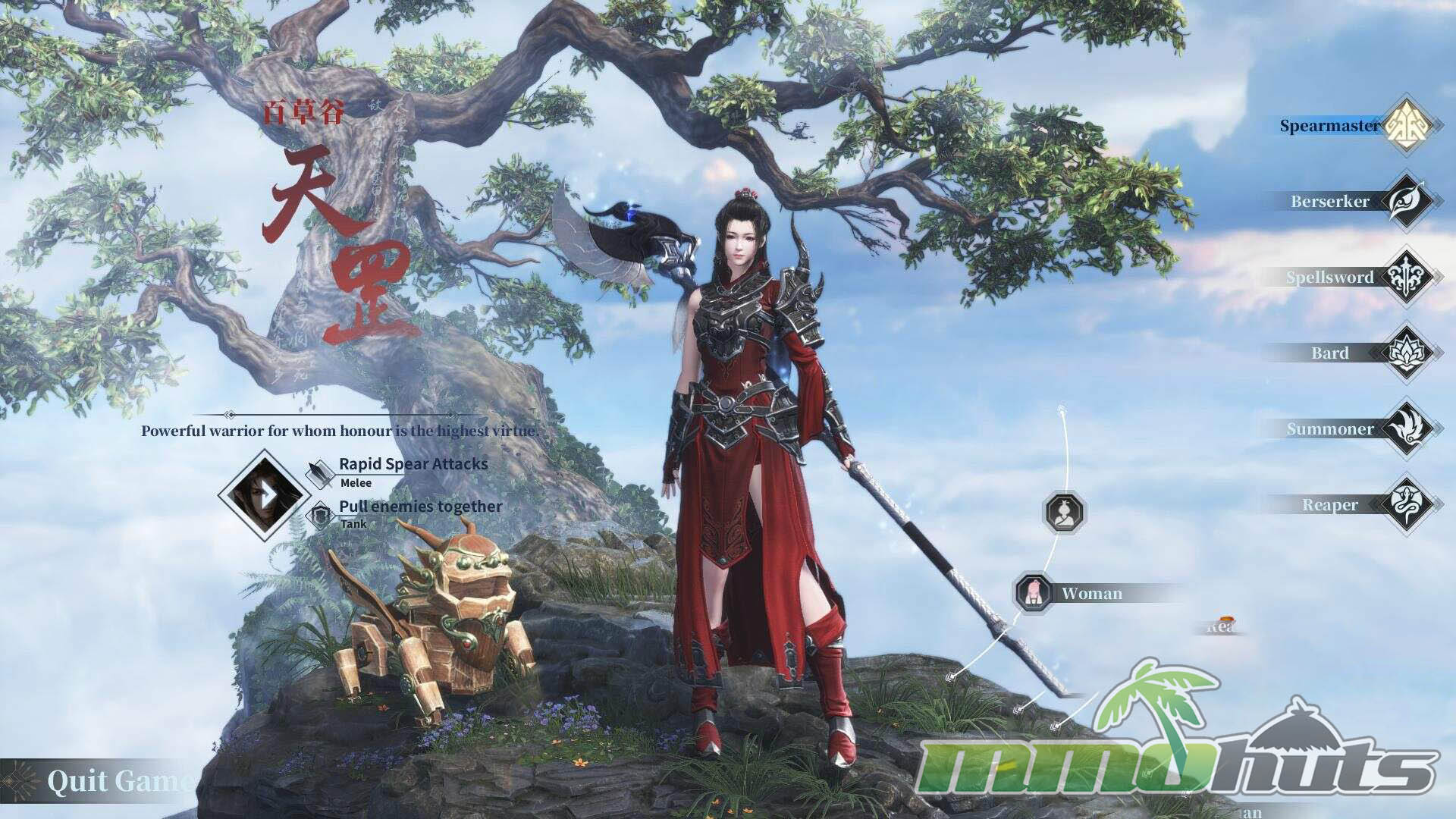
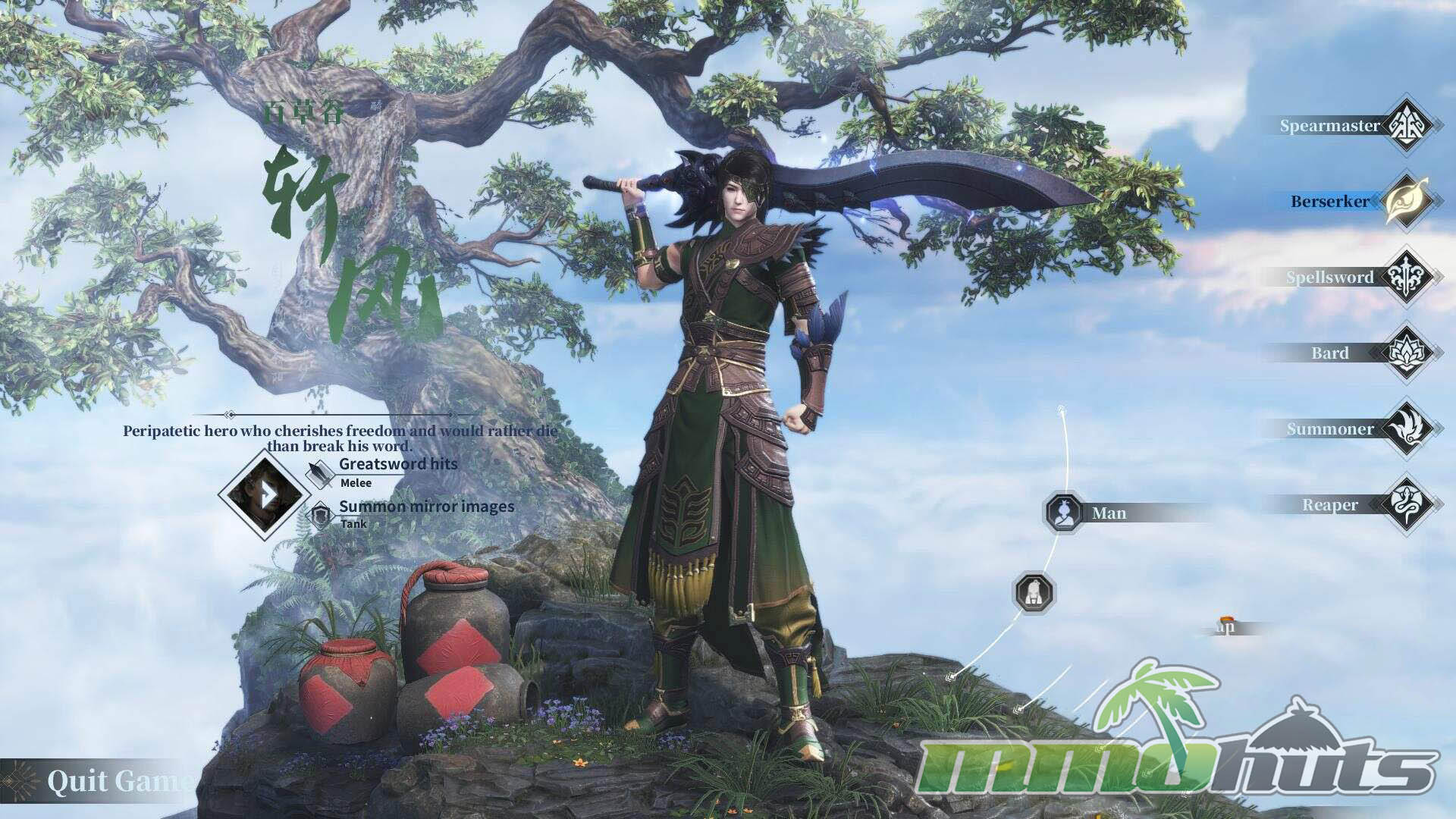
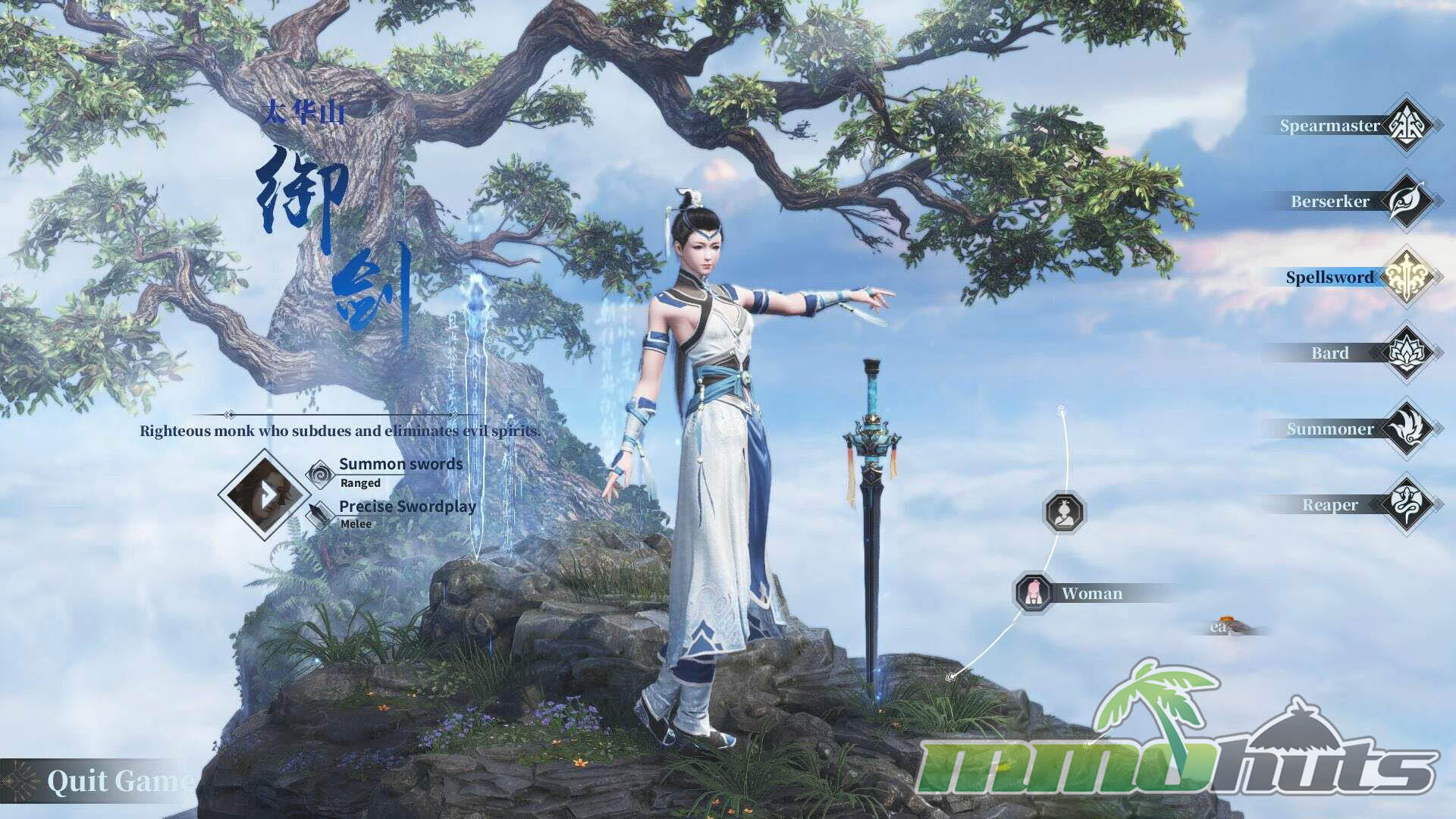
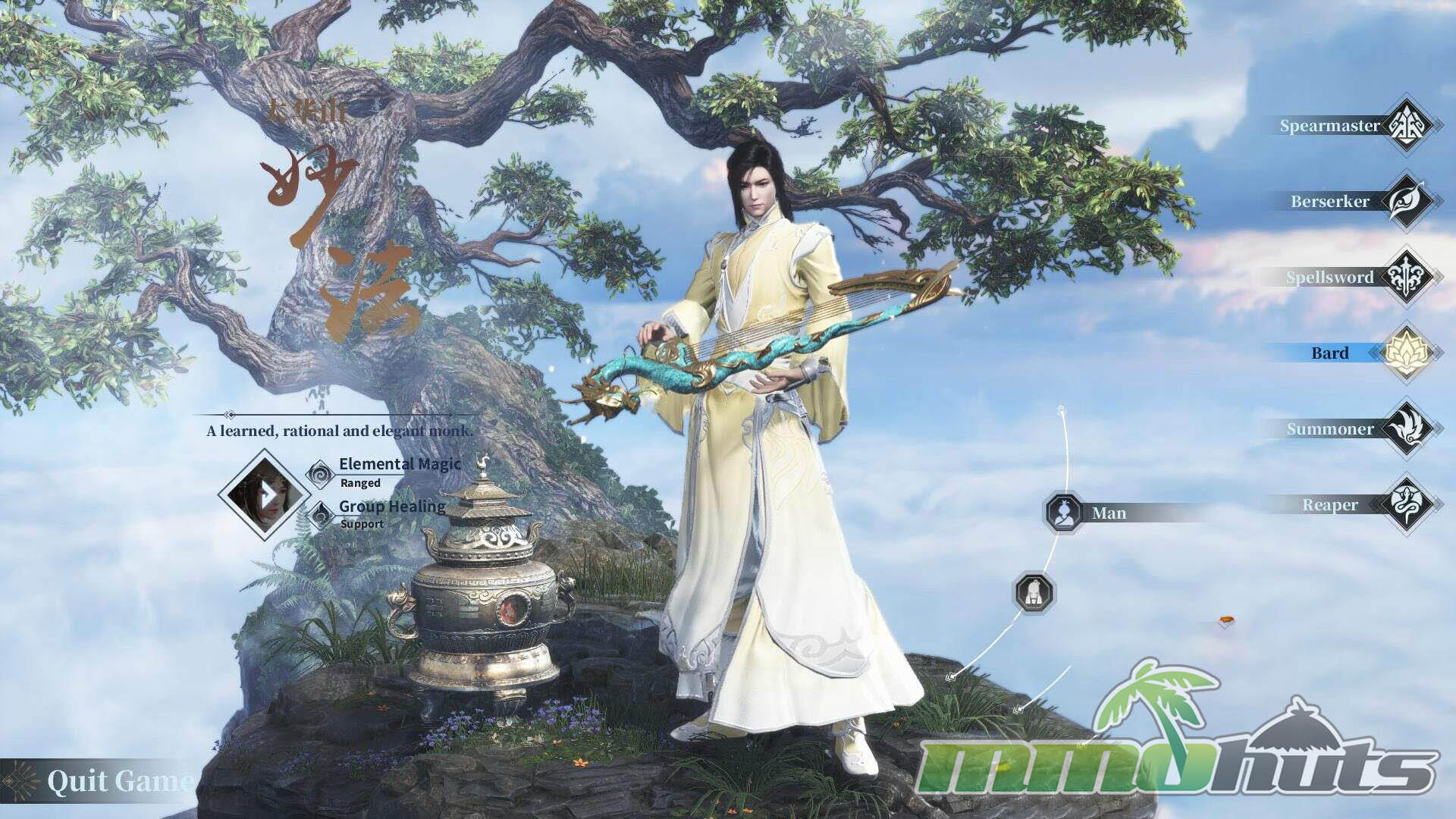
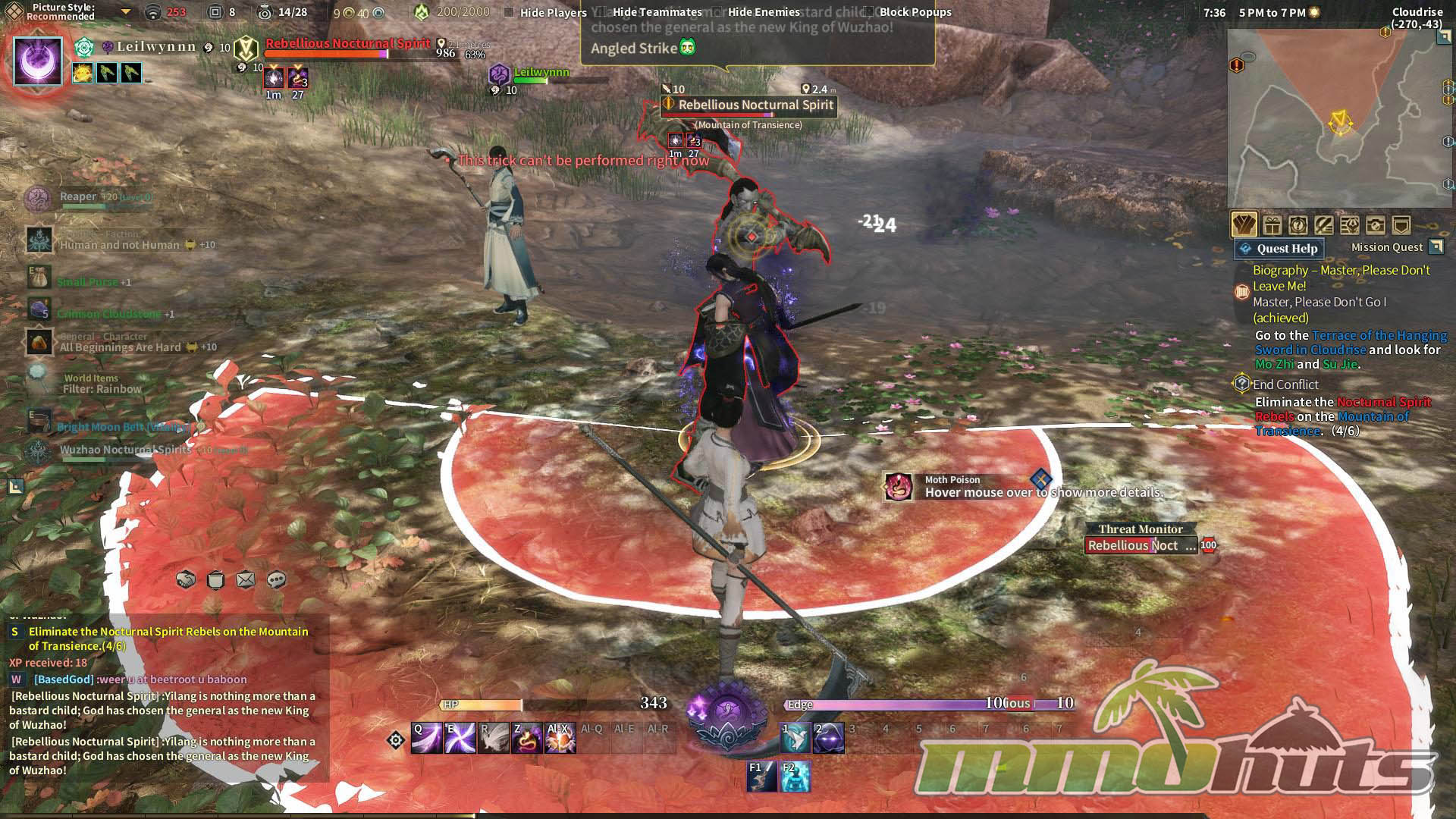
In Swords of Legends Online, you are swept into a long-running conflict between pure qi and dark qi, wielding the influence of legendary blades while opposing the plague goddess Jiegou and the demonic forces spreading corruption across the realm. The game’s class system is framed as martial schools, letting you pick from six options, Spearmaster, Berserker, Spellsword, Bard, Summoner, and Reaper, each built around distinct weapons, roles, and skill interactions. Combat leans toward action MMO fundamentals, chaining abilities into combos, timing dodges, and positioning carefully to keep damage flowing while avoiding heavy hits.
Progression pushes you through story-driven zones and instanced content, eventually opening up a fuller endgame loop that includes multi-difficulty dungeons, raids, world bosses, and a large selection of PvP formats. Competitive play spans arenas, battlegrounds, capture-the-flag rulesets, battle royale-style matches, and smaller skirmishes, offering different ways to test builds and execution. Between fights, you can engage with light professions and a housing feature that acts as both a creative outlet and a long-term project, helping round out the game beyond combat.
Swords of Legends Online Key Features:
- Xianxia-Inspired MMORPG – travel through a large mythic setting rooted in Chinese fantasy, filled with supernatural foes and martial arts traditions tied to the game’s storyline.
- Fluid Action Combat System – weave skills into combo strings, manage mobility and timing, and react to enemy patterns instead of relying on passive rotations.
- Challenging Dungeons – run instanced dungeons across multiple difficulty settings to pursue stronger rewards and gear upgrades.
- Instanced Player Housing – claim a floating island and shape it into a personalized residence, with flexible placement tools and a large catalog of décor.
- Epic PvP Battles – queue into multiple PvP modes, including 3v3, 10v10, 15v15, Battlegrounds, Battle Royale, Capture the Flag, and more.
Swords of Legends Online Screenshots



Swords of Legends Online Featured Video

Swords of Legends Online Review
A lot of players approach Chinese MMORPG releases with skepticism, and for understandable reasons, the genre often arrives in the west bundled with heavy automation, aggressive monetization, or designs that feel copy-pasted. Swords of Legends Online set out to stand apart by emphasizing hands-on action combat and by positioning its cash shop around cosmetic purchases rather than power. While it was not perfect, it did deliver a different flavor of MMO than many expected.
At its core, SOLO is a remastered and updated version of Gu Jian Qi Tan Online, first released in China in July 2019 by Wangyuan Shengtang Entertainment Technology. The setting leans into the Xianxia tradition, blending martial arts fantasy with spiritual cultivation themes, ancient relics, and supernatural threats. Your character is tied to one of the famed swords, pulled into a struggle against Jiegou and the Blightbeasts and demons born from dark qi. The premise is classic heroic fantasy, but filtered through a distinct cultural lens that gives the world its own identity.
Pick a School, Not Just a Class
Instead of “warrior” and “mage” labels, the game frames your role as a martial discipline. The six available classes are Spearmaster, Berserker, Spellsword, Bard, Summoner, and Reaper, and each later branches into two specializations to better fit endgame groups. That split matters because the game’s harder dungeons and raids expect clearer roles, damage, tanking, and healing all have defined responsibilities once you reach the content that demands coordination.
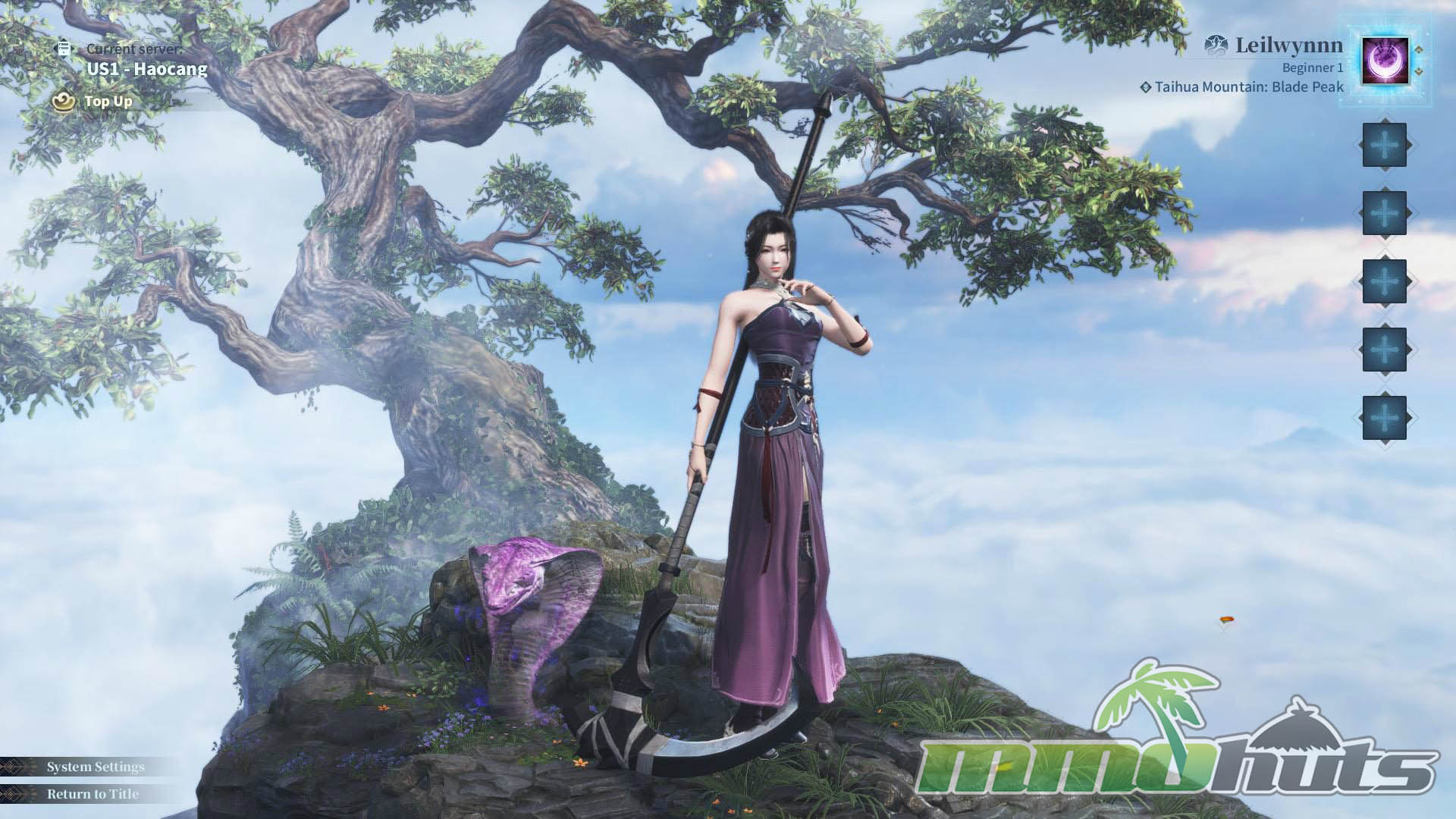
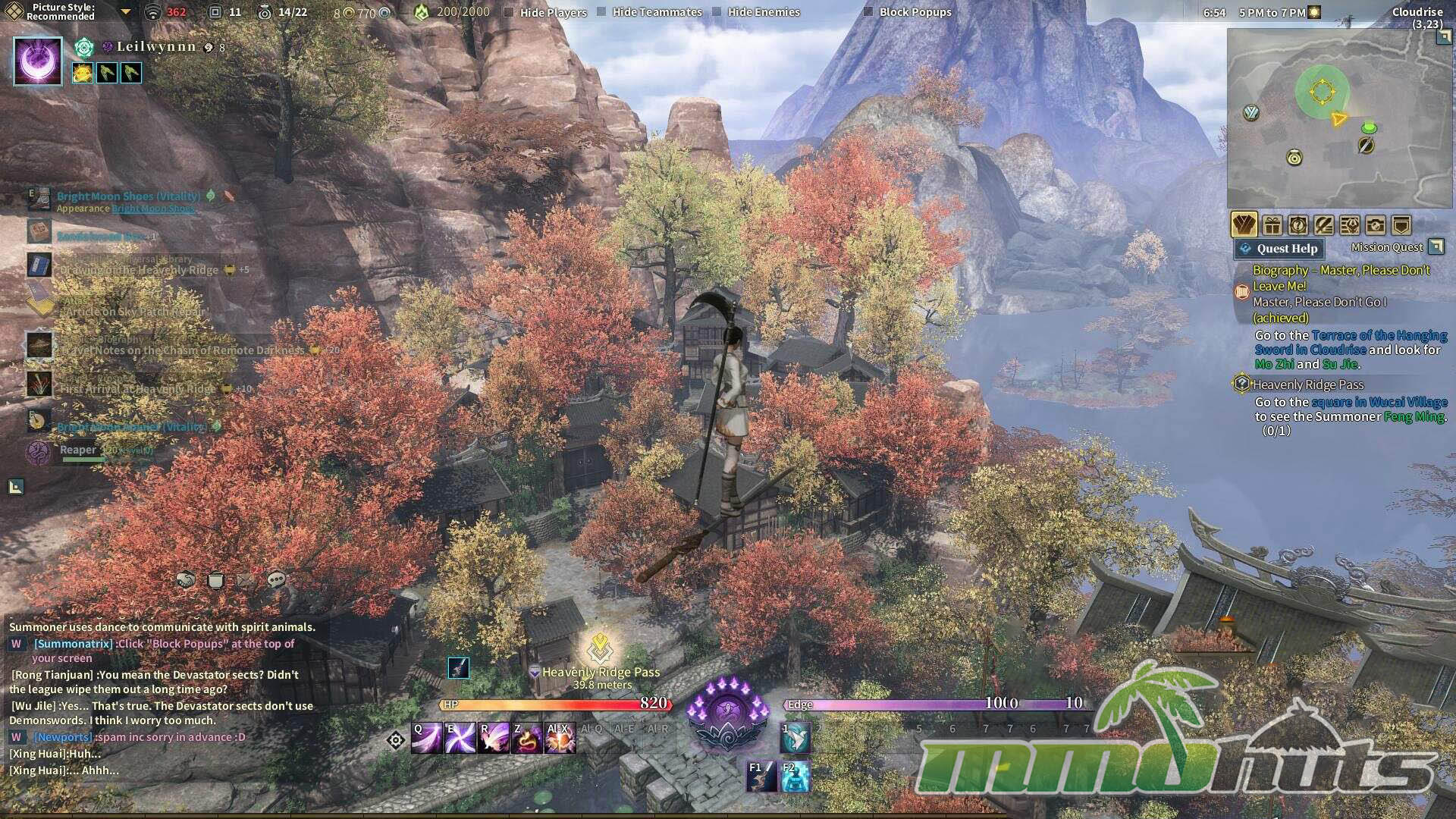
The Reaper is a good example of the game’s hybrid design, mixing close-range pressure with movement tools and spell-like attacks. Its specializations support different playstyles, one leaning toward a stealthy, damage-over-time approach with positional emphasis, and another that trades health to assist allies, providing group utility and damage reduction. If you prefer something more straightforward, Berserker tends to satisfy players who like fast melee pacing and impactful hits, especially while leveling.
Support players have strong options as well. Bard is built around party sustain through area heals and shielding, while Summoner leans into healing-over-time and companion support, including a fairy summon that reinforces the role. In group content, these distinctions feel meaningful, and they help the class roster avoid the “same kit with a different weapon” problem.
Character Creation and Early Hours
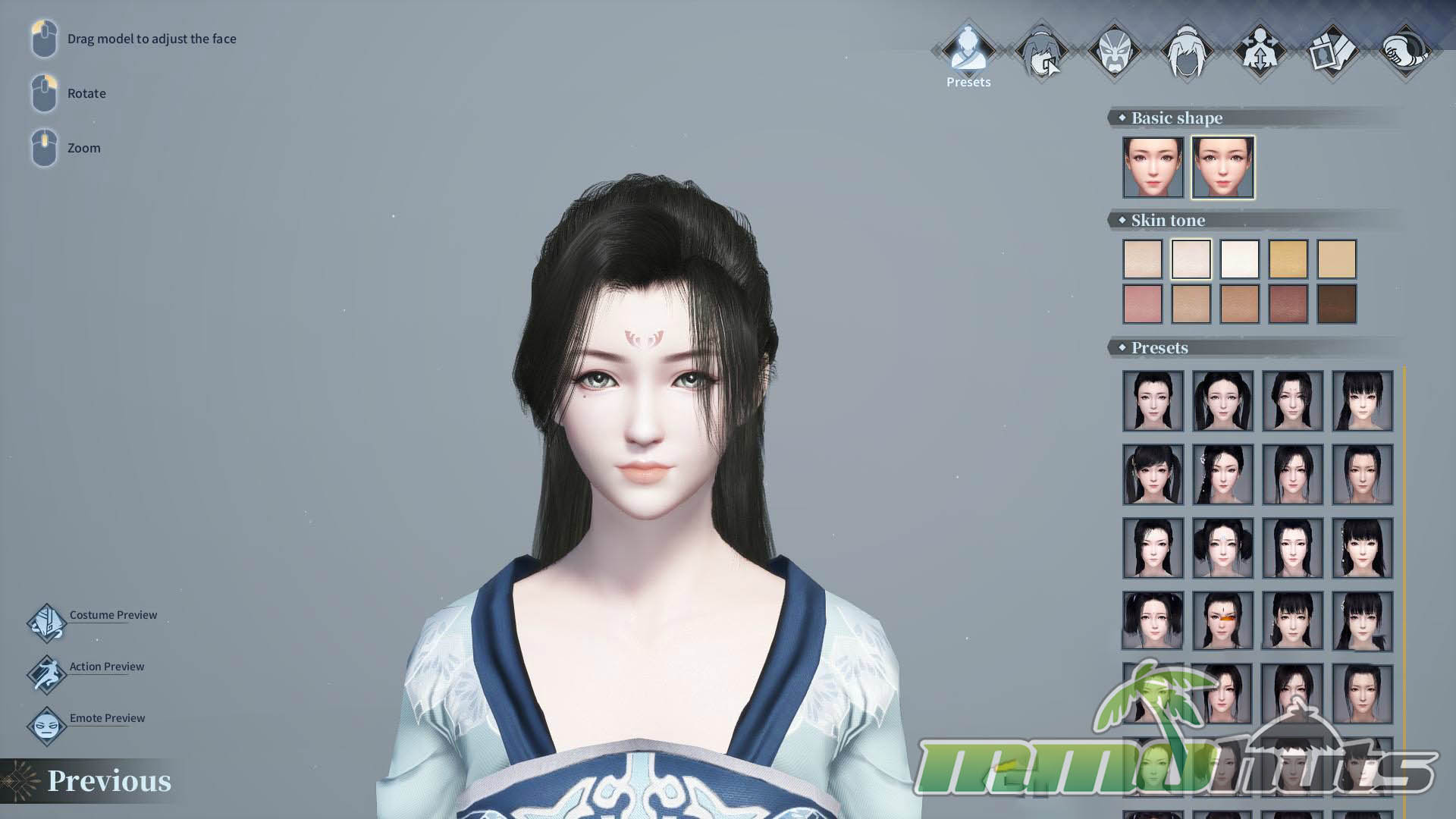
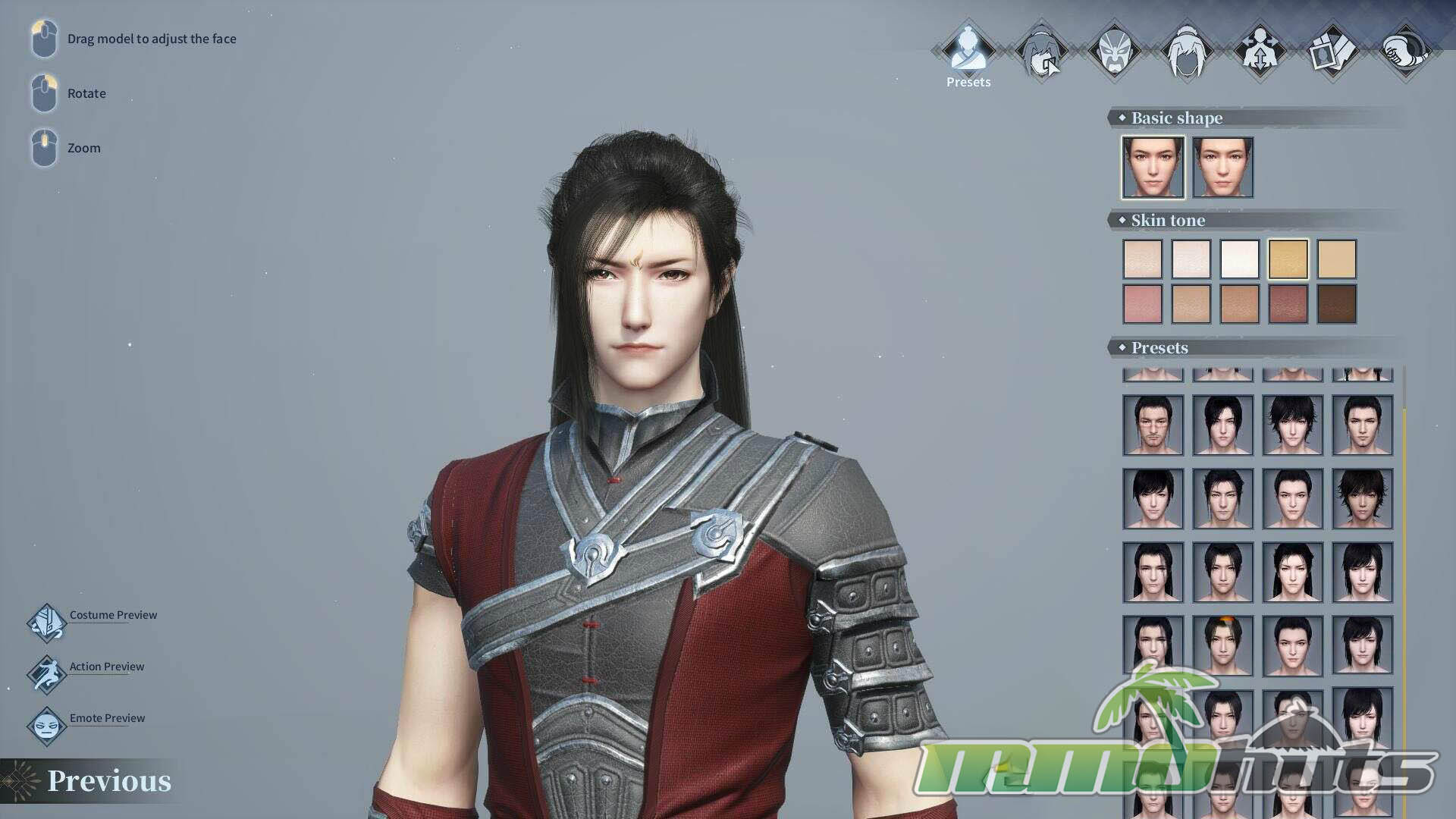
Character creation is easy to use but still fairly flexible, with plenty of sliders and a morph system that makes it simple to fine-tune facial features. The aesthetic direction is intentionally grounded in its historical-fantasy setting, which means your options skew toward natural palettes and traditional looks. You can still add flair through accessories and makeup, but do not expect a broad range of bright hair colors, unusual eye tones, or extreme skin tone variety.
The opening stretch is heavily guided, and the tutorial can run anywhere from about half an hour to a couple of hours depending on how much story you watch. There are many cutscenes, and the presentation is uneven, the visual staging is often strong, but localization can be distracting, and some voice work is missing in English. Players who enjoy lore and slow onboarding may appreciate the structure, while others will likely prefer skipping ahead. Even so, early zones do a good job showcasing the game’s best visual qualities, including its landscapes and water rendering.
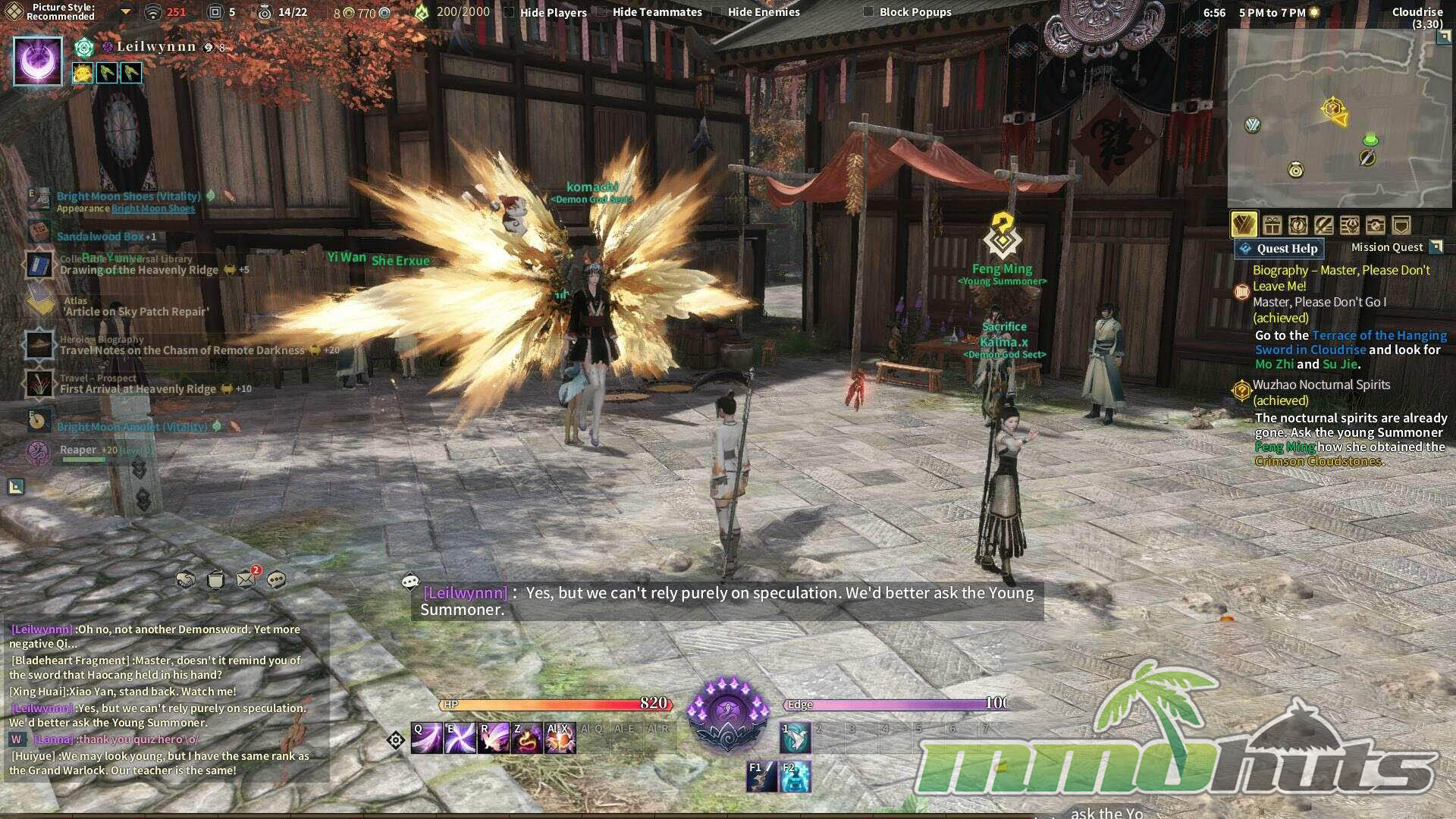
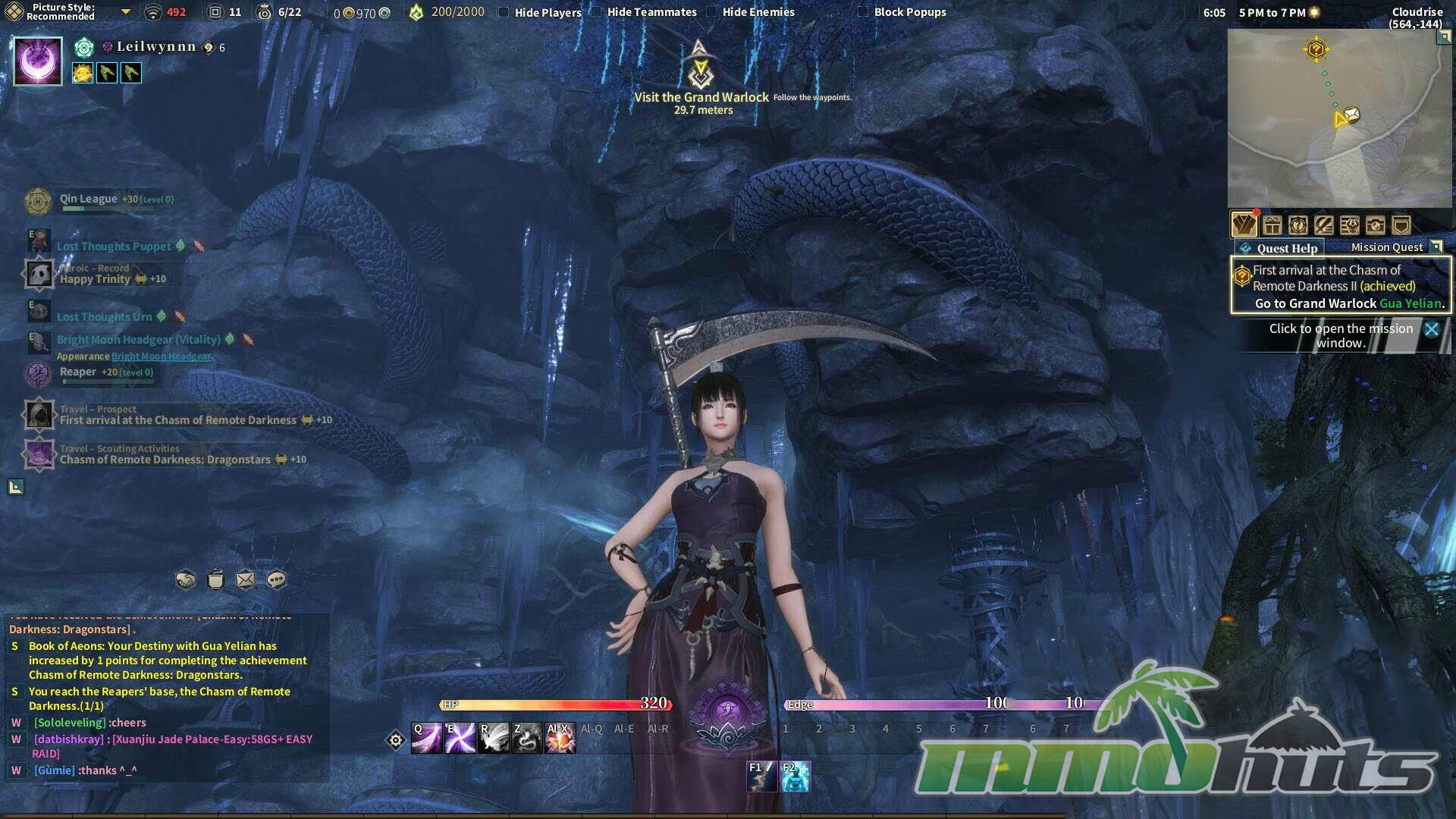
After the tutorial, you arrive in Cloudrise, the floating hub city that anchors much of the game’s early navigation. It is visually memorable and packed with NPCs and systems, but it also introduces one of SOLO’s recurring issues, the interface and quest flow can feel cluttered, especially when the game is trying to introduce multiple features at once.
From Hub City to Endgame
From Cloudrise, progression funnels you through the Mountain Realms via story quests and school-related errands. The questing itself is serviceable but rarely exciting, and it is very much a “follow the main track” MMO. If you enjoy wandering and choosing your own leveling path, SOLO does not offer as much freedom as more open-ended MMORPGs, it expects you to keep pushing the narrative until you reach the content where the systems open up.
Leveling is also presented through a distinct structure: you progress through 37 Beginner levels to reach Student 1, which was the maximum at the time described. Later updates extend that with 37 Student levels toward Adept 1. The concept is framed around rebirth cycles, and mechanically it means you regularly unlock new skills and eventually choose your specialization as your toolkit matures.
Once you hit Student 1, the game finally starts to feel like it is using its combat system properly. Dungeons and PvP in particular demand real execution, chaining skills cleanly, reacting to mechanics, dodging properly, and cooperating with teammates. Compared to the earlier questing loop, these modes are where the action combat design pays off and where classes begin to feel more distinct in practice.
Outside of combat, the game includes gathering and crafting-style professions (including fishing, hunting, and cooking) kept intentionally simple. You learn recipes, collect materials, and produce items without an overly complex economy simulation. It is a nice set of side systems, but not deep enough to carry the experience on its own.
Housing Is the Standout System
SOLO’s housing feature is the most impressive non-combat element by a wide margin. After reaching Student 1, you can obtain a floating island home and build an Asian-inspired residence with extensive decoration options. It is not just a cosmetic space, either, you can cultivate resources on your property and use them toward crafting materials and décor. Residences and resource nodes can be upgraded to improve output, expand storage, and increase research slots for blueprints, which gives the system a satisfying sense of long-term progression.
Final Verdict – Good
Swords of Legends Online managed to deliver a more premium-feeling Chinese MMORPG than many players expected, thanks to strong visuals, excellent environmental art, and a combat system that rewards attention and timing. Even with its messy UI moments and uneven translation, it often looked and felt closer to a modern AAA MMO than the genre’s worst stereotypes.
The biggest obstacle is that many of the best activities, dungeons, raids, meaningful PvP, and housing depth, sit behind a leveling experience that can feel repetitive and overly guided. For players willing to push through that ramp, the endgame offerings are genuinely enjoyable, and the cash shop focus on cosmetics (even if pricey) avoids the pay-to-win pitfalls many feared. It was a solid recommendation for MMO fans seeking something different from the usual big names, provided they had the patience to reach the point where the game’s strengths fully show.
Swords of Legends Online Links
Swords of Legends Online Official Site
Swords of Legends Online Steam Page
Swords of Legends Online Twitter Page
Swords of Legends Online Wiki
Swords of Legends Online Subreddit
Swords of Legends Online System Requirements
Minimum Requirements:
Operating System: Windows 10
CPU: AMD FX-6300 or Intel Core i3-4130
Video Card: GeForce GTX 760 or Radeon HD 7870
RAM: 8 GB RAM
Hard Disk Space: 80 GB available space
DirectX: Version 9.0
Recommended Requirements:
Operating System: Windows 10
CPU: AMD Ryzen 5 1600 or Intel Core i5-6600K
Video Card: Radeon RX 580 or Nvidia GTX 980Ti
RAM: 16 GB RAM
Hard Disk Space: 80 GB available space
DirectX: Version 9.0
Swords of Legends Online Music & Soundtrack
Coming soon!
Swords of Legends Online Additional Information
Developer: Wangyuan Shengtang Entertainment Technology Co.
Publisher: Gameforge
Platforms: PC (Steam, Epic Games Store, Gameforge)
Engine: Unreal Engine 4
Western CBT1: May 21-25, 2021
Western CBT2: June 1-8, 2021
Official Launch Date: July 9, 2021
Free to Play launch: March 3, 2022
Shut Down: June 30, 2023
Development History / Background:
Swords of Legends Online is a free-to-play 3D fantasy MMORPG developed by Wangyuan Shengtang Entertainment Technology and published in North America and Europe by Gameforge. It is a remastered and western-focused release of Gu Jian Qi Tan Online, which originally launched in China in July 2019, and it is part of the broader Gujian RPG franchise. The western version initially released as a buy-to-play MMORPG before switching to a free-to-play model on March 3, 2022.
The western edition was announced in April 2021 and was followed by two closed beta periods, May 21-25 and June 1-8. Steam also hosted a limited-time demo from June 16-June 22 during the Steam Next Fest event. The full launch arrived on Steam across multiple regions (including Europe and North America) on July 9, 2021, with the free-to-play transition occurring on March 3, 2022.
The game was shut down on June 30, 2023.