Star Wars: Galaxy of Heroes is a free-to-play mobile RPG that mixes hero collection with squad-based, turn-driven battles in the Star Wars universe. It leans heavily on long-term progression, daily tasks, and building teams from a huge roster of recognizable characters, then putting those squads to work across Light Side and Dark Side PvE missions, asynchronous PvP, and several repeatable modes designed for farming gear and shards.
 | Publisher: Electronic Arts Playerbase: High Type: Mobile RPG Release Date: November 24, 2015 Pros: +Sharp visuals and animations. +Large roster of iconic Star Wars characters. +Tactical, turn-based squad combat. +Simple controls that work well on mobile. +Separate Light and Dark side progression. Cons: -Loop can feel repetitive over time. -Heavy farming and long grinds for shards and gear. -Little narrative focus. -Monetization can influence competitive play. |



Star Wars: Galaxy of Heroes Overview
Star Wars: Galaxy of Heroes is a 3D, turn-based hero-collector RPG from Capital Games (also known for Heroes of Dragon Age), published by Electronic Arts. The pitch is straightforward: recruit famous Star Wars heroes and villains, build a five-unit squad, and clear a steady stream of battles for experience, shards, and equipment. The game’s main PvE path is split into Light Side and Dark Side campaigns, each made up of many short stages with multiple waves and periodic boss fights.
Combat is designed for mobile sessions, but it is not mindless. You choose targets, manage cooldown-based abilities, and try to line up synergies between characters. Over time, you will expand your roster past the starter squad by collecting character shards and unlocking new units, then strengthen them through leveling, gear, and upgrades. When you want a competitive angle, asynchronous PvP lets you fight other players’ squads (controlled by AI) to climb rankings and earn rewards, while extra PvE modes provide additional places to grind for materials.
Star Wars: Galaxy of Heroes Features:
- Light & Dark Side Campaign – Progress through a large set of missions on both sides of the conflict, with varied enemies and boss encounters.
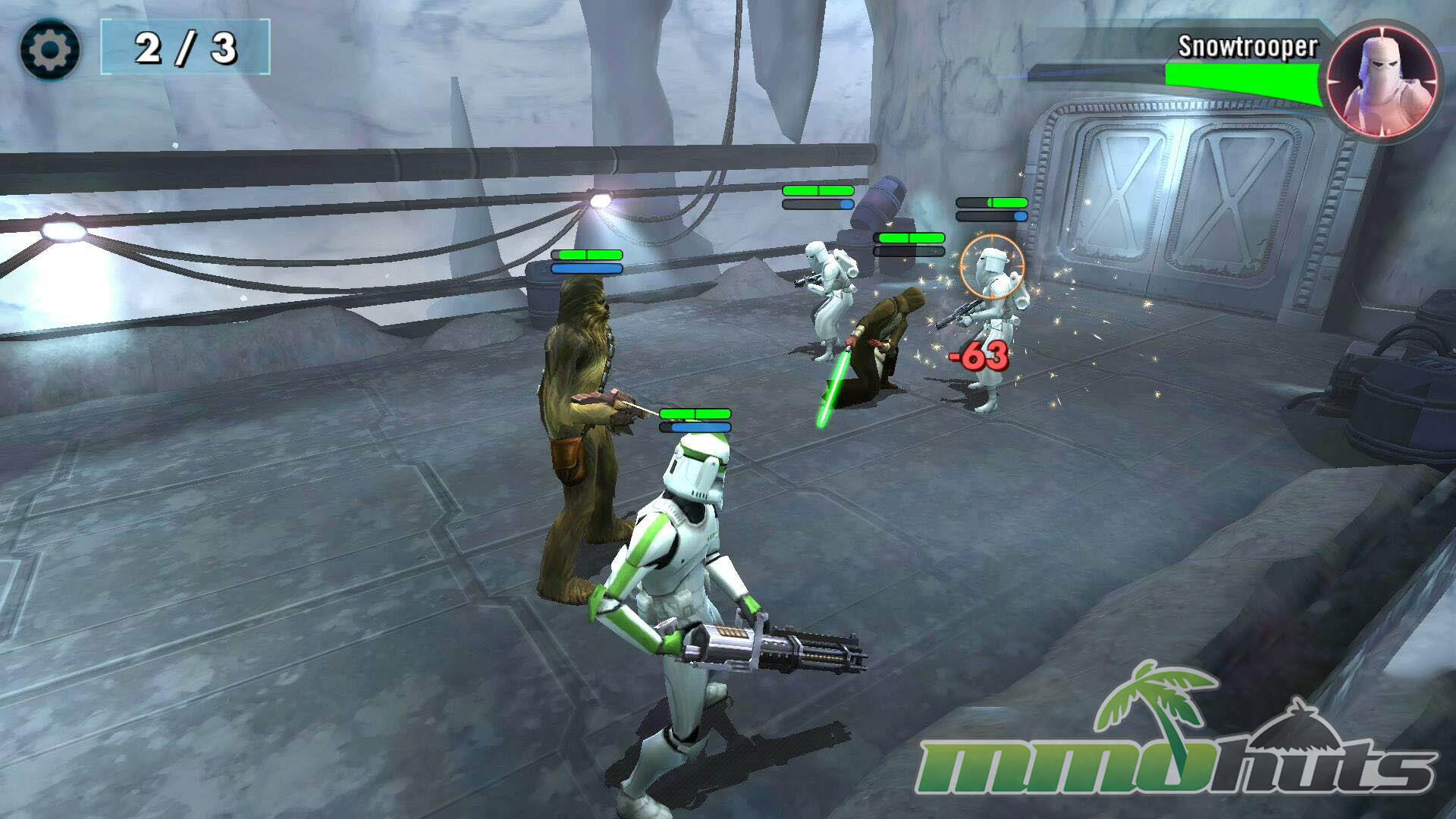
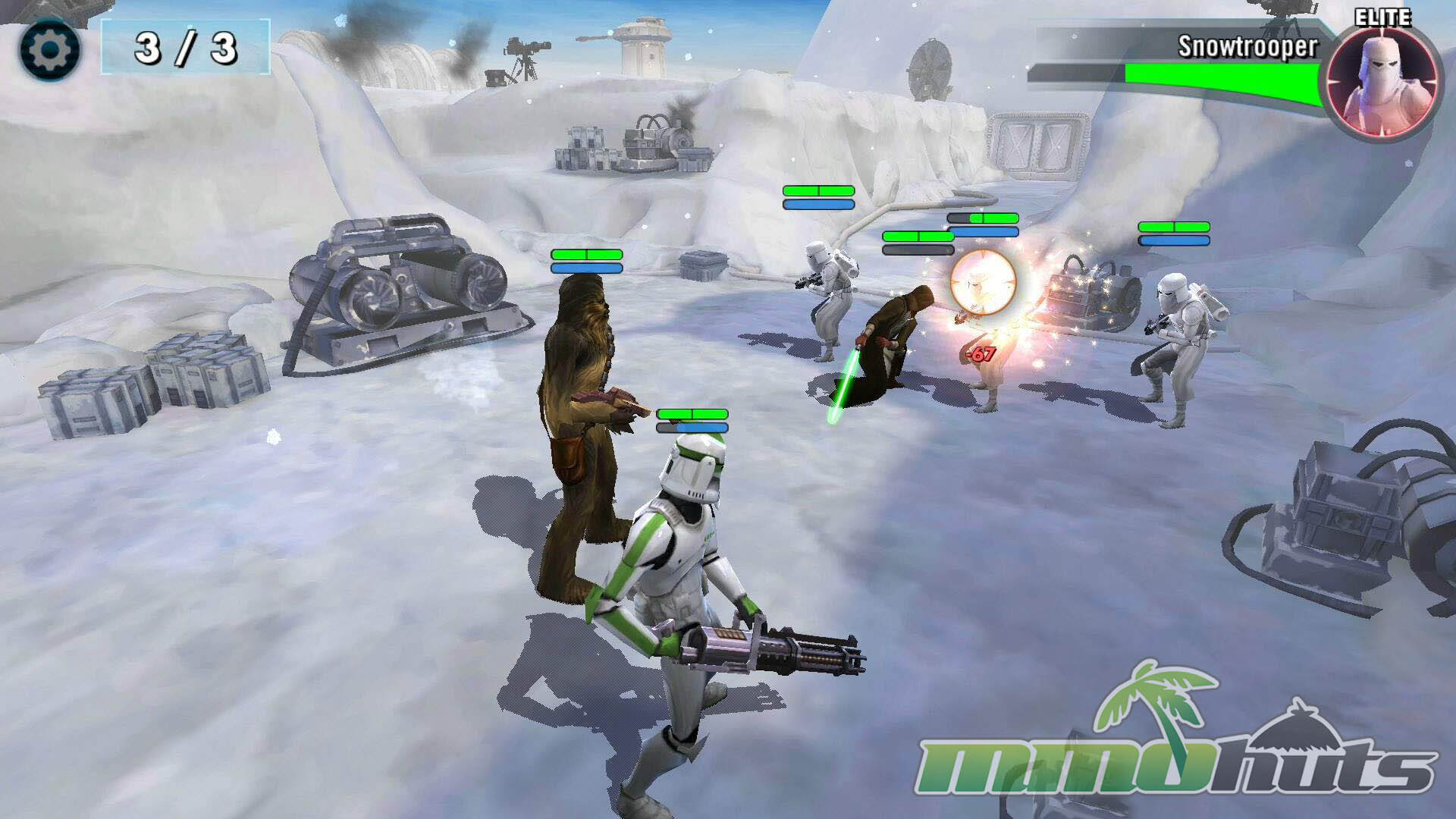
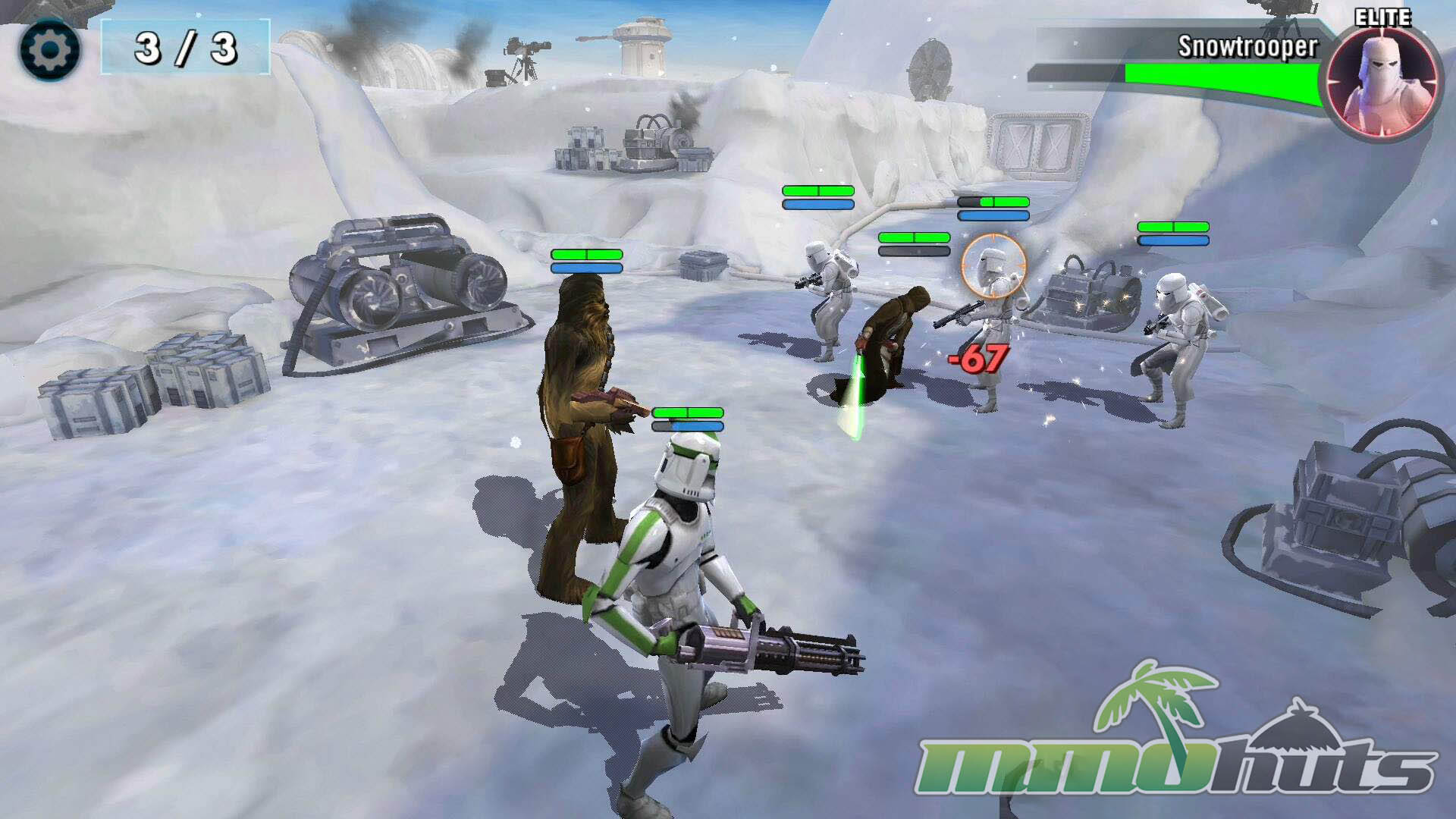
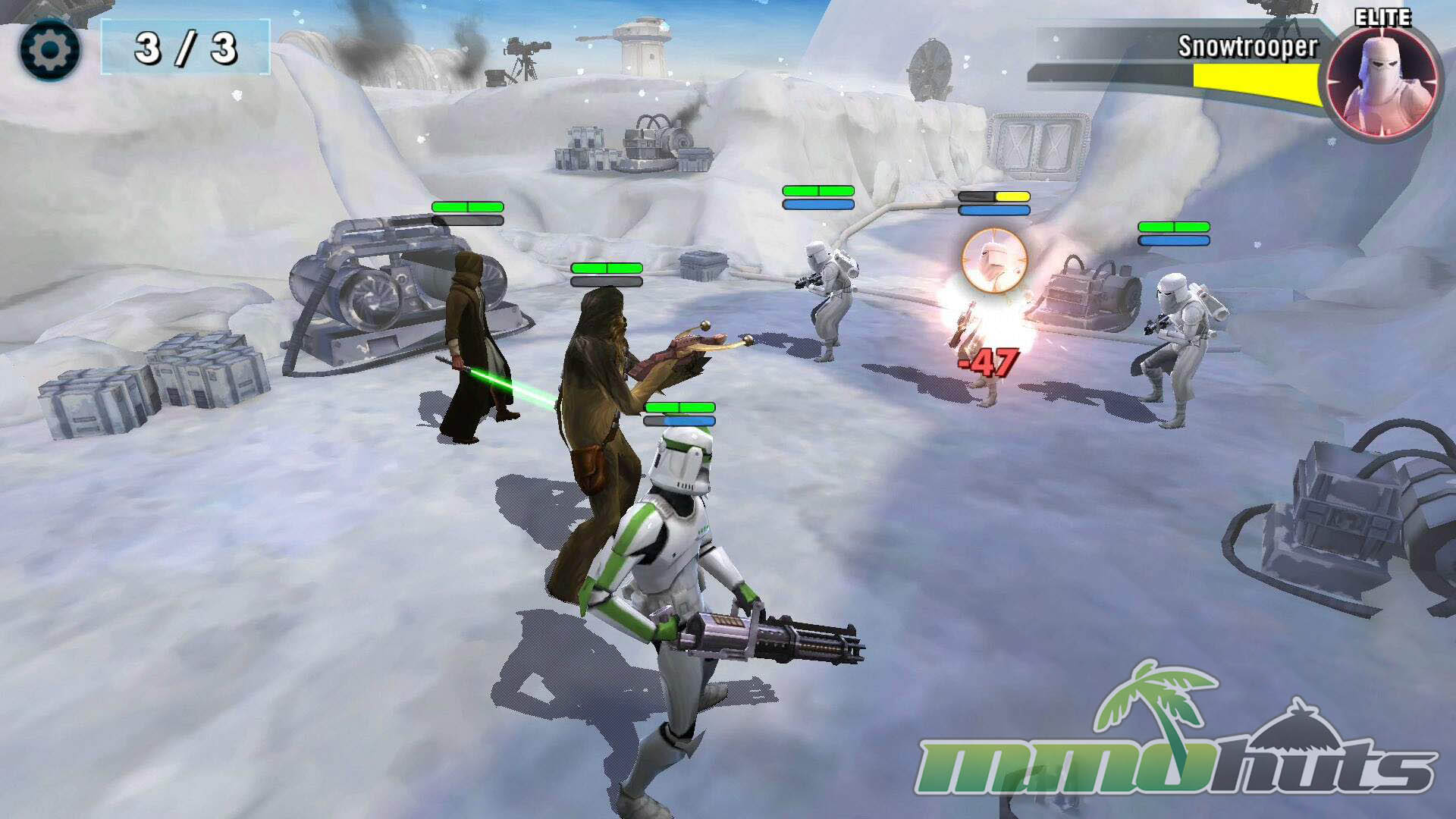
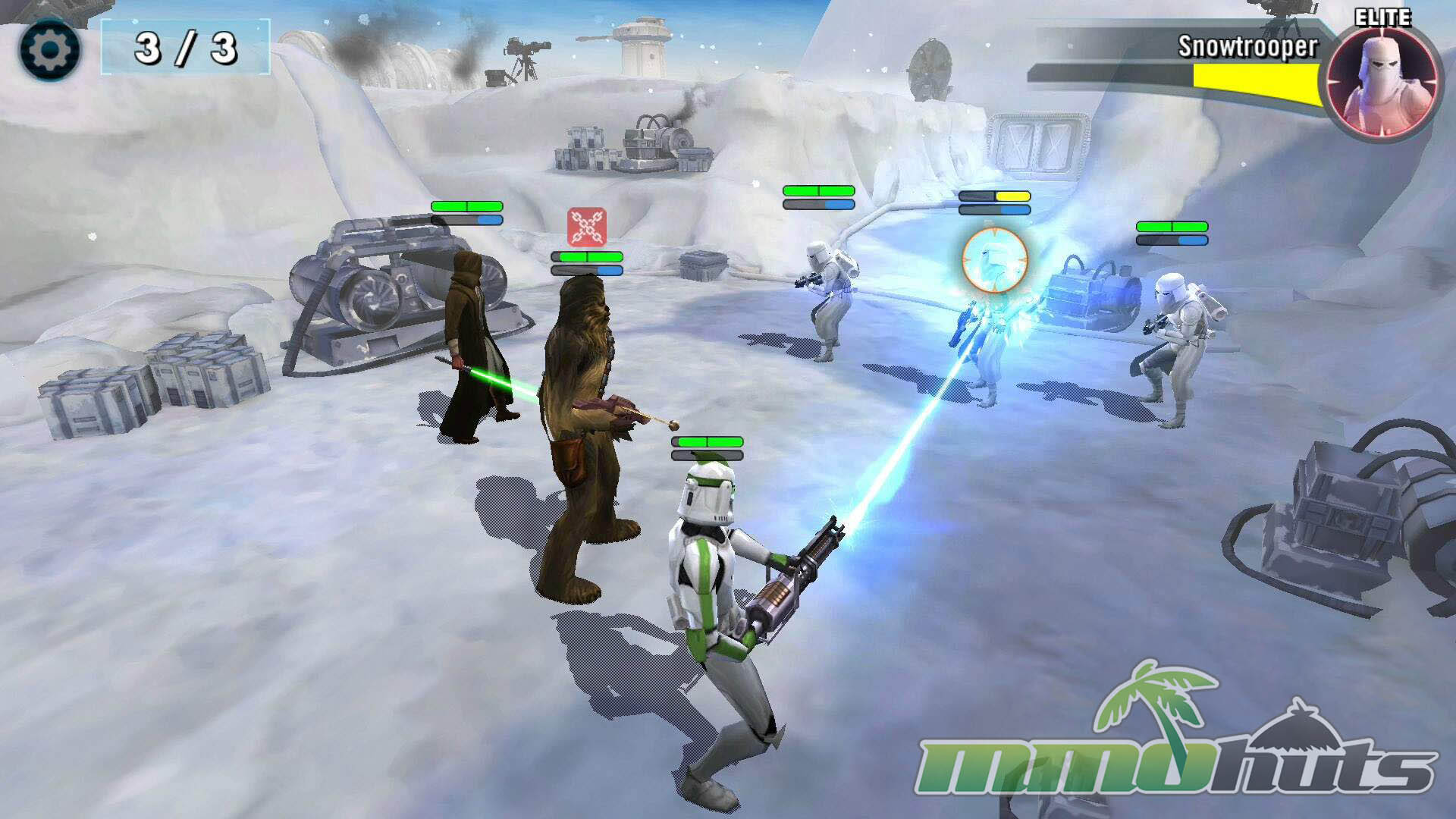
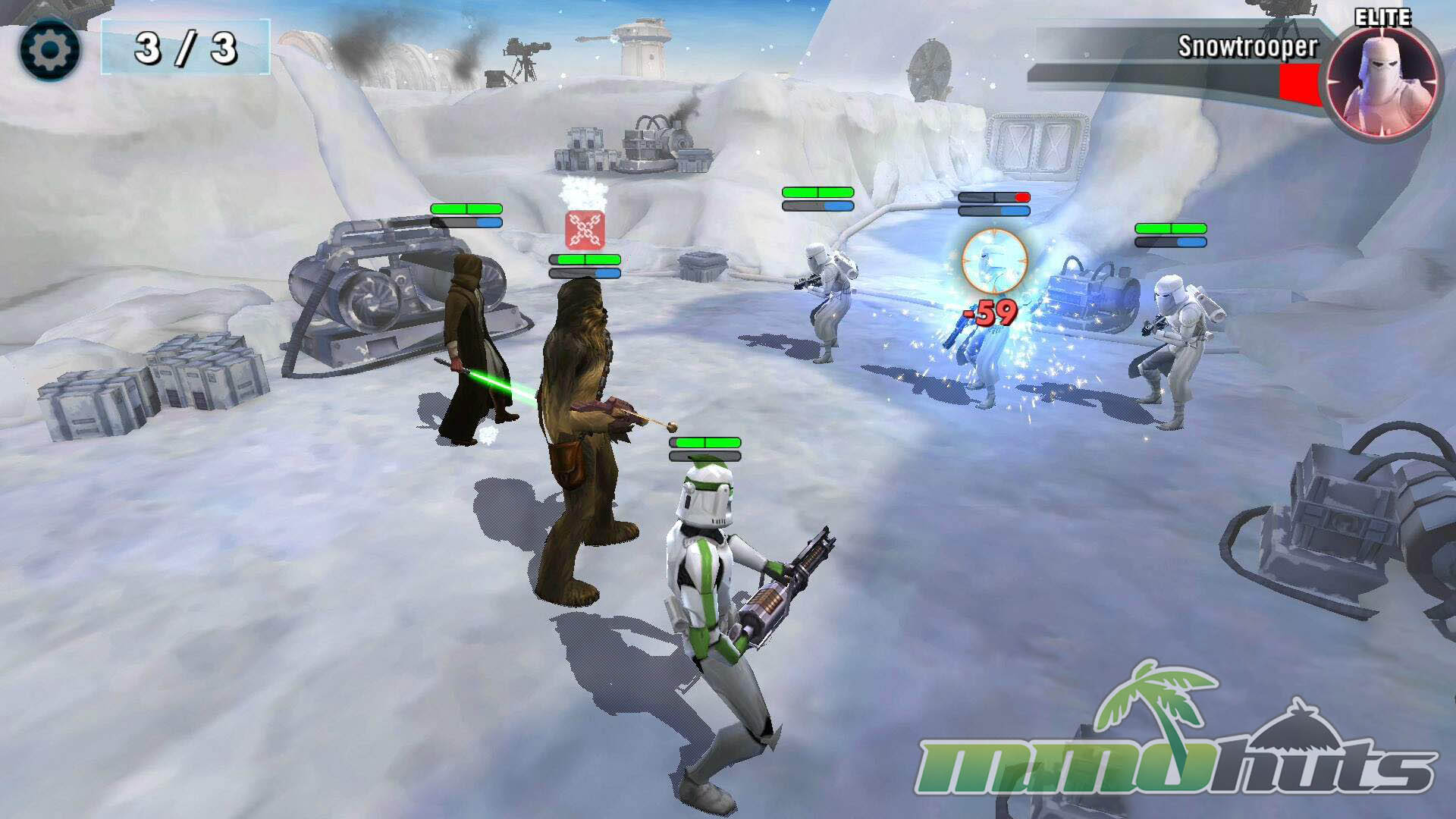
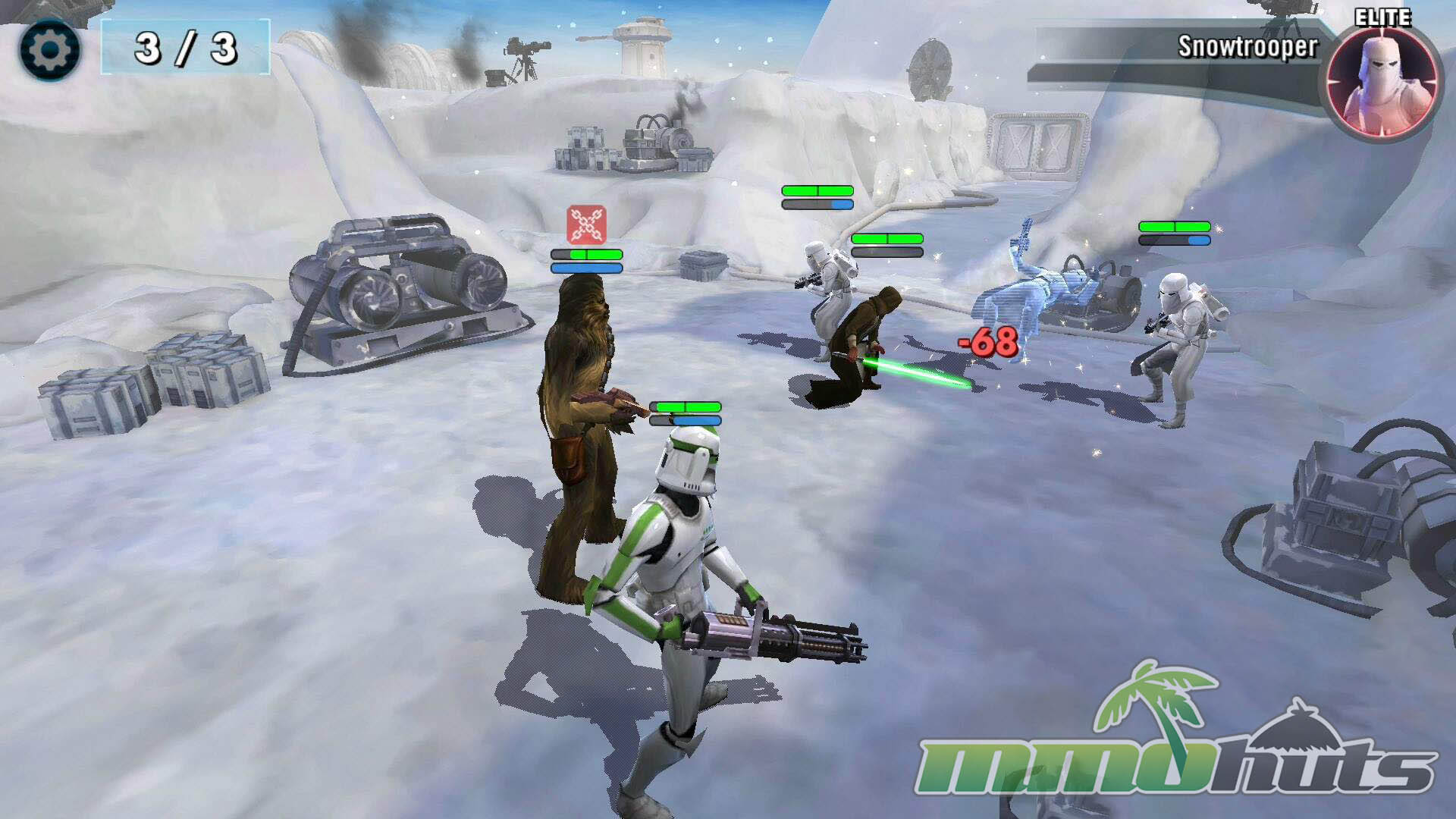
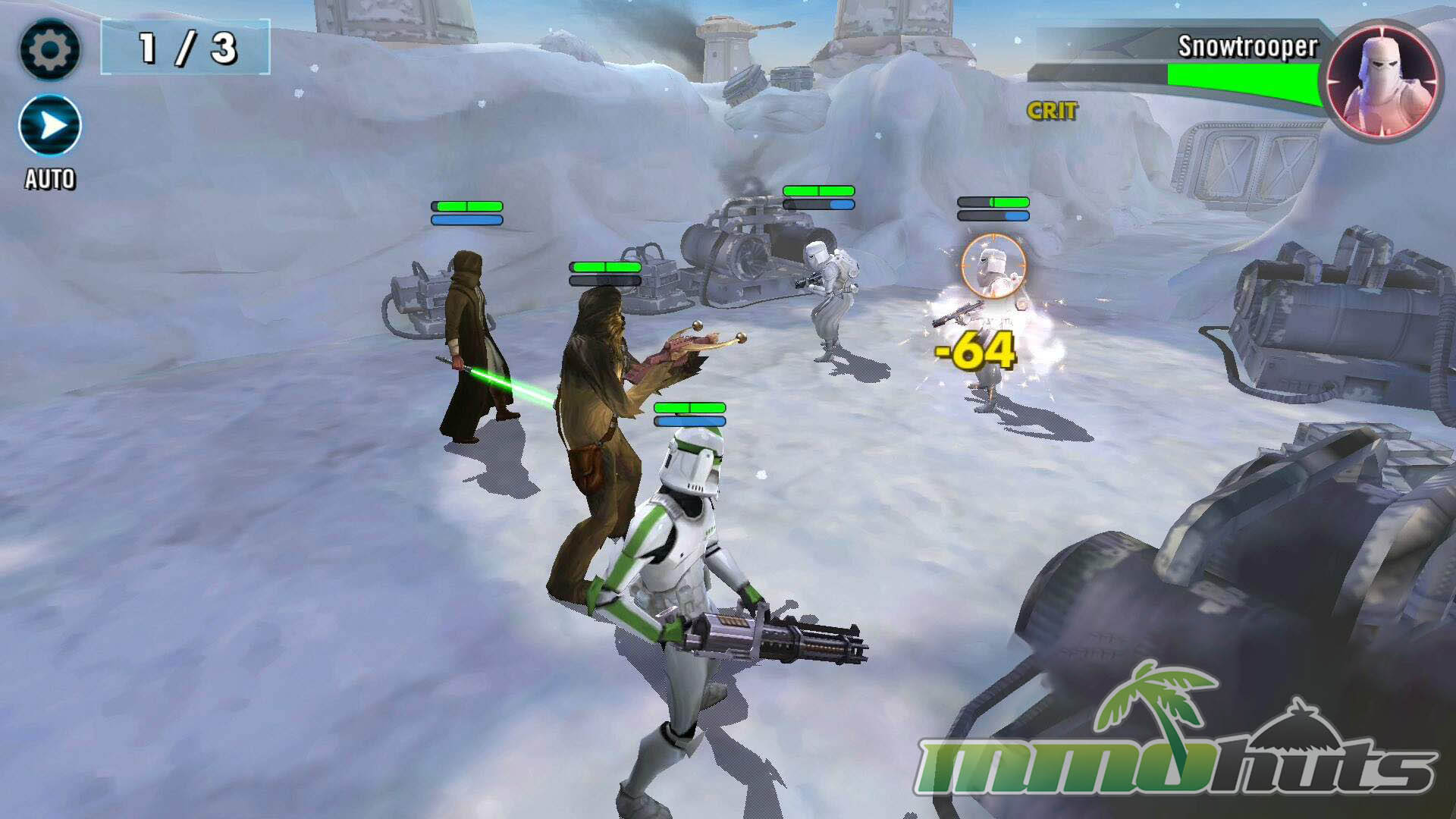
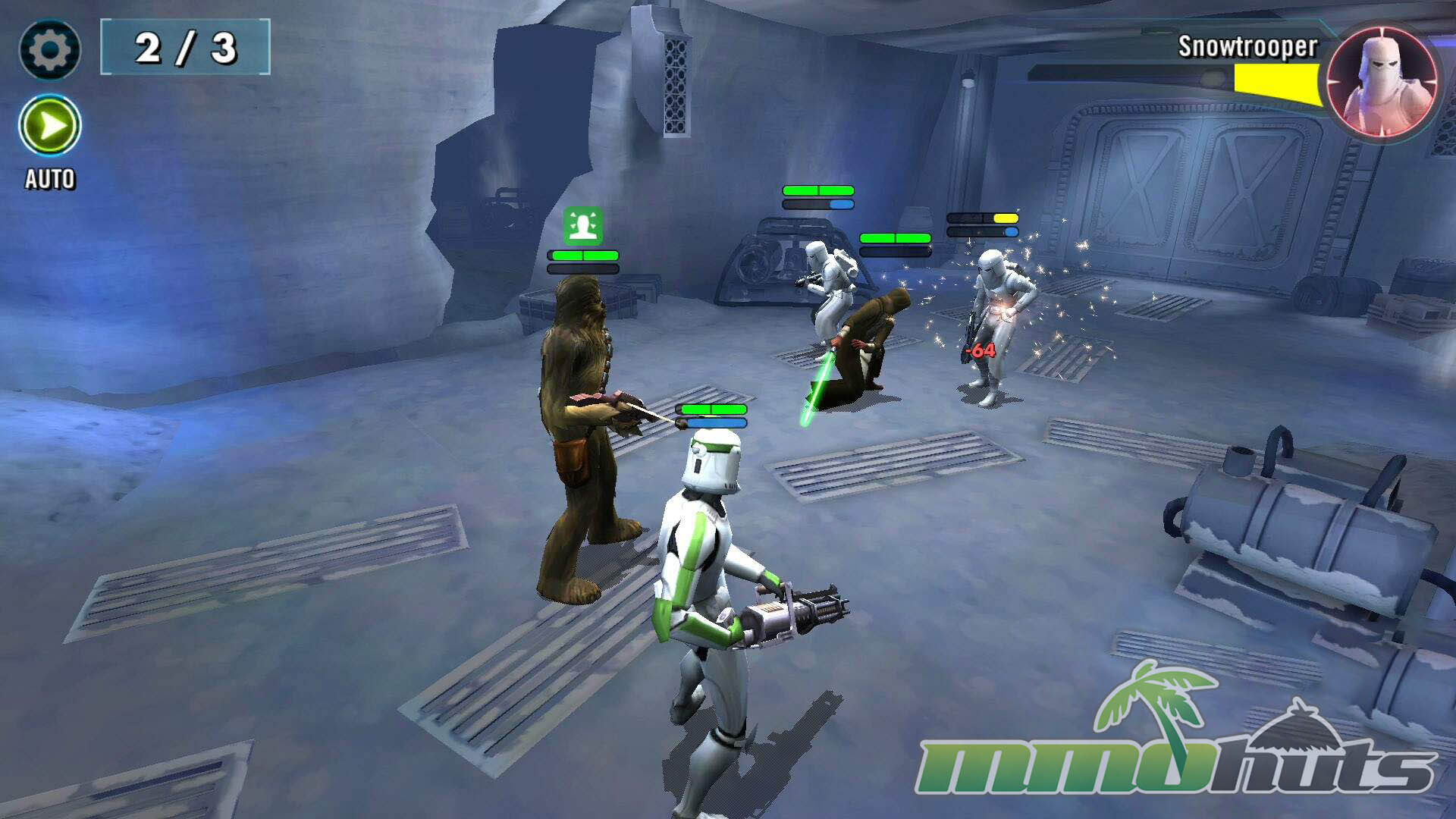
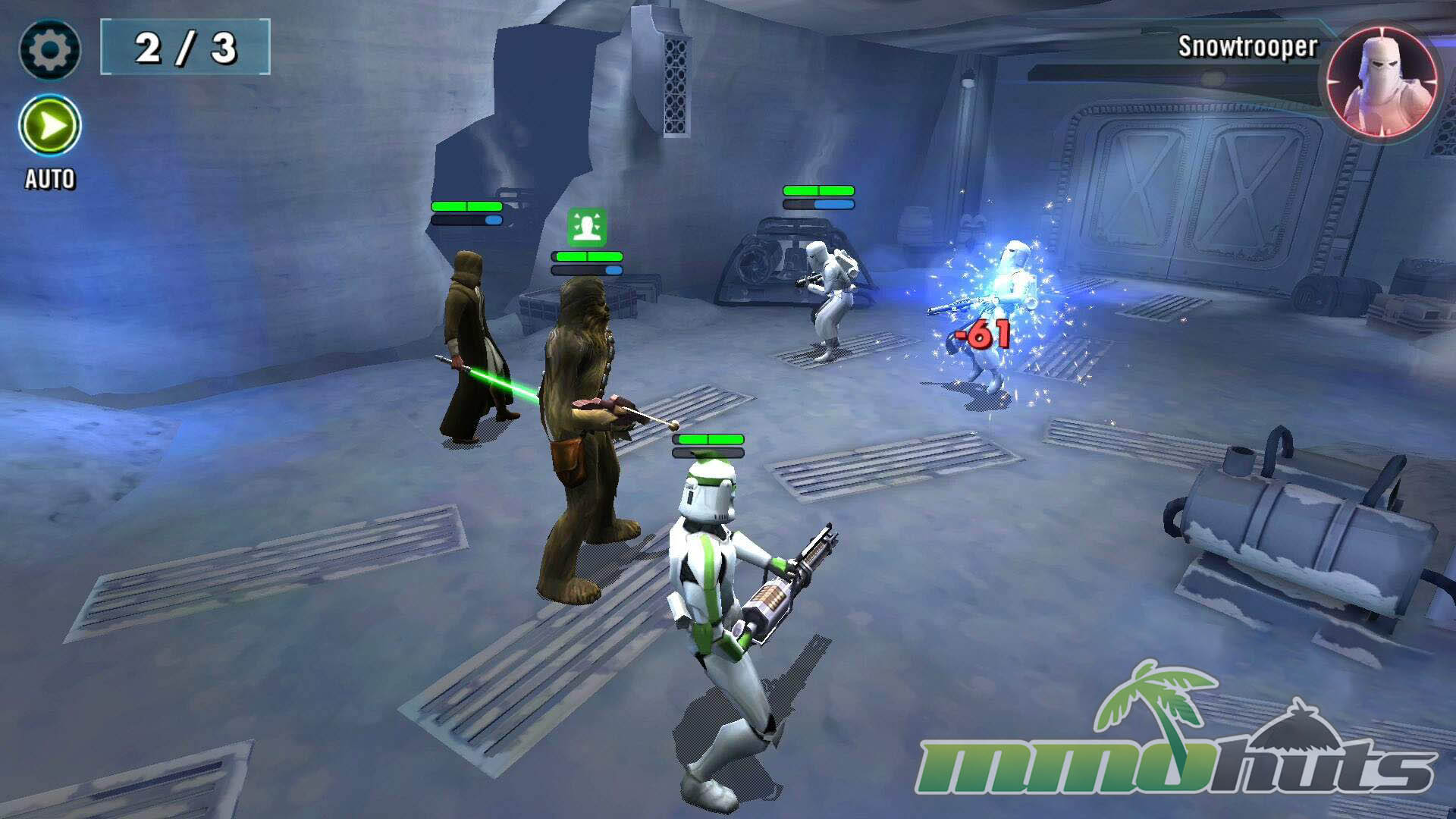
- High Quality Graphics – Detailed 3D character models, effects, and environments presented with a polished sci-fi look.
- Turn-based Combat – Squad battles built around targeting, ability timing, cooldown management, and an optional Auto setting.
- Many Heroes to Collect – Collect over 100 Star Wars characters, each with distinct roles, kits, and visuals, including Darth Vader, Luke Skywalker, Han Solo, and more.
- Asynchronous PVP – Challenge other players’ teams in ranked arena matches and push for better placement and rewards.
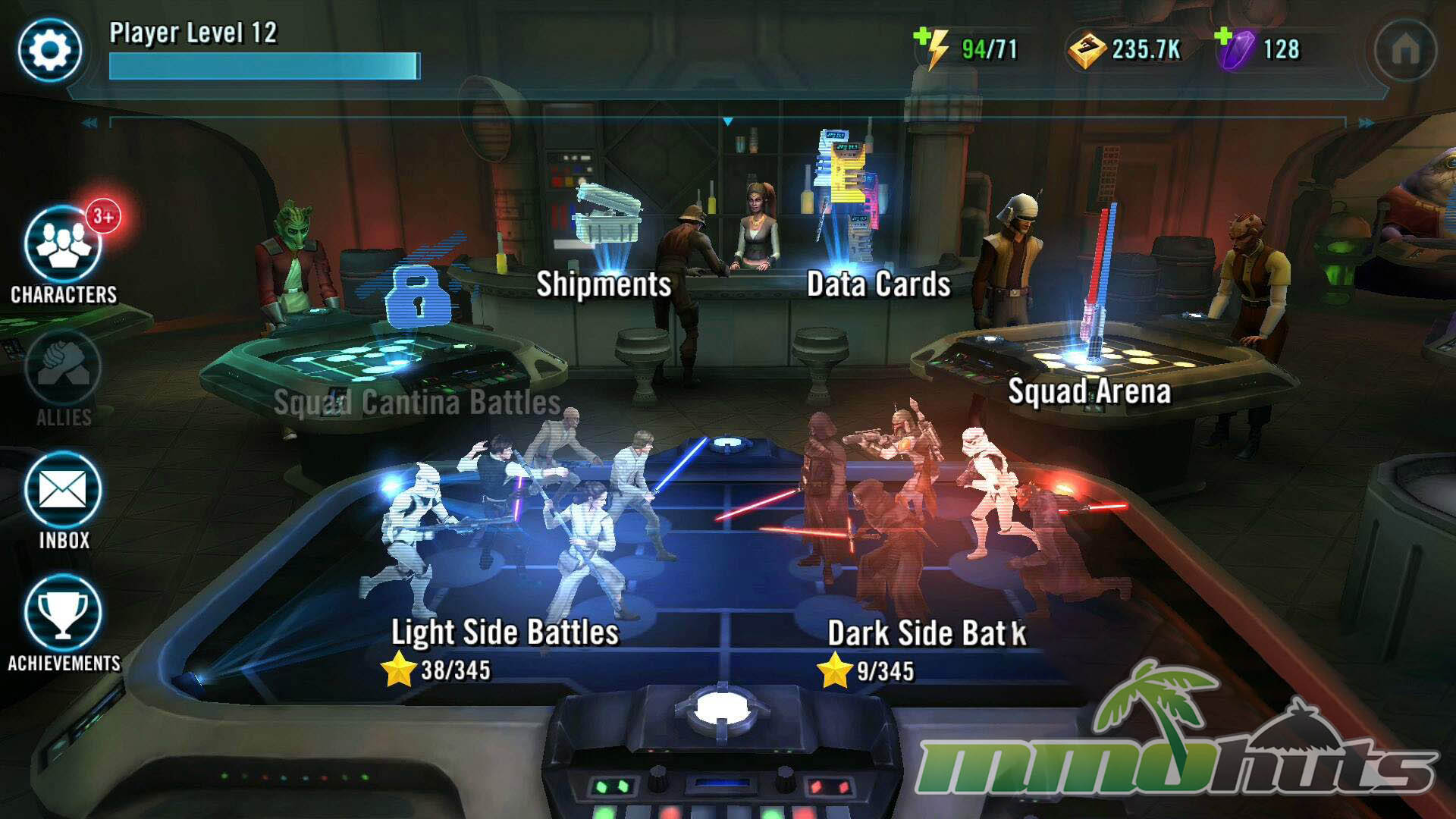
- Additional PVE Modes – Take on extra activities such as Squad Cantina Battles, Galactic Battle, and Challenges for more loot and progression paths.
Star Wars: Galaxy of Heroes Screenshots

Star Wars: Galaxy of Heroes Featured Video

Star Wars: Galaxy of Heroes Review
Star Wars: Galaxy of Heroes is a free-to-play mobile RPG built around collecting characters and winning encounters through turn-based squad tactics. Developed by Capital Games and published by Electronic Arts, it arrived during a period of renewed Star Wars attention and quickly found an audience. At its core, the game follows a familiar formula for the genre, stage-based battles, energy systems, and long-term upgrading, but it benefits from strong production values and the appeal of assembling squads made up of iconic names.
Even if you have played other hero-collecting RPGs, Galaxy of Heroes remains easy to understand. You clear missions, earn resources, and use those rewards to unlock and improve characters. The hook is how well the Star Wars theme fits the loop, collecting recognizable heroes and villains, gearing them up, and experimenting with team setups for different modes. The downside is equally typical for the genre: a lot of repetition, plenty of farming, and a monetization model that can meaningfully speed up progress.
A Hologram-Board Presentation, Not a Big Narrative
Visually, Galaxy of Heroes looks sharp for a mobile title, with solid 3D models and clean combat effects. The action is framed as battles taking place on a holographic table, which helps explain why matchups are often “what-if” scenarios rather than scenes directly lifted from the films. That framing also comes with a tradeoff: the game is not particularly story-driven. Instead of a strong narrative arc, most of your time is spent moving through mission nodes, clearing short fights, and chasing incremental upgrades.
Campaign progression is built from many compact stages, generally featuring multiple waves and a tougher enemy at the end. Completing them awards player experience, character experience, and a spread of loot, commonly shards for unlocking units and gear pieces for upgrades. You field up to five characters per fight, and the two main campaign tracks, Light Side and Dark Side, encourage you to build separate pools of usable characters. After finishing a set of missions, higher difficulty options open up with improved rewards, which becomes a key part of the long-term grind.
Turn-Based Combat That Rewards Target Priority
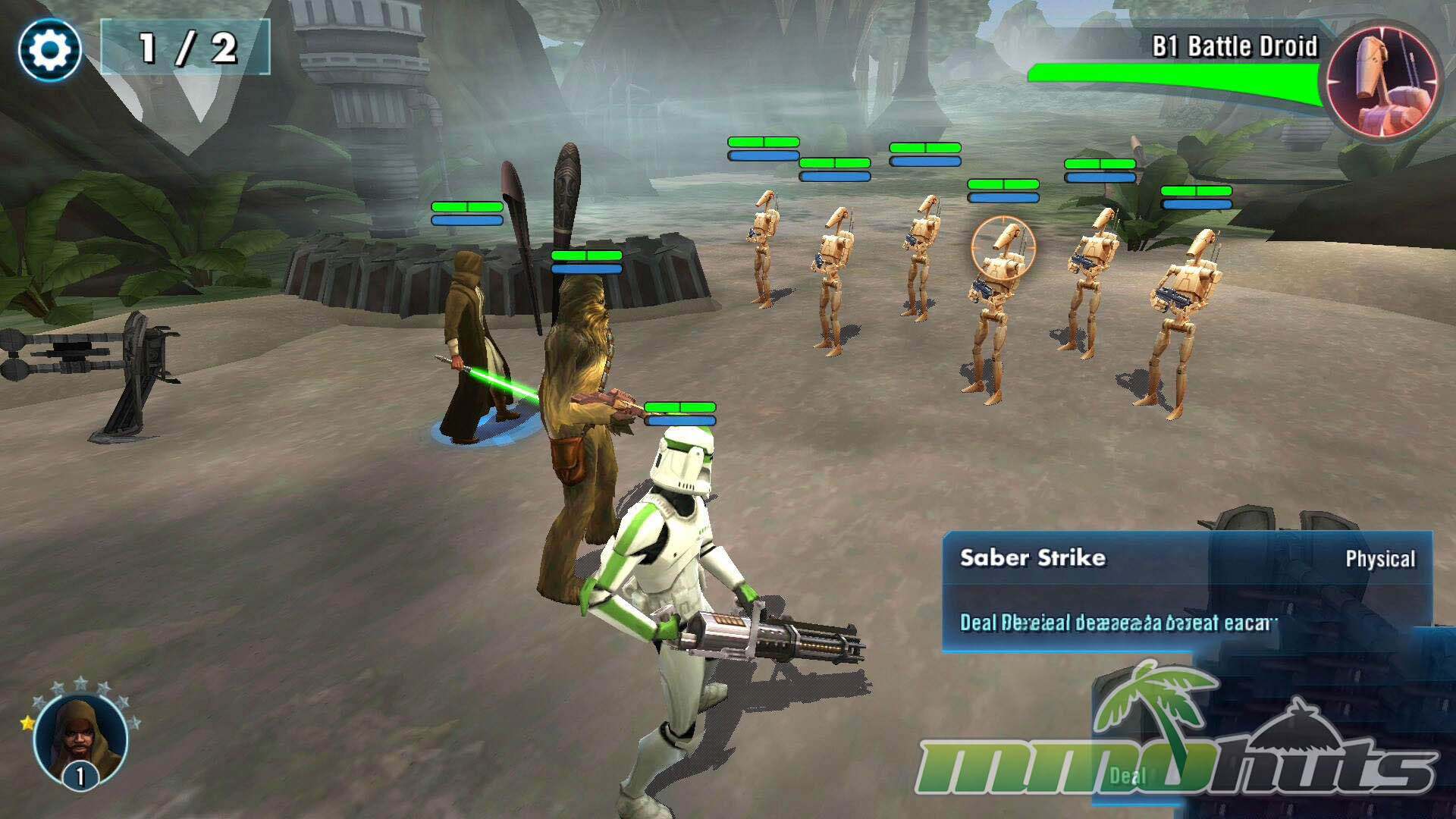
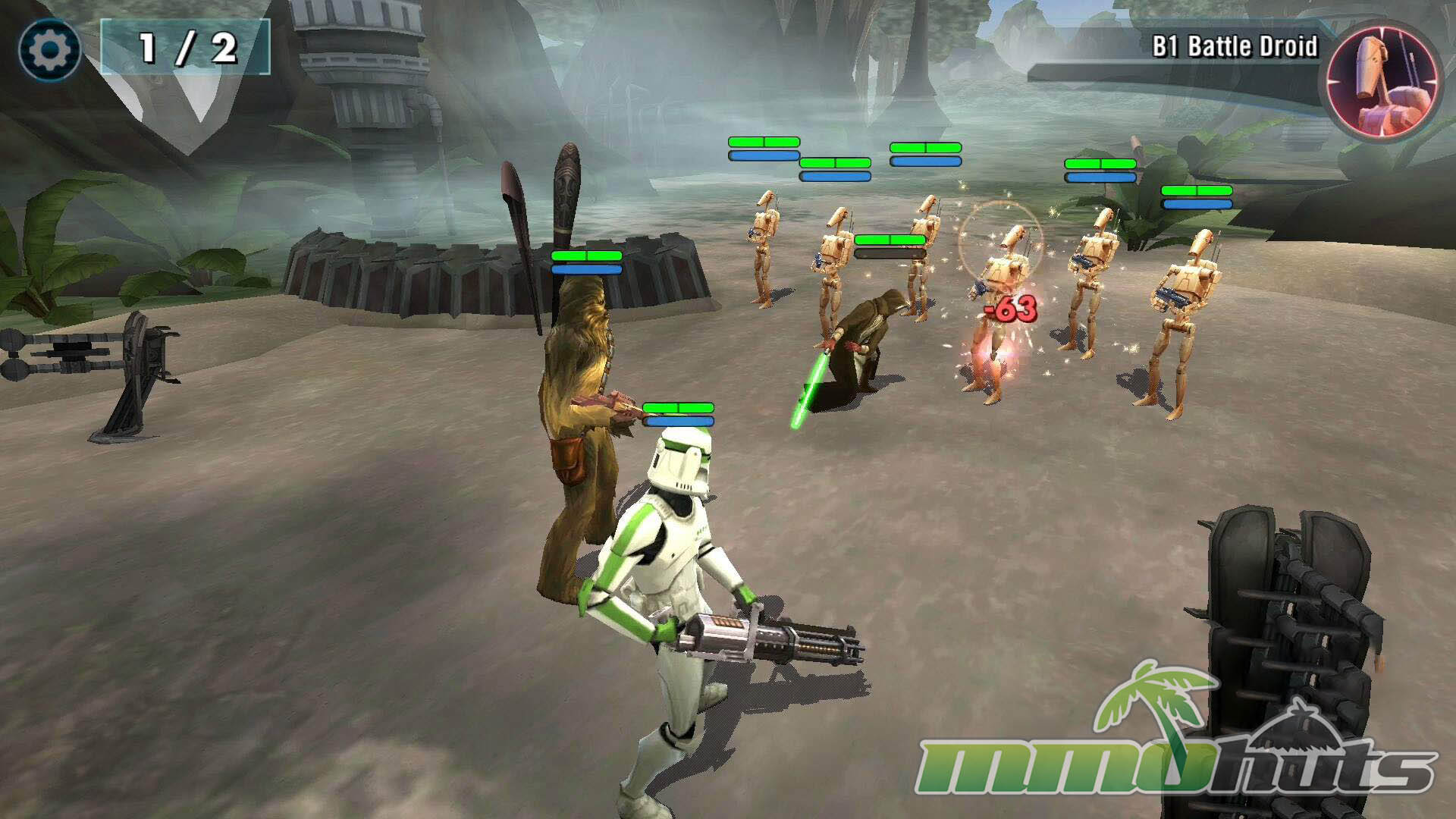
Battles are turn-based and readable, with a simple interface that still leaves room for planning. Each unit has a basic attack plus a small set of active abilities, and ability cooldowns matter enough that you cannot spam your best moves every turn. Much of the decision-making revolves around target selection (who to remove first, who to control, who to ignore) and using skills at the right moment to swing tempo, whether that is healing, applying buffs and debuffs, stunning, or hitting multiple enemies at once.
There is an Auto option for routine fights, which is useful when you are replaying stages for shards or gear. However, Auto tends to make questionable choices, especially in difficult content where ability timing and focus fire are the difference between a clean win and a collapse. In practice, the game is at its best when you take direct control for harder missions and use Auto as a convenience tool for low-risk farming.
Building a Roster of Over 100 Characters
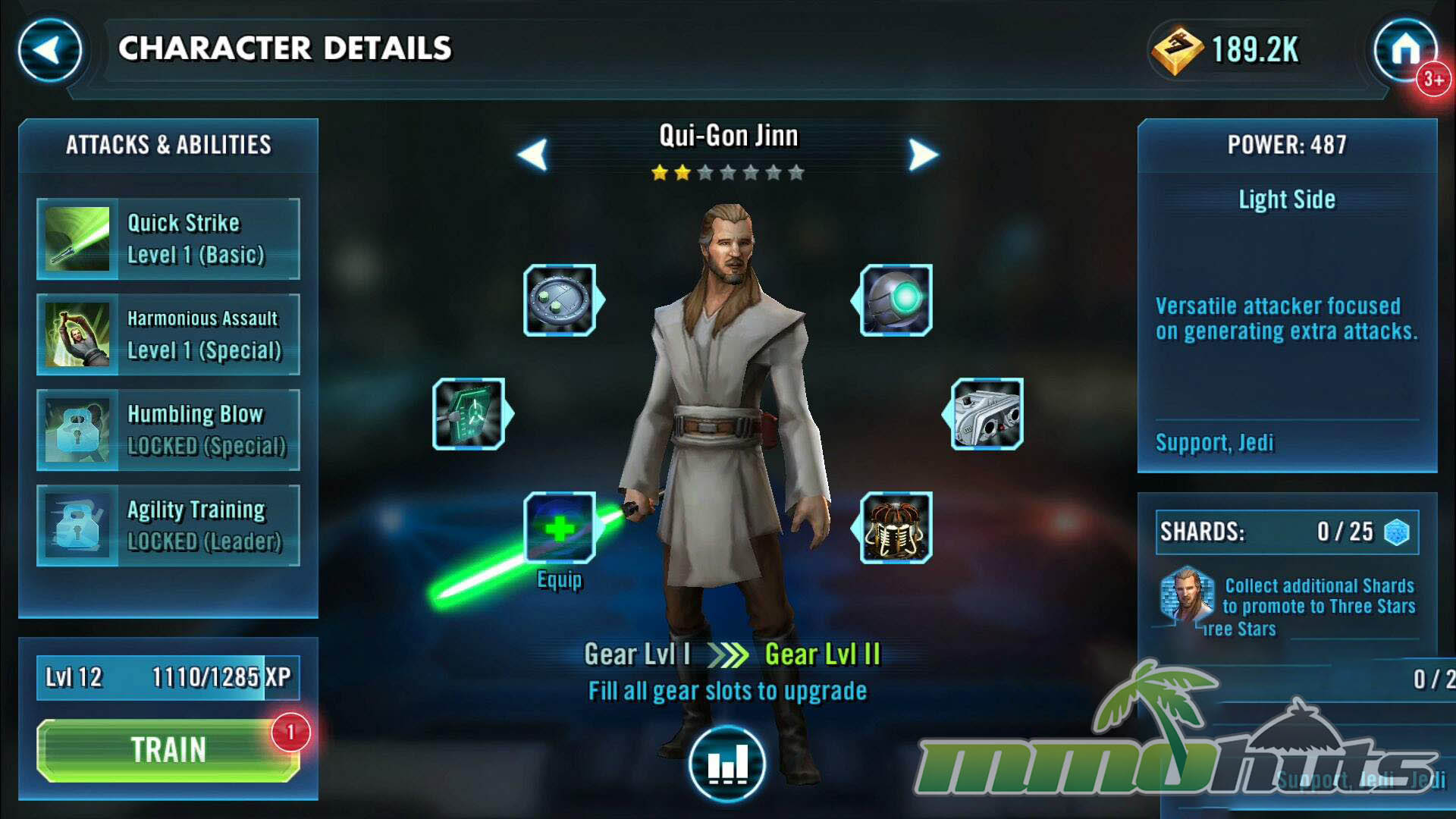
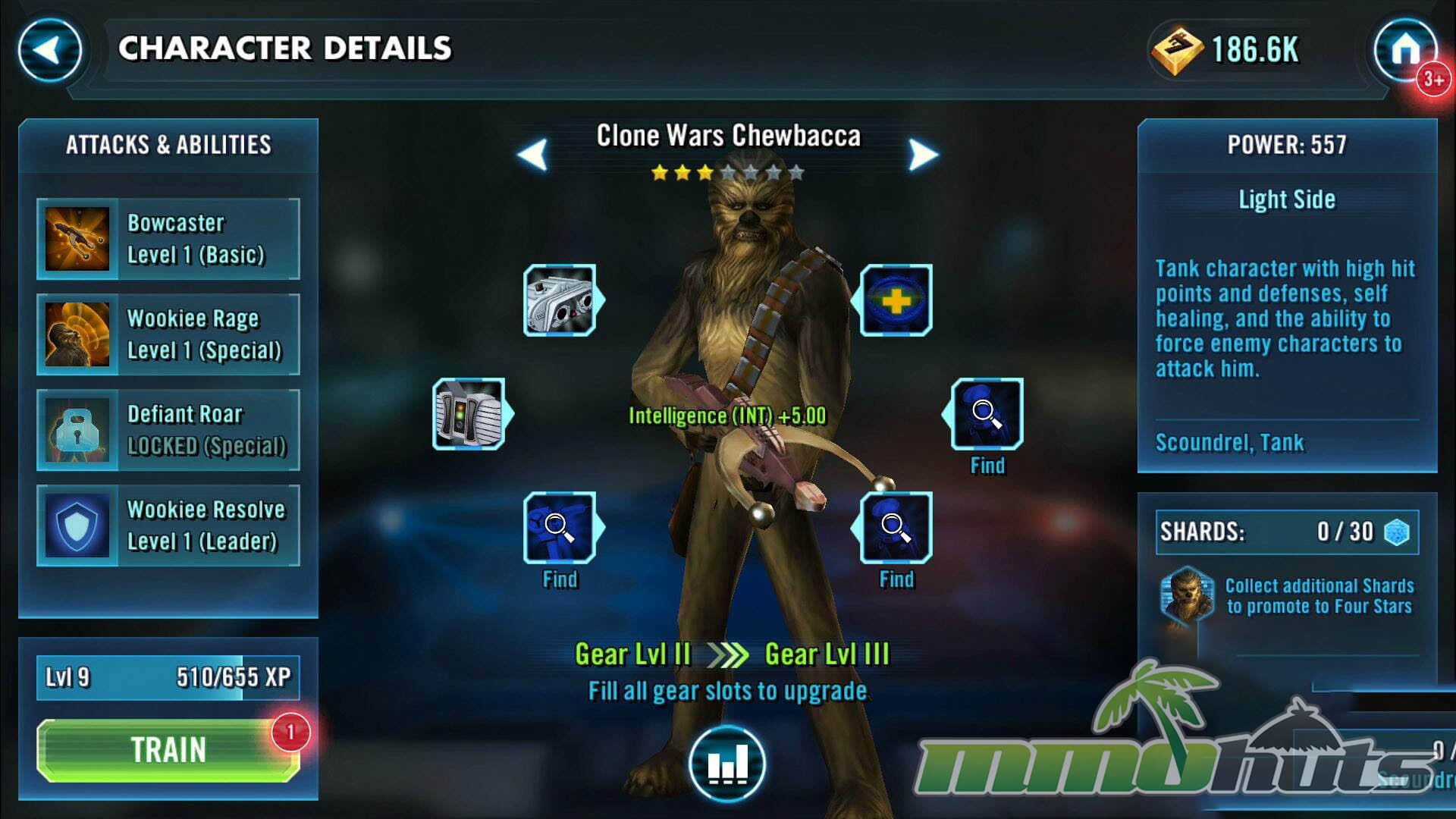
The roster is the main long-term motivator. With over 100 characters spanning Light and Dark sides, you will steadily expand options for different team compositions and matchups. Characters vary in role and effectiveness, and they come in star tiers that influence their overall strength. Unlocking new units typically comes from random pulls or by collecting enough shards to assemble a specific character, with shards earned from select missions, achievements, and daily activities.
Once acquired, characters follow the expected upgrade path: leveling with Training Droids, equipping gear, and improving their overall power through progression systems. Because different modes reward different materials, you often end up planning your daily play around what you need most, a specific shard target, a gear bottleneck, or resources for ability upgrades. Team-building becomes the real strategy layer, since success often depends more on synergy and composition than on any single character.
Squad Arena PvP and the Competitive Loop
PvP arrives through Squad Arena (available at level 8) and uses asynchronous matches against AI-controlled versions of other players’ squads. You pick from a small set of opponents near your rank, then fight with full control over your own turns. Encounters can be slow, with durable teams and healing extending battles, which places more emphasis on control effects, burst windows, and eliminating key targets in the right order.
Winning improves your standing and helps you earn currency used for valuable rewards, including character shards. The arena meta can feel competitive because optimization matters, but the mode also highlights the game’s pay-to-win pressure points. Spending can accelerate roster development and early power spikes, which translates into an advantage in rankings, particularly for players trying to climb quickly.
Extra PvE Activities for Farming and Challenge
Beyond the two campaigns and arena, Galaxy of Heroes includes additional PvE modes that broaden the routine and provide alternative reward sources. Squad Cantina Battles (unlocked at level 28) are another set of stages with their own energy pool, often used as a targeted shard farm and generally tuned tougher than early campaign missions.
Galactic War (unlocked at level 40) is a more demanding endurance-style mode. It pushes you to rotate multiple characters because damage and defeats carry forward until the mode resets, making roster depth and careful resource management important. Challenges (unlocked at level 15) are shorter encounters that award practical progression items like Training Droids, gear, and ability materials, and they encourage you to tailor squads to different requirements. Together, these modes provide structure for daily play and help reduce reliance on a single activity, even if the underlying loop still leans heavily on repetition.
Cash Shop/In-App Purchases (IAP)
The game can be played without spending, but in-app purchases offer clear convenience and speed. Crystals, the premium currency, can be used for items like Training Droids (through limited-time offers), Chromium Data Cards for random characters or shards, and Credit Data Cards for in-game currency. Crystals also let you refresh energy and buy rotating items and shards from the Shipment Store.
In practical terms, spending reduces the time you need to farm shards and gear and increases the amount you can play in a day by refilling energy. That faster progress can translate into earlier PvP strength, especially while the average roster level is still developing. The important point is that most goals remain achievable without paying, but they demand more patience and consistent grinding.
Final Verdict – Good
Star Wars: Galaxy of Heroes is a well-produced hero-collecting RPG that delivers satisfying turn-based combat and a strong sense of progression, especially for Star Wars fans who enjoy building squads from a familiar cast. Its weaknesses are the ones genre veterans will recognize immediately: a repetitive grind, limited narrative ambition, and monetization that can affect competitive balance. If you are looking for a polished, long-term mobile RPG with plenty of modes and a deep roster to chase, it remains an easy recommendation, provided you are comfortable with the farming-heavy structure.
Star Wars: Galaxy of Heroes Links
Star Wars: Galaxy of Heroes Official Site
Star Wars: Galaxy of Heroes Google Play
Star Wars: Galaxy of Heroes iOS
Star Wars: Galaxy of Heroes Reddit
Star Wars: Galaxy of Heroes System Requirements
Minimum Requirements:
Android 4.1 and up / iOS 8.0 or later
Star Wars: Galaxy of Heroes Music & Soundtrack
Star Wars: Galaxy of Heroes Additional Information
Developer: Capital Games
Publisher: Electronic Arts
Platforms: Android, iOS
Release Date: November 24, 2015
Star Wars: Galaxy of Heroes was developed by Capital Games, the studio behind Heroes of Dragon Age, and published by Electronic Arts, a major publisher with a long list of well-known franchises. The game entered soft launch in a limited set of countries in October 2015 before releasing worldwide on November 24, 2015. It passed 1 million downloads within a week of launch and reached over 6 million downloads on Google Play by February 2016. Electronic Arts also publishes a range of popular mobile titles, including Plants vs Zombies 1 & 2, The Sims Freeplay, and Madden NFL Mobile.