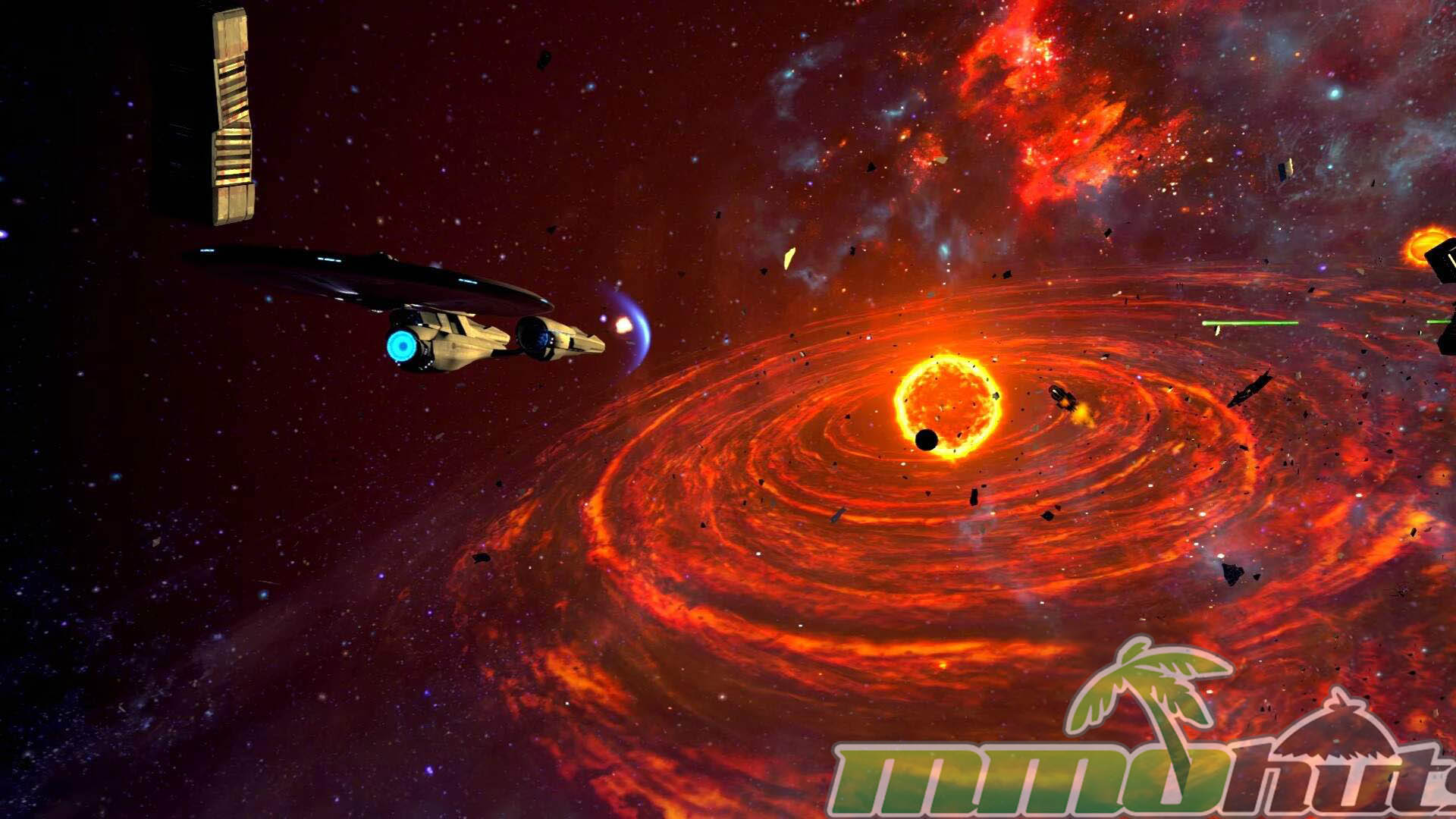
Star Trek Bridge Crew is a cooperative VR starship simulator set in the Star Trek universe, built around the fantasy of sitting on a Federation bridge and actually running the ship with a real crew. Up to four players take on distinct bridge roles aboard the USS Aegis, coordinating navigation, power management, shields, and weapons as they push into the Trench in search of a viable new home for the Vulcan people.
 | Publisher: Ubisoft Playerbase: Low Type: VR Simulation Release Date: May 30, 2017 Pros: +Authentic Star Trek atmosphere and presentation. +Campaign plus procedural missions for extra sessions. +Four distinct bridge roles that encourage teamwork. Cons: -Small playerbase. -Limited mission variety overall. -Cross-platform and headset compatibility issues can appear. |

Star Trek Bridge Crew Overview
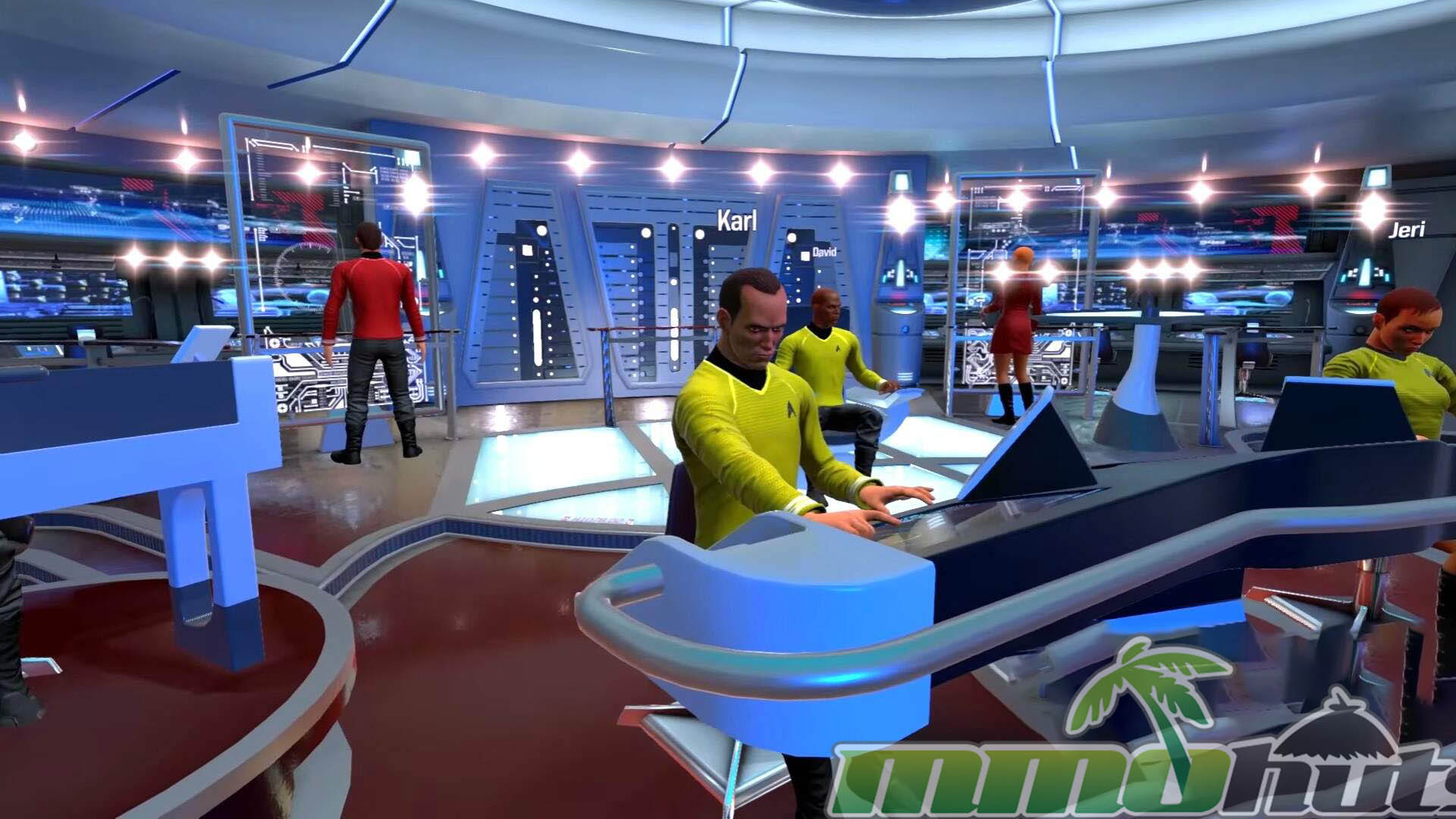
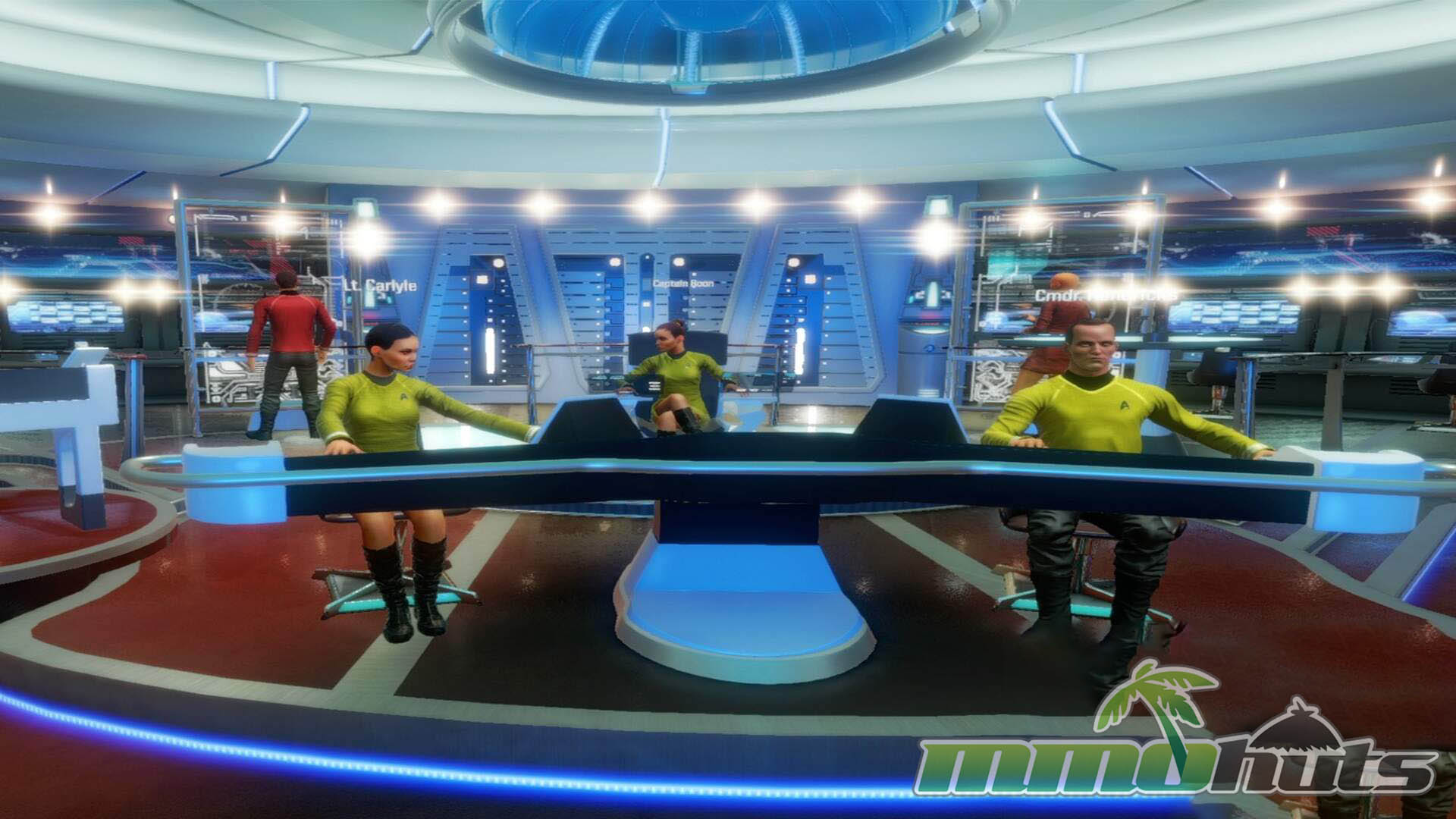
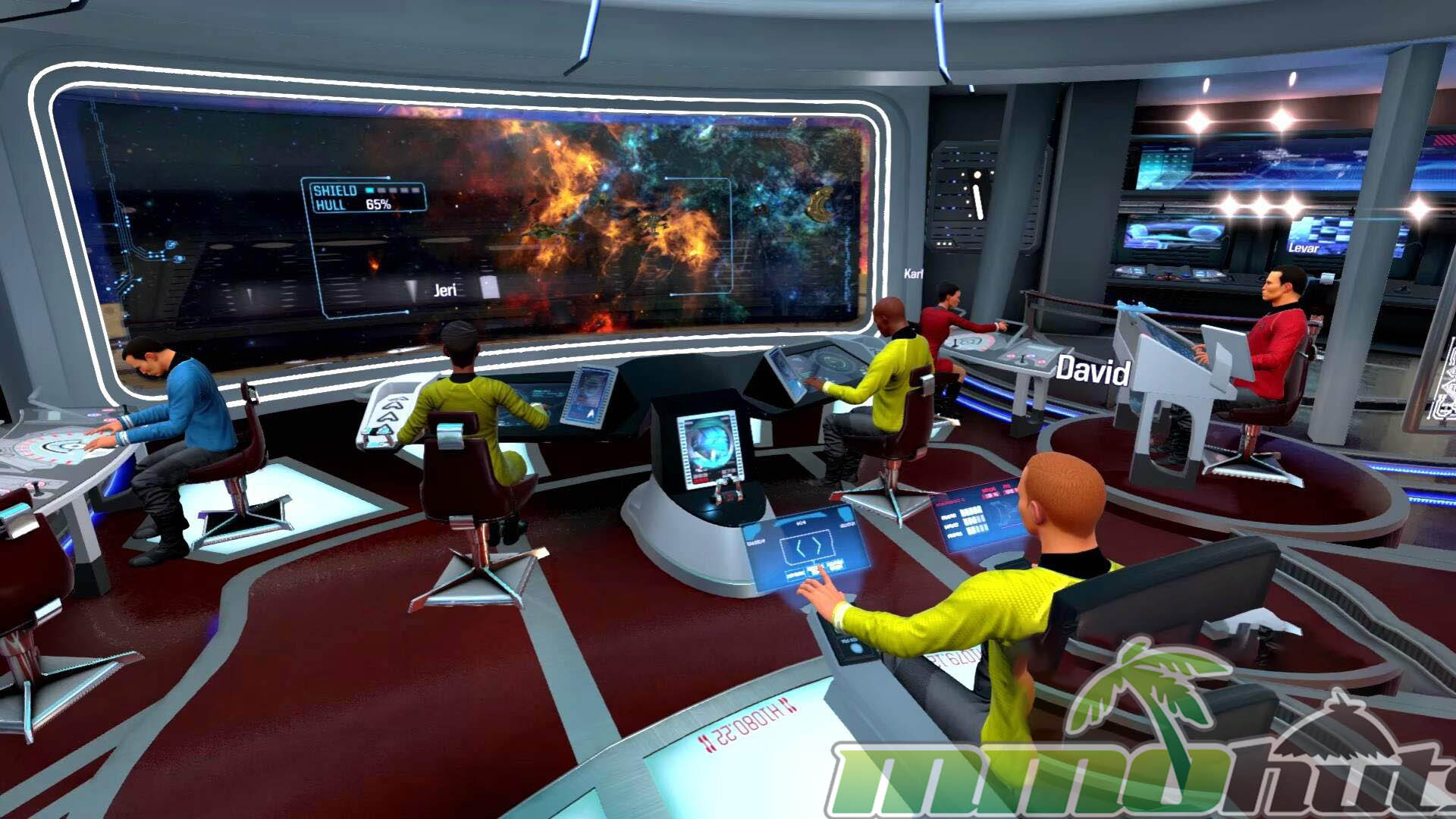
Star Trek Bridge Crew drops you into the captain’s chair, or one of the other essential stations, on the USS Aegis, a Federation vessel tasked with exploring a dangerous region of space known as the Trench. The core loop is simple but demanding: pick a role (Engineering, Captain, Tactical, or Helmsman), read the situation, communicate clearly, and execute as a single unit. Even routine actions, like aligning a warp jump or redistributing power between engines and shields, become tense when the whole team is relying on each other’s timing.
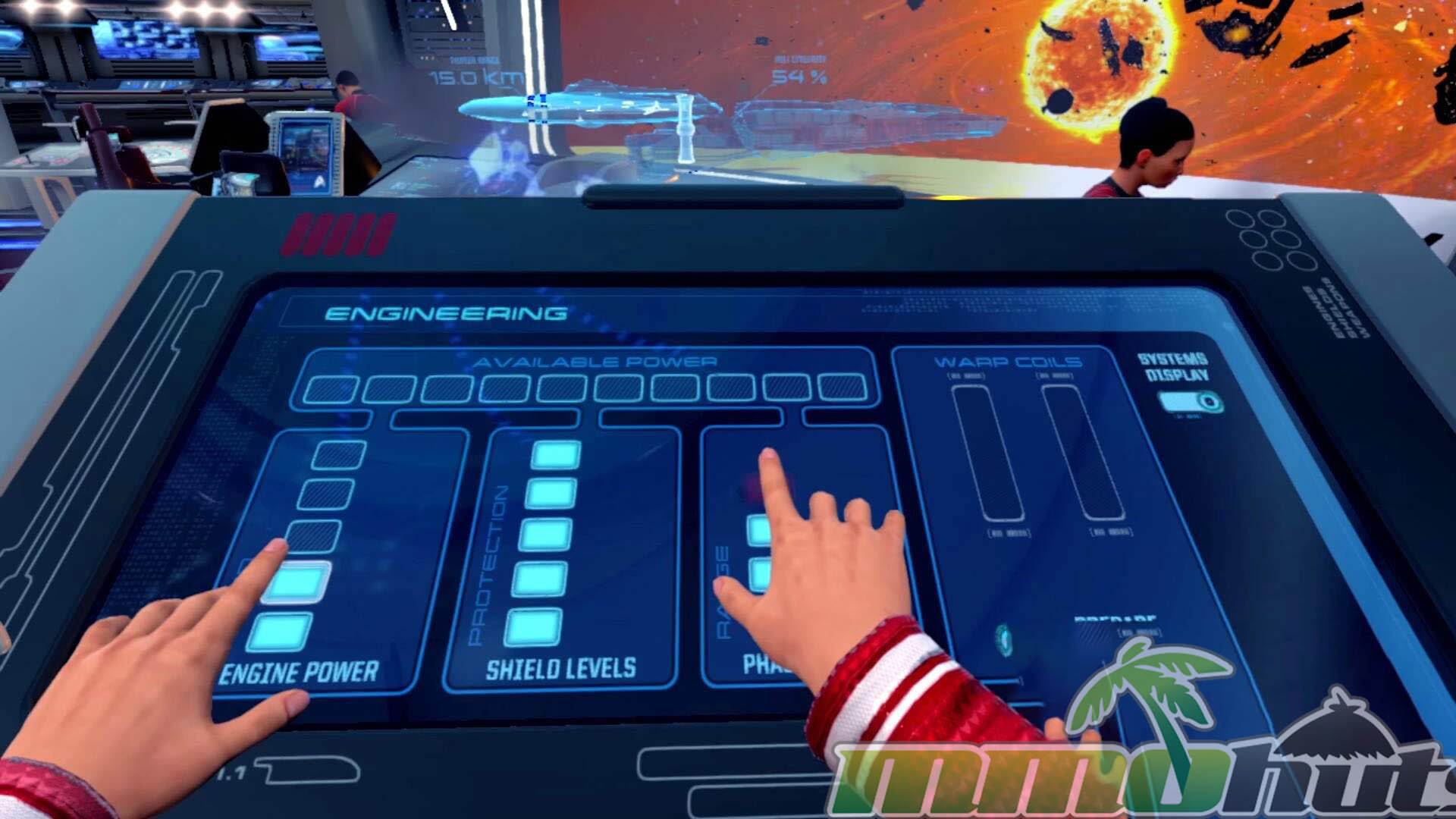
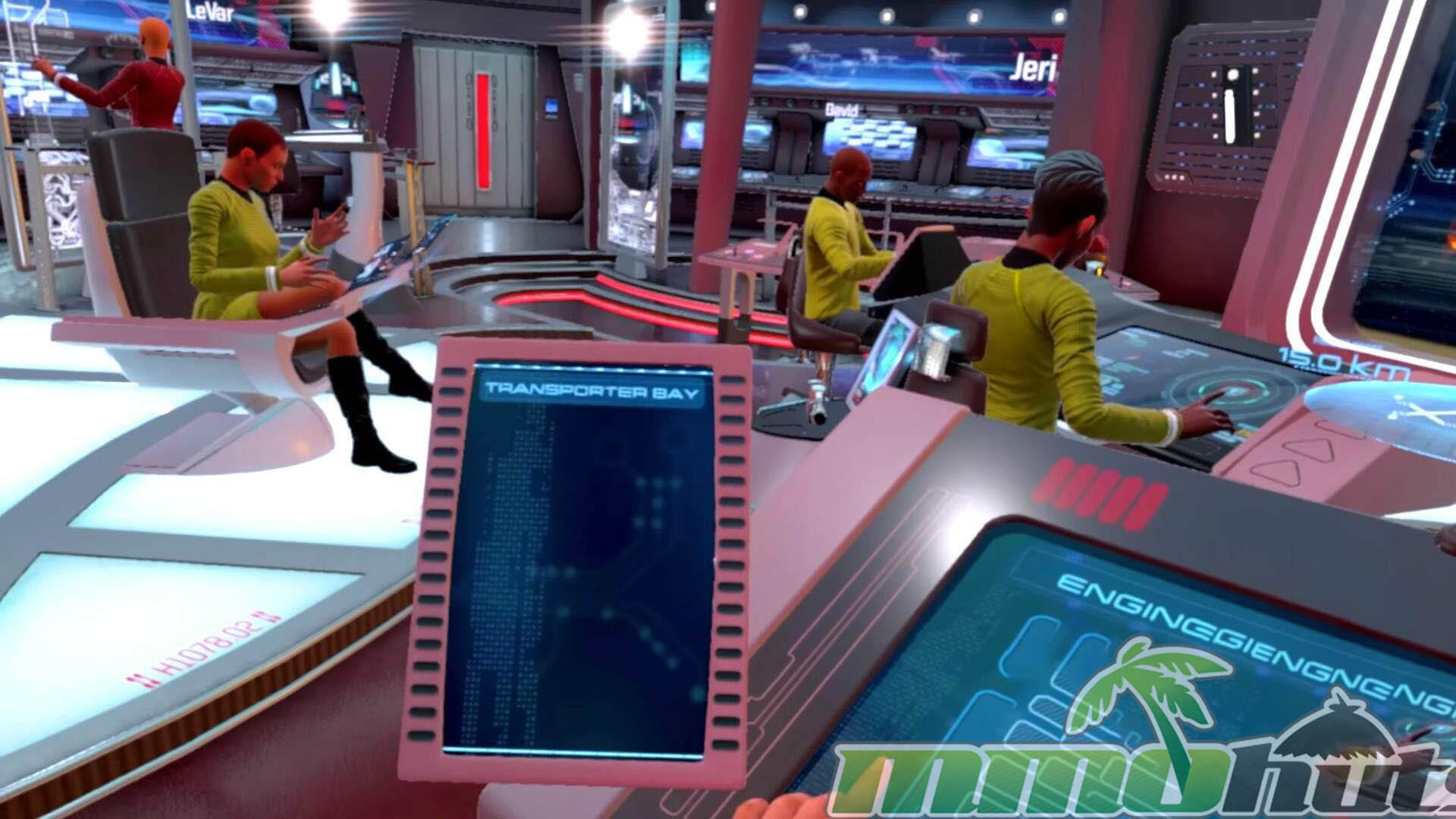
What sets the experience apart is how naturally VR supports the “on the bridge” fantasy. Instead of abstract menus, you interact with consoles directly, look across the bridge to confirm what teammates are doing, and use voice communication to call out priorities. In the campaign, your crew works through a structured set of objectives tied to the search for a suitable Vulcan home world. After that, the game offers randomly generated missions meant to keep the ship running long after the story concludes, letting groups swap roles and test their coordination in new situations.
Star Trek Bridge Crew Key Features:
- Star Trek Franchise – A focused way for fans to roleplay as an actual bridge crew member on a Federation ship.
- Immersive Gameplay – VR interaction lets you operate ship systems by hand and stay aware of the crew through natural head and hand movement.
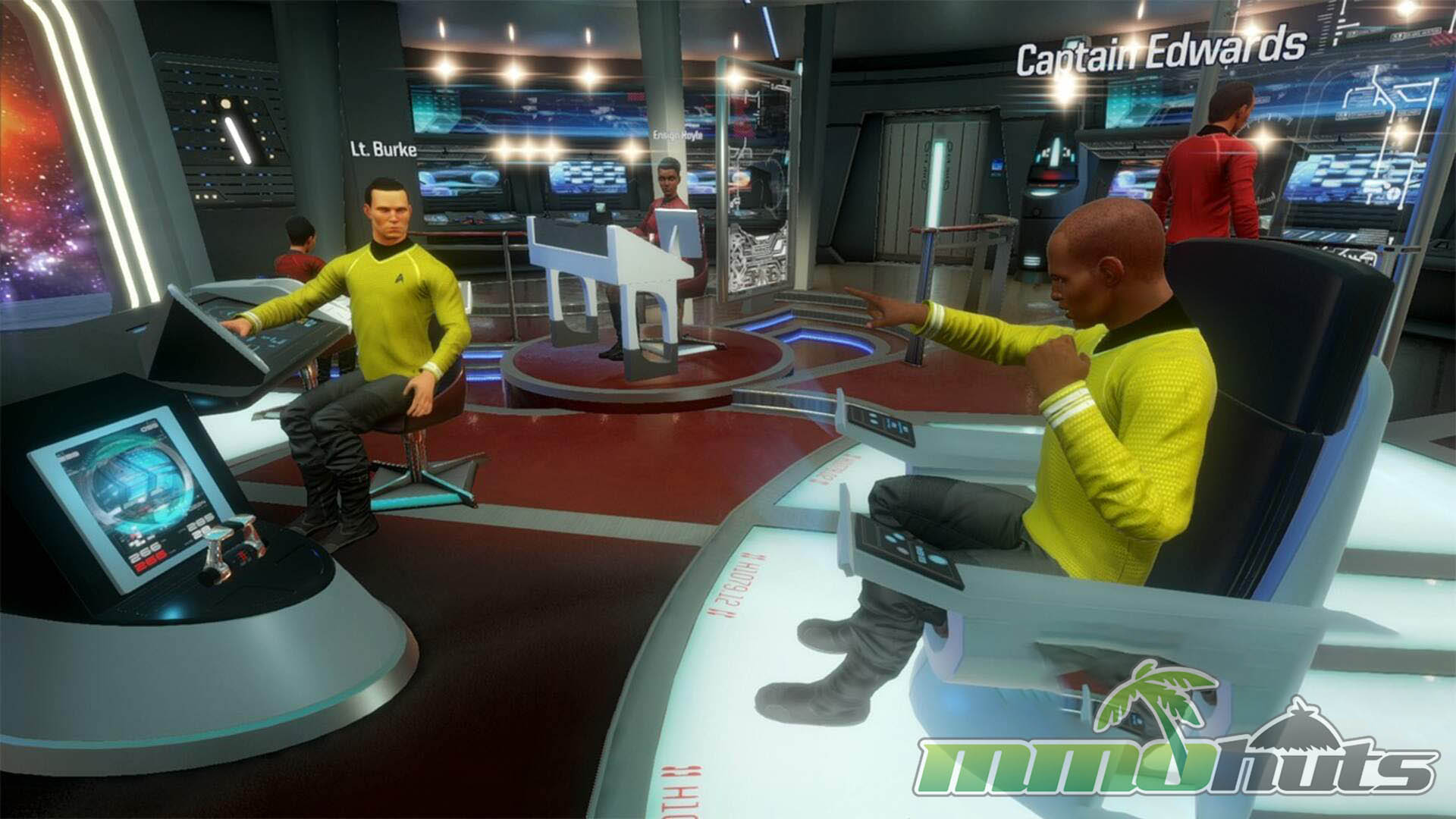
- Choose from Four Roles – Engineering, Captain, Tactical, and Helmsman each have unique responsibilities that matter moment to moment.
- Story Campaign – A cooperative storyline centered on exploration in the Trench and the hunt for a new Vulcan home, for up to four players.
- Randomly Generated Missions – Procedural scenarios provide additional challenges and encourage experimenting with different positions.
Star Trek Bridge Crew Screenshots
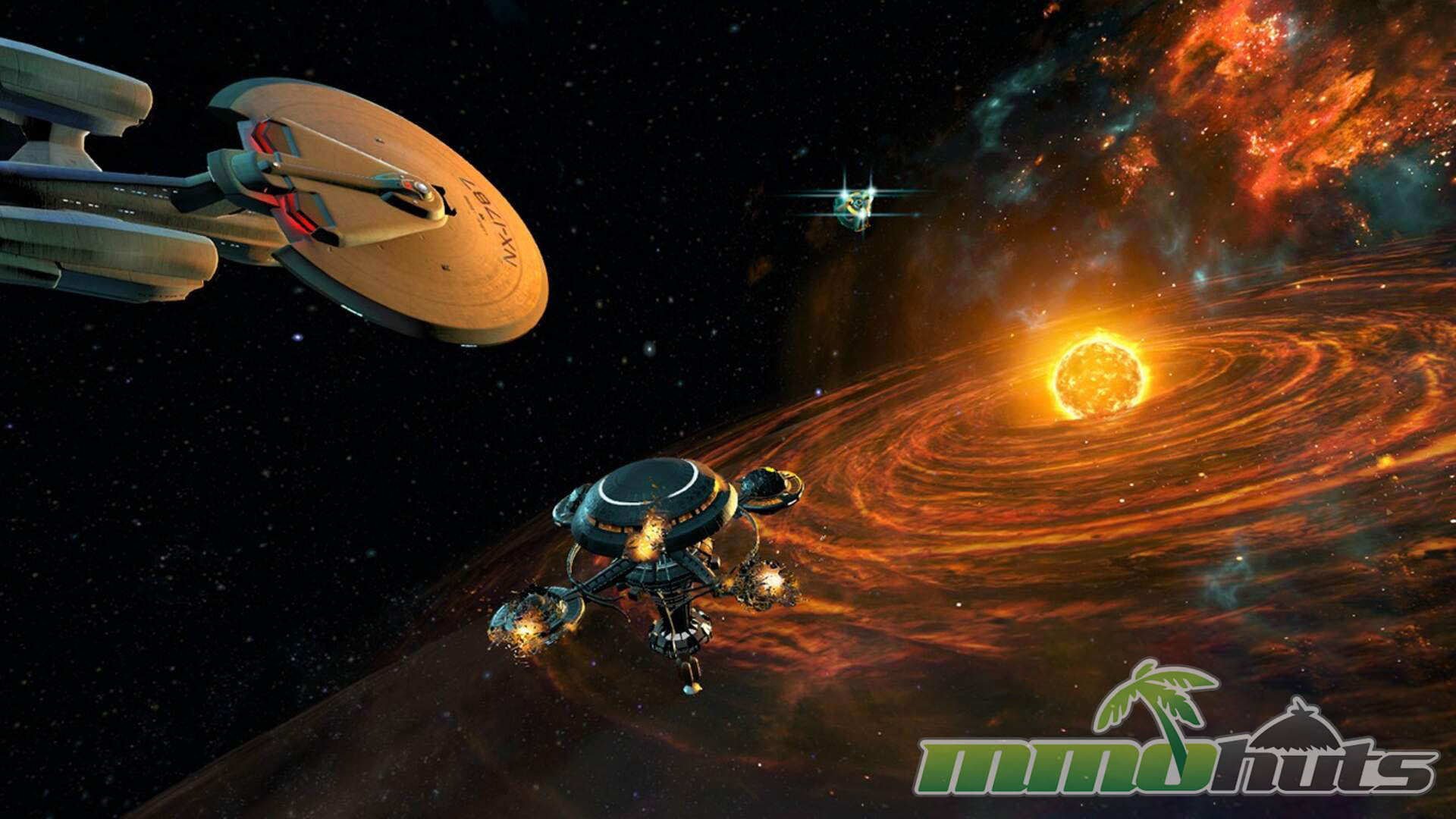
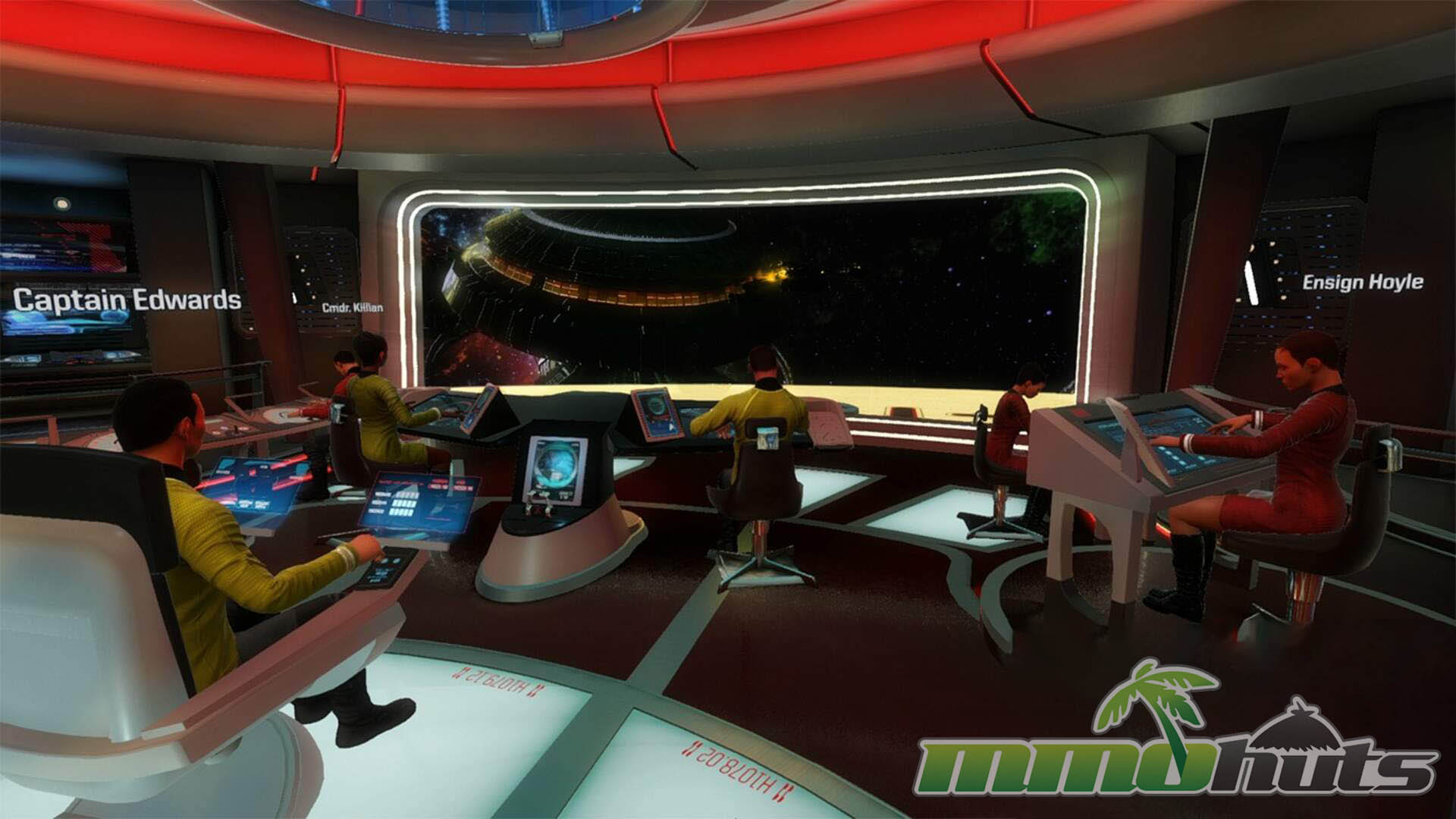
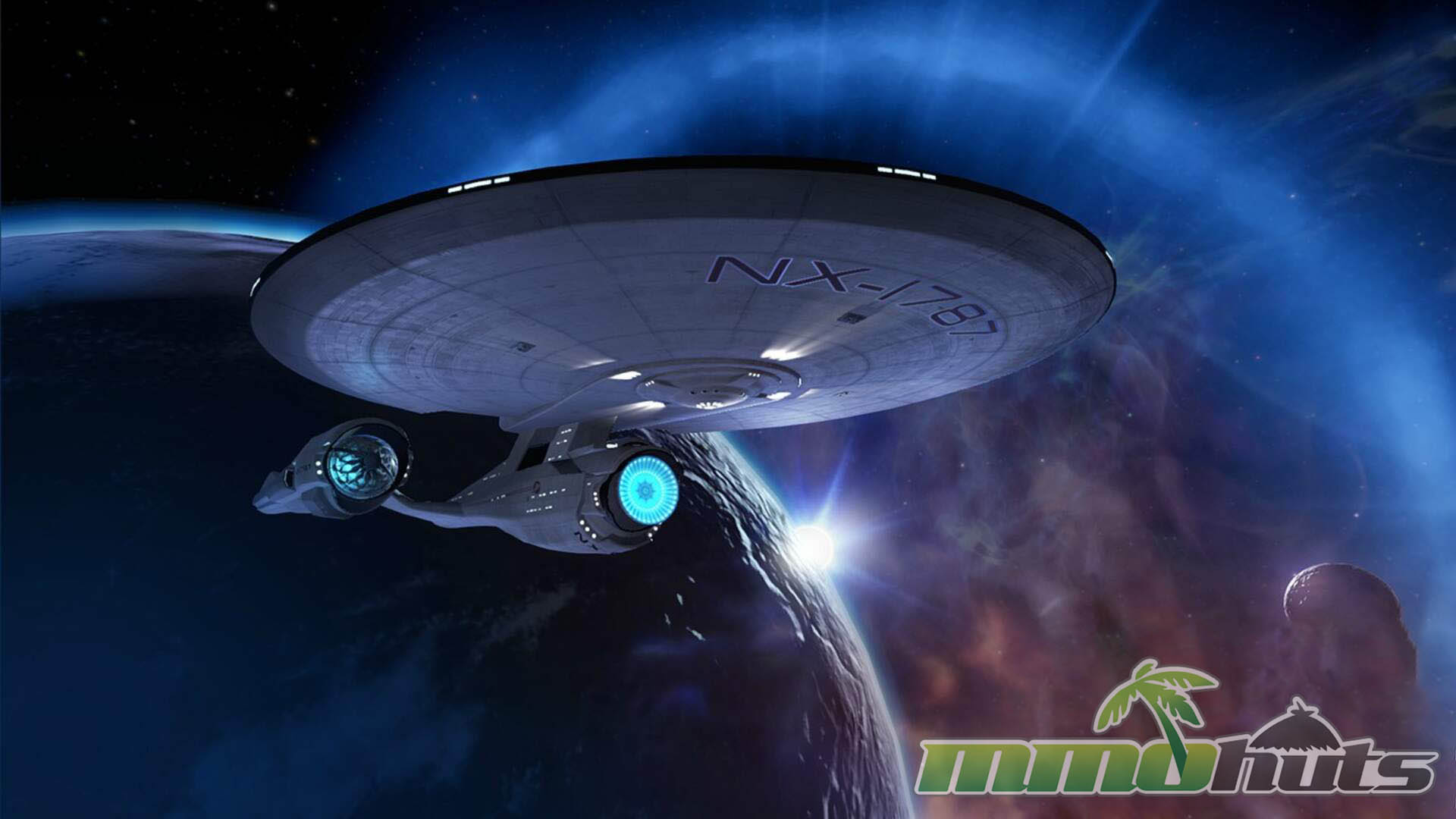
Star Trek Bridge Crew Featured Video
![Star Trek: Bridge Crew Trailer - VR Game Reveal with Star Trek Alums - E3 2016 [NA]](https://i.ytimg.com/vi/romB8e5nMp8/0.jpg)
Star Trek Bridge Crew Review
Star Trek Bridge Crew is best understood as a social, role-based simulator rather than a traditional action game. The ship does not run itself, and that is the point. Each station has enough to do that a full crew feels dramatically more capable than a partially filled bridge, and the moment-to-moment tension comes from coordination, not twitch shooting.
VR is the game’s strongest asset. Being able to physically turn toward a teammate, glance down at your panel, and reach for controls makes routine procedures feel like real bridge work. The Helmsman role focuses on positioning, speed, and warp maneuvers, while Tactical deals with targeting, shields, and combat decisions. Engineering is the behind-the-scenes backbone, managing power distribution and keeping systems functional under pressure. The Captain, meanwhile, is less about pushing the most buttons and more about prioritizing objectives and keeping the team aligned, which makes it a great role for confident communicators.
The campaign provides a guided introduction to the systems and the tone of Star Trek, mixing exploration tasks with threats that demand quick, coordinated responses. Once the story is complete, the randomly generated missions extend the lifespan, especially for groups that enjoy rotating roles or chasing cleaner, more efficient runs. That said, the overall mission pool is not huge, so repetition can set in if you play frequently with the same group.
The biggest practical hurdle is the community size. With a low playerbase, finding compatible teammates at the right time can be inconsistent, and the experience is noticeably less compelling without a full crew that communicates. Technical friction can also get in the way, particularly when mixing platforms or different headsets, where compatibility issues may create extra setup time or occasional instability.
For Star Trek fans with VR hardware and a few friends willing to commit to clear callouts and teamwork, Bridge Crew remains one of the more convincing “you are on the bridge” experiences available. For solo-minded players, or anyone expecting a large volume of handcrafted missions, it can feel thin after the initial novelty wears off.
Star Trek Bridge Crew System Requirements
Minimum Requirements:
Operating System: Windows 7 x64
CPU: Intel i5-4590 or equivalent
Video Card: Nvidia GeForce GTX 1050 TI / AMD Radeon RX 570
RAM: 8 GB
Hard Disk Space: 8 GB
Recommended Requirements:
Operating System: Windows 10 x64
CPU: Intel i5-4590 | AMD Ryzen 1500X or better
Video Card: Nvidia GTX 970 | AMD Radeon R9 290X or better
RAM: 8 GB
Hard Disk Space: 8 GB
Star Trek Bridge Crew Music & Soundtrack
Coming Soon!
Star Trek Bridge Crew Additional Information
Developer(s): Red Storm Entertainment
Publisher(s): Ubisoft
Platform(s): VR devices
Full Release Date: May 30, 2017
Development History / Background:
Star Trek Bridge Crew is a VR simulation game developed by Red Storm Entertainment and published by Ubisoft. Set in the Star Trek universe, it casts players as officers working together on the bridge of a Federation starship. The title was shown publicly around E3 2016 and launched on May 30, 2017 for PC and PlayStation 4. It later arrived on the Occulus Quest on December 16, 2019.