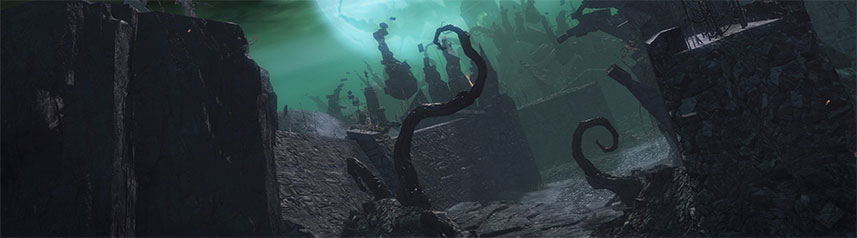
Sphere 3: Enchanted World is a 3D fantasy action MMORPG built around faction warfare, open conflict, and a manual, non-target combat style that asks you to aim rather than simply tab-target. It leans heavily into PvP, including PK-enabled servers and large-scale fights like castle sieges, while still offering the familiar PvE loop of questing, dungeons, and world bosses.
 | Publisher: Nikita Online Playerbase: Medium Type: MMORPG Release Date: August 18, 2015 PvP: PK-enabled PvP servers, Faction vs Faction, Castle Sieges Pros: +Strong art direction. +Large zones with plenty of environmental detail. +A wide class lineup to choose from. +Runs on modest PC hardware. Cons: -Visuals feel behind the times. -Only two races available. -Questing and systems can feel routine. -Some classes are locked by gender. -Combat can feel laggy and slow to respond. |

Sphere 3: Enchanted World Overview
Sphere 3: Enchanted World drops you into a classic high-fantasy conflict where two opposing factions fight over territory and influence. On one side are Humans and their allies, framed as defenders of order, on the other are Demons and their followers, pushing for domination. From the start you commit to a side, then push outward from safer homelands into contested areas where the rival faction becomes a constant threat, especially if you choose a PvP ruleset.
The game supports nine classes spanning typical MMORPG roles, including front-line bruisers, defensive hybrids, ranged pressure, and dedicated healers. Much of your time is spent moving through quest hubs and story steps, then breaking that rhythm with co-op PvE like dungeons, world bosses, and server-wide missions. For players who prefer conflict over routine, Sphere 3’s biggest draws are its harsher PvP environment, the presence of PK, and organized large battles such as castle sieges and raids into enemy-controlled regions.
Sphere 3: Enchanted World Key Features:
- Non-target Combat System – attacks are aimed using a crosshair, with color feedback that indicates what abilities make sense at different distances.
- Story-driven Adventure – progress through a long quest chain (well over a thousand quests) that gradually reveals the main narrative.
- PvP-oriented Gameplay – dedicated PvP servers support frequent player conflict, including encounters that can begin surprisingly early depending on location.
- Karma System – PK is possible, but repeated killing can build negative karma and lead to penalties such as losing gold or items upon death.
- Castle Sieges – guilds and groups can fight for strongholds, then hold and defend them for access to valuable rewards.
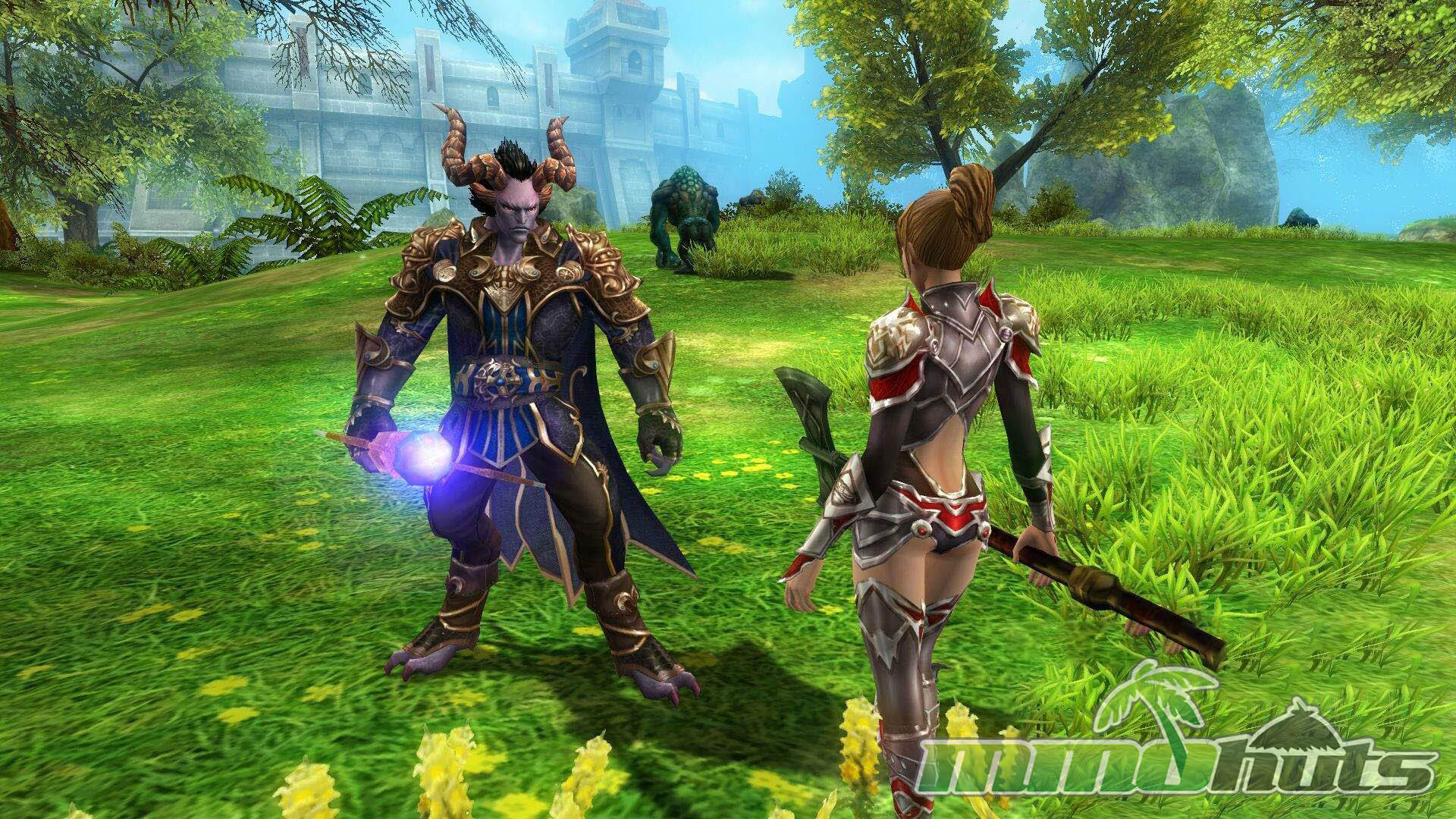
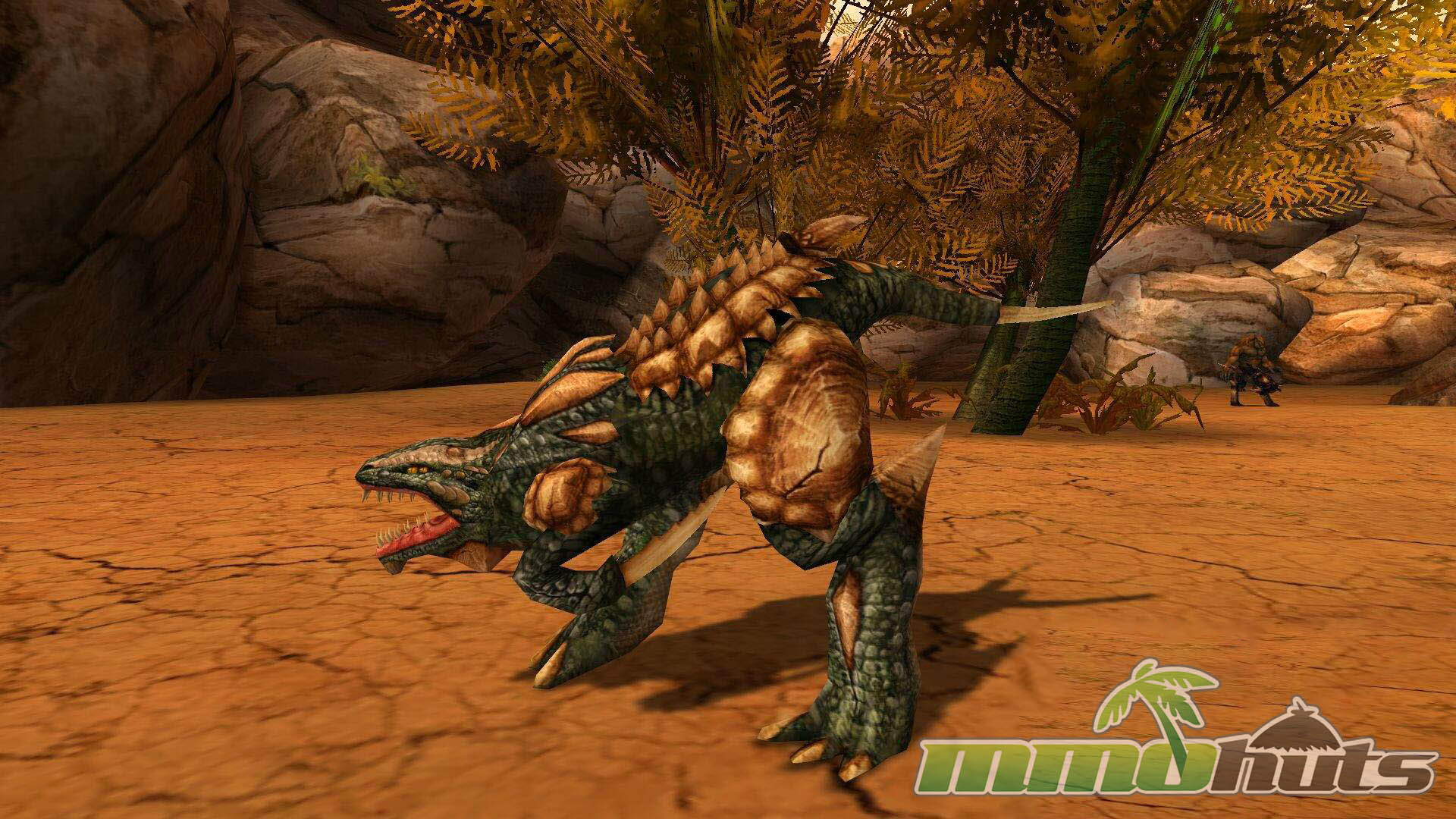
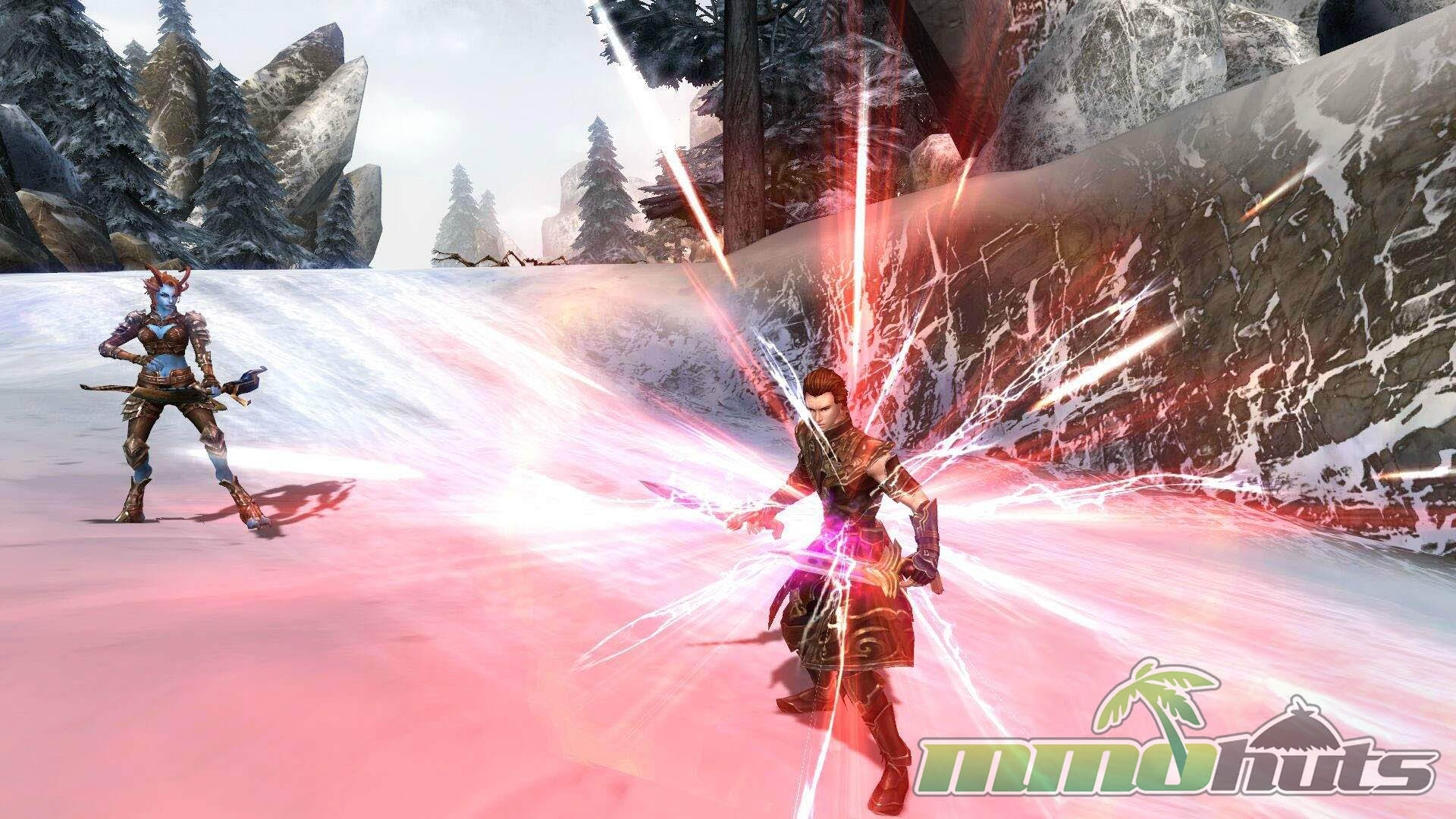
Sphere 3: Enchanted World Screenshots
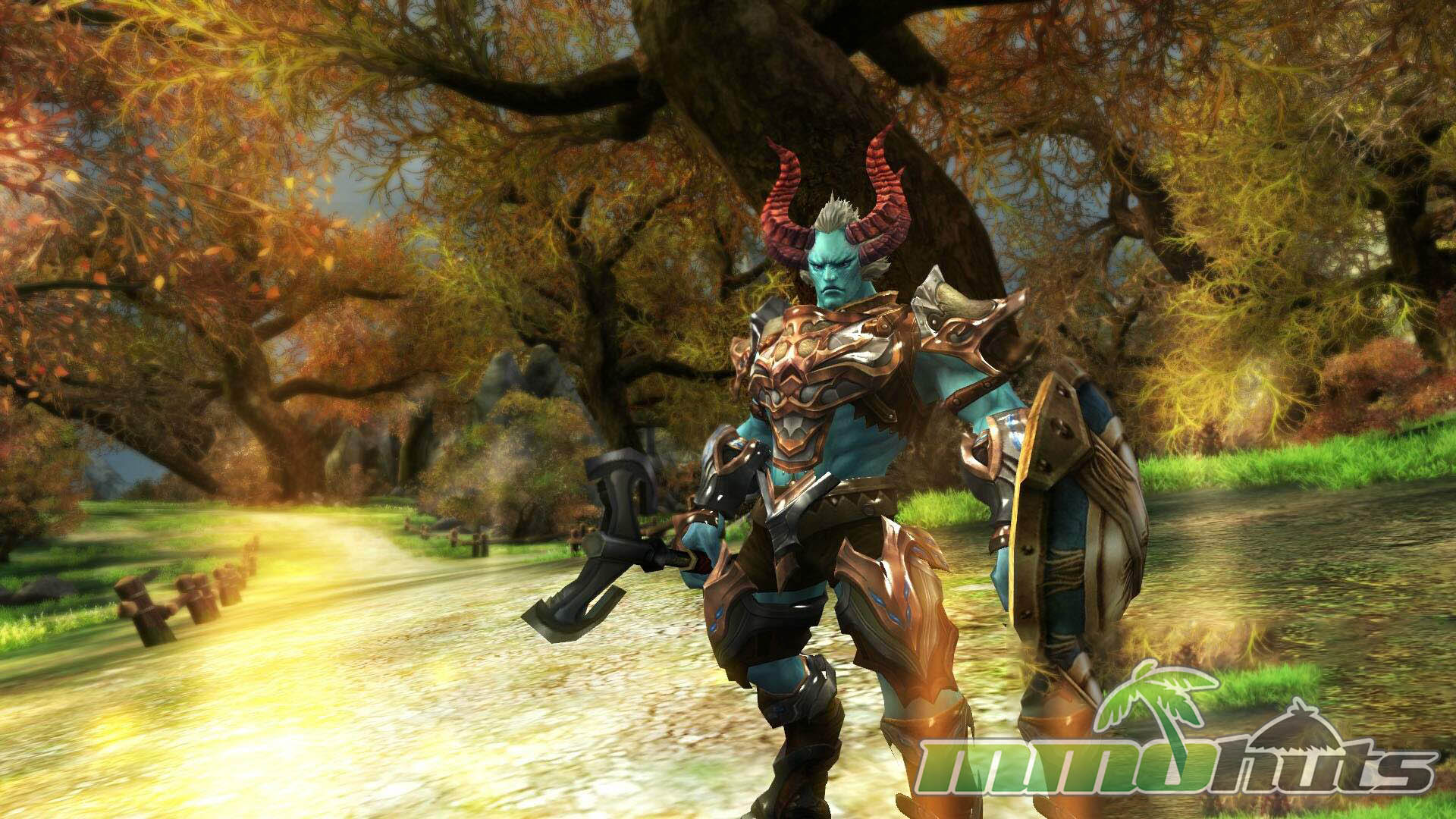
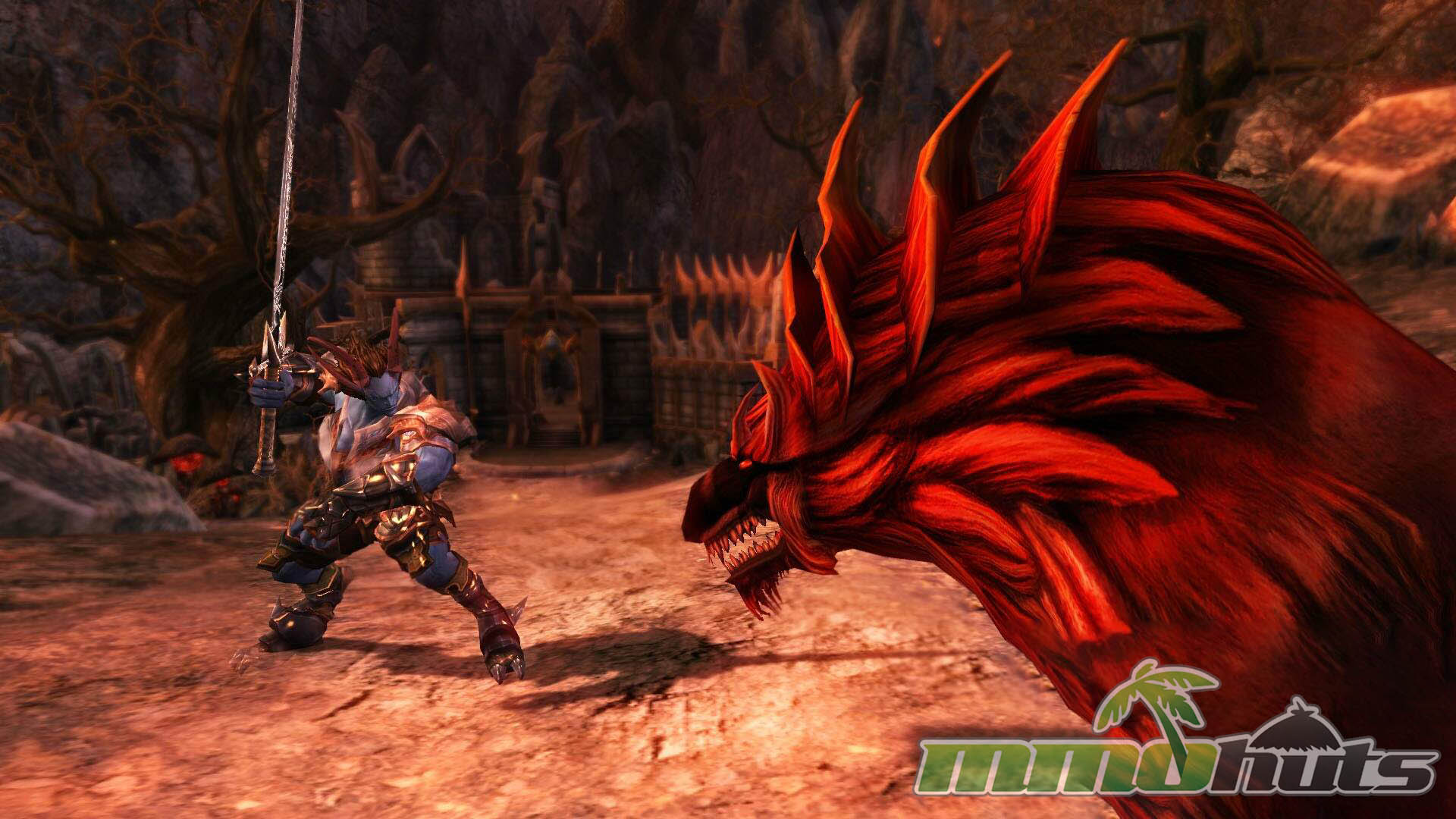
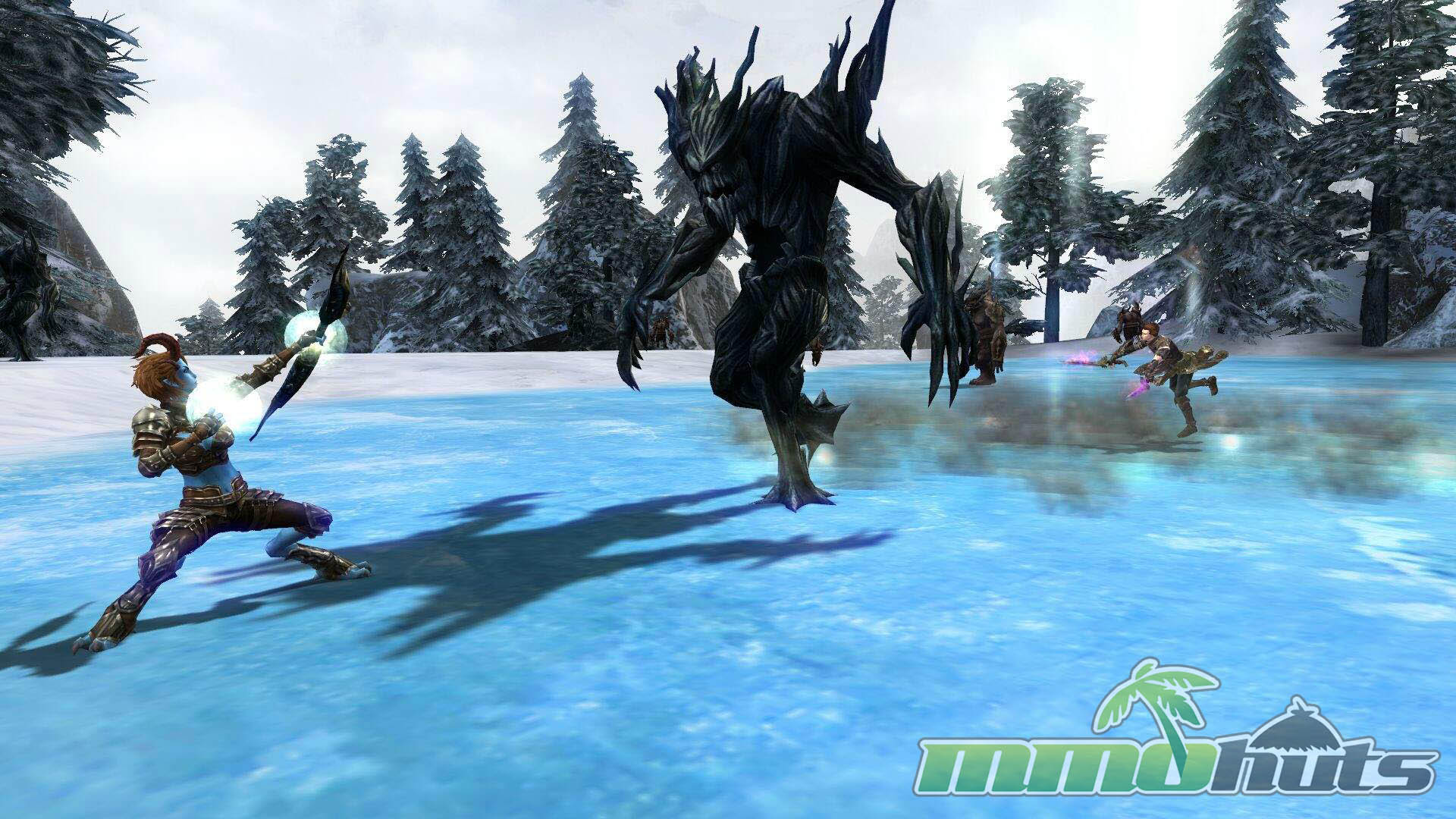
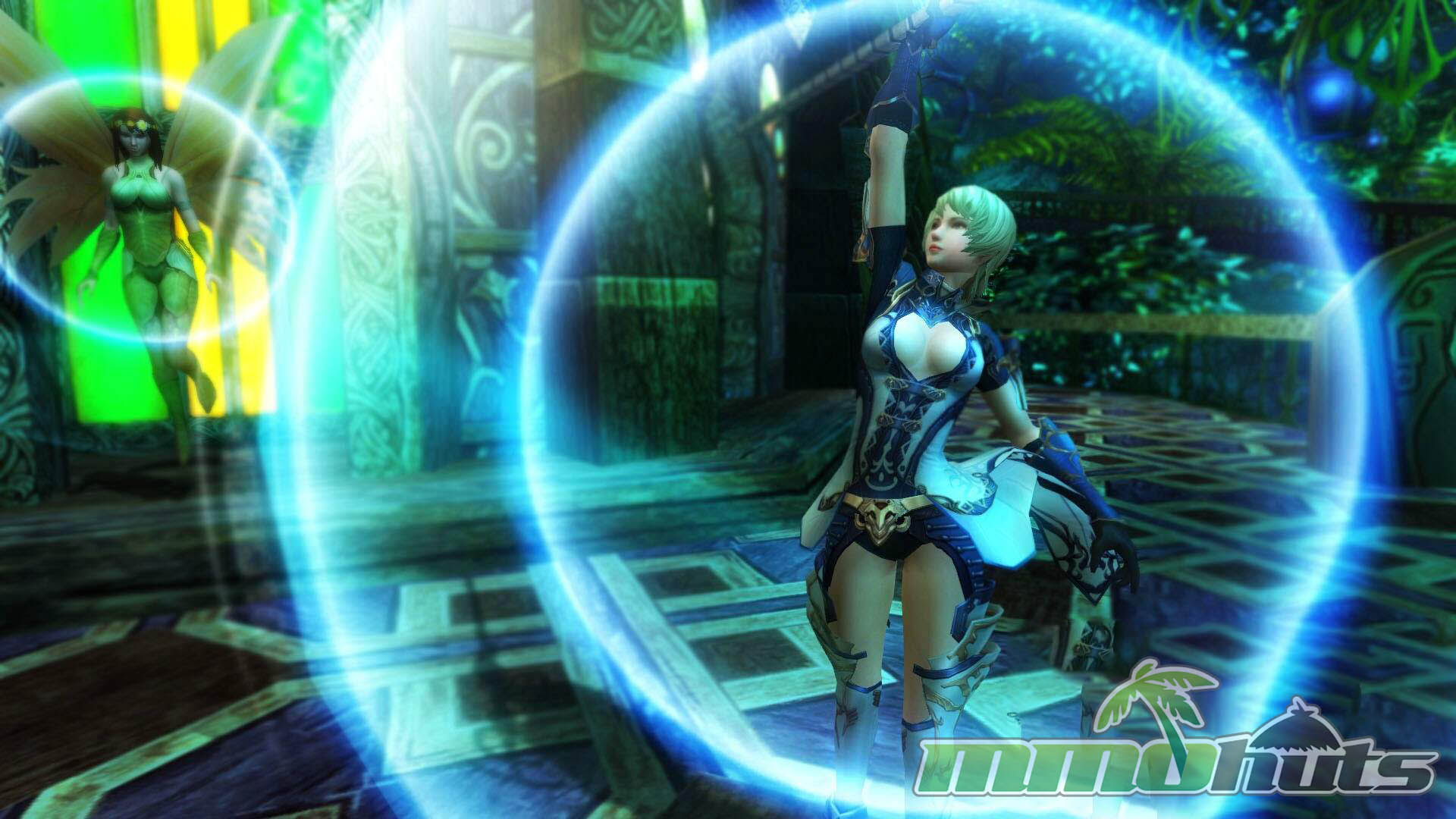
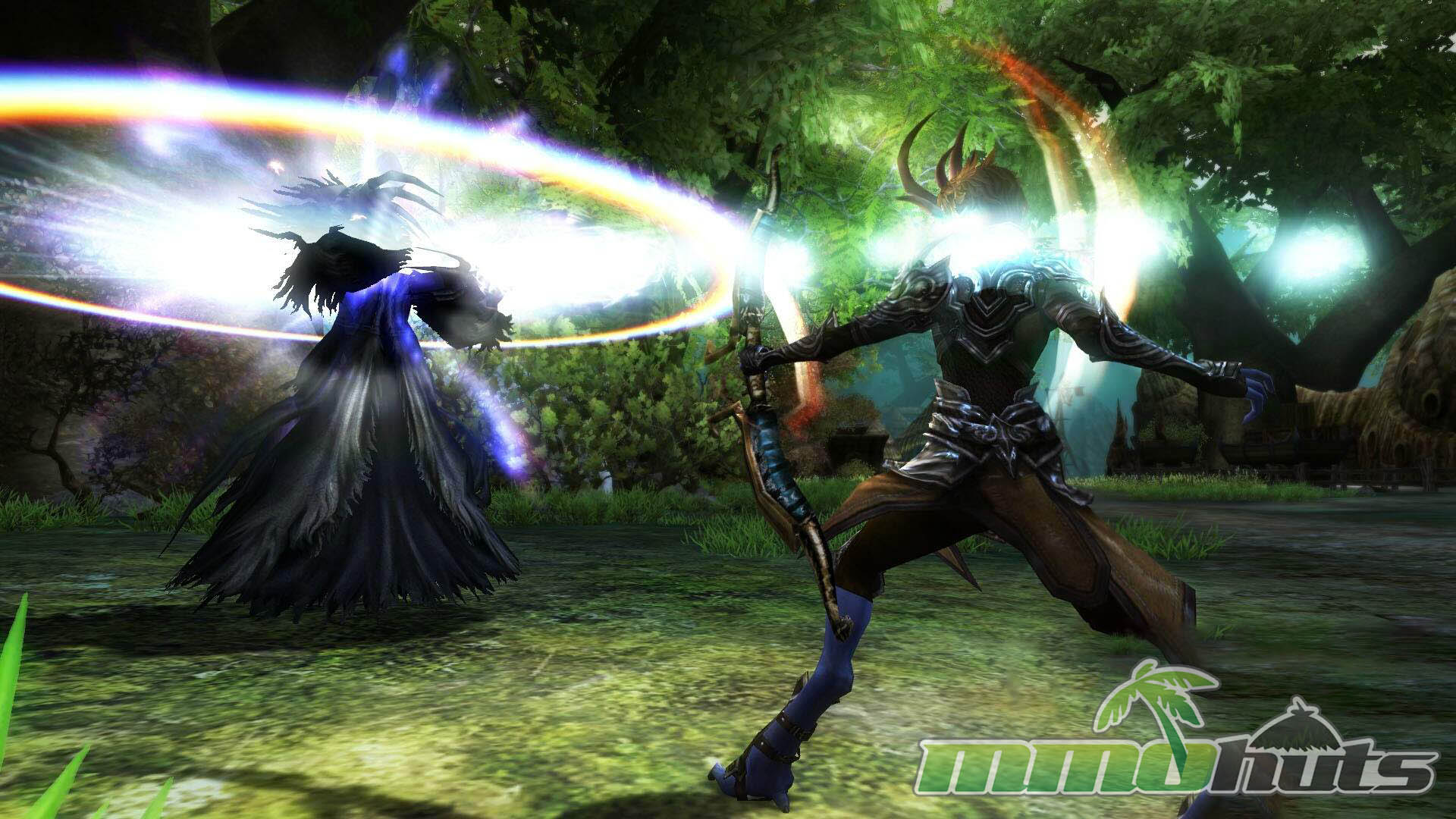
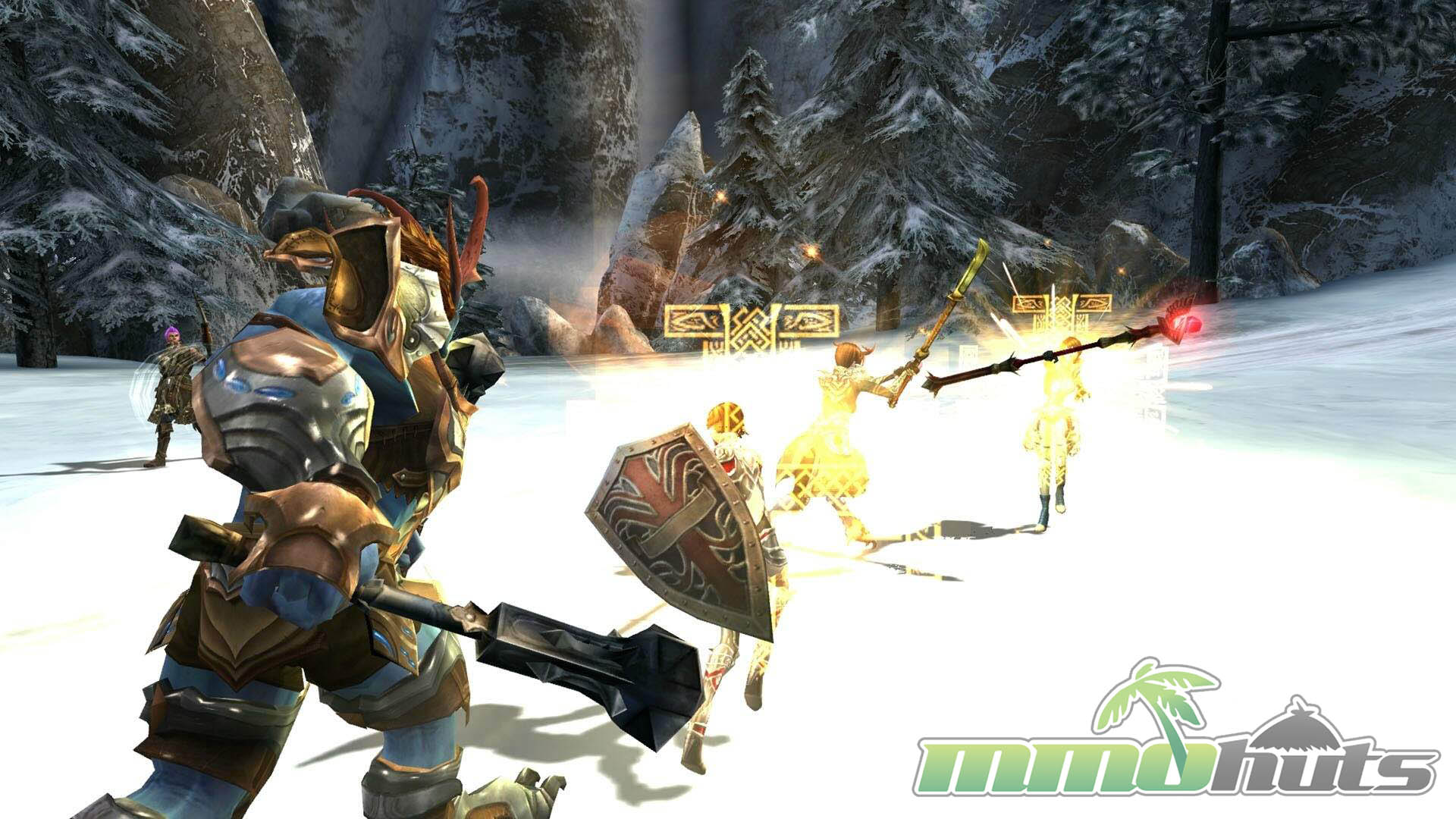
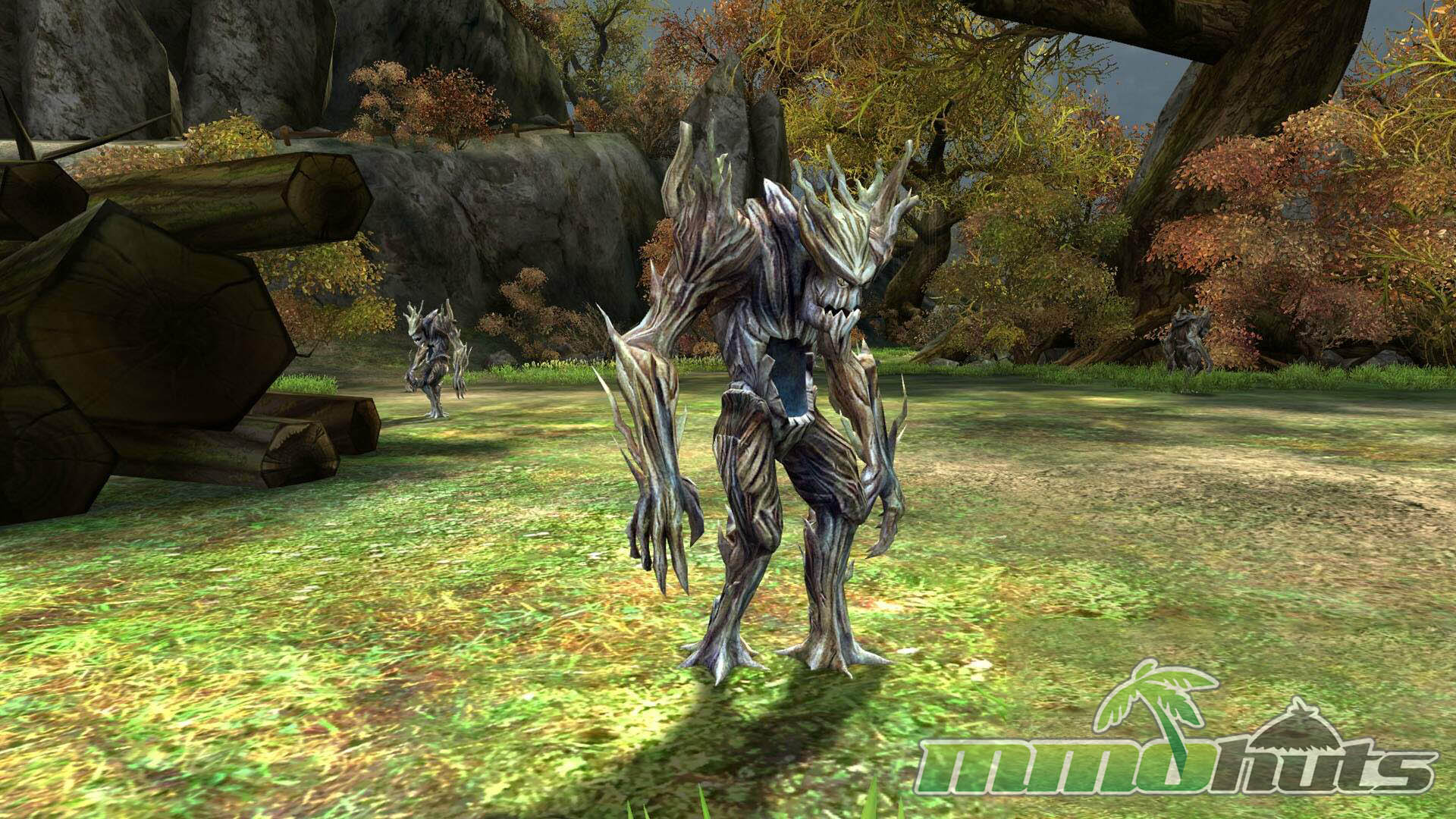
Sphere 3: Enchanted World Featured Video

Sphere 3: Enchanted World Classes
Paladin – a durable melee protector with access to supportive magic. Paladins excel at staying alive and helping allies recover, but they generally trade damage output for survivability and utility.
Barbarian – a heavy hitter built around raw physical power and huge weapons. Barbarians bring high health and strong crit potential, though their kit leans on rage management to unlock their best moments.
Warrior – a traditional sword-and-armor fighter focused on steady physical pressure and sturdiness. Warriors can take a beating and hit hard, but tend to struggle against magic and lack some of the more specialized defensive tools of other front-liners.
Ranger – the primary long-range option, specializing in kiting tools like slows and stuns. Rangers can also call pets to distract targets, but they are at their weakest when enemies close the gap.
Monk – a flexible all-rounder with a mix of offense, defense, and team support. The class does not dominate a single niche, but it benefits from strong magical defense for a melee fighter and mobility tricks (including teleport-like skills) to stick to targets.
Assassin – a burst-focused melee class that plays around stealth and speed. Assassins can delete targets quickly when opportunities open up, using poison and fast combos, but their low durability makes mistakes costly.
Sorcerer – a pure spellcaster with high magical damage and strong offensive presence. Sorcerers can hit extremely hard, yet they are fragile and often vulnerable when pressured by physical attackers.
Priest – a cornerstone support class centered on healing and resurrection. Priests keep groups functioning through sustained fights, but they pay for that value with weak personal damage, low mobility, and limited defenses.
Necromancer – a dark-magic specialist using curses, debuffs, and damage-over-time effects. Necromancers can also summon undead allies, though their casting comes with resource constraints, including spells that consume HP and necrotic energy.
Sphere 3: Enchanted World Review
Sphere 3: Enchanted World is positioned as a faction-driven fantasy MMORPG where the central hook is conflict, not comfort. You pick a side in the Human versus Demon war, then level through questlines that begin in safer territories before pushing you toward areas where the opposing faction becomes a real presence. In practice, the game tries to balance familiar MMORPG structure with a harsher PvP identity, and how well it lands depends largely on your tolerance for older design choices and some rough edges in responsiveness.
Visually, Sphere 3 leans into colorful, slightly stylized fantasy. Environments are often dense with scenery and the overall art direction holds up better than the underlying tech. Even so, the graphics feel dated for its era, with character models and effects that can look behind other 3D MMORPGs. That trade-off appears intentional, as the game aims to remain playable on mid-range systems, particularly during larger PvP events. Audio is serviceable, with standard epic-fantasy music and expected spell and weapon sounds, but it rarely becomes a defining strength.
Server rules shape the experience
Early on, the launcher steers you into a clear choice: a PvE-focused server (Anhelm) or a PvP-focused server (Nomrad). The PvE option is closer to the traditional theme-park flow, where you can quest and run PvE content without constantly worrying about being jumped by other players, at least in your faction’s space. PvP still exists there, but it is largely opt-in and tied to activities like sieges.
On the PvP server, PK is part of the day-to-day outside of limited starter safety. That creates tension and memorable skirmishes, but it also invites griefing behavior. The karma system is the game’s main counterbalance, punishing repeat killers by risking gold or item loss on death once enough negative karma is accumulated. It does not remove the danger, but it does give the ruleset some teeth and makes reckless killing less “free.”
Character creation, with notable limitations
Character creation follows the usual MMORPG checklist: choose faction, select class, tweak appearance, and name your character. You can create up to five characters per account per server, and characters do not carry between PvE and PvP servers, so committing to one ruleset matters.
The biggest drawback is variety. Only two playable races are available, Humans and Demons (one per faction), and the customization tools are fairly minimal, relying on a small set of preset options. On top of that, classes are gender-locked, a design choice that feels restrictive and dated in a genre where players often value expression and identity. The end result is functional, but it is hard to shake the feeling that many characters will look similar outside of gear.
Questing and leveling cadence
Your starting zone depends on faction, with Humans beginning in Ericuria and Demons in Tir-Twayd, and each side follows its own quest path. The game introduces mechanics through pop-up tooltips that can be disabled, which is convenient for returning players. Progression is primarily quest-driven, with a level-gated main storyline and plenty of side quests to keep you within the required range, similar to the structure seen in other theme-park MMORPGs.
If you ever hit a gap, the fallback is straightforward grinding. That is not unusual for the genre, but Sphere 3’s pacing can feel slow because so much of your time is spent traveling between objectives. You do gain a mount relatively early (around level 5), which helps, but it does not completely solve the sense of distance and downtime.
Combat: aim-based, but not always snappy
Sphere 3 uses WASD movement and a crosshair for ability use, putting it in the same general family as action-leaning MMORPGs. The non-target system adds a color-coded crosshair that helps communicate effective ranges, but moment-to-moment combat often plays closer to a basic ability rotation than a fully reactive action system.
In easier PvE, many enemies go down quickly, which can reduce fights to repeating basic attacks and a small set of cooldowns. More importantly, the combat can feel inconsistent due to input delay, where abilities do not always fire immediately even after repeated presses. Whether that is server latency or animation timing, the effect is the same: it undercuts the promise of “action” combat. Movement and traversal also have friction, with jumping and small obstacles occasionally feeling less smooth than expected.
Progression and gear dependence
Leveling grants skill points used to improve basic attacks and the skills you unlock as you gain levels. Equipment matters heavily because character power is strongly tied to gear stats. That creates clear goals, but it also means that progression can feel rigid: you are frequently chasing upgrades to keep pace rather than experimenting with broader build variety. The overall speed of leveling is not extreme, but combined with travel time and the lack of a sprint option, it may feel slower than many modern players prefer.
Cash shop considerations
As a free-to-play title, Sphere 3 is funded through a cash shop offering premium items. The key point is how those items interact with progression, especially upgrades and enchantments. Anything that improves enhancement success rates can be shrugged off by strictly PvE players, but on PvP servers it can easily be interpreted as pay-to-win because gear advantages translate directly into combat outcomes. Separating cash shop impact by server type would reduce friction, but as it stands, the shop’s presence is a real consideration for competitive-minded players.
The Final Verdict – Fair
Sphere 3: Enchanted World has a clear identity on paper: faction warfare, PK-enabled servers, and siege-driven PvP wrapped in a traditional questing MMORPG framework. It also has strengths, including appealing world art and a respectable class roster, while keeping hardware demands relatively reasonable.
Where it struggles is in execution and modern expectations. The dated visuals, limited race selection, gender-locked classes, and thin character customization make it harder to invest in your avatar. More importantly, combat responsiveness and overall pacing do not always match what players expect from an “action” MMORPG. If you are primarily looking for open-world PvP and can tolerate older systems and some jank, it is worth sampling, but most players seeking a smoother, more contemporary experience will likely find better free-to-play alternatives.
Sphere 3: Enchanted World Links
Sphere 3: Enchanted World Official Site
Sphere 3: Enchanted World Steam Page
Sphere 3: Enchanted World System Requirements
Minimum Requirements:
Operating System: Windows XP, Vista or Windows 7, 8, 8.1 (32 or 64-bit)
CPU: Dual Core, faster than 2 GHz
RAM: 2 GB RAM
Video Card: shader 3.0 support Geforce 6600, Radeon X1600, 256 Mb RAM and DirectX 9.0c support
Direct X: DirectX 9.0c
Hard Disk Space: 6 GB available space
Recommended Requirements:
Operating System: Windows Vista or Windows 7,8,8.1 (32- or 64-bit)
CPU: Quad-Core, faster than 2 GHz
RAM: 4 GB RAM or more
Video Card: shader 3.0 support Geforce 8800, Radeon HD4000, 512 Mb RAM and DirectX 9.0c support
Direct X: DirectX 9.0c, 10
Hard Disk Space: 6 GB or more available space
Sphere 3: Enchanted World Music & Soundtrack
Coming Soon!
Sphere 3: Enchanted World Additional Information
Developer: Nikita Online
Publisher: Nikita Online
Distributor: Steam
Writer: Alexander Zorich
Sound Design: Strategic Music Company
Closed Beta: May 19, 2015
Open Beta (RU): August 18, 2015
Open Beta (NA): November 11, 2015
Official Launch Date: December 2, 2015
Development History / Background:
Sphere 3: Enchanted World is a fantasy 3D MMORPG developed and published by Nikita Online, a recognized Russian studio. It serves as the third entry in the Sphere series, following the original Sphere, which is often credited as the first Russian-made MMORPG and launched in 2003. The game entered closed beta on May 19, 2015, then moved into open beta in Russia on August 18, 2015, followed by a global open beta on November 11 that same year. Sphere 3 was also Greenlighted on Steam in August 2015 and later released globally on December 2, 2015. During production, the team worked with Russian-language science fiction and fantasy writer Alexander Zorich and partnered with Strategic Music Company for sound design.