Sparta: War of Empires
 (No Ratings Yet)
Sparta: War of Empires (often shortened to SWoE) is a 2D, browser-based strategy MMO set in Ancient Greece, where you manage a modest Spartan city-state and try to grow it into a regional power. Between base building, army management, and constant pressure from other players, the game leans heavily into competitive play, with King Leonidas acting as your guide through the early steps.
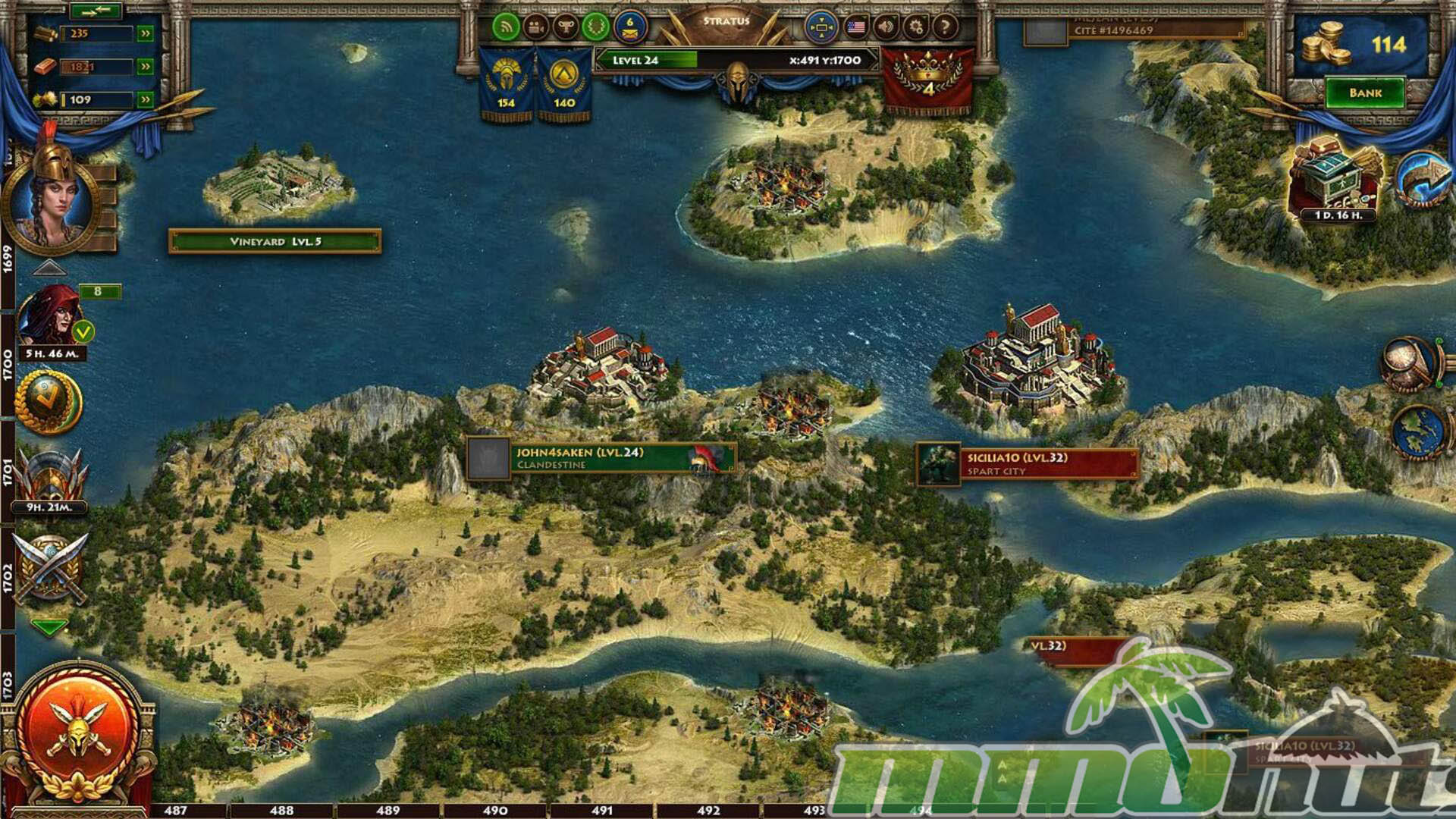 | Publisher: Plarium Playerbase: Medium Type: Browser Strategy MMO Release Date: March 13, 2014 (International) Pros: +Strong presentation for a browser title. +Premium currency is obtainable through questing. Cons: -Busy, sometimes confusing UI. -Noticeable pay-to-win pressure. |

Sparta: War of Empires Overview
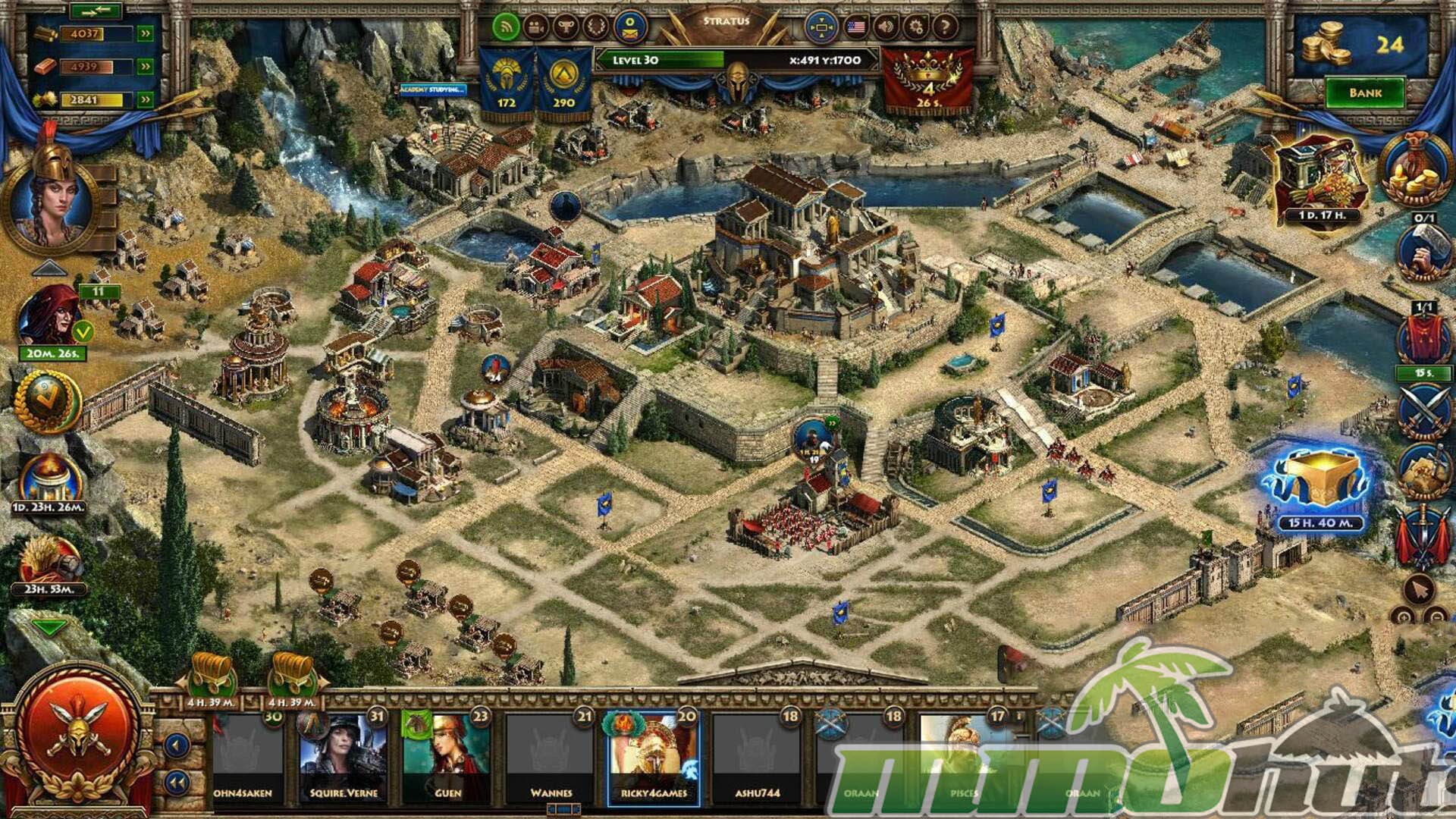
Sparta: War of Empires is a browser strategy game from Plarium focused on building, upgrading, and defending a Spartan settlement while pushing outward for more resources. You expand your footprint by improving infrastructure, training troops, and choosing when to raid rivals for supplies. Combat revolves around assembling the right mix of units for the job, whether you are protecting your city, scouting nearby targets, or launching coordinated attacks with allies. Progress is driven by objectives and quests that steadily unlock new options, all framed around the broader conflict against Xerxes’ forces and Sparta’s push to reclaim key strongholds.
Sparta: War of Empires Key Features:
- High-end presentation – polished visuals and sound for the genre, plus voiced guidance during the onboarding.
- Classic browser strategy with heavy PvP – base growth and army building feed directly into player conflict and competition.
- Ancient Greece theme – a historical backdrop featuring familiar figures, including King Leonidas.
- Earn premium currency by playing – quests can award premium currency, not only real-money purchases.
Sparta: War of Empires Screenshots
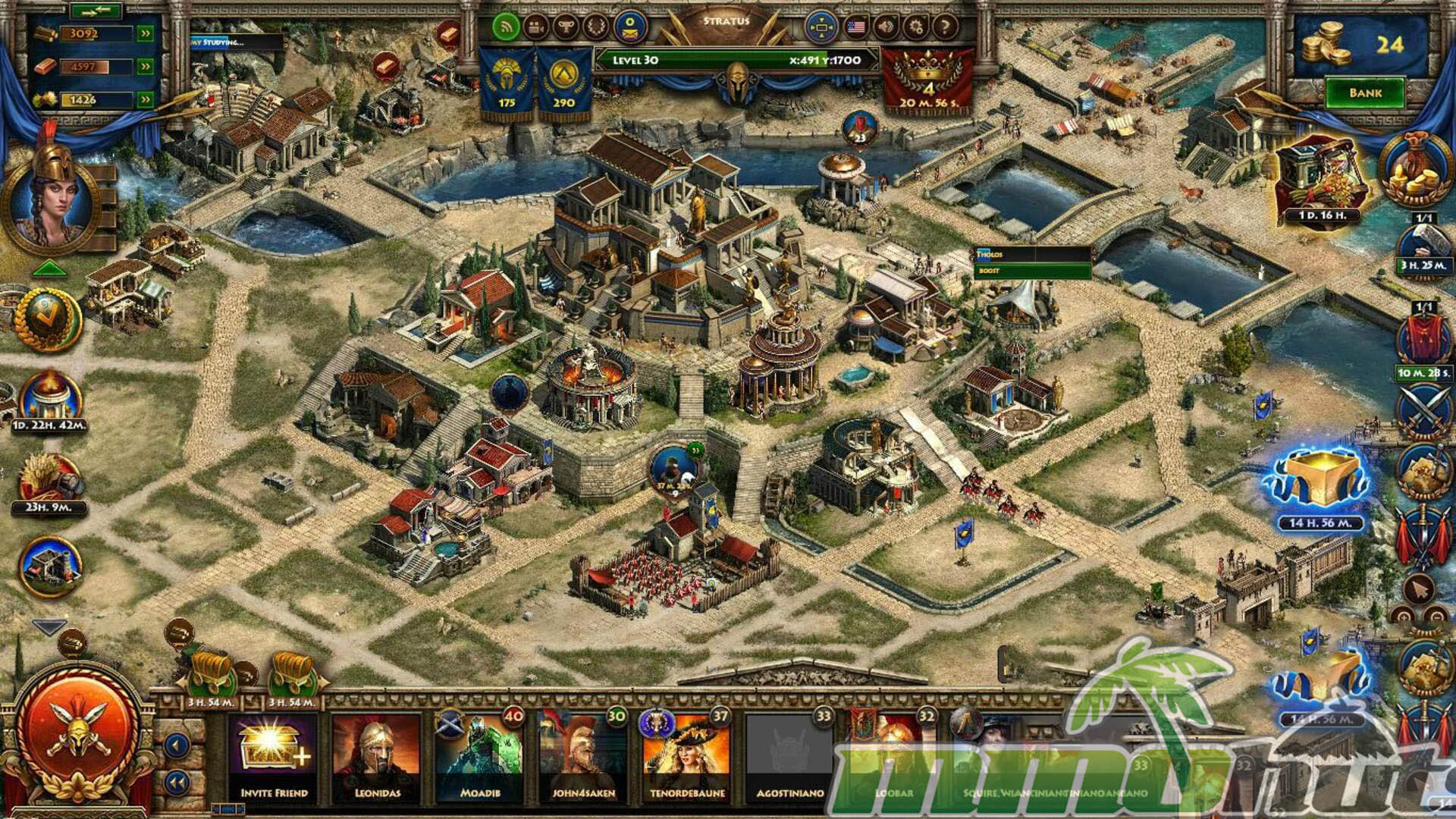
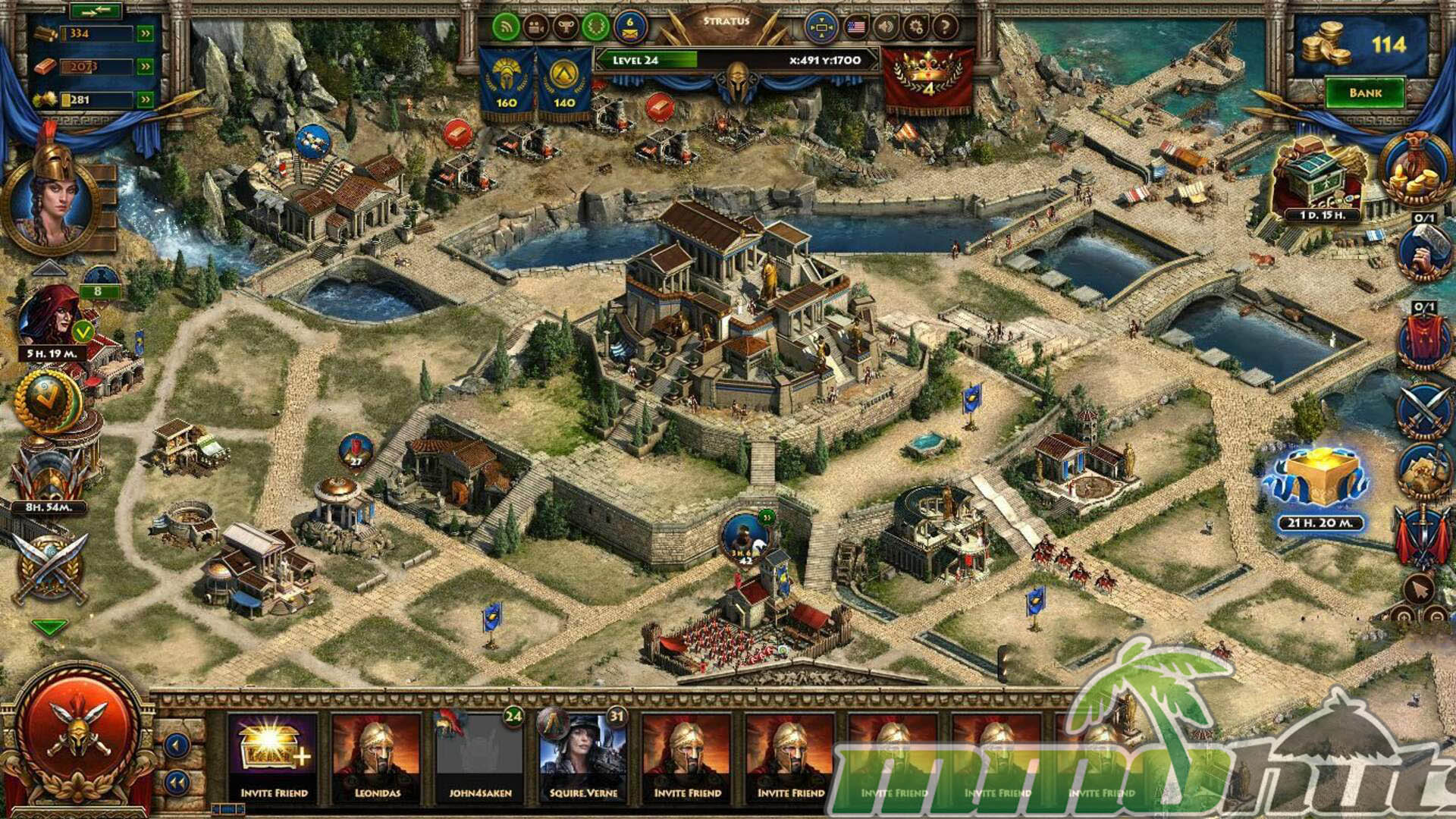
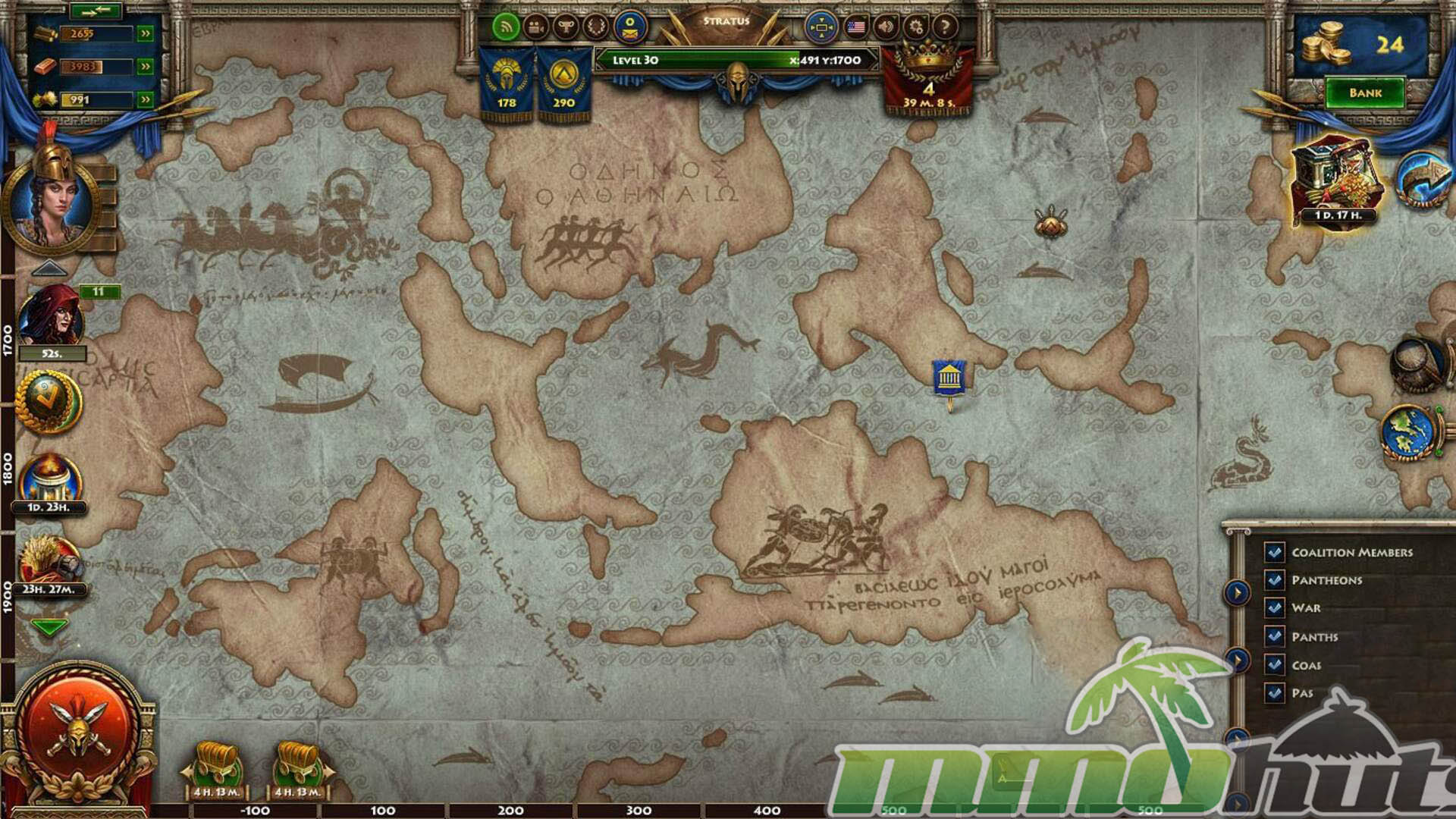

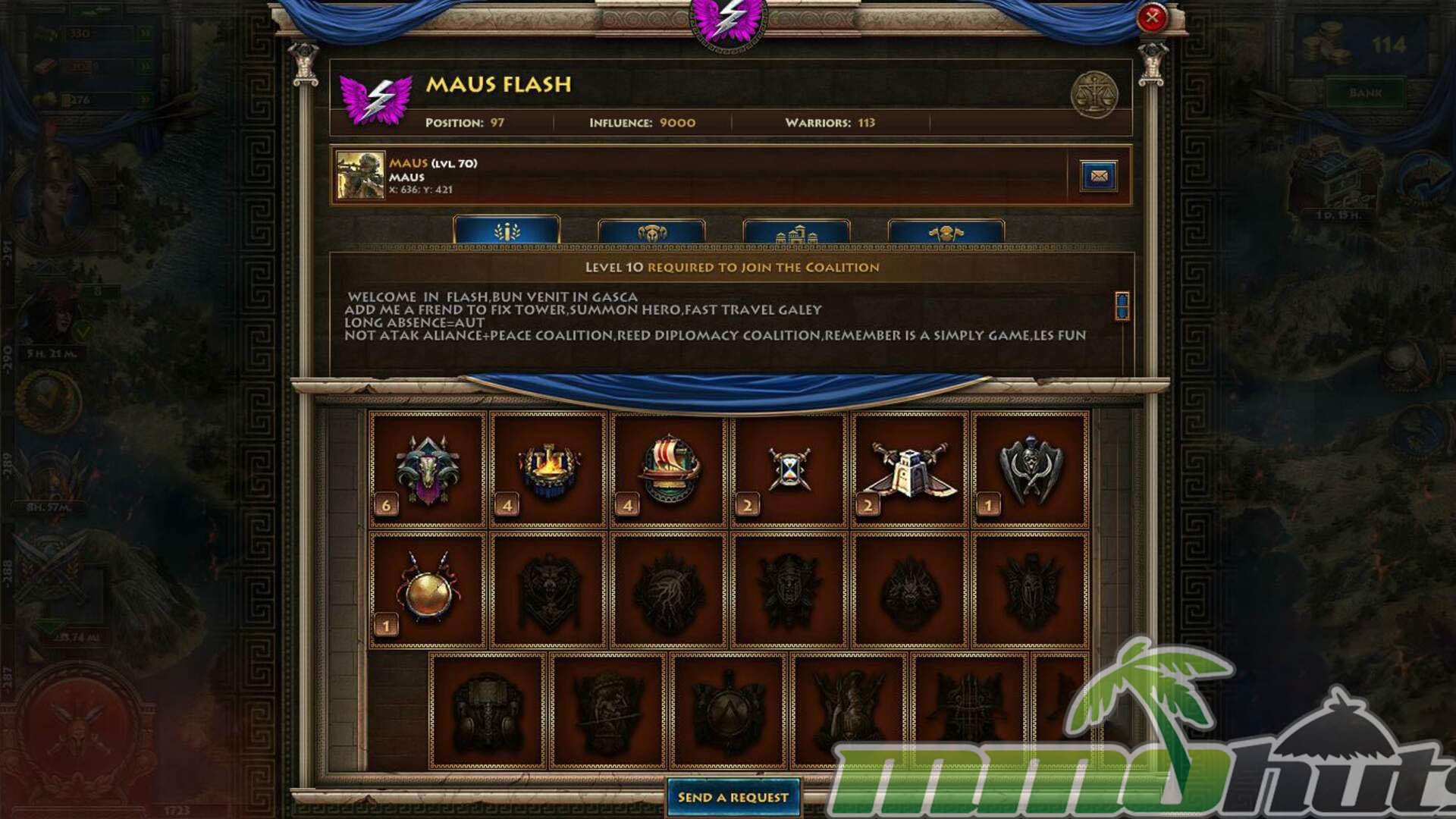
Sparta: War of Empires Featured Video

Sparta: War of Empires Review
Sparta: War of Empires is a free-to-play, 2D, browser-based strategy MMO developed and published by Plarium. It launched internationally on March 13, 2014, and can also be played through Facebook, which fits the game’s quick-session structure and always-online design.
The setting places you in Sparta during the period of Persian expansion, with the player acting as an Archon (governor) responsible for turning a vulnerable outpost into a war-ready city-state. Leonidas serves as the game’s narrative anchor and tutorial voice, framing your growth as part of a larger effort to unite Sparta’s forces and push back Xerxes’ armies, ultimately tied to control over the Pantheon.
From Outpost to City-State
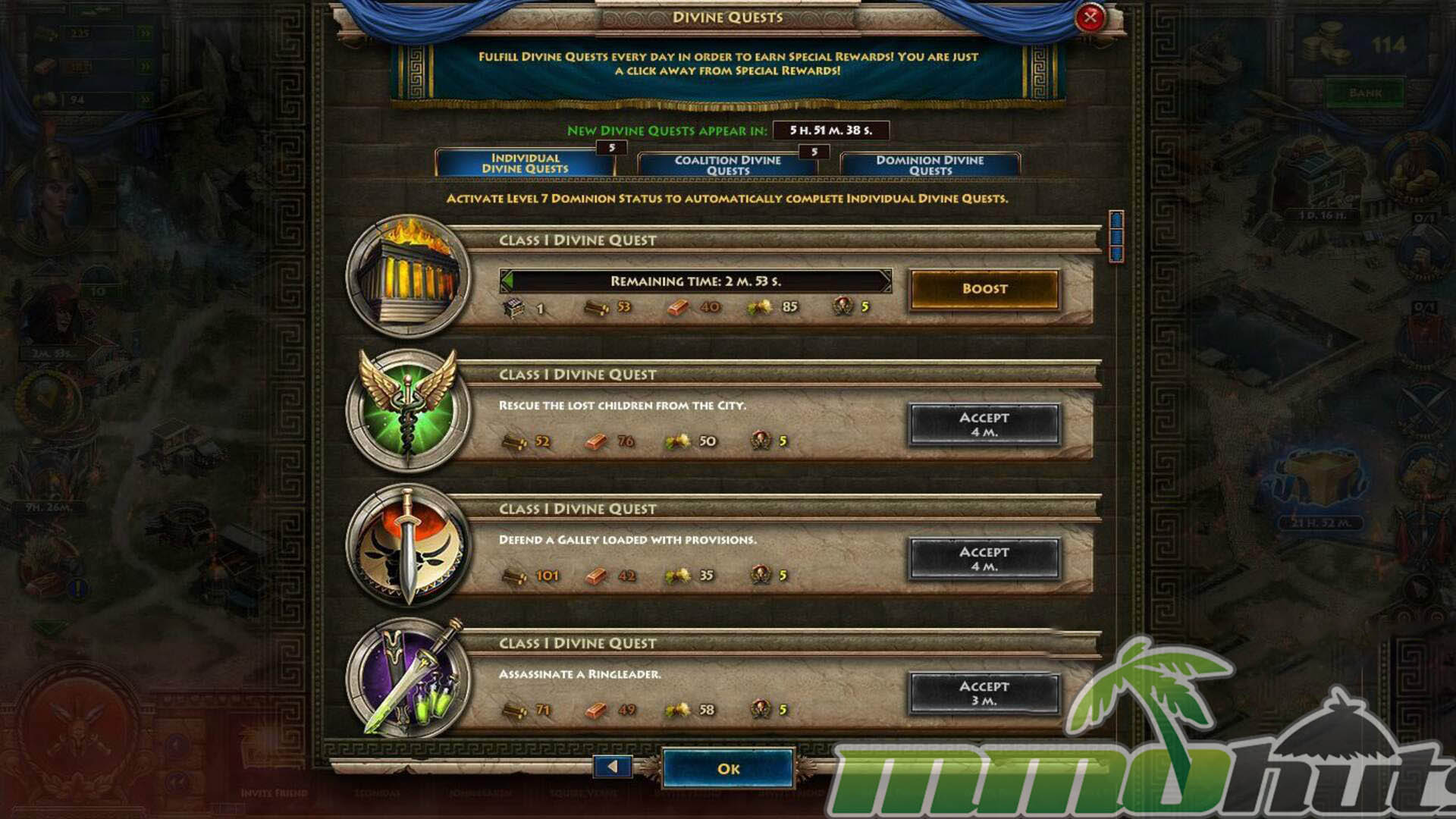
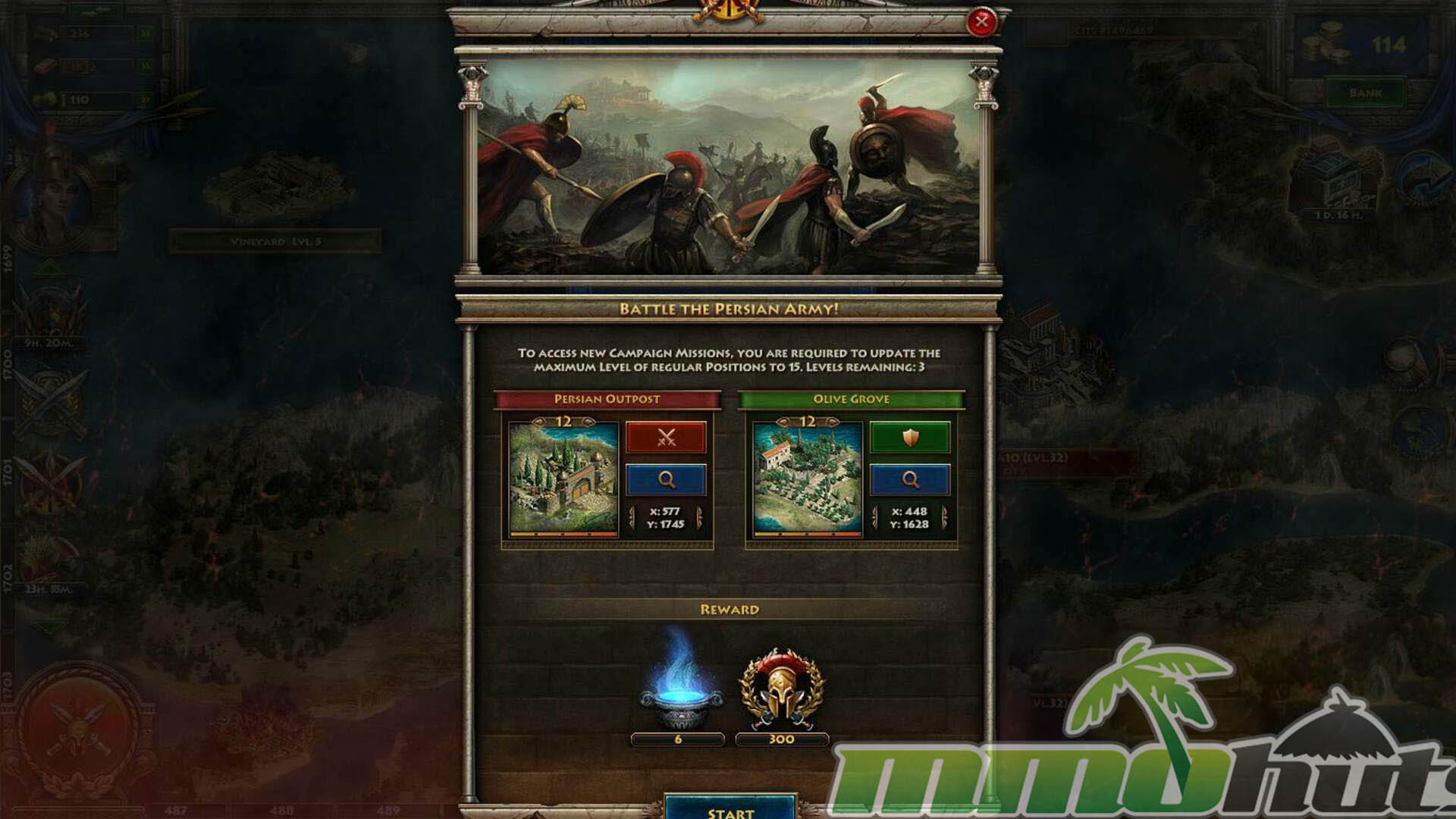
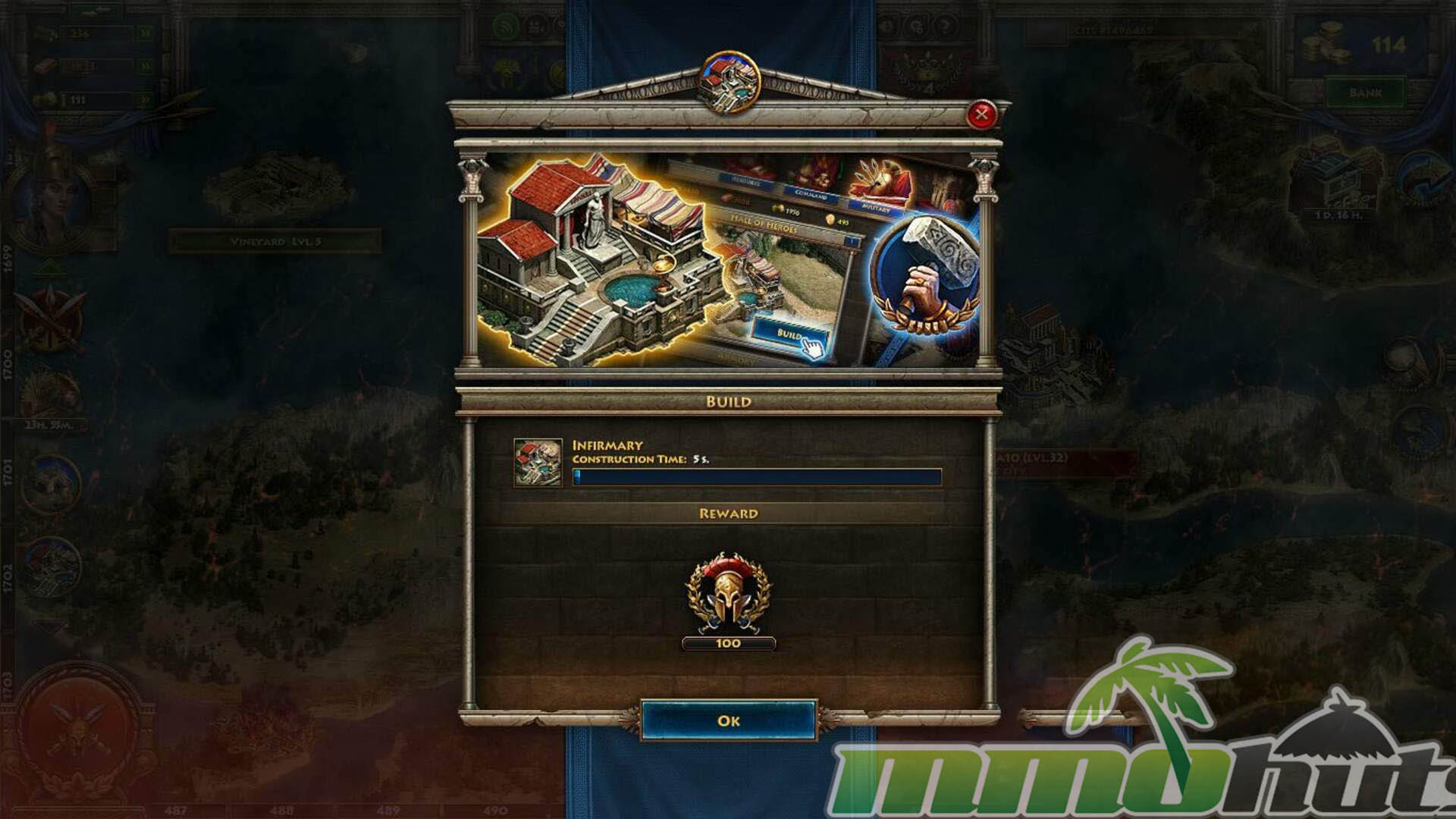
As with most browser strategy titles, the opening hours are about establishing the basics: constructing key buildings, upgrading production, and learning how the interface handles queues and timers. SWoE leans on voiced prompts and quest popups to move you along, which makes the early experience clearer than many older games in the genre. The quest line frequently nudges you toward core actions such as placing new structures, improving existing ones, and recruiting specific unit types. Those tasks pay out resources and experience, and at times award Drachmas, the premium currency that can also be purchased.
City Development and Building Roles
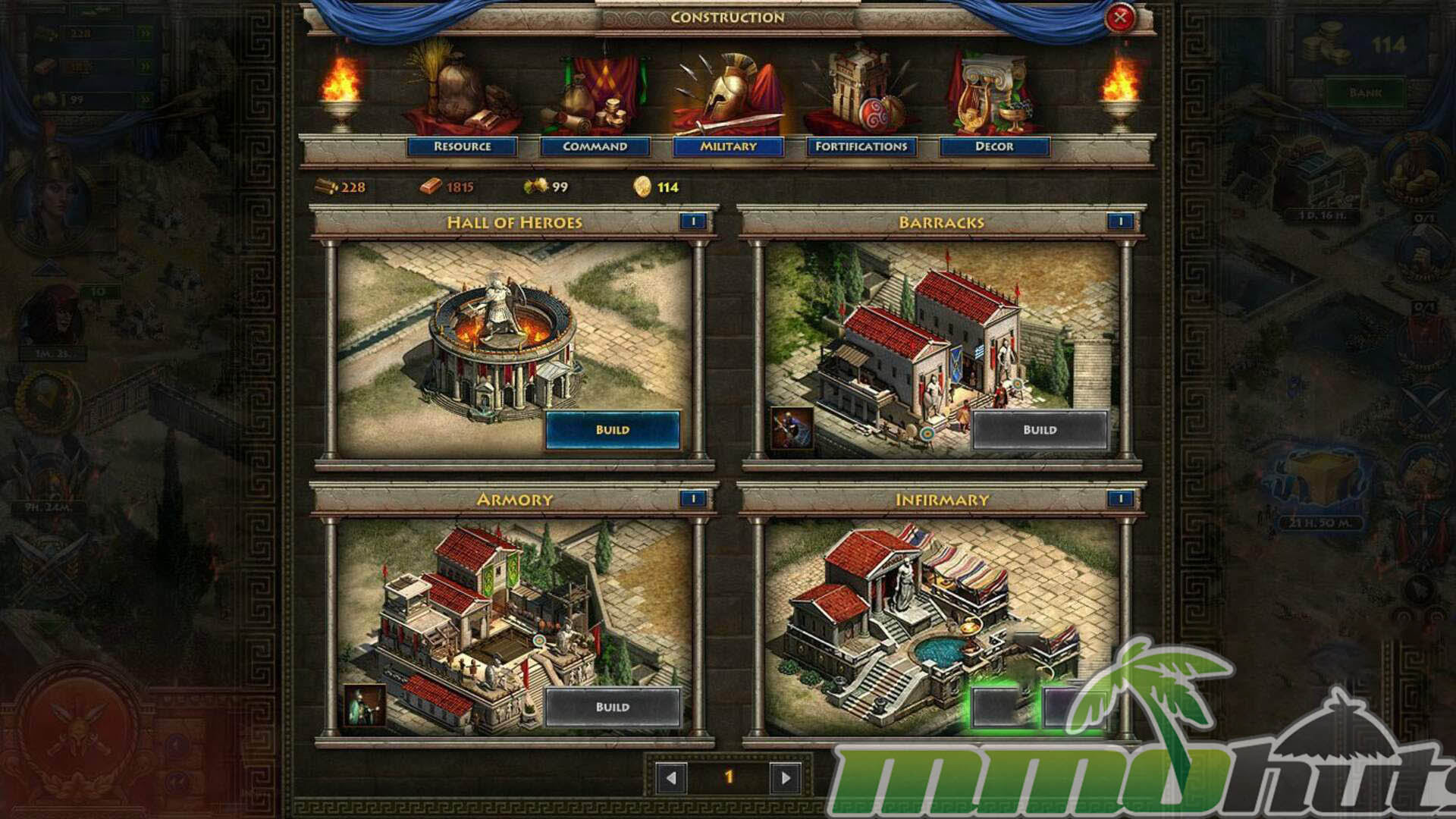
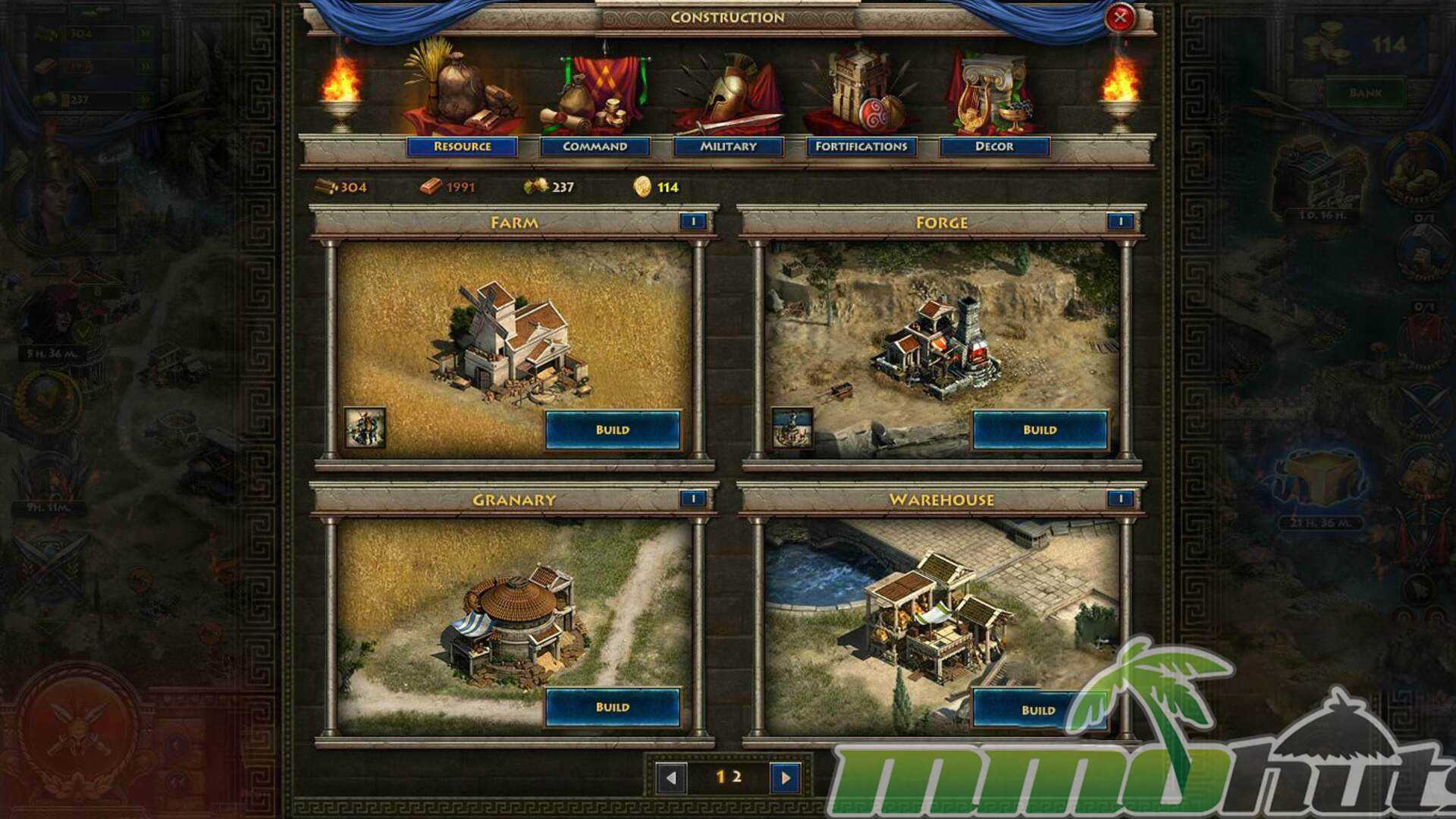
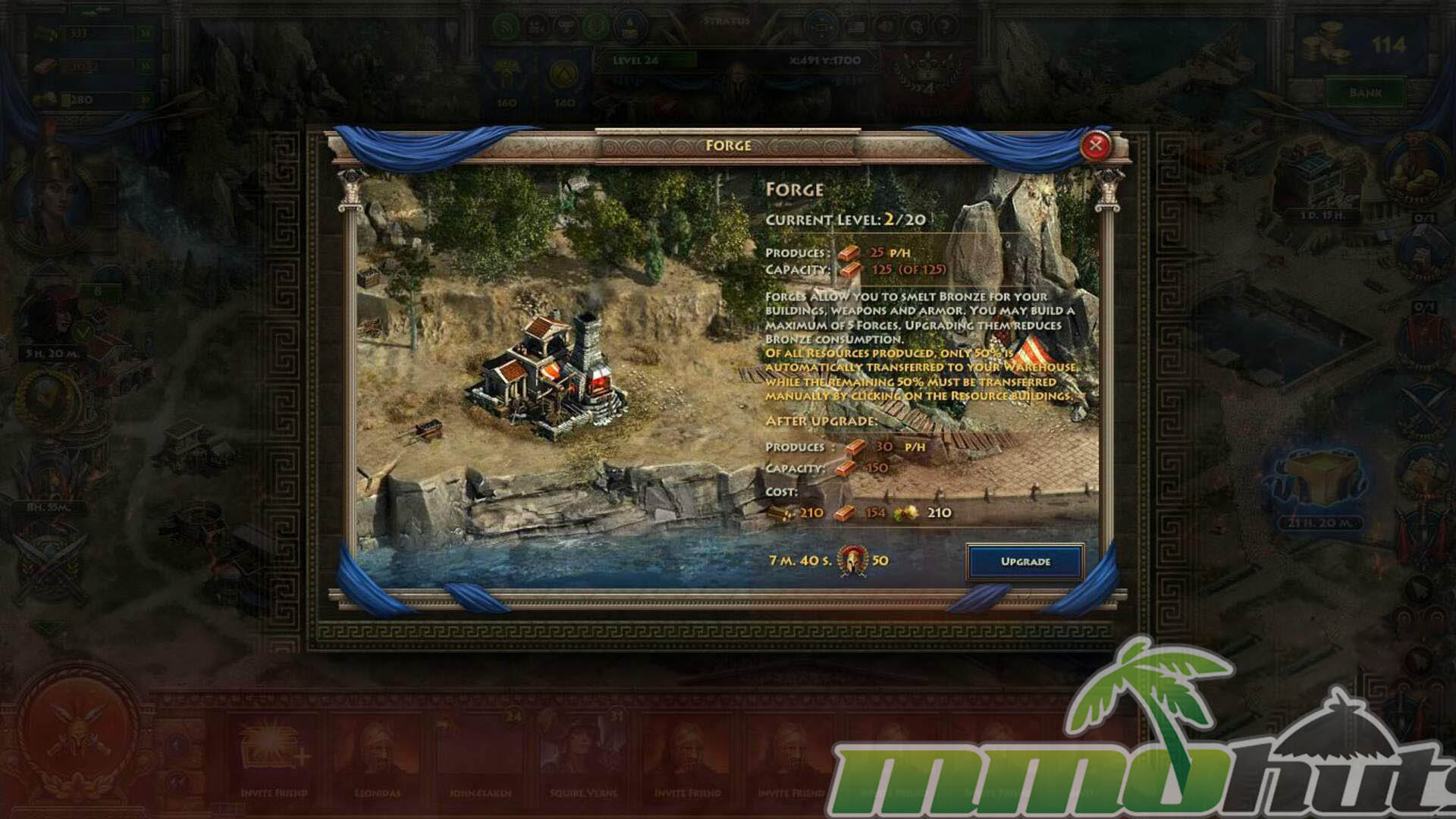
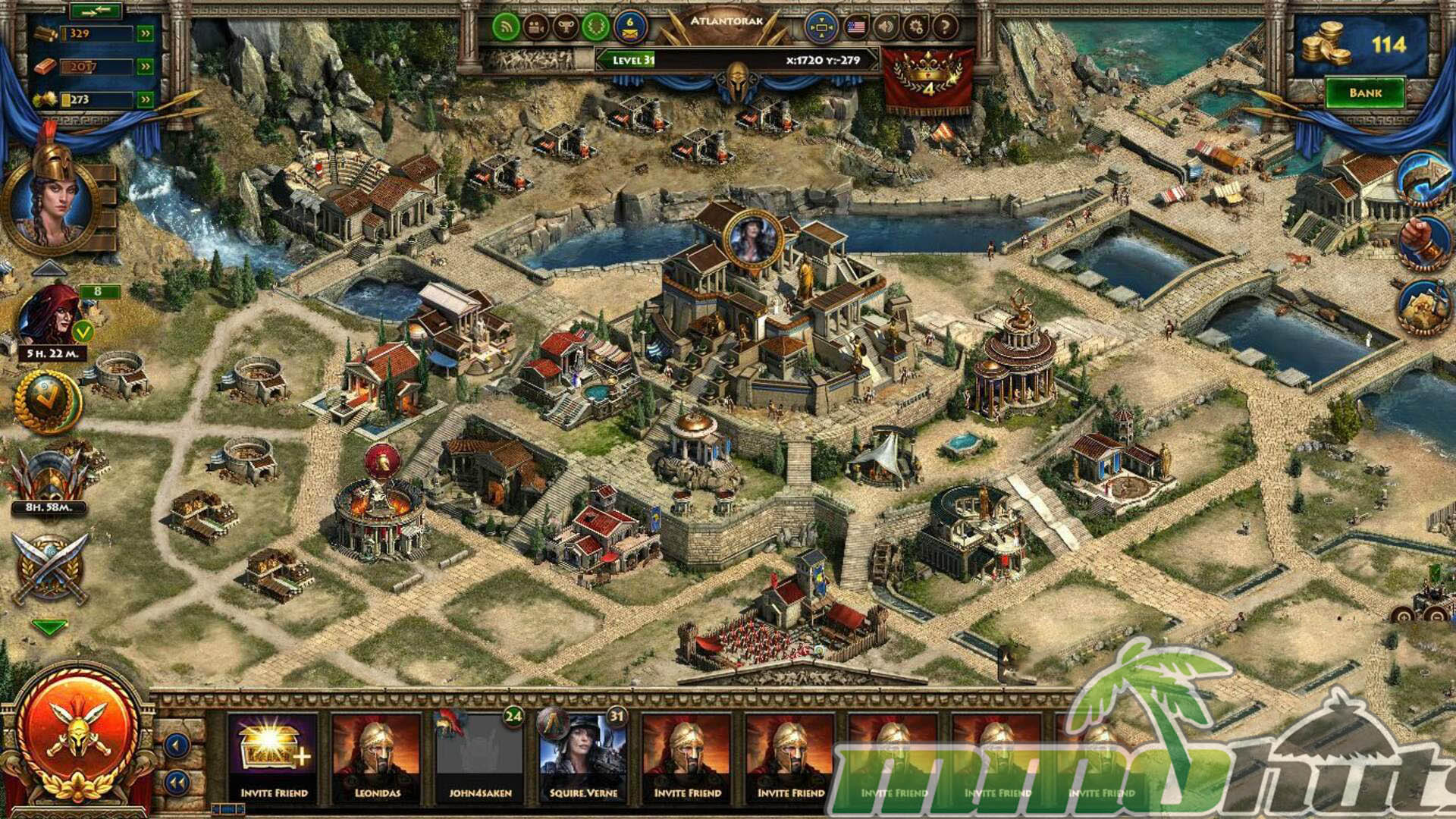
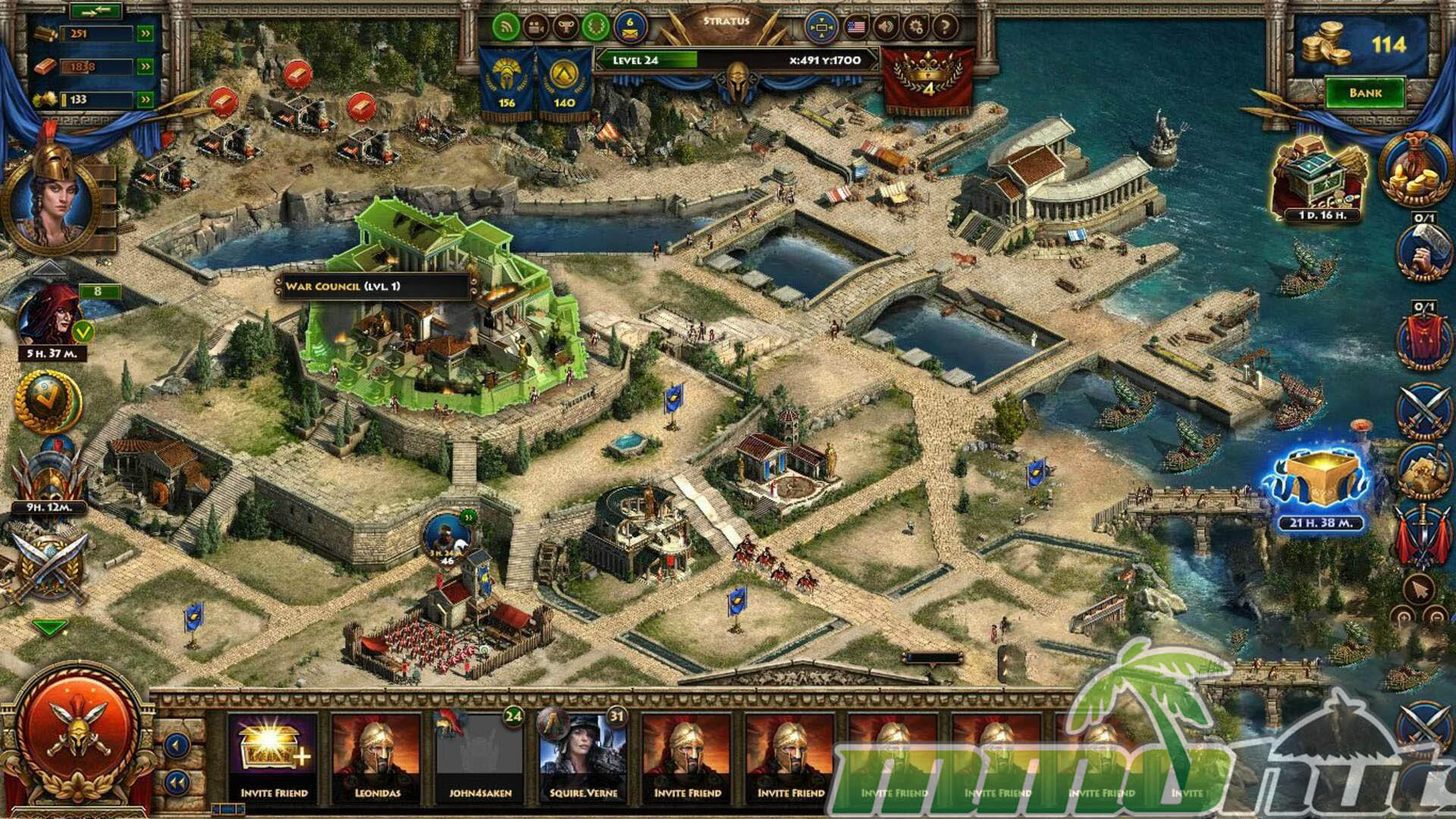
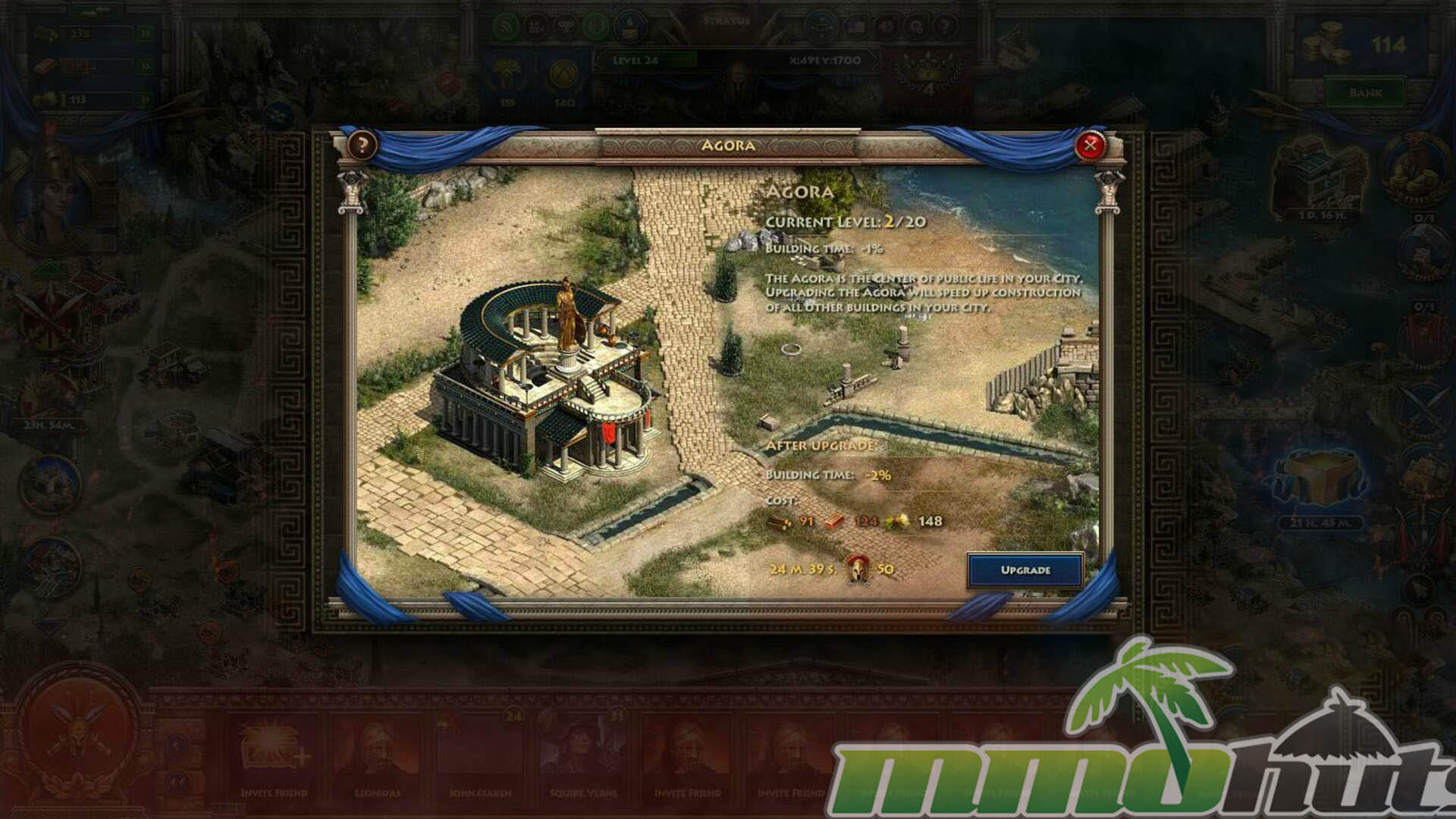
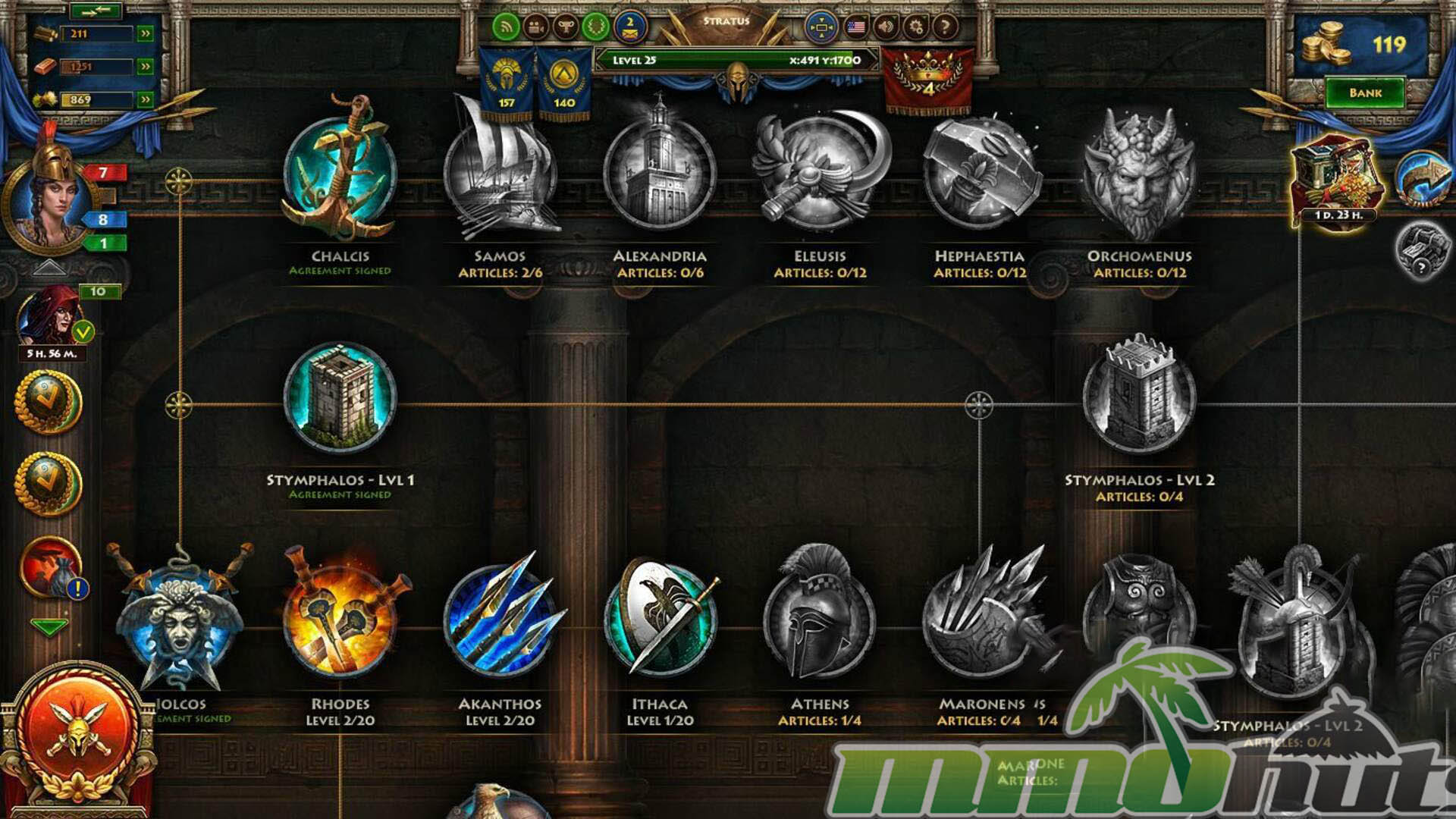
SWoE uses a familiar web-strategy blueprint where your settlement is a collection of specialized structures, each tied to a part of city management. Buildings fall into categories such as Resource, Military, Command, Fortifications, and the Market, and some player interactions (trade, warfare, ally exchanges) depend on having the correct infrastructure in place. New construction options are locked behind the Research Tree, where you unlock required Agreements, then spend resources to actually place the building. Construction is typically limited to one project at a time, unless you spend Drachmas on Partisans, which let you run multiple builds in parallel.
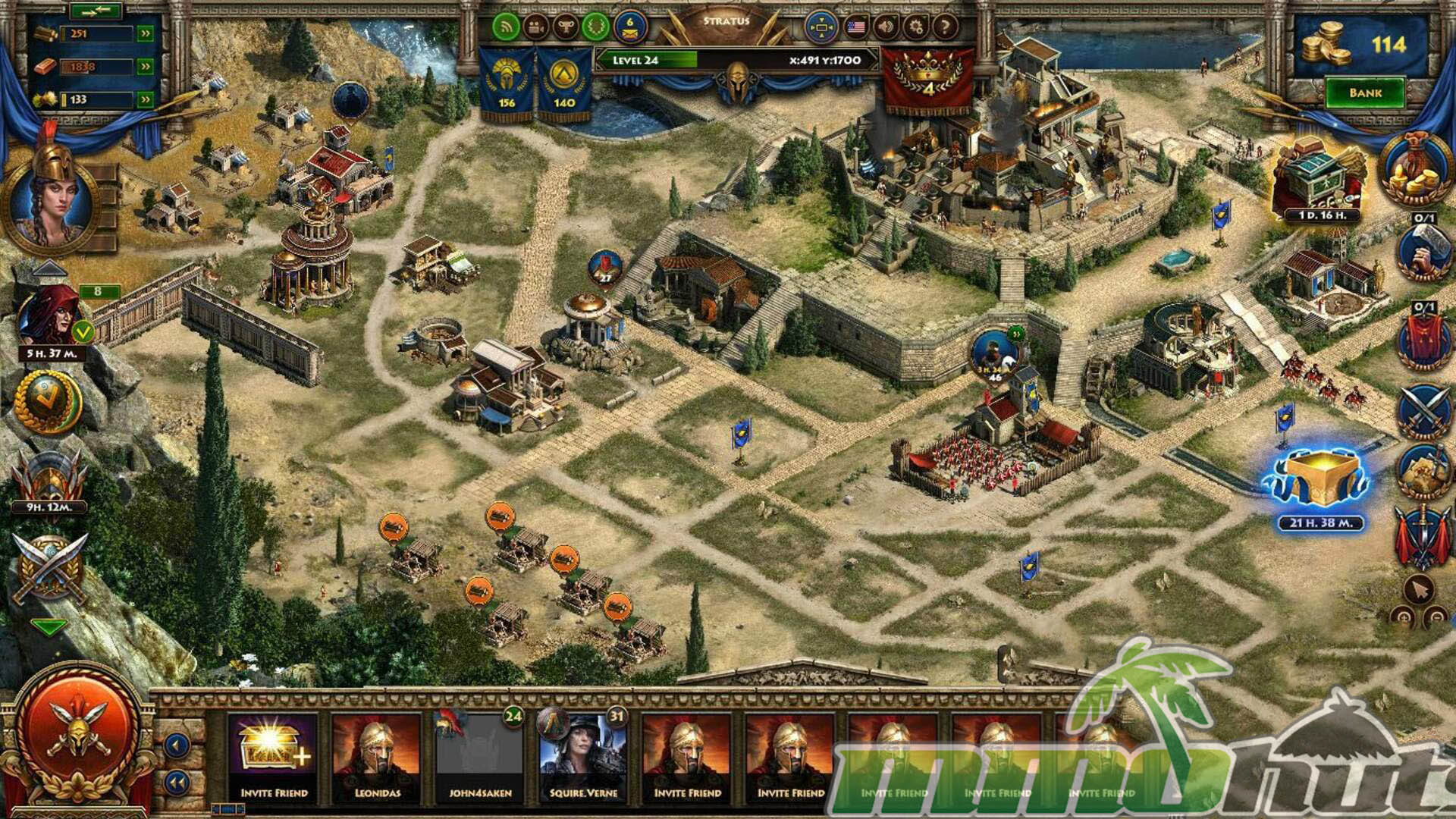
Resource management is the engine that drives every decision. SWoE splits materials into primary and secondary types. The primary trio, bronze, grain, and timber, comes from the Foundry, Farm, and Timber Mill and is continuously consumed by building and recruitment. Secondary resources include Drachmas, Scrolls, Denarii, and Glory Points (GPs). Drachmas act as the premium accelerator for speedups and other conveniences. Scrolls arrive through leveling and Persian Position quests. Denarii are obtained via the Argentarium by exchanging bronze and timber, with 500 Bronze and 500 Timber converting into 500 Denarii, and they are used to hire Roman units such as Gladiators, Triarii, Velites, and Legionnaires. Glory Points are earned from quests and are spent on Articles, which enable additional Agreements and open access to more advanced unit types.
Agreements and the Research Path
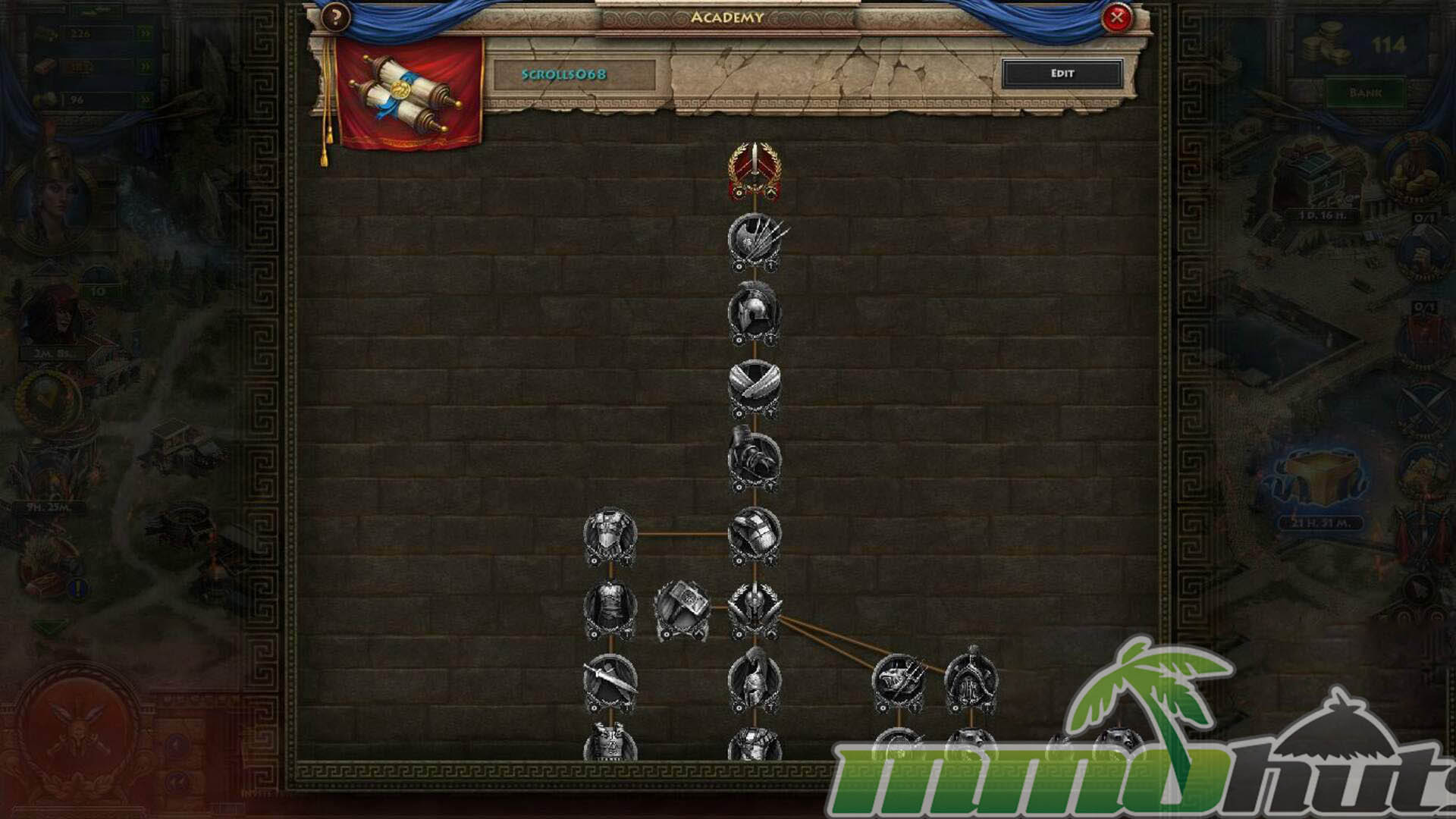
Agreements function as SWoE’s main progression gates. They do not just unlock buildings, they also open new unit types and improve what you already have through upgrades. To start signing Agreements you need the Ephorate, and from there your research choices shape how quickly you reach stronger military options and higher-tier development.
Army Composition and Unit Roles
Army building is divided into three broad groups: offensive troops, defensive troops, and spies. Offense-focused units hit hard but tend to fold when defending, while defensive units are built to absorb attacks at the cost of damage output. Spies exist for scouting, letting you gather information about nearby cities so you can choose better targets and avoid costly mistakes. Movement speed varies by troop type, which matters in a game where timing raids, reinforcements, and defenses can decide outcomes. Lighter infantry tends to travel faster, heavier infantry hits harder but moves slower, and specialized formations like phalanxes serve as strong counters to cavalry.
Raids, Siege Warfare, and Protectorates
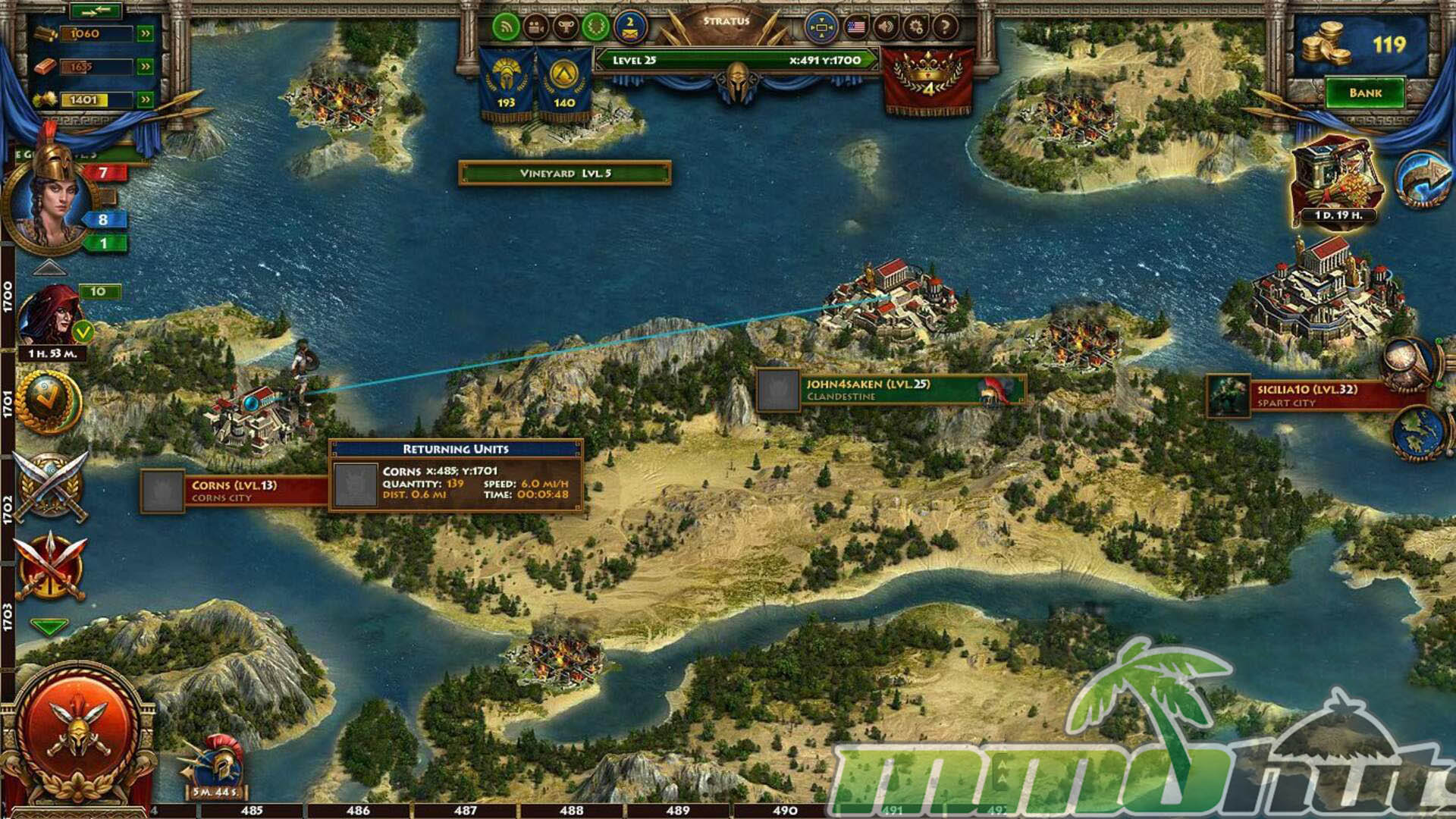
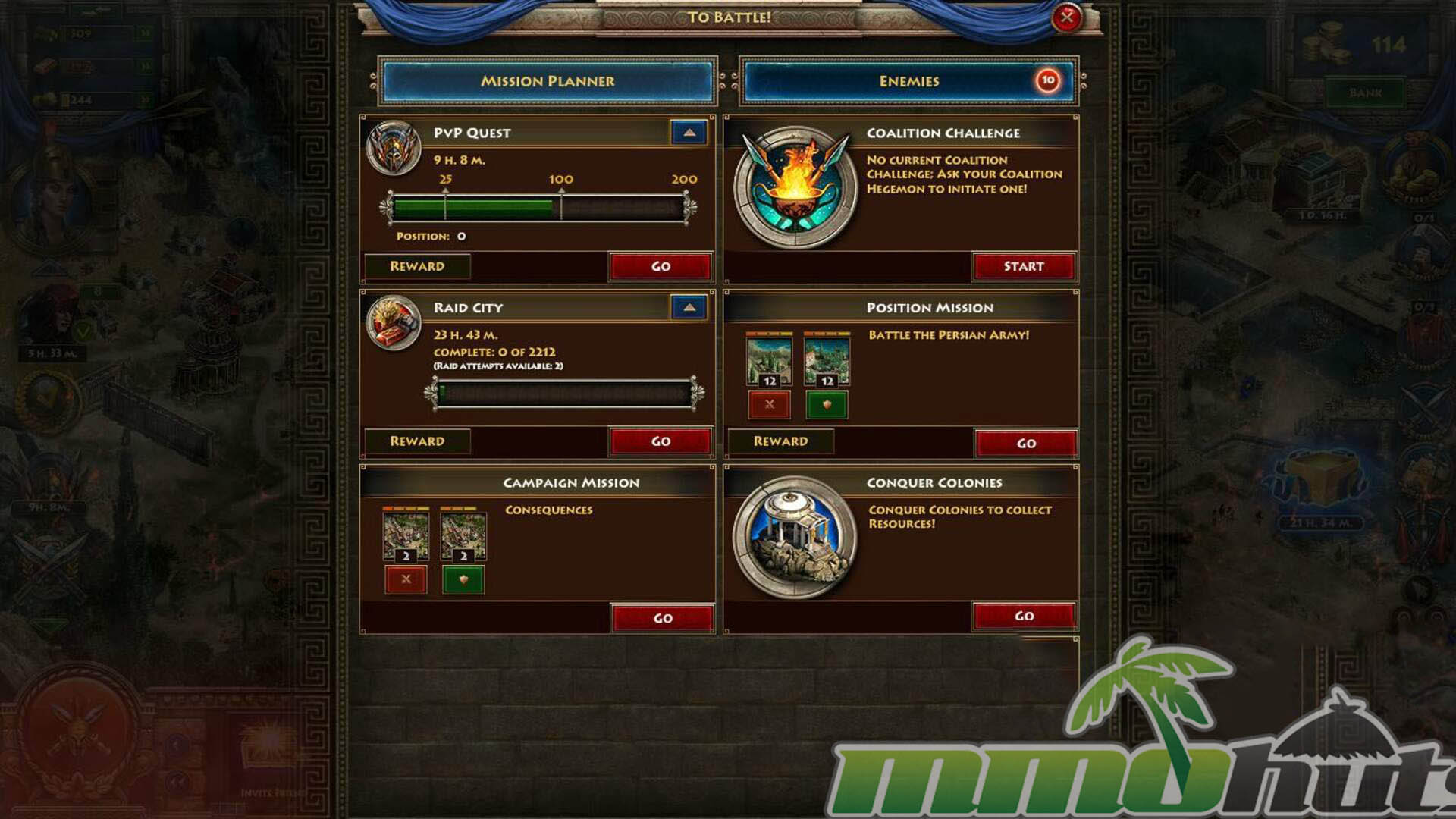
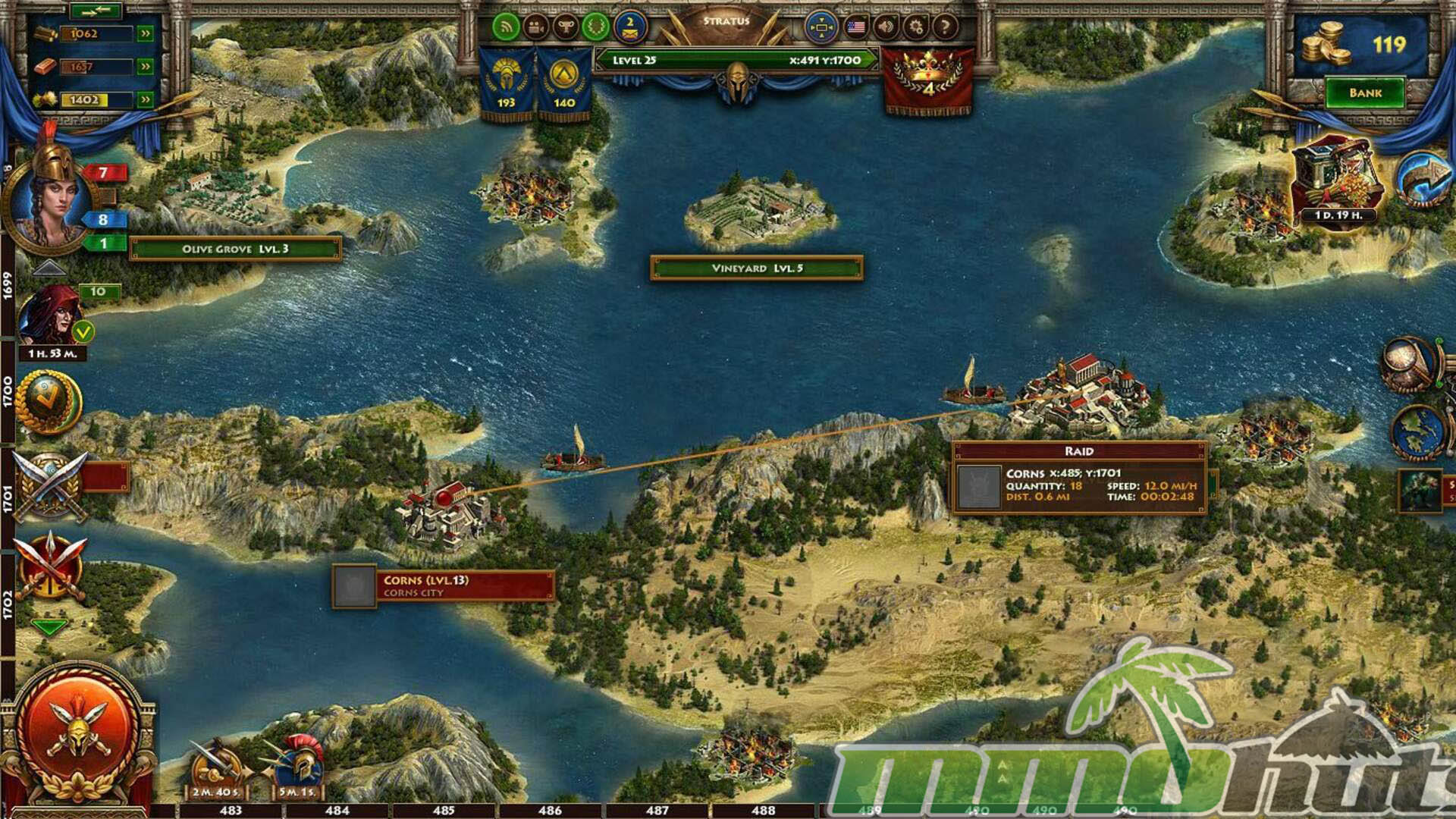
Raiding remains one of the most effective ways to accelerate growth, especially once you start targeting weaker or inactive cities. SWoE puts a hard limiter on raid frequency through Raid Points (RP). You begin with 10 RP, each raid consumes 1 RP, and RP regenerates at a rate of one point every 2.5 hours, so you are encouraged to plan raids rather than spam them.
One of SWoE’s standout mechanics for the genre is the ability to lay siege and force an enemy into Protectorate status. A Protectorate is essentially a subjugated city that you can occupy and regularly extract resources from up to a cap, without repeatedly raiding it. The occupied city also suffers a 25% reduction to primary resource production, which compounds the advantage of the occupier. Liberation requires offensive troops from the city’s Archon or allies, which makes early diplomacy important, since new players are often outmatched by established cities with deeper tech and bigger armies.
Premium Currency and Competitive Pressure
Drachmas are SWoE’s premium resource, and they influence nearly every timer-driven system. Beyond purchasing them, players can obtain Drachmas through quest rewards, which helps free players participate in the premium loop in small doses. In practice, Drachmas can speed construction, accelerate training, boost efficiency, and even provide immediate recovery options such as healing and reviving units after combat. The result is a cash shop that strongly favors paying players in competitive contexts, a familiar pattern across many browser strategy MMOs where selling power is common.
Coalitions and the Pantheon Objective
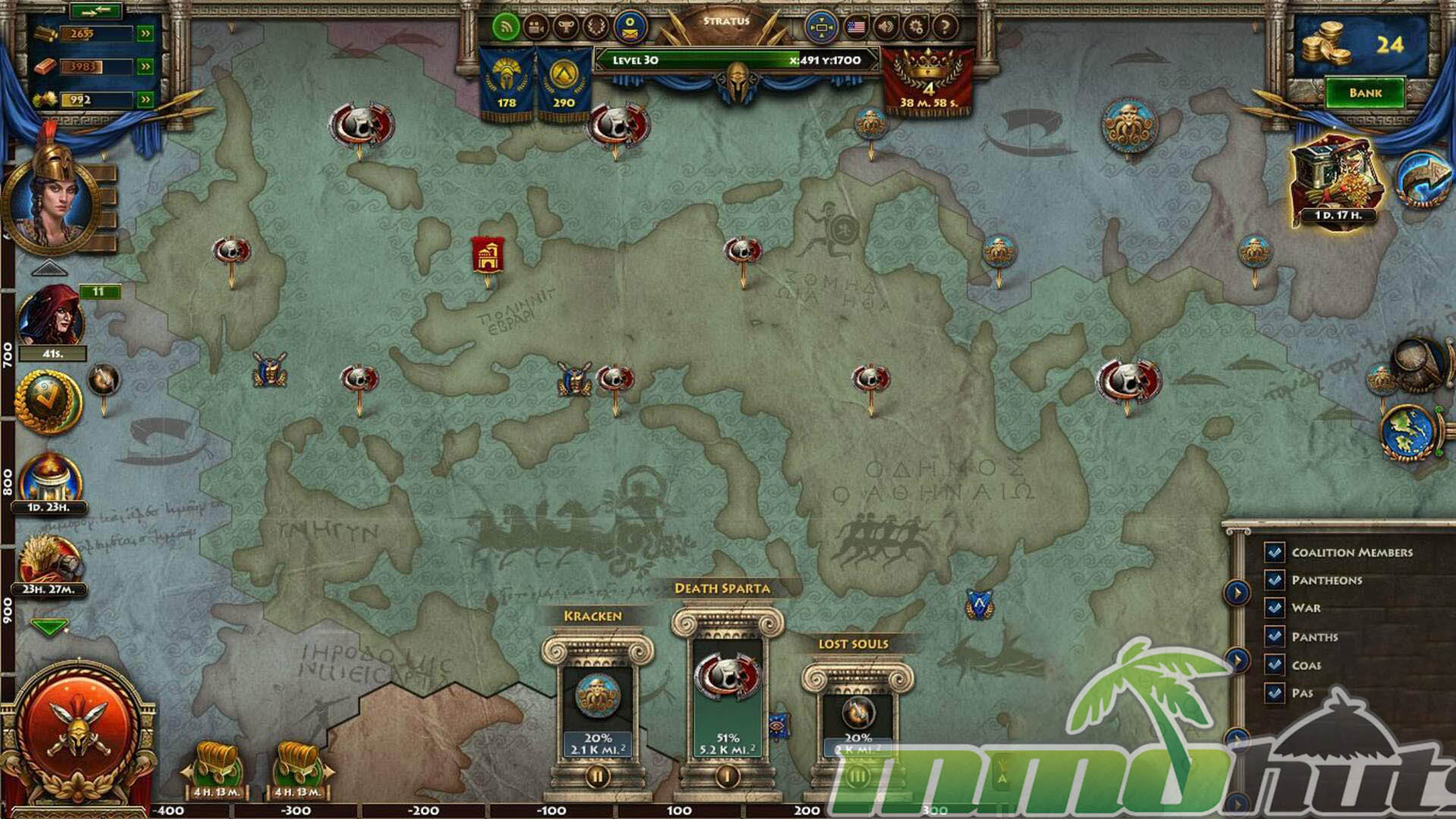
The larger-scale endgame centers on Pantheons, fortified locations that must be captured and defended against Persian forces. Pantheons are distributed across the world map and are designed for Coalitions (the game’s guild-like groups), not solo players. After capture, Pantheons must be rebuilt, requiring time and heavy resource contributions from Coalition members. Holding them also means constant defense against Persian attacks and rival Coalitions. Successful defenses reward Orichalcum, which is used to promote units into veteran status, reinforcing the game’s emphasis on group coordination and long-term territorial play.
Final Verdict – Good
Sparta: War of Empires delivers a competent, theme-driven spin on the standard browser strategy formula. The core loop still includes the expected building timers, resource optimization, and aggressive raiding, but the Pantheon-focused objective gives Coalitions a clearer shared purpose than simple map domination. Presentation is also a strong point for its category, especially the voiced early game and fitting soundtrack. The main drawback is the degree to which Drachmas can translate into combat and progression advantages, which can make competitive play feel uneven. Even with that limitation, it remains a worthwhile option for players who enjoy PvP-oriented browser strategy and active guild objectives.
Sparta: War of Empires Links
Sparta War of Empires Official Site
Sparta: War of Empires Facebook
Sparta: War of Empires Official Wiki [Database / Guides]
Sparta: War of Empires System Requirements
Minimum Requirements:
Operating System: XP / Vista / 7 / 8
CPU: Intel Pentium 4 or AMD Equivalent
Video Card: any graphics card (integrated works well, too)
RAM: 512 MB
Hard Disk Space: 100 MB (Cache)
Sparta: War of Empires is a browser-based MMORPG and will run smoothly on practically any PC. The game was tested and works well on Internet Explorer, Opera, Firefox, and Chrome. Any modern web-browser should run the game smoothly. The game is available on Facebook as well.
Sparta: War of Empires Music & Soundtrack
Sparta: War of Empires Additional Information
Developer: Plarium
Release Date: March 13, 2014 (Worldwide)
Other Platforms: Facebook
Development History / Background:
Sparta: War of Empires was created by Plarium, an Israeli game developer that also operates the title globally. Although the company is headquartered in Israel, it has development offices in Ukraine. The game launched worldwide on March 13, 2014 and later reached additional audiences through its Facebook version. One detail that helps it stand out among similar browser strategy games is the fully voiced early-game onboarding, which makes the initial learning curve feel smoother than usual.