Soul of the Ultimate Nation (usually shortened to S.U.N.) was a fantasy MMORPG that leaned into action-heavy, skill-driven combat. At its core, the game asked you to pick one of five archetypal but distinct classes, Dragon Knight, Berserker, Valkyrie, Elementalist, or Shadow, then build around class skills, gear sets, and even swappable fighting styles that changed how your character handled in both PvE and PvP.
 | Publisher: Webzen Type: MMORPG Release Date: October 21, 2009 Closure Date: July 3, 2013 Relaunch (SUN CLASSIC): March 10, 2022 Pros: +Strong visuals for its era. +Several ways to PvP. +Snappy, action-forward combat. Cons: -Pay-to-win pressure. -Familiar, genre-standard systems. |

Soul of the Ultimate Nation Overview
Soul of the Ultimate Nation, also known as SUN Online, was a free-to-play 3D action MMORPG built around quick engagements and instanced content. The narrative frames the player as part of a resistance movement pushing back against an Empire led by a corrupt ruler empowered by dark forces. From the start you commit to one of five classes (Dragon Knight, Berserker, Valkyrie, Elementalist, or Shadow), then progress by unlocking skills, chasing upgrades, and tackling missions that steadily escalate in scale.
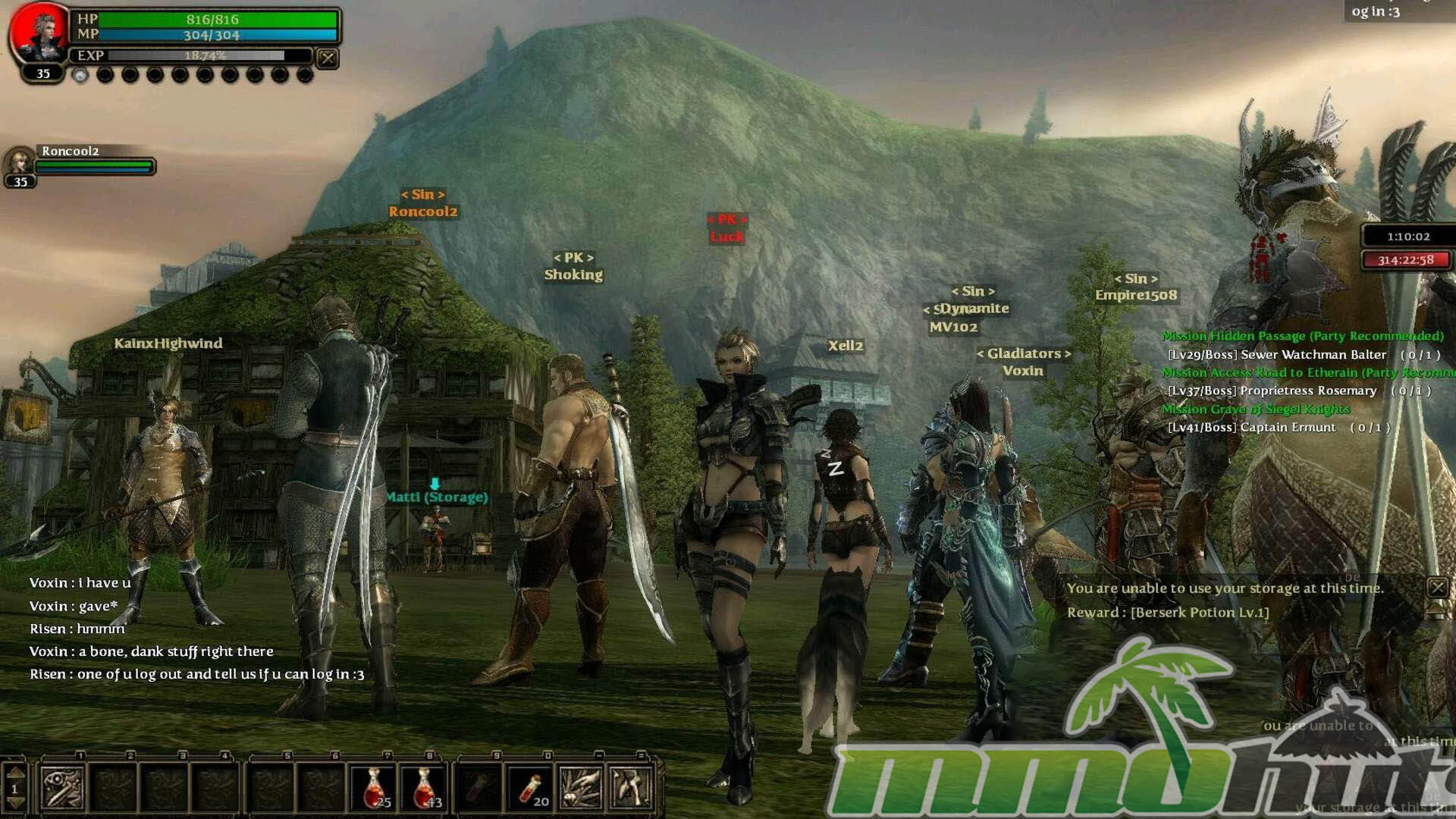
A major part of SUN Online’s identity was its PvP offering. It supported both instanced PvP areas and open-world conflict, with PvP becoming most relevant once players reached the higher levels, commonly cited around the post-40 range. Instead of relying only on open exploration, the game funneled players through its Battle Zone system, where you could form or join lobbies for different activities such as missions, event maps, monster hunting, and PvP. That structure made it easy to group up quickly, jump into a targeted activity, and roll the dice on better loot without needing long travel times.
Soul of the Ultimate Nation Key Features:
- Five Classes – Choose Dragon Knight, Berserker, Valkyrie, Elementalist or Shadow, each with two specializations to steer your build and toolkit.
- Fighting Styles – Every class supports two combat stances, letting you shift your approach and cover different party needs depending on the situation.
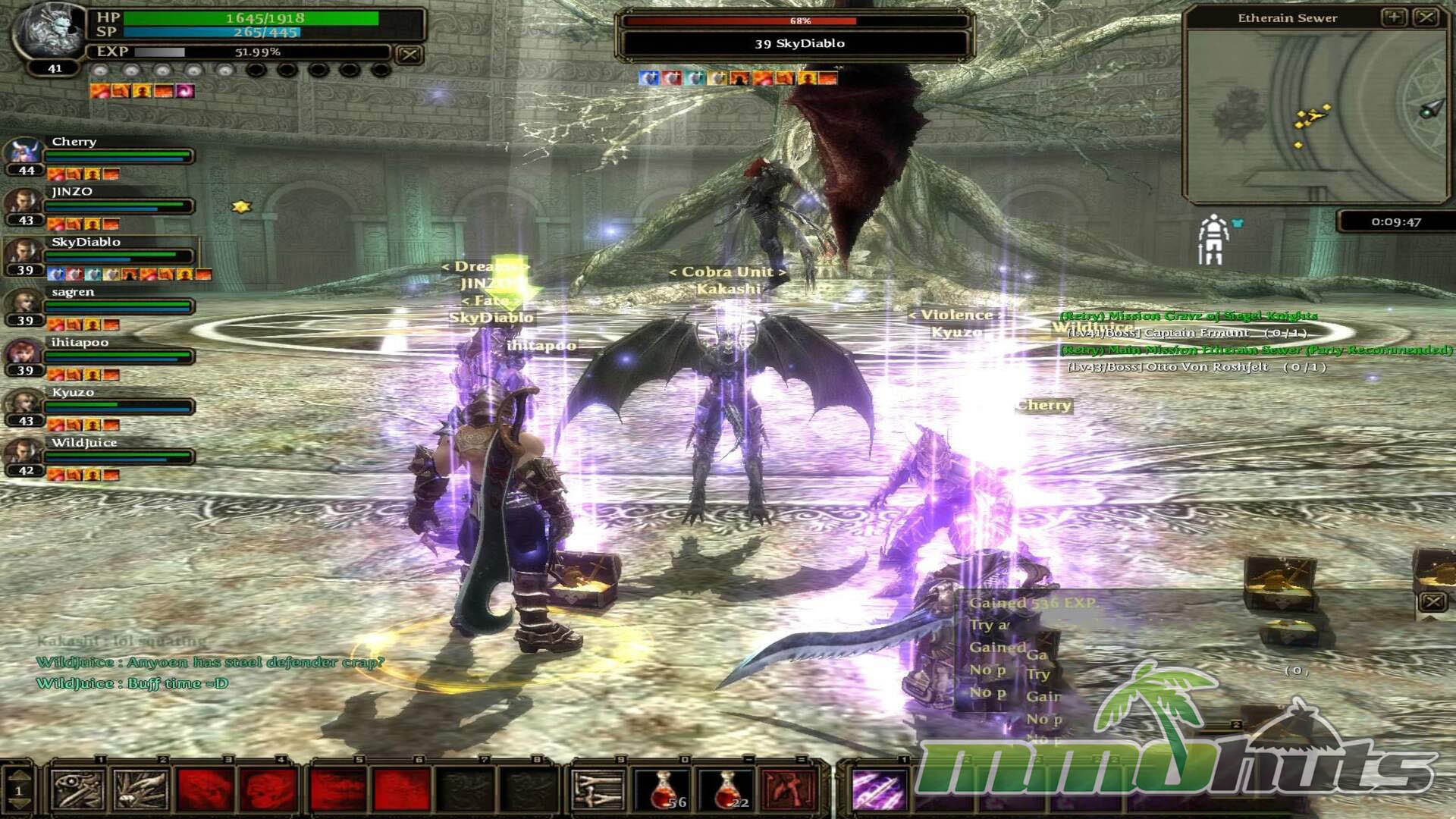
- Fast-Paced Combat – Encounters emphasize active movement and frequent skill use, with strafing and positioning playing a big role in avoiding damage.
- Battle Zone System – Spin up a Battle Zone and pick from modes like Mission, Hunting, PvP, and Event maps, then adjust difficulty, player count, and reward options.
Soul of the Ultimate Nation Screenshots
Soul of the Ultimate Nation Featured Video

Soul of the Ultimate Nation Review
Soul of the Ultimate Nation (SUN) is a free-to-play MMORPG developed by Webzen, designed around the idea that combat should feel immediate rather than automated. While it follows familiar fantasy-MMO beats in its setting and conflict, it distinguishes itself most clearly in how it pushes players toward skill usage, movement, and repeatable instanced content.
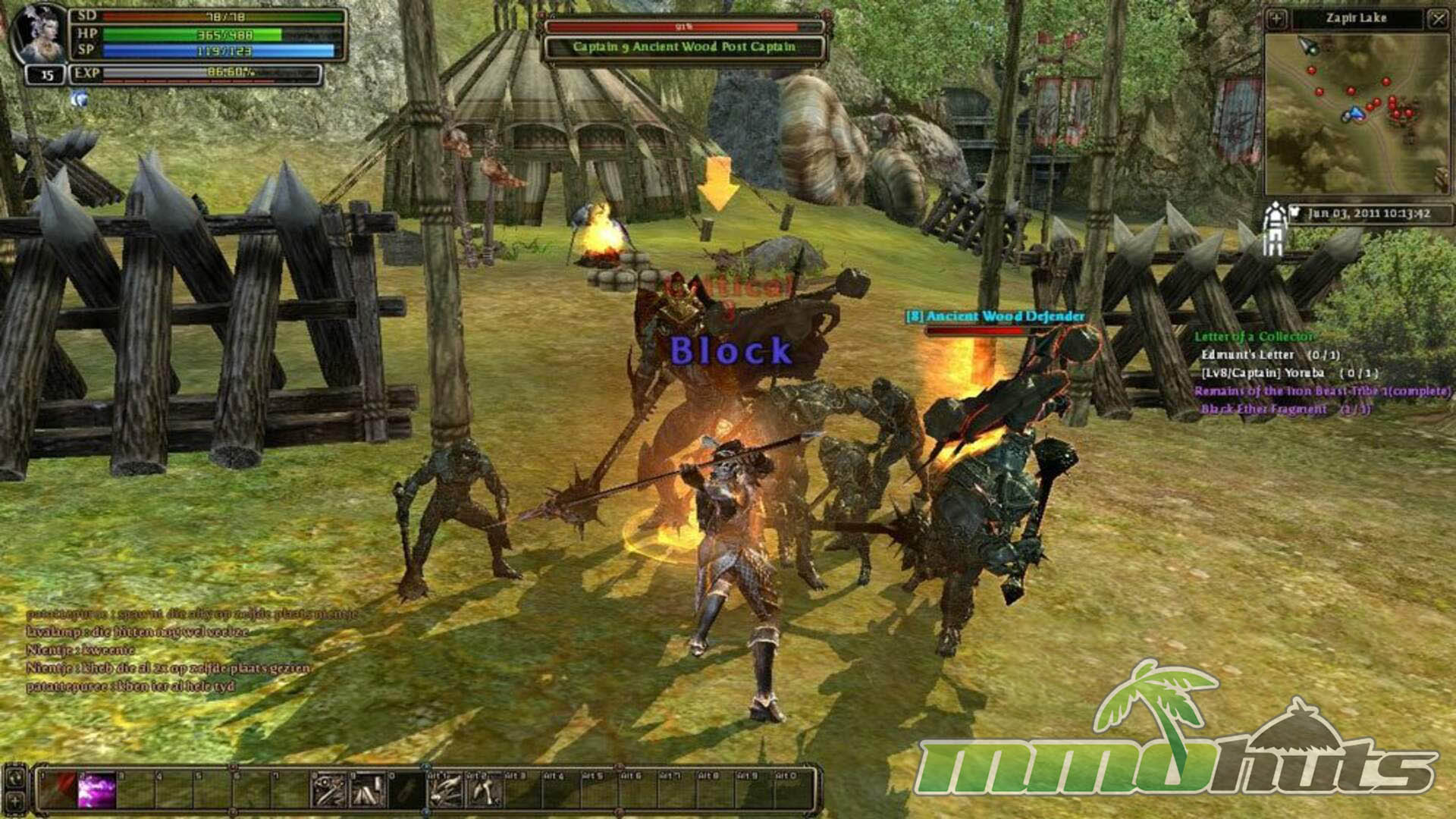
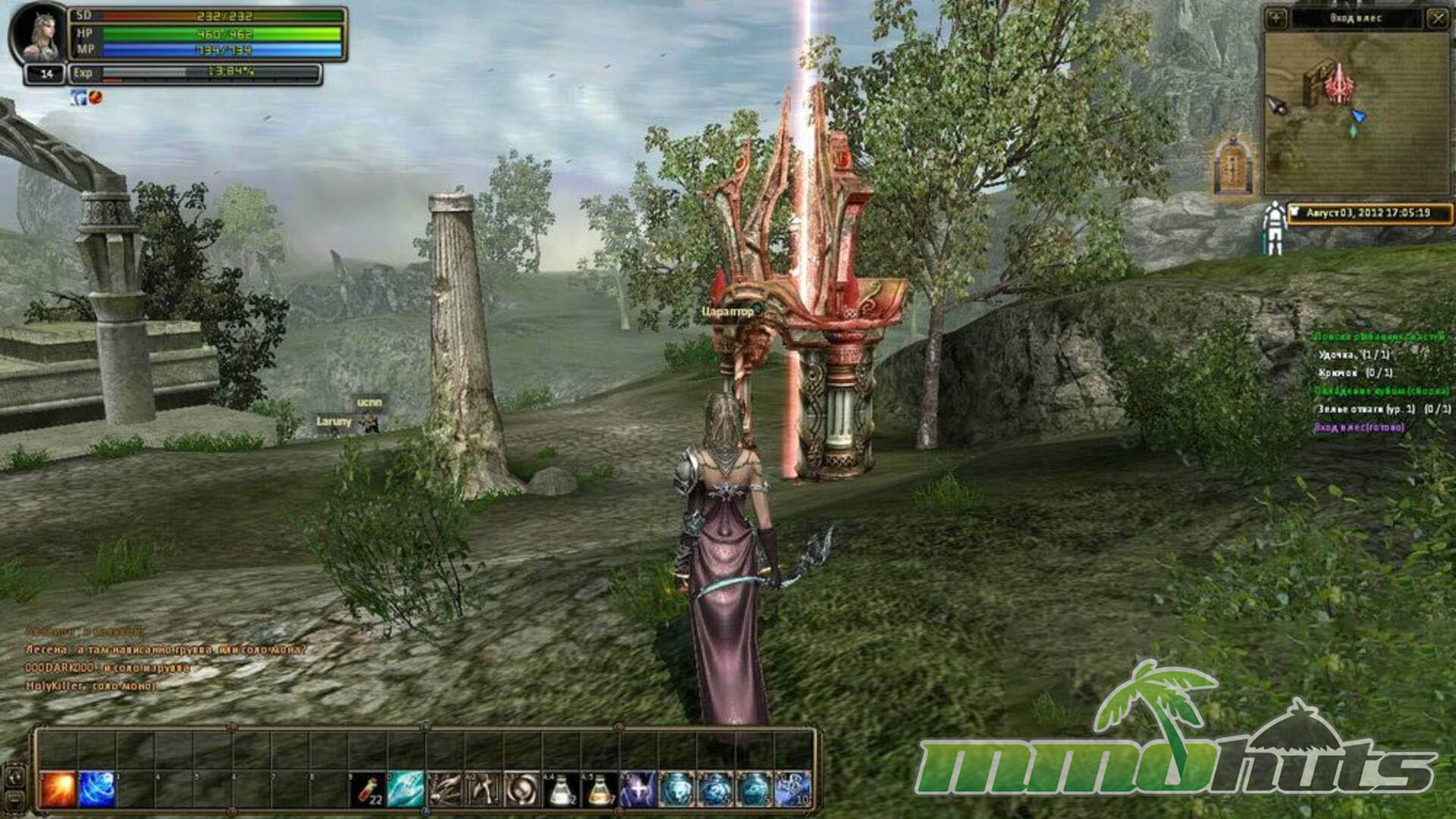
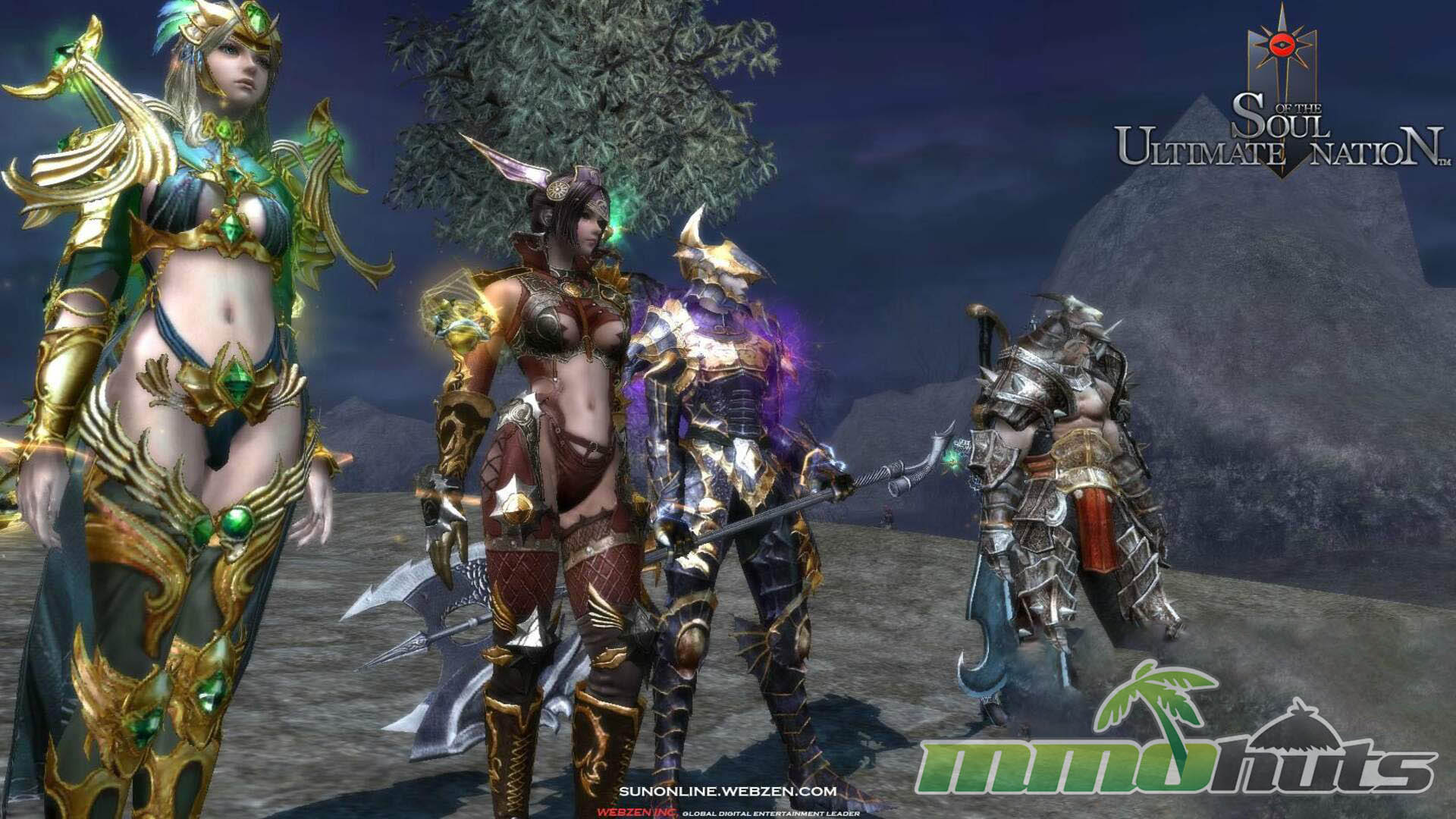
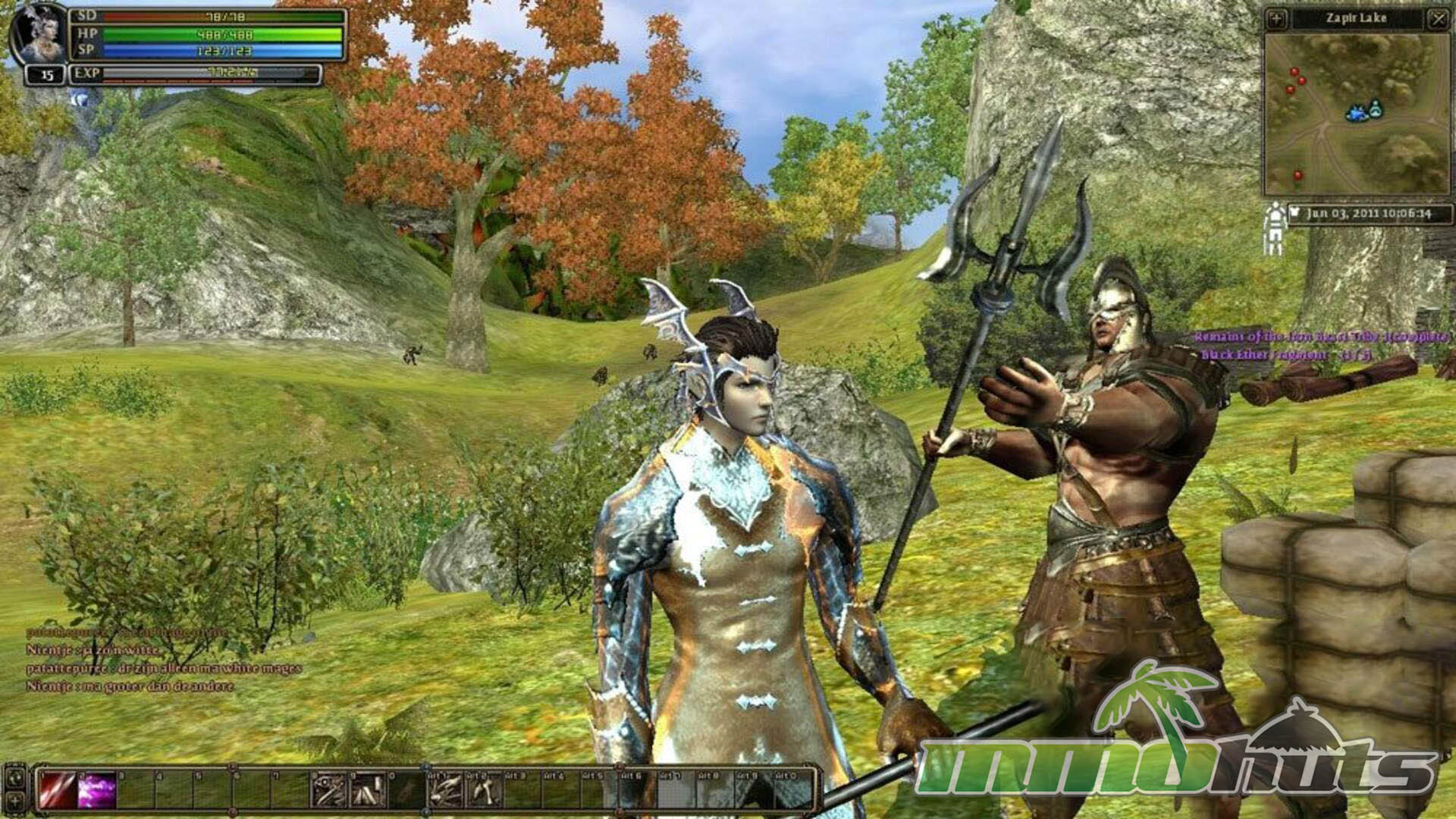
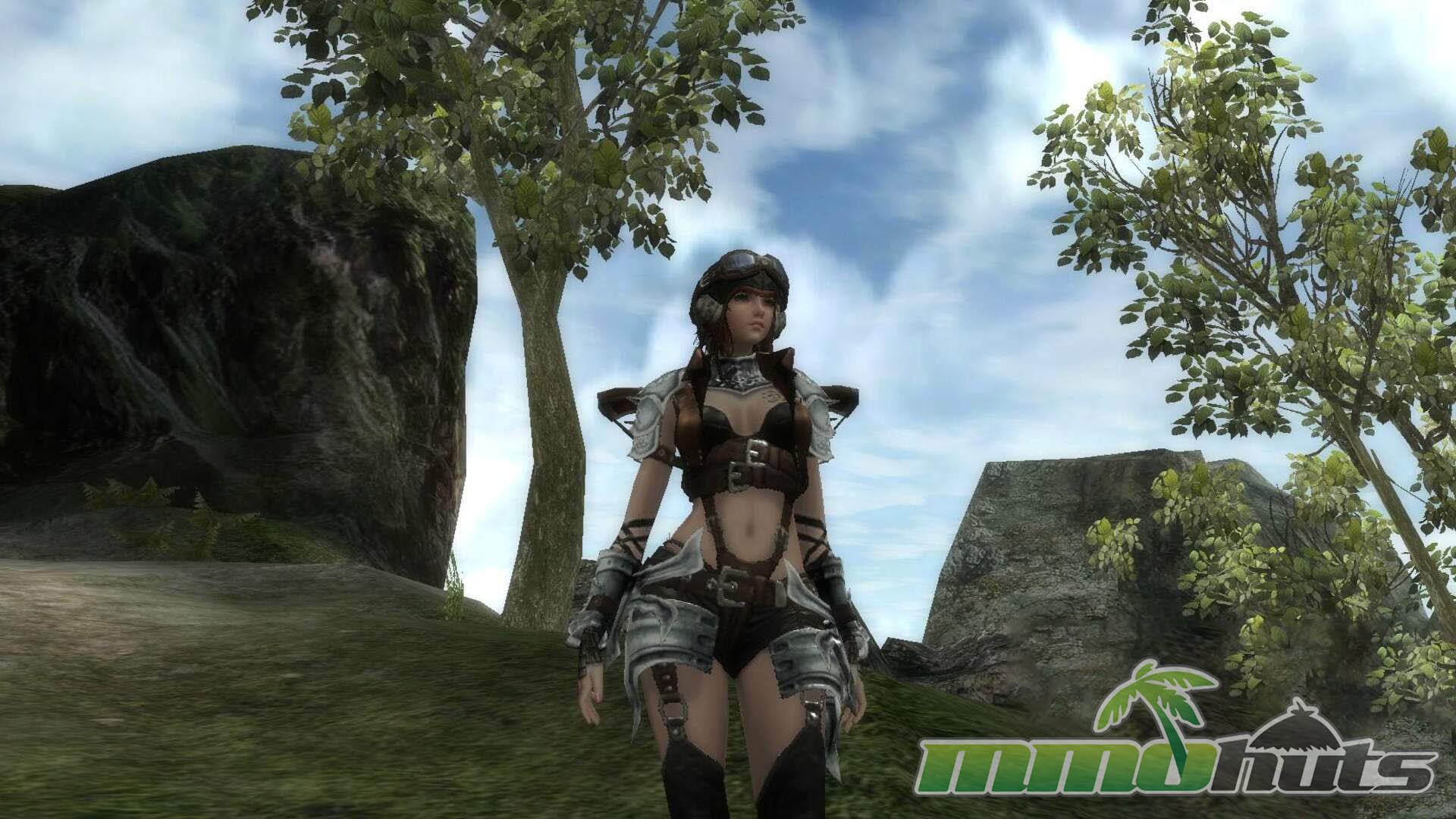
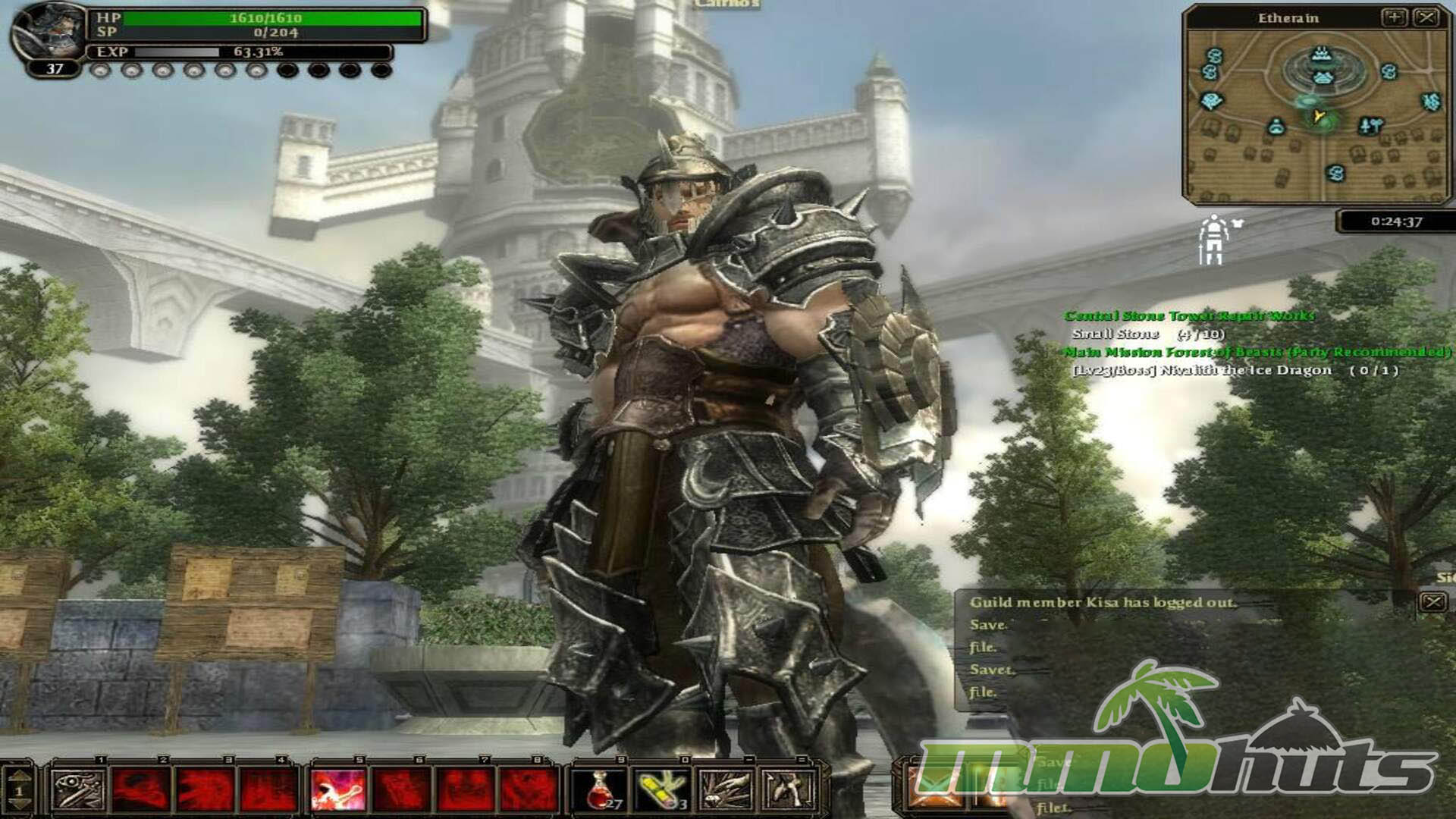
Visually, SUN made a strong first impression for its time. Environments are varied enough to keep the journey moving, and the game generally does a good job of selling distinct regions through color palette and layout. Character models and armor sets also aim for a high-fantasy style with clear silhouettes, which helps in crowded fights where readability matters. Even when the underlying structure feels like a product of its era, the presentation gives the world a sense of place that makes routine grinding easier to stick with.
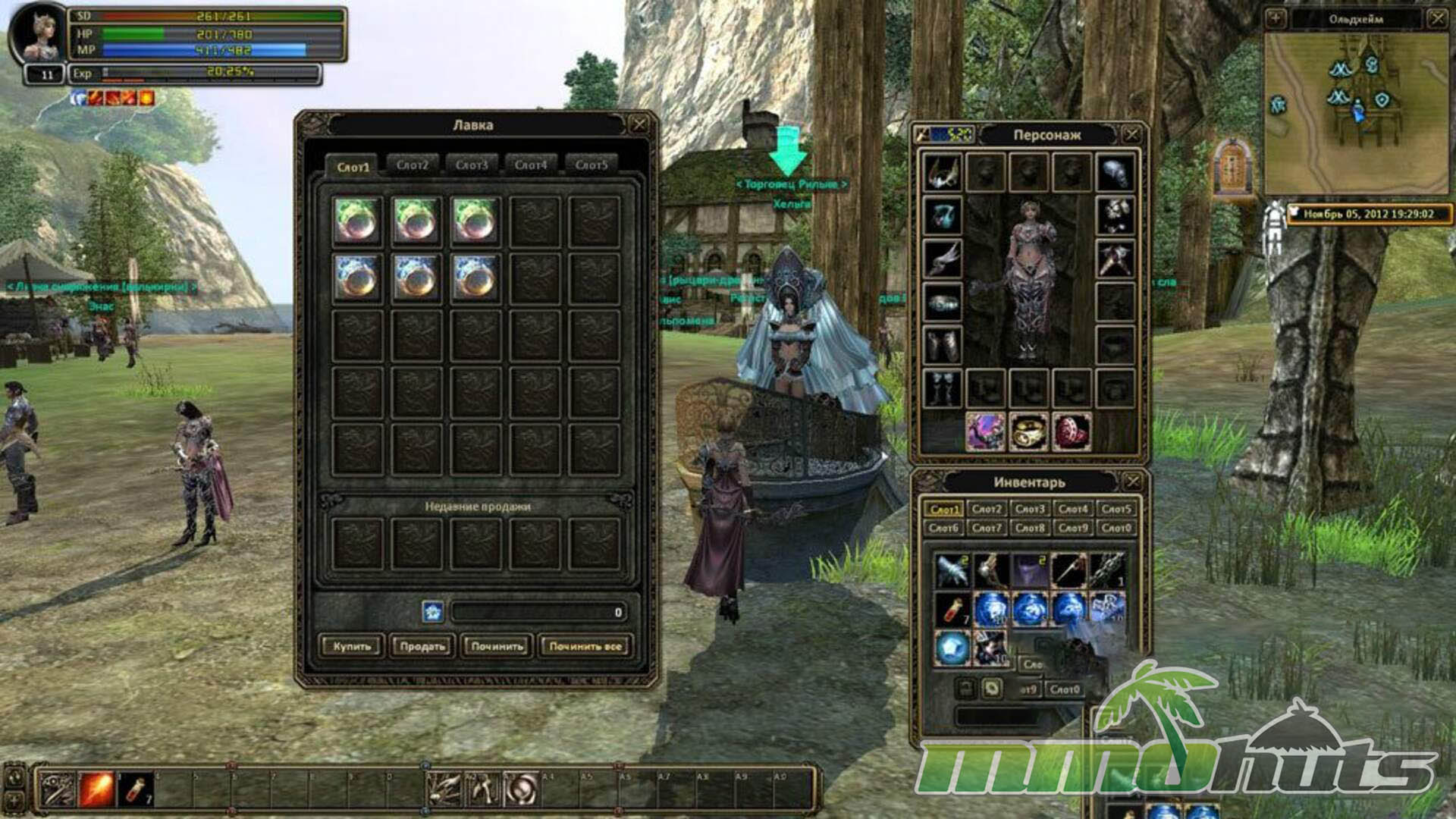
Progression is straightforward but satisfying in the way classic free-to-play MMORPGs often are: you level, unlock new skills, and refine your loadout as better gear becomes available. The five-class roster covers expected roles, but the option to choose between two fighting styles per class adds a layer of flexibility. That design encourages experimentation, especially if you enjoy adjusting your role depending on whether you are soloing, running group content, or stepping into PvP.
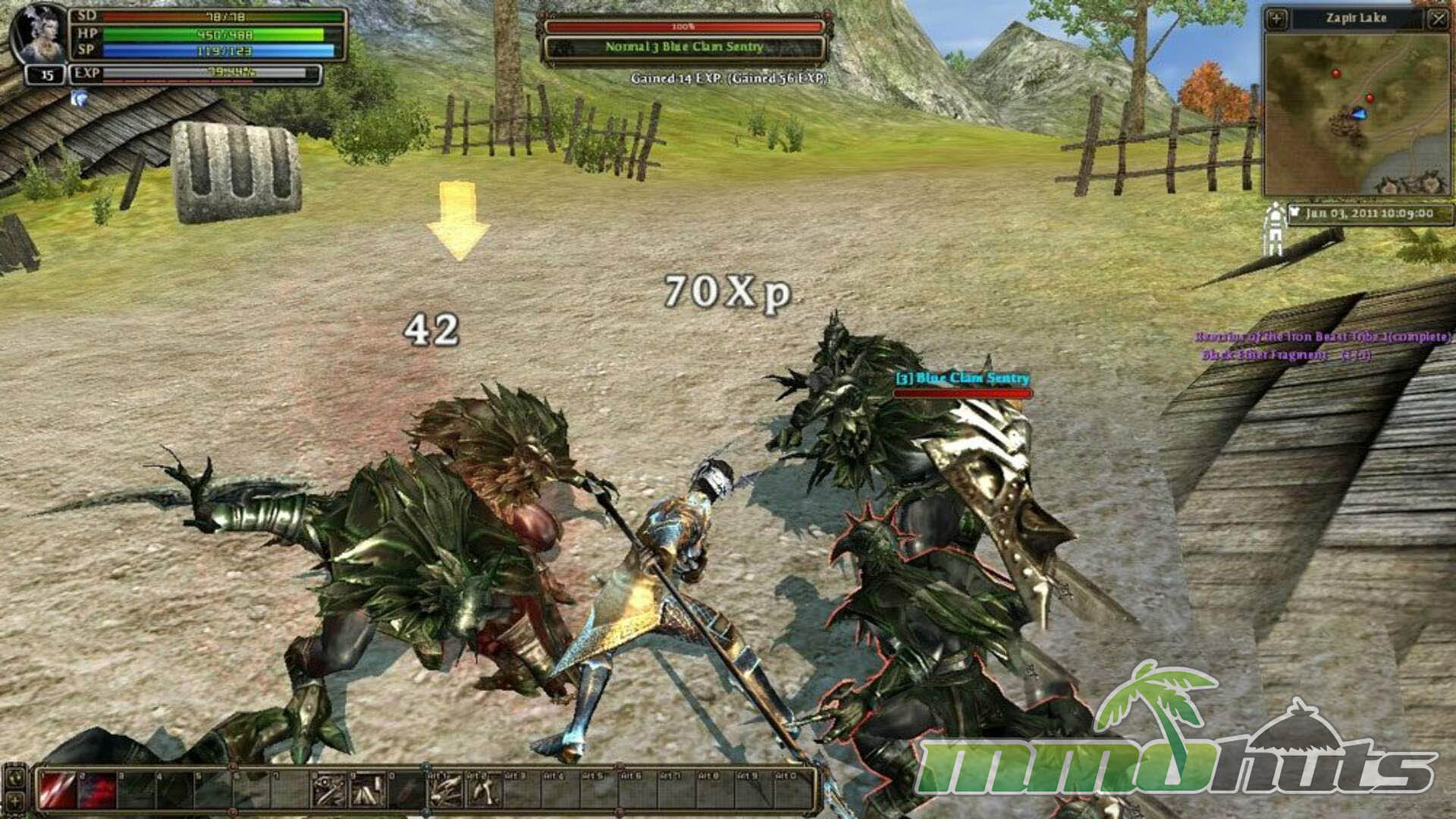
Combat is where SUN is at its best. Fights are faster than what many tab-target MMORPGs offered in the same period, and success is tied more to positioning and timing than simply standing still and cycling cooldowns. The strafing and movement tools make dodging feel like part of the rhythm, and a broad set of skills gives each class room to build around preferred patterns, whether that means burst damage, control, or survivability.
On the multiplayer side, SUN supports both organized PvP and open-world fighting, and the Battle Zone system makes it relatively painless to find specific types of content. Being able to queue or assemble a lobby for missions, hunting, events, or PvP keeps downtime low and gives the game a repeatable loop that works well for short sessions. Social tools like chat and guilds provide the expected community scaffolding, and the game benefits when you treat it as a group experience rather than a purely solo climb.
The main drawbacks are typical of older free-to-play MMORPGs. Monetization can create a pay-to-win feeling, and some of the broader mechanics will not surprise genre veterans. Still, if what you want is an action-leaning MMORPG with multiple PvP options and a structured instance system that keeps the pace up, SUN remains an interesting snapshot of its era, and a reasonable pick for players who enjoy classic MMO progression with more active combat.
Soul of the Ultimate Nation Online Links
Soul of the Ultimate Nation Wikipedia
Soul of the Ultimate Nation Wikia (Database / Guides)
Soul of the Ultimate Nation Music & Soundtrack
Soul of the Ultimate Nation Additional Information
Developer: Webzen
Publisher: NHN Coporation
Composer: Howard Shore
Release Date (Taiwan): April 19, 2007
Release Date (China): May 24, 2007
Release Date (Japan): April 21, 2008
Release Date (US, EU): October 21, 2009
Release Date (Russia): 2011
Closure Date: July 3, 2013
Relaunch (SUN CLASSIC): March 10, 2022
Development History / Background:
Soul of the Ultimate Nation was created by Korean developer Webzen and released across multiple regions through different publishing partners. In the US it was published by NHN Corporation, while other territories were handled by The9 (China), GameOn (Japan), Ingamba (Russia), with Webzen covering Korea and additional regions. One of the game’s most frequently cited business milestones was its export deal to China, where Webzen signed a contract worth $13 million USD with The9, which was regarded at the time as the largest overseas export transaction in Korea’s online game industry.
The title drew significant attention early on and performed especially well in China, but its momentum slowed as the MMORPG space became increasingly crowded. Over time, player interest declined and the game struggled to stay competitive without stronger marketing and continued investment, eventually shutting down in 2013. In hindsight, its lifespan reflects how quickly expectations rose during that period, particularly around visuals and production values, and how rapidly an MMO could feel dated as newer competitors arrived.
Soul of the Ultimate Nation Private Servers
At the time of writing, there is one known private server or emulation effort for Soul of the Ultimate Nation. It is still under development, and portions of the experience may be incomplete or missing. As with any unofficial project, proceed carefully and install at your own discretion.