SolForge is a free-to-play digital collectible card game built around head-to-head duels between two 30-card decks, where victory comes from pushing the enemy’s health down to zero. It stands out in the CCG space thanks to its high-profile co-designer, Richard Garfield (best known for creating Magic: The Gathering), and a signature twist where cards grow stronger over the course of a match instead of staying static.
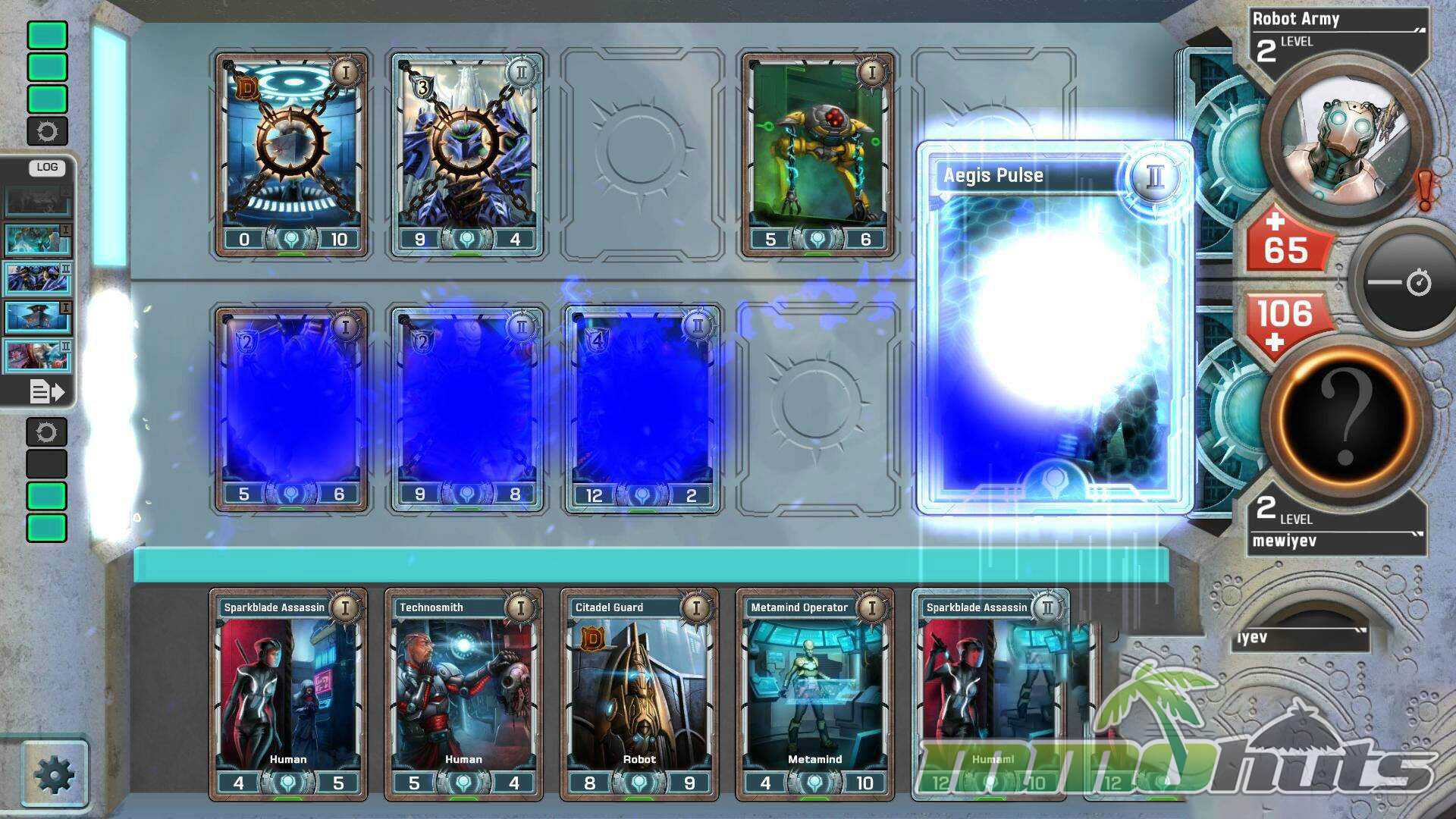 | Publisher: Stone Blade Entertainment Playerbase: Medium Type: Mobile/PC CCG Release Date: May 31, 2016 Shut Down: 2018 Pros: +Clean visuals and an intuitive interface. +Simple rules with a surprisingly high skill ceiling. +Cards evolve through multiple levels during play. Cons: -Fresh releases often arrive overtuned. -Several systems lean heavily on randomness. -Simultaneous turns can make matches feel sluggish. |
SolForge Overview
SolForge is a digital CCG that aims to capture the tactical depth of tabletop card games while keeping the pace and convenience of an online client. Developed by Stone Blade Entertainment (the team behind Ascension) with Richard Garfield involved in design, it mixes familiar lane-based creature combat with an unusual progression system that changes how you evaluate every play.
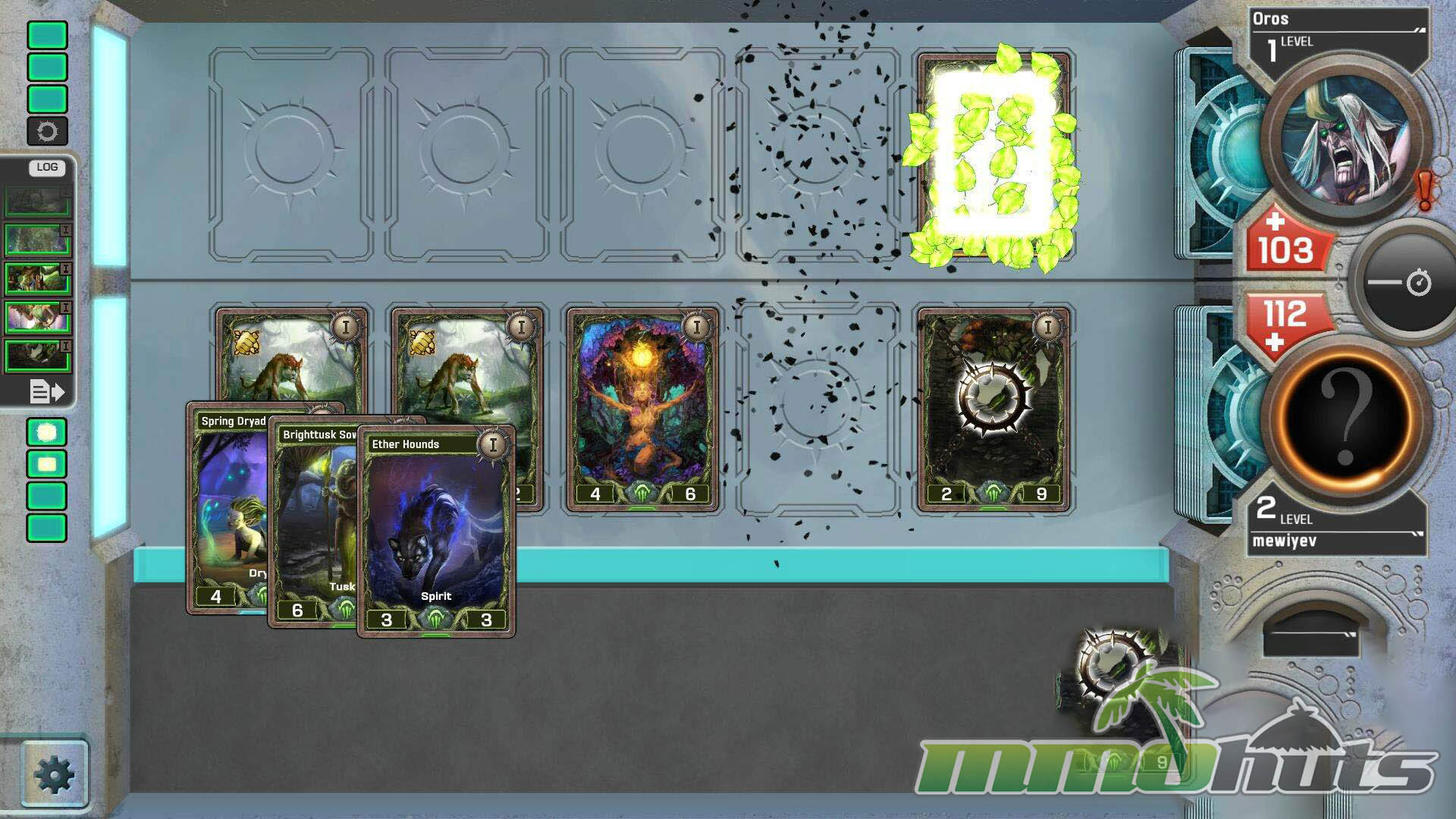
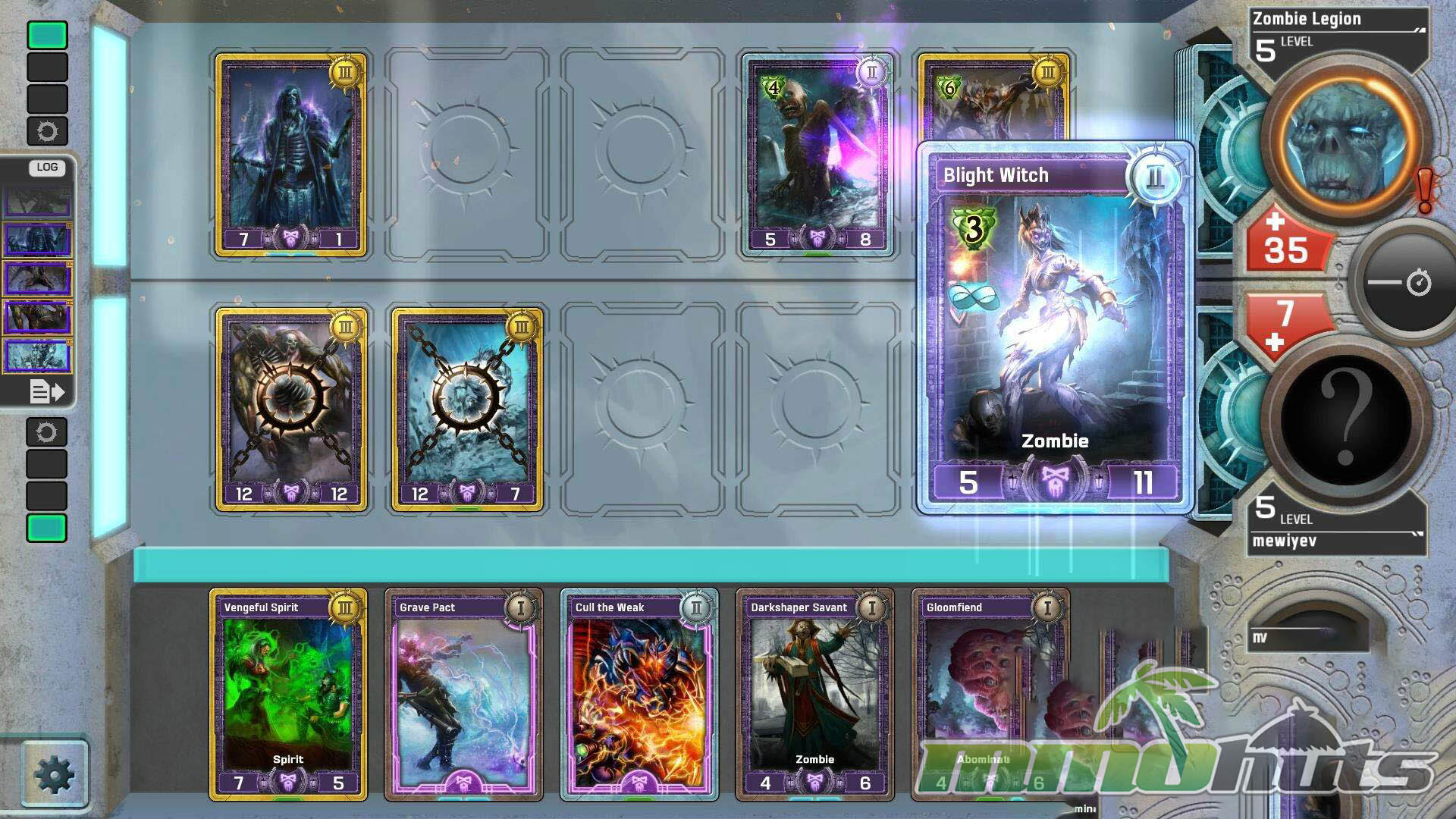
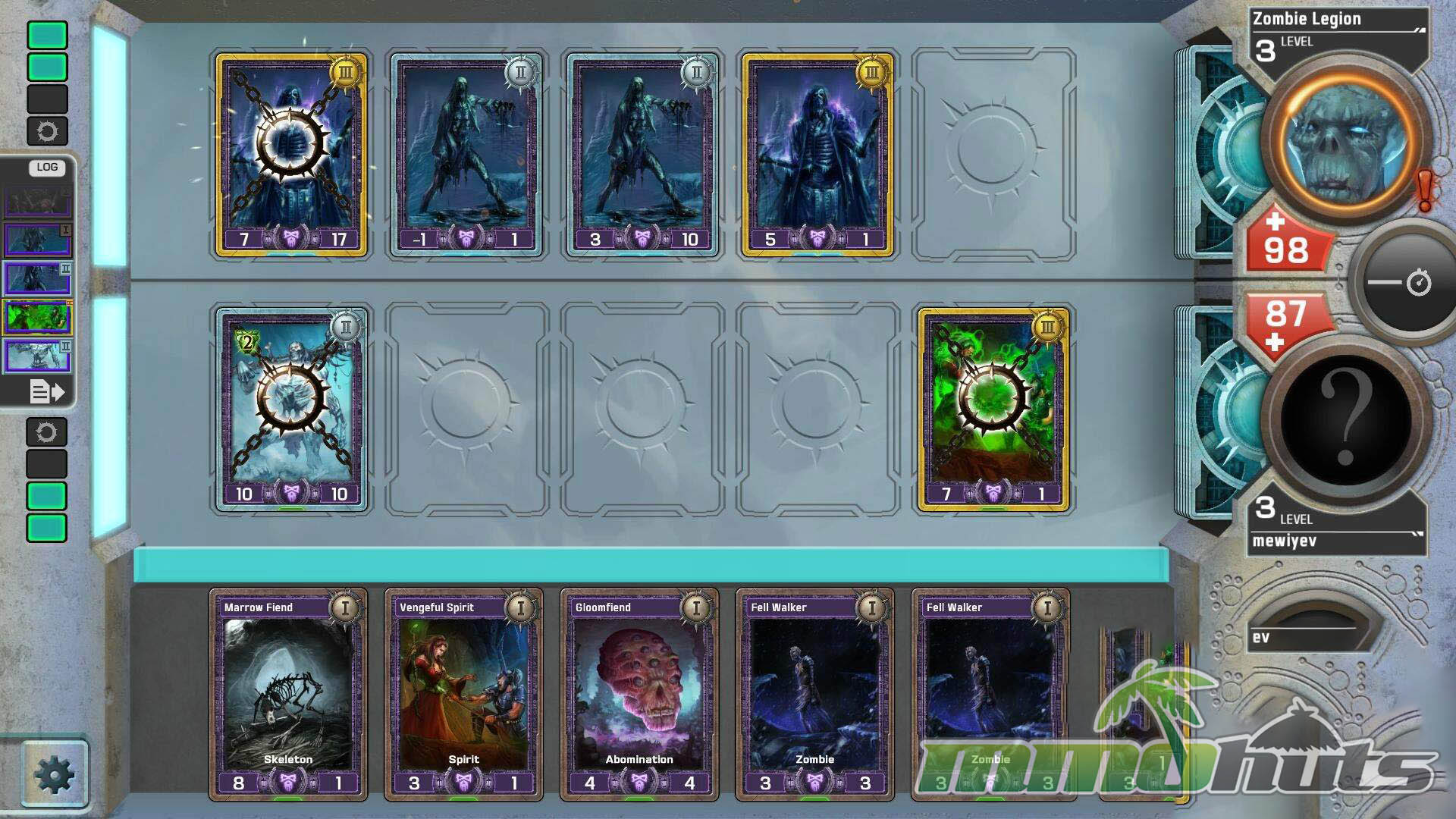
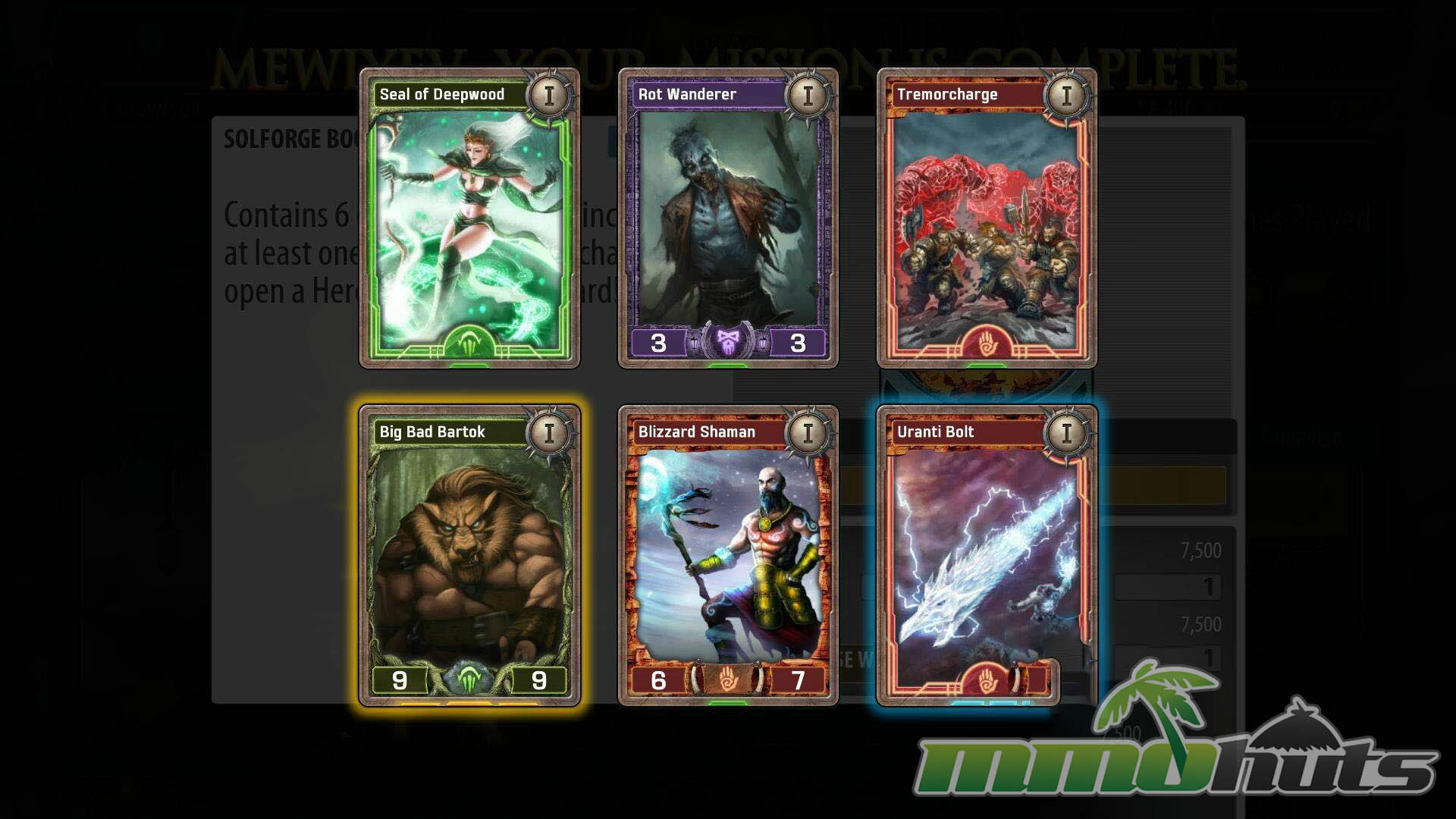
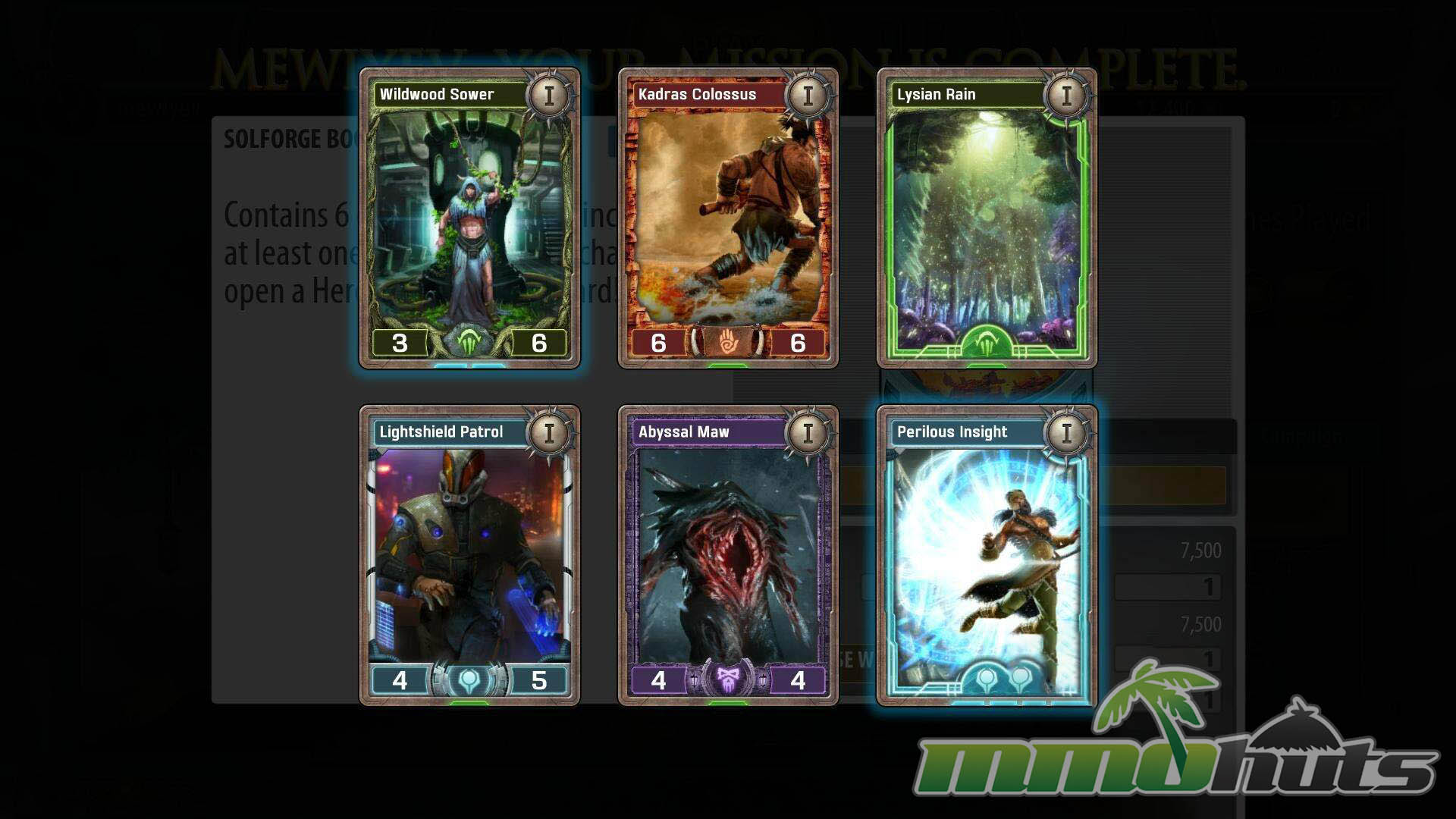
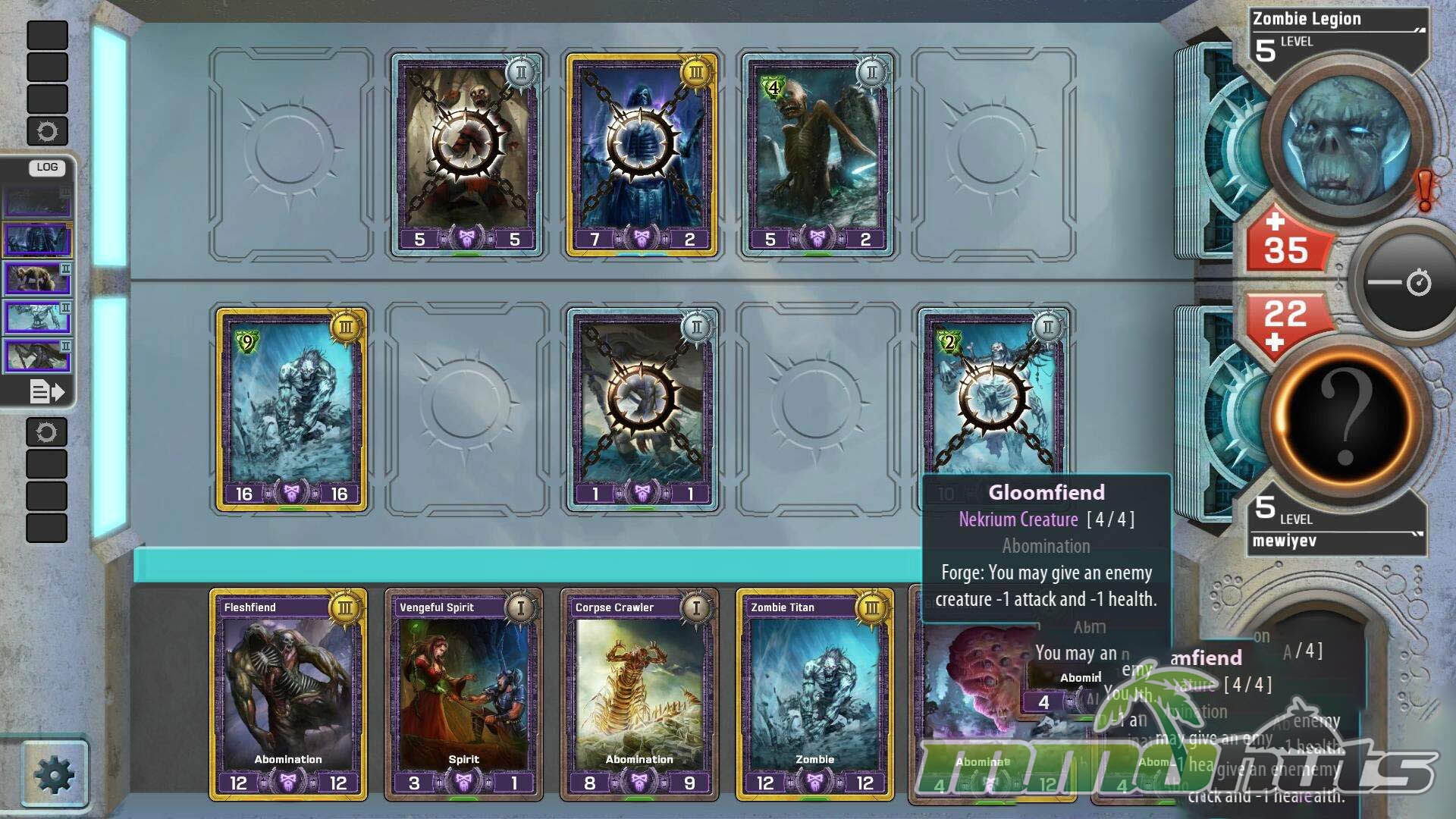
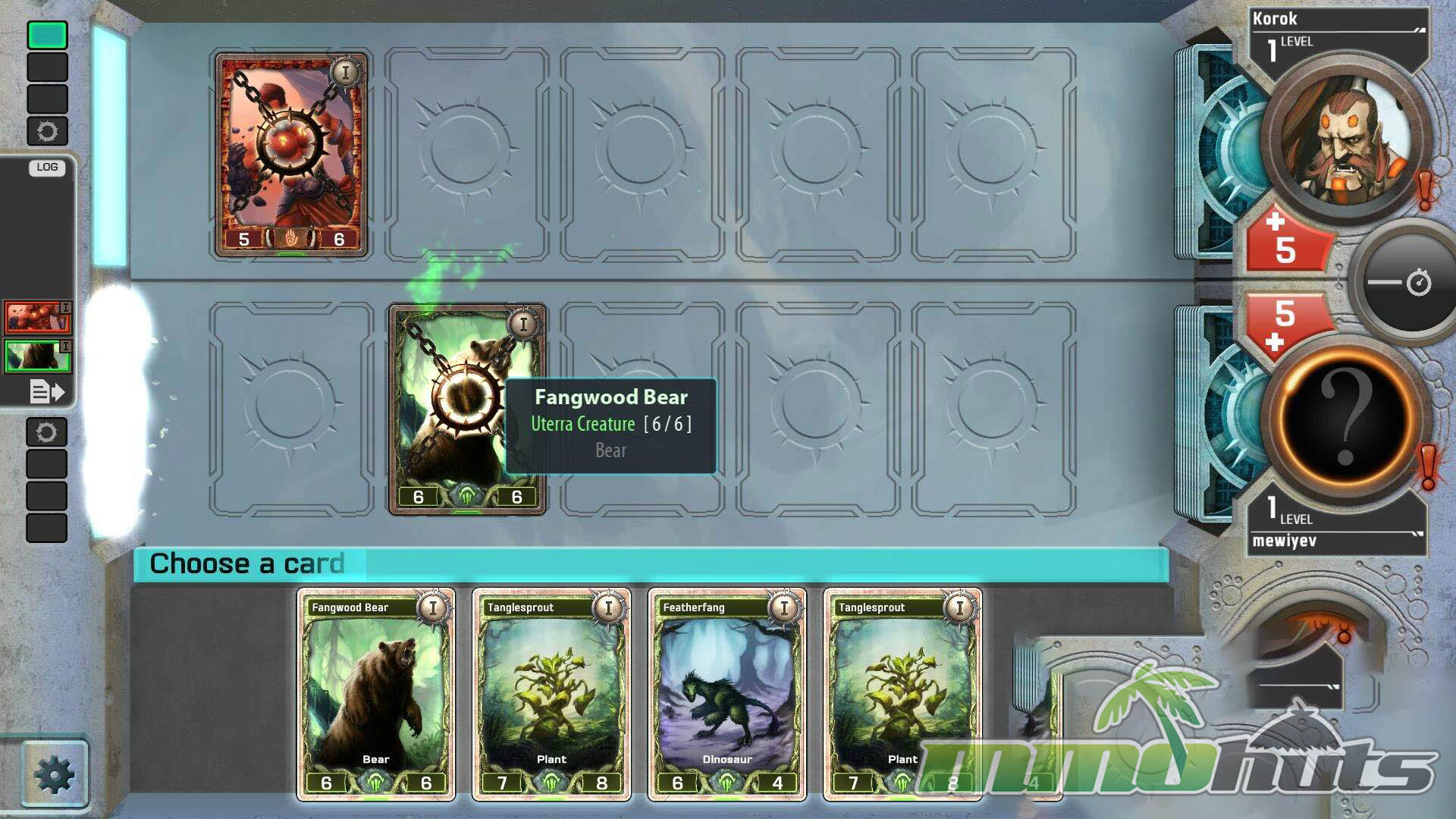
Matches are fought as a Forgeborn, a powerful combatant able to channel the SolForge and command cards from the game’s factions. Those factions are Uterra (nature-focused), Alloyin (machine and technology), Tempys (elemental and aggressive), and Nekrium (undead and sacrifice themes). Decks are 30 cards and can be built from up to two factions, which encourages pairing complementary strengths rather than simply stacking the “best” individual cards.
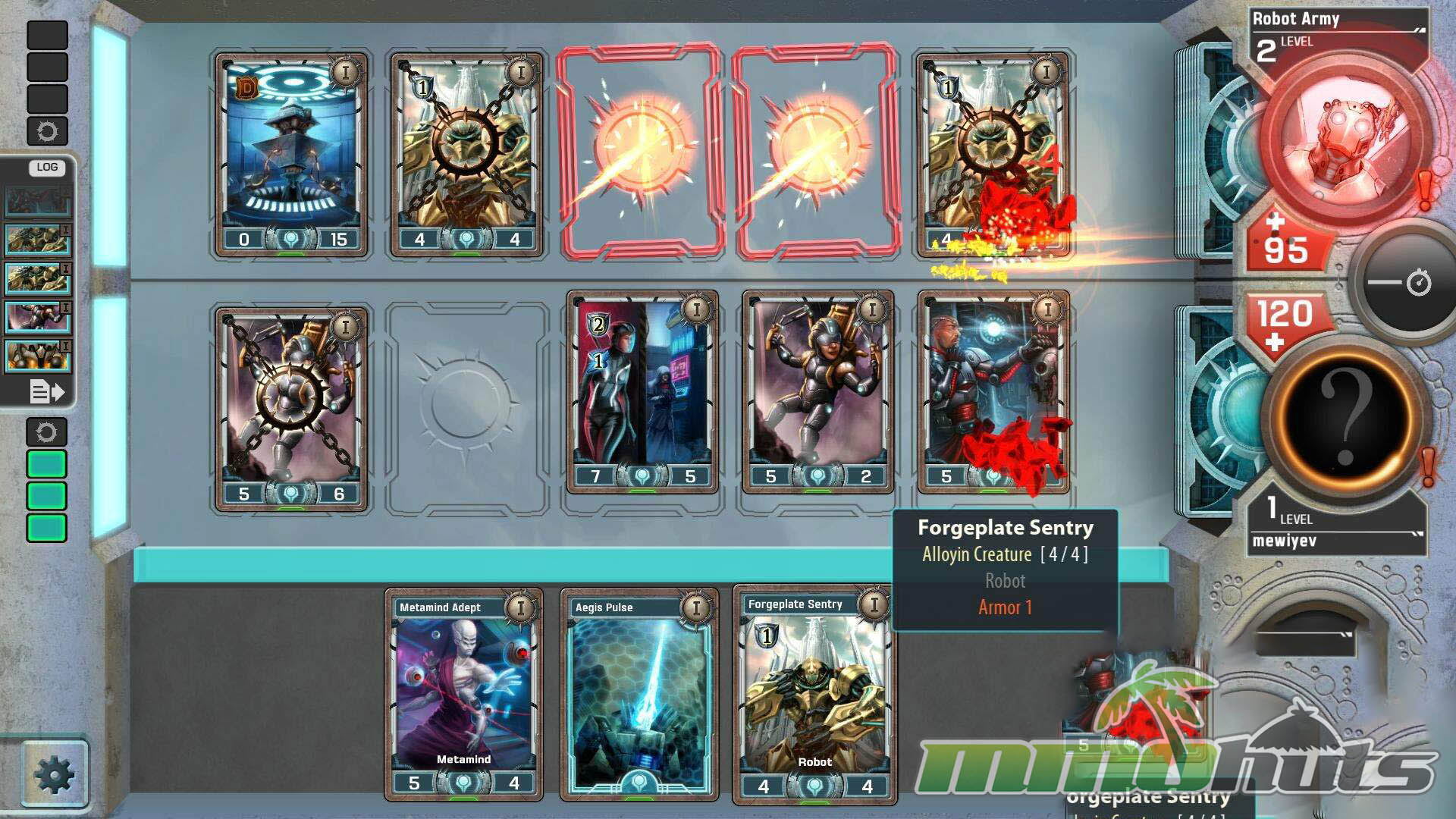
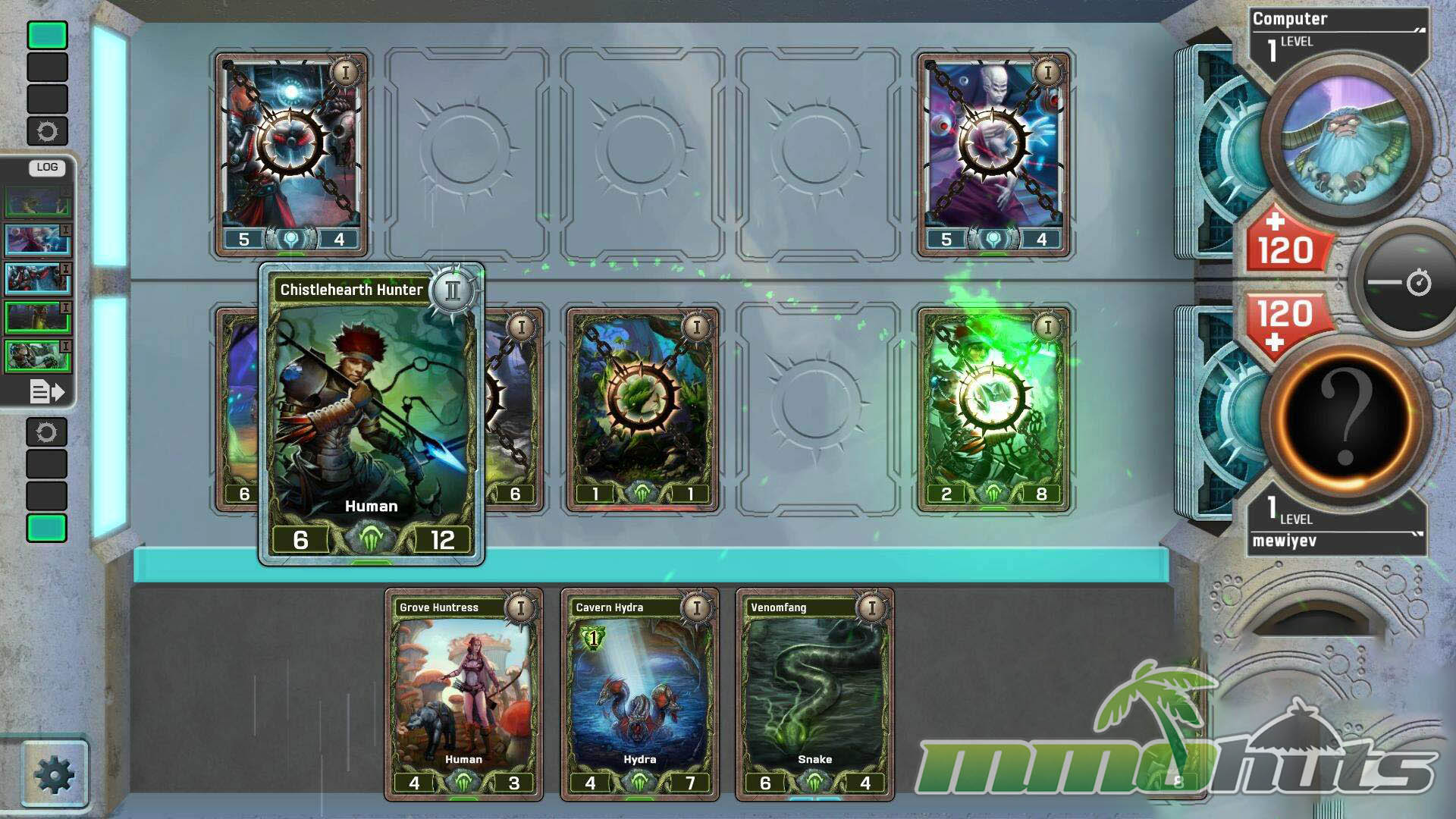
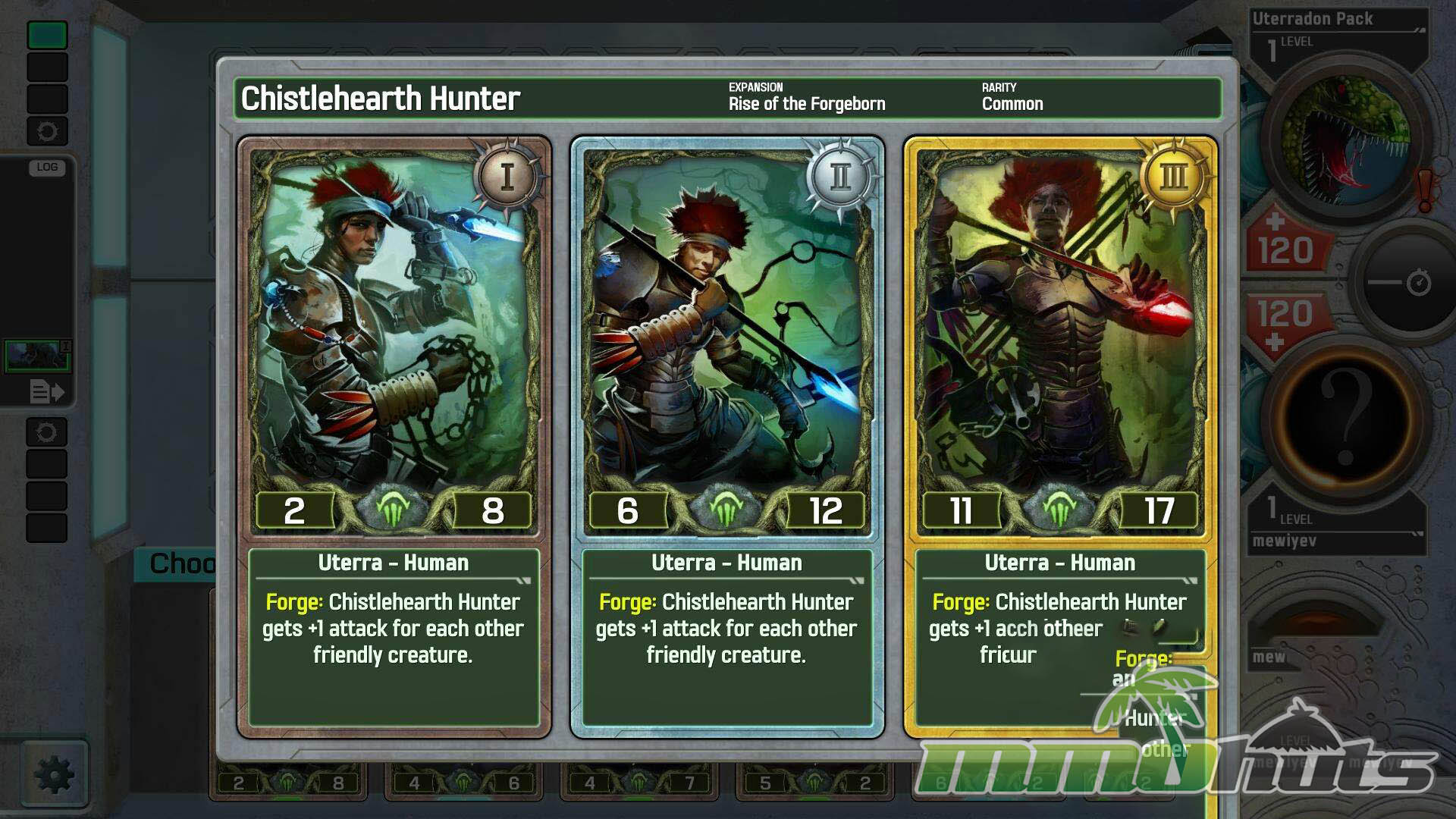
The defining mechanic is card leveling. When you play a card, it does not just go to a discard pile and stay the same, it “upgrades” and later returns to your deck as a more potent version of itself. As turns pass and cards cycle, the same creature or spell comes back with better stats and added effects, making tempo decisions and sequencing matter a great deal. It also creates a different kind of long-term planning, since early turns often involve setting up which tools you want to scale into the late game rather than only maximizing immediate value.
SolForge Key Features:
- Evolving Card System – cards upgrade into stronger forms as they are played and recycled back into your deck.
- Four Playstyle-Driven Factions – build around Uterra, Alloyin, Tempys, or Nekrium, each with its own identity and game plan.
- Forging and Crafting –turn extra duplicates into progress toward specific cards using the forging system.
- Solo Content and Practice – learn through tutorials and campaign-style content, then test ideas against AI before jumping into PvP.
- Multiple PvP Formats – queue for constructed play, draft-style modes, and tournament options for more competitive sessions.
SolForge Screenshots



SolForge Featured Video

SolForge Review
SolForge’s strongest quality is that it feels like it was designed around long-term decision-making rather than only short-term trading. The leveling mechanic means your “deck” is not a static set of effects, it is a set of effects that mature as the duel continues. That one change makes common CCG instincts, like dumping your hand quickly or hoarding removal, less straightforward. Sometimes the correct line is to play a card mainly because you want its higher-level version to show up later, even if the first form is merely average.
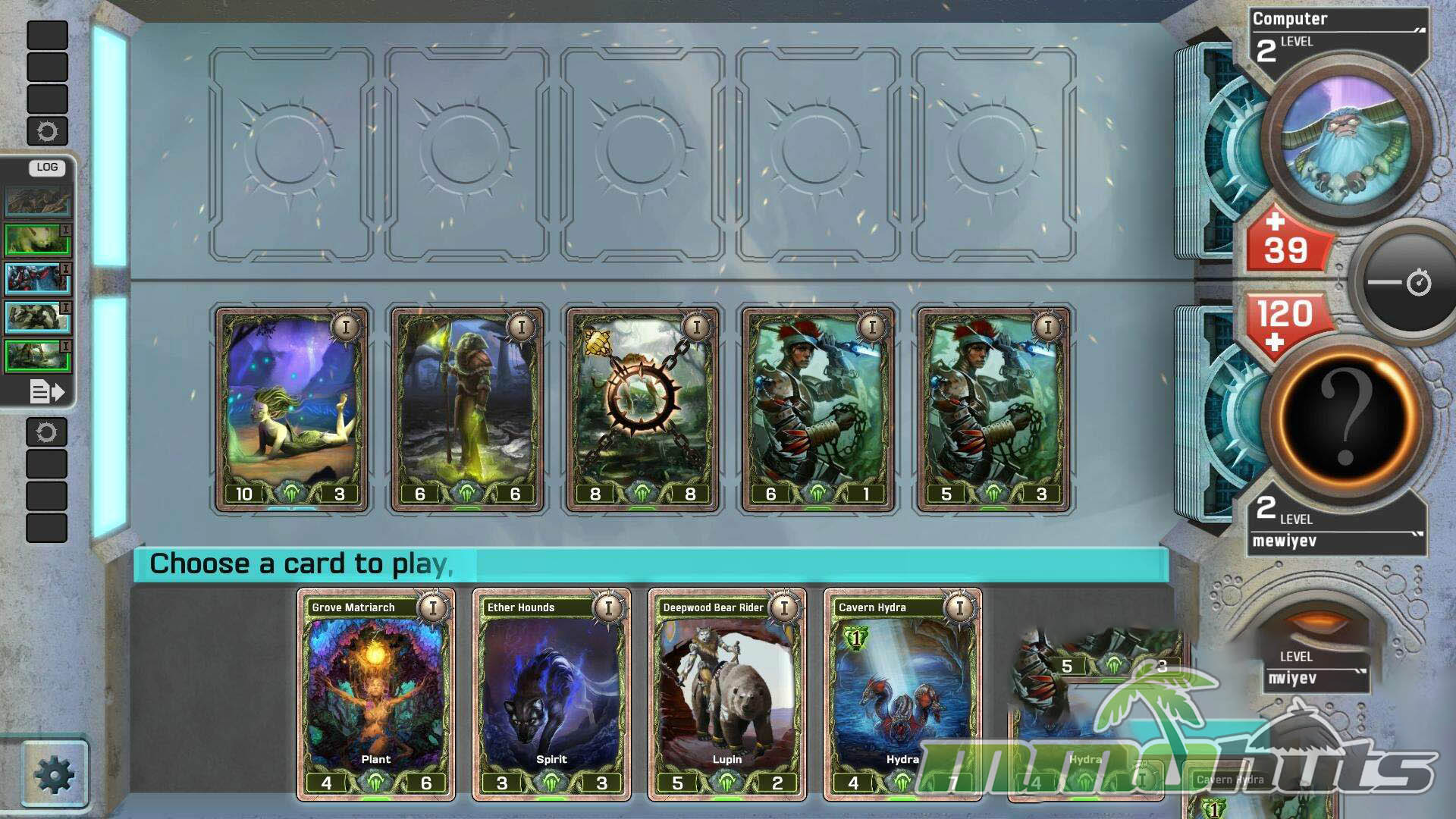
In practice, the game plays out as a mix of board management and timing. Creatures and effects compete for control, and the evolving cards create natural power spikes as both players cycle into level two and level three versions. The best matches are the ones where you can anticipate those spikes, set up favorable trades now, and force awkward answers later. When SolForge is clicking, it offers a satisfying sense of momentum and counter-momentum, especially once both decks have “come online.”
Faction identity is also a clear win. Even without diving into exhaustive card lists, the overall feel of each faction is distinct, and combining two factions can produce meaningful archetypes rather than cosmetic differences. That makes deckbuilding engaging, particularly for players who enjoy refining lists over time and learning how to pilot them through different matchup patterns.
The client presentation is another positive. Visual clarity matters in a card game, and SolForge generally does a good job of communicating what is on the board and what is changing as cards level. The interface is approachable for new players, but the underlying interactions give experienced players room to outplay opponents through sequencing, resource management, and reading the opponent’s likely future draws.
Where the game can stumble is balance volatility and randomness. Like many F2P CCGs, newly introduced cards can skew the metagame, and some mechanics lean on RNG enough that games occasionally swing on outcomes you cannot fully plan around. The simultaneous turn structure is an interesting idea on paper, since it reduces pure “I go, you go” predictability, but it can also slow the rhythm of play, especially when both players take time to calculate lines each round.
Overall, SolForge is best suited to CCG fans who like strategic planning across multiple turns and enjoy watching their deck “grow” as part of the match. It is a clever design with a memorable hook, even if its reliance on random elements and uneven card balance can sometimes blunt the skill expression it otherwise encourages.
SolForge Online Links
SolForge Official Website
SolForge Official Forums
SolForge Steam
SolForge Android
SolForge iOS
SolForge Kickstarter
SolForge System Requirements
Minimum Mobile Requirements:
Operating System: Android 2.2 or later / iOS 5.1 or later
Minimum PC Requirements:
Operating System: Windows Vista
Graphics: 256MB DirectX 9.0c compatible video card
RAM: 1 GB RAM
Hard Drive: 200 MB HD space
Recommended PC Requirements:
Operating System: Windows 8
Graphics: 512MB DirectX 9.0c compatible video card
RAM: 4 GB RAM
Hard Drive: 500 MB HD space
SolForge Music & Soundtrack
Coming Soon…
SolForge Additional Information
Developer: Stone Blade Entertainment
Publisher: Stone Blade Entertainment
Platforms: Android, iOS, Steam
Kickstarter Launch Date: August 1, 2012
Kickstarter End Date: September 10, 2012
Early Access Date: July 1, 2013
Release Date: May 31, 2016
Development History / Background:
SolForge was developed and published by Stone Blade Entertainment, a studio formed by the creators of Ascension (Gary Games) alongside designer Richard Garfield. The project secured funding through Kickstarter, beginning on August 1, 2012 with a $250,000 goal and concluding on September 10, 2012 with $429,715 pledged. Although the campaign indicated an August 2013 delivery window, the game entered Steam Early Access on July 1, 2013 and did not reach full release until May 31, 2016 after a prolonged development period. Support later faded, and the game was abandoned sometime in 2018.