Shardbound is a tactical collectible card game built around positioning and tempo. Matches play out on a hex grid where you deploy units and cast spells to pressure the opposing side, with the ultimate goal of bringing the enemy champion down to zero health.
 | Publisher: Spiritwalk Games Playerbase: Low Type: Tactical CCG Release Date: April 06, 2017 Pros: +Interactive Twitch features. +Progression that feels reasonable. +Terrain and board positioning matter. Cons: -Not much PvE content yet. -Early Access performance can be rough. -English-only language support (for now). |

Shardbound Overview
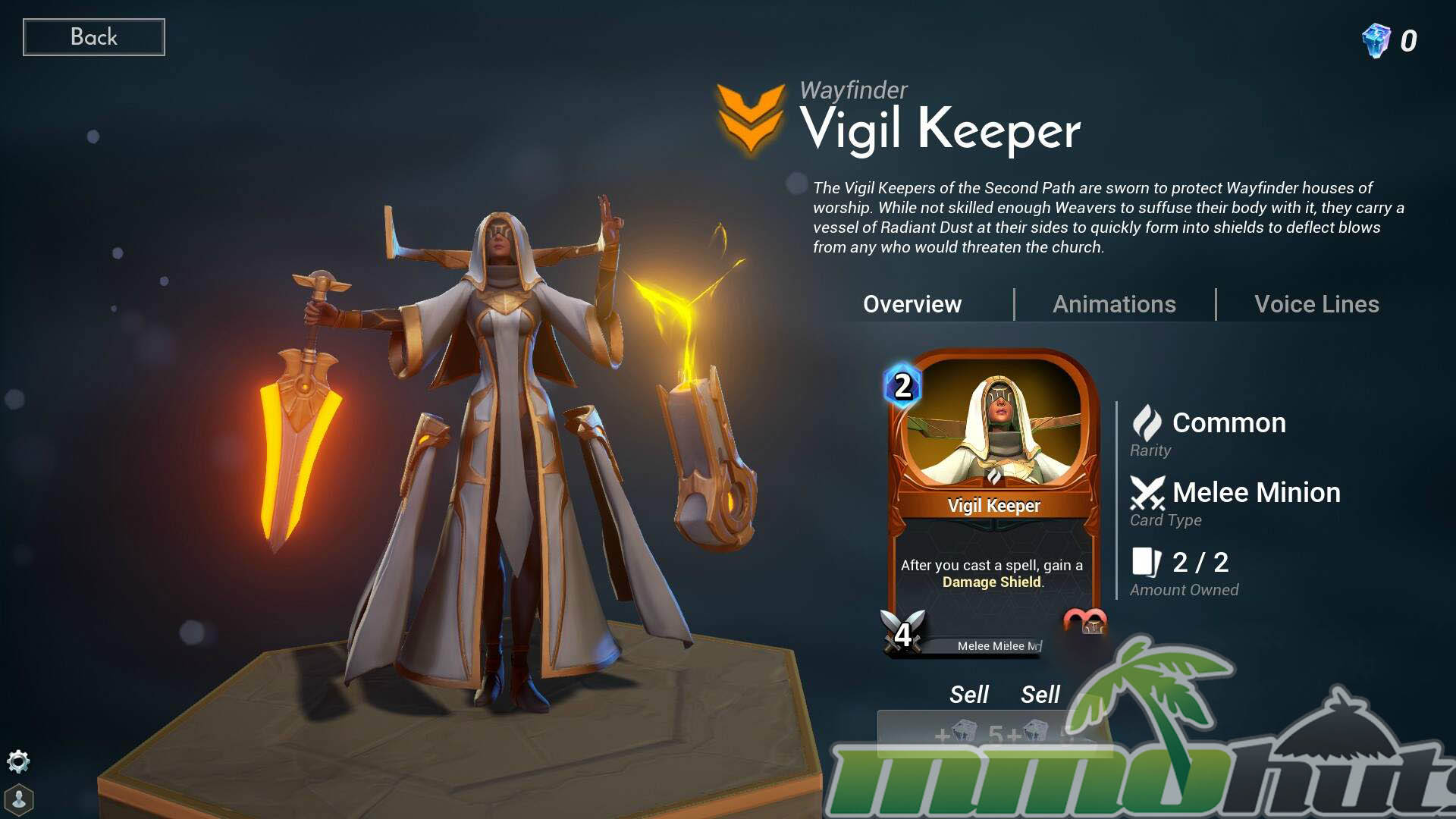
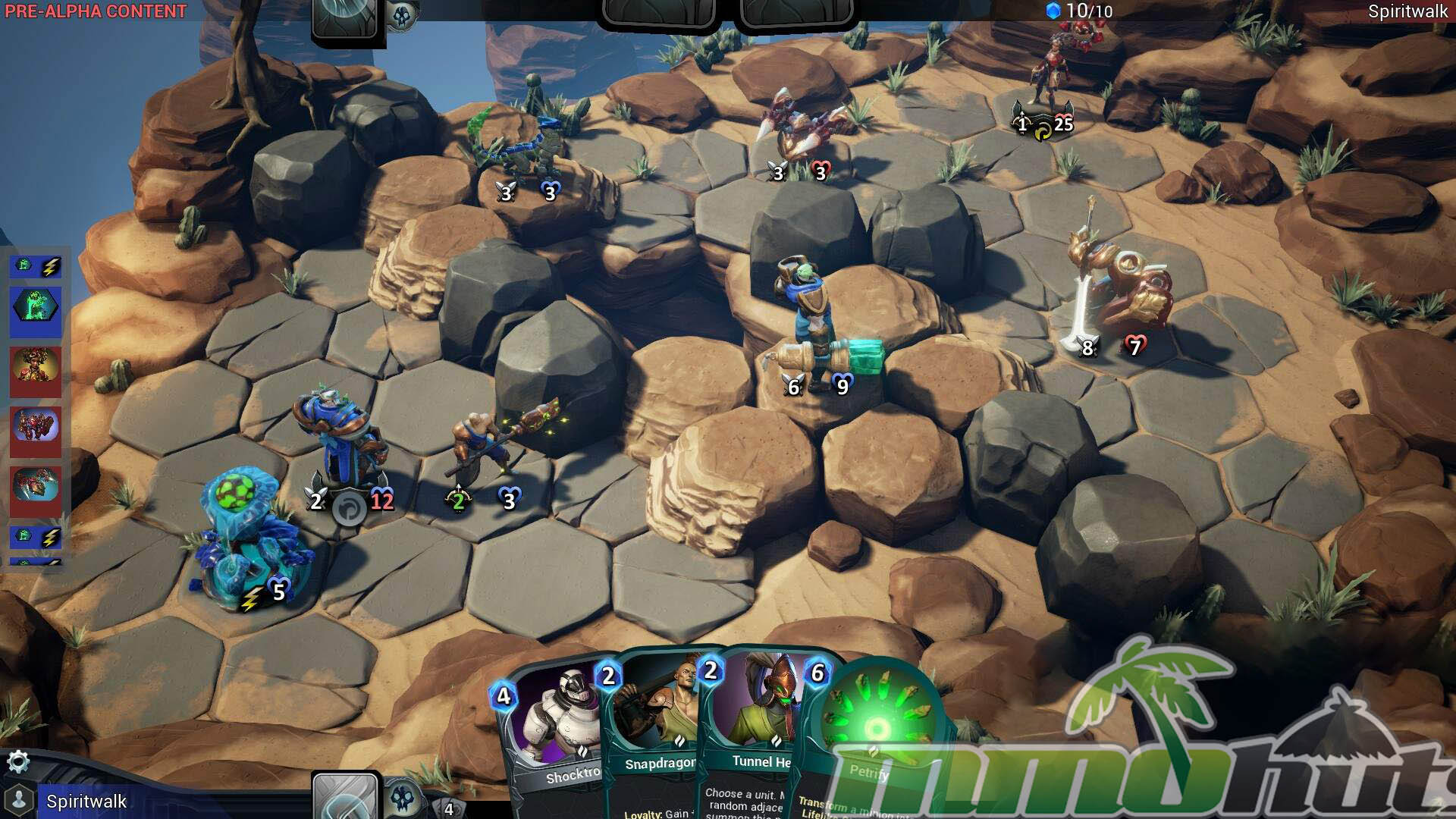
Shardbound is a top-down tactical CCG that blends card-driven planning with board-game style movement and threat ranges. Battles take place on a hex-based map where two sides take turns playing cards from hand, committing minions to specific tiles, and timing spells to swing the board. While you can fight against NPC opponents, the game’s primary structure is 1v1 PvP, with most systems designed around competitive play.
Each player brings a champion into the match. Rather than winning by deck-out or points, victory is straightforward, reduce the opposing champion’s health to zero. To get there you build momentum through summons and spell effects, then convert that advantage into pressure on key lanes and objectives on the grid. Positioning is a major part of the decision-making, because where you place a unit often matters as much as what the unit is.
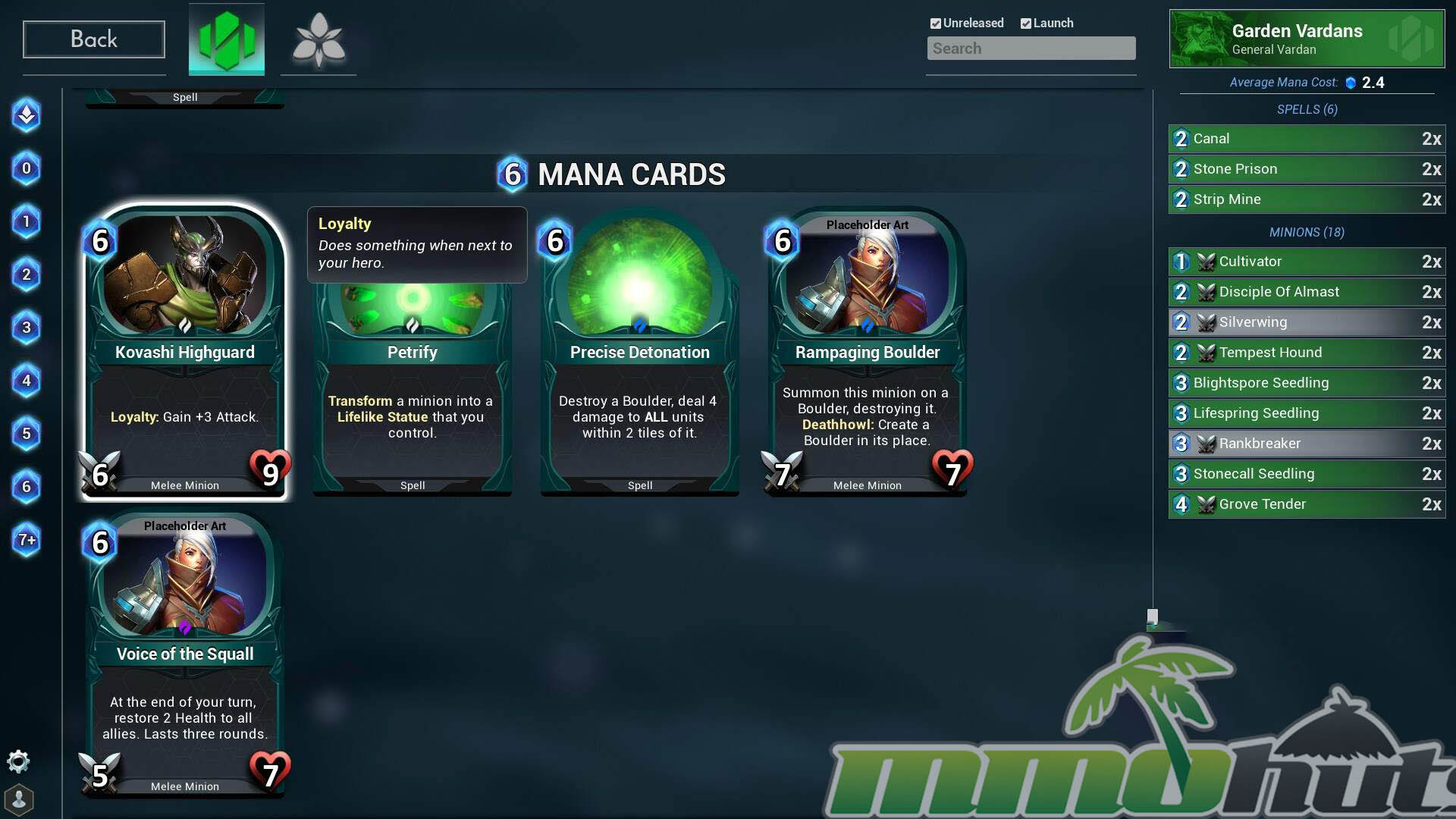
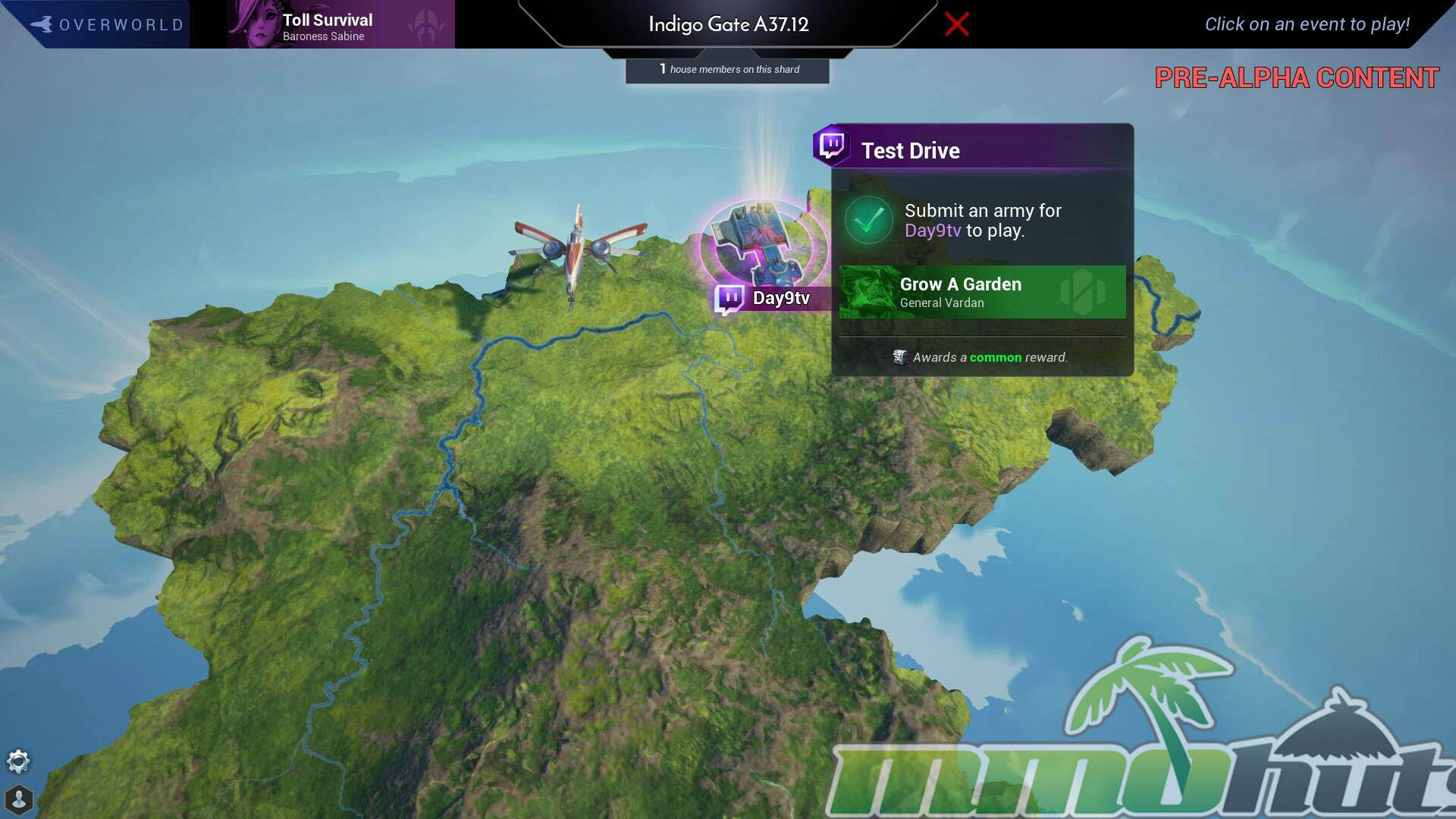
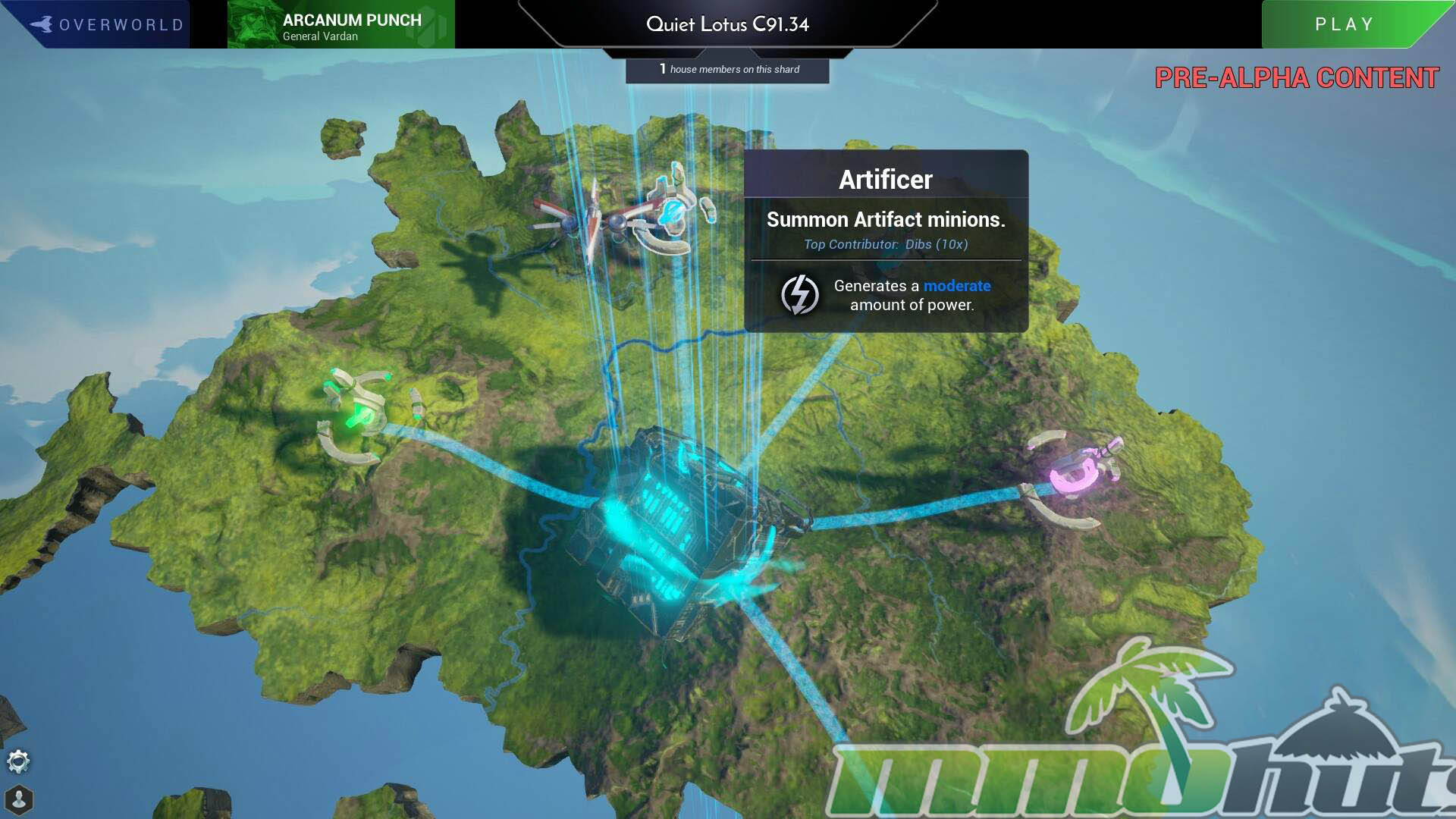
Faction choice is another core layer. There are six factions to pick from, each offering its own pool of units and spells, along with different tactical identities that encourage distinct approaches to combat. One of Shardbound’s more unusual ideas is how it ties into Twitch, letting you discover ongoing streams from inside the game world and engage with Twitch-specific tasks and content. For onboarding, there is a short tutorial PvE experience intended to teach fundamentals, with an episodic campaign mentioned as future content.
Shardbound Key Features:
- Twitch Integration – via the Shardfall System, you can find live-streamed matches in-game and take on Twitch-related objectives.
- PvP Focused – most of the game’s long-term appeal is built around 1v1 matches against other players.
- Six Factions – choose from six different factions, each with its own roster of units and spell options.
- Recruit Units – earn resources through objectives or buy Boxes to expand your collection with additional units and spells.
- Tutorial Campaign – a brief PvE tutorial helps teach the basics, with an episodic campaign planned for later.
Shardbound Screenshots


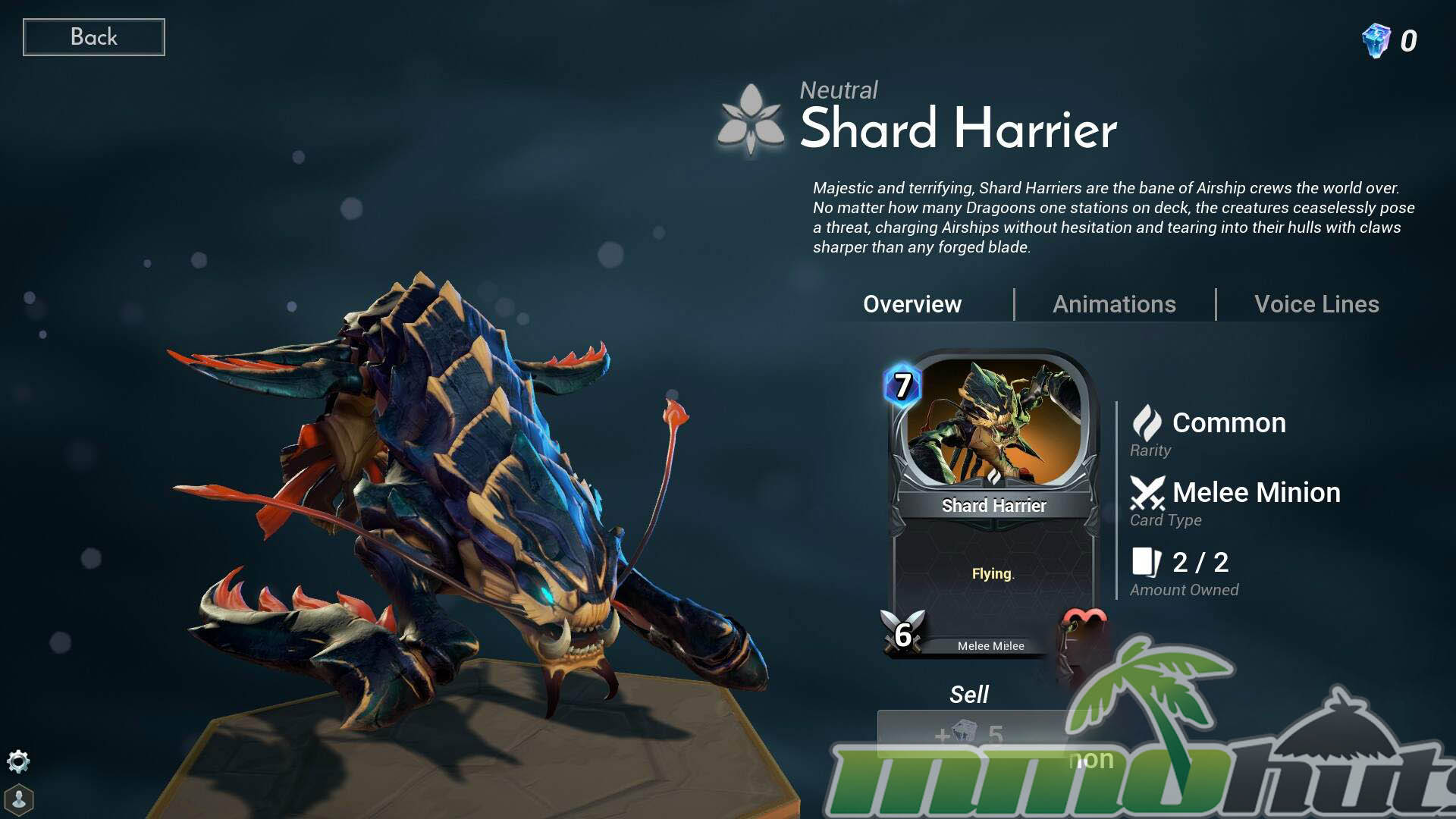
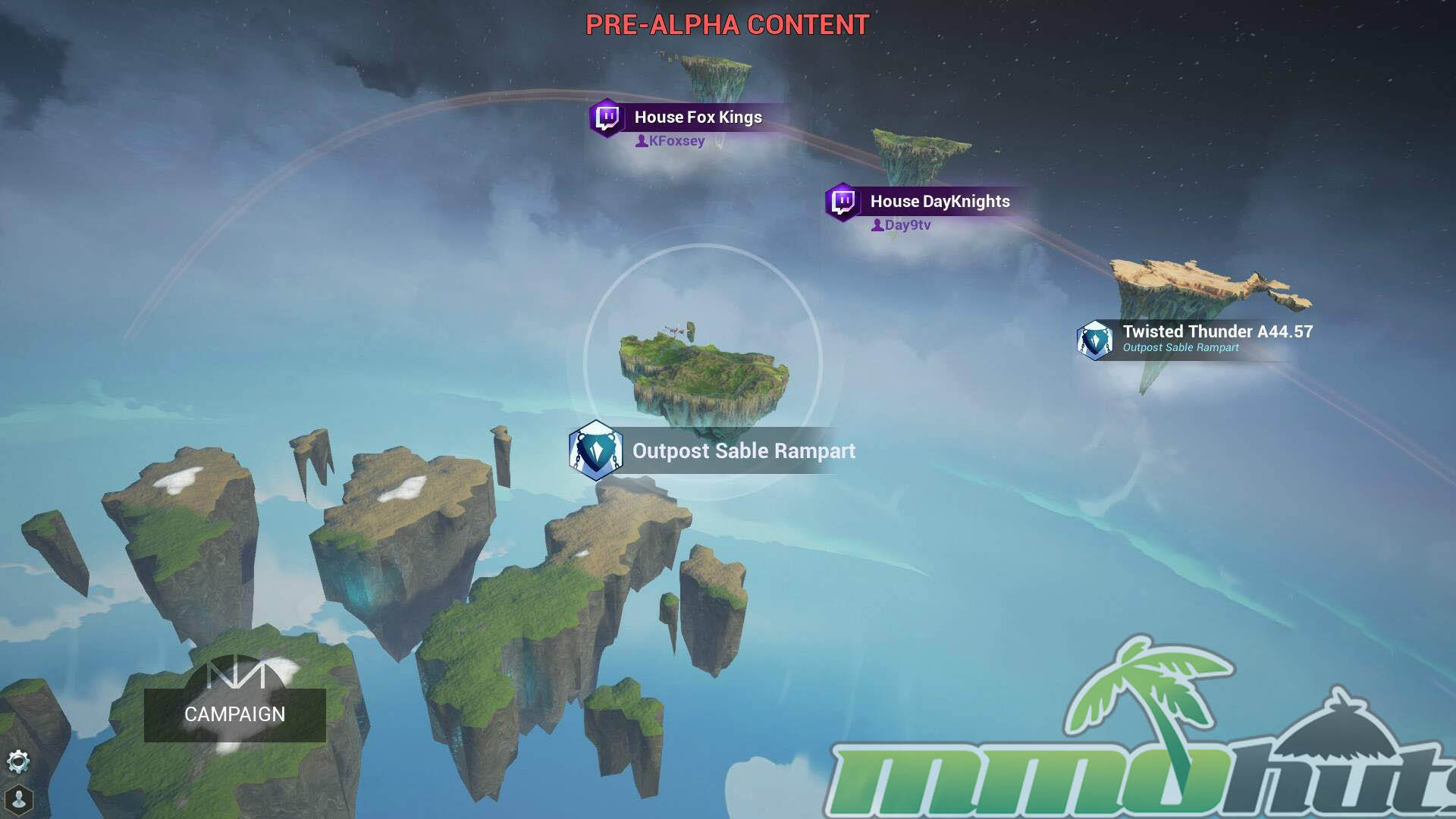
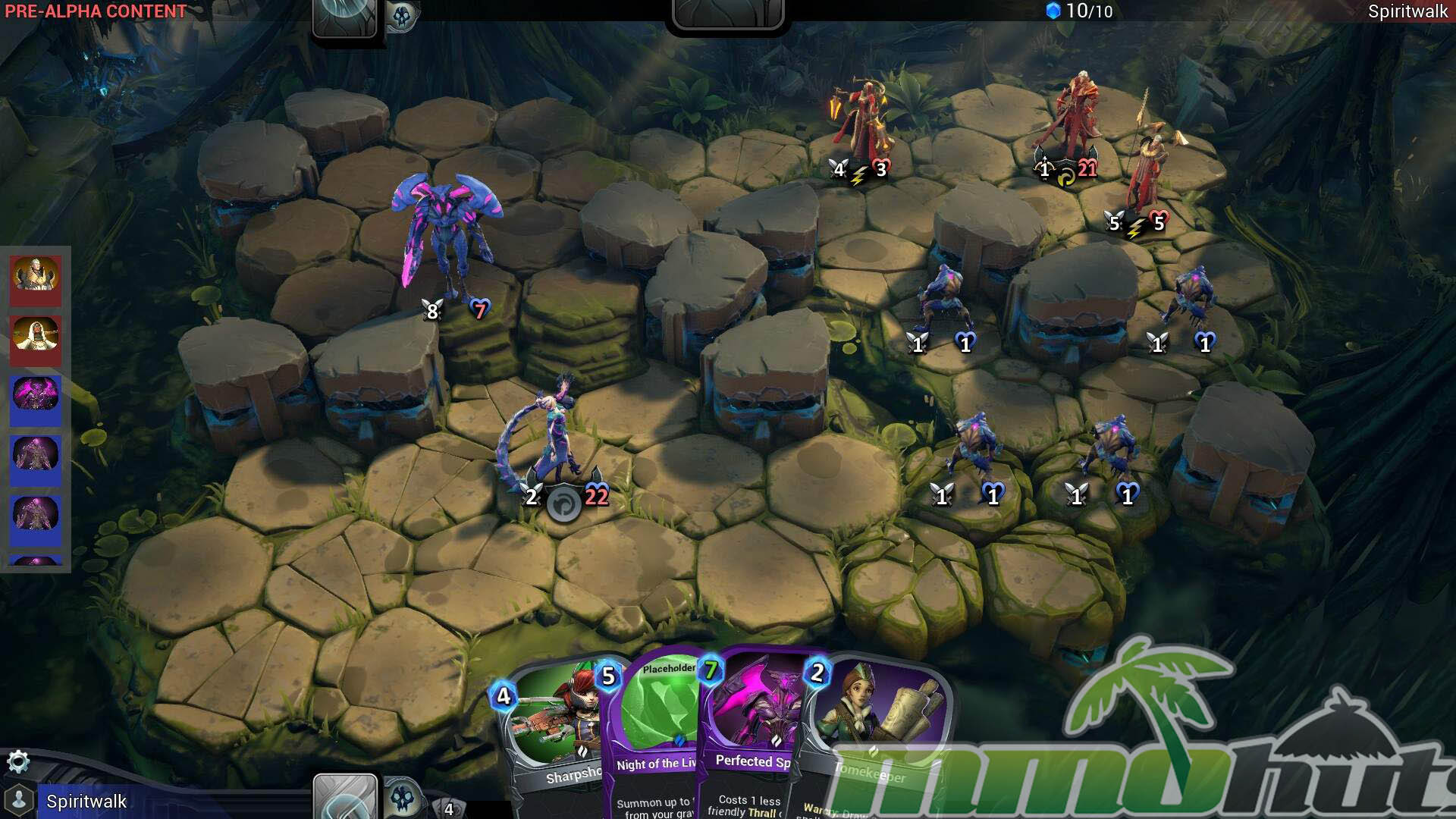
Shardbound Featured Video

Shardbound Review
Shardbound’s best moments come from how cleanly it translates classic CCG concepts into a spatial battlefield. The hex grid adds a meaningful layer of tactics, because “value” is not only about card efficiency, it is also about angles, distances, and how well you can protect your champion while still threatening theirs. When the board is contested, every placement can create a chain of future decisions, and that is where the game feels most distinctive.
The champion-kill win condition keeps matches focused. Instead of drifting into long, abstract resource races, most games push you to think in terms of pressure and safety, when to commit units forward, when to trade down to stabilize, and when to hold a spell for a decisive swing. The result is a pace that can feel brisk for the genre, especially when both players understand common threat patterns on the grid.
Faction identity is another strength. With six factions, Shardbound gives players room to find a style that fits, whether you prefer building a sturdy board presence, playing for clever spell timing, or leveraging faction-specific unit synergies. Even without going deep into card-by-card specifics, the overall structure encourages experimentation, because the same map state can be solved differently depending on your tools.
Progression also lands on the fairer side compared to many free-to-play card games. Unlocking units and spells through play and objectives feels more approachable than hard paywalls, and Boxes exist as a clearer, optional acceleration rather than the only viable path. That said, the long-term satisfaction still depends on how healthy the matchmaking pool is, and the listed playerbase being low can make it harder to consistently find varied opponents and learn through repetition.
Where Shardbound stumbles is mainly in content breadth and polish. The PvE offering is currently more of a learning tool than a full alternative mode, so players looking for a deep solo experience may run out of structured challenges quickly. As an Early Access title, optimization can also be uneven, and that matters in a tactics game where clarity and responsiveness are part of the experience. The Twitch integration is a fun differentiator, but it will appeal most to players who already enjoy the streaming ecosystem and want that layer of community interaction.
Overall, Shardbound is best suited for players who enjoy tactical positioning and want their card game decisions to be expressed on a board, not just in a lane or a single row. If you are primarily here for PvE campaigns, it is worth waiting for the promised episodic content, but if competitive 1v1 and experimenting with factions sounds appealing, the core combat loop has real potential.
Shardbound System Requirements
Minimum Requirements:
Operating System: 64-bit Windows 7, Windows 8.1, or Windows 10
CPU: Dual-core Intel or AMD CPU, 2.5 Ghz or higher
Video Card: GeForce GTX470 or AMD Radeon 6870 HD or higher
RAM: 4 GB RAM
Hard Disk Space: 5 GB
Shardbound Music & Soundtrack
Coming soon!
Shardbound Additional Information
Developer(s): Spiritwalk Games
Publisher(s): Spiritwalk Games
Game Engine: Unreal Engine 4
Kickstarter Launch: February 16, 2017
Steam Release Date: April 06, 2017
Release Date: TBA
Development History / Background:
Shardbound is developed and published by Spiritwalk Games, a studio based in the San Francisco Bay Area. The project spent roughly two years in development before launching a Kickstarter on February 16, 2017 with a $50,000 goal to help bring the game to completion. The campaign ultimately raised over $150,000 and reached its initial target on the same day it went live. Shardbound later arrived on Steam as a free-to-play, early-Alpha Early Access release on April 06, 2017.