
Shadow of Kingdoms
Shadow of Kingdoms blends lightweight kingdom building with grid-based battles, asking you to grow a small stronghold into a war-ready city while recruiting units to push back a looming supernatural threat. Between missions you expand your settlement, unlock new troop types, and then send those forces into tactical encounters that can be played manually or left to automated combat.
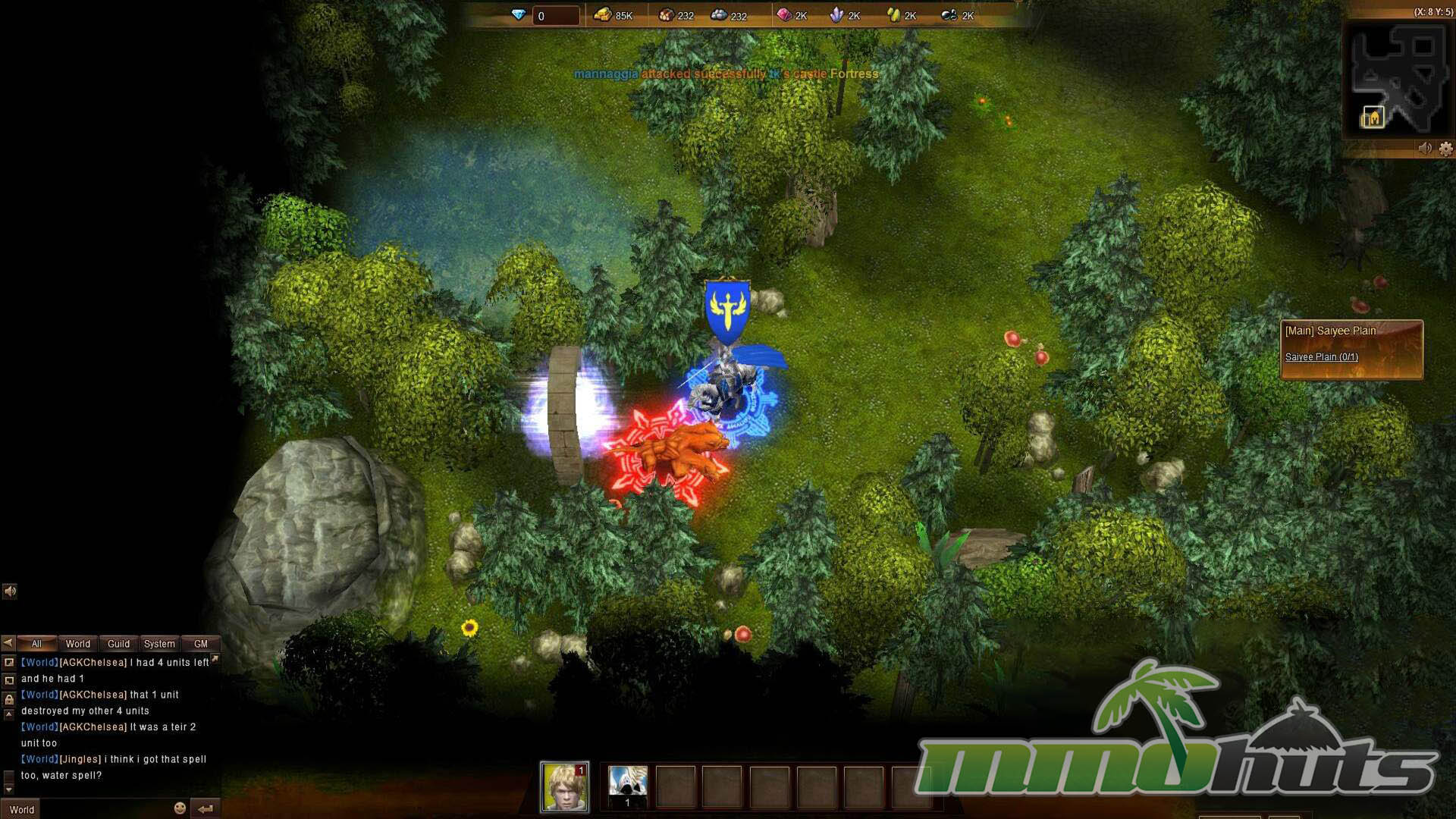 | Publisher:Admax Game Playerbase: Low Type: Tactical RPG Release Date: August 11, 2015 Shut Down: 2016 Pros: +City-building elements. +Very modest PC requirements. +Hands-off auto-battle option. Cons: -Combat lacks depth, especially on auto. -AI behavior can feel erratic. -Rough writing and audio presentation. |
Shadow of Kingdoms Overview
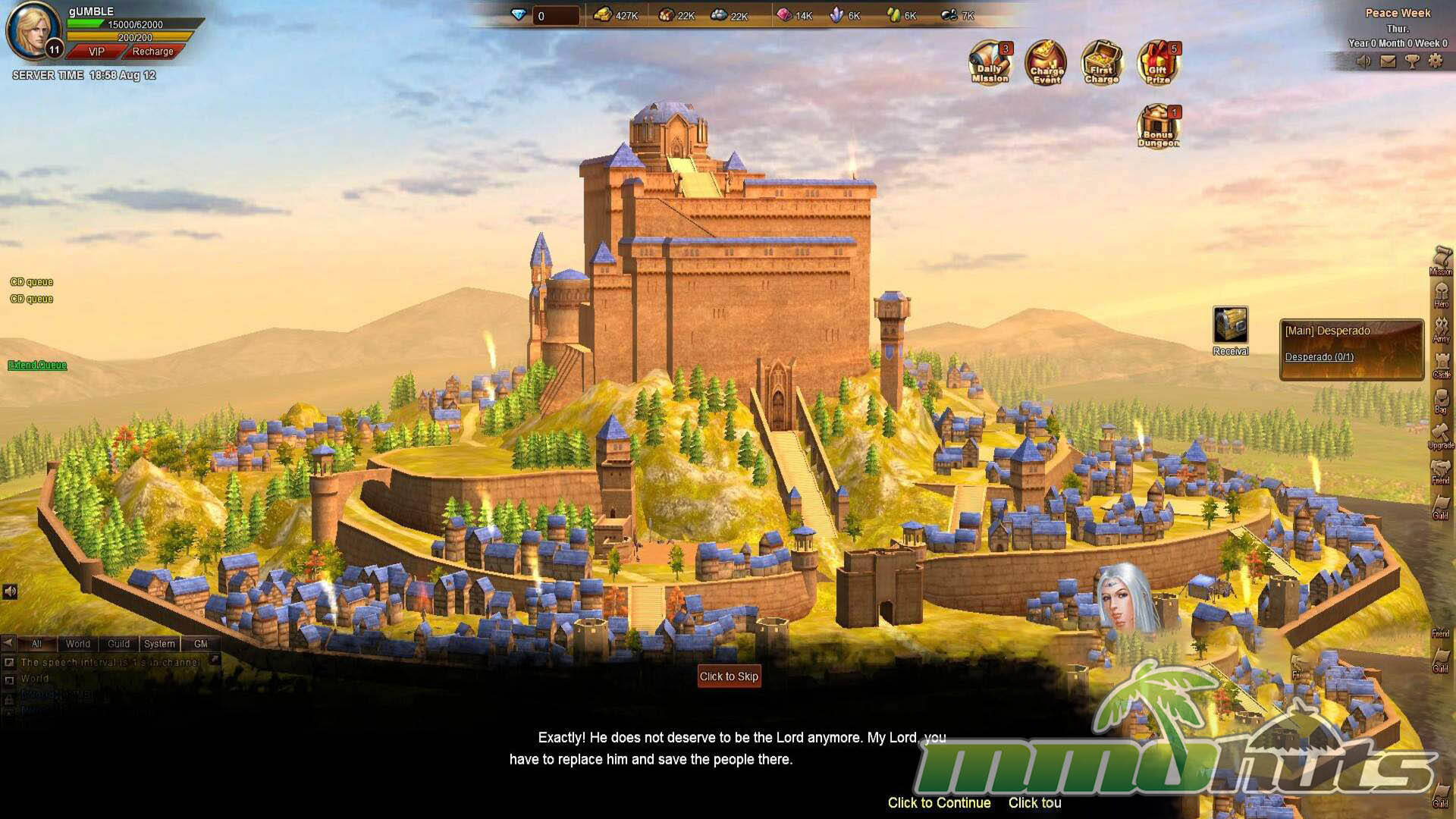
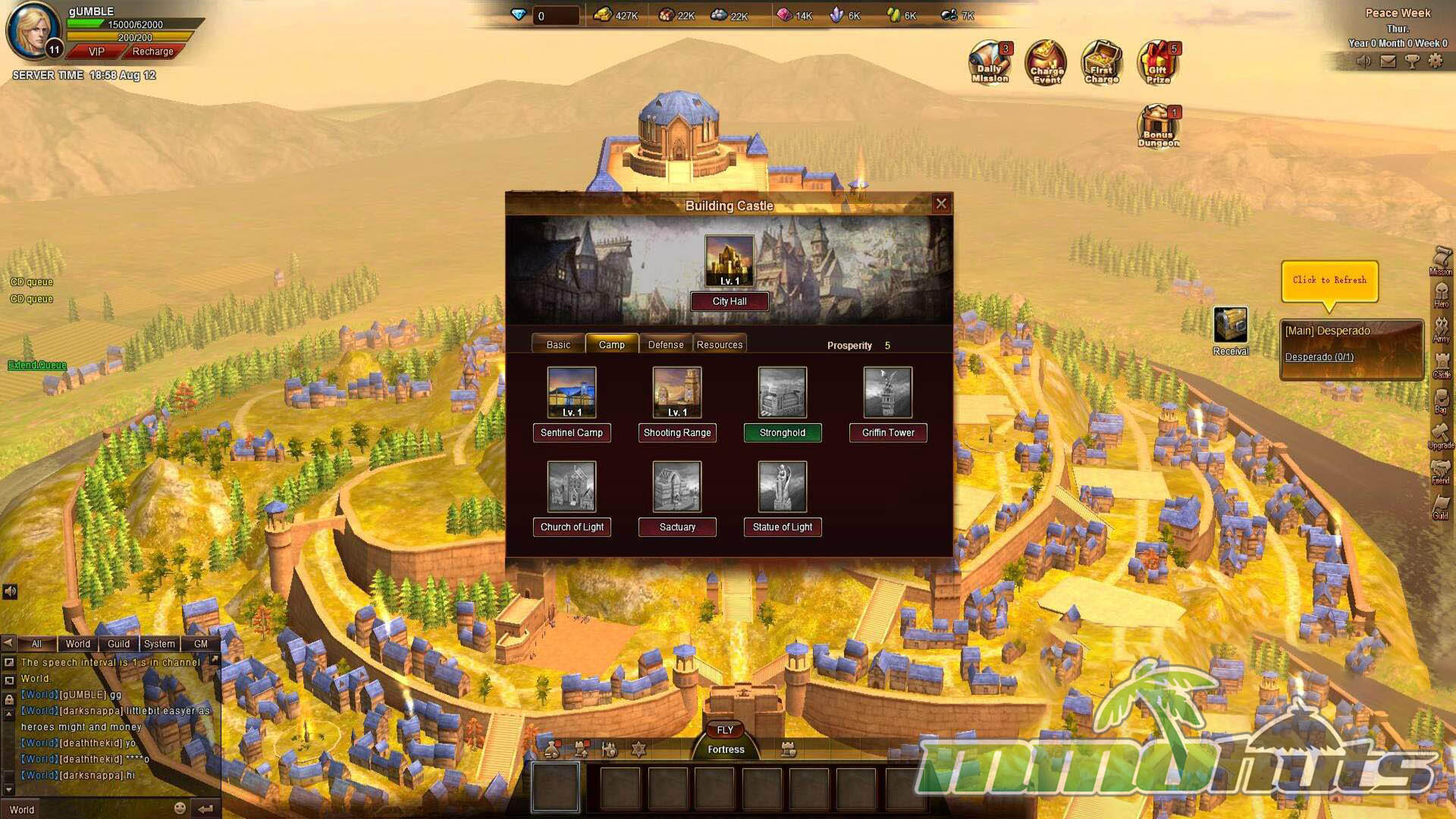
Shadow of Kingdoms is a strategy title with RPG trappings built around a simple loop, build up your city, recruit and upgrade an army, then take that force into missions to cleanse areas overrun by evil. At the start you pick from four playable races, each tied to its own stylized city look, and you begin expanding your keep by gathering resources and unlocking new construction options. Progress is largely driven by erecting structures in a set progression, which in turn opens new units, features, and routes forward.
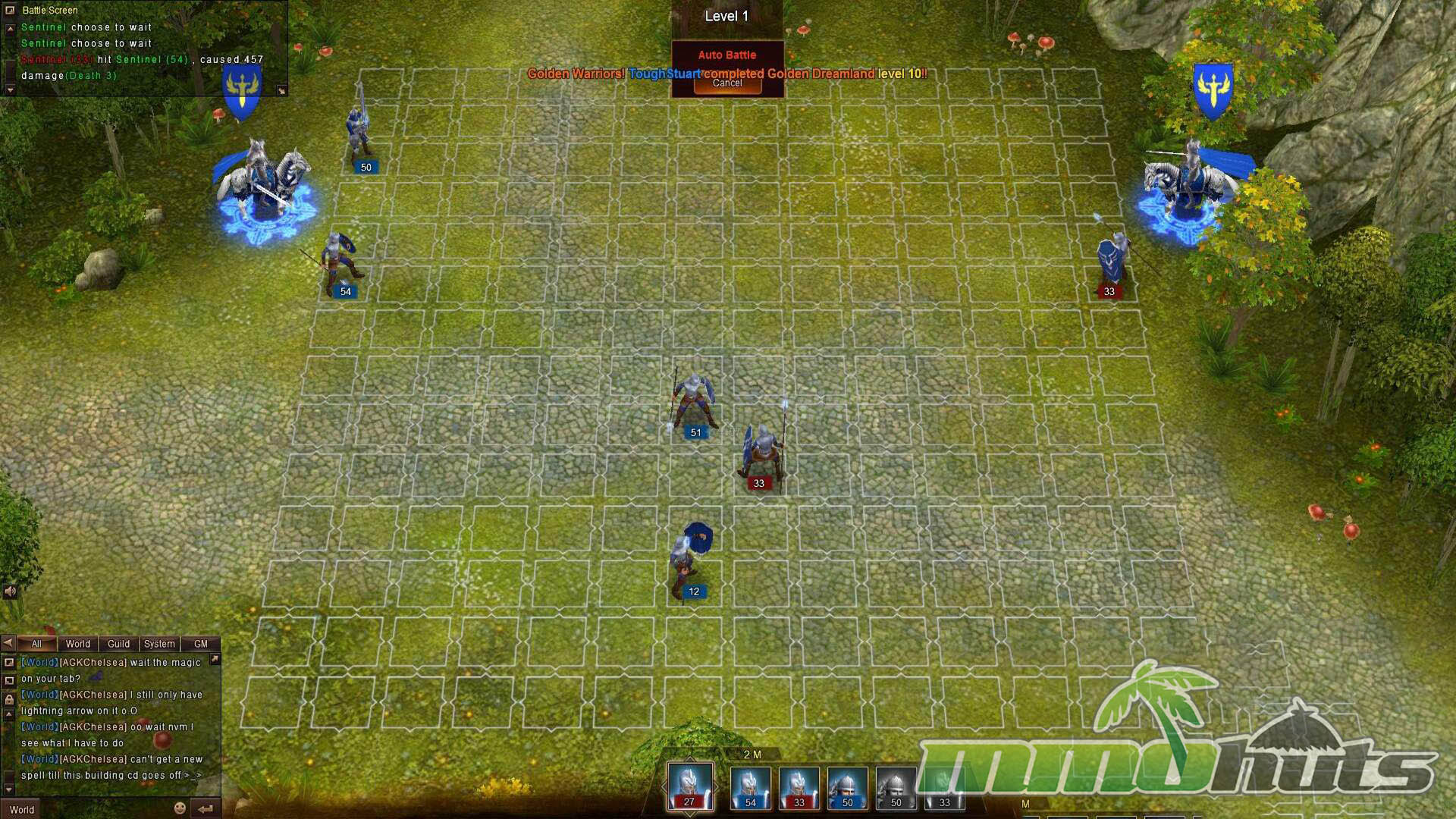
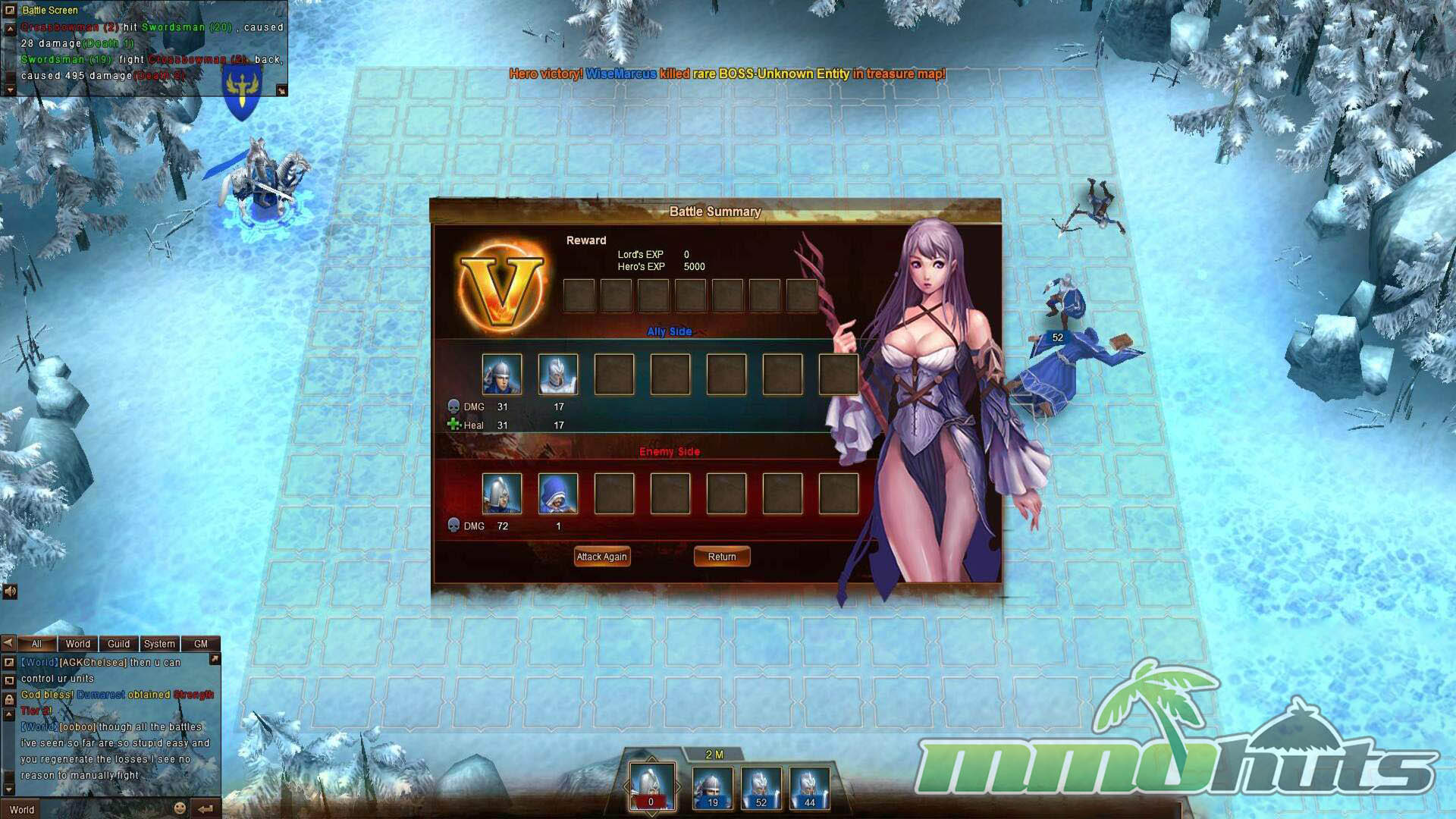
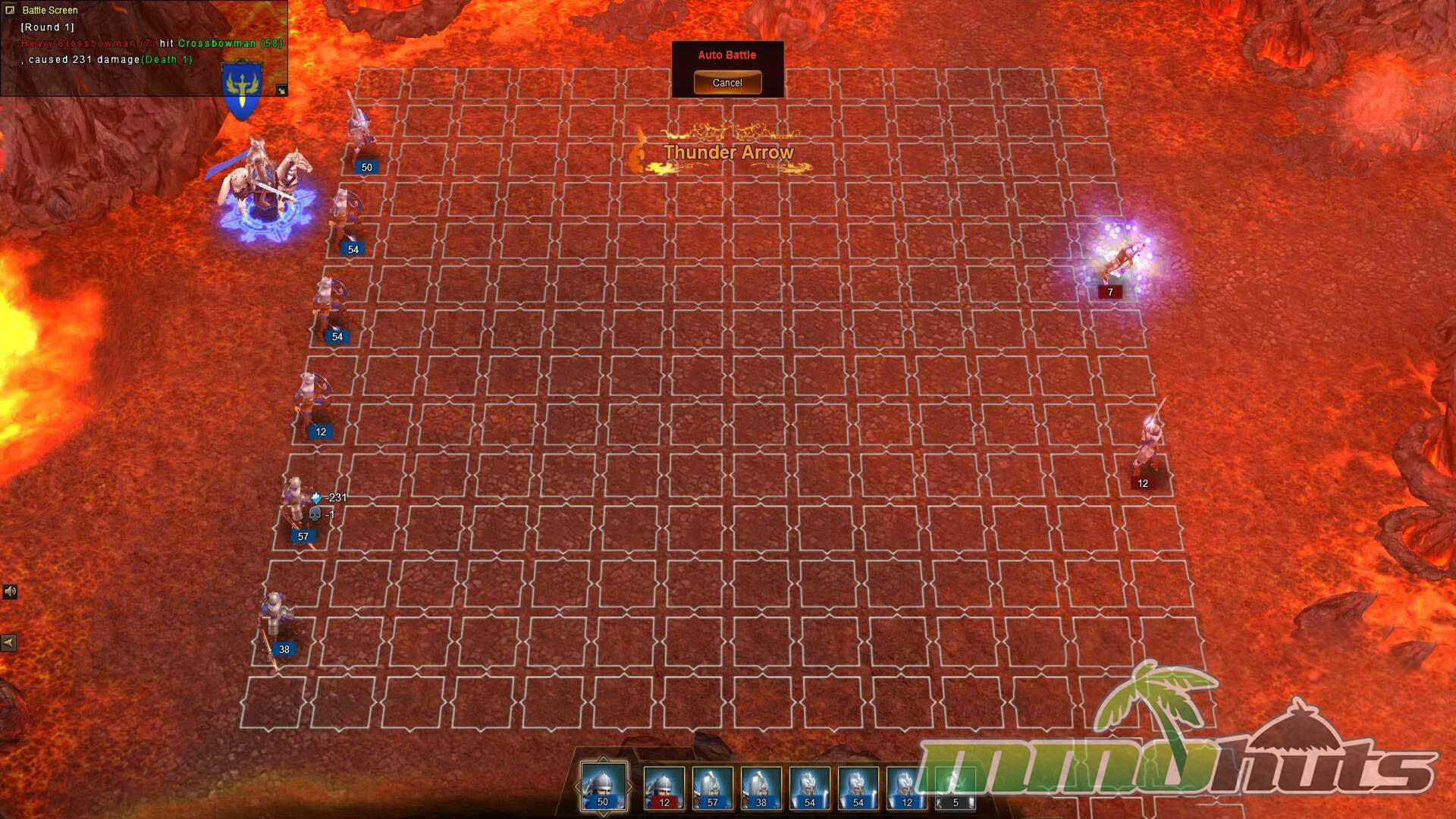
Combat is presented as turn-based battles on a hex-style grid where both sides deploy squads and trade turns until one force is wiped out. While the layout suggests tactical positioning, the game also heavily leans on automation, you can let the AI run fights via Auto Play, or step in and issue commands yourself. Outside of battles you will also poke into dungeons with different environmental themes, pick up treasure along the way, and clear Daily Quests for extra rewards that feed back into city growth.
Shadow of Kingdoms Key Features:
- City Research – decide which upgrades and buildings to pursue, expanding your settlement while unlocking additional units and goals.
- Auto-Battle – toggle automated fighting to have the AI handle decisions while you watch the outcome play out.
- Numerous Units – improve your recruitment options by upgrading core structures such as the barracks, then field a wider roster in missions.
- Daily Quests – repeatable daily objectives provide a steady stream of rewards to keep your kingdom progressing.
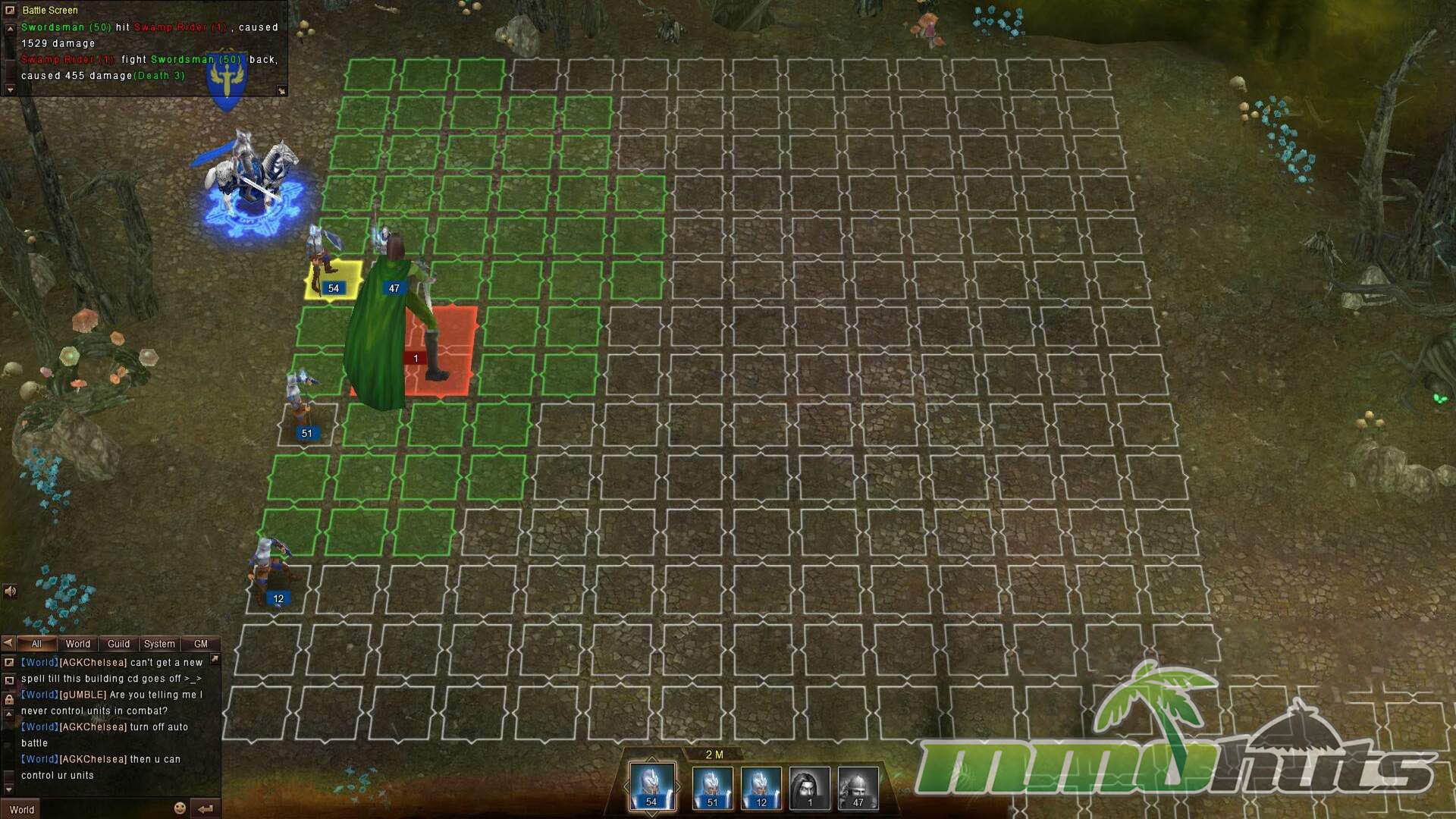
- Turn-Based Combat – battles use a tactical grid with alternating turns, focusing on unit placement and basic attack ranges.
Shadow of Kingdoms Screenshots
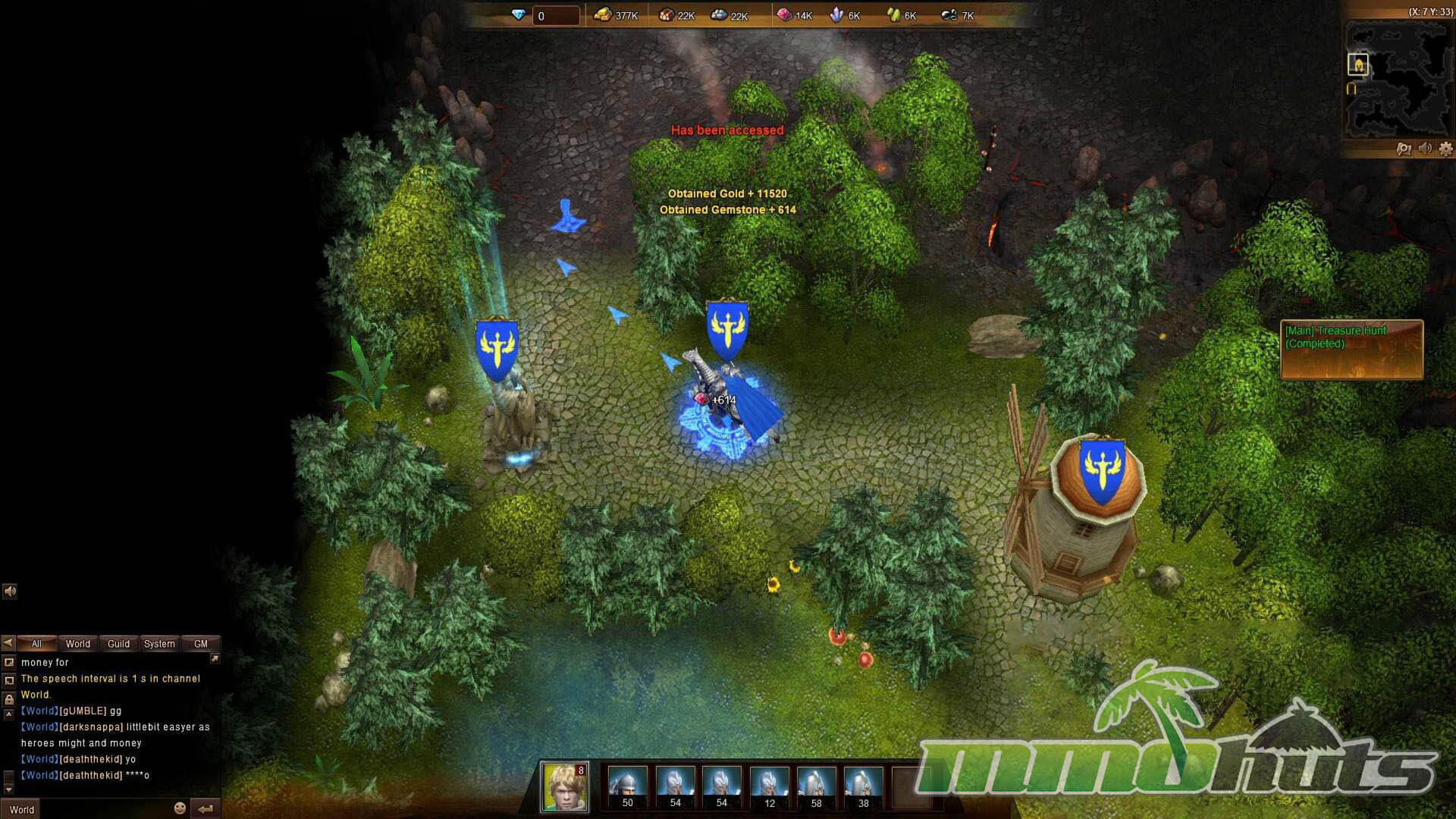

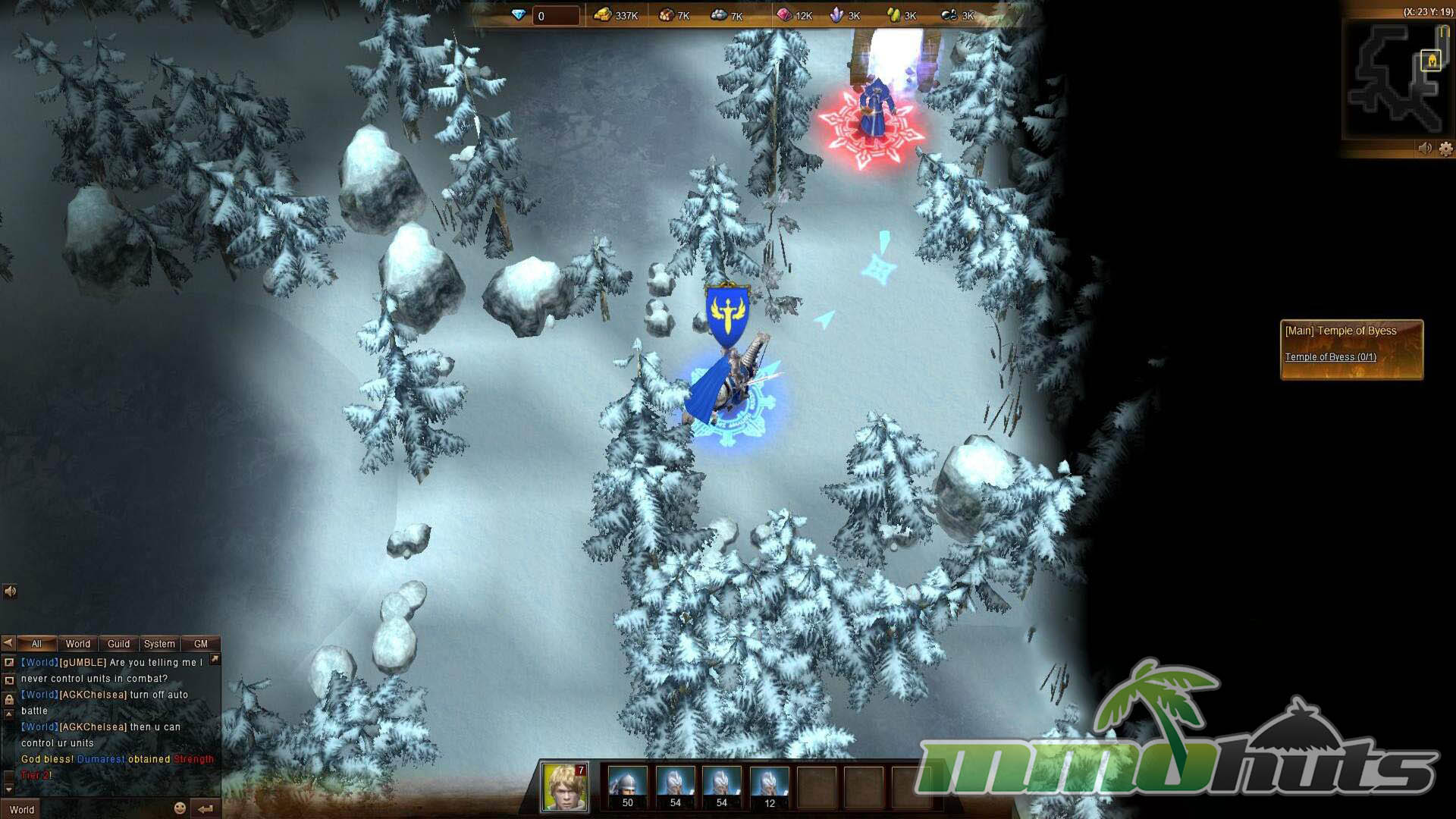
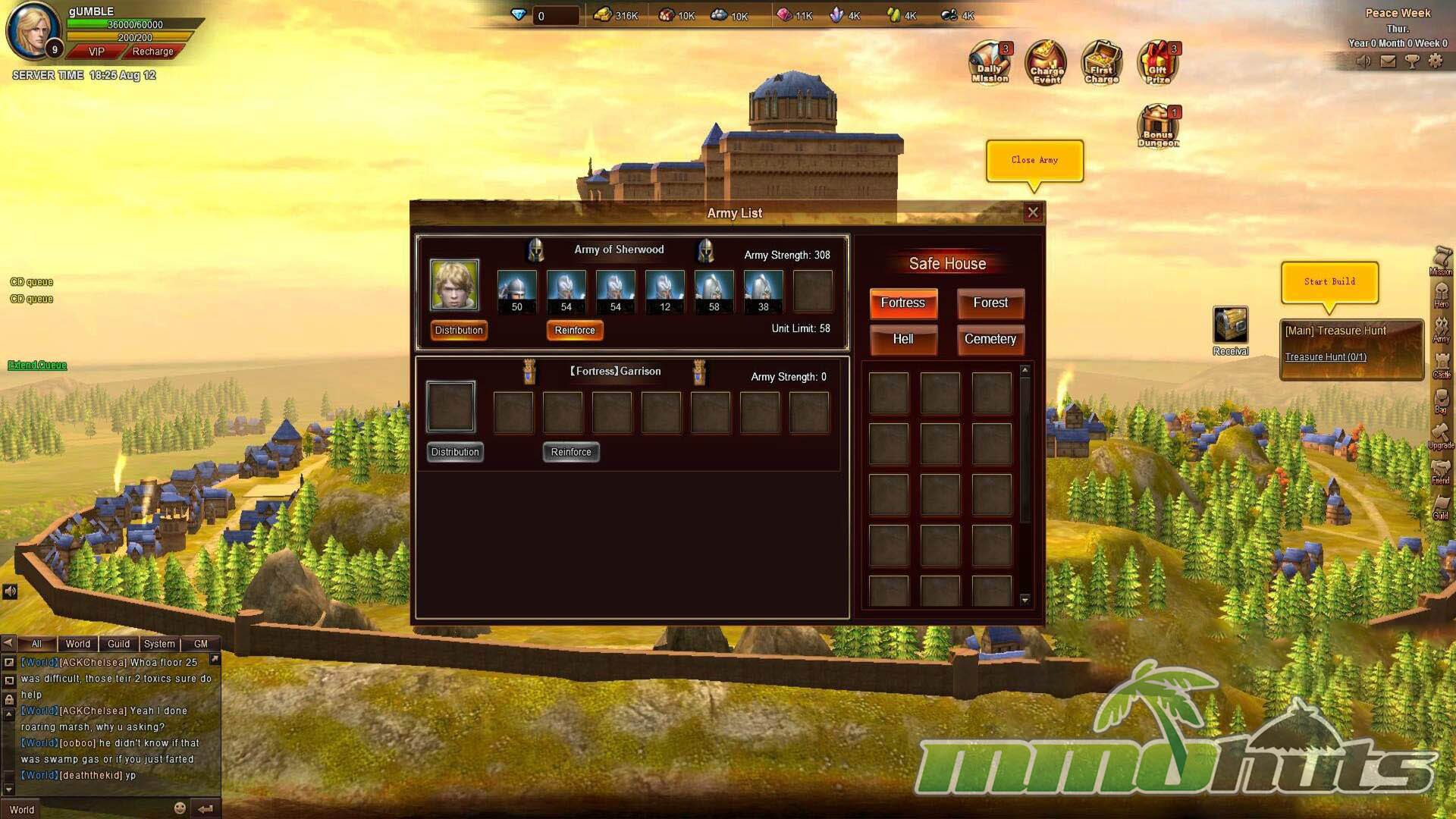

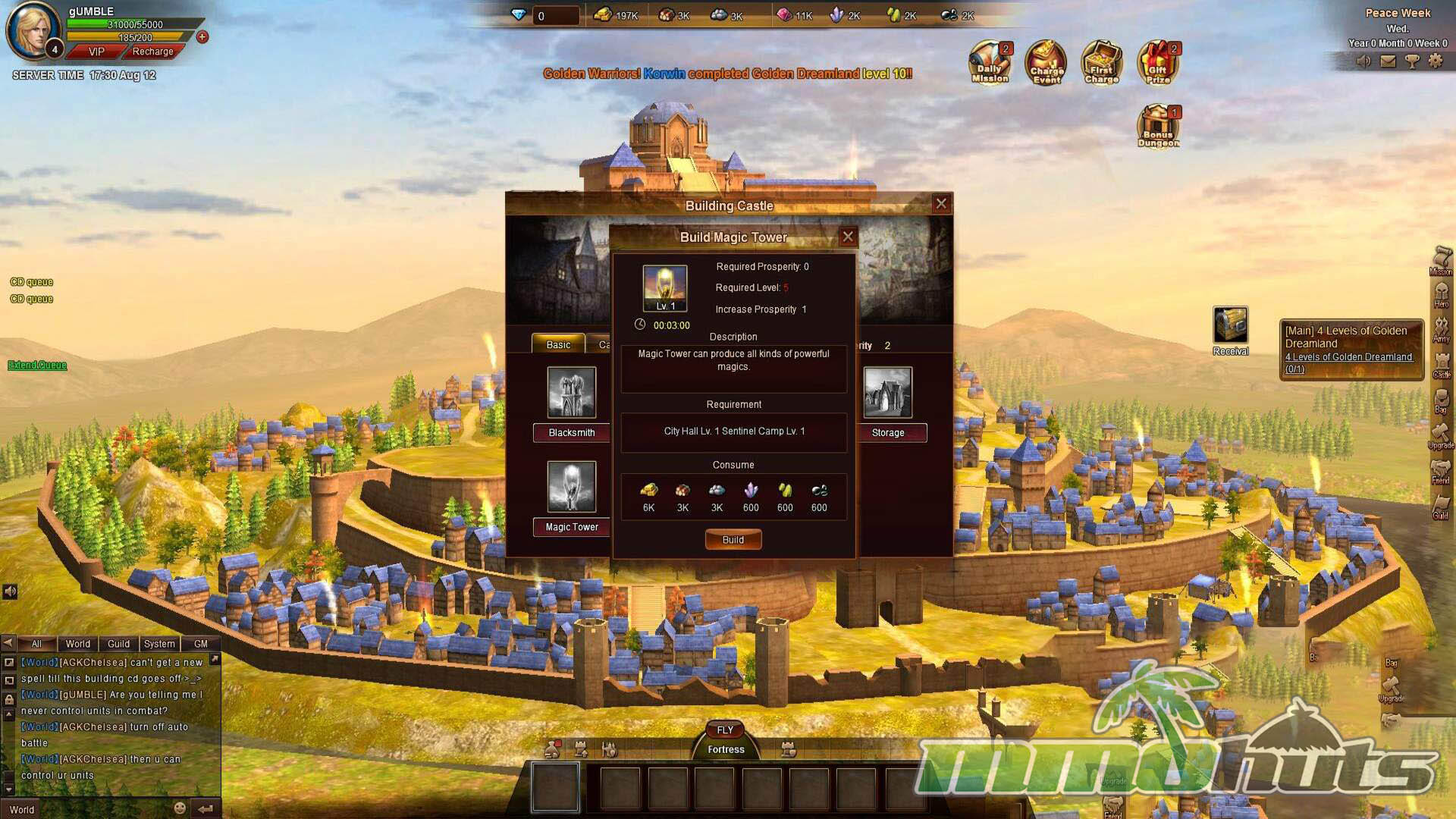
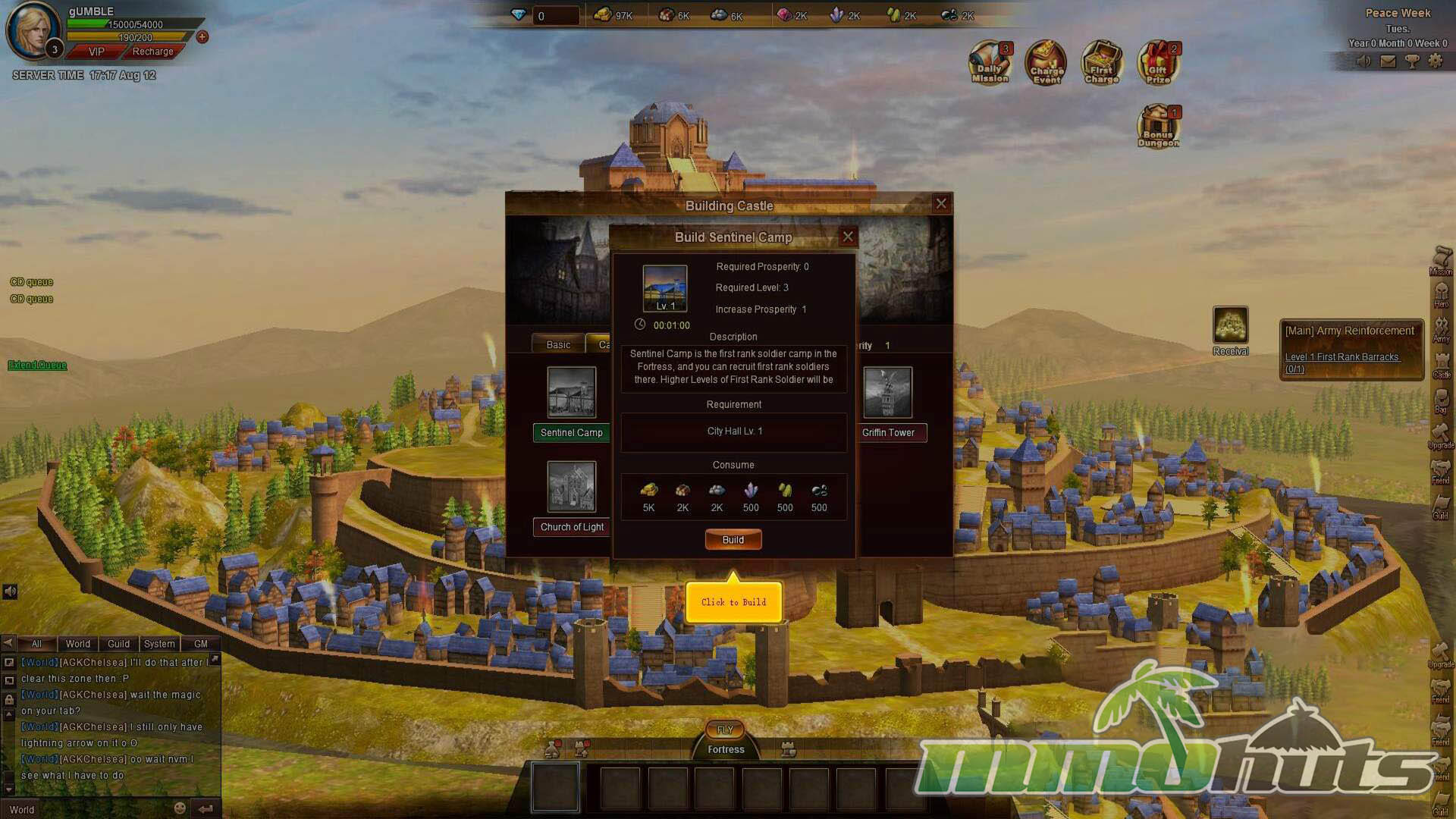
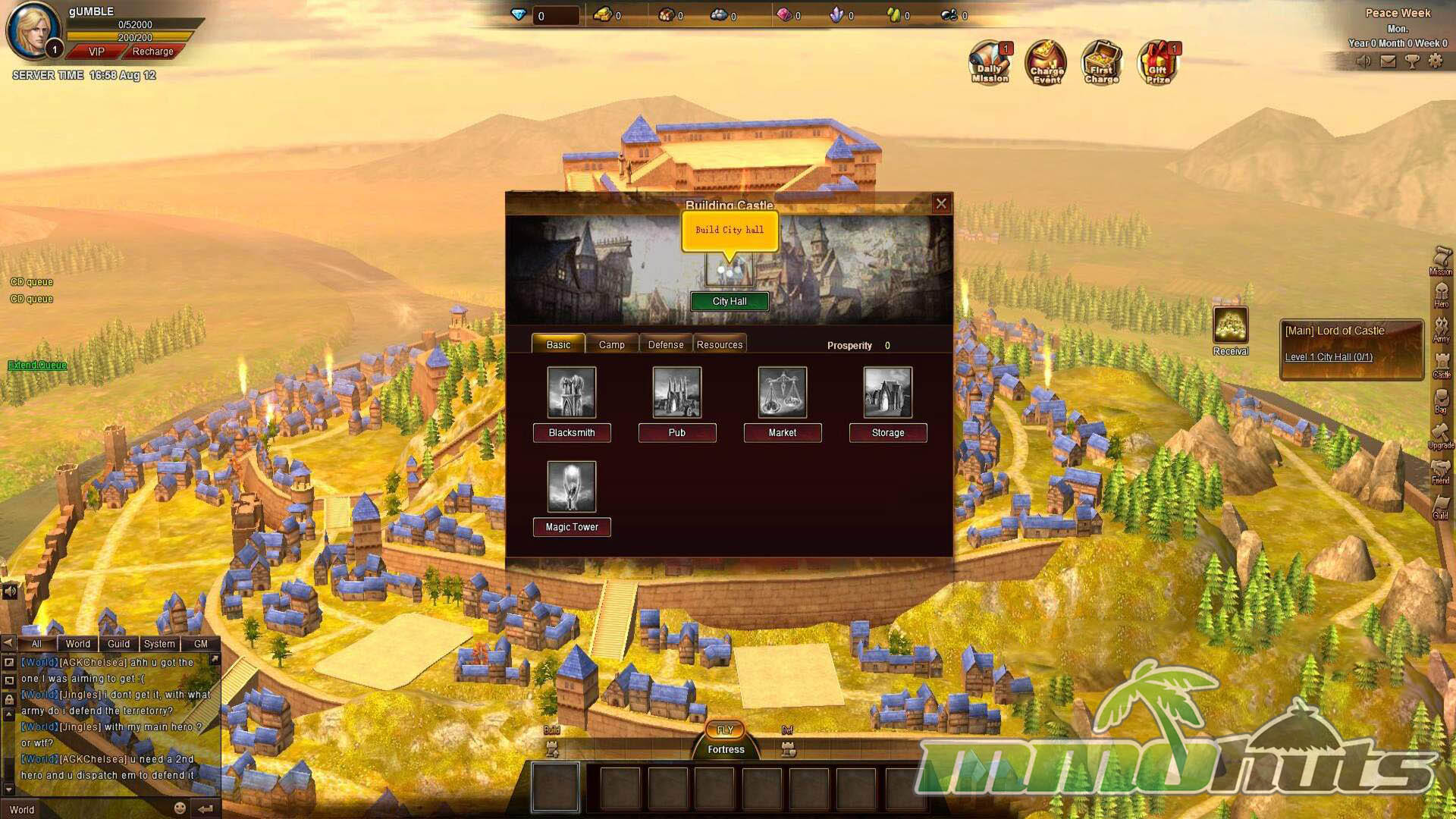
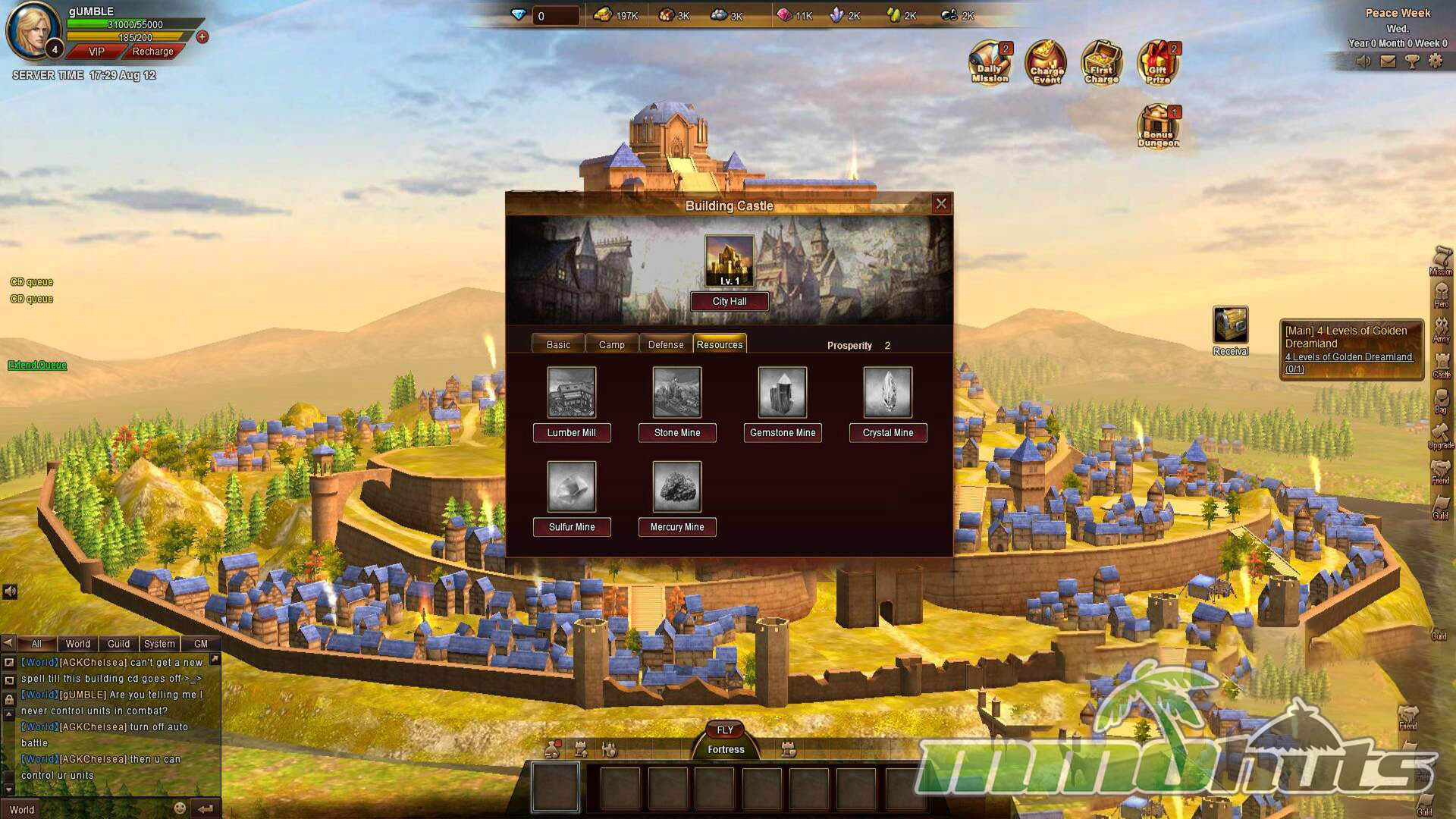
Shadow of Kingdoms Featured Video

Shadow of Kingdoms Review
Free-to-play strategy RPG hybrids often get some benefit of the doubt, especially when they keep expectations modest and deliver a satisfying loop. Unfortunately, Shadow of Kingdoms struggles to hold together once you spend any real time with it. The game has the outline of something appealing, build a city, assemble troops, then fight tactical battles, but most of its systems feel shallow, awkwardly stitched together, or undercooked in ways that quickly erode the experience.
A rough first hour
Getting started is fast, almost too fast. After launching, you are pushed into selecting from four over-the-top hero archetypes with grandiose names and a presentation that feels more like a template than a fully realized cast. The early moments are accompanied by short music loops and a tutorial flow that introduces features in bursts rather than building a coherent foundation.
From there the game funnels you into your city, which acts as the hub for construction and recruitment. On paper, this is where the “kingdom” part should shine. In practice, the visuals are basic and the interface communicates more “checklist progression” than meaningful settlement planning. Before you have much time to experiment, the game nudges you straight into missions.
A campaign that quickly feels recycled
Missions place you on a top-down map where you click around to collect resources and push toward a final encounter. The structure rarely changes, you move through a zone, pick up scattered materials, then trigger combat against enemies that are not given much personality or memorable context. Even when environments swap themes, the moment-to-moment rhythm remains largely identical, which makes the early hours feel repetitive rather than adventurous.
Tactics on the surface, automation at the core
Battles are staged on a tiled grid and initially promise classic turn-based positioning. However, the default reliance on Auto Play undercuts that promise. With automation enabled, many fights become passive viewing where the AI makes choices that are not always readable or satisfying, and you are left waiting for the conclusion.
Turning automation off does give you direct control, but the underlying systems still feel thin. Movement and attacks boil down to straightforward placement and range checks, and there is little sense of layered strategy. Terrain, unit synergy, and interesting decision points are limited, so even manual play can start to resemble routine clicking rather than deliberate planning. Spells do appear after building the Mage Tower, but they tend to function like simple extra damage rather than mechanics that reshape encounters.
Skipping the fighting says a lot
The game also offers ways to speed through encounters, which is convenient, but it also highlights a core issue, combat is not engaging enough to stand on its own. When a strategy RPG makes you want to avoid its battles, the central pillar is already compromised. On top of that, the economy around speeding things up can push you toward spending premium currency, which makes the “escape hatch” feel less like a quality-of-life feature and more like a workaround for monotony.
Another oddity is that fights rarely carry meaningful risk. Units are not treated with the kind of permanence you might expect from tactical games, which further reduces tension. If outcomes do not have consequences, positioning and planning naturally matter less.
Audio and presentation problems
Shadow of Kingdoms also suffers from uneven audio. Music can swell as if a big set piece is about to happen, then drop away abruptly, leaving battles sounding oddly empty. Sound effects are frequently generic, and some cues can behave inconsistently, occasionally looping or lingering in ways that feel unpolished.
Visually, the game looks like a browser-era project brought to Steam with minimal modernization. Textures and models are simple, animations are stiff, and the overall art direction lacks the clarity needed to make units and encounters feel distinct. The most noticeable effort is reserved for character art that leans heavily into anime-styled fanservice, which may appeal to some players, but it does not compensate for the broader lack of visual refinement.
City building with training wheels
The kingdom management side sounds more flexible than it is. Although you can construct a variety of buildings, the game strongly enforces a fixed order of development. New options are typically gated behind a chain of prerequisites, which turns “city building” into a linear upgrade track rather than a space for meaningful choices. You are often just following the next required step, not shaping a settlement around a strategy.
Confusing writing and constant interruptions
Narrative and dialogue do little to help. The writing is frequently difficult to parse, with awkward phrasing that makes even basic plot points feel unclear. While story is not essential for this kind of game, Shadow of Kingdoms places enough text and NPC interruptions in your path that you cannot easily ignore it.
The tutorialization is also heavy-handed. New pop-ups and prompts arrive constantly, introducing modes and features faster than the game can meaningfully differentiate them. Instead of expanding the experience, many of these systems feel like the same loop presented with a new label, which adds clutter without adding depth. The end result is a game that feels messy and directionless, even though the underlying structure is fairly simple.
Shadow of Kingdoms is the kind of project that shows how far a familiar formula can fall when the fundamentals are not strong. There is a workable concept here, city growth feeding into tactical battles, but the execution is too repetitive, too automated, and too unpolished to recommend.
Final Verdict – Poor
Shadow of Kingdoms is difficult to suggest even to genre completists. Its city progression is mostly linear, its combat lacks satisfying tactical decisions, and the presentation (especially writing and audio behavior) often feels broken or unfinished. If you want a turn-based tactics experience with kingdom building elements, there are far better and more cohesive alternatives. This one is best skipped.
Shadow of Kingdoms System Requirements
Minimum Requirements:
Operating System: Windows XP or higher
CPU: Intel Pentium D or AMD Athlon 64 (K8) 2.6 GHz
Video Card: Intel HD Graphics or AMD (formerly ATI) Radeon HD Graphics
RAM: 512 MB
Hard Disk Space: 1 GB
Shadow of Kingdoms is also available for browsers.
Shadow of Kingdoms Music & Soundtrack
Coming Soon…
Shadow of Kingdoms Additional Information
Developer: TernGame
Publisher: Admax Game
Engine: Flash
Steam Greenlight Posting: June 10, 2015
Release Date: August 11, 2015
Development History / Background:
Shadow of Kingdoms was developed by TernGame and is available through Steam and for browsers. The title appeared on Steam Greenlight on June 10, 2015, was accepted on July 03, 2015, and later launched on Steam on August 11, 2015. Servers were ultimately shut down in 2016.