Seven Knights is a free-to-play mobile hero-collecting RPG that blends anime-styled visuals with a huge roster of characters, stage-based progression, and largely automated battles where your main input is timing skills and refining your team setup. It leans heavily on collecting, upgrading, and evolving Heroes, then taking those squads through Adventure stages, asynchronous PVP, and a handful of repeatable side modes designed for farming resources.
 | Publisher: Netmarble Type: Mobile RPG Release Date: October 14, 2015 Shut Down: May 09, 2023 Pros: +Striking, polished character art and effects. +Large roster with plenty to chase. +Deep upgrade and evolution loops for long-term progression. Cons: -Can become grind-heavy and repetitive. -Combat often plays itself, which reduces engagement. |
Seven Knights Shut Down on May 09, 2023
Seven Knights Overview
Seven Knights is a 3D online, party-based collecting RPG from Netmarble Games. It sends you across the world of Landenberg alongside story characters like Evan and Karin, gradually introducing new allies, rivals, and threats as you push through Adventure maps. The hook is the sheer volume of Heroes to recruit, then strengthen through leveling, gear, enhancement, and evolution, until your roster is strong enough to handle tougher stages and specialized challenges.
Progression is structured around hundreds of short stages that are meant to be replayed, both for story advancement and for resource farming. Battles are mostly automatic, but you still make the important decisions outside the fight: party composition, formation bonuses, gear choices, and when to trigger each Hero’s active skills. Beyond the main Adventure path, the game also supports asynchronous PVP and multiple side modes that reward currencies and materials used to build stronger teams.
Seven Knights Features:
- Many Stages to Complete – Work through a large set of bite-sized levels spread across multiple areas, each with its own enemies and bosses.
- Anime-inspired Graphics – Bright character designs, flashy skill effects, and clean presentation give it a distinctly anime-like look.
- Automated Combat – Fights resolve largely on their own, with player involvement focused on skill usage and team planning rather than direct control.
- Many Heroes to Collect – Build a roster of over 200 Heroes, then enhance, fuse, and evolve them into stronger versions over time.
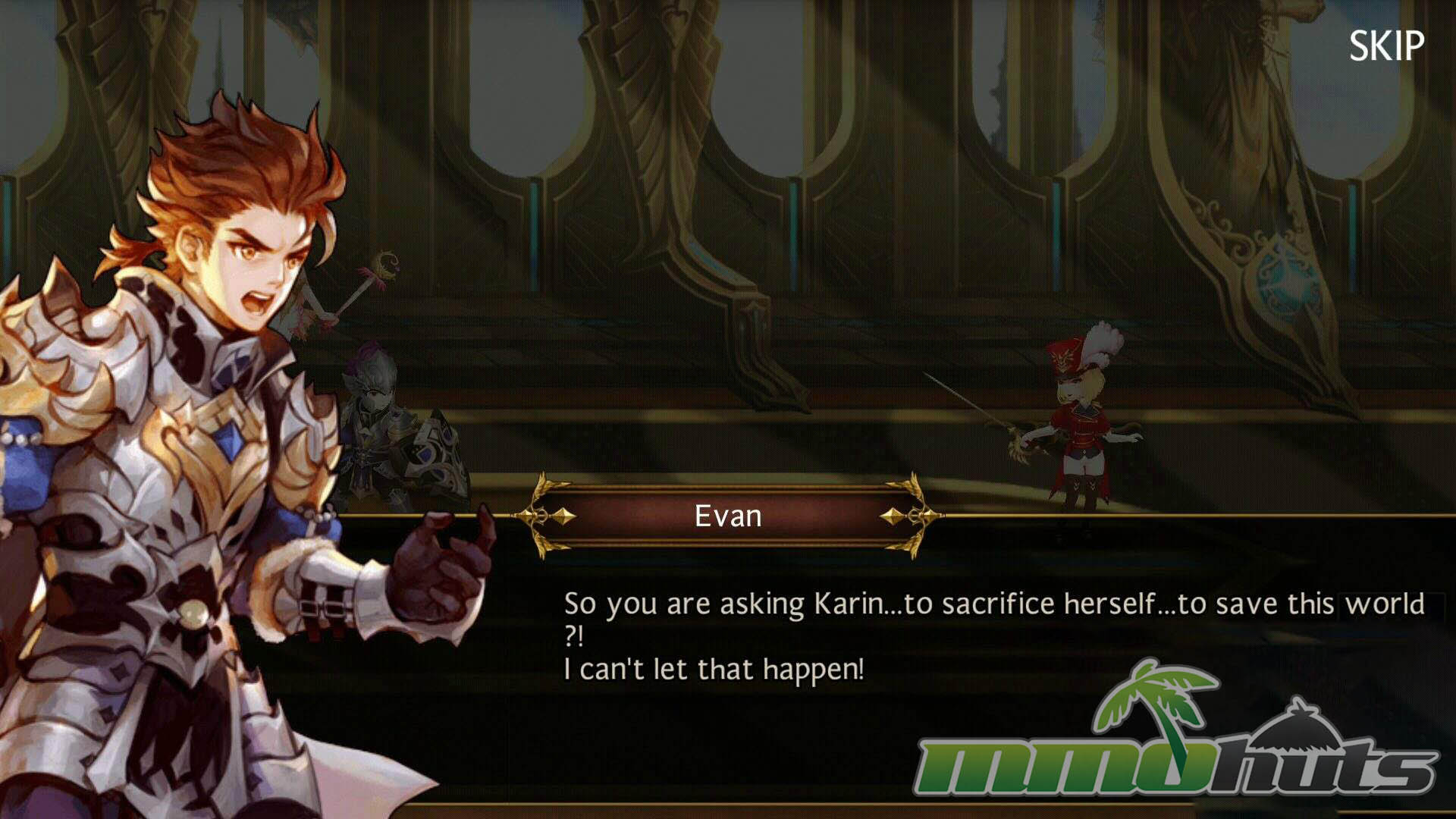
- Engaging Story – Adventure stages periodically deliver dialogue-driven scenes that introduce personalities and motivations.
- PVP and Additional Modes – Test your team in asynchronous Arena battles and rotate through modes like Celestial Tower, Daily Dungeons, and Castle Rush for materials and rewards.
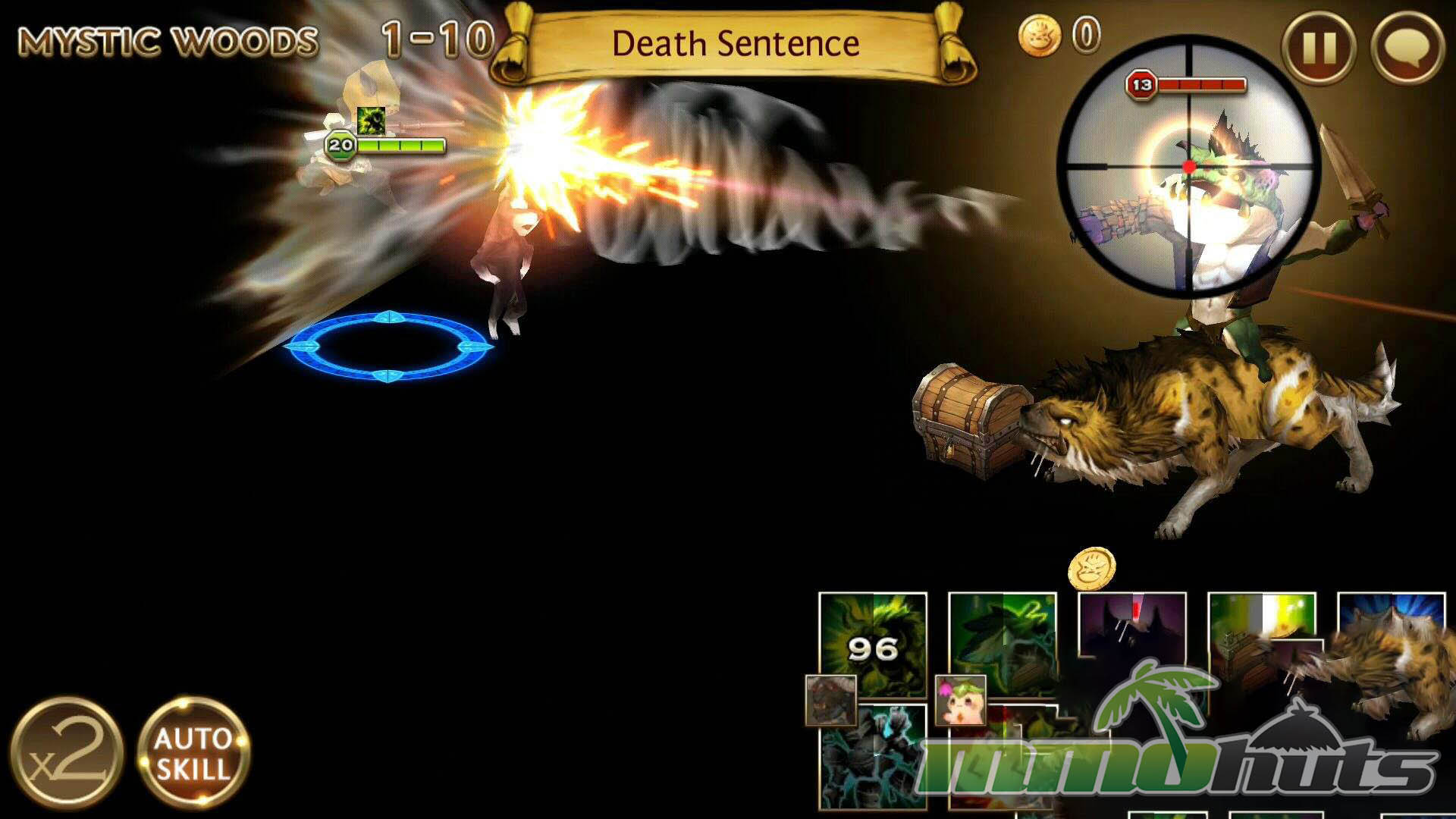
Seven Knights Screenshots
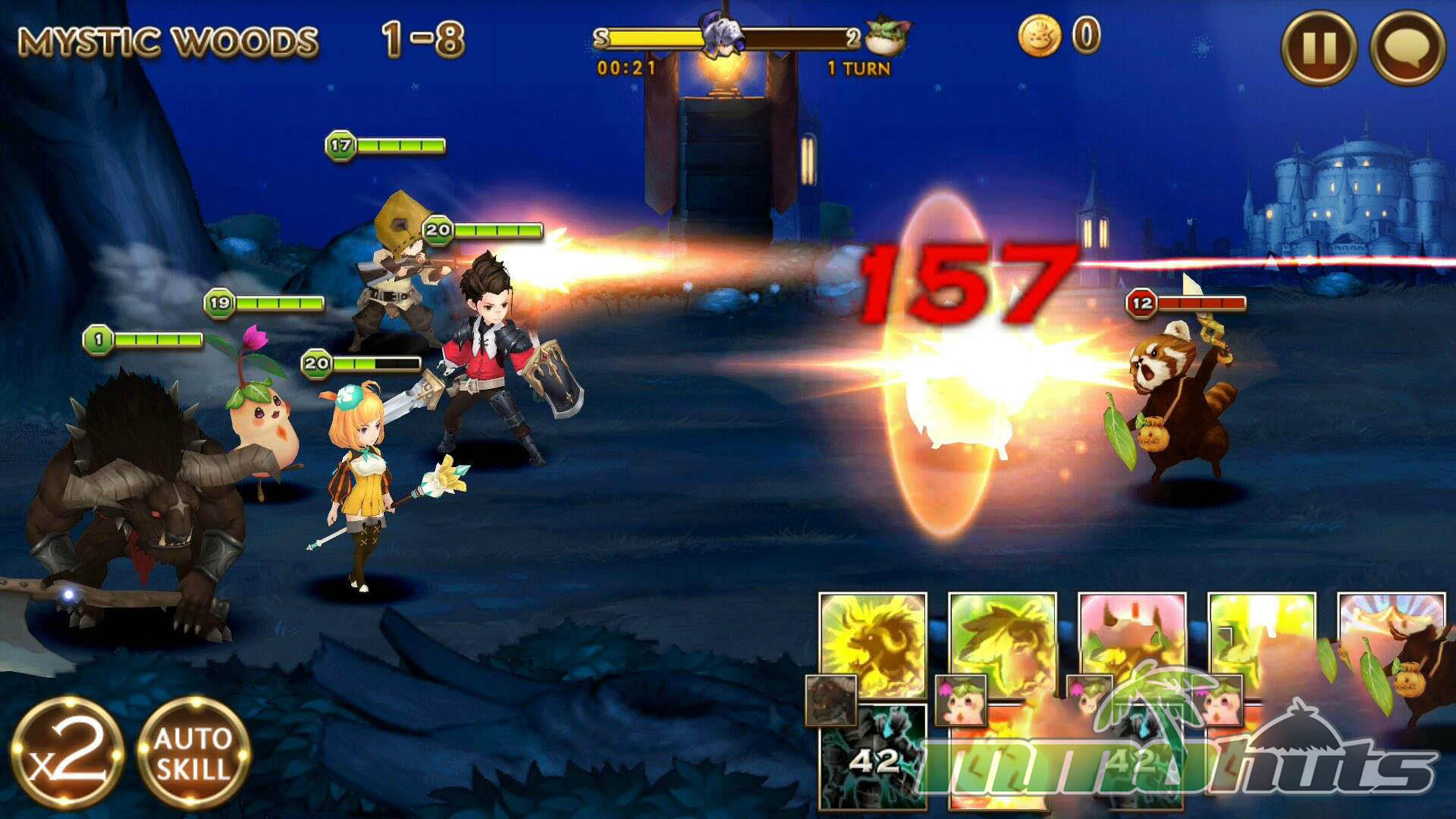
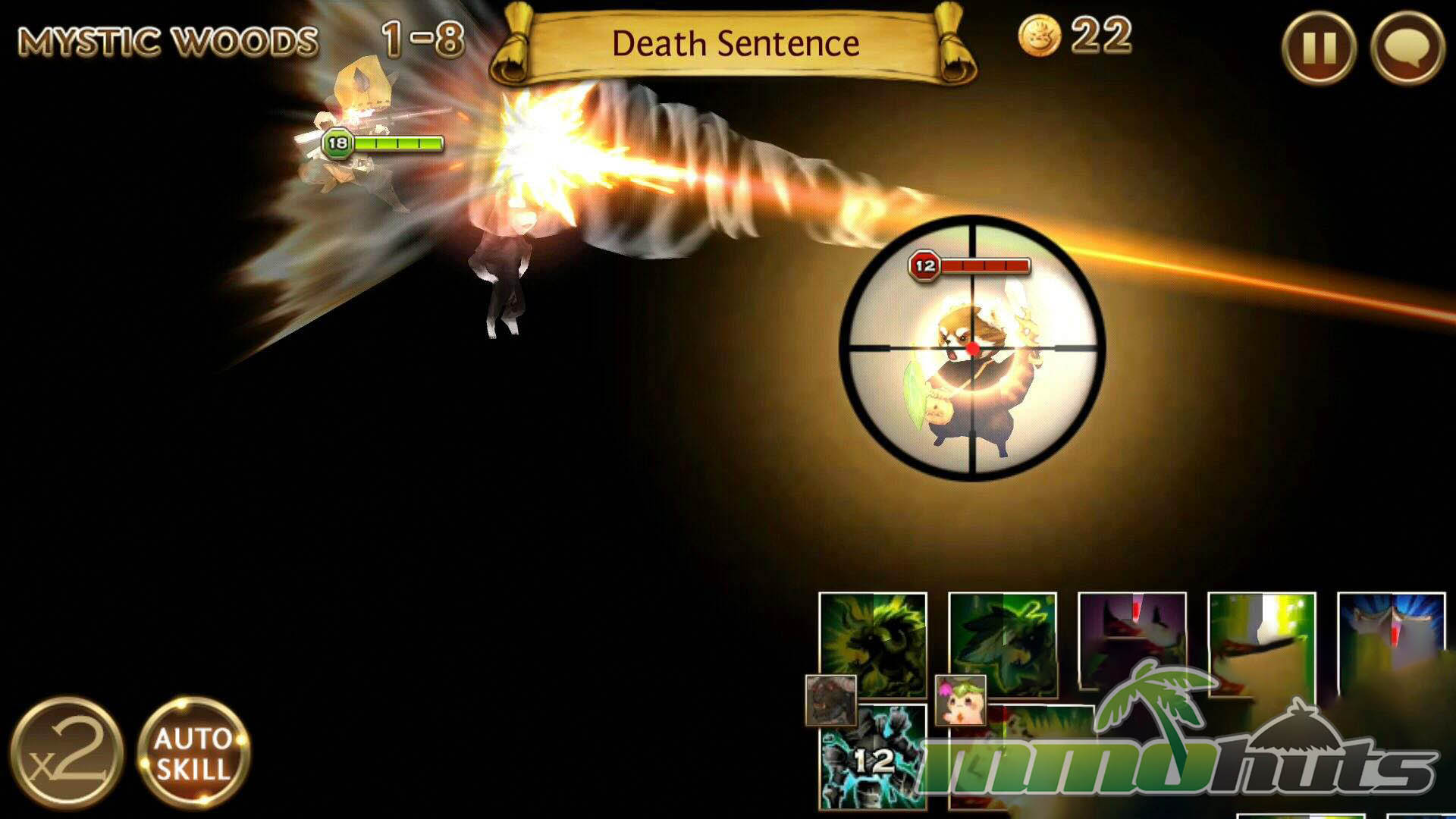
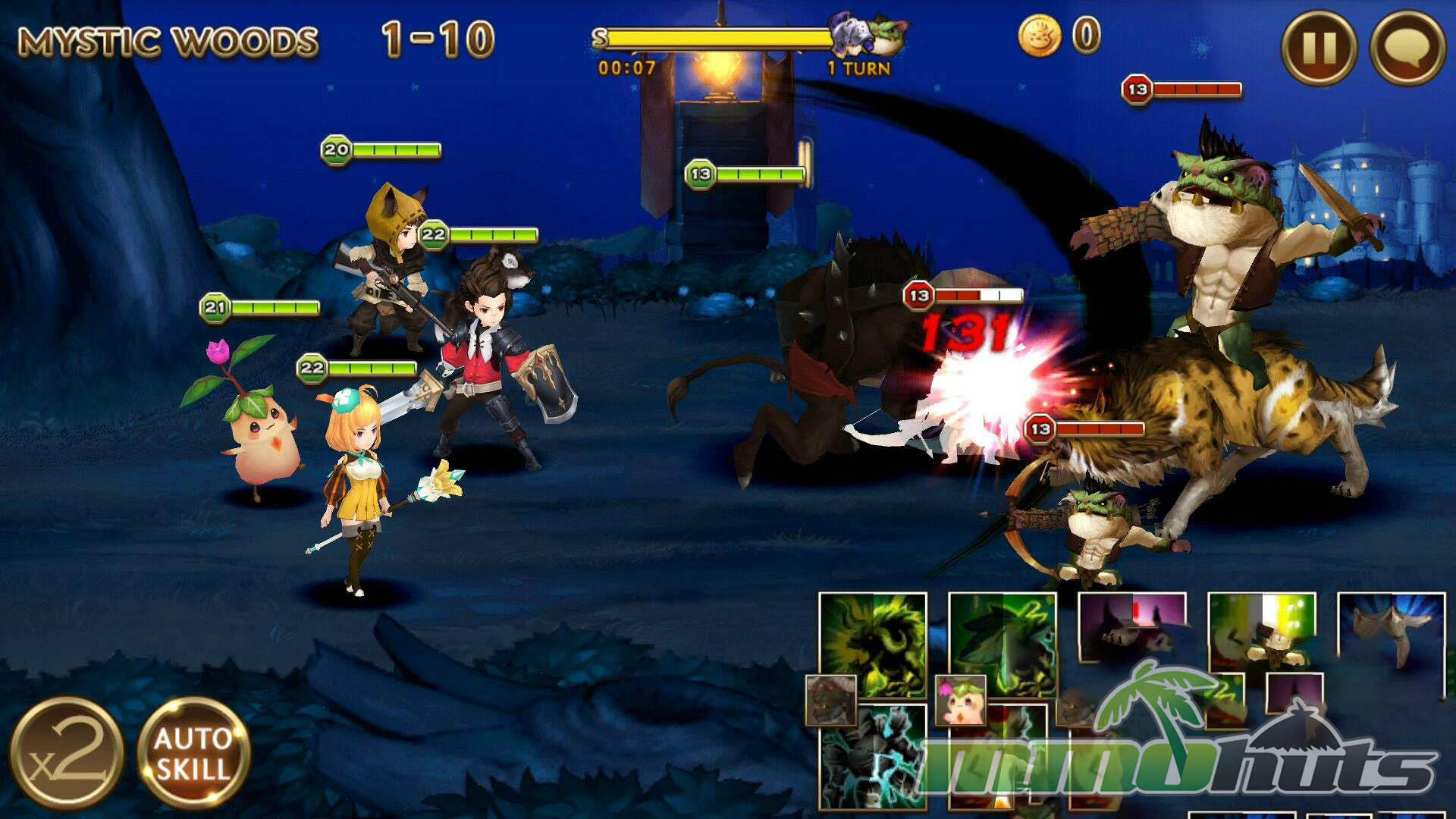
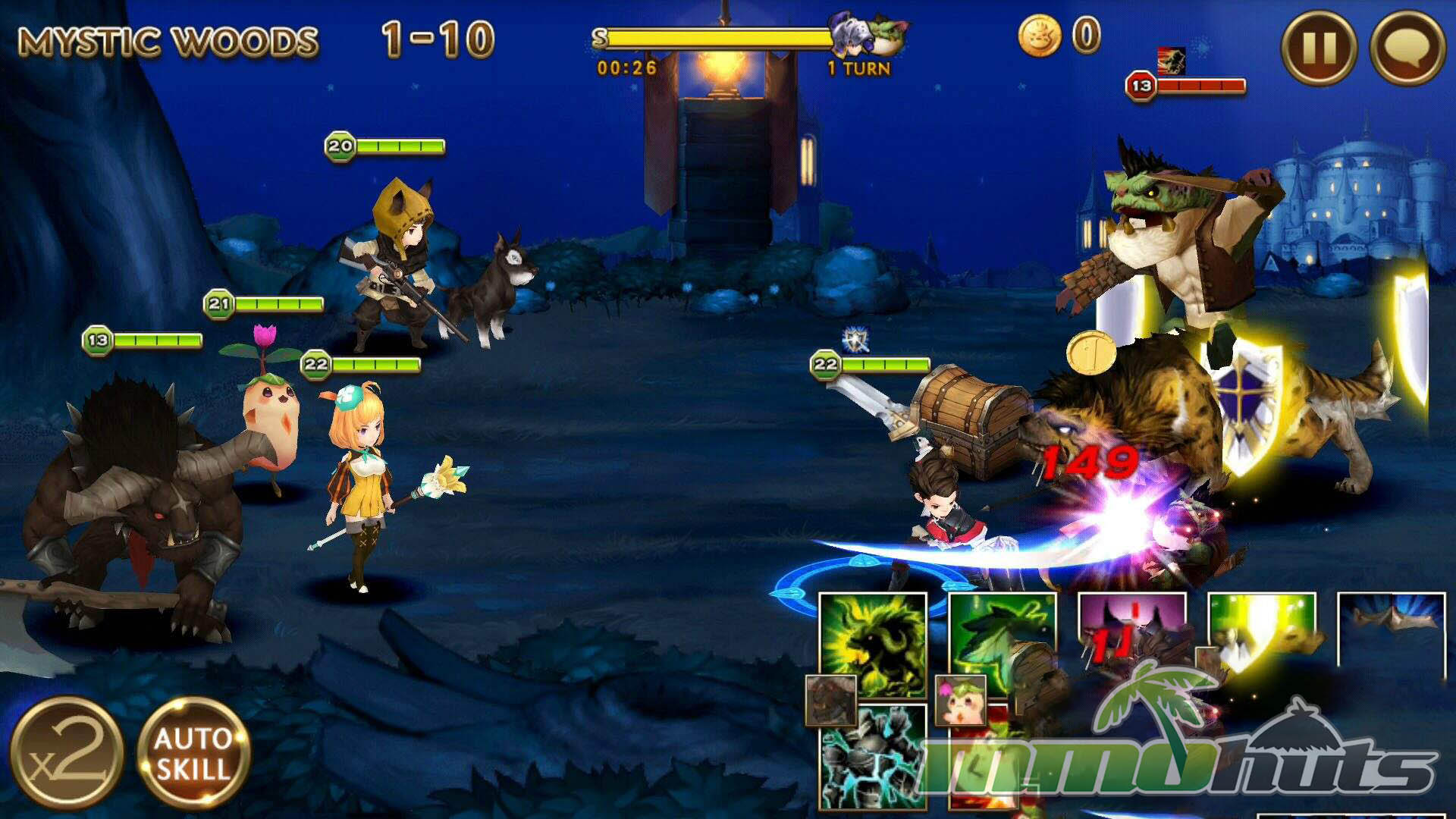
Seven Knights Featured Video

Seven Knights Review
Seven Knights is a free-to-play online hero-collector from Netmarble Games, a major Korean developer and publisher known for titles like MARVEL Future Fight and other high-performing mobile releases. Although the global English launch arrived on October 14, 2015, the game had already proven itself in South Korea, where it stayed highly ranked for an extended period. By the time it released worldwide, the broader market was already crowded with similar auto-battler RPGs, so it did not feel revolutionary, but it still stood out as a particularly polished example of the format.
At its best, Seven Knights delivers satisfying roster-building, strong presentation, and a progression system with enough layers to keep optimizers busy. At its weakest, it inherits the genre’s common pitfalls: repeated stage farming, long upgrade loops, and combat that can feel more like observing than playing.
Stage-based Progression That Moves Fast
The main Adventure experience is built around a large number of short stages, organized by maps and offered in three difficulty tiers: Easy, Normal, and Hard. The structure encourages a steady climb, first clearing Easy to unlock Normal, then clearing Normal to open Hard. Each attempt consumes Keys (energy), and most fights are brief, typically a couple minutes depending on team strength and difficulty.
Stages usually consist of one to three enemy waves, ending with a clear reward screen that can include gold, experience for both player and Heroes, gear drops, and recruitable monsters. Because the difficulty ramps up over time, the game naturally pushes you into replaying earlier stages to farm levels and materials. Convenience features like 2x speed and auto-skill are there to reduce the time cost of grinding, which helps the pacing even if it also reinforces how automated the gameplay can be. Story scenes appear periodically between runs, offering light narrative context and introducing additional characters.
Auto-Battles With Limited, But Real, Decision Points
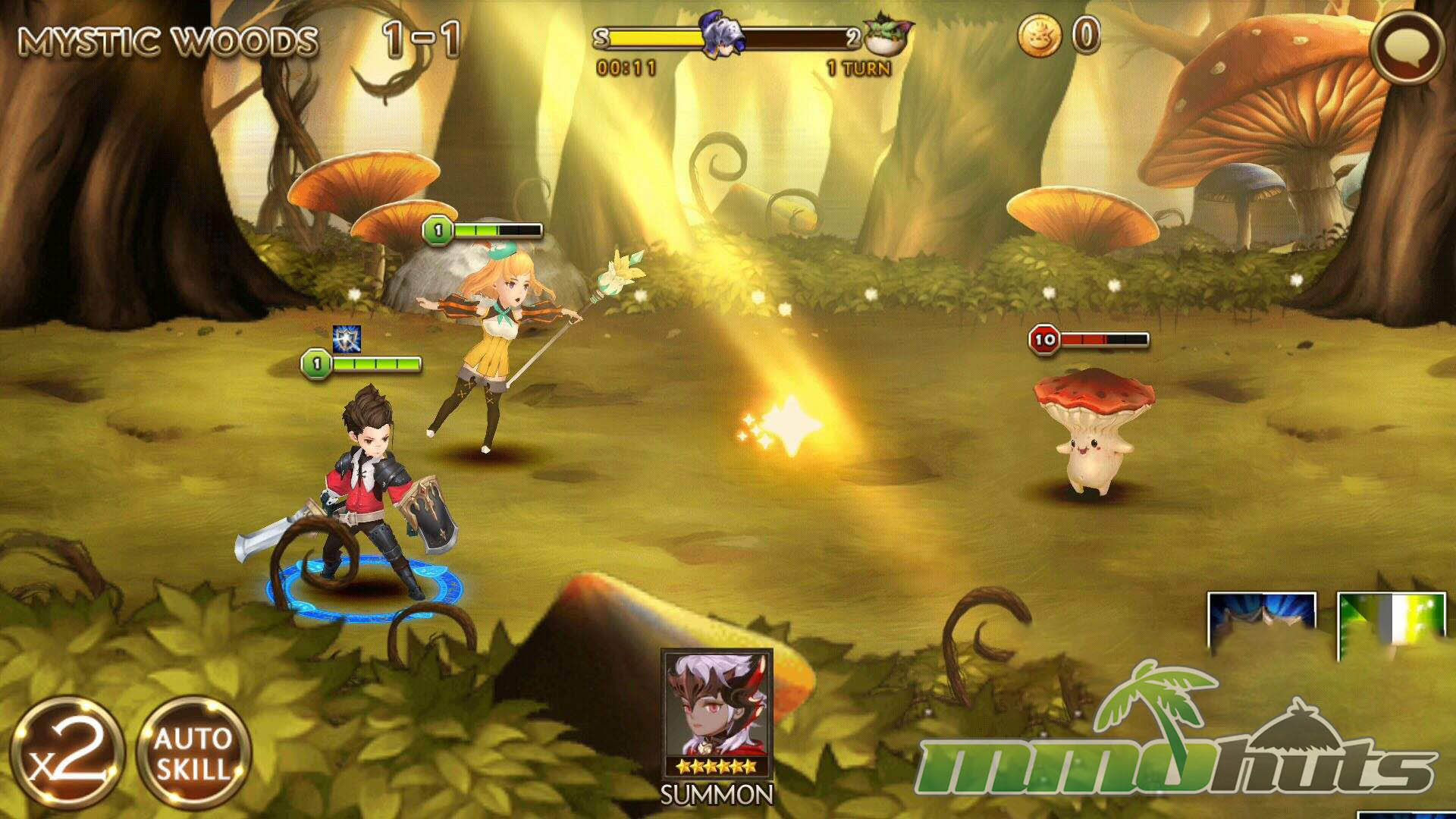
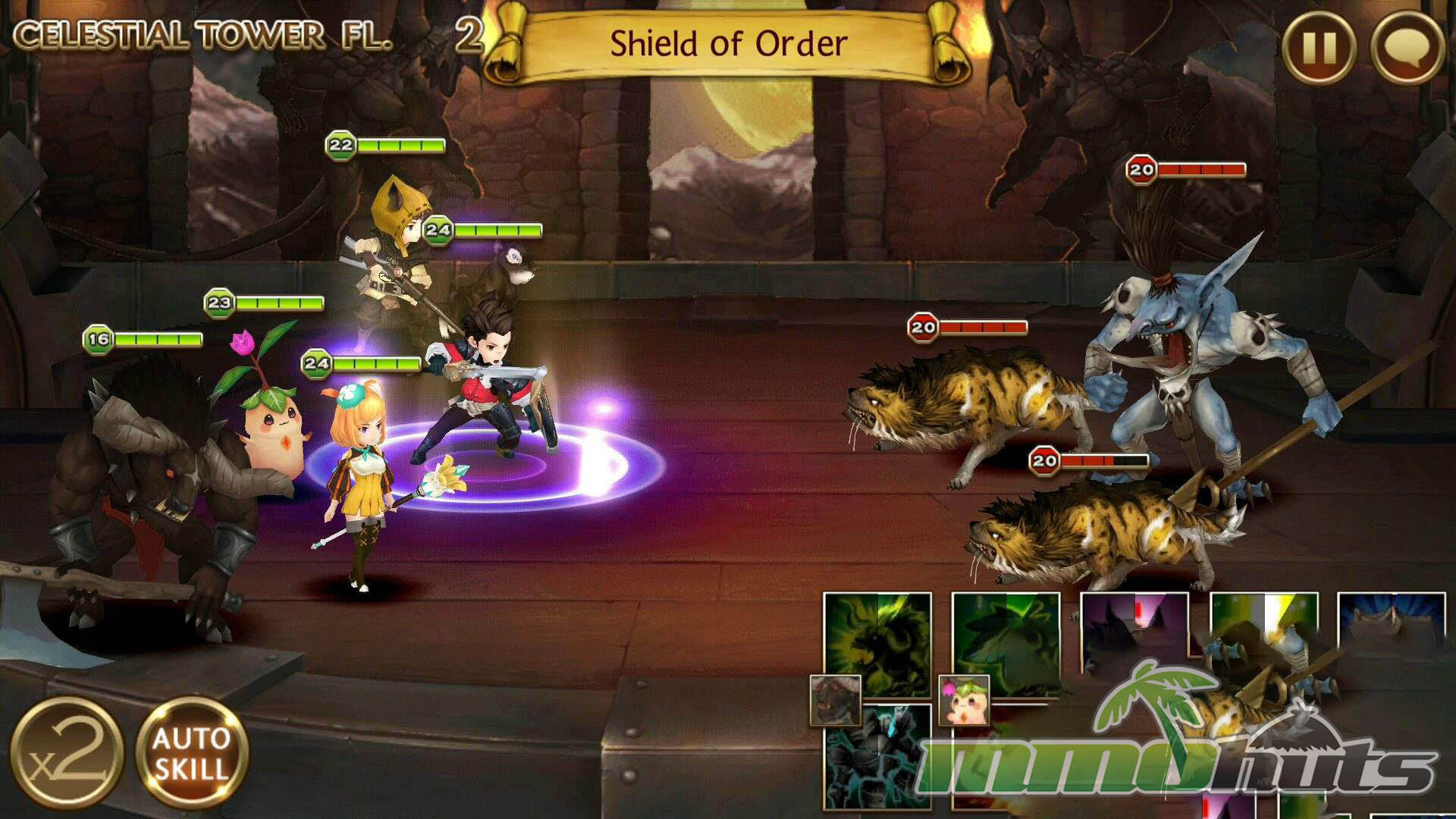
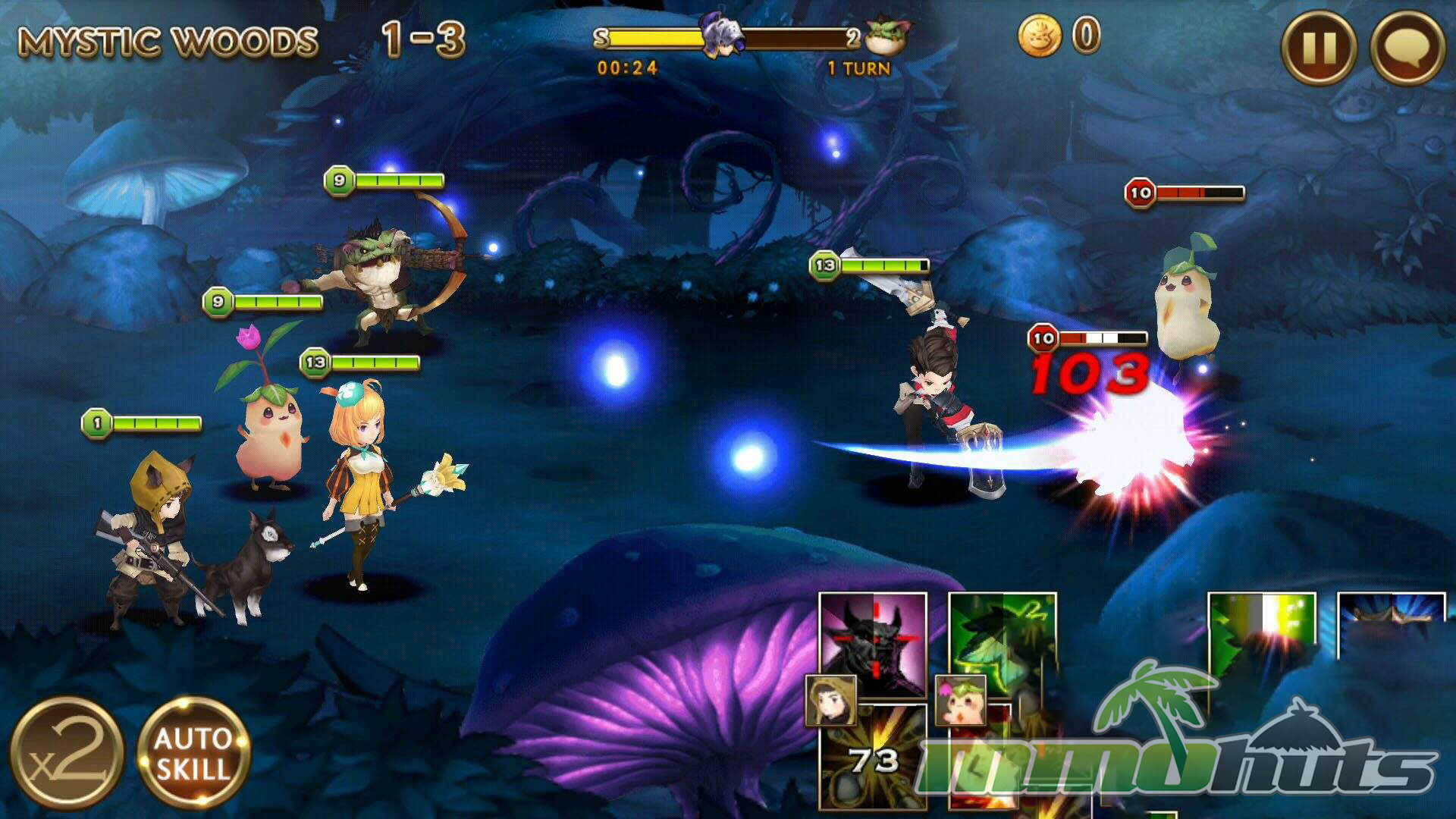
Combat plays out in side-scrolling, mostly automatic fashion. Your party can include up to five Heroes, plus an optional friend assist (available once per day) that effectively acts as a temporary sixth member. During fights, basic attacks and targeting are handled for you, while your main interaction is choosing when to activate skills.
Each Hero brings two active abilities, so timing and sequencing can matter, especially in harder content where a mistimed burst or missed heal changes the outcome. Still, the overall feel is hands-off, and the inclusion of auto-skill and speed-up options makes it clear the game expects long sessions of repeated battles. The upside is that the presentation remains enjoyable for a while, with smooth animations and dramatic effects that make even routine encounters look good. Players who like team-building and collection will likely tolerate the automation more than players who want constant mechanical input.
A Huge Roster and Clear Class Roles
One of Seven Knights’ biggest strengths is the scale of its roster, with over 200 unique Heroes available. Some are earned through progression and events, while many come from the summon (gacha) system. The roster is divided into five classes: Tank, Striker, Priest, Mage, and All-around, each supporting a recognizable role in party construction.
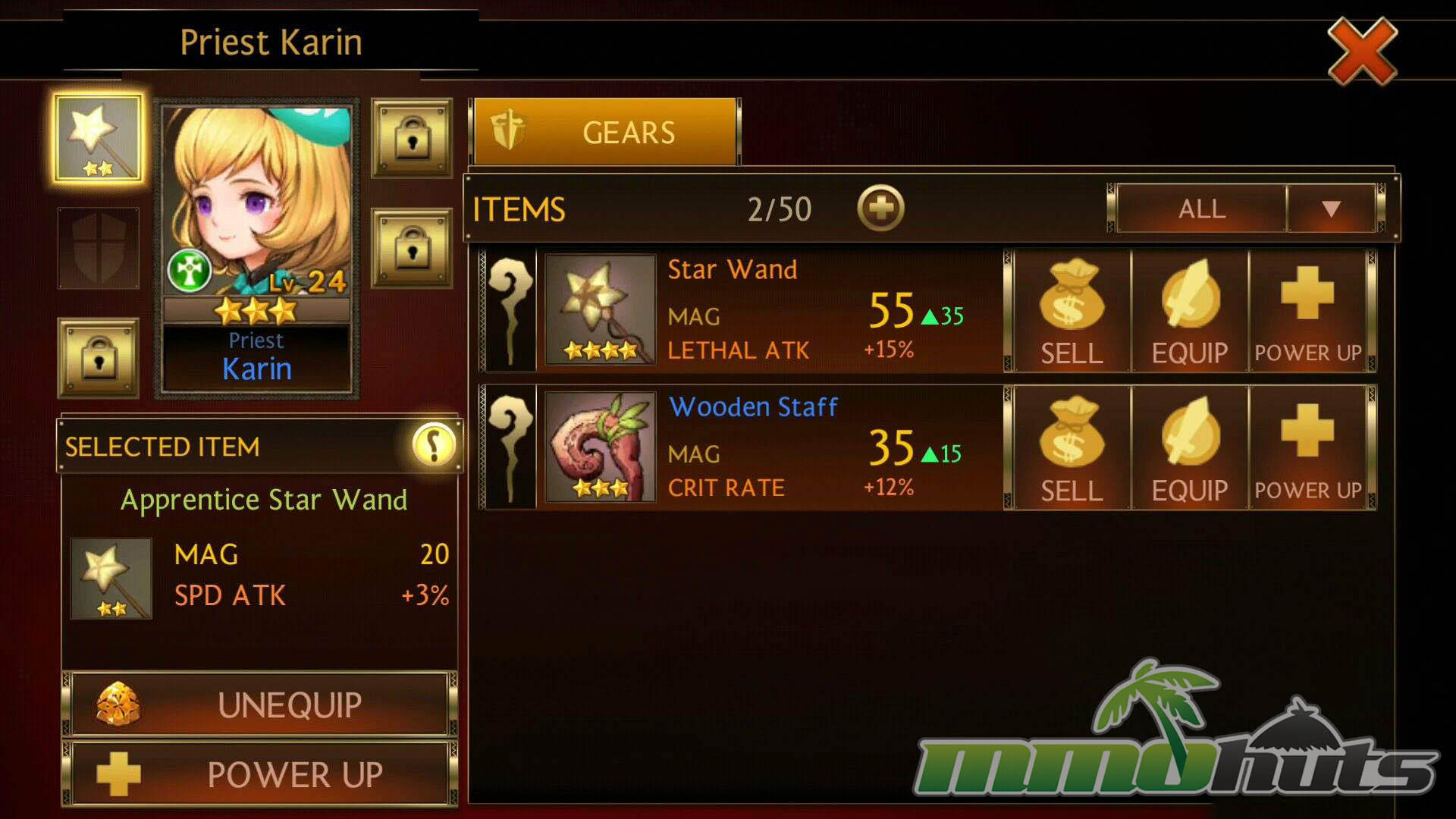
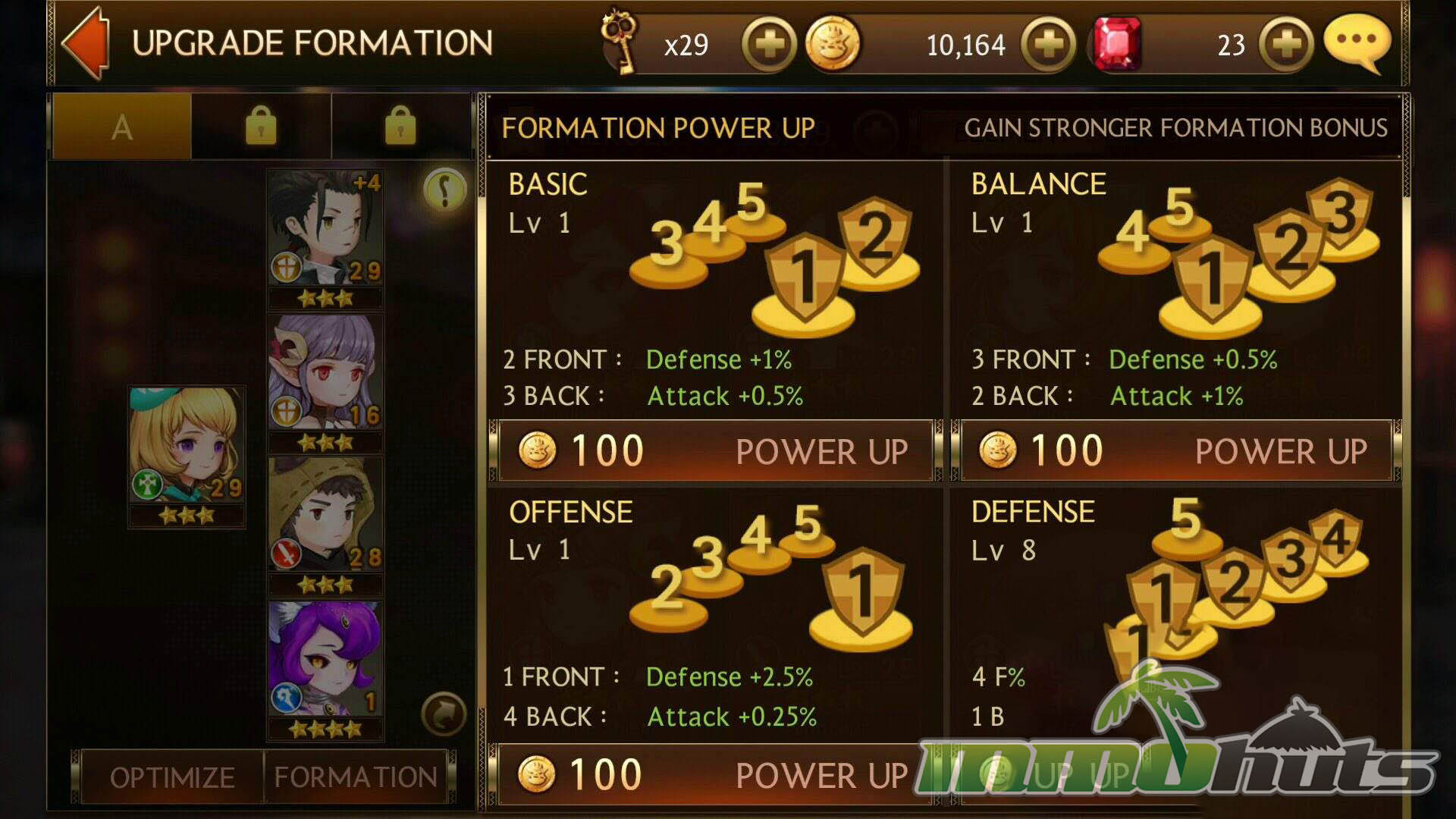
Tanks focus on durability and protective utility, Strikers emphasize damage with lower survivability, Priests bring healing and buffs, and Mages offer high offensive power at the cost of defense. All-around Heroes sit in the middle as flexible hybrids. Each Hero includes distinct stats, a passive effect, and two active skills, which creates room for synergy and counterplay even in an automated environment. Outside the roster itself, party formation is another layer of strategy, granting bonuses based on how you arrange your team. Equipment also matters, and while gear can be acquired through stages or summons, it becomes soul-bound once equipped, making gear decisions more permanent than in many similar games.
Enhancement and Evolution Drive the Long-Term Loop
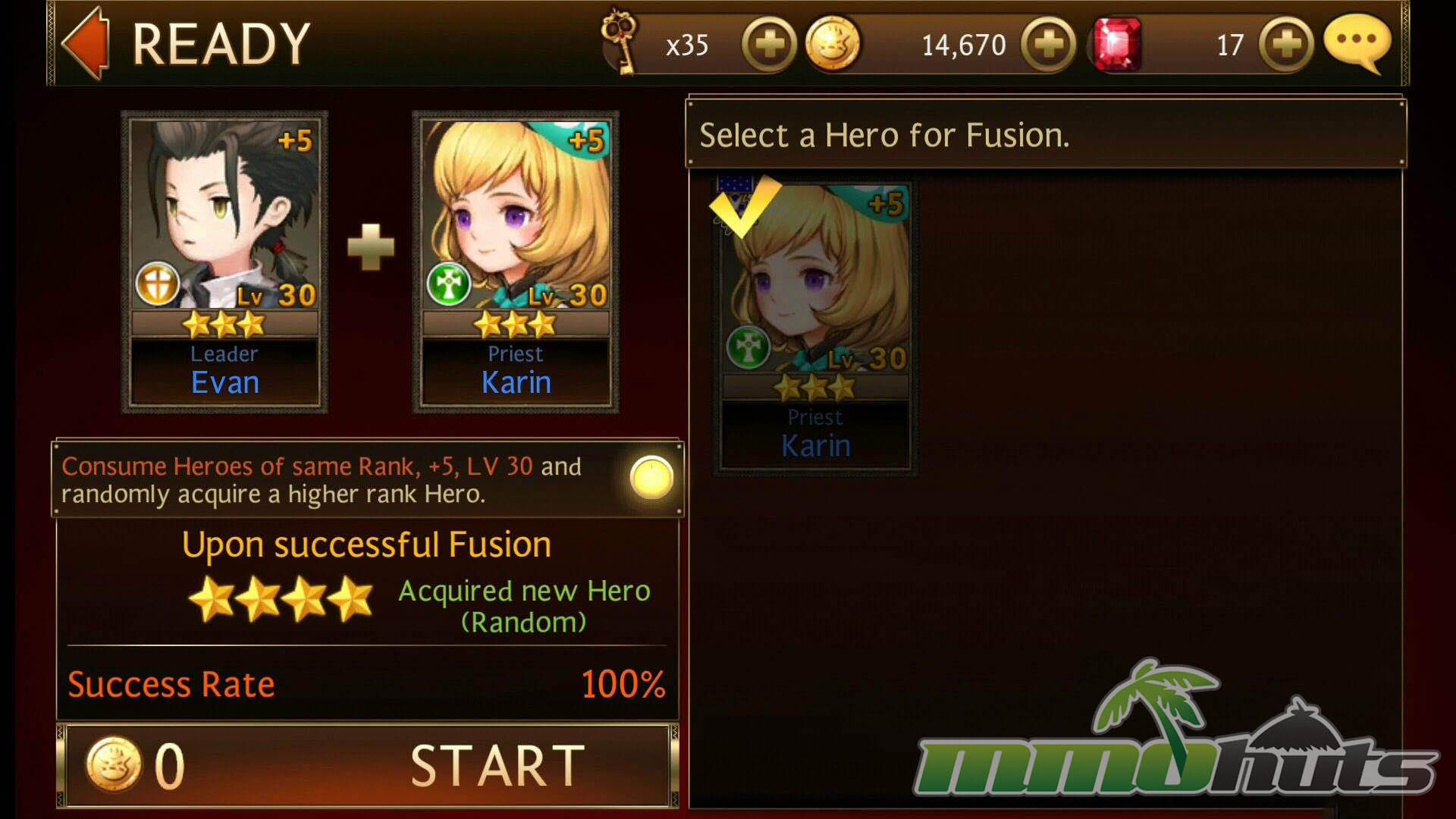
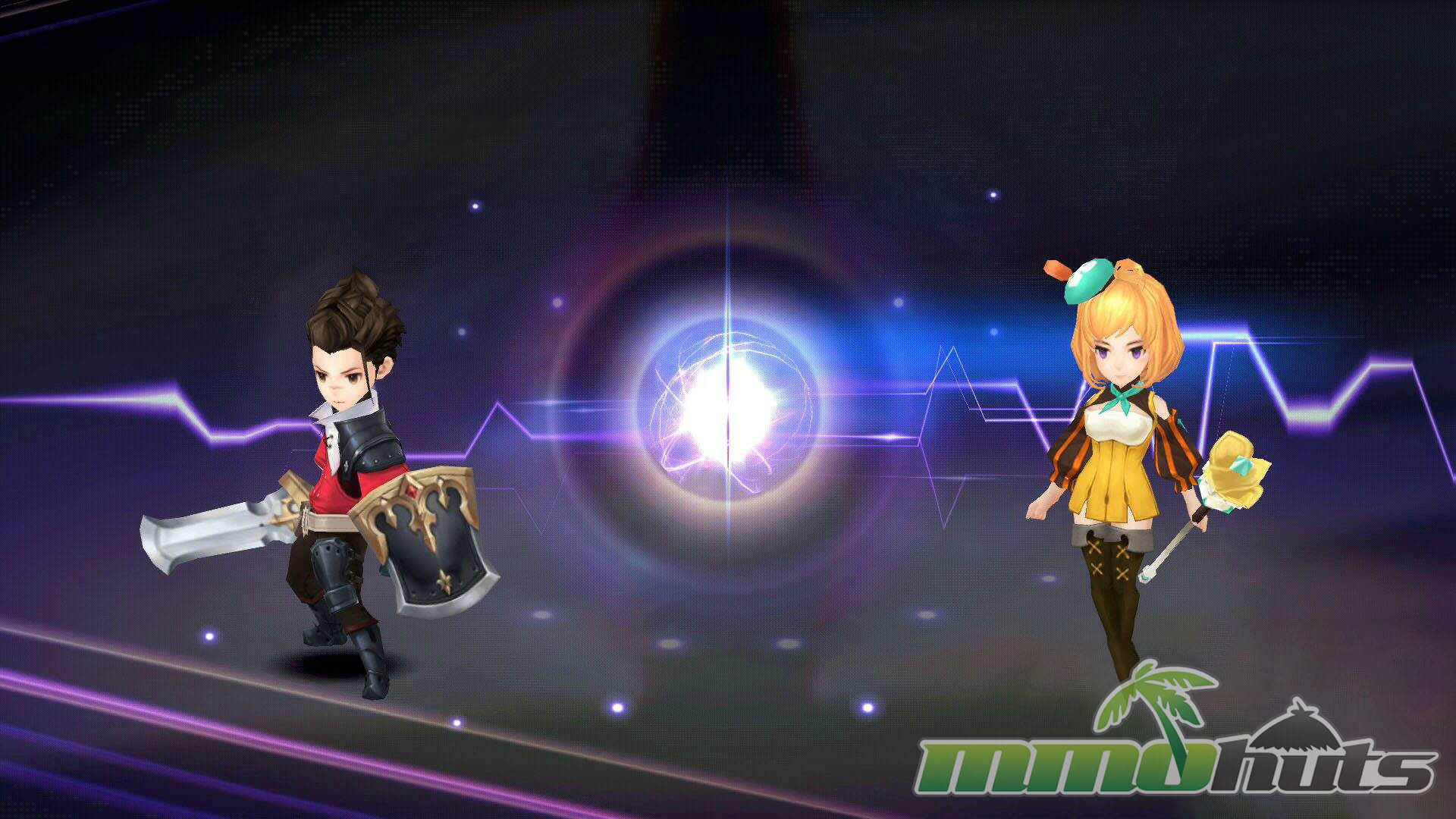
Power growth in Seven Knights is largely about feeding and refining your roster. Heroes can be strengthened by sacrificing other Heroes, increasing enhancement up to +5. After reaching level 30 and +5, a Hero can be evolved by combining it with another level 30 +5 Hero of the same star rating, producing a random higher-star result. As an example, fusing two level 30 +5 4-star Heroes yields a random 5-star Hero.
There is also Elemental Evolution, which uses a matching Element alongside a level 30 +5 Hero to create a stronger version of that same Hero. Elements are tied to class and are obtained from specific content, but they are scarce, so this path becomes a long-term goal rather than an everyday upgrade. The system is undeniably grind-oriented because it demands large quantities of duplicate or disposable Heroes, plus time spent leveling the ones you plan to fuse. When the evolution result lands in your favor, it feels excellent, but the required repetition can wear thin over long stretches.
Arena, Towers, and Guild Content
Outside Adventure mode, Seven Knights offers Battle Mode (asynchronous PVP) and several PVE activities that support progression. In the Arena, you face other players’ teams in automated matches and earn Arena Medals, which can be exchanged for items. It is a straightforward system that rewards roster depth and optimization more than real-time execution.
For PVE, Celestial Tower acts as a climbing challenge with increasingly difficult encounters, Daily Dungeon rotates practical farming targets like Elements, gold, and experience, and Castle Rush functions as a boss-focused guild activity where performance contributes to guild points and rankings. These modes do a good job of giving players reasons to log in beyond the story stages, and they create a predictable routine for farming gear, currency, and upgrade materials. The game also mentions additional modes like Guild War and Raid as upcoming features.
Cash Shop and Gacha Value
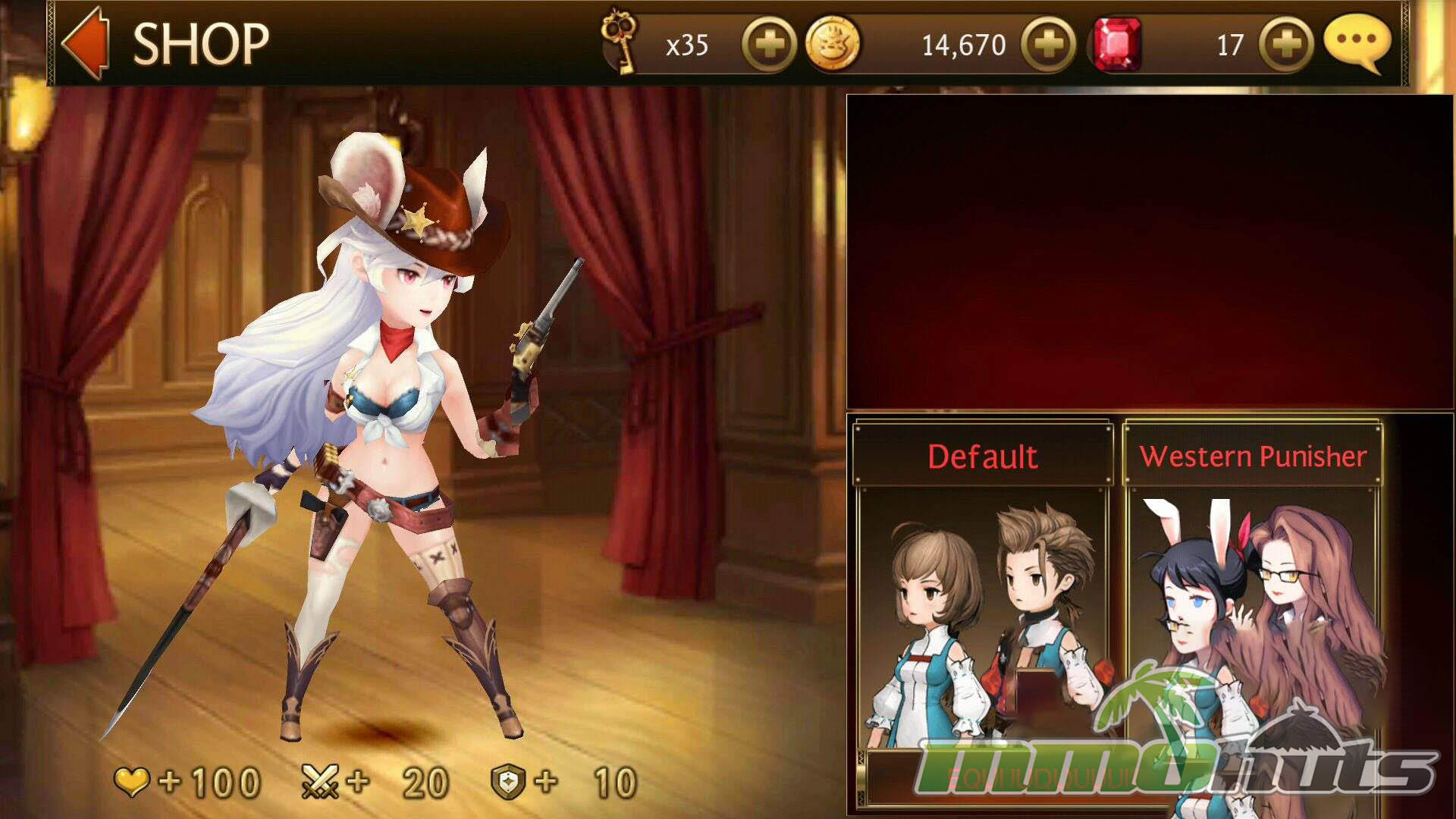
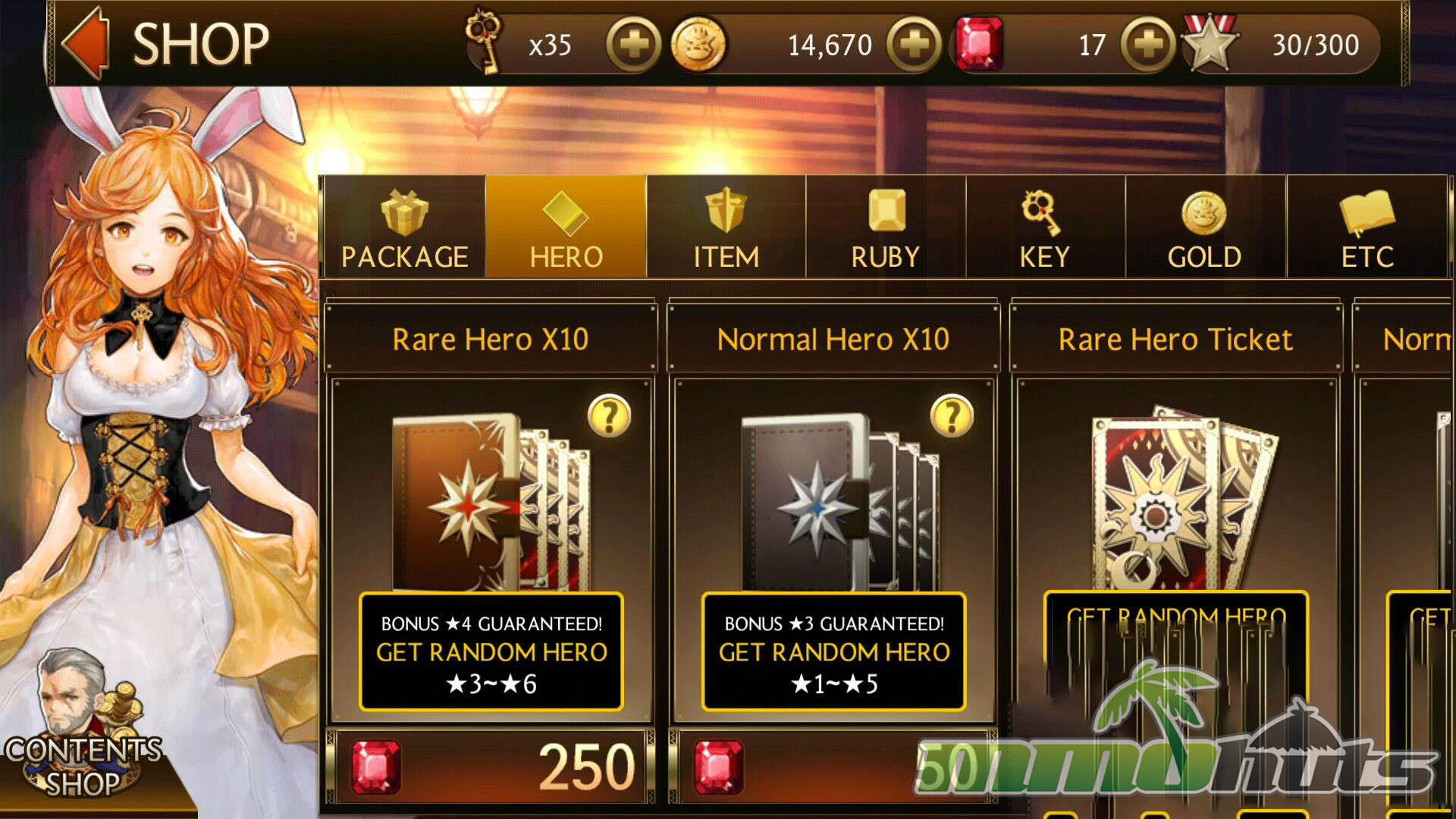
Monetization centers on summoning. Rubies (premium currency) can be spent on random Hero and equipment pulls in the 3 to 6-star range, along with purchases like energy refills, gold, and name changes. Medals, earned through quests and achievements, support more modest summons that can produce Heroes and equipment from 1 to 5 stars.
Importantly, the game does provide Rubies through normal play, including quests, achievements, and login rewards, plus occasional free summons. That gives non-spenders a reasonable chance to build a capable roster over time. However, because the upgrade and evolution systems require many Heroes to feed, fuse, and sacrifice, paying players can accelerate progress by acquiring higher-rank units and more fodder faster. The result is a familiar free-to-play dynamic: payment is not required to participate, but it reduces friction and shortens the grind.
Final Verdict – Good
Seven Knights earned its reputation as an early standout in Korea’s hero-collecting RPG wave, and its strengths still read clearly: sharp anime-inspired presentation, a large cast worth collecting, and a surprisingly layered upgrade and evolution ecosystem. Its main drawbacks are equally clear, with heavy repetition and combat that often feels like supervision rather than direct play. Players who enjoy roster-building, optimization, and long-term progression goals will find plenty to do, while those looking for hands-on action may bounce off the automation and farming.
Seven Knights Links
Seven Knights Official Site
Seven Knights Google Play
Seven Knights iOS
Seven Knights Official Facebook
Seven Knights System Requirements
Minimum Requirements:
Android 4.0 and up / iOS 6.0 or later.
Seven Knights Music & Soundtrack
Seven Knights Additional Information
Developer: Netmarble Games
Publisher: Netmarble Games
Platforms: Android, iOS
Release Date: October 14, 2015
Shut Down: May 09, 2023
Seven Knights was developed and published by Netmarble Games, a major Korean mobile developer responsible for MARVEL Future Fight and multiple other prominent releases in its home market. Seven Knights (세븐나이츠 for Kakao) originally launched in Korea in early 2014 and rapidly became one of the country’s most popular mobile games for more than a year. The worldwide release followed on October 14, 2015 and surpassed 100,000 downloads within its first week. Netmarble Games is also known for 몬스터 길들이기 for Kakao, which reached the top spot for downloads in South Korea. Seven Knights shut down on May 09, 2023.