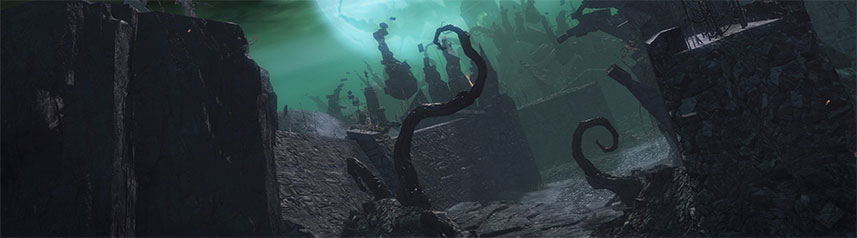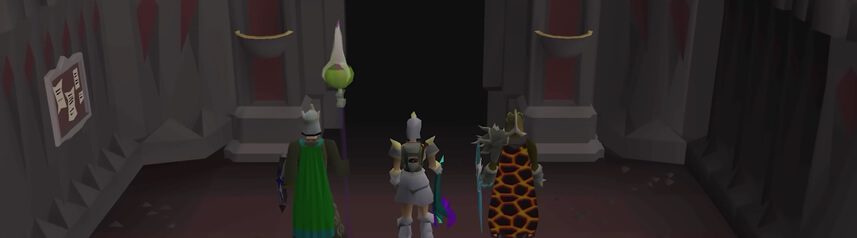
Saga of Lucimia is an in-development high-fantasy MMORPG built around cooperative PvE. The core premise is simple and uncompromising, once you step beyond the safety of a settlement, the wilderness is meant to overwhelm lone adventurers. To make meaningful progress you are expected to assemble a 4-player or 8-player group and tackle the world as a team, much more in the spirit of tabletop campaigns than modern theme park questing.
 | Publisher: Stormhaven Studios Playerbase: TBD Type: MMORPG Release Date: TBA Pros: +Designed for party play. +Progression built around skills. +World and narrative drawn from a D&D-inspired novel series. +Adventure-focused difficulty and pacing. Cons: -No solo questing. -No PvP. |

Saga of Lucimia Overview
Saga of Lucimia aims to deliver a classic, high-fantasy MMORPG experience where cooperation is not optional. The moment you leave an encampment, the world is intended to be punishing enough that solo roaming is a poor plan. Instead, players are pushed to form groups of 4 or 8 before venturing into the surrounding regions, emphasizing planning, roles, and teamwork over fast solo progression.
A major design choice is the complete absence of solo quests. Rather than a checklist of bite-sized tasks, Lucimia leans toward the feel of a tabletop adventure, where the “quest” is more like an expedition with risk, preparation, and multiple sessions of play. The story foundation also leans into that tradition, drawing inspiration from a book series by T.W. Anderson, itself rooted in a D&D campaign.
Character building is structured around skills instead of rigid classes. At creation you select from a variety of skills to shape your role, and while the system is classless, it still supports familiar fantasy identities (for example, ranger-like options) through your chosen skill set. Between group runs, players can spend time in towns and encampments, socializing, organizing parties, and crafting gear. Crafting is not purely a solitary pursuit either, certain projects are designed to require cooperation, reinforcing the game’s group-first philosophy.
Saga of Lucimia Key Features:
- Group-Content – the world outside settlements is balanced around parties, grouping up is the expected way to play.
- Challenge-based Game – adventures are framed as long-form undertakings that can span days or even weeks instead of quick, disposable quests.
- Dungeons & Dragon Origins – narrative inspiration comes from T.W. Anderson’s four-book series, which originated from a D&D campaign.
- Skill-based Leveling – there are no locked-in classes, your character identity comes from the skill mix you choose.
- Group Crafting – crafting exists for solo play, but some items are designed around collaboration to complete.
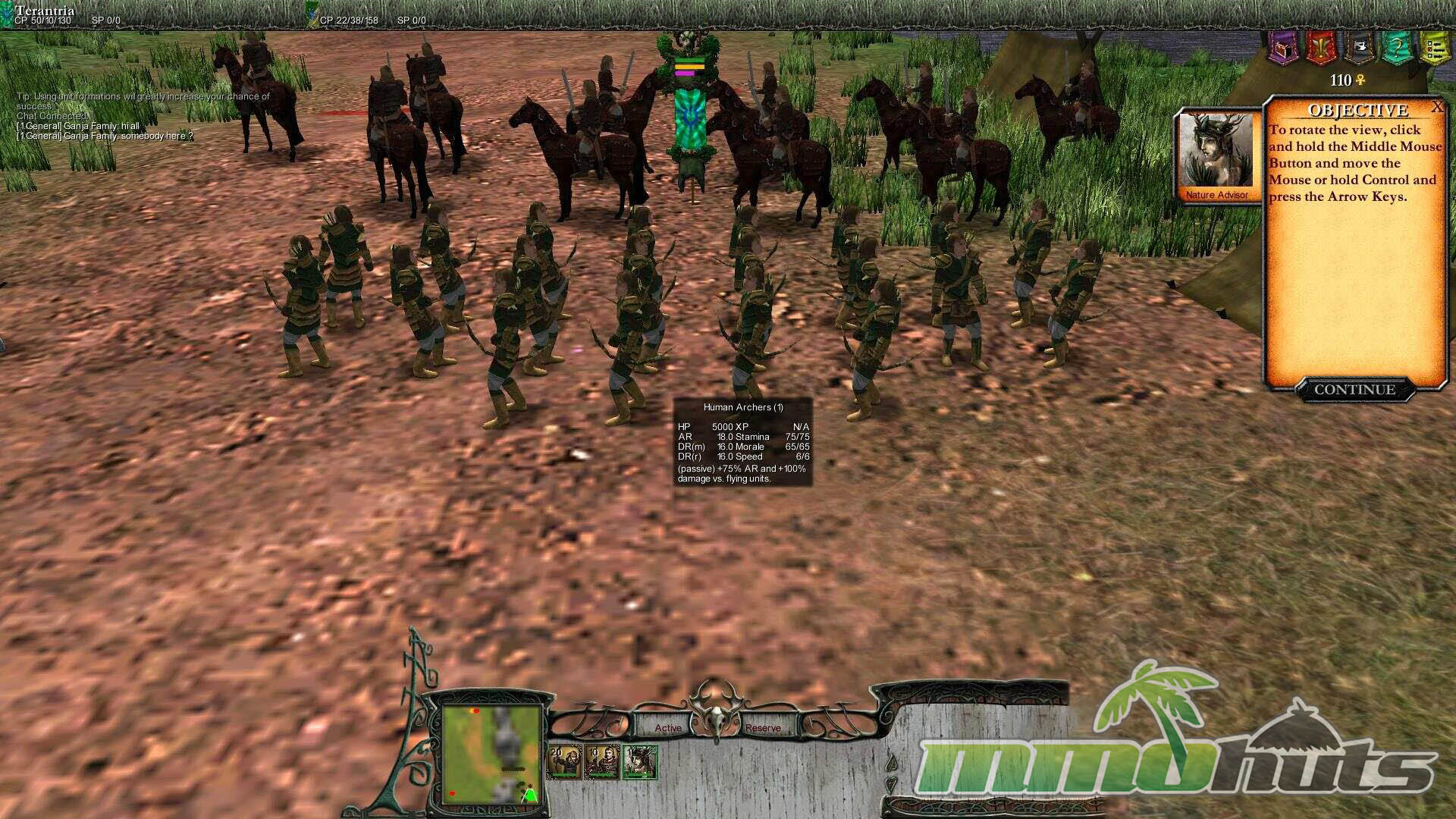
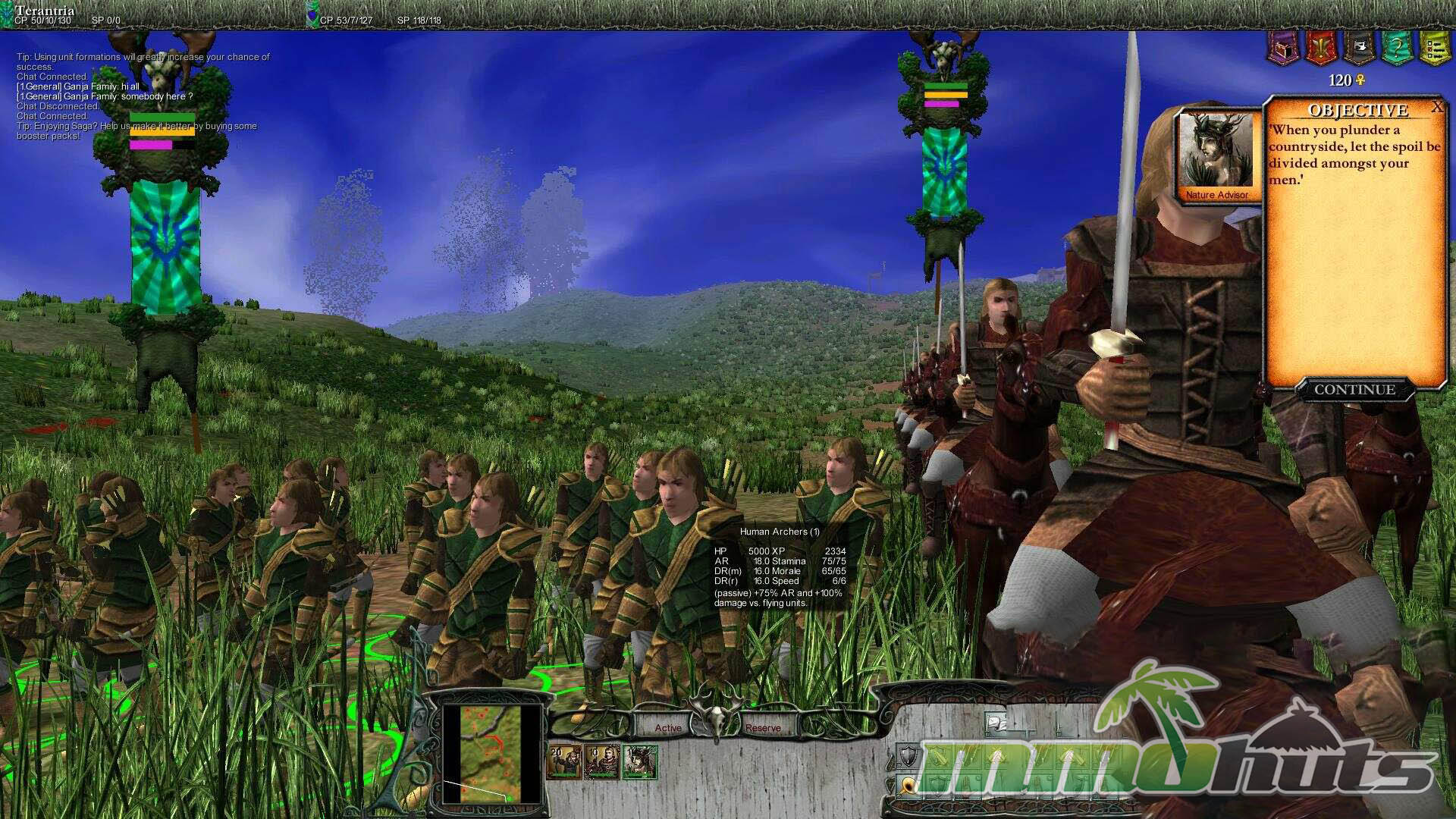
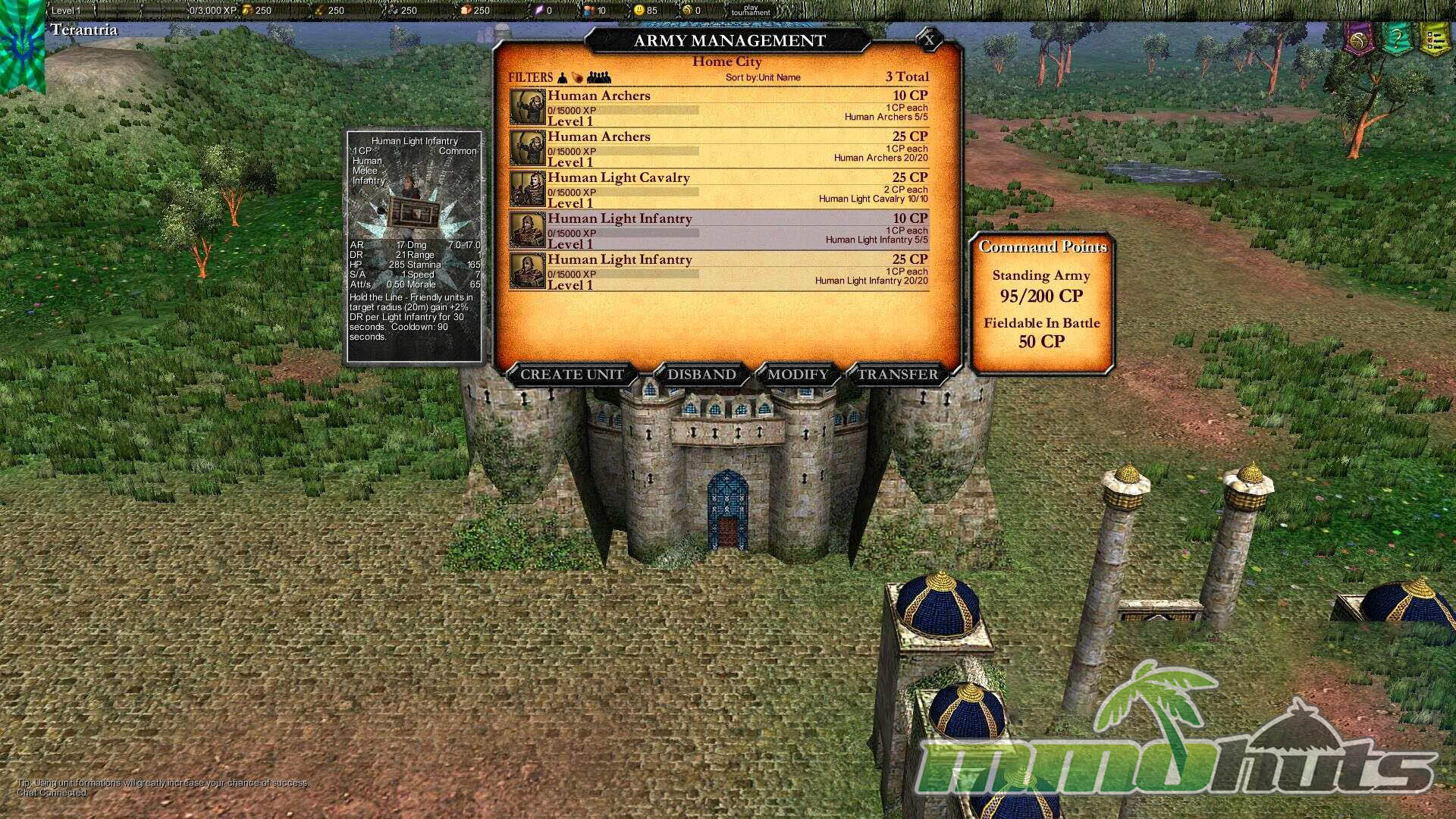
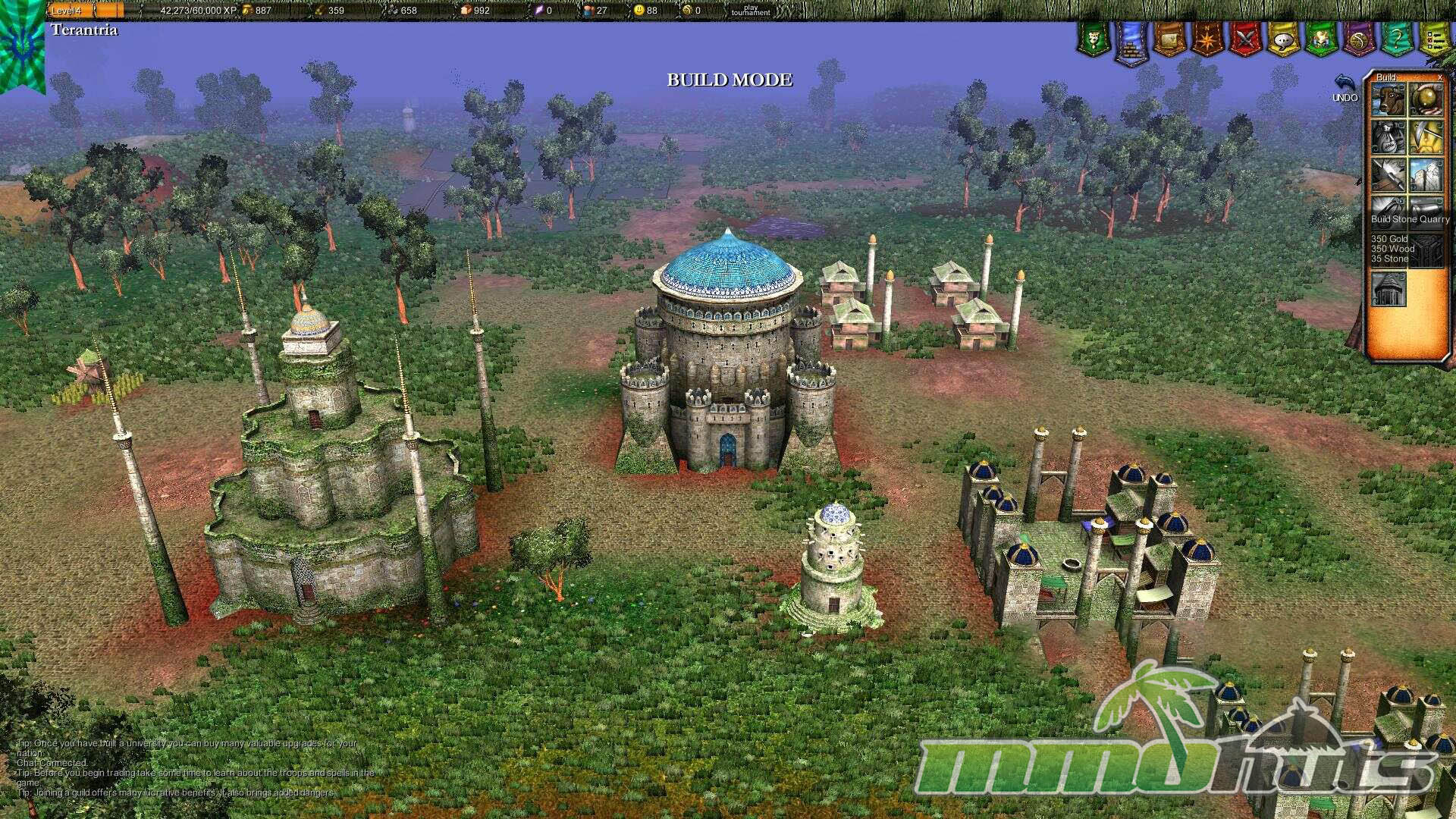
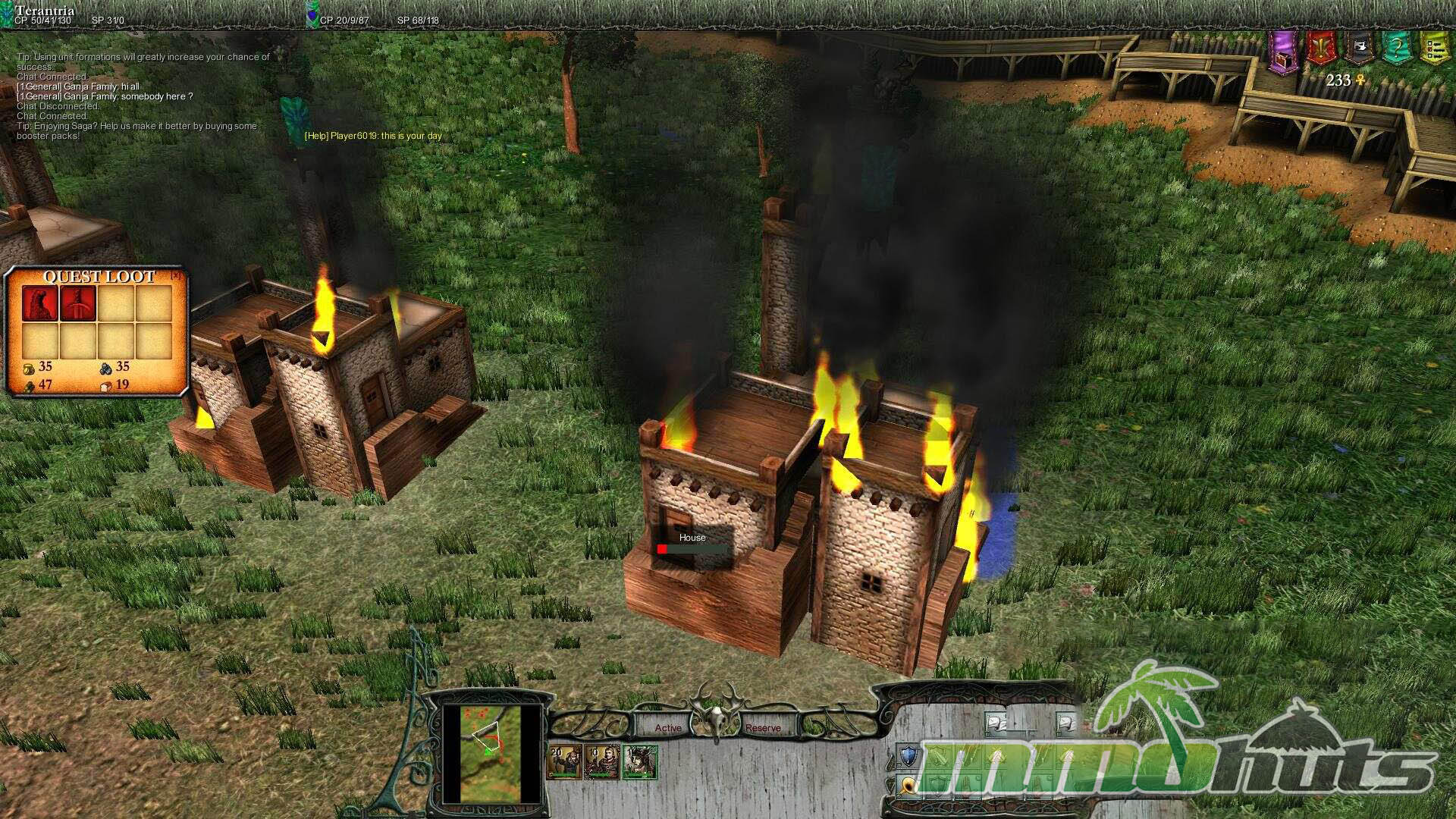
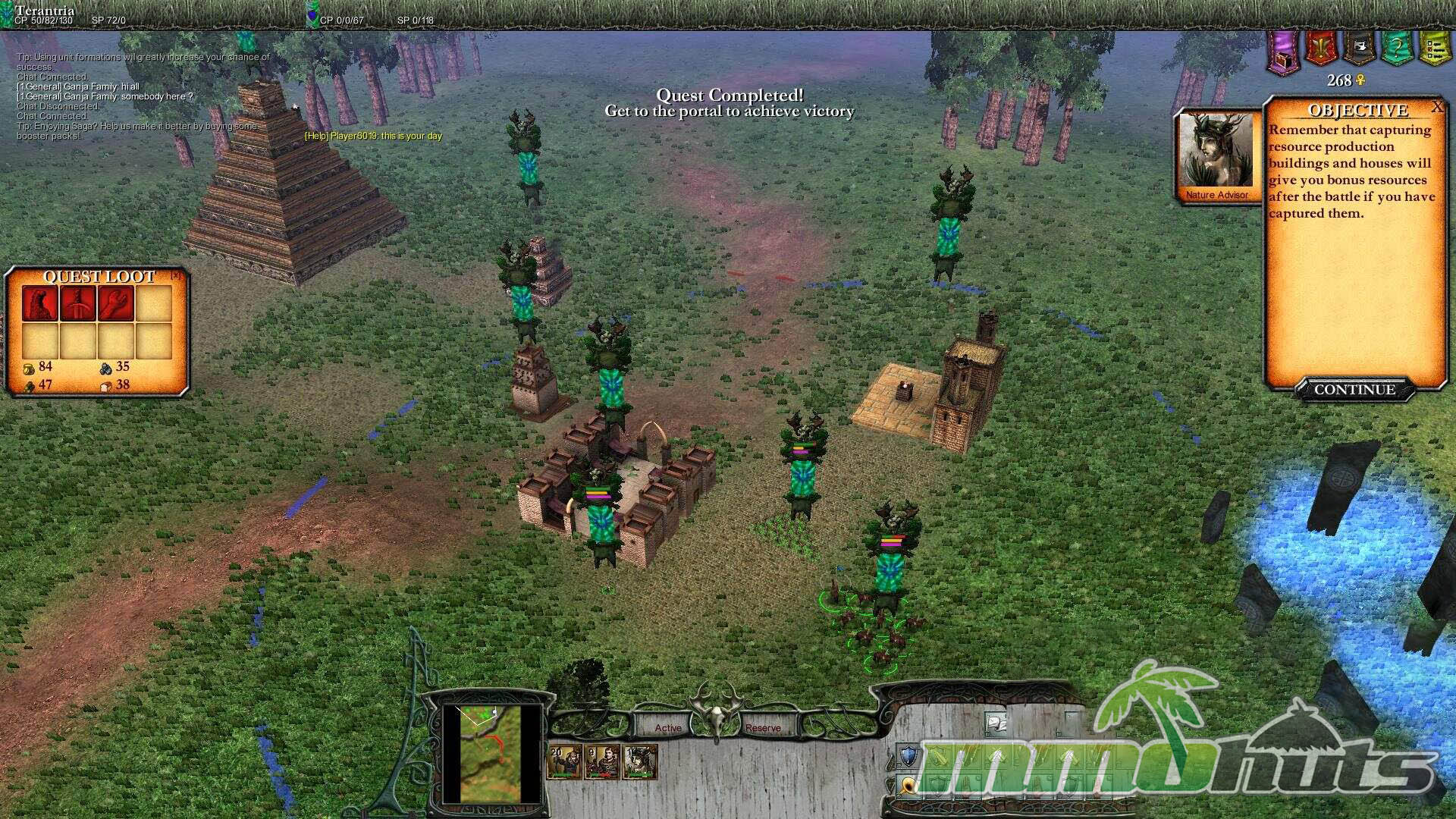
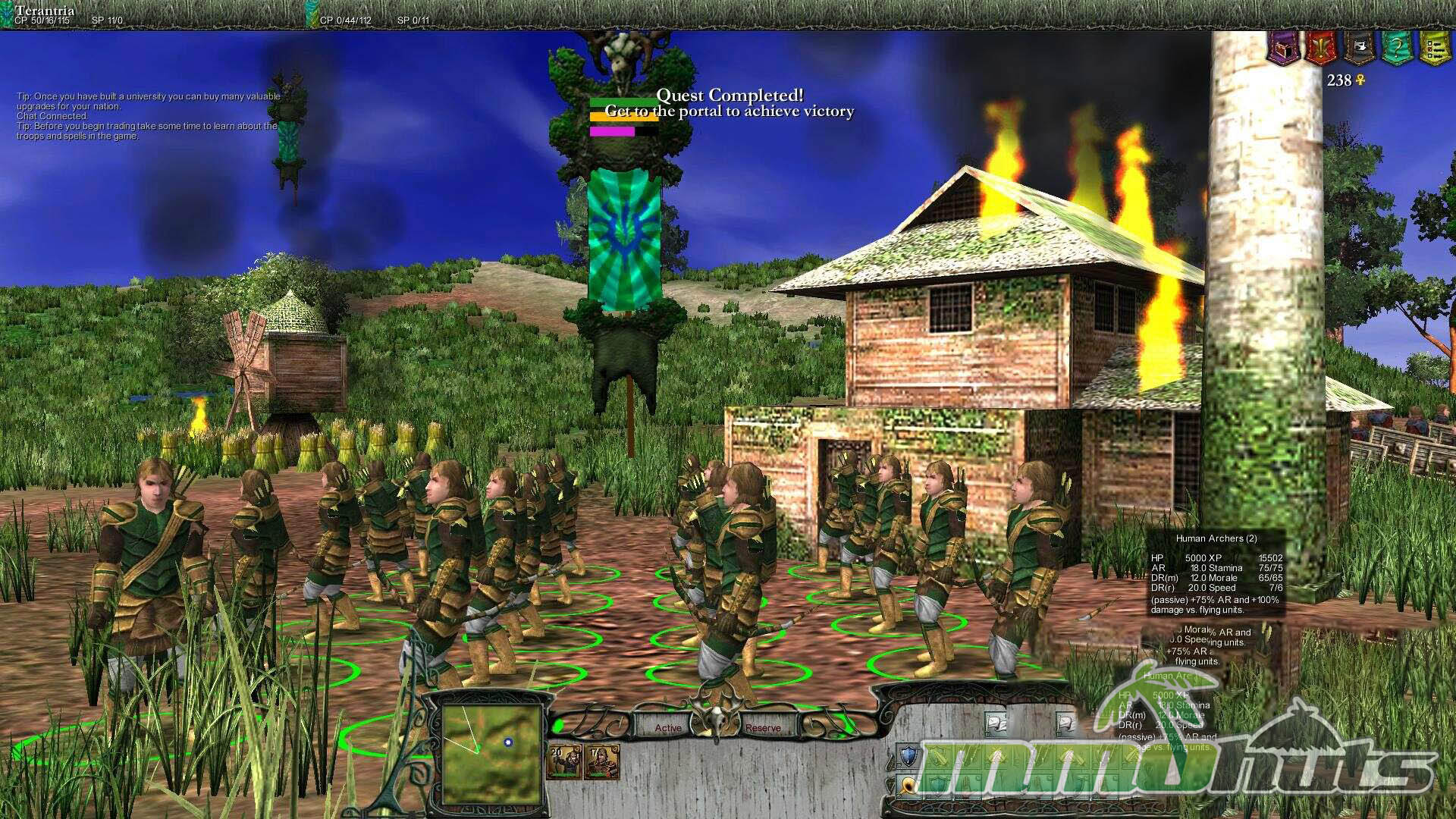
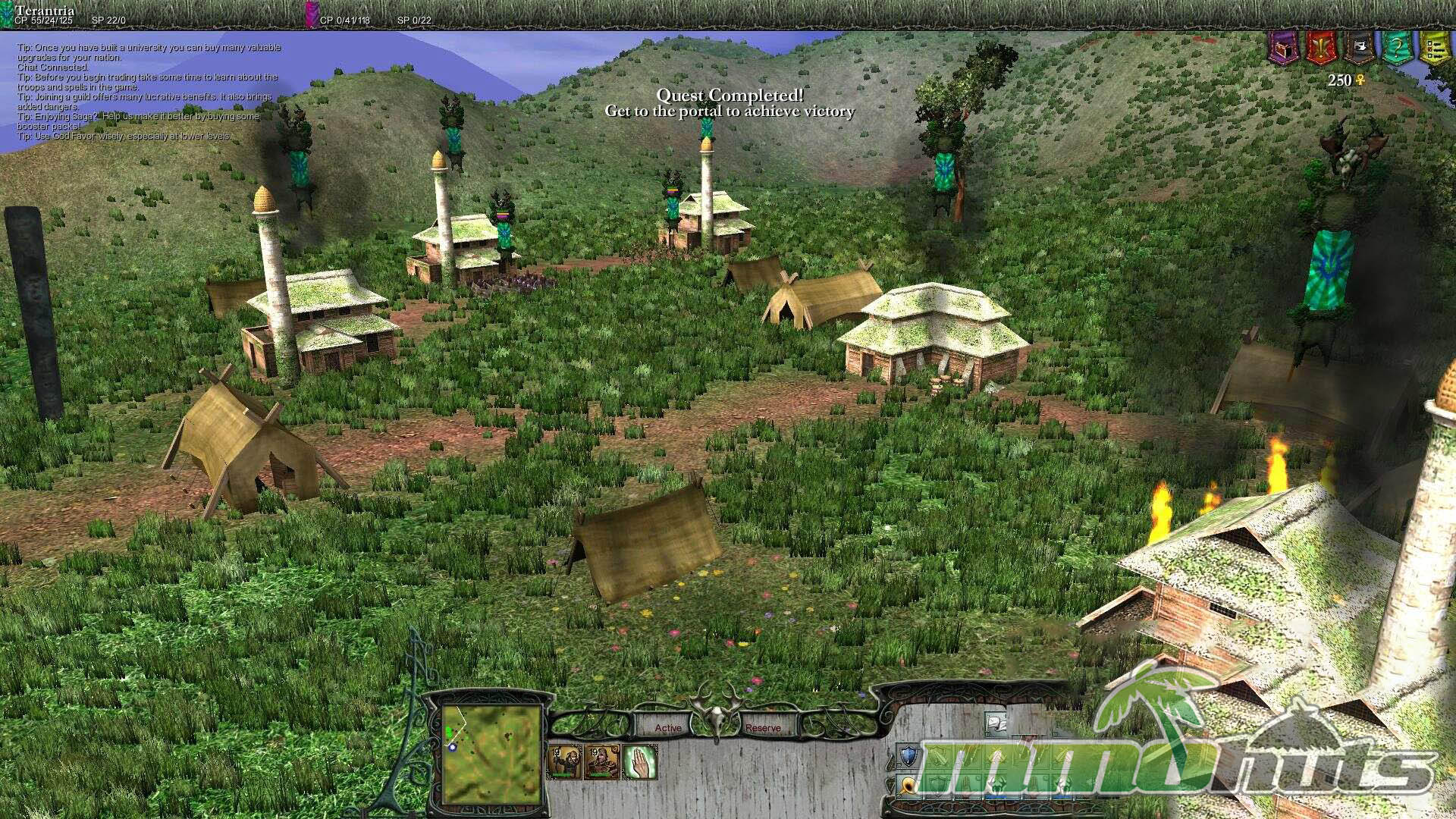
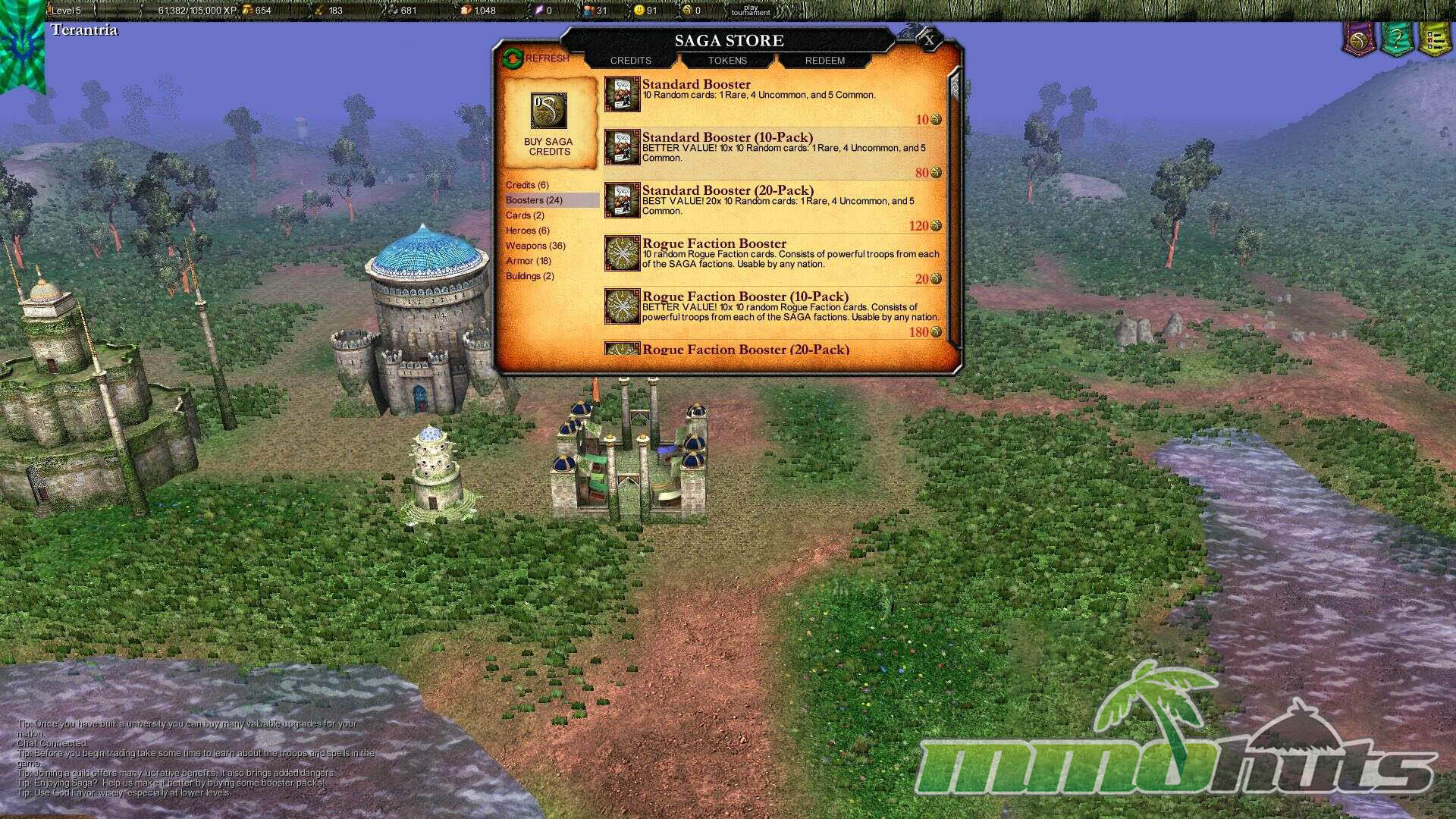
Saga of Lucimia Screenshots
Saga of Lucimia Featured Video

Saga of Lucimia Review
Saga of Lucimia is positioned as a deliberately old-school cooperative MMORPG, and its most defining trait is how firmly it commits to that identity. Many MMOs encourage grouping while still letting players do most content alone. Lucimia goes the opposite direction by making the wilderness hostile enough that parties are the default, not an occasional convenience.
That commitment has clear advantages. A game built around group dependence can create stronger social bonds, more meaningful roles, and a greater sense of danger in everyday travel. When a dungeon run or overland objective requires coordination, the victories tend to feel earned rather than routine. The skill-based approach also suggests flexibility, instead of being locked into a strict class, players can assemble a kit that matches their preferred playstyle while still fitting into a party’s needs.
At the same time, this design naturally limits the audience. Players who prefer to log in briefly, complete a few solo objectives, and log out will find very little designed for them. Organizing groups is rewarding when a community is active and accessible, but it can also become friction when time zones, schedules, or population are not aligned. The stated lack of PvP similarly narrows the game’s appeal, with the focus placed squarely on PvE challenges and cooperative progression.
Based on the available information, Lucimia’s potential strength is also its biggest gamble. If it builds and maintains a healthy community, the group-first structure could deliver the kind of long, memorable adventures that many MMO veterans miss. If the population struggles or players cannot reliably form parties, the same structure could become a barrier to simply playing the game.
Saga of Lucimia System Requirements
Minimum Requirements:
Operating System: Windows 7 64 bit
CPU: Core 2 Duo E6550 2.33GHz or Athlon 64 X2 Dual Core 5600+
Video Card: GeForce 8800 GTS or Radeon HD 5670 1GB DDR3
RAM: 4 GB
Hard Disk Space: 3 GB
Official system requirements have not yet been released for Saga of Lucimia. The requirements above our based on our experience and will be updated when official numbers become available.
Saga of Lucimia Music & Soundtrack
Coming Soon!
Saga of Lucimia Additional Information
Developer: Artix Entertainment
Executive Producer: Tim Anderson
Skill/Class Designer: Giovanni Martello
Lead Developer: Joey Anderson
Composer: David Bradford
Game Engine: Unity 5
Release Date: TBA
Development History / Background:
Saga of Lucimia is being created by Stormhaven Studios, an independent team based in Austin, Texas. Its setting and story direction draw from a four-part Dungeons & Dragons novel series by T.W. Anderson, which itself was shaped by an earlier tabletop campaign. Work on the project began in early 2014 with a small development team.
The project also ran an Indiegogo campaign that concluded on May 26, 2015, and Stormhaven Studios was later established in July 2015. Plans at the time included a beta test targeted for sometime in 2016, followed by Volume 1 planned for 2017. Later volumes (2, 3, and 4) were intended to arrive afterward as expansion-style releases aligned with their corresponding novels.